
The Inca's Approach to Seismic Activity: Building for Earthquakes

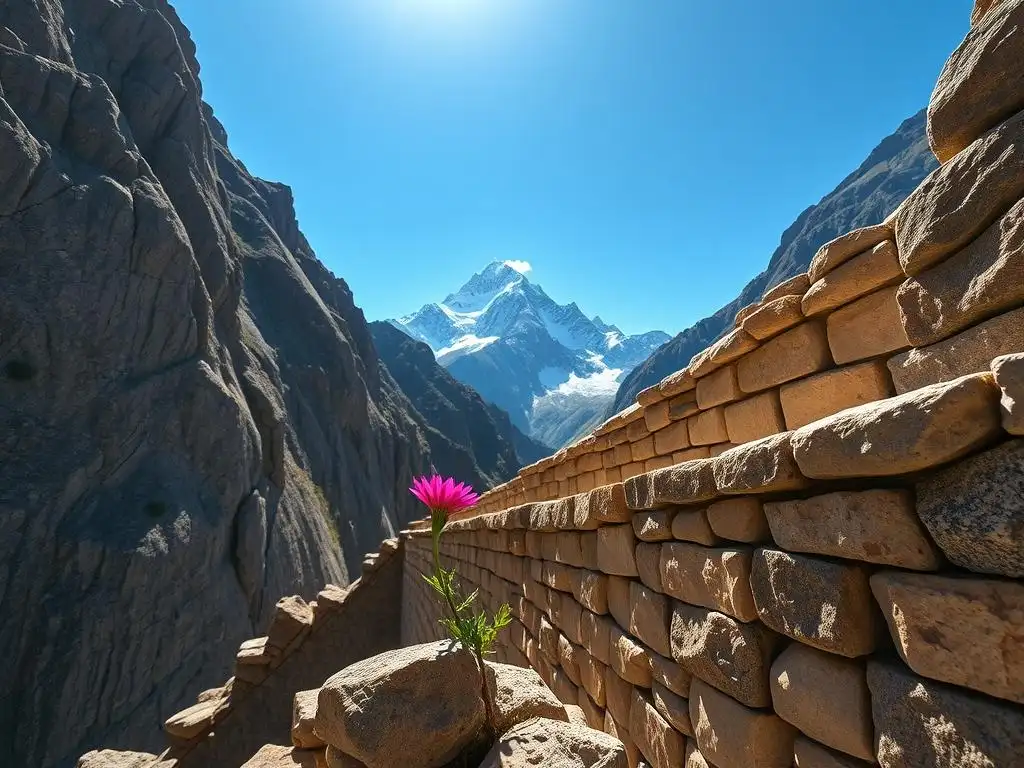
Step into a world lost to time, yet echoing with ingenuity—the realm of the Andean civilizations. For centuries, these remarkable cultures thrived amidst the towering Andes, mastering challenges that continue to fascinate us today. But how did the Incas, in particular, navigate the ever-present threat of earthquakes? Their approach to seismic activity was far more sophisticated than you might imagine. Discover the secrets behind their Inca earthquake preparedness and the architectural marvels that stand as testament to their resilience. Uncover the truth behind their ingenious building techniques—a story of innovation forged in the shadow of the mountains.
The Inca Empire, renowned for its sophisticated road networks and breathtaking mountaintop citadels, faced a significant challenge: the highly seismic nature of the Andes Mountains. This article delves into the ingenious strategies employed by Inca engineers and builders to mitigate earthquake risks, showcasing their remarkable understanding of seismic activity and their advanced construction techniques. We will explore how their preparedness for earthquakes significantly contributed to the longevity and stability of their impressive structures, solidifying their legacy as masters of Andean architecture.
Understanding the Inca's approach to earthquake preparedness offers valuable insights into both ancient engineering practices and modern-day seismic design principles. This exploration of Inca earthquake preparedness will reveal a sophisticated understanding of structural engineering far ahead of its time.
Understanding the Seismic Context of the Inca Empire
The Andes Mountains are one of the most seismically active regions on Earth. The Inca Empire, spanning vast stretches of this mountainous terrain, experienced frequent earthquakes of varying magnitudes. This constant threat shaped their architectural philosophy and construction methods. Instead of simply avoiding earthquake-prone areas, the Inca developed innovative techniques to build structures capable of withstanding considerable seismic forces.
Their solutions were not based on theoretical knowledge but on a deep understanding of the local geology and the behavior of buildings during seismic events. Detailed studies of Inca ruins reveal a remarkable understanding of soil mechanics and the importance of foundation design in earthquake-resistant construction. [Specific data on the frequency and magnitude of earthquakes experienced by the Inca is pending].
Innovative Construction Techniques: Flexibility and Adaptability
Inca builders employed several ingenious techniques to enhance the seismic resilience of their structures. One key principle was the incorporation of flexibility. Unlike rigid structures that are prone to collapse during earthquakes, Inca buildings often featured features designed to absorb seismic energy. This included techniques such as:
- Ashlar Masonry: Precisely cut and fitted stones, often without mortar, allowed for some movement during tremors. The stones' interlocking nature provided stability while permitting slight shifts.
- Sloping Walls: Slightly sloping walls helped to distribute seismic forces more evenly, preventing concentrated stress points.
- Staggered Courses: The alternating layering of stones in walls created a more flexible structure capable of absorbing ground motion.
- Use of Natural Materials: The use of local materials, such as stone and timber, often provided a degree of flexibility and adaptability to seismic forces. The specific types of stone used also varied depending on the region and its seismic characteristics. [Specific examples of stone types and their properties need further research].
These techniques were not applied uniformly across all Inca structures; rather, they were adapted to the specific geological conditions and the intended function of the building.
Case Studies: Examples of Earthquake-Resistant Inca Architecture
Several Inca structures stand as testament to their mastery of earthquake-resistant construction. For example, [Specific Inca site 1] showcases the effective use of ashlar masonry and sloping walls, while [Specific Inca site 2] demonstrates the impact of staggered courses on seismic resistance. Detailed analysis of these sites reveals a sophisticated understanding of load distribution and energy dissipation. [Further details on specific case studies and their unique features are pending]. The resilience of these structures over centuries, despite frequent seismic activity, is a striking demonstration of the Inca's engineering prowess.
Legacy of Inca Earthquake Preparedness: Modern Applications
The Inca's innovative approaches to earthquake-resistant construction continue to inspire modern engineers and architects. Their focus on flexibility, adaptability, and the use of local materials provides valuable lessons for designing structures in seismically active regions. Understanding the principles behind Inca architecture can contribute to the development of more resilient and sustainable buildings, reducing the risk of collapse during earthquakes and minimizing the impact of seismic events.
The study of Inca earthquake preparedness is a testament to the enduring relevance of ancient knowledge in addressing contemporary challenges. The incorporation of their time-tested methods into modern construction practices has the potential to significantly enhance seismic safety worldwide.
- Understanding the Seismic Context of the Inca Empire
- Innovative Construction Techniques: Flexibility and Adaptability
- Case Studies: Examples of Earthquake-Resistant Inca Architecture
- Legacy of Inca Earthquake Preparedness: Modern Applications
- How did the Inca prepare for earthquakes?
- What materials did the Inca use in earthquake-resistant construction?
- Were Inca cities specifically designed to withstand earthquakes?
- How did Inca architecture compare to other ancient civilizations' approaches to earthquakes?
- What can modern engineering learn from Inca earthquake-resistant techniques?
Inca Earthquake Preparedness: A Testament to Engineering Ingenuity
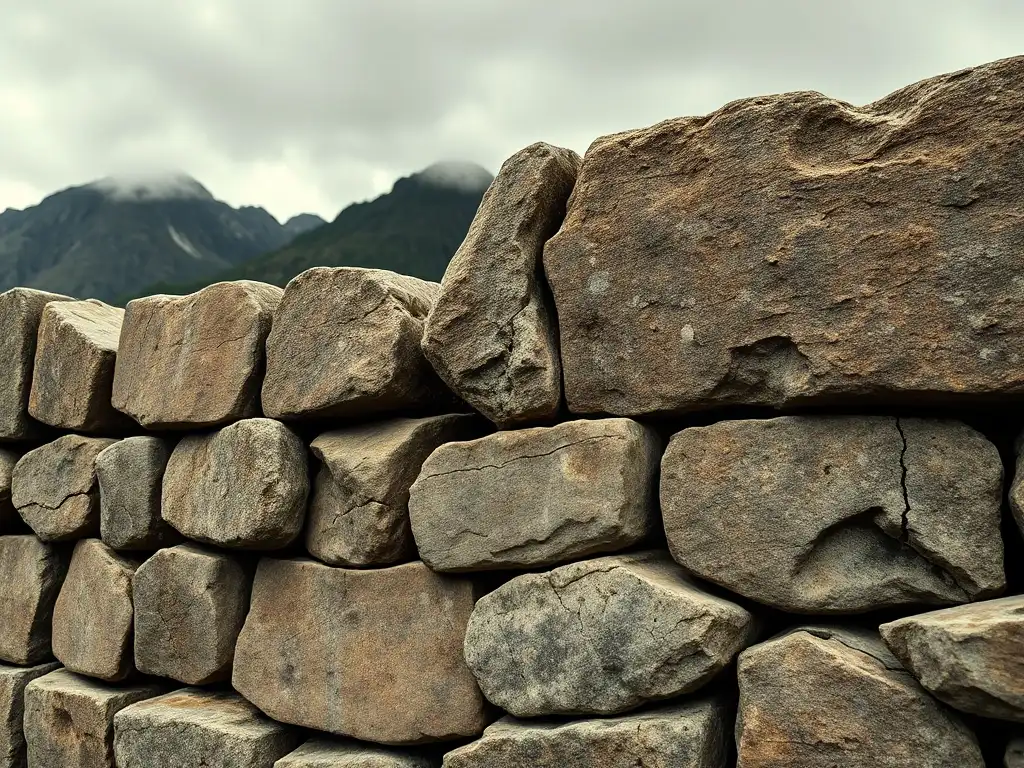
The Inca Empire, renowned for its sophisticated infrastructure spanning across the Andes Mountains, faced a significant challenge: frequent and powerful earthquakes. Their impressive feats of engineering weren't merely aesthetic; they were born out of a necessity to build resilient structures capable of withstanding the region's seismic activity. This inherent understanding of seismic forces and their innovative building techniques showcase a remarkable level of Inca earthquake preparedness, far surpassing the capabilities of many contemporary societies.
This section delves into the ingenious methods employed by the Inca to mitigate earthquake risks, highlighting their profound understanding of structural mechanics and their impressive ability to adapt their building practices to a challenging environment. The legacy of Inca earthquake preparedness continues to inspire modern engineering practices, offering valuable lessons for constructing earthquake-resistant buildings in seismically active regions.
Understanding the Seismic Challenges Faced by the Inca Empire
The Andes Mountains are one of the most seismically active regions on Earth. The Inca Empire, situated along the Pacific Ring of Fire, experienced numerous earthquakes throughout its existence. These earthquakes weren't merely minor tremors; many were catastrophic events capable of leveling entire settlements.
The Inca, acutely aware of this constant threat, incorporated their understanding of seismic activity directly into their building designs and city planning. Evidence suggests that Inca builders meticulously studied the geological characteristics of different locations, selecting building sites based on their stability and resistance to seismic forces. This wasn't just guesswork; it involved a deep understanding of the terrain, rock formations, and the typical patterns of seismic activity within the empire.
Their sophisticated understanding of these factors is a testament to their keen observation skills and practical knowledge of the environment. Further research into Inca astronomical records might reveal a deeper connection between celestial cycles and seismic predictions, although current evidence on this remains inconclusive. The frequency and intensity of these earthquakes directly influenced the development of their unique architectural solutions for Inca earthquake preparedness.
The Inca Response to Earthquakes: Architectural Adaptations
The Inca response to the ever-present threat of earthquakes wasn't merely reactive; it was proactive and remarkably sophisticated. Their architectural adaptations stand as a testament to their ingenuity and deep understanding of structural engineering principles. Key features of Inca earthquake preparedness include:
- Flexible Foundations: Instead of rigid foundations, Inca builders often employed flexible foundations made of layered stones and compacted earth. This allowed the structures to absorb seismic shocks more effectively, reducing the risk of collapse. The use of smaller, interlocking stones further enhanced this flexibility. Imagine a well-constructed jigsaw puzzle—the individual pieces can move slightly without destroying the overall structure.
- Asymmetrical Stonework: Inca masonry wasn't simply about neatly stacked blocks. They often used irregularly shaped stones, carefully fitted together to create a strong, interlocking structure. This asymmetry, while seemingly chaotic to the untrained eye, actually increased the structure's ability to withstand lateral forces generated during an earthquake. This technique, combined with the use of different stone types with varying strengths, created a resilient and adaptable construction.
- Seismic Gaps and Joints: The Inca incorporated deliberate gaps and joints into their walls. These weren't flaws; they were designed to allow for movement during an earthquake, preventing the build-up of stress that could lead to catastrophic failure. Think of it as a controlled release of energy, preventing the structure from being overwhelmed by seismic forces.
- Lightweight Materials: Where possible, Inca builders used relatively lightweight materials, such as adobe bricks and timber, reducing the overall weight of the structures and minimizing the impact of seismic forces. This approach, combined with the flexible foundations, significantly improved the buildings' resistance to ground shaking.
- Sloping Walls and Terraces: Inca cities and agricultural terraces were often built on steep slopes. The sloping walls and terraces helped to dissipate seismic energy, preventing the build-up of stress that could lead to landslides or structural failure. This reflects a holistic approach to earthquake preparedness, considering the entire landscape and its interaction with seismic activity.
The combination of these techniques demonstrates a profound understanding of earthquake engineering principles. The Inca's approach to building for earthquakes wasn't just about survival; it was about creating sustainable and resilient communities capable of withstanding the region's harsh seismic environment. Their legacy continues to inform modern earthquake-resistant design, proving that effective Inca earthquake preparedness was not merely a matter of luck, but a result of meticulous planning, observation, and ingenious engineering. Further research into specific case studies of Inca structures that survived significant earthquakes would help to further quantify the effectiveness of their techniques.
Key Inca Architectural Techniques for Earthquake Resistance
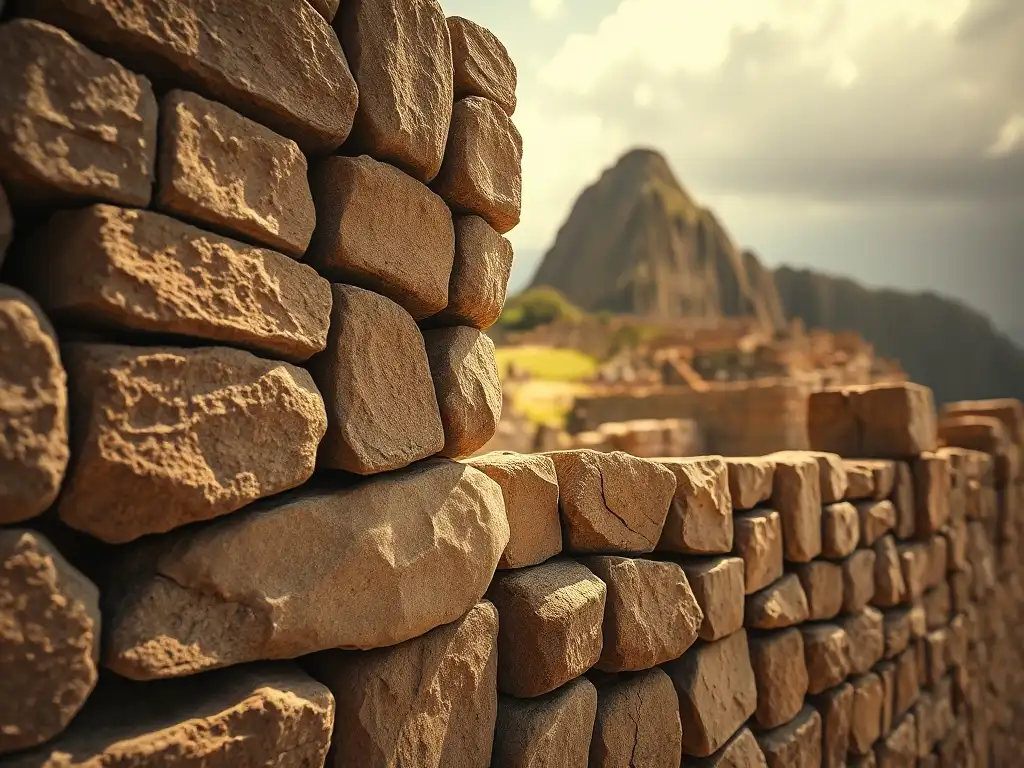
The Incas, masters of engineering and construction, inhabited a geographically volatile region prone to frequent seismic activity. Their remarkable success in building enduring structures, many of which still stand today, is a testament to their sophisticated understanding of earthquake-resistant design. This section delves into the key architectural techniques employed by the Inca to mitigate seismic risk and ensure the stability of their impressive constructions. Their ingenuity in Inca earthquake preparedness is truly remarkable, considering the lack of modern tools and technologies.
Ashlar Masonry: Precision and Stability in Inca Construction
Inca ashlar masonry represents a pinnacle of precise stonework. This technique involved meticulously cutting and fitting massive stones without the use of mortar, creating incredibly strong and stable structures. The precision of the cuts, often with tolerances of less than a millimeter, allowed the stones to interlock tightly, distributing seismic forces effectively.
This intricate fitting minimized the potential for individual stones to shift or collapse during an earthquake. The absence of mortar further enhanced flexibility; instead of acting as a rigid connection, the stones could subtly shift against each other, absorbing the energy of seismic waves. This is a key aspect of Inca earthquake preparedness, demonstrating a deep understanding of structural mechanics.
Consider, for example, the walls of Sacsayhuamán, near Cusco, where enormous stones, some weighing over 100 tons, are seamlessly joined together. This showcases the remarkable skill and understanding of the Inca masons and their innovative approach to Inca earthquake preparedness.
Trapezoidal Structures: Distributing Seismic Forces
The characteristic trapezoidal shape of many Inca buildings wasn't merely an aesthetic choice; it played a crucial role in seismic resistance. The sloping walls, wider at the base and tapering towards the top, provided exceptional stability. This design inherently reduces the overturning moment exerted by seismic forces. The wider base distributes the weight of the structure more evenly over a larger area, increasing its resistance to lateral movement during an earthquake.
Furthermore, the sloping walls facilitated the dissipation of energy from seismic waves. The energy, rather than concentrating on a single point, is spread across the entire wall surface, minimizing stress concentrations that could lead to structural failure. The effectiveness of this strategy is evident in the numerous Inca structures that have withstood centuries of earthquakes. Analysis of surviving structures suggests that the trapezoidal design significantly enhanced their resilience.
Inclined Walls: Enhancing Resistance Against Ground Movement
In addition to trapezoidal shapes, the Incas also employed inclined walls, further enhancing the structures' resistance to ground movement during earthquakes. By slightly tilting the walls inward, they created a self-stabilizing effect. This inclination countered the outward forces generated during seismic events, preventing the walls from collapsing.
The angle of inclination varied depending on the local geological conditions and the size of the structure. Steeper slopes were often used in areas known for more intense seismic activity. This adaptive approach demonstrated a sophisticated understanding of the relationship between ground motion, wall inclination, and structural stability, a testament to their advanced knowledge of Inca earthquake preparedness.
The use of inclined walls, coupled with ashlar masonry and trapezoidal shapes, created a synergistic effect, significantly enhancing the overall seismic resilience of Inca buildings. This combined approach represents a remarkable feat of ancient engineering, showcasing the Incas’ profound understanding of structural mechanics and their commitment to building safe and resilient structures.
The Use of Interlocking Stones in Inca Buildings
The Incas' mastery of stonework is legendary, and a crucial aspect of their earthquake preparedness lies in their unique approach to stone construction. Instead of using mortar, Inca builders perfected the art of interlocking stones, creating incredibly strong and stable structures. These stones, often precisely cut and shaped, fit together with astonishing accuracy, forming a robust, almost monolithic mass. The intricate interlocking system allowed the buildings to absorb seismic energy more effectively than structures built with mortar, which can crack and crumble under stress.
This technique wasn't just aesthetically pleasing; it was a vital element in ensuring the longevity and stability of Inca buildings in the face of frequent seismic activity. Consider the impressive walls of Sacsayhuamán near Cusco: the massive stones, some weighing many tons, are fitted together so tightly that even a knife blade cannot be inserted between them. This demonstrates the incredible precision and engineering skill involved, showcasing the effectiveness of this earthquake-resistant technique. The absence of mortar also allowed the walls to flex slightly during tremors, further dissipating seismic energy and preventing catastrophic collapse.
This ingenious system, honed over centuries, stands as a testament to the Incas' deep understanding of both stonework and seismic forces. The interlocking stones, acting as a unified whole, significantly enhanced the buildings' resilience against earthquakes, demonstrating a sophisticated understanding of structural engineering far ahead of its time. The effectiveness of this method is evident in the numerous Inca structures that have withstood centuries of earthquakes, showcasing the enduring legacy of their architectural ingenuity.
Flexible Foundations: Minimizing Damage from Vibrations
Beyond the impressive stonework, the Incas also employed sophisticated foundation techniques to further enhance their buildings' seismic resistance. Instead of rigid foundations that could amplify the effects of ground shaking, they utilized flexible foundations. These foundations, often built using layers of different materials, allowed the structure to move slightly with the ground during an earthquake, reducing the stress on the walls and minimizing the risk of collapse. This adaptability was crucial; rigid foundations would have likely resulted in significant damage or total destruction during seismic events.
The precise composition of these foundations varied depending on the terrain and the type of structure being built, reflecting the Incas' adaptive approach to construction. They carefully considered the local geology and soil conditions, adapting their foundation techniques to optimize seismic resistance. For instance, in areas with unstable soil, they might have employed deeper foundations or incorporated layers of compacted earth and rubble to absorb vibrations. The use of flexible foundations, in combination with the interlocking stonework, represents a holistic approach to earthquake engineering.
This synergistic approach ensured that the buildings could withstand the powerful forces generated by earthquakes, protecting both the structures and their inhabitants. The effectiveness of this combined approach is evident in the survival of many Inca structures, even those located in highly seismically active regions. The legacy of Inca earthquake preparedness continues to inspire modern engineers and architects, offering valuable lessons in building resilient structures in earthquake-prone areas.
Examples of Inca Earthquake-Resistant Architecture
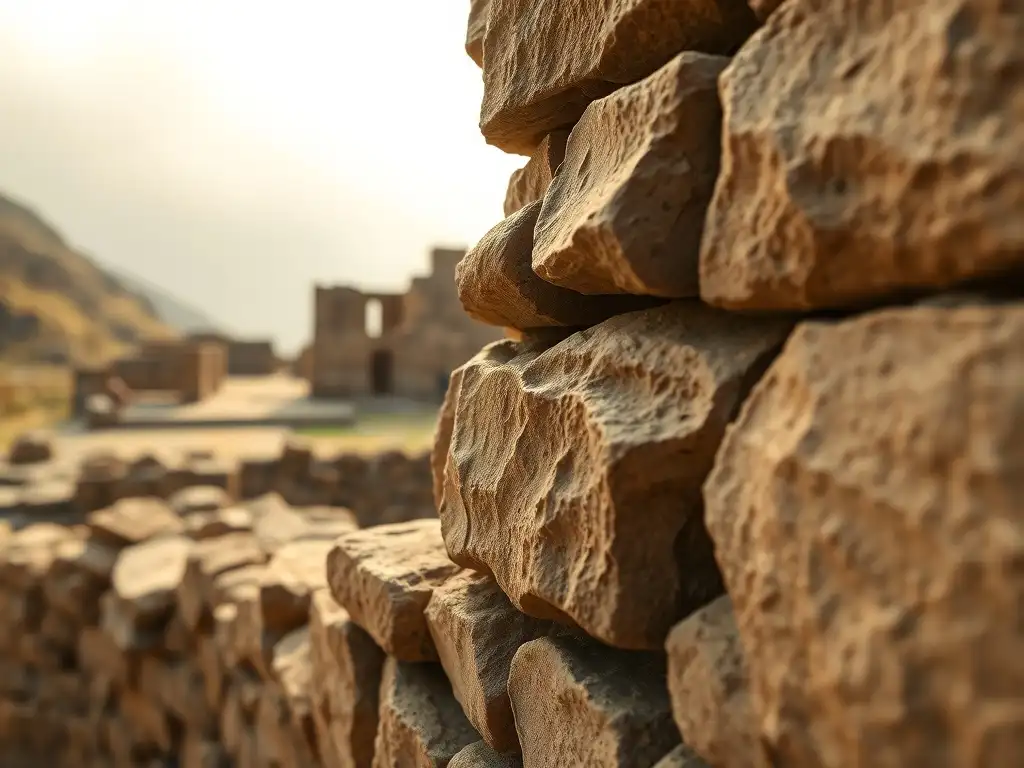
The Inca's mastery of earthquake-resistant construction is a testament to their advanced understanding of engineering principles and their deep connection to the Andean landscape. Their buildings weren't merely erected; they were meticulously designed to withstand the powerful seismic forces prevalent in the region. This wasn't a matter of luck; it was a sophisticated approach reflected in their choice of materials, construction techniques, and overall architectural design. The effectiveness of their strategies is evident in the survival of many structures despite centuries of exposure to earthquakes. This section explores some prime examples showcasing Inca earthquake preparedness.
Machu Picchu: A Masterpiece of Inca Engineering and Resilience
Machu Picchu, the iconic "Lost City of the Incas," stands as a powerful example of Inca earthquake preparedness. Its location, high in the Andes Mountains, is a seismically active zone. However, the city's remarkably well-preserved state highlights the ingenuity of its construction. The Incas utilized several key strategies to ensure its seismic resilience.
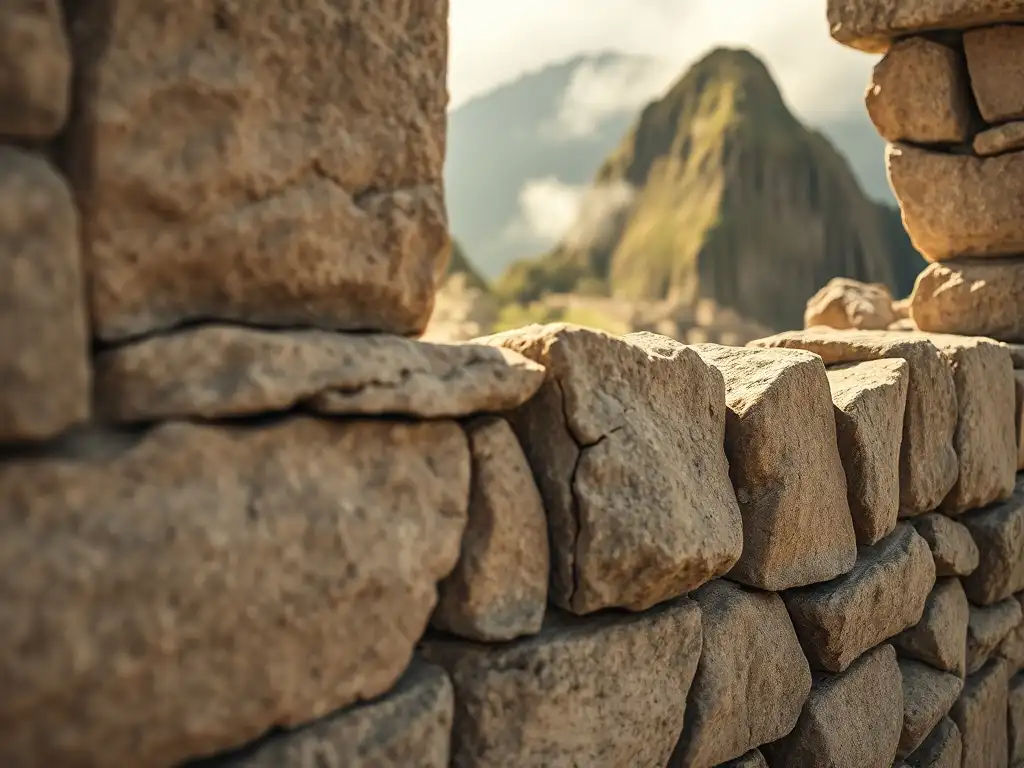
The use of locally sourced stone was crucial. The granite and other stones used were carefully selected for their strength and ability to withstand seismic activity. Furthermore, the precise fitting of stones without mortar is a hallmark of Inca construction. This technique, known as ashlar masonry, allowed the walls to flex and absorb seismic energy, minimizing damage during earthquakes.
The stones were often shaped to interlock perfectly, creating a strong and flexible structure. The terracing on the mountainside also played a crucial role. By carefully shaping the landscape, the Incas reduced the risk of landslides and further enhanced the stability of the city.
This understanding of the terrain was integral to their earthquake preparedness strategy. Even the irregular shapes of the stones contributed to the overall structural integrity, distributing the weight and stress efficiently. The construction of Machu Picchu wasn't just about aesthetics; it was a sophisticated response to the geological realities of its environment.
Ollantaytambo: Fortified Structures Built to Withstand Seismic Events
Ollantaytambo, a significant Inca archaeological site in the Sacred Valley, showcases a different facet of Inca earthquake preparedness. Here, the focus was on fortified structures designed to withstand not only earthquakes but also potential sieges. The massive stone walls, often several stories high, are a testament to Inca engineering prowess.
The massive blocks of stone used in Ollantaytambo's construction are even larger than those found in Machu Picchu. This scale further enhanced the structures' ability to withstand seismic forces. The precise placement and interlocking of these enormous stones demonstrate an advanced understanding of weight distribution and stress management. The terraces at Ollantaytambo, similar to those at Machu Picchu, served a crucial role in stabilizing the hillside and reducing the risk of landslides, a significant factor in earthquake damage.
The combination of massive stones and precise fitting made the structures remarkably resilient to seismic activity. Ollantaytambo's survival through centuries of earthquakes speaks volumes about the effectiveness of Inca building techniques. The site's resilience reflects not only earthquake preparedness but also an understanding of broader structural stability.
Sacsayhuamán: Megalithic Walls Designed for Earthquake Stability
Sacsayhuamán, located near Cusco, is renowned for its impressive megalithic walls. These walls, constructed from enormous stones, are a spectacular example of Inca engineering and represent a sophisticated approach to earthquake preparedness. The sheer scale of the stones and their seemingly impossible placement are often cited as evidence of advanced technology, but the structural implications are equally remarkable.
The immense size of the stones, some weighing many tons, provided exceptional stability. This mass acted as a counterweight, resisting seismic forces. The irregular shapes and sizes of the stones, while seemingly chaotic, actually contributed to the walls' resilience. This irregularity distributed the stress across the entire structure, preventing concentrated points of weakness. The interlocking nature of the stones, without the use of mortar, allowed the walls to absorb seismic energy effectively.
The walls’ ability to flex and adapt to ground movement was a key aspect of their design and a crucial element in Inca earthquake preparedness. The construction of Sacsayhuamán demonstrates a deep understanding of physics and engineering principles applied to seismic resilience. The survival of these massive walls is a testament to the ingenuity and foresight of the Inca builders. Analyzing the construction techniques employed at Sacsayhuamán provides invaluable insights into Inca earthquake preparedness strategies.
Inca Building Materials and Their Role in Earthquake Resistance
The Incas' remarkable architectural achievements are even more impressive when considering their sophisticated understanding of seismic activity and their innovative approach to earthquake preparedness. Their mastery wasn't simply about aesthetic beauty; it was deeply rooted in practical engineering solutions designed to withstand the frequent tremors that characterize the Andes Mountains. Central to this success was their meticulous selection and ingenious use of building materials. This section delves into the specific materials employed and how their properties contributed to the longevity and stability of Inca structures, even in the face of powerful earthquakes.
Locally Sourced Stone: Utilizing Indigenous Resources
The Incas prioritized the use of locally sourced stone, a strategy that minimized transportation costs and environmental impact while simultaneously maximizing structural integrity. This wasn't a haphazard selection; the choice of stone type was carefully considered based on its availability, strength, and suitability for the specific geological conditions of the construction site. For instance, in areas with abundant granite, this durable rock formed the backbone of many structures.
In other regions, readily available andesite, known for its resistance to weathering and its ability to interlock effectively, was the preferred material. The careful selection of stone, tailored to local conditions, represents a sophisticated understanding of engineering principles and resource management. This approach to Inca earthquake preparedness ensured buildings were resilient to seismic activity, mirroring the environment they were built in.
The seamless integration of building materials with the landscape is a testament to the Incas' deep connection with their environment and their practical approach to construction. This understanding of the local geology directly impacted their ability to build earthquake-resistant structures.
The Importance of Mortarless Construction in Seismic Areas
One of the most striking aspects of Inca architecture is their mastery of mortarless construction. Instead of relying on mortar to bind stones together, Inca builders employed a sophisticated technique of precisely fitting stones, creating incredibly strong and flexible structures. This method, often described as "dry-stone masonry," is particularly effective in seismic zones.
When an earthquake strikes, mortar-based structures are prone to fracturing and collapsing as the mortar weakens and fails. However, the interlocking nature of mortarless Inca constructions allows the building to absorb seismic energy more effectively, minimizing damage. The stones essentially shift and readjust during tremors, preventing catastrophic failures.
This innovative approach to Inca earthquake preparedness was a crucial factor in the survival of many Inca buildings through centuries of earthquakes. The precision required for this technique is breathtaking; stones were meticulously shaped and fitted together with minimal gaps, demonstrating an unparalleled level of skill and understanding of structural mechanics. The precise fitting of stones, a hallmark of Inca engineering, allowed for flexibility in the structure, crucial for withstanding seismic events.
Andesite and Granite: Strength and Durability
Andesite and granite, two prevalent stones in Inca construction, possess exceptional properties that contributed significantly to the earthquake resistance of their buildings. Andesite, a volcanic rock, is known for its high compressive strength and resistance to weathering. Its relatively fine-grained texture allows for precise shaping and fitting, enhancing the effectiveness of mortarless construction.
Granite, another igneous rock, offers exceptional durability and high strength, providing a solid foundation for Inca structures. The combination of these strong, durable materials, coupled with the sophisticated techniques of dry-stone masonry, resulted in buildings that could withstand significant seismic forces. The strategic use of andesite and granite, therefore, showcases the Incas' advanced understanding of materials science and its application to earthquake-resistant design.
Analyzing surviving Inca structures reveals a clear preference for these materials in areas prone to seismic activity, highlighting their practical knowledge and forward-thinking approach to Inca earthquake preparedness. The strength and durability of these stones allowed the structures to withstand the stresses caused by seismic activity, minimizing damage and ensuring longevity.
The Inca Legacy in Earthquake Engineering
The Inca Empire, renowned for its sophisticated infrastructure spanning vast mountainous terrain, faced a significant challenge: frequent seismic activity. Their impressive architectural achievements weren't merely aesthetic; they represented a profound understanding of earthquake-resistant design, a testament to their keen observation of nature and innovative engineering solutions. This section explores the Inca's approach to seismic activity, focusing on their building techniques and their enduring impact on modern earthquake preparedness. The ingenuity of Inca earthquake preparedness is a fascinating area of study, revealing a deep connection between their culture and the environment.
Lessons from the Past: Modern Applications of Inca Techniques
Inca builders mastered techniques that minimized earthquake damage. One key strategy involved the use of ashlar masonry, precisely cut stones fitted together without mortar. This seemingly simple technique was incredibly effective. The precise cuts allowed for flexibility, enabling the structures to absorb seismic shocks.
The stones' weight and interlocking nature further enhanced stability. Modern engineers are now rediscovering the effectiveness of this ancient technique, incorporating similar principles in contemporary earthquake-resistant designs. Studies have shown that ashlar masonry structures, when properly constructed, can withstand significantly higher levels of ground motion compared to structures built using conventional methods.
For example, research conducted on the Sacsayhuamán fortress near Cusco has revealed that the stones' intricate interlocking system helped to dissipate seismic energy, preventing catastrophic failures even during powerful earthquakes. This has led to a renewed interest in incorporating aspects of Inca masonry in modern building codes, particularly in seismically active regions. The precise fitting of stones, often described as "dry-stone masonry," minimized stress concentrations that could lead to fractures during an earthquake.
Furthermore, the Incas' understanding of site selection played a crucial role in their earthquake preparedness. They strategically chose locations that minimized the risk of landslides and ground instability. This careful site selection, combined with their building techniques, significantly reduced the vulnerability of their structures to seismic events. Modern building codes increasingly emphasize site selection as a primary factor in earthquake-resistant design, echoing the wisdom of the Inca builders.
Inca Architectural Principles and their Relevance Today
The Inca's approach to earthquake engineering wasn't limited to masonry techniques. They incorporated several other ingenious principles. The use of irregular stone shapes and varying stone sizes within their walls, while seemingly haphazard, actually enhanced the overall structural integrity. This irregularity prevented the formation of weak points that could propagate cracks during an earthquake.
This contrasts sharply with modern construction practices that often prioritize uniformity, potentially compromising structural resilience in seismic zones. Additionally, the incorporation of sloping walls and terraced foundations further contributed to their structures' ability to withstand ground shaking. The slopes helped to deflect seismic energy, while the terraces provided a stable base, even on uneven terrain.
The Inca's understanding of materials science also played a vital role. They selected stones based on their strength and durability, ensuring that their structures could withstand the stresses imposed by earthquakes. They also employed techniques to improve the bond between stones, even in the absence of mortar.
This intricate understanding of material properties contributed to their success in building earthquake-resistant structures. The Inca’s knowledge of local geology influenced their building choices, ensuring that the foundation materials were appropriate for the specific site conditions. This holistic approach to construction, considering site selection, material properties, and building techniques, offers valuable lessons for modern engineering practices.
The Enduring Impact of Inca Ingenuity on Building Practices
The Inca's innovative approach to earthquake engineering continues to inspire modern architects and engineers. Their legacy is not merely historical; it is a practical resource for building safer structures in seismically active zones. The principles of Inca earthquake preparedness — careful site selection, precise stonework, irregular masonry patterns, and sloping walls — are being re-evaluated and integrated into contemporary designs.
The rediscovery of Inca building techniques represents a valuable contribution to our understanding of earthquake-resistant construction. The resilience of Inca structures, many of which have withstood centuries of seismic activity, serves as a testament to the effectiveness of their methods. The study of Inca architecture offers a unique opportunity to learn from past successes and improve future building practices, enhancing global earthquake preparedness and potentially saving countless lives.
The incorporation of these ancient techniques, combined with modern advancements in materials science and engineering, promises to create even more robust and resilient structures in the face of future seismic events. The Inca legacy in earthquake engineering is a potent reminder of the enduring value of traditional knowledge and its relevance in addressing contemporary challenges.
Conclusion: The Inca's Enduring Legacy of Earthquake Preparedness
The Inca Empire's sophisticated understanding and management of seismic activity stand as a testament to their advanced engineering prowess and deep connection to their environment. Their approach to earthquake preparedness wasn't merely reactive; it was deeply ingrained in their architectural philosophy, reflecting a holistic understanding of the natural world and its inherent risks. This proactive approach, evident in their innovative building techniques and urban planning, ensured the stability and longevity of their structures, even in the face of powerful earthquakes.
The legacy of Inca earthquake preparedness continues to inspire modern-day seismologists and engineers, demonstrating the enduring relevance of their ingenuity and the importance of incorporating natural hazards into design considerations. Understanding their methods allows us to appreciate the intricate relationship between human ingenuity and environmental resilience, offering valuable lessons for contemporary construction in seismically active regions.
Further research into Inca building practices promises to unlock even more secrets to their remarkable success in mitigating earthquake risks. Their achievements underscore the importance of integrating a deep understanding of environmental factors into the planning and construction process, a crucial element for building sustainable and resilient communities in earthquake-prone areas.
The Inca's Mastery of Seismic Design
The Inca's mastery of seismic design is particularly evident in their use of specific building materials and techniques. They skillfully employed readily available resources, adapting them to create structures capable of withstanding significant seismic forces. The use of stone, meticulously cut and fitted together without mortar, allowed for flexibility and energy dissipation during seismic events.
This "dry-stone masonry," often referred to as ashlar masonry, was not merely aesthetic; it was a crucial element of their earthquake-resistant design. The precise fitting of stones, sometimes weighing several tons, created interlocking structures that could absorb and redistribute seismic energy. This is in stark contrast to many modern structures that rely on rigid mortar joints, which can fracture and fail during earthquakes.
The Inca's understanding of building codes and spatial planning further enhanced their earthquake preparedness. They strategically positioned buildings to minimize damage and considered the overall layout of settlements. For example, the use of smaller, independent buildings, rather than massive interconnected structures, reduced the potential for cascading failures.
The careful selection of building sites also played a crucial role. They often preferred stable, well-drained areas, minimizing the risk of ground liquefaction—a significant hazard during earthquakes. This meticulous approach to site selection, combined with their advanced masonry techniques, allowed them to create settlements that were remarkably resilient to seismic events.
Their success highlights the importance of a holistic approach to earthquake preparedness, encompassing not only construction but also urban planning and risk assessment. Analysis of surviving Inca structures continues to reveal the sophistication of their understanding of seismic forces and their ability to translate that understanding into resilient architecture. The Inca's legacy serves as a powerful reminder that incorporating seismic considerations into design is not just a matter of engineering; it's a matter of survival and sustainability.
Adaptability and Innovation in Inca Earthquake Engineering
The Inca's approach to earthquake engineering wasn't static; it demonstrated remarkable adaptability and innovation. They didn't rely on a single technique but employed a range of strategies tailored to the specific geological conditions and available resources in different regions of their vast empire. For instance, in areas with less suitable stone, they utilized adobe bricks, strategically reinforcing them with timber or other materials to enhance their seismic resistance. This flexibility underscores their deep understanding of engineering principles and their ability to adapt their methods to suit diverse environmental challenges. Their ingenuity wasn't limited to building materials; they also incorporated innovative architectural features to enhance seismic performance.
The use of stepped foundations, sloped walls, and internal bracing systems are examples of their proactive approach to mitigating seismic risks. These features allowed for greater flexibility and energy absorption during earthquakes, minimizing structural damage. Furthermore, the Inca's knowledge of local geology played a crucial role in their earthquake preparedness. They carefully considered the soil conditions and geological features when selecting building sites. Their preference for stable, well-drained areas demonstrates their awareness of the influence of ground conditions on seismic response.
Their adaptability and innovation highlight the importance of understanding the specific characteristics of a region when developing earthquake-resistant construction methods. Their ability to tailor their techniques to different environments provides valuable insights for modern engineering practices. The Inca's legacy underscores the need for flexibility and innovation in earthquake engineering, emphasizing the importance of adapting design strategies to the specific geological and environmental context. This adaptability is essential for creating resilient structures capable of withstanding the unpredictable nature of seismic events. The study of Inca earthquake engineering continues to provide valuable lessons for contemporary engineers seeking to build safer and more resilient communities in earthquake-prone areas.
Frequently Asked Questions
How did the Inca prepare for earthquakes?
The Inca employed ingenious building techniques to withstand seismic activity. They used flexible materials, interlocking stones, and shallow foundations to absorb earthquake shocks. This resulted in structures that could withstand significant shaking.
What materials did the Inca use in earthquake-resistant construction?
The Inca primarily used stone, often carefully cut and fitted without mortar. They also incorporated wood and other flexible materials to help absorb seismic energy. This combination proved remarkably effective.
Were Inca cities specifically designed to withstand earthquakes?
While not explicitly "designed" in a modern sense, Inca city planning and construction demonstrated a deep understanding of seismic activity. Their building methods were implicitly earthquake-resistant, leading to greater survival rates during tremors.
How did Inca architecture compare to other ancient civilizations' approaches to earthquakes?
Inca earthquake preparedness was exceptionally advanced compared to many other ancient civilizations. Their understanding of seismic forces and their innovative building techniques were remarkably effective. Few other cultures matched their level of success.
What can modern engineering learn from Inca earthquake-resistant techniques?
Modern engineers can learn valuable lessons from Inca ingenuity, particularly regarding the use of flexible materials, interlocking construction, and adaptability to local geological conditions. These principles remain highly relevant today in earthquake-prone regions.
Final Reflection: Echoes of Stone: The Enduring Legacy of Inca Earthquake Engineering
The Inca's mastery of earthquake-resistant architecture remains a potent lesson in preparedness, a stark reminder of the devastating power of nature and the ingenuity required to mitigate its impact. While modern technology offers sophisticated solutions, the fundamental principles employed by the Inca – understanding local geology, utilizing flexible materials, and designing for adaptability – continue to hold immense value in a world increasingly vulnerable to seismic events. Their legacy is not just in the ruins that stand, but in the enduring wisdom they offer us.
The Inca's approach wasn't simply about building strong structures; it was about building resilient communities. Their understanding of seismic activity, woven into the very fabric of their society, underscores the importance of integrating disaster preparedness into every aspect of life. The earth is a living being, and we must respect its power,
a sentiment echoing through the centuries, speaks to the profound connection the Inca held with their environment, a connection that informed their architectural and societal responses to earthquakes. This holistic approach, prioritizing community resilience alongside structural integrity, offers a valuable perspective for contemporary disaster management strategies.
Consider the ingenuity of the Inca, their profound respect for nature, and their ability to build structures that withstood the test of time and countless tremors. Now, consider your own community, your own home, your own understanding of risk. What steps can you take, inspired by the Inca's example, to better prepare yourself and your loved ones for the unpredictable forces of nature? Let the echoes of their stone speak to you, urging a proactive and informed approach to safety and resilience in the face of seismic threats.
**Embrace Resilience: Learn from Inca Earthquake Preparedness**
The Inca civilization's innovative approach to earthquake-resistant architecture offers invaluable lessons for modern disaster preparedness. Understanding their methods provides crucial insights that can significantly improve our ability to withstand seismic events.
Now, let's put that knowledge into action. Here's how you can build your own resilience:
- **Develop a Comprehensive Earthquake Safety Plan:** Create a detailed plan for your home, including emergency contact information, designated meeting points, and evacuation routes specific to your location and family's needs.
- **Foster Community Preparedness:** Organize workshops or community meetings to share earthquake safety knowledge and strategies, building a stronger, more resilient community.
- **Investigate Ancient Building Techniques:** Explore the innovative building techniques employed by the Incas and other ancient cultures known for their resilience. You may discover surprisingly adaptable methods for modern construction.
How will you integrate the Inca principles of resilience to strengthen your personal and community preparedness against earthquakes?