
Preserving the Past: How Andean Textile Traditions Continue Today

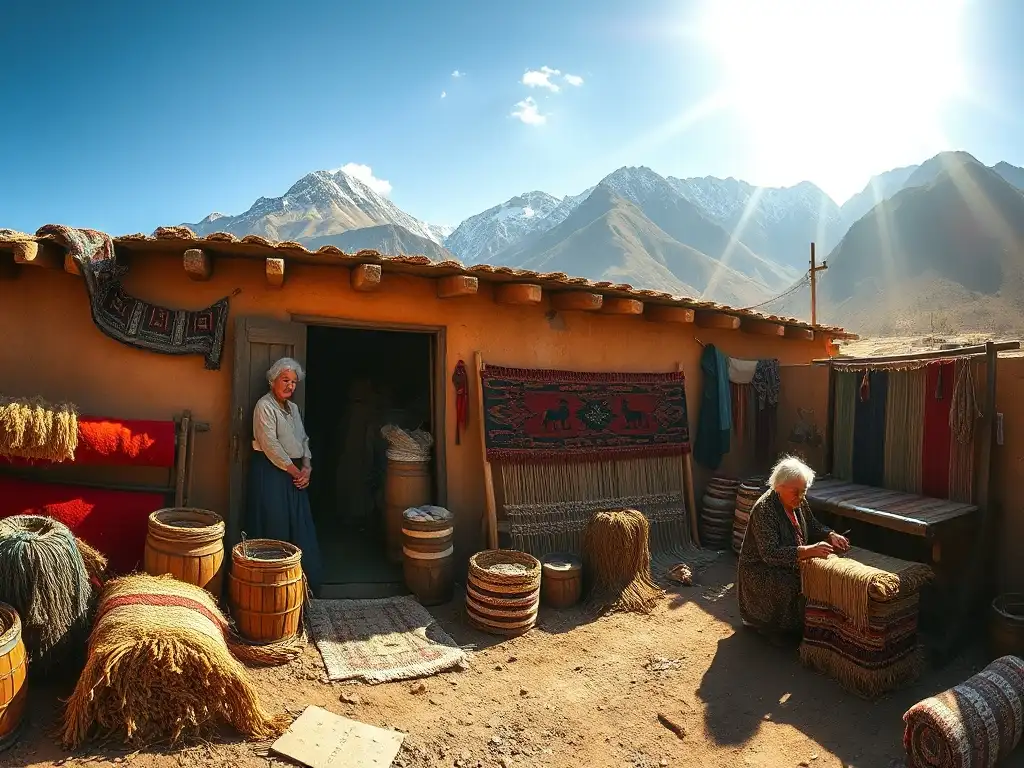
Unravel the mysteries of the Andes! Journey through millennia of breathtaking artistry and ingenuity, from the intricate weavings of the Nazca to the sophisticated engineering of the Inca. But what secrets do these ancient textiles hold, and how are their vibrant stories preserved even today? Dive into the fascinating world of Andean textile preservation techniques and discover the enduring legacy of these remarkable civilizations – a legacy woven into the very fabric of their history.
The Andes Mountains, a spine of towering peaks running down the western coast of South America, are home to a rich tapestry of ancient cultures. For millennia, Andean civilizations—including the Incas, Moche, Nazca, and Tiahuanaco—developed sophisticated textile traditions, creating vibrant fabrics that served not only as clothing and adornment but also as powerful symbols of social status, religious beliefs, and cultural identity.
These textiles, often crafted from alpaca, llama, vicuña, and cotton, represent an unparalleled artistic and technological achievement. However, the passage of time and environmental factors pose significant threats to the preservation of this invaluable heritage.
This article explores the enduring legacy of Andean textiles and delves into the crucial work being undertaken to safeguard these fragile artifacts for future generations, focusing on the specific techniques used in Andean textile preservation. We will examine the challenges, threats, and innovative solutions employed to ensure that the vibrant colors and intricate designs of these ancient textiles continue to inspire and educate us.
Introduction: The Enduring Legacy of Andean Textiles
Andean textile traditions are renowned for their exceptional artistry and technical skill. From the intricate geometric patterns of Paracas textiles to the vibrant colors and complex iconography of Inca weavings, these artifacts offer a unique window into the lives, beliefs, and social structures of past Andean societies. The techniques employed, including spinning, dyeing, and weaving, were refined over centuries, resulting in textiles of remarkable durability and aesthetic beauty.
Many techniques, such as the use of natural dyes derived from plants, insects, and minerals, are still practiced today, demonstrating the enduring relevance of these ancient traditions. The legacy of these textiles extends beyond their artistic merit; they provide invaluable insights into the social, political, and religious life of Andean civilizations, offering a powerful connection to the past.
Understanding the intricate processes involved in their creation allows us to appreciate the ingenuity and artistry of Andean artisans and the enduring impact of their cultural heritage. Preserving these textiles is therefore not merely a matter of conserving objects; it is a vital step in safeguarding a crucial part of human history and cultural identity.
Understanding the Challenges in Andean Textile Preservation
Preserving Andean textiles presents unique challenges due to their age, the materials used, and the environmental conditions in which they were created and stored. The natural fibers (alpaca, llama, vicuña, cotton) are susceptible to degradation from factors such as light exposure, humidity, and insect infestation. Furthermore, the natural dyes used often fade or become unstable over time.
The fragility of the textiles themselves, often weakened by age and previous handling, presents further obstacles. Effective preservation requires a multi-faceted approach, encompassing careful environmental control, meticulous cleaning and repair techniques, and ongoing monitoring of the textiles' condition. This frequently involves specialized knowledge and expertise in textile conservation, along with access to appropriate resources and facilities.
The lack of resources and trained personnel in many regions where these artifacts are located further compounds the challenges. Many Andean communities are actively involved in preserving their textile heritage, but require support and training to implement best practices.
Identifying Threats to Ancient Andean Textiles
Several key threats endanger the long-term preservation of ancient Andean textiles. These include:
- Environmental Factors: Fluctuations in temperature and humidity can cause significant damage, leading to fiber degradation and color fading. Exposure to direct sunlight is particularly detrimental, accelerating the deterioration process.
- Biological Threats: Insects, such as moths and carpet beetles, can feed on the fibers, causing irreparable damage. Fungal growth can also weaken the textiles and cause discoloration.
- Improper Handling and Storage: Incorrect handling and storage practices, including inappropriate packaging and exposure to pollutants, can accelerate deterioration. Lack of awareness about proper handling techniques among museum staff and community members contributes significantly to this problem.
- Lack of Resources: Limited funding and access to specialized equipment and trained personnel hinder the implementation of effective preservation strategies, particularly in regions with limited resources. This includes a lack of climate-controlled storage facilities and access to advanced conservation techniques.
- Looting and Illegal Trafficking: The illegal excavation and sale of ancient textiles pose a serious threat to their survival. This illicit trade removes these artifacts from their cultural context and exposes them to further damage and loss.
The preservation of Andean textiles requires a concerted effort combining scientific expertise, community engagement, and international collaboration. Only through a holistic approach can we ensure that these invaluable artifacts continue to tell their stories for generations to come.
- Introduction: The Enduring Legacy of Andean Textiles
- Understanding the Challenges in Andean Textile Preservation
- Identifying Threats to Ancient Andean Textiles
Step-by-Step Guide: Andean Textile Preservation Techniques
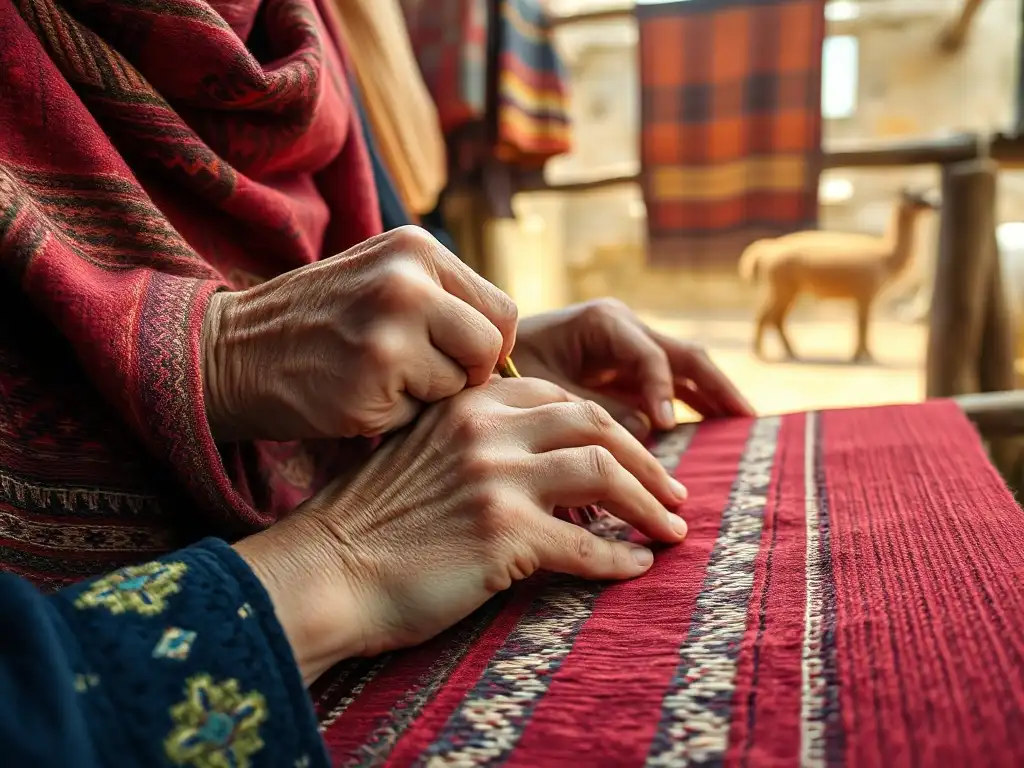
This section details practical, proven methods for preserving precious Andean textiles, ensuring these cultural treasures remain vibrant for generations to come. Understanding and implementing these techniques is crucial for the long-term survival of Andean textile heritage. We'll explore a methodical approach, focusing on careful assessment, gentle cleaning, and strategic repair. This guide emphasizes the importance of meticulous care, highlighting the unique challenges posed by the materials and age of many Andean textiles. The preservation of these artifacts is not merely about maintaining their physical integrity; it's about safeguarding a vital part of Andean cultural identity.
Step 1: Initial Assessment and Documentation
Before any cleaning or repair begins, a thorough assessment is paramount. This initial step involves careful examination of the textile's condition, material composition, and any existing damage. Accurate documentation is equally crucial, providing a baseline for future monitoring and treatment.
This assessment should include:
- Visual Inspection: Note the textile's overall condition, identifying areas of damage such as holes, tears, discoloration, insect infestation, or staining. Pay close attention to the type of fibers used (e.g., alpaca, llama, cotton) as this dictates appropriate cleaning methods. Look for any signs of previous repairs or alterations.
- Material Identification: Determine the fiber content as accurately as possible. Microscopic analysis might be needed for complex weaves or blends. This informs the choice of cleaning agents and techniques. Knowing if the textile incorporates dyes from natural sources (like cochineal or indigo) is also vital, as these are more delicate.
- Detailed Photography and Documentation: High-resolution photographs from multiple angles are essential. Detailed notes should record the dimensions, weave structure, observed damages, and any identifying features (e.g., unique patterns, symbols). This detailed record serves as a crucial reference point throughout the preservation process. Consider using a standardized documentation form for consistency.
- Environmental Considerations: Note the textile's current storage environment, including temperature, humidity, and light exposure. These factors can significantly impact its condition. The information gathered here will help determine optimal long-term storage conditions.
The careful documentation of an Andean textile before any intervention is as crucial as the intervention itself. It allows for tracking changes and informs future conservation decisions.
Step 2: Gentle Cleaning Methods for Andean Textiles
Cleaning Andean textiles requires extreme caution. Aggressive methods can irrevocably damage delicate fibers and dyes. The goal is to remove surface dirt and grime without harming the artifact. The cleaning approach must always be tailored to the specific textile and its condition.
Several gentle cleaning techniques can be considered:
- Dry Cleaning: For heavily soiled textiles, dry cleaning using inert powders like cornstarch or wheat starch can be effective. The powder is gently applied, left to absorb dirt, and then carefully brushed away. This method minimizes the risk of water damage.
- Sponge Cleaning: Spot cleaning with a slightly damp sponge can be used for localized stains. Use distilled water and a mild, pH-neutral detergent—if detergent is used, test it on an inconspicuous area first. The sponge should be lightly damp, not soaked. Blot gently, avoiding rubbing.
- Vacuuming: A low-power vacuum cleaner with a soft brush attachment can be used to remove loose surface dirt. Maintain a safe distance from the textile to avoid damaging the fibers.
| Cleaning Method | Advantages | Disadvantages | Suitable for |
|---|---|---|---|
| Dry Cleaning | Minimal water damage, safe for fragile textiles | Can be less effective for stubborn stains | Most Andean textiles, especially those with dyes |
| Sponge Cleaning | Effective for localized stains | Requires careful control to avoid water damage | Textiles with localized stains |
| Vacuuming | Removes loose dirt quickly | Not effective for embedded dirt or stubborn stains | Most Andean textiles, as a preliminary step |
Remember, thorough testing on an inconspicuous area is always recommended before applying any cleaning method to the entire textile.
Step 3: Stabilizing and Repairing Damaged Andean Textiles
Once cleaned, attention turns to stabilizing and repairing any damage. This stage requires specialized skills and often involves professional conservators. The goal is to reinforce weakened areas and mend tears without altering the textile's original structure or appearance.
Key techniques include:
- Patching: Small holes or tears can be repaired using compatible materials and stitching techniques that mimic the original weave. Ideally, the patching materials should be of similar fiber content and color.
- Support Fabrics: For severely damaged areas, a supporting fabric can be applied to the back of the textile to provide additional strength and prevent further deterioration. This should be done using conservation-grade adhesives.
- Fiber Consolidation: Weakened fibers can be strengthened using specialized consolidants. These are applied carefully to bind the fibers together without altering their appearance or flexibility.
- Insect Control: If insect infestation is present, professional fumigation may be necessary to eliminate pests and prevent further damage. Proper storage conditions will also help prevent future infestations.
The meticulous repair of Andean textiles is a delicate balance between intervention and preservation. The focus is always on minimal intervention, ensuring that any repairs are reversible and do not detract from the textile's historical and artistic value. The use of archival-quality materials is essential to avoid future damage. The entire process requires patience and expertise, underscoring the importance of consulting with experienced textile conservators for significant repairs. The preservation of these irreplaceable artifacts demands a thoughtful and deliberate approach.
Step 4: Proper Storage Solutions for Andean Textiles
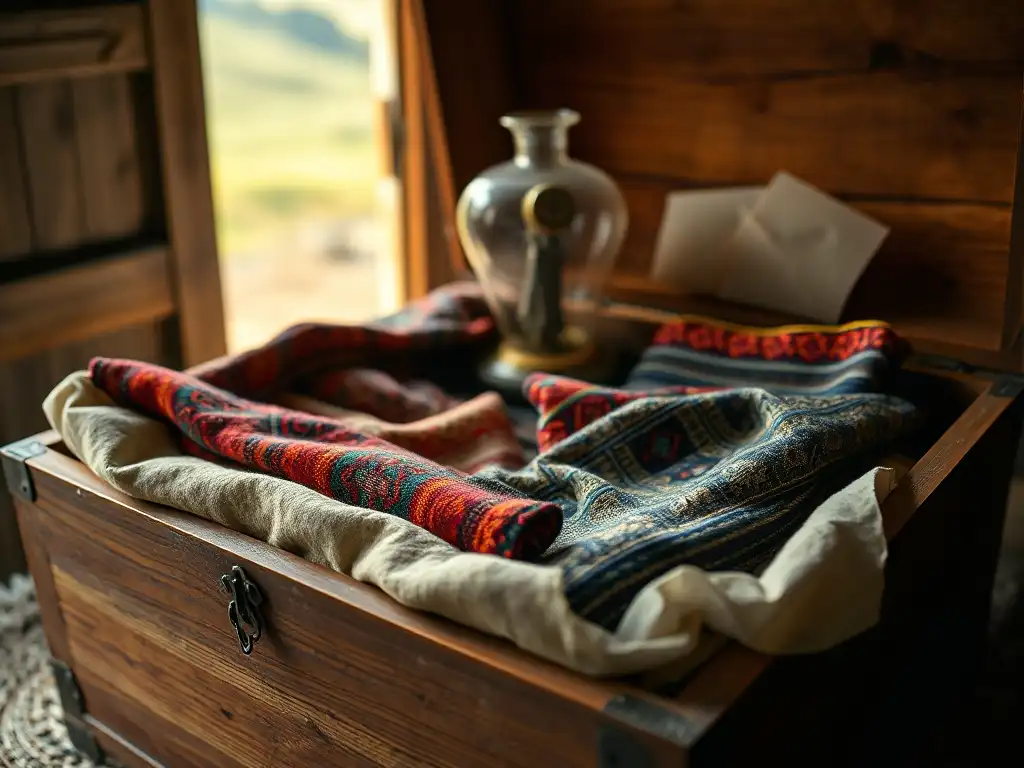
Safeguarding Andean textiles requires meticulous storage to prevent damage from light, moisture, pests, and physical stress. The ideal environment mimics the stable conditions where these artifacts might have been originally stored. Avoid attics or basements, which experience extreme temperature fluctuations and humidity levels detrimental to the delicate fibers. Instead, opt for climate-controlled spaces, ideally with a stable temperature between 65-70°F (18-21°C) and a relative humidity of 40-50%.
For long-term storage, acid-free archival boxes are paramount. These boxes protect textiles from dust, light, and pests. The material of the box itself is crucial; avoid cardboard, which can release acids damaging the fibers over time. Instead, choose boxes made from acid-free corrugated board or conservation-grade paper. Furthermore, consider placing acid-free tissue paper between folded layers of textiles to prevent abrasion.
This is especially important for intricate designs or delicate materials like vicuña wool. Regularly inspect the textiles for any signs of damage or pest infestation, and promptly address any issues discovered. Remember, proper storage is an ongoing process, not a one-time task. The frequency of inspection should depend on the textile's condition and storage environment, but at least once a year is recommended. Careful monitoring helps in early detection and prevention of potential problems.
Step 5: Displaying Andean Textiles Safely
Displaying Andean textiles presents unique challenges, as exposure to light and environmental factors can lead to significant degradation. The key is minimizing exposure while maximizing visibility. Avoid direct sunlight, as ultraviolet (UV) radiation is a major culprit in color fading and fiber weakening. If showcasing textiles in a public setting, use UV-filtering glass or acrylic cases. These filters significantly reduce UV exposure, preserving the vibrant colors and intricate details of the textiles for longer.
When displaying textiles, consider the type of support used. Avoid using pins or staples directly on the fabric, as these can cause irreversible damage. Instead, employ methods such as shadow boxes or specialized textile display mounts that provide support without causing stress to the fibers.
For textiles that are particularly fragile or delicate, it's advisable to use a conservation-grade backing board and carefully attach the textile using acid-free materials. Furthermore, consider the environmental conditions of the display area. Maintaining stable temperature and humidity levels is just as crucial for displayed textiles as it is for those in storage.
Regular monitoring of the environment and the textile's condition is necessary to ensure its long-term preservation. Rotating displayed textiles can also help to reduce the cumulative effects of light exposure, extending the lifespan of these invaluable cultural artifacts. Careful planning and execution are crucial for the safe display of these delicate and historically significant textiles.
Modern Applications of Andean Textile Preservation Knowledge
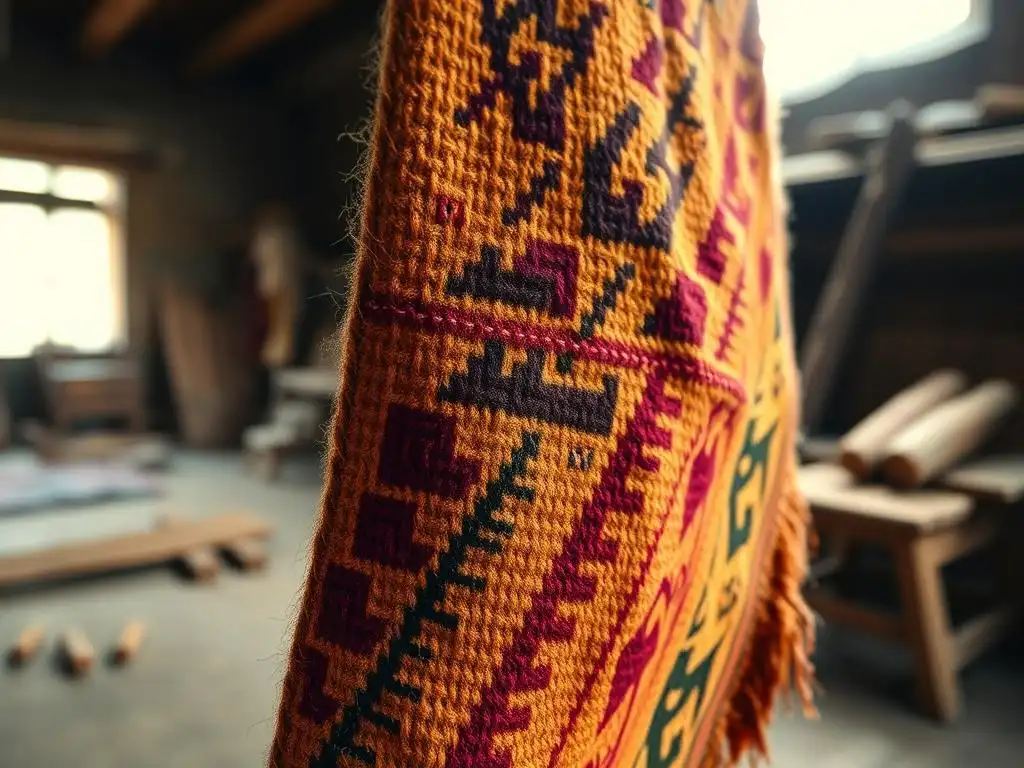
This section explores how the ancient wisdom embedded within Andean textile preservation techniques continues to inform and improve modern conservation efforts. The ingenuity of past Andean cultures in preserving their textiles offers invaluable lessons for contemporary textile conservationists, impacting everything from museum practices to the care of privately owned artifacts. We'll delve into specific examples highlighting the enduring relevance of these traditional methods.
Applying Andean textile preservation techniques to contemporary textiles
The techniques employed by Andean artisans weren't simply about extending the lifespan of their textiles; they were deeply intertwined with their cultural beliefs and understanding of natural materials. This holistic approach is increasingly being recognized and adopted in modern textile conservation. For example, the Andean practice of using natural dyes, often derived from plants and insects, is now seen as a more sustainable and environmentally friendly alternative to synthetic dyes, which can degrade textiles over time.
The understanding of natural fibers and their specific vulnerabilities, honed over centuries by Andean weavers, informs modern conservation strategies. Understanding how alpaca wool, for instance, reacts differently to humidity than llama wool allows for more precise environmental control during storage and display.
Many contemporary textile artists and conservators are actively researching and experimenting with traditional Andean methods. One fascinating example is the revival of the khipu knotting system, not just for its historical significance but also for its potential in creating intricate and durable textile structures. While the precise meaning of many khipu remains a mystery, the knotting techniques themselves demonstrate a deep understanding of fiber manipulation and structural integrity that can be applied to modern textile design and conservation.
The study of these ancient methods allows for a better understanding of how to prevent fiber degradation and maintain the structural integrity of textiles, regardless of their age or origin. This holistic approach, embracing both the physical and cultural aspects of textile preservation, offers a sustainable and respectful way to safeguard these precious artifacts.
Lessons learned from ancient methods: Improving modern conservation
Modern textile conservation often utilizes advanced technologies like specialized cleaning solutions and environmental control systems. However, the fundamental principles underlying Andean preservation methods remain surprisingly relevant. The Andean understanding of the impact of environmental factors, such as humidity and light exposure, on textile degradation provides a valuable framework for modern conservation strategies. For example, Andean storage techniques, often involving carefully controlled environments and the use of natural materials like cedar wood to repel insects, offer insights into creating optimal storage conditions for contemporary textiles.
The Andean approach to textile repair is also highly instructive. Rather than replacing damaged sections with entirely new fabric, Andean artisans often incorporated repair techniques that seamlessly integrated the repair into the original textile, minimizing alteration to the historical integrity of the piece. This contrasts with some modern approaches where replacement is preferred, potentially leading to a loss of authenticity.
The focus on meticulous repair, using similar materials and techniques, is a hallmark of Andean textile preservation and a valuable lesson for modern conservators. The emphasis on sustainability and minimal intervention offers a more respectful and lasting approach to preserving cultural heritage.
Conclusion: The Importance of Andean Textile Preservation for Future Generations
The enduring relevance of Andean textile preservation techniques highlights the importance of preserving not just the textiles themselves, but also the knowledge and practices that underpinned their creation and conservation. This knowledge represents a valuable resource for modern textile conservation, offering sustainable and culturally sensitive approaches to safeguarding these precious artifacts for future generations.
By studying and applying these methods, we can ensure that the rich tapestry of Andean textile traditions continues to inspire and inform us for centuries to come. The meticulous attention to detail and the holistic approach exemplified by Andean artisans serve as a powerful testament to the enduring value of traditional knowledge in the face of modern challenges.
Continued research and collaboration between contemporary textile conservators and experts in Andean textile traditions are crucial for ensuring the long-term preservation of this invaluable cultural heritage. The preservation of Andean textiles is not simply a matter of preserving objects; it's a commitment to preserving cultural memory and the wisdom of generations past.
Resources and Further Reading on Andean Textile Conservation
Understanding Andean textile preservation techniques requires delving into specialized resources. While a comprehensive, single source might not exist, several avenues offer valuable insights into the intricacies of conserving these delicate artifacts. Academic journals dedicated to textile conservation and archaeology frequently publish articles detailing specific case studies and innovative approaches to preserving Andean textiles.
These articles often focus on the challenges posed by the unique materials and degradation processes affecting these ancient fabrics, offering detailed analyses of successful conservation strategies. Look for publications focusing on material science, specifically concerning the chemical composition of Andean dyes and fibers, as this knowledge is crucial for informed preservation decisions.
Furthermore, museum websites and online archives are treasure troves of information. Many museums specializing in Andean artifacts, both in South America and internationally, offer detailed information about their collections and conservation practices. These resources may include online exhibits, scholarly articles, or even behind-the-scenes glimpses into their conservation laboratories. Pay close attention to the methodologies employed, the materials used in restoration, and the long-term strategies employed to safeguard the textiles against further deterioration. Note that the specific techniques used will vary depending on the age, material, and condition of the textiles.
Beyond formal academic sources, there's a wealth of knowledge held within indigenous communities. Many communities continue traditional textile practices, and their knowledge of fiber preparation, dyeing techniques, and weaving methods is invaluable for informed conservation. This knowledge often includes techniques for repairing and maintaining textiles, passed down through generations. Access to this information, however, requires a sensitive and respectful approach, prioritizing collaboration and cultural exchange rather than simple extraction of information.
Ethnographic studies and anthropological research focusing on these communities can provide crucial insights into these vital traditional practices. Engaging with this knowledge respectfully contributes to both the preservation of the textiles and the preservation of cultural heritage itself. This holistic approach is essential for a truly effective and sustainable strategy for Andean textile preservation.
Frequently Asked Questions
What are some traditional Andean textile preservation techniques?
Andean communities have long used natural materials like certain clays and plant extracts for cleaning and protecting textiles. Careful storage in dry, cool places, away from direct sunlight, is also crucial. These methods help prevent damage from insects and moisture.
How do modern preservation methods differ from traditional ones?
Modern methods incorporate scientific analysis to understand textile deterioration and employ specialized cleaning solutions and controlled environments. While building on traditional knowledge, they offer more precise and controlled preservation approaches.
What challenges do Andean textile preservationists face today?
Preservationists face challenges like limited resources, the fragility of ancient textiles, and the effects of environmental changes. Balancing preservation with public access and cultural significance is also a major consideration.
Why is preserving Andean textiles important?
Preserving Andean textiles is crucial for understanding the rich history and cultural heritage of Andean civilizations. These textiles offer invaluable insights into their social structures, beliefs, and artistic achievements. They are also important for the continuation of indigenous traditions.
Where can I learn more about Andean textile preservation?
You can find more information through museum websites specializing in Andean artifacts, academic research papers, and ethnographic studies focused on Andean cultures and their textile traditions. Many cultural organizations also offer resources and educational programs.
Final Reflection: Weaving the Future from Andean Threads
The vibrant tapestry of Andean textile traditions, far from being a relic of the past, remains a powerful force shaping cultural identity and sustainable practices today. These ancient techniques, passed down through generations, offer not only breathtaking artistry but also valuable lessons in resourcefulness, community building, and environmental responsibility. Their continued relevance in a world grappling with fast fashion and environmental degradation is undeniable.
The enduring legacy of Andean textiles speaks volumes about the power of cultural preservation. Their intricate designs and innovative techniques are a testament to human ingenuity and a deep connection to the land. These textiles are more than just clothing; they are living archives, narrating stories of resilience, adaptation, and the enduring spirit of Andean communities. The threads themselves are a story, a history, a language spoken through the hands of generations.
This quote, while not directly from an Andean weaver, perfectly encapsulates the profound significance of these traditions. Their survival is a victory against homogenization and a beacon of hope for preserving cultural heritage globally.
Consider the intricate details, the vibrant colors, the stories woven into each thread. Now, consider how you can apply the principles of sustainability and community engagement exemplified by Andean textile traditions to your own life. What practices can you adopt to honor your own heritage and contribute to a more sustainable future? Let the enduring legacy of Andean textiles inspire you to weave your own story of mindful creation and responsible living, creating a vibrant tapestry of your own, one thread at a time.
Unveil the Richness of Andean Textile Traditions!
Thank you for joining us on this journey through the vibrant world of Andean textile traditions! You've discovered the enduring beauty and cultural significance of these crafts, connecting us to a rich history. Let's keep this vibrant heritage alive by supporting the incredible artisans who create them!
Here's how you can make a difference:
- **Support** Andean artisans directly by purchasing authentic textiles from local markets or online shops. Your purchase can significantly impact their livelihoods and help preserve their traditions.
- **Share** the beauty and cultural importance of Andean textiles with friends and family. Spread awareness to help protect this invaluable heritage.
- **Engage** with and learn more about Andean culture by attending local events and supporting cultural organizations that celebrate this rich heritage. Experience the beauty of these traditions firsthand!
Which piece of Andean textile art resonates most with you, and how will you incorporate these rich traditions into your life?