
Whispers of Stone: Innovative Methods in Restoring Andean Architecture

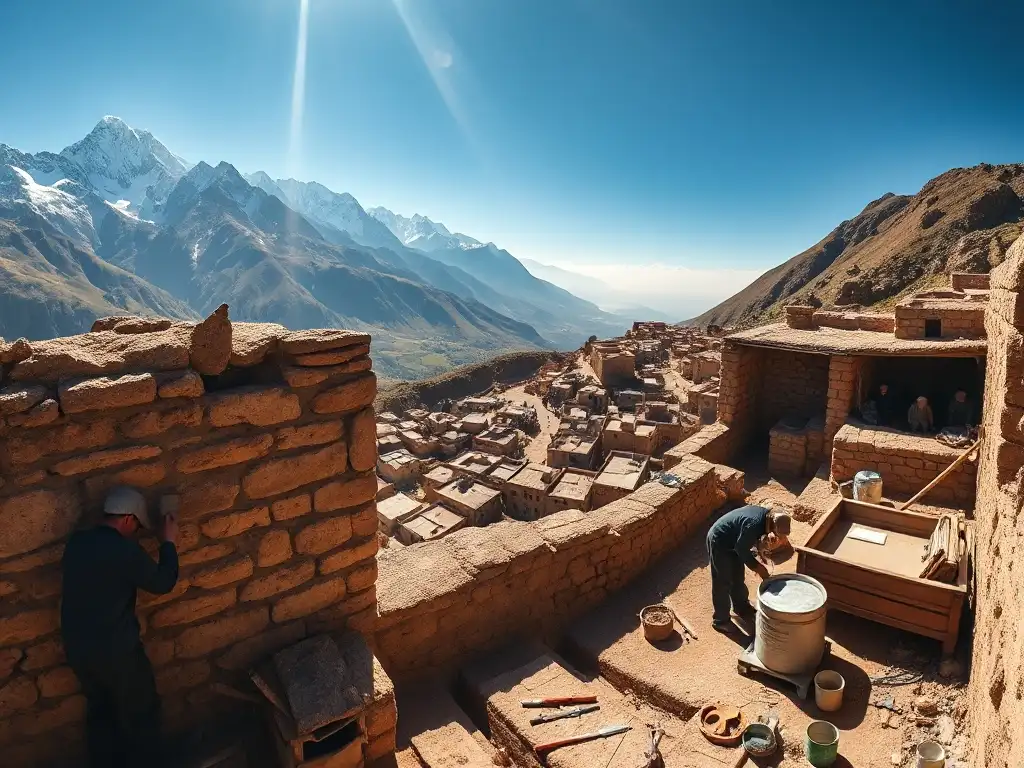
Unravel the mysteries hidden within the towering ruins of the Andes! For centuries, the breathtaking architecture of civilizations like the Inca, Moche, and Nazca has stood as a testament to ingenuity. But how do we preserve this incredible legacy for future generations? Dive into the fascinating world of Andean architecture restoration methods, where cutting-edge techniques meet ancient wisdom, and discover the secrets behind bringing these whispers of stone back to life. Prepare to be amazed.
The breathtaking architecture of the Andean civilizations—from the intricate stonework of Machu Picchu to the monumental structures of Tiahuanaco—stands as a testament to the ingenuity and skill of ancient builders. However, the passage of time, seismic activity, and the elements have taken their toll, leaving many of these remarkable sites vulnerable.
This article delves into the innovative methods employed in the restoration and preservation of Andean architecture, exploring the challenges faced by conservators and the cutting-edge techniques used to safeguard this invaluable cultural heritage for future generations. We will examine the delicate balance between modern intervention and the respectful preservation of ancient techniques, highlighting the importance of understanding the original construction methods to ensure the longevity of these irreplaceable monuments.
The preservation of Andean architecture is not merely about maintaining physical structures; it's about preserving a narrative, a cultural identity, and a connection to the past. Understanding the intricacies of Andean architecture restoration methods is crucial for ensuring that these whispers of stone continue to resonate for centuries to come.
Challenges in Andean Architecture Restoration
Restoring Andean structures presents unique challenges. The very materials used—often intricately fitted stones without mortar—pose significant difficulties. These structures, built to withstand earthquakes and harsh weather conditions, are incredibly sensitive to modern interventions. The use of inappropriate materials or techniques can lead to irreversible damage. Furthermore, the sheer scale of some sites, coupled with their often remote locations, necessitates logistical planning and specialized expertise.
For instance, transporting materials to high-altitude sites like Machu Picchu requires careful consideration and specialized equipment. Additionally, the ethical considerations of intervention are paramount. The goal is not to create a "new" structure, but to stabilize and conserve the existing one, preserving its authenticity and historical integrity. This delicate balance requires a deep understanding of both the ancient construction techniques and the latest preservation methodologies.
Traditional Techniques and Modern Adaptments
Many restoration projects incorporate traditional Andean techniques, adapting them to modern standards. For example, the use of locally sourced materials, such as specific types of stone or clay, helps to maintain the aesthetic consistency and structural integrity of the site. However, these traditional methods are often supplemented with modern technologies to improve efficiency and effectiveness.
This might involve employing advanced surveying techniques to precisely map the existing structures, or using specialized adhesives and consolidants to strengthen weakened stonework. Finding the right balance between traditional methods and modern technology is crucial, ensuring that the restoration process respects the historical context while employing the most effective preservation strategies. This requires a collaborative approach involving archaeologists, architects, engineers, and local communities.
Innovative Materials and Methods
The field of Andean architecture restoration is constantly evolving, with researchers and conservators developing innovative materials and methods. The development of bio-compatible consolidants, for example, aims to strengthen the stone without altering its chemical composition or appearance. Similarly, advancements in 3D modeling and digital imaging allow for precise documentation of the structures, aiding in the planning and execution of restoration projects.
These technologies not only enhance the accuracy of interventions but also allow for the creation of detailed virtual models that can be used for educational purposes and to simulate the impact of different restoration strategies. The application of these innovative tools and materials is crucial in ensuring the long-term preservation of these fragile sites.
The Role of Community Engagement
Successful Andean architecture restoration projects are often characterized by strong community engagement. Local communities possess invaluable knowledge of the sites and their history, including traditional building techniques and local materials. Their involvement not only ensures that restoration efforts are culturally sensitive but also empowers communities to actively participate in the preservation of their heritage.
This collaborative approach fosters a sense of ownership and responsibility, promoting the long-term sustainability of conservation efforts. This active participation extends beyond simple labor; it includes consultation in decision-making processes, contributing to the development of culturally appropriate and sustainable restoration plans. The integration of community knowledge is therefore integral to the success of any restoration initiative.
- Challenges in Andean Architecture Restoration
- Traditional Techniques and Modern Adaptments
- Innovative Materials and Methods
- The Role of Community Engagement
- What are some of the challenges in restoring Andean architecture?
- What innovative methods are used in restoring Andean structures?
- How do restoration efforts preserve the cultural significance of Andean sites?
- Are there specific materials used in the restoration of Andean buildings?
- How can I learn more about Andean architecture restoration?
Understanding the Challenges of Andean Architectural Preservation
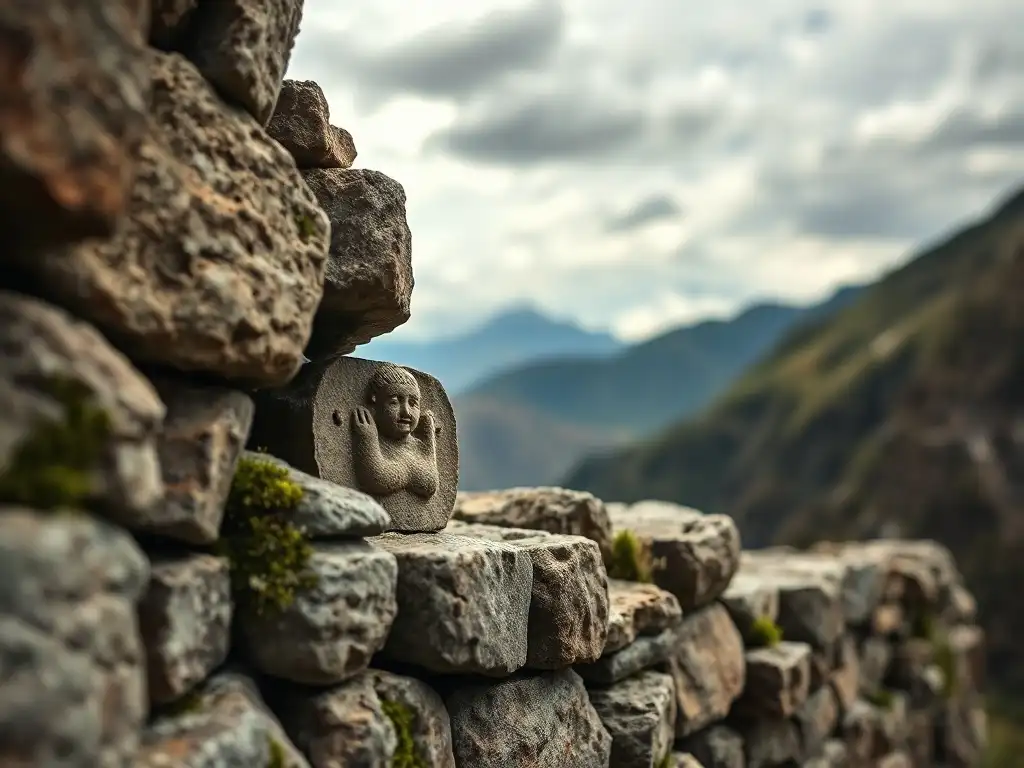
Preserving Andean architecture presents unique and complex challenges, demanding innovative and often highly specialized restoration methods. The very factors that contributed to the initial construction – the use of locally sourced materials, sophisticated building techniques adapted to challenging terrains, and exposure to extreme environmental conditions – now contribute to their fragility and deterioration. Successfully restoring these sites requires a deep understanding of the original construction techniques, the impact of environmental factors, and the development of appropriate conservation strategies tailored to each specific site and material.
The goal isn't simply to rebuild, but to preserve the historical integrity and cultural significance of these irreplaceable structures, using methods that respect both the past and the future. The effective implementation of "Andean architecture restoration methods" is crucial for safeguarding this invaluable legacy for generations to come.
The Unique Vulnerability of Andean Structures
Andean structures, built predominantly from stone, adobe, and earth, are particularly vulnerable to a range of destructive forces. Their inherent porosity makes them susceptible to water damage, leading to erosion, salt crystallization, and the weakening of structural integrity. The use of organic binding materials, while ingenious in their time, has proven problematic in the long term, as these materials degrade over time, compromising the stability of the structures.
Furthermore, the often precarious locations of these sites – high altitudes, exposed slopes, and seismic zones – exacerbate these vulnerabilities, making them exceptionally susceptible to earthquakes, landslides, and extreme weather events. The impact of human activity, such as looting, vandalism, and even well-intentioned but inappropriate tourism, further complicates the task of preservation. Understanding these vulnerabilities is paramount in developing effective restoration strategies that prioritize preventative measures and minimally invasive interventions.
Environmental Factors Affecting Andean Ruins
The Andean region's harsh environment significantly contributes to the deterioration of its ancient structures. High altitude, intense solar radiation, freeze-thaw cycles, and heavy rainfall all play a role in the degradation of building materials. For instance, the high UV radiation accelerates the photodegradation of organic binders and pigments, leading to discoloration and material weakening. The freeze-thaw cycles, particularly prevalent at high altitudes, cause repeated expansion and contraction of porous materials, leading to cracking and disintegration.
Additionally, the frequent and intense rainfall can saturate the structures, causing leaching of soluble salts and further weakening of the masonry. These environmental factors necessitate the development of restoration techniques that incorporate weather protection, such as the application of appropriate consolidants and protective coatings, tailored to mitigate the specific environmental challenges faced by each site. Careful analysis of the microclimate surrounding each ruin is crucial for effective long-term preservation.
Material Degradation in Ancient Andean Buildings
The degradation of materials is a major concern in Andean architecture restoration. Stone, often the primary building material, suffers from weathering processes such as erosion, exfoliation, and salt crystallization. Adobe, a sun-dried brick made from clay and organic materials, is particularly susceptible to water damage, leading to softening, cracking, and eventual collapse.
The organic binders used in both stone and adobe constructions, such as mud, straw, and llama dung, degrade over time, weakening the structural integrity of the buildings. Furthermore, the presence of salts within the materials can cause significant damage through crystallization, leading to expansion and spalling of the stone and adobe. Understanding the specific degradation mechanisms affecting each material is crucial for selecting appropriate restoration techniques.
This might involve the use of consolidants to strengthen weakened materials, the removal of salts through specialized cleaning methods, or the careful replacement of severely damaged sections with compatible materials, always prioritizing the preservation of the original fabric whenever possible. Detailed material analysis, using techniques such as petrographic microscopy and X-ray diffraction, is essential for informing effective and targeted restoration strategies.
Traditional Andean Building Techniques and Their Relevance to Restoration
Understanding the original construction methods employed by Andean civilizations is paramount for successful restoration projects. Ignoring these techniques can lead to structural instability and aesthetic inconsistencies, ultimately diminishing the historical value of the sites. This section delves into the key building practices of the Andes and how their careful application informs modern restoration efforts. The focus on authentic techniques ensures the longevity and integrity of these invaluable cultural heritage sites, preserving them for future generations.
Effective restoration of Andean architecture requires a deep understanding of the materials and methods used by the original builders. This approach ensures that any interventions are compatible with the existing structure, preventing further damage and preserving the historical accuracy of these magnificent sites. The delicate balance between preservation and intervention is crucial.
The Use of Adobe and Stone in Andean Construction
Adobe, a sun-dried brick made from clay and other organic materials, formed the basis of many Andean structures, particularly in pre-Inca cultures like the Moche and Nazca. Stone, however, was favored for monumental architecture and structures requiring greater durability. The Incas, for instance, masterfully employed stone in their impressive constructions, showcasing intricate fitting techniques. The selection of materials was highly contextual, influenced by local availability and the intended purpose of the building.
The varying properties of adobe and stone necessitated different construction techniques. Adobe structures often incorporated techniques like wattle and daub, using interwoven branches as a framework before applying the adobe bricks. This lightweight construction was well-suited to the Andean climate but required careful maintenance to prevent water damage. Stone structures, conversely, demanded precise cutting and fitting, a skill honed to perfection by Inca masons.
The integration of these materials, sometimes within the same structure, reveals sophisticated engineering and an understanding of material properties. For instance, the use of stone foundations for adobe walls provided crucial stability against seismic activity, a testament to their advanced building knowledge. Understanding these material choices and their interactions is vital for effective restoration, ensuring the structural integrity and longevity of these historical sites.
Understanding Inca Masonry Techniques
Inca masonry stands as a testament to the ingenuity of Andean builders. Their precise stonework, characterized by incredibly tight joints with minimal mortar, is truly remarkable. This "ashlar masonry" technique, showcasing perfectly fitted blocks, required immense skill and precision. The Incas achieved this level of accuracy through various methods, including the use of specialized tools, careful selection of stone, and potentially advanced shaping techniques that are still being researched.
The absence of visible mortar in many Inca structures doesn't indicate a lack of binding agents. Analysis suggests the use of finely ground stone and organic materials, creating a durable and weather-resistant bond. Replicating this precise fitting in restoration projects is challenging, but crucial for maintaining the structural integrity and aesthetic appeal of the original structures.
Modern restoration often utilizes similar materials, employing techniques that mimic the original methods to ensure compatibility and minimize visual discrepancies. This requires careful study of existing structures, identifying the specific techniques employed and adapting them to modern context. The precise fitting of stones is not just an aesthetic choice; it’s a crucial aspect of seismic resilience.
Traditional Mortar Recipes and Their Properties
The mortars used in Andean construction varied depending on the region, available materials, and the intended purpose of the structure. Many traditional recipes incorporated lime, volcanic ash, and various organic binders, such as crushed plants or animal hair. These components, combined in different proportions, resulted in mortars with varying properties of strength, flexibility, and water resistance.
The use of organic additives in traditional mortars conferred unique properties. For example, the addition of plant fibers increased flexibility, allowing the mortar to withstand seismic activity. This is a critical consideration for modern restoration projects in seismically active regions.
Analyzing the composition of surviving mortars using techniques like petrographic analysis can inform the development of compatible modern mortars that accurately reflect the original properties. The goal is not simply to replicate the appearance, but to replicate the performance characteristics of the original mortars, ensuring long-term structural stability and the preservation of the historical integrity of the site. This meticulous approach underscores the importance of scientific analysis in the restoration of Andean architecture.
Modern Andean Architecture Restoration Methods
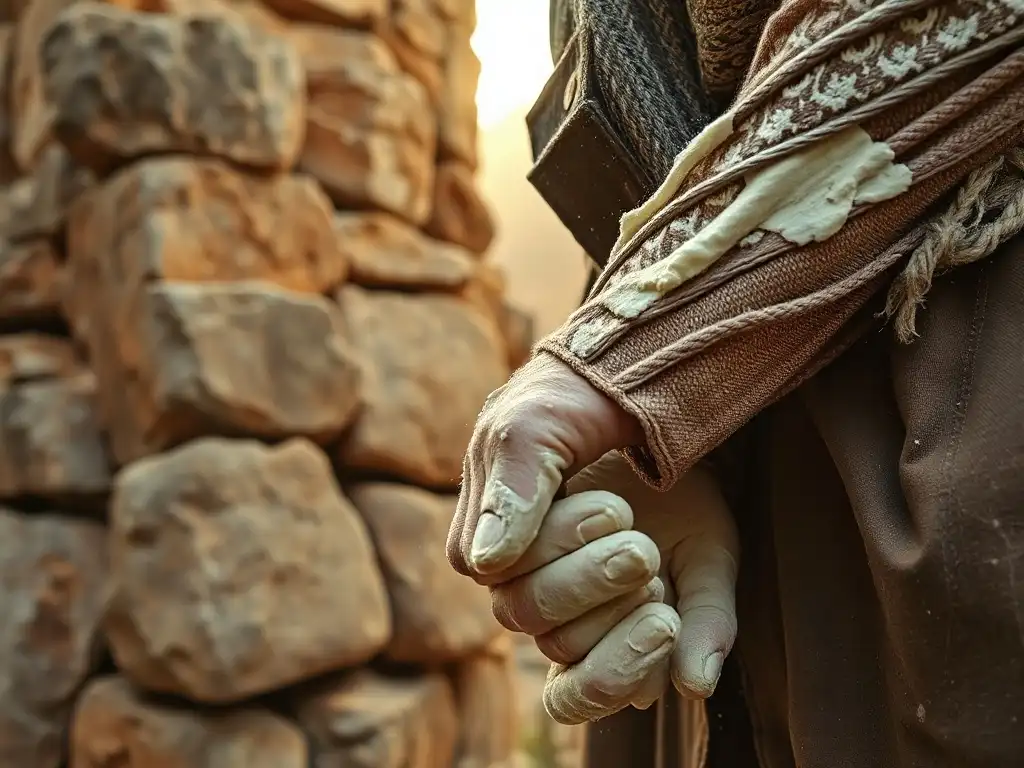
This section delves into the cutting-edge techniques employed in the meticulous restoration of Andean architectural marvels. Preserving these fragile remnants of rich civilizations requires a delicate balance between respecting historical integrity and employing modern scientific advancements. The goal is not just to repair, but to understand and conserve for future generations, ensuring that the whispers of stone continue to resonate. This involves a multi-faceted approach, combining traditional knowledge with innovative methodologies. The focus on Andean architecture restoration methods is paramount, demanding a nuanced understanding of the materials, construction techniques, and environmental factors impacting these sites.
Non-Invasive Assessment Techniques for Ancient Structures
Understanding the condition of an ancient structure before any intervention is crucial. Non-invasive techniques minimize damage and provide invaluable data for informed decision-making. These methods allow archaeologists and restoration specialists to peer beneath the surface, revealing hidden structural weaknesses and decay patterns without causing further harm. Examples include:
- Ground Penetrating Radar (GPR): GPR uses electromagnetic waves to create subsurface images, revealing voids, buried foundations, and other features hidden beneath the ground. This is especially useful for identifying potential instability issues before excavation begins. For example, GPR surveys have helped uncover previously unknown subterranean chambers in several Inca sites, informing restoration plans and preventing accidental damage during excavation.
- Thermography: This technique utilizes infrared cameras to detect temperature variations on the surface of a structure. These variations can highlight areas of moisture damage, structural weaknesses, or even hidden cavities, allowing for targeted intervention. In the case of adobe structures common in Andean architecture, thermography can pinpoint areas susceptible to water damage, a major threat to their longevity.
- Endoscopy: A minimally invasive technique that employs small cameras to inspect inaccessible areas within a structure. This is invaluable for assessing the internal condition of walls, identifying areas of decay, and planning internal repairs. For instance, endoscopy has been successfully used to examine the interior of ancient aqueducts, allowing for precise assessment of erosion and planning of targeted repairs.
Advanced Material Analysis for Restoration Purposes
The materials used in Andean architecture are unique and often vulnerable to deterioration. Advanced material analysis techniques are crucial for understanding the composition of these materials and developing appropriate restoration strategies. This includes:
- Petrographic Analysis: This microscopic examination of stone samples reveals the mineralogical composition and internal structure of the building materials. This information is vital for selecting appropriate replacement stones and ensuring compatibility with existing structures. For instance, understanding the specific type of stone used in a particular Inca wall allows for sourcing similar stone for repairs, maintaining the structural and aesthetic integrity of the site.
- X-Ray Diffraction (XRD): XRD is used to identify the crystalline phases present in a material, providing detailed information about its chemical composition. This can be critical in understanding the degradation processes affecting ancient mortars and plasters and selecting compatible materials for repair. For example, XRD can reveal the presence of salts that contribute to the deterioration of adobe bricks, guiding the development of effective conservation treatments.
- Scanning Electron Microscopy (SEM): SEM provides high-resolution images of the surface of materials, allowing for the observation of micro-structural features and degradation processes. This is invaluable for understanding how materials have weathered over time and developing appropriate cleaning and consolidation treatments. SEM analysis can reveal the presence of microscopic cracks or other damage that may not be visible to the naked eye.
The Role of 3D Scanning and Modeling in Preservation
Three-dimensional (3D) scanning and modeling technologies are revolutionizing Andean architecture restoration. These non-invasive techniques create highly accurate digital representations of structures, allowing for detailed analysis, planning, and documentation. Their use provides several key advantages:
- Detailed Documentation: 3D models serve as a comprehensive record of the current state of a structure, providing a baseline for future monitoring and assessment. This is especially important for sites that are vulnerable to environmental damage or human interference. The digital record can be used to track changes over time and evaluate the effectiveness of restoration efforts.
- Virtual Restoration: 3D models allow for virtual reconstruction of damaged or missing sections of a structure, providing a visual representation of what the structure might have looked like in its original state. This is invaluable for informing restoration decisions and communicating the significance of the site to a wider audience.
- Precise Planning: 3D models enable precise planning of restoration interventions, minimizing disruption and maximizing efficiency. The ability to visualize the structure in three dimensions aids in the efficient allocation of resources and the coordination of different aspects of the restoration process. This reduces both the time and the cost of the project, while maximizing the effectiveness of the work. The use of 3D modeling is essential for the preservation of Andean architecture, ensuring that future generations can appreciate the ingenuity and artistry of these ancient civilizations.
Innovative Approaches to Andean Architectural Restoration
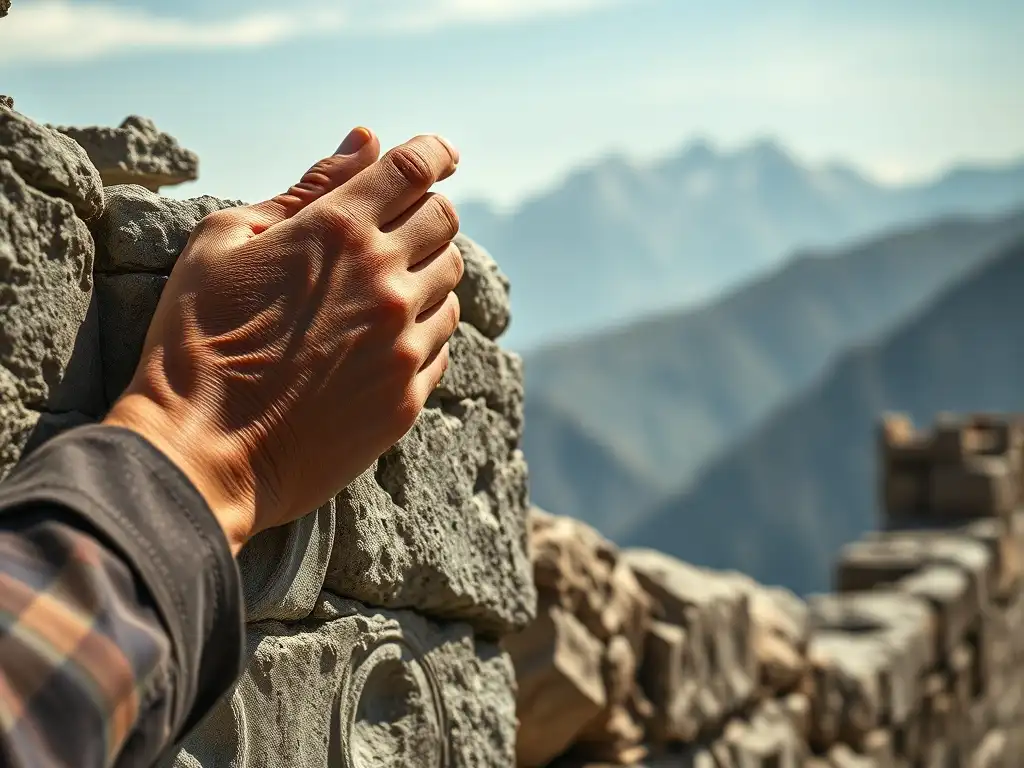
This section delves into the cutting-edge techniques employed in the meticulous restoration of Andean architectural marvels. The preservation of these sites demands a nuanced understanding of the original construction methods, the environmental challenges they face, and the development of innovative solutions that ensure their longevity. The following subsections explore some of the most significant advancements in Andean architecture restoration methods. Understanding these techniques is crucial to appreciating the dedication and expertise involved in safeguarding this invaluable cultural heritage.
Seismic Reinforcement Techniques for Historic Andean Buildings
Andean architecture, particularly that of the Inca, often faced the formidable challenge of seismic activity. Modern restoration projects must address this inherent vulnerability. Traditional Inca masonry, while remarkably resilient, requires careful strengthening to withstand modern seismic events. Several innovative techniques are being implemented:
- Reinforced Mortar Injections: This method involves injecting a high-strength, specially formulated mortar into cracks and joints in the stonework. This consolidates the structure and improves its ability to resist seismic forces. The mortar composition is carefully chosen to be compatible with the existing materials, minimizing visual impact and chemical reactions. Precise injection techniques are crucial to avoid damaging the fragile stone.
- Base Isolation: For particularly vulnerable structures, base isolation systems are being considered. These systems decouple the building from the ground, reducing the transmission of seismic energy to the structure itself. This approach, while more complex and expensive, offers superior protection in high-risk seismic zones. The implementation requires careful site analysis and consideration of the building's foundation.
- Fiber-Reinforced Polymers (FRP): FRP materials, such as carbon fiber, are increasingly used to reinforce vulnerable sections of Andean structures. These lightweight yet incredibly strong materials can be applied externally, minimizing disruption to the original fabric of the building. Careful consideration of the aesthetic impact is essential, as the FRP materials must blend seamlessly with the existing stonework.
The effectiveness of these methods is monitored through rigorous structural analysis and testing. Data on ground motion, material strength, and building response is meticulously collected and analyzed to ensure the long-term stability of these historical sites. The goal is not simply to preserve the buildings, but to enhance their resilience against future seismic events, ensuring their survival for generations to come.
Stabilization and Consolidation Methods for Eroded Structures
Many Andean structures suffer from significant erosion due to exposure to the elements, particularly wind, rain, and freeze-thaw cycles. The restoration process necessitates careful stabilization and consolidation techniques to prevent further deterioration. These methods often involve:
- Chemical Consolidation: The application of specific chemical consolidants strengthens weakened stone and mortar. These consolidants penetrate the porous material, filling voids and strengthening the internal structure. The selection of the appropriate consolidant is critical, as it must be compatible with the existing materials and not cause further damage. Careful testing and analysis are conducted to ensure compatibility and effectiveness.
- Stone Replacement: In cases of severe erosion or damage, careful stone replacement is necessary. The replacement stones must closely match the original material in terms of color, texture, and size. Traditional stone-cutting techniques are often employed to maintain authenticity. Detailed documentation of the original structure informs the replacement process, ensuring historical accuracy.
- Protective Coatings: The application of protective coatings helps to shield the restored structures from the elements. These coatings can be breathable to avoid trapping moisture, and must be carefully selected to minimize visual impact. Regular monitoring and maintenance of these coatings are essential to ensure their continued effectiveness.
The process of stabilization and consolidation is often iterative, requiring ongoing monitoring and adjustments based on the observed performance of the treated areas. This meticulous approach ensures that the interventions are effective and minimize any negative impact on the historical integrity of the sites. The careful balance between preservation and intervention is paramount.
Climate-Responsive Restoration Strategies
Given the unique climatic conditions of the Andes, climate-responsive restoration strategies are crucial for the long-term preservation of Andean architecture. These strategies must account for factors such as high altitude, intense UV radiation, fluctuating temperatures, and heavy rainfall.
- Drainage Systems: Implementing effective drainage systems is vital to prevent water from accumulating around the structures, leading to further erosion and damage. This might involve creating channels, diverting water flow, or improving the surrounding landscape. Careful consideration of the site's hydrology is essential.
- Microclimatic Control: Strategies to control the microclimate around the structures, such as shading or windbreaks, can help to minimize the impact of extreme weather conditions. These interventions can significantly reduce the rate of deterioration. The design and implementation of these strategies requires careful consideration of the surrounding environment.
- Material Selection: The selection of appropriate materials for repairs and restorations is crucial. Materials must be compatible with the existing structures and resistant to the harsh Andean climate. Local, traditional materials are often preferred, ensuring both authenticity and sustainability. Rigorous testing ensures the long-term durability of the chosen materials.
The development and implementation of climate-responsive strategies necessitate a deep understanding of the site-specific conditions and the long-term climatic trends in the region. This holistic approach ensures that the restored structures are not only aesthetically pleasing but also resilient to future climatic challenges, ensuring their survival for many years to come.
Case Studies: Successful Andean Architectural Restoration Projects
This section delves into specific examples showcasing innovative methods employed in the restoration of significant Andean architectural sites. These case studies highlight the challenges faced and the strategies implemented to preserve these invaluable pieces of history for future generations. Understanding these approaches is crucial for advancing the field of Andean architecture restoration methods and ensuring the long-term preservation of our shared heritage. The careful consideration of materials, techniques, and environmental factors is paramount in each project, underscoring the complexities involved in restoring these delicate structures.
Restoration of the Temple of Wiracocha at Raqchi
The Temple of Wiracocha at Raqchi, a massive Inca structure in southern Peru, presents unique challenges for restoration. Built primarily from adobe bricks and featuring a vast, open courtyard, the site suffers from significant deterioration due to seismic activity, erosion, and the passage of time. Restoration efforts have focused on several key areas:
- Adobe Brick Stabilization: Traditional Andean techniques, combined with modern stabilization methods, have been employed. This includes the careful consolidation of existing adobe bricks using lime-based mortars and the selective replacement of severely damaged bricks with newly made bricks, using traditional methods and materials. The goal is to maintain the authenticity of the structure while ensuring its structural integrity.
- Drainage Improvement: Improved drainage systems have been implemented to divert water away from the foundations and prevent further erosion. This involves the careful creation of channels and the use of permeable materials to allow for natural water flow. The effectiveness of these systems is constantly monitored to prevent water damage.
- Seismic Retrofitting: Given the region's seismic activity, structural reinforcement techniques have been incorporated to enhance the temple's resistance to earthquakes. This involves careful strengthening of vulnerable sections without compromising the aesthetic integrity of the site. Advanced engineering techniques have been combined with traditional Andean knowledge to achieve this.
The success of the Raqchi restoration project relies heavily on a multidisciplinary approach, combining archaeological expertise, architectural engineering, and traditional Andean knowledge. This collaborative effort ensures that the restoration work respects the historical significance of the site while employing the most effective preservation methods.
Preservation of the Ollantaytambo Fortress
The Ollantaytambo Fortress, a remarkable example of Inca military and religious architecture, presents distinct challenges for preservation due to its size, complexity, and location in a high-altitude, environmentally sensitive area. The conservation strategy focuses on:
- Stonework Consolidation: The fortress's massive stone walls, meticulously fitted together without mortar, require specialized techniques to address weathering and erosion. Careful cleaning and consolidation of the stone surfaces are carried out using minimally invasive methods, with a focus on preserving the original surface texture and minimizing the use of added materials.
- Erosion Control: The steep slopes surrounding the fortress are prone to erosion, threatening the stability of the structure. Terracing and revegetation projects have been implemented to control erosion and stabilize the surrounding landscape. Careful selection of native plant species is crucial to minimize environmental impact.
- Tourism Management: The influx of tourists presents a significant challenge to the fortress's preservation. Sustainable tourism practices, including controlled access, guided tours, and visitor education programs, are implemented to minimize the impact of human activity on the site. This includes restricting access to sensitive areas and promoting responsible visitor behavior.
The ongoing preservation efforts at Ollantaytambo emphasize a holistic approach, considering not only the physical structure but also its surrounding environment and the impact of tourism. The project exemplifies a balanced approach to Andean architecture restoration methods that prioritizes long-term preservation while ensuring public access and education.
The Restoration of Chan Chan Adobe City
Chan Chan, the vast adobe city of the Chimú civilization on Peru's northern coast, presents unique challenges for restoration due to its extensive size and the fragility of its adobe structures. The restoration efforts focus on:
| Challenge | Solution | Results |
|---|---|---|
| Adobe Deterioration | Careful cleaning, consolidation with lime-based mortars, and partial reconstruction using traditional techniques. | Improved structural stability and preservation of original features. |
| Environmental Damage | Implementation of drainage systems, protection from wind and rain, and controlled microclimates. | Reduced erosion and water damage. |
| Archaeological Documentation | Comprehensive documentation of existing structures before and during restoration. | Provides a detailed record for future conservation and research efforts. |
The restoration of Chan Chan emphasizes a balance between preserving the city's archaeological integrity and making it accessible to the public. This requires careful planning and a deep understanding of both the architectural and environmental factors that affect the site. The use of traditional adobe construction techniques, combined with modern preservation methods, is key to the long-term survival of this incredible city.
Ongoing monitoring and research are crucial to adapt restoration strategies to the ever-evolving challenges faced by this unique site. The project serves as a prime example of the innovative application of Andean architecture restoration methods in a large-scale, complex setting.
The Importance of Community Involvement in Andean Preservation
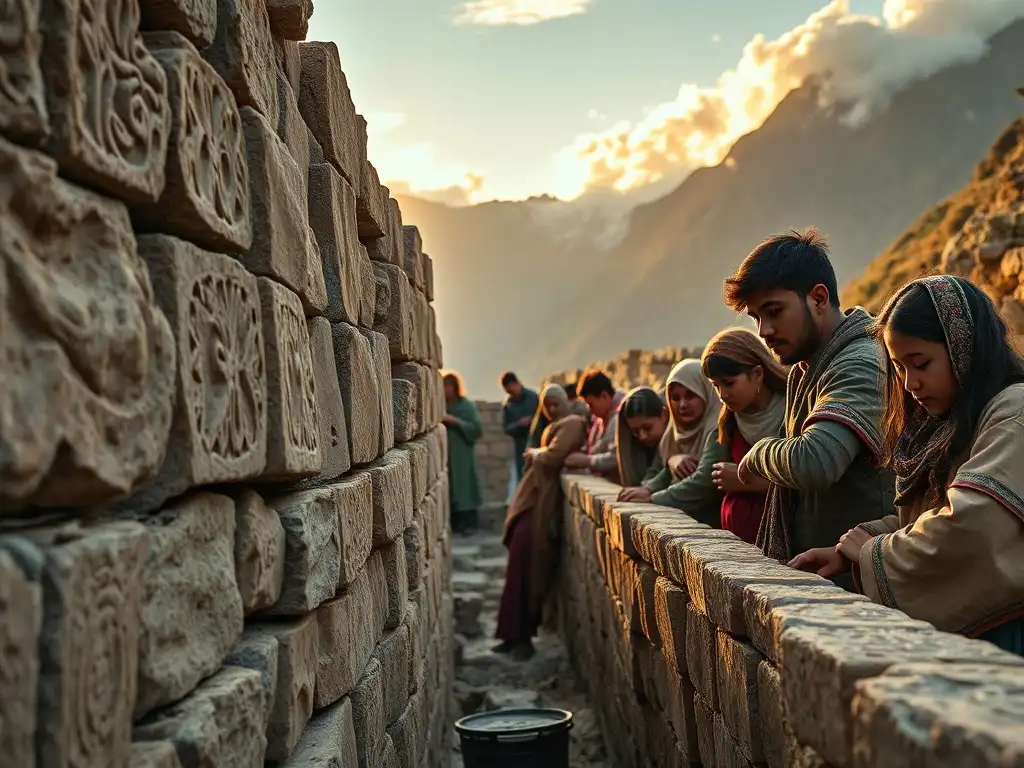
The successful restoration of Andean architecture hinges not only on technical expertise but also on a deep understanding of the cultural significance of these sites. Ignoring the communities directly connected to this heritage risks perpetuating a colonial approach to preservation, one that overlooks invaluable local knowledge and potentially damages the very fabric of the cultural landscape. The integration of indigenous communities in every stage of the restoration process is paramount for ensuring authenticity, sustainability, and long-term preservation of these architectural marvels.
This approach shifts the narrative from a purely scientific endeavor to a collaborative effort that respects and empowers the descendants of the builders themselves. This section explores the crucial role of community involvement in Andean architecture restoration methods.
Local Knowledge and Its Value in Restoration
Indigenous communities possess a wealth of undocumented knowledge about traditional building techniques, material sourcing, and the symbolic meaning embedded within Andean architectural designs. This knowledge, often passed down through generations, is invaluable in accurately interpreting structural elements, selecting appropriate materials for repairs, and understanding the cultural context of the structures. For instance, the precise techniques for preparing and applying traditional Andean plasters, often containing specific types of clay and organic binders, are frequently known only to local artisans.
Similarly, the understanding of the symbolic significance of certain architectural features, such as specific stone carvings or patterns, can only be gained through close collaboration with community members who continue to hold these traditions. Without this intimate knowledge, restoration efforts risk being inaccurate, inappropriate, and ultimately disrespectful to the cultural heritage they aim to protect.
Ignoring this expertise is tantamount to neglecting a crucial piece of the puzzle, hindering the accuracy and authenticity of the restoration work. Documenting and integrating this knowledge is not merely beneficial; it is essential for the success of any Andean architecture restoration project.
Collaborative Restoration Projects with Indigenous Communities
Several successful collaborative restoration projects demonstrate the effectiveness of community involvement. These projects prioritize a participatory approach, engaging local communities in planning, execution, and monitoring of the restoration process. This includes training local artisans in modern conservation techniques while respecting and integrating traditional methods.
Such collaborative efforts not only ensure the preservation of architectural heritage but also contribute to the economic empowerment of the communities involved. For example, [Specific example of a successful collaborative project pending]. The economic benefits from participating in restoration efforts provide local communities with a vested interest in the long-term preservation of their heritage, fostering a sense of ownership and responsibility.
This active participation also guarantees that the restoration aligns with the cultural values and perspectives of the community, preventing misinterpretations and preserving the authenticity of the structures. Furthermore, collaborative projects often lead to the creation of sustainable community-based tourism initiatives, further promoting the preservation of cultural heritage through economic benefits.
Sustainable Practices for Long-Term Andean Architectural Conservation
Beyond immediate restoration, long-term conservation requires a sustainable approach that respects the environment and the cultural integrity of the sites. This involves carefully selecting environmentally friendly materials, implementing sustainable construction practices, and establishing long-term monitoring programs. The use of locally sourced, sustainable materials reduces the environmental impact and fosters a sense of place. [Specific examples of sustainable materials and techniques used in Andean architecture restoration pending].
Furthermore, establishing community-based monitoring programs ensures the long-term preservation of the restored structures, preventing future deterioration and promoting continuous engagement with the heritage. This participatory approach not only ensures the longevity of the restoration efforts but also strengthens the bond between the community and its cultural heritage, ensuring its preservation for future generations. This sustainable approach is crucial for ensuring that Andean architecture restoration methods are not only effective but also environmentally responsible and culturally sensitive.
The Future of Andean Architecture Restoration
The preservation of Andean architecture presents unique challenges due to the fragility of the materials, the harsh environmental conditions, and the sheer scale of the sites. However, innovative approaches and a commitment to research are paving the way for a more sustainable and effective future in Andean architecture restoration methods. This section will explore the key advancements driving this progress.
Technological Advancements in Preservation Materials
The development of new preservation materials specifically tailored to the needs of Andean architecture is crucial. Traditional methods often relied on materials that, while readily available, accelerated deterioration over time. Modern materials science offers solutions that are both effective and respectful of the original structures. For example, researchers are exploring the use of bio-based polymers derived from renewable resources, which offer superior durability and environmental friendliness compared to traditional synthetic alternatives. These polymers can be adapted to mimic the properties of original materials, minimizing visual impact and ensuring structural integrity.
Furthermore, advancements in nanotechnology are providing incredibly precise and targeted methods for conservation. Nanomaterials can be used to strengthen weakened stone, prevent water damage, and even reverse some forms of deterioration. This represents a significant leap forward from earlier, often more invasive, techniques.
The application of nanomaterials requires specialized equipment and training, but the long-term benefits in terms of preservation and reduced maintenance are substantial. Specific studies are currently underway to assess the efficacy of different nanomaterials on various types of Andean stone, focusing on long-term stability and compatibility with existing structures. Data on the cost-effectiveness of these technologies compared to traditional methods is still being collected, but early indications are promising.
Research and Development in Andean Restoration Techniques
Effective Andean architecture restoration methods require a deep understanding of the original construction techniques. Ongoing research focuses on analyzing ancient building practices, material sourcing, and the environmental factors that contributed to both the construction and decay of these sites. This interdisciplinary approach, involving archaeologists, architects, engineers, and material scientists, is essential for developing informed and responsible restoration strategies.
For instance, detailed studies of Inca masonry techniques, including the precise fitting of stones without mortar, are informing innovative approaches to repair damaged sections. Researchers are developing non-invasive methods for analyzing the internal structure of walls and foundations, allowing for the identification of weak points and the planning of targeted interventions. This reduces the need for extensive dismantling and rebuilding, minimizing disruption to the archaeological sites and preserving their historical integrity.
The development and application of 3D modeling and digital scanning technologies are also significantly contributing to this process, enabling the creation of precise virtual models for planning and analysis. This allows for the simulation of various restoration scenarios before implementing them in the field, optimizing efficiency and minimizing potential risks.
The application of these advanced technologies enhances the precision and effectiveness of the restoration process. This leads to a more sustainable approach, reducing the need for frequent repairs and extending the lifespan of these invaluable structures. Moreover, the data collected during research provides valuable insights into the resilience and vulnerabilities of Andean architecture, informing future construction and preservation efforts.
The Role of Education and Awareness in Protecting Andean Heritage
Preserving Andean architecture is not solely the responsibility of scientists and engineers. Raising public awareness about the importance of these sites and the challenges facing their preservation is equally crucial. Educational initiatives targeting local communities, tourists, and policymakers are vital for fostering a culture of respect and responsible stewardship.
Comprehensive educational programs can empower local communities to participate actively in the preservation of their heritage. This includes training in basic conservation techniques, promoting sustainable tourism practices, and raising awareness of the environmental threats facing these sites. Educational programs should also emphasize the cultural significance of Andean architecture, connecting its preservation to the ongoing vitality of Andean cultures. The development of interactive museums and visitor centers, which utilize technology to engage audiences and convey the importance of preservation, are also key to this initiative.
By fostering a sense of ownership and responsibility, educational programs can ensure the long-term survival of these incredible sites. The successful integration of local communities into the preservation process is essential, not only for their active participation but also for the sustainability of these efforts. This holistic approach, combining technological advancements, scientific research, and widespread public awareness, is crucial for safeguarding the legacy of Andean architecture for generations to come.
Conclusion: Preserving the Legacy of Andean Architecture
This exploration of innovative methods in Andean architecture restoration highlights the crucial role of cutting-edge techniques in safeguarding a remarkable cultural heritage. From the meticulous application of bio-compatible materials to the utilization of advanced imaging technologies, the field is constantly evolving, reflecting a growing understanding of the complexities involved in preserving these fragile structures. The successful restoration of Andean architecture is not merely about repairing damaged stone; it's about preserving the whispers of the past, ensuring that future generations can connect with the ingenuity and artistry of these ancient civilizations.
The successful implementation of these methods directly contributes to the preservation of Andean architecture restoration methods, ensuring that these invaluable sites remain accessible and inspiring for years to come. The challenges are significant, requiring ongoing research, collaboration, and financial investment, but the rewards – the preservation of irreplaceable cultural heritage – are immeasurable.
The Ongoing Importance of Andean Architecture Restoration
The ongoing importance of Andean architecture restoration cannot be overstated. These structures are not just aesthetically pleasing remnants of the past; they are living testaments to the sophisticated engineering, architectural prowess, and cultural values of the Andean civilizations. The intricate stonework, the ingenious use of materials, and the symbolic significance embedded within these sites offer invaluable insights into the lives, beliefs, and societal structures of these ancient communities.
Their continued deterioration represents not only a loss of physical structures but also a loss of historical, archaeological, and cultural knowledge. Furthermore, the preservation of these sites contributes significantly to the economic well-being of local communities through tourism and related industries. The economic benefits of successful restoration projects are undeniable, creating jobs and stimulating local economies while simultaneously preserving the cultural heritage.
💰 This positive feedback loop underscores the importance of prioritizing and investing in long-term preservation strategies. For instance, the restoration of Machu Picchu has not only preserved an iconic site but also transformed the surrounding region into a major tourist destination, creating significant economic opportunities for local communities.
Protecting the Cultural Significance of Andean Sites
Protecting the cultural significance of Andean sites requires a multi-faceted approach that goes beyond mere physical preservation. It involves meticulous documentation, careful analysis, and a deep understanding of the cultural context within which these structures were built and used. Ethnographic research, community engagement, and the involvement of local experts are crucial in ensuring that restoration efforts are culturally sensitive and respectful.
The process must also involve the preservation of intangible heritage, such as traditional building techniques and knowledge systems. This could involve training programs for local artisans, enabling them to continue using traditional methods while incorporating modern preservation techniques. Furthermore, educational initiatives are essential to raise awareness among the wider public about the importance of protecting these sites and the cultural heritage they represent.
This can involve creating accessible museum exhibits, developing educational materials, and encouraging responsible tourism practices. The effective protection of these sites requires not only the expertise of archaeologists and conservators but also the active participation and support of local communities and the international community as a whole. The preservation of cultural significance is a shared responsibility.
A Call to Action for Continued Preservation Efforts
The challenges facing Andean architecture restoration are substantial, demanding sustained commitment and collaboration. Further research is needed to develop even more effective and sustainable preservation techniques, particularly in the face of climate change and other environmental threats. Increased funding is essential to support ongoing restoration projects and the training of skilled professionals. International cooperation is also crucial, enabling the sharing of best practices, resources, and expertise.
This collaborative approach is essential for the long-term preservation of this invaluable heritage. Moreover, promoting sustainable tourism practices is vital to minimize the negative impact of visitors on these fragile sites. Finally, educating future generations about the importance of cultural heritage preservation will ensure that the legacy of Andean civilizations continues to inspire and enrich lives for centuries to come.
The preservation of Andean architecture is not just a task for specialists; it is a shared responsibility, demanding a collective commitment to protecting these irreplaceable treasures for future generations. Let's act now to safeguard this invaluable piece of our shared global heritage. 🌍
Frequently Asked Questions
What are some of the challenges in restoring Andean architecture?
Restoring Andean architecture presents unique challenges. The fragility of ancient materials, like adobe and stone, combined with environmental factors like earthquakes and erosion, makes preservation difficult. Finding skilled artisans familiar with traditional techniques is also crucial.
What innovative methods are used in restoring Andean structures?
Modern techniques are combined with traditional knowledge. This includes using lime mortars that mimic ancient recipes, implementing non-invasive monitoring techniques, and employing 3D modeling and scanning for accurate documentation and planning.
How do restoration efforts preserve the cultural significance of Andean sites?
Restoration aims to maintain the authenticity of the sites while ensuring their longevity. This involves careful documentation of existing structures, using traditional materials and techniques wherever possible, and incorporating community knowledge to ensure cultural sensitivity.
Are there specific materials used in the restoration of Andean buildings?
Yes, lime-based mortars are often preferred due to their compatibility with the original materials. Locally sourced stone and adobe bricks are also favored to maintain the site's original aesthetic and minimize environmental impact. Sustainable and biocompatible materials are increasingly used.
How can I learn more about Andean architecture restoration?
You can explore academic journals focusing on archaeology and conservation, attend conferences and workshops on heritage preservation, and visit restoration sites to observe the methods in practice. Many organizations dedicated to cultural heritage preservation offer resources.
Final Reflection: Echoes of the Andes, Shaping a Sustainable Future
The innovative methods detailed in this exploration of Andean architecture restoration are not merely historical exercises; they are vital tools for preserving a cultural legacy and confronting the urgent challenges of climate change. The fragility of these ancient structures, facing the relentless forces of nature and the pressures of modernization, demands immediate and thoughtful intervention. Ignoring these whispers of stone would be a profound loss, silencing voices that have resonated for millennia.
The enduring power of Andean architecture lies not just in its aesthetic beauty, but in its ingenious adaptation to its environment, a lesson we desperately need to relearn in our era of ecological crisis. The earth is what we all have in common.
– Wendell Berry. This quote speaks to the interconnectedness of our actions and the environment, a truth deeply embedded in the sustainable building practices of Andean civilizations. Understanding and emulating these techniques offers a pathway towards a more responsible and harmonious relationship with our planet, a path paved with the stones of our ancestors.
Consider the implications of these innovative restoration methods. Think about how the principles of sustainable building, resourcefulness, and respect for the past can inform your own choices. You, the reader, hold the power to advocate for the preservation of cultural heritage and the adoption of environmentally conscious practices. Let the whispers of stone inspire you to act, to learn, and to contribute to a future where the echoes of the Andes resonate with the strength and wisdom of generations past and present.
Revitalize Andean Heritage: Take Action Today!
Thank you for exploring the world of Andean architectural restoration with us! You've discovered innovative methods that preserve history and inspire future generations. Now, let's put that knowledge into action and contribute to our shared heritage.
Here are a few ways you can make a difference:
- Join a local restoration project: Volunteer with organizations dedicated to preserving Andean architecture. Your hands-on work will help bring historical sites back to life!
- Share your passion: Engage your friends and family on social media, highlighting the importance of preserving Andean culture. Share this article to spread the word!
- Support preservation efforts: Visit Andean architectural sites and exhibitions. Your attendance directly supports ongoing preservation work.
What specific Andean architectural site are you most interested in helping to restore or learning more about? Your journey in preserving this incredible heritage can begin today!