
Pizarro's Strategies: A Masterclass in Conquest or Opportunistic Exploitation?

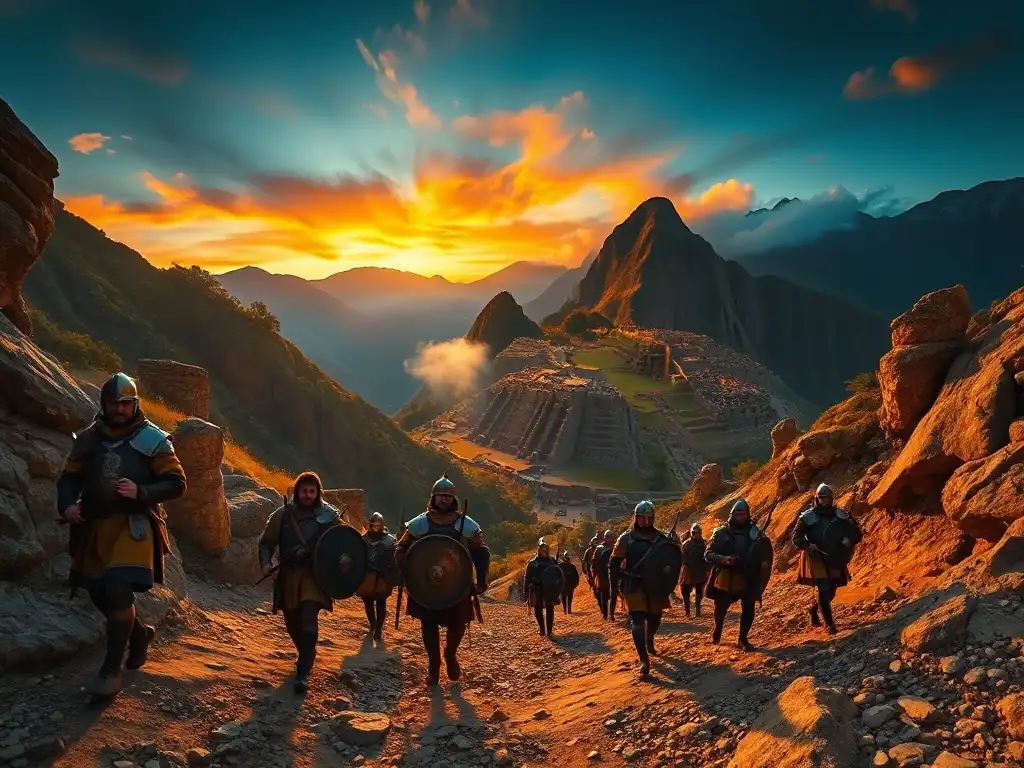
Step into a world lost to time, yet echoing with the grandeur of the Andean civilizations. From the intricate artistry of the Nazca lines to the sophisticated engineering of the Incas, their legacy continues to captivate. But how did a relatively small Spanish force, led by Francisco Pizarro, manage to conquer such powerful empires? Pizarro's Andean conquest strategies weren't simply military might; they were a complex interplay of calculated risk, cunning manipulation, and brutal opportunism. Discover the unsettling truth behind this pivotal moment in history – explore the strategies that reshaped a continent.
- Pizarro's Andean Conquest Strategies: A Masterclass in Conquest or Opportunistic Exploitation?
- Understanding the Context of Pizarro's Conquest in the Andes
- Pizarro's Initial Strategies: Exploration and Deception
- Key Military Tactics Employed by Pizarro
- Pizarro's Exploitation of Inca Weaknesses
- The Ethical Dimensions of Pizarro's Conquest
- Comparing Pizarro's Strategies with Other Conquistadors
- The Legacy of Pizarro's Andean Conquest
- Conclusion: Evaluating Pizarro's Andean Conquest Strategies
-
Frequently Asked Questions
- What were Pizarro's main strategies during the conquest of the Andes?
- How did Pizarro's alliances contribute to his success?
- What role did technology play in Pizarro's conquest?
- Was Pizarro's conquest solely a result of superior military might?
- How did Pizarro's actions impact the Andean civilizations?
- Final Reflection: Legacy of Conquest: Examining Pizarro's Methods
- **Embrace the Legacy: Learn from Pizarro's Tactics! **
Pizarro's Andean Conquest Strategies: A Masterclass in Conquest or Opportunistic Exploitation?
The Spanish conquest of the Inca Empire, a civilization boasting sophisticated infrastructure and a vast, organized state, remains a pivotal moment in history. This conquest, spearheaded by Francisco Pizarro, wasn't a simple military victory; it was a complex interplay of military tactics, political manipulation, and opportunistic exploitation of internal Inca weaknesses. This article delves into Pizarro's strategies, examining whether they constituted a masterful display of conquest or a more cynical, opportunistic seizing of power.
We will analyze the key elements of Pizarro's approach, evaluating his actions against the backdrop of Inca society and the broader context of the Columbian Exchange. Understanding Pizarro's methods allows us to better comprehend not only the fall of the Inca Empire but also the enduring legacy of colonialism in the Andes.
The question remains: was Pizarro a brilliant strategist, or did he simply capitalize on a confluence of fortuitous circumstances and Inca vulnerabilities? This analysis aims to provide a nuanced perspective, weighing the evidence to answer this complex question.
Military Tactics and Technological Superiority
Pizarro’s relatively small force achieved astonishing success against a vastly larger Inca army. This wasn't solely due to superior numbers; Pizarro cleverly exploited technological advantages. The Spanish possessed superior weaponry, including firearms, steel swords, and horses – all unknown to the Inca. These advantages, combined with effective military formations and disciplined fighting, allowed them to inflict heavy casualties on the Inca armies.
However, it's crucial to note that Inca warfare tactics were not inherently inferior; they were simply unprepared for the unfamiliar technology deployed by the Spanish. Further research is needed to fully quantify the comparative effectiveness of Inca weaponry and tactics against the Spanish, focusing on specific battles and engagements to determine the true extent of the technological disparity. [Specific information pending: Detailed comparison of Inca and Spanish weaponry and casualty rates in key battles].
Exploitation of Inca Internal Conflicts
The Inca Empire, at the time of the Spanish arrival, was embroiled in a brutal civil war between Huáscar and Atahualpa, vying for control of the vast empire. Pizarro expertly exploited this internal conflict, strategically allying with Atahualpa and using the ensuing chaos to his advantage. This internal strife significantly weakened the Inca Empire, making it far more vulnerable to the Spanish invasion.
The strategic manipulation of these internal conflicts, rather than purely military might, arguably played a more significant role in Pizarro's success. [Specific information pending: Detailed account of Pizarro's interactions with both Huáscar and Atahualpa, and the political machinations employed].
Psychological Warfare and Propaganda
Beyond military might, Pizarro engaged in a sophisticated campaign of psychological warfare. The Spanish conquistadors, with their advanced weaponry and strange appearance, instilled fear and awe in the Inca population. This perception, carefully cultivated by Pizarro, contributed significantly to the Inca's inability to mount a unified and effective resistance. The Spanish used propaganda to portray themselves as superior beings, divinely appointed to conquer the land. This psychological element, often overlooked, was a crucial component of Pizarro's overall strategy. [Specific information pending: Examples of specific propaganda techniques used by Pizarro and the impact on Inca morale].
The Role of Disease
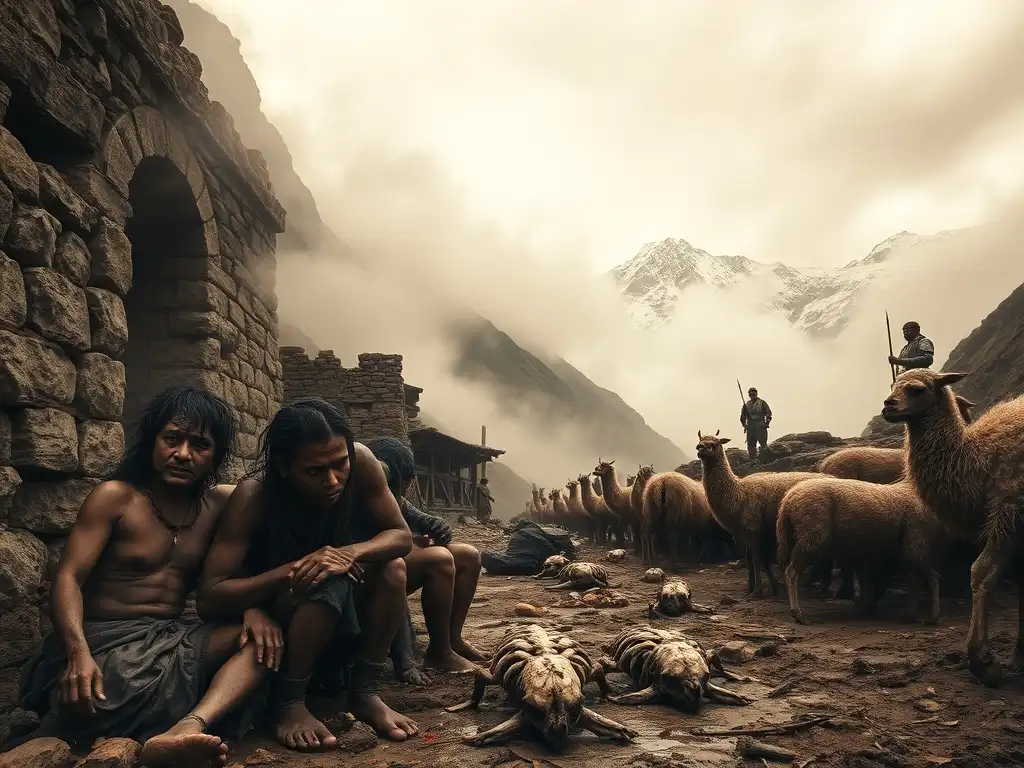
The devastating impact of Old World diseases on the Inca population cannot be overstated. Smallpox, measles, and influenza decimated the indigenous population, weakening their ability to resist the Spanish conquest. While not directly a strategic element of Pizarro's planning, this epidemiological factor significantly contributed to the ease of the Spanish victory. This highlights the unintended consequences of the Columbian Exchange and underscores the crucial role of disease in shaping the outcome of the conquest. [Specific information pending: Quantitative data on the population decline due to disease in the years leading up to and following the conquest].
Opportunistic Exploitation vs. Strategic Mastery: A Conclusion
Ultimately, whether Pizarro’s actions represent a masterclass in conquest or opportunistic exploitation is a matter of interpretation. While his military tactics and exploitation of Inca weaknesses were undeniably effective, the significant role played by disease and internal conflict suggests a degree of fortuitous circumstance. Pizarro undoubtedly possessed strategic acumen, but his success was also heavily reliant on factors beyond his direct control.
A balanced assessment requires acknowledging both his strategic brilliance and the significant role of chance in his conquest of the Inca Empire. The legacy of Pizarro's conquest continues to shape the Andean region today, underscoring the importance of understanding the complexities of this pivotal historical event. Further research, particularly into the details of Inca military strategies and the extent of the disease's impact, is needed to fully unravel the complexities of Pizarro's Andean conquest.
Understanding the Context of Pizarro's Conquest in the Andes
This section delves into the crucial pre-conquest factors that significantly shaped Pizarro's strategies and ultimately contributed to the rapid downfall of the Inca Empire. Understanding the existing political and geographical landscape is paramount to analyzing Pizarro's actions not merely as military tactics, but as shrewd exploitation of existing vulnerabilities. Analyzing Pizarro's "strategies" necessitates a deep understanding of the context in which they were deployed. The success of Pizarro's campaign wasn't solely due to military prowess, but also a consequence of pre-existing conditions within the Inca Empire itself. We will examine these crucial factors in detail.
The Pre-Columbian Andean Landscape
The Andes Mountains presented a formidable geographical challenge, impacting both Inca infrastructure and the movement of armies. The rugged terrain, characterized by high altitudes, steep slopes, and deep valleys, dictated the Inca road system – a remarkable feat of engineering, yet also a potential weakness. While the cañadas (high-altitude paths) facilitated communication and trade within the empire, they also presented chokepoints vulnerable to ambush. Pizarro expertly utilized this geographical constraint, employing strategies of swift movement and strategic blocking of vital passes to disrupt Inca supply lines and communication networks.
This understanding of the Andean geography was crucial to his effective campaign. The climate also played a significant role; the varying altitudes created microclimates that affected crop yields and the availability of resources. Pizarro's knowledge – or perhaps intuitive understanding – of these climatic variations likely aided his logistical planning and resource management during the conquest.
The Inca Empire Before the Arrival of Pizarro
Prior to the arrival of Pizarro, the Inca Empire was at its zenith, a vast and powerful civilization stretching along the western coast of South America. However, this apparent strength masked underlying tensions. The Inca employed a sophisticated system of administration, including a complex network of tambos (roadside inns) and chasquis (runners) for efficient communication.
Their centralized system, however, also proved to be a double-edged sword. While it facilitated control over vast territories, it also created a dependency on the central authority in Cusco, leaving peripheral regions vulnerable to rebellion in the event of disruption at the center. This inherent vulnerability was a factor Pizarro expertly exploited, leveraging existing dissatisfactions and fostering alliances with disgruntled groups.
The Inca's advanced agricultural techniques, such as terracing, allowed them to cultivate diverse crops, supporting a large population. Nevertheless, this agricultural reliance also created a vulnerability to disruption of established farming practices, which Pizarro's army effectively targeted.
The Political Instability Within the Inca Empire
The Inca Empire, despite its size and power, was not immune to internal strife. The death of Huayna Capac in 1527, followed by a succession crisis between his sons Huáscar and Atahualpa, plunged the empire into a devastating civil war. This internal conflict significantly weakened the Inca military and administrative capabilities, creating a power vacuum that Pizarro cleverly capitalized on.
The war devastated the empire's infrastructure and severely depleted its resources. The resulting chaos and disunity among the Inca elite allowed Pizarro, with a relatively small force, to achieve astonishing military victories. The absence of a unified and strong leadership, coupled with the widespread distrust among the Inca nobility, further aided Pizarro's conquest.
The exploitation of this political instability represents a key element in understanding Pizarro's "success," highlighting the opportunistic nature of his campaign rather than solely his military skill. The civil war effectively fractured the Inca Empire, leaving it ripe for conquest. This pre-existing instability is a crucial factor often overlooked when discussing Pizarro's Andean conquest strategies.
Pizarro's Initial Strategies: Exploration and Deception
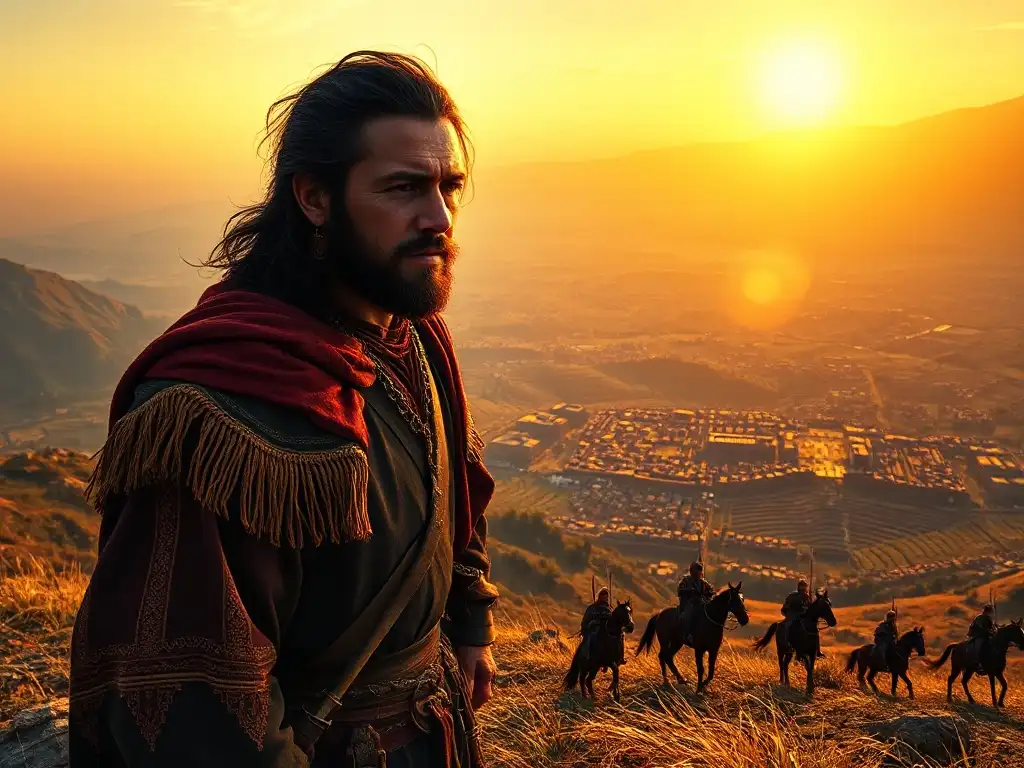
This section delves into the initial strategies employed by Francisco Pizarro during his conquest of the Inca Empire, focusing on the crucial phases of exploration, deception, and manipulation. Pizarro's success wasn't solely due to military might; his understanding of the political landscape and his masterful use of deception played a pivotal role in his conquest. Analyzing these early strategies reveals a complex picture of opportunistic exploitation intertwined with calculated risk-taking. Understanding Pizarro's "Andean conquest strategies" requires a close examination of his meticulous planning and ruthless execution.
Early Expeditions and Reconnaissance of the Andean Coast
Pizarro's conquest wasn't a sudden, haphazard event. Years of prior exploration and reconnaissance along the Andean coast laid the groundwork for his ultimate success. His early expeditions, often fraught with hardship and near-failure, provided invaluable intelligence about the Inca Empire. These weren't simple voyages of discovery; they were carefully planned missions to assess the Inca's military strength, political structure, and resource availability.
The information gathered on these expeditions, painstakingly documented and analyzed, informed Pizarro's later strategic decisions. For example, detailed reports on Inca fortifications, troop deployments, and the location of key resources like gold and silver, allowed Pizarro to anticipate and overcome many potential challenges. The meticulous nature of this early reconnaissance is often overlooked, yet it formed the bedrock of Pizarro's later victories. We can see the impact of these early voyages in the precision of his later movements and the timing of his attacks.
Utilizing Information Gathered From Previous Voyages
Pizarro shrewdly utilized the knowledge gained from earlier Spanish expeditions. He wasn't operating in a vacuum; he benefited greatly from the intelligence and experiences of previous explorers. This wasn't simply about inheriting geographical data; it involved understanding the Inca's reactions to previous encounters with Europeans. Pizarro learned from the mistakes of others, adapting his approach to minimize risks and maximize opportunities.
He carefully studied accounts of previous contacts, analyzing Inca responses to Spanish technology, religious practices, and diplomatic overtures. This allowed him to develop more effective strategies for interaction and manipulation. His use of interpreters and his ability to leverage existing alliances within Andean communities demonstrate his mastery of information gathering and its strategic application. Pizarro's success can be attributed in part to his sophisticated understanding of the existing political climate, gleaned from the accounts of previous voyages.
Exploiting Internal Conflicts Within the Inca Leadership
A crucial aspect of Pizarro's Andean conquest strategies involved exploiting the existing internal conflicts within the Inca Empire. The succession crisis following the death of Huayna Capac and the subsequent civil war between Huáscar and Atahualpa significantly weakened the Inca Empire. Pizarro astutely identified this vulnerability and skillfully manipulated the situation to his advantage.
He strategically allied himself with different factions, playing them against each other, and capitalizing on their mutual distrust. This wasn't merely opportunistic; it required a deep understanding of Inca politics and social structures. The detailed accounts of the civil war, coupled with Pizarro's strategic alliances, allowed him to gain a foothold in the empire with minimal initial military engagement.
The resulting chaos and power vacuum created an ideal environment for Pizarro to implement his carefully crafted strategy of conquest, demonstrating his tactical brilliance in exploiting pre-existing weaknesses. This element of his strategy is often cited as a key factor in the relatively swift nature of the Inca conquest.
Key Military Tactics Employed by Pizarro
Pizarro's conquest of the Inca Empire wasn't solely a matter of brute force; it was a carefully orchestrated campaign leveraging superior military tactics and shrewd political maneuvering. His success stemmed from a combination of factors, including superior weaponry and armor, effective use of cavalry, and a masterful application of the "divide and conquer" strategy. Understanding these strategies is crucial to comprehending the swift and relatively bloodless nature of the initial phases of the conquest, at least compared to other colonial conquests in the Americas.
Analyzing Pizarro's approach allows us to evaluate whether his actions represent a masterclass in military strategy or simply opportunistic exploitation of existing vulnerabilities within the Inca Empire. The debate continues to this day, fueled by differing interpretations of the historical record and the ethical implications of his actions.
The Use of Superior Weaponry and Armor
One of the most significant advantages Pizarro possessed was superior weaponry and armor. His conquistadors were equipped with steel swords, crossbows, and, most importantly, firearms – technology largely unknown to the Inca. These firearms, while relatively primitive by modern standards, proved devastatingly effective against Inca armies armed primarily with clubs, spears, and slings. The psychological impact of gunpowder weapons was immense, instilling fear and disarray in Inca ranks.
Furthermore, the conquistadors' steel armor provided superior protection against Inca weapons, significantly reducing casualties during combat. The disparity in military technology created a decisive imbalance of power, allowing a relatively small force of conquistadors to overcome significantly larger Inca armies. Quantitative data on casualties during specific battles is limited, but accounts consistently highlight the devastating effectiveness of firearms and the protective nature of steel armor in skewing the balance of combat in favor of the Spanish.
This technological advantage wasn't simply a matter of superior firepower; it also impacted the tactics employed. The Spanish could effectively control the battlefield, using ranged weaponry to inflict casualties from a distance before engaging in close-quarters combat. This tactical advantage minimized Spanish losses and maximized the psychological impact of their superior weaponry, contributing significantly to the overall success of Pizarro's campaign. The disparity in technology essentially rendered Inca military strategies ineffective against the Spanish, significantly aiding Pizarro's conquest.
The Strategic Importance of Cavalry in Andean Warfare
The impact of cavalry on Andean warfare cannot be overstated. Horses were unknown in the Andes before the arrival of the Spanish, making the conquistadors' mounted soldiers a terrifying and unpredictable force. The speed and maneuverability of cavalry allowed Pizarro to rapidly deploy his forces, outmaneuver Inca armies, and strike at vulnerable points. The psychological effect of charging cavalry was devastating, often breaking Inca formations and causing widespread panic. While precise figures regarding cavalry effectiveness are scarce, historical accounts consistently emphasize the crucial role they played in several key battles.
The effectiveness of cavalry wasn't solely dependent on the element of surprise. The horses themselves, along with the riders' superior weaponry and armor, presented a formidable threat. The combined impact of speed, mobility, and superior weaponry enabled the Spanish to dictate the terms of engagement, significantly enhancing their chances of victory. This advantage, coupled with the psychological impact on the Inca, highlights the strategic importance of cavalry in Pizarro's overall strategy of conquest. The Inca lacked effective countermeasures against mounted troops, further solidifying the decisive advantage held by the Spanish.
Divide and Conquer: Pizarro's Diplomatic Maneuvering
Pizarro's military success wasn't solely attributable to superior weaponry and cavalry; his diplomatic maneuvering played an equally crucial role. He skillfully exploited existing tensions and rivalries within the Inca Empire, employing a "divide and conquer" strategy to weaken the Inca forces before engaging them in direct military conflict. This involved forging alliances with rival Inca factions, providing them with support in exchange for their assistance against their enemies. The political instability within the Inca Empire, exacerbated by the recent succession crisis following the death of Huayna Capac, presented a ripe opportunity for Pizarro to exploit these divisions.
The precise details of Pizarro's diplomatic negotiations remain somewhat shrouded in mystery due to the limited and often biased nature of historical records. However, it's clear that he deftly utilized his understanding of Inca politics and social structures to sow discord amongst the Inca leadership. By playing different factions against one another, he significantly reduced the overall strength of the Inca resistance, ultimately contributing to the success of his conquest.
This strategy highlights the importance of political maneuvering as a vital component of Pizarro's overall strategy, showcasing that military might alone wasn't sufficient to achieve his goals. The strategic use of diplomacy, alongside military force, demonstrates a sophisticated understanding of the complexities of Andean politics and the effectiveness of a multifaceted approach to conquest.
The Battle of Cajamarca: A Case Study in Strategic Deception
The Battle of Cajamarca, fought on November 16, 1532, stands as a prime example of Pizarro's cunning strategic deception. Far from a fair fight, it was a meticulously planned ambush that leveraged superior weaponry and a profound understanding of Inca psychology to achieve a stunning victory against a vastly superior force. Pizarro's army, numbering only around 168 Spanish soldiers, along with thousands of allied indigenous warriors, faced an Inca army potentially exceeding 80,000. The disparity in numbers was staggering, yet Pizarro's strategy neutralized this advantage.
The deception began weeks before the battle. Pizarro, through carefully orchestrated diplomacy and displays of seemingly peaceful intentions, lured Atahualpa, the Sapa Inca, to Cajamarca under a pretense of amicable negotiations. This involved careful manipulation of Inca messengers and the exploitation of existing political tensions within the Inca Empire.
The Inca, accustomed to displays of power and grandeur, were lulled into a false sense of security, unaware of the trap being set. The Spanish carefully chose the location of Cajamarca, a narrow valley surrounded by high walls, limiting the Inca's numerical superiority and providing a natural defensive advantage for the Spanish.
The ambush itself was flawlessly executed. The Spanish, concealed within the city, unleashed a devastating surprise attack. The thunderous sound of cannons, previously unheard of by the Inca, combined with the horrifying effect of steel swords and muskets, shattered the Inca army's cohesion. Atahualpa, initially shocked and disoriented, was swiftly captured.
This capture, far more than the military engagement, was the key strategic objective. The capture of the Sapa Inca effectively decapitated the Inca empire's command structure, leading to widespread confusion and paralysis amongst the Inca ranks. The psychological impact of this event was devastating, contributing significantly more to the Spanish victory than the actual military casualties inflicted.
The subsequent chaos allowed the outnumbered Spanish to control the situation and effectively conquer a vast empire with minimal bloodshed compared to the potential cost of a direct confrontation. This strategic brilliance, however, also highlights the opportunistic and exploitative nature of Pizarro's conquest. The battle was not a testament to military prowess alone, but also to the clever manipulation of cultural differences and a willingness to employ brutal tactics.
Pizarro's Exploitation of Inca Weaknesses
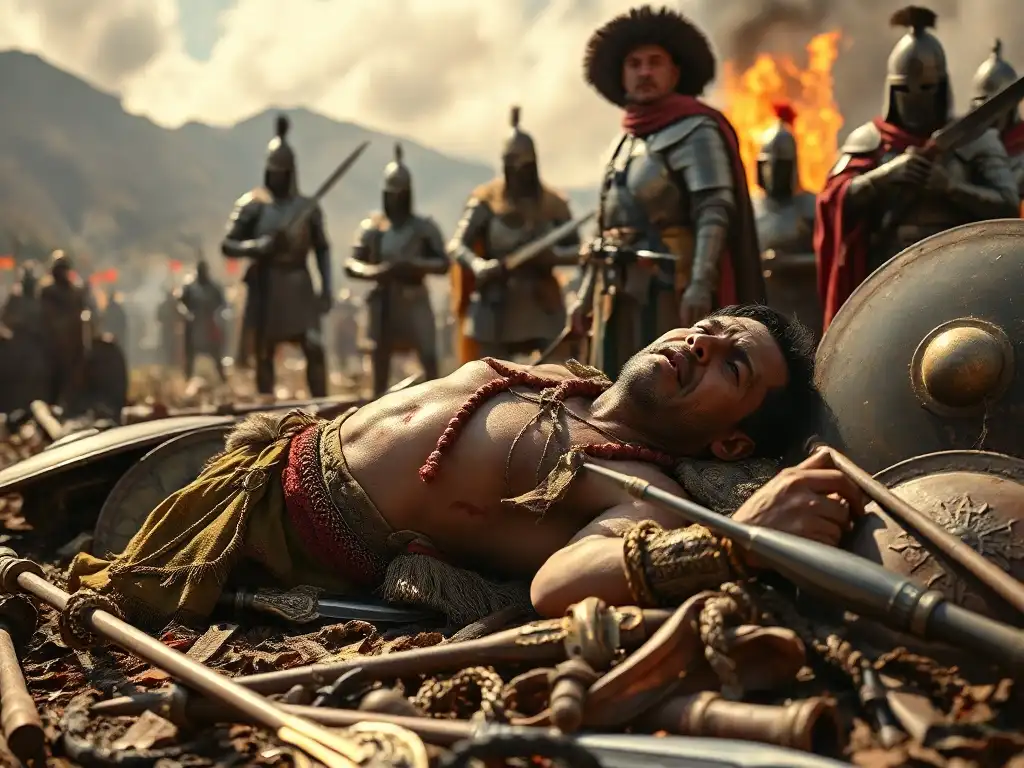
Pizarro's conquest of the Inca Empire wasn't solely a demonstration of military prowess; it was a shrewd exploitation of existing vulnerabilities within the Inca political and social landscape. His success hinged not just on superior weaponry, but on a deep understanding – or perhaps a fortunate awareness – of the internal strife and weaknesses that plagued the Inca state at the time. This section will delve into these critical factors, highlighting how Pizarro masterfully leveraged them to achieve his ambitious goals. Understanding Pizarro's strategies requires acknowledging the pre-existing cracks in the Inca Empire's seemingly impenetrable façade.
The Capture of Atahualpa: A Turning Point
The capture of Atahualpa in Cajamarca in 1532 represents a pivotal moment in Pizarro's conquest. It wasn't merely a tactical victory; it was a strategic masterpiece. Atahualpa, the Sapa Inca, was embroiled in a civil war with his half-brother Huáscar, a conflict that had severely weakened the empire.
This internal struggle left the Inca army fragmented and demoralized, ripe for exploitation. Pizarro's meticulously planned ambush, utilizing superior weaponry and exploiting Atahualpa's initial reluctance to engage in open warfare (due to his belief in the peaceful intentions of the Spaniards), resulted in the Inca emperor's capture with minimal casualties for the Spanish. This single act effectively decapitated the Inca leadership and plunged the empire into chaos, paving the way for a relatively swift conquest.
The ransom offered by Atahualpa, a room filled with gold and silver, further demonstrated the Inca's wealth and their susceptibility to the Spaniards' greed. This event underscores Pizarro's ability to capitalize on political instability and the Inca's misjudgment of Spanish intentions. The capture wasn't just a military victory; it was a psychological blow that shattered the Inca's belief in their own invincibility.
Using Religion and Belief Systems to His Advantage
Pizarro's conquest was not solely a military campaign; it was also a carefully orchestrated psychological operation that skillfully exploited the Inca's religious beliefs. The Spaniards, with their advanced weaponry and horses, were initially perceived by some Inca as divine beings, a notion cleverly amplified by Pizarro and his men. This perception, stemming from existing Inca beliefs about powerful supernatural beings, was instrumental in securing alliances and sowing confusion amongst the Inca populace.
The Inca's reverence for their own gods and their unfamiliarity with Christianity allowed Pizarro to present himself as a powerful figure with divine sanction, further eroding the Inca's morale and resistance. The Spanish systematically destroyed Inca religious sites and artifacts, effectively undermining the spiritual foundations of the empire and replacing them with the tenets of Christianity.
This religious manipulation, combined with the strategic use of superior weaponry, significantly contributed to the speed and relative ease of the Spanish conquest. The destruction of religious symbols and the imposition of a foreign faith were integral parts of Pizarro's strategy to break the Inca's cultural and spiritual resistance.
The Impact of Disease on Inca Populations
The devastating impact of Old World diseases on the Inca population should not be overlooked as a crucial factor in Pizarro's success. Smallpox, measles, and influenza, introduced by the Spanish, ravaged the Inca population, decimating their numbers and further weakening their ability to resist the invasion. The Inca lacked immunity to these diseases, and their highly organized social structure, while beneficial in many ways, proved to be a disadvantage in the face of a rapidly spreading epidemic.
The collapse of the Inca's social organization due to widespread sickness and death created an environment of vulnerability, allowing Pizarro to advance his conquest with less resistance. The scale of the population decline directly facilitated the Spanish conquest, creating a power vacuum and eroding the Inca's ability to mount an effective defense. This demographic collapse, a consequence of biological warfare, was a pivotal, yet often understated, element of Pizarro's conquest strategy.
The sheer scale of the mortality rate, [specific information pending on exact figures for Inca population decline due to disease], highlights the devastating impact of introduced diseases and their contribution to the success of the Spanish conquest. The effect of disease was a silent, yet incredibly powerful, weapon in Pizarro's arsenal.
The Ethical Dimensions of Pizarro's Conquest
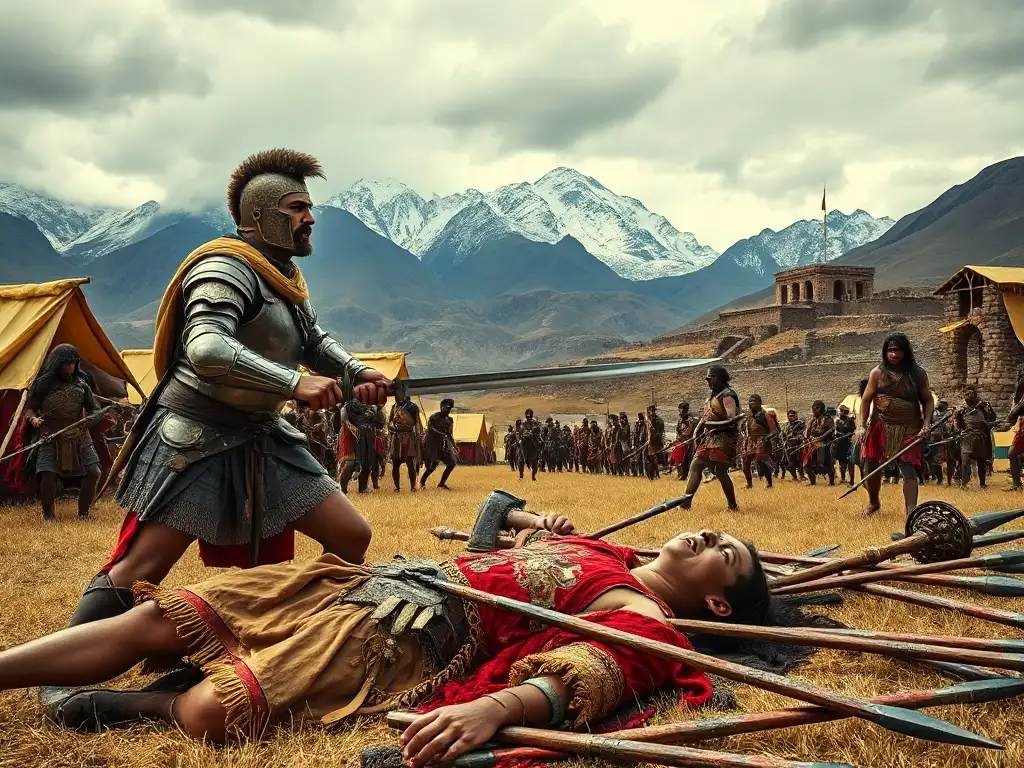
The conquest of the Inca Empire by Francisco Pizarro remains a highly debated topic, raising complex ethical questions that continue to resonate today. Pizarro's "strategies," often lauded as brilliant military tactics, were undeniably intertwined with brutality, deceit, and a profound disregard for indigenous life and culture. Analyzing Pizarro's actions solely through a military lens ignores the devastating human cost and the lasting legacy of oppression.
Understanding Pizarro's Andean conquest strategies requires a critical examination of its ethical dimensions, moving beyond simplistic narratives of military prowess to confront the moral ambiguities at the heart of the conquest. This section delves into the ethical complexities, exploring the debate surrounding Pizarro's actions and their long-term consequences. The discussion will focus on the crucial elements of Pizarro's "success": the exploitation of internal Inca conflicts, the strategic use of superior weaponry, and the devastating psychological impact of his actions on the Inca population.
These factors, while contributing to his military victory, cannot be separated from the ethical considerations of conquest and colonization. The very foundation of Pizarro’s “success” was built upon the systematic dismantling of a complex and sophisticated civilization.
The Debate: Military Genius vs. Ruthless Exploitation
The portrayal of Francisco Pizarro often oscillates between two extremes: a military genius who masterfully outmaneuvered a superior force, and a ruthless exploiter who used treachery and violence to achieve his goals. While Pizarro undeniably possessed military acumen, evident in his strategic deployment of troops and weaponry, attributing his success solely to strategic brilliance ignores the crucial role of deception and brutality. The capture of Atahualpa, for instance, was achieved through a carefully orchestrated ambush, a blatant violation of diplomatic protocols and a clear act of aggression.
The subsequent massacre of thousands of unarmed Inca, including the execution of Atahualpa despite the payment of a massive ransom, starkly reveals the morally reprehensible nature of Pizarro's actions. The narrative of a brilliant military strategist conveniently overlooks the systematic exploitation of internal Inca power struggles, the deliberate spread of disease, and the cultural destruction that accompanied the conquest.
Analyzing Pizarro's Andean conquest strategies requires acknowledging the interwoven nature of military tactics and moral depravity. The immense disparity in military technology certainly played a role, but the success of Pizarro's conquest was equally dependent on the exploitation of existing social and political tensions within the Inca Empire, a far cry from purely strategic military brilliance.
The Long-Term Consequences of Pizarro's Actions
The consequences of Pizarro's actions extended far beyond the immediate violence and bloodshed of the conquest. The destruction of the Inca Empire had profound and lasting repercussions for the Andean region, shaping its social, political, and economic landscape for centuries. The introduction of European diseases alone decimated the indigenous population, leading to a dramatic demographic shift and long-term societal instability.
Furthermore, the systematic dismantling of the Inca administrative and economic structures led to widespread poverty and social disruption. The Inca's sophisticated agricultural systems, intricate road networks, and centralized governance were systematically destroyed, replaced by a colonial system that prioritized the extraction of resources for the benefit of the Spanish crown. This exploitation resulted in the enslavement and forced labor of the indigenous population, leading to widespread suffering and the erosion of traditional Andean cultural practices.
The long-term consequences of Pizarro's Andean conquest strategies are a stark reminder of the devastating impact of colonial violence and the enduring legacy of injustice. The disruption of established social orders, the decimation of the population, and the lasting economic inequalities are all direct consequences of Pizarro's actions, highlighting the catastrophic human cost of his "success."
The Encomienda System and its Impact on Indigenous Populations
Pizarro's conquest paved the way for the implementation of the encomienda system, a brutal form of forced labor that further exacerbated the suffering of the indigenous population. Under this system, Spanish conquistadors were granted control over indigenous communities and their labor, effectively transforming the natives into enslaved workers. The encomienda system fueled the extraction of resources, including gold, silver, and agricultural products, enriching the Spanish crown and the conquistadors while inflicting immense hardship on the indigenous population.
The forced labor often involved grueling and dangerous work in mines and on plantations, leading to widespread death and disease. The encomienda system not only exploited indigenous labor but also systematically dismantled traditional social structures, leading to the erosion of indigenous cultures and the suppression of indigenous identities. The long-term consequences of this system included widespread poverty, social inequality, and the lasting psychological trauma inflicted upon generations of indigenous peoples.
Analyzing Pizarro's Andean conquest strategies necessitates a critical understanding of the encomienda system and its devastating impact on the indigenous population, highlighting the interconnectedness of military conquest and economic exploitation. The system demonstrates a clear example of how Pizarro's strategies extended beyond military tactics to encompass a broader system of oppression and exploitation. The legacy of the encomienda system continues to shape the social and economic realities of the Andean region to this day.
Comparing Pizarro's Strategies with Other Conquistadors
Parallels With Cortés and the Aztec Conquest
Pizarro's conquest of the Inca Empire, while brutal and ultimately successful, shared some strategic similarities with Hernán Cortés's conquest of the Aztec Empire. Both conquistadors exploited internal divisions within the indigenous populations. Cortés famously played factions against each other in Tenochtitlan, leveraging existing rivalries to weaken the Aztec power structure.
Similarly, Pizarro capitalized on the ongoing civil war between Huáscar and Atahualpa, skillfully maneuvering to support Atahualpa initially and then betraying him after securing his capture. Both conquests also relied heavily on superior weaponry, particularly firearms and steel, which provided a decisive advantage in battle against indigenous armies armed primarily with clubs, spears, and slings. The psychological impact of these weapons was significant, contributing to the conquistadors' perceived invincibility.
Furthermore, both Cortés and Pizarro effectively used propaganda and misinformation, spreading rumors and exploiting existing fears to demoralize their opponents and garner support from disgruntled factions. The strategic use of alliances with disgruntled indigenous groups proved invaluable to both conquistadors, offering crucial logistical and military support. However, it's crucial to note that while both campaigns involved deception and manipulation, the specific contexts and outcomes differed significantly.
Unique Challenges Faced by Pizarro in the Andes
While Pizarro mirrored some of Cortés's strategies, the Andean context presented unique challenges. The Inca Empire, while vast and powerful, differed significantly from the Aztec Triple Alliance in its political and geographical organization. The Inca's sophisticated road system, *the Qhapaq Ñan, facilitated rapid communication and troop movement, posing a considerable logistical challenge for Pizarro's smaller force.
The Andes' rugged terrain, high altitudes, and unpredictable weather also proved to be significant obstacles, hampering the conquistadors' mobility and supply lines. Unlike the relatively centralized Aztec capital of Tenochtitlan, the Inca Empire lacked a single, easily besieged urban center. The Inca's decentralized administration, with regional governors wielding considerable autonomy, complicated the conquest, requiring a more protracted campaign involving multiple battles and negotiations across a vast territory.
The Inca's superior infrastructure, while initially a hindrance, also proved advantageous in certain aspects, enabling rapid mobilization of indigenous forces in response to Pizarro's advances. The chroniclers of the time often mention the difficulties faced by the Spanish army in adapting to the high altitude and the different climate conditions.
Contrasting Approaches: The Use of Indigenous Allies
While both Cortés and Pizarro utilized indigenous allies, their approaches differed in some key aspects. Cortés forged alliances with powerful indigenous groups who had long-standing grievances against the Aztecs, such as the Tlaxcalans. These allies provided crucial military support, intelligence, and logistical assistance. Pizarro's alliances were more opportunistic and less stable.
He initially supported Atahualpa against Huáscar, but this alliance quickly dissolved after Atahualpa's capture. Pizarro's reliance on shifting alliances and the exploitation of internal conflicts proved more fragile and less effective in the long term compared to Cortés's more strategic and enduring alliances. The Incas, unlike the Aztecs, lacked a comparable level of internal strife that could be easily exploited by the Spanish. While Pizarro did manage to secure allies, these alliances were often fleeting and based on self-interest and opportunistic arrangements rather than long-term strategic partnerships.
This difference in the nature of alliances significantly impacted the overall course of the conquests, reflecting contrasting strategies employed by the two conquistadors in their respective campaigns. Furthermore, the cultural and linguistic differences between the various Andean groups proved a greater hurdle for Pizarro compared to Cortés's relatively unified alliance with the Tlaxcalans. The lack of a single, overarching indigenous power structure in the Andes made forging lasting, reliable alliances a significantly more complex endeavor for Pizarro than it was for Cortés.
The Legacy of Pizarro's Andean Conquest
Lasting Impact on the Andean Region
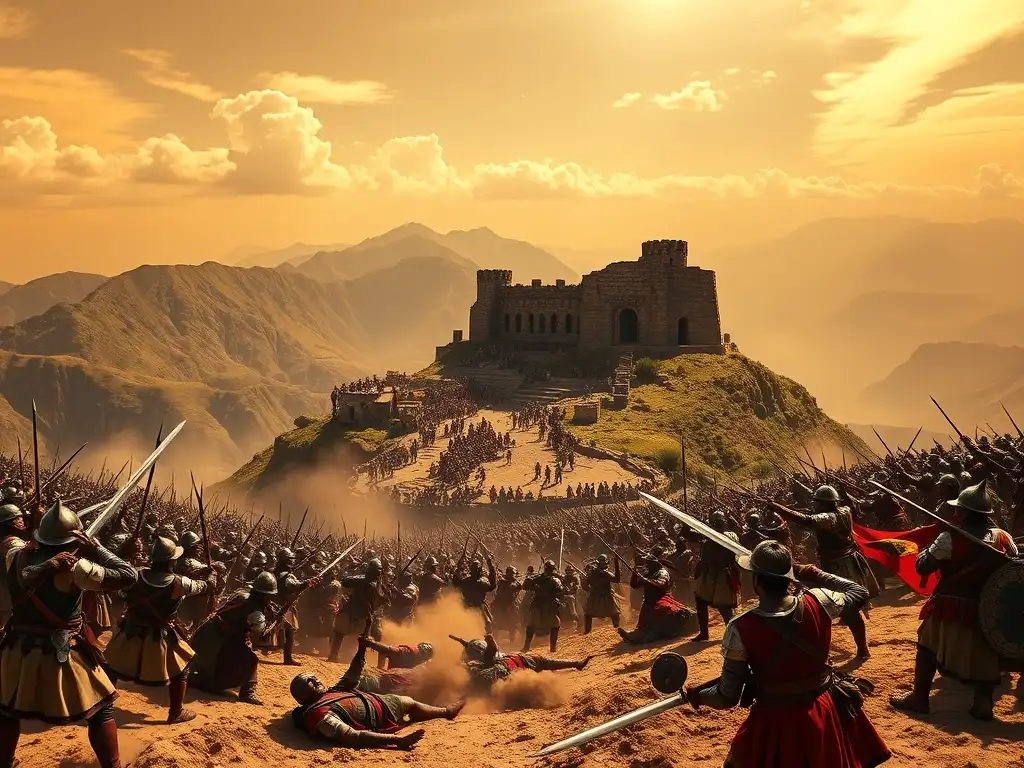
Pizarro's conquest irrevocably altered the Andean landscape and its societal fabric. The Inca Empire, a sophisticated civilization with a complex administrative system, intricate agricultural techniques, and a rich cultural heritage, was shattered. The immediate impact was devastating: widespread death due to disease (smallpox, measles, influenza), warfare, and forced labor.
Millions perished, decimating the population and fundamentally reshaping the demographics of the region. The carefully constructed social hierarchy collapsed, replaced by a brutal system of encomienda, where indigenous populations were subjected to forced labor and exploitation under Spanish overlords. This system, while officially abolished in 1542, persisted in various forms for centuries, leaving a legacy of deep-seated social inequalities that continue to resonate in contemporary Andean societies.
The introduction of new crops and livestock, while initially intended to bolster Spanish resources, also had a lasting impact on the Andean agricultural landscape, though often at the expense of traditional farming practices. The shift in power dynamics also resulted in the suppression of indigenous languages and religions, leading to a lasting cultural loss that continues to be addressed through revitalization efforts today.
Re-evaluation of Pizarro's Role in History
For centuries, Pizarro's conquest has been portrayed through a lens that largely ignored the perspectives of the indigenous populations. Traditional narratives often glorified his military prowess and strategic brilliance, focusing on his cunning and ambition. However, modern scholarship offers a more nuanced and critical perspective, highlighting the brutality and exploitation inherent in his methods.
The use of deception, betrayal, and ruthless violence are now central to the understanding of Pizarro's actions. The capture and execution of Atahualpa, for example, is no longer viewed simply as a decisive military victory, but as a calculated act of political manipulation that paved the way for the systematic subjugation of the Inca Empire. Historians now emphasize the role of disease, internal conflicts within the Inca Empire, and the exploitation of existing power struggles as crucial factors contributing to the Spanish victory, thus diminishing Pizarro’s role as a singular mastermind.
This re-evaluation aims to provide a more complete picture of the conquest, acknowledging the agency and resilience of the indigenous populations while simultaneously condemning the brutality of the colonial enterprise. The focus has shifted from celebrating individual conquerors to understanding the complex interplay of factors that led to the collapse of a powerful civilization.
Contemporary Views on Colonialism and its Repercussions
Contemporary discussions surrounding Pizarro's conquest are often framed within the broader context of colonialism and its enduring legacy. The conversation extends beyond a simple judgment of Pizarro's actions; it delves into the systemic nature of oppression, the lasting effects of economic exploitation, and the ongoing struggle for social justice and indigenous rights in the Andean region. The effects of colonialism, including the marginalization of indigenous communities, land dispossession, and cultural disruption, continue to impact contemporary Andean societies.
Discussions often involve debates about reparations, land rights, cultural preservation, and the ongoing need for decolonization efforts. The legacy of Pizarro's conquest serves as a potent symbol of the destructive power of colonialism and the importance of acknowledging and addressing its lasting consequences.
The exploration of Pizarro's strategies, therefore, transcends a mere historical analysis; it becomes a crucial lens through which to understand the complex relationship between power, exploitation, and the ongoing struggle for equity and recognition in the Andean world. Understanding Pizarro's methods provides a crucial framework for analyzing the broader patterns of colonial conquest and their far-reaching impact.
Conclusion: Evaluating Pizarro's Andean Conquest Strategies
This section analyzes Francisco Pizarro's conquest strategies in the Andes, assessing whether his success stemmed from masterful planning or opportunistic exploitation. We'll examine his tactics, their impact, and the lasting legacy of his actions on the Andean civilizations. The keyword phrase "Pizarro's Andean conquest strategies" will be explored throughout, analyzing its multifaceted nature.
A Summary of Pizarro's Tactics and Their Impact
Pizarro's conquest wasn't a swift, decisive blow. Instead, it was a multi-phased operation leveraging a combination of military prowess, political manipulation, and the exploitation of existing internal conflicts within the Inca Empire. His initial expeditions, while seemingly small-scale, served as crucial reconnaissance missions, gathering intelligence about Inca weaknesses and power structures. This information proved invaluable in his later, larger-scale campaigns.
One of Pizarro's key strategies involved exploiting the Inca civil war between Huáscar and Atahualpa. By skillfully aligning himself with one faction (initially Atahualpa), he weakened the Inca Empire significantly before launching his decisive attacks. This wasn't simply good luck; it required careful observation, strategic alliances, and a keen understanding of Andean politics. The infamous Battle of Cajamarca, often cited as a testament to Pizarro's military genius, was in fact a carefully orchestrated ambush, relying heavily on superior weaponry and surprise.
The impact of Pizarro's tactics was devastating. The Inca Empire, a highly organized and sophisticated civilization, crumbled under the combined weight of military force and disease. The introduction of smallpox, measles, and other Old World diseases decimated the indigenous population, leaving a void that facilitated Spanish control.
The seizure of Atahualpa and the subsequent ransom, while seemingly a financial triumph for Pizarro, further destabilized the Inca Empire and paved the way for complete Spanish domination. The effects of this conquest are still felt in the Andes today, shaping the region's demographics, culture, and political landscape. Understanding the intricacies of "Pizarro's Andean conquest strategies" requires acknowledging this devastating impact.
Was it a Strategic Masterclass or Pure Opportunism?
The question of whether Pizarro's success represents a strategic masterclass or opportunistic exploitation is complex and open to debate. Certainly, he demonstrated tactical brilliance in specific instances, such as the Battle of Cajamarca. His ability to exploit internal divisions within the Inca Empire was a significant factor in his success. However, arguing that his actions were purely strategic overlooks the significant role of chance and circumstance. The devastating impact of Old World diseases, for example, was hardly a part of a pre-meditated plan.
Furthermore, Pizarro’s actions often bordered on ruthlessness and brutality. The massacre at Cajamarca and the subsequent execution of Atahualpa, despite the vast ransom paid, highlight a disregard for Inca life and culture that cannot be ignored when evaluating his "Andean conquest strategies". While his military tactics were undeniably effective, the moral implications of his methods remain highly questionable. The extent to which his actions were driven by calculated strategy versus opportunistic exploitation continues to fuel scholarly debate. Some historians emphasize his cunning and adaptability, while others highlight the element of sheer luck and the devastating consequences of his actions.
The Complex Legacy of the Spanish Conquest in the Andes
The Spanish conquest, spearheaded by figures like Pizarro, left an enduring and complex legacy in the Andes. The consequences extended far beyond the immediate political upheaval. The introduction of new crops and livestock, while having some positive impacts, ultimately reshaped the Andean agricultural landscape and led to significant environmental changes. The imposition of Spanish language, religion, and social structures resulted in the suppression of indigenous cultures and traditions. The legacy of colonialism continues to shape the socio-economic and political realities of the region, impacting everything from land ownership to cultural identity.
The effects of Pizarro's actions are deeply intertwined with the broader narrative of the Spanish conquest in the Andes. Analyzing "Pizarro's Andean conquest strategies" necessitates understanding this broader context and acknowledging the far-reaching and lasting consequences of this historical event. The ongoing debate about the nature of Pizarro's strategies—whether masterful or opportunistic—serves as a reminder of the complexities and lasting ramifications of colonial encounters. The Andean region continues to grapple with the legacy of this period, highlighting the importance of critically examining the past to better understand the present.
Frequently Asked Questions
What were Pizarro's main strategies during the conquest of the Andes?
Pizarro employed a combination of strategies, including military force, alliances with rival groups, and psychological warfare. He skillfully exploited internal conflicts within the Inca Empire to his advantage.
How did Pizarro's alliances contribute to his success?
Pizarro formed crucial alliances with indigenous groups who resented Inca rule, such as the Cañari and Atahualpa's rivals. These alliances provided him with vital manpower and knowledge of the Inca terrain.
What role did technology play in Pizarro's conquest?
Pizarro's forces possessed superior weaponry, including firearms, steel weapons, and horses, which gave them a significant advantage over the Inca army's primarily bronze weaponry and lack of horses.
Was Pizarro's conquest solely a result of superior military might?
No, while superior weaponry played a role, Pizarro's success was also due to political maneuvering, disease, and the exploitation of Inca internal conflicts. His ability to exploit these factors was crucial.
How did Pizarro's actions impact the Andean civilizations?
Pizarro's conquest led to the destruction of the Inca Empire, the death of millions, and the introduction of European diseases, causing a profound and lasting impact on Andean societies and cultures.
Final Reflection: Legacy of Conquest: Examining Pizarro's Methods
Pizarro's conquest of the Inca Empire remains a chillingly relevant example of how ambition, ruthlessness, and the exploitation of internal weaknesses can topple even the mightiest of civilizations. The strategies he employed, a brutal cocktail of military prowess, psychological manipulation, and opportunistic alliances, serve as a stark warning against unchecked power and the devastating consequences of unchecked greed. Understanding these methods is not merely an academic exercise; it's crucial for comprehending the enduring impact of colonialism and the ongoing struggles for justice and equality in the world today.
The legacy of Pizarro's actions continues to shape the social and political landscape of South America, impacting everything from indigenous rights to economic inequality. The trauma inflicted upon the Inca people reverberates through generations, a constant reminder of the fragility of power and the enduring scars of conquest. History is not just what happened; it's what we remember, how we remember it, and why we remember it.
This quote highlights the importance of critically examining Pizarro's methods, not to glorify them, but to learn from the mistakes of the past and prevent their repetition.
Consider the choices Pizarro made, the alliances he forged, and the devastating consequences of his actions. Reflect on the ethical implications of his strategies and how they contrast with the values we hold today. You, the reader, hold the power to shape a more just and equitable future. By understanding the past, we can better navigate the complexities of the present and work towards a world where such brutal exploitation is consigned to the history books, not repeated in new forms.
**Embrace the Legacy: Learn from Pizarro's Tactics! **
Thank you for exploring the complexities of Pizarro's strategies! You've gained valuable insights into the intertwined nature of conquest and opportunity in history. Now, let's apply that knowledge.
- **Reflect on the relevance of these strategies in the modern world:** Consider how similar tactics manifest in contemporary business or political scenarios, and analyze their ethical implications. Journaling your thoughts can be a helpful exercise.
- **Share your insights:** Discuss your newfound understanding with friends, colleagues, or online communities. Help others see how historical lessons can illuminate current events.
- **Expand your knowledge:** Research other conquistadors and their methods. Analyze their successes and failures to gain a broader perspective on the dynamics of conquest.
What approach—**a focus on strategic gains versus exploitative practices**—do you believe is most effective in today's challenging world? Share your thoughts below!