
The Rituals of Sacrifice: Appeasing the Gods and Maintaining Balance

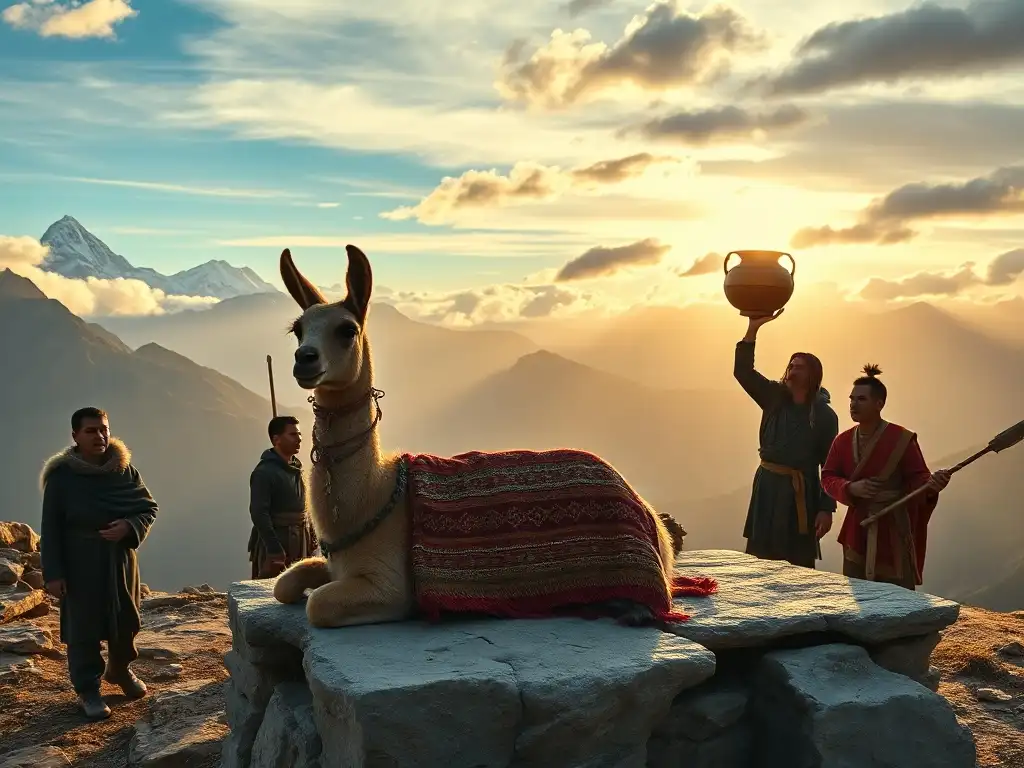
Step into a world lost to time, yet echoing with the whispers of ancient power. Imagine the towering peaks of the Andes, shrouded in mist, where sophisticated civilizations thrived, leaving behind a legacy of breathtaking artistry and complex beliefs. This is the realm of the Andean civilizations, and here, we delve into the fascinating, often unsettling, world of Andean civilization sacrifice rituals. Dare to uncover the secrets behind these practices, and discover how they shaped the destinies of empires – a story of faith, power, and the delicate balance between the human and divine. Prepare to be captivated.
-
Andean Civilization Sacrifice Rituals: Appeasing the Gods and Maintaining Balance
- Understanding the Role of Sacrifice in Andean Cosmovision
- Types of Sacrificial Offerings in Ancient Andes
- Purposes of Andean Sacrifice Rituals
- Locations and Contexts of Sacrifice
- Specific Examples of Andean Sacrifice Rituals
- The Symbolism Behind Andean Sacrifice
- Modern Perspectives on Andean Ritual Sacrifice
- Conclusion: The Enduring Significance of Andean Sacrifice
-
Frequently Asked Questions
- What role did sacrifice play in Andean civilizations?
- What types of sacrifices were performed in Andean cultures?
- Were human sacrifices common in all Andean cultures?
- What were the motivations behind human sacrifice in the Andes?
- How did the Inca's sacrificial practices differ from other Andean cultures?
- Final Reflection: Echoes of Sacrifice, Whispers of Balance
- Embrace the Ancient: Transform Your Understanding of Rituals!
Andean Civilization Sacrifice Rituals: Appeasing the Gods and Maintaining Balance
The Andean civilizations, encompassing a vast array of cultures across the Andes Mountains, developed complex religious systems deeply intertwined with their daily lives. Understanding their beliefs requires delving into the crucial role of sacrifice, a practice far more nuanced than simple appeasement. For the Andean peoples, sacrifice wasn't merely about placating deities; it was a fundamental mechanism for maintaining ayni, a reciprocal relationship between humans, the supernatural world, and the environment.
This intricate system of exchange ensured cosmic balance and prosperity, impacting everything from agricultural cycles to political stability. This article explores the diverse forms and interpretations of Andean sacrifice rituals, examining the types of offerings, their significance, and the broader cosmological context within which they operated. We will uncover the beliefs behind these practices, moving beyond simplistic notions of brutality to reveal the sophisticated religious and social structures that shaped them.
The study of Andean sacrifice rituals offers a profound insight into the worldview of these remarkable civilizations and their enduring legacy. From the chilling accounts of human sacrifice to the more common offerings of animals and material goods, each act held a specific purpose within the intricate tapestry of Andean religion. Understanding these rituals is key to unlocking a deeper appreciation for the Andean cosmovision.
Understanding the Role of Sacrifice in Andean Cosmovision
Andean cosmovision was deeply rooted in the belief of a dynamic interplay between the earthly and supernatural realms. The world was perceived as a complex system of interconnected forces, where maintaining equilibrium was paramount. Sacrifice served as a critical mechanism in this delicate balance.
It wasn't a one-way transaction of giving to receive; instead, it was viewed as a reciprocal exchange, strengthening the bonds between the human and divine spheres. The offerings, whether animal, human, or material, were seen as gifts that strengthened this vital connection, ensuring the continued flow of blessings—fertile lands, successful harvests, and social harmony. The act itself was imbued with ritualistic significance, often involving elaborate ceremonies and precise procedures, underscoring its importance within the Andean worldview.
The concept of reciprocity (ayni) was central; offerings were made not to bribe the gods but to reaffirm a pre-existing relationship and ensure its continuation. Failure to maintain this balance could lead to catastrophic consequences, highlighting the crucial role sacrifice played in the Andean societies’ survival and prosperity.
Types of Sacrificial Offerings in Ancient Andes
The Andean civilizations employed a wide variety of sacrificial offerings, each carrying specific symbolic meaning and serving distinct purposes within the broader cosmological framework. These offerings were meticulously chosen and prepared, reflecting the importance placed upon the ritual. The choice of offering often depended on the specific deity being honored, the nature of the request, and the social standing of the individual or community making the offering. The complexity and diversity of these offerings demonstrate the sophisticated understanding of the Andean peoples regarding their relationship with the supernatural world.
Animal Sacrifices: A Common Practice
Animal sacrifice was a prevalent practice across various Andean cultures. Llamas, alpacas, and guinea pigs were frequently offered, their significance rooted in their economic and symbolic importance within Andean society. Llamas, in particular, held a special place, representing wealth and status.
The sacrifice of these animals was often accompanied by elaborate rituals, involving specific preparations and the consumption of the sacrificed animal by participants, symbolizing the sharing of the offering and the strengthening of community bonds. The location of the sacrifice also held significance, often taking place at sacred sites or during important agricultural festivals, further highlighting the ritual's importance within the Andean calendar. Detailed records, though scarce, suggest that the manner of sacrifice, from the method of killing to the placement of the body, followed precise protocols.
Human Sacrifice in Andean Cultures: A Deeper Look
While undeniably a less frequent practice compared to animal sacrifice, human sacrifice did occur within certain Andean cultures, particularly during times of crisis or significant events. The selection of individuals for sacrifice varied depending on the specific culture and circumstances, sometimes involving captives of war, children, or individuals deemed to possess special qualities. The motivations behind human sacrifice were complex and likely varied, ranging from appeasement of powerful deities to ensuring the success of major undertakings like the construction of monumental structures.
Archaeological evidence suggests that these sacrifices were often accompanied by elaborate ceremonies and burial rituals, reflecting the significant role they played within the religious and social fabric of these societies. It's crucial to understand the context of these practices, avoiding simplistic interpretations and acknowledging the complex social and religious factors that influenced them.
Material Offerings: Precious Metals and Textiles
Beyond animal and human sacrifices, the Andean civilizations offered a wide range of material goods, reflecting their artistic skills and economic resources. Precious metals like gold and silver, meticulously crafted into intricate objects, were frequently offered as gifts to the gods. These offerings were not simply valuable commodities; they were imbued with symbolic meaning, reflecting the power and prestige of the deities and the communities offering them. Similarly, finely woven textiles, often adorned with complex designs and vibrant colors, served as important sacrificial offerings.
These textiles, representing significant labor and skill, were considered valuable gifts, reflecting the community's devotion and desire to maintain a harmonious relationship with the supernatural world. The careful selection and preparation of these material offerings highlight their importance in the Andean system of reciprocal exchange. The artistry involved underscores the deep cultural and religious significance attached to these seemingly material gifts.
Purposes of Andean Sacrifice Rituals
Appeasing the Deities: Seeking Divine Favor
Andean civilization sacrifice rituals were deeply intertwined with the appeasement of deities. The ancient Andean peoples believed that their gods controlled the forces of nature, such as weather patterns, harvests, and earthquakes. To ensure continued prosperity and avoid divine wrath, they offered sacrifices to maintain a positive relationship with the supernatural world. These offerings weren't merely appeasements; they were expressions of respect and a recognition of the gods' power.
The type and scale of the sacrifice often reflected the perceived importance of the deity and the urgency of the request. For example, smaller offerings, such as coca leaves or maize, might be sufficient for everyday needs, while larger, more elaborate sacrifices, including animals or even human beings, might be offered during times of crisis or to secure significant blessings. The belief that the gods actively participated in and influenced human affairs was central to this practice.
Maintaining Cosmic Balance: The Andean Worldview
Central to Andean cosmology was the concept of maintaining balance ( equilibrio ) within the cosmos. This balance encompassed the relationship between the human world and the supernatural realm, as well as the interaction between different elements of nature. Sacrifice played a vital role in sustaining this delicate equilibrium. By offering sacrifices, the Andean peoples believed they were restoring harmony when imbalances occurred, whether caused by natural disasters, social unrest, or perceived transgressions.
The offerings themselves often symbolized the elements they sought to harmonize, reinforcing the connection between the ritual and the desired outcome. The Andean worldview emphasized the interconnectedness of all things, and sacrifice served as a mechanism to reaffirm and strengthen these bonds. Failure to maintain this balance could lead to catastrophe, underscoring the vital role of sacrifice in preserving the well-being of the community.
Ensuring Agricultural Fertility and Abundance
Agriculture was the backbone of Andean societies, and ensuring successful harvests was paramount. Sacrifice played a crucial role in securing agricultural fertility and abundance. Offerings were made to deities associated with agriculture, such as the earth goddess Pachamama, to ensure the land's productivity. These sacrifices might include the first fruits of the harvest, llamas, or other animals considered sacred.
The timing of these rituals often coincided with important agricultural cycles, such as planting and harvesting seasons, highlighting their significance in the agricultural calendar. Moreover, the rituals themselves often involved symbolic acts that mimicked the processes of growth and regeneration, reinforcing the connection between the sacrifice and the desired outcome of bountiful harvests. The success of the harvest was directly linked to the favor of the gods, making these sacrifices essential for the survival of the communities.
Rituals for Political and Social Stability
Andean civilization sacrifice rituals also served to maintain political and social stability. Rulers often used sacrifices to legitimize their power and reinforce their divine right to rule. Elaborate ceremonies, sometimes involving human sacrifice, were performed to solidify their authority and demonstrate their connection to the supernatural world. These rituals served as powerful displays of power, reinforcing social hierarchies and maintaining order within the society.
The scale and grandeur of these sacrifices often reflected the ruler's power and influence, projecting an image of strength and divine favor. Moreover, these sacrifices served to unite the community under a shared belief system, strengthening social bonds and promoting stability. The careful orchestration of these events underscores their importance in maintaining a cohesive and well-ordered society.
Locations and Contexts of Sacrifice
Sacred Sites and Temples: Ritual Spaces
Andean sacrifice rituals were not performed haphazardly; they took place in specifically designated sacred sites and temples. These locations were believed to possess a special spiritual power, connecting the human world to the supernatural realm. Temples, often situated on mountaintops or other prominent locations, served as focal points for ritual activity.
These sites were meticulously chosen, often based on geographical features or their perceived connection to specific deities. The architecture and design of these temples further reinforced their sacred status, reflecting the importance of the rituals performed within their walls. The selection and preparation of these sites were crucial elements of the ritual process itself, highlighting the significance of the location in connecting the participants to the divine.
Sacrifice and Burial Practices: The Afterlife Connection
The Andean worldview emphasized the connection between the living and the dead. Sacrifice rituals were often integrated with burial practices, reflecting this belief. Offerings were frequently placed in tombs alongside the deceased, providing them with provisions for their journey to the afterlife.
The nature of these offerings often reflected the status of the deceased and the beliefs about the afterlife. These practices underscore the importance of maintaining connections with ancestors and the belief that the deceased continued to influence the living world. The careful arrangement of these offerings within the burial context reveals the complex beliefs surrounding death and the afterlife in Andean cultures.
Public Spectacles vs. Private Rituals
Andean civilization sacrifice rituals varied greatly in scale and context. Some were large-scale public spectacles, involving entire communities and designed to reinforce social cohesion and appease powerful deities. These events were highly organized and often involved elaborate processions, music, dance, and dramatic displays. In contrast, other rituals were more private affairs, performed by individuals or small groups within the domestic sphere.
These rituals might involve smaller offerings and were often associated with personal needs or concerns. The contrast between these two types of rituals highlights the diversity of Andean religious practices and their adaptation to various social and individual needs. The context of the ritual—public or private—significantly influenced its form and purpose.
Specific Examples of Andean Sacrifice Rituals
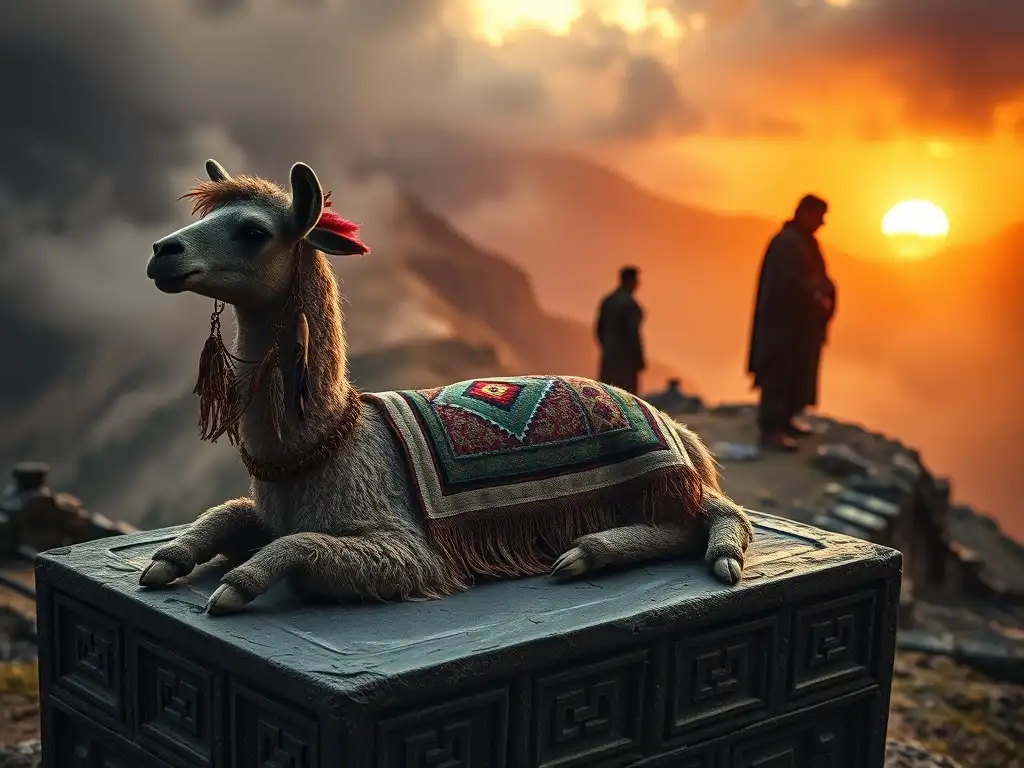
Andean civilization sacrifice rituals varied greatly depending on the specific culture and time period. While the practice was widespread, the specifics of the rituals, the types of offerings, and the reasons behind them differed significantly. Understanding these variations is crucial to appreciating the nuances of Andean religious beliefs and practices. One common thread, however, was the belief that these sacrifices maintained cosmic balance and appeased powerful deities.
The scale of sacrifices also varied, from small offerings of food and drink to elaborate ceremonies involving human sacrifice. The motivations behind these acts were complex and interwoven with the Andean worldview. The following examples illustrate the diversity of these practices across different Andean cultures.
Inca Capac Cocha: The Sacrifice of Children
The Inca empire, known for its sophisticated administration and vast territory, also practiced human sacrifice, though not as pervasively as some other Andean cultures. Capac Cocha, meaning "sacred lake," refers to a specific type of Inca sacrifice where children, often selected for their perceived purity and beauty, were ritually offered to the gods. These sacrifices, often associated with times of crisis or significant events, were believed to ensure the prosperity and continued reign of the Inca emperor.
Archaeological evidence, such as the mummified remains of children found at high-altitude sites, supports the existence of this practice. The precise details of the rituals remain debated, but these sacrifices represent a significant aspect of Inca religious practice, highlighting the importance placed on maintaining cosmic harmony through these offerings. The selection process, the rituals themselves, and the specific deities involved in Capac Cocha are areas of ongoing research and debate among scholars.
Moche Sacrifice Ceremonies: Decoding the Murals
The Moche civilization, flourishing on the northern coast of Peru, left behind a rich artistic legacy, notably in their elaborate pottery and murals. These artistic representations provide invaluable insights into their religious practices, including human sacrifice. Moche murals depict scenes of elaborate ceremonies, showcasing individuals being offered to the gods. These depictions often include detailed representations of the rituals, the attire of the participants, and the offerings involved.
The murals suggest a complex system of beliefs surrounding sacrifice, with different types of offerings and ceremonies performed for various deities or occasions. Analyzing these artistic representations allows researchers to reconstruct the rituals, understand the societal roles involved, and grasp the Moche worldview. Further research into Moche iconography and the context of these murals provides a deeper understanding of their sacrificial rituals and their significance in Moche society.
Tiwanaku Rituals: Offerings at Lake Titicaca
The Tiwanaku civilization, located near Lake Titicaca, engaged in various forms of ritual offerings. The lake itself held immense religious significance, acting as a sacred space where offerings were made to appease the deities and maintain cosmic balance. Evidence suggests a variety of offerings, ranging from agricultural products and precious metals to human sacrifices. The scale and frequency of these sacrifices might have varied depending on factors such as the perceived needs of the gods or specific events.
The location of Tiwanaku, near Lake Titicaca, influenced the types of offerings and the rituals involved. The lake's powerful symbolism and its connection to the Andean cosmology played a pivotal role in Tiwanaku religious practices. Further investigation of archaeological remains in and around Lake Titicaca is crucial to fully understanding the role of sacrifice in Tiwanaku religious beliefs.
The Symbolism Behind Andean Sacrifice
The significance of Andean sacrifice rituals transcends the mere act of offering something to the gods. It encompassed a rich tapestry of symbolism, deeply rooted in the Andean worldview. Understanding this symbolism is key to unlocking the meaning and purpose behind these practices. The rituals weren't simply about appeasement; they were about maintaining a delicate balance between the human world and the supernatural realm. The symbolism embedded in these rituals reflects the complex cosmology and beliefs of the Andean civilizations.
The Meaning of Blood and Life Force
Blood held profound symbolic importance in Andean cultures. It was seen as a vital life force, a connection between the physical and spiritual realms. The offering of blood, whether through human sacrifice or animal sacrifice, was viewed as a powerful act of restoring balance and replenishing the life force of the cosmos. This belief was deeply entwined with their understanding of the interconnectedness of all living things and the cyclical nature of life and death. The significance of blood in Andean rituals underscores the importance they placed on maintaining the vitality and equilibrium of the world.
The Role of Sacrifice in Andean Mythology
Andean mythology is replete with stories and narratives that illustrate the role of sacrifice in maintaining cosmic order. These myths often depict gods or mythical figures making sacrifices or requiring sacrifices from humans. These narratives serve to reinforce the importance of sacrifice in their religious practices and highlight the consequences of failing to uphold the sacred balance.
The myths themselves often provided a framework for understanding the rituals, offering explanations for their purpose and significance. Studying these myths sheds light on the cultural and religious context surrounding sacrifice and its place within the Andean worldview. Further research into Andean mythology is crucial for a more complete understanding of the significance of these sacrifices.
The Connection between Sacrifice and Transformation
The act of sacrifice was often seen not just as a means of appeasement, but also as a catalyst for transformation. Offering something precious or valuable to the gods was believed to bring about positive change, whether on an individual, community, or cosmic level. This transformative aspect of sacrifice is evident in the various rituals and ceremonies practiced by different Andean civilizations.
The offerings themselves often symbolized the desire for renewal, prosperity, or protection. The connection between sacrifice and transformation underscores the dynamic and evolving nature of Andean religious beliefs and practices. The transformative power attributed to sacrifice highlights the active role humans played in shaping their relationship with the supernatural realm.
Modern Perspectives on Andean Ritual Sacrifice
Modern interpretations of Andean sacrifice rituals move beyond simplistic notions of brutality and delve into the complex socio-political and religious contexts in which these practices occurred. Scholars now recognize the nuanced ways in which sacrifice served to maintain cosmic balance, solidify social hierarchies, and ensure the prosperity of the community. The motivations behind these acts were not solely driven by fear or appeasement, but also by a deep-seated belief in reciprocal relationships between the human and supernatural worlds.
Understanding these rituals requires a careful analysis of the archaeological evidence, coupled with a sensitivity to the cultural perspectives of the Andean peoples themselves. It's crucial to avoid imposing modern ethical frameworks onto ancient practices, recognizing that their meaning was embedded within a vastly different worldview.
For instance, the offering of llamas or other valuable goods might not be viewed solely as "sacrifice" in the modern sense, but as a form of exchange or tribute to maintain a harmonious relationship with the divine. The perspective has shifted from viewing sacrifice as solely violent acts to understanding them as complex rituals with multiple layers of meaning and purpose.
Archaeological Evidence and Interpretations
Archaeological excavations across the Andes have unearthed a wealth of evidence related to sacrificial practices. Findings include human remains found in carefully constructed burial sites, often accompanied by elaborate grave goods such as pottery, textiles, and precious metals. These discoveries provide valuable insights into the ritualistic aspects of sacrifice, revealing details about the individuals sacrificed, the ceremonies surrounding the act, and the symbolic meaning attributed to the offering.
For example, the discovery of child mummies at sites like Llullaillaco in Argentina offers a glimpse into the complex rituals associated with Inca child sacrifice, capacocha, highlighting its significance in the Inca imperial ideology. Interpreting this evidence requires a multidisciplinary approach, combining archaeological data with anthropological studies, ethnohistorical accounts, and iconographic analysis.
Such an approach allows researchers to reconstruct the context and purpose of these rituals, moving beyond simplistic narratives and towards a more nuanced understanding of their significance. Careful analysis of skeletal remains, for example, reveals insights into the health and diet of sacrificed individuals, potentially challenging preconceived notions about their social status.
Ethical Considerations and Cultural Sensitivity
The study of Andean sacrifice rituals necessitates a critical engagement with ethical considerations and cultural sensitivity. Respect for the remains of the individuals involved is paramount. Archaeological investigations must adhere to strict ethical protocols, ensuring the preservation and respectful treatment of human remains and artifacts.
Moreover, researchers must be mindful of the potential for misinterpretation and the perpetuation of harmful stereotypes. The narrative surrounding these practices needs to move beyond sensationalist portrayals and focus on understanding the cultural context within which they occurred. Collaboration with indigenous communities and descendants of the Andean civilizations is essential for ensuring that research is conducted in a respectful and ethically responsible manner.
Their perspectives and knowledge are crucial for a complete and nuanced understanding of these complex rituals. This collaborative approach helps to avoid the imposition of external interpretations and ensures that the study of Andean sacrifice contributes to a more complete and accurate understanding of their history and culture.
Preserving the Legacy of Andean Rituals
Preserving the legacy of Andean sacrifice rituals involves a multifaceted approach. This includes the careful preservation of archaeological sites, the ethical management of human remains and artifacts, and the promotion of responsible research practices. Furthermore, public education plays a crucial role in fostering a deeper understanding and appreciation of these complex practices.
Museums and educational institutions can play a key role in presenting accurate and nuanced interpretations of Andean sacrifice, challenging common misconceptions and promoting a more respectful understanding. Collaboration with indigenous communities is crucial in shaping these narratives and ensuring that the legacy of these rituals is preserved and interpreted in a way that honors their cultural significance.
Digital technologies can also play a role in making these cultural heritage sites and knowledge accessible to a wider audience, fostering appreciation and understanding. This holistic approach aims to protect and safeguard the physical remains while promoting respectful and informed understanding of Andean culture.
Conclusion: The Enduring Significance of Andean Sacrifice
The study of Andean civilization sacrifice rituals reveals a complex interplay of religious beliefs, social structures, and cosmological understandings. These practices were not simply acts of violence but rather integral components of a sophisticated belief system aimed at maintaining cosmic balance and ensuring community prosperity.
Modern perspectives, informed by archaeological evidence and ethical considerations, emphasize the need for nuanced interpretations that avoid simplistic or sensationalist narratives. By understanding these rituals within their historical and cultural contexts, we gain a richer appreciation for the complexity and sophistication of Andean civilizations and their enduring legacy.
The ongoing research and collaborative efforts dedicated to understanding these rituals contribute not only to our historical knowledge but also to promoting cultural sensitivity and responsible stewardship of cultural heritage. The significance of Andean sacrifice lies not only in its historical context but also in its enduring capacity to challenge our understanding of ancient cultures and prompt critical reflection on ethical research practices.
Frequently Asked Questions
What role did sacrifice play in Andean civilizations?
Sacrifice was central to Andean religions. It was believed to maintain cosmic balance, appease the gods, and ensure fertility and prosperity. Rituals varied widely depending on the specific civilization and deity.
What types of sacrifices were performed in Andean cultures?
Andean civilizations practiced human sacrifice, animal sacrifice, and object sacrifice. Human sacrifice, though significant, wasn't as ubiquitous as often portrayed, varying greatly between cultures and time periods. Agricultural offerings were also common.
Were human sacrifices common in all Andean cultures?
While human sacrifice occurred in some Andean cultures, like the Inca, it wasn't a universal practice. The frequency and scale varied considerably between different groups and historical periods. Other forms of sacrifice were more widespread.
What were the motivations behind human sacrifice in the Andes?
Motivations for human sacrifice were complex and varied. They included appeasing powerful deities, ensuring successful harvests, securing military victory, and celebrating important events. Elite status of the victims also played a role.
How did the Inca's sacrificial practices differ from other Andean cultures?
Inca sacrificial practices, while sharing some similarities with other Andean groups, had their own unique features. State-sponsored rituals were more common, and captive warriors often served as victims. Specific locations were also chosen for their sacred significance.
Final Reflection: Echoes of Sacrifice, Whispers of Balance
The intricate rituals of sacrifice within Andean civilizations, far from being relics of a distant past, offer a potent lens through which to examine our own contemporary struggles with balance and the unseen forces shaping our lives. The enduring power of these practices lies not just in their historical significance, but in their capacity to illuminate the persistent human need to find harmony between the individual, community, and the perceived divine.
The echoes of these ancient rituals resonate even today, influencing our understanding of community responsibility, environmental stewardship, and the delicate interplay between human ambition and the natural world. The very act of offering something precious, be it a material object or a personal sacrifice, speaks to a fundamental human desire to connect with something larger than ourselves. The gods do not demand sacrifices; they demand respect.
This unspoken truth, applicable across cultures and time periods, underscores the enduring relevance of understanding these ancient practices. The Andean civilizations' profound connection to their environment, reflected in their rituals, serves as a stark reminder of our own responsibility towards the planet.
Consider the choices you make daily. What sacrifices, large or small, do you make to maintain balance in your own life? What unseen forces, be they societal pressures or personal beliefs, shape your decisions? Take a moment to reflect on the parallels between the ancient Andean rituals and your own life. By understanding their motivations, we can better understand ourselves and strive towards a more harmonious existence, one that respects both the seen and the unseen forces that shape our world.
Embrace the Ancient: Transform Your Understanding of Rituals!
Thank you for exploring the rich tapestry of rituals and sacrifices that defined Andean civilizations. By understanding how these practices were believed to appease the gods and maintain cosmic balance, you've uncovered a vital part of history that continues to shape cultures today. Now, let's put this knowledge into practice!
- Reflect on your daily routines: Consider how even small, consistent actions contribute to your overall well-being. What small adjustments can you make to foster personal growth?
- Join the discussion: Share your insights on the role of ritual in creating balance and harmony. Connect with others interested in Andean culture and its enduring relevance by commenting below or joining the conversation on social media.
- Continue your exploration: Discover more about Andean traditions and their impact on modern society through other articles on our site.
What simple practice will you incorporate this week to promote harmony in your life?