
Stone, Bone, and Shell: Decoding the Material World of Early Andean Peoples

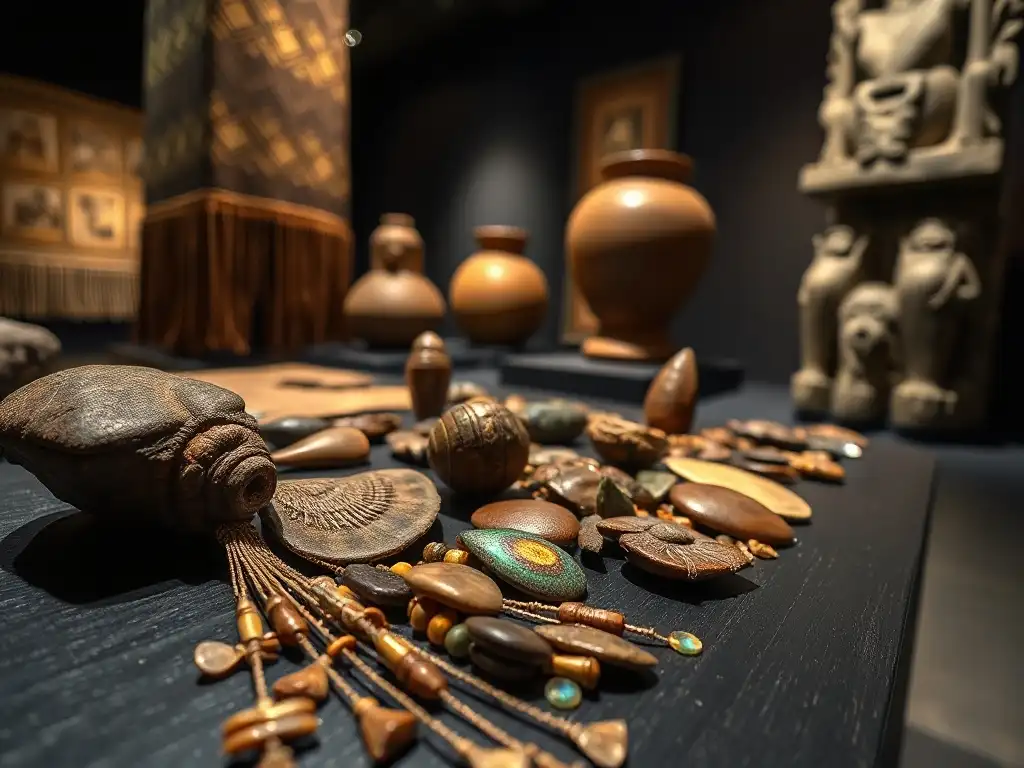
Unravel the mysteries of a world sculpted from stone, bone, and shell. Journey through the captivating legacy of the Andean civilizations, where intricate artistry and ingenious technology flourished. Discover how the Andean civilizations material culture shaped their societies, leaving behind a breathtaking testament to their ingenuity and resilience. Prepare to be amazed by the stories etched in every artifact—stories waiting to be uncovered within this exploration of their remarkable world.
The study of Andean civilizations often focuses on the impressive architectural feats of the Inca or the intricate artistry of the Moche. However, a deeper understanding of these sophisticated societies requires exploring their roots—the pre-ceramic period.
This era, predating the widespread use of pottery, reveals a fascinating glimpse into the ingenuity and resourcefulness of early Andean peoples through their mastery of stone, bone, and shell. This article delves into the material culture of these early communities, examining the tools, technologies, and symbolic expressions embedded within the objects they created, providing crucial insights into their daily lives, social structures, and adaptation to the challenging Andean environment.
By analyzing the choices of materials and the techniques employed, we can begin to decipher the rich tapestry of their existence and contribute to a more complete understanding of Andean civilizations material culture. The careful examination of these seemingly simple artifacts unveils a complex story of innovation, resilience, and cultural development.
Understanding Pre-Ceramic Andean Material Culture
The pre-ceramic period in the Andes, spanning roughly from 8000 to 1800 BCE, is characterized by a remarkable diversity of material culture. While lacking the iconic pottery of later periods, this era showcases a sophisticated understanding of available resources and innovative techniques for their utilization. Early Andean communities skillfully adapted to the varied Andean ecosystems, exploiting the resources of the high-altitude plains, coastal deserts, and river valleys.
This adaptation is vividly reflected in the materials they used and the tools they created. The abundance of stone, readily available in many regions, formed the basis of their technological advancements. Bone and shell, though less ubiquitous, played crucial roles in specific tool types and ceremonial objects.
Analyzing these materials allows us to reconstruct aspects of their subsistence strategies, social organization, and belief systems. The meticulous craftsmanship evident in many artifacts points to a complex social structure and a deep understanding of their environment. Understanding this period is key to understanding the trajectory of development that led to the more complex societies of later periods.
The Significance of Stone Tools in Early Andean Societies
Stone tools represent a cornerstone of pre-ceramic Andean technology. Their ubiquitous presence across various sites highlights their importance in daily life. The selection of specific types of stone, often based on their durability and fracture properties, reveals a sophisticated understanding of material properties.
Beyond simple functionality, stone tools also served symbolic and ceremonial purposes, suggesting an integration of the practical and the spiritual within Andean societies. The careful selection, shaping, and finishing of these tools point to a high level of skill and precision. The diversity of stone tools found across different sites also reflects adaptations to specific environments and resources.
Lithic Technology and Tool Production Techniques
Early Andean peoples employed a variety of lithic techniques, including percussion flaking and pressure flaking, to shape stone into tools. Percussion flaking involved striking a core stone with a hammerstone to remove flakes, while pressure flaking utilized a pointed implement to delicately remove smaller flakes, enabling greater precision in shaping. Evidence suggests a gradual refinement of these techniques over time, reflecting an accumulation of knowledge and skill transfer across generations.
The development of these techniques was crucial for the production of a wide variety of specialized tools, tailored to specific tasks. Archaeological findings reveal a progression in complexity, showing a clear understanding of material properties and the relationship between tool form and function.
Types of Stone Artifacts: Grinding Stones, Projectile Points, Scrapers
The range of stone artifacts discovered is impressive. Grinding stones, used for processing plant foods, are prevalent across sites, indicating the importance of plant-based subsistence. Projectile points, meticulously crafted from obsidian and other fine-grained stones, demonstrate advanced skills in stone knapping and reveal insights into hunting practices.
Scrapers, used for processing hides and other materials, showcase versatility in tool design and adaptation to various tasks. The diversity of these artifacts underscores the sophistication of early Andean technology and the adaptability of their tool-making strategies. The precision and skill evident in their production suggest specialized labor and a division of tasks within early Andean communities.
Stone as a Reflection of Early Andean Adaptations
The choice of stone types varied geographically, reflecting the availability of resources in different regions. Coastal communities may have favored different materials compared to those in the highlands. This variability in material use highlights the ability of early Andean societies to adapt to diverse environments and exploit local resources effectively.
The presence of specific stone types at certain sites also provides information on trade networks and the exchange of goods between different communities. Analysis of the wear patterns on tools reveals information about their use and the types of activities they were employed in, further illuminating aspects of daily life in pre-ceramic Andean societies. The study of stone tools, therefore, serves as a valuable window into the ingenuity, adaptability, and resourcefulness of these early Andean inhabitants.
Bone Artifacts: Insights into Pre-Ceramic Andean Practices
The study of bone artifacts from the pre-ceramic Andean period offers invaluable insights into the daily lives, rituals, and technological capabilities of these early societies. Bone, a readily available material, was skillfully transformed into a diverse range of tools, ornaments, and ritual objects, reflecting both practical needs and symbolic beliefs. The careful examination of these artifacts allows us to reconstruct aspects of their subsistence strategies, social structures, and spiritual worldviews.
The presence of bone tools in various archaeological contexts, from domestic sites to ceremonial centers, highlights their significance across different spheres of Andean life. Furthermore, the techniques used in bone tool manufacturing reveal a sophisticated understanding of material properties and a high degree of craftsmanship.
Analyzing the types of animals represented in the bone assemblage allows researchers to understand the faunal resources available and exploited by these early communities. The condition and modification of the bones can also reveal information about butchering practices, dietary habits, and potentially, the presence of diseases or other health issues within the population.
Bone Tool Manufacturing and Uses
Pre-ceramic Andean peoples demonstrated impressive skill in shaping bone into functional tools. Evidence suggests the use of techniques such as grinding, polishing, and drilling to create tools like needles, awls, and spatulas. Microscopic analysis often reveals wear patterns indicating specific uses, such as piercing hides for clothing or working with plant fibers for textiles. The meticulous craftsmanship evident in these artifacts showcases a deep understanding of bone's properties and its potential for diverse applications.
For example, the creation of finely crafted bone needles required significant dexterity and precision, highlighting advanced technological capabilities. The durability of bone made these tools suitable for various tasks, and their presence in different archaeological contexts suggests their importance in daily life. The types of bones used also provide clues about available animal resources and their selective use in tool production.
Ritual and Symbolic Uses of Bone
Beyond their practical applications, bone artifacts also played a significant role in Andean ritual and symbolism. Certain bones, particularly those from animals with symbolic importance, were carefully crafted into ornaments or used in ceremonial contexts. The presence of bone artifacts in burials suggests their association with beliefs about life, death, and the afterlife. For example, the inclusion of specific bone ornaments in elite burials may indicate status or power, or it may reflect beliefs associated with those specific animals.
The careful selection and modification of bones for ritual purposes highlight the symbolic value attributed to these materials. Further research is needed to fully understand the specific meanings and beliefs associated with these ritual objects. The discovery of bone artifacts in contexts associated with shamanistic practices would further illuminate the role of bone in Andean spiritual life.
Analysis of Bone Remains: Diet, Subsistence Patterns, Animal Domestication
The analysis of animal bone remains from pre-ceramic Andean sites provides critical data on diet, subsistence strategies, and the potential beginnings of animal domestication. The identification of different animal species, the age and sex profiles of the animals, and the presence of butchering marks all contribute to a richer understanding of early Andean lifeways. Isotopic analysis of bone collagen can offer information about the diet of both humans and animals.
The presence of certain species in large numbers might indicate targeted hunting or even early stages of domestication. For instance, the discovery of a high concentration of specific animal bones in a particular site may indicate that this animal was a significant source of food for the local community.
Furthermore, the identification of domesticated animals would provide crucial information about the development of agricultural practices and the transition from hunter-gatherer to agricultural societies. The study of bone remains, therefore, is crucial to reconstructing the intricate relationship between early Andean peoples and their environment.
The Role of Shell in Early Andean Material Culture

Marine shells, especially those from the Pacific coast, played a significant role in the material culture of early Andean communities. Their vibrant colors, diverse shapes, and relative durability made them ideal for crafting ornaments, tools, and ritual objects. The presence of shell artifacts far inland from the coast indicates extensive trade networks and the high value placed on these materials.
The use of shell in early Andean societies reflects a complex interplay of practical needs, artistic expression, and social status. Analysis of shell artifacts provides invaluable insights into trade patterns, craftsmanship, and the social organization of these early communities. The presence of specific types of shell in different regions also provides insight into the extent of trade networks and the movement of goods across the Andean landscape.
Sourcing and Trade of Marine Shells
The sourcing and trade of marine shells in the pre-ceramic Andes reveal extensive interaction networks spanning considerable distances. Certain types of shells, particularly those found only in specific coastal regions, have been discovered far inland, indicating a well-established system of exchange. The distribution patterns of these shells suggest the existence of trade routes and the importance of marine resources in the Andean economy.
The presence of rare or exotic shell types in burials or ceremonial contexts indicates their high value and symbolic significance. Archaeological evidence suggests that shell was not merely a material resource, but also a valuable commodity used in social and economic exchange. Further research into the sourcing and trade of shells can help us to better understand the complex social and economic relationships between different Andean communities.
Shell Artifacts: Beads, Ornaments, Spoons
Early Andean artisans skillfully transformed shells into a variety of objects, including beads, ornaments, and spoons. Shell beads, often meticulously crafted and decorated, were used to create necklaces, bracelets, and other forms of personal adornment. Larger shells were sometimes carved into intricate ornaments or fashioned into functional objects like spoons. The diversity of shell artifacts reflects both the artistic creativity and the technological capabilities of early Andean societies.
The variety of techniques employed, including drilling, carving, and polishing, showcases their advanced craftsmanship. The presence of shell ornaments in burials suggests their association with social status, ritual practices, or beliefs about the afterlife. The analysis of these artifacts provides insight into the aesthetic preferences and the symbolic meanings associated with shell in Andean cultures.
Shell as a Marker of Status and Identity in Andean Communities
The presence of specific types of shell in certain contexts suggests their use as markers of status and identity within early Andean communities. Rare or exotic shells, obtained through long-distance trade, were likely reserved for elite individuals or used in high-status burials. The distribution of shell artifacts reflects social hierarchies and the unequal access to valuable resources.
The use of shell as a marker of status highlights the importance of trade networks and the social stratification that developed within Andean societies. Further research into the distribution and use of shell artifacts can help us to better understand the social structure and dynamics of these early communities. The presence of particular shell types in specific geographic locations may also indicate the existence of distinct cultural identities or affiliations.
Analyzing the Distribution and Context of Early Andean Artifacts
Archaeological Sites and their Material Remains
Understanding the material culture of early Andean civilizations requires a meticulous examination of archaeological sites. These sites, ranging from small settlements to expansive ceremonial centers, offer invaluable insights into the lives and practices of these ancient peoples. The distribution of artifacts within a site is crucial; for instance, the concentration of stone tools in specific areas might indicate workshops or specialized activity zones.
Similarly, the presence of bone and shell artifacts in residential areas provides clues about daily life, diet, and craft production. Careful excavation and meticulous recording of artifact locations are paramount to reconstructing the spatial organization of these ancient communities and understanding the relationships between different activities and areas within a site. The careful stratification of layers within sites also allows archaeologists to understand changes in material culture over time, revealing how technology and practices evolved.
For example, the transition from simpler chipped stone tools to more refined ground stone tools can be traced through careful analysis of stratified deposits at sites such as [Specific Site Name Pending]. The careful study of these remains allows us to build a more comprehensive picture of the daily lives of these early Andean peoples.
Regional Variations in Material Culture
The Andean region is geographically diverse, encompassing coastal deserts, high-altitude plains, and lush valleys. This environmental heterogeneity significantly influenced the available resources and, consequently, the material culture of early Andean societies. Coastal communities, for example, relied heavily on marine resources, resulting in a prevalence of shell artifacts, including tools, ornaments, and ritual objects. In contrast, highland communities utilized readily available stone and bone resources, leading to distinct tool types and artistic expressions. The variations in material culture reflect not only the availability of raw materials but also the unique adaptations and innovations of different groups to their specific environments. Analyzing these regional differences allows us to understand the diversity of early Andean cultures and the complex interplay between humans and their environment. For instance, the intricate textiles found in the highlands contrast sharply with the simpler weaving techniques evident in coastal regions, suggesting variations in social organization and technological development.
The Importance of Context in Understanding Artifact Function
The interpretation of Andean artifacts is critically dependent on their context. An isolated stone tool, for example, might seem simple, but its function and significance become clearer when considered within the broader context of its discovery. Was it found in a residential area, a burial site, or a workshop? What other artifacts were found in association with it? The answers to these questions provide crucial information about the artifact's use, its role in social practices, and its symbolic meaning.
Furthermore, understanding the depositional context—how and why the artifact came to be buried—is essential for accurate interpretation. Was it discarded, ritually deposited, or lost accidentally? Each scenario offers different insights into the cultural practices and beliefs of the early Andean people. For example, the discovery of elaborate shell ornaments within a burial context suggests a belief in an afterlife and the importance of social status.
Early Andean Material Culture: A Window into Ancient Life
Reconstructing Daily Life through Artifact Analysis
The study of early Andean material culture provides a unique window into the daily lives of these ancient peoples. Artifacts such as grinding stones, cooking pots, and textiles offer valuable insights into food preparation, clothing, and domestic activities. The analysis of bone remains reveals dietary habits and the types of animals hunted or herded.
The presence of specific tools, such as weaving implements or specialized stone tools, indicates the development of sophisticated crafts and technologies. By piecing together the evidence from various artifact types, archaeologists can reconstruct the daily routines, social structures, and economic activities of early Andean communities. For instance, the discovery of numerous grinding stones in a settlement suggests a reliance on agriculture and the processing of grains.
Technological Innovations and Adaptations
Early Andean peoples demonstrated remarkable ingenuity in adapting to their environment and developing innovative technologies. Their mastery of stone tool production, for example, involved sophisticated techniques of chipping, grinding, and polishing. The creation of intricate textiles, using both plant and animal fibers, showcases their advanced knowledge of weaving and dyeing.
The development of pottery, a significant technological leap, allowed for the storage and preparation of food, further impacting social and economic life. These technological innovations were not merely practical; they also played a crucial role in social status and ritual practices. The production of finely crafted artifacts often required specialized skills and knowledge, leading to the emergence of skilled artisans and potentially social hierarchies.
The Legacy of Pre-Ceramic Andean Material Culture
The material culture of the pre-ceramic period laid the foundation for the later development of complex Andean civilizations. The technological innovations, artistic expressions, and social practices of these early communities shaped the cultural landscape of the Andes for millennia. The sophisticated understanding of materials, the development of specialized crafts, and the integration of art and technology into daily life all contributed to the rich and diverse cultural heritage of the Andean region.
The legacy of these early Andean peoples continues to inspire awe and admiration, offering a testament to human ingenuity and adaptability in the face of challenging environmental conditions. The study of their material culture remains crucial for understanding the complex processes that led to the rise of the later Andean empires. The continuity and change in material culture across different periods are vital for understanding the long-term cultural development of the region.
The Importance of Studying Andean Material Culture for Understanding Andean Civilizations
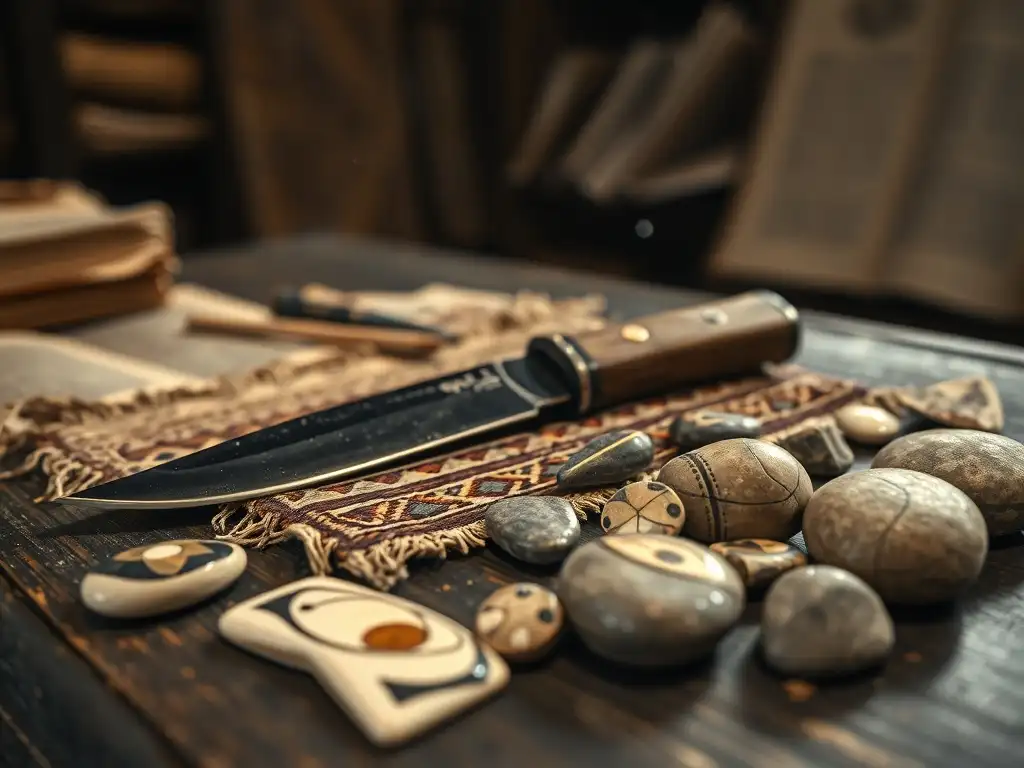
The study of Andean material culture—the objects created and used by ancient Andean peoples—is paramount to understanding their complex societies and belief systems. These artifacts, ranging from intricately carved stone tools to delicate shell ornaments, offer invaluable insights unavailable through other sources. Unlike written records, which are scarce for many early Andean cultures, material culture provides direct evidence of daily life, technological advancements, social structures, and spiritual practices. By analyzing the materials used, the techniques employed in their creation, and the contexts in which they were found, archaeologists can reconstruct a more complete picture of Andean civilizations.
For example, the presence of certain types of stone tools in a particular region can indicate specialized craft production and potential trade networks, while the style and decoration of pottery can reveal social status and cultural affiliations. The careful examination of these objects allows us to move beyond simple descriptions of artifacts and delve into the nuanced social, economic, and religious systems that shaped Andean societies. Understanding the choices made in material selection, craftsmanship, and use reveals the intricate interplay between humans and their environment, showcasing the ingenuity and adaptability of Andean peoples in harnessing available resources.
In essence, the study of Andean material culture is a crucial lens through which we can interpret and appreciate the richness and complexity of these fascinating civilizations. It provides a tangible connection to the past, allowing us to engage with the lives and beliefs of people who lived thousands of years ago. The meticulous analysis of Andean material culture continuously refines our understanding of these ancient societies, challenging existing assumptions and revealing new facets of their vibrant history.
Stone Tools and Technology in the Early Andean World
The early Andean world witnessed a remarkable development in stone tool technology. From the simplest chipped stone tools of the early pre-ceramic periods to the more sophisticated ground stone tools of later eras, the evolution reflects increasing technical skill and adaptation to diverse environments. Early inhabitants of the Andes skillfully utilized readily available materials like obsidian, basalt, and andesite to create a range of tools for hunting, processing food, and constructing shelters. The mastery of techniques like pressure flaking allowed for the creation of extremely sharp and durable blades, while the development of grinding and polishing techniques led to the production of finely crafted tools such as mortars and pestles used for grinding grains and other plant materials.
The distribution and types of stone tools found across different Andean regions provide evidence of diverse ecological adaptations and potential trade networks. For instance, the presence of obsidian tools far from known obsidian sources suggests long-distance exchange and interaction between different groups. The study of these tools also reveals insights into social organization, with some tools exhibiting elaborate decoration suggesting specialized craftspeople and potentially a hierarchical social structure.
Furthermore, the analysis of wear patterns on stone tools provides valuable information about their use and the activities of the people who used them. The evolution of stone tool technology in the Andes is a testament to the ingenuity and adaptability of early Andean peoples, showcasing their capacity to innovate and develop increasingly complex technologies to meet their needs and shape their environments. The meticulous craftsmanship evident in many of these tools underscores the importance placed on functionality and potentially symbolic meaning within Andean societies.
The Role of Bone and Shell in Early Andean Art and Technology
Bone and shell, readily available resources in the Andean region, played a significant role in the development of early Andean art and technology. Bones from hunted animals were utilized to create tools, needles, and ornaments. The strength and durability of bone made it ideal for crafting tools like awls and needles used in textile production, revealing insights into the sophisticated textile technologies of the time. In addition to their utilitarian function, bone and shell objects were also used to create elaborate adornments and ceremonial items.
Shell beads, pendants, and other ornaments were frequently found in burials and other archaeological contexts, indicating their importance in social status, rituals, and personal adornment. The intricate carving and polishing of shell objects demonstrated a high level of artistic skill and craftsmanship. The types of shell used and the techniques employed in their decoration varied across different regions and time periods, reflecting cultural diversity and stylistic changes. The presence of marine shells in inland sites indicates trade networks and exchange relationships between coastal and highland communities.
The study of bone and shell artifacts, therefore, offers valuable information about the social, economic, and symbolic aspects of early Andean societies. The careful examination of these objects, combined with analysis of their context, can reveal much about the beliefs, practices, and interactions of early Andean people. The exquisite craftsmanship and artistry displayed in many of these objects demonstrate the creative potential and sophisticated aesthetic sensibilities of early Andean artisans.
- Understanding Pre-Ceramic Andean Material Culture
- The Significance of Stone Tools in Early Andean Societies
- Bone Artifacts: Insights into Pre-Ceramic Andean Practices
- The Role of Shell in Early Andean Material Culture
- Analyzing the Distribution and Context of Early Andean Artifacts
- Early Andean Material Culture: A Window into Ancient Life
- The Importance of Studying Andean Material Culture for Understanding Andean Civilizations
- Stone Tools and Technology in the Early Andean World
- The Role of Bone and Shell in Early Andean Art and Technology
- What materials were most commonly used in Andean civilizations' material culture?
- How did the environment influence the material culture of Andean civilizations?
- What was the significance of textiles in Andean material culture?
- How did Andean metalworking techniques evolve over time?
- What can the study of Andean material culture tell us about their beliefs and practices?
Frequently Asked Questions
What materials were most commonly used in Andean civilizations' material culture?
The Andean civilizations utilized a wide range of materials, including stone, bone, shell, wood, metals (gold, silver, copper), textiles (cotton, alpaca wool), and ceramics. The availability of these resources varied regionally.
How did the environment influence the material culture of Andean civilizations?
The diverse geography of the Andes significantly impacted material culture. Coastal peoples relied heavily on marine resources, while those in the highlands utilized local stone and minerals. Agricultural practices shaped tool development.
What was the significance of textiles in Andean material culture?
Textiles held immense social and ritual importance. Different weaving techniques and designs denoted social status, and textiles were used in ceremonies and everyday life. They were also crucial for trade.
How did Andean metalworking techniques evolve over time?
Andean metalworking evolved from simple techniques to sophisticated processes. Early metallurgy focused on copper, then progressed to alloys like bronze and eventually gold and silver, demonstrating increasing technological sophistication.
What can the study of Andean material culture tell us about their beliefs and practices?
Analysis of ceremonial objects, burials, and everyday artifacts provides insights into Andean beliefs and practices. Iconography, stylistic choices, and the materials themselves reveal much about their religious beliefs, social structures, and daily life.
Final Reflection: Echoes of the Andes: A Legacy in Stone, Bone, and Shell
The meticulous craftsmanship and symbolic power embedded within the material culture of the early Andean civilizations remain profoundly relevant today. Understanding their artistry not only illuminates their past but also offers a crucial lens through which to examine our own relationship with resources and the enduring human need for creative expression. The echoes of their ingenuity resonate in our modern world, reminding us of the enduring power of human creativity and adaptation.
The intricate weaving techniques, the sophisticated pottery styles, the carefully chosen materials – these were not merely functional objects; they were powerful statements of identity, belief, and social structure. They continue to inspire artists, archaeologists, and historians alike, prompting ongoing research and reinterpretation. The past is never dead. It's not even past.
– William Faulkner. This quote perfectly encapsulates the enduring legacy of the Andean civilizations; their material culture continues to speak to us, challenging our assumptions and broadening our understanding of the human experience.
Consider the choices you make in your daily life. What materials do you value? What objects hold personal significance? By reflecting on the choices made by the Andean peoples, we can gain a deeper appreciation for the enduring power of material culture to shape our identities and connect us across vast stretches of time. Let the artistry and ingenuity of these ancient civilizations inspire you to examine your own relationship with the material world, and to appreciate the enduring legacy of human creativity.
Uncover the Richness of Andean Heritage Today!
Thank you for exploring the fascinating world of early Andean civilizations with us! Your interest in their innovative use of materials like stone, bone, and shell helps keep this incredible history alive. Now, let's deepen your connection with this vibrant culture.
Here's what you can do next:
- Explore our interactive timeline of Andean civilizations to witness their remarkable material and technological evolution.
- Share this article to spread awareness of these sustainable practices and the ingenuity of early Andean societies.
- Join our online community to connect with fellow enthusiasts and share your insights on ancient Andean life.
As you reflect on this rich heritage, consider the profound influence of available materials on the daily lives and cultural practices of these early peoples. How did the readily accessible resources shape their societies?