
The Enigmatic Beginnings: Exploring the Unsolved Mysteries of Early Andean Settlement


Step into a world lost to time, where towering mountains held secrets whispered on the wind. Andean Civilizations unveils the captivating story of these ancient empires, from the intricate artistry of the Nazca lines to the awe-inspiring engineering feats of the Incas. But what truly ignited the spark? Andean civilizations origins mysteries remain, beckoning you to delve into the enigmatic beginnings of these remarkable cultures. Dare to unravel the threads of their past – your journey begins now.
The Andes Mountains, a spine of towering peaks stretching along the western coast of South America, have witnessed millennia of human history. This dramatic landscape, characterized by diverse ecosystems ranging from arid coastal deserts to lush cloud forests and high-altitude plains, cradled the development of some of the most fascinating and enigmatic civilizations the world has ever known.
This article delves into the captivating mysteries surrounding the origins of Andean settlements, exploring the challenges faced by early inhabitants, their remarkable adaptations, and the enduring questions that continue to captivate archaeologists and historians alike. We'll examine the evidence, the theories, and the persistent unknowns that surround the rise of these remarkable Andean civilizations, focusing on the key unanswered questions that define our understanding of their beginnings.
Understanding these origins is crucial to appreciating the sophisticated cultures that would later flourish in the Andes, from the Inca Empire to the preceding Moche, Nazca, and Tiahuanaco civilizations. The journey into these early settlements is a journey into the heart of Andean history, uncovering clues to a past shrouded in both wonder and mystery.
The Challenges of the Andean Environment: A Harsh Cradle of Civilization
The Andes presented formidable challenges to early settlers. The extreme altitudes, varying climates, and rugged terrain demanded remarkable ingenuity and adaptation. Surviving in such a diverse and often unforgiving environment required innovative agricultural techniques, sophisticated water management systems, and a deep understanding of the local flora and fauna. Early Andean communities faced issues of altitude sickness, scarce resources, and unpredictable weather patterns.
Despite these hardships, evidence suggests the development of highly organized societies surprisingly early on. Archaeological finds indicate a complex interplay between environmental constraints and human resilience, revealing strategies for resource management and community organization that were essential to survival and, ultimately, the flourishing of complex societies. Further research into these early adaptations is vital to unraveling the secrets of their success. The specific techniques used for cultivating crops at high altitudes, for example, are still being studied and analyzed.
Tracing the First Footprints: Early Evidence of Andean Settlement
Pinpointing the precise moment of initial Andean settlement remains a significant challenge. However, archaeological discoveries offer valuable clues. Radiocarbon dating of artifacts and settlements provides crucial chronological information, though often with some margin of error. The discovery of early settlements in coastal areas, like those found near [specific coastal location pending], suggests a possible coastal origin for some groups.
Other sites located at higher altitudes, such as [specific high-altitude site pending], indicate early adaptation to varied environments. The analysis of early tools and technologies, such as [specific examples of early tools pending], provides insights into the lifestyles and capabilities of these early inhabitants. The diversity of these early sites points to a complex and possibly multifaceted process of settlement, with migrations and interactions playing a significant role. Understanding the patterns of these early settlements is essential to charting the development of Andean civilizations.
The nature of social organization in early Andean societies is another area ripe with mystery. While evidence suggests a level of social complexity even in the earliest settlements, the precise structure of these societies remains unclear. Were these early communities egalitarian, or did hierarchies already exist?
The discovery of [specific type of early burial site pending] suggests the possibility of social stratification, but the extent of this stratification is still debated. The analysis of artifacts and settlement patterns can shed light on the distribution of resources and power, but much work remains to be done. The lack of written records from this period adds to the difficulty of interpreting the evidence.
Further research is needed to clarify the dynamics of social organization and its influence on the trajectory of Andean civilizations. The development of complex social structures was a pivotal step in the path to the larger, more advanced societies that would follow.
Unanswered Questions and Future Research: The Ongoing Quest for Understanding
Despite significant advances in Andean archaeology, many questions remain unanswered. The exact routes of migration into the Andes, the nature of early inter-group interactions, and the triggers for the development of complex societies all require further investigation. The application of new technologies, such as advanced DNA analysis and remote sensing techniques, promises to provide further insights into these mysteries.
Collaboration between archaeologists, anthropologists, and other specialists is crucial to unraveling the complexities of early Andean settlement. The ongoing quest to understand the enigmatic beginnings of Andean civilizations is a testament to the enduring power of human curiosity and the rich tapestry of history woven into the very fabric of the Andes. The mysteries surrounding their origins continue to inspire researchers and captivate the imagination.
- The Challenges of the Andean Environment: A Harsh Cradle of Civilization
- Tracing the First Footprints: Early Evidence of Andean Settlement
- The Enigma of Early Social Structures: Organization and Hierarchy
- Unanswered Questions and Future Research: The Ongoing Quest for Understanding
- What are the main Andean civilizations discussed in the article?
- What are some of the "unsolved mysteries" related to Andean civilizations' origins?
- How does the article address the topic of "Andean civilizations origins mysteries"?
- What kind of evidence is used to explore the origins of Andean civilizations?
- Why is understanding the origins of Andean civilizations important?
Unveiling the Earliest Andean Societies: A Journey into the Unknown
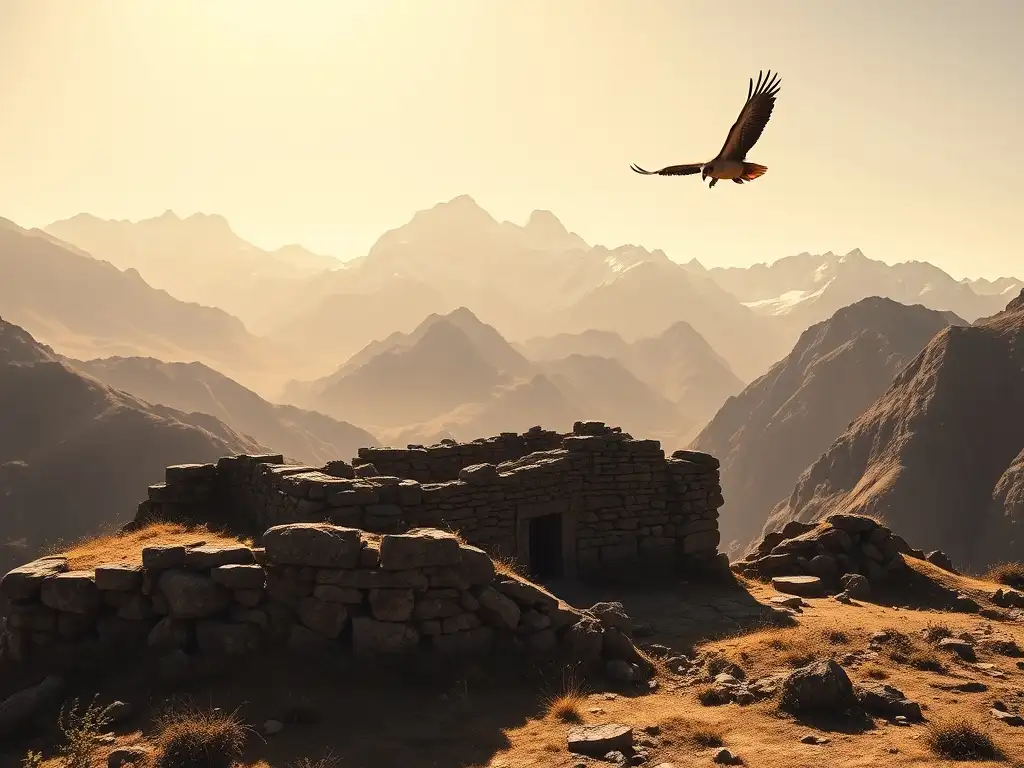
This section delves into the captivating enigma surrounding the origins of Andean civilizations, specifically addressing the challenges archaeologists face in reconstructing the earliest settlements and piecing together the puzzle of their emergence. We will explore the limited evidence available and the innovative techniques employed to unravel the mysteries of these pioneering Andean communities. Understanding their beginnings is crucial to comprehending the later, more complex societies that flourished in the region. The quest to understand the Andean civilizations origins mysteries is a continuous process, with new discoveries constantly reshaping our understanding.
The Search for the First Settlers of the Andes: Archaeological Challenges
Uncovering the earliest Andean societies presents significant archaeological hurdles. The Andes' harsh environment, characterized by high altitudes, seismic activity, and variable climates, has severely impacted the preservation of early settlements. Many potential sites have been eroded by natural processes, making the discovery and interpretation of artifacts incredibly difficult. Furthermore, the materials used by these early inhabitants, often organic and perishable, rarely survive the test of time. This contrasts sharply with later Andean cultures, whose sophisticated stonework and metalworking left behind more substantial and readily identifiable remains.
The dating of early Andean sites is another significant challenge. Radiocarbon dating, a crucial tool for archaeologists, can be unreliable when applied to materials from the Andes due to variations in atmospheric carbon-14 levels. This lack of precise dating often makes it difficult to establish a clear chronological sequence for the development of early Andean societies. Moreover, the identification of early human activity can be challenging.
Distinguishing between natural geological formations and human-made structures requires careful analysis and expertise. The subtle traces left by early inhabitants, such as rudimentary tools or modified landscapes, can be easily overlooked or misinterpreted. The search for the origins of Andean civilizations is therefore a painstaking process of careful excavation, meticulous analysis, and painstaking interpretation of often fragmentary evidence. This meticulous approach is vital to avoid misinterpretations and to build a solid foundation for our understanding of these early communities.
Pre-Ceramic Andean Cultures: Clues to the Region's Initial Inhabitants
The pre-ceramic period, preceding the widespread adoption of pottery, offers crucial insights into the initial inhabitants of the Andes. While the absence of pottery limits our understanding of their lifestyle and culture in comparison to later Andean civilizations, archaeological evidence suggests a diverse range of adaptations to the challenging Andean environment. These early Andean communities displayed remarkable ingenuity in exploiting the available resources, demonstrating an impressive level of resilience and adaptability.
The discovery of early sites like [specific site name pending] has revealed evidence of early plant domestication, suggesting a shift from nomadic hunter-gatherer lifestyles to more settled agricultural practices. The cultivation of crops like potatoes and quinoa, crucial to later Andean societies, likely began during this period, demonstrating the innovative agricultural techniques developed to thrive in the high-altitude environments.
Analysis of early tools, such as grinding stones and simple implements made from stone and bone, provides further insights into their subsistence strategies and technological capabilities. While these tools are less sophisticated than those found in later periods, they highlight the ingenuity and resourcefulness of these early settlers.
The development of rudimentary architecture, albeit often made from perishable materials, also suggests the emergence of settled communities. The construction of simple shelters and early forms of storage facilities indicates a shift towards a more sedentary lifestyle, fostering social organization and cooperation. This evidence underscores the profound transformation that occurred during the pre-ceramic period, laying the groundwork for the complex societies that would characterize later Andean civilizations.
Further research into the pre-ceramic period is essential to fully comprehend the evolutionary trajectory of Andean societies and to deepen our understanding of the Andean civilizations origins mysteries. The puzzle of their origins remains incomplete, but every new discovery brings us closer to a more complete picture.
Key Archaeological Sites and Their Contributions to Understanding Andean Origins
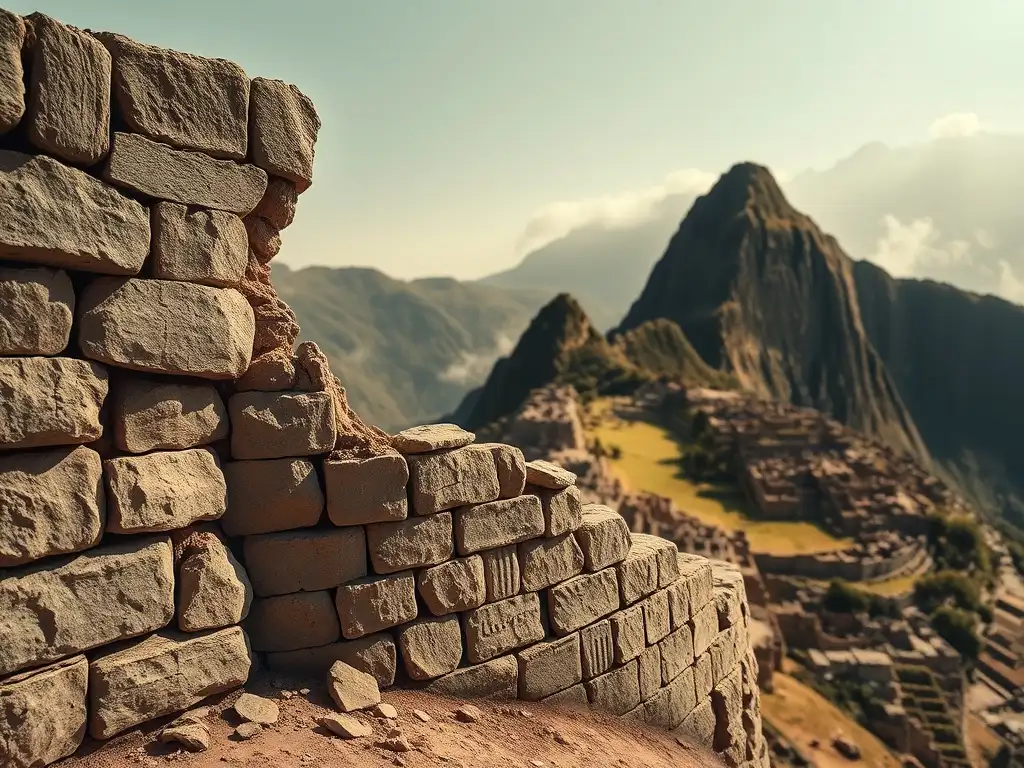
This section delves into the crucial role specific archaeological sites play in unraveling the mysteries surrounding the origins of Andean civilizations. These sites offer invaluable glimpses into the early social structures, technological advancements, and religious beliefs that shaped these fascinating cultures. Understanding these early settlements is key to appreciating the later complexities of the Inca, Moche, Nazca, and Tiahuanaco civilizations. The enduring legacy of these Andean civilizations origins mysteries continues to captivate researchers and enthusiasts alike.
Caral: A Monumental City Revealing Early Andean Complexity
Caral, located in the Supe Valley of Peru, stands as a remarkable testament to the sophistication of early Andean societies. Dating back to approximately 2600 BCE, Caral predates many other well-known Andean cultures, challenging previous assumptions about the timeline of societal development in the region. Its monumental architecture, including large pyramids and plazas, suggests a highly organized society with a complex social hierarchy. The absence of evidence for warfare or significant weaponry indicates a focus on internal development and perhaps inter-regional trade, hinting at sophisticated economic systems.
The discovery of intricate textiles, musical instruments (such as panpipes), and evidence of advanced irrigation systems further underscores Caral's complexity. Archaeological findings reveal a deep understanding of engineering and resource management, vital for sustaining a large population in a challenging environment. The absence of pottery, initially puzzling, is now believed to be a characteristic of Caral’s unique cultural identity.
Instead, they utilized textiles and other materials for storage and daily use. The ongoing research at Caral continues to reshape our understanding of Andean civilizations origins and the development of complex societies in the Americas. It challenges the traditional narrative of a linear progression of societal development, suggesting a more nuanced and diverse picture of early Andean life.
Kotosh: The Temple of the Crossed Hands and its Ritual Significance
Kotosh, situated in the central Andes of Peru, is renowned for its "Temple of the Crossed Hands," a structure dating back to approximately 1500 BCE. This temple, characterized by its distinctive architectural style and the iconic sculpted figures of crossed hands, offers profound insights into the religious beliefs and practices of early Andean communities.
The "crossed hands" themselves are interpreted as a symbol of prayer or supplication, suggesting a highly developed religious system with complex rituals and beliefs. The temple's intricate construction, including carefully placed stones and elaborate designs, points towards highly skilled artisans and a centralized system of organization.
Further excavations at Kotosh have unearthed a wealth of artifacts, including pottery, tools, and other objects, providing additional clues about the daily lives and religious practices of the inhabitants. The presence of multiple building phases suggests a continuous occupation and evolution of religious practices over centuries.
The discovery of offerings and evidence of ritual activities within the temple strengthens the interpretation of Kotosh as a significant religious center, potentially serving as a focal point for a wider region. The "Temple of the Crossed Hands" at Kotosh remains a powerful symbol representing the rich religious and spiritual tapestry of early Andean civilizations, highlighting the Andean civilizations origins mysteries.
Huaca Prieta: Evidence of Early Coastal Adaptation and Agriculture
Huaca Prieta, located on the northern coast of Peru, provides compelling evidence of early coastal adaptation and the development of agriculture along the Pacific coast. Dating back to approximately 3500 BCE, this site reveals the ingenuity of early Andean societies in harnessing marine and terrestrial resources. The discovery of cotton remains, some of the oldest found in the Americas, underscores the importance of textile production in the early coastal societies. The presence of large quantities of fish bones indicates a significant reliance on marine resources, showcasing a sophisticated understanding of marine ecology and fishing techniques.
Furthermore, evidence of early agricultural practices, including the cultivation of squash and other crops, indicates the development of sustainable agricultural systems adapted to the coastal environment. The meticulous analysis of plant remains and soil samples has provided valuable insights into the development of irrigation techniques and agricultural innovations.
Huaca Prieta challenges the notion that complex agriculture developed solely in the highlands, demonstrating the importance of coastal regions in the development of early Andean societies. The site's significance lies in its ability to illuminate the diverse strategies employed by early Andean communities to thrive in different ecological zones, enriching our understanding of Andean civilizations origins and their remarkable adaptability.
Theories and Debates Surrounding the Origins of Andean Civilizations

The origins of Andean civilizations remain a captivating enigma, sparking intense scholarly debate. While archaeological evidence steadily unveils new insights, many questions regarding the initial population movements, societal development, and technological advancements continue to challenge our understanding of these fascinating cultures. The "Andean civilizations origins mysteries" are multifaceted, encompassing various aspects of their emergence, from the initial waves of migration to the development of complex social structures and sophisticated technologies.
Understanding these origins requires careful consideration of multiple perspectives and the integration of diverse data sources. The lack of extensive written records from the earliest periods forces researchers to rely heavily on archaeological findings, genetic studies, and linguistic analysis, leading to a variety of interpretations and ongoing discussions within the academic community. This section will delve into some key areas of contention, exploring the complexities and nuances of these competing narratives.
Migration Patterns and the Peopling of the Andes: Competing Hypotheses
The peopling of the Andes involved a series of migrations spanning millennia. Several hypotheses attempt to explain these population movements, each with supporting evidence and inherent limitations. One prominent theory suggests a coastal route, with early inhabitants arriving via maritime voyages from Polynesia or other coastal regions. This theory is supported by certain similarities in technology and possibly even some genetic markers.
However, it also faces challenges in explaining the rapid spread of populations inland. Another prevailing hypothesis posits an inland migration route, with groups moving from the Amazon Basin or other regions of South America, adapting to the diverse Andean environments. This hypothesis is supported by archaeological finds indicating early settlements in both coastal and highland regions. The exact timing and routes of these migrations remain subjects of ongoing research and debate.
Furthermore, the degree of interaction and exchange between different groups, and whether these were peaceful or violent encounters, are key questions that still require further investigation. Understanding the precise migratory pathways is crucial to reconstructing a comprehensive picture of the Andean civilizations' origins. The use of advanced genetic analysis techniques offers promising avenues for refining our understanding of these early population movements.
The Role of Agriculture in the Rise of Complex Andean Societies: An In-depth Analysis
The development of agriculture played a pivotal role in the rise of complex societies in the Andes. The cultivation of crops such as potatoes, maize, and quinoa provided a stable food source, supporting larger and denser populations. This agricultural surplus was crucial for the emergence of specialized labor, social stratification, and the development of political institutions. The transition from a hunter-gatherer lifestyle to agriculture involved a complex interplay of environmental factors, technological innovations, and social adjustments.
For instance, the development of irrigation systems, terracing techniques, and sophisticated agricultural practices allowed for increased food production in challenging environments. Evidence suggests that early Andean societies developed remarkably advanced agricultural techniques, adapting to the diverse ecological niches of the Andes. The impact of agriculture on the development of Andean societies extends beyond mere sustenance.
It fostered social networks, facilitated trade, and contributed to the growth of urban centers. The intricate relationship between agriculture and social complexity remains a key focus of ongoing research in the field. The study of ancient agricultural practices offers valuable insights into the resilience and ingenuity of early Andean societies.
Reconstructing the social and political organization of early Andean societies presents a formidable challenge. The absence of written records necessitates reliance on indirect evidence from archaeological excavations, such as burial patterns, settlement layouts, and artifacts. Early social structures likely varied considerably across different regions and time periods. Some evidence suggests the existence of relatively egalitarian communities, while others point to the emergence of hierarchical societies with distinct social classes.
The nature of political organization in these early societies is also a matter of ongoing debate. Some researchers propose the existence of relatively decentralized power structures, with local leaders exercising authority within their respective communities. Others argue for the presence of nascent chiefdoms or even early states, with centralized power and control over significant territories. The analysis of monumental architecture, such as ceremonial centers and large-scale public works, offers clues about the level of social organization and political power.
For example, the construction of complex irrigation systems likely required significant coordination and labor mobilization, indicating a degree of centralized authority. Further research, focusing on detailed analysis of settlement patterns and the distribution of artifacts, is crucial to unraveling the complexities of early Andean social and political structures. Understanding the dynamics of power and social relations in these early societies is essential to comprehend the trajectory of Andean civilization's development.
Unsolved Mysteries in the Early Andean World
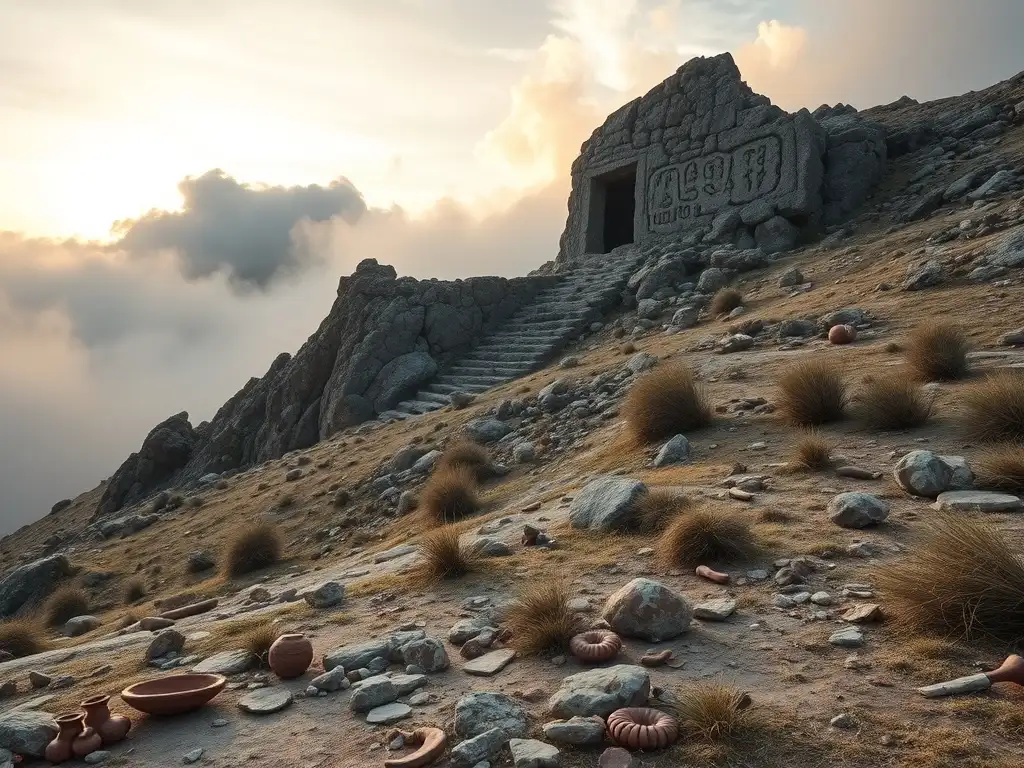
The Andes Mountains, a spine of towering peaks running down the western coast of South America, cradle a rich tapestry of ancient civilizations. While the Inca Empire often steals the spotlight, the origins of Andean societies remain shrouded in mystery, presenting captivating puzzles for archaeologists and historians alike.
Understanding the "Andean civilizations origins mysteries" requires delving into the enigmatic beginnings of these cultures, exploring the gaps in our knowledge and the enduring questions that challenge our understanding of their rise. This section focuses on some of the most compelling unsolved mysteries surrounding the early settlement and development of Andean civilizations.
The Disappearance of Certain Early Cultures: Speculations and Theories
The Andean region boasts a long history of diverse cultural groups, many of which left behind limited archaeological evidence. Their sudden disappearance, or apparent cultural absorption, poses a significant challenge to researchers. For example, the precise reasons for the decline of the Chavín culture, a powerful influence in the northern Andes from approximately 900 BCE to 200 BCE, are still debated. Was it a gradual process of internal decline, external pressures from neighboring groups, or perhaps a combination of factors, including climate change? The lack of substantial written records further complicates the reconstruction of these early Andean societies' narratives.
Several theories attempt to explain these disappearances. Some suggest environmental shifts, such as prolonged droughts or changes in rainfall patterns, significantly impacted agricultural production, leading to societal collapse. Others point to warfare and inter-group conflict as major contributing factors, with powerful groups conquering and absorbing or displacing less dominant ones. Still others propose internal social upheavals, political instability, or the spread of disease as potential explanations.
The complexity of these societal collapses underlines the multifaceted nature of the "Andean civilizations origins mysteries" and the need for further interdisciplinary research. Detailed analysis of archaeological data, including settlement patterns, burial practices, and material culture, is crucial to unraveling these intricate historical puzzles. Unfortunately, [specific information pending] regarding the precise timeline and nature of these societal shifts, hindering a definitive conclusion.
The Enigma of Rock Art and its Meaning in Early Andean Societies
The Andes are adorned with a vast array of rock art, ranging from simple geometric patterns to complex figurative representations. While these petroglyphs and pictographs provide valuable insights into the beliefs, practices, and social structures of early Andean societies, much of their meaning remains elusive. The lack of a decipherable writing system for many early Andean groups makes interpreting these visual narratives exceptionally challenging.
The sheer diversity of styles and motifs found across different regions and time periods further complicates the task. Some rock art depicts animals, both real and mythical, possibly reflecting shamanistic practices or beliefs about the spirit world. Others seem to represent astronomical events, suggesting a sophisticated understanding of celestial cycles. Still others depict scenes of hunting, warfare, or ritual ceremonies, offering glimpses into daily life and social interactions.
However, the precise symbolic meaning of many motifs remains uncertain. Researchers often rely on comparative analysis, drawing parallels between similar motifs found in different locations or time periods. Ethnographic studies of contemporary Andean communities who still practice traditional art forms can also provide valuable insights, although caution must be exercised when applying modern interpretations to ancient practices. The ongoing investigation of Andean rock art is a testament to the enduring power of these visual records and their contribution to uncovering the "Andean civilizations origins mysteries."
The Development of Early Andean Technologies: Gaps in our Knowledge
The early inhabitants of the Andes developed remarkable technological innovations, adapting to the challenging environment of the high altitudes. However, the precise stages and processes of technological development are often poorly understood, particularly regarding the origins of certain techniques. For example, the sophisticated techniques used in textile production, metalworking, and stone carving still hold many secrets.
Consider the intricate weaving techniques employed in creating textiles from materials like alpaca and llama wool. The evolution of these skills, from simple techniques to the highly complex tapestry weaving, remains a subject of ongoing research. Similarly, the mastery of metallurgy, particularly the use of copper and gold, is another fascinating area where gaps in our knowledge persist. How did early Andean metalworkers develop these techniques, and what were the social and economic implications of their skills? The exact processes involved in mining, smelting, and shaping metals need further investigation.
Furthermore, the development of sophisticated irrigation systems, crucial for agriculture in the arid and semi-arid regions of the Andes, is another area where detailed knowledge is lacking. The construction of these systems, often involving complex engineering feats, demonstrates the ingenuity of early Andean societies. Understanding the evolution of these technologies is vital to comprehending the rise and development of complex Andean societies, providing further clues to unraveling the "Andean civilizations origins mysteries". More detailed archaeological investigations and technological analyses are needed to shed light on these crucial aspects of early Andean ingenuity.
The Significance of Understanding the Beginnings of Andean Civilizations
Understanding the origins of Andean civilizations is paramount for several reasons. It's not simply a matter of tracing lineages or establishing a chronological order; it's about unlocking the key to comprehending the complex societal, technological, and cultural developments that shaped these remarkable societies. The initial settlements, often overlooked in favor of the more visually impressive Inca Empire, laid the foundation for centuries of innovation and adaptation.
These early communities wrestled with environmental challenges, devised ingenious agricultural techniques, and developed intricate social structures that would ultimately influence the rise of later Andean empires. By studying these beginnings, we gain a deeper appreciation for the ingenuity and resilience of Andean peoples and the profound impact their achievements had on the world. The very fabric of Andean cultural identity is woven from the threads of these early beginnings, making their study crucial for a complete understanding of the region's rich history.
Ignoring this foundational period would be akin to studying a tree without its roots, leaving a critical gap in our knowledge. This section delves into the importance of understanding these early settlements, connecting the past to the present and highlighting the ongoing relevance of this research.
Connecting the Early Andean Past to Later Andean Empires
The sophisticated agricultural practices, intricate social structures, and advanced technologies observed in later Andean empires like the Inca, were not created in a vacuum. They were the culmination of centuries of experimentation and refinement, building upon the groundwork laid by earlier settlements. For example, the Inca's mastery of terrace farming, which allowed them to cultivate crops on steep mountain slopes, has clear precedents in the earlier techniques employed by societies in the highlands.
Similarly, the complex religious beliefs and sophisticated artistic expressions of the Inca were likely influenced by the spiritual and aesthetic traditions of their predecessors. Analyzing the continuity and change between these early settlements and later empires allows us to trace the evolution of Andean culture and technology, revealing a dynamic process of adaptation and innovation. By understanding the connections, we can better appreciate the gradual development of the impressive achievements of later Andean civilizations.
The intricate network of exchange and interaction between these early groups also laid the foundations for the larger political entities that would emerge later. Examining early pottery styles, for instance, reveals stylistic influences that spanned vast distances, suggesting early trade networks and shared cultural practices, which were essential elements in the later formation of larger empires.
The Relevance of Andean Origins for Modern Archaeological Research
The study of Andean origins continues to be a vibrant field of archaeological research, presenting numerous opportunities for new discoveries and reinterpretations. Advances in scientific techniques, such as radiocarbon dating and ancient DNA analysis, are constantly refining our understanding of the chronology and population movements of early Andean settlements. Furthermore, the application of Geographic Information Systems (GIS) allows archaeologists to analyze spatial patterns of settlement and resource use with unprecedented precision.
This allows us to map early agricultural practices, trace migration routes, and understand how early Andean communities interacted with their environment. New excavations consistently unearth artifacts and sites that challenge existing theories and offer fresh perspectives on the complexity of early Andean societies. The ongoing research into Andean origins is not merely an academic pursuit; it provides valuable insights into broader anthropological questions regarding human adaptation, social organization, and technological innovation in diverse environments.
The challenges and successes of these early Andean communities offer valuable lessons for modern societies facing similar environmental and social pressures. Furthermore, the careful preservation and study of these sites provide invaluable data for ongoing research and future generations of scholars.
Protecting the Archaeological Heritage of Early Andean Sites: A Call to Action
The preservation of early Andean archaeological sites is crucial for understanding our shared human heritage. These sites are vulnerable to looting, erosion, and the impacts of development. Protecting them requires a multi-pronged approach involving collaboration between governments, local communities, and international organizations. This includes stricter enforcement of laws against looting, sustainable tourism practices that benefit local communities while minimizing environmental impact, and the implementation of effective conservation strategies to mitigate the effects of climate change and erosion.
Furthermore, education and public awareness are essential to fostering a sense of stewardship and responsibility towards these invaluable sites. By educating the public about the significance of these sites and the threats they face, we can encourage greater support for their preservation. The loss of these sites would represent an irreplaceable loss to humanity, erasing a crucial chapter in our understanding of Andean civilizations origins mysteries and the development of human societies.
A concerted, global effort is needed to safeguard this irreplaceable heritage for future generations. This includes not only physical protection but also the digital documentation and archiving of these sites, ensuring that their stories can be studied and appreciated for years to come. The future of our understanding of Andean origins depends on our collective commitment to their protection.
Frequently Asked Questions
What are the main Andean civilizations discussed in the article?
The article focuses on several key Andean civilizations, including the Incas, Moche, Nazca, and Tiahuanaco, exploring their origins and the mysteries surrounding their development.
The article delves into several mysteries, such as the sudden appearance of complex societies, the origins of specific technologies, and the reasons behind population movements and cultural shifts in the Andean region.
How does the article address the topic of "Andean civilizations origins mysteries"?
The article directly tackles the enigmatic beginnings of Andean civilizations by examining archaeological evidence, exploring various theories, and highlighting the gaps in our current understanding.
What kind of evidence is used to explore the origins of Andean civilizations?
The article utilizes a variety of evidence, including archaeological findings, linguistic analysis, and environmental data, to reconstruct the complex history of these societies.
Why is understanding the origins of Andean civilizations important?
Understanding their origins provides crucial insights into the development of human societies, adaptation to diverse environments, and the emergence of complex social structures, shedding light on human history as a whole.
Final Reflection: Unraveling the Threads of Andean Ancestry
The enduring mysteries surrounding the origins of Andean civilizations continue to resonate today, challenging our understanding of societal development and reminding us of the vast unknowns that still lie buried beneath the sands of time. The intricate tapestry of early Andean societies, woven from threads of innovation, adaptation, and resilience, offers a compelling narrative that transcends mere historical analysis; it speaks to the very nature of human ingenuity and our capacity to thrive in the face of adversity.
The impact of these early Andean cultures reverberates through the cultural and social landscape of South America, shaping its identity and inspiring ongoing research. Their sophisticated agricultural techniques, architectural marvels, and complex social structures continue to fascinate and inspire. The past is never dead. It's not even past.
- William Faulkner. This quote perfectly encapsulates the enduring legacy of the Andean civilizations, whose influence continues to shape our understanding of the past and inform our present. Their story is not simply a historical account; it's a living testament to the power of human resilience and the enduring mystery of our shared human story.
Consider, for a moment, the implications of these unsolved mysteries. What can we learn from the ingenuity of these early societies? How can we apply their lessons of adaptation and resourcefulness to the challenges we face today? You, the reader, are now part of this ongoing exploration. Engage with the questions raised, seek out further knowledge, and contribute to the ongoing conversation surrounding the enigmatic beginnings of the Andean world. Let the mysteries inspire you to delve deeper, to question, to learn, and to appreciate the rich tapestry of human history.
**Unveil the Mysteries of the Andes! **
Thank you for exploring the intriguing world of early Andean settlements with us! We hope you found inspiration and valuable insights into the history of this fascinating region. Now, let's delve deeper into your exploration.
Here's how you can continue your journey of discovery:
- **Join our community:** Connect with fellow enthusiasts and share your thoughts on early Andean settlements in our dedicated forum.
- **Explore further:** Expand your knowledge of Andean cultures with our extensive collection of articles, documentaries, and research papers.
- **Share your perspective:** Post your insights and questions about what fascinates you most about the Andean mysteries on social media using the hashtag #AndeanMysteries.
What aspect of early Andean civilization captivates you most, and how do you believe it shapes our understanding of the past?