
The Ingenuity of Andean Engineers: Constructing the Foundation of Civilization


Step into a world lost to time, yet echoing with the ingenuity of master builders. Imagine colossal structures rising from the Andes, defying gravity and the elements – a testament to the astonishing Andean engineering techniques employed by ancient civilizations. From the Incas to the Nazca, their architectural marvels whisper tales of innovation and resilience. Uncover the secrets behind their breathtaking achievements and prepare to be amazed by the legacy they left behind. Dive into the fascinating world of Andean ingenuity; your journey begins now.
The Andes Mountains, a formidable natural barrier, presented immense challenges to the ancient civilizations that thrived within its shadow. Yet, far from being obstacles, these challenges spurred remarkable innovation in engineering, shaping the very foundation of Andean societies. This article delves into the ingenuity of Andean engineers, exploring the sophisticated techniques they employed to overcome geographical limitations and build complex societies.
From intricate irrigation systems to awe-inspiring monumental architecture, the Andean peoples demonstrated a mastery of engineering principles that continues to fascinate and inspire us today. We will examine the diverse engineering achievements of various Andean cultures, highlighting their unique approaches and the lasting impact on the development of civilization in the region. Understanding these "Andean engineering techniques" is crucial to appreciating the resilience, adaptability, and advanced knowledge of these remarkable cultures.
Introduction to Andean Engineering and its Significance
Andean engineering wasn't simply about building structures; it was intrinsically linked to the survival and prosperity of these civilizations. The harsh environment demanded innovative solutions for water management, agriculture, and urban development. The ingenuity displayed in overcoming these challenges is a testament to the sophisticated understanding of mathematics, physics, and astronomy possessed by Andean engineers.
Their achievements extended beyond mere practicality; they created landscapes reflecting their cosmological beliefs and social structures, leaving behind a legacy of breathtaking sites that continue to intrigue researchers and visitors alike. The impact of Andean engineering extends far beyond the region itself, offering valuable insights into the development of human societies and the potential for sustainable practices in challenging environments. The study of Andean engineering allows us to appreciate the interconnectedness of technology, environment, and culture in shaping human history.
Pre-Inca Engineering Marvels: Laying the Groundwork
Before the rise of the Inca Empire, several Andean cultures developed sophisticated engineering techniques that paved the way for later advancements. These civilizations, working independently and often in isolation due to the mountainous terrain, achieved remarkable feats of engineering that shaped their societies and left an enduring legacy. Their innovations in water management, construction, and urban planning demonstrate a remarkable understanding of their environment and a capacity for complex organization. The ingenuity of these pre-Inca cultures is a crucial element in understanding the overall advancement of Andean engineering.
The Moche: Hydraulic Engineering and Irrigation Systems
The Moche civilization (circa 100-800 CE), known for its intricate pottery and sophisticated metalwork, also possessed exceptional hydraulic engineering skills. Facing arid coastal plains, they developed extensive irrigation systems to support intensive agriculture. These systems involved canals, reservoirs, and aqueducts, often carved into hillsides with remarkable precision.
The scale and complexity of these projects required sophisticated planning, labor organization, and a deep understanding of water flow and management. Evidence suggests they utilized advanced surveying techniques to ensure accurate canal alignments and gradients, showcasing a sophisticated knowledge of geometry and engineering principles. The efficiency of their irrigation systems allowed the Moche to cultivate vast tracts of land, supporting a large and complex society.
Nazca Lines: Precision Engineering on a Grand Scale
The Nazca Lines, enigmatic geoglyphs etched into the desert plains of southern Peru, represent another remarkable feat of Andean engineering. Created by the Nazca culture (circa 100 BCE – 800 CE), these vast designs, some stretching for hundreds of meters, required meticulous planning and execution. The precision with which these lines were created, and the sheer scale of the undertaking, remains a source of wonder and debate.
While their exact purpose is still debated, the engineering involved in their creation—clearing the dark topsoil to reveal the lighter subsoil—demonstrates a remarkable understanding of land surveying and a sophisticated level of organizational capacity. The Nazca Lines stand as a testament to the advanced engineering capabilities of this pre-Inca civilization.
Tiahuanaco: Advanced Architectural Techniques and Urban Planning
The Tiahuanaco culture (circa 500-1000 CE), located on the shores of Lake Titicaca, developed advanced architectural techniques and urban planning strategies. Their monumental structures, built from massive stone blocks, demonstrate a remarkable mastery of stonework and construction. The precision with which these blocks were cut and fitted together, without the use of mortar, is truly astounding.
The city of Tiahuanaco itself exemplifies sophisticated urban planning, with a complex network of streets, plazas, and monumental structures. The evidence suggests a highly organized society capable of mobilizing significant resources for large-scale construction projects. The Tiahuanaco's engineering achievements showcase a sophisticated understanding of architecture, urban design, and resource management, adding another layer of complexity to the story of Andean ingenuity.
Inca Engineering: Mastering the Andean Landscape
The Inca Empire, renowned for its expansive reach across the challenging Andean terrain, achieved its remarkable feats through sophisticated engineering techniques. Their mastery of the landscape is evident in their impressive infrastructure projects, showcasing an advanced understanding of construction, logistics, and resource management. The Inca's success wasn't solely based on brute force; rather, it was a testament to their innovative approach to tackling the unique challenges presented by the Andes Mountains.
They carefully considered the environment, employing ingenious solutions that minimized environmental impact while maximizing efficiency and sustainability. This approach is reflected in their road system, agricultural terraces, stone masonry, and bridge construction, all of which are remarkable examples of Andean engineering techniques.
Inca Road System: A Network of Engineering Excellence
The Inca road system, Qhapaq Ñan, is a testament to their impressive engineering capabilities. Spanning thousands of kilometers across diverse and often treacherous terrain, this network of roads connected the vast Inca Empire, facilitating communication, trade, and military movements. The roads were not simply pathways; they were meticulously engineered structures, incorporating sophisticated drainage systems, retaining walls, and strategically placed bridges to overcome challenging geographical obstacles.
The construction involved the mobilization of significant labor forces, demonstrating the Inca's ability to organize and manage large-scale projects. The Qhapaq Ñan is more than just a road system; it's a symbol of the Inca's organizational prowess and their deep understanding of engineering principles applied to a vast and complex landscape. The precision in its construction, considering the mountainous terrain, is truly remarkable and showcases a sophisticated understanding of Andean engineering techniques.
Inca Agricultural Terraces: Maximizing Land Use
Inca agricultural terraces are a striking example of their adaptation to the steep slopes of the Andes. These terraced fields, carved into hillsides, created level platforms for cultivation, maximizing arable land in a region where flat land was scarce. The terraces weren't just haphazardly cut into the slopes; they were meticulously designed, with carefully constructed retaining walls to prevent soil erosion and support the weight of the earth.
This ingenious system not only increased agricultural production but also improved water management, allowing for efficient irrigation and reducing water runoff. The design and construction of these terraces, considering the challenges of the Andean environment, showcases the Inca's profound understanding of soil mechanics, water management, and agricultural practices. The enduring legacy of these terraces highlights the effectiveness of these Andean engineering techniques.
Inca Stone Masonry: Precision and Durability
Inca stone masonry is renowned for its precision and durability. Inca builders achieved astonishing feats of engineering by fitting stones together with such accuracy that even a knife blade could not be inserted between them. This remarkable precision was achieved through a combination of skilled craftsmanship, sophisticated tools, and a deep understanding of stone properties.
The stones, often massive in size, were carefully shaped and fitted together without the use of mortar, creating structures that have withstood the test of time. The quality of Inca stone masonry is evident in the surviving structures, which stand as testaments to their engineering expertise and the enduring nature of their Andean engineering techniques. The intricate detail and precise fitting of the stones are a testament to their skill and understanding of materials.
Inca Bridges: Innovation in Transportation
Inca bridges, often built across deep gorges and raging rivers, represent a significant achievement in Andean engineering. They employed various techniques, including suspension bridges made of ropes and wood, and stone bridges built across narrower stretches of water. These structures were crucial for maintaining communication and trade routes throughout the empire.
The design and construction of these bridges, often in extremely challenging locations, demonstrate the Inca's ingenuity and their ability to adapt their engineering skills to overcome significant geographical obstacles. The Inca bridges are a clear demonstration of their adaptive and innovative approach to problem-solving within the context of Andean engineering techniques.
Water Management and Hydraulic Engineering in Andean Civilizations
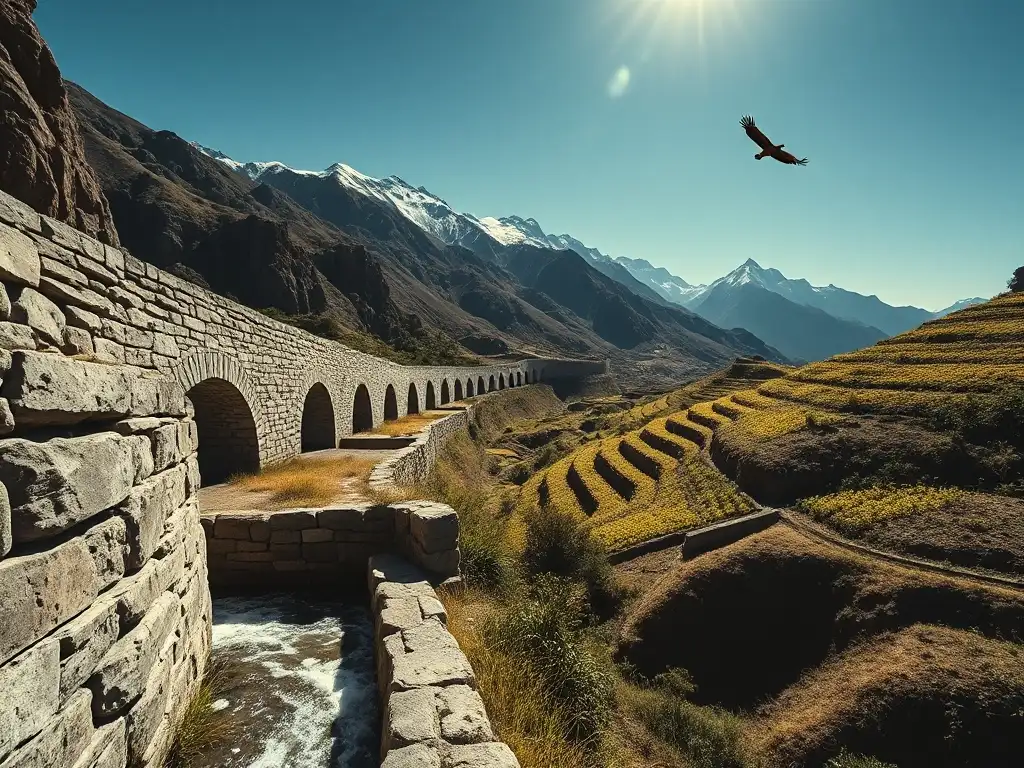
Water, a precious resource in the arid and mountainous Andean region, was skillfully managed by various pre-Columbian civilizations. These societies developed sophisticated hydraulic engineering systems to meet their agricultural and domestic needs. Their understanding of hydrology, coupled with their innovative construction techniques, allowed them to harness water resources effectively, ensuring the survival and prosperity of their communities. The intricate networks of canals, aqueducts, reservoirs, and dams are a testament to their engineering prowess and their deep understanding of the Andean environment.
Canals and Aqueducts: Providing Water to Communities
Canals and aqueducts played a vital role in the distribution of water to communities across the Andes. These systems, often constructed over significant distances and across challenging terrain, provided a reliable source of water for agriculture, domestic use, and other purposes. The construction involved careful planning, surveying, and engineering to ensure the efficient flow of water. The precision in their construction and their longevity showcase the advanced understanding of hydraulic engineering present in Andean civilizations. These systems are an excellent example of Andean engineering techniques applied to a crucial resource.
Reservoirs and Dams: Water Storage and Regulation
Reservoirs and dams were essential components of Andean water management systems. These structures allowed for the storage and regulation of water, ensuring a consistent supply even during periods of drought. The construction of these structures required a significant understanding of hydrology, engineering, and materials science. The ability to build and maintain these structures over extended periods demonstrates a high level of social organization and engineering skill, hallmarks of Andean engineering techniques.
Understanding Andean Water Management Systems
Understanding Andean water management systems requires appreciating the interplay between sophisticated engineering, environmental knowledge, and social organization. These systems were not merely technological achievements but also reflections of the deep connection between Andean societies and their environment. The sustainability and longevity of these systems are a testament to the ingenuity and foresight of the civilizations that created them. The study of these systems provides valuable insights into the development of Andean engineering techniques and their impact on the development of Andean societies.
The Legacy of Andean Engineering Techniques
The ingenuity of Andean engineers left an indelible mark on the landscape and the societies that followed. Their mastery of diverse techniques, adapted to challenging terrains and limited resources, resulted in impressive feats of construction and infrastructure. From the intricate network of roads and bridges spanning treacherous mountain passes to the sophisticated irrigation systems that sustained vast agricultural populations, their achievements continue to inspire awe and admiration.
The precision and scale of their work, often accomplished with rudimentary tools and materials, stand as a testament to their deep understanding of engineering principles and their capacity for collaborative effort. Their innovations were not merely practical; they were also deeply embedded within their cosmological beliefs and social structures, reflecting a holistic approach to engineering that integrated functionality with spiritual significance.
This holistic perspective is a crucial aspect of understanding the enduring impact of Andean engineering. The legacy extends beyond the physical structures themselves; it encompasses a wealth of knowledge and expertise that continues to inform and inspire modern engineering practices.
Influence on Modern Engineering Practices
The techniques employed by Andean engineers hold valuable lessons for contemporary practitioners. Their expertise in terracing, for instance, provides insights into sustainable land management and erosion control, crucial in today's context of climate change and resource scarcity. The resilience of their structures, designed to withstand earthquakes and other natural hazards, offers valuable insights into seismic engineering and disaster mitigation.
The intricate stonework, characterized by its precision and stability, inspires innovative approaches to construction materials and techniques. Modern engineers can learn from the Andean approach to problem-solving, where ingenuity and adaptability were key to overcoming environmental limitations. For example, the sophisticated water management systems implemented by the Inca, using canals, aqueducts, and reservoirs, demonstrate a deep understanding of hydraulic engineering principles, still relevant in addressing contemporary water resource management challenges.
Furthermore, their understanding of building materials and their properties, especially in utilizing locally sourced stone, can inspire sustainable and environmentally friendly construction practices. This legacy of adaptation and innovative problem solving is a powerful resource for modern engineering.
Preserving and Studying Andean Engineering Heritage
Preserving and studying the remnants of Andean engineering is crucial for understanding the past and shaping the future. Archaeological research continues to unveil new insights into the techniques and knowledge employed by these ancient civilizations. Careful documentation and preservation of existing structures are essential to protect this invaluable heritage for future generations.
This involves not only physical preservation but also the transmission of knowledge through education and outreach programs. The study of Andean engineering provides a unique opportunity to explore alternative approaches to construction and resource management, offering valuable lessons in sustainability and resilience. Furthermore, understanding the social and cultural contexts in which these engineering feats were achieved provides a richer and more nuanced understanding of the Andean civilizations themselves.
This interdisciplinary approach, combining archaeology, engineering, and anthropology, is essential for a comprehensive understanding of this remarkable legacy. The ongoing efforts to protect and study these sites are vital not just for historical preservation, but also for the potential to learn from these ancient innovations and apply them to contemporary challenges.
Conclusion: The Enduring Impact of Andean Ingenuity
The ingenuity of Andean engineers represents a significant chapter in the history of human innovation. Their remarkable achievements in construction, water management, and resource utilization continue to inspire awe and provide valuable lessons for modern engineers. The legacy of Andean engineering techniques extends far beyond the physical structures that remain; it embodies a spirit of innovation, resilience, and a deep connection to the environment.
By preserving and studying this rich heritage, we not only gain a deeper understanding of the past but also unlock valuable insights that can inform sustainable practices and innovative solutions for the challenges of the 21st century. The enduring impact of Andean ingenuity lies not only in the impressive scale of their accomplishments but also in their ability to adapt, innovate, and integrate engineering with their social and spiritual beliefs, creating a lasting legacy of human ingenuity and resilience.
The study of Andean engineering techniques offers a unique opportunity to learn from the past and build a more sustainable future. ⛰️
- Introduction to Andean Engineering and its Significance
- Pre-Inca Engineering Marvels: Laying the Groundwork
- Inca Engineering: Mastering the Andean Landscape
- Water Management and Hydraulic Engineering in Andean Civilizations
- The Legacy of Andean Engineering Techniques
- Conclusion: The Enduring Impact of Andean Ingenuity
- What innovative engineering techniques did Andean civilizations employ?
- How did the Incas manage to build such impressive structures without metal tools?
- What role did irrigation play in Andean agricultural success?
- How did Andean civilizations adapt their building techniques to varied terrains?
- What evidence exists to showcase the advanced knowledge of Andean engineering?
Frequently Asked Questions
What innovative engineering techniques did Andean civilizations employ?
Andean civilizations utilized remarkable techniques, including stonework mastery, terracing for agriculture, and sophisticated irrigation systems. Their ingenuity allowed them to thrive in challenging terrains.
How did the Incas manage to build such impressive structures without metal tools?
The Incas employed advanced stone-fitting techniques and a deep understanding of structural mechanics, using primarily stone tools and human labor to create incredibly precise and durable structures.
What role did irrigation play in Andean agricultural success?
Complex canal systems and terraced fields were crucial for Andean agriculture. These ingenious systems efficiently channeled water to crops, maximizing yields in diverse and often arid environments.
How did Andean civilizations adapt their building techniques to varied terrains?
Andean builders adapted their designs to the specific challenges of their environment. Terracing was used on slopes, while stone structures were adapted to withstand earthquakes and other natural disasters.
What evidence exists to showcase the advanced knowledge of Andean engineering?
The remaining monumental structures, such as Machu Picchu and Sacsayhuamán, along with the intricate irrigation systems and road networks, stand as powerful testaments to the advanced engineering capabilities of Andean civilizations.
Final Reflection: Echoes of Ingenuity Across the Andes
The ingenuity of Andean engineers wasn't merely a feat of the past; it's a blueprint for sustainable solutions in our present-day challenges. Their mastery of complex irrigation systems, intricate stonework, and innovative agricultural practices offers invaluable lessons for a world grappling with climate change, resource scarcity, and the need for resilient infrastructure. The echoes of their achievements resonate powerfully in our modern world.
The enduring legacy of Andean engineering is not just about impressive structures, but about a deep understanding of the environment and a commitment to community. Their sophisticated techniques, developed over millennia, demonstrate a profound connection to the land and a remarkable ability to adapt to challenging terrains. The mountains were not a barrier, but a canvas upon which they painted their civilization.
This perspective, emphasizing harmony with nature rather than domination, is a crucial lesson for us today as we navigate the complexities of sustainable development. It compels us to reconsider our relationship with the environment and the long-term consequences of our actions.
Consider the ingenuity of the waru waru agricultural system, or the precision of their stonework in Machu Picchu. These are not just historical artifacts; they are testaments to human potential and the power of collaborative innovation. You, the reader, are now part of this ongoing conversation.
Let the ingenuity of the Andean engineers inspire you to seek innovative and sustainable solutions in your own life, in your community, and in your approach to the world around you. Embrace the challenge of building a future that is both resilient and respectful of the planet, just as the Andean engineers did centuries ago.
**Embrace the Legacy of Andean Ingenuity! **
Thank you for exploring the awe-inspiring world of Andean engineering with us! You've discovered how the ingenuity of ancient builders laid the foundation for remarkable civilizations, showcasing their incredible innovation and resourcefulness. Now, let's celebrate this extraordinary history!
Here's how you can continue your journey:
- **Delve deeper** into the architectural marvels of the Andes by exploring our in-depth articles on iconic structures and innovative engineering techniques. We cover everything from intricate stonework to sophisticated water management systems.
- Join our community discussion by sharing your favorite Andean engineering achievement on social media and tagging us! Let's spread the word about this fascinating heritage. For example, you could discuss the impressive terraces of the Inca or the remarkable ingenuity behind the Nazca Lines.
- Try a DIY project inspired by Andean techniques—perhaps build a small model of an Inca bridge or create a textile design using traditional Andean patterns. Let your creativity flourish!
How will you celebrate the legacy of Andean engineers?