
The Roots of Andean Agriculture: Early Plant Domestication in the PreCeramic Era

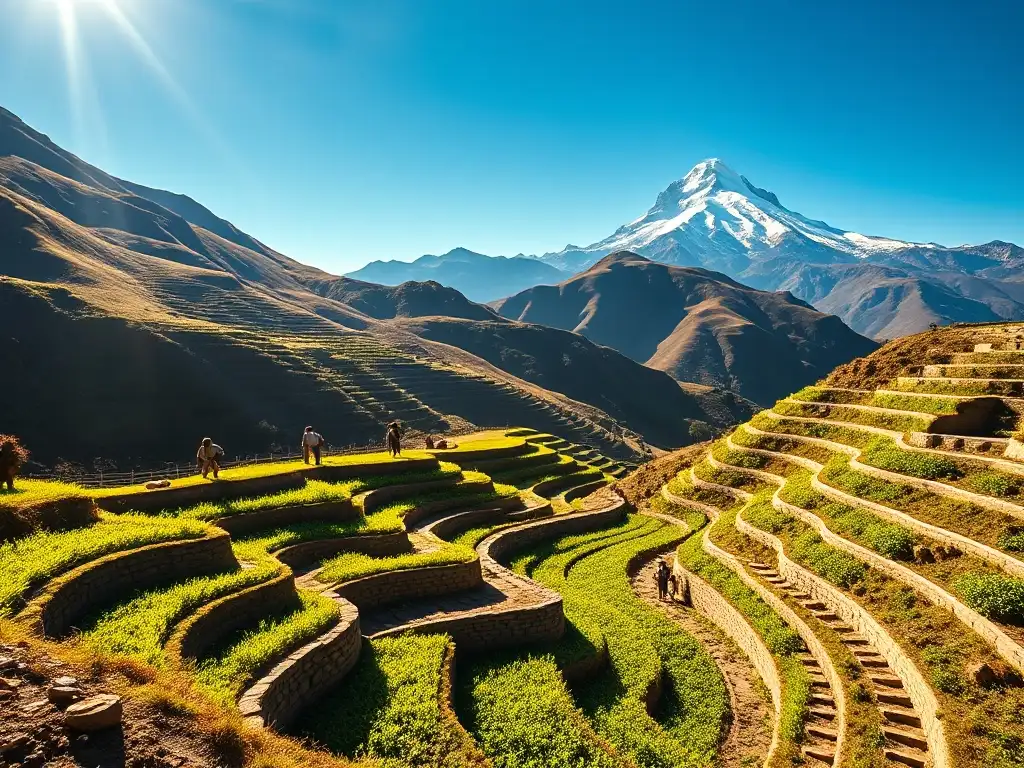
Unravel the mysteries of a world lost to time. Journey with us into the heart of the Andes, where breathtaking landscapes cradle the secrets of ancient civilizations. Before the Incas, before the Moche, even before pottery, lay a story of ingenuity and resilience: Andean preceramic agriculture. Discover how these pioneering people shaped their environment and laid the foundations for the remarkable empires that followed. Prepare to be amazed by the ingenuity of a civilization that thrived long before written history. Let's delve into the roots of it all.
The Andes Mountains, a geographically diverse and challenging environment, fostered the development of remarkably sophisticated agricultural practices long before the rise of the Inca Empire. This article delves into the fascinating world of Andean preceramic agriculture, exploring the early domestication of plants and the ingenuity of the pre-ceramic peoples who adapted to their unique environment. We will examine the evidence, discuss key crops, and analyze the impact of these advancements on the subsequent development of complex Andean societies.
Understanding Andean preceramic agriculture is crucial to comprehending the foundation upon which later civilizations, such as the Inca, Moche, and Nazca, built their impressive empires. This exploration will reveal not only the when and what of early Andean agriculture, but also the how and why, highlighting the resilience and innovation of these early Andean farmers.
Early Evidence of Plant Domestication in the Andes
The earliest evidence of plant domestication in the Andes dates back to the Preceramic period (circa 8000-2000 BCE). Archaeological excavations at various sites across the Andes have unearthed crucial evidence, including the discovery of ancient plant remains, such as squash seeds and remains of other early crops. These finds, often analyzed using techniques like radiocarbon dating and phytolith analysis, provide invaluable insights into the types of plants cultivated and the methods employed.
The meticulous work of archaeologists has revealed a gradual process of domestication, with early stages characterized by the selection and cultivation of wild plants, eventually leading to the development of distinct cultivated varieties. Furthermore, the analysis of ancient soils and irrigation systems provides further evidence of the sophisticated agricultural strategies implemented by these early Andean communities. The careful study of these ancient landscapes reveals the extent of human intervention in shaping the environment to better support agriculture.
Key Crops of the Preceramic Period
The Andean preceramic period witnessed the domestication of several foundational crops that would shape the diets and cultures of later Andean societies. Among the most significant were:
- Squash ( Cucurbita spp.): Different varieties of squash were domesticated, demonstrating an early mastery of plant breeding.
- Peppers ( Capsicum spp.): The domestication of peppers provided a crucial source of flavor and spice, vital to Andean cuisine.
- Beans ( Phaseolus spp.): A crucial source of protein, beans were an essential component of the Andean diet.
- Potatoes (Solanum tuberosum): While the exact timing of potato domestication remains a subject of ongoing research, early evidence suggests its importance in the preceramic period. Different varieties adapted to various altitudes, showcasing the advanced understanding of Andean farmers regarding their environment.
- A variety of other plants: The preceramic period also saw the cultivation of other important plants, including various tubers, fruits, and grains, demonstrating the diverse agricultural strategies employed. [Specific information pending regarding the exact species and the extent of their cultivation].
Agricultural Techniques and Innovations
The success of Andean preceramic agriculture was not solely dependent on the domestication of key crops; it was also greatly influenced by the innovative techniques employed by these early farmers. These innovations included:
- Terracing: The construction of terraces on steep slopes allowed for efficient land use and reduced soil erosion. This ingenious method significantly increased the amount of arable land available.
- Irrigation systems: The development of sophisticated irrigation systems, including canals and channels, enabled the cultivation of crops in arid regions. The management of water resources was essential for supporting a growing population.
- Waru Waru: This unique raised-field agricultural system, characterized by elevated planting beds separated by canals, was particularly effective in managing water and improving soil fertility. The efficiency of this system allowed for increased crop yields and resilience to environmental challenges.
- Use of Fertilizers: Early Andean farmers likely used various forms of organic matter as fertilizers, enhancing soil fertility and crop yields. [Specific information pending regarding the types of fertilizers used and their effectiveness].
The Impact of Preceramic Agriculture on Andean Societies
The development of successful agricultural practices during the preceramic period had a profound impact on the trajectory of Andean societies. The increased food production supported population growth and the development of larger, more complex settlements. The surplus of food also facilitated specialization of labor, leading to the emergence of craft production and social stratification. The successful management of agricultural resources was a crucial factor in the later development of sophisticated Andean civilizations, laying the groundwork for their remarkable achievements in art, architecture, and social organization.
The advancements in agriculture were not just about food production; they were about shaping the social, economic, and political landscape of the Andes. The legacy of these early farmers continues to resonate today. 🎉
- Early Evidence of Plant Domestication in the Andes
- Key Crops of the Preceramic Period
- Agricultural Techniques and Innovations
- The Impact of Preceramic Agriculture on Andean Societies
- What is the significance of the preceramic period in Andean agriculture?
- What crops were first domesticated during the Andean preceramic period?
- How did Andean preceramic farmers adapt to the challenging Andean environment?
- What evidence exists to support our understanding of Andean preceramic agriculture?
- How did Andean preceramic agriculture influence later civilizations?
Introduction to Preceramic Andean Agriculture
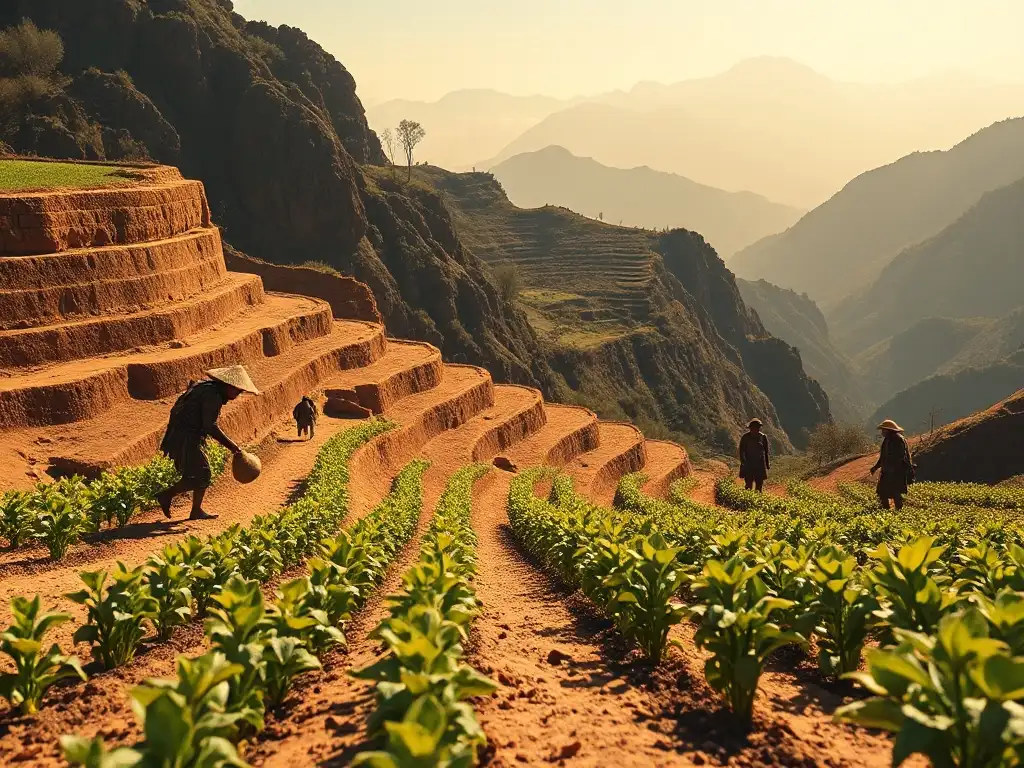
This section delves into the fascinating world of Andean preceramic agriculture, exploring the origins of plant domestication in the Andes before the advent of pottery. Understanding this period is crucial to grasping the foundations of later Andean civilizations and their remarkable achievements. We will analyze the significance of early plant domestication, examining its impact on societal structures, technological advancements, and the overall trajectory of Andean cultural development.
The focus will be on the innovative agricultural practices employed by these early Andean communities, highlighting their ingenuity and adaptability in the challenging Andean environment. This exploration of Andean preceramic agriculture provides a critical perspective on the enduring legacy of these pioneering cultivators.
Understanding the Preceramic Period in the Andes
The Preceramic Period in the Andes, spanning roughly from 8000 to 1800 BCE, represents a pivotal era in the region's history. Characterized by the absence of pottery, this period witnessed significant developments in agriculture, social organization, and technological innovation. Archaeological evidence from various sites across the Andes, including coastal and highland regions, reveals a complex picture of adaptation and innovation.
The environmental diversity of the Andes – ranging from arid coastal deserts to high-altitude plains – necessitated the development of diverse agricultural strategies. This period saw the first evidence of plant domestication, a process that fundamentally reshaped the lives of Andean communities, paving the way for the development of larger, more complex societies. Understanding the challenges and successes of these early agriculturalists is key to appreciating the subsequent flourishing of Andean civilizations.
The ingenuity demonstrated in adapting to the diverse and often challenging Andean landscape is a testament to human resilience and adaptability. The development of sophisticated irrigation systems, for example, in areas with limited water resources, showcases a remarkable level of technological prowess.
The Significance of Plant Domestication in Andean Civilizations
Plant domestication was not merely a technological advancement; it was a transformative event that profoundly impacted the trajectory of Andean civilizations. The successful cultivation of crops like squash, beans, and potatoes provided a stable food source, leading to increased population density and the emergence of sedentary lifestyles. This shift from nomadic hunter-gatherer societies to settled agricultural communities had cascading effects on social structures, creating the conditions for the development of more complex social hierarchies and specialized labor.
The surplus of food produced through agriculture fueled population growth and allowed for the development of larger, more complex settlements. This surplus also facilitated the emergence of specialized crafts, trade networks, and eventually, the rise of powerful states. The domestication of plants in the Andes was therefore not an isolated event but a pivotal catalyst in the development of the region's rich and diverse cultural heritage.
It laid the groundwork for the sophisticated agricultural systems and complex societies that would characterize later Andean civilizations. The impact of this early plant domestication is undeniable, shaping the very fabric of Andean culture and history.
Overview of Early Agricultural Practices
Early Andean agricultural practices were remarkably sophisticated, considering the limited technological resources available. Farmers developed ingenious techniques to adapt to the varied Andean environments. These techniques included:
- Terracing: Constructing terraces on steep slopes to create level planting surfaces and prevent soil erosion. This was particularly important in the mountainous regions, maximizing arable land.
- Irrigation: Developing sophisticated irrigation systems to channel water from rivers and streams to fields, particularly crucial in drier regions. Evidence suggests the use of canals, ditches, and reservoirs to manage water resources effectively.
- Waru Waru: A unique raised-field agricultural system employed in the altiplano, which involved creating elevated planting beds separated by canals. This system helped regulate soil temperature and moisture levels, increasing crop yields.
- Crop Rotation: While the precise details remain debated, evidence suggests early farmers may have practiced crop rotation to maintain soil fertility and prevent depletion.
| Technique | Description | Geographic Location(s) | Advantages |
|---|---|---|---|
| Terracing | Creating level planting surfaces on slopes | Andean highlands | Increased arable land, reduced erosion |
| Irrigation | Channeling water to fields | Coastal and highland areas | Water supply to arid regions, increased crop yields |
| Waru Waru | Raised-field system with canals | Altiplano (high-altitude plains) | Temperature and moisture regulation, improved yields |
| Crop Rotation | Alternating crops to maintain soil fertility | Various Andean regions | Prevents soil depletion, maintains productivity |
The ingenuity and adaptability displayed in these early agricultural practices laid the foundation for the remarkable agricultural achievements of later Andean civilizations. The development of these techniques demonstrates a deep understanding of the Andean environment and a remarkable capacity for innovation. This early mastery of agriculture is a testament to the resourcefulness and knowledge of the Andean people.
Further research is needed to fully understand the nuances of these practices and their evolution over time. The available data, however, clearly indicates that Andean preceramic agriculture was far from rudimentary and played a critical role in shaping the trajectory of Andean societies.
Key Sites of Early Andean Plant Domestication
This section delves into the crucial archaeological sites that have illuminated our understanding of Andean preceramic agriculture, revealing the ingenuity and adaptation of early Andean peoples. These sites, spanning diverse ecological zones, offer compelling evidence of early plant domestication, pushing back the timeline of agricultural development in the Andes and challenging previous assumptions. The meticulous work of archaeologists has unearthed invaluable data, showcasing not only the types of plants cultivated but also the sophisticated techniques employed in their cultivation.
The insights gained from these sites are fundamental to comprehending the complex interplay between human societies and their environment in the formative years of Andean civilization. The study of Andean preceramic agriculture provides a unique lens through which to examine the origins of food production and its profound impact on societal structures and cultural development.
Archaeological Evidence from Guitarrero Cave
Guitarrero Cave, located in the Callejón de Huaylas region of the Peruvian Andes, stands as a cornerstone in the understanding of early Andean agriculture. Excavations have revealed compelling evidence of early plant domestication dating back to approximately 10,000 years ago. The discovery of Lupinus mutabilis (tarwi) and Phaseolus vulgaris (common bean) remains, alongside other plant materials, indicates a significant step towards settled agricultural practices.
Furthermore, the presence of these crops alongside evidence of hunting and gathering suggests a transitional phase, where agriculture was supplementing, rather than entirely replacing, foraging strategies. This nuanced picture challenges the simplistic notion of a sudden shift from hunter-gatherer to agricultural societies. The careful analysis of pollen samples and phytolith remains from Guitarrero Cave has further strengthened the evidence for early plant cultivation, providing crucial insights into the environmental context of these early agricultural endeavors.
The diversity of plant remains unearthed suggests a sophisticated understanding of plant ecology and resource management. This early experimentation with plant domestication laid the groundwork for the later development of more intensive agricultural systems in the Andes.
Discoveries at Telarmachay and their Significance
Telarmachay, another significant site in the Peruvian Andes, offers additional evidence supporting the early development of Andean preceramic agriculture. Unlike Guitarrero Cave, which is situated in a higher-altitude environment, Telarmachay provides insights into agricultural practices in a lower-altitude setting. The archaeological findings here corroborate the evidence from Guitarrero Cave, demonstrating the widespread adoption of agriculture across diverse ecological zones.
The discovery of various plant remains, including Chenopodium (quinoa) and Cucurbita (squash) species, highlights the adaptability and resourcefulness of early Andean farmers. Furthermore, the presence of rudimentary tools and evidence of storage facilities suggests a level of agricultural organization and planning that was previously underestimated. The analysis of these artifacts and botanical remains has helped researchers reconstruct the agricultural techniques and strategies employed by the inhabitants of Telarmachay.
The findings from Telarmachay underscore the importance of considering the diverse ecological contexts in which early Andean agriculture developed, revealing a more nuanced and complex picture than previously understood. The spread of agricultural practices across various ecological niches highlights the remarkable adaptability and ingenuity of early Andean farmers.
Exploring the Agricultural Remains at Paredones
Paredones, situated in the coastal region of Peru, offers a unique perspective on the development of Andean preceramic agriculture. Unlike the high-altitude sites of Guitarrero Cave and Telarmachay, Paredones reveals the early adoption of agriculture in a coastal environment. The discovery of marine resources alongside plant remains suggests a complex subsistence strategy that integrated both terrestrial and marine resources.
This integrated approach to resource management is a key feature of early Andean societies and highlights the adaptive capacity of these early communities. The analysis of plant remains indicates the cultivation of cotton and other crops adapted to the coastal environment. The presence of specialized tools for processing these crops further demonstrates the level of sophistication in early Andean agricultural practices.
The evidence from Paredones also suggests an early understanding of irrigation techniques, crucial for successful agriculture in the arid coastal zone. The findings from Paredones, along with those from Guitarrero Cave and Telarmachay, offer a multifaceted understanding of the origins and spread of Andean preceramic agriculture, emphasizing the region's remarkable diversity of ecological zones and agricultural strategies. The combination of findings from these diverse sites paints a richer and more complete picture of the development of Andean agriculture.
Pioneering Crops of Andean Preceramic Agriculture
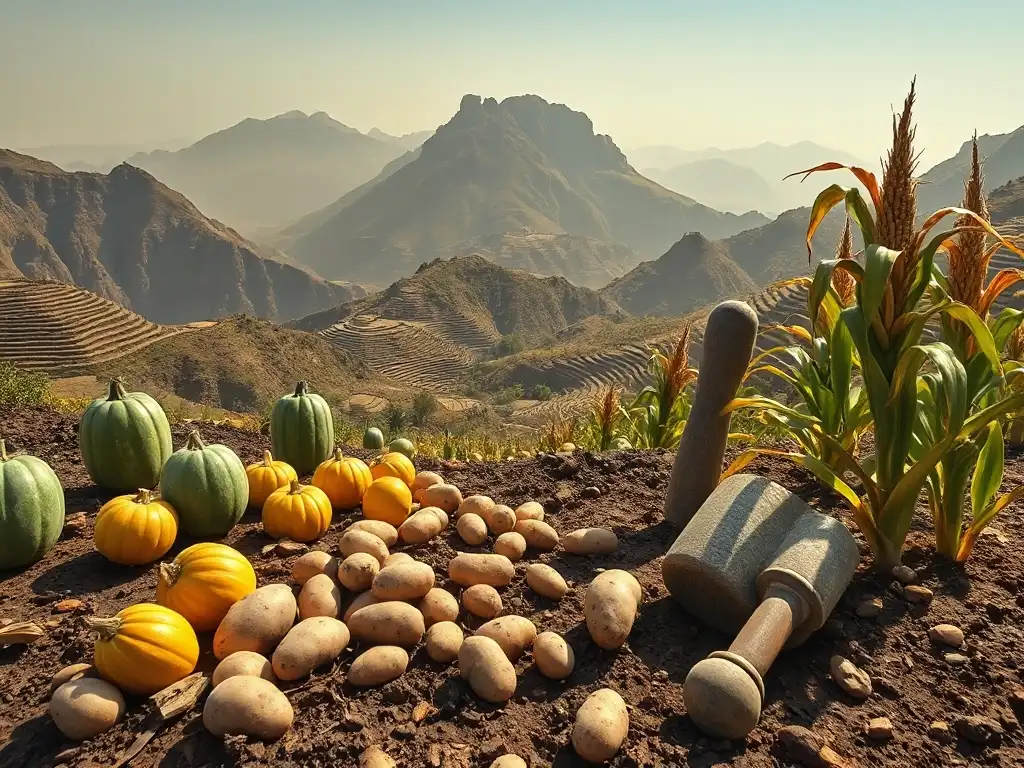
The Andean region, renowned for its diverse ecosystems and challenging terrain, witnessed the remarkable development of agriculture long before the rise of the Inca Empire. Andean preceramic agriculture, flourishing between 8000 and 3000 BCE, laid the foundation for the sophisticated agricultural systems that characterized later Andean civilizations. This period saw the domestication of several crucial crops that would become staples in the Andean diet and profoundly shape the region's cultural landscape.
Understanding the origins of these crops provides invaluable insight into the ingenuity and resilience of early Andean peoples. The process wasn't a sudden event, but rather a gradual evolution spanning millennia, involving careful selection and cultivation of wild plants.
Archaeological evidence, including pollen analysis and the discovery of early agricultural tools, continues to reveal the complexity of this early agricultural revolution. The impact of this pioneering work resonates even today, with many of these crops remaining essential to the region's food security and cultural identity.
The Domestication of Potatoes in the Andes
The potato ( Solanum tuberosum), arguably the most iconic Andean crop, boasts a history deeply intertwined with the region's preceramic period. While pinpointing the exact location and time of its domestication remains a subject of ongoing research, evidence points to the high Andes as the likely center of origin. Genetic studies suggest a complex process of domestication involving various wild potato species.
Early farmers selected for traits like larger tubers, reduced bitterness, and increased yield, gradually transforming wild potatoes into the diverse varieties we know today. The adaptability of the potato to various altitudes and climates contributed to its widespread adoption throughout the Andes, proving crucial for the survival and prosperity of early Andean communities. The discovery of early potato remains in archaeological sites, alongside evidence of rudimentary agricultural techniques, sheds light on the gradual development of potato cultivation during the preceramic era.
The potato's remarkable nutritional value and its ability to be stored for extended periods contributed significantly to the stability and growth of Andean societies. Further research, particularly genomic analysis, continues to refine our understanding of the fascinating journey of potato domestication in the Andes.
Early Cultivation of Quinoa and its importance
Quinoa ( Chenopodium quinoa), another Andean powerhouse, holds a similarly significant place in the preceramic agricultural narrative. This highly nutritious pseudocereal, rich in protein and essential amino acids, thrived in the harsh conditions of the Andean altiplano. Evidence suggests that quinoa domestication occurred independently from other cereal crops, showcasing the unique adaptations of Andean agriculture to its environment.
Unlike many crops, quinoa exhibits remarkable tolerance to salinity and drought, making it an ideal choice for cultivating in the often-challenging Andean terrain. Its resilience contributed to the establishment of stable agricultural communities, even in arid and high-altitude regions. Preceramic archaeological sites have yielded quinoa remains, indicating its early importance in the Andean diet.
The cultivation of quinoa wasn't just about food security; it also played a vital role in the development of Andean social structures and religious practices, reflecting its deep cultural significance. The adaptability and nutritional value of quinoa ensured its sustained cultivation throughout Andean history, cementing its status as a cornerstone of Andean cuisine and culture.
The Role of Beans in Preceramic Andean Diets
Beans ( Phaseolus) represent another critical component of preceramic Andean agriculture. Various bean species, adapted to different altitudes and climates, were cultivated across the Andean region. Archaeological evidence reveals the presence of beans in preceramic contexts, indicating their early integration into the Andean diet.
Beans provided an essential source of protein and other nutrients, complementing the carbohydrates derived from potatoes and quinoa. The cultivation of different bean varieties likely contributed to dietary diversity and resilience, ensuring food security even in times of crop failure. The symbiotic relationship between beans and other crops, such as maize (although maize domestication came slightly later), further enhanced the productivity of Andean agricultural systems.
The strategic diversification of crops like beans, potatoes, and quinoa showcases the sophisticated understanding of Andean farmers regarding crop rotation, soil fertility, and sustainable agricultural practices, laying the groundwork for the thriving agricultural systems of later periods. The widespread cultivation of beans across diverse Andean ecosystems highlights the adaptability and ingenuity of early Andean farmers in harnessing the region's diverse resources. Further research into ancient Andean agricultural practices could reveal even more about the intricate relationship between beans and the overall development of Andean agriculture.
Other Important Preceramic Andean Crops: Oca, Ulluco, and Mashua
The Andean preceramic period witnessed the domestication of a remarkable array of crops beyond the well-known potatoes. Oca ( Oxalis tuberosa), ulluco ( Ullucus tuberosus), and mashua ( Tropaeolum tuberosum) represent significant contributions to the burgeoning agricultural landscape of the Andes. These three root crops, each boasting unique characteristics and nutritional profiles, played crucial roles in the diversification of Andean diets and agricultural strategies.
Their cultivation contributed significantly to the resilience of Andean societies in the face of challenging environmental conditions. The ability to cultivate these crops, alongside potatoes and other early domesticates, provided a crucial buffer against crop failure and ensured food security for burgeoning populations. This diversification was a key factor in the success of early Andean agricultural systems.
The cultivation of oca, ulluco, and mashua demanded different techniques and environmental conditions compared to potatoes. Oca, for instance, thrives in higher altitudes and cooler climates, while ulluco prefers slightly warmer conditions and well-drained soils. Mashua, with its tolerance of frost and ability to grow in poor soils, represents a particularly resilient crop, further enhancing the diversity and security of Andean agriculture.
Archaeological evidence suggests that these crops were not simply supplementary to potatoes but held significant cultural and economic importance. Their presence in preceramic sites across various altitudes indicates a sophisticated understanding of agro-ecology and a nuanced approach to agricultural planning.
Further research is needed to fully understand the specific methods employed in the domestication and cultivation of these crops during the preceramic period. While we know they were integral to the Andean diet, the precise techniques used for propagation, storage, and processing remain areas of ongoing investigation. However, the enduring presence of oca, ulluco, and mashua in Andean agriculture, even to this day, underscores their importance as foundational crops in the development of Andean civilization.
Their domestication represents a testament to the ingenuity and adaptability of early Andean farmers, who skillfully harnessed the unique characteristics of their environment to create a diverse and resilient agricultural system. This understanding of Andean preceramic agriculture continues to inform modern agricultural practices and offers valuable insights into sustainable farming techniques in challenging environments.
Techniques and Tools of Preceramic Andean Farming
This section delves into the ingenious techniques and tools employed by Andean farmers during the Preceramic period (circa 8000-1800 BCE), a time of significant agricultural innovation that laid the foundation for the later flourishing civilizations of the Andes. Understanding these methods provides crucial insight into the ingenuity and adaptation of early Andean societies to their challenging environment. The development of Andean preceramic agriculture fundamentally altered the landscape and the lives of its people, paving the way for complex social structures and advancements in other areas of life.
Early Irrigation Systems and Water Management
The success of Andean preceramic agriculture hinged on effective water management. Given the arid and semi-arid nature of much of the Andes, access to reliable water sources was paramount. Evidence suggests that early Andean farmers developed sophisticated irrigation systems, albeit rudimentary compared to later Inca techniques. These systems, often involving simple canals and ditches, channeled water from rivers and streams to irrigate fields, particularly in coastal valleys and high-altitude areas where rainfall was scarce.
The construction of these systems required a deep understanding of hydrology and topography. Farmers carefully surveyed the terrain to identify suitable water sources and plan the most efficient routes for water conveyance. The use of gravity played a crucial role in these early irrigation efforts, minimizing the need for complex pumping mechanisms.
Archaeological findings, including remnants of canals and terraces, provide tangible evidence of these early water management strategies. Further research is needed to fully understand the scale and complexity of these systems in different Andean regions, with [specific data on regional variations in irrigation techniques pending]. The ingenuity shown in these early systems is a testament to the agricultural knowledge and collaborative efforts of Andean communities.
Stone Tools Used in Preceramic Agriculture
Preceramic Andean farmers relied heavily on stone tools for various agricultural tasks. These tools, crafted from readily available materials like obsidian, basalt, and andesite, were essential for land preparation, planting, harvesting, and processing crops. While the exact forms and functions of some tools remain debated, evidence points to the widespread use of several key implements:
- Cultivators: These tools, likely resembling hoes or digging sticks, were used to prepare the soil for planting. Their design would have varied depending on the soil type and the crops being cultivated.
- Sickles: Used for harvesting crops, these tools likely featured a sharp edge made of stone, attached to a wooden or bone handle. The specific design would have been adapted to the type of grain being harvested.
- Grinding Stones: Essential for processing harvested crops, grinding stones were used to grind grains into flour or to prepare other food products. The use of metates (stationary grinding stones) and manos (hand stones) is well documented in the archaeological record.
The craftsmanship involved in creating these stone tools speaks to the advanced technological skills of Preceramic Andean peoples. The meticulous shaping and sharpening of stone implements required considerable skill and patience, demonstrating a deep understanding of material properties and tool design. [Further analysis of tool wear patterns is needed to provide more detailed insights into their specific uses]. The diversity of stone tools found at different archaeological sites suggests regional variations in agricultural practices and technological development.
Evidence of Terracing and Land Modification
One of the most striking features of Andean preceramic agriculture is the evidence of terracing and other forms of land modification. Terracing, the creation of level platforms on sloping land, allowed farmers to cultivate land that would otherwise have been unsuitable for agriculture. This technique not only increased the amount of arable land but also helped to conserve water and soil, improving crop yields.
The construction of terraces was a significant undertaking, requiring considerable labor and planning. Archaeological sites reveal terraces of varying sizes and complexities, suggesting that these were adapted to the local topography and the specific needs of the farmers. The construction methods likely involved the careful excavation of earth and the use of retaining walls made of stone or other materials. [Further research is needed to determine the precise techniques and materials used in terrace construction in different regions].
The presence of terraces provides clear evidence of the sophisticated agricultural practices and the collective effort of Andean communities in shaping their environment to meet their needs. The longevity and effectiveness of these terraces demonstrate a deep understanding of sustainable land management, a hallmark of Andean agricultural traditions. The impact of these early terracing efforts on the Andean landscape is still visible today, a testament to their lasting legacy.
The Importance of Knowledge of Andean Climate
Understanding the Andean climate is paramount to comprehending the ingenuity of preceramic agricultural techniques. The Andes boast a highly diverse climate, ranging from arid coastal deserts to frigid alpine zones, and encompassing a vast spectrum of altitudes and microclimates. Preceramic farmers didn't have access to sophisticated weather forecasting, yet they demonstrated a remarkable understanding of their environment. Their success hinged on meticulous observation of seasonal changes, rainfall patterns, and the specific climatic conditions of their chosen planting areas.
This intimate knowledge allowed them to select appropriate crops for each microclimate, optimizing yields and minimizing risks associated with unpredictable weather events. For example, farmers in the coastal regions developed irrigation systems tailored to the scarcity of water, while those in the highlands adapted their farming practices to the shorter growing seasons and harsher conditions of higher altitudes. This deep understanding of climatic variability was not merely a matter of survival; it was a crucial element in their ability to establish stable and productive agricultural systems. The development of sophisticated agricultural techniques was directly linked to this detailed, practical knowledge of the Andean environment, highlighting the profound connection between humans and nature in the preceramic era.
This intimate relationship with their surroundings shaped not only their agricultural practices but also their worldview and cultural development. The careful observation and adaptation to the capricious Andean weather systems formed the bedrock of their agricultural success, a testament to the adaptive capacity of early Andean farmers. Their ability to thrive in such a challenging environment underscores the importance of environmental knowledge in shaping the course of Andean preceramic agriculture.
The Impact of Early Agriculture on Andean Society

The development of Andean preceramic agriculture fundamentally reshaped Andean societies, triggering a cascade of interconnected changes that laid the groundwork for the later, more complex civilizations. The transition from a primarily hunter-gatherer lifestyle to one based on cultivating crops and domesticating animals had profound implications for social structures, population dynamics, and the very fabric of Andean life. This shift wasn't instantaneous; rather, it unfolded over millennia, with varying degrees of agricultural intensity across different regions and groups. Understanding this process requires examining the interconnectedness of agricultural advancements with societal evolution.
The Shift from Hunter-Gatherer to Agricultural Societies
The preceramic period witnessed a gradual but significant shift away from a purely hunter-gatherer existence. While hunting and gathering continued to play a role, the increasing reliance on cultivated plants marked a pivotal moment. This transition wasn't a sudden replacement, but a gradual integration of agriculture into existing subsistence strategies.
Early Andean farmers likely maintained a degree of flexibility, supplementing their crops with wild resources as needed. Archaeological evidence, such as the presence of both domesticated and wild plant remains in preceramic sites, supports this nuanced picture. The adoption of agriculture wasn't uniform; some groups may have adopted it earlier and more fully than others, leading to diverse patterns of settlement and social organization.
The transition was likely a complex process influenced by environmental factors, population pressure, and technological innovations. It was a gradual process of experimentation and adaptation, driven by the need to secure a more reliable food supply. The success of early Andean agriculture, particularly the cultivation of resilient crops adapted to the challenging Andean environment, was a key factor in this transition.
Population Growth and Sedentism linked to farming
A reliable food source, provided by successful Andean preceramic agriculture, fueled significant population growth. Hunter-gatherer societies are typically characterized by smaller, more mobile populations. The ability to cultivate crops and raise animals in one place allowed for a denser concentration of people. This led to the development of sedentary lifestyles, a stark contrast to the nomadic patterns of earlier hunter-gatherer groups.
Permanent settlements emerged, leading to the construction of more substantial dwellings and the accumulation of material goods. The increased population density in turn facilitated social interaction, the exchange of ideas and technologies, and the emergence of more complex social structures. The availability of surplus food also allowed for specialization of labor, with some individuals dedicating their time to activities beyond food production, contributing to the growth of crafts and other specialized occupations. This surplus was also crucial to supporting larger populations.
The shift to agriculture in the Andean preceramic period wasn't just about food production; it was inextricably linked to the development of more complex social structures. Sedentism and population growth created the conditions for the emergence of social hierarchies and specialized roles. Evidence suggests the beginnings of social differentiation, although the degree of inequality likely varied across different regions and communities.
The management of irrigation systems, for instance, might have led to the emergence of leadership roles responsible for coordinating communal efforts. The increased production and storage of food also created the potential for elites to control resources and exert influence. The development of specialized crafts and technologies further contributed to social stratification.
While evidence of monumental architecture is limited in the preceramic period, the construction of larger settlements and the production of more sophisticated artifacts point to growing social complexity and the emergence of leadership structures within Andean communities. Further research is needed to fully understand the nuances of social organization during this crucial period of Andean preceramic agriculture. However, it's clear that the transition to agriculture acted as a catalyst for significant social change, laying the foundations for the complex societies that would flourish in later periods.
The Relationship between Farming and Religious Beliefs
The development of agriculture in the Andean preceramic period wasn't merely a technological advancement; it was deeply intertwined with the spiritual and religious beliefs of the time. Evidence suggests a strong connection between the cultivation of crops and the worship of deities associated with fertility and abundance. Archaeological findings, such as the presence of ritual objects in agricultural contexts, point to the importance of appeasing these divine forces to ensure successful harvests.
For example, the discovery of intricately carved figurines depicting stylized plants and animals alongside agricultural tools in various preceramic sites strongly suggests a belief system that integrated the act of farming with ritualistic practices aimed at ensuring the prosperity of the community. This wasn't a passive relationship; rather, farming was actively imbued with religious significance.
The cyclical nature of planting, growing, and harvesting likely mirrored the perceived cycles of life, death, and rebirth prevalent in Andean cosmologies. Many scholars believe that the intense focus on agricultural success reflects a deep-seated need to control the unpredictable forces of nature, a need that manifested in elaborate rituals and ceremonies designed to secure divine favor. These rituals likely involved offerings of food, drink, and other valuable items to appease the gods and spirits believed to influence the growth of crops and the health of livestock.
The importance of these practices is underscored by the significant amount of time and resources dedicated to them, suggesting their central role in Andean society. The intricate designs found on pottery and textiles from this period often depict agricultural scenes, further emphasizing the deep integration of religious beliefs and agricultural practices.
This close relationship shaped not only the agricultural techniques employed but also the social structure and worldview of early Andean communities. The success of the harvest wasn't simply a matter of hard work; it was fundamentally linked to the favor of the divine.
Challenges and Adaptations in Preceramic Agriculture
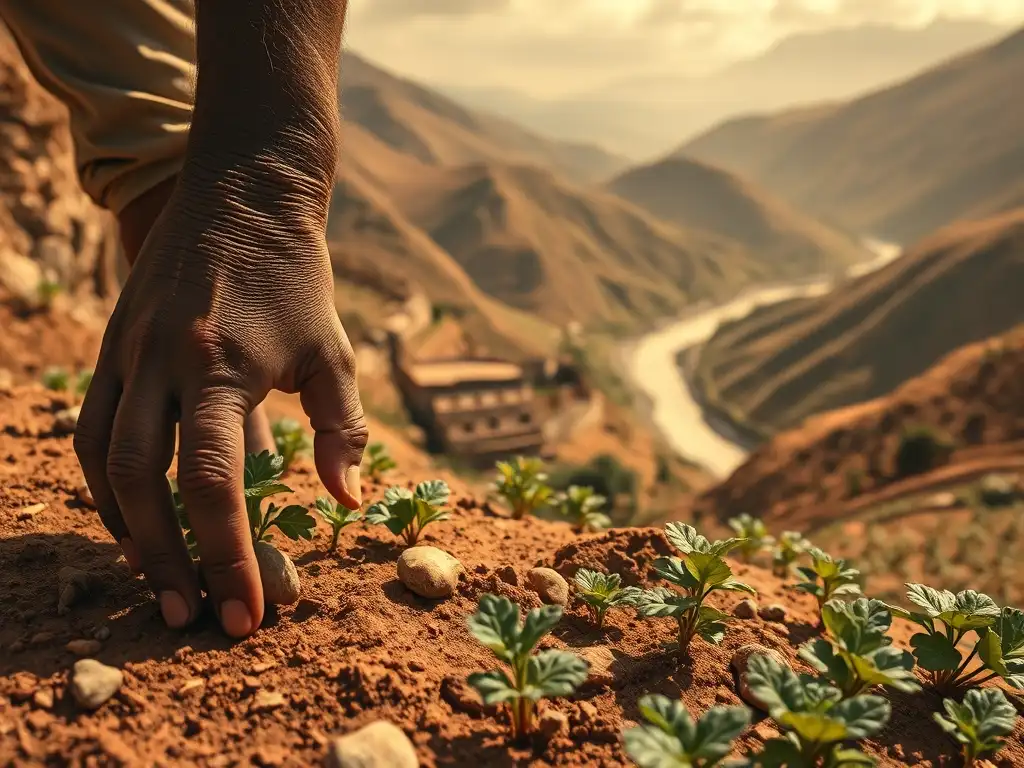
The Andean preceramic period, preceding the development of pottery, witnessed the remarkable feat of plant domestication in a geographically diverse and challenging environment. Understanding the agricultural innovations of this era requires acknowledging the significant hurdles faced by early Andean farmers. Their success wasn't merely a matter of planting seeds; it was a testament to ingenuity and adaptation in the face of significant environmental obstacles. The development of Andean preceramic agriculture represents a crucial step in the evolution of human societies in the region, laying the foundation for the later flourishing of complex civilizations.
Dealing with the Andean Environment
The Andes Mountains present a uniquely challenging agricultural landscape. Steep slopes, unpredictable rainfall patterns, and significant variations in altitude and microclimates demanded innovative farming techniques. Unlike the relatively flat plains of Mesopotamia or Egypt, Andean farmers couldn't rely on simple flood irrigation.
Instead, they had to develop sophisticated systems to manage water resources effectively, often utilizing terracing to create level planting surfaces on steep hillsides. This involved immense labor and careful planning, showcasing a deep understanding of both the land and the water cycle. Evidence suggests the use of canales (channels) and andenes (terraces) to efficiently distribute water, even in areas with limited rainfall.
The ingenuity required to overcome these environmental constraints is a defining characteristic of Andean preceramic agriculture. The success of these early farmers hinges on their close observation of the environment and their ability to adapt their methods to specific local conditions. This intimate knowledge of their environment also allowed them to select and cultivate crops best suited to their particular location and altitude.
Adapting to different altitudes and climates
The verticality of the Andes significantly impacted agricultural practices. Altitude dramatically affects temperature, rainfall, and growing seasons. Andean preceramic farmers successfully cultivated a variety of crops adapted to different altitudinal zones, a testament to their understanding of ecological niches.
For instance, crops like potatoes, adapted to higher, colder altitudes, coexisted with crops thriving in warmer, lower elevations. This verticality also led to the development of a unique form of agriculture known as verticality, where different crops were cultivated at different altitudes, maximizing the use of available resources and creating a diverse agricultural system. This diversification was crucial for ensuring food security, as it reduced the risk of crop failure due to unpredictable weather patterns or pests affecting only one specific elevation.
The mastery of diverse agricultural techniques across such a range of altitudes is a key element distinguishing Andean preceramic agriculture from other early agricultural systems. Specific data on the precise crop distribution across altitudes in this era is still being researched, but ongoing archaeological excavations continue to provide valuable insights.
Overcoming the challenges of early agricultural practices
Early agricultural practices presented their own set of challenges. Without metal tools, land preparation was labor-intensive, relying on simple tools like digging sticks and stone hoes. Pest and disease control was also a significant concern, requiring careful observation and potentially the development of early pest management strategies.
Furthermore, the lack of advanced storage facilities meant that preserving harvests for lean periods was a constant struggle. This necessitated developing preservation techniques, perhaps using drying or other methods to extend the shelf life of harvested crops. The success of Andean preceramic agriculture despite these challenges underscores the resilience and adaptability of its practitioners.
The development of sophisticated irrigation systems, alongside a deep understanding of crop diversity and adaptation to varied environments, allowed these early farmers to establish a sustainable and productive agricultural system in a remarkably challenging setting. Further research into the techniques used for seed selection, crop rotation, and pest management would significantly enhance our understanding of the remarkable achievements of Andean preceramic agriculture.
The Evolution of Farming Techniques in the Preceramic Period
The preceramic period in the Andes, spanning roughly from 8000 to 3000 BCE, witnessed a gradual but significant evolution in agricultural techniques. Early farmers, initially relying on simple methods like broadcast sowing – scattering seeds haphazardly – gradually developed more sophisticated approaches. This wasn't a sudden leap but a process of experimentation, observation, and adaptation to the diverse Andean environments. Evidence suggests a shift towards more controlled planting, likely involving the use of digging sticks to create small holes for seed placement. This allowed for greater seed density and potentially improved germination rates, leading to increased yields.
The development of raised fields, particularly in wetland areas, represents a major technological advancement. These artificial platforms, built from earth and organic matter, provided better drainage and aeration for crops, mitigating the challenges of waterlogged soils and increasing agricultural productivity, especially in areas prone to flooding. The construction of these fields required significant labor and planning, indicating a growing level of social organization and cooperation among early Andean agricultural communities. Furthermore, the selection and cultivation of specific plant varieties demonstrate a deep understanding of plant biology and environmental conditions. Early farmers likely focused on selecting seeds from the most productive plants, gradually improving crop characteristics like yield, size, and disease resistance through a process of unconscious selection.
This early form of plant breeding played a vital role in shaping the genetic diversity of Andean crops and their adaptability to the varied ecological niches of the region. The development of irrigation systems, though perhaps more prominent in later periods, also began to emerge in the preceramic era, reflecting a growing ability to manage water resources and enhance crop production in drier areas. The sophistication of these early farming techniques provides a compelling glimpse into the ingenuity and resilience of Andean peoples in harnessing their environment for sustenance. These innovations laid the foundation for the more complex agricultural systems that would characterize later Andean civilizations. Understanding these early farming techniques is crucial to appreciating the remarkable achievements of Andean preceramic agriculture and its lasting impact on the region's cultural and societal development.
The Legacy of Preceramic Andean Agriculture

The Andean preceramic period, spanning roughly 8000 to 3000 BCE, witnessed the groundbreaking domestication of numerous plants that would shape the future of Andean civilizations and continue to influence food systems globally. This era laid the foundation for the complex agricultural practices observed in later cultures like the Inca, Moche, and Nazca. Understanding this period is crucial to comprehending the remarkable ingenuity and resilience of Andean peoples in adapting to diverse and challenging environments.
The development of Andean preceramic agriculture was not a singular event, but rather a gradual process involving experimentation, selection, and adaptation across various ecological zones. This innovative approach to agriculture allowed for sedentary lifestyles, population growth, and the development of increasingly complex social structures. The legacy of this early agricultural innovation is profound and continues to resonate today.
The Influence on later Andean Civilizations
The sophisticated agricultural techniques pioneered during the Andean preceramic period provided a robust framework upon which subsequent civilizations built. The Inca, for example, inherited and refined existing irrigation systems, terraced farming methods, and crop diversification strategies. Their extensive road network facilitated the efficient distribution of agricultural products across their vast empire, a testament to the enduring impact of preceramic agricultural practices.
The remarkable productivity of Andean agriculture, made possible by centuries of experimentation and refinement beginning in the preceramic era, allowed for the support of large urban centers and complex political hierarchies. Analysis of archaeological sites reveals clear continuities in agricultural practices across millennia, showcasing a remarkable cultural memory and adaptation of preceramic techniques.
Even the intricate knowledge of diverse Andean crops and their specific environmental needs can be traced back to the innovations of the preceramic farmers. The success of later Andean civilizations was inextricably linked to the foundations laid during this formative period.
The lasting impact on Andean food systems
Many staple crops of the modern Andean diet, such as potatoes ( Solanum tuberosum), quinoa ( Chenopodium quinoa), and various beans ( Phaseolus spp. ), were domesticated during the Andean preceramic period. This early domestication not only shaped the nutritional landscape of the Andes but also contributed significantly to global food security.
The genetic diversity within these crops, a product of centuries of adaptation to diverse Andean ecosystems, is a vital resource for future food security initiatives. Understanding the processes of domestication during the Andean preceramic period can inform modern breeding programs aimed at developing more resilient and nutritious crop varieties. Furthermore, traditional Andean farming practices, rooted in preceramic knowledge, often incorporate techniques that promote biodiversity and soil health, offering valuable lessons for sustainable agriculture.
The resilience of these ancient crops and farming methods in the face of environmental challenges serves as a compelling argument for incorporating traditional knowledge into modern agricultural strategies. The continued cultivation of these preceramic-era crops demonstrates their enduring relevance to Andean food systems and global food security.
Lessons learned from ancient Andean farming practices
The ingenuity of Andean preceramic farmers offers valuable lessons for modern agriculture. Their mastery of water management, evident in sophisticated irrigation systems and terracing techniques, provides insights into sustainable water use in arid and semi-arid environments. The diversification of crops, a hallmark of preceramic agriculture, minimized the risk of crop failure and ensured food security.
This approach contrasts sharply with modern monoculture farming practices, which are often more vulnerable to pests and diseases. Furthermore, the integration of agroforestry and other ecological practices into preceramic farming systems highlights the importance of biodiversity in maintaining soil fertility and ecosystem health. Studying these ancient techniques can help us develop more resilient and environmentally sustainable agricultural practices for the future.
The wisdom embedded in Andean preceramic agriculture serves as a powerful reminder of the interconnectedness between human societies and their environment, offering valuable lessons for navigating the challenges of food security and environmental sustainability in the 21st century. Analyzing these ancient practices, we can glean valuable insights for creating more robust and sustainable agricultural systems capable of withstanding the pressures of climate change and population growth.
The Importance of Preserving Andean Agricultural History
Understanding Andean preceramic agriculture is crucial for several reasons. First, it provides invaluable insights into the ingenuity and adaptability of early Andean societies. These cultures, facing diverse and challenging environments, developed sophisticated agricultural techniques that allowed them to thrive in some of the world's most geographically demanding landscapes.
Their innovations, such as terracing, irrigation systems, and the domestication of unique crops, represent a remarkable achievement in human history and offer lessons for sustainable agriculture today. Studying these techniques can inform modern agricultural practices, particularly in areas with similar environmental constraints. For instance, the intricate water management systems employed by preceramic Andean communities could inspire solutions to contemporary water scarcity challenges.
Secondly, preserving this knowledge helps us appreciate the deep connection between Andean peoples and their environment. Andean agricultural practices were not merely about food production; they were deeply intertwined with their spiritual beliefs and social structures. Understanding this intricate relationship is essential to comprehend the holistic worldview of these civilizations and their sustainable approach to resource management.
The loss of this knowledge would represent a significant gap in our understanding of human-environment interactions throughout history. Archaeological findings, such as the discovery of ancient agricultural tools and the analysis of preserved plant remains, offer tangible evidence of this rich history, emphasizing the importance of continued research and preservation efforts.
Finally, safeguarding this legacy contributes to the cultural identity and heritage of contemporary Andean communities. The agricultural practices of their ancestors continue to influence modern farming techniques and traditions in the region. Protecting this heritage ensures that these communities can connect with their past, fostering a sense of pride and continuity.
Furthermore, preserving this knowledge can contribute to the economic development of these communities through sustainable tourism and the promotion of traditional agricultural products. By understanding the roots of Andean agriculture, we not only learn about the past but also help shape a more sustainable and culturally rich future for the Andean region. The preservation of this history is not merely an academic pursuit; it is a vital task with profound social, environmental, and economic implications.
Conclusion: The Foundations of Andean Civilization
Summarizing the Key Achievements of Preceramic Agriculture
The Andean preceramic period (circa 8000-1800 BCE) witnessed remarkable achievements in agriculture, laying the groundwork for the complex societies that would flourish in later eras. This period wasn't simply about the domestication of plants; it was about the development of sophisticated agricultural techniques tailored to the challenging Andean environment. Farmers weren't just cultivating crops; they were actively shaping their environment, creating systems of irrigation, terracing, and water management that allowed for increased yields and resilience against harsh climatic conditions.
The domestication of key crops like squash, beans, and potatoes – the "Andean trinity" – provided a stable dietary base, supporting population growth and the emergence of settled communities. Furthermore, the development of specialized tools and techniques for planting, harvesting, and processing crops demonstrates a level of technological innovation that deserves significant recognition in the context of Andean preceramic agriculture. Evidence suggests a deep understanding of plant cycles and soil conditions, indicating a level of agricultural knowledge far exceeding simple subsistence farming.
This period represents a crucial turning point, transitioning from nomadic hunter-gatherer lifestyles to a more sedentary, agricultural-based existence. The successful cultivation of diverse crops not only provided sustenance but also contributed to the development of trade networks and social complexity.
The enduring significance of early plant domestication
The legacy of Andean preceramic agriculture extends far beyond the preceramic period itself. The domestication of plants like potatoes, quinoa, and various beans had a profound and lasting impact on the development of subsequent Andean cultures. These crops became staples in the diets of later civilizations, including the Inca Empire, and continue to be important food sources in the Andes today.
The agricultural techniques developed during this early period—such as terracing and irrigation—were refined and expanded upon by later societies, demonstrating the enduring relevance of these early innovations. The genetic diversity of crops domesticated during the preceramic period also played a crucial role in ensuring food security and resilience against environmental challenges. The ability to cultivate a variety of crops in diverse ecological zones contributed to the stability and prosperity of Andean societies for millennia.
Indeed, the genetic resources developed during this period remain vital for modern agricultural practices, highlighting the long-term significance of Andean preceramic agriculture in shaping global food systems. The successful adaptation of crops to the unique Andean environment also showcases the ingenuity and adaptability of early Andean farmers.
The importance of continued research in this area.
Despite significant advancements, much remains to be discovered about Andean preceramic agriculture. Continued research is crucial to further unravel the complexities of this pivotal period. Further archaeological investigations, particularly focusing on the recovery of plant remains and associated artifacts, can provide a more detailed understanding of crop diversity, agricultural techniques, and the social organization of early Andean farming communities.
The application of advanced technologies like ancient DNA analysis and isotopic studies can shed light on the processes of plant domestication, dietary habits, and the impact of agriculture on human health. Moreover, interdisciplinary collaborations involving archaeologists, botanists, and anthropologists are essential to deepen our understanding of the interplay between environmental factors, technological innovation, and social change during this crucial period in Andean history. By combining traditional archaeological methods with cutting-edge scientific techniques, we can gain a more complete picture of the origins and development of Andean agriculture, enriching our understanding of this fundamental aspect of Andean civilization.
Understanding the Andean preceramic period's agricultural achievements is not just an academic pursuit; it holds valuable lessons for addressing modern challenges related to food security and sustainable agriculture in diverse environments, particularly those facing climate change. The ingenuity and resilience of early Andean farmers continue to inspire and inform contemporary approaches to agriculture.
Frequently Asked Questions
What is the significance of the preceramic period in Andean agriculture?
The preceramic period (before 3000 BCE) marks the earliest stages of plant domestication in the Andes. This era laid the foundation for the later, more complex agricultural systems of the region, demonstrating the ingenuity of early Andean peoples. It shows how adaptation to the varied Andean environment drove agricultural innovation.
What crops were first domesticated during the Andean preceramic period?
Early domesticates included squash, beans, and chili peppers, providing crucial dietary components. These crops, adapted to diverse Andean ecosystems, were integral to the development of later agricultural societies. Their cultivation spurred population growth and settlement changes.
How did Andean preceramic farmers adapt to the challenging Andean environment?
Andean preceramic farmers used innovative irrigation techniques and developed terracing and raised field systems to cultivate crops in the diverse and challenging Andean landscapes. They also selected and cultivated crops that were well-suited to the high-altitude, arid conditions.
What evidence exists to support our understanding of Andean preceramic agriculture?
Archaeological evidence includes excavated plant remains, ancient tools, and settlement patterns which reveal the early adoption of agriculture. Analysis of these findings helps piece together the development of agricultural practices and technologies in the Andean region.
How did Andean preceramic agriculture influence later civilizations?
Andean preceramic agriculture laid the groundwork for the complex agricultural systems that characterized later civilizations like the Inca. The domesticated crops and techniques developed during this early period became cornerstones of Andean economies and societies for millennia.
Final Reflection: Harvesting the Legacy of Andean Agriculture
The innovative agricultural practices developed in the Andean preceramic era continue to resonate today, shaping not only our understanding of human history but also our approach to sustainable food systems in the face of climate change. The ingenuity of these early farmers, their deep connection to the land, and their remarkable ability to adapt to challenging environments offer invaluable lessons for the 21st century. Their achievements serve as a powerful reminder of humanity's capacity for innovation and resilience in the face of adversity.
The enduring impact of Andean preceramic agriculture is profoundly evident in the genetic diversity of crops still cultivated across the globe. These early domestication efforts laid the foundation for the global food supply, a legacy we often take for granted. The sophisticated understanding of Andean ecosystems and the careful management of resources demonstrated by these early farmers is particularly relevant today, as we grapple with the urgent need for sustainable agricultural practices. The past is never dead. It's not even past.
- William Faulkner. This quote perfectly encapsulates the ongoing relevance of understanding the roots of our food systems, reminding us that the choices we make today are deeply connected to the actions of those who came before us.
Consider the ingenuity of these early Andean farmers, their intimate knowledge of their environment, and their ability to cultivate a thriving civilization in a challenging landscape. You too can cultivate a deeper connection with your food sources, appreciating the rich history and complex ecological systems that underpin our global food supply. Learn more about the origins of the foods you consume, support sustainable agriculture, and strive to live in harmony with the natural world – a legacy worthy of the Andean pioneers.
Unveil the Secrets of Andean Agriculture!
Thank you for exploring the fascinating world of Andean agriculture with us! You've uncovered key insights into early plant domestication during the Preceramic period, reshaping our understanding of this rich cultural heritage. Now, let's put that knowledge to use!
- Deepen your understanding by visiting local museums or exploring online exhibits about Andean history. Discover artifacts and stories that bring the past to life.
- Connect with fellow enthusiasts by joining online forums or social media groups dedicated to Andean civilizations. Share your experiences and learn from others.
- Cultivate your own garden using techniques inspired by ancient Andean agricultural practices. Experiment with traditional crops and reconnect with the natural world.
What new perspectives have you gained on the impact of agriculture on Andean societies, and how might this influence your approach to modern sustainable practices?