
The Unfolding Saga: Delving Deeper into the Origins of Andean Civilization

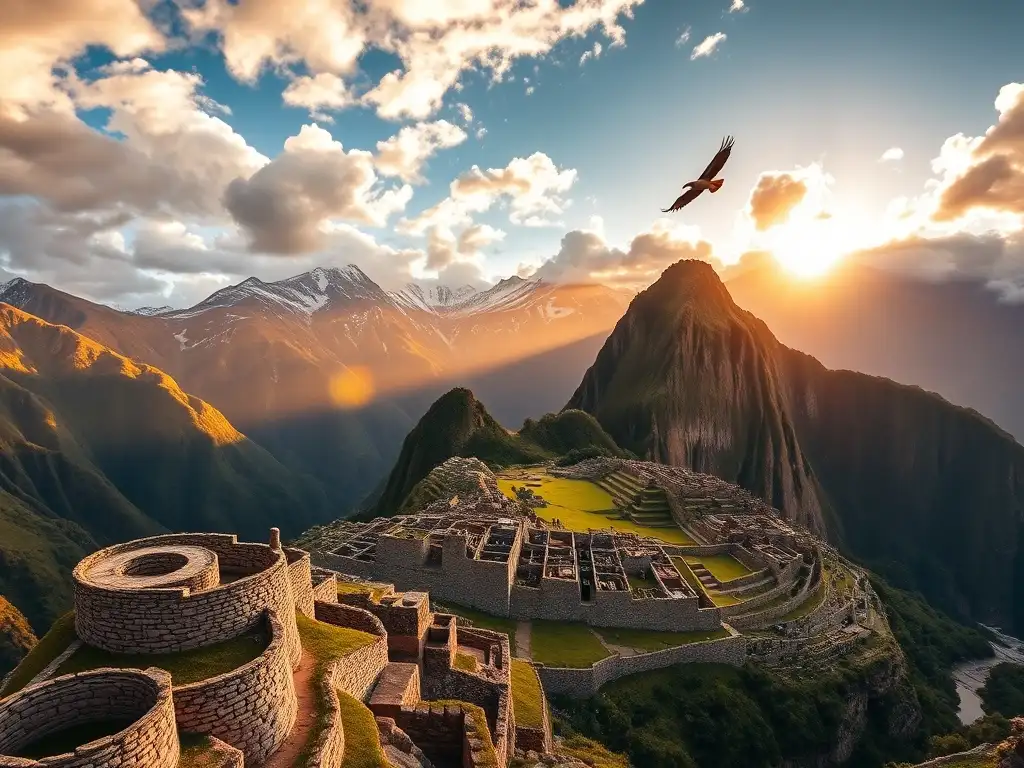
Step into a world lost to time, yet echoing with the whispers of a magnificent past. Prepare to unravel the mysteries surrounding the Ancient Andean civilization origins, a saga far richer and more complex than you ever imagined. From the breathtaking artistry of the Nazca Lines to the sophisticated engineering of Machu Picchu, the Andean civilizations left behind a legacy that continues to astound and inspire. Discover the untold stories of these remarkable cultures – their innovations, their beliefs, and their enduring impact on the world – and embark on a journey that will redefine your understanding of history.
The Andes Mountains, a spine of rock and ice stretching along the western edge of South America, have witnessed millennia of human history. This dramatic landscape, with its diverse ecosystems ranging from arid coastal deserts to lush cloud forests and high-altitude plains, cradled the rise and fall of some of the most fascinating ancient civilizations the world has ever known.
This article delves into the captivating origins of Andean civilization, exploring the complex interplay of environmental factors, societal structures, and technological innovations that shaped these remarkable cultures. We'll journey through the mists of time, examining the earliest settlements and the gradual development of sophisticated societies, focusing on the key factors that contributed to their growth and enduring legacy.
Understanding the origins of these ancient Andean civilizations provides a crucial foundation for appreciating their remarkable achievements in agriculture, architecture, and societal organization, offering valuable insights into the human capacity for adaptation and innovation in challenging environments. This exploration will illuminate the path from simple hunter-gatherer groups to the complex empires that would eventually dominate the Andes, laying the groundwork for a deeper understanding of the rich tapestry of Andean history.
The Earliest Inhabitants: Hunter-Gatherers and the Shaping of the Landscape
The earliest evidence of human presence in the Andes dates back to approximately 12,000 years ago. These initial inhabitants were primarily hunter-gatherer groups, skillfully adapting to the diverse ecological niches offered by the Andean region. Archaeological evidence suggests a significant reliance on coastal resources, with evidence of fishing and shellfish harvesting. In the highlands, these early peoples hunted camelids (llamas and alpacas) and foraged for wild plants.
Their ability to thrive in such a varied and challenging environment highlights their impressive adaptability and resourcefulness. Over time, these groups developed sophisticated knowledge of local flora and fauna, laying the groundwork for future agricultural advancements. The impact of these early inhabitants on the landscape, while often subtle, was significant, influencing the distribution of plant and animal life and shaping the environment in ways that would have long-lasting consequences.
The Rise of Agriculture: A Revolution in Andean Society
The development of agriculture marked a pivotal moment in the history of Andean civilizations. Around 4,000 years ago, evidence suggests the domestication of several key crops, including potatoes, maize, and beans. This agricultural revolution led to the establishment of settled communities, allowing for population growth and the development of more complex social structures.
The cultivation of these crops was not simply a matter of planting seeds; it required a deep understanding of Andean ecology and the development of sophisticated irrigation techniques. Terracing, for example, became a crucial technique for maximizing agricultural yields on the steep slopes of the Andes. This agricultural revolution not only provided a stable food source but also facilitated the accumulation of surplus, creating the basis for social stratification and the emergence of specialized labor.
The Development of Early Andean Societies: From Villages to Chiefdoms
The transition from small, scattered settlements to larger, more organized communities was a gradual process. The development of agriculture allowed for population growth and the emergence of villages. Over time, these villages coalesced into larger settlements, often led by powerful chiefs or elites who controlled access to resources and exerted influence over the surrounding population. The precise social structures of these early Andean societies varied significantly across different regions and time periods.
However, a common thread was the increasing complexity of social organization and the development of hierarchical power structures. This period witnessed the emergence of specialized crafts, the development of religious practices, and the beginnings of monumental architecture – all indicators of a growing social complexity and sophistication. Understanding the evolution of these early societies is essential to comprehending the foundations upon which the later, more elaborate Andean civilizations were built.
Technological Innovations: Shaping the Andean Landscape and Society
The development of advanced technologies played a crucial role in the success of Andean civilizations. The mastery of irrigation, as previously mentioned, was vital for agricultural production. Additionally, the development of sophisticated pottery techniques allowed for food storage and the creation of ceremonial vessels.
The construction of impressive stone structures, such as the monumental complexes at Chavín de Huántar, demonstrates a remarkable level of engineering and architectural skill. These technological innovations not only improved the efficiency of agriculture and food production but also played a significant role in the creation of cultural identity and the consolidation of power among elites. The development and refinement of these technologies were a continuous process, with innovations building upon previous achievements, further shaping the Andean landscape and society.
- The Earliest Inhabitants: Hunter-Gatherers and the Shaping of the Landscape
- The Rise of Agriculture: A Revolution in Andean Society
- The Development of Early Andean Societies: From Villages to Chiefdoms
- Technological Innovations: Shaping the Andean Landscape and Society
- What are the earliest known Andean civilizations?
- How did geography influence the development of Andean civilizations?
- What were some key technological advancements of the ancient Andean civilizations?
- What is the significance of the Chavín culture in the context of Andean civilization origins?
- How did the Inca Empire impact the pre-existing Andean civilizations?
Early Inhabitants and the Dawn of Andean Societies
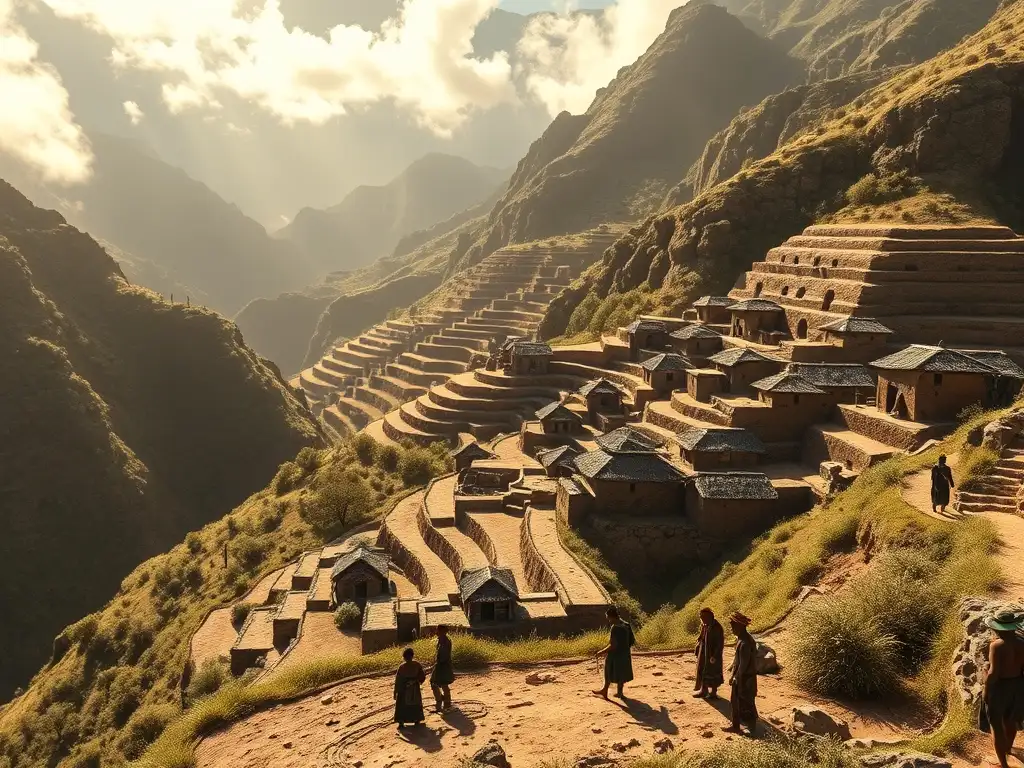
This section delves into the fascinating beginnings of Andean civilization, exploring the earliest inhabitants and the gradual development of complex societies. Understanding the origins of these remarkable cultures requires examining the preceramic and archaic periods, periods crucial in shaping the unique trajectory of Andean development. We'll also highlight key archaeological sites that provide invaluable insights into the lives and innovations of these early Andean peoples. The study of "Ancient Andean civilization origins" is a complex and rewarding pursuit, constantly evolving as new discoveries are made.
Preceramic Period: The Initial Human Presence in the Andes
The preceramic period, spanning roughly from 12,000 to 3,000 BCE, marks the initial human presence in the Andes. While precise dating remains a subject of ongoing research, evidence suggests early migrants adapted to the diverse Andean environments with remarkable ingenuity. These early inhabitants were hunter-gatherers, skillfully navigating the challenging terrain and exploiting the region's rich biodiversity. Their survival depended on a deep understanding of the natural world, including seasonal patterns and the distribution of plant and animal resources.
Archaeological findings reveal a gradual shift in subsistence strategies, with increasing reliance on certain plant species. This suggests the beginnings of plant domestication, a crucial step toward the development of agriculture and sedentary lifestyles. The development of sophisticated tools made from stone, bone, and wood further demonstrates their adaptive capabilities. These early tools, often intricately crafted, were essential for hunting, processing food, and creating shelters.
The lack of ceramics during this period gives the era its name. However, the absence of pottery doesn't imply a lack of technological advancement. Instead, it highlights the different priorities of these early Andean societies, focusing on mastering resource management and survival techniques within their environment. The transition to a more settled existence would ultimately be fueled by these advancements in resource management and the development of nascent agricultural practices. Further research and analysis of preceramic sites promise to reveal even more about the lives and innovations of these pioneering Andean inhabitants.
Archaic Period: The Rise of Sedentary Life and Agriculture
The Archaic Period (roughly 3000 BCE – 1000 BCE) witnessed a significant transformation in Andean societies. The gradual domestication of plants, particularly potatoes, beans, and squash, led to the emergence of agriculture and a shift towards sedentary lifestyles. This transition was not uniform across the Andes; different regions experienced varying rates of change depending on environmental factors and available resources.
The development of irrigation systems in some areas further facilitated agricultural intensification and supported larger, more settled populations. This period marks the beginning of the creation of villages and the emergence of social hierarchies, albeit still relatively simple compared to later Andean civilizations.
The increasing reliance on agriculture brought about new challenges and opportunities. The need to manage resources, coordinate labor, and resolve disputes within communities led to the development of social structures and organizational systems. While evidence of formal political institutions is limited during this early stage, the management of agricultural resources likely played a significant role in shaping social dynamics and power relations. The increasing population density and the development of agriculture also contributed to the development of new technologies.
For example, the refinement of stone tools and the development of new techniques for processing food and creating textiles demonstrate the growing sophistication of Andean societies during this era. The Archaic Period represents a pivotal stage in the development of Andean civilizations, laying the groundwork for the more complex societies that would follow. It was a period of experimentation, adaptation, and innovation, ultimately shaping the cultural landscape of the Andes.
Key Archaeological Sites Revealing Early Andean Settlements
Several key archaeological sites provide crucial evidence about the early Andean settlements. These sites offer tangible glimpses into the lives and cultures of the people who first inhabited this region. Careful excavation and analysis of these sites continue to provide valuable data, enriching our understanding of "Ancient Andean civilization origins".
| Site Name | Location | Significance | Notable Findings |
|---|---|---|---|
| Caral | Norte Chico, Peru | Earliest known major urban center in the Americas; evidence of complex social organization. | Monumental architecture, sophisticated irrigation systems. |
| Guitarrero Cave | Cordillera Blanca, Peru | Evidence of early plant domestication and human occupation. | Early evidence of agriculture and diverse tool kits. |
| Aspero | Norte Chico, Peru | Large coastal settlement; evidence of social complexity and maritime adaptation. | Extensive architecture, evidence of fishing and trade. |
The study of these and other sites continues to refine our understanding of the gradual development of complex societies in the Andes. Ongoing research promises further insights into the daily lives, social structures, and technological advancements of the early Andean inhabitants, shedding more light on the rich tapestry of their origins. The discovery of new sites and the application of advanced research methods promise to revolutionize our understanding of these foundational periods in Andean history. The investigation into "Ancient Andean civilization origins" is a dynamic field, constantly evolving with each new discovery.
The origins of complex social structures in Ancient Andean civilization are a fascinating and multifaceted topic. Understanding their development requires examining a tapestry of interwoven factors: environmental pressures, technological innovations, and evolving social dynamics. While pinpointing exact dates remains challenging due to the limitations of archaeological evidence, the trajectory towards increasingly sophisticated societies is undeniable.
The rise of these structures wasn't a sudden event but a gradual process spanning millennia, marked by incremental changes in settlement patterns, resource management, and social organization. The keyword "Ancient Andean civilization origins" encapsulates this intricate journey from scattered hunter-gatherer groups to the sophisticated city-states that would eventually emerge.
The Development of Early Villages and Communities
The transition from nomadic lifestyles to sedentary village life was a pivotal moment in Andean prehistory. This shift, occurring gradually over several centuries, was driven by factors such as the increasing availability of readily cultivatable land in fertile valleys and the development of more efficient agricultural techniques. Early villages, often located near reliable water sources and fertile land, provided a stable base for population growth and the specialization of labor.
Archaeological evidence suggests that these early communities were relatively egalitarian, with limited social stratification. However, even in these early settlements, we see the beginnings of social organization, with evidence of communal work and the emergence of rudimentary leadership structures.
The size and complexity of these villages increased over time, laying the groundwork for the larger, more complex societies that would follow. Examples include the early settlements found in the Caral Supe valley, which showcase sophisticated irrigation systems and evidence of social organization, predating even the Inca.
As Andean societies grew and became more complex, social hierarchies began to emerge. Evidence for this can be found in several aspects of archaeological findings:
- Differentiation in Burial Practices: Elaborate burials containing rich grave goods, indicative of high social status, contrast sharply with simpler burials of the common population. This disparity highlights the development of an elite class with privileged access to resources and power.
- Architectural Differences: The construction of monumental architecture, such as large temples and platforms, requires significant coordinated labor and resources, suggesting a centralized authority capable of mobilizing the workforce and controlling resources. The presence of elite residential structures further reinforces this social stratification.
- Craft Specialization: The emergence of specialized crafts, such as pottery, textiles, and metalworking, indicates a division of labor and the emergence of specialized artisans. These artisans likely held a higher social standing due to their specialized skills and the value of their products.
These patterns, observed across various Andean cultures, demonstrate a gradual but clear shift towards more stratified social structures, laying the groundwork for the highly organized empires that would eventually emerge. The precise nature of social hierarchies varied across different cultures and time periods, but the trend towards increasing inequality is evident.
The Role of Religion and Ritual in Early Andean Life
Religion and ritual played a crucial role in shaping the social fabric of early Andean societies. The development of complex religious beliefs and practices coincided with the emergence of more complex social structures. Religious rituals served several key functions:
- Social Cohesion: Shared religious beliefs and practices fostered a sense of community and collective identity. Rituals provided opportunities for people to come together, reinforcing social bonds and promoting cooperation.
- Political Legitimacy: Religious leaders often held significant political power, using their religious authority to legitimize their rule and maintain social order. The construction of monumental religious structures served as a powerful symbol of their authority and the power of the state.
- Resource Management: Religious practices often played a role in managing vital resources, such as water and land. Rituals related to agriculture and the weather ensured the success of harvests and the well-being of the community.
The interplay between religion, ritual, and social organization shaped the development of early Andean societies, influencing their social structures, political systems, and overall worldview. The intricate relationship between these elements is a key factor to understand in tracing the origins of these fascinating civilizations. Further research is needed to fully unravel the complex interplay between these religious practices and the development of early Andean states, particularly regarding the specific rituals and beliefs of individual cultures.
The Formative Period and the Birth of Andean Civilizations
This section delves into the formative period of Ancient Andean civilization origins, a crucial era laying the groundwork for the later, more complex societies. We'll explore the defining characteristics of this period and highlight the significant contributions of the Chavín culture, a cornerstone of early Andean development. Understanding this period is key to grasping the intricate tapestry of Ancient Andean civilization origins and its subsequent evolution.
The term "Formative Period," often used interchangeably with "Preclassic Period," encompasses a significant span of time, generally ranging from around 1800 BCE to 200 BCE, showcasing a gradual shift from small, scattered settlements to larger, more organized communities. This transition was pivotal in shaping the social, religious, and political landscapes of the Andes.
Defining Characteristics of the Formative Period
The Formative Period in the Andes witnessed several key developments that set the stage for later civilizations. One significant characteristic was the emergence of agriculture as a dominant economic activity. The cultivation of crops like maize, potatoes, and beans provided a stable food source, allowing for population growth and the development of more settled lifestyles.
This agricultural revolution is intrinsically linked to Ancient Andean civilization origins. Alongside agriculture, we see the development of irrigation systems, crucial for managing water resources in the diverse Andean environments. These intricate systems, some remarkably sophisticated, allowed for increased agricultural productivity and facilitated the expansion of settlements.
Furthermore, this period saw the rise of larger settlements and the beginnings of social stratification. Archaeological evidence suggests the emergence of specialized labor, with individuals focusing on specific crafts or activities. This specialization, coupled with the growth of larger populations, contributed to a more complex social structure, paving the way for the hierarchical societies that would characterize later Andean civilizations.
The development of ceremonial centers also stands out, indicating the growing importance of religion and ritual in Andean society. These centers often served as focal points for community gatherings and religious practices, reflecting the increasing complexity of belief systems. The architecture of these centers, often featuring monumental structures, points to growing organizational capabilities and social complexity.
Finally, the beginnings of regional interaction and the exchange of goods and ideas became increasingly important during the Formative Period, laying the groundwork for future cultural exchange and integration across the Andes. This interconnectivity is crucial to understanding the shared cultural elements found across different Andean societies.
Chavín Culture: A Cornerstone of Early Andean Civilization
The Chavín culture (circa 900-200 BCE), flourishing in the northern Andes, represents a pivotal moment in Ancient Andean civilization origins. Located in the high Andes of Peru, the Chavín people exerted a profound influence on the surrounding regions, leaving behind a legacy of art, religion, and architecture that profoundly shaped subsequent Andean societies. Their impact wasn't necessarily through direct political control but through the dissemination of ideas and cultural practices – a form of cultural diffusion. This influence is evident in the widespread adoption of Chavín artistic motifs and religious iconography across a vast geographical area.
The Influence of Chavín Art, Religion, and Architecture
Chavín art is instantly recognizable for its distinctive style, characterized by intricate carvings, often depicting stylized jaguars, snakes, and other mythical creatures. These motifs, frequently found on ceramics, textiles, and stone carvings, became widespread throughout the Andes, reflecting the significant influence of Chavín religious beliefs. The Chavín artistic style, with its emphasis on powerful imagery and intricate detail, is a testament to the skill and sophistication of their artisans. This artistic influence can be seen as a key element in the development of a shared Andean aesthetic.
The religious beliefs of the Chavín people centered around a complex pantheon of deities, often represented by hybrid creatures combining animal and human features. These deities were likely associated with fertility, power, and the forces of nature. The emphasis on ritual and shamanistic practices is evident in the architecture of the Chavín de Huántar site, the main ceremonial center of the culture.
The site features intricate subterranean passages, labyrinths, and monumental structures, suggesting the importance of ritual and the manipulation of space within their religious practices. The complex layout of the site and the use of symbolic imagery point to a sophisticated understanding of cosmology and religious practice. The religious beliefs and practices of the Chavín culture left an indelible mark on subsequent Andean societies, influencing their religious iconography and worldview for centuries to come.
The spread of Chavín religious ideas and practices contributed significantly to the development of a shared cultural identity across the Andes, significantly influencing Ancient Andean civilization origins. The legacy of Chavín art, religion, and architecture continues to fascinate and inspire researchers and enthusiasts alike, offering invaluable insights into the origins and development of Andean civilization.
Other Formative Period Cultures and Their Contributions
Beyond the well-known Chavín culture, the Formative Period in the Andes saw the rise of several other significant societies, each contributing uniquely to the tapestry of Andean civilization. These cultures, while perhaps less extensively studied than Chavín, played crucial roles in shaping the technological, artistic, and social landscapes of the region. Their innovations and advancements laid the groundwork for the later, more complex civilizations that followed.
One such culture is the Cupisnique, flourishing on the northern coast of Peru between approximately 1500 and 500 BCE. Known for their distinctive ceramic style, characterized by intricate carvings and depictions of often-violent scenes, the Cupisnique left behind a rich archaeological record. Their pottery, often featuring stylized human and animal figures, provides valuable insights into their beliefs and social structures.
The sophistication of their ceramic techniques, including the use of negative painting and complex mold-making, demonstrates a high level of artistic skill and technological proficiency. Furthermore, evidence suggests that the Cupisnique were involved in extensive trade networks, connecting different regions of the north coast and potentially beyond. Archaeological findings point to the presence of exotic materials in Cupisnique sites, hinting at these wider connections.
In the central Andes, the Paracas culture (approximately 800-200 BCE) stands out for its remarkable textile production. The Paracas people were masters of weaving, creating incredibly intricate and elaborate textiles using a variety of techniques, including tapestry weaving and embroidery. Their textiles featured vibrant colors, complex designs, and often depicted mythical creatures and religious symbols.
The quality and complexity of their work far surpasses that of their contemporaries, and their influence can be seen in the textile traditions of later Andean cultures. The elaborate burial practices of the Paracas, including the use of intricate mummy bundles, further highlight their sophisticated social organization and religious beliefs. The sheer volume of textiles found in Paracas tombs indicates a significant investment of labor and resources in this craft, suggesting its central role in their society.
Further south, in the highlands, the Nazca culture (approximately 100 BCE – 800 CE) is perhaps most famous for its enigmatic geoglyphs. While the Nazca Lines are a testament to their engineering prowess and sophisticated understanding of landscape manipulation, the Nazca culture also made significant contributions in other areas. Their highly developed irrigation systems, crucial for survival in the arid coastal environment, demonstrate their ability to adapt to challenging conditions and manage scarce resources. The Nazca's ceramic production was also remarkable, showcasing complex designs and a mastery of polychrome painting.
Their pottery provides valuable information about their daily life, religious beliefs, and social structures. The intricate designs found on Nazca pottery reveal a deep understanding of symbolic representation and a highly developed aesthetic sense. The combination of these technological and artistic achievements underlines the multifaceted nature of Nazca contributions to Andean civilization.
These are just a few examples of the many Formative Period cultures that contributed to the development of Andean civilization. Each culture, with its unique characteristics and contributions, played a vital role in shaping the rich and complex history of the Andes.
Further research continues to uncover new information about these fascinating societies, adding to our understanding of the origins of Andean civilization and the intricate processes that led to its flourishing. The interconnections and influences between these various groups further highlight the dynamic and interconnected nature of early Andean societies, laying the foundation for the impressive achievements of later empires.
Regional Diversification and the Rise of Distinct Cultures
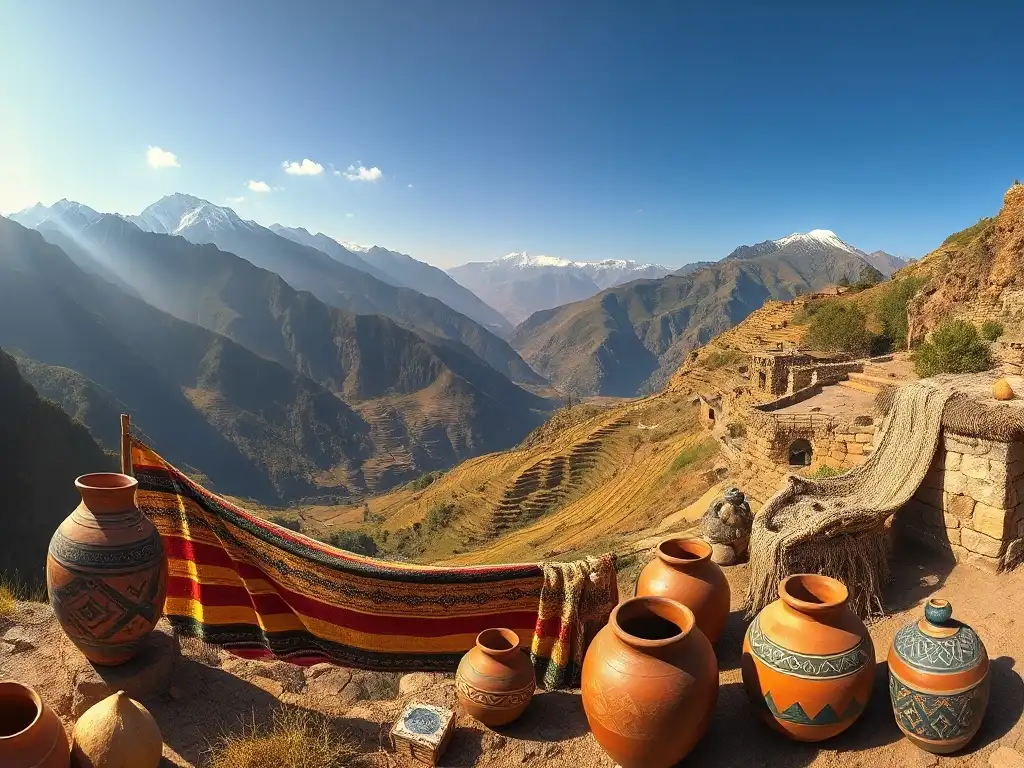
The narrative of "Ancient Andean civilization origins" isn't a monolithic story of a single, unified culture blossoming overnight. Instead, it's a fascinating tapestry woven from the threads of diverse regional developments. Understanding the origins requires acknowledging the significant variations in environmental conditions, resource availability, and consequent cultural expressions across the Andean landscape.
This inherent diversity fueled the development of distinct traditions, technologies, and social structures, laying the groundwork for the later, more expansive empires. The initial settlements, often small and isolated, gradually evolved, interacting with each other through trade and conflict, but retaining their unique identities. This process of regional diversification is key to comprehending the complexity of Andean civilization's beginnings.
The Development of Regional Styles and Traditions
The varied geography of the Andes—from the arid coastal deserts to the high-altitude plains and lush Amazonian foothills—directly impacted the development of distinct artistic and technological styles. Coastal cultures, like the early inhabitants of the Paracas Peninsula, developed sophisticated textile techniques, creating intricate burial shrouds and other artifacts reflecting their unique worldview. In contrast, highland cultures, facing different environmental challenges, focused on developing advanced agricultural practices adapted to the challenging terrain.
Consider the Nazca's mastery of irrigation systems, allowing them to flourish in a seemingly inhospitable environment. Their iconic geoglyphs, etched into the desert floor, represent another unique cultural expression, the purpose of which continues to be debated by scholars. This regional variation in artistic expression, technological innovation, and societal organization shaped the trajectory of Andean civilization's development.
The differences, while significant, didn't exist in isolation; a complex web of exchange and interaction connected these disparate groups, creating a vibrant and dynamic cultural landscape. Archaeological evidence supports this, showing the movement of goods, ideas, and perhaps even people between different regions, fostering both competition and collaboration.
The Emergence of Local Power Centers
The development of regional styles and traditions was closely intertwined with the emergence of local power centers. While initially small-scale settlements, some communities gradually gained prominence due to their control over crucial resources, strategic locations, or superior technological capabilities. These nascent power centers often exerted influence over neighboring settlements, leading to the formation of early chiefdoms or proto-states.
For instance, the Chavín culture, known for its impressive temple complex in the northern Andes, likely exerted a significant influence over a wide area through religious authority and trade networks. The dissemination of Chavín artistic motifs across a broad geographical region provides evidence of this influence. However, it's crucial to note that the power dynamics were not static.
The rise and fall of these early power centers were influenced by a variety of factors, including environmental changes, internal conflicts, and competition from other emerging centers. Understanding the dynamics of power in this formative period is crucial for understanding the subsequent development of larger, more complex Andean societies.
Understanding the Complexities of Andean Cultural Diversity
The "Ancient Andean civilization origins" were not a simple, linear progression. Instead, they involved a complex interplay of diverse cultural groups, each adapting to its unique environment and interacting with its neighbors in various ways. The term "civilization" itself requires careful consideration in this context, as the early Andean societies did not necessarily conform to the traditional Western definition.
Their social structures, political organizations, and belief systems differed significantly from one region to another, reflecting the profound influence of geography and environment. This inherent diversity is often overlooked in simplified narratives, but it's fundamental to a nuanced understanding of the origins and development of Andean civilizations. Further research, particularly focused on less-studied regions and the analysis of newly discovered archaeological sites, is crucial to enriching our knowledge of this multifaceted process.
The intricate relationships between early Andean communities, their unique adaptations, and the dynamic interactions that shaped their development require ongoing investigation and careful interpretation. The story of Ancient Andean civilization origins is, therefore, a story of adaptation, innovation, and the enduring power of regional diversity.
Key Factors Contributing to the Development of Andean Civilizations

The rise of complex societies in the Andes wasn't a spontaneous event; it was a gradual process shaped by a confluence of factors. Understanding the origins of Ancient Andean civilization requires examining the intricate interplay of environmental adaptation, agricultural innovation, and the development of extensive trade networks. These elements, interwoven over millennia, laid the groundwork for the impressive achievements of civilizations like the Inca, Moche, Nazca, and Tiahuanaco. The following sections delve into the key aspects that fueled this remarkable societal evolution.
The Impact of Geography and Environment on Andean Life
The Andes Mountains, a formidable physical barrier, profoundly shaped the lives and cultures of its inhabitants. The dramatic altitudinal variations, ranging from arid coastal deserts to high-altitude grasslands (puna) and lush cloud forests, created diverse ecological niches. This geographical diversity, while presenting challenges, also fostered remarkable adaptation and innovation.
Early Andean populations learned to exploit the varied resources available at different altitudes, practicing a form of verticality in their agricultural practices known as vertical archipelago. This involved cultivating different crops at different elevations, optimizing yields and ensuring food security throughout the year. For example, potatoes, a staple crop, were grown at various altitudes, each variety adapted to specific climatic conditions.
The challenges of navigating steep slopes and traversing treacherous terrain also spurred advancements in engineering and infrastructure, evident in the construction of impressive terrace farming systems and sophisticated irrigation networks. The availability of specific resources, like minerals in certain regions, further influenced the development of specific technologies and trade routes. The environmental constraints and opportunities inherent in the Andean geography were crucial in shaping the unique trajectory of Ancient Andean civilization origins.
The Importance of Agriculture and Resource Management
Agriculture was the cornerstone of Andean societies, and its development was intrinsically linked to the region's environmental challenges. The earliest Andean farmers, experimenting with various crops, domesticated plants like potatoes, maize, quinoa, and beans. These crops, adapted to the diverse Andean environments, formed the basis of their diets and sustained population growth. However, the success of Andean agriculture wasn't merely about crop domestication; it also depended on sophisticated resource management techniques.
The construction of extensive irrigation systems, particularly in arid coastal regions, allowed for the cultivation of crops in otherwise uninhabitable areas. These systems, often involving complex canals and reservoirs, required considerable engineering skill and collaborative effort, demonstrating early forms of social organization. Furthermore, the development of terrace farming, which involved carving into hillsides to create level platforms for cultivation, increased arable land and reduced soil erosion.
The careful management of water resources and the optimization of agricultural practices were key factors in the development of larger, more complex settlements, and ultimately, in the origins of Ancient Andean civilization. Evidence of these techniques can still be observed today, showcasing the ingenuity and foresight of ancient Andean farmers.
The Development of Trade Networks and Inter-Regional Exchange
The diverse geography of the Andes also fostered the development of extensive trade networks that connected different ecological zones and populations. This exchange of goods, resources, and ideas played a vital role in the development of complex societies. Coastal communities, rich in marine resources like fish and shellfish, traded these goods with highland communities that possessed agricultural products and minerals. This exchange wasn't merely a matter of bartering; it involved the establishment of sophisticated trade routes, often using well-defined pathways and strategically located settlements as points of exchange.
The presence of specific artifacts and materials in archaeological sites far from their origin points to the existence of these networks. The transport of goods over long distances required significant logistical capabilities, including the use of llamas and alpacas as pack animals, and the development of storage facilities. The emergence of specialized crafts, such as pottery and textiles, further fueled trade, as these goods became highly valued commodities.
The interconnectedness fostered by trade contributed to cultural exchange, technological innovation, and the development of shared cultural practices, significantly influencing the origins of Ancient Andean civilization and its subsequent evolution. The intricate web of trade relationships helped unify disparate communities and facilitated the emergence of larger, more integrated political entities.
Tracing the Roots of Andean Civilization: A Continuous Journey
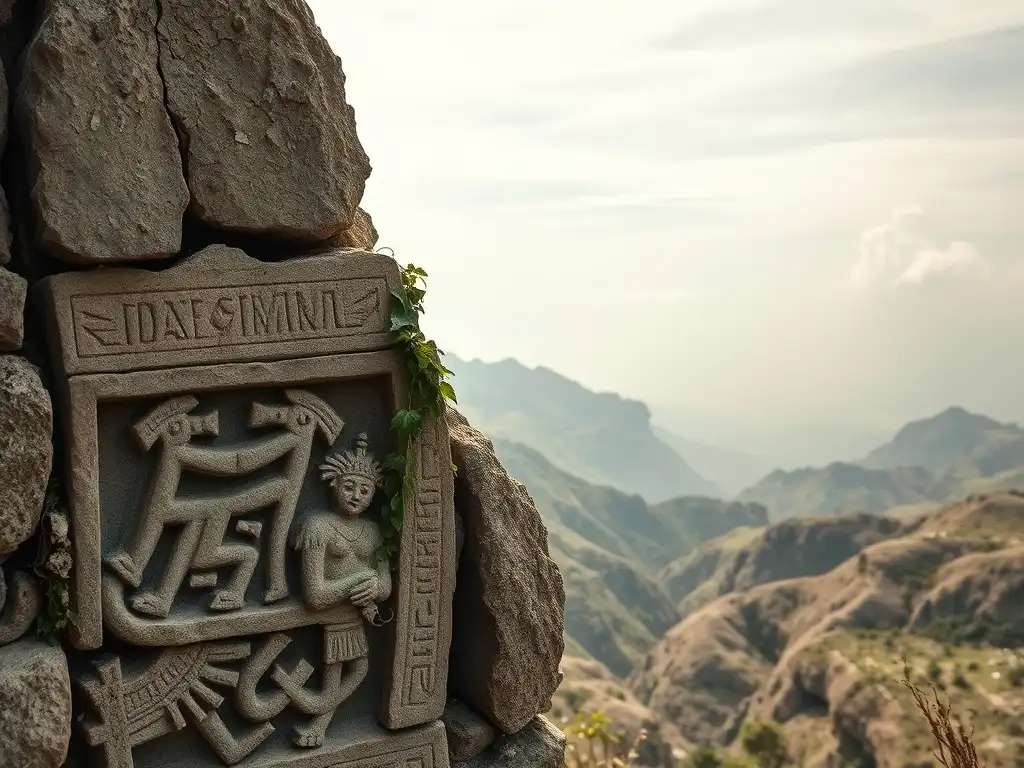
This section delves into the ongoing quest to understand the origins of Ancient Andean civilization, focusing on the continuous evolution of archaeological research and its impact on our comprehension of these fascinating cultures. We'll examine recent discoveries, reinterpretations of existing evidence, and the enduring legacy of these early Andean peoples. Understanding the origins of Ancient Andean civilization requires a nuanced approach, acknowledging the complexities and challenges inherent in interpreting archaeological data spanning millennia. The narrative is constantly being rewritten as new evidence emerges and existing interpretations are refined.
Ongoing Research and New Discoveries in Andean Archaeology
The field of Andean archaeology is a dynamic one, constantly evolving with new discoveries and technological advancements. Recent years have witnessed significant progress in understanding the earliest settlements and the development of complex societies in the Andes. For example, the application of advanced dating techniques, such as radiocarbon dating and luminescence dating, has significantly improved the chronological precision of archaeological sites, allowing researchers to better map the timeline of cultural development. Furthermore, the use of Geographic Information Systems (GIS) helps visualize spatial patterns of settlement and resource exploitation, offering insights into early social organization and interaction networks.
New excavations continue to unearth crucial artifacts and evidence that challenge existing narratives. The discovery of previously unknown sites, often in remote and challenging terrain, provides fresh perspectives on the spread of early Andean cultures and their interaction with the environment. These discoveries often involve sophisticated tools, intricate textiles, and unique architectural styles, enriching our understanding of the technological and artistic achievements of these early societies.
The careful analysis of botanical and faunal remains found at these sites sheds light on the diet, subsistence strategies, and the relationship between early Andean communities and their environment. This detailed analysis is crucial for understanding the development of agriculture and the adaptation of these populations to the diverse Andean ecosystems. The ongoing research is vital for a more complete picture of Ancient Andean civilization origins.
Reinterpreting the Evidence and Refining Our Understanding
The interpretation of archaeological evidence is an ongoing process. New discoveries often necessitate a re-evaluation of previously held assumptions, leading to a more nuanced and complex understanding of the past. For instance, the analysis of ancient DNA (aDNA) is revolutionizing our understanding of population movements and genetic relationships between different Andean groups. This genetic information, combined with archaeological and linguistic data, helps paint a more complete picture of the migration patterns and cultural exchanges that shaped the development of Ancient Andean civilization.
Moreover, the application of advanced analytical techniques to existing artifacts is also yielding valuable new insights. For example, the use of isotopic analysis on human remains can reveal details about diet and mobility patterns, providing information about the social organization and interaction networks of early Andean communities. Similarly, detailed analysis of ceramic styles and their distribution patterns can illuminate trade routes, cultural interactions, and the spread of ideas across the region.
These reinterpretations of the evidence constantly refine our understanding of the complexities of Ancient Andean civilization origins, highlighting the dynamic nature of the archaeological process. The field is continuously evolving, and our understanding is constantly being updated.
The Legacy of the First Andean Peoples and its Relevance Today
The legacy of the first Andean peoples extends far beyond the archaeological record. Their achievements in agriculture, engineering, and social organization laid the foundation for subsequent Andean civilizations, including the Inca Empire. The ingenuity displayed in adapting to the challenging Andean environment—developing sophisticated irrigation systems, cultivating diverse crops at high altitudes, and building impressive architectural structures—continues to inspire awe and admiration. Their advanced understanding of astronomy and their intricate systems of record-keeping also demonstrate a remarkable level of intellectual sophistication.
Understanding their origins is not merely an academic exercise; it has profound implications for contemporary society. The resilience and adaptability of the first Andean peoples offer valuable lessons for addressing modern-day challenges, such as sustainable resource management and adapting to climate change. Furthermore, preserving and celebrating the cultural heritage of these early Andean communities is crucial for fostering a sense of identity and promoting cultural diversity.
Their legacy serves as a reminder of the richness and complexity of human history and the importance of understanding our shared past to build a more sustainable and equitable future. The study of Ancient Andean civilization origins contributes to a broader understanding of human ingenuity and cultural development.
Exploring the Ancestral Tapestry: The Foundations of Andean Society
This section delves into the complex interplay of factors that contributed to the rise of sophisticated Andean societies. Understanding the origins of Ancient Andean civilization requires examining not only technological advancements but also the deeply ingrained spiritual beliefs and the profound influence of the challenging Andean landscape itself. The development of these early cultures was a multifaceted process, shaped by adaptation, innovation, and a unique relationship with their environment.
The very survival of these people hinged on their ability to master their surroundings and develop ingenious solutions to the challenges presented by the high altitude, varied terrain, and unpredictable climate. This section will unpack these key elements, providing a clearer picture of the building blocks of Ancient Andean civilization.
Early Andean Technology and Innovation: Irrigation Canals and Textile Weaving
The ingenuity of early Andean peoples is strikingly evident in their mastery of technology, particularly in irrigation and textile production. The arid and semi-arid conditions of much of the Andes necessitated the development of sophisticated irrigation systems. These weren't merely ditches; they were complex networks of canals, aqueducts, and reservoirs, meticulously engineered to channel water from rivers and meltwater to agricultural fields, enabling intensive agriculture at high altitudes.
The Nazca culture, for example, is renowned for its extensive irrigation systems, testament to their advanced understanding of hydraulic engineering. These systems allowed them to cultivate diverse crops, supporting a larger and more complex society.
Furthermore, Andean textile production reached remarkable heights. Using fibers from alpaca, llama, and vicuña, they created textiles of unparalleled quality and intricacy. The sophisticated techniques employed, including intricate weaving patterns and vibrant dyes derived from natural sources, demonstrate a high level of skill and artistic expression.
These textiles served not only practical purposes, such as clothing and shelter, but also held significant symbolic and ritualistic value, reflecting the social status and spiritual beliefs of the wearer. The surviving examples of these textiles, often remarkably well-preserved due to the arid climate, offer invaluable insights into the artistic capabilities and social structures of these ancient cultures. The intricate designs and use of diverse colors tell stories of their beliefs, traditions, and daily lives, providing a tangible connection to their past.
The Spiritual World of Ancient Andean Peoples: Animism and Ancestor Veneration
The spiritual beliefs of Ancient Andean peoples played a crucial role in shaping their societies. Animism, the belief that spirits inhabit natural objects and phenomena, was central to their worldview. Mountains, rivers, and other elements of the landscape were not merely physical features but were considered sacred entities, imbued with power and deserving of respect. This animistic worldview fostered a deep connection between the people and their environment, influencing their agricultural practices, social structures, and artistic expressions.
Ancestor veneration was another significant aspect of their spiritual life. Ancestors were believed to maintain a powerful influence on the living, and rituals were performed to honor and appease them. This reverence for ancestors fostered a strong sense of continuity and collective identity, reinforcing social cohesion and transmitting cultural knowledge across generations.
Evidence of ancestor veneration is found in various archaeological sites, including elaborate burial practices, the creation of mummies, and the construction of monumental structures dedicated to ancestral figures. The intricate details of these practices reveal a complex understanding of the relationship between the living and the dead, highlighting the importance of lineage and continuity in their societies. Understanding these spiritual beliefs is essential to comprehending the motivations and actions of Ancient Andean peoples, enriching our understanding of their culture and society.
The Significance of the Andean Landscape in Shaping Culture
The challenging Andean landscape—characterized by high altitudes, steep slopes, and a diverse range of microclimates—was not merely a backdrop to the development of Andean civilizations; it was a fundamental shaping force. The very act of surviving in such an environment demanded resourcefulness, ingenuity, and cooperation. The need to adapt to varying altitudes and climates led to the development of specialized agricultural techniques, such as terracing and irrigation, which allowed them to cultivate crops in diverse environments. The availability of specific resources, such as particular minerals or plants, also influenced the development of specific technologies and artistic styles.
The mountainous terrain also shaped settlement patterns and social organization. Settlements were often located in strategic locations offering access to resources and defensible positions. The varied terrain and limited communication routes between valleys may have contributed to the development of distinct regional cultures, each with its unique customs and traditions.
The imposing presence of the Andes also profoundly influenced their religious beliefs and artistic expressions, with mountains often holding significant spiritual importance. The adaptation to and interaction with the landscape was integral to the development of the distinct cultures of the Ancient Andean civilizations, showcasing their remarkable ability to thrive in a challenging environment. The interplay between human ingenuity and the natural world is a key to understanding the origins and development of these remarkable societies.
Frequently Asked Questions
What are the earliest known Andean civilizations?
The earliest known Andean civilizations date back to the Archaic Period (circa 8000-2000 BCE), with evidence of complex societies emerging in the coastal regions and highlands. These early groups laid the foundation for later, more advanced cultures.
How did geography influence the development of Andean civilizations?
The diverse geography of the Andes Mountains, including high altitudes, coastal deserts, and fertile valleys, significantly shaped the development of distinct regional cultures. Adaptation to varied environments was crucial to their survival and prosperity.
What were some key technological advancements of the ancient Andean civilizations?
Andean civilizations made remarkable advancements in irrigation systems, terracing, metallurgy (especially gold and silver working), and textile production. These innovations allowed for sustainable agriculture and sophisticated craftsmanship.
What is the significance of the Chavín culture in the context of Andean civilization origins?
The Chavín culture (circa 900-200 BCE) is considered a formative influence on many subsequent Andean cultures. Their unique artistic style and religious iconography spread widely throughout the region, suggesting a significant level of cultural interaction.
How did the Inca Empire impact the pre-existing Andean civilizations?
The Inca Empire (1438-1533 CE) unified a vast territory, incorporating many pre-existing Andean cultures. While they imposed their own political and administrative structures, they also absorbed and adapted elements from the civilizations they conquered.
Final Reflection: Echoes of the Andes: A Legacy Unfolding
The intricate tapestry of Andean civilization, woven from threads of ingenuity and resilience, continues to resonate powerfully in the modern world. Its sophisticated agricultural techniques, complex social structures, and awe-inspiring architectural feats offer invaluable lessons in adaptation, community, and sustainable living, lessons desperately needed in our increasingly interconnected and challenged global society. The echoes of their ingenuity still reverberate, challenging our assumptions about the capabilities of ancient societies and inspiring new avenues of research and understanding.
The enduring legacy of the Andean civilizations is not merely confined to historical texts and archaeological sites; it permeates the cultural landscape of South America and beyond. Their innovative approaches to agriculture, particularly their mastery of terracing and irrigation, remain relevant in addressing contemporary challenges of food security and environmental sustainability. The intricate social structures and spiritual beliefs that shaped their societies offer a rich tapestry for understanding human interaction and the search for meaning. As the anthropologist, Clifford Geertz, wisely stated: Man is an animal suspended in webs of significance he himself has spun.
The Andes, with their intricate web of societal and spiritual significance, offer a profound case study in this human endeavor.
Consider the ingenuity of their civilizations, their resilience in the face of adversity, and the enduring beauty of their artistic and architectural achievements. You, the reader, are now part of this unfolding saga. Reflect on the parallels between the challenges faced by the ancient Andean people and those we face today. How can we learn from their successes and failures to build a more sustainable, equitable, and meaningful future? Let the echoes of the Andes inspire you to explore, to learn, and to contribute to a world where innovation, community, and respect for our shared heritage are paramount.
Explore the Mysteries of Andean Civilization Today!
Thank you for joining us on this enlightening journey through the rich tapestry of Andean civilization! We hope you've gained valuable insights into its fascinating origins and cultural significance. Now, let's continue the exploration!
Here are some ways you can delve deeper:
- Connect with Experts: Join our online community forum to discuss your thoughts and questions with fellow enthusiasts and scholars passionate about Andean history.
- Discover Hidden Gems: Visit a local museum featuring Andean artifacts or exhibitions to experience this incredible culture firsthand.
- Share Your Passion: Share this article with friends and family who might be interested in learning more about Andean civilizations. Spark a conversation and inspire others to appreciate this unique heritage.
What aspect of Andean civilization most captivates you, and how will you continue to explore it?