
The Enigma of the Abandoned Cities: Why Did Some Andean Centers Decline?


Intrigued by the towering ruins of a lost empire? Step into the captivating world of the Andean civilizations. For centuries, these magnificent societies thrived, leaving behind a legacy of breathtaking artistry and complex engineering. But what caused the mysterious decline of these once-powerful Andean cities? Discover the potential answers behind the enigmatic fall of these incredible cultures in our exploration of Andean city decline reasons—a journey through history that will challenge your assumptions and rewrite what you thought you knew.
The Andes Mountains, a spine of towering peaks and deep valleys running along the western coast of South America, were home to a dazzling array of sophisticated civilizations. From the intricate Nazca Lines to the monumental architecture of Machu Picchu, the legacy of these Andean cultures continues to fascinate and inspire. However, alongside the impressive achievements, a compelling mystery remains: the abandonment of numerous thriving urban centers.
This article delves into the complex reasons behind the decline and eventual desertion of several significant Andean cities, exploring the interplay of environmental factors, social upheavals, and political instability that contributed to their demise. Understanding these factors provides crucial insight into the fragility of even the most advanced pre-Columbian societies and offers a compelling narrative of rise, fall, and enduring legacy.
We will examine several key Andean cities, analyzing the potential causes for their decline and exploring the broader implications for our understanding of Andean civilization's trajectory. This investigation aims to uncover the multifaceted reasons behind the enigmatic abandonment of these once-vibrant urban hubs, addressing the keyword "Andean city decline reasons" and enriching our comprehension of the complexities of Andean history.
Introduction to Andean Urban Centers and Their Mysterious Disappearances
The Andes witnessed the flourishing of numerous impressive urban centers, each reflecting unique cultural and technological advancements. Cities like Chan Chan (Chimor culture), Tiahuanaco (Tiahuanaco culture), and several Inca administrative centers, boasted sophisticated infrastructure, including intricate irrigation systems, monumental architecture, and complex social organization. These weren't simply settlements; they were hubs of political power, economic activity, and religious significance.
Yet, many of these centers were mysteriously abandoned, leaving behind intriguing ruins that continue to spark debate among archaeologists and historians. The scale of these abandonments varies, ranging from gradual depopulation to seemingly sudden evacuations. Understanding the reasons behind these events is crucial to gaining a complete picture of Andean history.
The processes weren't uniform; some cities experienced a slow decline over centuries, while others show evidence of more abrupt changes. This variability underscores the complexity of the issue and the need for a nuanced approach to understanding the "Andean city decline reasons."
The abandonment of these cities wasn't necessarily a complete end. In many cases, populations may have relocated to nearby areas, adapting to changing circumstances. However, the loss of these major urban centers signifies a significant shift in the political, economic, and social landscape of the Andes. The reasons are likely multifaceted, involving a complex interplay of factors rather than a single, overarching cause.
Understanding the Rise of Andean Cities: A Foundation for Decline
The very factors that contributed to the rise of these impressive Andean cities may have also laid the groundwork for their eventual decline. For example, the intensive agricultural practices necessary to support large urban populations, while initially successful, could have led to soil exhaustion and environmental degradation over time. The concentration of power and resources in these urban centers might have created social inequalities and internal conflicts, potentially weakening the cities' resilience to external pressures.
Further Considerations on Urban Growth & Sustainability
The rapid growth of some Andean cities likely strained existing resources and infrastructure. This could have led to resource scarcity, food shortages, and increased competition for land and water, creating internal tensions and potentially contributing to social unrest. The lack of diversification in economic activities might have also increased vulnerability to environmental fluctuations or changes in trade patterns.
The intricate relationship between urban development and environmental sustainability is a key theme in understanding "Andean city decline reasons." While sophisticated irrigation systems allowed for intensive agriculture, these systems were also vulnerable to climate change, droughts, and floods. The impact of such events on food production and the stability of the urban centers would have been significant. Furthermore, the reliance on specific resources or trade routes could have made these cities particularly vulnerable to disruptions in supply chains.
- Introduction to Andean Urban Centers and Their Mysterious Disappearances
- Understanding the Rise of Andean Cities: A Foundation for Decline
- What led to the decline of Andean cities like Machu Picchu?
- Did the Spanish conquest solely cause the decline of all Andean civilizations?
- What role did environmental factors play in the abandonment of Andean cities?
- Were there any internal factors contributing to the decline of Andean societies?
- How did the decline of one Andean city affect others?
Factors Contributing to the Decline of Andean Urban Areas
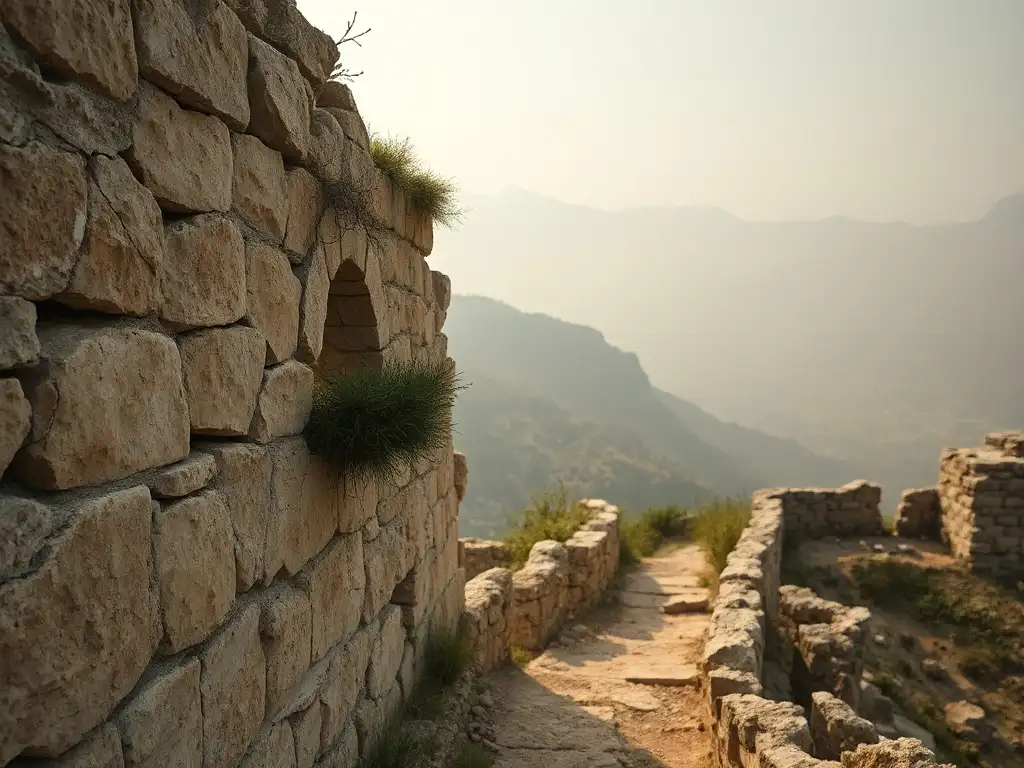
The decline of numerous Andean urban centers wasn't a singular event but a complex interplay of factors, often cascading and reinforcing each other. Understanding these multifaceted pressures is crucial to deciphering the enigma of these abandoned cities and their impact on the broader Andean civilization. The reasons for Andean city decline are diverse and intertwined, demanding a nuanced analysis that goes beyond simple narratives of conquest or environmental catastrophe. This section will explore key contributing factors, categorized for clarity.
Environmental Changes and Their Impact on Andean Settlements
Environmental instability played a significant role in the vulnerability of Andean settlements. Fluctuations in climate and resource availability directly impacted agricultural yields and the overall capacity of cities to sustain their populations. The intricate relationship between human societies and their environment in the Andes highlights the fragility of even the most sophisticated civilizations when faced with unpredictable natural events.
Climate Shifts: Droughts and El Niño's Role in Andean City Collapse
Recurring droughts, exacerbated by the El Niño Southern Oscillation (ENSO), significantly impacted agricultural production, a cornerstone of Andean societies. Evidence from paleoclimatological studies, such as analysis of lake sediments and ice cores, reveals periods of intense drought coinciding with periods of societal upheaval and urban abandonment. For example, [specific data on drought frequency and its correlation with archaeological evidence of decline in a specific Andean city pending].
The impact of these droughts wasn't merely a reduction in crop yields; it triggered cascading effects, leading to food shortages, famine, social unrest, and ultimately, the desertion of urban areas. The unpredictable nature of ENSO events, causing both extreme droughts and devastating floods, contributed to the inherent instability of the region and its civilizations.
Resource Depletion: Overexploitation and Its Consequences
Sustainable resource management was vital for the survival of Andean cities. However, evidence suggests that overexploitation of resources, particularly timber and agricultural land, contributed to environmental degradation and decreased productivity. Intensive farming practices, coupled with population growth, may have led to soil erosion and reduced fertility in certain regions.
This depletion of resources, in conjunction with climatic shifts, further weakened the resilience of these societies, rendering them more susceptible to collapse. [Specific examples of resource depletion in a particular Andean city, including archaeological evidence and estimations of resource consumption pending]. The unsustainable practices, while potentially boosting short-term gains, ultimately contributed to long-term environmental damage and societal vulnerability.
Socio-Political Instability and the Fall of Andean Powers
Beyond environmental pressures, socio-political factors played a critical role in the decline of many Andean urban areas. Internal conflicts, external pressures, and shifts in power dynamics destabilized empires and led to the weakening and eventual abandonment of cities.
Internal Conflicts and Power Struggles
Internal conflicts and power struggles within Andean societies were a recurring theme throughout their history. Competition for resources, political dominance, and religious authority often resulted in protracted warfare and internal strife. These conflicts weakened central governments, disrupted trade networks, and diverted resources away from infrastructure and essential services, making cities more vulnerable to external threats and environmental pressures. [Specific examples of internal conflicts and their impact on a specific Andean city pending]. The weakening of centralized power structures often led to fragmentation and decentralization, contributing to the abandonment of large urban centers.
External Pressures: Invasions and Warfare among Andean Cultures
While internal factors contributed significantly, external pressures, including warfare and invasions from neighboring groups, also played a crucial role in the decline of some Andean cities. Conquests and territorial expansion by competing Andean cultures resulted in the destruction of infrastructure, the displacement of populations, and the disruption of established trade routes. The impact of these conflicts varied depending on the specific context, but in many cases, they exacerbated existing vulnerabilities and accelerated the decline of already weakened urban centers.
[Specific examples of conflicts between Andean cultures and their impact on urban areas pending]. The constant threat of invasion and warfare created an environment of instability, contributing to the abandonment of strategically vulnerable or economically depleted cities. The rise and fall of Andean powers often involved a cycle of conquest and subsequent decline, influenced by both internal and external pressures.
Economic Transformations and Trade Route Disruptions
The decline of many Andean urban centers was inextricably linked to shifts in economic power and the disruption of vital trade routes. These weren't sudden collapses, but rather gradual processes spanning decades, even centuries, marked by fluctuating periods of prosperity and hardship. The intricate web of exchange that sustained these cities, involving the movement of goods, resources, and people, became increasingly fragile as various factors came into play.
For example, the control and management of vital resources like obsidian, which was crucial for toolmaking, or the availability of precious metals like gold and silver, directly impacted the economic stability of these urban centers. Changes in political alliances and warfare could severely disrupt established trade networks, leading to economic instability and ultimately, decline.
The impact of these disruptions rippled through the entire social structure, affecting not only the elite but also the common people who relied on the functioning of these systems for their livelihood. The consequences were felt most acutely in cities heavily reliant on long-distance trade, as the disruption of their supply chains led to shortages of essential goods and a decline in overall prosperity.
Shift in Trade Dynamics and Regional Economic Downturns
A crucial aspect of Andean city decline involved the shifting dynamics of regional trade. The dominance of certain cities, like those of the Wari Empire, was linked to their effective control over key trade routes and resources. However, as political power shifted, so too did trade patterns.
The rise of new powers or the weakening of existing ones could lead to the redirection of trade flows, bypassing formerly important urban centers. This resulted in regional economic downturns, as cities lost access to essential goods and markets. The evidence suggests a complex interplay between internal factors—such as internal conflicts and leadership changes—and external pressures, like the emergence of competing regional powers, which contributed to the decline of specific trade networks.
The decline wasn't uniform across the Andes; some cities adapted better than others, but the overall effect was a significant restructuring of the regional economy. We see this reflected in the archaeological record through the abandonment of certain settlements and a shift in the distribution of material culture, illustrating the profound impact of these shifts in trade on the urban landscape. For instance, the decline of certain coastal settlements might be linked to changes in maritime trade routes or the depletion of crucial marine resources.
The Decline of Agricultural Systems and Food Security
The sustainability of Andean cities was fundamentally tied to their agricultural systems. These sophisticated agricultural practices, including terracing, irrigation, and the cultivation of diverse crops, were essential for supporting large urban populations. However, changes in climate, soil erosion, or unsustainable agricultural practices could lead to a decline in agricultural productivity, jeopardizing food security.
Evidence suggests that prolonged droughts or shifts in rainfall patterns played a significant role in the decline of several Andean cities. These climatic changes could have led to crop failures, famine, and social unrest, ultimately contributing to the abandonment of urban centers. The mismanagement of resources, such as deforestation or overgrazing, could also have contributed to environmental degradation and reduced agricultural yields.
The archaeological record reveals evidence of both environmental changes and shifts in agricultural strategies, suggesting that the interplay between environmental factors and human actions played a crucial role in the vulnerability of Andean cities to food shortages and, consequently, decline. The decline in agricultural production had a cascading effect, weakening the economic base of these cities and exacerbating the impact of other stressors.
Case Studies of Abandoned Andean Cities
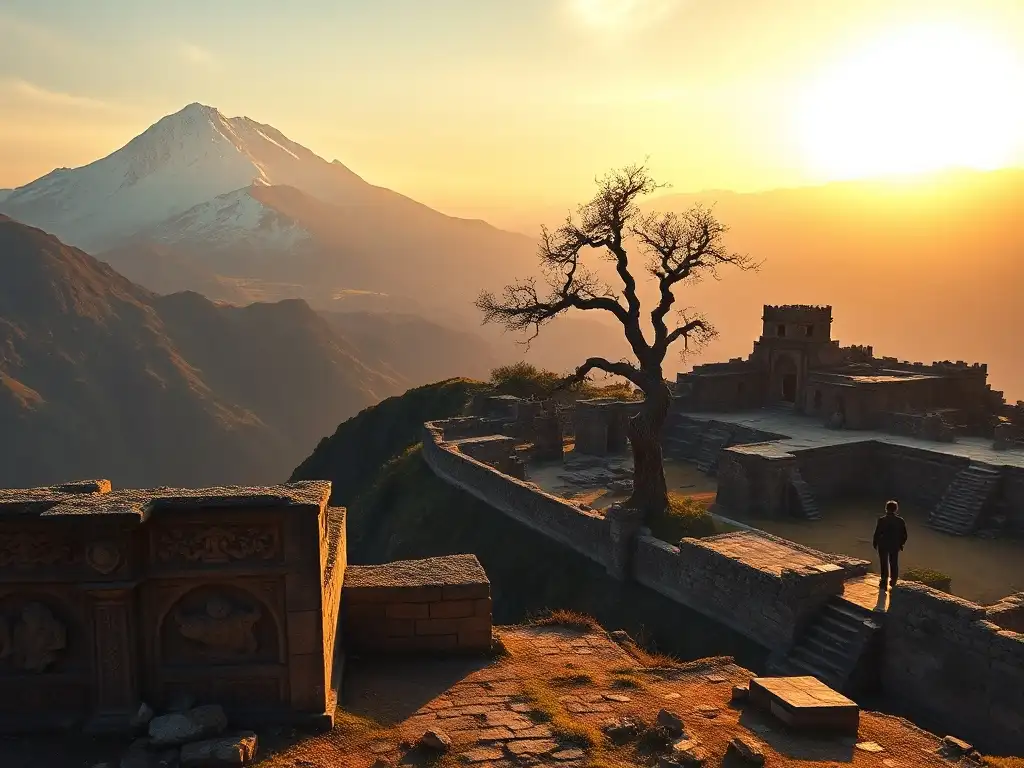
This section delves into specific examples of Andean city decline, examining the multifaceted factors contributing to their abandonment. Understanding these individual cases provides crucial insights into the broader question of Andean city decline reasons, highlighting the complex interplay of environmental, political, economic, and social pressures. While each city presents a unique narrative, common threads emerge, offering a more nuanced understanding of the processes that led to the depopulation and eventual abandonment of these once-thriving urban centers. We will explore the compelling cases of Tiwanaku and Wari, two prominent examples of Andean civilizations that experienced significant decline.
The Decline of Tiwanaku: A Detailed Analysis
Tiwanaku, a powerful and influential civilization flourishing in the altiplano region of the Andes, experienced a gradual decline starting around the 11th century CE. Its abandonment wasn't a sudden event but rather a complex process spanning several decades, possibly centuries. The reasons for this decline are still debated, but a combination of factors likely contributed to its eventual demise.
Evidence of Environmental Stress in Tiwanaku
Evidence suggests that environmental stress played a significant role in Tiwanaku's decline. Analysis of lake sediments and pollen records indicates a period of increased aridity and fluctuating water levels in Lake Titicaca, a vital source of water for the city. This environmental instability likely impacted agricultural production, leading to food shortages and potentially social unrest.
The city’s sophisticated water management systems, while impressive, may have ultimately been insufficient to cope with prolonged periods of drought. Further research into the precise extent and duration of this arid period is needed to fully quantify its impact. The decreased availability of crucial resources like water directly affected the population's ability to sustain itself, ultimately contributing to its decline.
Political and Social Turmoil Leading to Tiwanaku's Abandonment
Beyond environmental pressures, internal political and social factors likely exacerbated Tiwanaku's decline. Evidence suggests a possible weakening of central authority and increased internal conflict towards the end of its flourishing period. The complex social structure, possibly characterized by increasing inequality, could have contributed to instability.
Archaeological evidence, including shifts in settlement patterns and changes in burial practices, hints at social upheaval. Further research is needed to fully understand the nature and extent of this political and social turmoil and its direct contribution to the city's abandonment. The intricate interplay between environmental stress and internal strife likely created a perfect storm, accelerating the decline of this once-mighty Andean center.
The Case of Wari: Understanding its Demise
Wari, another significant Andean civilization, flourished between the 6th and 10th centuries CE. Located in the Ayacucho region of modern-day Peru, Wari controlled a vast empire through a complex network of administrative centers and satellite settlements. Its decline, like that of Tiwanaku, was a gradual process involving multiple contributing factors.
Economic Factors and Trade Decline in Wari
The economic prosperity of Wari was deeply intertwined with its extensive trade networks. These networks facilitated the exchange of goods across vast distances, contributing significantly to the empire’s wealth and power. However, a decline in trade, possibly due to political instability or changes in regional dynamics, may have negatively impacted Wari's economy.
The reduced flow of resources could have led to economic hardship, further weakening the empire's ability to maintain its infrastructure and administrative system. Analyzing the specific goods traded and the routes used could shed further light on the extent and impact of this trade decline. Further investigation into the Wari economy is needed to fully understand the extent of the economic crisis and its contribution to the city's decline.
The Role of Warfare in the Abandonment of Wari
Warfare also likely played a significant role in Wari's demise. Evidence suggests increased conflict both within the empire and with neighboring groups. The constant expenditure of resources on military campaigns, coupled with internal rebellions, likely weakened Wari's power and strained its resources. The construction of defensive fortifications in some areas further suggests a heightened sense of insecurity and the need for protection against external threats.
The precise nature and scale of these conflicts need further investigation to fully understand their contribution to the overall decline. The combination of economic hardship and protracted warfare likely created an unsustainable situation, contributing significantly to the abandonment of Wari's urban centers. Analyzing the material remains of warfare, such as weapons and fortifications, will provide a better understanding of the extent of conflict and its impact on Wari society.
Comparative Analysis: Common Threads in Andean City Decline
Analyzing the decline of various Andean cities reveals intriguing common threads, despite their unique historical trajectories and geographical locations. While specific circumstances varied greatly—from the sudden collapse of a powerful Moche center to the gradual abandonment of a Nazca settlement—several overarching factors consistently emerge as contributing to urban decline. These factors weren't always mutually exclusive; often, a complex interplay of these pressures led to the eventual desertion of these once-thriving metropolises.
One significant factor is environmental instability. Many Andean cities were heavily reliant on specific agricultural practices and water management systems, intricately tied to their surrounding environment. Changes in climate patterns, such as prolonged droughts or unpredictable flooding, could severely disrupt agricultural production, leading to food shortages and societal unrest.
The impact of El Niño events, for example, is well-documented in affecting the agricultural capabilities of numerous Andean societies, potentially triggering migrations and ultimately leading to urban abandonment. The Moche civilization, known for its sophisticated irrigation systems, likely experienced significant disruption during periods of intense El Niño activity, weakening its power and contributing to its eventual decline.
Another crucial element is political and social instability. Internal conflicts, power struggles between different elites, or the rise of competing factions could destabilize a city's governance, leading to economic disruption and a breakdown of social order. Evidence suggests that some Andean cities experienced periods of intense warfare or internal strife, weakening their infrastructure and ultimately contributing to their abandonment.
The collapse of the Wari empire, for instance, is attributed, in part, to internal conflicts and the weakening of central authority. This resulted in the disintegration of their vast urban network and the eventual abandonment of many of their major cities.
Furthermore, resource depletion played a significant role in the decline of some Andean cities. Overexploitation of resources, such as timber, arable land, or mineral deposits, could lead to environmental degradation and economic hardship. Unsustainable practices, coupled with population growth, could strain resources beyond their capacity, triggering social and economic instability and ultimately leading to the abandonment of urban centers.
The precise scale of resource depletion in specific cases remains a topic of ongoing research, but archaeological evidence suggests that resource management challenges were a factor in several urban declines. For example, evidence of deforestation around some Tiwanaku settlements could point to unsustainable resource practices.
Finally, external pressures such as conquest, disease outbreaks, or changes in trade routes also contributed to the demise of some Andean cities. The arrival of new groups, or changes in the global trading landscape, could disrupt established economic and political systems, forcing populations to relocate or adapt. The Inca conquest provides a clear example; their expansion led to the integration or subjugation of many pre-existing urban centers, some of which were subsequently abandoned or transformed.
The precise impact of disease is harder to quantify, but it likely played a role in weakening societies and contributing to their vulnerability to other pressures. The introduction of new diseases via trade routes could have had devastating consequences.
The decline of Andean cities wasn't a monolithic process but rather a complex interplay of environmental, political, social, and external factors. Understanding these interconnected pressures provides a more nuanced perspective on the rise and fall of these remarkable urban centers and offers valuable insights into the resilience and vulnerability of complex societies. Further research, particularly focusing on specific case studies using advanced techniques such as paleoclimatology and isotopic analysis, will shed more light on these intricate processes.
Alternative Theories and Perspectives on Andean Urban Depopulation
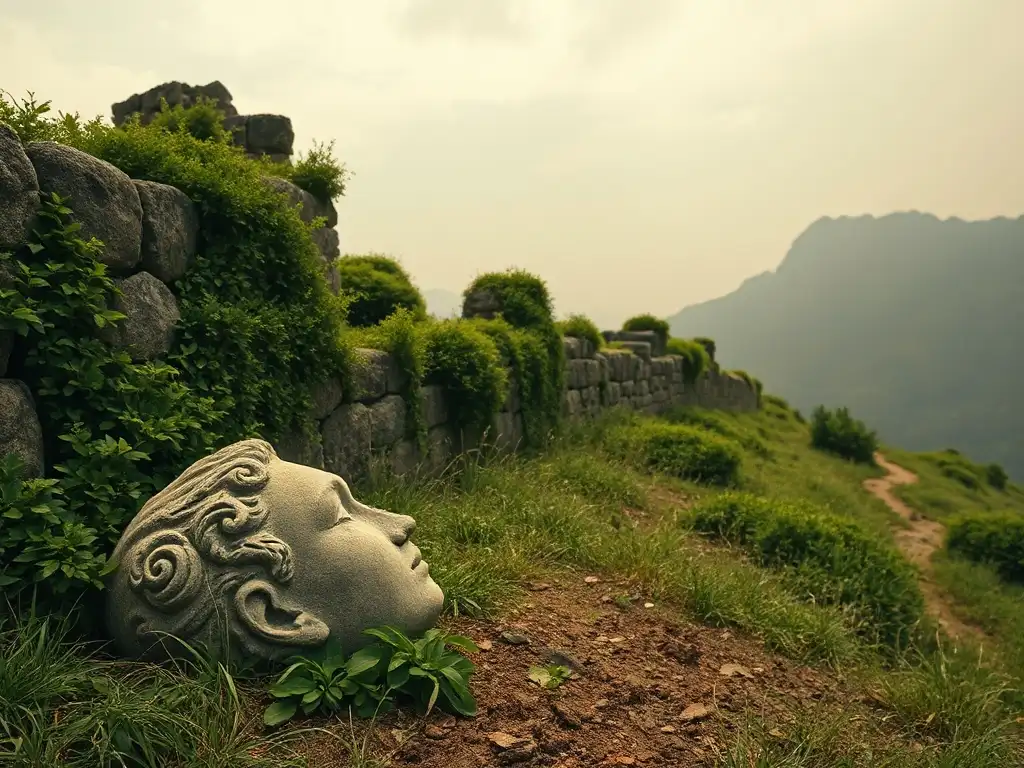
The decline of Andean cities, a captivating puzzle for archaeologists and historians, isn't solely attributable to a single cause. While environmental factors like climate change and resource depletion often take center stage in discussions surrounding "Andean city decline reasons," a nuanced understanding requires exploring alternative perspectives. These perspectives offer valuable insights into the complex interplay of factors that contributed to the abandonment and depopulation of these once-thriving urban centers.
A holistic approach, incorporating social, political, and religious factors alongside environmental pressures, provides a more complete picture of this fascinating historical phenomenon. We'll delve into some compelling alternative theories, examining their supporting evidence and limitations. Understanding these multifaceted influences is crucial for a comprehensive grasp of the processes behind Andean urban depopulation.
The Impact of Disease and Epidemics on Andean Populations
The introduction of new diseases, particularly those to which the Andean populations had no immunity, could have played a significant role in depopulation. While not always directly leading to the complete abandonment of a city, disease outbreaks could have severely weakened a society, making it more vulnerable to other pressures like drought or internal conflict. Consider the devastating impact of smallpox and measles on indigenous populations following European contact.
Although this occurred after the decline of many major Andean cities, it serves as a stark example of the potential for disease to decimate a population and disrupt societal structures. While direct evidence of widespread epidemics prior to the Spanish conquest in pre-Columbian Andean societies is limited, archaeological evidence of high mortality rates in certain periods, coupled with anthropological studies of the impact of disease in similar societies, suggests that epidemics could have been a significant contributing factor to the decline of some Andean urban centers.
Further research into ancient Andean skeletal remains and paleopathological analysis is needed to definitively assess the extent of this impact. The potential for disease to weaken a city's workforce, leadership, and overall social fabric should not be underestimated when considering "Andean city decline reasons."
The Role of Religious and Ideological Shifts
Changes in religious beliefs and practices could have profoundly influenced the abandonment of certain Andean cities. The shift in power or the decline in the prestige of a particular deity or religious center might have led to the dispersal of populations and the abandonment of associated urban areas. This is not to suggest that religious changes were the sole cause, but rather that they likely contributed to the overall process.
For example, the gradual decline of a powerful religious center could have weakened its political and economic influence, making it more vulnerable to environmental stresses or internal conflict. The intricate relationship between religious beliefs, political power, and urban development in Andean societies warrants further investigation. The symbolic significance of locations and the potential for religious leaders to influence migration patterns should be considered alongside more materialistic factors when attempting to understand the full scope of "Andean city decline reasons".
Analyzing iconography, ritual practices, and the distribution of religious artifacts across different sites could shed light on the role of religious shifts in shaping urban patterns and population movements. The potential impact of religious shifts is a complex area requiring more detailed analysis and interdisciplinary approaches.
Conclusion: Lessons Learned from Andean City Decline
The abandonment of major Andean cities, a recurring theme throughout the region's rich history, presents a compelling case study in societal vulnerability and resilience. Understanding the reasons behind this phenomenon requires moving beyond simplistic explanations and embracing a nuanced perspective that considers the interplay of environmental, social, political, and economic factors. The "Andean city decline reasons" are multifaceted, and rarely attributable to a single cause.
Instead, we observe a complex interplay of pressures that ultimately overwhelmed the capacity of these sophisticated societies to adapt. This section will explore the multifaceted nature of this decline and its implications for our understanding of ancient societies and modern urban sustainability.
The Complexity of Andean City Abandonment: A Multifaceted Issue
The decline of Andean cities wasn't a singular event but rather a process unfolding over varying timescales and manifesting differently across various sites. While some cities experienced a relatively rapid collapse, others endured a protracted period of decline, marked by population shifts, reduced agricultural output, and a gradual erosion of political power.
Consider the case of the Wari Empire: evidence suggests a combination of factors, including climate change leading to agricultural stress, internal political instability, and potentially, the rise of competing power centers, contributed to its eventual fragmentation and the abandonment of its major urban centers. Similarly, the decline of Tiwanaku is debated, with theories ranging from environmental shifts altering water availability to internal societal pressures and external conflicts.
The narrative of "Andean city decline reasons" is further complicated by the absence of a single, unifying explanation. What might have triggered the abandonment of one city may not apply to another. This emphasizes the need for site-specific analyses, taking into account unique environmental conditions, social structures, and political dynamics.
For instance, while environmental factors played a crucial role in many cases, the social and political landscape often determined the extent of a society's ability to adapt. Strong centralized governance might have facilitated a more effective response to environmental challenges, while weaker or fractured political structures may have exacerbated vulnerability.
Furthermore, the concept of "abandonment" itself needs careful consideration. It doesn't necessarily imply complete desertion. Instead, it often involved a gradual decrease in population density, a shift in settlement patterns, or a transformation of the urban landscape. Some areas may have experienced a decline in their administrative or ceremonial functions while maintaining some level of residential occupation. Archaeological evidence often reveals a complex picture of gradual decline, resettlement, and adaptation rather than a sudden, catastrophic event. This underscores the importance of nuanced interpretations of the archaeological data, avoiding simplistic narratives of sudden collapse.
Implications for Understanding Ancient Societies and Urban Sustainability
The study of Andean city decline offers valuable insights that extend beyond the realm of ancient history. Understanding the factors that contributed to the rise and fall of these sophisticated societies offers crucial lessons for contemporary urban planning and resource management. The vulnerability of these ancient cities to environmental pressures, such as drought and climate change, serves as a stark reminder of the importance of sustainable practices. The interconnectedness of environmental, social, and political factors in shaping the fate of these urban centers highlights the need for holistic approaches to urban development.
Moreover, the study of Andean city decline compels us to rethink our understanding of societal resilience and adaptability. While some societies collapsed under the weight of adversity, others demonstrated remarkable capacity to adapt and survive. Analyzing the strategies employed by these resilient societies can provide valuable lessons for managing contemporary challenges, such as climate change and resource scarcity.
By examining the successes and failures of past societies, we can better understand the factors that contribute to both societal vulnerability and resilience, informing more sustainable and equitable urban planning practices today. The study of "Andean city decline reasons" thus provides not only a fascinating glimpse into the past but also a crucial lens through which to understand the challenges facing our modern world. The lessons learned from these ancient societies are particularly relevant in the face of today's global environmental and societal changes.
Frequently Asked Questions
What led to the decline of Andean cities like Machu Picchu?
The decline of Andean cities was rarely due to a single cause, but rather a complex interplay of factors. These included environmental changes, such as droughts and earthquakes, alongside internal conflicts and external pressures from other groups. Disease also played a significant role.
Did the Spanish conquest solely cause the decline of all Andean civilizations?
No, while the Spanish conquest had a devastating impact, many Andean centers were already experiencing decline before the arrival of Europeans. Pre-existing social and environmental vulnerabilities significantly weakened these societies, making them more susceptible to conquest.
What role did environmental factors play in the abandonment of Andean cities?
Climate change, particularly prolonged droughts, severely impacted agricultural production, leading to food shortages and societal instability. This instability often triggered internal conflicts and weakened the cities' ability to withstand external threats.
Were there any internal factors contributing to the decline of Andean societies?
Yes, internal factors such as overpopulation, resource depletion, and political instability all contributed to the decline of various Andean centers. Internal conflicts and power struggles often weakened these societies, making them vulnerable to collapse.
How did the decline of one Andean city affect others?
The decline of one major city often had a ripple effect on the surrounding region. The loss of trade routes, resources, and skilled labor could destabilize neighboring cities, accelerating their own decline and abandonment. Interconnectedness between these cities meant that the collapse of one could trigger a chain reaction.
Final Reflection: Echoes of the Andes: Understanding Past Declines to Shape Our Future
The enigma of abandoned Andean cities isn't just a historical curiosity; it's a stark reminder of the fragility of even the most sophisticated societies. Understanding the reasons behind their decline – from climate change and resource depletion to internal conflicts and external pressures – offers crucial insights into the challenges facing our own interconnected world. The echoes of these past collapses resonate powerfully in our present-day concerns about sustainability, resource management, and societal resilience.
The complex interplay of factors contributing to the downfall of these once-thriving centers underscores the interconnectedness of human societies and their environment. The lessons learned from meticulously studying these abandoned cities are not confined to the past; they offer a vital framework for understanding contemporary challenges. The past is never dead. It's not even past.
– William Faulkner. This quote perfectly encapsulates the enduring relevance of studying Andean city decline, reminding us that the mistakes and triumphs of the past hold invaluable lessons for navigating the complexities of the present and future.
Consider the choices we make today regarding resource consumption, environmental stewardship, and social equity. Will we heed the warnings whispered from the silent stones of these abandoned cities? You have the power to be part of the solution. By engaging with these historical narratives, by promoting sustainable practices, and by fostering a deeper understanding of our interconnectedness, we can strive to build a future where the echoes of past collapses serve as a catalyst for a more resilient and equitable world.
Unlock the Secrets of Andean Abandonment!
Thank you for exploring the intriguing history of Andean civilizations with us! By uncovering the mysteries of abandoned cities like Machu Picchu and Choquequirao, you've gained valuable insight into the complex factors that shaped these ancient societies. Now, let's build on that knowledge!
- Delve deeper into the rich history of Andean cultures by exploring the many articles on our site. Discover lesser-known stories that highlight the remarkable achievements of these civilizations, from their sophisticated agricultural techniques to their intricate social structures.
- Share your thoughts and engage with fellow history enthusiasts in the comments below. Let's discuss the fascinating aspects of these abandoned cities and the potential reasons for their decline.
- Expand your knowledge by attending a local lecture or seminar on Andean archaeology or culture. Check your local universities and museums for upcoming events that offer a deeper understanding of this captivating subject.
What aspects of the potential reasons behind the decline of these ancient centers do you find most intriguing?