
Echoes of the Past: The Enduring Influence of PreCeramic Andean Traditions


Step into a world lost to time, yet echoing in the vibrant tapestry of Andean culture. For centuries, before the rise of the Incas, a complex web of Preceramic Andean traditions shaped the very foundations of this remarkable civilization. Discover how these ancient legacies continue to resonate today – uncover the secrets and surprising influences that persist in the art, architecture, and spirituality of the Andes. Dare to explore the echoes of the past and unlock the mysteries within.
The preceramic period in the Andes, spanning roughly from 8000 BCE to 1800 BCE, represents a foundational era in the development of Andean civilizations. This period, long before the rise of iconic empires like the Inca, witnessed the emergence of complex societal structures, innovative agricultural techniques, and a burgeoning artistic expression that laid the groundwork for later cultural achievements. Understanding this era is crucial to grasping the full scope of Andean history, as many of the traditions, technologies, and beliefs established during this time continued to shape Andean societies for millennia.
This article explores the enduring influence of these Preceramic Andean traditions, examining key cultural contributions and their lasting impact on subsequent Andean cultures. We will delve into the remarkable achievements of several key preceramic societies, revealing how their innovations in agriculture, pottery, and social organization paved the way for the impressive civilizations that followed.
By exploring the "Echoes of the Past," we gain a deeper appreciation for the complexity and resilience of Andean societies and the remarkable continuity of their cultural heritage. The keyword "Preceramic Andean traditions influence" will be explored throughout this analysis.
Understanding the Preceramic Period in the Andes
The Preceramic period in the Andes is characterized by a gradual shift from nomadic hunter-gatherer lifestyles to increasingly sedentary agricultural communities. This transition, driven by the domestication of plants like squash, beans, and potatoes, and the development of irrigation systems, led to significant population growth and the emergence of settled villages. The development of agriculture wasn't simply a matter of planting seeds; it involved a deep understanding of Andean ecosystems, including the intricate relationship between altitude, climate, and soil fertility.
This knowledge, passed down through generations, allowed Andean farmers to cultivate diverse crops, creating a resilient and productive agricultural system. Furthermore, the increasing sedentarism fostered the development of more complex social structures, leading to the emergence of social hierarchies and specialized labor. Evidence suggests the existence of sophisticated social organization, even in the absence of monumental architecture characteristic of later periods.
Early forms of ceremonial practices and the creation of elaborate burial sites also point to the development of complex belief systems and spiritual rituals. This period also saw the development of early textiles, showcasing the ingenuity and artistic skills of these early Andean communities. The intricate weaving techniques and use of natural dyes demonstrate a level of craftsmanship that is truly remarkable for its time.
Key Preceramic Andean Cultures and Their Contributions
Several key preceramic cultures contributed significantly to the development of Andean civilization. While our understanding is constantly evolving through ongoing archaeological research, some of the most significant include the inhabitants of the Guitarrero Cave, the Caral-Supe culture, and the Kotosh culture. Each contributed unique innovations and traditions.
| Culture | Location | Key Contributions | Enduring Influence |
|---|---|---|---|
| Guitarrero Cave | Northern Peru | Early evidence of plant domestication and textile production. | Laid the groundwork for future agricultural advancements and textile traditions. |
| Caral-Supe | Central Coast of Peru | Development of large-scale public works, complex social organization, and early music. | Established patterns of urban planning and social complexity. |
| Kotosh | Central Andes (Huanuco region) | Elaborate ceremonial architecture, suggesting the development of complex religious beliefs. | Shaped the development of Andean religious practices and architectural styles. |
The influence of these preceramic traditions extended far beyond their immediate geographical locations. The innovations in agriculture, for instance, spread throughout the Andes, adapting to different ecological zones and contributing to the overall prosperity and growth of Andean societies. Similarly, the early forms of social organization and religious beliefs established during this time would continue to evolve and shape the cultural landscape of the Andes for thousands of years. The echoes of these early achievements resonate throughout Andean history, reminding us of the profound and lasting impact of the preceramic period.
- Understanding the Preceramic Period in the Andes
- Key Preceramic Andean Cultures and Their Contributions
- What is meant by "Preceramic Andean traditions"?
- How did Preceramic Andean traditions influence later civilizations?
- What are some examples of Preceramic Andean technologies?
- Which Andean cultures were most influenced by Preceramic traditions?
- Where can I learn more about Preceramic Andean traditions?
The Impact of Preceramic Art on Later Andean Societies
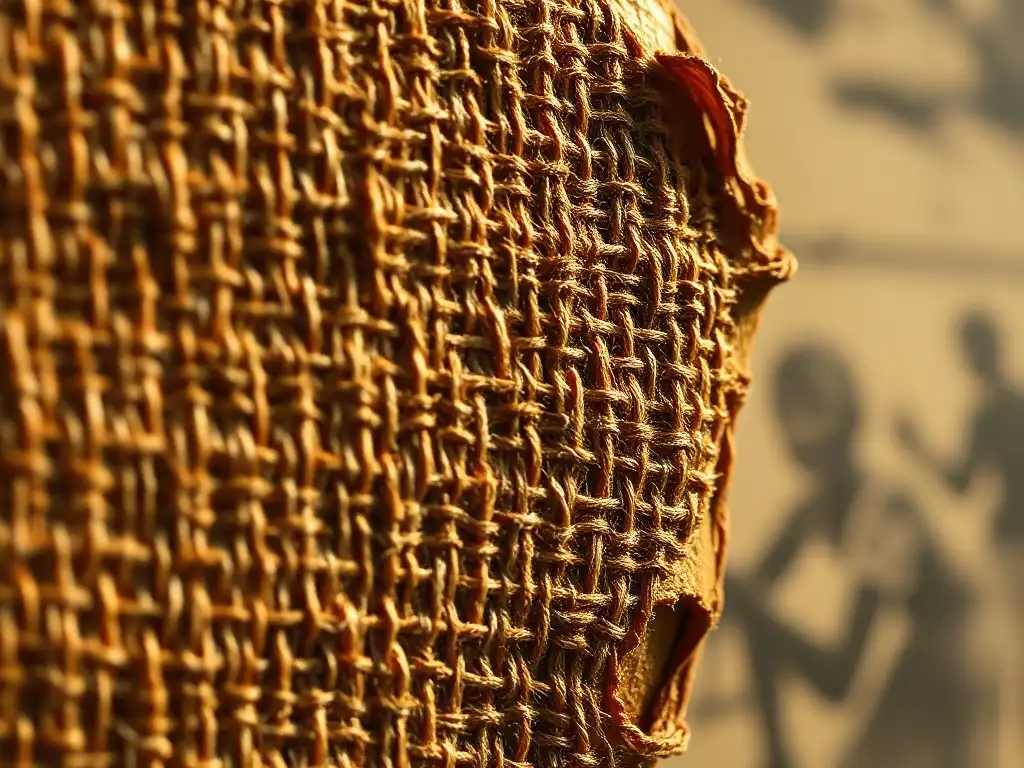
The Preceramic period (circa 8000-1800 BCE) in the Andes, while often overshadowed by the later Inca empire, laid the foundation for many artistic, technological, and social developments that characterized subsequent Andean cultures. Understanding the influence of these early traditions is crucial to fully appreciating the complexity and continuity of Andean civilization. The innovative techniques and artistic expressions of this era weren't simply abandoned; they evolved, adapted, and profoundly shaped the art and culture of later societies.
This enduring legacy is evident in various aspects of Andean life, from textile production and architectural styles to religious iconography and societal structures. The Preceramic Andean traditions influence continues to resonate even today, informing our understanding of this fascinating region's rich history.
Preceramic Textile Techniques and Their Legacy
Preceramic Andean textile production represents a remarkable achievement. Evidence suggests sophisticated techniques, including intricate weaving and the use of diverse natural dyes, were already established thousands of years ago. These early textiles were not merely functional; they served important social and ritualistic roles. The discovery of fragments of woven fabrics in various archaeological sites demonstrates the mastery of techniques like plain weave, tapestry weave, and possibly even brocade, though further research is needed to confirm the latter. The use of camelid fibers (llama, alpaca, and vicuña) was prevalent, showcasing an early understanding of animal husbandry and fiber processing.
The impact of these early textile techniques is undeniable. The complex weaving methods developed during the Preceramic period formed the basis for the highly advanced textile traditions of later Andean cultures, including the Inca. The intricate designs and color palettes found in Preceramic textiles continued to inspire and influence later artisans, demonstrating a remarkable continuity in artistic expression across millennia.
The symbolic meanings embedded in the early textile designs, though often difficult to decipher, likely played a crucial role in shaping later Andean iconography and religious beliefs. Analysis of surviving fragments reveals a surprising level of sophistication, hinting at a complex social organization capable of coordinating the production and distribution of these valuable goods. Further research into the specific dyes used and their sourcing would provide invaluable insights into the trade networks and resource management strategies of Preceramic communities.
Rock Art and the Development of Andean Iconography
Preceramic rock art offers a unique window into the beliefs and worldview of early Andean societies. These petroglyphs and pictographs, found across various Andean landscapes, depict a range of figures and symbols, including stylized animals, geometric patterns, and possibly human representations. While the precise meaning of many of these images remains a subject of ongoing debate and interpretation, their stylistic features and recurring motifs provide valuable clues to understanding the development of Andean iconography.
The stylistic conventions established in Preceramic rock art clearly influenced the artistic expressions of later Andean cultures. Certain motifs and stylistic elements, such as the depiction of specific animals or the use of particular geometric patterns, can be traced across millennia, suggesting a continuity in symbolic language and artistic traditions. The recurring themes of animals, particularly camelids and felines, might reflect the importance of these creatures in the daily lives and spiritual beliefs of early Andean communities.
These images, often found in prominent locations with significant geographical or symbolic value, likely served important ritualistic purposes. Further research is needed to fully understand the cultural and religious significance of these sites and the role they played in shaping later Andean iconography. Detailed stylistic analysis, coupled with contextual archaeological data, can shed more light on this fascinating aspect of Preceramic Andean culture and its lasting legacy.
Early Architecture and its Influence on Later Andean Structures
The Preceramic period also witnessed the development of early architectural forms in the Andes. While these structures were often simpler than the monumental architecture of later periods, they represent significant advancements in construction techniques and social organization. Evidence suggests the use of various materials, including stone, adobe, and possibly even wood, depending on the local environment. The construction of these early structures, even simple dwellings, required coordinated effort and planning, hinting at a degree of social complexity and cooperation within Preceramic communities.
These early architectural forms laid the groundwork for the impressive structures built by later Andean civilizations. While the scale and complexity differed significantly, certain basic principles and techniques, such as the use of stone masonry and the incorporation of natural features into building designs, can be traced from the Preceramic period to the Inca empire and beyond.
The development of basic architectural principles, such as load-bearing walls and the use of platforms, directly contributed to the advancements in architecture seen in later periods. Furthermore, the location of settlements and the orientation of structures, often in relation to significant geographical features, suggest an early understanding of landscape and its symbolic importance, a characteristic that continued to influence Andean architecture for millennia.
Studies of the foundations and construction techniques of Preceramic structures provide invaluable insights into the technological innovations and engineering skills of these early Andean communities and their influence on subsequent architectural achievements.
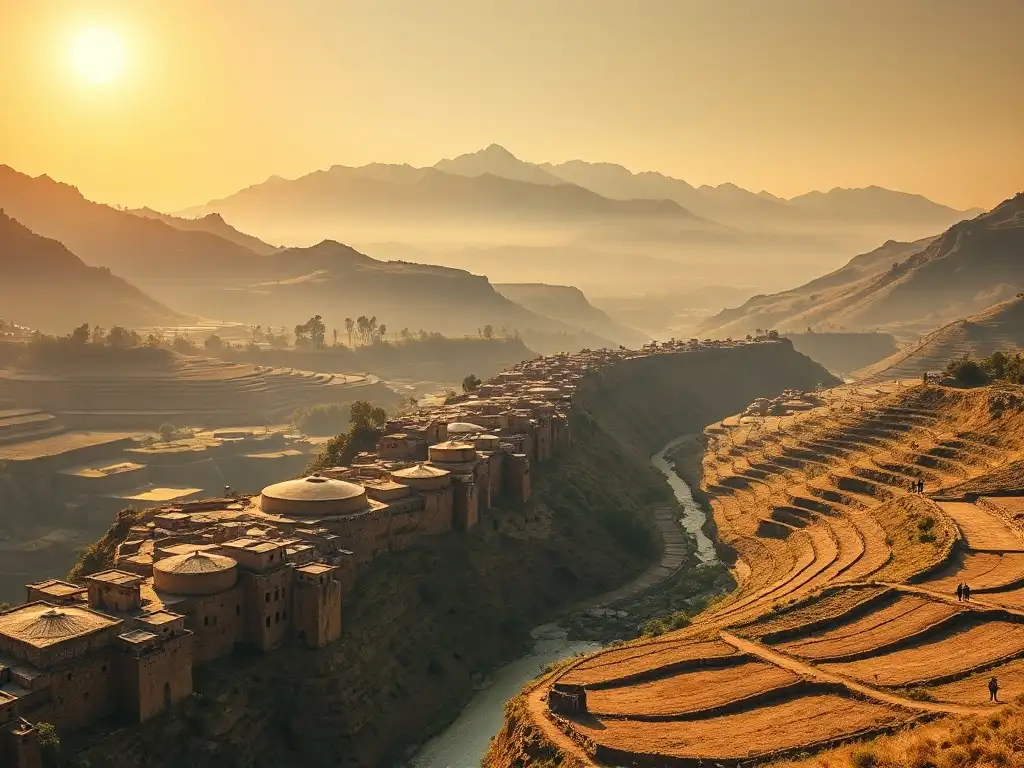
The Preceramic period in the Andes (circa 8000-1800 BCE) witnessed the development of complex social structures that laid the groundwork for later civilizations. While lacking the monumental architecture and centralized states of later Andean societies, evidence suggests a sophisticated understanding of social organization, resource management, and communal living. Understanding these early social structures is key to comprehending the enduring influence of Preceramic Andean traditions. The absence of written records necessitates relying heavily on archaeological evidence, such as settlement patterns, burial practices, and artifact analysis, to reconstruct these societies.
Community Organization in the Preceramic Andes
Archaeological digs at sites like Guitarrero Cave and Caral reveal evidence of relatively sedentary lifestyles and the emergence of village-level settlements. These communities were not uniformly structured; rather, they exhibited a spectrum of complexity. Some sites show evidence of social stratification, indicated by variations in house size and the presence of elite burials containing prestigious grave goods. This suggests the existence of social hierarchies, albeit less pronounced than in later periods.
The size and layout of settlements also suggest a degree of planning and organization, indicating collaborative efforts in construction and resource management. For example, the carefully planned layout of Caral, with its large public structures and residential areas, points to a considerable level of social coordination and possibly specialized labor. The organization of these early communities, focusing on cooperation and resource sharing, directly influenced later Andean societal structures, impacting their approaches to irrigation, agriculture, and communal living.
The Role of Rituals and Beliefs in Preceramic Societies
Religious beliefs and ritual practices played a crucial role in shaping Preceramic Andean societies. Evidence of ritual activity is abundant, ranging from the presence of ceremonial structures in settlements to elaborate burial practices. The discovery of offerings, including textiles, pottery, and other artifacts, in graves and ceremonial contexts underscores the importance of ritual in daily life.
These rituals likely served to reinforce social bonds, maintain order, and ensure the prosperity of the community. The presence of specific artifacts, such as carved stones and painted ceramics, suggests the existence of shared symbolic systems and belief systems. The continuity of certain ritual practices and symbolic motifs across different Preceramic sites points to the existence of shared cultural traditions that extended beyond individual communities.
These shared beliefs and practices laid the foundation for the development of complex religious systems in later Andean civilizations, profoundly influencing their worldview and social organization. The strong emphasis on ritual and communal practices remains a hallmark of Andean culture to this day.
Preceramic Andean Traditions Influence on Agriculture and Subsistence
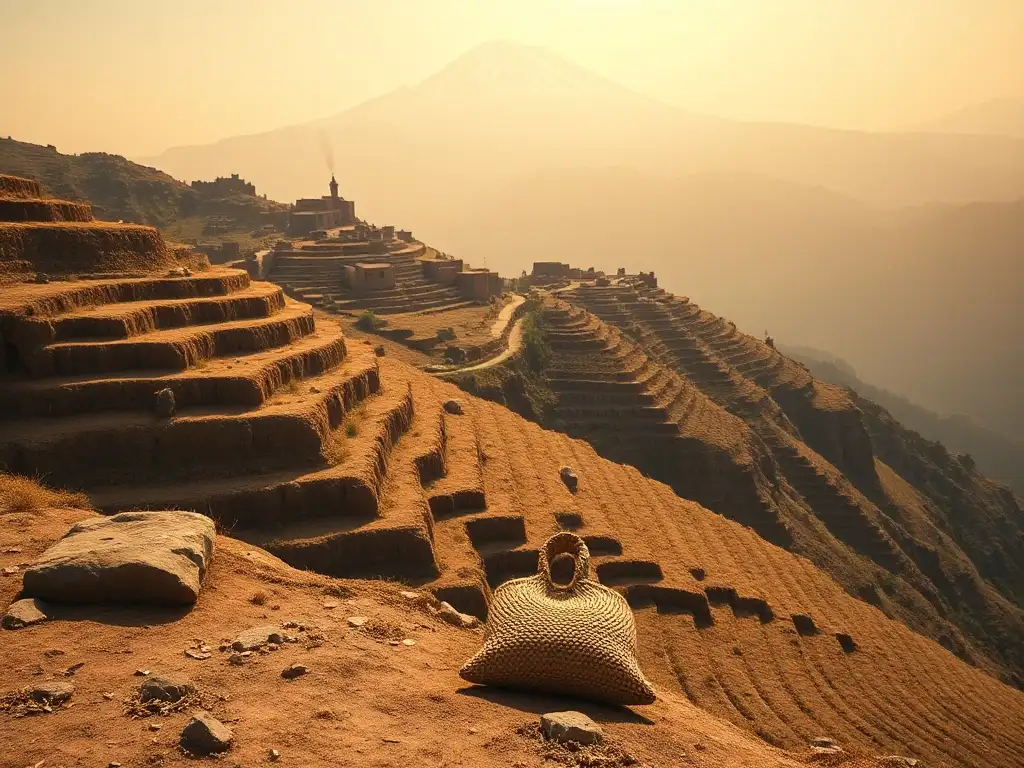
The Preceramic period witnessed the development of crucial agricultural techniques that significantly impacted the trajectory of Andean societies. The transition from hunter-gatherer lifestyles to settled agricultural communities was a pivotal moment, setting the stage for population growth, urbanization, and the development of more complex social structures.
Preceramic Andean Traditions Influence on Agriculture and Subsistence
The domestication of plants like squash, beans, and peppers, along with the development of irrigation systems, allowed for increased food production and a more reliable food supply. This agricultural revolution led to population growth and the emergence of larger, more permanent settlements. Evidence suggests that early Andean farmers developed sophisticated techniques for managing water resources, including the construction of canals and terraces.
These innovations allowed them to cultivate crops in diverse environments, even in areas with limited rainfall. The development of agriculture also led to the specialization of labor, with some individuals focusing on farming while others engaged in craft production or other activities. This division of labor contributed to the increased complexity of Preceramic Andean societies and laid the groundwork for the development of more specialized roles in later periods.
The ingenuity of these early agricultural practices is directly reflected in the later achievements of Andean civilizations, with their remarkable engineering feats in irrigation and terracing serving as testament to the enduring legacy of Preceramic agricultural innovations. The strategic cultivation of diverse crops and sustainable water management, pioneered in the Preceramic period, profoundly shaped the agricultural practices of subsequent Andean cultures, ensuring food security and promoting societal growth. These methods remain relevant and offer valuable insights for modern-day sustainable agriculture.
The Enduring Significance of Preceramic Traditions
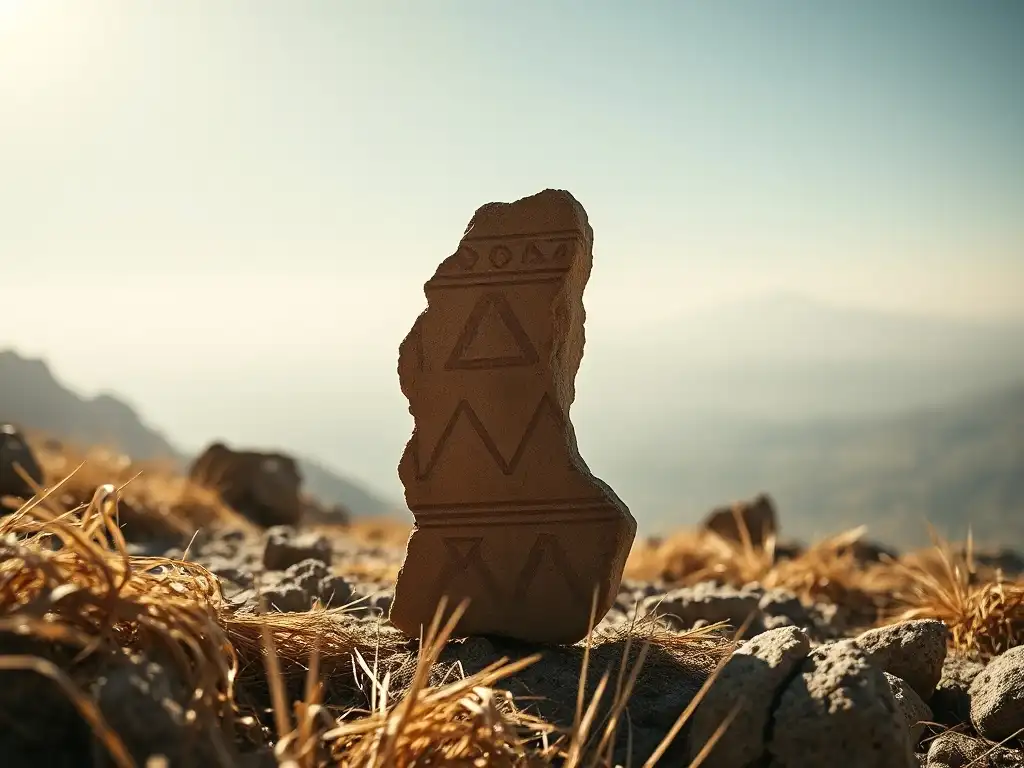
The Preceramic period (c. 8000-1800 BCE) in the Andes, while preceding the rise of iconic civilizations like the Inca, laid the groundwork for much of what followed. Understanding its lasting influence is crucial to appreciating the complexities of later Andean cultures. This period, characterized by the development of agriculture, sophisticated social structures, and unique artistic expressions, left an indelible mark on subsequent Andean societies.
The Preceramic Andean traditions influence is not merely a historical curiosity; it's a fundamental thread weaving through the tapestry of Andean history and culture. We see echoes of this foundational period in the art, beliefs, and social organization of later Andean cultures, highlighting the remarkable continuity of traditions across millennia. This section will explore some key examples of this enduring legacy.
Tracing Preceramic Influences in Later Andean Art
The artistic motifs and techniques developed during the Preceramic period served as a springboard for later artistic innovations. Consider, for example, the use of textiles. Early evidence suggests sophisticated textile production, including intricate weaving techniques and the use of diverse natural dyes, already existed during the Preceramic period.
These techniques, refined over centuries, continued to be employed by later Andean cultures, albeit with stylistic variations. Similarly, ceramic styles, while initially rudimentary, evolved into remarkable complexity. The basic principles of pottery making—shaping, firing, and decorating—established during the Preceramic period formed the foundation for the elaborate ceramic traditions of later Andean civilizations.
The stylistic evolution is fascinating to study, with certain decorative elements, such as geometric patterns and zoomorphic representations, exhibiting clear lineage to Preceramic origins. Analyzing these continuities reveals a complex interplay between innovation and tradition in Andean art. Detailed studies of pottery shards and textile fragments from various periods reveal a clear and unbroken chain of artistic development, directly traceable to the Preceramic period.
The Continuity of Preceramic Beliefs and Practices
Beyond artistic expression, Preceramic Andean traditions profoundly influenced religious beliefs and social practices. Archaeological evidence suggests the development of complex ritual practices, including burial rituals and the veneration of ancestors, during this early period. These practices were not abandoned but rather adapted and elaborated upon by later Andean societies.
For instance, the use of specific burial goods, the construction of elaborate tombs, and the performance of specific ceremonies all exhibit remarkable consistency across different periods. The reverence for ancestors, evident in Preceramic burial sites, clearly influenced the elaborate mortuary practices of later cultures. Furthermore, early evidence suggests the development of social hierarchies and specialized labor during the Preceramic period, setting the stage for the complex social structures of subsequent Andean civilizations.
The emergence of leadership roles and specialized craft production, though perhaps less defined initially, provides a clear link to the more formally structured societies that would arise later. The foundational beliefs and social structures of the Preceramic period provide a crucial context for understanding the development of Andean civilizations.
Preceramic Influence on the Chavin Culture
The Chavín culture (c. 900-200 BCE), considered one of the earliest complex societies in the Andes, provides a compelling example of the enduring influence of Preceramic traditions. Chavín art, famous for its distinctive style featuring stylized jaguars, snakes, and other zoomorphic representations, displays clear links to earlier Preceramic artistic motifs. The use of similar iconography, stylistic elements, and artistic techniques suggests a direct lineage between the Preceramic period and the Chavín culture.
Moreover, the Chavín's religious beliefs and practices appear to have incorporated elements from earlier traditions. For example, the emphasis on shamanistic practices and the use of hallucinogenic plants, hinted at in Preceramic contexts, became central to Chavín religious ideology. The Chavín culture's sophisticated temple architecture and complex social organization also built upon foundations established during the Preceramic period.
This continuity demonstrates how the innovations and traditions of the Preceramic period continued to shape Andean culture for centuries to come, significantly impacting the development of later complex societies like the Chavín. Further research into the specific links between Preceramic sites and Chavín settlements could reveal even more profound connections and illuminate the transmission of cultural heritage across time.
Conclusion: The Lasting Legacy of Preceramic Andean Traditions
The Preceramic period, often overlooked in discussions of Andean civilizations, laid the groundwork for the impressive achievements of later cultures. Understanding these early traditions is crucial to a complete understanding of Andean history and its enduring influence on the region's cultural landscape. The innovations and societal structures developed during this era resonate even today, shaping aspects of modern Andean life.
The legacy of Preceramic Andean traditions is not merely a historical curiosity; it's a living testament to human ingenuity and adaptation. The rich tapestry of Andean culture is undeniably woven from threads spun during this formative period. This section will explore the lasting significance of this often-underestimated era.
The Importance of Studying Preceramic Andean Civilizations
Studying Preceramic Andean civilizations offers invaluable insights into the development of complex societies in the Andes. The innovations in agriculture, pottery, and social organization during this period were fundamental to the later flourishing of cultures like the Inca. By examining the archaeological evidence – from meticulously crafted textiles to sophisticated irrigation systems – we gain a deeper appreciation for the ingenuity and resilience of these early Andean peoples. Their adaptations to challenging environments serve as a powerful case study in human resourcefulness and sustainable living, offering valuable lessons for contemporary societies facing similar ecological challenges.
Furthermore, understanding the Preceramic period helps us to appreciate the continuity and evolution of Andean cultural practices across millennia. Many elements, subtly transformed over time, still persist in modern Andean life, demonstrating the profound and lasting impact of these early traditions. For example, the techniques used in Preceramic textile production show remarkable similarities to methods still employed in certain Andean communities today.
The study of these early traditions therefore provides a crucial bridge between the past and the present, enriching our understanding of Andean identity and cultural heritage. Ignoring this foundational period would be akin to understanding only the final act of a complex play, missing the crucial plot developments and character arcs that shape its climax. The study of Preceramic Andean traditions is therefore not just an academic pursuit; it is an essential endeavor to fully grasp the richness and complexity of Andean history.
Preceramic Andean Traditions Influence on Later Cultures
The influence of Preceramic Andean traditions is palpable in the subsequent development of Andean civilizations. The mastery of agriculture, particularly the cultivation of potatoes and other Andean staples, provided the foundation for population growth and the emergence of larger, more complex societies. Early experimentation with irrigation techniques, evident in the sophisticated canal systems discovered at various Preceramic sites, directly contributed to the agricultural success of later cultures. Moreover, the development of sophisticated social structures and leadership roles during the Preceramic period laid the groundwork for the hierarchical systems that characterized later Andean empires.
The legacy of Preceramic art and craft traditions is also readily apparent in the later styles and techniques employed by the Moche, Nazca, and Inca. The intricate weaving techniques, the sophisticated pottery styles, and the symbolic representations found in Preceramic artifacts all foreshadow the artistic achievements of later periods. These continuities demonstrate the enduring power of Preceramic Andean traditions, highlighting their importance as a foundational element in the broader narrative of Andean cultural development.
Understanding this influence allows us to appreciate the interconnectedness of different Andean cultures and the gradual, cumulative nature of their achievements. It's a clear demonstration of how innovation builds upon previous foundations, resulting in the remarkable cultural richness of the Andes. The echoes of the past are clearly audible in the vibrant present.
Preserving and Interpreting Preceramic Andean Heritage for Future Generations
The preservation and interpretation of Preceramic Andean heritage are crucial for maintaining cultural continuity and understanding the rich history of the Andes. This involves not only the careful excavation and preservation of archaeological sites but also the active engagement of local communities in the research and interpretation process. By working collaboratively with indigenous communities, researchers can ensure that the narratives and perspectives of the descendants of these early Andean peoples are incorporated into the broader understanding of their ancestors' achievements.
This collaborative approach is essential for avoiding the pitfalls of a purely academic, top-down approach, and for creating a more inclusive and representative understanding of the past. Furthermore, the dissemination of knowledge about Preceramic Andean traditions through museums, educational programs, and public outreach initiatives is crucial for fostering appreciation and respect for this important period in Andean history. By making this knowledge accessible to a wider audience, we can ensure that the legacy of these early cultures continues to inspire and educate future generations.
The protection of these sites and the sharing of their stories are not just historical obligations, but also essential for promoting cultural pride and understanding in the Andean region. The future of this heritage lies in our collective commitment to its preservation and interpretation.
Frequently Asked Questions
What is meant by "Preceramic Andean traditions"?
This refers to the cultural practices and technologies of Andean societies before the widespread use of pottery (approximately 3000 BCE). These traditions laid the foundation for later, more complex Andean civilizations. Early agriculture, textile production, and social organization are key aspects.
How did Preceramic Andean traditions influence later civilizations?
Preceramic innovations in agriculture, such as irrigation systems and terraced farming, were adapted and expanded upon by later Andean cultures like the Incas. Early social structures and religious beliefs also left a lasting impact. Technological advancements in weaving and toolmaking continued to evolve.
What are some examples of Preceramic Andean technologies?
Early forms of agriculture, including the domestication of plants like potatoes and beans, are significant. Advanced textile production, using techniques like weaving and dyeing, is another crucial example. Stone toolmaking also reached sophisticated levels during this period.
Which Andean cultures were most influenced by Preceramic traditions?
All subsequent Andean civilizations, including the Incas, Moche, Nazca, and Tiahuanaco, built upon the foundations established during the Preceramic period. Their agricultural practices, social structures, and religious beliefs all show clear links to earlier traditions. The influence is pervasive and fundamental.
Where can I learn more about Preceramic Andean traditions?
You can explore further through academic journals and books focusing on Andean archaeology and anthropology. Many museums also exhibit artifacts from this period. Online resources and documentaries offer valuable information.
Final Reflection: The Whispers of a Timeless Legacy
The echoes of Preceramic Andean traditions resonate powerfully in the contemporary world, shaping our understanding of societal development and the enduring human spirit. Their innovative agricultural techniques, complex social structures, and sophisticated artistic expressions continue to inspire awe and offer valuable lessons for navigating the challenges of our time. The ingenuity and resilience displayed by these early Andean communities serve as a potent reminder of humanity's capacity for innovation and adaptation.
The profound impact of Preceramic Andean culture is not merely historical; it's a living legacy woven into the fabric of modern Andean societies. Their reverence for nature, their intricate understanding of their environment, and their ability to build thriving communities in challenging landscapes continue to inform contemporary practices. The past is never dead. It's not even past,
wrote William Faulkner, and this rings especially true when considering the enduring influence of these ancient civilizations. Their innovations in agriculture, for instance, still hold relevance in addressing modern food security concerns.
Consider the ingenuity of these early Andean communities, their ability to thrive in a harsh environment, and the sophisticated social structures they created. Let their story inspire you to appreciate the power of human ingenuity and the importance of respecting and learning from our shared past. You, too, can be a part of this enduring legacy by exploring the rich tapestry of Andean history and applying the lessons of resilience and innovation to your own life. Let the whispers of the past guide you towards a more sustainable and equitable future.
Unveil the Richness of Andean Traditions!
Thank you for exploring the fascinating world of Pre-Columbian Andean traditions! You've uncovered the enduring influence of these cultures, gaining insights that connect us to our shared history. Now let's explore ways to integrate this knowledge into your life.
Here are some enriching ways to deepen your connection to these magnificent traditions:
- **Explore and Visit:** Plan a trip to a local museum featuring Andean artifacts or attend an exhibit detailing these ancient practices. Experiencing these elements firsthand significantly enhances understanding.
- **Share Your Knowledge:** Discuss this rich history with friends and family, sparking conversations about the enduring influence of these traditions on our world today. Sharing this article on social media is also a great way to engage others.
- **Practice Mindfulness:** Incorporate traditional Andean practices, such as offering gratitude to Pachamama (Mother Earth), into your daily routine to cultivate a deeper appreciation for the natural world and foster a sense of gratitude.
Which aspect of Andean traditions resonates most with you, and how can you integrate it into your daily life?