
Andean Genesis: The Enigmatic Origins of Monumental Architecture and Urbanism

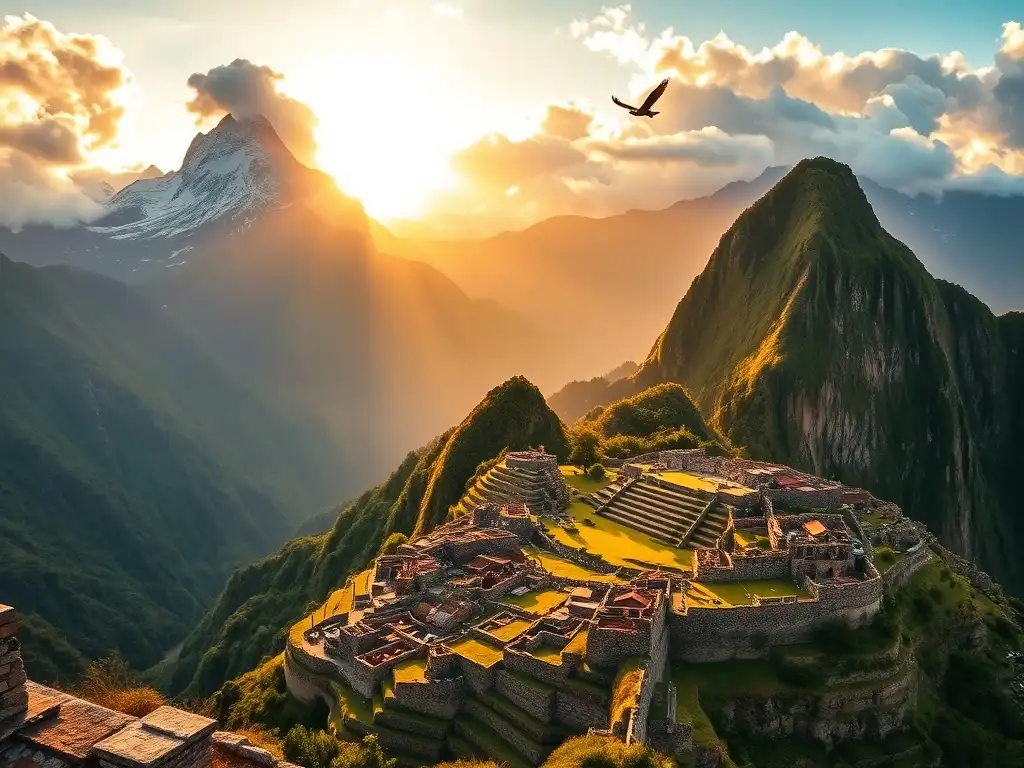
Unravel the mysteries shrouding the birth of some of history's most remarkable societies. Journey with us into the heart of the Andes, where breathtaking landscapes gave rise to the enigmatic Andean civilizations. Their monumental architecture and sophisticated urban planning continue to defy explanation. Discover clues to the Andean civilizations origins and prepare to be amazed by the ingenuity and artistry of these ancient cultures. Are you ready to uncover their secrets?
- Andean Genesis: Unraveling the Enigmatic Origins of Monumental Architecture and Urbanism in the Andes
-
Key Sites and Discoveries: Unveiling the Evidence of Early Andean Monumental Construction
- Caral: A Pre-Ceramic Metropolis and its Impact on Understanding Andean Origins
- The Significance of Aspero: Coastal Settlements and Early Architectural Forms
- Kotosh: The Temple of Crossed Hands and Religious Practices in the Andes
- Sechin Bajo: Early Examples of Monumental Architecture and Social Organization
-
The Development of Urbanism and Societal Complexity in the Andes
- From Small Villages to Urban Centers: The Transition to Complex Settlements
- Social Stratification and Power Structures: The Emergence of Elites in Early Andean Societies
- The Role of Agriculture and Resource Management in the Development of Andean Civilization
- The Importance of Irrigation and Water Control in Andean Urban Centers
-
Architectural Innovations and Technologies: Building the Foundations of Andean Power
- The Use of Stone and Mud Brick: Construction Techniques in Early Andean Architecture
- The Engineering of Pyramids and Platforms: Understanding Early Andean Building Methods
- Public Works and Infrastructure: The Organization of Labor in Monumental Projects
- Religious Architecture and Ritual Centers: The Spiritual Significance of Andean Structures
-
Theories and Interpretations: Explaining the Rise of Complex Andean Societies
- The Maritime Hypothesis: The Role of Coastal Resources in Early Development
- The Highland Hypothesis: The Importance of Agriculture and Inter-Regional Trade
- The Role of Religion and Ideology: Understanding the Motivations Behind Monumental Construction
- The Interplay of Factors: A Multifaceted Explanation of Andean Civilization Origins
- Conclusion: The Enduring Legacy of Early Andean Societies and Their Architectural Marvels
- Frequently Asked Questions
- Final Reflection: Echoes of the Andes: A Legacy of Ingenuity and Resilience
- **Unveil the Wonders of Andean Architecture Today! **
Andean Genesis: Unraveling the Enigmatic Origins of Monumental Architecture and Urbanism in the Andes
The Andes Mountains, a spine of towering peaks stretching along the western coast of South America, cradled some of the most fascinating and complex societies the world has ever known. From the intricate Nazca lines to the breathtaking Machu Picchu, the legacy of Andean civilizations is undeniable. But how did these impressive cultures, renowned for their monumental architecture and sophisticated urban planning, emerge?
This article delves into the enigmatic origins of Andean urbanism and monumental architecture, exploring the pre-ceramic foundations and the early societal structures that paved the way for the rise of empires like the Inca. We will examine the archaeological evidence, unraveling the mysteries surrounding the development of complex societies in this challenging yet fertile environment and addressing the key question: what factors contributed to the genesis of these remarkable achievements?
Understanding the origins of Andean civilizations is crucial to appreciating the full scope of their cultural and technological advancements, offering a deeper understanding of the ingenuity and resilience of these remarkable peoples. This exploration will focus on key periods and cultures, highlighting the gradual evolution of architectural styles and urban planning, ultimately aiming to shed light on the fascinating processes that shaped the Andean world.
Defining the Scope: Early Andean Societies and Their Architectural Achievements
The term "Andean civilizations" encompasses a vast array of cultures that flourished across a diverse geographical landscape over millennia. This exploration will primarily focus on the pre-Inca societies and the formative stages of Andean urbanism, laying the groundwork for the later, more well-known empires. Early Andean societies, while varying considerably in their specific characteristics, shared some common threads, including a reliance on agriculture (particularly potatoes and maize), the development of sophisticated irrigation systems, and a growing complexity in social organization.
Their architectural achievements, though often less grand in scale than those of the Inca, are equally impressive, reflecting a deep understanding of engineering principles and a remarkable ability to adapt to the challenging Andean environment. Examples include the early monumental structures found at sites like [Specific site name pending], characterized by [description of architectural features pending], showcasing the initial steps towards the development of large-scale constructions.
The transition from small, dispersed settlements to larger, more complex urban centers is a key aspect of this evolutionary process. This transition wasn't a sudden leap but a gradual development, influenced by factors such as population growth, agricultural intensification, and the need for centralized control and resource management.
The Search for Origins: Investigating the Initial Stages of Andean Urbanism
The emergence of urbanism in the Andes was a gradual process, unfolding over centuries. Archaeological evidence suggests a complex interplay of environmental factors, technological advancements, and socio-political changes. The development of sophisticated irrigation systems, for instance, was crucial in supporting larger, denser populations.
These systems allowed for increased agricultural productivity, providing the surplus needed to sustain specialized labor and the growth of urban centers. Early urban centers were not simply larger villages; they were characterized by a higher degree of social stratification, specialized crafts, and the emergence of complex political structures. The layout of these early cities, often reflecting a deep understanding of the terrain and its resources, provides valuable insights into the social and economic organization of these societies.
Evidence of public works, such as plazas and ceremonial structures, indicates a growing need for communal spaces and the development of shared identities. Understanding the initial phases of Andean urbanism requires a meticulous examination of the archaeological record, combining insights from architecture, ceramics, and other material culture to build a comprehensive picture of these early societies. This requires further research and analysis of [Specific sites pending] to fully understand the complexity of the urban development.
Pre-Ceramic Foundations: Examining the Societies Before the Advent of Pottery
Before the widespread adoption of pottery, Andean societies already exhibited remarkable achievements. The pre-ceramic period, spanning from [Date range pending], reveals a surprising level of social complexity. Archaeological discoveries, including sophisticated tools, intricate textiles, and evidence of early agricultural practices, showcase the ingenuity and adaptive capabilities of these early inhabitants. While the absence of pottery complicates our understanding, the evidence suggests that social organization was becoming increasingly complex, with the emergence of leadership structures and specialized labor. The construction of monumental architecture, even in the absence of advanced ceramic technology, demonstrates a considerable understanding of engineering and construction techniques. These early structures, often built from stone and other readily available materials, served various functions, including residential, ceremonial, and possibly defensive purposes. The analysis of these pre-ceramic sites is crucial to understanding the foundations upon which later Andean civilizations were built. The transition from pre-ceramic to ceramic societies marks a significant shift, but the achievements of the pre-ceramic period laid the groundwork for the remarkable developments that followed. Further research focusing on the social structures and technological innovations of these early societies is needed to fully grasp the significance of this foundational period. 1
1 Further research is needed to provide more specific details and examples.
Key Sites and Discoveries: Unveiling the Evidence of Early Andean Monumental Construction
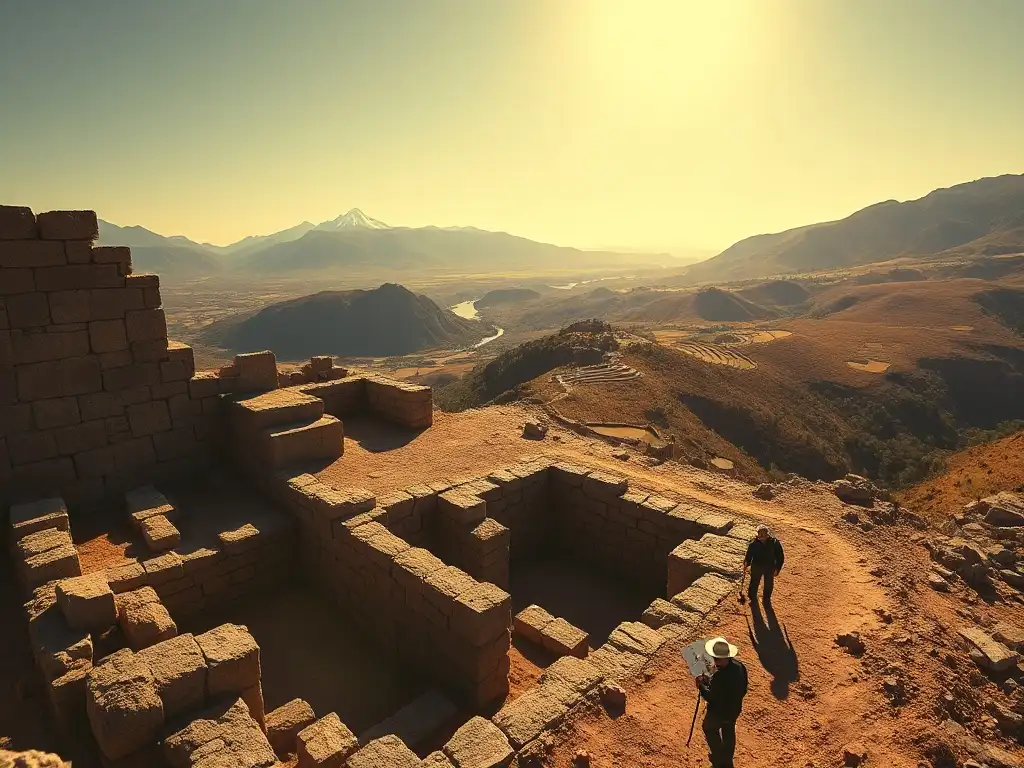
This section delves into the archaeological sites that have revolutionized our understanding of Andean civilizations origins, specifically focusing on the monumental architecture and urban planning that predate the Inca Empire. These discoveries challenge previously held assumptions about the timeline and development of complex societies in the Andes, highlighting the ingenuity and sophisticated organization of early Andean cultures. The evidence presented showcases not only impressive architectural feats but also reveals insights into their social structures, religious beliefs, and economic systems. Understanding these early settlements is crucial for a complete picture of Andean civilizations origins and the trajectory of their development.
Caral: A Pre-Ceramic Metropolis and its Impact on Understanding Andean Origins
Caral, located in the Supe Valley of Peru, stands as a testament to the advanced civilization that flourished in the Andes centuries before the rise of the Inca. Dating back to approximately 2600 BCE, Caral is considered the oldest known urban center in the Americas. Its monumental architecture, including large platforms, plazas, and residential structures, showcases a level of urban planning and societal organization previously unforeseen for such an early date.
The absence of ceramics at Caral, initially puzzling, is now understood as a characteristic of its distinct cultural phase. Instead of pottery, Caral's inhabitants utilized textiles, tools made from stone and bone, and elaborate musical instruments, demonstrating a sophisticated technology and artistic expression. The discovery of Caral significantly pushed back the timeline for the development of complex societies in the Andes, forcing a re-evaluation of the prevailing narratives of Andean civilizations origins.
The scale of Caral, encompassing several hectares and multiple large structures, suggests a highly stratified society with specialized labor and centralized authority. Analysis of the remains indicates a sophisticated understanding of agriculture and water management, crucial for sustaining a large population. Further research continues to uncover new aspects of Caral's social and political organization, enriching our understanding of the Andean civilizations origins.
The Significance of Aspero: Coastal Settlements and Early Architectural Forms
Aspero, a coastal site located near Caral, offers compelling evidence of early Andean urban development. While slightly younger than Caral, Aspero's unique features contribute significantly to our understanding of the interplay between coastal and highland settlements in the Andes. Its proximity to the ocean influenced its architecture and economy, with evidence of intensive fishing and maritime trade.
The monumental structures at Aspero, though smaller than those at Caral, exhibit sophisticated architectural techniques including the use of adobe bricks and large-scale earthworks. The presence of elaborate burial sites suggests a complex social hierarchy and potentially ritualistic practices. The architectural styles of Aspero, while sharing some similarities with Caral, display distinct characteristics indicative of a unique cultural identity within the broader context of early Andean civilizations origins.
The location of Aspero, on the coast, also highlights the importance of maritime resources and trade in the development of early Andean societies. Further research is needed to fully comprehend the relationship between Aspero and other contemporary settlements, shedding light on the networks of interaction and exchange that shaped the early Andean world. The discovery of Aspero not only adds to our understanding of early urban development but also underscores the diversity of cultural expressions in the formative period of Andean civilizations.
Kotosh: The Temple of Crossed Hands and Religious Practices in the Andes
Located in the central Andes, Kotosh is renowned for its "Temple of the Crossed Hands," a structure that provides invaluable insights into the religious beliefs and practices of early Andean civilizations. Dating back to approximately 1500 BCE, the temple is remarkable for its distinctive architectural features and the intricate carvings found within. The most iconic feature, the "Crossed Hands," depicts two stylized hands carved in relief, possibly representing a deity or symbolic representation of religious beliefs.
This striking image highlights the importance of religious practices in the development of Andean societies and the evolution of their spiritual world. The temple's architecture, characterized by its layered construction and the use of various materials, reflects a sophisticated understanding of engineering and construction techniques. The discovery of other associated structures at Kotosh suggests a complex religious landscape and the existence of a centralized religious authority.
Furthermore, the artifacts found at Kotosh, including pottery and tools, provide additional insights into the daily lives and cultural practices of the people who inhabited this region. Kotosh's significance lies not only in its impressive architecture but also in its contribution to understanding the role of religion in shaping the social and political structures of early Andean civilizations and their unique contribution to the story of Andean civilizations origins. The Temple of Crossed Hands stands as a powerful symbol of the enduring spiritual legacy of the Andes.
Sechin Bajo, located on the north coast of Peru, stands as a compelling testament to the early development of monumental architecture in the Andean region. Dating back to approximately 3500 years ago, long before the Inca Empire, this site challenges conventional narratives surrounding the origins of complex societies in the Andes.
The sheer scale of the structures at Sechin Bajo, particularly its massive platforms and intricately carved stone reliefs, suggests a highly organized society capable of mobilizing significant labor and resources. This wasn't a simple village; it was a center of power and likely religious significance, showcasing the early emergence of monumental architecture as a symbol of social complexity and control.
The impressive stonework at Sechin Bajo is not just remarkable for its size but also for its artistry. The site features numerous sculpted reliefs depicting violent scenes, possibly representing warfare or ritual sacrifice. These depictions, carved with astonishing precision, provide valuable insights into the beliefs, social structures, and possibly the conflicts that shaped early Andean societies.
The level of detail and the scale of the carvings suggest a specialized workforce of skilled artisans, further highlighting the sophisticated organization of Sechin Bajo's inhabitants. Analysis of the reliefs has yielded interpretations ranging from representations of mythical beings to depictions of societal hierarchies, offering rich material for ongoing scholarly debate and the refinement of our understanding of Andean civilization origins.
Furthermore, the layout of Sechin Bajo itself speaks volumes about social organization. The arrangement of platforms, plazas, and residential areas suggests a carefully planned urban design, indicating a level of societal planning and control rarely seen in pre-Columbian societies of this period. Archaeological excavations have unearthed evidence of residential areas, suggesting a large population centered around this monumental complex. This evidence, combined with the scale of the architecture, supports the hypothesis that Sechin Bajo served as a significant ceremonial and administrative center for a relatively large and well-organized population, predating many other known monumental centers in the Andes. The sophistication of its planning and execution continues to intrigue researchers and rewrite our understanding of the early stages of Andean civilization development. The site's enduring legacy lies not only in its architectural grandeur but also in the questions it poses about the complex social and political dynamics that shaped its creation.
The Development of Urbanism and Societal Complexity in the Andes

The emergence of monumental architecture and urbanism in the Andes wasn't a sudden event but a gradual process spanning centuries, deeply intertwined with the development of complex societies and sophisticated resource management strategies. Understanding the origins of Andean civilizations requires examining this intricate interplay between social organization, technological advancements, and environmental adaptation. The term "Andean civilizations origins" itself encompasses a vast and nuanced history, demanding a multifaceted approach to its study.
From Small Villages to Urban Centers: The Transition to Complex Settlements
The transition from small, dispersed settlements to large, densely populated urban centers in the Andes was a transformative period. Early Andean communities, reliant on agriculture and basic technologies, gradually coalesced into larger settlements, often situated near fertile valleys and reliable water sources. This process wasn't uniform across all regions; different environments and cultural factors influenced the pace and nature of urbanization. For instance, the coastal regions, with their unique environmental challenges and opportunities, saw a different pattern of settlement development compared to the high-altitude Andean valleys.
The growth of settlements was facilitated by advancements in irrigation techniques, allowing for increased agricultural productivity and supporting larger populations. The development of specialized labor, with individuals focusing on specific crafts or tasks, further contributed to the complexity of Andean societies. Evidence suggests that early urban centers, while lacking the monumental architecture of later periods, displayed a degree of planning and organization, indicating a growing social hierarchy and centralized control.
We see examples of this in the carefully planned layout of some early settlements, suggesting a level of social organization beyond that of simple villages. Further research is needed to fully understand the specifics of this transition in diverse Andean regions, including [specific information pending on the Caral-Supe site's early urban planning].
The development of urban centers in the Andes was inextricably linked to the emergence of social stratification and powerful elites. As settlements grew and societies became more complex, inequalities in wealth, status, and power became increasingly pronounced. Archaeological evidence, such as elaborate burials containing prestigious artifacts and the construction of monumental structures, reveals the existence of elite classes who controlled resources and exerted significant influence over their communities. The nature of this elite power varied across different Andean societies, but common themes include control over land, water, and labor, alongside religious authority.
The role of religion in consolidating elite power was significant. Many Andean societies revered powerful deities and believed in the divine right of rulers, which legitimized their authority and control. Religious rituals and ceremonies served as important tools for reinforcing social hierarchies and maintaining order.
Analyzing iconography and religious artifacts helps us understand the beliefs and practices that sustained the power structures of early Andean societies. For example, [specific details on elite burials and associated artifacts in the Moche culture are pending]. The study of elite power structures is crucial to understanding the "Andean civilizations origins" and the factors that shaped their trajectory.
The Role of Agriculture and Resource Management in the Development of Andean Civilization
Agriculture was the bedrock of Andean civilization. The ability to cultivate crops in challenging environments, through sophisticated irrigation systems and agricultural techniques, enabled the growth of large populations and the development of complex societies. The Andes’ diverse geography presented both challenges and opportunities. The varied altitudes and climates supported a wide range of crops, but also required innovative solutions for managing water resources and adapting to environmental variability.
The development of sophisticated irrigation systems, such as canals, terraces, and reservoirs, was crucial to the success of Andean agriculture. These systems not only increased agricultural productivity but also facilitated the control of water resources, a key element in the power dynamics of Andean societies. The management of other resources, such as minerals and textiles, also played a vital role in the economic and social development of the Andean region.
The intricate interplay between agriculture, resource management, and social organization shaped the trajectory of Andean civilizations, highlighting the importance of environmental adaptation in the story of "Andean civilizations origins." Further research into [specific details on pre-Inca irrigation techniques in different Andean regions] will enhance our understanding of this crucial aspect.
The Importance of Irrigation and Water Control in Andean Urban Centers
The development of sophisticated irrigation systems was absolutely crucial to the rise of urban centers in the Andes. The challenging Andean geography, characterized by steep slopes, arid coastal deserts, and high-altitude plains, necessitated ingenious solutions for water management. Without effective control over water resources, the large-scale agriculture necessary to support dense populations in urban areas would have been impossible. The ability to harness and distribute water became a defining factor in the power and prosperity of Andean societies.
The ingenuity of Andean engineers is evident in the diverse irrigation techniques they employed. These ranged from simple canals carved into hillsides to complex systems of aqueducts, reservoirs, and subterranean channels. The Nazca culture, for example, is renowned for its extensive network of canals that brought water from distant sources to their agricultural fields in the arid coastal plains.
This allowed them to cultivate crops like cotton and maize, supporting a surprisingly large population for the time. Similarly, the Inca empire, known for its impressive urban planning, built vast irrigation networks that facilitated agricultural production across diverse ecological zones, ensuring food security for its sprawling urban centers like Cuzco and Machu Picchu. These systems weren't merely functional; they were integrated into the social and religious fabric of Andean life, reflecting a deep understanding of the environment and its importance.
The control of water wasn't just about agriculture; it also played a vital role in shaping the urban landscape itself. The location of many Andean cities was directly influenced by the availability of water sources. Cities were often strategically placed near rivers, springs, or accessible aquifers.
Furthermore, the distribution of water within cities was carefully planned, with canals and fountains serving not only practical purposes but also symbolic ones. Water features were often incorporated into ceremonial plazas and religious structures, highlighting the sacred significance of water in Andean cosmology. The control and management of water, therefore, was a complex undertaking that involved engineering prowess, social organization, and religious beliefs, all interwoven to shape the development of Andean urbanism.
The sophisticated water management systems of the Andes stand as a testament to the remarkable adaptability and ingenuity of these ancient civilizations, offering crucial insights into their societal complexity and urban development. Understanding these systems is key to understanding the very origins of Andean civilizations and their remarkable achievements.
Architectural Innovations and Technologies: Building the Foundations of Andean Power
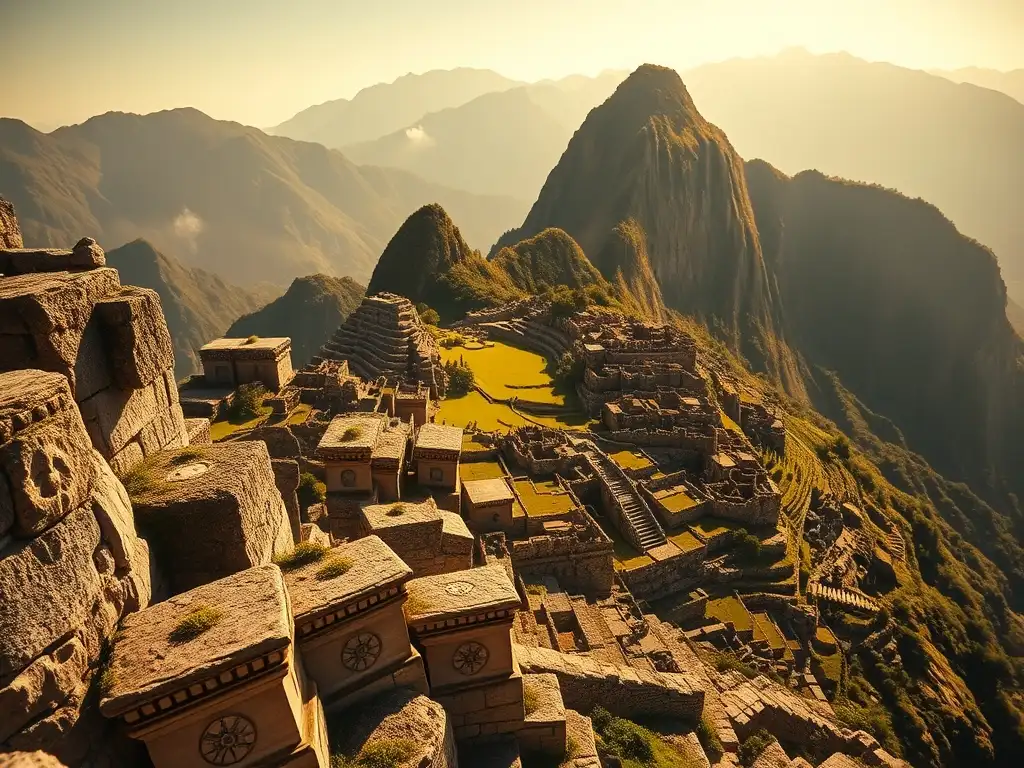
The origins of monumental architecture in the Andes remain a captivating puzzle, demanding careful examination of the available archaeological evidence. Understanding the technological advancements and organizational structures that enabled the construction of these impressive structures is crucial to comprehending the rise of complex Andean societies. The ingenuity displayed in these early building projects laid the foundation for the later, more sophisticated architectural achievements of civilizations like the Inca.
Analyzing the techniques employed provides a window into the worldview, social organization, and resource management of these early Andean communities. The development of sophisticated building techniques was not a singular event, but rather a gradual process spanning centuries, involving adaptation to diverse environments and the refinement of existing methods.
This section explores the key innovations driving the development of monumental architecture in the Andes, focusing on the materials used, the construction processes, and the social implications of these large-scale projects. The term "Andean civilizations origins" itself highlights the importance of understanding these early developments.
The Use of Stone and Mud Brick: Construction Techniques in Early Andean Architecture
Early Andean builders demonstrated a remarkable mastery of diverse materials, adapting their construction techniques to the readily available resources in their environment. Stone, readily accessible in the mountainous regions, was a primary building material. However, the methods employed varied significantly depending on the type of stone and the desired architectural effect. Roughly hewn stones were frequently used in foundational layers, while more meticulously shaped and fitted stones were reserved for visible facades and crucial structural elements. This understanding of stone properties and careful selection allowed for incredible stability and longevity.
In contrast, mud brick, or adobe, provided a more readily available and malleable building material, particularly in areas with less abundant stone resources. These bricks, typically sun-dried, were used extensively in domestic architecture and for less visible parts of larger structures. The production of adobe required considerable organization and labor, suggesting a degree of social coordination even in early Andean settlements.
The construction process involved careful preparation of the clay, precise molding, and controlled drying, showcasing a level of technological sophistication often overlooked. Different proportions of clay, sand, and organic materials influenced the brick’s durability and strength, demonstrating an understanding of material science. Archaeological findings reveal evidence of variations in adobe production techniques across different regions and time periods, reflecting a dynamic and adaptive approach to building.
The Engineering of Pyramids and Platforms: Understanding Early Andean Building Methods
The construction of pyramids and elevated platforms represents a significant leap in Andean architectural engineering. These structures, often serving as ceremonial centers or elite residences, required advanced planning, sophisticated labor organization, and a deep understanding of structural mechanics. The scale of these projects, some spanning several hectares, points towards a highly organized society capable of mobilizing substantial human resources. The precise alignment of these structures with astronomical events suggests a detailed knowledge of celestial movements and a sophisticated understanding of geometry.
The construction process likely involved multiple phases, with initial platforms being gradually expanded and modified over time. This iterative approach allowed for adaptation to changing circumstances and the incorporation of new techniques. Evidence suggests that ramps, scaffolding, and possibly even simple pulley systems were used to transport materials and facilitate construction.
The precise methods remain a subject of ongoing research, but the engineering feat itself is undeniable, showcasing remarkable organizational capabilities and a deep understanding of structural principles. The meticulous planning and execution of these projects are key elements in understanding the "Andean civilizations origins" and their capacity for complex societal organization.
Public Works and Infrastructure: The Organization of Labor in Monumental Projects
The construction of monumental architecture in the Andes was not solely an architectural achievement, but also a testament to the organizational capacity of these early societies. The scale of these projects, requiring the mobilization of vast quantities of materials and a significant workforce, underscores the importance of social organization and labor management. While the exact nature of labor organization remains debated, evidence suggests a complex system involving specialized labor groups, possibly organized through kinship ties or religious institutions.
The construction of irrigation systems, roads, and other public works projects further highlights the ability of Andean societies to coordinate large-scale labor efforts. These infrastructure projects were essential for sustaining the population and supporting the development of complex societies. Analysis of the layout and construction of these projects indicates a sophisticated understanding of hydraulics and engineering principles.
The organization of labor for these undertakings reveals a level of social complexity and control that was instrumental in the rise of Andean civilizations, offering further insights into the "Andean civilizations origins" and their path toward advanced societal structures. Further research is needed to fully understand the social dynamics and organizational structures that underpinned these impressive feats of engineering.
Religious Architecture and Ritual Centers: The Spiritual Significance of Andean Structures
The Andean civilizations didn't simply build structures; they crafted spaces imbued with profound spiritual meaning. Religious architecture served as the nexus of their cosmology, connecting the earthly realm with the celestial and the underworld. These weren't merely buildings; they were living embodiments of their beliefs, reflecting a deep understanding of the cosmos and their place within it.
The construction itself was often a ritual, with specific ceremonies and offerings accompanying each stage of the building process. This is evidenced by the discovery of human remains and offerings within the foundations of many significant structures, suggesting a deliberate act of consecration.
Consider, for instance, the monumental structures at Chavín de Huántar. The massive platform mounds, intricate carvings, and labyrinthine passages within the temple complex were not haphazardly assembled. They were meticulously planned and executed, creating an awe-inspiring environment designed to induce altered states of consciousness and facilitate communication with the supernatural.
The placement of the structures, often aligned with astronomical events, further emphasizes the profound astronomical knowledge and spiritual significance interwoven into their design. The intricate iconography depicting deities, jaguars, and other symbolic figures reinforces the religious purpose of these architectural marvels. These weren't simply places of worship; they were powerful tools for shaping religious experience and reinforcing social hierarchy.
The sophisticated water management systems, often integrated into religious centers, highlight another important aspect. The control and manipulation of water, a life-giving resource, were deeply intertwined with Andean spiritual beliefs. Water channels, fountains, and ritual baths were not merely functional; they held symbolic importance, representing the flow of life energy and the power of the deities associated with water.
This is reflected in the intricate designs and the careful placement of these water features within the sacred complexes. The ability to control and harness this vital resource reinforced the power and prestige of the ruling elite, tying their authority to the very forces of nature. The careful integration of religious and practical aspects showcases the holistic approach of Andean civilization to architecture and urban planning.
Furthermore, the scale and complexity of these religious centers underscore the impressive organizational capabilities of Andean societies. The mobilization of vast labor forces, the sophisticated planning and logistics, and the mastery of architectural techniques required to construct these massive structures demonstrate advanced social organization and engineering prowess. The sheer scale of these projects speaks to a society united by a shared belief system and a willingness to invest immense resources in the construction of sacred spaces, reflecting the central role of religion in their lives and the power of collective effort.
The monumental architecture served not only as a testament to their spiritual beliefs but also as a symbol of their collective power and social cohesion. The legacy of these religious centers continues to resonate today, offering a glimpse into the spiritual world of the ancient Andeans.
Theories and Interpretations: Explaining the Rise of Complex Andean Societies
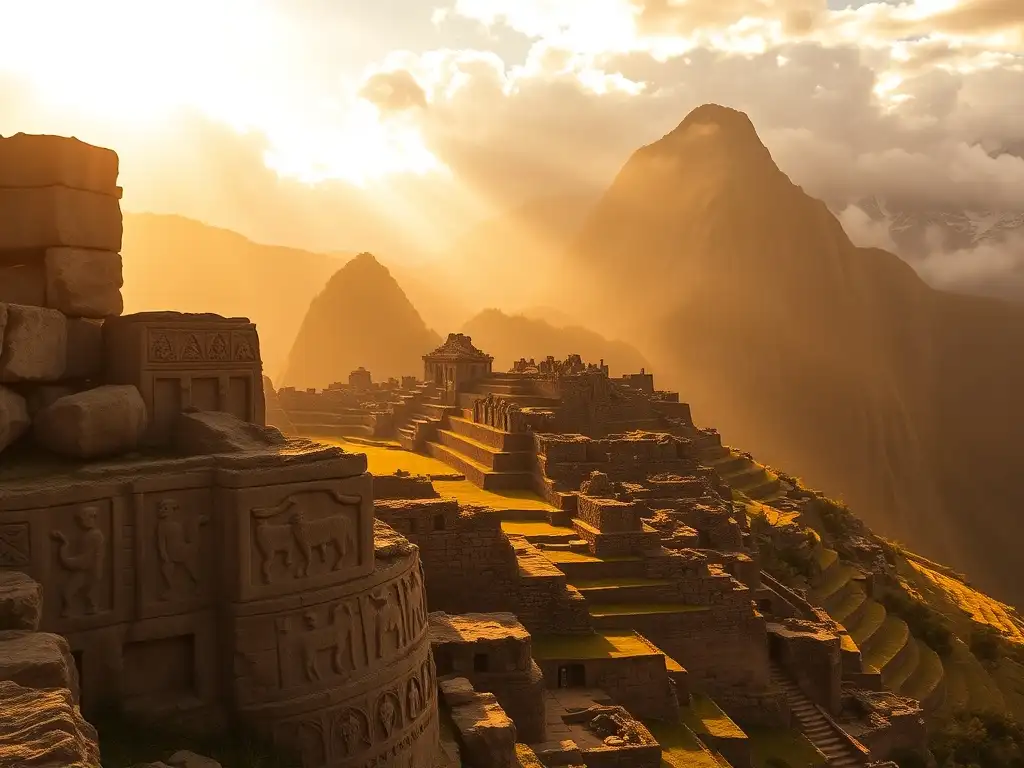
The emergence of monumental architecture and sophisticated urban planning in the Andes remains a captivating enigma. Several compelling theories attempt to explain the transition from smaller, less complex societies to the impressive civilizations we associate with the Andes. Understanding these competing – and often complementary – hypotheses allows us to appreciate the multifaceted nature of Andean development and the unique environmental and social factors at play.
The rise of these complex Andean civilizations, a process spanning millennia, wasn't a singular event but a complex interplay of factors, making a single, definitive explanation elusive. This section explores some of the most prominent interpretations of the Andean civilizations origins, focusing on the interplay of environmental factors, economic strategies, and ideological motivations.
The Maritime Hypothesis: The Role of Coastal Resources in Early Development
The coastal regions of Peru, with their rich marine resources, played a pivotal role in the development of early Andean societies. The "maritime hypothesis" posits that the abundance of fish, shellfish, and other marine life provided a reliable and highly productive food source, supporting larger and denser populations. This abundance, in turn, fueled social complexity.
Evidence suggests that coastal settlements developed sophisticated fishing techniques, including the use of specialized boats and nets. The surplus generated from fishing allowed for specialization of labor, the development of social hierarchies, and the accumulation of wealth. Furthermore, the control and distribution of these valuable resources likely contributed to the emergence of powerful elites and the consolidation of political authority.
Consider the impressive fishing technologies discovered at sites like Paracas, showcasing a deep understanding of marine ecosystems and an advanced capacity for resource exploitation. This resource-based prosperity arguably laid a crucial foundation for later, larger-scale developments in the Andes, setting the stage for the growth of more complex societies further inland. The maritime hypothesis, however, doesn't stand alone; it interacts with other factors to create a more nuanced picture of Andean development.
The Highland Hypothesis: The Importance of Agriculture and Inter-Regional Trade
While the coast offered rich marine resources, the highlands presented different opportunities and challenges. The "highland hypothesis" emphasizes the importance of agriculture, particularly the cultivation of potatoes and other Andean crops, in fueling the growth of complex societies. The development of sophisticated agricultural techniques, including terracing and irrigation, allowed for increased food production and population growth in the challenging Andean terrain.
This agricultural surplus, similar to the coastal model, facilitated the specialization of labor and the emergence of social hierarchies. Crucially, the highland hypothesis also highlights the significance of inter-regional trade. The exchange of goods between coastal and highland communities created economic interdependence and fostered the development of complex social networks.
For example, the exchange of highland agricultural products for coastal fish and other marine resources created a symbiotic relationship that drove economic growth and social integration. The presence of sophisticated road networks and storage facilities in both the highlands and coastal areas provides strong evidence for this extensive exchange system, showcasing the integral role of trade in shaping the Andean civilizations origins.
The Role of Religion and Ideology: Understanding the Motivations Behind Monumental Construction
Beyond the economic factors, understanding the rise of complex Andean societies requires considering the role of religion and ideology. Monumental architecture, such as the impressive structures at Chavín de Huántar or the intricate Nazca Lines, wasn't simply a product of engineering prowess; it served crucial religious and symbolic functions. These constructions likely served as centers for ritual activities, reinforcing social hierarchies and legitimizing the power of ruling elites.
The construction of these monumental projects required massive labor mobilization, implying a high degree of social organization and control. The intricate iconography found in Andean art and architecture suggests a complex belief system that shaped social structures and provided a unifying framework for diverse communities. Religious beliefs and practices, therefore, played a crucial role in shaping the social and political landscape, providing the ideological glue that bound together these complex societies.
The sheer scale of these projects, demanding significant coordinated effort and resources, underscores the powerful influence of religious ideology in driving the development of complex Andean societies. This aspect provides a crucial counterpoint to purely economic explanations, highlighting the profound impact of belief systems in shaping the course of Andean history. Further research into the specific religious beliefs and practices of various Andean cultures is necessary to fully understand their contribution to the rise of monumental architecture and urbanism.
The Interplay of Factors: A Multifaceted Explanation of Andean Civilization Origins
The origins of complex Andean societies, a fascinating tapestry woven from diverse threads, cannot be attributed to a single cause. Instead, a complex interplay of environmental, social, and technological factors contributed to the rise of monumental architecture and urbanism. Understanding this intricate web requires a nuanced approach, moving beyond simplistic narratives of singular causation.
The development of sophisticated irrigation systems, for example, was not merely a technological achievement; it was intrinsically linked to social organization and resource management. The ability to control water resources fostered larger, more densely populated settlements, leading to increased social complexity and the need for more elaborate governance structures. This, in turn, fueled further technological advancements and architectural innovation, creating a positive feedback loop.
Furthermore, the Andean environment itself played a crucial role. The diverse geography, ranging from arid coastal deserts to the high Andes mountains, presented both challenges and opportunities. The availability of specific resources, such as minerals for tools and construction, varied significantly across these regions.
This environmental heterogeneity likely fostered inter-regional exchange and interaction, leading to the diffusion of ideas and technologies, and ultimately contributing to the integration of distinct groups into larger, more complex societies. The development of specialized crafts and trade networks, for instance, was a direct consequence of this environmental diversity and the associated need for resource exchange. The intricate system of reciprocal exchange and tribute that characterized many Andean societies was deeply rooted in managing these geographically dispersed resources.
Another critical element was the development of sophisticated social structures. The emergence of powerful elites, capable of mobilizing labor and resources on a massive scale, was fundamental to the construction of monumental architecture and the growth of urban centers. These elites likely used a combination of ideological control, religious authority, and economic incentives to achieve this level of social coordination.
The construction of impressive temples and palaces served not only as symbols of power but also as focal points for community life and ritual activity, reinforcing the authority of the ruling class and fostering social cohesion. The intricate iconography found on many Andean artifacts suggests a complex belief system that played a significant role in shaping social relations and legitimizing political power.
Understanding the role of religion and ideology in shaping Andean societies is therefore crucial to comprehending their origins and development. The intricate relationship between social hierarchy, religious beliefs and the environment formed a potent combination for the Andean civilizations' genesis.
The rise of complex Andean societies was not a linear process, but rather a dynamic and multifaceted one. It involved a continuous interplay between environmental constraints and opportunities, technological innovation, and the evolving social structures that shaped the societies themselves. By acknowledging this complexity, we can gain a more profound understanding of the remarkable achievements of these ancient civilizations and their lasting legacy. The intricate interplay of factors outlined here demonstrates that the "Andean civilizations origins" are not easily explained by a singular factor, but rather a combined effect of various interwoven elements.
Conclusion: The Enduring Legacy of Early Andean Societies and Their Architectural Marvels
The monumental architecture and sophisticated urban planning of early Andean civilizations weren't simply fleeting achievements; they represent a profound and lasting impact on the region's cultural development and a testament to the ingenuity of these societies. Understanding the origins of these accomplishments offers crucial insights into the development of complex societies, not just in the Andes, but globally.
The ingenuity displayed in harnessing resources, organizing labor, and executing complex architectural feats provides a compelling case study for researchers across various disciplines. The precise methods employed in constructing massive structures like those at Tiahuanaco and the intricate irrigation systems of the Nazca remain a source of fascination and continue to inspire awe.
Analyzing these achievements allows us to appreciate the advanced level of social organization, technological prowess, and sophisticated understanding of engineering principles possessed by these Andean civilizations. The legacy of their architectural marvels continues to shape the landscape and cultural identity of the Andes today.
The Influence of Early Andean Civilizations on Later Cultures
The impact of early Andean societies extended far beyond their immediate geographical boundaries and temporal limits. Their architectural styles, agricultural techniques, and social structures profoundly influenced subsequent Andean cultures, including the Inca Empire. For example, the Inca's mastery of stonework, evident in Machu Picchu and other sites, clearly builds upon the sophisticated techniques developed centuries earlier by civilizations like the Tiahuanaco. Similarly, Inca agricultural practices, such as terracing, likely evolved from earlier Andean innovations designed to maximize crop yields in challenging mountainous terrain.
The intricate networks of roads and administrative systems implemented by the Inca also echo the sophisticated organizational capabilities exhibited by their predecessors. Analyzing the continuity and change between these cultures reveals a complex interplay of adaptation, innovation, and cultural transmission, highlighting the enduring legacy of early Andean societies. The study of Andean civilizations origins reveals a rich tapestry of interconnectedness and influence.
The Importance of Continued Research and Exploration in the Andes
Despite significant advancements in archaeological research, many mysteries surrounding the origins of Andean monumental architecture and urbanism remain. Continued exploration and investigation are paramount to furthering our understanding. New technologies, such as ground-penetrating radar and advanced dating techniques, offer the potential to uncover previously hidden settlements, reveal construction methods, and refine chronological sequences.
Furthermore, interdisciplinary collaborations between archaeologists, anthropologists, engineers, and other specialists are crucial for comprehensively analyzing the available data and formulating more nuanced interpretations. Careful excavation, meticulous documentation, and rigorous scientific analysis are essential to ensure the preservation of these invaluable sites and the responsible stewardship of Andean cultural heritage. The ongoing research contributes significantly to our understanding of Andean civilizations origins and their sophisticated societies.
Unanswered Questions About Andean Origins and Future Research
Numerous questions persist regarding the precise origins of Andean monumental architecture and urban planning. For instance, the exact mechanisms of labor mobilization and social organization that enabled the construction of such large-scale projects remain unclear. The role of religious beliefs and rituals in shaping architectural designs also requires further investigation. Similarly, a deeper understanding of the environmental factors that influenced settlement patterns and the development of sophisticated irrigation systems is needed. Future research should focus on:
- Technological advancements: Examining the tools and techniques used in construction, agriculture, and resource management.
- Social structures: Investigating the power dynamics, social hierarchies, and kinship systems that underpinned Andean societies.
- Environmental impact: Analyzing the relationship between Andean civilizations and their environment, including the impact of climate change and resource depletion.
- Trade networks: Exploring the extent and nature of trade relationships between different Andean societies and beyond.
Addressing these unanswered questions will not only enrich our understanding of Andean civilizations origins but will also contribute to a more comprehensive appreciation of human ingenuity and the complexities of societal development in diverse environments. The potential for new discoveries and insightful interpretations remains immense, promising a future rich in new perspectives on these fascinating civilizations. The quest to unravel the secrets of Andean civilizations origins continues, driven by both scientific curiosity and a deep respect for the enduring legacy of these remarkable societies.
Frequently Asked Questions
What are the Andean civilizations?
The Andean civilizations encompass a diverse range of pre-Columbian societies that flourished in the Andes Mountains of South America. Prominent examples include the Inca, Moche, Nazca, and Tiahuanaco, each with unique cultural expressions. Their achievements in architecture, engineering, and social organization are remarkable.
When did the Andean civilizations begin?
The origins of Andean civilizations are complex and span millennia. While specific dates vary by culture, evidence suggests early village settlements emerged as early as 8000 BCE, with more complex societies developing over subsequent centuries. The rise of monumental architecture and urban centers occurred later, between approximately 1000 BCE and 1500 CE.
What are some key characteristics of Andean civilization origins?
The origins are marked by a gradual development of agricultural techniques, social hierarchies, and religious beliefs. Early societies utilized innovative irrigation systems and adapted to the challenging Andean environment. Religious practices often revolved around ancestor veneration and fertility cults.
How did the environment influence the development of Andean civilizations?
The Andean environment, with its diverse altitudes and climates, significantly influenced the development of these societies. Adaptation to high altitudes, the utilization of terracing for agriculture, and the management of water resources were crucial for survival and prosperity. This environmental pressure fostered innovation and resilience.
Where can I learn more about the origins of Andean civilizations?
You can explore further through academic journals, museum exhibits, and archaeological sites throughout the Andes. Many books and documentaries provide in-depth information on specific cultures and their development. The website "Andean Civilizations" offers a comprehensive overview of the topic, focusing on the enigmatic origins of monumental architecture and urbanism.
Final Reflection: Echoes of the Andes: A Legacy of Ingenuity and Resilience
The breathtaking ingenuity of Andean monumental architecture continues to resonate today, a testament to the sophisticated societies that thrived in the challenging Andean landscape. These weren't simply structures; they were expressions of complex social organization, astronomical knowledge, and a profound connection to the environment – a legacy that continues to shape our understanding of human potential and adaptation. The enduring mystery surrounding their origins only amplifies their impact, inviting us to delve deeper into the past to better understand the present.
The enduring power of Andean civilizations lies not just in the physical remnants of their cities and structures, but in the enduring spirit of innovation and community they represent. Their achievements, often accomplished with limited technology, challenge our assumptions about what is possible. The mountains are our teachers,
a Quechua proverb reminds us, highlighting the deep symbiotic relationship between the Andean people and their environment, a relationship that shaped their worldview and their remarkable achievements. This profound connection to the land, and the ingenuity required to thrive within it, offers a powerful lesson for our own time, particularly as we grapple with the challenges of environmental sustainability and resource management.
Consider the echoes of Andean ingenuity in your own life. How can we, like the ancient Andean builders, find creative solutions to complex problems? How can we foster a sense of community and shared purpose to overcome obstacles? Let the legacy of the Andes inspire you to build not just structures, but also a more sustainable and equitable future, one that honors the wisdom of past generations and embraces the potential of our own. The journey of discovery continues; let us continue to explore, learn, and build upon the foundations laid by these remarkable civilizations.
**Unveil the Wonders of Andean Architecture Today! **
Thank you for exploring the captivating story of Andean monumental architecture and urbanism! Your interest speaks volumes about your curiosity regarding the rich and intricate history of these ancient civilizations. Let's delve deeper.
**Here are some exciting ways to learn more:**
- **Explore local resources:** Visit a museum or cultural center featuring Andean artifacts and exhibits. You might be surprised by the depth of history available in your own community!
- **Connect with experts:** Attend a webinar or lecture by historians or archaeologists specializing in Andean civilizations. Sharing this interest with others can be incredibly rewarding.
- **Share your newfound knowledge:** Write a blog post or share your insights on social media. Inspire others to appreciate the incredible architectural legacy of the Andes!
As you begin this journey of discovery, consider: **What aspect of Andean architecture captivates you most, and how can you best share that passion with others? **