
A Glimpse into the Past: Daily Life in PreCeramic Andean Communities

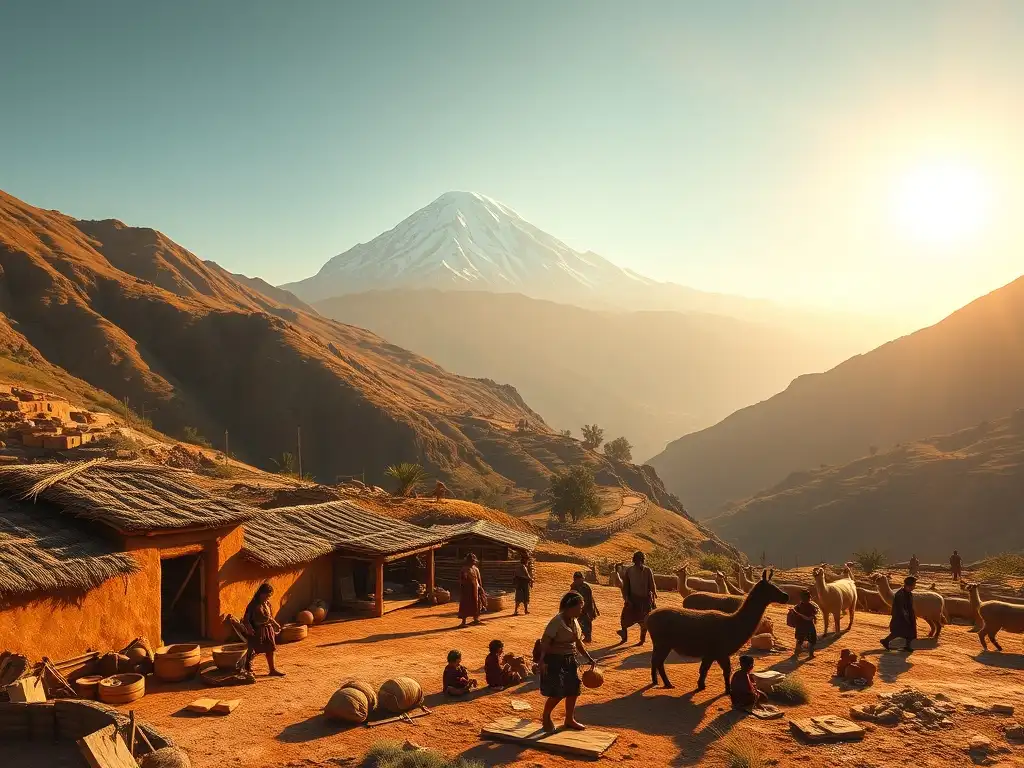
Step into a world lost to time, where the Andes Mountains echoed with the lives of ancient peoples. Imagine a vibrant tapestry woven from intricate artistry, innovative engineering, and deeply spiritual beliefs – long before the Inca Empire rose to prominence. This is the captivating story of Preceramic Andean daily life, a world waiting to be uncovered. Dare to explore the mysteries and marvels that shaped these remarkable civilizations, and discover a legacy that continues to resonate today.
The preceramic period in the Andes, spanning roughly 8000 to 1800 BCE, unveils a fascinating glimpse into the daily lives of early Andean communities. Long before the rise of the Inca Empire or the sophisticated artistry of the Nazca lines, these pioneering societies laid the groundwork for the complex civilizations that would follow.
This period, characterized by the absence of pottery, witnessed the development of crucial agricultural techniques, sophisticated social structures, and unique artistic expressions. Understanding their daily lives provides invaluable insight into the ingenuity and adaptability of these early Andean peoples, shedding light on the foundations of Andean culture and paving the way for a deeper understanding of the "Preceramic Andean daily life."
This exploration will delve into their subsistence strategies, social organization, and the evidence of their daily routines as unearthed by archaeological discoveries. We will examine how these early communities interacted with their environment and each other, forming the bedrock of Andean societal development.
Subsistence Strategies: Agriculture and Resource Management
The preceramic Andean communities were primarily agriculturalists, relying heavily on the cultivation of plants adapted to the diverse Andean ecosystems. Evidence suggests a sophisticated understanding of agricultural techniques, including irrigation systems in some regions to manage water resources effectively. Archaeological findings reveal the cultivation of a variety of crops, including tubers like potatoes and other root vegetables, which formed the backbone of their diet.
Alongside agriculture, hunting and gathering played a significant role, particularly in supplementing their food supply and providing essential resources like fibers for textiles. The development of these subsistence strategies was a crucial factor in enabling the growth and stability of these early settlements.
The careful management of resources and the adaptation to varied environments demonstrate a remarkable level of understanding of their surroundings and a proactive approach to ensuring community survival. Further research is needed to fully understand the intricacies of their crop rotation and land management practices, but preliminary findings suggest a level of sophistication that challenged previous assumptions about early Andean agricultural capabilities.
While the absence of written records limits our understanding, archaeological evidence points towards a complex social organization within preceramic Andean communities. The size and layout of settlements suggest varying levels of social stratification, with some sites exhibiting evidence of larger, more centralized structures potentially indicating leadership roles or specialized functions within the community. The careful construction of houses and the presence of communal spaces hint at a sense of collective effort and shared responsibility.
Analysis of burial practices also provides clues to social hierarchy and beliefs about the afterlife. Variations in grave goods and burial rituals suggest distinctions in social status, although the nature and extent of these differences remain a subject of ongoing research and debate.
The development of these social structures laid the foundation for the more complex political and social hierarchies that would characterize later Andean civilizations. The evidence suggests a sophisticated understanding of cooperation and social organization, crucial for the success and sustainability of these early communities.
Artistic Expressions and Daily Life
Although the preceramic period is defined by the absence of pottery, artistic expression was far from absent. Early Andean communities developed sophisticated techniques in textile production, using natural fibers to create intricate woven fabrics. These textiles not only served practical purposes like clothing and shelter but also held symbolic value, reflecting social status or religious beliefs.
Rock art, found in various locations throughout the Andes, provides another window into the worldview and daily experiences of these communities. Depictions of animals, humans, and abstract symbols offer glimpses into their beliefs, rituals, and interactions with their environment. The study of these artistic expressions reveals a rich cultural landscape, highlighting the creativity and symbolic thinking of these early Andean peoples, even in the absence of more conventional artistic mediums.
These artifacts serve as vital pieces of the puzzle in understanding their daily lives and the rich tapestry of their cultural beliefs. Further research is needed to fully decipher the meaning of these symbols and their significance within the context of preceramic Andean society. 🤯
Challenges and Adaptations in a Changing Environment
The preceramic period witnessed significant environmental changes, including fluctuations in climate and shifts in vegetation patterns. Archaeological evidence shows that these communities developed strategies to adapt to these changing conditions. This adaptability was crucial for their survival and highlights the resilience of these early Andean societies. The development of diverse agricultural techniques, alongside the exploitation of various resources, demonstrates their ability to respond to environmental pressures.
Further research is crucial to fully understand the interplay between environmental change and societal adaptation in the preceramic Andes. Understanding their responses to environmental challenges provides valuable insights into the factors that contributed to the long-term success and sustainability of Andean civilizations, even in the face of adversity. The strategies they employed serve as a powerful testament to their ingenuity and resourcefulness. 🏔️
- Subsistence Strategies: Agriculture and Resource Management
- Social Organization and Community Structures
- Artistic Expressions and Daily Life
- Challenges and Adaptations in a Changing Environment
- What is the time period referred to as "Preceramic" in the Andean context?
- What were the primary subsistence strategies of Preceramic Andean communities?
- What kind of tools did Preceramic Andean people use?
- How did Preceramic Andean societies organize themselves socially?
- What evidence exists to help us understand Preceramic Andean daily life?
Understanding the Preceramic Andean Period
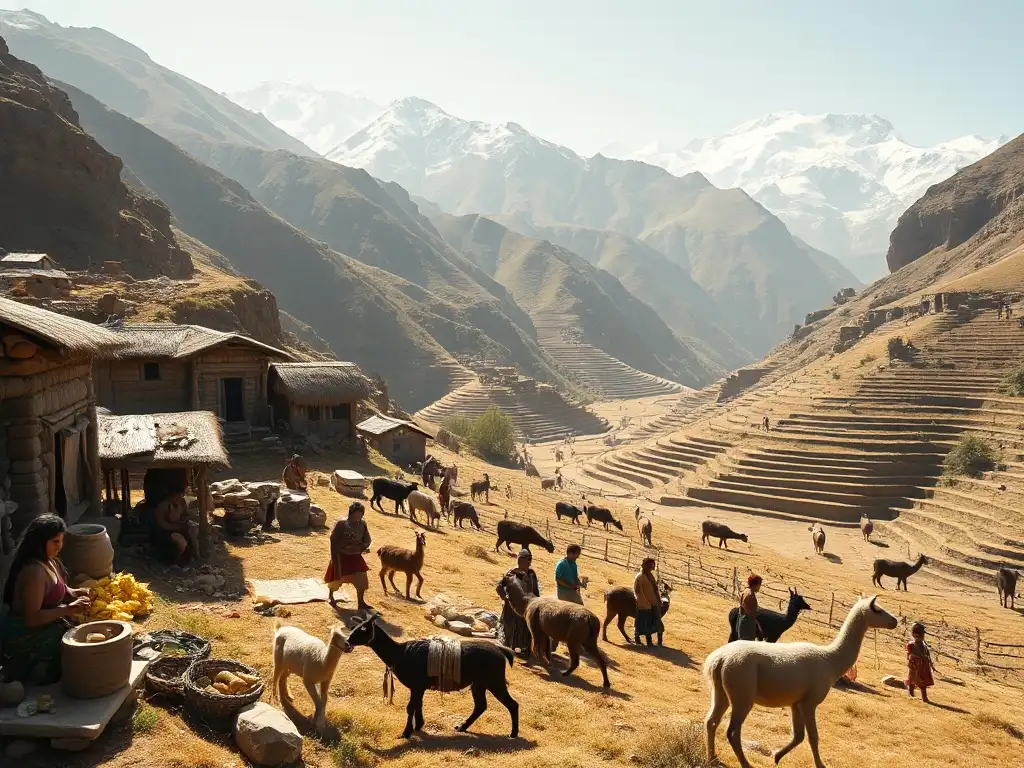
This section delves into the fascinating world of Preceramic Andean daily life, a period often overlooked but crucial to understanding the later, more complex Andean civilizations. We'll explore the defining characteristics of this era and the profound significance of studying these early communities. Understanding their daily lives provides invaluable insights into the development of Andean culture and technology, laying the groundwork for the impressive achievements of later societies. The term "Preceramic Andean daily life" itself encapsulates the focus of this exploration: the mundane, yet vital, aspects of existence in these early societies before the widespread adoption of pottery.
Defining the Preceramic Era in the Andes
The Preceramic period in the Andes, spanning roughly from 8000 BCE to 1800 BCE, marks a significant chapter in human history. It's defined by the absence of pottery, a technological milestone that typically marks a shift in societal complexity. However, this doesn't imply a lack of sophistication.
Preceramic Andean societies were innovative and adaptable, developing unique strategies for survival and social organization in diverse and challenging environments. The chronological boundaries are not universally agreed upon and vary depending on the specific region and archaeological findings. For instance, some coastal regions might show evidence of earlier sedentism and some highland regions later adoption of agriculture.
Archaeological discoveries continue to refine our understanding of this crucial period, constantly pushing back the boundaries of our knowledge. The absence of widespread pottery doesn't mean that there was no technological advancement. Instead, different forms of technology, like sophisticated textile production and stone tool making, were dominant.
Key Characteristics of Preceramic Andean Societies
Preceramic Andean societies exhibited a remarkable diversity, adapting to the varied landscapes of the Andes mountains and coast. Several key characteristics emerge from the archaeological record:
- Early Agriculture: The domestication of plants like squash, beans, and chili peppers played a pivotal role, leading to the development of settled communities and increased population density. This agricultural revolution fundamentally altered the lifestyles of Andean people, transitioning them from nomadic hunter-gatherers to sedentary farmers. The implications for social structure and resource management were profound. Evidence suggests sophisticated irrigation techniques in some areas, indicating a level of community organization and planning.
- Coastal Adaptation: Coastal communities thrived on marine resources, developing fishing techniques and harnessing the bounty of the Pacific Ocean. Shell middens, large piles of discarded shells, are a testament to their reliance on seafood and provide valuable insights into their diet and lifestyle. These communities also engaged in specialized craft production, such as the creation of intricate textiles and shell ornaments.
- Social Organization: While the precise social structures remain a topic of ongoing research, evidence suggests the emergence of hierarchical societies, even in the absence of monumental architecture. Burial practices and the distribution of artifacts hint at social differentiation and the existence of elites, though the nature of their power and influence is still being investigated. Recent discoveries in [specific site pending] suggest a more complex social organization than previously thought.
- Technological Innovation: Despite the lack of pottery, Preceramic Andean societies were remarkably innovative. They developed advanced technologies in stone tool manufacturing, textile production (using cotton and camelid fibers), and the construction of sophisticated housing structures. The mastery of these techniques allowed them to effectively utilize their environment and cope with the challenges of Andean life. The development of sophisticated tools for agriculture, hunting and fishing highlights the ingenuity of these early communities.
| Feature | Coastal Communities | Highland Communities |
|---|---|---|
| Primary Food Source | Marine resources (fish, shellfish) | Cultivated plants (squash, beans) |
| Housing | Simple structures, often near the coast | Varied, depending on altitude and resources |
| Technology | Fishing tools, shell ornaments | Agricultural tools, stone tools |
| Social Structure | Evidence of social stratification | Evidence of social stratification |
Significance of Studying Preceramic Andean Life
The study of Preceramic Andean life is fundamental to understanding the trajectory of Andean civilization. It provides a baseline for comprehending the later development of complex societies, monumental architecture, and sophisticated technologies. By examining these early communities, we gain insights into the processes of adaptation, innovation, and social change that shaped the Andes.
Moreover, understanding the challenges and successes of these early inhabitants offers valuable lessons for contemporary societies facing similar environmental and social issues. The resilience and adaptability of Preceramic Andean societies serve as a powerful example of human ingenuity and the enduring relationship between humans and their environment.
Continued research in this area is crucial to enriching our understanding of the rich tapestry of Andean history and culture, shedding light on the roots of the impressive civilizations that followed. The study of Preceramic Andean daily life—from their diet to their social structures—provides a crucial foundation for a complete understanding of Andean history.
Early Andean Settlements and Habitation Patterns
This section delves into the fascinating world of Preceramic Andean settlements, examining their evolution from nomadic camps to established villages and the ingenious ways early Andean communities adapted to their challenging environment. Understanding these habitation patterns provides crucial insights into the social organization, resource management, and overall lifestyle of these early societies. The keyword "Preceramic Andean daily life" is intrinsically linked to understanding their settlement choices and architectural innovations.
Types of Preceramic Settlements: From Camps to Villages
Preceramic Andean settlements show a remarkable diversity reflecting both the varied geography and the evolving social structures. Early evidence points to a predominantly nomadic lifestyle characterized by temporary camps. These were likely small, ephemeral structures, possibly consisting of simple shelters made from readily available materials like brushwood, hides, or rudimentary stone structures. The location of these camps would have been dictated by factors such as seasonal availability of resources – water sources, foraging opportunities, and proximity to migratory animal herds. Archaeological evidence supporting this nomadic phase is often limited to scattered artifacts and the remains of hearths.
As societies transitioned towards more sedentary lifestyles, larger and more permanent villages emerged. These villages, often situated near reliable water sources and fertile land, demonstrate a significant shift in social organization. The increased stability allowed for the development of more complex social structures, specialized labor, and the accumulation of material goods.
The size and layout of these villages varied considerably depending on factors like resource availability and environmental conditions. Some villages were relatively small, perhaps housing a few extended families, while others grew into substantial settlements housing hundreds of individuals. The presence of storage facilities within these villages suggests a shift towards surplus production and a more complex system of resource management.
Architectural Features of Preceramic Andean Dwellings
The architecture of Preceramic Andean dwellings provides invaluable information about the technological capabilities and cultural practices of these early communities. While early structures were rudimentary, later dwellings demonstrate increasing sophistication in construction techniques and materials. Common materials included mud bricks (adobe), stone, and thatch. The construction techniques ranged from simple, single-room structures to more complex multi-room dwellings, often arranged in clusters or compounds.
One notable feature is the use of pircas, dry-stone walls, a technique that continues to be used in the Andes today. Pircas, characterized by their precise fitting of stones without mortar, were used to construct walls, terraces, and other structures. Their construction demonstrates advanced knowledge of stonework and engineering.
The careful selection and placement of stones suggest a level of skill and planning beyond mere functionality. Moreover, the orientation of dwellings within villages may reflect celestial observations or other cosmological beliefs, suggesting a deeper cultural significance to their architectural choices. Further research into the specific techniques and materials used in different regions is crucial to fully understanding the diversity of Preceramic Andean architecture.
Adapting to Diverse Andean Environments
The diverse geography of the Andes presented significant challenges to early inhabitants. The Preceramic Andean peoples demonstrated remarkable ingenuity in adapting their settlements and dwellings to the varied environments they inhabited. From the high-altitude puna to the coastal deserts, these communities developed unique strategies for shelter, resource management, and defense.
In the high Andes, settlements were often located in sheltered valleys or near springs and streams, providing access to water and protection from harsh weather conditions. Dwellings were often built into the slopes of hillsides, utilizing natural features for protection and stability. In contrast, coastal settlements often utilized readily available materials like reeds and clay to construct dwellings adapted to the arid climate.
Evidence of sophisticated water management systems, such as canals and irrigation ditches, suggests a keen understanding of the local environment and a capacity for collaborative work. The diverse strategies employed by Preceramic Andean communities highlight their adaptability and resilience in the face of environmental challenges, adding another layer to our understanding of their "Preceramic Andean daily life". Further investigation into specific regional adaptations is needed to fully appreciate the range of strategies employed.
Subsistence Strategies in Preceramic Times
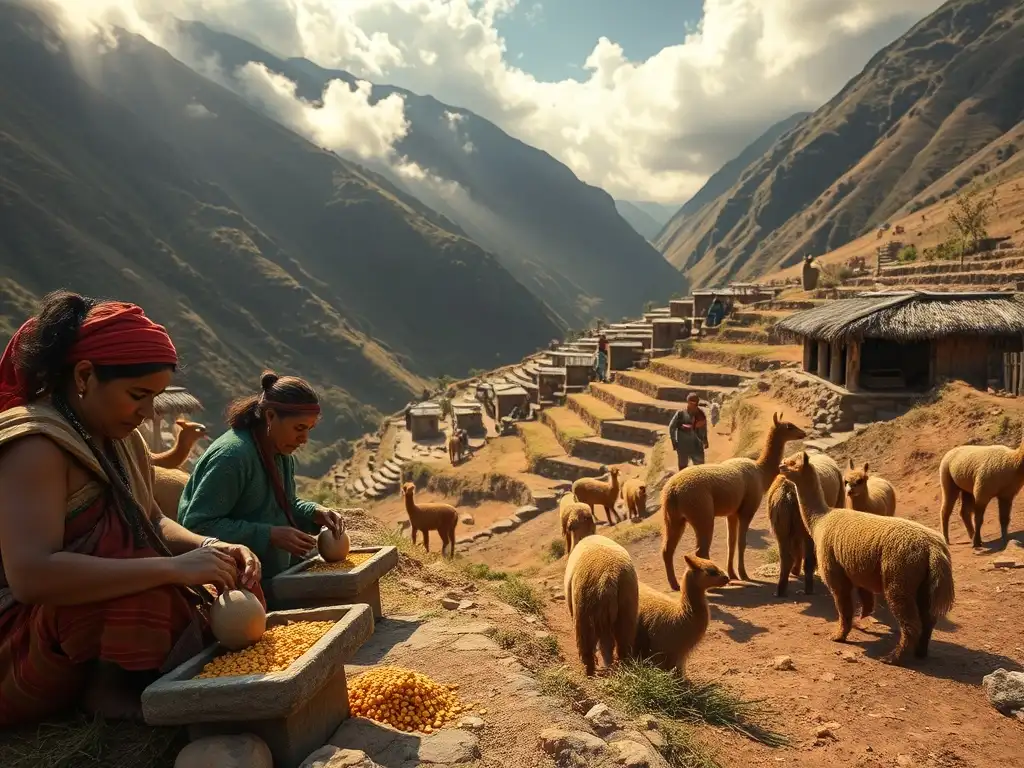
The Preceramic period in the Andes (roughly 8000-1800 BCE) witnessed the development of diverse and sophisticated subsistence strategies, laying the groundwork for the later flourishing of complex Andean societies. Understanding these strategies is crucial to grasping the daily life and societal structures of these early communities. The transition from nomadic hunter-gatherer lifestyles to settled agricultural communities was a gradual process, with significant regional variations depending on environmental factors and available resources.
This section explores the key elements of these subsistence strategies, focusing on foraging, hunting, early agriculture, and the exploitation of marine resources. The keyword "Preceramic Andean daily life" is central to understanding this period's economic and social organization.
Foraging and Hunting Techniques in the Andes
Preceramic Andean communities relied heavily on foraging and hunting to supplement their diets. Foraging involved collecting wild plants, fruits, nuts, and roots. The Andes' diverse ecosystems provided a wide array of edible plants, varying significantly across different altitudes and ecological zones. Evidence from archaeological sites suggests a deep knowledge of local flora and seasonal availability. For example, studies of pollen and plant remains found in caves and rock shelters reveal the consumption of various species of quinoa, tubers, and other wild plants.
Hunting techniques were adapted to the specific fauna of the region. Camelids, such as guanacos and vicuñas, were important prey animals, alongside deer, birds, and smaller mammals. Archaeological findings indicate the use of atlatls (spear-throwers) and projectile points made from obsidian and other materials for hunting. The effectiveness of these hunting techniques would have been significantly influenced by the terrain and the distribution of prey animals. Seasonal migrations of animals likely influenced the mobility of some Preceramic communities. The importance of hunting in their daily life is evident in the depiction of hunting scenes in early rock art.
Early Agriculture in the Preceramic Andean Region
The development of agriculture marks a significant turning point in Preceramic Andean daily life. While the exact timing and processes of domestication are still debated, evidence suggests that the cultivation of plants began in several regions of the Andes during this period. The earliest domesticated plants included squash, beans, and various types of tubers, such as potatoes and ulluco. These crops were well-suited to the Andean environment and provided a reliable source of carbohydrates and other essential nutrients.
The transition to agriculture wasn't a sudden shift. It was likely a gradual process involving the selective cultivation of wild plants alongside continued reliance on foraging. Archaeological studies of early agricultural sites show evidence of rudimentary irrigation systems and terracing techniques, indicating attempts to manage water resources and improve crop yields. The development of agriculture led to increased sedentism, allowing for the establishment of more permanent settlements and the accumulation of surplus food. This surplus played a vital role in supporting larger populations and the emergence of more complex social structures.
The Role of Fishing and Marine Resources
Along the coast, fishing and the exploitation of marine resources were essential aspects of Preceramic Andean daily life. Coastal communities developed sophisticated fishing techniques, utilizing various types of nets, hooks, and lines. The abundance of fish, shellfish, and other marine life provided a rich source of protein and other nutrients. Archaeological evidence, including fish bones and shell middens (large piles of discarded shells), demonstrates the importance of these resources in coastal diets.
The development of boats and other maritime technologies allowed for access to more distant fishing grounds. The coastal environment also provided other resources, such as guano (bird droppings) used as fertilizer and various types of seaweed. The integration of marine resources into the diet and economy of coastal communities significantly shaped their social organization and settlement patterns. The proximity to the ocean provided a reliable and diverse food source, supporting larger and more stable populations than those relying solely on terrestrial resources. 🌊
Technological Innovations in Food Acquisition
The Preceramic Andean period, spanning roughly 8000 to 1800 BCE, witnessed significant advancements in food acquisition technologies, directly impacting daily life and societal structures. These innovations weren't merely about finding food; they represented a sophisticated understanding of the environment and a capacity for collective action. The development of increasingly complex tools and techniques allowed for a more reliable and abundant food supply, contributing to population growth and the emergence of settled villages.
One crucial innovation was the development of specialized tools for harvesting and processing different food sources. Early evidence suggests the use of simple digging sticks for gathering roots and tubers, but these gradually evolved into more sophisticated implements.
The emergence of ground stone tools, such as manos and metates (hand stones and grinding slabs), allowed for the efficient processing of grains and seeds, expanding dietary options beyond readily available wild plants. This is particularly significant considering the importance of quinoa and other Andean grains in later periods; the preceramic development of efficient grinding technology laid the groundwork for their widespread cultivation and consumption.
Further technological progress is visible in the development of fishing techniques. While early fishing likely involved simple spears and traps, the Preceramic period saw the emergence of more sophisticated techniques. Evidence suggests the use of woven nets, indicating a greater understanding of textile production and its application beyond clothing. These nets, combined with improved knowledge of fish migration patterns and preferred habitats, would have significantly increased the efficiency of fishing, providing a valuable protein source for growing communities.
The impact of these technological innovations extended beyond simply increasing food availability. The ability to efficiently process grains and other resources facilitated food storage, mitigating the risks associated with seasonal variations in food abundance. This, in turn, contributed to the development of more sedentary lifestyles and the growth of larger, more permanent settlements.
The surplus generated through improved food acquisition technologies also likely played a crucial role in the development of social hierarchies and specialized labor within these communities, laying the foundation for the complex societies that would emerge in later periods. The transition from nomadic hunter-gatherer lifestyles to more settled agricultural communities hinged on these crucial technological advancements. The story of Preceramic Andean daily life is, in many ways, a story of technological ingenuity in the face of environmental challenges.
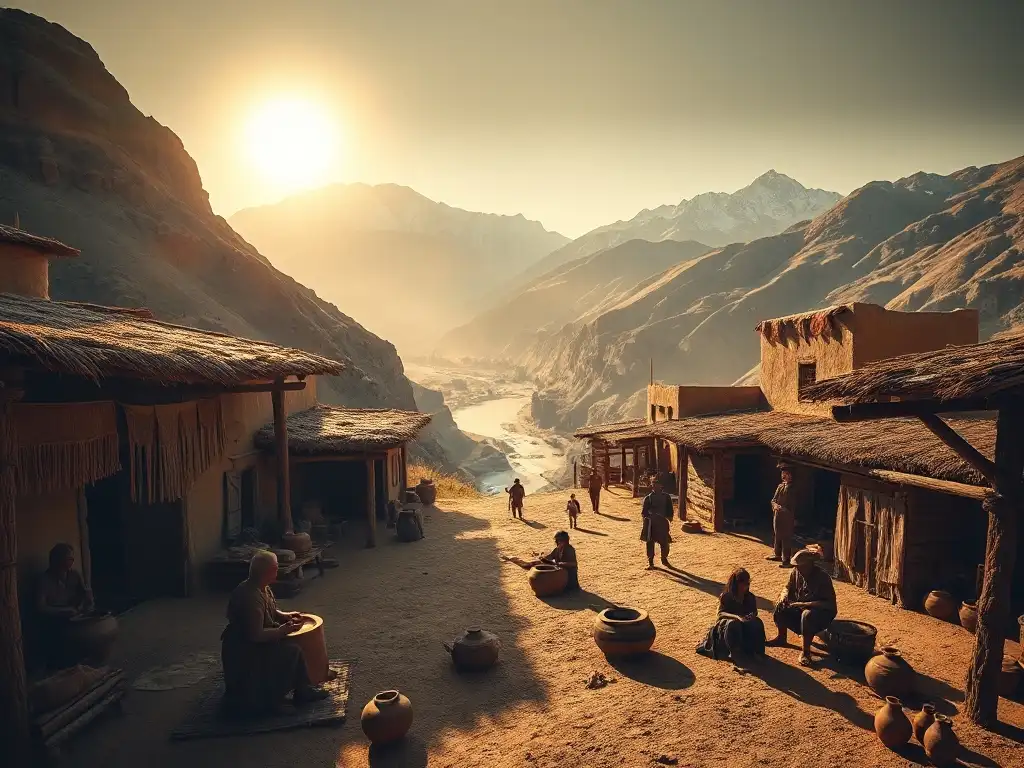
This section delves into the fascinating social dynamics of Preceramic Andean communities, a period marked by significant developments in social organization despite the absence of widespread ceramics. Understanding these structures provides crucial insights into the evolution of Andean societies and their eventual rise to complex civilizations. Analyzing archaeological evidence, we can piece together a picture of their daily lives, revealing a complex interplay of family units, emerging hierarchies, and communal cooperation. The keyword "Preceramic Andean daily life" is central to understanding this era.
Family and Kinship in Early Andean Communities
Evidence suggests that family and kinship played a pivotal role in Preceramic Andean social organization. While the precise nature of family structures remains debated, archaeological findings point towards relatively egalitarian arrangements within extended family groups. Burial sites, for instance, often reveal the interment of multiple individuals, possibly reflecting family units or close kinship ties.
The careful placement of grave goods, sometimes similar in type and quality, further supports the idea of shared resources and social standing within these groups. Analysis of skeletal remains can also provide insights into familial relationships, though this requires advanced techniques and careful interpretation. Further research is needed to fully understand the nuances of kinship systems, including marriage practices and inheritance patterns.
However, the available evidence strongly points to kinship as a fundamental organizing principle in Preceramic Andean society, shaping social interactions and resource allocation. The concept of "Preceramic Andean daily life" is directly tied to the intimate workings of these kinship networks.
While Preceramic Andean societies were largely egalitarian, subtle indications of emerging social hierarchies begin to appear towards the later stages of this period. The size and complexity of some settlements suggest a degree of centralized organization, possibly reflecting the emergence of leadership roles. Variations in grave goods, although not as pronounced as in later periods, hint at differences in social status.
For example, some burials contain more elaborate artifacts or a greater quantity of offerings than others. This could indicate the development of specialized roles or access to resources, implying a nascent social stratification. However, it's crucial to emphasize that these hierarchies were likely far less rigid and formalized than those seen in later Andean civilizations.
The evidence of social hierarchy is subtle, requiring careful examination of settlement patterns, burial practices, and the distribution of artifacts. More research, particularly focusing on isotopic analysis of skeletal remains to determine dietary differences, could shed more light on the degree of social stratification during this period. The evolution of social structures is a critical aspect of "Preceramic Andean daily life".
Evidence of Communal Activities and Cooperation
Despite the emergence of potential social hierarchies, cooperation and communal activities were evidently crucial aspects of Preceramic Andean daily life. The construction and maintenance of large-scale public works, such as irrigation canals and defensive structures, require collective effort and organization. These projects demonstrate a capacity for coordinated labor and resource management, suggesting a level of social cohesion and shared goals.
Furthermore, the standardization of some tools and artifacts implies the existence of exchange networks and specialized production, indicating a degree of economic interdependence. The scale and sophistication of these communal undertakings are testament to the ability of Preceramic Andean communities to organize and cooperate for the common good. Analyzing the spatial distribution of settlements and the presence of shared resources further supports the argument for significant communal engagement.
The study of "Preceramic Andean daily life" reveals a society that successfully balanced individual needs with collective endeavors. The successful completion of large-scale projects underscores the importance of cooperation in this early Andean context. Understanding this cooperation is vital for comprehending "Preceramic Andean daily life".
Preceramic Andean Material Culture and Technology
This section delves into the fascinating material culture and technological advancements of Preceramic Andean communities, showcasing their ingenuity and adaptation to diverse environments. Understanding their tools, techniques, and artistic expressions provides crucial insight into their daily lives and societal structures. The lack of written records necessitates a close examination of archaeological evidence to reconstruct their world. The keyword "Preceramic Andean daily life" is central to this exploration, highlighting the everyday realities of these early Andean inhabitants.
Stone Tool Technology and Craftsmanship
Preceramic Andean societies demonstrated remarkable skill in stone tool production. Archaeological digs consistently unearth a wide array of tools crafted from diverse materials, including obsidian, basalt, and andesite. These weren't merely crude implements; rather, they reflect sophisticated techniques and specialized craftsmanship.
For example, the meticulous flaking patterns observed on obsidian blades suggest a deep understanding of material properties and a high degree of precision. This mastery extended beyond simple tools like scrapers and knives. More complex tools, such as finely-ground manos and metates used for grinding grains and other plant materials, indicate a developed agricultural base and suggest a level of social organization capable of supporting specialized labor.
The creation of these tools required considerable skill and time, reflecting a valued and possibly ritualized aspect of Preceramic Andean daily life. Analysis of wear patterns on tools provides further insights into their use and the tasks they performed, adding another layer to our understanding of their daily routines. The diversity of tool types found across different sites also suggests regional variations in technology and resource utilization.
Textile Production: Early Evidence of Weaving
While evidence of sophisticated weaving is more prominent in later periods, the Preceramic period shows early experimentation with textile production. The discovery of fragments of textiles in several sites, though often fragmentary and degraded, hints at early weaving techniques. These fragments, often made from plant fibers like cotton or camelid fibers, provide glimpses into the beginnings of this crucial technology.
While the exact methods remain partially unknown, analysis of fiber orientation and weaving structures suggests that basic weaving techniques were already in use. This early textile production likely served multiple purposes in Preceramic Andean daily life, potentially including clothing, carrying bags, and possibly even rudimentary forms of shelter. The presence of specialized tools, though limited, further supports this hypothesis.
Further research, particularly through advanced microscopic analysis and comparative studies with later Andean textile traditions, is needed to fully understand the extent and complexity of Preceramic Andean textile production. The scarcity of well-preserved textiles underscores the challenges of studying this aspect of their culture, but the existing evidence nonetheless points towards a significant technological achievement.
Preceramic Art and Symbolic Expression
Preceramic Andean art provides invaluable insights into the beliefs, values, and social structures of these early communities. While not as elaborate as later Andean art, the surviving artifacts—primarily ceramics and carved stones—reveal a rich symbolic language. For instance, the recurring motifs found on ceramic fragments, such as stylized animals and geometric patterns, may represent clan affiliations, religious beliefs, or cosmological concepts.
The careful craftsmanship evident in these artifacts suggests that artistic expression played a crucial role in Preceramic Andean daily life, potentially serving social, ritualistic, and even practical functions. The development of these early artistic traditions laid the groundwork for the more complex and elaborate artistic expressions of later Andean cultures. Furthermore, the discovery of decorated gourds and other organic materials hints at a broader artistic tradition that extends beyond the more durable artifacts that have survived to the present day.
The ongoing excavation and analysis of Preceramic sites continue to unveil new insights into the artistic achievements and symbolic world of these early Andean peoples, enriching our understanding of their daily lives and worldview. The study of Preceramic art remains an active and evolving field, with new discoveries continually challenging and refining our interpretations.
Ritual Practices and Belief Systems
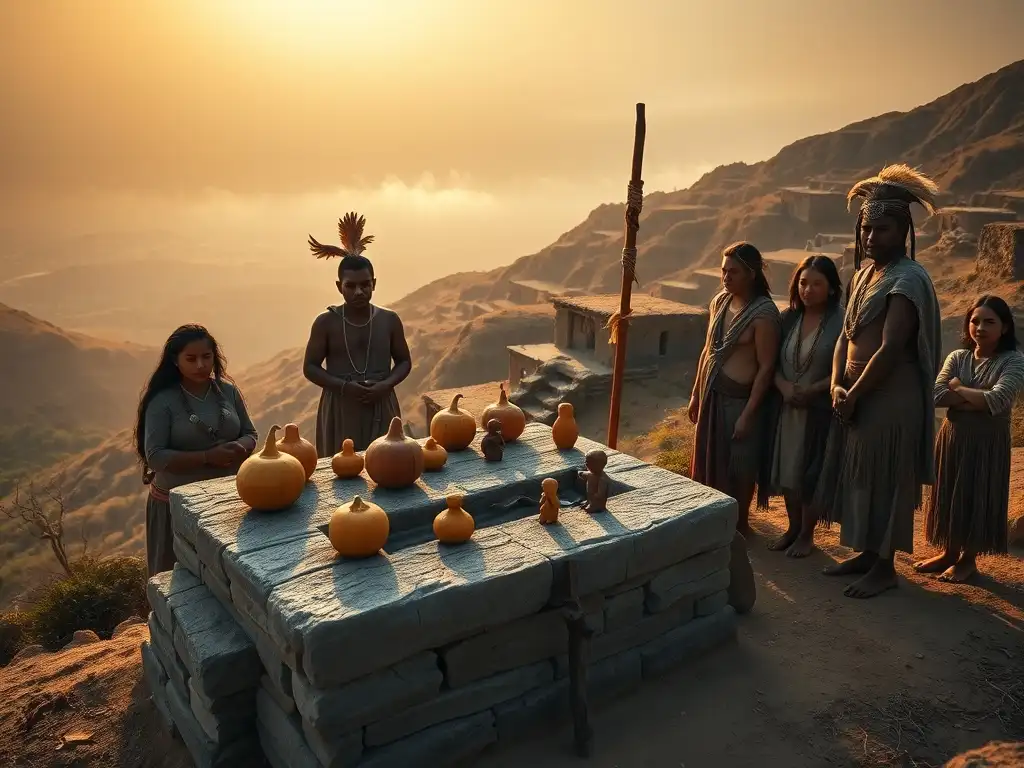
The Preceramic Andean daily life was deeply intertwined with a complex web of ritual practices and belief systems, reflecting a profound connection with the natural world and the spiritual realm. While written records are absent, archaeological evidence provides invaluable insights into their cosmology and religious practices. Understanding these rituals offers a crucial lens through which to interpret their social structures, agricultural practices, and overall worldview.
The absence of sophisticated metalworking or monumental architecture doesn't diminish the importance or complexity of these early Andean belief systems; instead, it highlights the ingenuity and symbolic richness of their expressions. Analyzing these practices reveals a society deeply concerned with fertility, abundance, and the maintenance of a harmonious relationship with their environment.
The pervasiveness of ritual suggests a strong social cohesion and a shared understanding of the cosmos. Further research into specific sites and artefact analysis is needed to fully elucidate the nuances of their beliefs.
Burial Practices and Mortuary Rituals
Burial practices offer a direct window into the Preceramic Andean worldview. Analysis of excavated sites reveals a variety of burial customs, suggesting potential social stratification or variations in regional beliefs. For instance, some sites reveal evidence of individual burials in simple pits, often accompanied by grave goods such as pottery shards, tools, and food offerings.
These offerings, carefully selected and placed, suggest beliefs about the afterlife and the provision of necessities for the deceased in their journey to the spirit world. In other cases, multiple burials have been found within the same area, sometimes indicating family groupings or communal interment. The orientation of bodies, the presence or absence of grave goods, and the condition of the skeletal remains all offer valuable clues to understanding social structures and funerary rites.
Further research, including isotopic analysis of skeletal remains and detailed typological studies of grave goods, could reveal more about diet, social status, and the meaning of specific burial rituals. The careful study of these practices allows us to build a richer picture of the importance of death and ancestor veneration in Preceramic Andean daily life.
Evidence of Shamanism and Religious Beliefs
Evidence suggests the presence of shamanistic practices in Preceramic Andean societies. While the exact nature of these practices remains subject to interpretation, the discovery of specific artifacts and the arrangement of certain sites point towards the existence of individuals with specialized spiritual roles. For example, the presence of elaborate headdresses, unique pottery forms, and the discovery of paraphernalia associated with altered states of consciousness (such as certain plants with hallucinogenic properties) all suggest the existence of individuals who acted as intermediaries between the living and the spirit world.
The careful examination of rock art, depicting stylized figures and abstract symbols, may also provide further evidence of shamanistic beliefs and practices. The interpretation of these symbols, however, remains challenging and requires further interdisciplinary collaboration between archaeologists, anthropologists, and art historians.
More research is needed to better understand the role of shamans in Preceramic Andean society and their influence on daily life and decision-making processes. The potential role of shamanic practices in explaining social cohesion and the resolution of conflicts within these early communities is a particularly promising avenue for future research.
The Significance of Sacred Sites
The selection and use of particular locations for ritual activities highlight the importance of landscape and geography in the Preceramic Andean worldview. Archaeological evidence suggests that certain caves, springs, and high-altitude locations held special significance, acting as sacred sites for ritual practices. These locations were often associated with natural resources or features believed to possess spiritual power.
The presence of offerings, such as carefully placed pottery vessels or sculpted figures, further strengthens the interpretation of these sites as places of ritual significance. The careful study of the spatial arrangement of artifacts and features within these sacred sites provides valuable insights into the cosmology and beliefs of Preceramic Andean communities.
However, more detailed investigation, including geophysical surveys and the application of advanced dating techniques, is required to fully understand the chronology and the function of these sacred places within the broader context of Preceramic Andean daily life. The investigation of these sites promises a deeper understanding of how these early societies perceived and interacted with their environment, reflecting a dynamic relationship between people and their sacred geography.
Challenges and Changes in Preceramic Andean Life
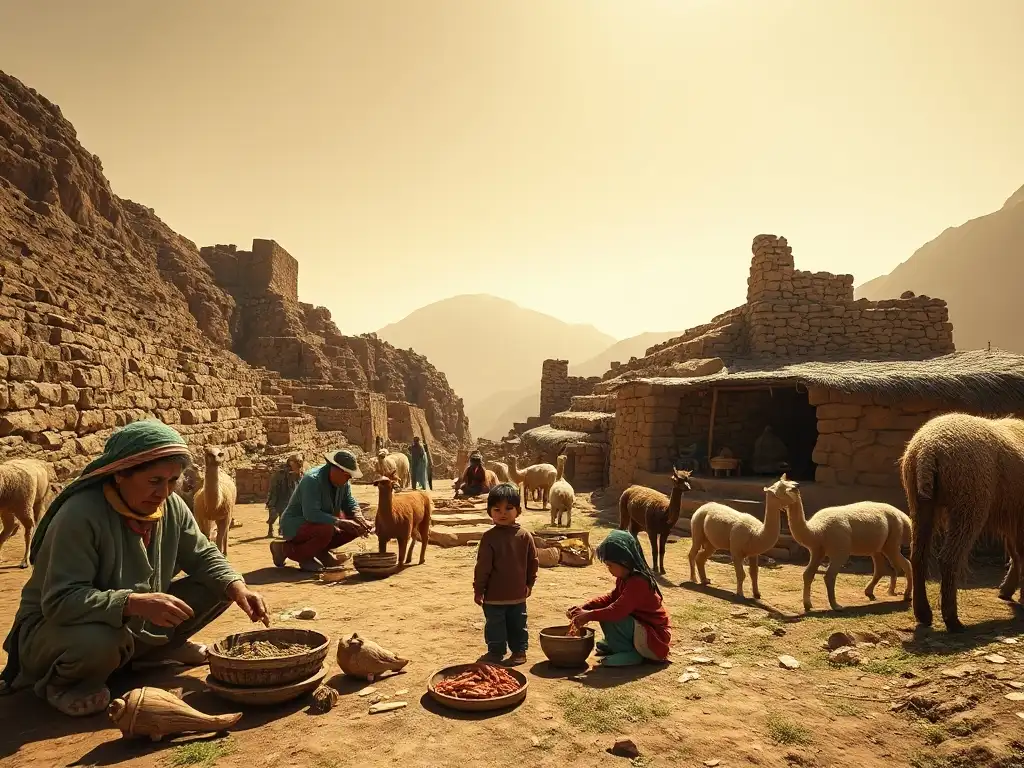
The Preceramic period in the Andes (circa 8000-1800 BCE) witnessed significant transformations in daily life, driven by a complex interplay of environmental factors, population dynamics, and technological innovations. Understanding this period requires examining the challenges faced by these early communities and the ingenious adaptations they developed to thrive in a diverse and often unforgiving landscape. This section delves into the key pressures and shifts that shaped the lives of Preceramic Andean people, setting the stage for the later flourishing of ceramic-producing societies. The keyword "Preceramic Andean daily life" is central to understanding this fascinating era.
Environmental Pressures and Adaptations
The Andean environment, even during the Preceramic period, presented significant challenges. Varied altitudes, ranging from coastal deserts to high-altitude plains, created distinct ecological niches demanding specialized adaptation strategies. For instance, coastal communities relied heavily on marine resources, developing sophisticated fishing techniques and exploiting diverse shellfish populations.
Evidence suggests the use of specialized fishing tools, such as woven nets and hooks, demonstrating a deep understanding of marine ecosystems. In contrast, highland communities faced harsher conditions, with limited arable land and unpredictable weather patterns. Their survival depended on mastering techniques for cultivating hardy crops like potatoes and quinoa, adapting to the thin air and intense solar radiation at high altitudes.
Archaeological findings reveal evidence of sophisticated water management systems, including irrigation canals and terraces, even during this early period. These innovations allowed for increased agricultural productivity, mitigating the risks associated with unpredictable rainfall. The ingenuity of these early Andean communities in adapting to their environments is a testament to their resilience and deep understanding of their surroundings. This mastery of their environment is a crucial element of understanding "Preceramic Andean daily life." Their ability to thrive in such diverse and challenging landscapes laid the foundation for future cultural and technological advancements.
As agricultural techniques improved and resource management became more efficient, Preceramic Andean populations experienced gradual growth. This demographic shift, in turn, led to significant social transformations. Smaller, dispersed settlements gradually coalesced into larger, more complex communities, requiring new forms of social organization and governance. While the exact nature of social structures remains a topic of ongoing research, evidence suggests a shift towards more hierarchical societies, perhaps with emerging leadership roles based on factors like agricultural expertise or control of essential resources.
The increased population density also likely spurred competition for resources and land, potentially leading to conflicts between groups. Archaeological evidence, such as the presence of defensive structures in some settlements, hints at the potential for inter-community conflict during this period. However, it's important to note that cooperation and exchange were also likely crucial aspects of Preceramic Andean life, as evidenced by the distribution of artifacts and raw materials across vast geographical areas.
Understanding the interplay between cooperation and competition is vital for a complete picture of "Preceramic Andean daily life." The increasing complexity of social structures laid the groundwork for the more elaborate political systems that would emerge in later periods.
The Transition to the Ceramic Period
The transition to the Ceramic Period (circa 1800 BCE onwards) marks a significant turning point in Andean prehistory. The invention and widespread adoption of pottery had profound implications for daily life, impacting food storage, cooking techniques, and even social practices. The appearance of decorated pottery suggests the emergence of new forms of artistic expression and potentially symbolic communication. This technological innovation wasn't simply a matter of creating vessels; it represented a fundamental shift in how people interacted with their environment and organized their societies.
The development of pottery was likely intertwined with other technological advances, such as improvements in agriculture and textile production. These innovations worked synergistically to enhance food security and social organization. The transition to the Ceramic Period wasn't a sudden event but rather a gradual process, with different regions adopting pottery at varying rates.
This period represents a crucial step in the evolution of "Preceramic Andean daily life," showcasing the dynamism and adaptability of these ancient communities. The emergence of pottery signifies not only a technological leap but also a cultural and social transformation that shaped the trajectory of Andean civilization for millennia to come. The transition marks the end of the Preceramic period, but the foundations laid during this era continued to influence Andean societies long after the first clay vessels were crafted.
Legacy of Preceramic Andean Cultures
Influence on Later Andean Civilizations
The Preceramic period (roughly 8000 BCE – 1800 BCE) in the Andes laid the groundwork for the sophisticated civilizations that followed. While lacking the monumental architecture of the Inca or the intricate metalwork of the Moche, the innovations and societal structures of these early communities profoundly impacted later Andean societies. Their mastery of agriculture, for instance, particularly the domestication of potatoes and other Andean crops, provided the foundation for the complex agricultural systems that sustained larger populations in subsequent eras.
The development of irrigation techniques, evident in the canal systems discovered at sites like Caral, directly influenced the sophisticated hydraulic engineering projects undertaken by later Andean cultures. These early irrigation systems not only ensured food security but also facilitated population growth and settlement expansion, paving the way for the rise of larger, more complex societies.
Furthermore, the social organization of Preceramic communities, while still under investigation, exhibited early forms of social stratification and specialized labor. Archaeological evidence suggests the existence of distinct social roles and potentially centralized power structures, even in relatively small settlements. These nascent social structures foreshadowed the hierarchical societies that characterized later Andean civilizations, suggesting a gradual evolution of political and social complexity.
The discovery of elaborate burial practices and the presence of prestige goods in some graves also point towards the development of early forms of social inequality and the emergence of elite groups. These patterns of social organization continued to evolve and become more pronounced in later periods, shaping the political landscape of the Andes for millennia. Understanding the subtle nuances of Preceramic social structures offers critical insights into the long-term trajectory of Andean societal development.
Lessons Learned from Preceramic Societies
Studying Preceramic Andean societies offers invaluable lessons for modern society. Their sustainable agricultural practices, adapted to the challenging Andean environment, provide insights into resilient and environmentally conscious approaches to food production. The ingenious irrigation systems they developed, often working with limited resources, highlight the importance of innovative engineering solutions to address environmental challenges. These lessons are particularly relevant today, as we face the challenges of climate change and the need for sustainable resource management. The careful planning and community cooperation required for these projects also emphasizes the importance of collaborative efforts in addressing environmental and societal issues.
Moreover, the Preceramic period showcases the adaptability and resilience of human societies in the face of environmental change. Evidence suggests that these communities successfully navigated periods of climate variability, adapting their agricultural practices and settlement patterns to survive. Their ability to adapt provides a powerful example of human ingenuity and resilience, highlighting the importance of flexibility and adaptability in responding to environmental challenges.
Analyzing the strategies employed by these early communities can offer valuable insights into creating more resilient and adaptable societies in the present day. For example, their diverse cropping systems and their careful management of water resources provide valuable lessons for modern agriculture.
The Importance of Preserving Preceramic Andean Heritage
The preservation of Preceramic Andean heritage is crucial for several reasons. Firstly, it allows us to understand the deep roots of Andean civilization, tracing the evolution of its culture, technology, and social structures over millennia. This historical understanding enriches our knowledge of human history and provides a richer, more nuanced perspective on the development of complex societies.
Secondly, preserving these sites and artifacts helps to protect invaluable archaeological evidence that can shed light on many unanswered questions about early Andean life, including their social structures, religious beliefs, and artistic expressions. This evidence is essential for filling gaps in our understanding of this crucial period and allows us to build a more complete picture of the human experience in the Andes.
Furthermore, the preservation of Preceramic sites contributes to the cultural identity and pride of Andean communities today. These sites serve as tangible links to their ancestors, providing a sense of continuity and connection to the past. Protecting these sites also supports the economic development of local communities through tourism and related industries, offering sustainable livelihoods and fostering cultural appreciation.
The ongoing efforts to protect these delicate archaeological sites are vital not only for preserving our shared human past but also for supporting the well-being of present-day Andean communities. The ongoing excavation and study of Preceramic sites continue to yield new information, enriching our understanding of these foundational cultures.
Frequently Asked Questions
What is the time period referred to as "Preceramic" in the Andean context?
The term "Preceramic" refers to the period in Andean history before the widespread use of pottery, roughly from 8000 to 2000 BCE. This era witnessed significant developments in agriculture and social organization.
What were the primary subsistence strategies of Preceramic Andean communities?
Preceramic Andean communities relied heavily on hunting, gathering, and early forms of agriculture. They cultivated plants like squash and beans, supplementing their diet with wild resources.
What kind of tools did Preceramic Andean people use?
Preceramic Andean peoples utilized stone tools, including grinding stones for processing food and various chipped stone implements for hunting and other tasks. The development of these tools was crucial for their survival.
Social organization in Preceramic Andean communities was likely relatively egalitarian, with less pronounced social hierarchies compared to later periods. Evidence suggests a shift towards more complex social structures over time.
What evidence exists to help us understand Preceramic Andean daily life?
Archaeological evidence, such as excavated settlements, burial sites, and recovered artifacts, provides crucial insights into Preceramic Andean daily life. These findings shed light on their diet, tools, and social structures.
Final Reflection: Echoes of the Past, Shaping Our Present
Understanding the daily lives of Preceramic Andean communities offers a profound glimpse into the ingenuity and resilience of humanity, a testament to our enduring capacity to adapt and thrive in challenging environments. Their innovative agricultural techniques, sophisticated social structures, and artistic expressions continue to resonate with us today, reminding us of the deep roots of human civilization and the interconnectedness of our past and present. The echoes of their lives challenge our assumptions about what constitutes "progress" and offer valuable lessons for sustainable living in a rapidly changing world.
The enduring legacy of Preceramic Andean culture is not merely a historical curiosity; it's a living tapestry woven into the fabric of modern Andean societies. Their innovative approaches to resource management, community building, and artistic expression continue to inspire contemporary artists, archaeologists, and social scientists alike. The past is never dead. It's not even past,
wrote William Faulkner, and this rings profoundly true when considering the lasting impact of these early Andean communities. Their ingenuity in adapting to their environment serves as a powerful reminder of our own capacity for innovation and resilience in the face of modern challenges.
Consider the ingenuity of their agricultural practices, their intricate social structures, and the beauty of their artistic creations. These are not relics of a distant past, but rather powerful examples of human potential. You, the reader, are now part of this ongoing conversation. Reflect on the connections between their lives and your own. How can we learn from their resilience and ingenuity to build more sustainable and equitable communities today? Let the echoes of their past inspire you to create a brighter future.
Uncover the Secrets of Andean Life!
Thank you for joining us on this journey through the daily lives of preceramic Andean communities. We hope you've gained valuable insights into their unique practices and vibrant culture. Let's continue exploring this fascinating history.
Here are some ways to deepen your understanding and appreciation:
- Learn More: Explore related articles on our website to expand your knowledge of Andean civilizations.
- Connect with Others: Subscribe to our newsletter and join discussions with fellow enthusiasts.
- Share Your Discoveries: Inspire others by sharing your insights on social media using #AndeanCivilizations.
What aspect of preceramic Andean life intrigues you most, and why do you find it relevant today?