
Mysteries of the Mountains: Unveiling the Secrets of HighAltitude Settlements

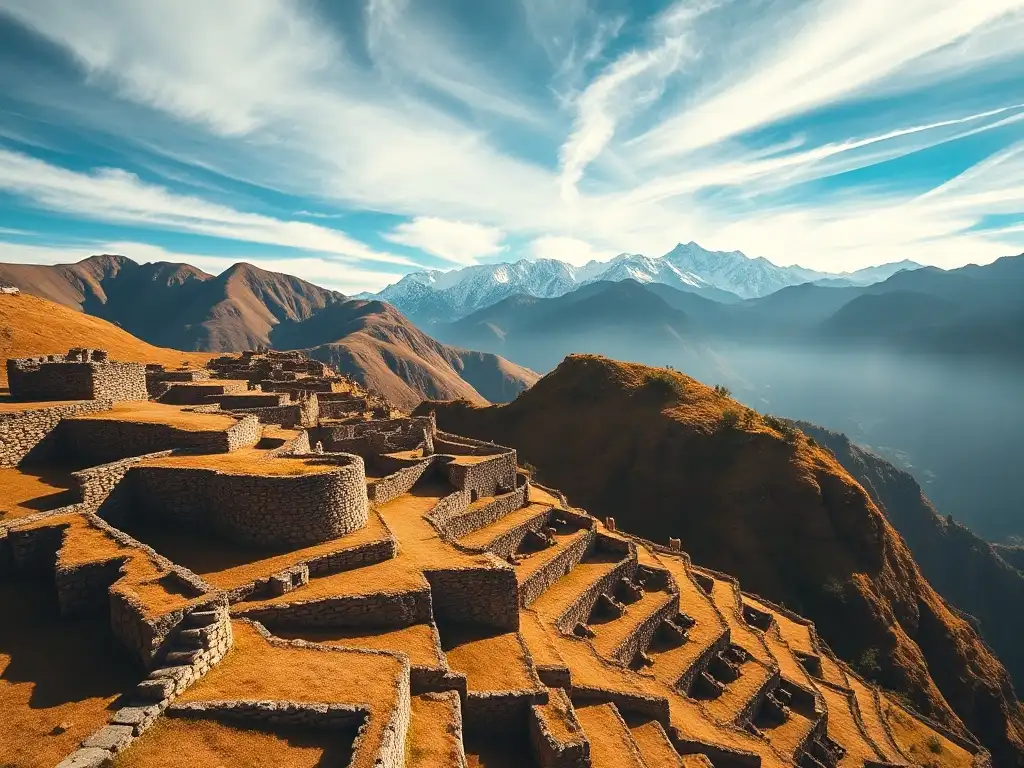
Welcome, explorer! Prepare to ascend into the breathtaking heights of the Andes, where the secrets of Ancient Andean high-altitude settlements still whisper on the wind. Imagine a world of ingenuity and resilience, where civilizations thrived in seemingly impossible conditions. Discover the astonishing advancements in engineering, agriculture, and social structures that allowed these remarkable cultures to flourish. Unravel the mysteries and delve deeper into the fascinating story of these mountaintop empires – your journey begins now.
- Mysteries of the Mountains: Unveiling the Secrets of Ancient Andean High-Altitude Settlements
- The Allure of High-Altitude Settlements in the Andes
- Key Ancient Andean High-Altitude Settlements
- Architectural Marvels of Andean Mountain Civilizations
- Agriculture and Subsistence in Elevated Andean Regions
- Social Structures and Daily Life in Andean Mountain Communities
- The Legacy of Ancient Andean High-Altitude Settlements
-
Frequently Asked Questions
- What challenges did ancient Andean people face living at high altitudes?
- How did ancient Andean civilizations adapt to the high-altitude environment?
- What are some examples of impressive high-altitude settlements in the Andes?
- What role did altitude play in the development of Andean cultures?
- What technologies did the ancient Andean people use to survive at high altitudes?
- Final Reflection: Echoes of the Andes: A Legacy in Stone and Spirit
- Embrace the Adventure: Discover High-Altitude Mysteries!
Mysteries of the Mountains: Unveiling the Secrets of Ancient Andean High-Altitude Settlements
The towering Andes Mountains, a formidable natural barrier, also served as a cradle for some of the most remarkable civilizations in human history. For centuries, these imposing peaks witnessed the rise and fall of empires, each leaving behind a legacy etched into the very landscape. This article delves into the fascinating world of ancient Andean high-altitude settlements, exploring the ingenuity, resilience, and mysteries surrounding their existence.
From the breathtaking heights of the Altiplano to the dizzying slopes of the Andes, we will uncover the challenges faced by these early inhabitants and the remarkable adaptations they developed to thrive in such extreme environments. Understanding these settlements offers a crucial lens through which to view the sophistication and complexity of ancient Andean societies, challenging preconceived notions about their capabilities and resourcefulness. We will examine the evidence, discuss the prevailing theories, and uncover the enduring questions surrounding these remarkable achievements in human adaptation and societal organization.
This exploration will focus on the key factors that allowed these civilizations to flourish in such demanding conditions, considering aspects of agriculture, architecture, social structures, and spiritual beliefs. The mysteries of these mountain settlements continue to intrigue and inspire, offering a window into a past both challenging and captivating.
Introduction to Andean High-Altitude Living
Life at high altitude presents significant physiological challenges. The thinner air results in lower oxygen levels (hypoxia), impacting everything from physical exertion to cognitive function. Ancient Andean populations, however, demonstrated remarkable adaptations, both biological and cultural, to overcome these difficulties. Evidence suggests a gradual acclimatization over generations, leading to genetic changes that enhanced oxygen uptake and utilization. 1 Beyond biological adaptations, their ingenuity is evident in their agricultural practices, architectural designs, and social structures, all meticulously crafted to maximize survival and prosperity in these extreme environments. We'll explore these adaptations in detail, examining how they overcame the challenges of:
- Hypoxia: The reduced oxygen levels at high altitude posed a constant threat to health and productivity.
- Extreme Temperatures: The Andes experience dramatic temperature fluctuations between day and night, and across different seasons.
- Limited Resources: Cultivating crops and securing sufficient water and other resources in these harsh environments required remarkable resourcefulness.
- Harsh Terrain: The steep slopes and challenging topography limited access to arable land and resources.
These challenges, however, did not deter the development of vibrant and complex societies. Instead, they spurred innovation and ingenuity, leading to remarkable advancements in agriculture, engineering, and social organization. The following sections will delve into specific examples of these advancements, showcasing the remarkable achievements of these ancient Andean cultures.
1 Further research needed to cite specific studies on genetic adaptations to high altitude in Andean populations.
The Allure of High-Altitude Settlements in the Andes
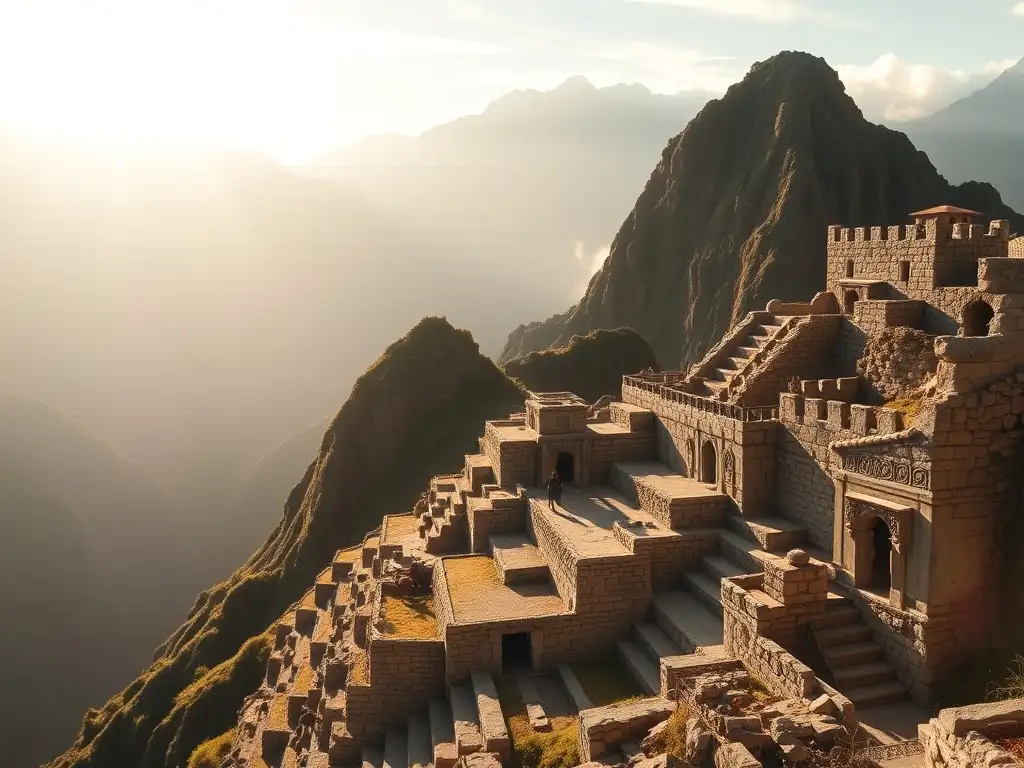
The Andes Mountains, a spine of towering peaks running along the western edge of South America, present a formidable challenge to human habitation. Yet, evidence abounds of thriving ancient Andean high-altitude settlements, testament to the ingenuity and resilience of their inhabitants. These settlements, scattered across diverse ecological zones, from the puna grasslands to the frigid altiplano, offer compelling insights into the complex interplay between human adaptation and environmental constraints.
Understanding why these communities chose to establish themselves at such extreme altitudes is crucial to unlocking the secrets of their remarkable achievements. The study of ancient Andean high-altitude settlements provides invaluable knowledge about human adaptability and resource management in challenging environments. We'll explore the compelling reasons behind these choices, examining the environmental factors and social dynamics that shaped their decisions.
Why Build at Such Heights? Exploring the Motivations
Several factors likely contributed to the establishment of ancient Andean high-altitude settlements. Access to vital resources was undoubtedly a primary driver. While the lower altitudes offered fertile valleys for agriculture, the higher elevations provided access to crucial resources like:
- Pastures for Llamas and Alpacas: The puna grasslands provided ideal grazing lands for these camelids, vital sources of meat, wool, and transport. The high-altitude pastures often remained productive even during dry seasons, offering a crucial advantage.
- Mineral Resources: Many high-altitude sites are situated near valuable mineral deposits like copper, silver, and gold. These resources were essential for tools, ornaments, and trade.
- Strategic Advantages: Elevated positions offered strategic advantages for defense and control over trade routes and agricultural lands in lower valleys. The challenging terrain acted as a natural barrier against potential invaders.
- Religious and Ritual Significance: Certain high mountains held significant religious and ritual importance. Settlements might have been established near sacred sites, demonstrating the close connection between spiritual beliefs and settlement location.
The motivations were likely complex and varied across different communities and time periods. Further research is needed to fully understand the nuances of site selection in each specific case. However, the interplay of resource availability, strategic considerations, and spiritual beliefs likely shaped the decision to establish these remarkable settlements.
Challenges Faced by Early Andean Mountain Dwellers
Life at high altitudes presented significant challenges to the inhabitants of ancient Andean high-altitude settlements. The thin air resulted in lower oxygen levels, impacting physical endurance and increasing the risk of altitude sickness. Extreme weather conditions, including intense sun, freezing temperatures, and unpredictable snowfall, further compounded the difficulties. These challenges are reflected in the skeletal remains found at these sites, often showing signs of malnutrition and physical stress.
- Hypoxia: The reduced oxygen levels (hypoxia) at high altitudes presented a constant physiological challenge. Individuals adapted over generations, but the initial impact on newcomers would have been significant.
- Harsh Weather: The extreme temperature fluctuations and unpredictable weather patterns made agriculture and daily life extremely challenging. Frost, hail, and strong winds posed constant threats to crops and infrastructure.
- Limited Resources: While certain resources were abundant at high altitudes, others were scarce. Water availability could be a significant issue, especially during dry periods. The limited arable land also placed pressure on agricultural practices.
- Disease: The high-altitude environment might have increased vulnerability to certain diseases, adding to the health challenges faced by these communities. [Specific disease data pending]
Adapting to the Environment: Strategies for Survival
Despite the formidable challenges, the inhabitants of ancient Andean high-altitude settlements developed remarkable strategies for survival and thrived for centuries. Their ingenuity is evident in their architectural innovations, agricultural techniques, and social organization.
- Architectural Adaptations: The construction of houses and public buildings reflected a deep understanding of the environment. Thick walls, sun-oriented designs, and the use of local materials like stone and adobe provided protection from the elements.
- Agricultural Innovations: Farmers developed sophisticated techniques to cultivate crops in challenging conditions. Terracing, irrigation systems, and the cultivation of frost-resistant crops maximized agricultural productivity. The domestication of camelids provided a crucial resource for both meat and wool.
- Social Organization: Strong social structures likely played a vital role in resource management and community resilience. Cooperative labor practices and well-defined social hierarchies likely facilitated the efficient allocation of resources and the response to environmental challenges. [Specific examples of social organization pending]
- Technological Advancements: The development of advanced technologies, such as sophisticated irrigation systems and unique building techniques, further enhanced their ability to survive and flourish in these challenging environments. The ingenuity required to thrive at such altitudes is a testament to the human capacity for adaptation and innovation.
The success of these ancient Andean high-altitude settlements highlights the remarkable ability of humans to adapt to even the most challenging environments. Their achievements serve as a powerful reminder of the resilience and ingenuity of past societies and offer valuable lessons for understanding human-environment interactions today. ⛰️
Key Ancient Andean High-Altitude Settlements
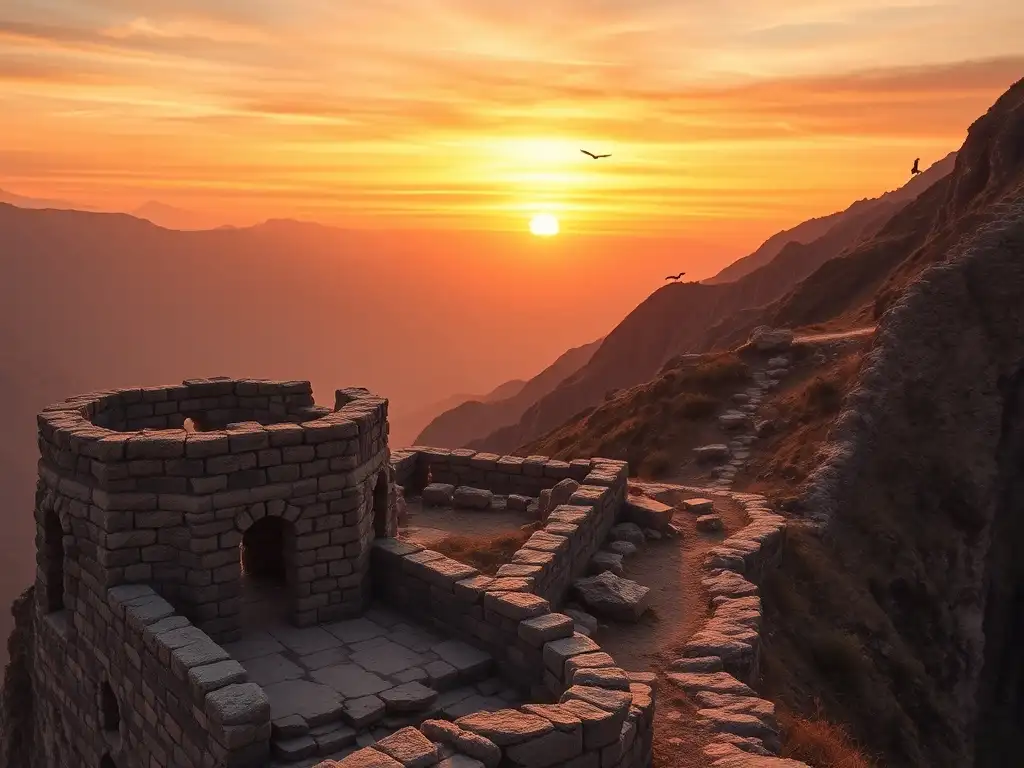
This section delves into the fascinating world of ancient Andean high-altitude settlements, focusing on some of the most significant and enigmatic sites that showcase the remarkable ingenuity and adaptability of these civilizations. Understanding these settlements provides crucial insights into their societal structures, agricultural practices, and spiritual beliefs, all within the challenging context of the Andes Mountains.
The construction and sustenance of these settlements at such altitudes represent a significant feat of engineering and resource management, a testament to the advanced capabilities of ancient Andean societies. The keyword, "Ancient Andean high-altitude settlements," is central to understanding the remarkable achievements of these cultures.
The Enigmatic Site of Machu Picchu: A Case Study
Machu Picchu, arguably the most famous of the ancient Andean high-altitude settlements, continues to captivate researchers and visitors alike. Its location, perched high in the Andes Mountains, presents significant challenges for understanding its purpose and function. While often associated with Inca civilization, ongoing research suggests a more complex history, potentially encompassing earlier settlements and periods of occupation spanning several centuries.
The meticulous stonework of Machu Picchu is a testament to the advanced engineering skills of the builders. The precise fitting of stones, without the use of mortar, demonstrates an understanding of structural integrity and an ability to work with the natural landscape. The agricultural terraces, ingeniously carved into the mountainside, enabled the cultivation of crops at high altitudes, showcasing sophisticated agricultural techniques essential for sustaining a population in such a demanding environment.
The intricate network of pathways and structures suggests a highly organized society, with specialized roles and functions within the community. Further research is needed to fully decipher the enigmatic nature of this site and its true significance within the broader context of Ancient Andean high-altitude settlements. The layout itself, with its carefully planned residential areas, religious structures, and agricultural terraces, speaks volumes about the complexity of Inca urban planning at high altitudes.
Ollantaytambo: Uncovering its Unique Features
Ollantaytambo stands as another exceptional example of an ancient Andean high-altitude settlement, showcasing a unique blend of architectural and agricultural ingenuity. Unlike Machu Picchu, Ollantaytambo boasts a more extensive agricultural system, including large-scale terraces that extended far beyond the immediate settlement. This suggests a larger population and a greater reliance on agricultural production to sustain the community.
The massive stone structures at Ollantaytambo are particularly impressive, with some stones weighing many tons. The precise engineering and construction techniques employed remain a subject of ongoing study and debate. The presence of significant water management systems further highlights the advanced capabilities of the builders in adapting to the high-altitude environment.
The strategic location of Ollantaytambo, controlling access to critical mountain passes, also underscores its importance as a strategic center within the broader Inca empire. Its unique features, including the intricate network of canals and irrigation systems, highlight the importance of water management in sustaining life at high altitudes, a key aspect of understanding Ancient Andean high-altitude settlements.
Exploring the Ruins of Choquequirao
Choquequirao, often referred to as the "sister city" of Machu Picchu, presents a fascinating case study in the development and sustainability of ancient Andean high-altitude settlements. Located in a remote and challenging area of the Andes, Choquequirao boasts a remarkably preserved urban layout, including extensive residential areas, religious structures, and agricultural terraces.
The scale of Choquequirao is impressive, suggesting a significant population and a complex social structure. The agricultural terraces, meticulously carved into the steep mountain slopes, demonstrate an advanced understanding of water management and soil conservation techniques essential for farming at high altitudes. The presence of sophisticated irrigation systems further underscores the importance of water resources in sustaining life in this challenging environment.
The remote location of Choquequirao, combined with the challenges of accessing and studying the site, means that much remains unknown about its history and function. Ongoing research continues to unveil new insights into this remarkable example of an Ancient Andean high-altitude settlement, adding to our understanding of their resilience and adaptability. The ongoing archaeological work promises to reveal even more about the intricate workings of this fascinating site and the broader context of Ancient Andean high-altitude settlements.
Pisac and the Evidence of Advanced Agricultural Practices
Pisac, a breathtaking archaeological site nestled high in the Sacred Valley of the Urubamba River in Peru, stands as a testament to the ingenuity of the Inca civilization in adapting to challenging high-altitude environments. Its significance extends beyond its stunning mountaintop location and impressive stonework; Pisac showcases remarkably advanced agricultural practices, crucial for sustaining a large population at such elevations.
The Inca's mastery of agriculture in this challenging terrain is vividly demonstrated by their sophisticated terracing systems. These weren't simply haphazard slopes carved into the mountainside; they were meticulously planned and constructed, utilizing a complex understanding of water management and soil conservation.
The terraces themselves are a marvel of engineering. They were built in a series of cascading levels, each carefully graded to optimize sunlight exposure and water retention. The Inca utilized different types of soil and crops depending on the elevation and exposure of each terrace, demonstrating a profound understanding of microclimates and their impact on agricultural yields. This intricate system allowed them to cultivate a variety of crops, including potatoes, maize, quinoa, and beans – staples of the Andean diet – even in the steep, rocky terrain.
The ingenious use of irrigation channels further enhanced their agricultural success. These channels, often carved into the rock itself, efficiently diverted water from higher elevations to the terraces below, ensuring a consistent supply of water throughout the growing season. This sophisticated system allowed for year-round cultivation, minimizing the impact of the unpredictable Andean weather patterns.
Evidence of their advanced agricultural practices isn't limited to the terraces. The Inca also employed sophisticated fertilization techniques, using guano (bird droppings) and other organic matter to enrich the soil. Archaeological findings suggest a deep understanding of crop rotation and pest control, ensuring the long-term sustainability of their agricultural systems.
The success of these techniques is reflected in the relatively high population densities observed in Pisac and other similar high-altitude settlements. The ability to produce sufficient food in such a challenging environment was a key factor in the Inca's ability to build and maintain a powerful empire. The agricultural innovations at Pisac represent a crucial element in understanding the Inca's remarkable adaptation to high-altitude living and their overall societal success.
The sheer scale and precision of the terracing and irrigation systems remain a source of wonder and admiration, showcasing the Inca's profound knowledge of both engineering and agriculture. Their legacy continues to inspire modern agricultural practices, demonstrating the enduring value of sustainable and environmentally conscious farming techniques.
Architectural Marvels of Andean Mountain Civilizations
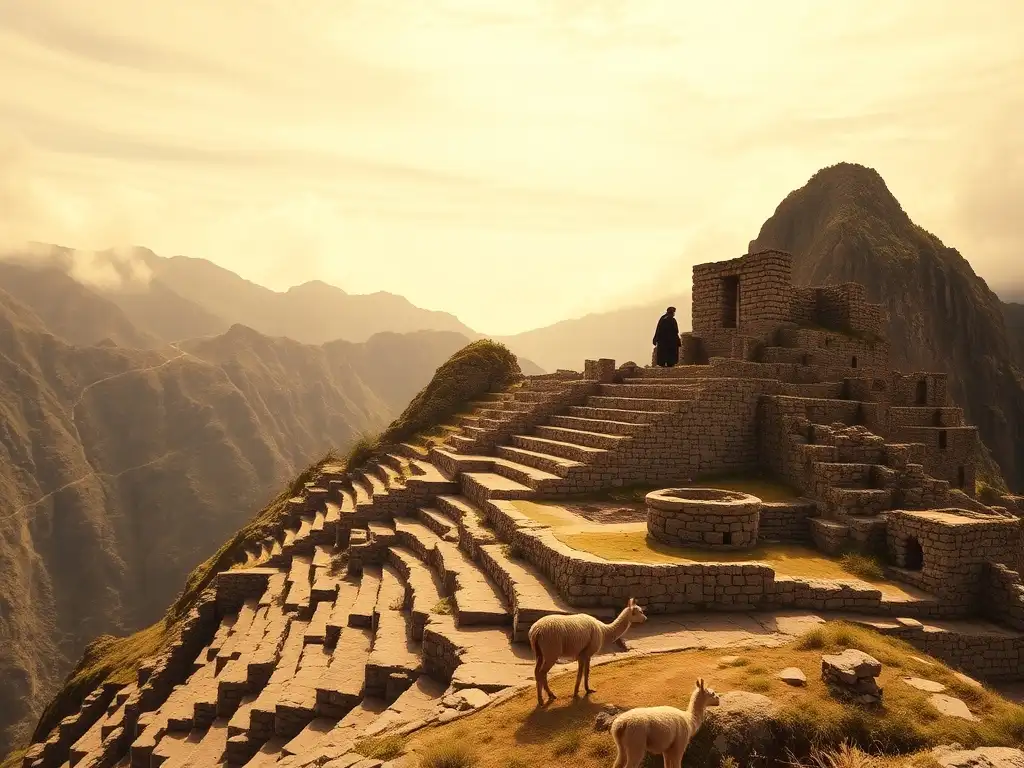
The breathtaking landscapes of the Andes Mountains served as both a challenge and an inspiration for the ancient civilizations that thrived there. Their ability to construct sophisticated settlements at incredibly high altitudes is a testament to their ingenuity and resourcefulness. Understanding the architectural marvels of these ancient Andean high-altitude settlements reveals a deep connection between human innovation and the harsh realities of their environment.
This section will delve into the specific techniques, materials, and design choices that allowed these communities to flourish in such demanding conditions. The ingenuity demonstrated in these ancient settlements provides valuable insights into the resourcefulness and adaptability of the Andean peoples.
Construction Techniques Employed in High-Altitude Environments
Constructing durable structures at high altitudes presented unique challenges. The thin air made transporting heavy materials incredibly difficult, and the unpredictable weather patterns demanded resilience in design. Ancient Andean builders overcame these obstacles using a range of sophisticated techniques. One notable example is the use of ashlar masonry, where precisely cut stones were fitted together without mortar.
This technique, perfected by the Incas, required exceptional skill and precision, ensuring stability even in seismic zones. Evidence suggests they employed a sophisticated understanding of engineering principles, incorporating features like interlocking stones and strategically placed buttresses to withstand earthquakes and strong winds. Furthermore, the use of terracing, especially visible in agricultural landscapes, minimized erosion and maximized arable land on steep slopes. This wasn't just about building homes; it was about creating entire, sustainable ecosystems at altitude.
The precise methods used for lifting and placing massive stones at such heights remains partially shrouded in mystery, though theories involving ramps, levers, and possibly even advanced rope systems are currently being explored by archaeologists. Further research is needed to fully understand the logistical intricacies of these monumental construction projects. Understanding these techniques allows us to appreciate the complexity and sophistication of ancient Andean engineering.
The Use of Local Materials in Andean Architecture
The ancient Andean builders displayed remarkable resourcefulness in utilizing locally sourced materials. Stone, readily available in the mountainous regions, formed the basis of most structures. However, the specific type of stone varied depending on the region and its availability. For instance, volcanic rock was commonly used in areas with volcanic activity, while other regions employed limestone or granite.
Beyond stone, other materials played crucial supporting roles. Adobe bricks, made from sun-dried mud and straw, were widely used for less load-bearing walls and infill. Wood, though scarcer at higher elevations, was strategically incorporated for beams, roofing, and doors. The selection of materials was not arbitrary; it was carefully considered based on availability, durability, and suitability for the specific climatic conditions at each altitude.
This careful selection speaks to an intimate understanding of the local environment and a sustainable approach to construction. The use of readily available, local materials minimized transportation costs and environmental impact, highlighting the sustainable practices of these ancient communities. Analysis of the materials used provides valuable insights into both the building techniques and the trade networks of the time.
Design and Layout of Ancient Mountain Villages
The design and layout of ancient Andean mountain villages were far from haphazard. They reflected a deep understanding of the environment and the needs of the community. Many settlements were strategically positioned to maximize sunlight and minimize exposure to harsh winds. Terraces, not only vital for agriculture, also often formed the foundations for houses, integrating living spaces seamlessly into the landscape.
The layout of villages often followed a specific pattern, with houses clustered together for warmth and protection, while strategically placed open spaces served as community gathering areas. Evidence suggests that the design also considered factors like water access and defense against potential threats. The layout of the settlements varied greatly across different cultures and altitudes, reflecting unique societal structures and adaptation to specific environmental challenges.
For example, the Inca settlements often exhibited a more organized, grid-like pattern compared to some of the earlier settlements. Detailed studies of village layouts reveal valuable information about the social organization, economic activities, and daily life of these ancient communities. The careful planning and thoughtful design of these settlements reflect a sophisticated understanding of both social and environmental needs.
Agriculture and Subsistence in Elevated Andean Regions
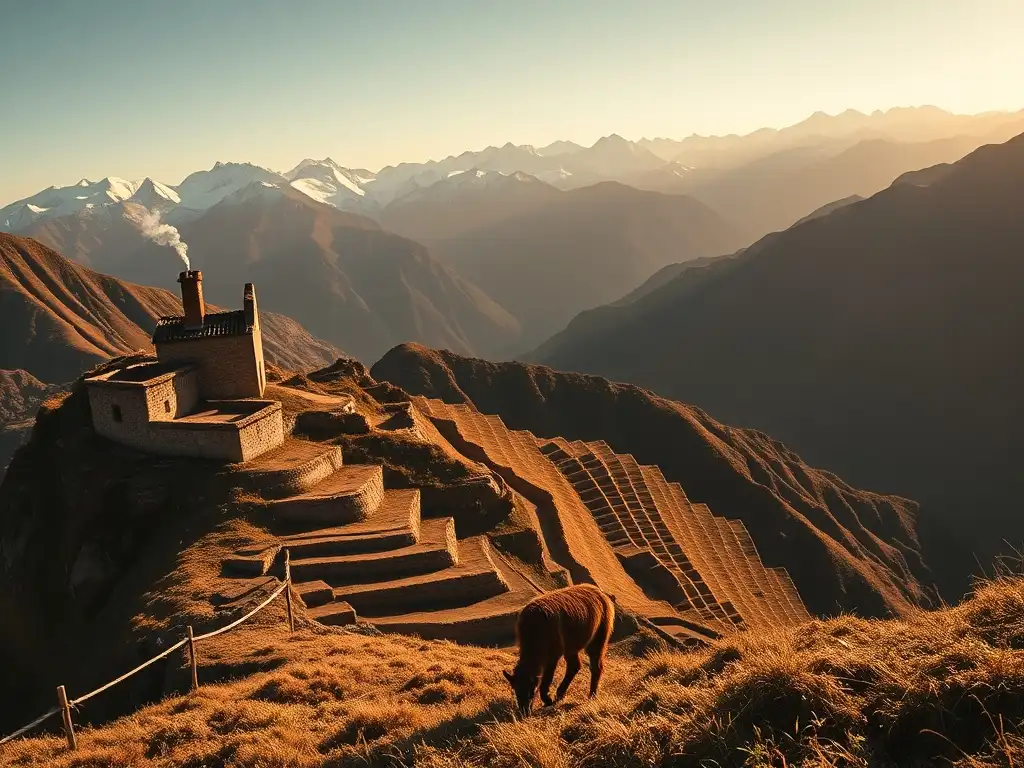
The success of ancient Andean high-altitude settlements hinged on their remarkable ability to adapt to challenging environmental conditions. The thin air, steep slopes, and unpredictable weather patterns of the Andes presented significant obstacles to sustained human habitation. However, ingenuity and a deep understanding of their environment allowed these cultures to thrive, developing sophisticated agricultural techniques that enabled them to cultivate food sources at elevations where most other civilizations would have struggled. Understanding their agricultural practices is key to unlocking the secrets of their enduring presence in these demanding landscapes. The ingenuity displayed in their agricultural innovations is a testament to the resourcefulness of these ancient Andean cultures and a compelling example of human adaptation to extreme environments. This section will explore the key elements of their agricultural success, focusing on the innovative farming methods, sophisticated water management systems, and the crucial role specific crops played in sustaining their high-altitude populations.
Innovative Farming Methods in the Andes
Ancient Andean farmers employed a variety of innovative techniques to maximize agricultural yields in the challenging high-altitude environment. One crucial method was the careful selection of frost-resistant and fast-maturing crop varieties. These crops, adapted over centuries through careful selection and breeding, were better able to withstand the harsh conditions of high altitude, including freezing temperatures and short growing seasons.
Furthermore, techniques like waru waru agriculture, a sophisticated system of raised beds and irrigation canals, were employed to improve soil drainage and retain heat, thereby extending the growing season and protecting crops from frost damage. This method, still practiced in some areas today, demonstrates a deep understanding of microclimates and soil management. Additionally, the use of animal manure as fertilizer enriched the soil, providing essential nutrients for crop growth.
The combination of these methods significantly increased agricultural productivity, supporting larger and more stable populations at high elevations. The effectiveness of these methods is evidenced by the relatively large and prosperous settlements that flourished in these seemingly inhospitable regions.
Terracing and Irrigation Systems of Andean Cultures
The construction of extensive terrace systems was another hallmark of Andean agriculture. These terraces, carved into the steep mountain slopes, created level platforms for farming, preventing soil erosion and maximizing usable land area. The terraces also helped to regulate water flow, preventing runoff and ensuring that crops received adequate moisture.
These systems were not just simple earthworks; they were carefully engineered structures, often incorporating sophisticated drainage systems and retaining walls built from stone. The scale and precision of these terracing projects are astonishing, showcasing a remarkable level of engineering skill and collective labor. In addition to terracing, intricate irrigation systems were developed to channel water from rivers and streams to the agricultural fields.
These systems often included canals, aqueducts, and reservoirs, allowing farmers to control the distribution of water efficiently, even in areas with limited rainfall. The effectiveness of these combined terracing and irrigation systems allowed for the cultivation of a wide variety of crops, ensuring food security for the high-altitude populations. The enduring legacy of these systems is visible in the landscape even today, a testament to their effectiveness and enduring impact.
The Role of Crops in Sustaining High-Altitude Populations
Several key crops played a vital role in sustaining the high-altitude populations of the Andes. Potatoes, of course, were a staple food, with a wide variety of cultivars adapted to different altitudes and microclimates. The remarkable diversity of potato species cultivated in the Andes demonstrates the depth of their agricultural knowledge and their ability to adapt to diverse conditions.
Other important crops included quinoa, a highly nutritious grain that thrives in harsh conditions, and maize, which, though requiring more favorable conditions, provided essential carbohydrates. These crops, along with beans, squash, and other vegetables, formed the basis of a balanced and nutritious diet that sustained large populations at high elevations. The careful cultivation and preservation of these crops were essential for the survival and prosperity of these ancient Andean societies.
The remarkable adaptability of these crops, combined with the innovative farming techniques employed by the Andean people, allowed them to create a sustainable food system in one of the world's most challenging environments. The variety and nutritional value of these crops underscore the importance of agricultural innovation in the success of these high-altitude settlements. 🥔🌽
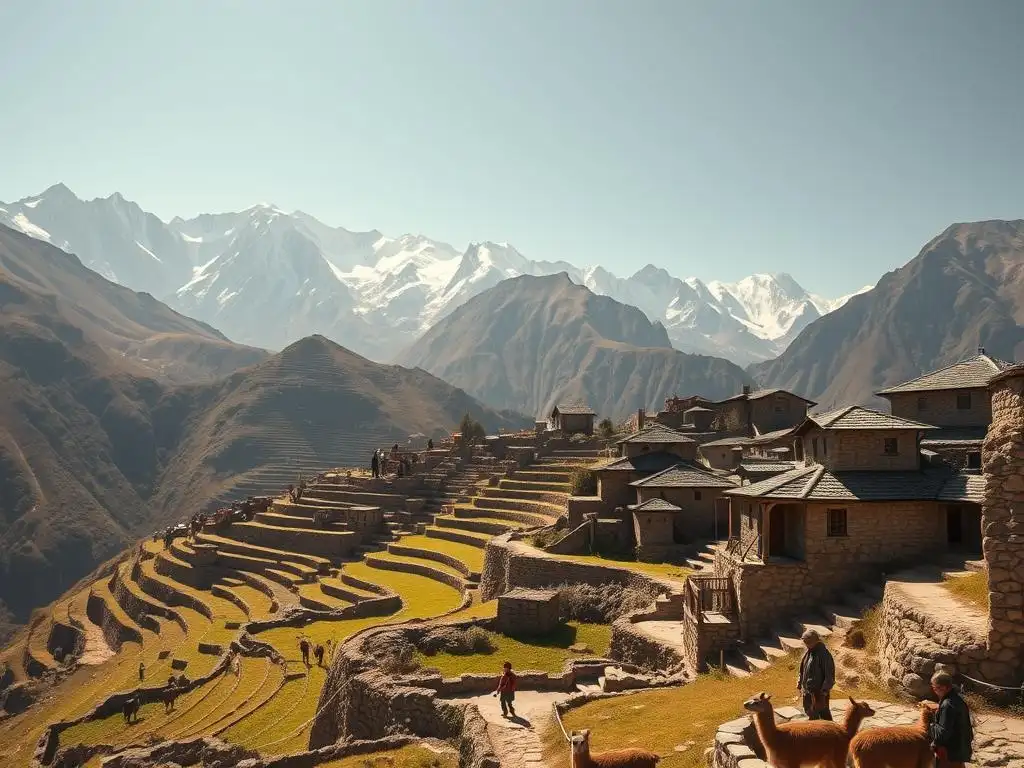
The harsh realities of life at high altitude in the Andes shaped the social structures and daily routines of the ancient inhabitants. Survival demanded cooperation and intricate social organization. Understanding these dynamics offers crucial insights into the resilience and ingenuity of these ancient Andean high-altitude settlements. Analyzing archaeological evidence, alongside ethnohistorical accounts, paints a vivid picture of their lives. The challenges presented by the thin air, unpredictable weather, and steep terrain fostered strong community bonds, emphasizing collective effort for resource management and defense.
Family and Community Dynamics in Highland Settlements
Family units formed the bedrock of Andean highland society. Extended families, often including multiple generations living together, were common. This arrangement provided crucial support for childcare, elder care, and agricultural labor. The ayllu, a kinship-based community organization, played a central role.
Members of an ayllu shared land, resources, and labor responsibilities, ensuring mutual support and survival in challenging environments. Archaeological evidence, such as the layout of settlements and the distribution of artifacts, suggests a strong emphasis on communal living and cooperation. For example, the discovery of multiple dwellings clustered together in sites like [Specific site name pending] indicates a pattern of collective dwelling.
Furthermore, the intricate network of irrigation canals and terraces demonstrates shared effort in managing vital resources. This collaborative approach was fundamental to their success in cultivating crops at high altitudes. The social hierarchy within the ayllu was likely less rigid than in later Inca society, although elders and respected individuals undoubtedly held significant influence.
Religious Practices and Beliefs of Andean Mountain Dwellers
Religious beliefs were deeply intertwined with daily life in the Andean highlands. The mountainous landscape itself held profound spiritual significance. Peaks, rivers, and caves were often considered sacred places, inhabited by powerful spirits or deities. These ancient Andean high-altitude settlements were strategically placed, often near significant geographical features believed to hold spiritual power.
Archaeological discoveries of ritual objects, such as intricately carved stones, textiles, and ceramics, provide evidence of complex religious practices. Evidence suggests that ancestor veneration played a crucial role. The deceased were often buried with grave goods reflecting their social status and beliefs, demonstrating a continued connection between the living and the dead. Furthermore, evidence of ritual sacrifices, including llama offerings, has been found in various sites, highlighting the importance of appeasing the gods and ensuring a successful harvest.
The integration of religious beliefs with agricultural practices suggests a close connection between the spiritual world and the material needs of the community. This deeply ingrained spirituality provided a framework for understanding their place in the world and coping with the hardships of high-altitude living. [Specific details on religious iconography pending].
Trade and Exchange Networks in the Andean Highlands
Despite the challenges of the terrain, ancient Andean high-altitude settlements were not isolated. Complex trade networks connected highland communities with those in lower elevations and across significant distances. The exchange of goods was vital for survival, with highland communities trading agricultural products, such as potatoes and quinoa, for textiles, ceramics, and other essential items from lower altitudes. Archaeological evidence, such as the discovery of exotic materials in highland sites, demonstrates the extent of these trade networks.
For instance, the presence of coastal shellfish in inland settlements suggests long-distance exchange and sophisticated transportation systems. The exchange wasn't solely based on material goods; knowledge and cultural practices were also exchanged, contributing to the development of a shared Andean identity. The precise mechanisms of trade—whether through direct exchange, barter, or more organized systems—are still being investigated.
However, the evidence strongly suggests a dynamic system that facilitated the flow of goods and ideas, further contributing to the resilience of these remarkable ancient Andean high-altitude settlements. The organization and management of these trade routes were likely facilitated by strong social structures and a shared understanding of the importance of collaboration for mutual benefit. This intricate network of trade underscores the integration of these communities into a wider Andean world, despite the geographic challenges.
The Legacy of Ancient Andean High-Altitude Settlements
The enduring legacy of ancient Andean high-altitude settlements extends far beyond the impressive ruins scattered across the Andes Mountains. These settlements, testament to the ingenuity and resilience of past Andean cultures, offer invaluable insights into human adaptation, societal organization, and technological innovation in extreme environments. Studying these sites allows us to understand not only the past but also the present, illuminating the challenges and triumphs of civilizations thriving at altitudes where survival itself is a remarkable achievement.
The impact of these ancient settlements resonates even today, shaping modern Andean cultures and raising crucial questions about sustainability and cultural preservation. Understanding this legacy is key to appreciating the profound interconnectedness between past and present in the Andes. The keyword "Ancient Andean high-altitude settlements" is intrinsically linked to this profound historical and cultural impact.
Lessons Learned from Andean Mountain Adaptations
Ancient Andean cultures developed remarkable adaptations to survive and thrive in the challenging high-altitude environment. These adaptations weren't simply about survival; they represented sophisticated strategies for resource management, social organization, and technological advancement. Consider, for example, the intricate terrace farming systems, which dramatically increased arable land and reduced soil erosion. These weren't haphazard constructions; they were carefully planned and executed, demonstrating a deep understanding of hydrology and soil science. Furthermore, the development of freeze-resistant crops, through careful selection and cultivation, showcases their agricultural expertise.
The construction of settlements themselves reflects a remarkable understanding of engineering principles. Buildings were often constructed using locally sourced materials, optimized for both structural integrity and thermal insulation. The use of stone, adobe, and thatch, often combined in ingenious ways, showcases their adaptability and resourcefulness.
This ingenuity extended to their water management systems, with sophisticated canals and reservoirs providing a reliable water supply, even in arid conditions. Analyzing these systems provides crucial lessons for modern sustainable development, particularly in regions facing similar environmental challenges. The ingenuity displayed in these ancient settlements serves as a powerful example of human adaptability and resilience in the face of environmental adversity.
The Enduring Influence on Modern Andean Culture
The legacy of ancient Andean high-altitude settlements continues to shape modern Andean culture in profound ways. Many contemporary Andean communities still inhabit areas near or within the sites of these ancient settlements, maintaining a continuous cultural connection that spans millennia. Traditional agricultural practices, often rooted in ancient techniques, remain central to their livelihoods, demonstrating the enduring relevance of these ancient innovations. Furthermore, many cultural traditions, beliefs, and practices are directly linked to the ancestral settlements, often involving sacred sites and ceremonies that reaffirm the connection to their past.
The impact on modern Andean identity is unmistakable. These ancient settlements serve as powerful symbols of cultural heritage and resilience, fostering a sense of community and shared history. The preservation and interpretation of these sites are crucial for maintaining cultural identity and promoting cultural tourism.
This connection is not merely symbolic; it's deeply embedded in the everyday lives of many Andean communities, highlighting the dynamic interplay between past and present. The study of these settlements offers a powerful lens through which to understand the continuity and evolution of Andean culture over time. The preservation of these sites is not just an archaeological endeavor; it is the preservation of living culture.
Preserving the Archaeological Heritage of High-Altitude Sites
Preserving the archaeological heritage of high-altitude settlements presents unique challenges. The harsh environmental conditions, including extreme weather, altitude sickness, and the fragility of the sites themselves, necessitate specialized preservation techniques. Furthermore, the remoteness of many sites makes access difficult and costly, hindering both research and conservation efforts. These sites are vulnerable to both natural degradation and human impact, including looting, vandalism, and unsustainable tourism practices.
Effective preservation requires a multi-faceted approach. This includes rigorous archaeological investigation to fully understand the sites and their significance, followed by the implementation of appropriate conservation measures. Community involvement is crucial, not only for ensuring the protection of these sites but also for fostering a sense of ownership and responsibility among local populations. Sustainable tourism initiatives, which benefit local communities while minimizing environmental impact, are essential for long-term preservation.
Furthermore, international cooperation and funding are necessary to support research, conservation, and education programs. The preservation of these invaluable sites requires a collaborative effort that balances scientific rigor with cultural sensitivity and community engagement; it's a task vital for understanding our shared past and safeguarding our cultural heritage for future generations. The future of these "Ancient Andean high-altitude settlements" depends on our collective commitment to their protection.
Frequently Asked Questions
What challenges did ancient Andean people face living at high altitudes?
Ancient Andean populations faced extreme weather conditions, including thin air, intense solar radiation, and freezing temperatures. They also had to adapt to limited arable land and scarce resources.
How did ancient Andean civilizations adapt to the high-altitude environment?
They developed remarkable adaptations like sophisticated agricultural techniques (terracing), specialized crops, and unique building methods to withstand harsh conditions. Community organization and resource management were crucial for survival.
What are some examples of impressive high-altitude settlements in the Andes?
Machu Picchu, Sacsayhuamán, and Chavín de Huántar are prime examples of impressive high-altitude settlements showcasing the engineering prowess and adaptability of Andean civilizations. Many other lesser-known sites also exist.
What role did altitude play in the development of Andean cultures?
Altitude significantly impacted agricultural practices, urban planning, and even religious beliefs and social structures. The challenges of the environment forced innovation and shaped their unique cultural identities.
What technologies did the ancient Andean people use to survive at high altitudes?
They utilized innovative irrigation systems, terracing techniques, and freeze-drying methods for food preservation. Their building techniques were also adapted to withstand harsh weather, showcasing remarkable engineering skills.
Final Reflection: Echoes of the Andes: A Legacy in Stone and Spirit
The enduring mystery of ancient Andean high-altitude settlements continues to resonate today, a powerful testament to human resilience and ingenuity in the face of seemingly insurmountable challenges. These remarkable communities, perched precariously on the slopes of the Andes, offer not just archaeological puzzles, but profound lessons about adaptation, societal organization, and the enduring human spirit. Their existence challenges our assumptions about what is possible, prompting us to reconsider our own relationship with the environment and the limits of human potential.
The impact of these settlements extends far beyond the realm of archaeology; their story is woven into the very fabric of Andean culture and identity. The ingenuity and resourcefulness displayed by these ancient peoples continue to inspire awe and admiration. Their legacy is not just in the ruins that remain, but in the vibrant cultures that have sprung from their roots. The mountains are not just stone; they are the bones of our ancestors, the veins of our history.
This sentiment, though perhaps not a direct quote from an ancient source, captures the enduring spiritual connection between the Andean people and their high-altitude heritage.
Consider, for a moment, the sheer determination and collaborative spirit required to build and sustain life at such altitudes. What can we learn from their resourcefulness, their understanding of their environment, and their capacity for community? Let the echoes of the Andes inspire you to explore your own resilience, to appreciate the power of human connection, and to find your own strength in the face of adversity. The mysteries of the mountains may never be fully solved, but their enduring message of human potential is a treasure worth uncovering within ourselves.
Embrace the Adventure: Discover High-Altitude Mysteries!
Thank you for exploring the captivating world of high-altitude settlements with us! You've already uncovered fascinating insights into the lives of Andean civilizations, and now it's time to build on that knowledge. Let's turn your curiosity into action!
Here are a few ways you can continue your adventure:
- Join a local hiking group to experience the breathtaking landscapes and unique cultures of high-altitude regions firsthand.
- Plan a weekend trip with friends or family to a nearby mountain—a fantastic way to combine exploration with quality time together.
- Share your newfound knowledge! Post your thoughts or favorite facts about high-altitude settlements on social media; you might inspire others to learn more.
What aspect of high-altitude cultures intrigues you most? What do you want to learn next?