
Decoding the Designs: PreCeramic Art Motifs and Their Possible Meanings

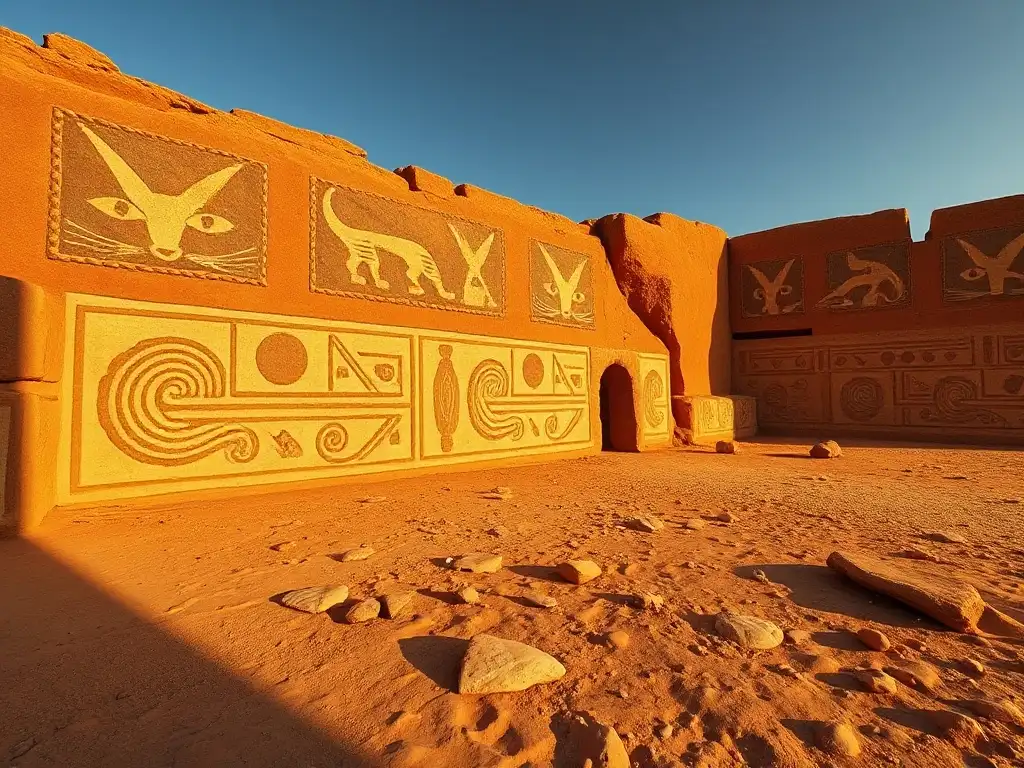
Step into a world lost to time, yet echoing with vibrant artistry. Imagine uncovering the secrets held within the intricate Preceramic Andean art motifs, symbols etched onto pottery long before the Inca. This is more than just decoration; it's a window into the beliefs and rituals of the earliest Andean cultures. Prepare to be captivated as we delve into the enigmatic designs and explore the possible meanings behind these ancient masterpieces. Are you ready to decode the past?
- Decoding the Designs: Preceramic Andean Art Motifs and Their Possible Meanings
- Common Preceramic Andean Art Motifs: A Detailed Exploration
- Interpreting the Meanings Behind Preceramic Andean Art Motifs
- Case Studies: Specific Preceramic Sites and Their Unique Motifs
- The Evolution of Preceramic Art Motifs into Later Andean Art
- Conclusion: The Enduring Legacy of Preceramic Andean Art Motifs
- Frequently Asked Questions
- Final Reflection: Echoes of the Past, Whispers of the Future
- Unveil the Secrets of Pre-Ceramic Art!
Decoding the Designs: Preceramic Andean Art Motifs and Their Possible Meanings
This article delves into the fascinating world of Preceramic Andean art, exploring the intricate motifs found on artifacts from a period preceding the rise of pottery. We will examine the rich symbolic language embedded within these designs, offering insights into the beliefs, social structures, and daily lives of the early Andean cultures.
By analyzing recurring patterns, shapes, and representations, we aim to decipher the possible meanings behind these captivating expressions of early Andean artistry, providing a window into a period crucial for understanding the development of Andean civilizations. The study of Preceramic Andean art motifs offers a unique perspective on the origins of Andean artistic traditions and their profound influence on subsequent cultural developments.
This exploration will cover key cultures and highlight the significance of these early artistic expressions in the broader context of Andean history. Understanding these motifs is key to unlocking a deeper appreciation for the complexity and sophistication of these ancient societies.
Introduction to Preceramic Art in the Andes
The Preceramic period in the Andes, spanning roughly from 8000 BCE to 1800 BCE, represents a significant chapter in the region's history. It is characterized by the development of sophisticated agricultural practices, the emergence of settled villages, and the rise of complex social structures. While lacking the widespread use of pottery, this era witnessed a flourishing of artistic expression manifested in various forms.
These include intricate textiles, carved stone objects, and painted cave art. The motifs found on these artifacts provide invaluable clues to the worldview and cultural practices of these early Andean communities. The absence of writing systems necessitates a careful and nuanced analysis of these visual representations to understand their significance.
Studying these early artistic expressions allows us to trace the evolution of Andean artistic styles and iconography, paving the way for a deeper understanding of later, more well-documented cultures like the Inca. The diversity of motifs across different regions also highlights the vibrant cultural landscape of the Preceramic Andes.
Understanding Preceramic Andean Cultures and Their Artistic Expressions
Several distinct Preceramic cultures thrived across the Andean region, each exhibiting unique artistic styles and preferences. The coastal regions, for example, witnessed the development of elaborate shell carvings and textiles, reflecting the abundance of marine resources. In contrast, the highland communities focused on the creation of intricately carved stone objects, often incorporating motifs related to agriculture and animal life.
These differences in artistic expression reflect the diverse environments and lifestyles of these communities. The materials used – stone, bone, shell, and pigments – were readily available resources adapted to the creation of artistic objects. The techniques employed, ranging from simple carving to complex weaving, demonstrate a high level of skill and artistry. Analyzing the distribution of specific motifs across different regions helps archaeologists trace trade routes and cultural exchanges between communities. Further research is needed to fully understand the complex interplay between environment, technology, and artistic expression in these early Andean societies. The development of more sophisticated analytical methods will likely reveal even more nuanced interpretations of Preceramic Andean art.
The Significance of Preceramic Art Motifs
The motifs found in Preceramic Andean art are often highly stylized and symbolic. Recurring themes include geometric patterns, stylized animals (such as camelids and birds), and representations of human figures. While the precise meanings remain subject to ongoing scholarly debate, many scholars believe these motifs reflect the importance of agriculture, shamanistic practices, and ancestor veneration.
For example, the frequent depiction of camelids might represent their economic and social significance. Geometric patterns, often found in textiles and pottery fragments, could represent abstract concepts or cosmological ideas. The presence of human figures, sometimes depicted in ritualistic contexts, suggests the importance of social hierarchy and religious belief.
The interpretation of these motifs is not always straightforward, and requires careful consideration of the context in which they were found. Further research, combining archaeological data with ethnographic studies of contemporary Andean communities, is crucial to unlock the full meaning of these enigmatic symbols. The study of Preceramic Andean art motifs continues to be a dynamic and evolving field, promising exciting new discoveries and interpretations in the years to come.
Common Preceramic Andean Art Motifs: A Detailed Exploration
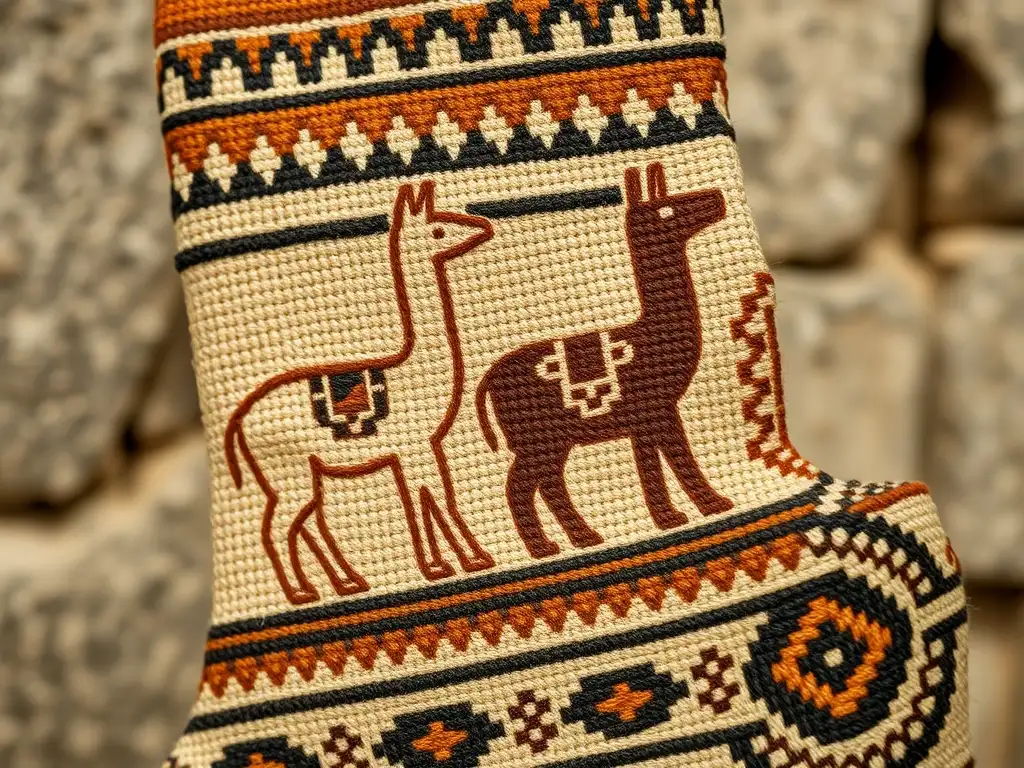
This section delves into the fascinating world of Preceramic Andean art motifs, exploring the recurring symbols and their potential interpretations. Analyzing these designs provides valuable insights into the beliefs, social structures, and worldview of the early Andean cultures. Understanding these motifs helps us piece together a clearer picture of the rich tapestry of Preceramic Andean life, long before the rise of the Inca Empire.
The recurring themes found in these artifacts highlight the importance of specific animals, celestial bodies, and abstract concepts in their cosmology and daily existence. The study of "Preceramic Andean art motifs" is crucial to understanding the development of Andean art and its enduring legacy.
Geometric Patterns in Preceramic Andean Art
Geometric patterns are ubiquitous in Preceramic Andean art, appearing on pottery shards, textiles (where evidence survives), and carved stone objects. These patterns are not merely decorative; they likely held significant symbolic meaning. Simple shapes, such as triangles, squares, and circles, are frequently combined to create more complex designs. These combinations often exhibit a remarkable sense of balance and symmetry, suggesting a sophisticated understanding of geometry and design principles.
For instance, the frequent use of stepped triangles, often found in layered arrangements, might represent mountains, a prominent feature of the Andean landscape and deeply ingrained in their worldview. The repetition of these shapes could symbolize the cyclical nature of life, death, and rebirth, mirroring the seasonal changes in the high-altitude environment. Further research is needed to fully understand the specific meanings associated with the variations in size, orientation, and color combinations of these geometric patterns. [Specific information pending: detailed analysis of color usage in geometric patterns across different Preceramic sites].
Zoomorphic Representations in Early Andean Art
Zoomorphic representations, depicting animals, are another prominent feature of Preceramic Andean art. These depictions, often stylized and abstract, provide clues to the importance of animals in the daily lives and spiritual beliefs of these early cultures. The animals represented vary across different regions and time periods, reflecting the diverse environments and local faunas.
Avian Motifs in Preceramic Andean Art
Birds, particularly condors and other raptors, frequently appear in Preceramic Andean art. Their powerful presence in the high Andean landscape likely imbued them with symbolic significance, possibly representing power, freedom, and connection to the celestial realm. The depiction of birds in flight might symbolize the journey of the soul or the connection between the earthly and spiritual worlds. The stylized representation of avian features, such as beaks and wings, often emphasizes specific aspects of the bird's characteristics, further highlighting their symbolic meaning. [Specific information pending: Comparative analysis of avian motifs across different Preceramic cultures].
Feline Motifs in Preceramic Art
Feline motifs, particularly those depicting pumas or jaguars, are also common. These powerful predators likely held a position of reverence, perhaps representing strength, agility, and hunting prowess. Their presence in art may indicate their importance in hunting practices or their connection to shamanistic rituals. The stylized depiction of feline features, such as claws and teeth, often emphasizes their predatory nature, reinforcing their symbolic power. The variations in the depiction of these felines across different regions and time periods warrant further investigation.
Serpent Motifs and their Symbolism in Andean Preceramic Periods
Serpent motifs appear in various forms throughout Preceramic Andean art. These serpentine figures might symbolize water sources, fertility, and the underworld, reflecting their importance in the Andean cosmology. The undulating form of the serpent could represent the flow of water, essential for agriculture and life in the arid Andean regions.
It could also symbolize the cyclical nature of life, reflecting the continuous renewal of the earth and its resources. The symbolic meaning of serpent motifs is complex and requires a detailed analysis of their context and stylistic variations across different sites. [Specific information pending: A comprehensive catalog of serpent motifs across different Preceramic sites and their contextual analysis].
Anthropomorphic Figures in Preceramic Andean Art
Anthropomorphic figures, representations of human forms, are a prevalent motif in Preceramic Andean art, offering valuable insights into the beliefs and social structures of these early societies. These figures are not always realistically depicted; instead, they often exhibit stylized features and symbolic elements. For instance, the Caral culture, flourishing in the Supe Valley between 3000 and 1800 BCE, produced numerous artifacts featuring simplified human figures, frequently depicted with exaggerated heads or limbs. These stylized representations may reflect a focus on specific aspects of the human form considered significant to their cosmology or social organization.
The size and placement of these figures on pottery or textiles could also indicate social hierarchy or ritual importance. Detailed analysis of these figures' postures and accompanying symbols provides further clues to their meaning. Some scholars suggest that certain postures represent specific deities or ancestors, while others interpret them as depictions of shamanic rituals or social interactions. Further research is needed to fully understand the nuances of these representations, but their prevalence suggests their central role in the worldview of Preceramic Andean cultures.
The diversity in style and representation across different sites and time periods also hints at regional variations and evolving artistic traditions. Careful study of these variations can help us better understand the cultural exchange and interaction between different Preceramic Andean communities. The careful examination of the materials used—clay, stone, or textiles—also contributes to our understanding of the significance of these figures, indicating the value placed on certain resources and artistic techniques.
Abstract and Symbolic Elements in Preceramic Art
Beyond the readily identifiable anthropomorphic forms, Preceramic Andean art is rich with abstract and symbolic elements that remain a subject of ongoing scholarly debate. These motifs, often geometric in nature, appear on a wide range of artifacts, including pottery, textiles, and stone carvings. Common symbols include spirals, zigzags, stepped patterns, and various types of lines. The interpretation of these symbols is challenging, as their meanings were likely multi-layered and context-dependent. For example, spirals might represent the cyclical nature of life, the movement of celestial bodies, or the flow of energy.
Zigzags, on the other hand, could represent mountains, lightning, or even the paths of spirits. The specific meaning of these symbols often depends on their combination with other motifs, their placement on the artifact, and the cultural context of their discovery. One intriguing aspect of these abstract symbols is their apparent continuity across different Preceramic cultures. Similar patterns appear in widely separated regions, suggesting the possibility of shared beliefs or cultural exchange across significant geographical distances. The use of specific colors also plays a significant role in understanding the meaning of these symbols.
For instance, the use of red ochre could represent blood, fertility, or power, while other colors like white or black might have held different symbolic weight. While a definitive interpretation of all abstract symbols remains elusive, their consistent presence in Preceramic Andean art highlights their importance in the societies that created them. Continued interdisciplinary research, combining archaeological findings with anthropological and ethnohistorical studies, is crucial for a more complete understanding of these enigmatic motifs and their significance in the Preceramic Andean worldview. The study of these abstract elements is crucial for unlocking a deeper understanding of the complex cosmology and symbolic language of these early Andean civilizations. Careful analysis of their distribution and variation across different sites and time periods offers valuable insights into the cultural dynamism and interconnectedness of Preceramic Andean societies.
Interpreting the Meanings Behind Preceramic Andean Art Motifs
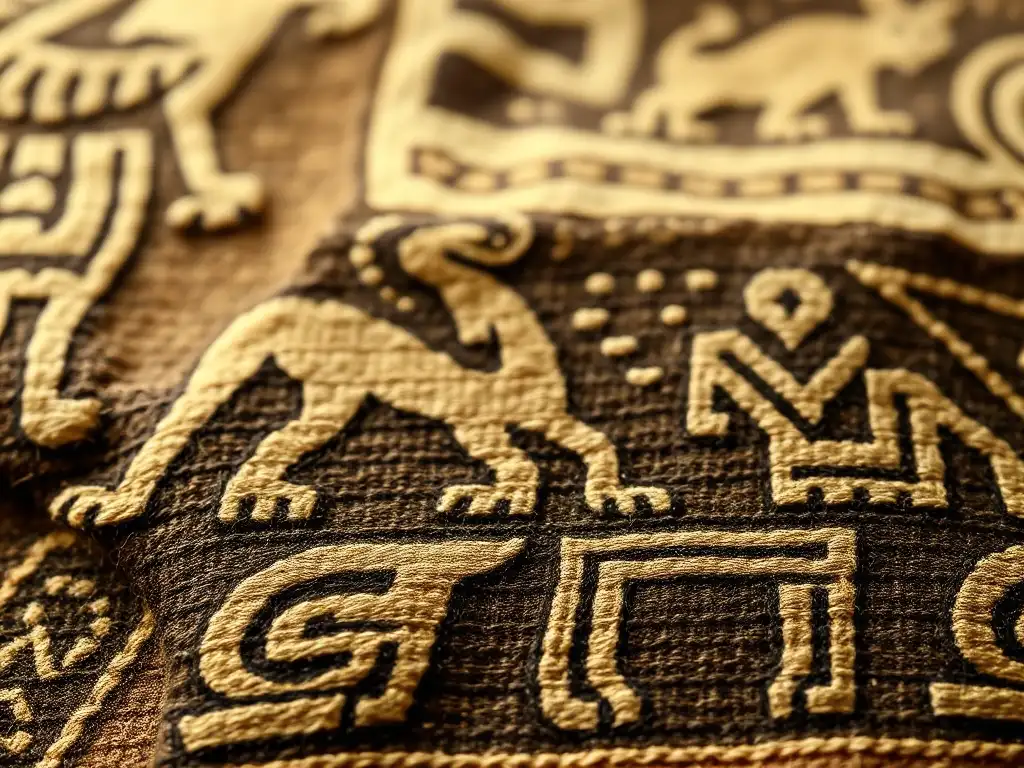
This section delves into the fascinating world of Preceramic Andean art motifs, exploring the potential interpretations of the intricate designs found on pottery shards, textiles, and other artifacts from this crucial period. Understanding these motifs provides invaluable insight into the beliefs, social structures, and daily lives of the early Andean peoples.
Analyzing Preceramic Andean art motifs allows us to reconstruct a picture of their worldview, offering a glimpse into a rich and complex culture that predates the more widely known Inca civilization. We will focus on three key areas that significantly influenced the development and meaning of these artistic expressions.
Shamanic Practices and Preceramic Artistic Representation
The spiritual realm played a central role in the lives of Preceramic Andean societies. Evidence suggests a strong belief in shamanistic practices, with shamans acting as intermediaries between the human and spiritual worlds. Many Preceramic Andean art motifs appear to depict shamanic experiences or allude to the power of the spirit world.
Consider, for example, the frequent appearance of stylized figures with exaggerated features – large eyes, elongated limbs, and sometimes animalistic attributes. These representations may symbolize shamanistic transformations or altered states of consciousness achieved through ritualistic practices. The use of specific colors, such as deep reds and blacks, may also have held symbolic significance related to shamanic rituals and the power of the underworld.
Furthermore, the depiction of abstract symbols, geometric patterns, and zoomorphic forms could represent specific deities, spirits, or cosmological concepts central to shamanic beliefs. Detailed analysis of these motifs, including their placement on the artifacts and their relationship to other elements, can provide clues to their meaning within the context of shamanistic practices.
Further research is needed to fully understand the complex symbolism used in these depictions, potentially involving a deeper investigation into the specific geographic location of the artifacts and any associated archaeological evidence. The intricate weaving techniques used in some textile fragments, for instance, might reflect the complexity of the shamanic rituals themselves.
The Role of Ritual and Ceremony in Shaping Preceramic Art
Ritual and ceremony were integral to the social fabric of Preceramic Andean societies. Many art motifs likely served as visual representations of these rituals, either commemorating past events or functioning as aids in the performance of future ones. The prevalence of certain motifs on ceremonial objects like pottery vessels, for instance, suggests that these designs were not merely decorative but had a deeper, ritualistic purpose.
The use of specific colors and patterns may have signified particular deities, ancestors, or events of importance. For example, the repetition of certain geometric designs might represent cyclical processes like planting and harvesting, reflecting the importance of agriculture in their society. The presence of stylized animals could symbolize totems or clan affiliations, highlighting the social structures within these communities.
Analyzing the context in which these objects were found—in tombs, alongside other ritual objects, or within settlements—is crucial to understanding their intended function and the role they played in ritual practices. The size and scale of the artifacts themselves could also offer clues to the importance of the represented ritual or ceremony.
Preceramic Andean art motifs also offer insights into the social structures of these early societies. The presence of repeated patterns or symbols across multiple artifacts suggests a degree of standardization and potentially a centralized system of belief or governance. Variations in style and motif across different regions could indicate the existence of distinct social groups or communities with their own unique traditions and beliefs.
For example, the presence of certain zoomorphic representations, such as specific birds or felines, might indicate clan affiliations or totemic systems. The depiction of human figures in different postures or with varying levels of adornment could reflect social hierarchies and power dynamics within these communities. Furthermore, the size and quality of the artifacts could reflect the social status of their creators or owners. Larger, more intricately crafted pieces might have belonged to individuals of higher standing within the society.
A detailed comparative analysis of motifs across different archaeological sites would be beneficial in further illuminating the connections and differences between different Preceramic Andean groups. This comparative approach could reveal broader patterns in social organization and cultural exchange across the region. More research, focusing on the analysis of settlements and burial sites, is crucial to fully understand the social implications of these artistic representations.
We need further research and analysis of existing data to fully decode the meanings behind these fascinating Preceramic Andean art motifs. The combination of archaeological evidence with anthropological and art historical perspectives is essential to gain a comprehensive understanding of their cultural significance. Further investigation into the materials used, the techniques employed, and the context of discovery will undoubtedly reveal even more about the rich and complex world of Preceramic Andean civilization.
Possible Cosmological Interpretations of Preceramic Motifs
The intricate designs adorning Preceramic Andean pottery and textiles often suggest a deep connection to the cosmos. Many scholars believe these motifs reflect a sophisticated understanding of astronomy and a worldview heavily influenced by celestial events. For example, recurring patterns resembling constellations or celestial bodies, such as the sun, moon, and stars, are frequently found. The precise representation varies across different cultural groups and time periods, demonstrating the evolving nature of their cosmological beliefs.
The use of specific colors, such as vibrant reds and yellows often associated with the sun, and deep blues and blacks representing the night sky, further reinforces this interpretation. The careful arrangement of these motifs within a larger design may also encode astronomical information, such as the movements of planets or the cycles of the seasons. This intricate level of detail suggests that Preceramic Andean art wasn't merely decorative; it served as a visual record of their understanding of the universe and its influence on their lives. Further research into the precise alignment of motifs and their correlation with astronomical events could provide more definitive evidence for this cosmological interpretation.
The study of these motifs, therefore, offers a unique window into the worldview and spiritual beliefs of these early Andean societies, highlighting the significance of the cosmos in their daily lives and cultural practices. The precision and consistency in the depictions of celestial elements across various sites suggest a shared cosmological understanding within these diverse Preceramic communities. This shared understanding may indicate a complex network of communication and cultural exchange across significant geographical distances. Analyzing the evolution of these motifs over time could reveal how their cosmological understanding developed and changed.
The study of Preceramic Andean art motifs offers a fascinating glimpse into the cosmological beliefs of these early civilizations. The recurring themes of celestial bodies, combined with the use of specific colors and their arrangement within the designs, strongly suggest a connection between the art and the understanding of the cosmos. The intricate detail and consistency across different sites point towards a shared cosmological worldview, reflecting a sophisticated level of astronomical knowledge and a deep spiritual connection to the universe.
Further research into the precise astronomical correlations within these motifs would greatly enhance our understanding of these early Andean cultures. Understanding the cosmological interpretations adds another layer of complexity and meaning to these seemingly simple designs, enriching our appreciation of Preceramic Andean art and its significance within the broader context of Andean history.
The development of sophisticated astronomical knowledge in the Preceramic period lays the groundwork for the advanced astronomical practices observed in later Andean civilizations, demonstrating a continuous thread of cosmological interest throughout Andean history. The enduring legacy of these cosmological beliefs is evident in the subsequent artistic and cultural expressions of later Andean societies, highlighting the profound impact of Preceramic Andean cosmology on the region's cultural development.
Case Studies: Specific Preceramic Sites and Their Unique Motifs
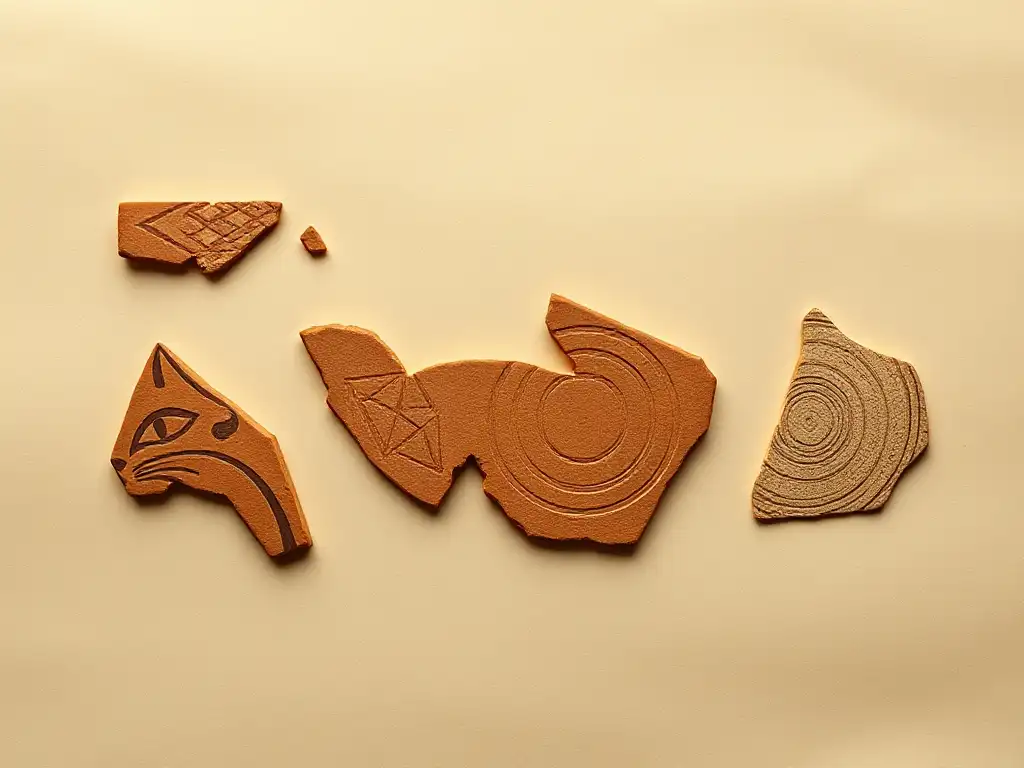
This section delves into the specific artistic motifs discovered at prominent Preceramic Andean sites, offering detailed analyses and interpretations of their possible meanings. Understanding these unique visual languages provides crucial insights into the beliefs, social structures, and daily lives of these early Andean societies. We will explore the rich tapestry of Preceramic Andean art motifs, focusing on two key locations: Caral and Kotosh. The analysis will highlight the diversity and complexity of these early artistic expressions, demonstrating the sophistication of Preceramic Andean cultures.
Caral and Its Distinctive Art
Caral, located in the Supe Valley of Peru, is one of the most significant Preceramic sites in the Andes. Its monumental architecture, sophisticated social organization, and surprisingly advanced technological capabilities are well-documented. However, the art of Caral, while less visually striking than some later Andean styles, holds significant clues to understanding this early civilization. The motifs are primarily geometric, emphasizing simplicity and repetition, a stark contrast to the more figurative styles found in later periods. This minimalist approach, however, is far from simplistic in its implications.
Analysis of the Motifs at Caral
The most common motifs found at Caral include various forms of geometric designs: straight lines, zigzags, chevrons, and concentric circles. These are often found incised onto pottery fragments, carved into wooden artifacts (where preserved), and painted (though faded) onto the walls of some structures. The precision and consistency in the execution of these designs suggest a highly structured artistic tradition, possibly reflecting established social norms or religious beliefs. Furthermore, the limited palette of colors used, primarily muted earth tones, hints at a connection to the natural environment and the importance of materials readily available in the Supe Valley.
Detailed analysis of the spatial arrangement of these motifs within the site itself could reveal further information about their function and meaning. For example, are certain motifs more prevalent in residential areas versus ceremonial structures? This requires further research. [Specific information pending on spatial distribution of motifs at Caral]
Possible Meanings and Interpretations at Caral
The prevalence of geometric motifs in Caral's art suggests a symbolic system based on abstract concepts rather than direct representations of the natural world. Some scholars propose that these designs represent celestial bodies, agricultural cycles, or perhaps even abstract representations of social structures. The concentric circles, for example, might symbolize the cyclical nature of life or the cosmos. The straight lines and zigzags could represent pathways, rivers, or even social hierarchies.
However, without more extensive research and comparative studies with other Preceramic sites, these interpretations remain tentative. Further investigation into the possible connection between the motifs and the site's architecture is also crucial. The lack of figurative imagery is particularly intriguing, suggesting a different approach to artistic expression compared to later Andean cultures.
Kotosh and the Art Found There
Located in the central Andes of Peru, Kotosh is another crucial Preceramic site, renowned for its unique artistic style and the discovery of the enigmatic "Temple of the Crossed Hands." Unlike the geometric simplicity of Caral, Kotosh presents a more complex and potentially symbolic artistic repertoire. The art of Kotosh offers a fascinating glimpse into the spiritual and ritualistic beliefs of this early Andean culture.
Examining the Art Motifs at Kotosh
Kotosh's art is characterized by a greater use of figurative representation compared to Caral. While geometric designs are still present, they are often incorporated alongside stylized depictions of animals, possibly felines and birds, and highly symbolic human figures. The most famous example is the "Temple of the Crossed Hands," where sculpted figures with crossed hands have been interpreted as representing deities or ancestral figures. These figures, along with other sculpted reliefs and painted pottery fragments, suggest a more developed symbolic system compared to that of Caral.
The use of varied materials, including clay, stone, and possibly wood (though much is deteriorated), showcases the technological capabilities of the Kotosh culture. Analysis of the pigments used in the painted artifacts could provide further insights into their significance and the available resources at the time. [Specific information pending on pigment analysis of Kotosh artifacts]
The Significance of Kotosh's Art
The art of Kotosh stands out for its apparent focus on religious or ritualistic themes. The "Temple of the Crossed Hands" itself is considered a significant piece of evidence for the existence of complex religious beliefs in the Preceramic period. The stylized depictions of animals and humans likely represent important figures or concepts within their belief system.
The combination of geometric and figurative motifs suggests a sophisticated understanding of symbolism and the ability to convey complex ideas through visual means. The artistic expressions at Kotosh reflect a different cultural trajectory compared to Caral, highlighting the regional diversity of Preceramic Andean societies. Further research is needed to fully understand the complex interplay of symbolism and meaning within the artistic expressions found at Kotosh.
The relatively advanced level of figural representation suggests a more developed artistic tradition and a stronger emphasis on ritual practices. The contrast between the artistic styles of Caral and Kotosh emphasizes the diversity of cultural expression during the Preceramic period in the Andes.
The Evolution of Preceramic Art Motifs into Later Andean Art
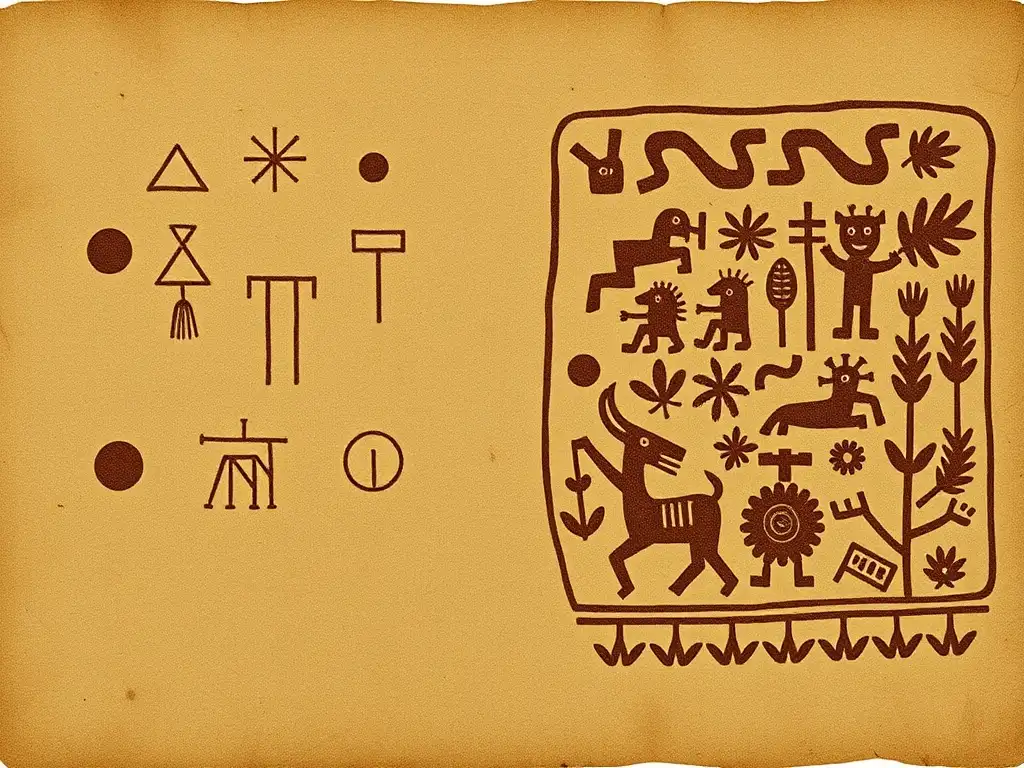
This section explores the fascinating journey of Preceramic Andean art motifs and how their influence resonates throughout subsequent Andean artistic traditions. We'll examine the subtle and sometimes dramatic transformations these designs underwent, revealing a captivating narrative of cultural continuity and adaptation. Understanding this evolution provides crucial insights into the enduring power of artistic expression and its role in shaping Andean identity across millennia. The study of Preceramic Andean art motifs offers a unique window into the development of complex iconography and its lasting impact.
Tracing the Legacy of Preceramic Designs in Subsequent Periods
While the Preceramic period lacks the monumental architecture and intricate metalwork of later Andean cultures, its artistic legacy is undeniable. Many motifs, initially rendered in simple painted pottery or carved stone, reappear in sophisticated forms throughout the following centuries. For instance, the ubiquitous feline imagery found in early Preceramic art—often depicted in a stylized, almost abstract manner—evolves in subsequent periods into more realistic representations, yet retaining core characteristics. We see this in the Moche culture's refined depictions of jaguars and pumas, imbued with a powerful symbolism often connected to warfare, hunting, or shamanistic practices.
Similarly, geometric patterns, initially simple bands and triangles, become increasingly complex and layered in later ceramic styles, reflecting the growing sophistication of Andean societies. Analyzing these transformations reveals not merely stylistic changes, but also shifts in societal values and beliefs. The continuity of certain motifs, despite changes in their execution, suggests an enduring cultural memory and a deep connection to ancestral traditions.
This unbroken thread, linking Preceramic art to later expressions, highlights the enduring power of visual language in shaping Andean cultural identity. Further research into specific motif lineages is needed to fully understand the nuances of this evolution. [Specific information pending: detailed comparative analysis of specific motifs across different periods].
The Continuity and Transformation of Art Motifs
The continuity of certain Preceramic Andean art motifs across different periods is striking. For example, the use of stylized plant and animal representations persists, albeit with increasing complexity and detail. Simple representations of birds in early Preceramic pottery evolve into the highly detailed and expressive avian imagery seen in the Nazca lines and Paracas textiles. Likewise, geometric designs, initially simple bands and chevrons, become more elaborate and symbolic in later cultures, often incorporating intricate knotwork and interwoven patterns.
This evolution isn't a mere replication; it's a dynamic process of adaptation and reinterpretation. The meanings associated with these motifs likely shifted over time, reflecting changing social structures and beliefs. For instance, a simple spiral motif in the Preceramic period might represent the cyclical nature of life, while its later iterations in Inca textiles could incorporate additional layers of meaning related to cosmology or royal power. The transformation of these motifs reflects a continuous dialogue between past and present, tradition and innovation.
This intricate interplay between continuity and change is a defining characteristic of Andean artistic development. A deeper understanding requires a comprehensive analysis of the context in which these motifs appear, considering their position on artifacts and the associated burial practices or ritual contexts. [Specific information pending: analysis of contextual data for specific motifs].
Influence of Preceramic Art on Later Andean Civilizations
The Preceramic period laid the foundation for the remarkable artistic achievements of later Andean civilizations. The stylistic conventions, iconographic themes, and technical skills developed during this formative era profoundly influenced subsequent artistic expressions. The mastery of ceramic techniques, for example, evident in the sophisticated painted pottery of the Preceramic period, provided a crucial base for the advancements seen in the Moche, Nazca, and Inca cultures. Moreover, the early experimentation with color palettes and decorative techniques laid the groundwork for the vibrant and diverse artistic styles that characterize later periods.
The continuity of certain motifs, such as the aforementioned feline imagery and geometric patterns, highlights the enduring influence of Preceramic art. This influence is not limited to visual aesthetics; it also extends to the symbolic meanings associated with these motifs. The enduring presence of certain themes, across diverse cultural contexts, suggests a deep-rooted connection to ancestral traditions and beliefs.
The legacy of Preceramic Andean art is not merely a matter of stylistic influence; it represents a fundamental continuity in Andean artistic expression and cultural identity. Further research on the transmission of artistic knowledge and techniques across generations is needed to fully comprehend this profound influence. [Specific information pending: detailed study of artistic transmission mechanisms across different Andean cultures].
Conclusion: The Enduring Legacy of Preceramic Andean Art Motifs
The study of Preceramic Andean art motifs offers a captivating glimpse into the minds and societies of the earliest Andean inhabitants. These intricate designs, etched onto pottery shards, carved into stone, and painted onto textiles (where surviving examples exist), reveal a sophisticated understanding of the natural world and a rich symbolic language. While much remains enigmatic, the decipherment of even a fraction of these motifs provides invaluable insights into their beliefs, social structures, and daily lives.
The enduring legacy of these motifs lies not only in their aesthetic appeal but also in their ability to connect us to a distant past, fostering a deeper appreciation for the ingenuity and cultural complexity of these pioneering Andean communities. Understanding these motifs allows us to appreciate the continuity and evolution of Andean artistic expression, laying the groundwork for the later flourishing of artistic traditions in the Inca and other subsequent cultures.
The vibrant colors, geometric patterns, and zoomorphic representations found in Preceramic art serve as a testament to the enduring human spirit and the power of artistic expression to transcend time. 🎉
The Importance of Studying Preceramic Art
Studying Preceramic Andean art is crucial for several reasons. Firstly, it provides a foundational understanding of Andean artistic traditions, revealing the roots of later, more complex artistic styles. By analyzing these early motifs, we can trace the evolution of artistic techniques and symbolic representations across millennia. Secondly, the study of Preceramic art sheds light on the social and religious beliefs of these early societies.
The recurring motifs, such as stylized animals, geometric patterns, and possibly celestial representations, suggest a complex worldview deeply intertwined with nature and the cosmos. Analyzing the distribution and variations of these motifs across different sites can help us understand potential trade networks, cultural interactions, and the potential existence of distinct regional styles. Furthermore, the study of Preceramic art helps us to better understand the development of agriculture and sedentism in the Andes. The appearance of certain motifs alongside evidence of early agricultural practices could indicate a symbolic connection between art, agriculture, and the flourishing of settled life.
Finally, the preservation and study of Preceramic art are vital for protecting a crucial part of humanity's cultural heritage. These fragile artifacts represent an irreplaceable link to our past and require careful preservation and ongoing research to ensure their long-term survival. The more we understand these early expressions of human creativity, the richer our understanding of Andean history and culture becomes.
Further Research and Exploration of Preceramic Art
Further research into Preceramic Andean art motifs should focus on several key areas. Firstly, a more comprehensive cataloging and analysis of existing artifacts is necessary. This includes employing advanced imaging techniques, such as 3D scanning and spectral analysis, to reveal hidden details and better understand the materials and techniques used. Secondly, more interdisciplinary research is needed, bringing together archaeologists, art historians, anthropologists, and other specialists to contribute diverse perspectives and expertise.
This collaborative approach could lead to a more nuanced and comprehensive understanding of the meaning and significance of these motifs. Thirdly, further archaeological excavations at key sites are crucial to uncovering new artifacts and expanding our knowledge base. This includes targeted excavations focusing on specific contexts, such as burial sites and ceremonial centers, which may reveal more information about the social and religious significance of Preceramic art. Finally, research should also focus on the development of new methodologies for interpreting these motifs.
This might involve incorporating insights from other ancient cultures with similar artistic traditions and exploring the potential use of computational tools and artificial intelligence to analyze large datasets of Preceramic art. The potential for new discoveries and interpretations remains vast, promising exciting future developments in our understanding of Preceramic Andean art and its enduring legacy. The exploration of these early artistic expressions is a continuous journey of discovery, enriching our understanding of the rich tapestry of Andean civilization. 🗺️
Frequently Asked Questions
What are Preceramic Andean art motifs?
Preceramic Andean art motifs are the decorative designs found on pottery and textiles from Andean cultures before the invention of pottery. These motifs often feature geometric shapes, stylized animals, and abstract patterns, offering clues to their beliefs and worldview.
What materials were used in Preceramic Andean art?
Before pottery, Andean artists utilized a variety of materials including stone, bone, wood, and textiles. These materials were carved, painted, or woven with intricate designs, reflecting the available resources and artistic skills of the time.
What are some common themes in Preceramic Andean art motifs?
Common themes include representations of animals, such as camelids and birds, geometric patterns suggesting a connection to the landscape, and abstract symbols possibly related to spiritual or ritual practices. These varied greatly depending on the specific culture and region.
How do Preceramic Andean art motifs differ from later periods?
Preceramic art is characterized by its simpler, more abstract designs compared to the more complex and figurative styles seen in later periods like the Inca Empire. The shift reflects technological advancements and evolving cultural practices.
What can Preceramic Andean art motifs tell us about ancient Andean societies?
Studying these motifs provides valuable insight into the belief systems, social structures, and daily life of early Andean communities. They offer glimpses into their understanding of the world and their relationship with their environment.
Final Reflection: Echoes of the Past, Whispers of the Future
The intricate designs etched onto Preceramic Andean artifacts aren't merely decorative; they are powerful windows into a lost world, offering invaluable insights into the beliefs, social structures, and daily lives of early Andean societies. These motifs, painstakingly recreated and analyzed, continue to resonate today, challenging our understanding of human creativity and cultural development. Their enduring presence reminds us of the rich tapestry of human experience that stretches far beyond recorded history.
The enduring power of Preceramic Andean art lies not only in its aesthetic beauty but also in its ability to spark dialogue across millennia. These ancient symbols, often imbued with potent spiritual significance, continue to inspire contemporary artists and researchers alike. Their enigmatic nature compels us to question, to interpret, and to connect with a past that shapes our present. The past is never dead. It's not even past.
– William Faulkner. This quote perfectly encapsulates the ongoing relevance of these ancient motifs, their stories echoing through time and demanding to be heard.
Consider the implications of these discoveries. What can you learn from the perseverance and ingenuity reflected in these ancient designs? How might understanding these early forms of artistic expression enrich your own creative pursuits or deepen your appreciation for the diverse tapestry of human culture?
Take a moment to reflect on the enduring legacy of Preceramic Andean art, and let its intricate beauty and profound mystery inspire you to explore the rich narratives hidden within the seemingly simple lines and shapes. Let the echoes of the past guide you towards a future where we continue to uncover and celebrate the wonders of human creativity.
Unveil the Secrets of Pre-Ceramic Art!
Thank you for exploring the fascinating world of Pre-Ceramic art motifs with us! You've discovered intricate designs that reveal the stories and rich history of ancient cultures. Now, let's deepen your understanding and connect with this art on a more meaningful level.
Here's how you can continue your journey:
- Explore Local Exhibits: Visit a nearby museum or gallery showcasing Andean art and artifacts to experience these motifs firsthand. Witness the power of their narratives.
- Join a Discussion Group: Connect with fellow enthusiasts online or in your community to share insights and expand your knowledge.
- Create Your Own Art: Draw inspiration from these ancient designs to create your own artwork. Let the past fuel your creativity.
What aspect of Pre-Ceramic art intrigues you most, and how do you believe it reflects the culture from which it originated?