
PreCeramic Andean Art: More Than Just Decoration, A Form of Communication


Dive into a world lost to time, yet echoing with vibrant voices. Forget everything you think you know about ancient art. The Andean civilizations weren't just masters of intricate design; they were sophisticated communicators, weaving narratives into their very textiles and pottery. Discover the secrets hidden within Preceramic Andean art communication, a fascinating glimpse into the complex societies that flourished long before the Inca Empire. Unravel the mysteries and prepare to be amazed.
The Preceramic period in the Andes (roughly 8000 BCE – 1800 BCE), preceding the rise of iconic civilizations like the Inca, is often overlooked. However, this era laid the foundation for subsequent Andean artistic and cultural achievements, establishing complex social structures and innovative technologies reflected in its remarkable art.
This period's artistry, far from being mere decoration, served as a sophisticated system of communication, conveying vital information about beliefs, social structures, and the relationship between humans and their environment. This article delves into the fascinating world of Preceramic Andean art, exploring its diverse forms, techniques, and profound significance as a powerful medium for communication within early Andean societies.
We will examine how seemingly simple artifacts reveal complex narratives about the lives and worldview of these early Andean communities, showcasing the artistry's crucial role in shaping their identity and cultural legacy. Understanding Preceramic Andean art is key to grasping the full trajectory of Andean civilization and its lasting impact on the world.
Diverse Forms of Preceramic Andean Expression
Preceramic Andean art manifests in a captivating array of forms. Pottery, though appearing later in the period, quickly became a dominant medium, exhibiting remarkable technical skill and stylistic diversity. Early pottery, often plain or decorated with simple geometric patterns, gradually evolved into more complex designs, incorporating zoomorphic and anthropomorphic figures. Beyond pottery, intricate textiles, carved stone objects, and elaborate shell ornaments provide further evidence of artistic innovation and symbolic expression.
These artifacts, discovered across various archaeological sites, reveal a rich tapestry of artistic styles reflecting regional variations and the evolution of cultural practices. The intricate weaving techniques, for instance, demonstrate a sophisticated understanding of fiber manipulation, far beyond mere utilitarian needs. These textiles, often adorned with complex patterns and designs, likely held significant social and ceremonial importance, functioning as markers of status or identity.
The Language of Symbols and Iconography
The symbolic language embedded within Preceramic Andean art is particularly compelling. Geometric patterns, seemingly abstract at first glance, often held specific meanings within the context of the culture. For example, certain motifs might represent celestial bodies, agricultural cycles, or ancestral spirits. Similarly, zoomorphic and anthropomorphic representations, frequently found on pottery and textiles, were not simply decorative but conveyed deeper symbolic narratives.
These figures, often depicted in stylized forms, likely represented deities, shamans, or significant figures within the community. The use of specific colors also played a vital role in conveying meaning. The prevalence of certain colors in specific contexts suggests their connection to particular beliefs, rituals, or social hierarchies. Further research is needed to fully decode the complex symbolic system employed by these early Andean artists, but initial findings suggest a sophisticated understanding of visual communication.
Preceramic Andean art was deeply intertwined with the social and ritual life of the communities. Many artifacts were likely associated with religious practices, serving as offerings or used in ceremonies. The careful craftsmanship and elaborate decoration of certain objects suggest their importance in ritual contexts. The discovery of elaborate burial sites containing rich assemblages of art objects further emphasizes the ritual significance of these artifacts.
These findings indicate that art played a central role in reinforcing social structures, marking status differences, and communicating religious beliefs. The use of specific materials, such as rare minerals or exotic shells, points to the importance of these objects in establishing social hierarchies and expressing power. The distribution of certain artistic styles across different regions may also reflect the existence of complex trade networks and social interactions between communities.
Preceramic Andean Art and the Environment
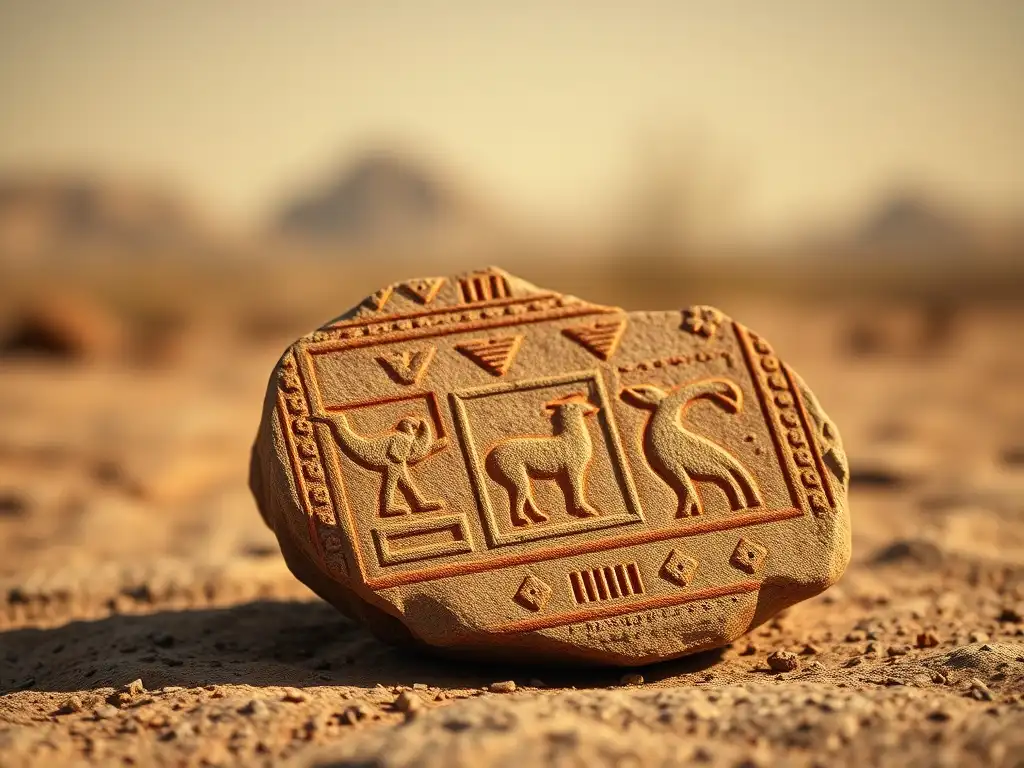
The relationship between Preceramic Andean art and the environment is another crucial aspect of its meaning. Many motifs found in the art reflect the importance of agriculture and the natural world in the lives of these early communities. Depictions of animals, plants, and natural phenomena suggest a deep connection to the environment and a sophisticated understanding of ecological systems. The use of natural pigments in pottery and textiles further underscores this connection.
The specific selection of colors and their application in artistic representations likely held significance in relation to the surrounding landscape and the agricultural cycles that sustained the communities. By studying the relationship between Preceramic Andean art and the environment, we can gain valuable insights into their worldview and their adaptive strategies for survival in a challenging landscape. Further analysis of the specific plant and animal depictions can reveal more about their agricultural practices and ecological knowledge.
The Legacy of Preceramic Andean Art
The legacy of Preceramic Andean art is profound and far-reaching. The artistic innovations and expressive techniques developed during this era laid the foundation for the artistic achievements of later Andean civilizations. The sophisticated understanding of visual communication and symbolic representation evident in Preceramic art continued to evolve and influence subsequent artistic traditions.
The enduring impact of Preceramic Andean art is evident in the stylistic continuities and symbolic themes that reappear in later periods. Understanding this early art is crucial for a complete appreciation of the rich and complex history of Andean art and culture.
It serves as a powerful reminder of the ingenuity and creativity of these early Andean societies and their profound connection to the land and their ancestors. The study of Preceramic Andean art continues to reveal new insights into the lives, beliefs, and cultural practices of these early communities, enriching our understanding of the human experience and the development of civilization in the Andes.
- Diverse Forms of Preceramic Andean Expression
- The Language of Symbols and Iconography
- Social and Ritual Significance of Preceramic Art
- Preceramic Andean Art and the Environment
- The Legacy of Preceramic Andean Art
Understanding Preceramic Andean Art and Its Significance
This section delves into the fascinating world of Preceramic Andean art, focusing on its importance beyond mere aesthetics. We will explore how these early artistic expressions served as powerful communication tools within their respective societies, reflecting complex social structures, beliefs, and interactions with the environment. Understanding Preceramic Andean art communication requires acknowledging the rich cultural tapestry of the pre-Inca era, a period brimming with innovation and symbolic expression.
The stylistic variations across different regions and the evolution of artistic techniques provide invaluable insights into the development of Andean civilization. This exploration will showcase how seemingly simple artifacts hold intricate narratives, revealing the sophisticated communication systems employed by these early Andean communities. We will analyze specific examples, highlighting the use of color, form, and iconography to convey meaning.
The Preceramic Period in the Andes: A Cultural Foundation
The Preceramic Period in the Andes (roughly 8000-1800 BCE) lays the groundwork for the later flourishing of complex Andean societies. It's a period marked by the transition from nomadic hunter-gatherer lifestyles to settled agricultural communities. This shift had profound implications for artistic expression.
The development of agriculture, particularly the cultivation of crops like maize and potatoes, led to increased sedentarism and population density. This, in turn, fostered social complexity and the need for more sophisticated forms of communication. Early Andean art, therefore, wasn't simply a decorative pursuit; it emerged as a crucial mechanism for conveying information, establishing social hierarchies, and expressing religious beliefs within these evolving communities.
The emergence of pottery, textile production, and monumental architecture during this period marks a significant leap in both technological and artistic capabilities, directly impacting the range and sophistication of artistic communication. Analyzing the stylistic choices in early pottery, for example, reveals regional variations and potential interactions between different groups, demonstrating the communicative power inherent in these seemingly simple objects.
Beyond Aesthetics: Unveiling the Communicative Power of Early Andean Art
Preceramic Andean art wasn't solely about visual appeal; it was a powerful medium for conveying intricate narratives and social messages. Consider the intricate carvings found on early stone tools and the vibrant painted designs on pottery shards. These weren't mere decorations; they represented a complex system of symbols and iconography that communicated vital information about the beliefs, social structures, and daily lives of the people who created them. For instance, certain motifs repeatedly appearing across different sites might symbolize deities, ancestral spirits, or important events.
The use of specific colors also holds symbolic significance. Red, for example, might represent blood, fertility, or power, while other colors could represent different aspects of the natural world or spiritual realm. The size and placement of artifacts also contribute to their communicative power. Larger sculptures or elaborately decorated pottery might indicate higher social status or religious importance.
Furthermore, the discovery of burial sites containing carefully arranged artifacts suggests a complex understanding of the afterlife and the use of art to guide the deceased on their journey. Careful study of these artifacts reveals a sophisticated understanding of the relationship between art and communication within these early Andean societies, going far beyond the simple notion of "decoration". The careful study of Preceramic Andean art communication thus provides a window into the rich cultural and social complexities of these early Andean societies. Further research into specific sites and artifact types is needed to fully unlock the secrets embedded within these ancient works.
Key Features of Preceramic Andean Art

Preceramic Andean art, flourishing before the advent of pottery (circa 3000-1800 BCE), reveals a sophisticated understanding of artistic expression and its role in communicating social, religious, and cosmological ideas. This art, primarily manifested in textiles, stone carvings, and painted murals, offers a compelling glimpse into the beliefs and practices of early Andean societies.
Unlike later Andean art forms, which often incorporated elaborate metalwork and ceramics, preceramic art relied on the skillful manipulation of readily available natural materials to create powerful and enduring imagery. The enduring nature of these art forms, particularly the rock art found across the Andes, allows us to study the evolution of artistic styles and iconography over centuries, providing crucial insights into the development of Andean culture and its complex systems of communication.
The study of "Preceramic Andean art communication" reveals a sophisticated system of visual storytelling that predates many other known forms of artistic expression in the Americas.
Materials and Techniques in Preceramic Art Production
The creation of Preceramic Andean art involved a masterful use of readily available materials. Textiles, for instance, relied on the cultivation and processing of cotton and camelid fibers (llama, alpaca, and vicuña). Evidence suggests sophisticated techniques such as spinning, weaving, and dyeing were employed, resulting in intricate designs and vibrant colors. The dyes themselves were derived from natural sources, indicating a deep understanding of botany and chemistry. Furthermore, the intricacy of the weaving patterns implies a highly structured social organization, with specialized artisans likely responsible for producing these complex textiles.
Stone carving utilized a range of materials, from volcanic rock to obsidian, depending on availability and desired qualities. Techniques varied, from simple pecking and polishing to more advanced carving and sculpting. The creation of these objects required significant skill and time, suggesting a high value placed on both the aesthetic and functional qualities of the finished product.
Many of these stone carvings depict stylized figures, animals, and abstract designs, reflecting the importance of symbolism in Andean cosmology. Their durability ensured their survival, providing us with invaluable information about the artistic capabilities and worldview of these early societies. The precision and detail in some carvings show a dedication to artistic excellence, surpassing simple functionality.
Painted murals, found in caves and rock shelters, utilized pigments derived from minerals and plants. The application of these pigments, often using brushes made from natural materials, demonstrates a high level of artistic skill and control. These murals frequently depicted scenes of hunting, ritual practices, and possibly narrative sequences.
The use of layered pigments, and the evidence of sophisticated mixing techniques, points to the existence of a well-developed understanding of color theory and artistic practice. Unfortunately, the fragility of these murals means that many are poorly preserved; however, those that remain offer valuable clues to the visual language of Preceramic Andean societies.
Iconography and Symbolism in Early Andean Art
The iconography of Preceramic Andean art is rich with symbolism, reflecting a complex cosmology and worldview. Recurring motifs include stylized human figures, often depicted in ritual poses or adorned with elaborate headdresses and ornaments. These figures may represent deities, ancestors, or shamans, reflecting the importance of spiritual beliefs in Andean societies. Animal depictions, such as camelids and birds of prey, also appear frequently, possibly representing clan affiliations, totems, or symbolic representations of power and status.
Geometric patterns, such as spirals, zigzags, and stepped frets, are ubiquitous in Preceramic textiles and rock art. These patterns likely carry symbolic meaning, possibly representing celestial bodies, agricultural cycles, or abstract concepts related to Andean cosmology. The repetition and variation of these patterns suggest a sophisticated understanding of design principles and a system of visual communication that extended beyond simple decoration.
The analysis of these patterns reveals a deep connection to the Andean landscape and the cyclical nature of life and death. Further research is needed to fully understand the nuanced meanings embedded within these seemingly simple geometric forms. Understanding the "Preceramic Andean art communication" through its iconography requires interdisciplinary collaboration, combining archaeological findings with ethnographic studies of contemporary Andean communities.
The production and distribution of Preceramic Andean art provide valuable insights into the social structures of these early societies. The complexity of textile weaving, the scale of stone carving projects, and the creation of large-scale murals suggest a degree of social organization and specialization of labor. Certain individuals or groups may have been designated as specialized artisans, responsible for creating these art forms. The distribution of these artifacts across different sites suggests the existence of social networks and exchange systems, linking different communities and regions.
The presence of elite burials containing elaborate textiles and ornaments indicates the existence of social hierarchies and the concentration of wealth and power in the hands of a select few. However, the widespread occurrence of simpler forms of art suggests that artistic expression was not limited to the elite but was integrated into the daily lives of many members of society. The evidence suggests a complex interplay between social status, artistic production, and the dissemination of cultural beliefs.
Further analysis of settlement patterns and grave goods can offer a more complete picture of the social context in which Preceramic Andean art was produced and consumed. The study of "Preceramic Andean art communication" allows us to trace the development of social complexities, revealing the emergence of hierarchical structures and the role of art in reinforcing social identities.
Examples of Preceramic Andean Art Forms

This section delves into specific examples of Preceramic Andean art, demonstrating how these seemingly simple objects served as sophisticated communication tools. We will explore the intricate messages woven into textiles, the symbolic power of rock art, and the narrative potential of carved gourds, highlighting the artistry and communicative intent behind these early Andean creations. Understanding these forms provides crucial insight into the complex social structures, beliefs, and daily lives of the Preceramic Andean peoples. The keyword "Preceramic Andean art communication" is central to this exploration.
Textiles and Fiber Arts: Woven Messages in the Preceramic Period
The earliest evidence of textile production in the Andes dates back to the Preceramic period, predating the development of ceramics. These textiles, often made from camelid fibers like alpaca and llama wool, were far more than just clothing; they were sophisticated communicative devices. The intricate weaving techniques, the use of distinct colors, and the incorporation of specific patterns all conveyed complex social information.
For example, the presence of specific motifs, such as stylized animals or geometric designs, could indicate social status, clan affiliation, or religious beliefs. The complexity of the weave itself could also be a marker of skill and prestige, reflecting the weaver's social standing within the community. Analysis of excavated textiles reveals a surprising level of standardization in certain motifs across geographically dispersed sites, suggesting a degree of interconnectedness and shared cultural practices.
Furthermore, the use of natural dyes derived from plants and minerals indicates a deep understanding of the environment and its resources, further enriching the communicative aspect of these textiles. The meticulous craftsmanship and symbolic richness of Preceramic Andean textiles showcase the sophisticated communication systems present even in the earliest stages of Andean civilization. These were not simply decorative items; they were active participants in the ongoing dialogue of Andean society.
Preceramic Rock Art: Petroglyphs and Pictographs as Communication Tools
Preceramic rock art, encompassing both petroglyphs (carved images) and pictographs (painted images), provides another compelling avenue for understanding Preceramic Andean communication. These images, often found on rock surfaces in caves and open-air sites, depict a wide range of subjects, including animals, human figures, and abstract symbols. The precise meanings of many of these images remain debated, but their presence indicates a desire to record and transmit information across generations.
Consider, for instance, the recurring depictions of camelids in various poses. These might represent aspects of daily life, such as herding practices, or hold deeper symbolic significance, relating to shamanistic practices or cosmological beliefs. Similarly, abstract geometric patterns, often found alongside figurative representations, may encode information about social structures, rituals, or territorial boundaries.
The style and technique employed in creating these images, including the choice of tools and pigments, also offer clues about the artists' skills and the social contexts in which they worked. The study of Preceramic rock art therefore reveals a rich tapestry of visual communication, offering valuable insights into the worldview and social dynamics of early Andean societies. The distribution and stylistic variations of these rock art sites also suggest potential networks of interaction and exchange between different communities.
Carved Gourds: Early Forms of Narrative Art in the Andes
Carved gourds represent another fascinating aspect of Preceramic Andean art and communication. These seemingly simple objects were transformed into intricate works of art through careful carving and sometimes painting. The designs etched onto their surfaces often depict scenes from daily life, mythological narratives, or symbolic representations of cosmological beliefs. The three-dimensional nature of the gourds allowed for a more complex narrative structure than was possible on flat surfaces like textiles or rocks.
For example, some gourds feature depictions of hunting scenes, agricultural activities, or ceremonial rituals. These carved images provide valuable glimpses into the daily routines and social practices of Preceramic Andean communities. The selection of specific motifs and the manner in which they are arranged on the gourd's surface suggest a conscious effort to convey specific messages. Furthermore, the use of different carving techniques and the application of pigments indicate variations in artistic skill and stylistic preferences across different regions and time periods.
The discovery of carved gourds in burial contexts suggests their significance in funerary rituals and their role in communicating beliefs about the afterlife. These objects, therefore, are not merely decorative items; they are tangible expressions of the rich narratives and beliefs that shaped Preceramic Andean society. The study of these carved gourds significantly enhances our understanding of Preceramic Andean art communication.
Architectural Art: Structures as Expressions of Belief and Power
Preceramic Andean architectural art wasn't merely about providing shelter; it served as a powerful medium for communicating beliefs, social structures, and the power dynamics within early Andean societies. The monumental structures erected during this period, often using sophisticated techniques like carefully fitted stones without mortar, speak volumes about the engineering prowess and the deeply held spiritual convictions of the builders. These weren't just buildings; they were statements.
Consider the impressive remains found at sites like Caral in the Supe Valley of Peru. Caral, dating back to approximately 2600 BCE, boasts massive platforms, plazas, and residential structures arranged in a meticulously planned urban layout. The scale of the constructions suggests a highly organized society capable of mobilizing significant labor and resources.
The placement of structures, their orientation towards celestial bodies, and the presence of ritual spaces all point towards a complex cosmology and a sophisticated understanding of the relationship between the earthly and spiritual realms. This architectural design wasn't arbitrary; it was a deliberate act of communication, conveying the society's worldview and the power of its ruling elite. The sheer size and complexity of Caral, for instance, likely served to impress and solidify the authority of those who controlled its construction and resources.
Furthermore, the use of specific materials and construction techniques also played a crucial role in communicating meaning. The careful selection of stone types, the precision of the cuts, and the overall aesthetic of the buildings all contributed to a powerful visual language. For example, the use of certain stones might have held symbolic significance, possibly representing deities or natural forces.
The intricate designs incorporated into some structures, although often subtle, might have served as coded messages, expressing specific beliefs or narratives. While many aspects of this visual language remain open to interpretation, the deliberate nature of the construction suggests a conscious effort to communicate through architectural forms.
The absence of writing systems in the Preceramic period underscores the importance of these architectural expressions as primary forms of communication. The structures themselves became the storytellers, conveying information about social hierarchy, religious beliefs, and technological capabilities across generations. Detailed analysis of these structures, including their layout, materials, and construction techniques, continues to unveil the rich tapestry of cultural and spiritual beliefs that characterized these early Andean societies.
The legacy of this sophisticated architectural communication continues to inspire awe and wonder, showcasing the ingenuity and complex social organization of preceramic Andean cultures. Further research, particularly focusing on the precise placement of structures relative to astronomical events and the symbolic meaning of specific materials, is needed to fully understand the intricacies of this powerful communication system.
The Communicative Role of Preceramic Andean Art
Preceramic Andean art, flourishing before the advent of pottery (circa 3000-1800 BCE), transcends simple decoration. It served as a powerful tool for communication, conveying complex social structures, religious beliefs, and cosmological understandings. Unlike later Andean artistic traditions with more readily decipherable iconography, understanding preceramic art requires careful consideration of context, materiality, and the subtle nuances embedded within its forms.
This section will explore how these early Andean peoples used art not just to embellish their lives, but to actively shape their societies and transmit vital cultural information across generations. The analysis of Preceramic Andean art communication reveals a sophisticated system of symbolic expression far exceeding its apparent aesthetic function.
Preceramic Art and Ritual Practices
Many examples of preceramic Andean art are inextricably linked to ritual practices. The elaborate textiles, intricately carved stones, and meticulously painted cave murals often appear within sites associated with ceremonial activities. For instance, the discovery of intricately woven textiles in burial contexts suggests their importance in funerary rites, possibly signifying the deceased's social status or connection to the spiritual realm.
The use of specific colors and patterns in these textiles, although the specific meanings remain partially elusive, likely held symbolic significance, communicating messages related to ancestor veneration, fertility, or cosmological beliefs. Analysis of these artifacts alongside archaeological evidence of ritual activity provides crucial insight into the role of art in shaping religious practices and social hierarchies.
Further research, particularly focused on pigment analysis and textile structure, could reveal even more nuanced interpretations of these communicative practices. The careful placement of artifacts within ritual contexts—for example, the arrangement of stones in specific patterns or the positioning of textiles within burial chambers—further emphasizes the deliberate and communicative nature of these artistic expressions.
Art as a Medium for Transmitting Knowledge and Beliefs
Beyond ritual contexts, preceramic Andean art served as a crucial medium for transmitting knowledge and beliefs across generations. The creation and replication of specific artistic motifs—such as geometric patterns, stylized animal representations, or abstract symbols—suggests the existence of shared cultural understandings and the deliberate transmission of these ideas. Consider the recurring appearance of specific zoomorphic motifs across different sites and geographical locations.
While the precise meaning of these representations remains a subject of ongoing debate, their consistency indicates a shared understanding or belief system that transcended local boundaries. The persistence of these motifs across time also suggests a continuity of cultural traditions and the successful transmission of knowledge through artistic practice.
This transmission likely involved apprenticeship systems, where artistic skills and symbolic meanings were passed down within families or specialized groups, ensuring the continuation of these cultural traditions. The study of these patterns allows us to piece together a more complete picture of the beliefs and values that shaped early Andean societies.
The Importance of Context in Interpreting Preceramic Andean Art
Interpreting preceramic Andean art requires a nuanced understanding of its context. The location of an artifact, the materials used, and the associated archaeological finds are all crucial in deciphering its meaning. Simply analyzing the aesthetic qualities of an object is insufficient; understanding the social, religious, and environmental context in which it was created and used is essential.
For example, a carved stone found in a high-altitude setting might carry a different symbolic meaning than the same object found in a coastal environment. Similarly, the materials used—such as specific types of stone, feathers, or pigments—could indicate the social standing of the creator or the intended audience. The careful excavation and documentation of archaeological sites, therefore, plays a vital role in unlocking the communicative potential of preceramic Andean art.
By meticulously recording the spatial relationships between artifacts and understanding the environmental context of their discovery, researchers can build a more comprehensive and accurate understanding of the communicative strategies employed by these early Andean societies. This holistic approach is crucial for a complete appreciation of Preceramic Andean art communication.
This detailed analysis highlights the significance of preceramic Andean art not merely as aesthetic objects, but as vital instruments for communication, transmitting cultural knowledge, beliefs, and social structures across generations. Further research and interdisciplinary collaboration will undoubtedly deepen our understanding of this fascinating aspect of early Andean civilization.
Analyzing Preceramic Art: Decoding the Messages
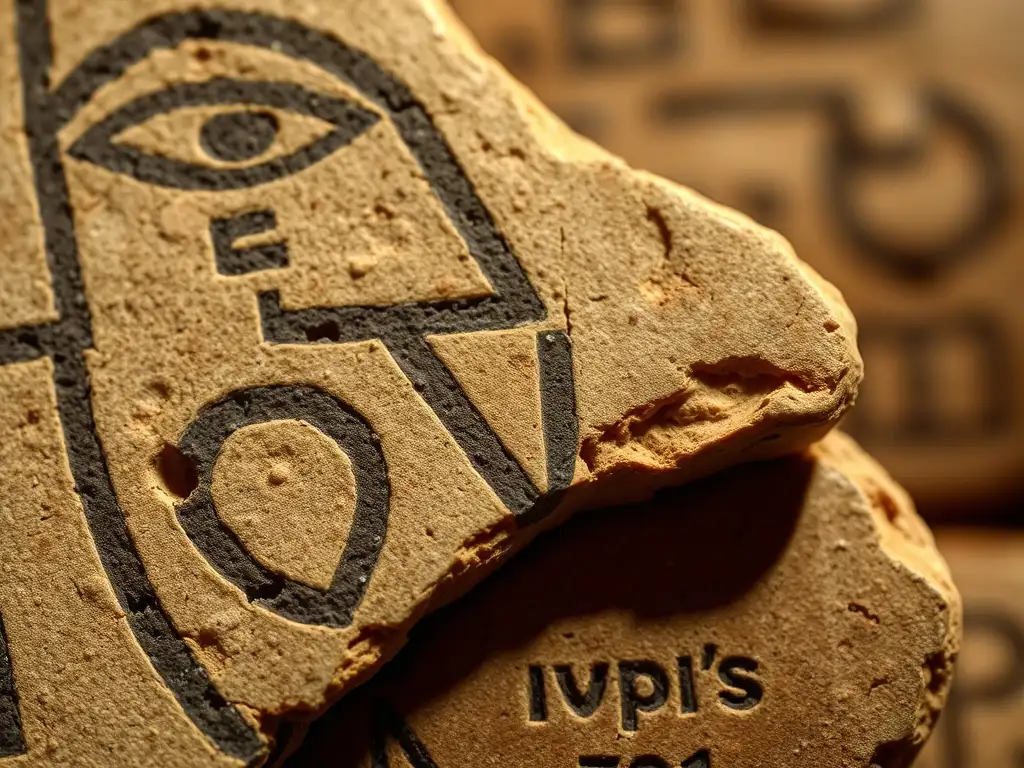
Preceramic Andean art, flourishing before the advent of pottery, offers a fascinating window into the worldview and societal structures of early Andean communities. It wasn't merely decorative; it served as a powerful tool for communication, conveying complex narratives, social hierarchies, and cosmological beliefs. Understanding this communication requires a nuanced approach, moving beyond simple aesthetic appreciation to analyze the underlying symbolic language embedded within these artifacts.
This section will explore the methods used to decipher the messages encoded in preceramic Andean art, focusing on recurring motifs, color palettes, and monumental works. The study of "Preceramic Andean art communication" reveals a sophisticated artistic tradition far exceeding simple ornamentation.
Identifying Recurring Motifs and Their Meanings
Recurring motifs in Preceramic Andean art provide crucial clues to understanding their symbolic significance. Certain shapes and figures appear repeatedly across different sites and periods, suggesting shared cultural beliefs or practices. For example, the frequent depiction of stylized felines, birds, and snakes likely reflects their importance in the Andean cosmology, possibly representing deities, ancestors, or natural forces.
The precise meanings, however, remain subject to ongoing scholarly debate. Some interpretations suggest that felines symbolize power and hunting prowess, while birds might represent shamanic journeys or celestial connections. Serpents, often depicted in intricate detail, could symbolize fertility, water sources, or the underworld.
Further complicating interpretation is the stylistic variation across different regions. A stylized feline depicted in the coastal regions might have a slightly different meaning compared to a similar representation in the highlands. This regional variation emphasizes the need for a geographically nuanced approach to interpreting Preceramic Andean art.
Detailed comparative studies of these motifs across various sites are crucial for identifying consistent patterns and developing a more comprehensive understanding of their symbolic language. More research is needed to fully understand the subtle differences in representation and their implications. The meticulous documentation of these motifs and their context is therefore paramount for future research on Preceramic Andean art communication.
The Role of Color and Composition in Preceramic Art
Color and composition play a crucial role in the communicative power of Preceramic Andean art. The careful selection and arrangement of colors weren't arbitrary; they likely held symbolic meaning, reflecting the importance of specific pigments and their association with particular beliefs or rituals. For example, the use of red ochre might have been associated with blood, fertility, or the life-giving power of the sun, while white might have represented purity or the sacred. The scarcity of certain pigments further emphasizes their importance.
The composition of the artwork itself—the arrangement of figures, the use of negative space, and the overall visual balance—also contributed to its communicative function. Certain patterns and arrangements might have signaled social status, ritual significance, or cosmological beliefs. For instance, the hierarchical arrangement of figures in some rock carvings might have reflected the social structure of the community.
Unfortunately, the precise interpretations of these compositional elements often lack definitive evidence, necessitating further interdisciplinary research involving art historians, archaeologists, and anthropologists. The development of a comprehensive color index for preceramic Andean pigments would significantly aid in the analysis of color symbolism within the context of "Preceramic Andean art communication."
The Caral Geoglyphs: A Case Study in Preceramic Monumental Art
The Caral geoglyphs represent a remarkable example of Preceramic Andean monumental art, demonstrating the sophisticated artistic and engineering capabilities of the Caral civilization. These large-scale earthworks, created by manipulating the landscape, are not only impressive feats of engineering but also significant communicative devices. Their sheer size and visibility suggest a desire to convey messages to a wide audience, potentially marking territorial boundaries, commemorating important events, or expressing cosmological beliefs.
While the precise meanings of the Caral geoglyphs remain largely unknown, their monumental scale and deliberate placement indicate their importance. Unlike smaller artifacts, their interpretation requires a multi-faceted approach, integrating geological and geophysical surveys, along with detailed analysis of their spatial arrangements and possible connections to other sites. The potential use of astronomical alignments in their design also needs to be investigated to better understand their symbolic function.
Further research, including advanced imaging techniques and interdisciplinary collaboration, is essential to unlock the secrets of these enigmatic earthworks and contribute to a more complete understanding of "Preceramic Andean art communication" in the Norte Chico region. The ongoing study of the Caral geoglyphs highlights the challenges and rewards of interpreting monumental Preceramic Andean art. The potential for new discoveries and interpretations remains high.
The Legacy of Preceramic Art in Later Andean Cultures

The vibrant tapestry of Andean art, so renowned for its intricate designs and symbolic richness, didn't emerge fully formed. Its roots lie deep in the Preceramic period (roughly 8000-1800 BCE), a time of significant artistic innovation that laid the groundwork for later cultural expressions. Understanding Preceramic Andean art communication is crucial to grasping the evolution of Andean artistic traditions and their enduring impact.
The stylistic elements, techniques, and symbolic language developed during this era served as a foundational layer, influencing subsequent artistic styles across various Andean cultures, from the Nazca to the Inca. This influence wasn't simply a matter of imitation; rather, it was a process of continuous adaptation and transformation, reflecting the dynamic nature of Andean societies and their evolving beliefs.
The enduring legacy of Preceramic art is evident in the recurring motifs, stylistic choices, and underlying symbolic systems that echo through millennia of Andean artistic production. We see this legacy not just in obvious stylistic similarities, but also in the underlying philosophies and worldviews reflected in the art itself.
Continuity and Transformation of Artistic Traditions
The transition from Preceramic to later Andean art wasn't a clean break. Many motifs and techniques found in Preceramic pottery, textiles, and other art forms reappear, albeit often transformed, in subsequent periods. For example, the geometric patterns and stylized representations of animals and plants prevalent in Preceramic art continue to appear in later Andean art, albeit with increased complexity and refinement. Consider the use of zoomorphic and anthropomorphic figures: while Preceramic examples might feature simpler representations, later cultures like the Moche developed these into highly sophisticated and expressive depictions, imbued with narrative depth and symbolic meaning.
This continuity underscores the enduring power of established artistic traditions. However, the transformation is equally important. Each new culture adapted and reinterpreted these inherited motifs, adding its own unique stylistic flourishes and cultural interpretations.
The evolution of pottery styles, for instance, demonstrates this beautifully: the simple, unadorned vessels of the early Preceramic period gradually gave way to more elaborate forms, featuring intricate painted decorations and sculpted details in later periods. This ongoing process of adaptation and innovation is a hallmark of Andean art and a testament to the dynamic interplay between tradition and change. The shift from primarily utilitarian objects to more complex ceremonial and symbolic pieces also shows a clear evolution.
The Influence of Preceramic Art on Subsequent Andean Art Forms
The impact of Preceramic Andean art is not limited to stylistic parallels. The very materials and techniques employed in the Preceramic period profoundly shaped the development of later art forms. The mastery of pottery techniques, for instance, laid the foundation for the incredibly sophisticated ceramic traditions of later Andean cultures.
The ability to create durable and aesthetically pleasing vessels was not merely a practical achievement; it also facilitated the development of complex symbolic systems expressed through painted decorations and sculpted forms. Similarly, the early experiments with textile production, even in the absence of advanced weaving technology, provided a base upon which later cultures built their renowned textile artistry. The development of intricate weaving techniques, elaborate designs, and the use of diverse materials are all rooted in the foundational knowledge and skills acquired during the Preceramic period.
We can see this in the use of specific pigments, the development of particular weaving patterns, and even the selection of specific materials, all reflecting a long-term artistic evolution. Analyzing the chemical composition of pigments used in Preceramic and later art could reveal further connections and the evolution of artistic practices. [Specific information pending on pigment analysis across periods].
Preceramic Andean Art: A Foundation for Cultural Identity
Preceramic Andean art served not only as a precursor to later artistic styles but also as a critical component in the formation of Andean cultural identity. The motifs, symbols, and artistic expressions developed during this period became deeply embedded in the collective consciousness of Andean societies. These early artistic expressions helped to establish a shared visual language, a set of symbolic codes that transcended geographical boundaries and facilitated communication across different groups.
The enduring presence of certain motifs and symbolic elements in later Andean art demonstrates their continued significance and their role in maintaining cultural cohesion and continuity. The recurring themes found in Preceramic art—such as stylized animals, geometric patterns, and representations of the natural world—became integral aspects of Andean cosmology and worldview. These themes continued to be reinterpreted and re-contextualized throughout Andean history, reflecting the evolving relationship between Andean cultures and their environment.
The legacy of Preceramic art is therefore not just an aesthetic one; it’s a fundamental aspect of Andean cultural identity, a tangible link to the past that helped shape the unique character of Andean societies for millennia. The study of Preceramic Andean art communication offers invaluable insights into the development of Andean identity and the enduring power of artistic traditions.
Conclusion: Preceramic Andean Art as a Window into the Past
The study of Preceramic Andean art offers a unique and invaluable perspective on the social structures, beliefs, and daily lives of the earliest Andean societies. Far from mere decoration, these artifacts serve as powerful conduits of communication, revealing intricate details about their creators' worldviews and interactions with their environment. By meticulously analyzing the stylistic choices, iconography, and materials used in these pieces, archaeologists and art historians gain crucial insights into the complex evolution of Andean culture long before the rise of the Inca Empire.
The sophisticated techniques employed, such as the mastery of pottery and textile production, demonstrate a level of technological advancement often underestimated in discussions of pre-ceramic societies. This sophisticated artistry is not simply aesthetically pleasing; it is a testament to the ingenuity and cultural richness of these early Andean peoples.
Understanding Preceramic Andean art communication is key to understanding the foundations upon which later Andean civilizations were built. The legacy of these early artistic expressions continues to resonate, shaping our understanding of the Andean world and its enduring cultural heritage.
The Enduring Relevance of Preceramic Andean Art Communication
The significance of understanding Preceramic Andean art communication extends far beyond academic circles. It enriches our collective understanding of human creativity and ingenuity, demonstrating that complex symbolic systems and artistic expression are not unique to later, more "advanced" societies. The preservation and study of these artifacts contribute significantly to the ongoing efforts to protect and celebrate the diverse cultural heritage of the Andes.
Furthermore, the insights gained from analyzing these artistic expressions can inform contemporary discussions about cultural preservation, the importance of diverse artistic voices, and the power of art as a form of social commentary. The enduring visual language of Preceramic Andean art continues to inspire artists and scholars alike, prompting new interpretations and fostering a deeper appreciation for the richness and complexity of Andean history. The meticulous detail found in these pieces, from the intricate designs on pottery to the carefully woven textiles, showcases a dedication to craftsmanship that continues to inspire awe and admiration.
These artifacts are not simply objects from the past; they are living testaments to the enduring human spirit and the power of artistic expression to transcend time and space. The study of Preceramic Andean art communication is therefore essential for a complete understanding of the Andean cultural legacy.
Further Exploration of Early Andean Culture and Art
Further research into Preceramic Andean art should focus on several key areas. Firstly, more detailed comparative studies are needed to better understand the regional variations in artistic styles and their relationship to environmental factors and social organization. For example, [specific information pending] on the differences in pottery styles between coastal and highland communities. Secondly, advanced scientific techniques, such as [specific information pending] analysis, could reveal further insights into the materials used and the production processes employed.
This could shed light on trade networks and technological innovation. Thirdly, a more interdisciplinary approach, incorporating anthropological, archaeological, and art historical perspectives, is crucial for a more holistic understanding of Preceramic Andean art communication. By combining these approaches, researchers can develop a more nuanced understanding of the social, political, and religious contexts in which these artifacts were created and used. Finally, increased public engagement with Preceramic Andean art is essential.
Museums and educational institutions have a vital role to play in making these artifacts accessible to a wider audience, fostering a deeper appreciation for the rich cultural heritage of the Andes. This increased accessibility is crucial for safeguarding these invaluable pieces for future generations and promoting a more inclusive and representative understanding of history. The potential for uncovering new insights and expanding our understanding of Preceramic Andean art communication is immense. The future of this field promises to be just as exciting and revealing as the past.
Frequently Asked Questions
What is Preceramic Andean art?
Preceramic Andean art refers to the artistic expressions of Andean cultures before the invention of pottery, typically dating back to 8000-2000 BCE. It encompasses various media like textiles, stone carvings, and painted cave art. These artifacts offer crucial insights into early Andean societies.
How did Andean people communicate through Preceramic art?
Preceramic art served as a vital communication tool, conveying social structures, beliefs, and daily life. Symbolic imagery depicted animals, plants, and human figures, likely representing clan affiliations, rituals, and narratives. This non-verbal communication transcended linguistic barriers.
What are some examples of Preceramic Andean art?
Examples include the geometric designs found on textiles from the Paracas culture, intricate stone carvings at sites like Cerro Paloma, and the vibrant paintings in caves, such as those found in the Peruvian highlands. These diverse forms demonstrate a rich artistic tradition.
How does Preceramic Andean art differ from later Andean art?
While later Andean art continued many established motifs, Preceramic art lacks the complexity and sophistication of pottery and metalwork found in later periods. The focus was primarily on natural forms and geometric patterns, reflecting a different technological and artistic landscape.
Why is studying Preceramic Andean art important?
Studying Preceramic Andean art is crucial for understanding the evolution of Andean societies and their cultural development. These early artistic expressions provide foundational knowledge about their beliefs, social structures, and the origins of artistic traditions which influenced later cultures.
Final Reflection: Echoes of a Silent Dialogue
The intricate artistry of Preceramic Andean art isn't merely decorative; it's a vibrant testament to the power of visual communication, a legacy that continues to resonate in contemporary society. These ancient expressions, devoid of written language, speak volumes about the ingenuity, spirituality, and social structures of their creators, offering invaluable insights into a world lost to time. Their enduring presence challenges our modern understanding of communication, reminding us that meaning can transcend linguistic barriers.
The enduring influence of Preceramic Andean art on our understanding of human expression is profound. It forces us to reconsider the limitations we place on communication, highlighting the universality of artistic expression as a means of conveying complex ideas and emotions. Art washes away from the soul the dust of everyday life.
– Pablo Picasso. This quote, while not directly referencing Andean art, perfectly encapsulates the timeless power of artistic expression to connect us across vast stretches of time and culture, bridging the gap between the ancient past and our present-day world. The sophisticated techniques and symbolic imagery employed by these early Andean artists continue to inspire awe and wonder, prompting ongoing research and interpretation.
Consider the implications of this ancient communication. How can we, in our own lives, better utilize visual language to convey our thoughts and feelings? How can we learn from the ingenuity of these early artists to foster deeper understanding and connection within our own communities? Take a moment to reflect on the power of visual communication in your own life – from the simplest emoji to the most complex artwork. Embrace the legacy of Preceramic Andean art, and unlock the potential of visual storytelling within yourself. Let the echoes of their silent dialogue inspire your own creative voice.
Unlock the Secrets of Preceramic Andean Art!
Thank you for exploring the intricate world of Preceramic Andean art with us! We hope you've gained a deeper appreciation for this unique artistic expression and its vital role as a form of communication in ancient cultures. Let's keep that inspiration going!
Here's how you can delve deeper into this fascinating subject:
- Visit Local Museums: Immerse yourself in the rich history and artistry of Andean artifacts by visiting a museum near you that features these captivating pieces.
- Join a Community of Enthusiasts: Connect with fellow enthusiasts online or through a local group dedicated to Andean cultures. Share your insights and learn from others who share your passion.
- Create Your Own Andean-Inspired Art: Try recreating your favorite pieces or developing your own interpretations of Andean designs. Let your creativity flow!
What aspect of Preceramic Andean art resonates most with you, and how do you see its influence in the modern world?