
The Rise of the Wari: How an Andean Power Forged an Empire

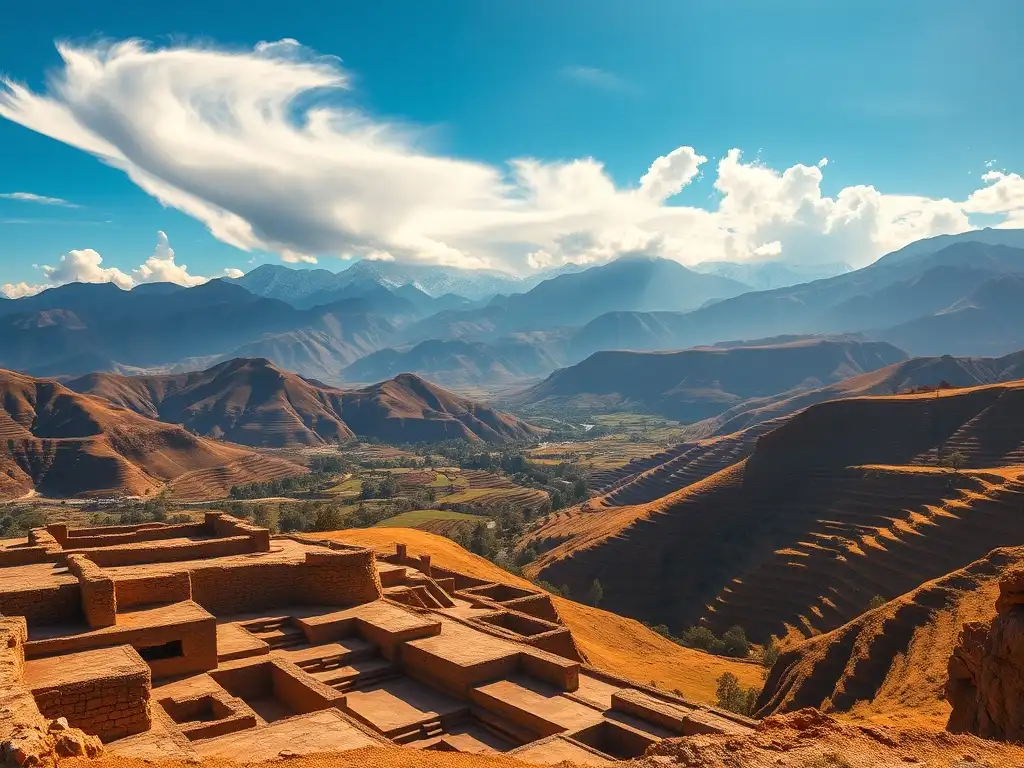
Uncover the mysteries of the Andes! Journey back in time to a world of breathtaking artistry, sophisticated engineering, and powerful empires. Did a seemingly sudden expansion of power truly lead to the Wari Empire's spectacular rise...? Delve into the captivating story of the Wari Empire's rise and fall, and discover how this Andean civilization shaped the future of the region. Prepare to be amazed by the secrets this ancient world holds.
The Wari Empire, a pre-Inca civilization that flourished in the Andes from approximately 600 to 1000 CE, represents a fascinating chapter in the history of South America. Its rise marked a significant turning point in the development of complex societies in the region, showcasing impressive feats of political organization, economic management, and technological innovation.
This article delves into the key factors that contributed to the Wari's expansion and consolidation of power, exploring its geographic reach, its impact on different Andean regions, and the eventual decline of this remarkable empire. Understanding the Wari's rise and fall offers crucial insights into the broader dynamics of Andean civilization and the complex interplay of factors that shaped the pre-Columbian world.
We will examine the Wari Empire's rise and fall, focusing on its strategic expansion and its lasting legacy on subsequent Andean cultures. This exploration will utilize archaeological evidence, historical analysis, and contextual understanding to paint a vivid picture of this powerful, yet often overlooked, Andean civilization.
Introduction to the Wari Civilization and its Historical Context
The Wari civilization emerged in the central Andes, initially centered around the Ayacucho region of modern-day Peru. Unlike its later Inca successors, the Wari did not rely on a single, easily identifiable capital city. Instead, their power was based on a complex network of administrative centers and strategically located settlements spread across a vast territory.
Their rise coincided with a period of significant societal change in the Andes, characterized by increasing population density, agricultural intensification, and the development of more sophisticated social hierarchies. Archaeological evidence suggests a gradual process of consolidation, with smaller regional chiefdoms coalescing under a unified Wari leadership. This process involved sophisticated strategies of political integration, economic control, and the dissemination of Wari cultural practices throughout their expanding domain.
The development of a standardized pottery style, distinctive architectural designs, and uniform administrative practices all contributed to the creation of a cohesive Wari identity that transcended regional boundaries. The Wari's success depended not only on military might but also on a sophisticated system of governance and economic control.
The Geographic Expansion of the Wari Empire: Key Regions and Territories
The Wari Empire's geographical reach was impressive, extending across diverse ecological zones and encompassing a wide range of environments. Their influence stretched from the arid coastal deserts to the high-altitude Andean highlands, demonstrating remarkable adaptive capabilities and sophisticated administrative strategies to manage such a diverse territory. This expansion wasn't a rapid conquest, but rather a gradual process of integration, involving both military force and diplomatic alliances. The expansion can be broadly categorized into three key areas: the core area around Ayacucho, the coastal regions, and the extensive highland territories.
The Core Area: Ayacucho and the Origins of Wari Power
Ayacucho served as the heartland of the Wari Empire, a region characterized by fertile valleys and abundant resources. Evidence suggests that the Wari's initial power base was consolidated in this area, with the development of large-scale agricultural systems, monumental architecture, and sophisticated administrative structures. The city of Wari itself, near present-day Ayacucho, was a major center of power, although its exact function and layout are still being studied by archaeologists.
The impressive remains of monumental architecture, including massive platforms and residential structures, testify to the power and organization of Wari society. The careful management of water resources and agricultural production in this core region laid the foundation for the empire's subsequent expansion.
Expansion into the Coastal Regions: Wari Influence on the Pacific Coast
The Wari's expansion to the Pacific coast involved significant challenges, including the need to adapt to a drastically different environment. Despite these challenges, Wari influence is evident in several coastal settlements, suggesting a degree of control and integration. Evidence suggests that the Wari established administrative outposts and facilitated trade networks along the coast, linking coastal resources with the highland heartland.
The extent of Wari control over the coast remains a subject of ongoing research, with some areas showing stronger evidence of Wari influence than others. The interaction between the Wari and pre-existing coastal cultures resulted in a complex cultural exchange, with both adaptation and resistance shaping the dynamics of the region.
The Wari Presence in the Highlands: Establishing Control over Andean Territories
The Wari's expansion into the highlands was a crucial aspect of their imperial strategy, extending their influence over diverse populations and resources. The establishment of administrative centers and outposts in the highlands facilitated the control of vital agricultural lands and strategic trade routes. The Wari integrated various highland communities into their administrative network, employing a combination of coercion and cooperation.
The imposition of Wari architectural styles, pottery designs, and administrative practices served to solidify their control and promote a sense of imperial unity. Archaeological evidence suggests that the Wari established a network of interconnected settlements across the highlands, facilitating communication, trade, and the efficient flow of resources. The highlands provided the Wari with agricultural surpluses, vital resources, and strategic control over key trade routes.
The Wari state, a powerful Andean civilization that flourished between the 6th and 10th centuries CE, boasted a sophisticated political and social structure that facilitated its expansion and control over a vast territory. Unlike some of its contemporaries, the Wari didn't rely solely on military might. Instead, their success stemmed from a complex interplay of political strategies, social engineering, and infrastructural development.
The Wari skillfully integrated conquered populations into their system, creating a remarkably stable and enduring empire for several centuries. Evidence suggests a highly centralized government, although the exact nature of its administration remains a subject of ongoing research and debate among archaeologists and historians. The extent of Wari control varied across different regions, with some areas experiencing tighter integration than others.
This nuanced approach likely contributed to the long-term stability of the empire, adapting to the unique characteristics of each conquered region. The Wari's success highlights the importance of adaptive governance in building and maintaining a large-scale empire in the challenging Andean environment. This adaptability, coupled with impressive engineering feats, allowed the Wari to flourish for centuries.
The Wari Administration: Centralized Power and Governance
The Wari administration was characterized by a highly centralized system of governance, although the precise mechanics of power remain a topic of scholarly discussion. Archaeological evidence, such as the standardized architecture found across Wari sites and the distribution of elite goods, suggests a strong central authority controlling resource allocation and construction projects. This centralized power enabled the Wari to efficiently manage their vast empire, constructing extensive road networks and coordinating large-scale public works.
The administrative system likely involved a hierarchical structure, with officials at various levels responsible for overseeing different aspects of governance. However, the exact nature of these hierarchies and the extent of local autonomy are still under investigation. Further research is needed to fully understand the administrative mechanisms that allowed the Wari to control such a large and diverse territory.
The discovery and analysis of administrative records, if any exist, could provide crucial insights into the daily workings of the Wari government. The absence of such records, however, doesn't negate the evidence pointing towards a centralized system of control.
Social Hierarchy and Class Structure in the Wari Society
Wari society exhibited a distinct social hierarchy, reflecting the centralized nature of their political system. Archaeological findings indicate a clear distinction between elite and commoner populations. Elite individuals enjoyed access to fine textiles, elaborate ceramics, and prestigious burial practices, while commoners had less elaborate lifestyles.
This social stratification is evident in the architecture of Wari cities, with monumental structures dedicated to elites contrasting sharply with the more modest dwellings of the common population. The extent of social mobility within the Wari system is uncertain, but evidence suggests that social status was largely hereditary, reinforcing the existing power structures. The presence of specialized craftspeople and administrators further supports the existence of a complex social structure, with individuals specializing in specific roles within society.
Further research is needed to fully understand the social dynamics and the degree of social mobility within the Wari empire. The study of dietary remains and isotopic analysis could provide additional insights into the social stratification and economic disparities.
The Role of Wari Elites and Their Influence
The Wari elite played a crucial role in shaping the empire's trajectory. Their influence extended across all aspects of society, from political governance to economic control and religious practices. Archaeological evidence, such as lavish tombs and monumental architecture, points to their significant wealth and power.
These elites likely controlled the distribution of resources, oversaw major construction projects, and maintained social order. Their influence on religious practices is evident in the iconography found on Wari ceramics and textiles, suggesting a strong connection between the ruling class and religious institutions. The elite's control over agricultural production and trade networks likely solidified their position within society.
The intricate network of alliances and kinship ties among the elite further strengthened their control and facilitated the integration of conquered territories. Understanding the role of the Wari elite is crucial to understanding the dynamics of the empire's rise and eventual decline. Further research into the elite's burial practices and associated grave goods could reveal more information about their power and influence.
Wari Infrastructure and Urban Planning
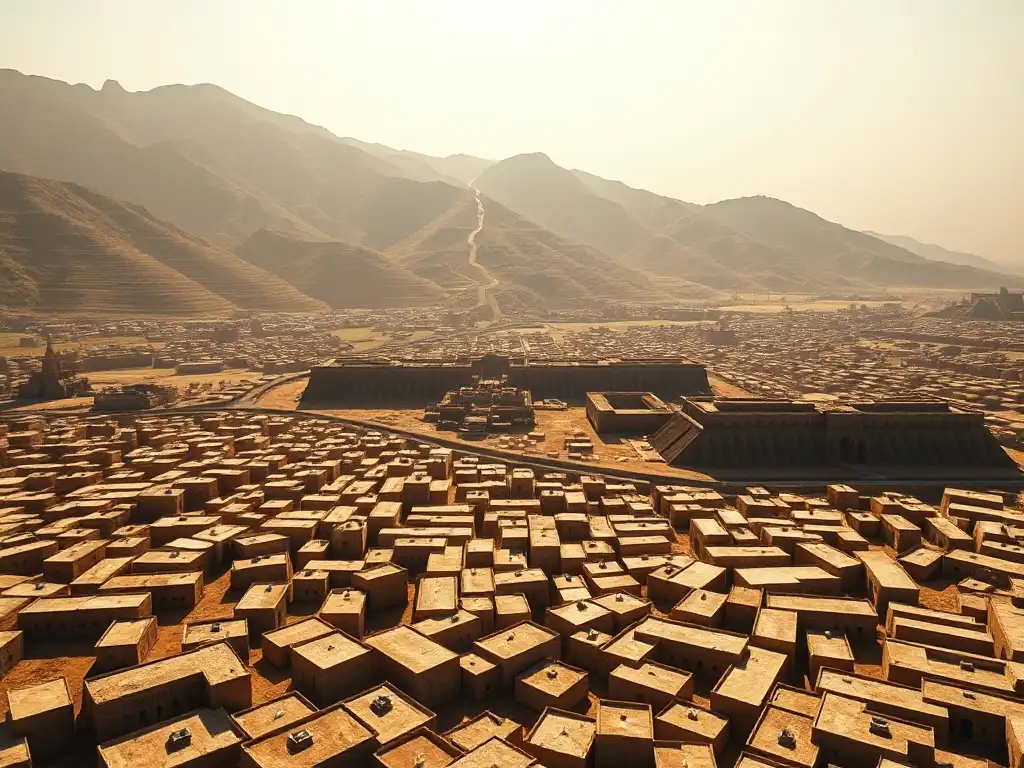
The Wari were renowned for their impressive infrastructure and urban planning, which played a pivotal role in their empire's success. Their urban centers, strategically located across the Andes, served as administrative hubs and facilitated the control and integration of conquered territories. The sophisticated planning and construction of these cities reflect the Wari's advanced understanding of engineering and urban design.
The standardization of architectural styles across different sites suggests a centralized approach to urban planning, reflecting the control exerted by the Wari administration. This impressive infrastructure not only facilitated trade and communication but also served as a symbol of Wari power and authority. The efficient design of Wari cities demonstrates a remarkable understanding of resource management and urban organization.
The Construction of Wari Cities: Urban Centers and Architecture
Wari cities were meticulously planned and constructed, exhibiting a remarkable degree of standardization in their architecture. The use of adobe bricks and standardized building techniques allowed for the efficient construction of large-scale structures, including monumental platforms, residential compounds, and administrative buildings. These cities served as administrative and religious centers, strategically located to control trade routes and agricultural lands. Their layout often incorporated defensive features, reflecting the need to maintain control over conquered territories.
The architectural style, characterized by its uniformity and grandeur, served as a powerful symbol of Wari power and influence. The construction of these cities required significant organization and resources, highlighting the centralized nature of the Wari state. The remarkable scale and precision of Wari construction demonstrate a high level of engineering skill and organizational capacity.
Road Networks and Communication Systems of the Wari Empire
The Wari empire relied on an extensive network of roads to facilitate communication and trade across its vast territory. These roads, often constructed along mountain ridges and valleys, connected major urban centers and allowed for the efficient movement of goods and people. The construction of these roads involved considerable engineering feats, showcasing the Wari's advanced knowledge of topography and construction techniques. These communication systems played a critical role in maintaining the empire's cohesion and control.
The roads facilitated the movement of troops, administrators, and trade goods, enabling the Wari to effectively govern their far-flung territories. The efficiency of these networks is a testament to the Wari's organizational abilities and their understanding of the importance of communication in maintaining a large empire. The strategic placement of these roads suggests a sophisticated understanding of the Andean geography and the need for efficient transportation.
Water Management and Agricultural Techniques of the Wari
The Wari developed sophisticated water management and agricultural techniques to support their growing population and maintain the stability of their empire. Their agricultural practices, including terracing, irrigation systems, and the cultivation of diverse crops, allowed them to efficiently utilize available land and resources. These techniques were crucial for sustaining the large urban populations and supporting the empire's economic activities. The Wari's sophisticated irrigation systems, often involving canals and reservoirs, allowed them to cultivate crops in arid and semi-arid regions, maximizing agricultural productivity.
Their understanding of water management was vital for sustaining the empire's food supply and ensuring its long-term survival. The implementation of these techniques demonstrates the Wari's deep understanding of their environment and their ability to adapt their agriculture to the challenges of the Andean landscape. The success of their agricultural system was a key factor in the Wari empire's longevity and prosperity.
Wari Art, Religion, and Cultural Expressions
The Wari, masters of Andean artistry, left behind a rich legacy of cultural expression reflecting their sophisticated religious beliefs and social structures. Their art wasn't merely decorative; it served as a powerful tool for communicating ideology, reinforcing social hierarchies, and celebrating their achievements. The Wari artistic style, characterized by its geometric patterns, stylized figures, and vibrant colors, distinguishes it from preceding and contemporaneous cultures. This unique aesthetic permeates across various mediums, most notably textiles and ceramics.
Wari Textiles: Techniques, Designs, and Symbolism
Wari textiles represent a pinnacle of Andean weaving technology. Archaeological discoveries reveal intricate techniques, including complex tapestry weaving and the use of multiple colors and textures. Common motifs include stylized camelids (llamas and alpacas), birds, and geometric designs. These designs were not arbitrary; they likely held symbolic meaning related to religious beliefs, social status, or political power.
The use of specific colors and patterns might have indicated the wearer's social standing or affiliation within the empire. The complexity and sophistication of these textiles suggest a highly organized and specialized textile production system, possibly involving state-sponsored workshops or guilds. Further research is needed to fully understand the symbolism embedded within these remarkable textiles. [Specific information pending: Details on specific color symbolism and the social stratification indicated by textile designs].
Wari Ceramics: Styles, Motifs, and Function
Wari ceramics are equally impressive, showcasing a wide range of styles, motifs, and functions. From simple utilitarian vessels to elaborately decorated ceremonial objects, Wari pottery offers valuable insights into their daily lives and religious practices. Common motifs include anthropomorphic figures, geometric patterns, and stylized depictions of animals and plants. The use of distinctive colors, such as red, black, and white, further enhances the aesthetic appeal and symbolic meaning.
The shapes and sizes of the vessels also vary considerably, suggesting different uses, from storing food and water to conducting rituals. The standardization of certain ceramic forms across the vast Wari empire points to a centralized production system and the effective control of resources and craftsmanship by the state. [Specific information pending: A detailed analysis of the different types of Wari ceramics and their associated functions].
Religious Beliefs and Ritual Practices in Wari Society
While the specifics of Wari religious beliefs remain somewhat elusive, archaeological evidence suggests a complex pantheon of deities and a rich ritual life. The discovery of monumental structures, such as the Huari city itself, and the presence of elaborate burial practices indicate the importance of religious rituals and ceremonies in Wari society. The symbolic motifs found in their art, especially in textiles and ceramics, likely represent aspects of their religious worldview.
The prominence of specific animal and plant imagery may have indicated the importance of these elements in their religious beliefs. Further research into iconography and ritual contexts is needed to provide a more comprehensive understanding of Wari religion. [Specific information pending: A more detailed description of Wari deities and their associated iconography].
Military Power and Warfare Strategies of the Wari
The Wari Empire's expansion was not solely the result of economic and political factors; their military prowess played a crucial role in consolidating their power. Their military organization, sophisticated warfare strategies, and effective control of conquered territories allowed them to maintain a vast empire for several centuries. The Wari military was a powerful instrument of state control, enabling them to subdue neighboring populations and enforce their authority across a geographically diverse landscape.
The Wari Army: Organization and Tactics
The precise organization and size of the Wari army are still being investigated, but evidence suggests a well-structured and disciplined force. Archaeological discoveries of weaponry, such as spears, clubs, and slings, reveal their military capabilities. The construction of strategically located administrative centers and fortifications indicates a planned approach to military logistics and control. The Wari likely employed a combination of tactics, including swift offensives and siege warfare, to subdue their opponents. [Specific information pending: More detailed information on the organization and structure of the Wari army, including evidence of specialized units or ranks].
Conquest and Control of Neighboring Societies
The Wari expanded their empire through a combination of military conquest and diplomatic alliances. They subdued numerous neighboring societies, incorporating them into their vast administrative network. The process of integration, however, varied depending on the specific context and the nature of the conquered population. Some groups may have been forcibly assimilated, while others might have been integrated more gradually. Evidence suggests the Wari employed both coercive and persuasive methods to maintain control over their conquered territories. [Specific information pending: Specific examples of Wari conquest and the methods used to integrate conquered populations].
Defensive Strategies and Fortifications of the Wari
The Wari also invested heavily in defensive strategies and fortifications to protect their empire from internal rebellions and external threats. The construction of strategically located administrative centers, often fortified, served as both administrative hubs and defensive strongholds. These sites, equipped with defensive walls and other fortifications, provided protection against potential attacks and served as bases for military operations. The strategic placement of these centers suggests a sophisticated understanding of military geography and the importance of controlling key routes and resources. [Specific information pending: Detailed information on specific Wari fortifications and their architectural features].
The Economic Foundations of the Wari Empire

The Wari Empire's impressive expansion and longevity rested on a robust and sophisticated economy. Unlike many of its contemporaries, the Wari weren't solely reliant on a single resource. Instead, they developed a diversified economic system that leveraged agricultural surplus, extensive trade networks, and a centralized system of tribute and taxation. This multifaceted approach ensured resilience and facilitated the empire's growth.
The intricate interplay between these economic pillars allowed the Wari to maintain control over a vast territory and support a large population, including a significant administrative class. The effectiveness of this system is evidenced by the impressive scale of Wari urban centers and the widespread distribution of their material culture across the Andes. Understanding this economic foundation is crucial to grasping the empire's rise to power.
Agricultural Production and Resource Management
The Wari Empire's success was significantly linked to its mastery of agriculture. They implemented advanced irrigation systems, terracing techniques, and sophisticated agricultural practices, enabling them to cultivate diverse crops in varied terrains. This efficient agricultural production generated a substantial surplus, providing food for the growing urban centers and supporting a specialized workforce.
Evidence suggests the Wari employed a system of carefully planned resource management, possibly involving state-controlled agricultural production in certain regions. This ensured food security and prevented widespread famine, a critical factor in maintaining social stability and political control. Archaeological findings, such as extensive irrigation canals and terraced fields, testify to the sophisticated agricultural techniques employed by the Wari.
Trade Networks and Exchange Systems
Beyond agricultural production, the Wari economy thrived on extensive trade networks that connected distant regions of the Andes. They facilitated the exchange of goods such as textiles, ceramics, metals, and exotic materials, binding together different parts of the empire. These networks weren't simply routes for the movement of goods; they were crucial for the dissemination of ideas, technologies, and cultural practices, contributing to the empire's integration and cultural homogeneity.
The presence of Wari-style artifacts in distant locations confirms the reach and impact of their trade systems. Further research into the specific goods traded and the routes used would significantly enhance our understanding of the Wari economy's reach and complexity.
The Role of Tribute and Taxation in the Wari Economy
The Wari state likely employed a sophisticated system of tribute and taxation to consolidate its economic and political power. While the precise mechanisms are still debated, it’s clear that the flow of goods and resources from conquered provinces to the capital was crucial for sustaining the empire. This system allowed the central government to fund public works, support the administrative class, and maintain a powerful military.
The collection of tribute likely involved a combination of labor services, agricultural products, and crafted goods. Understanding the precise nature of Wari taxation and tribute systems requires further research and analysis of archaeological evidence and iconography. The study of administrative centers and storage facilities may shed light on how this vital economic system functioned.
The Decline and Fall of the Wari Empire
The collapse of the Wari Empire, while not a sudden event, represents a significant turning point in Andean history. While the exact causes remain a subject of ongoing debate among scholars, several factors likely contributed to its decline and eventual fragmentation. The interplay of internal strife and external pressures, coupled with environmental challenges, likely overwhelmed the Wari state’s capacity for control and ultimately led to its demise. The process was gradual, marked by a period of weakening central authority and increasing regional autonomy before the final disintegration of the empire.
Factors Contributing to the Wari Decline: Internal Conflicts and External Pressures
Internal conflicts likely played a significant role in the Wari Empire’s weakening. Competition between different factions within the ruling elite, struggles for power, and potential rebellions in outlying provinces could have destabilized the empire from within. Simultaneously, external pressures from other Andean groups, perhaps seeking to exploit the Wari's weakening grip on power, could have exacerbated the situation. These external pressures might have taken the form of military incursions, raiding parties, or simply the growing independence of previously subordinate groups. The precise nature and extent of these internal and external pressures remain an active area of research.
The Fragmentation of the Wari State: Regional Power Shifts
As the central authority of the Wari Empire weakened, regional power structures began to emerge and assert their independence. Former provincial centers, once subordinate to the capital, likely gained autonomy, leading to the fragmentation of the empire into smaller, competing entities. This process involved a redistribution of power, resources, and influence within the Andes. The emergence of these new regional powers paved the way for the rise of subsequent Andean civilizations, notably the Tiwanaku and, later, the Inca. Archaeological evidence shows a shift in settlement patterns, architectural styles, and material culture, reflecting this period of fragmentation.
The Legacy of the Wari Empire: Influence on Later Andean Cultures
Despite its decline, the Wari Empire left a lasting legacy on subsequent Andean cultures. Their administrative innovations, agricultural techniques, and artistic styles influenced the development of later civilizations, notably the Inca. The Wari’s sophisticated urban planning, irrigation systems, and administrative strategies served as models for their successors.
Moreover, the Wari's influence on art, architecture, and religious practices can be observed in the cultural expressions of later Andean societies. The Wari's impact underscores the significance of their contributions to Andean civilization, even after their empire's fall. Their legacy continues to shape our understanding of the development of complex societies in the Andes.
The Wari Empire: A Summary of its Rise and Fall
The Wari Empire, a powerful pre-Columbian civilization, flourished in the Andes Mountains of modern-day Peru between approximately 600 and 1000 CE. Its rise marked a significant shift in Andean power dynamics, transitioning from smaller, regional societies to a large, centralized state. The Wari achieved this through a combination of military prowess, sophisticated administrative structures, and the strategic control of vital resources.
Their expansion was not a swift conquest, but rather a gradual process of incorporating existing communities through a combination of diplomacy and force. This involved establishing administrative centers throughout their vast territory, ensuring the flow of goods, tribute, and manpower to the capital near Ayacucho.
The Wari's influence extended across diverse ecological zones, from the arid coastal regions to the high-altitude plains, demonstrating remarkable adaptive capabilities and organizational skills. Evidence suggests that the empire's success relied on a complex network of roads, storage facilities, and administrative centers, facilitating communication, trade, and the efficient distribution of resources.
However, the Wari Empire's reign wasn't eternal. Its decline, beginning around the 9th century CE, remains a subject of ongoing scholarly debate. Several factors likely contributed to its eventual collapse. Internal rebellions, possibly fueled by resentment towards Wari rule among subjugated populations, certainly played a role.
Environmental factors, such as droughts or changes in agricultural productivity, may have exacerbated existing tensions and weakened the empire's infrastructure. Furthermore, the emergence of new power centers, such as the Tiwanaku, may have further destabilized the Wari's control over peripheral regions. The gradual disintegration of the Wari Empire paved the way for the rise of other Andean powers, most notably the Inca, who would eventually unite much of the same territory centuries later. The legacy of the Wari, however, remains indelible in Andean history, leaving behind a profound impact on subsequent cultures and shaping the trajectory of Andean civilization.
Understanding the Wari's rise and fall offers crucial insights into the complex dynamics of state formation and collapse in the ancient Andes, highlighting the interplay of political, economic, social, and environmental factors that shaped their history. Their sophisticated administrative and infrastructural achievements serve as a testament to their ingenuity and organizational capabilities, even in the face of eventual decline. The study of their rise and fall continues to inform our understanding of the "Wari Empire rise and fall," enriching our knowledge of this pivotal period in Andean history.
- Introduction to the Wari Civilization and its Historical Context
- The Geographic Expansion of the Wari Empire: Key Regions and Territories
- The Political and Social Organization of the Wari State
- Wari Infrastructure and Urban Planning
- Wari Art, Religion, and Cultural Expressions
- Military Power and Warfare Strategies of the Wari
- The Economic Foundations of the Wari Empire
- The Decline and Fall of the Wari Empire
- The Wari Empire: A Summary of its Rise and Fall
Frequently Asked Questions
What is the Wari Empire?
The Wari Empire was a powerful Andean civilization that flourished between the 6th and 10th centuries CE. It predated the Inca and significantly impacted the development of later Andean societies. Their influence spread across a vast territory.
How did the Wari Empire rise to power?
The Wari's rise involved military expansion, strategic alliances, and the implementation of an efficient administrative system. They controlled crucial resources and established a network of roads and administrative centers. Their advanced agricultural techniques also boosted their population and power.
What were some key achievements of the Wari Empire?
The Wari are known for their large-scale urban planning, including impressive administrative centers like Huari. They also developed sophisticated irrigation systems and advanced ceramics. Their influence is evident in the art and architecture of later Andean cultures.
What led to the decline and fall of the Wari Empire?
The exact causes of the Wari collapse are still debated. Factors like internal conflicts, environmental changes, overextension of their empire, and possible disease outbreaks likely contributed to their downfall. Climate change may have played a significant role.
How did the Wari Empire influence later Andean civilizations?
The Wari Empire's legacy is profound. Their administrative structures, urban planning techniques, and artistic styles influenced subsequent Andean cultures, including the Inca Empire. Their influence is visible in many aspects of later Andean life.
Final Reflection: Echoes of the Wari: Legacy of an Andean Empire
The sophisticated urban planning, intricate road networks, and widespread agricultural innovations of the Wari Empire resonate powerfully with contemporary challenges of sustainable development and societal organization. The rise and fall of the Wari serves as a stark reminder that even the most impressive civilizations are not immune to the forces of internal strife and environmental pressures, a lesson profoundly relevant in our own era of global interconnectedness and climate change.
The Wari's legacy extends far beyond its physical remains; its influence on Andean culture, its innovative administrative systems, and its sophisticated artistic expressions continue to shape the region's identity. The very fabric of modern Peruvian society bears the imprint of this powerful civilization. The past is never dead. It's not even past.
– William Faulkner. This quote perfectly encapsulates the enduring impact of the Wari, whose achievements and failures continue to inform our understanding of power, resilience, and the cyclical nature of empires.
Consider the intricate balance of power, the delicate interplay between environment and society, and the enduring human capacity for both innovation and destruction as exemplified by the Wari. You, the reader, are now part of this ongoing conversation. Reflect on the parallels between the Wari's challenges and our own, and consider what lessons we can learn from their remarkable story to build a more sustainable and equitable future. Let the echoes of the Wari inspire you to strive for a world where progress and prosperity are not built upon the foundations of fragility and inequality.
**Unveil the Legacy of the Wari Empire! **
Thank you for exploring the fascinating world of the Wari Empire with us! You've journeyed through their rise to prominence, and now it's time to further your understanding and appreciation of this remarkable civilization.
Here are some engaging next steps:
- **Delve deeper into Wari culture:** Explore additional resources on Andean civilizations to expand your knowledge of their art, architecture, and societal structures. Consider books, documentaries, and museum exhibits focusing on the Wari period.
- **Share your thoughts and engage with fellow history enthusiasts:** Discuss what most fascinated you about the Wari Empire in our comments section below. We encourage lively debate and the sharing of diverse perspectives.
- **Plan a trip to Peru:** Visit the archaeological sites associated with the Wari, such as Pikillacta or Wari Willka, for a firsthand experience of this extraordinary culture's physical remnants. The experience will deepen your understanding of their achievements.
What aspect of the Wari Empire surprised you the most, and how has it altered your perception of ancient Andean civilizations? We eagerly await your insights!