
Whispers of Trade: Uncovering the Networks that Connected Early Andean Communities

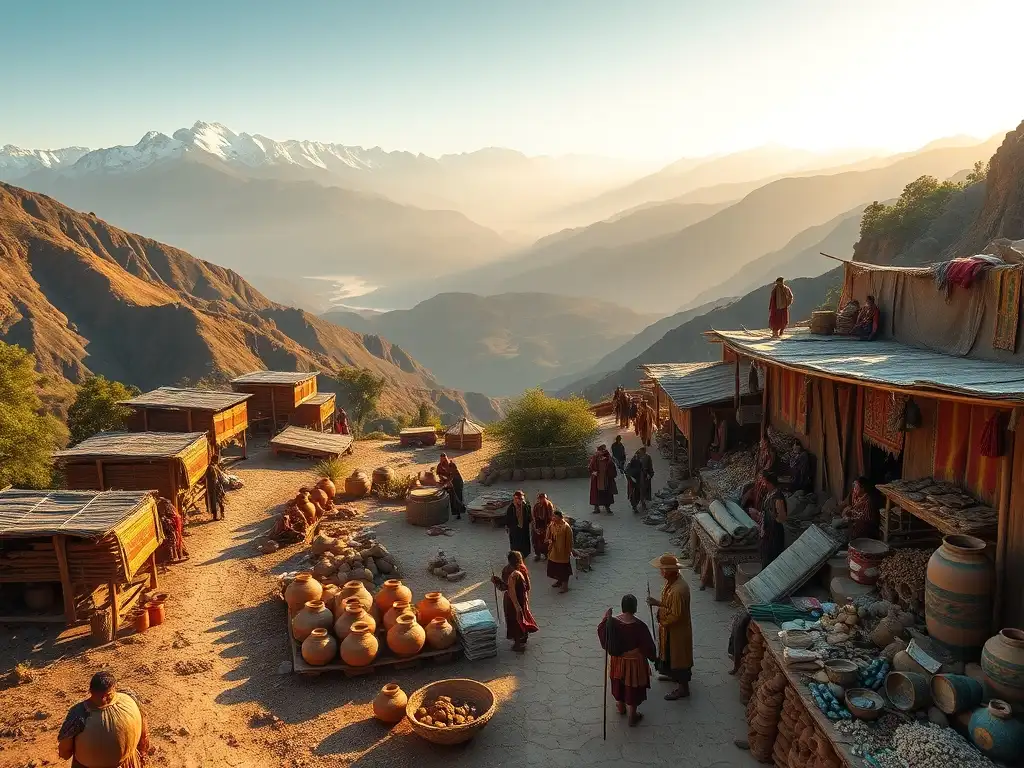
Step into a world lost to time, yet echoing with the whispers of ancient trade. Imagine sprawling empires connected not by roads, but by intricate networks of exchange that shaped the destinies of the Inca, Moche, Nazca, and Tiahuanaco. This is the story of the Andean civilizations, a tale woven from threads of gold, llama wool, and the vibrant exchange of ideas. Discover the secrets behind the Andean trade networks history and unlock the mysteries of a remarkable past – a journey awaits.
The towering peaks of the Andes Mountains, while imposing barriers, also served as conduits for a vibrant and complex network of trade that connected disparate Andean communities for millennia. This article delves into the fascinating history of Andean trade networks, exploring the intricate routes, valuable commodities, and social structures that facilitated the exchange of goods and ideas across vast distances. Understanding these ancient trade routes is crucial to comprehending the rise of complex societies in the Andes, revealing how economic interdependence fostered cultural exchange, political alliances, and ultimately, the development of powerful empires like the Inca. We will examine the evidence—from archaeological discoveries to ethnographic accounts—to paint a picture of this dynamic system, shedding light on how these ancient networks shaped the very fabric of Andean civilization. The keyword "Andean trade networks history" will be explored throughout this article, demonstrating the historical significance and lasting impact of these vital connections.
Introduction to Andean Trade Networks History
The history of Andean trade networks is a rich tapestry woven from diverse threads of archaeological evidence, including remnants of roads, storage facilities, and the goods themselves. Early forms of exchange likely involved simple bartering between neighboring communities, focusing on the exchange of locally produced goods. However, as societies became more complex, so too did their trade networks.
The development of sophisticated agricultural techniques, such as terracing and irrigation, led to surpluses of food and other resources, fueling the demand for long-distance trade. This period witnessed the emergence of specialized craft production, with certain communities becoming renowned for their expertise in pottery, textiles, metallurgy, or other specialized goods. These specialized goods then became key components of the extensive trade networks that crisscrossed the Andes.
The sheer scale and complexity of these networks, spanning hundreds of kilometers across diverse ecological zones, is a testament to the sophisticated organization and social structures that supported them. The movement of goods was not random; it followed well-established routes, often along river valleys or mountain passes, facilitating efficient transport and communication.
Key Commodities Traded in the Andes
The goods exchanged across Andean trade networks were incredibly diverse, reflecting the rich biodiversity of the region and the ingenuity of its inhabitants. High-altitude regions yielded valuable minerals like copper, silver, and gold, which were highly prized for their aesthetic and symbolic value. Coastal communities contributed marine resources such as fish, shellfish, and salt, crucial for diet and preservation. From the fertile valleys came agricultural products such as maize, potatoes, coca leaves, and cotton, essential for sustenance and textile production.
Furthermore, specialized craft goods like finely crafted pottery, intricate textiles, and elaborate ornaments played a vital role in the trade network. The distribution of these goods provides insights into the interconnectedness of different Andean societies and the economic power dynamics at play. For instance, the presence of coastal shellfish in highland sites clearly demonstrates the extent of these trade connections and the importance of resource exchange.
The Role of Infrastructure in Facilitating Trade
The successful operation of these extensive trade networks relied heavily on the development of sophisticated infrastructure. While not as monumental as the Inca road system, earlier cultures also invested in infrastructure to facilitate trade. This included the construction of pathways and trails adapted to the challenging Andean terrain, often utilizing strategically placed resting places and storage facilities along the routes.
The development of efficient transportation methods, such as llamas for carrying goods, further contributed to the success of long-distance trade. The strategic placement of settlements and storage facilities along trade routes indicates a planned and organized approach to managing the flow of goods and resources. Archaeological evidence suggests a degree of standardization in the construction and maintenance of these infrastructural elements, suggesting a level of centralized control or cooperative management among participating communities.
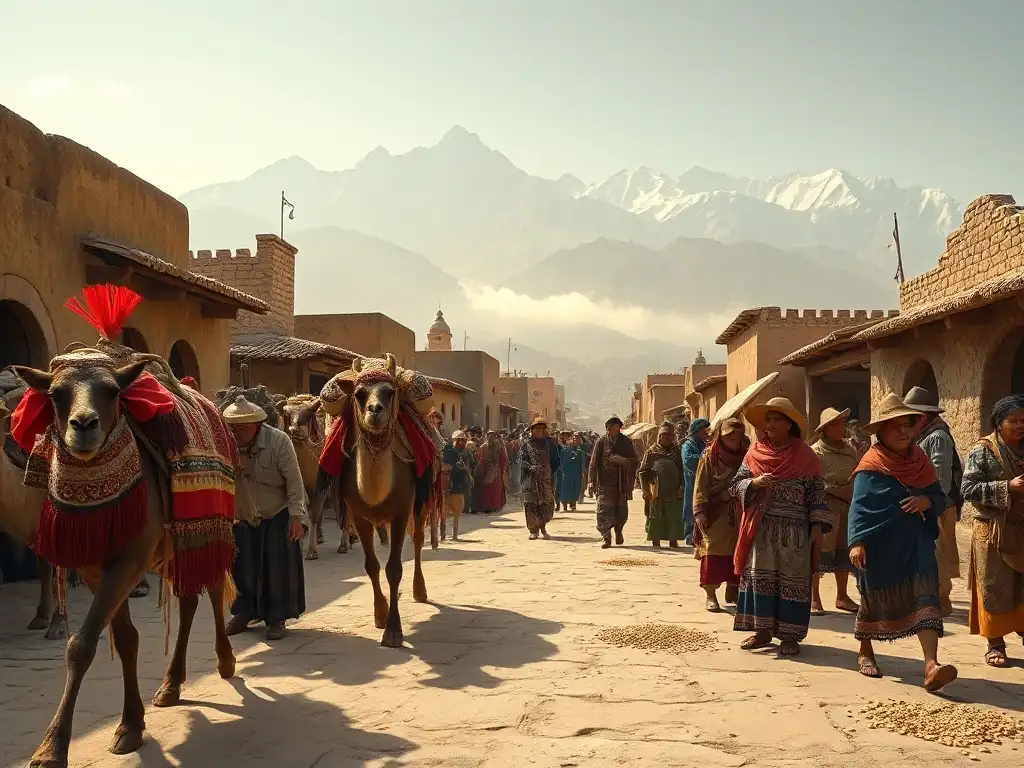
The Andean trade networks were not simply economic systems; they were deeply embedded in the social and political fabric of Andean societies. Trade fostered alliances and diplomatic relations between different communities, creating a sense of interconnectedness and shared identity. Control over trade routes and access to valuable resources often translated into political power and influence. The exchange of goods also facilitated the dissemination of ideas, technologies, and cultural practices, contributing to a dynamic process of cultural exchange and adaptation across the region.
The influence of trade on social stratification is also apparent, with certain groups benefiting disproportionately from control over trade routes and resources. The distribution patterns of luxury goods, for example, suggest the existence of elite classes who enjoyed privileged access to rare and valuable items. This complex interplay between economics, politics, and social structures shaped the development of Andean societies in profound ways.
The Collapse and Legacy of Andean Trade Networks
While Andean trade networks flourished for centuries, they were not immune to disruption and decline. Factors such as climate change, warfare, and internal social upheaval could significantly impact the flow of goods and resources. The Spanish conquest, of course, marked a catastrophic turning point, disrupting established trade routes and fundamentally altering the economic and social landscape of the Andes.
However, the legacy of these ancient trade networks persists. The enduring influence on Andean culture, the patterns of settlement, and the continued importance of resource exchange all speak to the enduring power of these ancient connections. Understanding the history of these networks provides a crucial framework for comprehending the complexities of Andean societies and their enduring impact on the region.
- Introduction to Andean Trade Networks History
- Key Commodities Traded in the Andes
- The Role of Infrastructure in Facilitating Trade
- Social and Political Implications of Andean Trade
- The Collapse and Legacy of Andean Trade Networks
- What role did trade play in the development of Andean civilizations?
- How did the geography of the Andes influence trade networks?
- What kinds of goods were traded in the Andean region?
- Were there any significant trade routes in the Andean region?
- How did Andean trade networks compare to those of other ancient civilizations?
The Dawn of Exchange: Early Trade Routes in the Andes
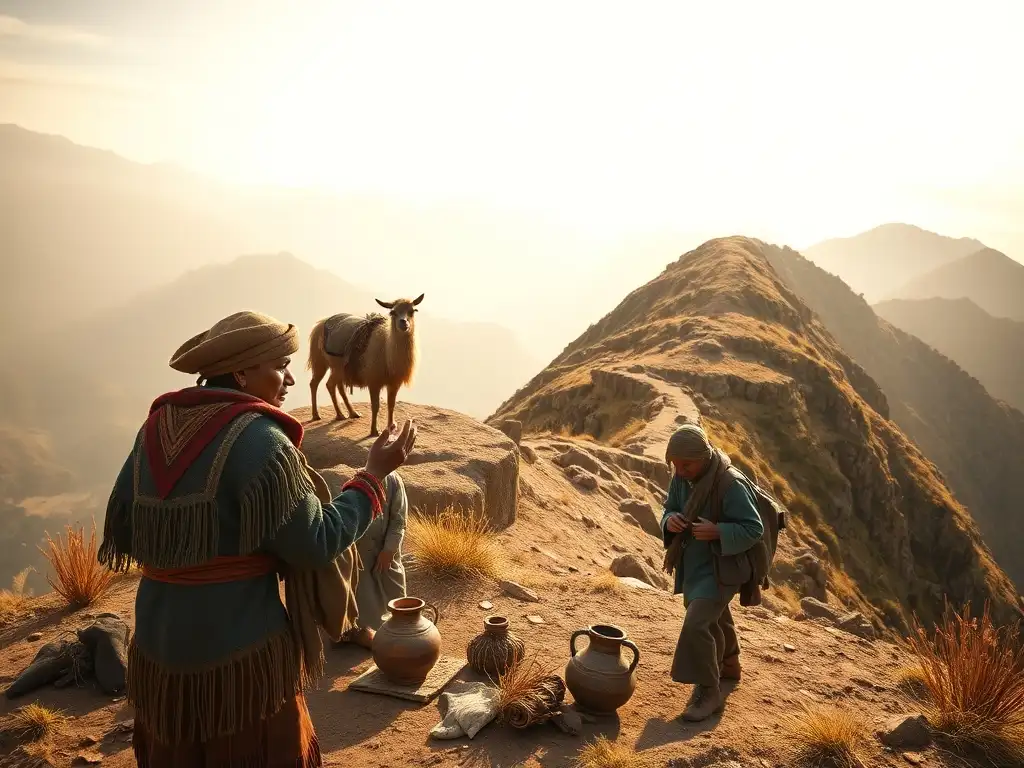
This section delves into the fascinating origins of Andean trade networks, laying the groundwork for understanding the sophisticated systems that would later develop. We explore the evidence suggesting that long-distance exchange wasn't a sudden phenomenon but rather a gradual process, evolving alongside the growth of Andean societies. The study of Andean trade networks history reveals a complex interplay of environmental factors, social structures, and technological advancements.
Examining these early routes provides crucial insight into the development of complex societies in the Andes. Understanding the "why" and "how" of early exchange helps us appreciate the scale and sophistication of later networks. We will examine the foundation upon which these later, more expansive systems were built.
Pre-Incan Trade Systems: A Foundation for Later Networks
Long before the Inca Empire unified much of the Andes, vibrant trade networks connected diverse communities. Archaeological evidence, such as the distribution of exotic materials like obsidian and spondylus shells across vast distances, points to extensive exchange systems dating back millennia. These pre-Inca networks, while perhaps less centralized than their later counterparts, were crucial in fostering cultural interaction and technological diffusion. The development of sophisticated pottery styles, for example, shows clear evidence of cross-cultural exchange and adaptation.
Furthermore, the establishment of early settlements along key trade routes suggests a deliberate effort to facilitate and control the flow of goods. This early infrastructure laid the foundation for the later, more formalized trade routes established during the Inca period. Analyzing these early systems allows us to understand the evolution of Andean trade networks history, revealing the gradual and incremental development of complex exchange systems.
The Role of Geography in Shaping Andean Trade Routes
The Andes' challenging geography—steep mountains, arid deserts, and dense rainforests—significantly influenced the development of trade routes. Instead of easily navigable waterways, Andean communities relied on precarious mountain passes and arduous overland trails. This geographical complexity necessitated the development of specialized transportation techniques, including the use of llamas and alpacas for carrying goods, and the construction of sophisticated road systems, albeit on a smaller scale than the later Inca roads.
The distribution of resources was uneven; coastal communities possessed access to marine resources like spondylus shells, while highland communities controlled sources of obsidian and metals. This geographical disparity fueled the need for trade and shaped the very routes themselves.
The high-altitude passes, often treacherous, became strategic points of control and exchange, highlighting the ingenuity and resilience of the Andean people in overcoming environmental challenges. The distribution patterns of traded goods directly reflect the influence of this challenging geography on Andean trade networks history.
Key Commodities of Early Andean Trade: Obsidian, Spondylus Shell, Textiles, Coca Leaves
Several key commodities drove early Andean trade. Obsidian, a volcanic glass prized for its sharpness, was sourced from specific locations and traded extensively throughout the Andes. Its distribution reveals intricate networks connecting distant communities.
Spondylus shell, a brightly colored marine shell, held significant ceremonial value and was traded from the coast to the highlands. Textiles, a hallmark of Andean craftsmanship, were also important trade items, with different regions specializing in unique weaving techniques and designs. Finally, coca leaves, possessing both ritual and medicinal importance, played a crucial role in Andean society and were traded widely.
The exchange of these commodities wasn't simply about economic gain; it fostered social connections, reinforced alliances, and facilitated the spread of ideas and technologies. The presence of these goods in archaeological sites across the Andes provides compelling evidence of the reach and importance of early Andean trade networks history. The diversity of traded goods underscores the complex and interconnected nature of Andean societies, even in their early stages of development.
The Development of Complex Trading Systems
The rise of complex societies in the Andes was inextricably linked to the development of sophisticated trading systems. These weren't simply bartering exchanges; they were intricate networks that facilitated the movement of goods, ideas, and people across vast distances, shaping the political, economic, and social landscapes of the region. Understanding the Andean trade networks history is crucial to grasping the complexity and interconnectedness of these ancient civilizations.
The scale and organization of these networks demonstrate a level of societal organization and planning far beyond simple village economies. This section will explore the key elements that contributed to this remarkable development, focusing on specialized production, archaeological evidence, and the crucial interaction between coastal and highland communities.
The Rise of Specialized Craft Production and Its Impact on Trade
The emergence of specialized craft production was a pivotal moment in the evolution of Andean trade networks. Prior to this, communities likely engaged in more localized exchange, primarily focused on subsistence needs. However, as societies grew larger and more complex, the division of labor led to the development of specialized crafts such as pottery, textiles, metallurgy, and stonework. This specialization resulted in the production of high-quality goods that were highly valued and sought after by communities beyond the immediate vicinity.
For instance, the Moche culture on the north coast of Peru became renowned for its exquisite ceramics, featuring intricate designs and vibrant colors. These ceramics weren't just utilitarian objects; they were prestigious items that circulated across vast distances, reflecting the power and influence of the Moche elite. Similarly, the Nazca were masters of textile production, creating incredibly fine textiles with intricate weaving techniques. The unique styles and high quality of these goods indicate a high level of skill and organization within specialized workshops.
This specialization fueled the growth of long-distance trade, as communities with specialized skills became important nodes within the broader network. The demand for these specialized goods spurred the development of more efficient and organized trading systems. The increased volume of trade, in turn, further stimulated specialization, creating a positive feedback loop that propelled the development of complex societies.
Evidence of Long-Distance Trade in the Archaeological Record
Archaeological evidence provides compelling insights into the extent and nature of Andean trade networks. The presence of exotic materials in sites far from their sources is a key indicator of long-distance exchange. For example, obsidian, a volcanic glass prized for its sharpness, has been found in archaeological sites throughout the Andes, even at significant distances from its sources in the Andes mountains. This suggests extensive networks connecting highland and coastal communities, facilitating the exchange of this valuable resource.
Furthermore, the distribution of specific ceramic styles and textile motifs across wide geographic areas provides further evidence of trade. The consistent presence of similar artistic styles in distant locations points to the movement of goods and, potentially, ideas and cultural practices. The analysis of isotopic ratios in human remains can even help pinpoint the movement of people, revealing migration patterns and further strengthening the evidence for extensive trade networks.
Detailed analysis of these artifacts and their distribution patterns allows archaeologists to reconstruct the routes and dynamics of these ancient trade networks. The presence of specific types of seashells in highland settlements, for example, clearly points towards a significant coastal-inland exchange. The sheer quantity and variety of traded goods found across the Andes paint a vivid picture of a dynamic and interconnected world.
The Influence of Coastal and Highland Interactions on Trade Patterns
The interaction between coastal and highland communities was crucial in shaping the patterns of Andean trade. Coastal communities had access to marine resources such as fish, shellfish, and salt, while highland communities possessed resources like obsidian, metals, and agricultural products. This complementarity fostered exchange, creating a symbiotic relationship between the two regions. The geography of the Andes, with its complex topography and diverse ecosystems, encouraged this interaction, as communities in different ecological zones relied on one another for essential goods.
The presence of coastal resources in highland sites, and vice-versa, is strong evidence of this interaction. The transportation of goods across such varied terrains, however, required sophisticated organizational structures and logistical planning. This could have involved the use of pack animals such as llamas, and the establishment of relay points along trade routes.
The development of sophisticated transportation infrastructure, including roads and trails, likely played a crucial role in facilitating trade between these regions. The integration of coastal and highland resources created a more resilient and robust economic system, contributing to the overall growth and complexity of Andean societies. The complex interplay between these regions, therefore, was a critical factor driving the development of the extensive and intricate trade networks that characterized the ancient Andes.
Case Studies: Investigating Specific Andean Trade Networks
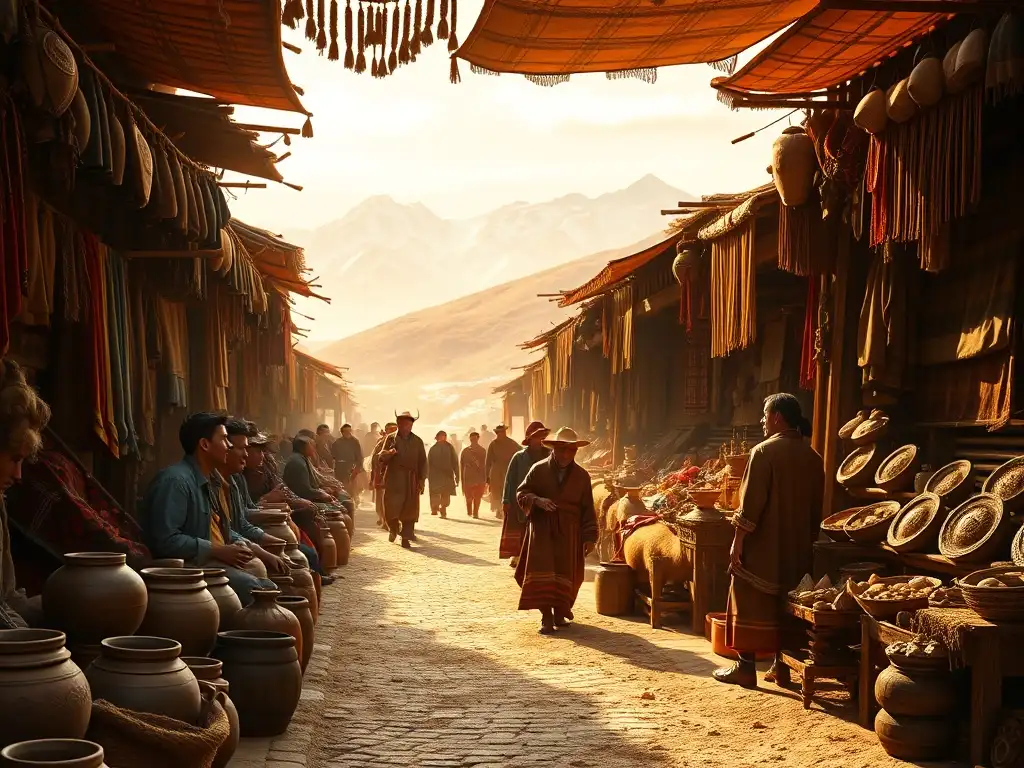
This section delves into specific examples of Andean trade networks, showcasing the diverse strategies and extensive reach of these ancient exchange systems. Understanding these individual networks illuminates the broader picture of Andean integration and the significant role trade played in shaping these complex societies. Analyzing these case studies allows us to better grasp the intricacies of Andean trade networks history.
The Moche Trade Network: Coastal Power and Exchange
The Moche civilization (c. 100-800 CE), flourishing along the northern coast of Peru, developed a sophisticated trade network centered on their control of coastal resources. Their mastery of irrigation allowed them to produce agricultural surpluses, particularly cotton and maize, which formed the backbone of their trade. Evidence suggests a significant exchange of these goods with highland communities, facilitated by their powerful military and well-organized infrastructure.
Archaeological discoveries reveal a complex system of coastal roads and ports, enabling efficient transportation of goods. Moche ceramics, renowned for their intricate artistry and depiction of daily life, have been found in sites far from the coast, indicating widespread distribution through trade. These ceramics often feature depictions of traded goods themselves, providing valuable insights into the nature of the exchanges. For example, the depiction of spondylus shells, sourced from Ecuador, in Moche pottery illustrates the long-distance reach of their trade network and their access to exotic materials.
The Moche also controlled access to valuable marine resources, including fish and shellfish, which were likely traded inland. Furthermore, the presence of Moche-style artifacts in highland settlements suggests the establishment of alliances and tributary relationships, further solidifying their economic and political dominance. This intricate network of trade contributed significantly to the Moche's economic prosperity and cultural influence. The evidence points to a highly organized system, showcasing the sophistication of their economic and administrative capabilities. Analyzing the distribution patterns of Moche pottery, along with other artifacts, helps us reconstruct the flow of goods and the extent of their influence.
The Tiwanaku Trade Network: Highland Control and Distribution
The Tiwanaku civilization (c. 300-1100 CE), located on the shores of Lake Titicaca in the Bolivian Altiplano, controlled a vast trade network spanning the Andes. Unlike the Moche, Tiwanaku's network focused on highland resources and long-distance connections. Their mastery of agriculture in challenging high-altitude conditions allowed them to produce surplus crops like potatoes and quinoa, which fueled their extensive trade.
Tiwanaku's influence extended far beyond their immediate surroundings. Their distinctive ceramics, textiles, and metalwork have been discovered in sites across the Andes, from the Atacama Desert in Chile to the Peruvian coast. This widespread distribution points to a well-organized system of trade routes and exchange networks, likely facilitated by their powerful political organization and sophisticated infrastructure. The standardization of certain artifacts, such as ceramic forms, suggests a degree of centralized control over production and distribution.
The Tiwanaku network was not simply about goods; it also involved the exchange of ideas and religious practices. The dissemination of Tiwanaku iconography and architectural styles across vast distances suggests a significant cultural impact. This integration highlights the crucial role of trade in spreading cultural values and unifying different communities under a shared cultural identity. Further research into Tiwanaku trade routes, using techniques like isotopic analysis of artifacts, can further refine our understanding of the logistical aspects of this extensive network and the extent of Tiwanaku's economic and cultural influence across the Andean region.
Interregional Trade Between the Nazca and Paracas Cultures
The Nazca (c. 100 BCE – 800 CE) and Paracas (c. 700 BCE – 100 CE) cultures, located on the southern coast of Peru, engaged in extensive interregional trade despite their temporal overlap and geographical proximity. While distinct in their artistic styles and burial practices, both cultures benefited from exchanging resources and goods.
The Nazca are famous for their enigmatic geoglyphs, but their sophisticated textile production and mastery of ceramics also played a crucial role in their trade activities. Their intricately woven textiles, often featuring vibrant colors and complex designs, were highly valued and likely traded along the coast and possibly inland. Similarly, their distinctive pottery, easily identifiable by its characteristic style and fine workmanship, served as a marker of their cultural identity and facilitated economic exchange.
The Paracas culture, known for its elaborate textiles and mummification practices, also participated in a vibrant exchange network. Their textiles, characterized by their exceptionally fine weaving techniques and intricate designs, were highly sought after. Evidence suggests that both cultures exchanged not only finished products but also raw materials, such as cotton and wool, essential for textile production.
The interaction between the Nazca and Paracas cultures exemplifies how trade could foster both competition and cooperation between neighboring societies, contributing to the overall dynamism of the Andean economic landscape. Further investigation into the specific trade routes and exchange patterns between these two cultures could reveal more about their economic relationships and the broader context of the southern coastal trade networks.
Cerro Baúl and its role in trade
Cerro Baúl, located in the north-central coast of Peru, stands as a compelling example of a site deeply integrated into the complex web of Andean trade networks. Archaeological evidence suggests its importance spanned centuries, showcasing a dynamic interplay between local production and long-distance exchange. The site's strategic location, nestled near fertile valleys and coastal resources, facilitated access to a variety of goods crucial for trade. This advantageous position allowed Cerro Baúl to act as a pivotal hub, connecting inland communities with coastal settlements and potentially even more distant regions.
The remarkable diversity of artifacts unearthed at Cerro Baúl underscores its role in trade. Researchers have uncovered a wide array of materials, including ceramics, textiles, obsidian tools, and precious metals. The styles and materials of these artifacts clearly demonstrate the arrival of goods from different regions, indicating a robust system of exchange.
For instance, the presence of distinctive pottery styles from the highlands suggests a significant exchange of goods and possibly ideas between the coastal and highland regions. The careful analysis of ceramic styles and chemical composition of materials like obsidian has allowed archaeologists to trace the origins of these traded items and construct a more complete picture of the networks in operation. This wasn't simply a passive reception of goods; Cerro Baúl actively participated in the production and distribution of goods, as evidenced by the discovery of workshops and evidence of local craft specialization.
The scale of the operation at Cerro Baúl hints at a sophisticated level of organization. The sheer volume of traded goods discovered suggests a well-established system of transport and distribution.
While the exact mechanisms of trade remain a subject of ongoing research, evidence points to a combination of factors, including direct exchange, reciprocal gift-giving, and perhaps even more formalized systems of tribute or taxation. Further research into the site’s social organization and its relationship with neighboring settlements is crucial to fully understand the complexities of its role in Andean trade networks.
The study of Cerro Baúl provides valuable insight into the dynamic nature of Andean trade and the intricate ways in which these networks shaped the societies that participated in them. The ongoing excavation and analysis of Cerro Baúl continues to yield important data that refine our understanding of "Andean trade networks history," highlighting the site's significant contribution to the broader economic and social landscape of ancient Peru.
The Significance of Andean Trade Networks
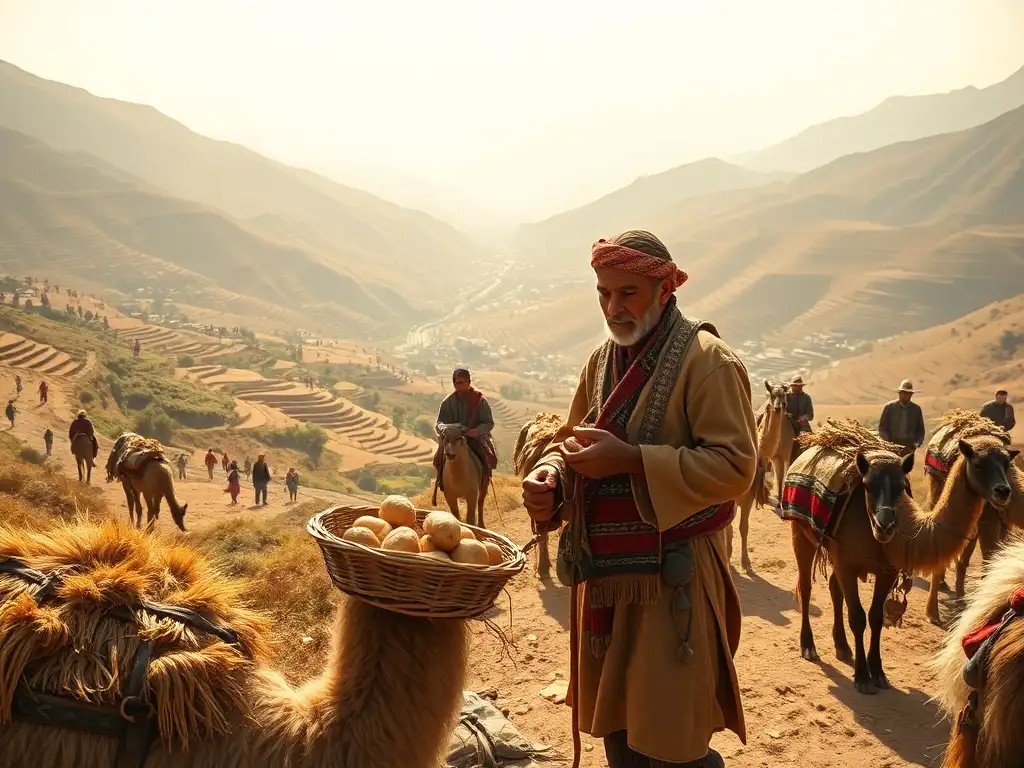
The study of Andean trade networks offers a crucial lens through which to understand the development and complexity of pre-Columbian societies. These networks, spanning vast distances across challenging terrain, weren't simply economic conduits; they were vital arteries pulsating with social, political, and cultural exchange.
Analyzing the history of Andean trade networks reveals intricate patterns of interaction, power dynamics, and the remarkable ingenuity of these ancient cultures in overcoming geographical obstacles to connect with one another. The sheer scale and sophistication of these networks—evident in the meticulously organized transport of goods, the development of specialized crafts, and the establishment of far-flung settlements—speak to a level of societal organization and planning that belies simplistic notions of isolated Andean communities.
The robust nature of these trade systems, resilient across centuries and capable of adapting to changing political landscapes, underscores their fundamental importance to the very fabric of Andean civilizations. This section delves into the multifaceted significance of these networks, exploring their social, economic, and cultural impacts.
Andean trade networks were not merely transactional; they forged social bonds and shaped political landscapes. The exchange of goods often involved reciprocal obligations and the creation of alliances between different groups. Control over key trade routes conferred significant political power, allowing certain communities to exert influence over a wider region.
For instance, the control of coastal resources like fish and salt by coastal communities granted them leverage in negotiations with highland communities who needed these resources. This power dynamic is reflected in archaeological evidence showcasing elaborate ceremonial centers and elite burials located near strategic trade routes, demonstrating the concentration of wealth and power in the hands of those who controlled access to trade. The social stratification within Andean societies was also heavily influenced by trade, with specialized artisans and merchants occupying prominent positions within the social hierarchy.
The prestige associated with controlling the flow of exotic goods further solidified the power of elites and shaped social structures across different Andean cultures. The intricacies of these social and political relationships, built upon the foundation of trade, are crucial to understanding the rise of complex societies in the Andes. The spread of certain prestige goods, such as obsidian tools or fine textiles, helped solidify social hierarchies and create a sense of shared identity across geographically dispersed populations.
The Economic Importance of Exchange in Early Andean Societies
The economic significance of Andean trade networks cannot be overstated. These networks facilitated the distribution of essential resources, fostering economic specialization and interdependence among different communities. Highland communities, for example, exchanged agricultural products like potatoes and quinoa for coastal resources like fish and salt. The exchange of these resources was not simply a matter of bartering; it involved complex systems of reciprocity and redistribution, often managed by elite groups.
Archaeological evidence, such as storage facilities and large-scale agricultural projects, suggests sophisticated economic management strategies. The movement of goods also stimulated economic growth by creating specialized craft production. Communities developed expertise in specific crafts, such as pottery, textiles, or metalwork, which were then traded for other goods.
This division of labor contributed to increased efficiency and economic productivity. The economic success of these networks is evidenced by the widespread distribution of materials and goods across vast distances, showcasing a high degree of integration and economic interconnectivity throughout the Andean region. Furthermore, the development of standardized weights and measures, as evidenced in archaeological finds, suggests a sophisticated level of economic organization and control.
How Trade Facilitated the Spread of Ideas and Cultural Practices
Beyond the exchange of material goods, Andean trade networks played a vital role in the dissemination of ideas and cultural practices. The movement of people along trade routes facilitated the exchange of knowledge, religious beliefs, and artistic styles. Religious iconography, architectural styles, and artistic motifs are often found across geographically distant sites, suggesting the influence of trade routes on cultural diffusion.
The spread of agricultural techniques, such as irrigation systems or terracing, also contributed to the development of similar agricultural practices across different regions. The adoption of new technologies and innovations was facilitated by the exchange of ideas and expertise among communities connected by trade. The standardization of certain artistic styles or religious practices across vast areas further highlights the significant role of trade networks in shaping the cultural landscape of the Andes.
This cultural exchange, facilitated by the movement of people and goods along trade routes, contributed to a sense of shared identity and cultural cohesion across different Andean communities. The influence of trade on artistic expression, religious beliefs, and technological advancements provides a compelling narrative of cultural exchange and interconnectedness. The vibrant tapestry of Andean culture was, in no small part, woven together by the threads of trade.
Understanding the Logistics of Andean Trade
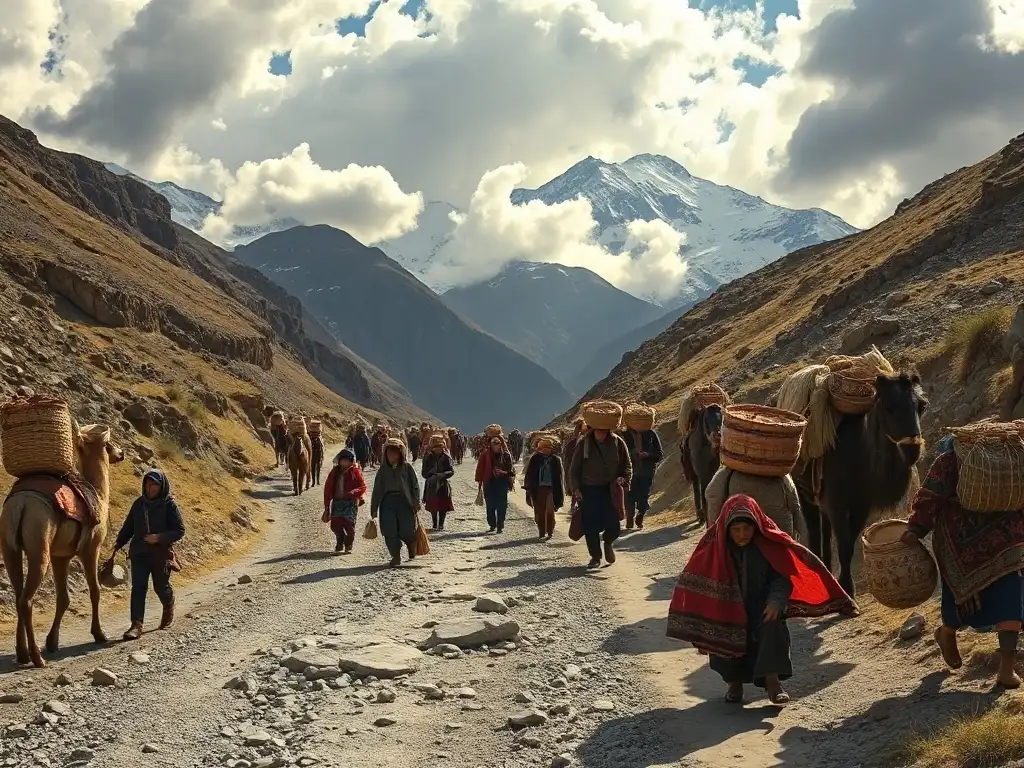
The remarkable achievements of the Andean civilizations weren't solely the result of isolated ingenuity. A sophisticated system of trade networks—a vital artery pumping resources and ideas across vast and challenging terrains—was crucial to their growth and prosperity. Understanding the logistics of this ancient Andean trade is key to appreciating the complexity of these societies and their interconnectedness.
The efficient movement of goods, from everyday necessities to prestigious luxury items, shaped political alliances, cultural exchange, and even the very structure of Andean cities. Analyzing the Andean trade networks history reveals a remarkable level of organization and planning, far surpassing what many might initially imagine.
Modes of Transportation: Llamas and Other Methods
The rugged Andean landscape, characterized by towering mountains, deep canyons, and arid deserts, presented significant logistical challenges to trade. Yet, the Andean people devised ingenious methods to overcome these obstacles. The most iconic mode of transportation was undoubtedly the llama. These sturdy camelids, capable of carrying substantial loads, were essential for moving goods across long distances.
A single llama could carry up to 100 pounds (45 kg), making them highly efficient pack animals. However, llamas weren't the only mode of transportation. Evidence suggests the use of other animals, including alpacas (for smaller loads and shorter distances), and even human porters, particularly in areas unsuitable for animal transport.
The choice of transport method likely depended on the type of goods being traded, the distance involved, and the terrain. For example, fragile pottery might have required more careful human handling, while bulkier goods like building materials could be carried by llamas. River transport, where feasible, also played a role, with rafts and boats used to move goods along waterways.
Furthermore, the construction of extensive road networks, often carved into mountain slopes, facilitated trade. These roads, while not always paved, provided crucial pathways for caravans and individual travelers. The Inca road system is particularly well-known, but similar infrastructural efforts were likely undertaken by earlier Andean cultures, adapting to their specific geographical needs and technological capabilities. The ingenious integration of these various transport methods showcases the adaptability and resourcefulness of Andean traders. The efficiency of their logistical systems underscores the importance of trade in the overall development of these remarkable civilizations.
Organization of Trading Caravans and Routes
The movement of goods across the Andes wasn't a haphazard affair. Evidence suggests a high degree of organization in the planning and execution of trading caravans. Caravans likely followed established routes, many of which were strategically chosen to take advantage of favorable terrain and minimize risks.
These routes weren't simply paths; they were vital arteries connecting different regions, facilitating the exchange of goods and information. The size of caravans varied, depending on the quantity of goods being transported and the security of the route. Larger caravans may have included multiple llamas, handlers, and possibly armed guards to protect against theft or attacks.
The organization of these caravans likely involved specialized individuals or groups responsible for planning routes, managing logistics, and ensuring the safe passage of goods. While the exact structure of these organizations remains a subject of ongoing research, it’s clear that a significant level of planning and coordination was necessary to support the extensive trade networks that crisscrossed the Andes. The existence of standardized weights and measures further points to a formalized system for trade, suggesting a degree of economic sophistication that facilitated fair transactions and reduced conflict.
This structured approach to trade played a critical role in the economic prosperity and political stability of Andean societies. The well-organized caravans were not just transporting goods; they were carrying the threads of economic and social interconnectedness that bound these societies together.
The Role of Trading Centers and Marketplaces
The success of Andean trade networks depended heavily on the establishment of strategically located trading centers and marketplaces. These centers served as hubs for the exchange of goods, acting as focal points for both local and long-distance trade. They provided a safe and regulated environment for transactions, fostering economic activity and stimulating regional development. Many of these centers were located near important geographical features, such as river crossings or mountain passes, which facilitated the convergence of trade routes.
The scale and complexity of these trading centers varied considerably depending on the size and importance of the surrounding region. Some may have been small, localized marketplaces, while others evolved into large, bustling centers of commerce. These centers weren't simply places for buying and selling; they were social and cultural hubs, where people from different regions interacted, exchanging not only goods but also ideas and customs.
Archaeological evidence reveals the presence of specialized workshops and storage facilities within some of these centers, suggesting a high degree of economic specialization and organization. The existence of these trading centers and marketplaces underscores the importance of centralized economic activity in the development of complex Andean societies. They served as vital nodes in the broader network, driving economic growth and contributing to the cultural exchange that shaped the identity of these civilizations.
Conclusion: The Lasting Legacy of Andean Trade Networks
The intricate tapestry of Andean trade networks, woven over millennia, represents far more than simple economic exchange. It was a vital artery pumping lifeblood into the development of complex societies, shaping cultural identities, and driving technological innovation across vast and challenging landscapes. Understanding these networks is crucial to comprehending the rise and fall of civilizations like the Inca, Moche, Nazca, and Tiahuanaco, revealing a sophisticated system that transcended geographical barriers and fostered unprecedented levels of interaction.
The echoes of this vibrant exchange continue to resonate in the cultural landscape of the Andes today, reminding us of the enduring power of connectivity and the profound impact of trade on the formation of Andean societies. Analyzing these ancient Andean trade networks history provides invaluable insights into the ingenuity and resilience of past civilizations.
Connecting the Past to the Present: Understanding the importance of these systems
The importance of understanding ancient Andean trade networks extends far beyond academic curiosity. These systems offer valuable lessons for contemporary societies grappling with issues of global trade, resource management, and cultural exchange. By studying the successes and failures of past trade networks, we can gain a deeper understanding of the factors that contribute to economic prosperity and social stability.
For example, the Inca's mit'a system, a form of labor tribute that facilitated the movement of goods and people across the empire, highlights the importance of efficient logistics and infrastructure in supporting widespread trade. Conversely, the collapse of certain trade routes due to environmental factors or political instability serves as a stark reminder of the vulnerability of even the most sophisticated systems.
The study of Andean trade networks history, therefore, offers valuable insights into sustainable development and the long-term consequences of economic policies. The lessons learned from past Andean trade routes are directly applicable to contemporary challenges in global trade and resource management.
Further Research and New Discoveries in Andean Trade History
The field of Andean trade networks history is a dynamic and evolving one. Ongoing archaeological excavations and technological advancements continually reveal new facets of these ancient systems. Advanced imaging techniques, such as LiDAR, are providing unprecedented detail on previously unknown pathways and settlements, while isotopic analysis of artifacts is shedding light on the origins of traded goods and the extent of exchange networks.
Furthermore, the application of network analysis techniques to archaeological data is allowing researchers to model the flow of goods and information with greater precision, revealing complex patterns of interaction and influence. Future research promises to unearth even more surprising discoveries, enriching our understanding of the sophisticated strategies employed by Andean communities to navigate the challenges of trade and forge lasting connections across vast distances. The ongoing exploration of Andean trade networks history continues to yield exciting results, promising to rewrite our understanding of these ancient civilizations.
The Enduring Impact of Trade on Andean Civilization
The impact of trade on Andean civilization is multifaceted and profound. It wasn't merely about the exchange of goods; it fostered cultural diffusion, technological innovation, and the formation of powerful political entities. The spread of agricultural techniques, artistic styles, and religious beliefs across the Andes is a testament to the transformative power of trade.
The adoption of new technologies, such as metallurgy and textiles, was often facilitated by trade networks, leading to increased productivity and economic growth. Furthermore, the control and manipulation of trade routes often played a crucial role in the rise and fall of Andean empires, as seen in the Inca's strategic control of vital pathways through the Andes Mountains. The legacy of Andean trade is woven into the very fabric of Andean culture, shaping its artistic expressions, social structures, and enduring identity.
The study of Andean trade networks history, therefore, is essential for a complete understanding of the development of Andean civilization. The legacy of these trade routes is visible in the cultural landscape and the diverse societies of the Andes to this day.
Frequently Asked Questions
What role did trade play in the development of Andean civilizations?
Trade was absolutely crucial to the development of Andean civilizations. It facilitated the exchange of vital resources, promoted cultural exchange, and fostered economic growth across vast distances. Interconnectedness through trade shaped their societies.
How did the geography of the Andes influence trade networks?
The challenging Andean geography, with its mountains and diverse climates, shaped trade routes. Communities specialized in specific products based on their environment, creating a need for exchange. This led to innovative transport systems, like animal caravans and extensive trail networks.
What kinds of goods were traded in the Andean region?
A wide variety of goods were traded, including agricultural products like maize, potatoes, and coca; luxury goods like textiles, gold, and silver; and essential items such as tools, pottery, and building materials. The diversity of traded goods reflects the interconnectedness of Andean societies.
Were there any significant trade routes in the Andean region?
Yes, several major trade routes connected different Andean communities. The coastal routes facilitated maritime trade, while high-altitude pathways connected communities across mountain ranges. These routes were crucial for the flow of goods and information.
How did Andean trade networks compare to those of other ancient civilizations?
Andean trade networks, while impressive, differed from others due to the unique challenges of the Andean geography. The adaptation and innovation showcased in overcoming these challenges were remarkable, resulting in a complex system of exchange that supported flourishing societies.
Final Reflection: The Enduring Legacy of Andean Exchange
The intricate web of Andean trade networks, far from being a relic of the past, continues to resonate in the vibrant cultural tapestry of the region today. Understanding these ancient pathways of exchange offers crucial insights into the resilience and adaptability of Andean communities, and provides a powerful lens through which to examine contemporary issues of globalization and interconnectedness. The echoes of these ancient transactions shape our world in ways we may not fully appreciate.
The enduring impact of these trade networks is profoundly visible in the shared cultural practices, linguistic similarities, and even the genetic makeup of modern Andean populations. The exchange wasn't merely of goods; it was a powerful force shaping identities and forging lasting connections across vast distances. The past is never dead. It's not even past.
– William Faulkner. This quote perfectly encapsulates the persistent influence of these ancient trade routes, reminding us that the threads of history continue to weave themselves into the fabric of the present.
Consider the implications of this history for your own life. How are you connected to global networks of exchange? What are the ethical considerations of trade and globalization in the modern world? By understanding the complexities of Andean trade networks, we can gain a deeper appreciation for the interconnectedness of humanity and the enduring power of human interaction to shape our world. Let the whispers of trade inspire you to explore the connections that bind us, both past and present, and to build a future where exchange fosters understanding and mutual respect.
Thank you for exploring the fascinating world of Andean communities and their intricate trade networks! Your interest helps reveal the rich tapestry of cultural exchange that shaped these ancient societies. Now that you've gained insights into these early civilizations' interconnectedness, let's delve even deeper!
- Discover more about Andean trade artifacts: Visit our website for detailed articles and images showcasing items that highlight the vibrant exchange between Andean communities.
- Join our community discussions: Share your thoughts and insights on our forums. Connect with fellow enthusiasts of Andean history and trade!
- Participate in or host a local history event: Organize or attend an event focusing on ancient trade routes to inspire others to appreciate the significance of these historical connections.
What surprising connections have you discovered in your research about trade, either in your region or elsewhere? Let's continue the conversation!