
From Nomads to Settlers: The Transformation of Early Andean Peoples


Step into a world lost to time, yet echoing with the whispers of a magnificent past. Journey with us as we unravel the mysteries of the Andean civilizations, revealing how these ingenious peoples transformed from nomadic wanderers into the architects of breathtaking empires. Discover the surprising secrets behind their early history—from humble beginnings to the rise of sophisticated societies—and prepare to be amazed by the legacy of the Andean civilizations early history. Uncover the story, one click at a time.
The dramatic shift from nomadic hunter-gatherer societies to settled agricultural communities represents a pivotal moment in the history of Andean civilizations. Understanding this transition is crucial to grasping the development of complex societies, intricate social structures, and the remarkable achievements in art, architecture, and engineering that characterize the later Andean empires.
This article delves into the early history of Andean peoples, exploring the factors that contributed to this profound transformation and examining the archaeological evidence that illuminates this fascinating period. We will investigate the challenges faced by early settlers, the innovations they developed, and the lasting impact of their choices on the subsequent trajectory of Andean cultures.
This journey will reveal how the seemingly simple act of settling down laid the foundation for the awe-inspiring civilizations that would flourish in the Andes Mountains for millennia. The keyword "Andean civilizations early history" will be explored throughout this article, offering a comprehensive overview of this critical era.
The Paleo-Indian Period: Early Inhabitants of the Andes
The earliest inhabitants of the Andes, during the Paleo-Indian period (approximately 12,000 to 8,000 BCE), were nomadic hunter-gatherers. These groups followed the migratory patterns of their prey, adapting to the diverse and challenging Andean landscape. Archaeological evidence, such as the discovery of lithic tools and early campsites, suggests a deep understanding of their environment and resourceful strategies for survival. Their existence was precarious, dictated by the availability of resources and the unpredictable climate.
However, their knowledge of the land and their ability to adapt laid the foundation for the later development of agriculture. This period, while lacking the monumental structures of later Andean civilizations, represents the crucial first step in the long and complex history of human settlement in the Andes. The challenges faced during this era – procuring food, finding shelter, and navigating the complex terrain – shaped the resilient spirit and innovative capacity of future Andean communities.
The Rise of Agriculture: A Fundamental Shift
The transition from nomadic hunting and gathering to settled agriculture marked a profound change in Andean life. Around 8,000 BCE, the domestication of plants, notably potatoes and other root crops, began in the Andes. This development was not a sudden event but a gradual process of experimentation and selection over many generations.
The cultivation of crops allowed for a more stable food supply, leading to the establishment of permanent settlements. This, in turn, facilitated population growth and the development of more complex social structures. The shift to agriculture was not without its challenges.
Early Andean farmers faced the difficulties of irrigation in arid regions, soil management, and the unpredictable Andean climate. However, their ingenuity and adaptability allowed them to overcome these obstacles and lay the foundation for the flourishing civilizations that would follow. The development of sophisticated agricultural techniques, such as terracing, provided the foundation for larger populations and more complex societies.
The establishment of permanent settlements led to the development of more complex social structures. Early Andean villages were small and relatively egalitarian, but as agricultural production increased, so did social differentiation. Archaeological evidence suggests the emergence of specialized labor, with some individuals focusing on agriculture while others developed skills in craft production or religious leadership. This increased complexity in social organization laid the groundwork for the hierarchical societies that would characterize later Andean civilizations. The size and layout of settlements varied depending on the environment and the availability of resources. Some settlements were located near fertile valleys, while others were established on higher elevations, adapting to the unique conditions of the Andean landscape. The development of communal work and resource management systems was crucial to the success of these early settlements. The transition from a nomadic lifestyle to a settled existence required a fundamental shift in social organization and cooperation.
Technological Innovations: Shaping Andean Life
The development of agriculture and settled life was accompanied by significant technological innovations. The creation of sophisticated irrigation systems allowed farmers to cultivate crops in arid regions, significantly increasing agricultural production. The invention of new tools and techniques, such as improved plows and storage facilities, further enhanced agricultural efficiency. The development of pottery provided containers for storing food and water, facilitating both agriculture and daily life.
Textiles, created from the fibers of native plants, became essential for clothing and shelter. These innovations not only improved the quality of life but also contributed to the growth and complexity of Andean societies. The development of these technologies reflects the ingenuity and adaptability of early Andean peoples in response to the challenges of their environment and the demands of a settled lifestyle. The cumulative effect of these innovations shaped the distinctive character of Andean civilizations.
- The Paleo-Indian Period: Early Inhabitants of the Andes
- The Rise of Agriculture: A Fundamental Shift
- Early Settlements and Social Organization
- Technological Innovations: Shaping Andean Life
- What is the main focus of the article "From Nomads to Settlers: The Transformation of Early Andean Peoples"?
- Which Andean civilizations are discussed in relation to early history?
- What environmental factors influenced the shift from nomadic to settled life?
- What technological advancements contributed to the establishment of settled communities?
- How did the shift to settled life impact the social and political organization of Andean peoples?
The Dawn of Andean Civilizations: Exploring the Earliest Inhabitants
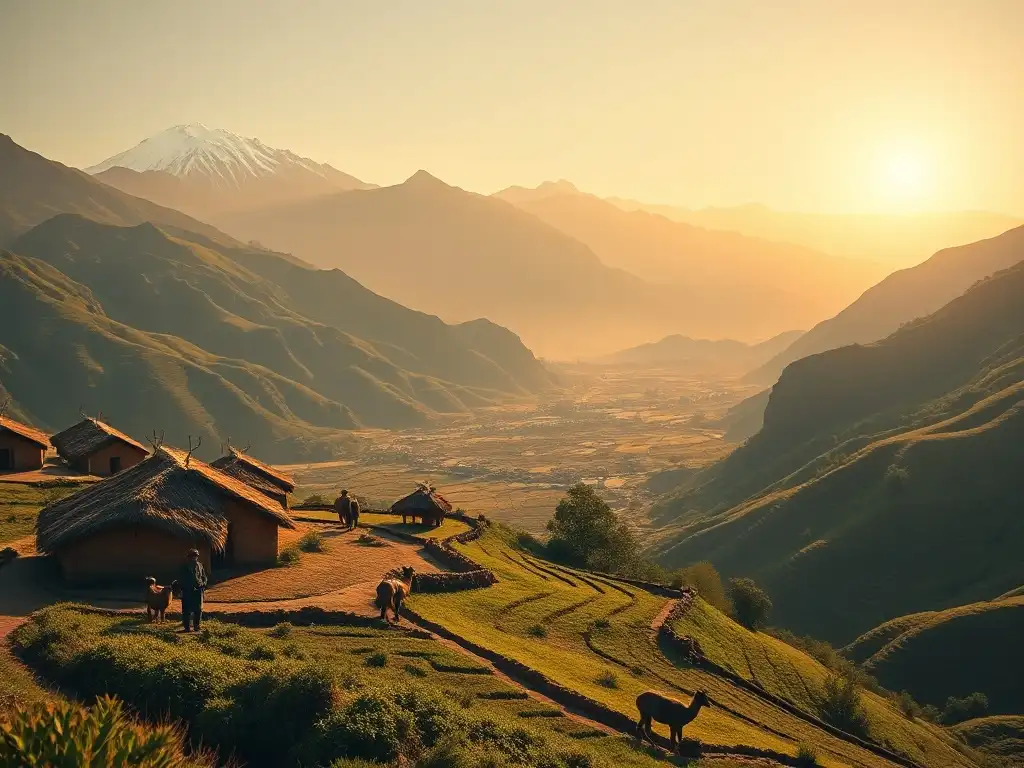
This section delves into the fascinating early history of Andean civilizations, focusing on the initial human presence and subsequent adaptations to the challenging Andean environment. Understanding this period is crucial to appreciating the later complexities of Inca, Moche, Nazca, and Tiahuanaco societies. The keyword "Andean civilizations early history" is central to this exploration. We will examine the evidence, both archaeological and genetic, that sheds light on the arrival and settlement of the first Andean peoples.
Understanding the Initial Human Presence in the Andes
The earliest evidence of human presence in the Andes points to a gradual migration from other regions. While the exact timing remains a subject of ongoing research, current archaeological findings suggest human settlements dating back at least 12,000 years. These early inhabitants were hunter-gatherers, skillfully adapting to the diverse ecosystems of the Andes. Their survival depended on a deep understanding of their environment, including knowledge of seasonal variations, plant life cycles, and animal migration patterns. They developed sophisticated techniques for hunting camelids (llamas and alpacas) and gathering wild plants, demonstrating remarkable resilience in the face of a challenging terrain.
The tools and technologies of these early Andean peoples reflect their ingenuity. We find evidence of finely crafted stone tools, such as projectile points and scrapers, used for hunting and processing food. Furthermore, the discovery of early cave paintings and rock art provides insights into their beliefs and social structures.
These artistic expressions often depict animals, suggesting a close relationship between humans and the natural world. The analysis of these artifacts and art forms helps us piece together a picture of the cultural practices and daily lives of these pioneering Andean inhabitants. Further research is needed to fully understand the diversity of early Andean cultures and the specifics of their interactions with the environment, but the evidence clearly points to a long and complex history.
The Nomadic Lifestyle of Early Andean Populations
The early Andean populations primarily adopted a nomadic lifestyle, dictated by the availability of resources. Their movements followed the seasonal migration of animals and the ripening of wild plants. This nomadic existence required adaptability and resourcefulness. The development of portable shelters, likely made from readily available materials like animal hides and reeds, was crucial for their survival.
Further Insights into Nomadic Practices
Archaeological studies of early Andean campsites reveal evidence of temporary settlements. The arrangement of artifacts suggests organized activities such as food preparation and tool making. The presence of multiple campsites within a specific region indicates a pattern of seasonal movement, reflecting a deep understanding of the environment and resource availability. This nomadic existence fostered a strong connection to the land, promoting a deep knowledge of local ecosystems and plant and animal life.
The transition from nomadic to sedentary lifestyles was a gradual process, influenced by various factors, including climate change and the development of agriculture. While nomadism characterized the early stages of Andean civilization, it's vital to remember that this lifestyle wasn't static. Variations existed within different groups, with some exhibiting more settled patterns than others, even at this early stage.
This complex interplay of factors ultimately contributed to the development of more settled communities and, eventually, the rise of the sophisticated Andean civilizations we know today. The evolution from nomadic hunter-gatherers to settled agriculturalists represents a pivotal point in the "Andean civilizations early history", laying the groundwork for future societal complexities.
The study of these early Andean peoples – their adaptations, innovations, and gradual shift towards sedentism – provides a crucial foundation for understanding the rich tapestry of Andean civilizations. Their legacy continues to shape our understanding of human resilience and the enduring connection between people and their environment.
Transitioning to Sedentism: The Shift in Andean Life
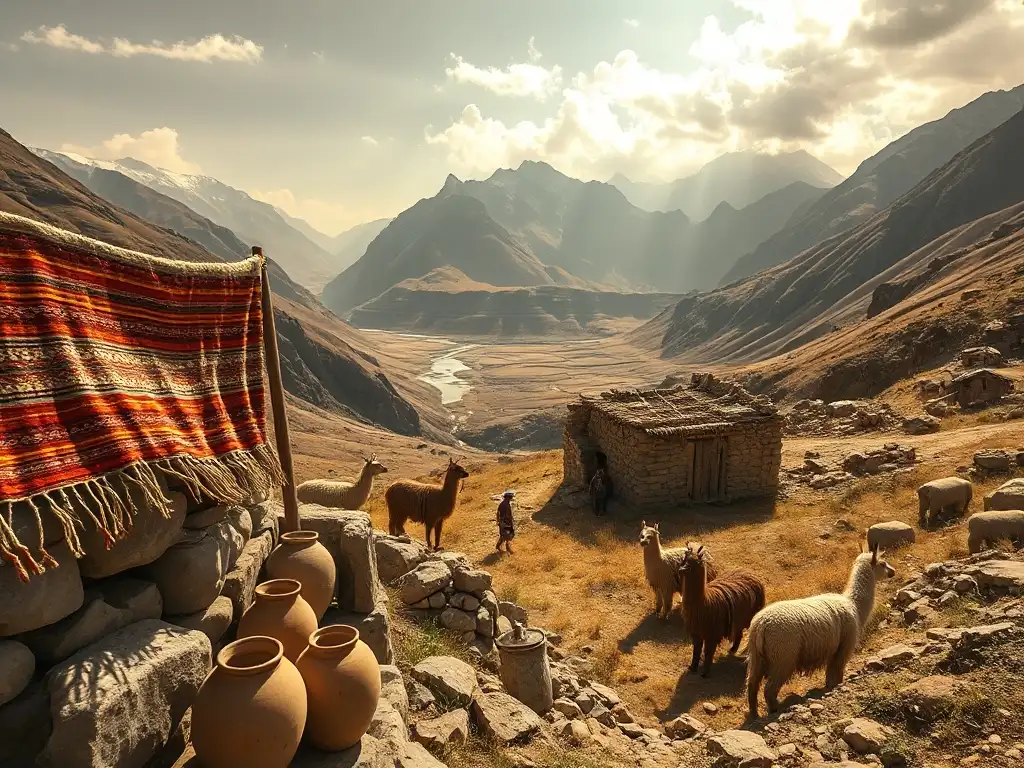
The transition from nomadic hunter-gatherer lifestyles to settled agricultural communities represents a pivotal moment in the early history of Andean civilizations. This profound shift, occurring over millennia, wasn't a sudden event but a gradual process driven by a complex interplay of environmental, social, and technological factors. Understanding this transformation is crucial to grasping the foundations upon which the later, more complex Andean societies were built.
The development of agriculture, in particular, was a catalyst for this change, fundamentally altering the relationship between Andean peoples and their environment. This section will explore the key elements that facilitated this momentous change, analyzing the gradual adoption of sedentary lifestyles and its profound implications for Andean societies. The keyword "Andean civilizations early history" is central to understanding this crucial period.
Factors Contributing to the Rise of Settled Communities
Several factors contributed to the rise of settled communities in the Andes. The availability of suitable land for cultivation was paramount. Certain valleys and coastal regions offered fertile soils and access to water sources, making them ideal for agriculture.
The development of increasingly sophisticated agricultural techniques, including irrigation systems and terracing, further enhanced productivity and allowed for larger, more stable populations. Climate also played a significant role; periods of relative climatic stability likely encouraged the adoption of sedentary lifestyles, while periods of drought or other environmental stresses could have spurred population movements and resource competition. Furthermore, social factors such as increased population density and the need for more efficient resource management likely contributed to the shift towards settled life.
The development of social hierarchies and specialized labor also played a role, as did the emergence of religious beliefs and practices centered around agricultural cycles and fertility. Evidence from archaeological sites throughout the Andes reveals a gradual shift, with some communities exhibiting a mixed strategy of foraging and farming before fully committing to a sedentary lifestyle.
Early Agricultural Practices in the Andean Region
Early Andean agricultural practices were remarkably sophisticated, considering the challenging environment. Domestication of plants like potatoes, quinoa, and beans formed the cornerstone of their diet. These crops, adapted to the high altitude and varied climates of the Andes, provided a reliable food source.
Farmers utilized innovative techniques like irrigation canals and terraces to maximize crop yields. Evidence suggests that early Andean farmers had a deep understanding of their environment and its limitations; they developed diverse agricultural strategies to cope with variations in altitude, rainfall, and soil type. For instance, the use of raised fields in wetland areas allowed for increased crop production in otherwise unsuitable land.
Archaeological findings, such as remnants of irrigation systems and terraced fields, showcase the ingenuity and adaptability of these early Andean farmers. The understanding of these early agricultural practices is key to understanding the development of "Andean civilizations early history". We can see a clear correlation between agricultural advancement and the rise of sedentary communities.
The Development of Permanent Settlements and Villages
The transition to sedentism led to the development of permanent settlements and villages. These early settlements were often located near fertile land and water sources, providing easy access to essential resources. The size and complexity of these settlements varied depending on factors such as agricultural productivity, environmental conditions, and social organization.
Archaeological evidence reveals that these early villages were not simply haphazard collections of dwellings but exhibited a degree of planning and organization. Some settlements show evidence of specialized structures, such as storage facilities for food and tools, suggesting a degree of social complexity and division of labor. The development of these permanent settlements represents a significant step towards the emergence of more complex societies in the Andes.
The architecture of these early villages, often constructed from locally available materials like adobe and stone, provides valuable insights into the technological capabilities and social structures of early Andean peoples. Further research is needed to fully understand the social dynamics and organizational structures within these early Andean settlements. The study of these settlements is crucial for comprehending the trajectory of "Andean civilizations early history".
The Impact of Sedentism on Andean Society
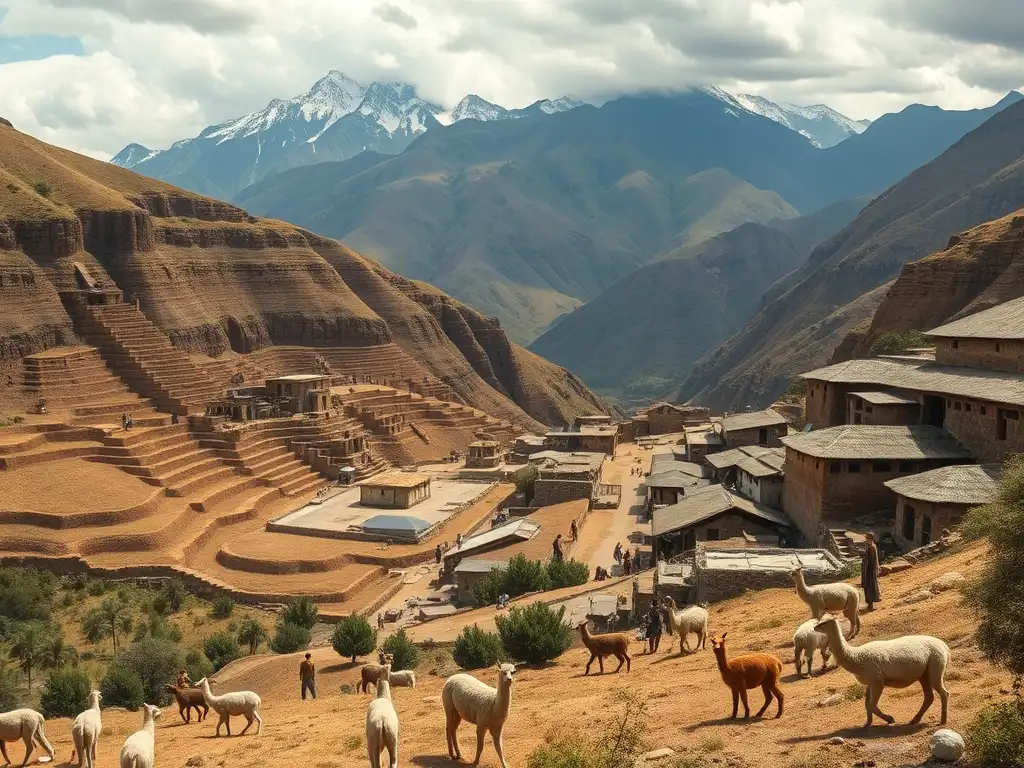
The shift from nomadic lifestyles to sedentary agriculture fundamentally reshaped Andean societies, triggering a cascade of changes that laid the groundwork for the complex civilizations that would later emerge. This transition, crucial to understanding Andean civilizations early history, wasn't a sudden event but a gradual process spanning millennia, varying in pace and intensity across different regions and groups. The adoption of agriculture, particularly the cultivation of crops like potatoes and maize, allowed for increased food production and population density, leading to the development of larger and more permanent settlements.
This, in turn, profoundly impacted social structures, economic systems, and even the health and diet of Andean peoples. Understanding this transformation is key to appreciating the subsequent flourishing of sophisticated Andean cultures.
The establishment of sedentary communities necessitated new forms of social organization. Nomadic groups, often characterized by relatively egalitarian structures, were replaced by hierarchical societies with specialized roles. Archaeological evidence suggests the emergence of leadership positions, perhaps based on kinship or control over resources like fertile land or water access.
Early Andean villages likely exhibited a degree of social stratification, with some individuals or families accumulating more wealth and power than others. This is evidenced by variations in the size and quality of dwellings, as well as the presence of elaborate burials containing prestigious goods, indicating social differentiation. The precise nature of these early social hierarchies remains a subject of ongoing research, with ongoing debates about the extent of inequality and the mechanisms of social control within these nascent communities.
Further investigation is needed to fully understand the specific social structures in different regions, considering the diverse environmental contexts and resulting adaptations. Data on grave goods and settlement layouts continue to inform our understanding of the evolving social complexities within these early Andean villages.
The Emergence of Craft Specialization and Trade
Sedentism facilitated the development of specialized crafts and inter-community trade. With a more stable food supply, individuals could dedicate themselves to activities beyond subsistence farming. The production of pottery, textiles, and tools became increasingly sophisticated, leading to the emergence of skilled artisans who specialized in these crafts. This specialization, a hallmark of complex societies, fueled the development of exchange networks connecting different settlements.
Evidence of obsidian tools found far from their source quarries, and the widespread distribution of distinctive pottery styles, points to extensive trade networks that linked communities across considerable distances. The precise nature of these trade relationships—whether based on reciprocity, redistribution, or market exchange—remains debated, but they undoubtedly played a crucial role in the integration of early Andean societies and the spread of innovations and ideas. [Specific details on trade routes and exchanged goods pending further research].
Changes in Diet and Health in Settled Andean Communities
The shift to agriculture significantly altered the diet and health of Andean populations. While nomadic groups relied on a diverse range of wild plants and animals, sedentary communities became increasingly dependent on cultivated crops, primarily potatoes and maize. This dietary shift had both positive and negative consequences.
While agriculture provided a more reliable food source, it also led to a less diverse diet, potentially increasing the risk of nutritional deficiencies. Archaeological studies of skeletal remains reveal evidence of both improved and deteriorated health conditions among settled populations, reflecting the complexities of this transition. For instance, some studies show an increase in dental caries (cavities) associated with a higher consumption of carbohydrates from maize.
On the other hand, sedentism, with its improved food security, may have led to increased population density and better access to healthcare, although the extent of this effect remains unclear. Analyzing isotopic ratios in bone samples provides valuable insights into dietary changes and their impact on the health and well-being of early Andean communities. Further research is needed to fully understand the long-term effects of this dietary shift on population health and the development of Andean civilizations.
Key Sites and Archaeological Evidence of Early Andean Settlements
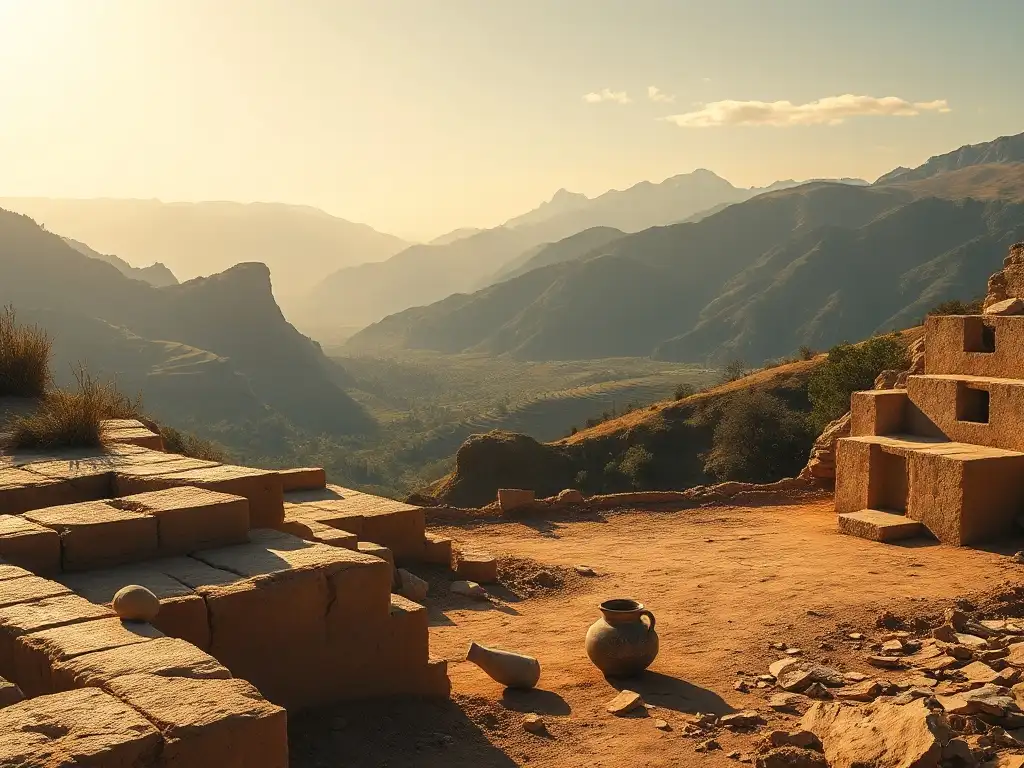
This section delves into the crucial archaeological sites that illuminate the early history of Andean civilizations, providing concrete evidence of the transition from nomadic lifestyles to settled agricultural communities. Understanding these sites is key to piecing together the complex puzzle of Andean civilizations' early history. The analysis of architectural remains, artifacts, and environmental data paints a vivid picture of the challenges and innovations that shaped these early societies.
We will explore some of the most significant sites, highlighting their contributions to our understanding of the development of Andean cultures. The meticulous work of archaeologists has revealed invaluable information about the daily lives, social structures, and belief systems of these early Andean peoples. This evidence allows us to move beyond speculation and into a more concrete understanding of their fascinating story.
Huaca Prieta and its Significance
Huaca Prieta, located on the north coast of Peru, stands as a testament to the early development of settled life in the Andes. Excavations at this site have unearthed compelling evidence of some of the earliest known cotton cultivation in the Americas, dating back to approximately 3500 BCE. 1 This discovery is crucial because it indicates a shift from a purely foraging and hunting existence towards a more settled, agricultural lifestyle. The presence of sophisticated tools for processing cotton, such as spindle whorls and weaving implements, highlights the technological ingenuity of these early Andean inhabitants. Moreover, the discovery of early squash and beans alongside cotton suggests a diversified agricultural system, crucial for supporting a growing population. The architecture at Huaca Prieta, while relatively simple compared to later Andean constructions, reveals evidence of carefully planned structures, indicating a level of social organization and communal effort. The site’s long occupation, spanning centuries, provides a unique window into the gradual evolution of Andean societies and their adaptation to their environment. The meticulous stratigraphy of Huaca Prieta allows archaeologists to trace the changes in technology, diet, and social organization over time, offering valuable insights into the processes involved in the transition from nomadic to settled life.
Kotosh and its Insights into Early Andean Culture
Kotosh, situated in the central Andes of Peru, is another key site illuminating the early history of Andean civilizations. Unlike Huaca Prieta, Kotosh offers insights not just into agricultural practices, but also into the religious and ceremonial life of these early communities. Dating back to approximately 2000 BCE, Kotosh is renowned for its iconic "Temple of the Crossed Hands," a structure featuring intricate carvings of hands, possibly representing a deity or a symbol of fertility and abundance. 2 This discovery suggests the development of complex religious beliefs and rituals, a cornerstone of Andean culture that would continue to evolve and flourish in later periods. The architectural complexity of Kotosh, with its multi-room structures and carefully constructed plazas, indicates a high degree of social organization and a centralized authority. The presence of diverse artifacts, including pottery, tools, and ornaments, provides further evidence of the richness and sophistication of Kotosh's culture, demonstrating a level of artistry and craftsmanship that is remarkable for its early date. The discovery of elaborate burials at Kotosh hints at a stratified social structure, with individuals receiving different treatment based on their status within the community. The significance of Kotosh lies in its ability to connect the development of agriculture with the emergence of complex social and religious systems, showcasing the multifaceted nature of early Andean societies.
Analyzing the Architectural and Artifactual Remains
Analyzing the architectural and artifactual remains from sites like Huaca Prieta and Kotosh is crucial for understanding the transition from nomadic to settled life in the Andes. Archaeologists employ a variety of techniques to interpret this evidence, including radiocarbon dating to establish timelines, stylistic analysis to identify cultural changes, and spatial analysis to understand settlement patterns. The construction techniques employed in early Andean structures, such as the use of adobe bricks and stone foundations, provide insights into their technological capabilities and building practices.
The types of artifacts found—pottery styles, tools, ornaments—reveal information about their subsistence strategies, artistic expressions, and social interactions. For example, the presence of specialized tools for agriculture, such as irrigation canals or grinding stones, indicates a shift towards intensified agricultural practices. Similarly, the presence of intricate pottery designs and elaborate ornaments suggests a growing complexity in social structures and belief systems.
Furthermore, the analysis of human remains can provide information about diet, health, and social status. By combining these different lines of evidence, archaeologists are able to reconstruct a more holistic picture of the lives of early Andean peoples and their gradual transformation from nomadic hunter-gatherers to settled agricultural communities. This meticulous process helps us better understand the processes of cultural development and adaptation that shaped the rich tapestry of Andean civilizations' early history.
1 Further research is needed to refine the exact dating of cotton cultivation at Huaca Prieta. 2 The exact interpretation of the "Crossed Hands" remains a subject of ongoing scholarly debate.
The Evolution of Andean Cultures: From Early Settlements to Complex Societies
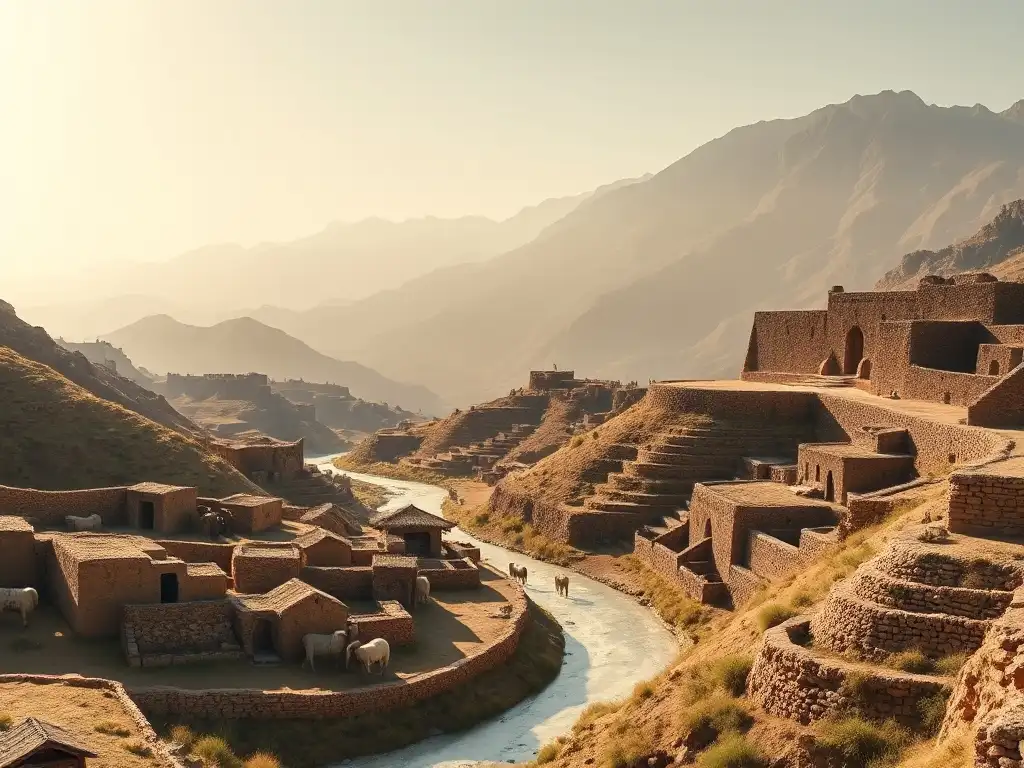
This section delves into the fascinating transformation of Andean societies, focusing on the crucial period of transition from nomadic lifestyles to the establishment of settled agricultural communities. This shift, occurring millennia ago, laid the groundwork for the later development of complex Andean civilizations and their remarkable achievements. Understanding this evolutionary process is key to appreciating the full scope of Andean history and the ingenuity of its peoples. The keyword "Andean civilizations early history" is central to this exploration.
The Foundations of Later Andean Civilizations
The initial steps towards settled life in the Andes were far from simple. The challenging geography—steep mountains, arid coastal deserts, and diverse altitudes—required considerable adaptation. Early Andean peoples, initially nomadic hunter-gatherers, gradually incorporated agriculture into their way of life. The domestication of plants like potatoes, quinoa, and beans, along with the herding of llamas and alpacas, provided a more stable food supply. This crucial shift allowed for the establishment of permanent settlements, a pivotal moment in the "Andean civilizations early history."
The development of irrigation systems was another critical factor. Ingenious techniques were employed to channel water from rivers and streams to irrigate crops in otherwise arid areas. These systems, often involving complex terracing on steep slopes, demonstrate a profound understanding of both agriculture and engineering. This mastery of water management allowed for increased agricultural productivity, supporting larger and more complex settlements. The impact of this technological innovation on the trajectory of Andean civilizations cannot be overstated.
Evidence suggests that early Andean settlements were not isolated entities but rather part of interconnected networks. Trade routes developed, facilitating the exchange of goods, ideas, and technologies among different communities. This interaction played a significant role in the cultural evolution and the eventual emergence of more sophisticated social structures. This interconnectedness is a recurring theme in the "Andean civilizations early history".
Tracing the Lineage from Early Settlers to the Rise of Major Cultures
The transition from small, dispersed settlements to larger, more organized societies was a gradual process spanning centuries. Archaeological findings reveal a continuous evolution of social structures, technologies, and belief systems. Early pottery styles, for example, evolved in complexity and sophistication over time, reflecting a growing artistic skill and cultural refinement. The development of monumental architecture, such as the impressive platforms and structures found at various sites, also signifies a growing capacity for organized labor and social coordination. These developments offer crucial insights into the "Andean civilizations early history".
The emergence of specialized labor is another important marker of this transition. As societies grew larger and more complex, individuals began to specialize in specific tasks, such as pottery making, weaving, or metalworking. This specialization increased productivity and led to greater social stratification. The development of sophisticated social hierarchies, often reflected in burial practices and grave goods, demonstrates the increasing complexity of Andean social organization. The study of these hierarchies is fundamental to understanding the "Andean civilizations early history".
The Legacy of Early Andean Peoples: A Foundation for Future Development
The early Andean peoples, through their resilience, ingenuity, and adaptive strategies, laid the groundwork for the remarkable civilizations that would follow. Their mastery of agriculture, their development of sophisticated irrigation systems, and their ability to establish complex social networks all contributed to the rise of the Inca, Nazca, Moche, and Tiahuanaco cultures. Their legacy extends far beyond their time, influencing the cultural landscape of the Andes for millennia.
The understanding of "Andean civilizations early history" is not merely an academic exercise; it's a crucial step in appreciating the remarkable achievements of later Andean cultures. The challenges and successes of these early societies provide a context for understanding the later development of sophisticated technologies, complex social structures, and advanced artistic traditions. Their story reminds us of the remarkable adaptability and resilience of the human spirit, particularly in the face of environmental challenges. The study of these early settlements offers invaluable insights into the enduring legacy of Andean civilization.
Andean Civilizations Early History: A Summary of the Transformation
This section delves into the fascinating transition of Andean peoples from nomadic hunter-gatherer societies to settled agricultural communities, a pivotal moment shaping the trajectory of Andean civilizations. Understanding this shift is crucial for grasping the complexities of later, more developed Andean cultures. The early history of these Andean civilizations is a story of adaptation, innovation, and the gradual harnessing of the challenging Andean environment.
Key Takeaways on the Shift from Nomadic to Sedentary Life
The shift from nomadic lifestyles to settled agricultural communities wasn't a sudden event but a gradual process spanning millennia. Several key factors contributed to this profound transformation:
- Climate Change: Fluctuations in climate, including periods of increased aridity and decreased rainfall, likely forced early Andean peoples to adapt their subsistence strategies. The need for more reliable food sources pushed them towards experimenting with agriculture.
- Agricultural Innovations: The domestication of plants like potatoes, quinoa, and beans, along with the development of sophisticated irrigation techniques, played a crucial role. These innovations provided a more stable food supply, reducing the need for constant movement in search of sustenance. The development of terraced agriculture, for instance, allowed for increased crop yields in mountainous terrain. This is a testament to the ingenuity and adaptive capacity of early Andean peoples.
- Population Growth: As agricultural productivity increased, so did the population. Larger, more sedentary populations required more organized social structures and resource management, leading to the development of villages and eventually, larger settlements. This demographic shift further reinforced the trend towards settled life.
- Technological Advancements: The development of tools for farming, such as improved hoes and plows, further enhanced agricultural productivity. The creation of storage facilities for surplus food also contributed to the stability of settled communities. This technological progress is directly linked to the increasing complexity of Andean societies.
The transition wasn't uniform across all Andean regions. Different groups adapted at different paces, influenced by local environmental conditions and cultural factors. However, the overall trend towards sedentism laid the groundwork for the emergence of complex societies and the flourishing of the great Andean civilizations.
The Importance of Understanding the Pre-Civilizational Andean History
Understanding the pre-civilizational Andean history is vital for several reasons:
- Contextualizing Later Developments: The foundations of later Andean empires, such as the Inca, were built upon the achievements and challenges faced by their predecessors. Without understanding this early history, we risk misinterpreting the cultural and technological developments of later periods.
- Appreciating Andean Resilience: The story of early Andean peoples is one of remarkable resilience in the face of environmental challenges. Their ability to adapt and innovate provides valuable insights into human adaptability and ingenuity.
- Challenging Eurocentric Narratives: Studying Andean origins helps challenge Eurocentric historical narratives that often marginalize or ignore the achievements of non-European civilizations. It allows us to appreciate the richness and diversity of human history.
- Preserving Cultural Heritage: Understanding the early history of Andean civilizations is crucial for the preservation of their cultural heritage. It informs our efforts to protect archaeological sites, promote cultural tourism, and support the continuation of indigenous traditions.
The complexities of pre-Columbian Andean societies are still being uncovered through ongoing archaeological research and analysis.
Further Research and Exploration of Andean Origins
Further research into Andean origins requires a multidisciplinary approach, combining archaeological evidence with anthropological, linguistic, and environmental studies. Key areas of future research include:
- Genetic Studies: Analyzing ancient DNA can provide insights into population movements, migration patterns, and the genetic relationships between different Andean groups.
- Climatic Reconstructions: More precise reconstructions of past climates can help us better understand the environmental pressures that shaped early Andean societies.
- Technological Analysis: Detailed studies of early Andean tools and technologies can reveal the sophistication of their engineering and craftsmanship.
- Social Organization Studies: Further research into the social structures of early Andean communities can illuminate the processes that led to the development of increasingly complex societies.
The study of Andean civilizations early history is an ongoing process of discovery, constantly revealing new insights into the fascinating journey of these remarkable peoples. By combining various research methods and perspectives, we can continue to unveil the secrets of their past and appreciate the rich legacy they left behind.
Frequently Asked Questions
What is the main focus of the article "From Nomads to Settlers: The Transformation of Early Andean Peoples"?
The article explores the transition of Andean populations from nomadic lifestyles to settled agricultural communities. It examines the factors that contributed to this significant change in their way of life during their early history.
Which Andean civilizations are discussed in relation to early history?
While the article focuses on the broader Andean region, it implicitly touches upon the precursors to later civilizations like the Inca, Moche, Nazca, and Tiahuanaco. It sets the stage for understanding their later developments.
What environmental factors influenced the shift from nomadic to settled life?
The article likely highlights the importance of suitable land for agriculture, the availability of water resources, and the development of new agricultural techniques as key factors prompting settlement.
What technological advancements contributed to the establishment of settled communities?
The development of irrigation systems, improved farming tools, and storage techniques for food surpluses were crucial technological advancements that supported settled life in the Andes.
The transition to settled agriculture led to the emergence of more complex social structures, larger populations, and the development of early forms of political organization, laying the groundwork for future Andean civilizations.
Final Reflection: Echoes of the Andes: A Legacy of Adaptation and Resilience
The story of the early Andean peoples is not just a historical account; it's a powerful testament to human adaptability and the enduring strength of community in the face of adversity. Their journey from nomadic hunter-gatherers to sophisticated agricultural societies, detailed in this article, continues to resonate with us today, offering valuable lessons in resource management, social organization, and the profound impact of environmental change. Understanding their choices and challenges provides a crucial framework for navigating our own complex world.
The legacy of the early Andean civilizations continues to shape the cultural and social landscape of the region, influencing everything from agricultural practices to artistic expression. Their innovative irrigation systems, intricate social structures, and vibrant artistic traditions are a testament to their ingenuity and resilience. The past is never dead. It's not even past.
- William Faulkner. This quote perfectly encapsulates the enduring relevance of understanding the early Andean experience; their history is not merely a relic of the past, but a living force that continues to inform the present.
Consider the challenges these early peoples faced – adapting to the harsh Andean environment, developing sustainable agricultural techniques, and building complex social structures. These challenges, while vastly different from our own, echo the struggles we face today in areas such as climate change, resource management, and social equity.
You, the reader, are now equipped with a deeper understanding of the human spirit's capacity for innovation and adaptation. Reflect on the ingenuity of the early Andean peoples, and consider how their story might inspire you to approach your own challenges with similar creativity, resilience, and a commitment to building sustainable communities.
Embrace the Journey: Connect with the Legacy of the Andean Peoples!
Thank you for exploring the fascinating transformation of early Andean civilizations with us! You've uncovered a rich history and remarkable resilience that shaped a great culture. Now, let's delve deeper and further explore this captivating subject.
Here are some engaging ways to strengthen your connection to this remarkable legacy:
- Become an Explorer: Visit a museum featuring Andean artifacts or exhibitions to experience this vibrant culture firsthand. Immerse yourself in the artistry, the tools, and the stories they tell.
- Share Your Learning: Discuss your newfound knowledge with friends, family, or online communities to ignite others' interest in the history of the Andean peoples. Sharing your passion can be incredibly rewarding.
- Join a Community: Participate in discussions, workshops, or online forums dedicated to Andean history to connect with fellow enthusiasts and experts. Engaging with others can deepen your understanding and appreciation.
Reflecting on the incredible journey of the Andean peoples, what aspect of their ingenuity and adaptation resonates most with you? What story or artifact particularly captivated your imagination?