
The Art of Survival: How Early Andean Peoples Thrived in a Challenging Environment

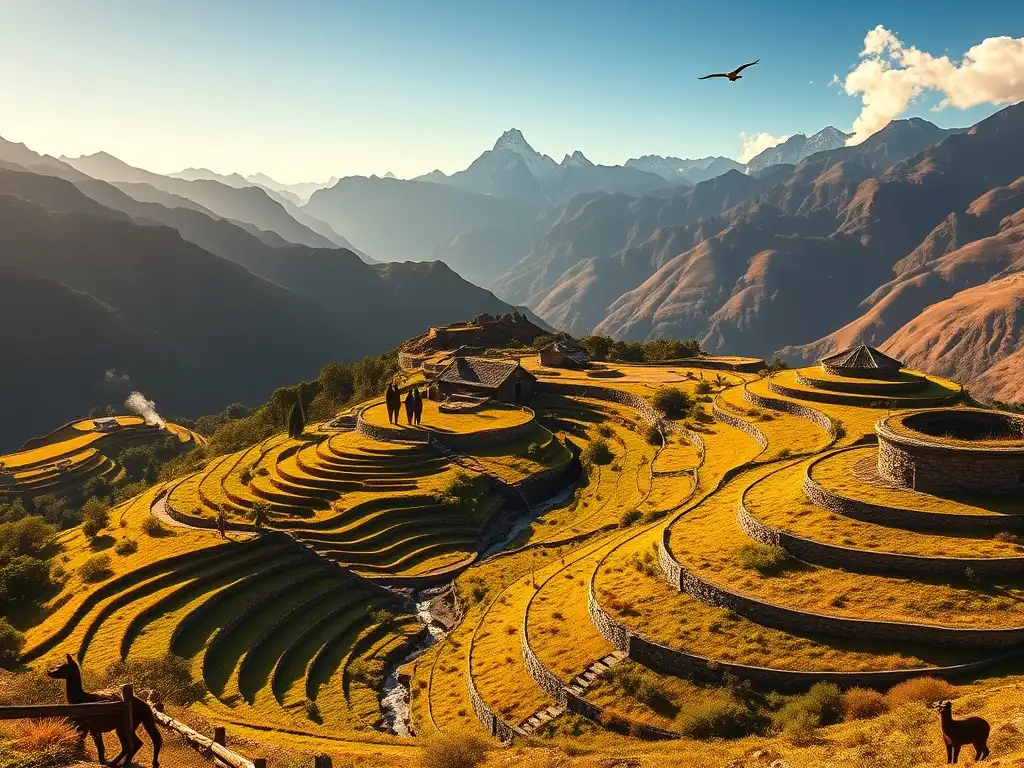
Step into a world lost to time, yet echoing with the ingenuity of ancient masters. For centuries, the towering Andes Mountains challenged the very existence of its inhabitants. But how did the Andean civilizations overcome these seemingly insurmountable obstacles? Discover the remarkable Andean civilizations survival strategies that allowed these impressive cultures to not only survive, but flourish, leaving behind a legacy of breathtaking artistry and complex societies. Unravel the secrets of their resilience – your journey into their captivating world begins now.
The Andes Mountains, a formidable spine running down the western coast of South America, presented an unparalleled challenge to the early inhabitants of this region. Far from being an insurmountable barrier, however, this harsh and diverse landscape became the crucible in which some of the most remarkable civilizations in human history were forged.
This article delves into the ingenious survival strategies employed by Andean peoples, exploring how they adapted to the extreme geographical and climatic conditions to not only survive, but to flourish, leaving behind a legacy of sophisticated engineering, intricate art, and complex social structures. Understanding these strategies provides crucial insight into the resilience and ingenuity of Andean civilizations and the remarkable relationship they developed with their environment.
We will examine the key challenges they faced and the innovative solutions they implemented, highlighting the impressive adaptability that defined their existence. This exploration of "Andean civilizations survival strategies" will reveal the remarkable ingenuity of these early societies.
Introduction: Understanding the Andean Challenge
The Andean region is characterized by its extreme environmental variability. From the arid coastal deserts to the towering peaks of the Andes and the lush Amazonian foothills, the challenges faced by early settlers were immense. Scarcity of resources, unpredictable weather patterns, and treacherous terrain demanded exceptional adaptability and innovation.
The success of Andean civilizations wasn't merely a matter of chance; it was the result of carefully developed strategies, honed over millennia, that allowed them to extract sustenance from a seemingly unforgiving environment. These strategies encompassed sophisticated agricultural techniques, intricate water management systems, and remarkable architectural achievements, all testament to their deep understanding and mastery of their surroundings. The study of these strategies offers a fascinating glimpse into the ingenuity and resilience of human adaptation.
Geographical Hurdles Faced by Early Andean Societies
The geographical diversity of the Andes posed significant challenges to early inhabitants. Navigating the steep slopes, traversing vast distances across diverse terrains, and securing resources in scattered pockets required a deep understanding of the landscape and the development of specialized techniques. The variety of habitats, while offering a range of resources, also presented unique challenges in terms of access, cultivation, and resource management.
The Diverse Topography: Mountains, Coast, and Jungle
The Andes are not a monolithic entity; they comprise a complex tapestry of vastly different ecosystems. The towering mountains, with their varying altitudes and microclimates, presented significant challenges for agriculture and settlement. The narrow coastal desert strip, while seemingly barren, offered opportunities for fishing and the cultivation of specific drought-resistant crops. Finally, the eastern slopes transitioned into the lush Amazonian foothills, a completely different environment with its own unique opportunities and challenges. Early Andean societies successfully adapted to each of these distinct zones, developing specialized techniques and strategies for each. This adaptability is a key factor in understanding their long-term survival and prosperity. For instance, the development of terracing techniques allowed them to cultivate crops on steep mountain slopes, maximizing arable land.
Climate Extremes: Adapting to Altitude and Aridity
The Andean climate is characterized by extremes of altitude and aridity. High-altitude settlements faced challenges such as frost, thin air, and intense solar radiation, while coastal settlements contended with scarce rainfall and limited freshwater resources. The fluctuation between wet and dry seasons further complicated agricultural practices. To overcome these obstacles, Andean societies developed sophisticated irrigation systems, such as canals and aqueducts, to channel water from rivers and springs to their fields.
They also developed drought-resistant crops and sophisticated storage techniques to ensure food security during lean periods. Their understanding of microclimates allowed them to strategically place settlements and agricultural fields to optimize resource utilization and minimize exposure to harsh weather conditions. The success of these strategies is evident in the longevity and prosperity of these remarkable Andean civilizations.
- Introduction: Understanding the Andean Challenge
- Geographical Hurdles Faced by Early Andean Societies
- What environmental challenges did Andean civilizations face?
- How did Andean agriculture adapt to the harsh environment?
- What role did animal domestication play in Andean survival?
- How did Andean societies organize themselves to overcome environmental limitations?
- What technological innovations helped Andean civilizations thrive?
Andean Civilizations Survival Strategies: Key Adaptations
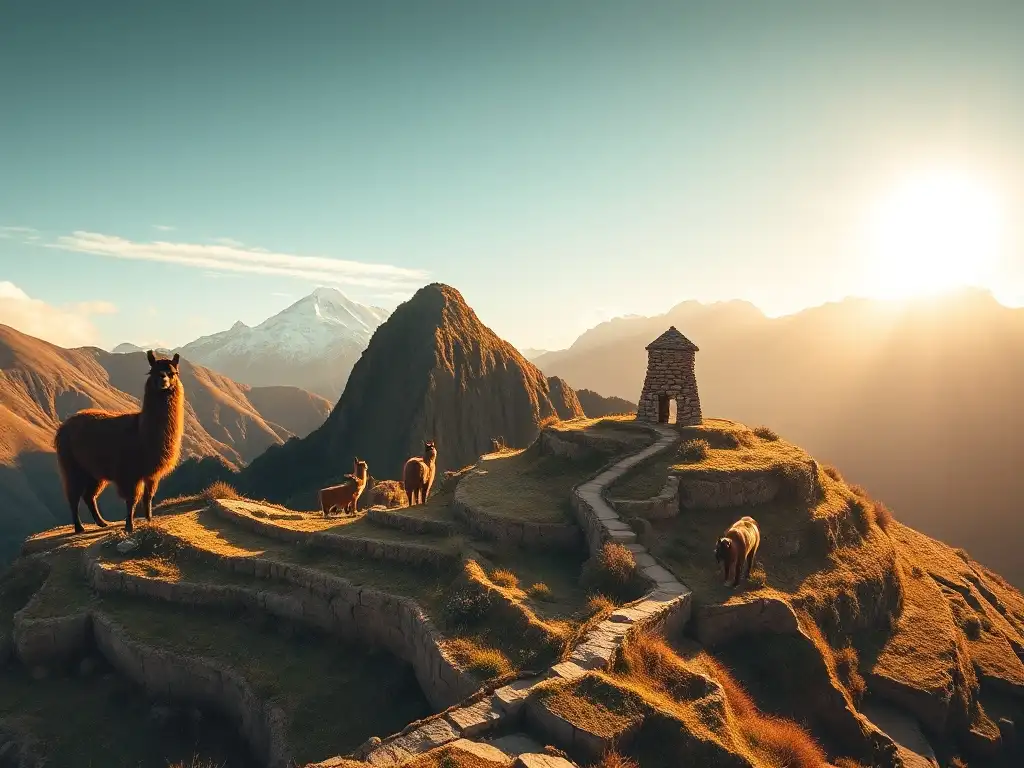
The success of Andean civilizations wasn't solely a matter of chance; it was a testament to their remarkable ingenuity in adapting to a challenging environment. Harsh, high-altitude terrains, unpredictable weather patterns, and limited arable land presented significant obstacles. However, through a combination of innovative agricultural practices, shrewd resource management, and sophisticated trade networks, these cultures not only survived but thrived, leaving behind a rich legacy.
This section will delve into the specific strategies employed by these remarkable Andean civilizations, highlighting their remarkable achievements in the face of adversity. Understanding these "Andean civilizations survival strategies" provides crucial insight into their remarkable resilience and lasting impact.
Agricultural Innovation in the Andes
The Andes Mountains, while breathtakingly beautiful, presented significant challenges for agriculture. Steep slopes, thin soils, and unpredictable rainfall demanded innovative solutions. The ingenuity of Andean peoples in overcoming these hurdles is truly remarkable, shaping their entire societal structure and contributing significantly to their longevity.
Terrace Farming Techniques for Maximizing Yield
Andean farmers developed sophisticated terrace farming techniques to maximize arable land and crop yields. These weren't simply flat areas carved into hillsides; they were carefully engineered systems, often incorporating retaining walls built from stone. This approach not only increased the amount of cultivatable land but also reduced soil erosion and improved water retention.
The scale and precision of some of these terrace systems are still awe-inspiring today, showcasing a deep understanding of both agriculture and engineering. Evidence suggests that the techniques varied slightly between different Andean cultures, reflecting regional adaptations to specific environmental conditions. For example, the terraces in the Sacred Valley of the Incas differ in design and construction from those found in the northern highlands.
Irrigation Systems: Mastering Water Management
Water management was paramount in the arid and semi-arid regions of the Andes. Andean civilizations developed intricate irrigation systems to channel water from rivers and streams to their fields, ensuring a reliable water supply even during dry periods. These systems often involved canals, aqueducts, and reservoirs, demonstrating a sophisticated understanding of hydraulic engineering.
The Nazca culture, renowned for its geoglyphs, also possessed advanced irrigation technology, enabling them to cultivate crops in the otherwise arid coastal plains. The construction of these systems required significant labor and coordination, highlighting the importance of community cooperation in Andean societies. Detailed analysis of these systems reveals a remarkable understanding of water flow and distribution, showcasing the advanced knowledge of Andean engineers and their understanding of their environment.
Crop Domestication: Developing Hardy Andean Varieties
The Andean civilizations didn't rely solely on imported crops; they actively domesticated a variety of plants uniquely suited to the high-altitude environment. Potatoes, quinoa, maize, and beans are just a few examples of crops that were domesticated and adapted for cultivation in the challenging Andean conditions. These crops were not only nutritious but also remarkably resilient, capable of withstanding harsh weather and poor soil conditions.
The process of domestication involved careful selection and breeding over generations, resulting in varieties that were well-suited to the specific environmental conditions of the Andes. The diversity of domesticated crops further illustrates the Andean peoples' deep understanding of agriculture and their ability to adapt to the unique challenges of their environment. This diversity was crucial to their survival, providing nutritional security even in times of scarcity.
Resource Management and Sustainable Practices
Beyond agriculture, the survival of Andean civilizations hinged on efficient resource management and sustainable practices. Their strategies involved careful consideration of both renewable and non-renewable resources, ensuring the long-term viability of their societies.
Efficient Use of Natural Resources
Andean civilizations practiced a remarkably sustainable approach to resource management. Their understanding of the delicate balance of their environment is evident in their meticulous use of materials. Stone, wood, and metals were used sparingly and often recycled, reflecting a deep respect for the limited resources available. This approach contrasts sharply with many modern practices, demonstrating a level of environmental awareness that is both admirable and instructive. Further research is needed to fully understand the nuances of their resource management techniques, but available evidence suggests a sophisticated system of resource allocation and conservation.
Animal Husbandry: Raising Llamas and Alpacas
Llamas and alpacas played a crucial role in the Andean economy, providing wool, meat, and transportation. These animals were not only a source of sustenance but also integral to the social fabric of Andean communities. Their domestication involved careful breeding and management, ensuring a sustainable population that could meet the needs of the growing communities.
The adaptation of these animals to the high-altitude environment further highlights the Andean peoples' deep understanding of animal husbandry and their ability to integrate animals into their sustainable livelihoods. Their importance extended beyond practical applications, as evidenced by their frequent appearance in Andean art and mythology.
Trade Networks: Facilitating Resource Exchange
The Andean civilizations weren't isolated; they participated in extensive trade networks that facilitated the exchange of resources. This exchange helped to mitigate resource scarcity and ensured access to essential goods not readily available in their immediate environments. The Inca Empire, in particular, developed a highly organized system of roads and relay runners to facilitate trade across vast distances.
This interconnectedness was crucial for survival, enabling communities to share resources and support one another during times of hardship. The establishment and maintenance of these trade networks required significant organizational skills and political power, further demonstrating the sophisticated nature of Andean societies. The items traded ranged from agricultural products to precious metals, highlighting the economic and social importance of these trade routes.
Socio-Political Structures Supporting Andean Survival
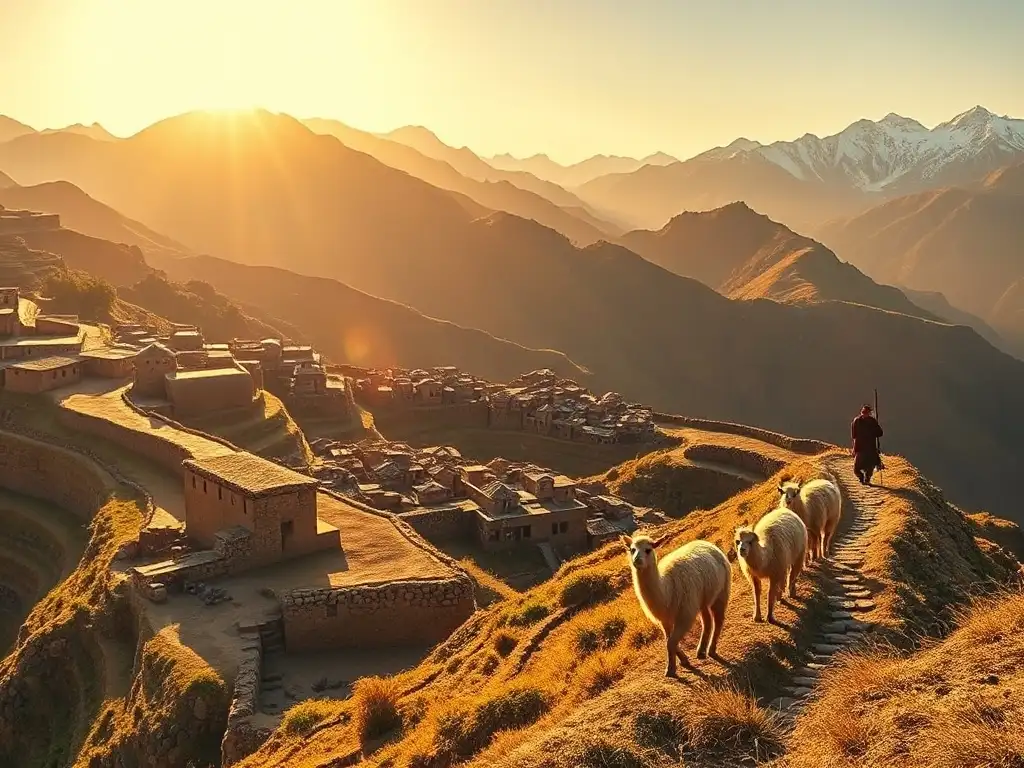
The success of Andean civilizations wasn't solely dependent on agricultural innovation; sophisticated socio-political structures played a crucial role in ensuring the survival and prosperity of these communities. These structures fostered cooperation, managed resources effectively, and provided stability in the face of environmental challenges. Understanding these systems is key to appreciating the ingenuity and resilience of Andean peoples and their remarkable adaptation to a demanding environment. The intricate interplay between community organization, governance, and religious beliefs provided the framework for their continued existence, a testament to the effectiveness of their "Andean civilizations survival strategies".
Community Cooperation and Labor Organization
The foundation of Andean survival rested on a highly organized and cooperative social structure that prioritized collective well-being over individual gain. This was particularly crucial in an environment where unpredictable weather patterns and challenging terrain demanded collaborative efforts.
Ayllu System: The Foundation of Andean Society
The ayllu, a kinship-based community group, was the cornerstone of Andean social organization. Members of an ayllu shared land, resources, and labor, creating a strong sense of mutual support and responsibility. This system ensured that everyone had access to the necessities of life, mitigating the risks associated with individual hardship.
The ayllu wasn't merely a social unit; it was a vital economic and political entity, managing resources and distributing responsibilities according to the needs of the community. Its effectiveness in resource management contributed significantly to the long-term survival of Andean societies. The strength of the ayllu system is evident in the longevity of Andean communities, showcasing its effectiveness as a survival strategy.
Collective Work Projects: Building Infrastructure and Sharing Resources
Beyond daily tasks, the ayllu system facilitated large-scale collective work projects vital for survival. The construction of irrigation canals, terraces, and storage facilities required immense coordinated effort. These projects, known as mita, involved the mobilization of large numbers of people, demonstrating the remarkable organizational capacity of Andean societies.
The mita system wasn't just about building infrastructure; it also served as a mechanism for resource redistribution and social cohesion. By working together on these vital projects, communities strengthened their bonds and ensured the survival of their collective. Examples of this can be seen in the intricate irrigation systems of the Nazca and the impressive terraced agriculture of the Inca.
Governance and Leadership: Ensuring Stability
Effective governance was essential for maintaining social order and managing resources in Andean societies. While the specific forms of governance varied across different cultures, a common thread was the importance of leadership in ensuring the survival of the community.
The Role of Chiefs and Priests in Resource Allocation
Chiefs and priests played pivotal roles in resource allocation and conflict resolution. They were responsible for overseeing the distribution of land, water, and other essential resources, ensuring equitable access within the ayllu. Their authority was often intertwined with religious beliefs, reinforcing their legitimacy and influence. This system, although hierarchical, aimed to prevent scarcity and maintain social harmony, contributing significantly to the long-term survival of Andean communities. The balance between secular and religious leadership varied across different Andean cultures, reflecting diverse approaches to governance and resource management.
Religious Beliefs and Their Influence on Daily Life
Religious beliefs profoundly influenced daily life and played a critical role in shaping Andean survival strategies. The worship of deities associated with agriculture, water, and fertility underscored the importance of these elements for survival. Religious rituals and ceremonies reinforced social cohesion and ensured the proper conduct of agricultural practices.
For example, the Inca's elaborate ceremonies and offerings aimed to appease the gods and ensure bountiful harvests, highlighting the deep connection between religion and survival in Andean societies. The integration of religious practices into daily life provided a powerful mechanism for social control and resource management, thereby contributing to the resilience and longevity of Andean civilizations. The influence of religious beliefs on agriculture and water management is a key factor in understanding the success of Andean survival strategies.
Case Studies: Specific Examples of Andean Resilience
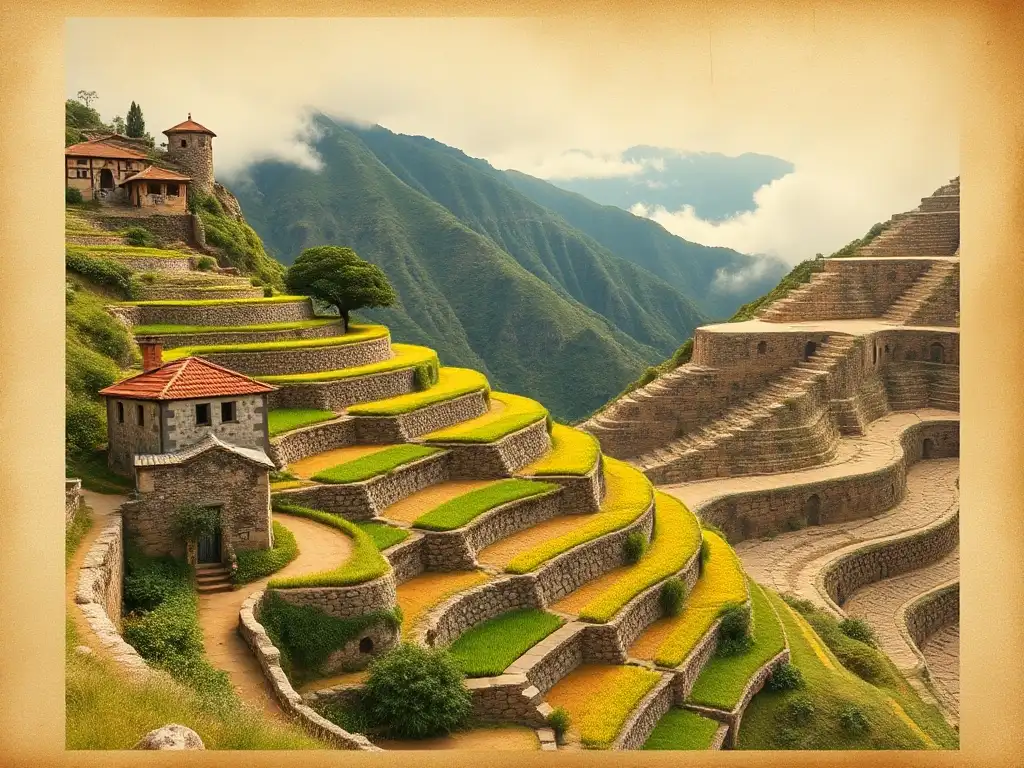
This section delves into the remarkable survival strategies employed by specific Andean civilizations, showcasing their ingenuity and adaptability in the face of harsh environmental challenges. Understanding these strategies provides crucial insight into the resilience that allowed these cultures to flourish for centuries. We will explore the Moche civilization's mastery of coastal deserts and the Tiahuanaco's remarkable achievements in the high Andes, highlighting their innovative approaches to water management, agriculture, social organization, and technological advancements. These examples underscore the multifaceted nature of Andean civilizations survival strategies and their enduring legacy.
The Moche: Adaptation to Coastal Deserts
The Moche civilization (c. 100-800 CE) thrived along the arid northern coast of Peru, a region characterized by extreme dryness and unpredictable weather patterns. Their survival hinged on sophisticated water management and agricultural techniques, coupled with a complex social organization that facilitated resource distribution and community resilience.
Water Management and Agricultural Techniques
The Moche developed an intricate network of canals and irrigation systems to harness scarce water resources. They meticulously channeled water from rivers and streams, diverting it to agricultural fields located in valleys and along the coast. Archaeological evidence reveals extensive canal systems, some stretching for kilometers, demonstrating their engineering prowess and understanding of hydrology.
These canals weren't merely simple ditches; they incorporated sophisticated techniques like sediment control and water distribution systems to maximize efficiency and minimize water loss. The Moche also employed techniques like raised fields and terraced agriculture to optimize water use and increase crop yields in the limited arable land available. This allowed them to cultivate crops such as maize, beans, squash, and cotton, forming the basis of their diet and economy.
Artistic Representations of Survival
The Moche's artistic achievements offer valuable insights into their worldview and their relationship with their environment. Their pottery, renowned for its intricate detail and vibrant colors, frequently depicts scenes of agriculture, fishing, and water management. These depictions are not mere aesthetic exercises; they provide valuable information about their daily life, technological innovations, and their understanding of the natural world.
For example, many ceramic vessels illustrate the process of irrigation, showcasing the careful planning and labor involved in water management. These artistic representations serve as a testament to the Moche's ingenuity and their ability to adapt to a challenging environment, leaving behind a rich visual record of their survival strategies. The meticulous detail in their artwork, reflecting their deep connection with their environment, underlines their remarkable ability to thrive despite the harsh conditions.
The Tiahuanaco: Thriving in High-Altitude Environments
The Tiahuanaco civilization (c. 500-1000 CE) flourished in the high Andes of Bolivia, at an altitude exceeding 3,800 meters (12,500 feet). The extreme altitude, thin air, and cold temperatures presented formidable challenges to human survival. However, the Tiahuanaco people demonstrated exceptional resilience through engineering marvels, sophisticated social organization, and extensive trade networks.
Engineering Marvels: Building Raised Fields
One of the most striking examples of Tiahuanaco ingenuity is their mastery of raised-field agriculture. These artificial islands, built in shallow lakes and marshes, provided ideal conditions for growing crops despite the harsh climate. The raised fields acted as thermal buffers, protecting crops from frost and providing better drainage. Furthermore, the nutrient-rich lake sediments, combined with efficient water management techniques, supported high crop yields.
The construction of these raised fields required immense collaborative effort, demonstrating the sophistication of their social organization and their deep understanding of their environment. The precision and scale of these agricultural constructions are remarkable, showcasing their advanced engineering skills and their commitment to food security. The legacy of these raised fields continues to inspire agricultural practices in the region today.
Social Organization and Trade
The Tiahuanaco's success was not solely due to their agricultural innovations. Their complex social organization, characterized by a hierarchical structure and centralized control, played a vital role in resource management and community resilience. This centralized system facilitated the efficient distribution of resources, ensuring community survival during periods of scarcity. Furthermore, the Tiahuanaco established extensive trade networks that extended across the Andes, enabling them to access resources and goods not available in their immediate environment.
This exchange of goods and ideas further enhanced their resilience and contributed to their cultural flourishing. Evidence suggests a complex system of tribute and exchange, connecting distant communities and ensuring the flow of essential resources. This interconnectedness fostered stability and facilitated the survival of the civilization in a challenging high-altitude environment. The intricate social organization and extensive trade networks were crucial components of their overall survival strategy, emphasizing the multifaceted nature of their resilience.
Legacy of Andean Survival: Lessons for Today
The ingenuity of Andean civilizations in adapting to their harsh environment offers invaluable lessons for modern societies grappling with climate change and resource scarcity. Their sophisticated understanding of their surroundings, coupled with innovative agricultural and social practices, allowed them to not only survive but thrive for centuries. Studying their strategies provides a powerful framework for developing sustainable solutions in the 21st century.
The Andean civilizations' success wasn't merely a matter of luck; it was the result of meticulous planning, adaptation, and a deep respect for the delicate balance of their ecosystem. This legacy of resourcefulness continues to resonate, prompting us to re-evaluate our own relationship with the environment and seek inspiration from these ancient cultures.
Understanding their achievements allows us to appreciate the interconnectedness of human societies and the natural world, a crucial understanding for navigating the challenges of our time. The Andean experience highlights that sustainability is not a modern concept; it's a fundamental principle that has guided successful civilizations for millennia.
Sustainable Practices and Environmental Awareness
Andean civilizations developed a profound understanding of sustainable agriculture, adapting their techniques to the unique challenges of the Andes Mountains. Terracing, for example, was a crucial innovation, transforming steep slopes into fertile farmland. This technique minimized soil erosion, maximized water retention, and allowed for efficient crop cultivation in otherwise unusable terrain.
Furthermore, the waru waru system, a sophisticated raised-bed agricultural technique, further enhanced water management and soil fertility. These systems, often integrated with intricate irrigation canals, allowed for the cultivation of a diverse range of crops, ensuring food security even in the face of unpredictable weather patterns. Evidence suggests that the precise placement of fields and the careful selection of crops were guided by an intimate knowledge of microclimates and soil types.
This demonstrates a remarkable level of environmental awareness and a deep respect for the carrying capacity of their land. Their practices offer a compelling case study for modern sustainable agriculture, highlighting the importance of understanding local conditions and implementing environmentally sensitive methods. The ingenuity of these techniques, developed without modern technology, is truly remarkable and offers a valuable blueprint for future agricultural development.
The careful management of water resources was another key element of Andean survival strategies. The construction of sophisticated irrigation systems, often involving extensive networks of canals and reservoirs, allowed for the efficient distribution of water to agricultural fields. These systems were not merely functional; they were integrated into the social and religious fabric of Andean life, reflecting a deep understanding of the importance of water for both survival and spiritual well-being.
This holistic approach to water management contrasts sharply with modern practices that often prioritize short-term economic gains over long-term environmental sustainability. The Andean example emphasizes the critical need for integrated water resource management strategies that consider both ecological and social factors. Further research into the precise engineering and societal implications of these systems could yield significant insights for contemporary water management challenges.
The Endurance of Andean Traditions
Many Andean traditions related to survival persist even today. While modern technology has undoubtedly impacted agricultural practices, the fundamental principles of resource management and environmental awareness remain deeply ingrained in Andean cultures. Techniques like terracing and the cultivation of native crops are still utilized in many communities, demonstrating the enduring legacy of these ancient survival strategies.
Moreover, the deep spiritual connection between Andean peoples and their environment continues to shape their relationship with the land. This connection fosters a sense of responsibility and stewardship, emphasizing the importance of preserving the environment for future generations. The resilience of these traditions underscores the importance of recognizing and valuing indigenous knowledge systems, which often hold valuable lessons for sustainable development.
The continued practice of these traditional methods provides a powerful testament to their efficacy and underlines the importance of integrating traditional ecological knowledge into modern conservation efforts. These traditions offer a rich source of inspiration for developing sustainable practices that are both environmentally sound and culturally appropriate.
Conclusion: The Ingenuity of Early Andean Peoples
The Andean civilizations' success in thriving in a challenging environment was a testament to their remarkable ingenuity and adaptability. Their sophisticated agricultural techniques, intricate water management systems, and deep understanding of their ecosystem demonstrate a level of environmental awareness that is both inspiring and relevant to modern challenges. The legacy of Andean survival strategies extends beyond mere historical interest; it provides a powerful framework for addressing contemporary issues of sustainability, resource management, and environmental conservation.
By studying these ancient practices and integrating traditional ecological knowledge into modern approaches, we can learn valuable lessons for building a more sustainable future. The enduring legacy of Andean ingenuity serves as a reminder that human societies can thrive in harmony with their environment, even in the face of significant challenges. Further research into the specific techniques and societal structures that facilitated Andean survival promises to yield valuable insights for future generations.
Frequently Asked Questions
What environmental challenges did Andean civilizations face?
Andean civilizations faced extreme altitude, varied climates, and scarcity of resources like water and arable land. These factors significantly impacted their survival strategies.
How did Andean agriculture adapt to the harsh environment?
They developed innovative farming techniques like terracing, irrigation systems, and the cultivation of diverse crops adapted to different altitudes. This ensured food security.
What role did animal domestication play in Andean survival?
Llamas and alpacas provided wool, meat, and transportation, significantly contributing to the Andean peoples' survival and economic development.
How did Andean societies organize themselves to overcome environmental limitations?
They developed complex social structures and political systems to manage resources, coordinate labor, and ensure the survival of their communities. Collective efforts were crucial.
What technological innovations helped Andean civilizations thrive?
Advanced engineering skills are evident in their irrigation systems, road networks, and stone architecture, demonstrating impressive adaptation and ingenuity for survival.
Final Reflection: Echoes of Resilience in the Andes
The ingenuity of the early Andean peoples in adapting to their harsh environment offers a powerful lesson for our own time, a testament to the enduring human capacity to overcome seemingly insurmountable odds. Their sophisticated agricultural techniques, intricate social structures, and innovative technologies weren't just survival mechanisms; they were expressions of a profound understanding of their world and a commitment to collective well-being. This resonates deeply today, as we face our own challenges of climate change, resource scarcity, and the need for sustainable practices.
The enduring legacy of Andean civilization continues to shape the cultural and social landscape of the region, influencing everything from agricultural practices to artistic expression. Their ability to thrive in such a challenging environment serves as a powerful reminder of human adaptability and the importance of community. The mountains are our teachers,
a Quechua proverb aptly states, highlighting the deep connection between the people and their environment, a connection that fostered innovation and resilience. This resonates with our own need to forge a more sustainable relationship with the planet, learning from past successes and failures.
Consider the ingenuity of the terrace farming, the mastery of water management, and the intricate social systems that allowed these civilizations to flourish. These weren't simply historical events; they are blueprints for sustainable living. You too can draw inspiration from their resilience. Reflect on the challenges you face, and consider how the principles of adaptation, community, and resourcefulness demonstrated by the Andean peoples might inform your own approach to overcoming obstacles and building a more sustainable future. Let their story inspire you to find your own path towards thriving, not just surviving.
**Unveil the Secrets of Andean Resilience! **
Thank you for exploring the rich history and remarkable resilience of the Andean peoples! Your interest in their ingenuity offers valuable insights, not only into their past, but also into strategies applicable to modern challenges.
Let's turn this inspiration into action. Here are some ways to continue your exploration:
- **Delve deeper into Andean cultures:** Discover more on our site about their unique survival strategies and innovations, from ingenious agricultural techniques to breathtaking architectural achievements.
- **Join the discussion:** Share your thoughts and discoveries in our comments section. What aspects of Andean resilience resonate most with you?
- **Participate in related events:** Look for workshops or community events focusing on Andean cultures, such as cooking classes showcasing traditional recipes or talks on sustainable practices inspired by ancient Andean techniques.
What new understandings of survival and adaptation will you gain, and how might they enrich your own life?