
The Lure of the Coast: Why Early Andean Societies Gravitated Towards the Sea

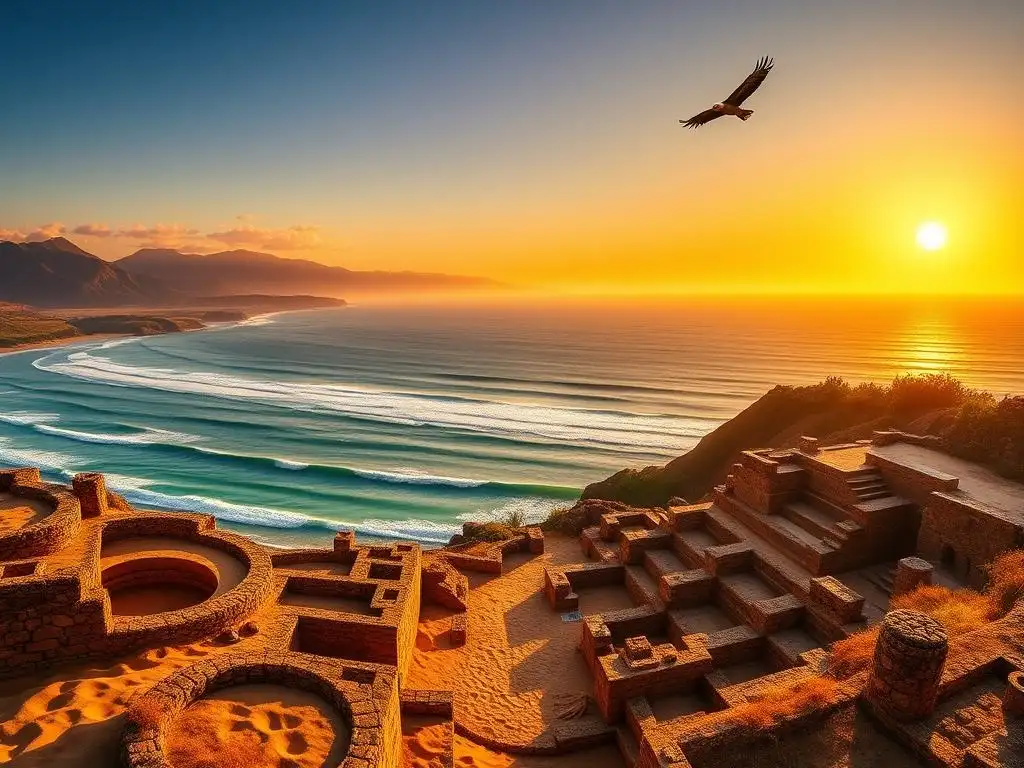
Step into a world lost to time, yet echoing with the whispers of a remarkable past. Imagine vibrant coastal cities thriving millennia ago, their ingenuity shaping the very landscape of the Andes. This is the story of Andean coastal civilization development, a captivating journey into the heart of ancient societies whose mastery of the sea redefined their world. Unravel the mysteries surrounding their rise and fall – discover what drove these civilizations to the coast and how they shaped the Andean legacy we know today. Prepare to be amazed.
The dramatic Andean landscape, a breathtaking tapestry of towering mountains and arid deserts, might initially suggest a life focused solely on high-altitude agriculture. Yet, a closer examination reveals a compelling counter-narrative: the profound influence of the Pacific Ocean on the development of early Andean coastal civilizations.
This article explores the multifaceted reasons why these ancient societies, from the pre-Inca cultures to the Inca Empire itself, were inextricably linked to the sea, demonstrating how access to marine resources fueled their economic growth, technological innovation, and social complexity. Understanding this coastal connection is crucial to comprehending the full spectrum of Andean civilization development, offering a more nuanced perspective than solely focusing on the highlands.
We will delve into the rich tapestry of coastal Andean life, examining the crucial role the ocean played in shaping their societies and their lasting legacies. This exploration will highlight the critical interplay between the coast and the Andes, revealing a dynamic relationship that continues to fascinate and inspire researchers today.
Abundant Marine Resources: A Foundation for Prosperity
The Peruvian coast boasts an unparalleled abundance of marine life, a fact that profoundly impacted the development of coastal Andean societies. The cold Humboldt Current, rich in nutrients, supports a vast ecosystem teeming with fish, shellfish, and marine mammals. Archaeological evidence consistently reveals the presence of large-scale fishing operations, indicating a sophisticated understanding of marine ecology and resource management.
Early Andean communities developed ingenious fishing techniques, including the use of woven nets, hooks, and even specialized boats, allowing them to exploit the ocean's bounty effectively. This reliable food source provided a stable base for population growth and the development of complex social structures.
The surplus of fish and shellfish also facilitated trade and exchange networks, connecting coastal communities with those in the highlands and fostering cultural interaction. Furthermore, the guano deposits along the coast, rich in nitrates and phosphates, provided a vital fertilizer for agricultural lands, further enhancing productivity and supporting larger populations.
Coastal Trade Networks: Connecting Communities and Cultures
The Pacific Ocean served not only as a source of food but also as a vital highway for trade and communication. Coastal Andean societies established extensive networks that linked diverse communities along the coast and even extended to distant regions. These networks facilitated the exchange of goods, ideas, and technologies, promoting cultural diffusion and stimulating innovation.
Evidence suggests that the exchange of goods included not only food resources but also precious metals, textiles, ceramics, and other valuable commodities. The development of sophisticated navigation techniques and the construction of seaworthy vessels were crucial to the success of these maritime trade routes.
The sheer scale of these networks underlines the importance of the sea in shaping the economic and social landscape of early Andean civilizations, fostering a level of interconnectedness that contributed significantly to their overall development. The movement of people and goods along these coastal routes also facilitated the spread of religious beliefs and artistic styles, contributing to a shared cultural identity among diverse coastal communities.
Technological Advancements Driven by Maritime Needs
The challenges and opportunities presented by the marine environment spurred significant technological advancements in early Andean societies. The development of advanced fishing techniques, as mentioned earlier, is one example. Beyond fishing, the construction of elaborate irrigation systems along the arid coast demonstrates an impressive mastery of water management.
These systems allowed for the cultivation of crops in otherwise inhospitable environments, significantly expanding agricultural production and further supporting population growth. Furthermore, the need for efficient transportation and communication across vast coastal distances led to innovations in boat building and navigation. The construction of large, seaworthy vessels capable of navigating the Pacific Ocean represents a remarkable feat of engineering and technological ingenuity.
These technological advancements were not isolated achievements but rather integral components of a complex system of adaptation and innovation that characterized coastal Andean societies. The constant interaction with the sea fostered a culture of experimentation and problem-solving that propelled technological progress.
The Coastal Influence on Andean Art and Iconography
The profound impact of the sea on Andean societies is also reflected in their art and iconography. Numerous artifacts, including pottery, textiles, and metalwork, depict marine life and maritime activities, showcasing the central role the ocean played in their lives. The stylistic representations of fish, birds, and other marine creatures often hold symbolic significance, reflecting religious beliefs and cosmological views.
The artistic representations of boats and fishing scenes provide valuable insights into the techniques and practices of coastal communities. These artistic expressions not only document the practical aspects of their relationship with the ocean but also reveal the deep cultural and spiritual connection they had with the marine world. Analyzing these artistic representations offers a unique window into the worldview and beliefs of these ancient societies, further enriching our understanding of their relationship with the coastal environment.
The detailed depictions found in textiles, for instance, offer a level of intricacy and precision that speaks volumes about their technical skills and artistic vision. These artistic achievements stand as a testament to the enduring legacy of Andean coastal civilizations.
- Abundant Marine Resources: A Foundation for Prosperity
- Coastal Trade Networks: Connecting Communities and Cultures
- Technological Advancements Driven by Maritime Needs
- The Coastal Influence on Andean Art and Iconography
- What role did the coast play in the development of Andean civilizations?
- How did coastal geography influence the development of Andean coastal civilization?
- Which Andean cultures were most significantly impacted by coastal resources?
- What technological advancements were crucial for Andean coastal civilizations' success?
- How did the coastal environment affect the art and religious beliefs of Andean cultures?
The Allure of the Pacific: Coastal Resources and Early Andean Life
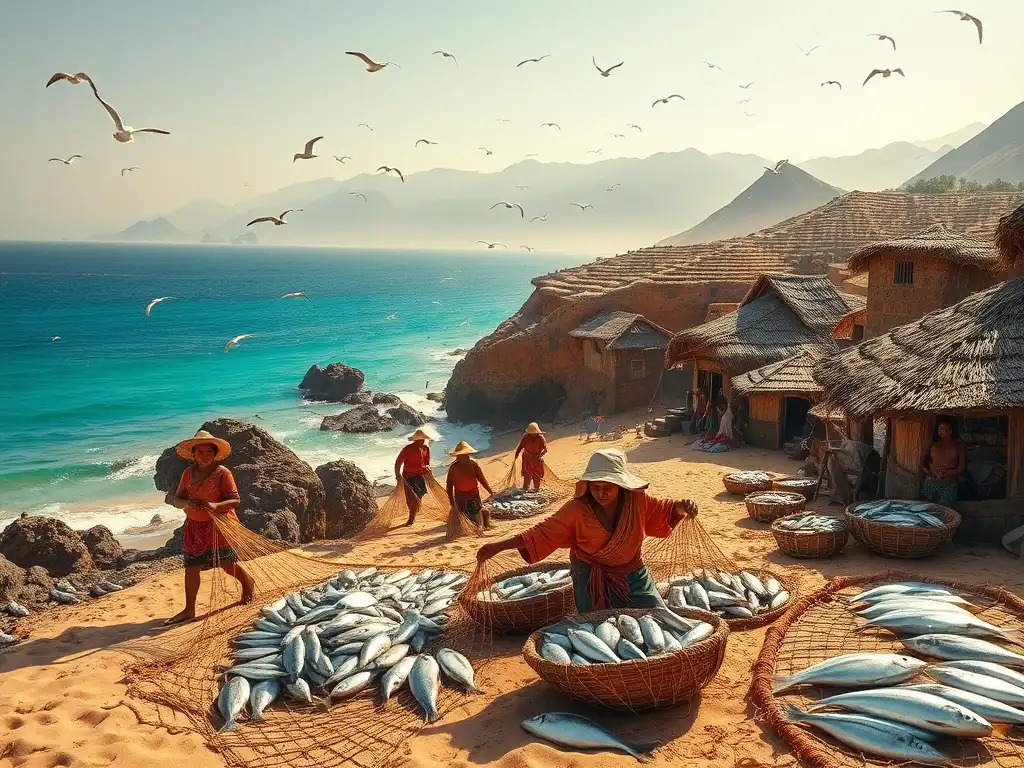
The development of complex societies in the Andes wasn't solely a matter of altitude and agricultural innovation. A crucial, often overlooked, factor in the rise of powerful Andean coastal civilization development was the Pacific Ocean itself. The seemingly harsh desert coastline, far from being a barrier, provided a wealth of resources that fueled population growth, technological advancements, and the establishment of thriving settlements. This section explores the vital role of the Pacific Ocean in shaping early Andean societies, highlighting the abundance of resources and the unique ecological factors that contributed to their success.
Abundant Marine Resources: A Foundation for Andean Coastal Development
The Peruvian coast, bathed by the nutrient-rich Humboldt Current, offered an unparalleled bounty of marine resources. Early Andean societies, far from being solely reliant on agriculture in the highlands, developed sophisticated fishing techniques to exploit this abundance. Archaeological evidence reveals the use of various fishing methods, including intricate nets, hooks, and even ingenious traps.
These techniques allowed them to harvest a wide variety of fish, shellfish, and marine mammals, providing a protein-rich diet crucial for sustaining large populations. The sheer volume of readily available seafood dramatically impacted Andean coastal civilization development, providing a reliable and sustainable food source that supported significant population densities in coastal settlements. This contrasted sharply with the more challenging agricultural practices in the higher Andes, where crop yields were often dependent on unpredictable weather patterns.
The consistency of marine resources fostered a degree of stability that allowed for societal complexity to emerge. Analysis of midden heaps (ancient garbage dumps) reveals a diverse diet, including anchovies, sardines, tuna, various shellfish like mussels and clams, and even seals and sea lions. The abundance of these resources is undeniable evidence of the significant role the ocean played in shaping early Andean societies.
The Richness of the Humboldt Current: Sustaining Early Settlements
The Humboldt Current, a cold, nutrient-rich ocean current that flows northwards along the western coast of South America, is the key to understanding the exceptional productivity of the Andean coast. This upwelling current brings cold, nutrient-laden water to the surface, creating a flourishing ecosystem teeming with life. The constant supply of nutrients supports a massive phytoplankton bloom, forming the base of a complex food web that sustains a vast array of marine species.
This exceptional biological productivity directly translated into a reliable food source for early Andean coastal communities. The consistency of the Humboldt Current, unlike the variability of rainfall in the Andes mountains, provided a predictable and stable source of sustenance, allowing for the development of larger, more permanent settlements.
The impact of this dependable food source on Andean coastal civilization development cannot be overstated; it provided the foundation upon which complex social structures, specialized labor, and technological innovation could flourish. The predictable nature of the current’s bounty likely played a crucial role in fostering social stability and reducing the risks associated with food scarcity.
Coastal Biodiversity: Fueling Population Growth and Stability
The remarkable biodiversity of the Andean coast, fueled by the Humboldt Current, went beyond simply providing food. The variety of marine resources available—from fish and shellfish to seabirds and marine mammals—supported diverse economies and specialized crafts. Coastal communities developed expertise in fishing, processing, and trading marine products.
This economic diversification contributed significantly to population growth and social stability. The surplus of resources allowed for specialization of labor, with some individuals focusing on fishing, others on processing and preserving food, and still others on crafting tools and trading goods. This division of labor, fueled by the abundance and diversity of coastal resources, is a hallmark of complex societies.
Moreover, the coastal environment also provided valuable materials for construction and toolmaking, such as shells, wood, and reeds. This abundance and diversity of resources, directly linked to the unique characteristics of the Humboldt Current, were fundamental to the successful development of early Andean coastal civilizations. The stable and diverse resource base provided by the coast laid the groundwork for the impressive societal advancements seen in these early Andean cultures.
The Shift Towards the Shore: Understanding the Move to the Coast
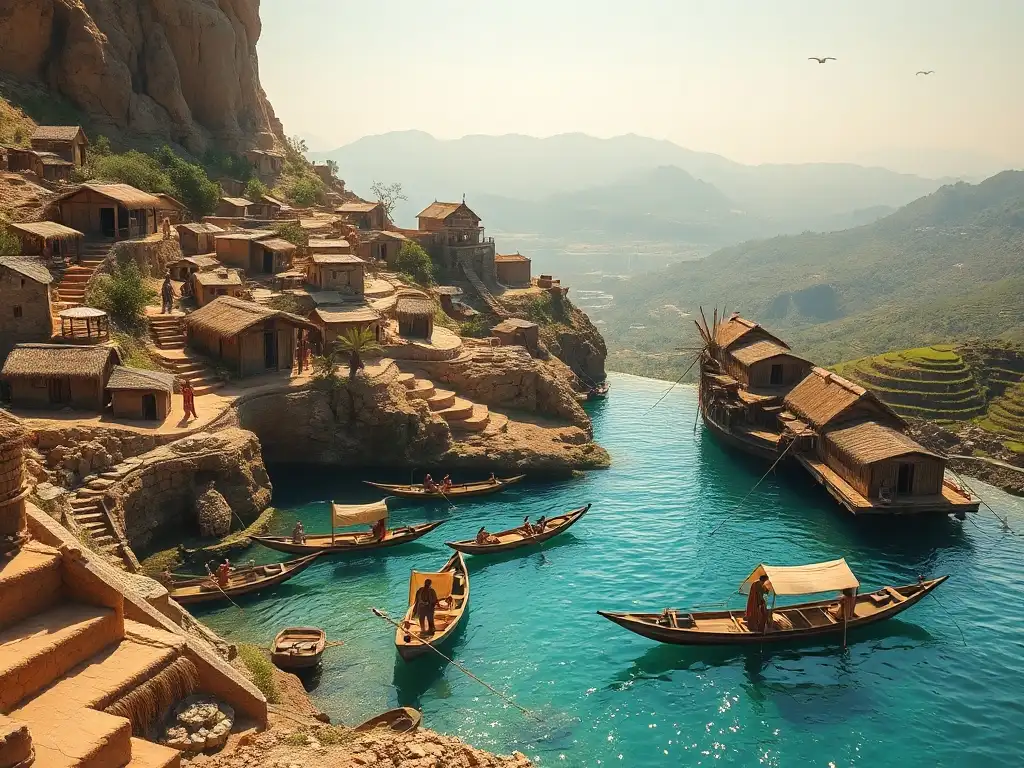
The development of Andean coastal civilization was not a sudden event, but rather a gradual process driven by a complex interplay of factors. Understanding this shift requires examining the migration patterns of early Andean societies, analyzing the advantages offered by the coastal environment, and considering the significant role of climate and geography in shaping settlement choices.
This section delves into these crucial aspects, providing a detailed look at the transition from inland agricultural societies to thriving coastal communities, a pivotal moment in Andean civilization development. The lure of the coast wasn't merely about proximity to the sea; it represented access to a wealth of resources and opportunities that profoundly altered the trajectory of Andean societies.
From Inland to Coast: Tracing the Migration Patterns
Tracing the precise migration patterns of early Andean populations moving towards the coast is challenging due to limitations in archaeological data. However, evidence suggests a gradual process spanning centuries, not a single, large-scale migration. Early settlements, initially focused on river valleys and fertile highlands, gradually expanded towards the coast, likely spurred by population growth and resource pressures.
Archaeological findings reveal a progression, with initial coastal settlements exhibiting characteristics of inland cultures, gradually evolving into distinct coastal societies. This suggests an adaptation process, where inland groups gradually adopted coastal lifestyles and technologies, rather than a complete displacement of existing coastal populations. Further research focusing on isotopic analysis of human remains and detailed ceramic analysis is needed to fully understand the intricacies of this migration.
The exact timeline and the specific routes taken remain areas requiring further investigation. The study of ancient trade routes and the diffusion of technologies also offers valuable insights into the movement of people and ideas along the Andean coast. This complex process of adaptation and integration is key to understanding the development of Andean coastal civilization.
The Advantages of Coastal Living: A Comparative Analysis
The coastal environment offered significant advantages over inland settlements, fueling the growth of complex Andean societies. Access to marine resources provided a reliable and diverse food source, supplementing agricultural practices. Fish, shellfish, and marine mammals provided protein, while seaweed and other marine plants offered additional nutrients.
This diversification of food sources ensured greater food security and supported larger populations. Furthermore, coastal areas often featured access to salt, a crucial resource for preserving food and crucial for trade. The presence of abundant guano deposits also provided a rich source of fertilizer, improving agricultural yields in nearby inland areas.
A comparative analysis of inland and coastal settlements reveals a clear advantage for coastal communities in terms of resource availability and the potential for economic diversification. Coastal settlements often displayed more sophisticated social organization and larger populations, reflecting the greater resource abundance and economic opportunities. The ability to exploit marine resources allowed for the development of specialized labor and the emergence of complex social hierarchies, key elements in the development of Andean coastal civilization.
The Role of Climate and Geography in Coastal Settlement
The coastal geography of the Andes played a crucial role in shaping settlement patterns and promoting the development of Andean coastal civilization. The presence of sheltered bays and estuaries provided ideal locations for establishing ports and fishing villages. The diverse coastal landscape, including deserts, oases, and fertile valleys, offered a variety of microclimates and resources, supporting a diverse range of activities and settlement types. Climate also played a significant role.
The relatively stable coastal climate, compared to the more variable highland climate, offered more predictable agricultural conditions and reduced the risk of crop failure. Periods of El Niño, although disruptive, also brought nutrient-rich waters, boosting marine productivity. However, the arid conditions of much of the coastal region presented challenges, requiring sophisticated water management techniques and the development of irrigation systems.
The interplay between climate, geography, and human adaptation was a critical factor in the success of coastal settlements and the ultimate development of complex societies along the Andean coast. The challenges posed by the environment fostered innovation and resourcefulness, leading to technological advancements in irrigation, fishing, and other vital areas. Understanding this environmental context is crucial for a complete understanding of Andean coastal civilization development.
The Impact of Coastal Living on Andean Societal Development
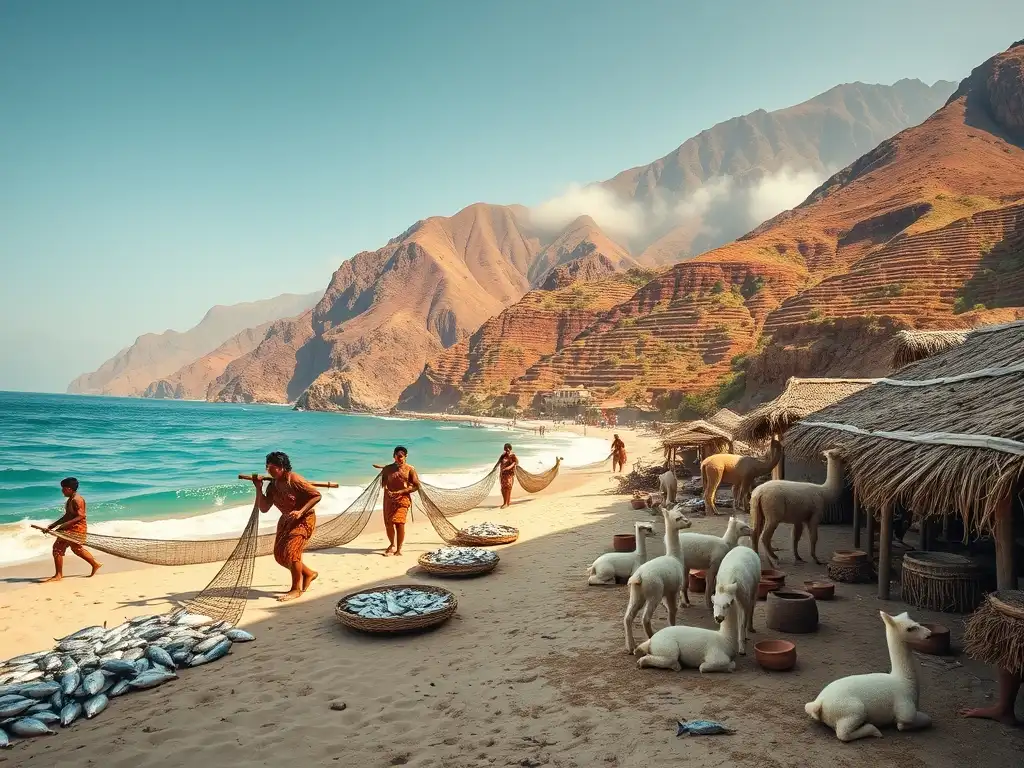
The proximity to the ocean profoundly shaped the trajectory of Andean coastal civilization development. Unlike their inland counterparts, coastal communities had access to a remarkably diverse and abundant source of protein, marine resources, and trade opportunities. This readily available sustenance fostered population growth and facilitated the emergence of complex social structures far earlier than in the highlands.
The rich marine ecosystem provided a stable foundation upon which sophisticated societal structures could be built, leading to advancements in agriculture, technology, and social organization unseen in many contemporary inland settlements. Analyzing the archaeological record reveals a clear correlation between coastal access and the speed of societal development within the Andes. Settlements located near abundant marine resources show evidence of larger populations, more elaborate architecture, and greater social stratification than those situated further inland.
This isn't to say inland development was insignificant, but the coastal advantage is undeniable in terms of accelerating the process of complex societal formation. The ease with which coastal groups could acquire sustenance allowed for the specialization of labor, a key catalyst in the development of complex societies.
Rise of Complex Societies: The Influence of Coastal Resources
The abundance of marine resources acted as a powerful engine driving the development of complex societies along the Andean coast. Unlike the often unpredictable agricultural yields of the highlands, the sea offered a relatively consistent source of food. This reliability fostered population density and enabled the development of larger, more permanent settlements.
The surplus generated by successful fishing expeditions allowed for the creation of social hierarchies and specialized labor roles beyond simply subsistence activities. Archaeological evidence, such as the large-scale settlements found at sites like Chan Chan (Chimú culture) and Pachacamac (various cultures over time), showcases the scale and complexity achieved through the exploitation of coastal resources. These settlements demonstrate sophisticated urban planning, monumental architecture, and evidence of extensive trade networks, all stemming from the foundation of a reliable food supply derived from the sea.
The ability to consistently produce food surpluses allowed for the support of specialized craftspeople, priests, and rulers, a hallmark of complex societies. This is further supported by the discovery of large storage facilities and elaborate burial sites containing prestigious artifacts, reflecting social stratification and centralized power.
Specialized Labor and Economic Systems: The Emergence of Fishing Communities
The development of specialized labor was directly linked to the abundance of marine resources. The intensive fishing practices necessitated the creation of specialized roles, including fishermen, net makers, boat builders, and traders. This division of labor led to the creation of more efficient and productive economic systems.
The emergence of fishing communities wasn't simply about individual survival; it was about collective effort and economic organization. Consider the intricate net designs and advanced boat-building techniques found in various Andean coastal cultures. These weren't simple tools; they represented highly specialized skills, requiring years of training and expertise.
The production and trade of these tools themselves created additional economic activity and further reinforced the specialization of labor. The development of sophisticated exchange networks, facilitated by the surplus of marine resources, allowed for the acquisition of goods from distant regions, further enriching the coastal communities and contributing to their complex societal development. The economic systems built around fishing were not isolated entities; they were intricately woven into the broader fabric of Andean society, influencing social structures, political power, and cultural practices.
Early Andean Maritime Technology: Boats, Nets and Fishing Tools
The ingenuity of early Andean coastal peoples is evident in their sophisticated maritime technology. They developed a range of fishing tools, boats, and navigational techniques adapted to the specific challenges of the Pacific Ocean. From simple reed rafts to more complex balsa wood vessels, their boats allowed them to exploit a vast expanse of ocean.
Archaeological discoveries have unearthed intricate fishing nets made from various plant fibers, demonstrating a high level of craftsmanship and understanding of materials. The development of these technologies wasn't a spontaneous event; it was a gradual process of innovation and adaptation driven by the need to efficiently harvest marine resources. The refinement of fishing techniques, boat design, and net construction directly impacted the productivity of fishing operations, leading to larger surpluses and contributing to the overall prosperity and complex societal development of the coastal communities.
This technological advancement also facilitated trade and exploration, expanding their influence and contributing to the cultural exchange within the Andean region. The sophistication of their maritime technology is a testament to their understanding of the ocean and their ability to harness its resources for societal advancement. Further research is needed to fully understand the evolution of specific tools and techniques, but existing evidence clearly demonstrates a remarkable level of technological sophistication.
Coastal Trade Networks: Connecting Communities and Resources
The proximity to the sea profoundly impacted the development of Andean coastal civilizations, fostering extensive and sophisticated trade networks. These networks weren't merely about exchanging goods; they were crucial for the social, political, and economic integration of disparate communities along the often-challenging Andean coastline. The sheer diversity of resources available along the coast – from fish and shellfish to guano (bird droppings used as fertilizer), cotton, and various minerals – fueled a vibrant exchange system.
Communities specializing in certain crafts or possessing unique resources became interconnected, creating a complex web of interdependence. For example, coastal settlements skilled in pottery or textile production traded their wares inland for agricultural products like maize and potatoes, a crucial exchange given the limitations of coastal agricultural land. This reciprocal exchange wasn't simply bartering; it involved the establishment of well-defined trade routes, possibly utilizing established trails or even rudimentary maritime transport, depending on the geographic context and technological capabilities of the specific civilization.
The organization and management of these networks likely involved specialized individuals or groups, acting as intermediaries or even controlling access to key resources. The scale of some of these trade networks, evident from the distribution of artifacts and materials across vast distances, suggests a level of social organization and communication that was remarkable for its time. The development of these sophisticated systems is a key component of understanding Andean coastal civilization development, demonstrating the strategic importance of maritime access.
The impact of these coastal trade networks extended beyond simple economic exchange. The movement of goods also facilitated the dissemination of ideas, technologies, and cultural practices. Religious beliefs, artistic styles, and even architectural techniques may have spread along these trade routes, contributing to a degree of cultural homogenization or, at the very least, creating a shared cultural sphere among geographically dispersed communities.
This cultural exchange, interwoven with the economic interdependence fostered by trade, strengthened social bonds and fostered a sense of shared identity among participating groups. The study of these ancient trade routes and their associated artifacts provides invaluable insights into the complex interplay between economic activity, social organization, and cultural exchange in the development of Andean coastal societies.
Detailed analysis of ceramic styles, textile patterns, and the distribution of specific types of tools can help researchers reconstruct these ancient trade networks with increasing accuracy, shedding more light on the remarkable achievements of these early Andean civilizations. Further research focusing on specific case studies, such as the Moche or Nazca cultures, could unveil even more nuanced understandings of the role of coastal trade in shaping their unique societal structures and cultural expressions.
The Development of Andean Coastal Civilization: Case Studies
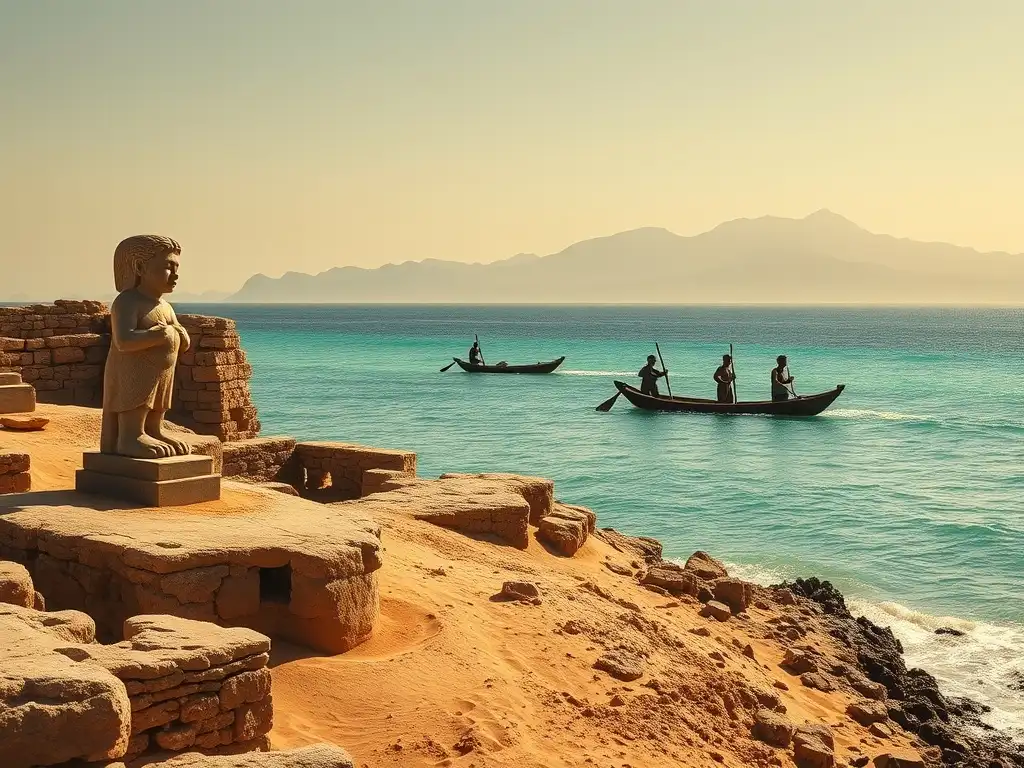
This section delves into the specific examples of Andean coastal civilizations, demonstrating how proximity to the sea profoundly shaped their development and societal structures. Understanding these case studies illuminates the key factors contributing to the rise of complex societies along the Andean coast, enriching our understanding of "Andean coastal civilization development." The unique challenges and opportunities presented by the coastal environment fostered innovation and diversification across different groups.
The Norte Chico Civilization: A Coastal Example of Early Complexity
The Norte Chico civilization, flourishing in present-day Peru between 3000 and 1800 BCE, stands as a compelling example of early complex society development along the Andean coast. Remarkably, this civilization predates many other complex societies in the region, showcasing the significant role of coastal resources in societal advancement. Their ingenuity is evident in their sophisticated irrigation systems, necessary for cultivating crops in the arid coastal desert. These systems, intricate networks of canals and reservoirs, allowed for substantial agricultural surpluses, a crucial element for supporting a larger, more complex population.
Furthermore, the Norte Chico people demonstrated advanced architectural skills, constructing monumental structures like the impressive pyramids at Caral. These structures, built without mortar, required significant organization and labor, pointing to a hierarchical social structure and centralized planning. Their mastery of textile production also suggests a high degree of craft specialization and social differentiation.
Evidence suggests a significant level of social stratification, with elites likely controlling resources and labor. The absence of clear evidence of warfare or monumental art, unlike later coastal civilizations, suggests a different model of societal organization and power dynamics based on economic control and religious authority. Further research into their intricate social organization and economic systems is still underway, adding to the ongoing fascination with this early Andean coastal civilization.
The Moche Culture: A Coastal Society with Remarkable Art and Engineering
The Moche culture (100-800 CE) represents a pinnacle of Andean coastal civilization development. Known for their remarkable artistic achievements and sophisticated engineering prowess, the Moche thrived in the northern Peruvian coastal desert. Their mastery of irrigation, even surpassing that of the Norte Chico in scale and complexity, allowed for the cultivation of vast agricultural lands, supporting a substantial population. This agricultural surplus fueled economic growth and facilitated the development of specialized crafts and a complex social hierarchy.
The Moche are particularly famous for their intricate pottery, often depicting scenes of daily life, mythology, and warfare. These ceramic artifacts provide invaluable insights into their religious beliefs, social structures, and technological capabilities. Their impressive monumental architecture, including massive adobe pyramids and intricate temple complexes, further underscores their advanced engineering skills and organizational capacity.
The Moche also developed highly effective methods of metalworking, producing ornate gold and silver artifacts that reflect their wealth and power. The development of sophisticated warfare techniques and the construction of extensive irrigation systems are key indicators of a centralized, well-organized state. Their sophisticated understanding of hydraulic engineering allowed them to harness the limited water resources of the coastal desert, demonstrating remarkable adaptability and resourcefulness.
The Paracas Culture: Coastal Textile Traditions and Burial Practices
The Paracas culture (700-100 BCE) of the southern Peruvian coast is renowned for its exceptional textile traditions. While not as prominent in monumental architecture or large-scale irrigation projects as the Moche or Norte Chico, the Paracas made significant contributions to Andean coastal civilization development through their advanced textile techniques and unique burial practices. Their mastery of textile production is unparalleled, creating incredibly intricate and colorful textiles using a variety of techniques, including embroidery, tapestry, and gauze.
These textiles, often used in elaborate burial bundles, reveal an advanced understanding of dyeing techniques and complex designs. The Paracas' elaborate burial rituals, involving mummification and the inclusion of vast quantities of grave goods, including textiles, pottery, and other artifacts, provide valuable insights into their religious beliefs and social organization. The scale and complexity of their burial practices suggest a hierarchical society with strong religious beliefs and a focus on ancestor veneration.
The intricate textiles themselves, often depicting mythical creatures and ritual scenes, further illuminate their worldview and societal values. The detailed preservation of these textiles provides a unique window into the artistry and technological skills of this coastal Andean civilization. Their contributions to textile arts significantly influenced subsequent Andean cultures, highlighting their lasting impact on "Andean coastal civilization development."
The Legacy of Coastal Adaptation: Lessons from Early Andean Societies
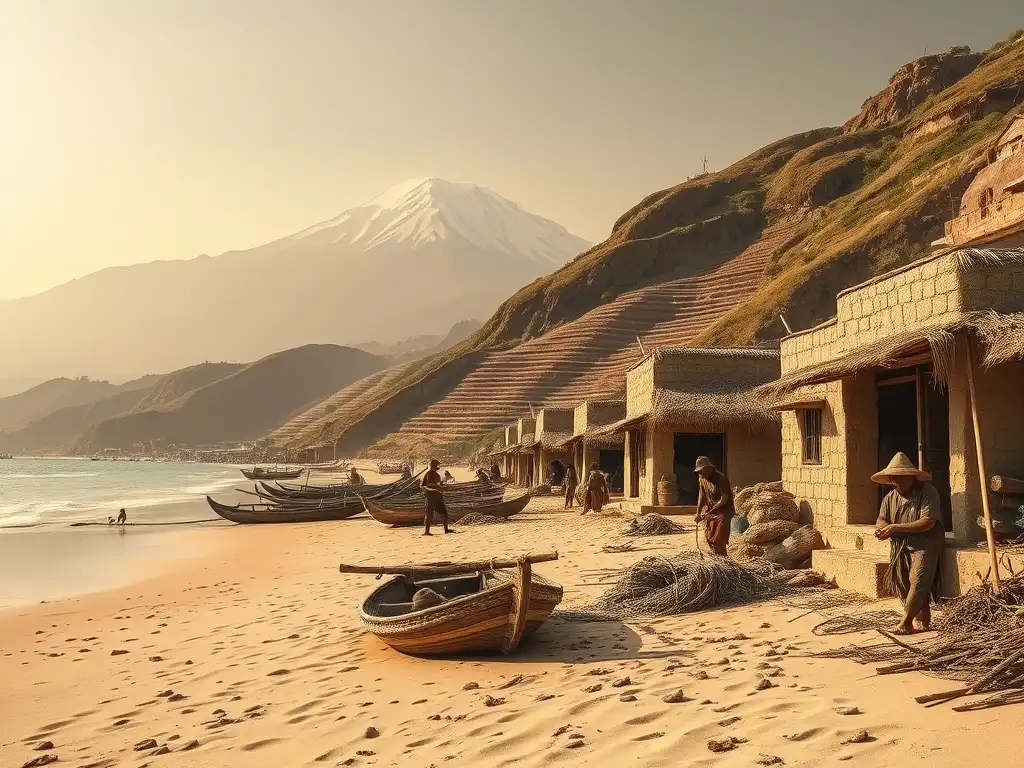
The allure of the Andean coast for early civilizations wasn't merely a matter of scenic beauty; it was a strategic decision driven by the region's abundant resources and its potential for societal development. Understanding the Andean coastal civilization development necessitates examining how these societies harnessed the sea's bounty and adapted to its challenges. Their ingenuity in resource management, infrastructure development, and social organization offers valuable lessons for contemporary coastal communities facing similar pressures.
We'll explore these aspects in detail, focusing on the unique strategies employed by early Andean societies to thrive in this dynamic environment. The rich tapestry of their achievements continues to resonate today, influencing not only our understanding of ancient history but also our approach to sustainable coastal living.
Sustainable Practices: How Ancient Societies Managed Coastal Resources
Early Andean coastal societies developed sophisticated strategies for managing their resources, ensuring long-term sustainability. Unlike many later civilizations that overexploited their environments, these early groups implemented practices that demonstrate a remarkable understanding of ecological balance. For instance, the Moche culture, renowned for its intricate irrigation systems in the valleys, also practiced careful fishing techniques.
Evidence suggests they employed selective fishing methods, targeting specific species to avoid depleting stocks, combined with techniques like fish farming in artificial ponds to supplement their catches. This approach guaranteed a steady supply of food without jeopardizing the ecosystem's health. Furthermore, their agricultural practices, involving terraced farming on slopes and sophisticated water management, minimized soil erosion and maximized productivity.
This wasn't simply about survival; it was about creating a sustainable system that could support growing populations over generations. Analyzing their methods provides invaluable insights into sustainable resource management for modern coastal communities grappling with overfishing and environmental degradation. The Moche's success demonstrates that a balanced approach, respecting ecological limits, is crucial for long-term prosperity.
Coastal Adaptations: Insights for Modern Coastal Communities
The ingenuity of early Andean coastal societies in adapting to their environment offers compelling insights for modern coastal communities. Their mastery of infrastructure, particularly in areas prone to earthquakes and tsunamis, is particularly striking. The Nazca, for example, built extensive irrigation canals that not only transported water but also withstood seismic activity.
Their understanding of hydraulic engineering, including the construction of aqueducts and reservoirs, allowed them to thrive in arid coastal regions. This knowledge, combined with their sophisticated architectural techniques, demonstrates an impressive ability to engineer structures resilient to natural hazards. Modern coastal communities facing similar challenges—rising sea levels, increased storm intensity, and seismic risks—can learn much from these ancient practices.
The intricate planning and construction methods employed by these societies emphasize the importance of proactive infrastructure development and community resilience in the face of environmental threats. Applying their principles of sustainable design and resilient construction could significantly enhance the safety and sustainability of modern coastal settlements. The ability to predict and mitigate risks using ancient wisdom is a testament to their advanced understanding of engineering and environmental science.
The Enduring Influence of the Sea on Andean Culture and Identity
The sea's influence on Andean coastal civilization development extends far beyond mere sustenance; it deeply permeated the culture and identity of these societies. The ocean was not just a source of food but a source of spiritual significance, reflected in their mythology, art, and religious practices. Many coastal cultures revered marine deities, and their artistic expressions often depicted sea creatures and maritime activities.
For example, the rich iconography of the Moche ceramics vividly portrays marine life, reflecting their deep connection with the ocean. This spiritual connection is not merely a historical curiosity; it speaks to the enduring power of the sea to shape human societies and their worldviews. The intertwining of cultural identity with the marine environment underscores the importance of considering the broader societal implications of coastal development.
Protecting the coastal ecosystem is not just an environmental imperative; it is also a matter of preserving cultural heritage and safeguarding the identities of communities that have lived in harmony with the sea for millennia. The legacy of these ancient societies serves as a powerful reminder of the profound and lasting bond between humanity and the ocean.
Conclusion: The Importance of the Coast in Early Andean Civilization Development
The enduring allure of the Andean coast for early societies wasn't merely a matter of scenic beauty; it was a fundamental driver of their development and prosperity. Access to abundant marine resources, fertile valleys, and strategic geographical locations fostered the rise of complex social structures, technological innovations, and sophisticated cultural expressions.
Understanding the intricate relationship between these coastal societies and their environment is crucial to grasping the full complexity of Andean civilization development. The evidence clearly demonstrates that the coast wasn't just a peripheral region, but a vital engine of Andean societal growth.
The rich tapestry of coastal Andean cultures, from the Moche to the Nazca, stands as a testament to the enduring power of human adaptation and ingenuity in harnessing the bounty of the sea. This analysis underscores the importance of considering the coastal dimension when studying Andean civilization development, offering a revised and more complete understanding of their trajectory.
The Pivotal Role of Coastal Resources in Andean History
The coastal regions of the Andes provided early inhabitants with a wealth of resources that were instrumental in their societal advancement. The sea itself offered a virtually inexhaustible supply of protein, with fish, shellfish, and marine mammals forming the cornerstone of their diets. This reliable food source supported larger, denser populations than those found further inland, contributing to the development of larger settlements and more complex social hierarchies. Beyond sustenance, coastal resources fueled technological innovation.
The abundance of shellfish provided raw materials for tools and ornaments, while the sea itself inspired the development of sophisticated fishing techniques, navigation skills, and boat-building technology. Consider the intricate artistry of Moche pottery, often depicting elaborate fishing scenes and marine life – a clear indication of the sea's central role in their culture and worldview. The coastal location also facilitated trade networks, connecting different communities and fostering cultural exchange.
This exchange of goods and ideas significantly accelerated the pace of technological and societal development. The strategic importance of coastal locations for defense and control of trade routes also played a significant role in shaping political power structures. In short, the pivotal role of coastal resources in fueling Andean coastal civilization development cannot be overstated.
Understanding the Interplay Between Environment and Society
Understanding Andean coastal civilization development necessitates a nuanced appreciation of the complex interplay between environment and society. Environmental factors, such as El Niño events, significantly impacted the availability of resources and influenced societal adaptation strategies. Periods of abundant rainfall and marine productivity fostered population growth and societal expansion, while periods of drought and scarcity led to societal stress and potential shifts in settlement patterns.
The ability of these early Andean societies to adapt to these environmental fluctuations was crucial for their survival and success. This adaptability is evident in the sophisticated irrigation systems developed to manage water resources in arid coastal valleys and in the diverse fishing techniques employed to exploit a wide range of marine species. Furthermore, the relationship between humans and the environment wasn't simply one of exploitation; it was a dynamic interaction shaped by beliefs, rituals, and symbolic representations.
The elaborate iconography found in Moche and Nazca art, depicting interactions between humans and the sea, reveals a deep understanding and respect for the marine environment. Studying this interplay offers valuable insights into the resilience and ingenuity of Andean societies in the face of environmental challenges. Understanding this dynamic interaction is key to a complete understanding of Andean coastal civilization development.
Looking Ahead: Future Research on Andean Coastal Societies
Future research on Andean coastal societies should focus on several key areas. Firstly, more comprehensive studies are needed to better understand the long-term impacts of climate variability on coastal communities, particularly the effects of El Niño events. This would involve analyzing paleoclimatic data alongside archaeological evidence to reconstruct past environmental conditions and their influence on societal changes. Secondly, further research is needed to explore the complexities of coastal trade networks, identifying the extent of their reach and the types of goods exchanged.
This could involve the application of advanced analytical techniques to analyze ceramic styles, metallurgical artifacts, and other trade goods. Thirdly, a deeper understanding of the social organization and political structures of coastal societies is needed, moving beyond simple classifications and delving into the complexities of power dynamics and social stratification. This would involve analyzing burial practices, settlement layouts, and other forms of archaeological evidence.
Finally, further research into the symbolic and ritualistic aspects of coastal cultures would provide crucial insights into their worldviews and their relationship with the environment. By addressing these areas, we can achieve a more complete and nuanced understanding of Andean coastal civilization development, enriching our knowledge of this fascinating and important aspect of Andean history. 🌊
Frequently Asked Questions
What role did the coast play in the development of Andean civilizations?
The coast provided essential resources for Andean societies, including fish, shellfish, and seabirds, crucial for sustenance. Coastal settlements also facilitated trade and communication along the Pacific.
How did coastal geography influence the development of Andean coastal civilization?
The diverse coastal ecosystems, from deserts to fertile valleys, supported varied economic activities and population densities. This geographical diversity led to the development of distinct regional cultures.
Which Andean cultures were most significantly impacted by coastal resources?
Many Andean cultures benefited, but the Moche, Nazca, and Inca civilizations are particularly notable for their sophisticated coastal adaptations and exploitation of marine resources.
What technological advancements were crucial for Andean coastal civilizations' success?
Fishing techniques, such as the use of specialized nets and boats, were vital. Irrigation systems were essential for agriculture in arid coastal areas. Navigation skills facilitated trade and exploration along the coast.
How did the coastal environment affect the art and religious beliefs of Andean cultures?
Coastal resources frequently appear in art and iconography, reflecting their importance. Marine deities and sea-related rituals played significant roles in the religious beliefs of many coastal societies.
Final Reflection: The Enduring Call of the Pacific
The intricate relationship between early Andean societies and the Pacific Ocean continues to resonate today, a testament to the enduring power of human adaptation and ingenuity in the face of environmental challenges. The seemingly simple act of choosing a coastal settlement had profound consequences, shaping everything from social structures and economic systems to artistic expression and spiritual beliefs. Understanding this dynamic offers crucial insights into the resilience and adaptability of human civilizations, a lesson particularly relevant in our era of climate change and resource scarcity.
The enduring legacy of these coastal civilizations is profoundly moving. Their innovative strategies for harnessing marine resources, their sophisticated understanding of ocean currents and weather patterns, and their ability to build thriving societies in challenging environments continue to inspire. The sea, once it casts its spell, holds one in its net of wonder forever.
This sentiment, though not directly from an Andean source, perfectly captures the captivating allure of the coast that shaped these early societies and continues to shape our own relationship with the ocean. We see echoes of their ingenuity in modern coastal communities, highlighting the timeless connection between humanity and the sea.
Consider, for a moment, the ingenuity and resilience demonstrated by these early Andean peoples. Their achievements weren't simply about survival; they were about creating vibrant, complex cultures that flourished in a demanding environment. You, too, possess the capacity for remarkable adaptation and innovation. Reflect on the challenges you face, and consider how the resourcefulness and ingenuity of these ancient coastal communities might inspire your own approach to problem-solving. Embrace the spirit of exploration and adaptation, and discover the boundless potential within yourself, just as these early Andean societies discovered the boundless potential of the Pacific.
Dive Deep into Andean Coastal Heritage!
Thank you for exploring the fascinating relationship between early Andean societies and the sea! Your interest helps illuminate how these ancient cultures thrived and adapted to such dynamic environments. Now, let's translate that inspiration into action!
- Explore your local coastline: Discover how it shapes your community's history and culture. Consider visiting local museums or historical societies to learn more about the area's past.
- Share this article: Spread the word among friends and family, sparking conversations about the vital role coastal resources play in our lives.
- Participate in a coastal cleanup or conservation project: Help protect these invaluable resources, honoring the legacy of those who depended on the sea and ensuring its beauty and bounty for future generations.
What new perspectives on coastal life and its cultural influence have you gained that challenge your previous understanding?