
The First Inhabitants: Who Were the Original Peoples of the Andes?

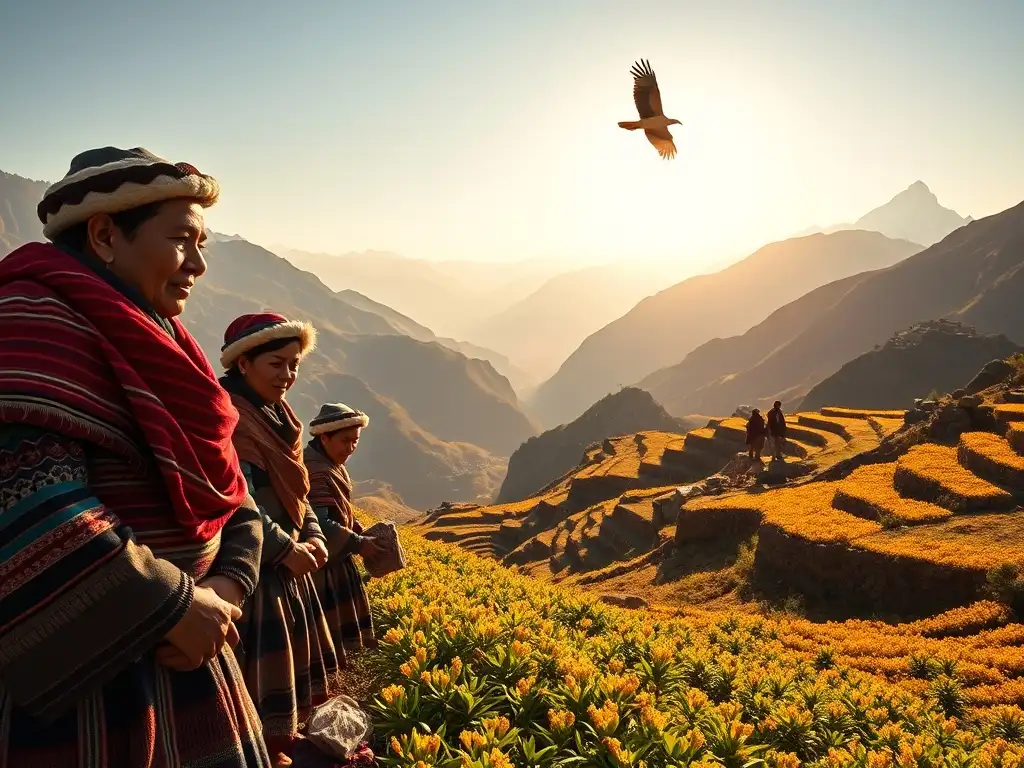
Dive into the enigmatic world of the Andean Civilizations! For centuries, the towering peaks and fertile valleys have whispered secrets of a rich and complex past. But who were the original Andean inhabitants? This question unlocks a captivating journey through time, revealing the ingenious artistry, sophisticated technology, and profound cultural legacies of civilizations that thrived long before the Inca. Uncover their astonishing story – explore the mysteries that await you.
The Andes Mountains, a spine of towering peaks stretching along the western coast of South America, have been home to a vibrant tapestry of human cultures for millennia. Understanding the Original Andean inhabitants requires a journey back in time, far beyond the grandeur of the Inca Empire. This exploration delves into the lives and legacies of the earliest Andean peoples, those who first adapted to the challenging yet bountiful environment of this remarkable region.
We will uncover evidence of their settlements, their technologies, and their societal structures, piecing together a narrative of resilience, innovation, and enduring cultural impact. From the high-altitude plains to the fertile coastal valleys, the story of the original Andean inhabitants is a testament to human adaptability and the enduring power of cultural heritage.
This article will explore the diverse populations that predate the more well-known civilizations like the Inca, Moche, and Nazca, focusing on the earliest evidence of human presence and the development of complex societies in the Andes. We will examine the challenges they faced, the ingenious solutions they developed, and the lasting impact they left on the subsequent flourishing of Andean cultures.
Tracing the Roots: Understanding Early Andean Populations
Determining the exact origins of the first Andean inhabitants is a complex undertaking. Archaeological evidence suggests a gradual migration and settlement process, with different groups arriving at various times and adapting to the unique environmental conditions of specific regions. Genetic studies are increasingly contributing to our understanding of these early migrations, revealing connections between Andean populations and other groups in South America and beyond.
However, the fragmented nature of the archaeological record and the challenges of interpreting ancient DNA mean that some questions remain unanswered. Despite these challenges, significant progress has been made in recent years, leading to a richer and more nuanced understanding of the peopling of the Andes. The timeline of arrival is still debated, with estimates ranging from [specific information pending] years ago.
However, the emerging consensus points to a long and complex history of population movements and cultural exchange. This process involved both gradual adaptation to the Andean environment and periods of significant technological and social innovation.
Pre-ceramic Andean Societies: The Dawn of Civilization
The period before the widespread use of pottery, known as the Preceramic period, is crucial for understanding the foundations of Andean civilization. This era witnessed the development of sophisticated social structures, agricultural practices, and technological innovations that laid the groundwork for later, more complex societies. While the absence of written records makes reconstructing their history challenging, archaeological discoveries provide invaluable insights into their lives and accomplishments.
The transition from nomadic hunter-gatherer lifestyles to settled agricultural communities was a pivotal moment, leading to population growth and the emergence of larger, more organized settlements. This transformation profoundly impacted the Andean landscape, paving the way for the development of increasingly complex societies. The innovations of this period, such as irrigation systems and specialized tools, demonstrate the ingenuity and adaptability of early Andean peoples.
Early Hunter-Gatherers in the Andes Mountains
The earliest inhabitants of the Andes were likely hunter-gatherers, adapting to the diverse ecosystems of the mountain range. Evidence suggests they exploited a wide range of resources, from high-altitude camelids to fish in Andean lakes and rivers. Their survival depended on a deep understanding of the environment and its seasonal changes. Archaeological findings, such as [specific information pending] indicate the presence of early human settlements in the Andes mountains.
These early groups developed specialized hunting techniques and tools to thrive in this challenging environment. The development of basic shelters and the use of fire were also crucial advancements that facilitated survival in the harsh conditions of the high Andes. The transition to more settled life was a gradual process, often influenced by the availability of resources and the development of more efficient foraging strategies.
Coastal Adaptations: First Settlements along the Pacific
The Pacific coast offered a different set of challenges and opportunities for early Andean inhabitants. The abundance of marine resources, such as fish and shellfish, provided a reliable food source. Coastal settlements emerged, developing unique adaptations to the maritime environment. Archaeological sites along the Peruvian coast show evidence of early fishing techniques and the construction of specialized boats.
The development of coastal agriculture, particularly the cultivation of crops like cotton and beans, played a significant role in the growth of coastal communities. The coastal environment fostered the development of unique cultural traditions and technologies, differing in many ways from those of the highland populations. The interaction between coastal and highland groups likely played a crucial role in the cultural exchange and development of early Andean societies.
Evidence of Initial Andean Settlements: Caral and Kotosh
Two significant sites, Caral and Kotosh, offer compelling glimpses into early Andean societies. Caral, located in the Supe Valley of Peru, is one of the oldest known urban centers in the Americas. Its monumental architecture, complex social organization, and sophisticated irrigation systems point to a high level of societal development.
Kotosh, situated in the central Andes, is notable for its early religious structures and evidence of ceremonial practices. The discoveries at these sites challenge previous assumptions about the pace of societal development in the Andes, suggesting a more rapid advancement than previously thought. Both sites demonstrate early evidence of social stratification, specialized labor, and complex religious beliefs, showcasing the complexity and sophistication of pre-ceramic Andean societies.
The architectural marvels and sophisticated organizational skills displayed at Caral and Kotosh highlight the ingenuity and advanced social structures of the early Andean inhabitants. These sites represent just a small fraction of the evidence currently available, and further research will undoubtedly illuminate more about the lives and legacies of these pioneering peoples.
The Archaic Period: Transition to Sedentary Life
The Archaic Period in the Andes, spanning roughly from 8000 to 1800 BCE, marks a pivotal shift in human history in the region—the transition from nomadic hunter-gatherer lifestyles to settled agricultural communities. This transformative period witnessed the development of crucial technologies and social structures that laid the foundation for the later, more complex Andean civilizations. The gradual adoption of agriculture wasn't a sudden event but rather a process of experimentation and adaptation to the diverse Andean environments.
Early experimentation with cultivating native plants alongside continued hunting and gathering gradually led to a more reliable food supply, allowing for larger and more permanent settlements. This shift had profound implications, affecting not only subsistence strategies but also social organization, technology, and the very way people interacted with their environment. The availability of a stable food source allowed for population growth and specialization of labor, leading to the development of more complex societal structures.
The Archaic period also saw the beginnings of significant technological advancements, such as improved tools for farming and the development of early irrigation systems, particularly in coastal areas. This period sets the stage for the rise of more complex societies in the following centuries.
Development of Agriculture in the Andes: Potatoes, Quinoa, and Terracing
The development of agriculture in the Andes was a remarkable feat of ingenuity, given the challenging terrain and diverse climates. The domestication of crucial crops like potatoes and quinoa, uniquely adapted to the high altitudes and varied conditions, was essential to this success. Potatoes, with their incredible biodiversity and adaptability to different ecological niches, became a staple food, sustaining Andean populations for millennia.
Similarly, quinoa, a highly nutritious grain, thrived in harsh environments, providing a vital source of protein and carbohydrates. Beyond the domestication of crops, the ingenious development of terracing techniques allowed Andean farmers to cultivate even the steepest slopes. These carefully constructed terraces, often supported by sophisticated irrigation systems, maximized arable land and increased agricultural yields, allowing for larger and more stable populations.
The mastery of these agricultural techniques was a critical factor in the success of the Andean civilizations, ensuring a reliable food supply that supported the growth and complexity of their societies. The ingenuity of Andean agricultural practices stands as a testament to the adaptability and resourcefulness of the region's inhabitants.
Emergence of Villages and Early Communities
The transition to sedentary life during the Archaic Period led to the emergence of villages and early communities. These settlements, initially small and dispersed, gradually grew in size and complexity as agricultural practices improved and populations increased. The location of these early settlements often reflected the availability of resources, such as water sources and fertile land.
Archaeological evidence suggests a range of settlement patterns, from small hamlets to larger, more organized villages. The development of these communities marked a significant shift from the nomadic lifestyle of the preceding period, fostering social interaction, cooperation, and the development of shared cultural practices.
The increase in population density also led to the emergence of new social structures and hierarchies, laying the groundwork for the more complex social organizations of later Andean societies. The proximity of people within these villages facilitated the exchange of ideas, knowledge, and goods, further accelerating the pace of cultural and technological development.
Social Organization in Archaic Andean Groups
While the social organization of Archaic Andean groups was less complex than that of later civilizations, evidence suggests a shift towards more structured societies. Early social structures likely revolved around kinship ties, with family groups forming the basic unit of social organization. However, as villages grew, more complex forms of social organization emerged.
Archaeological findings, such as differences in burial practices and the distribution of artifacts, hint at the existence of social hierarchies and potentially specialized roles within these communities. While evidence of formal leadership structures is limited during this period, it's likely that individuals with specialized skills, such as skilled craftspeople or religious leaders, held positions of influence within their communities.
The development of social hierarchies was directly linked to the increased productivity and surplus generated by improved agricultural techniques. This surplus allowed for the emergence of specialized roles and the development of more complex social structures, setting the stage for the more stratified societies of later Andean civilizations.
Key Pre-Inca Cultures: Forerunners of Andean Civilizations
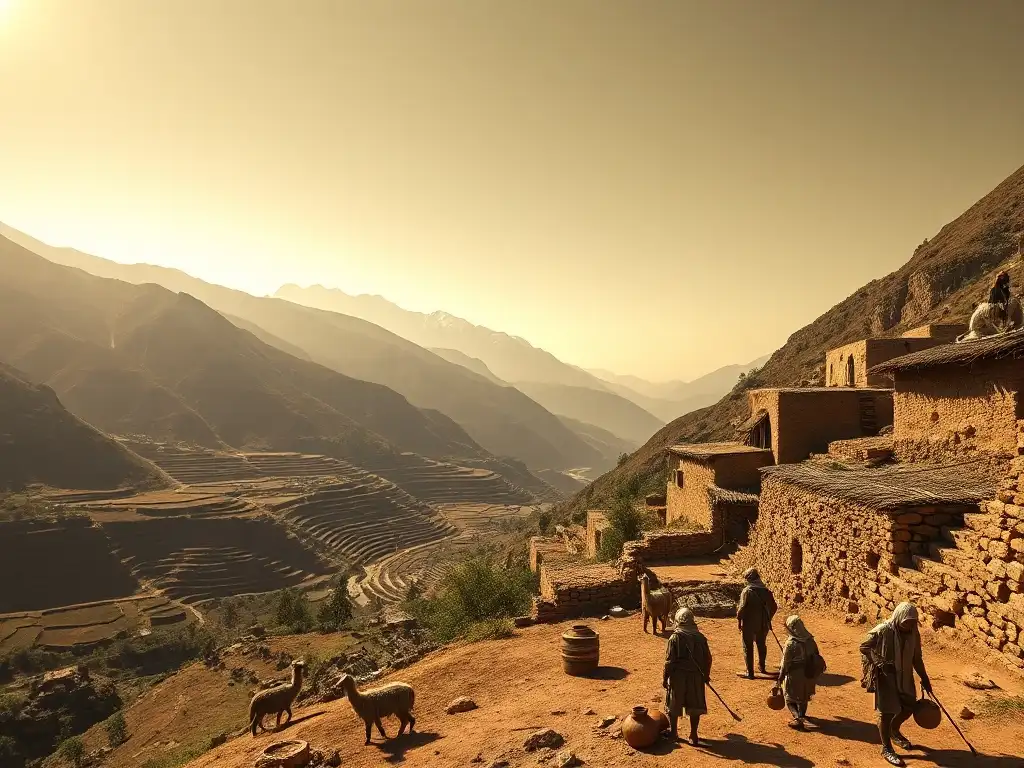
The period preceding the Inca Empire witnessed the rise of several influential cultures that significantly shaped the Andean landscape and laid the groundwork for the Inca's later achievements. These pre-Inca cultures developed sophisticated technologies, complex social structures, and unique artistic expressions, leaving behind a rich legacy that continues to fascinate and inspire. Their innovations in agriculture, architecture, and religious practices influenced subsequent Andean societies, demonstrating the continuity and evolution of cultural traditions across millennia. Understanding these pre-Inca cultures is crucial to comprehending the full complexity and richness of the Andean world.
The Norte Chico Civilization: Caral and Aspero
The Norte Chico civilization, flourishing in the coastal region of Peru between 3000 and 1800 BCE, is remarkable for its early urban development. Sites like Caral and Aspero showcase sophisticated architecture, including large pyramidal structures and extensive irrigation systems, indicating a high level of social organization and engineering prowess.
Unlike many other early civilizations that relied heavily on warfare or monumental architecture for social control, Norte Chico seems to have emphasized social integration and large-scale public works projects. This suggests a system of governance that prioritized cooperation and resource management, a notable departure from the warfare-centric models often seen in other early civilizations.
The absence of clear signs of warfare or elite burials suggests a more egalitarian society than many of its contemporaries, further highlighting the unique nature of this early civilization. The Norte Chico civilization's legacy lies in its early demonstration of urban planning and complex social organization in the Americas.
The Valdivia Culture: Pottery and Maritime Trade
The Valdivia culture, located on the coast of Ecuador from approximately 3500 to 1800 BCE, is notable for its highly developed pottery. Their ceramics, often decorated with intricate designs and figurines, represent some of the earliest examples of pottery in South America. The Valdivia people were skilled maritime traders, establishing trade networks along the coast and potentially beyond.
This suggests a level of social and political organization capable of managing complex trade relationships, indicating a well-developed communication and transportation system. Their mastery of pottery production not only served practical purposes but also played a significant role in their cultural and religious practices. The Valdivia culture's influence on subsequent Andean cultures is seen in the continued development of ceramic traditions and the importance of maritime trade in the region's economic and social life.
Chavín Culture: Religious Influence and Art
The Chavín culture (900-200 BCE) exerted a significant religious and artistic influence across a vast area of the Andes. Centered in the northern highlands of Peru, their distinctive artistic style, characterized by stylized feline and serpent motifs, spread widely through trade and cultural exchange. The Chavín temple complex at Chavín de Huántar served as a major religious center, attracting pilgrims from far-flung regions.
The impressive scale of Chavín architecture and the widespread distribution of Chavín-style artifacts suggest a powerful religious ideology that unified diverse Andean communities. This influence is evident in the widespread adoption of Chavín artistic motifs and religious iconography in other contemporary cultures, demonstrating the profound impact of Chavín culture on the development of religious and artistic traditions across the Andes. The Chavín culture's legacy is a testament to the power of religious beliefs in shaping the cultural landscape of the ancient Andes.
Linguistic Diversity and Population Movements
The Andes Mountains, a geographically diverse region, fostered a remarkable linguistic diversity amongst its original inhabitants. While precise figures on the number of languages spoken are difficult to ascertain due to the limitations of historical records, it's clear that numerous language families flourished, each reflecting distinct cultural groups and migratory patterns. The complexity of these patterns is further highlighted by the fact that many languages likely went extinct before European contact, leaving behind only fragmented evidence.
This linguistic diversity speaks to the rich tapestry of cultures that shaped early Andean societies. Understanding the relationship between language families and geographical distribution is crucial to reconstructing the movements of these early populations.
Archaeological evidence, such as pottery styles and burial practices, can often be correlated with linguistic groups, offering further clues to their origins and interactions. The absence of written records for many of these groups, however, necessitates a reliance on more indirect forms of evidence.
The Spread of Quechua and Aymara Languages
Quechua and Aymara are two of the most prominent surviving languages from the Andes, and their distribution today reflects centuries of population movements and linguistic influence. Quechua, the language of the Inca Empire, spread dramatically during the Inca expansion, largely supplanting other languages in many regions. However, even before the Inca, various Quechuan dialects existed, indicating a long history of settlement and interaction amongst Quechua-speaking communities.
Aymara, on the other hand, maintains a strong presence in the Altiplano region, withstanding the pressures of Quechua expansion. The persistence of Aymara and other indigenous languages in certain areas speaks to the resilience of local cultures and their ability to maintain their linguistic identity despite external influences.
Studying the evolution and spread of these languages provides valuable insights into the demographic shifts and cultural exchanges that shaped the Andes. The ongoing efforts to revitalize and preserve these languages highlight their importance to Andean cultural heritage.
Migration Patterns and Cultural Exchange
Understanding the migratory patterns of the original Andean inhabitants is crucial to understanding the development of their societies. Archaeological evidence suggests a complex interplay of long-distance migrations and localized movements. The spread of specific technologies, such as sophisticated pottery-making techniques or distinct styles of weaving, can indicate the movement of people and ideas across the Andes. For instance, the remarkable Nazca lines, enigmatic geoglyphs etched into the desert landscape, suggest a level of societal organization and planning that points to long-term settlement and possibly significant population movements associated with their creation.
Furthermore, the exchange of goods and cultural practices, evident in the archaeological record, suggests a considerable degree of interaction between different groups, even those geographically distant. This exchange fostered cultural innovation and adaptation, contributing to the vibrant diversity of Andean cultures. Future research focusing on isotopic analysis of human remains could provide further insights into migration patterns.
Genetic Studies of Andean Ancestry: Insights from Mitochondrial DNA
Recent advancements in genetic analysis, particularly the study of mitochondrial DNA (mtDNA), have significantly enhanced our understanding of the genetic origins and migratory patterns of the original Andean inhabitants. Mitochondrial DNA, inherited maternally, provides a powerful tool for tracing lineage and population movements over vast stretches of time. Studies have revealed a complex genetic landscape in the Andes, indicating multiple waves of migration from different regions, potentially including Asia and other parts of South America.
These genetic studies not only reveal the diverse origins of Andean populations but also highlight the complexities of population mixing and gene flow within the Andes. Analyzing mtDNA variations across different Andean groups allows researchers to construct models of population history, providing insights into the timing and routes of migration. The ongoing integration of genetic data with archaeological and linguistic evidence offers a more comprehensive understanding of the peopling of the Andes.
The Legacy of the Original Andean Inhabitants
The original inhabitants of the Andes left an enduring legacy that continues to resonate in the region today. Their ingenuity and adaptability, honed by the challenging Andean environment, shaped the development of subsequent Andean civilizations. Their contributions in agriculture, engineering, and social organization laid the groundwork for the complex societies that followed. Understanding their contributions is not merely an academic exercise but is essential to appreciating the rich cultural heritage of the Andes. The enduring impact of their innovations is still visible in the landscapes and cultures of the region.
Influence on Later Andean Civilizations: Terracing, Irrigation, and Textiles
The sophisticated agricultural techniques developed by early Andean peoples, such as terracing and irrigation, were crucial to the success of later civilizations like the Inca. These innovative methods allowed for intensive agriculture in mountainous terrains, supporting large populations and enabling the development of complex urban centers. The intricate textile traditions of the early Andes, characterized by their fine craftsmanship and use of diverse materials, also influenced subsequent Andean cultures.
These textiles served not only practical purposes but also played an important role in social status and religious practices. The mastery of these techniques—terracing, irrigation, and textile production—demonstrates the advanced technological capabilities and societal organization of the original Andean inhabitants. The impact of these innovations can be seen in the impressive agricultural landscapes and the exquisite textiles that characterize Andean civilizations throughout history.
Contemporary Andean Communities: Maintaining Traditional Practices
Many contemporary Andean communities continue to maintain traditional practices that have roots in the cultures of the original inhabitants. Agricultural techniques, textile production, and religious ceremonies often reflect a continuity with ancient traditions. This cultural continuity demonstrates the resilience of Andean cultures and their capacity to adapt while preserving their heritage.
Studying these contemporary communities provides valuable insights into the enduring legacy of the original Andean peoples. The preservation of these traditions is essential for safeguarding the cultural diversity and heritage of the Andes. The resilience of these communities serves as a testament to the strength and adaptability of Andean cultures.
The Importance of Studying Early Andean Peoples
Studying the original inhabitants of the Andes is crucial for understanding the broader history of the region and the development of human societies. Their contributions to agriculture, engineering, and social organization had a profound impact on subsequent Andean civilizations and continue to influence the region today. Furthermore, understanding their cultures and societal structures offers valuable insights into human adaptation to challenging environments and the complexities of social organization.
By studying these early peoples, we gain a deeper appreciation for the rich diversity of human experience and the importance of preserving cultural heritage. The ongoing research into early Andean societies provides ever-increasing knowledge about the remarkable ingenuity and resilience of these populations. This knowledge is crucial for understanding the present and shaping a more informed future.
- Tracing the Roots: Understanding Early Andean Populations
- Pre-ceramic Andean Societies: The Dawn of Civilization
- The Archaic Period: Transition to Sedentary Life
- Key Pre-Inca Cultures: Forerunners of Andean Civilizations
- Linguistic Diversity and Population Movements
- The Legacy of the Original Andean Inhabitants
- Who were the original inhabitants of the Andes Mountains?
- What are some of the earliest known Andean cultures?
- How did the environment shape the development of Andean cultures?
- What kind of technology did the original Andean inhabitants develop?
- How did the Inca Empire relate to the earlier Andean populations?
Frequently Asked Questions
Who were the original inhabitants of the Andes Mountains?
The original inhabitants of the Andes were diverse groups, with evidence of human presence dating back over 10,000 years. These early peoples were not a single unified culture, but rather a collection of distinct groups adapting to the varied Andean environment. Their identities are still being uncovered through ongoing archaeological research.
What are some of the earliest known Andean cultures?
Some of the earliest known Andean cultures include the Caral civilization (on the coast of Peru), and various groups in the highlands who developed sophisticated hunter-gatherer and early agricultural societies. Their achievements laid the groundwork for later, more complex civilizations.
How did the environment shape the development of Andean cultures?
The Andean environment, characterized by extreme altitude variations and diverse ecosystems, profoundly shaped Andean cultures. Adapting to these challenges led to innovative agricultural techniques, unique building styles, and complex social structures. The varied environments also led to significant cultural diversity.
What kind of technology did the original Andean inhabitants develop?
Original Andean inhabitants developed remarkable technology, including advanced irrigation systems, sophisticated textiles, and impressive stonework. Their mastery of engineering is evident in their monumental architecture and intricate agricultural practices, adapted to the challenging terrain.
How did the Inca Empire relate to the earlier Andean populations?
The Inca Empire, while powerful, built upon the achievements of earlier Andean cultures. They incorporated existing knowledge and traditions, integrating diverse peoples and technologies into their vast empire. The Inca legacy is deeply rooted in the history of its predecessors.
Final Reflection: Echoes of the Andes: A Legacy of Resilience
The enduring legacy of the original Andean inhabitants continues to shape our understanding of human resilience and adaptation, reminding us of the profound interconnectedness between culture, environment, and survival. Their sophisticated civilizations, built upon a foundation of ingenuity and deep respect for their environment, stand as a testament to human potential in the face of adversity. Understanding their stories is not merely an academic exercise; it is crucial for appreciating the richness and complexity of human history and for building a more inclusive and equitable future.
The impact of the original Andean peoples extends far beyond the archaeological record; their influence resonates in the vibrant cultures and traditions that persist in the Andes today. Their innovative agricultural techniques, intricate social structures, and breathtaking artistic achievements continue to inspire awe and admiration. The mountains themselves are a living archive, whispering stories of those who came before.
This sentiment encapsulates the enduring power of their legacy, a legacy that deserves to be celebrated and protected. Their story reminds us of the importance of preserving cultural heritage and acknowledging the contributions of all peoples, regardless of their place in history.
Consider the ingenuity of these early Andean civilizations, their ability to thrive in such a challenging environment. Let their story inspire you to explore your own connection to the land and to the rich tapestry of human history. Embrace the opportunity to learn more about the diverse cultures that have shaped our world, and let the echoes of the Andes resonate within your own journey of understanding and appreciation. By acknowledging and celebrating the contributions of the original inhabitants of the Andes, we honor their legacy and build a more just and informed future for all.
Unveil the Rich Heritage of the Andes!
Thank you for exploring the captivating world of Andean cultures! We hope you've gained valuable insights into their rich history and traditions. Let's continue celebrating this incredible heritage.
Here's how you can further explore:
- Connect with local communities: Attend cultural events or workshops in your area that celebrate Andean heritage. Learn directly from those who keep these traditions alive.
- Share your discoveries: Tell your friends and family about what you've learned, or share your favorite insights on social media to inspire others.
- Deepen your understanding: Read books or watch documentaries about Andean civilizations to further immerse yourself in their remarkable stories and contributions.
What aspects of Andean indigenous cultures most interest you, and how do you believe they influence our understanding of history today?