
Footprints in the Sand: Tracing the Movements of Early Andean Communities


Unravel the mysteries of the Andes! For centuries, the towering peaks and fertile valleys have echoed with the stories of remarkable civilizations. But how did these magnificent cultures—the Incas, Moche, Nazca, and Tiahuanaco among them—rise and spread across this challenging landscape? Journey with us as we explore the fascinating world of Andean civilization migration patterns, uncovering the secrets hidden within the footprints in the sand. Prepare to be amazed by the ingenuity and resilience of these ancient peoples.
The Andes Mountains, a spine of towering peaks running down the western coast of South America, have witnessed millennia of human history. Long before the Inca Empire rose to prominence, diverse and sophisticated Andean civilizations flourished, leaving behind a legacy etched not only in magnificent architecture and intricate artistry but also in the subtle traces of their movements across the landscape.
This article delves into the fascinating subject of Andean civilization migration patterns, examining the factors that drove these population shifts and the enduring impact they had on the development of Andean societies. We will explore the methodologies used to trace these movements, analyzing archaeological evidence, genetic studies, and linguistic analysis to paint a richer picture of early Andean communities and their dynamic interactions with their environment.
Understanding these migration patterns is crucial to comprehending the complexities of Andean history and the remarkable resilience of its peoples. The journey through time begins with an examination of the earliest settlements and the initial waves of migration that shaped the cultural tapestry of the region.
Early Andean Migrations: From Coastal Settlements to Highland Havens
The earliest inhabitants of the Andes arrived during the Paleoindian period, likely migrating from other parts of South America. Archaeological evidence suggests a gradual movement from coastal areas to higher altitudes, driven by factors such as climate change, resource availability, and population pressure. These early migrations were not mass movements but rather a slow, incremental process involving small groups of people adapting to new environments.
The development of agriculture, particularly the cultivation of potatoes and other Andean crops, played a significant role in enabling these communities to establish permanent settlements in the highlands. This transition to a more sedentary lifestyle led to population growth and the emergence of more complex social structures.
Further research is needed to fully understand the timing and routes of these early migrations, but ongoing excavations and genetic analyses are gradually revealing a more nuanced picture of this crucial period in Andean history. We can expect significant new discoveries in the coming years, further illuminating the complex interplay of factors driving early Andean settlement.
Tracing the Trails: Archaeological and Genetic Evidence
Archaeologists utilize a variety of methods to reconstruct ancient migration patterns. The analysis of ceramic styles, lithic tools, and burial practices provides crucial clues about the movement of people and the exchange of ideas. For example, the distinctive pottery styles of the early coastal cultures can be traced inland, indicating trade networks and potential population movements.
Furthermore, the discovery of similar architectural styles in geographically distant locations suggests cultural connections and possibly shared ancestry. Genetic studies are also proving invaluable in tracing Andean migration patterns. Analysis of ancient DNA extracted from skeletal remains reveals genetic affinities between different populations, providing insights into the origins and dispersal of early Andean communities.
This interdisciplinary approach, combining archaeological and genetic data, allows for a more comprehensive understanding of the dynamic processes that shaped Andean societies. The integration of these techniques promises to resolve many existing questions about the timing and routes of ancient migrations.
Environmental Factors and Migration: Adapting to the Andes
The formidable Andes Mountains presented both challenges and opportunities to early Andean communities. The diverse ecological zones, ranging from arid coastal deserts to high-altitude grasslands, influenced migration patterns significantly. Changes in climate, such as periods of drought or increased rainfall, likely prompted population movements in search of more favorable environments. The availability of resources, including water, fertile land, and building materials, also played a critical role in shaping settlement patterns.
For instance, the availability of specific minerals for tool-making may have attracted communities to certain regions, while the abundance of certain plants or animals could have supported larger populations. Understanding the complex interplay between human societies and their environment is key to deciphering the historical movements of Andean peoples. Further studies focusing on paleoenvironmental data will help refine our understanding of this dynamic relationship.
The Legacy of Migration: Cultural Exchange and Innovation
The constant movement of people across the Andes led to significant cultural exchange and innovation. The blending of different traditions and technologies resulted in the emergence of new artistic styles, agricultural practices, and social structures. This process of cultural diffusion enriched the lives of Andean communities, fostering creativity and adaptability. The exchange of ideas and goods facilitated the development of complex societies, ultimately contributing to the rise of powerful empires such as the Inca.
The legacy of these early migrations is evident in the rich cultural diversity of the Andes, a testament to the resilience and adaptability of its peoples. The ongoing study of Andean civilization migration patterns continues to reveal the intricate and dynamic history of this remarkable region. The understanding of these patterns is crucial to preserving and celebrating the rich cultural heritage of the Andes.
- Early Andean Migrations: From Coastal Settlements to Highland Havens
- Tracing the Trails: Archaeological and Genetic Evidence
- Environmental Factors and Migration: Adapting to the Andes
- The Legacy of Migration: Cultural Exchange and Innovation
- What were the primary factors driving migration patterns in Andean civilizations?
- How did geography influence the migration patterns of Andean communities?
- Did the Inca Empire have a significant impact on Andean migration patterns?
- What are some of the archaeological methods used to study Andean migration patterns?
- How did the migration patterns of different Andean cultures differ?
The Dawn of Andean Civilization: Understanding Early Migrations

The study of Andean civilization migration patterns is a complex and fascinating undertaking, demanding a multidisciplinary approach that blends archaeology, genetics, linguistics, and environmental studies. Understanding these movements is crucial to piecing together the rich tapestry of Andean history, revealing how diverse groups interacted, adapted, and ultimately shaped the unique cultures we know today.
The Andean region's diverse geography – from the arid coastal deserts to the towering Andes mountains – presented both challenges and opportunities for early migrants, influencing their settlement choices and societal development. The timing and routes of these migrations remain subjects of ongoing research and debate, but significant progress has been made in recent years.
Initial Peopling of the Andes: Routes and Timelines
The initial peopling of the Andes is a story stretching back tens of thousands of years. Genetic evidence suggests that the earliest inhabitants arrived via the Bering Strait land bridge, eventually migrating southward along the Pacific coast and through Central America. The exact timelines are still being refined, but archaeological discoveries continue to push back the dates of human presence in the Andes. Early settlements, characterized by simple tools and nomadic lifestyles, are found in various locations throughout the region.
Several hypotheses exist regarding the migration routes. One prominent theory suggests a coastal route, with groups following the Pacific coastline southward. This theory is supported by the discovery of early coastal settlements and evidence of maritime technology. Another suggests an inland route, with groups migrating through the Andes mountains, adapting to the high-altitude environment. This route, however, presents more challenges due to the harsh terrain, potentially explaining the slower spread of human populations into the high Andes.
The timeline is far from definitive, with ongoing debates about the exact dates of key migrations. However, consensus points towards a complex process of gradual movement and adaptation, not a single, rapid wave of migration. Carbon dating of artifacts and analysis of human remains are vital tools in refining these timelines, but the interpretation of such data remains an area of ongoing scholarly discussion. Further research, including more extensive genetic analysis and advanced dating techniques, is needed to fully understand the intricacies of early Andean migration.
Archaeological Evidence: Unearthing Clues to Early Andean Migration
Archaeological evidence plays a pivotal role in reconstructing Andean civilization migration patterns. Excavations at numerous sites across the Andes have unearthed artifacts, human remains, and settlement patterns that offer valuable insights into the movements and interactions of early Andean communities. The analysis of these materials provides clues about the technologies, lifestyles, and cultural practices of the migrating populations.
For example, the discovery of similar ceramic styles or lithic tools across geographically disparate sites suggests potential connections and shared cultural heritage among different groups. The distribution of specific plant and animal remains in archaeological contexts can also reveal patterns of resource exploitation and migration routes. Furthermore, the study of human skeletal remains provides crucial information about the genetic relationships between different populations and their origins. Isotopic analysis of bones can even indicate dietary habits and geographic mobility.
However, interpreting archaeological evidence requires careful consideration of several factors. The preservation of archaeological materials can be highly variable depending on environmental conditions. Furthermore, the absence of evidence does not necessarily imply the absence of migration; some sites may have been poorly preserved or remain undiscovered. Despite these challenges, the careful analysis of archaeological data, combined with other lines of evidence, offers a powerful window into the intricate story of Andean migration. The ongoing development of new technologies and analytical techniques promises to further illuminate these migration patterns and our understanding of the early Andean civilizations.
Coastal Adaptations and Inland Expansion: Diverse Settlement Strategies
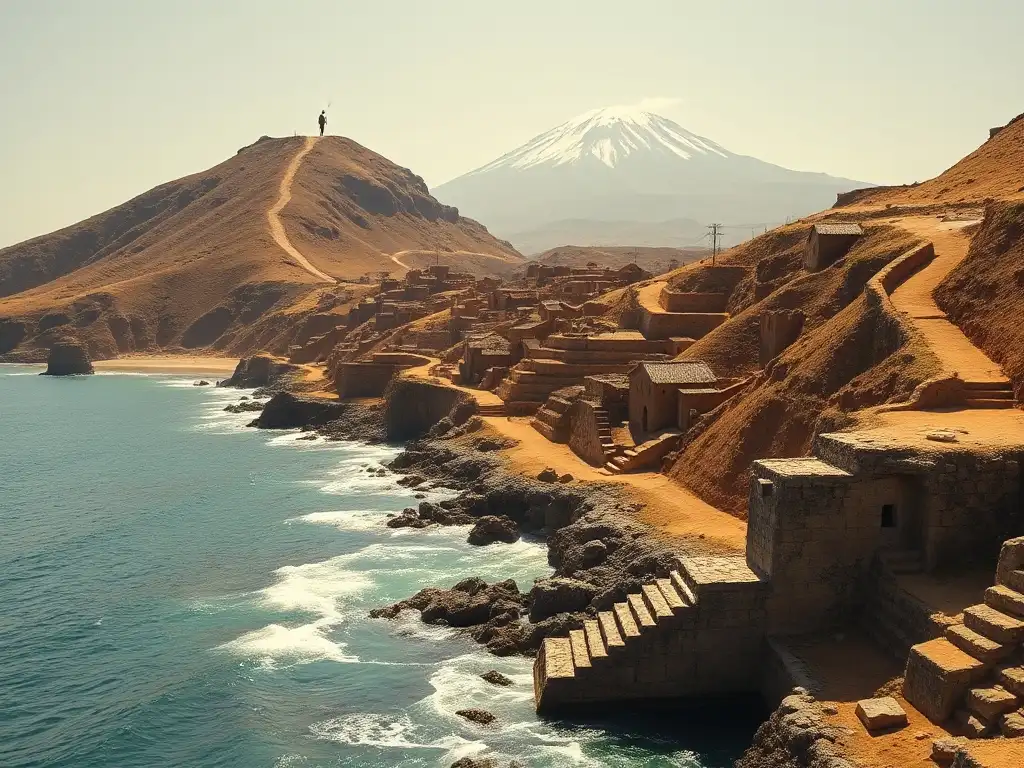
This section examines the diverse settlement strategies employed by early Andean communities, focusing on their adaptations to the Pacific coast and their subsequent expansion into the challenging Andean highlands. Understanding these migration patterns is crucial to comprehending the development of complex Andean civilizations. The analysis will draw upon archaeological evidence, including settlement distribution, artifact analysis, and isotopic studies, to reconstruct the movement and interaction of these early populations. The term "Andean civilization migration patterns" encompasses a complex interplay of environmental pressures, resource availability, and social dynamics.
The Pacific Coast: A Hub for Early Andean Populations
The Pacific coast offered early Andean populations a unique environment, rich in marine resources. Archaeological sites along the Peruvian coast, dating back thousands of years, reveal a sophisticated understanding of maritime technologies and a reliance on fishing, shellfish gathering, and sea mammal hunting. Settlements were often located near estuaries and bays, providing easy access to food and transportation routes.
The abundance of resources fostered relatively high population densities in coastal areas, creating the foundation for the development of complex social structures. Analysis of coastal shell middens reveals a diverse diet, suggesting a well-established system of resource management. For example, the Paracas culture (circa 800 BCE – 100 CE) demonstrated remarkable proficiency in textile production, using cotton and camelid fibers, further showcasing the economic potential of the coastal environment.
The development of sophisticated fishing techniques, such as the use of woven nets and specialized hooks, suggests a high level of technological innovation in response to the coastal environment. Understanding the coastal adaptations is key to unraveling the broader picture of Andean civilization migration patterns. Further research into coastal settlement patterns could reveal more nuanced details about population densities and social organization.
Movement Inland: Adapting to the Andean Highlands
The relatively stable coastal environment contrasted sharply with the harsh conditions of the Andean highlands. The movement inland presented significant challenges, including altitude sickness, unpredictable weather patterns, and a different set of resources. However, the highlands also offered crucial resources, such as camelids (llamas and alpacas), which provided wool, meat, and transportation. Archaeological evidence suggests a gradual inland expansion, with settlements initially focusing on valleys and lower altitudes before venturing into higher elevations.
The adaptation to highland life involved developing new technologies and social structures. For instance, the development of terrace farming allowed for increased agricultural productivity in the steep slopes of the Andes. The domestication of camelids provided a crucial source of protein and fiber, contributing significantly to the sustainability of highland communities.
The timing and routes of this inland migration varied across different regions of the Andes, reflecting the unique environmental conditions and resource availability in each area. More detailed studies are needed to fully understand the complexities of highland adaptation and its role in shaping Andean civilization migration patterns. [Specific information pending: Detailed chronological data on highland settlement expansion].
Evidence of Trade and Interaction Between Coastal and Highland Groups
The movement of people between the coast and the highlands was not a one-way process. Archaeological evidence strongly suggests extensive trade and interaction between coastal and highland communities. The exchange of goods, such as marine products for highland agricultural produce and textiles, fostered economic interdependence and facilitated cultural exchange. This interaction is evident in the distribution of artifacts across different regions.
For instance, the presence of coastal ceramics in highland sites and vice-versa indicates a network of trade routes connecting coastal and highland populations. The development of sophisticated transportation systems, such as llama caravans, facilitated the movement of goods over long distances. Isotopic analysis of human remains can provide valuable insights into dietary patterns and migration histories, revealing the extent of interaction between coastal and highland groups.
Further research into trade networks and cultural exchange will contribute to a more complete understanding of the dynamic processes that shaped Andean civilization migration patterns. The integration of coastal and highland resources created a foundation for the complex societies that would later emerge in the Andes. Analyzing the nature and extent of this interaction is paramount to understanding the overall dynamism of Andean development.
Key Sites and Their Significance in the Andean Migration Story

This section delves into the archaeological evidence illuminating the migratory patterns of early Andean communities. Understanding these movements is crucial to comprehending the development and interconnectedness of Andean civilization. Analyzing key sites reveals not only where people moved but also why, shedding light on the complex interplay of environmental factors, resource availability, and social dynamics that shaped early Andean societies. The diverse geography of the Andes—from the arid coast to the high altitudes—presents unique challenges and opportunities, influencing migration patterns significantly. This analysis focuses on three pivotal locations showcasing different aspects of early Andean mobility.
Huaca Prieta: Tracing Coastal Settlement Patterns
Huaca Prieta, located on the northern coast of Peru, offers invaluable insights into early coastal settlement. Excavations have unearthed evidence of continuous occupation dating back to approximately 3500 BCE. This site is particularly important for understanding the adaptation of Andean communities to a challenging coastal environment. The discovery of cotton remains suggests early mastery of textile production, a crucial element of coastal life.
Furthermore, the presence of sophisticated fishing techniques indicates a deep understanding of marine resources, vital for sustenance and economic activity. Analysis of dietary remains reveals a reliance on both marine and terrestrial resources, hinting at a complex subsistence strategy that likely involved seasonal migrations to exploit diverse food sources. The architecture at Huaca Prieta, while rudimentary compared to later Andean constructions, demonstrates a gradual development of settled life and social organization along the coast.
The longevity of occupation at Huaca Prieta underscores the success of these early coastal migration strategies, demonstrating the resilience and ingenuity of the Andean peoples in adapting to a demanding environment. Careful study of Huaca Prieta's layers has revealed subtle shifts in settlement patterns over time, offering a chronological narrative of adaptation and change within a single coastal community. This detailed evidence contributes significantly to our understanding of Andean civilization migration patterns along the coast.
Kotosh: Understanding Highland Adaptation Strategies
In contrast to the coastal settlements, Kotosh, situated in the central Andes highlands, presents a different picture of early Andean migration. Located at a high altitude, Kotosh presents a compelling case study of human adaptation to challenging environmental conditions. The site, occupied from approximately 2500 BCE, provides evidence of early agricultural practices, including the cultivation of potatoes and other highland crops.
This mastery of high-altitude agriculture was essential for survival and played a key role in the establishment of permanent settlements in the highlands. The iconic "Temple of the Crossed Hands," a distinctive architectural feature of Kotosh, suggests a developing social complexity and ritual life within the highland community. Analysis of the artifacts found at Kotosh reveals a sophisticated understanding of stone tool technology and ceramic production, reflecting technological advancements crucial for survival in the harsh highland environment.
The presence of evidence for both animal husbandry and agriculture indicates a diversified subsistence strategy, crucial for mitigating the risks associated with unpredictable weather patterns prevalent in the Andes. Unlike the coastal communities, Kotosh’s migration story focuses on the challenges and triumphs of establishing and maintaining settlements in the high altitudes, highlighting the ability of Andean peoples to adapt to vastly different environmental settings. The site represents a significant stage in the highland expansion of early Andean populations, offering valuable data for researchers studying Andean civilization migration patterns.
Caral: Evidence of Movement and Interaction
Caral, located in the Supe Valley on the central Peruvian coast, stands out as a remarkably sophisticated early urban center. Dating back to approximately 3000 BCE, Caral predates many other known Andean urban centers, suggesting an early and significant development of complex social organization. Caral's location, near the Andes mountains and the Pacific Ocean, suggests a strategic position for facilitating trade and interaction between highland and coastal communities. The extensive network of canals and irrigation systems at Caral demonstrates advanced engineering skills and a sophisticated understanding of water management crucial for supporting a large population.
The presence of monumental architecture, including large platforms and plazas, indicates a centralized power structure and the emergence of social hierarchy. While the purpose of Caral’s extensive network of platforms and plazas remains a topic of ongoing research, it is likely that it served a combination of ceremonial, administrative, and social functions. Furthermore, the discovery of artifacts from different ecological zones suggests extensive trade networks connecting coastal and highland communities.
The evidence from Caral indicates a complex pattern of movement and interaction between different groups, showcasing the importance of trade and exchange in shaping the early development of Andean civilization. The sophisticated urban planning and evidence of extensive trade networks at Caral provide crucial insights into the dynamics of Andean civilization migration patterns and the establishment of complex societies. The scale and complexity of Caral significantly contribute to our understanding of the interconnectedness of early Andean communities.
Analyzing Andean Civilization Migration Patterns: Methods and Interpretations
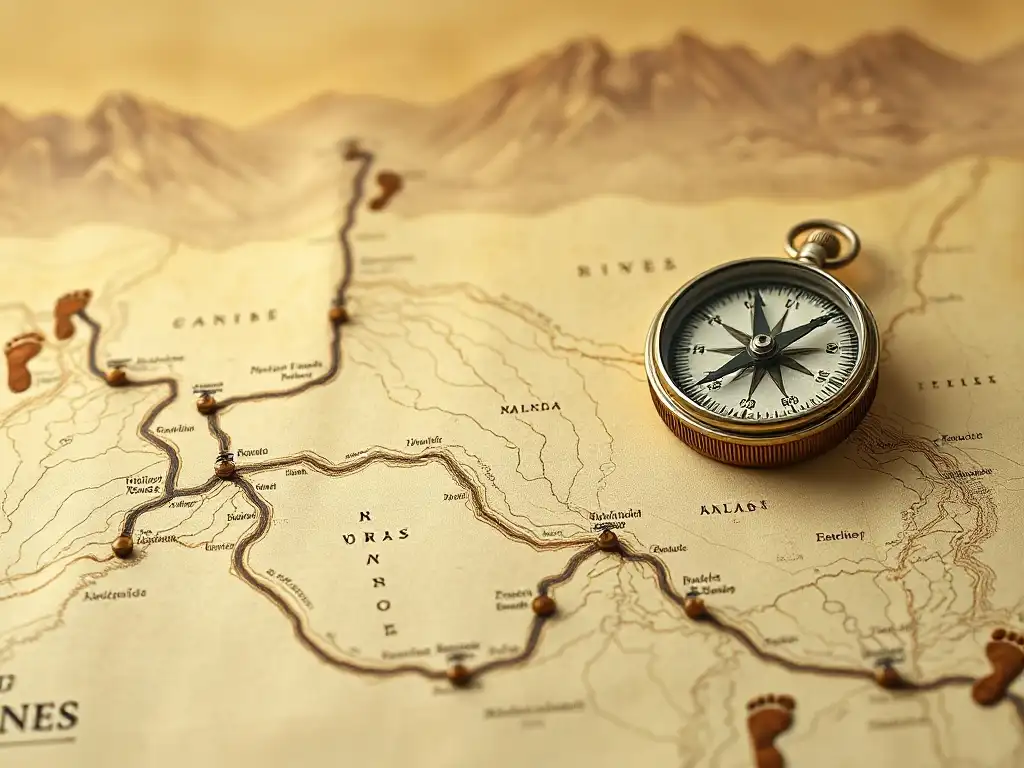
Understanding the movements of early Andean communities requires a multidisciplinary approach, combining archaeological evidence with linguistic and genetic data. This allows for a more nuanced understanding of the complex processes that shaped the distribution of Andean populations over millennia. Pinpointing the precise Andean civilization migration patterns is a challenging task, but advancements in various fields are steadily refining our understanding. The following sections detail some of the key methods employed in this fascinating area of research.
Dating Techniques: Establishing Timelines for Andean Migrations
Precise dating is crucial for establishing the chronology of Andean migrations. Several techniques are employed, each with its strengths and limitations. Radiocarbon dating ( 14 C) remains a cornerstone, providing estimates of the age of organic materials like charcoal, bone, and textiles found in archaeological sites. However, the accuracy of radiocarbon dating is affected by factors such as sample contamination and the calibration curve used. Therefore, results are often presented as a range rather than a single definitive date.
Furthermore, thermoluminescence (TL) dating is used to determine the age of ceramic materials. This technique measures the accumulated radiation absorbed by the clay since its last heating, providing another valuable tool for chronological sequencing. Finally, pottery styles and other artifact typologies provide relative dating, allowing archaeologists to order events chronologically even without precise dates.
By combining these various dating methods, researchers build comprehensive chronologies that help to track the movements of different Andean groups over time. For example, the emergence of distinctive pottery styles in coastal regions can be correlated with changes in settlement patterns and potentially linked to migration events.
Linguistic Analysis: Tracking the Spread of Languages and Peoples
Language families offer valuable clues about the movements of ancient populations. The distribution of Quechuan languages, for example, strongly suggests significant migrations across the Andes. By analyzing linguistic features and reconstructing proto-languages, researchers can trace the spread of language families and infer the possible routes and timing of population movements. This approach is particularly useful in regions where archaeological evidence is scarce or difficult to interpret. However, linguistic analysis is not without its challenges.
Language change is a complex process influenced by factors such as contact, borrowing, and language death. Care must be taken to avoid overinterpreting linguistic similarities as evidence of direct migration. Nonetheless, linguistic data, when used in conjunction with other evidence, provides important insights into the dynamics of Andean population movements. Detailed comparative studies of Quechua dialects, for example, reveal subtle variations that reflect historical migration patterns and the establishment of distinct communities.
Genetic Studies: Revealing Ancestral Connections and Migration Routes
Advances in ancient DNA (aDNA) analysis are revolutionizing our understanding of Andean migration history. By extracting and analyzing DNA from ancient human remains, researchers can reconstruct the genetic makeup of past populations and identify ancestral relationships. Genetic markers can reveal the origins of individuals and groups, tracing their movements across the Andes.
Moreover, the analysis of mitochondrial DNA (mtDNA), inherited maternally, and Y-chromosome DNA, inherited paternally, provides insights into different aspects of population history and migration. For example, studies may reveal the presence of genetic lineages that are more common in one region than another, suggesting past migration events. However, the interpretation of genetic data requires careful consideration of factors such as gene flow and admixture.
Furthermore, the availability of ancient DNA samples is often limited, posing a challenge to comprehensive studies. Despite these challenges, the combination of aDNA analysis with archaeological and linguistic data offers a powerful approach to reconstructing the intricate history of Andean migrations. The integration of these various lines of evidence is essential for building a robust and nuanced understanding of the processes that shaped the distribution of Andean populations.
The Impact of Early Migrations on the Development of Andean Culture
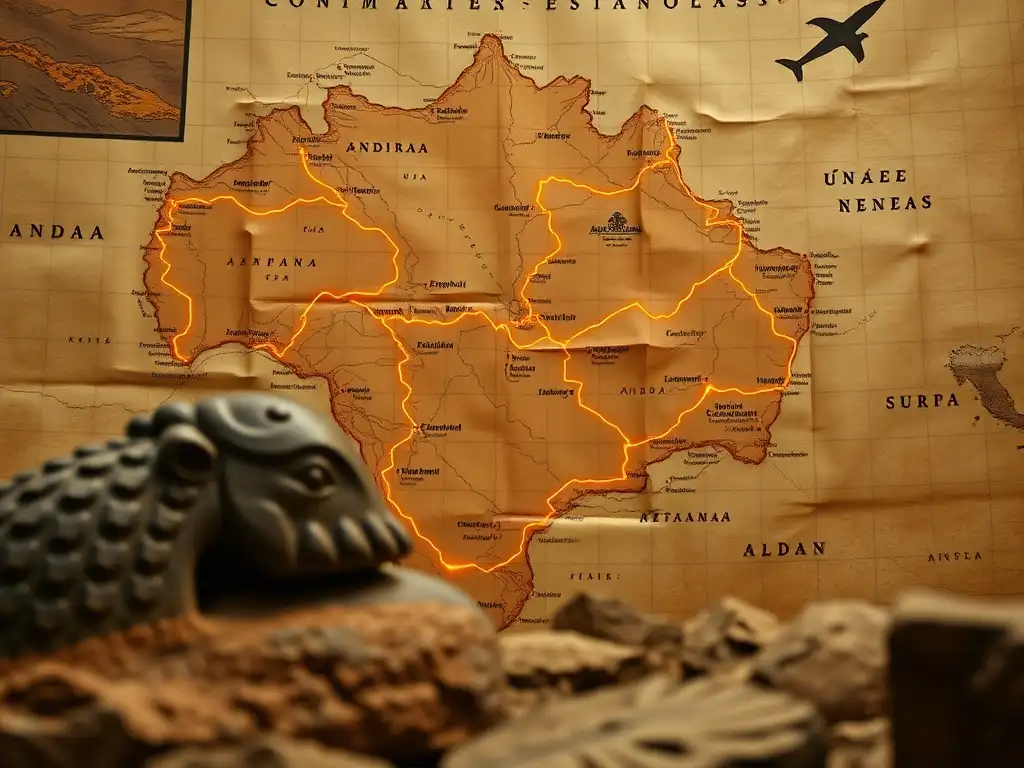
The study of Andean civilization migration patterns reveals a complex interplay between environmental pressures, resource availability, and social dynamics that profoundly shaped the development of Andean cultures. Understanding these movements is crucial to grasping the unique characteristics of each civilization, from the sophisticated irrigation systems of the Nazca to the monumental architecture of the Inca. Analyzing the routes and timelines of these migrations provides insight into the diffusion of ideas, technologies, and agricultural practices across vast geographical areas.
The impact wasn't simply demographic; it fostered cultural exchange and spurred innovation, leading to the remarkable diversity and ingenuity we associate with Andean civilizations. The sheer scale of these migrations, often spanning hundreds of kilometers across challenging terrain, underscores the resilience and adaptability of early Andean communities. We can see evidence of this in the widespread adoption of similar agricultural techniques, pottery styles, and religious beliefs across seemingly disparate groups.
The Formation of Early Andean Societies: From Migrants to Settlers
The transition from nomadic or semi-nomadic lifestyles to settled agricultural communities was a pivotal moment in Andean prehistory. Migration played a crucial role in this process. Groups moving into new territories often encountered different environments and resources, necessitating adaptation and innovation. For instance, the initial groups settling the coastal regions of Peru likely brought with them agricultural knowledge from the highlands, but had to adapt their techniques to the arid coastal climate.
This adaptation led to the development of sophisticated irrigation systems, allowing for the cultivation of crops like maize and beans. The establishment of permanent settlements, in turn, fostered social complexity. Larger populations necessitated more structured social organization, leading to the emergence of hierarchical societies and specialized labor. Archaeological evidence, such as the remains of early villages and irrigation canals, reveals the gradual but significant shift from mobile to sedentary lifestyles, driven in large part by migration and the subsequent need to establish sustainable food production systems.
The timing of these settlements varied across different regions, influenced by factors such as climate and the availability of suitable land. Further research is needed to fully understand the nuanced timeline of settlement in various Andean regions. [Specific information pending on precise dates for different regions].
The Transmission of Knowledge and Technology Through Migration
Andean civilization migration patterns acted as a conduit for the transmission of valuable knowledge and technology. The movement of people facilitated the spread of agricultural techniques, such as terracing and irrigation, which were essential for successful cultivation in the diverse Andean landscape. Similarly, advancements in pottery-making, weaving, and metallurgy were disseminated through migration networks.
Consider the spread of sophisticated metalworking techniques, initially developed in the Andes' southern regions, which eventually reached the northern coast. This diffusion wasn't a simple linear process; it often involved adaptation and innovation as techniques were modified to suit local conditions and preferences. The exchange of ideas and techniques wasn't always a peaceful one; conflict and conquest also played a role in the dissemination of knowledge and technology.
The integration of new practices into existing cultural traditions demonstrates the dynamic nature of cultural exchange and adaptation in the Andes. The analysis of artifacts and their stylistic variations across different regions offers compelling evidence of this transmission, highlighting the interconnectedness of Andean societies despite their geographical diversity. For example, similar pottery styles found across vast distances suggest the movement of artisans or the adoption of shared aesthetic traditions.
Cultural Diversity Resulting from Migration Patterns in the Andes
The diverse tapestry of Andean cultures is a direct result of the complex migration patterns that shaped the region's history. While the spread of certain technologies and agricultural practices fostered a sense of interconnectedness, the interaction between migrating groups and established populations also generated considerable cultural diversity. Migrants often brought their own unique traditions, beliefs, and languages, leading to a blending of cultures. This resulted in the remarkable variety of artistic styles, religious practices, and social structures found across different Andean societies.
The interaction between different groups was not always harmonious; conflict and competition for resources were also significant factors shaping cultural development. The Inca Empire, for instance, arose through a process of conquest and integration, absorbing diverse populations and incorporating their traditions into a larger imperial framework. This process of cultural fusion and adaptation is evident in the Inca's sophisticated administrative system, which incorporated elements from various conquered groups.
The legacy of this cultural diversity is still visible today in the rich and varied cultural expressions of Andean communities. Further research into linguistic analysis and genetic studies can provide additional insights into the complex interplay of migration and cultural development in the Andes. The ongoing study of Andean civilization migration patterns continues to reveal the intricate processes that shaped one of the world's most fascinating and complex civilizations.
The Legacy of Early Andean Migrations: A Foundation for Later Civilizations
The study of Andean civilization migration patterns reveals a complex tapestry of movements, adaptations, and cultural exchanges that shaped the trajectory of these remarkable societies. Understanding these migrations is crucial to comprehending the rise and fall of various Andean cultures, and their ultimate impact on the civilizations that followed. The seemingly static nature of the monumental Inca Empire, for example, belies a dynamic history built upon the foundations laid by earlier migratory waves.
These earlier movements introduced new agricultural techniques, technologies, and social structures that would be refined and expanded upon by later groups. Analyzing these patterns allows us to appreciate the interwoven nature of Andean history, highlighting the continuous interplay between different communities and their environments. The very fabric of Andean civilization, from its intricate agricultural systems to its sophisticated religious beliefs, bears the indelible mark of these migrations.
The Influence of Early Settlers on the Inca Empire
The Inca Empire, often perceived as a monolithic entity, was in fact the culmination of centuries of cultural interaction and adaptation. Early Andean migrants, moving along the Andes' diverse ecological zones, established settlements and developed unique strategies for survival. For instance, the mastery of high-altitude agriculture, evident in the terraced fields of the Andes, was likely refined over generations by successive waves of migrants adapting to the challenging terrain.
These innovations, passed down through generations, laid the groundwork for the Inca's later agricultural prowess, which was vital to their imperial expansion and stability. Similarly, early Andean communities' sophisticated knowledge of metallurgy, evidenced by early metalwork found in various archaeological sites, influenced the Inca's advanced metalworking techniques. The Inca's mastery of gold, silver, and bronze wasn't a sudden innovation, but rather a culmination of centuries of experimentation and skill refinement inherited from their predecessors.
The Inca Empire, therefore, wasn't built in a vacuum; it was constructed upon the technological and organizational legacies of earlier Andean migrations. This understanding challenges the simplistic narrative of a single, dominant Inca culture and reveals a rich, layered history.
Lessons Learned from Early Andean Mobility and Adaptation
Studying early Andean mobility offers valuable insights into human resilience and adaptation in challenging environments. These communities demonstrated an impressive capacity to navigate diverse landscapes, developing sophisticated strategies for resource management and conflict resolution. For example, the development of intricate irrigation systems in arid coastal regions showcases the ingenuity and collaborative efforts required for survival.
The ability to adapt to drastically different climates, from the coastal deserts to the high-altitude puna grasslands, demonstrates a remarkable level of flexibility and cultural exchange. Analyzing their responses to environmental changes—such as droughts or floods—provides valuable data for understanding the impact of climate variability on human societies. Furthermore, investigating the ways in which different groups interacted, sometimes peacefully and sometimes through conflict, illuminates the complex dynamics of inter-group relations and the processes of cultural fusion and divergence.
These lessons from the past hold profound relevance for contemporary societies facing similar challenges of environmental change and population mobility. Understanding how past Andean communities adapted can inform strategies for sustainable development and conflict resolution today.
Future Directions in Research on Andean Migration Patterns
Future research on Andean civilization migration patterns necessitates a multidisciplinary approach, integrating archaeological, genetic, linguistic, and environmental data. Advances in ancient DNA analysis, for example, could provide crucial insights into the genetic relationships between different Andean communities and the extent of population movement. Sophisticated geographic information systems (GIS) can be employed to model migration routes and predict settlement patterns based on environmental factors.
Further investigation into the linguistic diversity of the Andes could shed light on the spread of ideas and cultural practices through migration. Moreover, a more nuanced understanding of the social and political structures of early Andean societies is needed to fully grasp the motivations and consequences of their movements. By combining these different lines of inquiry, we can hope to construct a more comprehensive and nuanced understanding of the complex processes that shaped the history of Andean civilizations.
This integrated approach will not only refine our knowledge of the past but also contribute to a more robust understanding of human migration in general. The potential for new discoveries and insights in this field is immense, promising a richer and more detailed picture of the vibrant and dynamic history of the Andes.
Frequently Asked Questions
What were the primary factors driving migration patterns in Andean civilizations?
The primary factors driving migration were diverse, including environmental changes (like droughts or floods), resource availability (searching for fertile lands or specific resources), and political conflicts forcing population displacement. Agricultural needs also played a significant role.
How did geography influence the migration patterns of Andean communities?
The Andes' rugged terrain significantly impacted migration. Communities often followed river valleys and coastal routes, adapting their movements to the challenging landscape. High altitude also posed limitations and shaped settlement choices.
Did the Inca Empire have a significant impact on Andean migration patterns?
Yes, the Inca expansion dramatically altered existing migration patterns. Their extensive road system facilitated movement and resettlement, while their administrative control influenced population distribution and resource management across their empire.
What are some of the archaeological methods used to study Andean migration patterns?
Archaeologists use various methods, including analyzing ceramic styles, tracing isotopic signatures in human remains to determine origins, and examining architectural styles to identify cultural connections across different sites. Radiocarbon dating is also crucial for establishing timelines.
How did the migration patterns of different Andean cultures differ?
While the Andes' geography was a common factor, each culture had unique patterns. For example, the coastal cultures like the Moche relied heavily on maritime resources, unlike the highland cultures like the Tiwanaku. Political organization also played a part.
Final Reflection: Echoes of the Past, Shaping Our Present
The intricate migration patterns of early Andean communities, meticulously pieced together from archaeological evidence, offer not just a glimpse into the past, but a powerful lens through which to understand the complexities of human movement and adaptation today. Understanding these ancient journeys illuminates the enduring human need for resource management, social connection, and resilience in the face of environmental change – challenges just as relevant in our modern world.
The impact of these migrations resonates deeply, shaping the cultural and genetic landscape of the Andes as we know it today. The blending of traditions, the development of sophisticated agricultural techniques, and the very fabric of Andean society are all testaments to the dynamism and ingenuity of these early peoples. The past is never dead. It's not even past.
- William Faulkner. This quote perfectly encapsulates the enduring legacy of these migrations, their influence still palpable in the vibrant cultures and diverse populations of the Andes.
Consider the echoes of these ancient journeys in your own life. Think about the migrations – both large and small – that have shaped your own family history, your community, and the world around you.
Let the resilience and adaptability of these early Andean communities inspire you to explore your own heritage, to appreciate the interconnectedness of human experience, and to engage with the challenges of our time with the same ingenuity and determination. The footprints in the sand may fade, but the stories they tell continue to resonate, guiding us towards a deeper understanding of ourselves and our place in the world.
Unveil the Journey of Early Andean Communities!
Thank you for exploring the fascinating history of early Andean communities with us! You've discovered their rich past and vital role in shaping the region. Now, let's deepen your connection with this incredible heritage.
Here's how you can continue your journey and share your newfound knowledge:
- Join a local history group or attend workshops on Andean cultures. Immerse yourself in discussions and activities that bring the past to life.
- Share your discoveries with friends and family, or on social media. Spark conversations about what surprised you most and inspire others to learn more.
- Visit archaeological sites and museums dedicated to Andean civilizations. Experiencing these places firsthand will deepen your appreciation and understanding.
What aspect of early Andean life intrigues you most, and how will you share that passion with others?