
The Dawn of Andean Art: Rock Paintings and Engravings from the PreCeramic Era

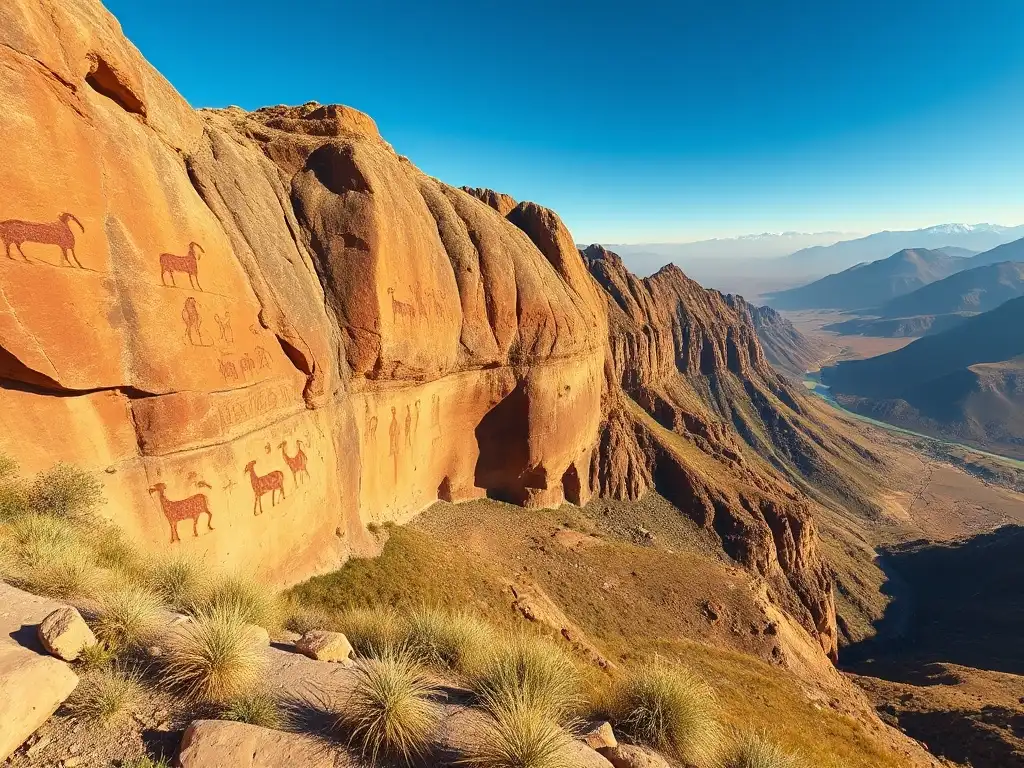
Step into a world lost to time, where vibrant artistry blossomed long before the rise of the Incas. Imagine colossal mountain faces etched with enigmatic symbols, discover the secrets whispered by ancient rock art, and unravel the mysteries of Preceramic Andean rock art. This is more than just history; it's a journey into the heart of a civilization that shaped the Andes, leaving behind a legacy painted across the stones themselves. Prepare to be captivated by the dawn of Andean art.
The Andean region, long before the rise of the Inca Empire or even the sophisticated Moche culture, teemed with vibrant life and artistic expression. This article delves into the fascinating world of Preceramic Andean rock art, exploring the earliest known artistic endeavors of the Andean peoples.
We will journey back in time, examining the rock paintings and engravings that offer invaluable glimpses into the beliefs, lifestyles, and societal structures of these early communities, providing a foundational understanding of the artistic traditions that would flourish in subsequent Andean civilizations. Understanding this Preceramic period is crucial for appreciating the full scope and evolution of Andean art, revealing its deep roots and the continuity of artistic expression across millennia.
We will analyze the techniques, motifs, and potential meanings behind these remarkable creations, highlighting their significance in the broader context of Preceramic Andean culture and its legacy. This exploration of "Preceramic Andean rock art" will unveil a captivating story of human ingenuity and artistic expression in one of the world's most geographically diverse and culturally rich regions.
Dating and Distribution of Preceramic Rock Art
Dating Preceramic Andean rock art presents a significant challenge. The lack of written records and the inherent difficulties in directly dating rock surfaces necessitate relying on indirect methods such as stylistic analysis, stratigraphic context (where possible), and cross-referencing with other archaeological findings from the same region. However, based on current research, many sites are estimated to date back to the early Holocene period, between 10,000 and 8,000 BCE, although some examples may be even older.
These sites are not uniformly distributed across the Andes. Certain geographical areas, likely influenced by factors such as resource availability and accessibility, show a higher concentration of rock art than others. For example, the coastal regions of Peru and certain high-altitude valleys in the Andes Mountains have yielded a significant number of sites.
Further research is needed to fully map the distribution and understand the regional variations in styles and motifs. The challenge of accurate dating and complete mapping underscores the ongoing nature of research in this field.
Common Motifs and Styles in Preceramic Rock Art
Preceramic Andean rock art displays a remarkable diversity of styles and motifs, reflecting the varied environments and cultures of the region. While a comprehensive catalog is still under development, some recurring themes emerge. Geometric patterns, such as lines, zigzags, and spirals, are frequently observed, often combined in complex arrangements. Representations of animals, particularly camelids (llamas and alpacas), are also common, suggesting their importance in the subsistence strategies of these early communities. Human figures, though less frequent than geometric designs and animal depictions, are found in some sites, often depicted in stylized forms. The styles themselves vary regionally. Coastal sites often feature simpler, more linear designs, while high-altitude sites may display more complex compositions and a greater use of color. This variety underlines the rich tapestry of cultural expressions that characterized the Preceramic period.
It is crucial to note that the interpretation of these motifs remains an ongoing area of scholarly debate. Many interpretations are based on analogies with later Andean iconography and ethnographic studies of contemporary indigenous communities.
Techniques and Materials Used in Preceramic Rock Art
The creation of Preceramic Andean rock art involved a range of techniques and materials adapted to the available resources and the specific characteristics of the rock surfaces. Engravings were often produced using sharp stone tools, carefully incising lines and patterns into the rock. Paintings, on the other hand, utilized pigments derived from natural sources, such as minerals and plant materials.
These pigments were likely mixed with binders, such as animal fat or plant resins, to improve their adherence to the rock surface. The application of the paint might have involved brushes made from plant fibers or simply the fingers. The durability of these pigments varies considerably depending on the materials used and the exposure to the elements.
Some paintings have remarkably survived thousands of years, while others have faded significantly or been completely lost to erosion or weathering. The study of the techniques and materials sheds light on the technical skills and knowledge of these early artists and their adaptation to the environmental constraints.
Interpreting the Meaning of Preceramic Rock Art: Challenges and Perspectives
Interpreting the meaning of Preceramic Andean rock art is a complex and multifaceted endeavor. The lack of written documentation necessitates drawing on a variety of approaches, including comparative analysis with later Andean art, ethnographic analogies with contemporary indigenous cultures, and consideration of the archaeological context of the sites. However, any interpretation remains inherently speculative.
Some scholars suggest that the geometric patterns represent abstract concepts related to cosmology or shamanistic practices. The animal depictions may reflect the importance of hunting and herding in the subsistence economies of these communities. And human figures, when present, may represent deities, ancestors, or individuals of social importance.
The challenge lies in moving beyond simple descriptive accounts and developing nuanced interpretations that account for the complexity of these early societies and their belief systems. Ongoing research, combining archaeological, anthropological, and art historical approaches, continues to refine our understanding of the meaning and significance of this remarkable artistic legacy. The quest to decipher these ancient messages continues to captivate researchers and inspire awe in the enduring power of human creativity.
- Dating and Distribution of Preceramic Rock Art
- Common Motifs and Styles in Preceramic Rock Art
- Techniques and Materials Used in Preceramic Rock Art
- Interpreting the Meaning of Preceramic Rock Art: Challenges and Perspectives
Understanding Preceramic Andean Rock Art
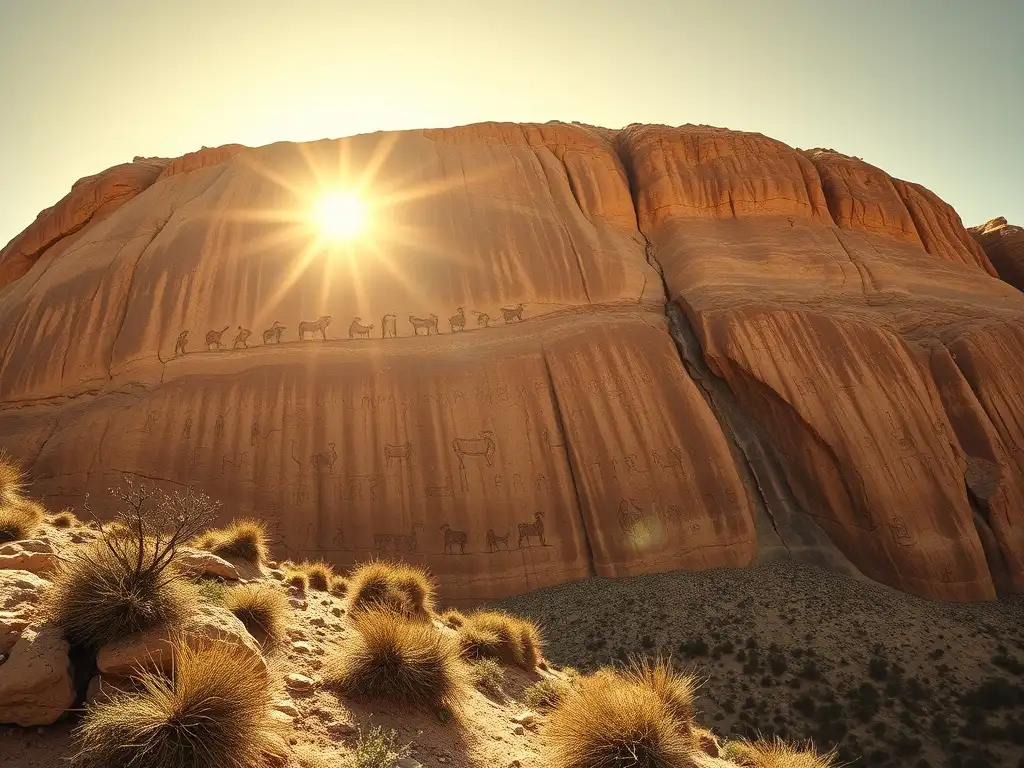
This section delves into the fascinating world of Preceramic Andean rock art, a crucial window into the beliefs, practices, and daily lives of the earliest Andean inhabitants. We'll explore its definition, significance, and geographical distribution, providing a detailed look at this captivating aspect of Andean prehistory. Understanding this art helps us to piece together a complex narrative of human adaptation and cultural development in the challenging Andean environment. The term "Preceramic Andean rock art" itself requires careful definition, as it encompasses a vast timeframe and diverse artistic expressions.
Defining Preceramic Art in the Andes
The term "Preceramic" refers to the period in Andean history before the widespread adoption of pottery, generally placed before 1800 BCE. 1 However, pinpointing exact dates for many rock art sites remains challenging due to the limitations of dating techniques applicable to such materials. The art itself varies dramatically in style and technique. We find simple geometric patterns, complex zoomorphic representations (depictions of animals), and even what appear to be narrative scenes, all executed using different methods. Some examples include:
- Petroglyphs: Engravings made by pecking or abrading the rock surface. These often display remarkable durability, surviving millennia of weathering.
- Pictographs: Paintings applied directly to the rock face, typically using pigments derived from minerals and plants. The pigments' fragility means that fewer pictographs have survived compared to petroglyphs.
- Combination techniques: Some sites exhibit a combination of both petroglyphs and pictographs, layering different artistic expressions over time.
The diversity of styles across different sites highlights the likely existence of distinct regional artistic traditions, reflecting the varied cultures and environments of the Andean region. Further research is needed to fully understand the connections and differences between these styles and their chronological development. The lack of written records from this era necessitates a reliance on careful stylistic analysis and contextual archaeological evidence for interpretation.
The Significance of Rock Art in Andean Prehistory
Preceramic Andean rock art holds immense significance for understanding the development of Andean societies. It provides valuable insights into:
- Spiritual beliefs: Many depictions suggest a strong connection to the natural world, featuring representations of animals, plants, and celestial bodies. These could represent shamanistic practices, ancestor veneration, or other ritualistic activities. The frequent use of abstract symbols also hints at a complex symbolic language that remains partially deciphered.
- Social organization: Some rock art panels appear to depict communal activities or social gatherings, offering clues about the social structures and interactions of these early Andean communities. Further research into the spatial distribution of figures within panels may reveal additional information about social hierarchy or power dynamics.
- Technological advancements: The techniques used to create the rock art itself reflect the technological capabilities of the time. The creation of pigments, the tools used for engraving, and the selection of suitable rock surfaces all indicate a level of technical skill and knowledge.
- Environmental adaptation: The choice of locations for rock art sites often reveals insights into the relationship between early Andean people and their environment. Sites located near water sources or along migration routes may reflect the importance of these resources for survival and mobility.
The study of Preceramic Andean rock art offers a unique perspective on the lives and worldview of these early Andean communities, complementing insights gained from other archaeological sources. Its value lies not only in its aesthetic appeal but also in its potential to reveal crucial information about the human experience in the Andes thousands of years ago.
Geographical Distribution of Preceramic Rock Art Sites
Preceramic rock art sites are scattered across the diverse landscapes of the Andes, from the arid coastal deserts to the high-altitude plains and valleys. This wide distribution reflects the adaptability of early Andean populations and their ability to thrive in a variety of challenging environments. Some key regions with significant concentrations of Preceramic rock art include:
| Region | Characteristics | Notable Sites (Examples) |
|---|---|---|
| Coastal Peru | Abundant marine resources, arid climate | [Specific site names pending] |
| Andean Highlands | Varied altitudes, diverse ecosystems | [Specific site names pending] |
| Northern Andes | High mountain ranges, diverse flora and fauna | [Specific site names pending] |
| Southern Andes | Extensive plains, colder climate | [Specific site names pending] |
The precise distribution of sites is still under investigation, with new discoveries continually expanding our understanding of the geographical reach of Preceramic Andean rock art. Ongoing research involving remote sensing technologies and systematic surveys is crucial for identifying and documenting these fragile and often remote sites. Mapping these sites is essential for conservation efforts, protecting these invaluable resources for future generations. The geographical spread underscores the widespread nature of artistic expression in the Andes during this early period.
1 This is a generalized timeframe; specific dating varies widely depending on the site.
Key Characteristics of Preceramic Andean Rock Art
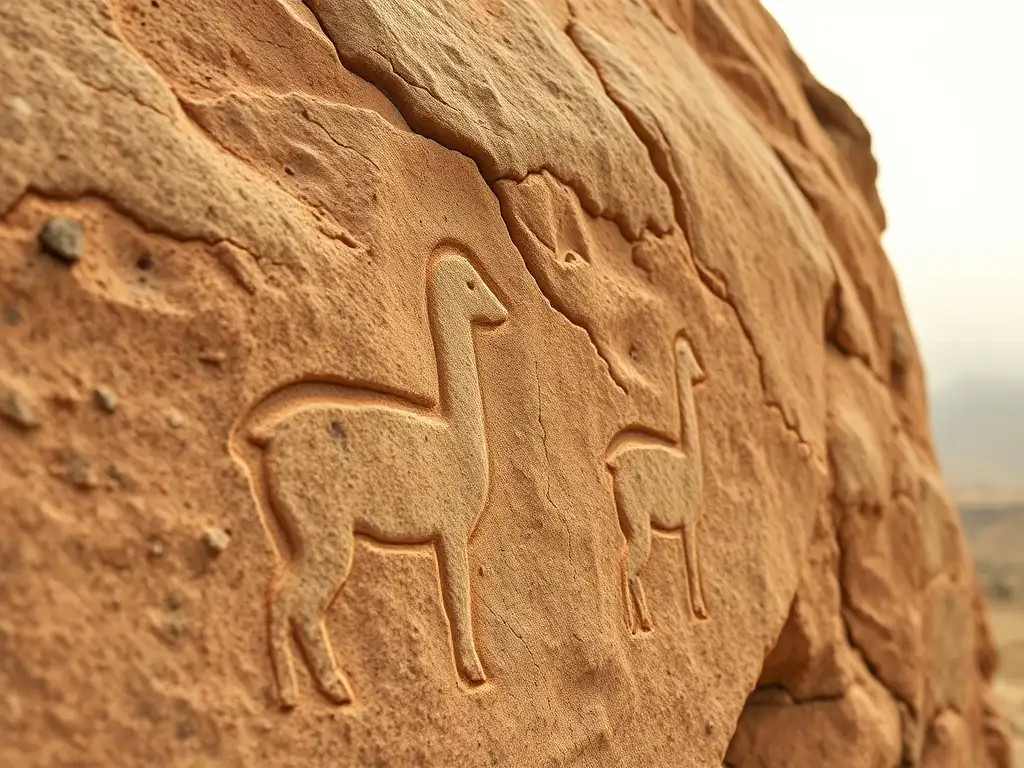
Preceramic Andean rock art, a fascinating window into the worldview of early Andean societies, presents unique characteristics distinguishing it from later artistic expressions. Its creation predates the widespread use of ceramics, placing it firmly in the formative stages of Andean cultural development. This early art is characterized by a strong connection to the immediate environment, often depicting scenes deeply intertwined with the natural landscape and the daily lives of its creators.
The style is generally less stylized than later Andean art, often exhibiting a more direct and naturalistic representation of animals, humans, and abstract symbols. Furthermore, the sheer diversity of styles across different geographical regions highlights the independent development of artistic traditions within various preceramic Andean communities. This diversity makes a unified definition challenging, demanding a regional approach to its study and interpretation.
Analysis of these artistic expressions provides invaluable insights into the social structures, belief systems, and daily routines of these early Andean peoples. The scarcity of surviving examples, however, makes each discovery exceptionally significant in piecing together this crucial chapter in Andean history. Understanding the context of discovery – including the geological formations, associated artifacts, and environmental factors – is paramount to accurate interpretation and the reconstruction of the societies that produced this remarkable art.
Techniques Used in Preceramic Rock Art: Paintings and Engravings
Preceramic Andean rock art employed a variety of techniques, primarily focusing on painting and engraving. Painting involved the application of pigments directly onto rock surfaces. Engravings, conversely, involved incising lines and shapes into the stone itself. The choice of technique often depended on the type of rock surface available and the desired effect. Smooth, relatively flat surfaces were ideal for painting, while harder, more resistant rocks were better suited for engraving.
The creation of paintings involved meticulous preparation and application. Pigments, as discussed in detail below, were often ground and mixed with binders to create a paint-like consistency. These were then applied using brushes made from natural materials, possibly plant fibers or animal hair. The precision and detail evident in some paintings suggest a high level of skill and artistry. Evidence suggests that some artists may have used stencils or other tools to create repetitive patterns or designs.
Engravings, on the other hand, were likely created using sharp stone tools. The process would have required significant strength and precision, particularly for intricate designs. The depth and width of the engravings varied depending on the artist's technique and the hardness of the rock. Some engravings are incredibly fine and delicate, while others are deeply incised, suggesting different approaches and possibly even specialized tools.
Common Motifs and Symbols in Early Andean Art
The motifs and symbols found in Preceramic Andean rock art exhibit a rich diversity, reflecting the varied cultures and beliefs of the different groups. While a comprehensive catalog of every motif remains a work in progress, certain recurring themes and iconographic elements emerge.
- Human Figures: Representations of humans, often depicted in simple, schematic forms, are relatively common. These figures frequently lack detailed features but sometimes showcase postures and gestures suggesting activities like hunting, dancing, or ritual practices. The size and positioning of human figures within the overall composition often provide clues about their social significance.
- Animal Representations: A wide range of animals native to the Andes are depicted, including camelids (llamas and alpacas), birds, and various mammals. The style of representation varies greatly, ranging from realistic depictions to highly stylized forms. The choice of animal depicted and its context within the artwork could have had symbolic or ritual significance.
- Geometric Patterns: Geometric designs, including lines, circles, spirals, and zigzags, appear frequently. These abstract motifs often appear alongside figurative representations, possibly functioning as decorative elements or holding symbolic meaning related to cosmology or social organization. The complexity and arrangement of these patterns can vary significantly across different sites and time periods.
- Abstract Symbols: Beyond easily identifiable motifs, numerous abstract symbols appear, the meanings of which remain largely a subject of ongoing research and debate. Scholars continue to analyze these symbols within their geographical and chronological contexts to decipher their potential significance. Further research, particularly comparative studies across different regions, is essential to fully understand the meanings of these enigmatic forms.
The Use of Natural Pigments and Materials
The creation of Preceramic Andean rock art relied heavily on readily available natural pigments and materials. The pigments were derived from a variety of sources, including minerals, plants, and insects. Careful analysis of surviving pigments can reveal valuable information about the artistic techniques used and the resources available to the artists.
- Mineral Pigments: Many mineral pigments were used, including ochres (yielding reds, yellows, and browns), hematite (red), and manganese oxides (black and brown). These pigments were likely obtained from local geological formations. The quality and availability of these pigments varied across different regions, influencing the palette of colors used in local artistic traditions.
- Plant Pigments: Plant-based pigments were likely used as well, but identifying them definitively requires further research and advanced scientific analysis. Charcoal, a common readily available source, could have contributed to black or dark brown pigments.
- Binders: To achieve a paint-like consistency, binders were added to the pigments. These binders, likely derived from natural substances such as gums or plant saps, helped the pigments adhere to the rock surfaces and improved their durability. The precise nature of these binders is often difficult to determine from surviving artworks, requiring advanced laboratory analysis.
The careful selection and preparation of these materials demonstrate a sophisticated understanding of the properties of pigments and binders, reflecting a level of technical expertise within these early Andean communities. The enduring nature of some of these paintings, despite weathering and environmental factors, attests to the effectiveness of the techniques employed. Further research into the specific pigments and binders used in different regions is crucial for a more complete understanding of artistic practices in the Preceramic Andes.
Variations in Artistic Styles Across Different Regions
The preceramic Andean rock art, while sharing some common themes, displays remarkable diversity across different geographical regions. This variation reflects not only the unique environmental contexts and available resources but also the potential existence of distinct cultural groups or artistic traditions.
For example, coastal regions, like those inhabited by early hunter-gatherer societies in northern Peru, often feature rock art depicting marine life—fish, seabirds, and marine mammals—reflecting their close relationship with the ocean and its resources. These depictions often employ a more fluid, dynamic style, utilizing curving lines and a limited palette of colors, possibly due to the availability of pigments derived from local minerals.
In contrast, the rock art found in the high Andean highlands, often associated with groups exploiting altiplano resources like camelids (llamas and alpacas), frequently portrays camelids themselves, alongside abstract geometric designs and possibly depictions of shamanistic rituals. The styles here tend towards a more angular and schematic representation, sometimes employing a broader range of colors, perhaps indicative of different mineral sources or artistic conventions. The arid landscapes of the southern Andes, for instance, might yield rock paintings with a focus on terrestrial animals adapted to harsh environments, reflecting the survival strategies of the local populations.
The specific techniques employed—whether painting, engraving, or a combination of both—also vary considerably across regions, potentially pointing to technological differences or distinct artistic preferences. [Further research is needed to definitively link specific styles to particular cultural groups.] The stylistic variations, therefore, are a rich source of information for understanding the cultural and geographical diversity of preceramic Andean societies.
The complexity of these variations highlights the need for detailed regional studies to fully appreciate the nuances of preceramic Andean rock art. More comprehensive archaeological surveys and stylistic analyses are necessary to establish a more complete picture of the regional diversity in preceramic Andean artistic expression.
Prominent Preceramic Rock Art Sites in the Andes
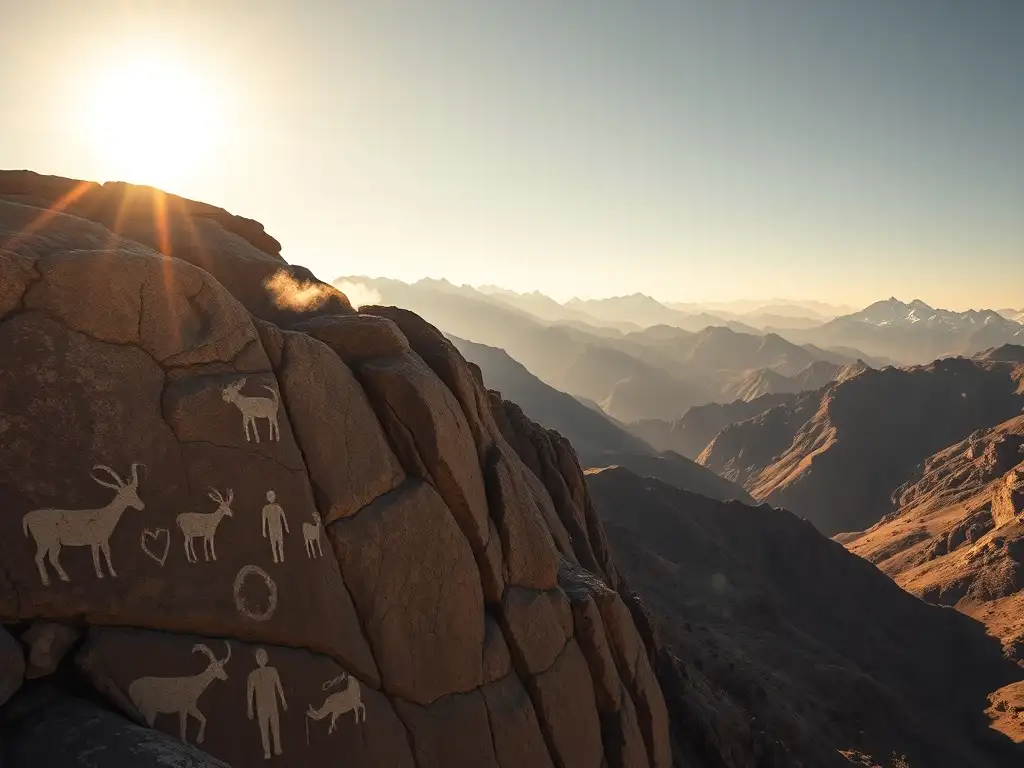
The Preceramic period in the Andes, predating the development of pottery, left behind a fascinating legacy of rock art, providing invaluable insights into the beliefs, lifestyles, and social structures of early Andean societies. This rock art, encompassing both paintings and engravings, offers a unique window into a world that existed thousands of years before the rise of the more well-known civilizations like the Inca. Understanding this early artistic expression is crucial to piecing together a complete narrative of Andean cultural development.
The sheer diversity of styles and motifs across different sites highlights the regional variations and the independent development of artistic traditions in various Andean pockets. This section will focus on two prominent examples: Toquepala Caves and Lauricocha Cave, showcasing the richness and complexity of Preceramic Andean rock art.
Toquepala Caves: An Overview of its Rock Art
Toquepala Caves, located in southern Peru, boasts a remarkable collection of Preceramic rock paintings. These paintings, characterized by their vibrant colors (though faded with time) and simplistic yet expressive style, depict a range of subjects. Many scholars believe the pigments used were derived from local minerals and plants, a testament to the ingenuity of the artists.
The cave walls themselves are composed of sedimentary rock, providing a stable surface for the artwork to endure, although weathering and natural erosion have inevitably taken their toll. The paintings are not uniformly distributed throughout the caves, suggesting that certain areas held greater significance than others. Some sections display a higher concentration of artwork, possibly indicating ritual or ceremonial use.
Furthermore, the stylistic consistency within certain areas hints at the work of specific artists or groups, raising questions about social organization and artistic specialization during the Preceramic period. Detailed study of these paintings is still ongoing, and new discoveries continue to reshape our understanding of their creation and meaning.
Toquepala Caves: Key Motifs and Interpretations
The dominant motifs in Toquepala Caves' rock art include stylized human figures, abstract geometric patterns, and depictions of animals, primarily camelids (llamas and alpacas). The human figures are often represented in a simple manner, with minimal detail given to anatomical features. However, their postures and arrangement often suggest narratives or scenes.
For example, some panels depict what appear to be hunting scenes, providing glimpses into the subsistence strategies of the time. The geometric patterns, often composed of lines, dots, and zigzags, are more enigmatic. Some researchers interpret them as symbolic representations of cosmological concepts or clan markings.
The camelid depictions, on the other hand, may reflect the importance of these animals in the daily life of the people who inhabited the caves, serving as sources of food, fiber, and transportation. The precise interpretation of these motifs remains a subject of ongoing debate, and further research, including advanced dating techniques and cross-referencing with archaeological findings from the surrounding area, is needed to unravel the full significance of these enigmatic images. The study of Preceramic Andean rock art, including Toquepala, continues to reveal new layers of information, gradually enriching our understanding of these early Andean societies.
Lauricocha Cave: A Look at its Engravings
Unlike Toquepala Caves, Lauricocha Cave, situated in the central Andes of Peru, is renowned for its engravings rather than paintings. These engravings, etched onto the cave walls, consist primarily of lines, dots, and other geometric shapes, similar to those found in Toquepala, but often more deeply incised. The depth of the engravings suggests a more laborious and deliberate process, indicating a significant investment of time and effort on the part of the artists.
The rock surface itself is different than that of Toquepala, being harder and more resistant to erosion, contributing to the better preservation of the engravings. The lack of vibrant color in Lauricocha contrasts sharply with Toquepala's paintings, highlighting the diverse techniques employed by Preceramic Andean artists.
The choice of technique might have been influenced by the available materials and the desired level of permanence. The engravings in Lauricocha seem more durable, better suited to the harsh Andean climate.
Lauricocha Cave: The Context and Significance
The context of Lauricocha Cave's engravings is further enriched by the archaeological discoveries within and around the site. The cave has yielded significant skeletal remains and artifacts dating back to the Preceramic period, providing crucial data to understand the lives of the people who created these engravings. The presence of both human and animal remains suggests a complex relationship between humans and their environment.
Analysis of these remains provides valuable information about diet, health, and burial practices. The combination of the engraved art and the archaeological finds allows researchers to build a more holistic picture of the culture that thrived in this region during the Preceramic period. The location of the cave itself, nestled within a strategically advantageous landscape, suggests a deliberate choice of location, perhaps for both shelter and symbolic purposes.
The ongoing research at Lauricocha is crucial for understanding the relationship between art, ritual, and daily life in the early Andean societies, emphasizing the importance of interdisciplinary approaches to the study of Preceramic Andean rock art. The study of these sites contributes significantly to our understanding of "Preceramic Andean rock art" and its role in early Andean cultural development.
Sumbay Caves: The Paintings and their Archaeological Context
The Sumbay Caves, located in [Specific Geographic Location in the Andes pending], represent a significant site for understanding Preceramic Andean rock art. These caves boast a remarkable collection of paintings, primarily executed in red, ochre, and black pigments. The imagery is diverse, ranging from simple geometric patterns – think swirling lines and repetitive motifs – to more complex representations of animals, possibly depicting camelids like llamas and alpacas, and potentially even human figures, though their interpretation remains a subject of ongoing scholarly debate.
The style of the paintings suggests a certain level of artistic skill and intentionality, with clear evidence of layering and the use of different techniques to achieve varying textures and shades. The pigments themselves are likely derived from local mineral sources, reflecting the ingenuity of the artists in utilizing readily available materials. Beyond the artistic merit, the paintings are incredibly valuable for understanding the daily lives, beliefs, and rituals of the preceramic inhabitants of this region.
The presence of certain motifs, for instance, might allude to hunting practices, shamanistic rituals, or perhaps even early forms of storytelling and symbolic representation. Further research, including detailed pigment analysis and stylistic comparisons with other sites, is crucial to unravel the full significance of the Sumbay Cave paintings.
The archaeological context surrounding the paintings further enhances their importance. Excavations near the cave entrances have yielded artifacts such as stone tools, pottery shards (though limited, given the preceramic nature of the site), and bone fragments, providing valuable clues about the activities and lifestyle of the people who created these artistic expressions.
The stratigraphic layers in the surrounding area offer a chronological framework, allowing archaeologists to better understand the sequence of human occupation and the potential evolution of artistic styles over time. The careful study of these associated artifacts, in conjunction with the rock art itself, offers a holistic perspective on the cultural practices and societal structures of the Preceramic era in this specific Andean region.
The meticulous documentation of the cave environment – including the geological formations and the presence of any other features – is also crucial to contextualize the paintings within their broader environmental setting. This meticulous approach allows researchers to build a comprehensive picture of the human-environment interaction during this formative period.
Sumbay Caves: Dating and Cultural Affiliation
Precise dating of the Sumbay Cave paintings remains a challenge, common with many Preceramic sites. However, based on [Specific dating methods used, e.g., radiocarbon dating of associated organic materials pending] and stylistic comparisons with other similarly dated sites in the region, the paintings are tentatively placed within the [Specific time period, e.g., Early Preceramic period, 8000-5000 BCE pending] timeframe. This dating places the art within a significant period of early human settlement and adaptation in the Andes, predating the development of sophisticated agricultural techniques and the rise of more complex societies.
The cultural affiliation of the artists is still debated, however, several theories exist. Some scholars suggest a connection with [Name of potential cultural group pending], based on stylistic similarities in other rock art sites. Others propose a more independent cultural expression unique to the Sumbay region, reflecting the localized adaptation of early human groups to their specific environment.
Further research, encompassing detailed stylistic analysis, comparative studies with other Preceramic sites, and potentially the application of advanced dating techniques, is needed to refine our understanding of the Sumbay Caves' cultural context and its relationship to the broader Preceramic Andean cultural landscape. The ongoing investigation of the Sumbay Caves promises to unveil more information about the fascinating artistic and cultural achievements of the Andean Preceramic populations, contributing significantly to our understanding of the origins of Andean art and culture. 🌍
The Interpretation and Meaning of Preceramic Rock Art
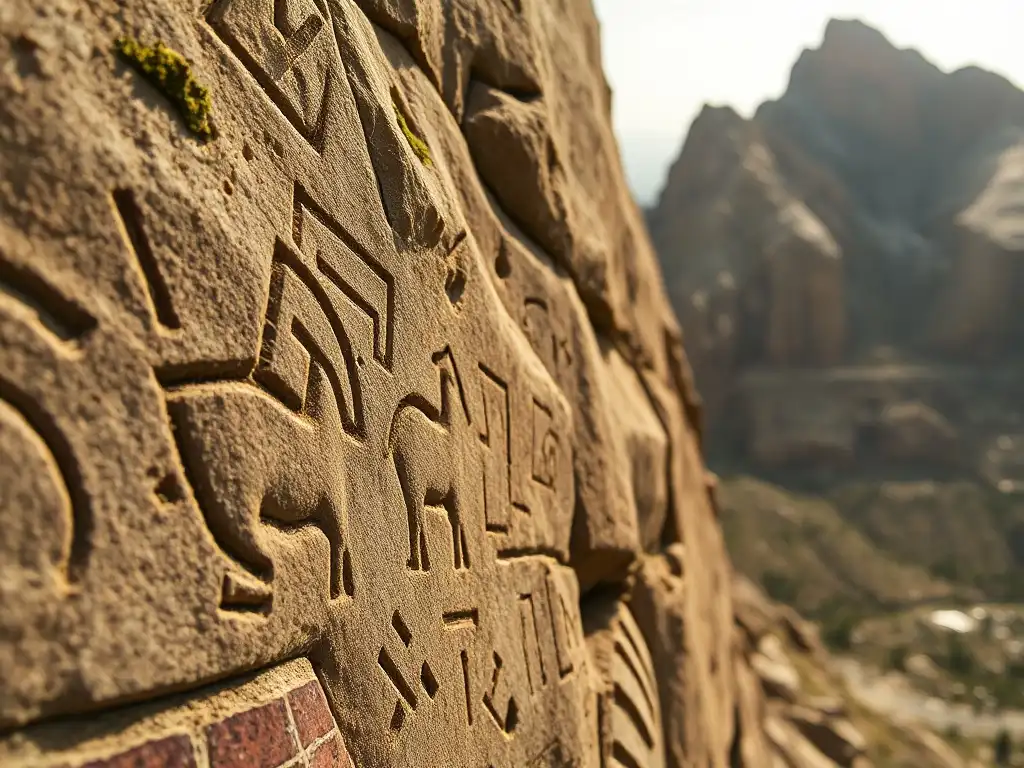
Interpreting Preceramic Andean rock art requires a delicate balance between objective observation and informed speculation. The absence of written records from this era necessitates relying heavily on contextual clues, comparative analysis with later Andean art forms, and anthropological understandings of similar practices in other cultures. While definitive answers remain elusive, ongoing research continues to shed light on the possible meanings embedded within these ancient images.
The sheer diversity of styles and motifs across different sites presents a fascinating challenge, suggesting a complex tapestry of beliefs and practices across varied Andean communities. Understanding these early expressions requires acknowledging the limitations of our knowledge and embracing the potential for multiple, layered interpretations.
Exploring the Purpose of Preceramic Art: Rituals and Beliefs
The purpose of Preceramic Andean rock art is a subject of ongoing debate among archaeologists and art historians. Many scholars suggest a strong connection between the art and ritual practices. The often-isolated locations of many rock art sites, their proximity to water sources or significant geographical features, and the presence of other artifacts (such as ceremonial objects) all point towards their use in ritual contexts.
It is hypothesized that these paintings and engravings served as focal points for ceremonies, perhaps involving shamanistic practices, ancestor veneration, or fertility rites. The recurring motifs, such as stylized human figures, animals, and abstract symbols, may represent deities, spirits, or symbolic representations of the natural world, reflecting the spiritual beliefs of the time. For example, the frequent depiction of camelids could represent their importance in Andean life, both economically and spiritually.
The vibrant colors used in some paintings further emphasize the ritualistic significance of these creations. Further investigation into pigment analysis and the chemical composition of the paints used could provide additional insights into the processes and intentions behind these artistic expressions.
The Role of Rock Art in Early Andean Societies
Preceramic rock art likely played a multifaceted role within early Andean societies. Beyond its possible ritualistic functions, the art may have served as a form of communication, recording important events, transmitting knowledge across generations, or marking territorial boundaries. The stylistic variations observed across different sites suggest distinct artistic traditions and potentially separate cultural groups.
The sheer scale of some rock art sites, with hundreds or even thousands of individual figures, indicates a significant investment of time and effort, highlighting its importance within the community. The creation of these artworks may have been a communal activity, reinforcing social bonds and group identity. Furthermore, the artistic skill displayed in some of the engravings and paintings suggests the existence of specialized artists or shamans within these societies, individuals possessing specialized knowledge and social status.
The longevity of some sites, with multiple layers of paintings and engravings superimposed over time, suggests a continuous tradition of rock art creation spanning several generations, highlighting its enduring importance within the cultural landscape. Further research into the spatial distribution of sites and the relationships between different artistic styles could help unravel the social and political structures of these early Andean communities.
Symbolism and the Representation of the Natural World
The symbolism embedded within Preceramic Andean rock art is rich and complex. Many motifs clearly depict elements from the natural world, including animals (camelids, birds, felines), plants, and celestial bodies. However, the precise meaning of these representations remains a matter of ongoing research and interpretation.
For example, the stylized representations of camelids may not simply be realistic depictions but rather symbolic representations of their importance in Andean life, signifying wealth, power, or spiritual significance. Similarly, the depiction of celestial bodies like the sun or moon may reflect cosmological beliefs and a deep understanding of the natural cycles that governed their lives. The frequent use of abstract symbols, such as geometric patterns and lines, adds another layer of complexity to the interpretation.
These abstract symbols may represent concepts, ideas, or cosmological principles that are difficult to decipher without further contextual evidence. The development of a comprehensive iconographic catalogue, combining data from multiple sites and comparing stylistic variations, is crucial for advancing our understanding of the symbolism inherent in Preceramic Andean rock art. The potential use of different pigments and painting techniques also deserves further investigation to determine if there was a deliberate symbolic use of color and texture.
Connecting Rock Art to Later Andean Artistic Traditions
The vibrant and often enigmatic imagery found in Preceramic Andean rock art provides a fascinating glimpse into the worldview and artistic sensibilities of early Andean societies. While separated by centuries from the later flourishing of Inca, Moche, Nazca, and Tiahuanaco art, a careful examination reveals intriguing continuities and potential influences. Certain motifs, stylistic elements, and even the choice of specific locations for rock art creation suggest a deep-rooted artistic heritage that transcends the Preceramic period.
For example, the recurring use of zoomorphic figures—depictions of animals like camelids, birds of prey, and felines—in Preceramic rock art finds echoes in later Andean artistic traditions. These animals, often imbued with symbolic significance, maintain their prominence in the iconography of subsequent cultures, albeit with evolving stylistic representations. The stylistic evolution itself provides valuable insights into the changing cultural contexts and beliefs.
The use of specific colors and pigments also demonstrates continuity. While the exact composition and sourcing of pigments used in Preceramic art is still under investigation in many cases, preliminary analyses suggest the use of natural earth pigments—ochres, blacks, and reds—that continue to be employed in later Andean artistic expressions. This consistency in material choice suggests a continuation of established artistic practices and knowledge transmission across generations.
Furthermore, the locations chosen for rock art creation—often prominent cliffsides, caves, or areas with significant geographic features—also show parallels with later ceremonial sites and artistic expressions. The selection of these locations implies a shared understanding of the landscape's sacredness and its significance in the spiritual life of Andean communities, a thread that connects the Preceramic period to later cultural developments.
Moreover, the narrative aspects present in many Preceramic rock art panels—often depicting scenes of hunting, ritual activities, or possibly storytelling—foreshadow the complex narratives that characterize later Andean art forms. This suggests a long-standing tradition of using visual art to communicate stories, beliefs, and social structures.
While the specific meanings of many Preceramic images remain debated, the presence of recurring motifs and compositional similarities with later art allows for cautious but informed interpretations, enriching our understanding of Andean artistic development as a continuous process of evolution and adaptation rather than a series of isolated cultural bursts. Further research, including detailed stylistic analysis and comparative studies of Preceramic and later Andean art, is crucial for solidifying these connections and unlocking the deeper meanings embedded within these ancient rock art expressions.
The study of Preceramic Andean rock art, therefore, isn't just about understanding a specific historical moment; it's about tracing the roots of a rich and enduring artistic tradition that shaped the cultural landscape of the Andes for millennia.
The Importance of Preserving Preceramic Rock Art
Preceramic Andean rock art, a treasure trove of information about the earliest Andean societies, faces numerous challenges to its long-term survival. Preserving these fragile remnants of the past is crucial for several reasons. Firstly, these paintings and engravings offer invaluable insights into the beliefs, social structures, and daily lives of preceramic Andean communities. Unlike more readily available artifacts, rock art provides a direct link to the worldview and artistic expression of these early inhabitants.
The imagery, often depicting animals, humans, and abstract symbols, helps archaeologists and anthropologists piece together a narrative of their culture, revealing aspects of their cosmology, rituals, and social organization that might otherwise remain unknown. Secondly, the preservation of Preceramic Andean rock art is vital for maintaining cultural heritage and identity. These sites represent a tangible connection to the ancestral past, holding deep significance for modern Andean communities and fostering a sense of continuity and pride in their heritage. The loss of these sites would represent an irreplaceable loss of cultural memory and a disconnection from the roots of Andean identity.
Finally, the study and preservation of this art contribute significantly to broader understanding of human history and artistic development. Studying the stylistic evolution and thematic changes in Preceramic Andean rock art can shed light on broader patterns of cultural interaction and artistic innovation across South America. The unique techniques and materials used in creating this art also offer valuable insights into the technological capabilities and resource management strategies of these early societies. The preservation of these sites is therefore not merely an archaeological concern, but a matter of safeguarding a crucial part of global cultural heritage.
Threats to Preceramic Art Sites: Natural and Human Factors
Preceramic Andean rock art faces a multitude of threats, both natural and human-induced. Natural processes such as erosion, weathering, and the effects of extreme climates pose significant challenges. Rainfall, wind, and temperature fluctuations can gradually degrade the pigments and surfaces of rock art, leading to fading, flaking, and eventual loss. Geological events, including earthquakes and landslides, can also damage or destroy art sites completely. These natural processes are often exacerbated by human activities.
For example, unsustainable agricultural practices, such as overgrazing and deforestation, can accelerate soil erosion, putting increased pressure on the fragile rock surfaces. Furthermore, the construction of roads, buildings, and other infrastructure projects often leads to the direct destruction or damage of art sites. Another significant threat comes from vandalism and looting. The illegal removal of rock panels or the deliberate defacing of paintings represents a serious loss of irreplaceable cultural heritage.
Tourism, while potentially beneficial for raising awareness and funding conservation, can also pose a risk if not managed responsibly. Unsustainable tourism practices, including inappropriate touching of the art or the introduction of pollutants, can accelerate the deterioration of the rock art. The increasing frequency of extreme weather events, potentially linked to climate change, further compounds these challenges, posing a growing threat to the long-term survival of these precious sites. Understanding and mitigating these threats is crucial for the effective preservation of Preceramic Andean rock art.
Conservation Efforts and Research Initiatives
Numerous conservation efforts and research initiatives are currently underway to protect Preceramic Andean rock art. These initiatives involve a multidisciplinary approach, integrating the expertise of archaeologists, anthropologists, geologists, conservators, and local communities. Detailed surveys and documentation are crucial first steps, allowing researchers to create a comprehensive inventory of art sites, assess their condition, and identify the most pressing threats. Non-invasive techniques, such as high-resolution photography and 3D scanning, are increasingly used to record and document the art without causing further damage. This digital documentation serves as a valuable archive, even if the original art is lost or damaged.
Conservation treatments often involve carefully removing dirt, stabilizing loose pigments, and applying protective coatings. These treatments must be carefully chosen to minimize any further damage and to ensure the long-term preservation of the artwork. Community involvement is vital for the success of any conservation project. Engaging local communities in the monitoring and protection of art sites ensures the long-term sustainability of conservation efforts.
This also helps to foster a sense of ownership and pride in the cultural heritage. Furthermore, research initiatives are crucial for understanding the materials and techniques used in creating Preceramic Andean rock art, as well as the environmental factors that affect its preservation. This research informs conservation strategies and helps to develop best practices for the long-term protection of these sites. The integration of scientific knowledge and community engagement is therefore essential for the successful conservation of this invaluable cultural heritage.
The Legacy of Preceramic Andean Rock Art
The legacy of Preceramic Andean rock art extends far beyond its aesthetic value. These ancient paintings and engravings provide a unique window into the lives, beliefs, and artistic expressions of the earliest Andean societies. The imagery, often featuring stylized representations of animals, humans, and abstract symbols, offers valuable insights into their cosmology, social structures, and daily lives.
Their preservation is crucial not only for understanding the past, but also for fostering a stronger connection between contemporary Andean communities and their ancestral heritage. The survival of these sites contributes to a richer understanding of the development of Andean art and culture, highlighting the continuity and evolution of artistic traditions across millennia. Moreover, the study of Preceramic Andean rock art contributes to broader anthropological and archaeological knowledge, enriching our understanding of early human societies and artistic expression across the globe.
The ongoing research and conservation efforts ensure that future generations can appreciate and learn from this invaluable cultural legacy. The enduring power of Preceramic Andean rock art lies in its ability to connect us to the past, to inspire us with its artistry, and to remind us of the importance of preserving our shared cultural heritage for generations to come. The ongoing efforts to protect and study this art are a testament to the enduring value and significance of these remarkable ancient creations.
The Importance of Protecting Andean Heritage Sites
Protecting Preceramic Andean rock art sites is paramount for several crucial reasons. These sites represent a tangible link to the past, offering invaluable insights into the beliefs, practices, and daily lives of the earliest Andean inhabitants. The preservation of these fragile artworks ensures that future generations can connect with their ancestral heritage and learn from the rich tapestry of human history woven into these ancient canvases.
The loss of even a single site represents an irreplaceable loss of knowledge and cultural identity. Furthermore, the deterioration of these sites due to neglect, vandalism, or environmental factors can lead to the complete erasure of irretrievable information about early Andean societies. Careful preservation efforts, therefore, are not simply a matter of aesthetics, but a fundamental responsibility to protect our shared human history and cultural patrimony.
The unique artistic expressions found in these rock paintings and engravings provide critical data for archaeologists, anthropologists, and historians, allowing for a deeper understanding of the development of Andean art and culture over millennia. Without proactive preservation strategies, this invaluable resource for academic research will be permanently lost.
The importance extends beyond the academic realm. Many Andean communities maintain a deep spiritual connection to these sites, viewing them as sacred places holding ancestral power and significance. Respecting these sites and safeguarding them from damage is a demonstration of respect for the living cultures that continue to thrive in the Andes and their ancestral ties to these ancient landscapes.
The preservation of Preceramic Andean rock art also has significant potential for sustainable tourism, providing economic opportunities for local communities while simultaneously raising awareness and appreciation for their cultural heritage. However, such tourism must be carefully managed to avoid the very damage it seeks to prevent, requiring a delicate balance between economic development and environmental protection.
Ultimately, the protection of these sites serves as a crucial cornerstone for preserving the cultural identity and historical narrative of the Andean region. Failing to do so would represent a profound loss for both the Andean people and the global community.
Frequently Asked Questions
What is Preceramic Andean rock art?
Preceramic Andean rock art refers to rock paintings and engravings created by Andean cultures before the development of pottery, dating back thousands of years. These artworks provide invaluable insights into the beliefs and daily lives of these early societies.
Which Andean cultures created Preceramic rock art?
While the exact creators are sometimes debated due to the age and location of the art, evidence points to various early Andean groups, including predecessors to later civilizations like the Incas, Moche, and Nazca. Attributing specific pieces to particular groups remains a challenge for researchers.
Where can I find examples of Preceramic Andean rock art?
Examples of this ancient art are scattered throughout the Andes Mountains, in locations like Peru, Bolivia, and Chile. Many sites are remote and require specialized knowledge or guided tours to access safely.
What are the common themes depicted in Preceramic Andean rock art?
Common themes include stylized human figures, animals (camelids, felines, birds), geometric patterns, and possibly depictions of rituals or ceremonies. The interpretations are often debated among researchers, making it a fascinating field of study.
What techniques were used to create Preceramic Andean rock art?
The techniques varied depending on the medium. Paintings often used pigments derived from minerals and plants, while engravings were made by carefully chipping or pecking away at the rock surface. The durability of these methods is a testament to the skill of the artists.
Final Reflection: Echoes of a Lost World: The Enduring Legacy of Preceramic Andean Art
The vibrant imagery etched and painted onto the Andean rocks millennia ago continues to resonate today, a powerful testament to the ingenuity and spiritual depth of preceramic societies. These ancient expressions, far from being relics of a distant past, offer invaluable insights into the human experience, challenging our understanding of early artistic development and societal structures. Their survival, against the relentless march of time and the elements, speaks volumes about the enduring power of human creativity and the profound connection between humanity and the natural world.
The study of Preceramic Andean rock art has profoundly shaped my understanding of the human capacity for artistic expression and the deep-rooted connection between art and spirituality. These images, often depicting animals, celestial bodies, and abstract symbols, offer a glimpse into a worldview vastly different from our own, yet undeniably compelling. Art washes away from the soul the dust of everyday life.
– Pablo Picasso. This quote, while not directly referencing Andean art, perfectly encapsulates the timeless power of artistic expression to transcend the boundaries of time and culture, offering us a window into the souls of those who came before.
Consider, for a moment, the hands that created these enduring images. Imagine the stories whispered across generations, the rituals performed under the watchful gaze of the ancient mountains, the beliefs and hopes encoded in every line and pigment. You, too, can carry this legacy forward.
By engaging with the rich tapestry of Preceramic Andean art, we not only learn about the past but also gain a deeper appreciation for the enduring human spirit and the power of artistic expression to connect us across vast stretches of time and space. Let the echoes of this lost world inspire you to explore, to understand, and to appreciate the enduring beauty and significance of our shared human heritage.
**Unveil the Secrets of Andean Art! **
Thank you for exploring the fascinating world of Andean art through its ancient rock paintings and engravings from the Preceramic period. You've discovered a rich heritage offering invaluable insights into ancient civilizations and their artistic expressions. Let's deepen your journey and strengthen your connection with this vibrant culture.
Here are some ways to delve further:
- **Visit local museums and exhibitions** showcasing Andean artifacts to experience these stunning works of art up close.
- **Engage with online communities** dedicated to Andean history and art—connect with fellow enthusiasts and share your discoveries.
- Consider **creating your own art inspired by the Andean style**, whether through painting, sculpture, or a modern interpretation.
Which aspect of Andean art most captivates you, and how will you integrate that inspiration into your life?