
The Story of Survival: How Early Andean Peoples Adapted to the Andean Environment

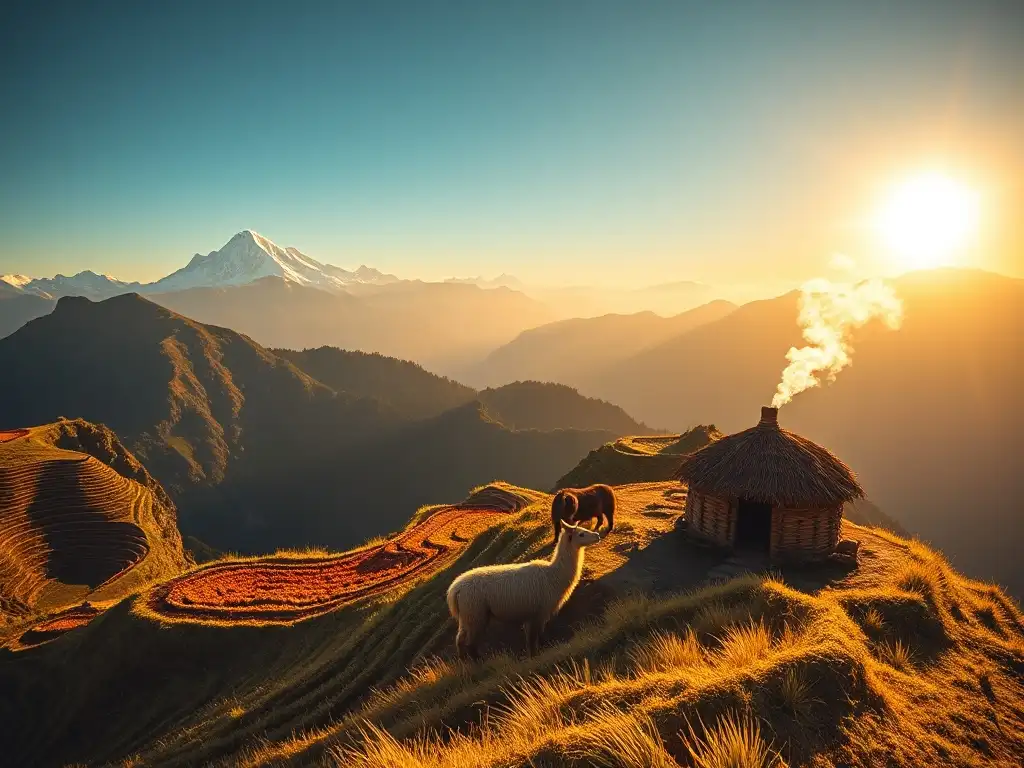
Step into a world lost to time, yet echoing with the ingenuity of empires past. Imagine thriving civilizations clinging to the impossibly steep slopes of the Andes, defying nature's harshest challenges. Discover the secrets behind the Andean civilizations' survival strategies, a testament to human resilience and adaptation in the face of extreme environments. Unravel the mysteries of their remarkable achievements – their ingenious agriculture, awe-inspiring architecture, and sophisticated social structures – and prepare to be amazed by the legacy they left behind. Let's explore the fascinating story of their endurance together.
The Andes Mountains, a formidable spine running down the western coast of South America, presented an unparalleled challenge to the early inhabitants of the region. This imposing landscape, characterized by extreme altitudes, diverse microclimates, and unpredictable weather patterns, shaped the very essence of Andean civilizations. Understanding how these early peoples—the ancestors of the Inca, Moche, Nazca, and Tiahuanaco—not only survived but thrived in this harsh environment is key to appreciating the ingenuity and resilience that defined their cultures.
This article delves into the remarkable survival strategies employed by early Andean populations, showcasing their profound understanding of their environment and their ability to adapt to its capricious nature. We will explore their innovative agricultural techniques, their mastery of resource management, and their sophisticated social structures, all crucial elements in their enduring legacy. This exploration will highlight the remarkable ingenuity and resilience that allowed these Andean civilizations to flourish, despite the challenging conditions.
The study of their survival strategies offers valuable insights into human adaptability and the powerful interplay between people and their environment. Understanding these strategies is crucial to appreciating the complexity and sophistication of Andean civilizations and their lasting impact on the region.
Introduction: The Harsh Andean Landscape and its Challenges
The Andes are not a monolithic entity; they encompass a vast range of ecological zones, from arid coastal deserts to lush cloud forests and frigid alpine regions. This altitudinal variation creates drastically different climates within relatively short distances, presenting unique challenges for agriculture, resource acquisition, and settlement patterns. Early Andean populations faced:
- Extreme Altitudes: High altitudes mean reduced oxygen levels, intense solar radiation, and freezing temperatures, all impacting human health and agricultural practices.
- Varied Microclimates: The steep slopes and varied aspects of the Andes create microclimates with differing rainfall, temperature, and soil conditions, requiring flexible agricultural strategies.
- Unpredictable Weather: The Andes are prone to unpredictable weather patterns, including droughts, floods, and frost, making reliable food production a constant struggle.
- Steep Terrain: The steep slopes and rugged terrain made transportation and communication difficult, limiting the ease of trade and interaction between communities.
- Seismic Activity: The Andes are geologically active, experiencing earthquakes and volcanic eruptions that posed significant threats to settlements and infrastructure.
These challenges necessitated the development of innovative solutions, pushing the boundaries of human ingenuity and shaping the social, economic, and political structures of Andean societies. The following sections will detail the specific strategies employed by these remarkable peoples to overcome these obstacles and build thriving civilizations.
Early Andean Inhabitants: Facing the Extremes
Early Andean populations developed sophisticated strategies to overcome the environmental challenges. Their survival depended on a deep understanding of their environment and the ability to adapt to its constantly changing conditions. Key strategies included:
- Agricultural Innovations: The development of terracing allowed for cultivation on steep slopes, maximizing arable land. The creation of andenes (agricultural terraces) reduced soil erosion and provided optimal sun exposure for crops. They also developed sophisticated irrigation systems to manage water resources effectively, even in arid regions. The cultivation of diverse crops, including potatoes, maize, quinoa, and beans, ensured food security and nutritional diversity. Furthermore, they employed techniques like crop rotation and fallow periods to maintain soil fertility.
- Resource Management: Efficient resource management was crucial for survival. Andean peoples developed strategies for managing water resources, including the construction of canals, reservoirs, and aqueducts. They also developed sophisticated techniques for storing food, such as qollqas (storage structures) which preserved food for extended periods. The use of llamas and alpacas provided crucial resources, including wool, meat, and transport capabilities.
- Social Organization: Social organization played a vital role in survival. The development of complex social structures, including hierarchical systems and communal labor practices, facilitated large-scale projects such as irrigation systems and terrace construction. These structures also fostered cooperation and resource sharing, strengthening community resilience in the face of environmental challenges. Religious beliefs often intertwined with agricultural practices and resource management, emphasizing the importance of respecting the environment and maintaining a balance between humanity and nature.
The ingenuity and adaptability of early Andean peoples are evident in their remarkable achievements. Their survival in the face of immense environmental challenges stands as a testament to human resilience and the power of collective effort. The legacy of their survival strategies continues to inspire and inform modern approaches to sustainable resource management and environmental stewardship.
Altitude and Adaptation: Oxygen Scarcity and Physiological Changes
The Andes Mountains present a formidable challenge to human life, primarily due to the drastic decrease in atmospheric oxygen at higher altitudes. This oxygen scarcity, or hypoxia, forces physiological adaptations in populations that have lived in these regions for millennia. Early Andean peoples didn't simply survive; they thrived, demonstrating remarkable resilience and adaptability to this extreme environment.
Their bodies underwent significant changes over generations, resulting in a higher red blood cell count and increased lung capacity, allowing for more efficient oxygen uptake and transport. These adaptations weren't instantaneous; they occurred gradually through natural selection, favoring individuals with genetic traits that conferred an advantage in oxygen-poor environments. Further research into ancient Andean DNA is continuously revealing the nuances of these genetic adaptations, providing a deeper understanding of their evolutionary journey.
The impact of altitude on their daily lives extended beyond physiological changes, influencing their settlement patterns, agricultural practices, and social structures. Understanding these adaptations is crucial to comprehending the ingenuity and resilience of Andean civilizations.
Highland Adaptations: Increased Lung Capacity, Higher Red Blood Cell Count
One of the most notable adaptations observed in Andean populations is the increase in both lung capacity and red blood cell count. Studies have shown that individuals living at high altitudes often possess larger lungs than their counterparts at sea level. This larger lung volume allows for a greater intake of air with each breath, maximizing the amount of oxygen absorbed.
Simultaneously, a higher red blood cell count ensures that the oxygen absorbed is efficiently transported throughout the body. These adaptations are not merely coincidental; they represent a direct response to the physiological demands of living at high altitude. The increased red blood cell count, in particular, is a crucial adaptation, as it increases the blood's oxygen-carrying capacity.
This complex interplay of physiological changes showcases the remarkable ability of the human body to adapt to extreme environmental pressures. The remarkable thing is that these adaptations are not simply temporary acclimatizations; they are largely inherited, passed down through generations, ensuring the survival of Andean populations in their challenging environment. Genetic research continues to pinpoint the specific genes responsible for these adaptations, furthering our understanding of human evolution and adaptability.
Resource Management in the Andes: Securing Food and Water
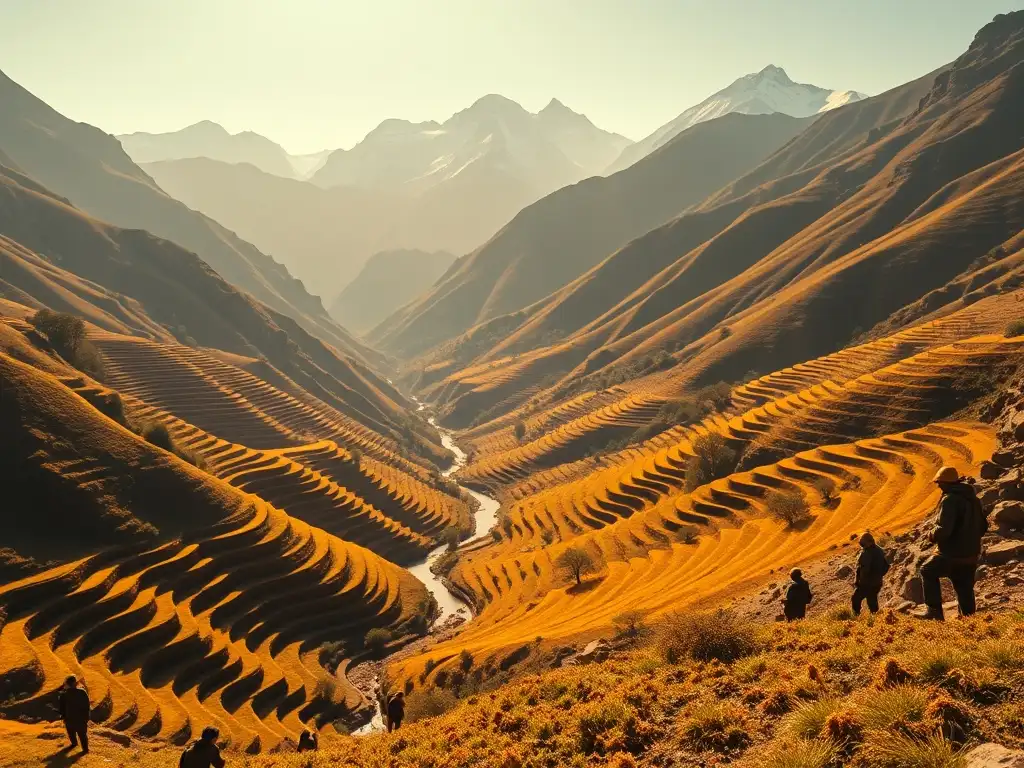
Securing sufficient food and water sources in the diverse yet challenging Andean environment was paramount for the survival and prosperity of early Andean civilizations. The steep slopes, varying altitudes, and unpredictable weather patterns demanded innovative and sustainable resource management strategies. Water, often scarce, was carefully channeled through intricate irrigation systems, reflecting a deep understanding of hydrology and engineering. This careful management wasn't simply a matter of survival; it was integral to the social and political structures of these societies.
Access to water often dictated settlement patterns and power dynamics, with control over water resources translating into significant social influence. This careful management, combined with innovative agricultural techniques, ensured the sustainability of Andean settlements for centuries. The ingenuity displayed in their water management systems continues to inspire modern-day engineering.
Andean Agriculture: Innovative Techniques for Cultivation
Andean agriculture was far from rudimentary; it was a sophisticated system adapted to the unique challenges of the region. The steep slopes and varied microclimates necessitated innovative techniques like terracing, which transformed the landscape into a series of interconnected platforms. This allowed for efficient water management, reduced soil erosion, and maximized arable land. Furthermore, the development of freeze-resistant crops and the utilization of diverse cropping systems (polyculture) showcased a deep understanding of botany and ecology.
The Andean people didn't simply cultivate; they engineered their environment to optimize food production. Their understanding of crop rotation, fertilization, and pest control was remarkably advanced for their time. Examples include the cultivation of potatoes—which boast incredible biodiversity—and quinoa, a highly nutritious grain that thrives in harsh conditions. These agricultural practices weren't just about sustenance; they were the foundation of their social and economic systems.
Animal Domestication and Herding
The domestication of animals played a crucial role in the survival and prosperity of Andean communities. Llamas and alpacas, in particular, provided essential resources such as wool for clothing, meat for sustenance, and dung for fertilizer. Their ability to thrive in the high-altitude environment made them invaluable assets.
Beyond their economic contributions, these animals also played significant roles in Andean culture and religion. Their domestication involved a deep understanding of animal behavior and husbandry, reflecting a long history of human-animal interaction. Guanacos and vicuñas, while less domesticated, were also important sources of fiber and meat, contributing to the overall resource base of these societies.
The successful domestication and herding of these animals demonstrate a sophisticated understanding of animal management and their crucial role within the Andean ecosystem. This practice not only secured a reliable source of food and materials but also contributed to the social fabric and spiritual beliefs of these ancient civilizations.
The harsh Andean environment demanded more than individual resilience; it necessitated sophisticated social structures to ensure the survival of entire communities. Early Andean peoples developed intricate systems of cooperation and organization, reflecting a deep understanding of their surroundings and a remarkable capacity for adaptation. These weren't simply haphazard settlements; they were strategically planned communities designed to maximize resource utilization and minimize vulnerability to the capricious forces of nature.
The success of these early Andean civilizations hinged on their ability to build resilient and cohesive societies capable of facing challenges ranging from unpredictable weather patterns to potential conflicts with neighboring groups. Their collective efforts were crucial to their long-term survival and prosperity.
The Development of Early Andean Societies
The evolution of Andean societies wasn't a linear progression, but rather a complex interplay of environmental pressures and innovative social responses. Early settlements, often situated near reliable water sources and fertile land, gradually grew in size and complexity. Archaeological evidence suggests a shift from small, nomadic bands to larger, more sedentary communities, reflecting the development of agricultural practices and the ability to reliably produce food surpluses.
This transition was crucial, allowing for population growth and the specialization of labor, which further fueled social and technological development. The increased population density necessitated improved methods of resource management and conflict resolution, leading to the establishment of increasingly sophisticated social hierarchies and governance structures. These early social structures, though rudimentary compared to later empires, laid the groundwork for the complex societies that would flourish in the Andes.
Cooperative Labor and Community Projects
Cooperation was paramount in the Andean context. Monumental construction projects, such as irrigation canals and terraced farming systems, required coordinated effort on an unprecedented scale. These weren't simply engineering marvels; they were testaments to the collaborative spirit and social cohesion that defined Andean communities.
The construction of these crucial infrastructure projects, which often involved moving massive amounts of earth and stone, required meticulous planning, labor mobilization, and effective resource management. The success of these endeavors demonstrates a strong sense of community and shared purpose, indicative of a sophisticated social organization capable of mobilizing large numbers of people towards a common goal. Evidence of cooperative labor is visible in the remarkably consistent styles and techniques used across vast regions, highlighting the strength of inter-community networks and the sharing of knowledge and expertise.
Technological Innovations: Tools for Survival in the Andes
The ingenuity of early Andean peoples is evident in the remarkable technological innovations they developed to overcome the challenges of their environment. These innovations weren't simply isolated inventions; they were integrated components of a broader adaptive strategy that encompassed social organization, agricultural practices, and resource management. The development of these technologies was crucial in allowing Andean populations to thrive in a challenging environment that presented numerous obstacles to survival. The sophistication of these tools reflects a deep understanding of both the environment and the materials available.
Stone Tools and their Role in Resource Extraction
Stone tools played a pivotal role in the survival of early Andean populations. From simple hand axes used for hunting and processing food to sophisticated tools employed in agriculture and construction, stone technology was fundamental to their way of life. The mastery of stone working techniques allowed for the efficient extraction of resources, including the quarrying of stone for construction and the harvesting of plants and animals for sustenance.
Different types of stone were selected based on their properties, reflecting a sophisticated understanding of material science. The production of these tools was often a specialized activity, suggesting the emergence of craft specialization within early Andean communities. Archaeological finds reveal the remarkable durability and effectiveness of these tools, many of which have survived for millennia, a testament to the skill and ingenuity of their creators.
Textile Technology: Clothing and Protection
Textile technology was not merely a matter of aesthetics; it was crucial for survival in the harsh Andean climate. The ability to create durable and protective clothing from locally sourced materials like alpaca and llama wool was essential for withstanding the extreme variations in temperature and altitude. Textile production was a complex process, involving the shearing of animals, the spinning of fibers, and the weaving of intricate fabrics.
The sophisticated techniques employed in Andean textile production, reflected in the diverse range of colors, patterns, and textures, demonstrate a high level of skill and creativity. The creation of warm clothing was vital for survival in the cold high-altitude environments; while other textile technologies provided protection from the sun and harsh weather conditions. Textiles also served social and symbolic functions, reflecting social status and group identity.
Adapting to Climate Change: Resilience and Innovation
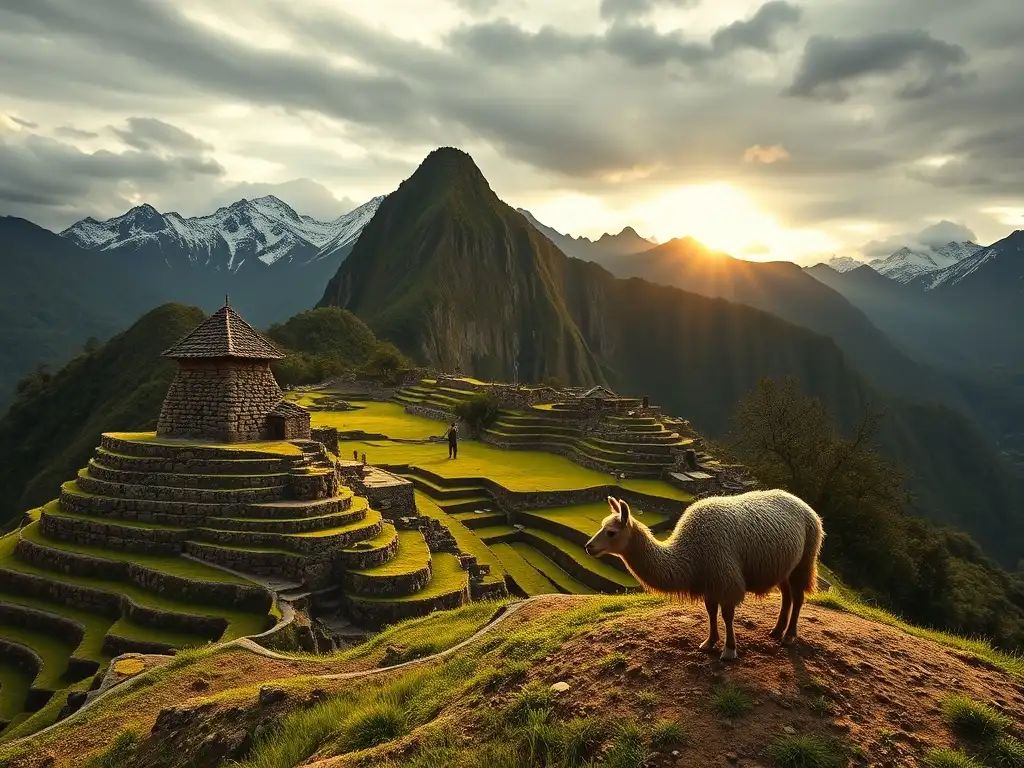
The Andean region, with its diverse and challenging terrain, presented early inhabitants with a complex interplay of environmental factors. From the arid coastal deserts to the high-altitude puna grasslands and the lush Amazonian foothills, survival demanded ingenuity and adaptability. The inhabitants weren't merely passive recipients of environmental pressures; they were active participants in shaping their environment to ensure their sustenance and prosperity.
This involved a deep understanding of their surroundings, a keen awareness of seasonal changes, and a remarkable ability to innovate and adapt to unpredictable events. For example, the development of sophisticated irrigation systems in the arid coastal regions showcases their understanding of water management and resource allocation. These weren't simple ditches; they were complex networks of canals and reservoirs, meticulously designed to harness scarce water resources and optimize agricultural yields, even during periods of drought.
This intricate knowledge of hydrology and engineering was passed down through generations, demonstrating a remarkable level of cultural continuity and environmental stewardship. Furthermore, their agricultural practices were not limited to a single crop; rather, they implemented diverse cropping systems, minimizing the risk of widespread crop failure due to unpredictable weather patterns. This diversification, coupled with their mastery of terracing techniques on steep slopes, allowed them to maximize the productive capacity of the land.
Dealing with El Niño and other Climatic Events
El Niño, a climate pattern characterized by unusually warm ocean temperatures in the Pacific, has historically caused devastating floods and droughts across the Andean region. Evidence suggests that Andean communities developed sophisticated early warning systems to anticipate and mitigate the impact of El Niño. These systems likely involved careful observation of natural phenomena, such as changes in rainfall patterns, river flow, and animal behavior.
Archaeological evidence, such as the construction of flood defenses and the strategic placement of settlements, points to proactive measures taken to safeguard against the worst effects of El Niño-related disasters. For instance, the construction of elevated platforms for dwellings in flood-prone areas demonstrates a clear understanding of the risks associated with El Niño-induced flooding. Moreover, the development of drought-resistant crops and the implementation of water storage techniques helped communities to cope with periods of prolonged dryness.
The detailed knowledge of the local environment and the integration of this knowledge into their societal structures allowed them to not only survive but also thrive despite the recurrent challenges posed by El Niño and other climatic events. Their resilience in the face of these environmental hazards is a testament to their adaptive capacity and their deep connection to the land.
Long-Term Strategies for Environmental Management
The long-term survival of Andean civilizations wasn't just about reacting to immediate environmental challenges; it also involved implementing sustainable practices that ensured the long-term health of their ecosystems. These strategies went beyond immediate needs and incorporated a holistic view of environmental management. Terracing, for example, wasn't merely a way to increase agricultural yields; it also helped to prevent soil erosion and maintain the fertility of the land.
Similarly, the careful management of water resources through irrigation systems not only ensured adequate water supply for agriculture but also played a role in controlling floods and preventing water scarcity. These practices weren't simply technological achievements; they were deeply embedded in their cultural and social structures, reflecting a profound understanding of the interconnectedness between human societies and the natural environment. The careful selection and cultivation of diverse crops further contributed to the long-term sustainability of their agricultural systems.
This diversity helped to ensure that even if one crop failed due to disease or unfavorable weather conditions, others would still provide a reliable source of food and sustenance. This long-term perspective on environmental management is a crucial aspect of understanding the remarkable resilience of Andean civilizations.
The Legacy of Andean Survival Strategies: Lessons for the Future
The ingenuity and adaptability displayed by early Andean peoples in their response to environmental challenges offers valuable lessons for contemporary societies facing similar issues, particularly in the context of climate change. Their emphasis on sustainable resource management, diversified agricultural practices, and integrated approach to environmental stewardship provide a framework for developing more resilient and sustainable societies. Understanding their methods of early warning systems and disaster preparedness can inform modern approaches to risk management and climate change adaptation.
The Andean legacy highlights the importance of understanding the intricate relationship between human societies and their environment. Their success in navigating environmental complexities for centuries underlines the potential for human ingenuity and collaboration in addressing the challenges posed by climate change and environmental degradation.
The Andean experience serves as a powerful reminder that sustainable development requires a long-term perspective, a commitment to environmental stewardship, and a deep understanding of the complex interplay between human actions and the natural world. Their story is not just one of survival; it's a story of resilience, innovation, and a profound connection to the land—a legacy that continues to inspire and offer valuable insights for the future.
Conclusion: The Enduring Ingenuity of Early Andean Peoples
The remarkable achievements of early Andean civilizations weren't solely the result of fertile valleys and abundant resources. Their survival hinged on a sophisticated understanding of their environment and a relentless ingenuity in adapting to its challenges. From the intricate terracing systems that transformed steep slopes into productive farmland to the innovative irrigation techniques that channeled precious water resources, their solutions were both elegant and effective. The development of freeze-dried foods like chuño, a crucial adaptation to the harsh high-altitude conditions, showcases their deep knowledge of food preservation and resource management.
This wasn't merely survival; it was thriving against the odds. The legacy of these ingenious strategies continues to inspire awe and respect, highlighting the remarkable resilience and adaptability of the human spirit in the face of adversity. Understanding these "Andean civilizations survival strategies" provides a crucial perspective on their lasting impact and the complex interplay between humans and their environment. Their ingenuity offers valuable lessons for contemporary societies grappling with similar challenges of resource management and environmental sustainability.
The story of early Andean peoples is not just a testament to their survival, but a powerful narrative of innovation and adaptation in the face of extreme environmental pressures. Their enduring legacy serves as a potent reminder of human potential and the capacity to overcome seemingly insurmountable obstacles. The ingenuity displayed in their solutions to the challenges posed by the Andes remains a compelling example of human resourcefulness and a vital component of understanding the broader narrative of Andean civilizations.
- Introduction: The Harsh Andean Landscape and its Challenges
- Early Andean Inhabitants: Facing the Extremes
- Altitude and Adaptation: Oxygen Scarcity and Physiological Changes
- Resource Management in the Andes: Securing Food and Water
- Building Communities: Social Structures and Adaptation
- Technological Innovations: Tools for Survival in the Andes
- Adapting to Climate Change: Resilience and Innovation
- The Legacy of Andean Survival Strategies: Lessons for the Future
- Conclusion: The Enduring Ingenuity of Early Andean Peoples
- What environmental challenges did Andean civilizations face?
- How did Andean people adapt to the high altitude?
- What role did agriculture play in Andean survival strategies?
- What other survival strategies did Andean civilizations employ besides agriculture?
- How did the varied Andean environments influence their cultural development?
Frequently Asked Questions
What environmental challenges did Andean civilizations face?
Andean civilizations faced incredibly harsh environmental conditions, including high altitudes, variable climates, and limited arable land. These challenges significantly impacted their survival strategies.
How did Andean people adapt to the high altitude?
Adaptation to high altitude was crucial. They developed techniques like terracing to create more farmland and utilized specialized crops suited to the thin air and harsh conditions. Physiological adaptations also occurred over generations.
What role did agriculture play in Andean survival strategies?
Agriculture was fundamental to their survival. They developed sophisticated irrigation systems, cultivated diverse crops like potatoes and maize, and practiced intensive farming techniques to maximize yields in challenging terrain.
What other survival strategies did Andean civilizations employ besides agriculture?
Beyond agriculture, animal domestication, particularly llamas and alpacas, provided food, wool, and transport. They also developed complex social structures and trade networks to ensure resource distribution and resilience.
How did the varied Andean environments influence their cultural development?
The diverse environments directly shaped their cultures. Adaptation to specific ecological niches led to regional variations in technology, social organization, and artistic expression. This diversity is a key aspect of Andean civilization.
Final Reflection: Echoes of Resilience in the Andes
The ingenuity of early Andean peoples in adapting to their challenging environment remains a potent lesson for us today, a testament to human resilience in the face of adversity. Their innovative agricultural techniques, sophisticated social structures, and deep understanding of their ecosystem offer a powerful counterpoint to modern challenges of climate change, resource management, and societal stability. The echoes of their survival strategies resonate powerfully in our current era of environmental uncertainty.
The enduring legacy of Andean civilizations underscores the profound interconnectedness between human societies and their environment. Their story is not merely one of survival, but of thriving within a seemingly unforgiving landscape. Their achievements, from terraced farming to intricate water management systems, demonstrate a level of environmental stewardship that we would do well to emulate. The mountains are our mother, the rivers are our veins; we are one with the land.
– This ancient Andean proverb encapsulates their deep-seated connection to their environment, a connection that fueled their remarkable adaptations and continues to inspire awe.
Consider the ingenuity of these early Andean societies, their ability to transform seemingly insurmountable challenges into opportunities for innovation and growth. You too possess the capacity for resilience and adaptation. Reflect on the challenges you face, and consider how the lessons learned from the Andean peoples – their resourcefulness, their community-based solutions, their deep respect for the natural world – might inform your own approach to overcoming obstacles.
Embrace the spirit of ingenuity and collaboration that allowed these civilizations to not just survive, but to flourish. Let their story be a beacon, guiding you towards a more sustainable and resilient future.
Unveil the Secrets of Survival: Your Journey Starts Here!
Thank you for exploring the remarkable story of how early Andean peoples thrived in one of the world's most challenging environments. Your interest in their resilience deepens our understanding of human adaptability and ingenuity. Let's delve further!
- Explore local museums and cultural centers to connect with the rich history of Andean civilizations. Many institutions offer fascinating exhibits showcasing their achievements and heritage.
- Share this article with friends and family, or post it on social media, to spark discussions about indigenous knowledge and sustainable practices.
- Join an online forum or local group dedicated to cultural preservation to connect with others who share your passion for protecting and celebrating heritage.
What aspect of the Andean peoples' survival story most captivates you, and how might their innovative solutions offer inspiration for addressing contemporary challenges?