
The Unwritten History: Piecing Together the Story of PreCeramic Andean Cultures

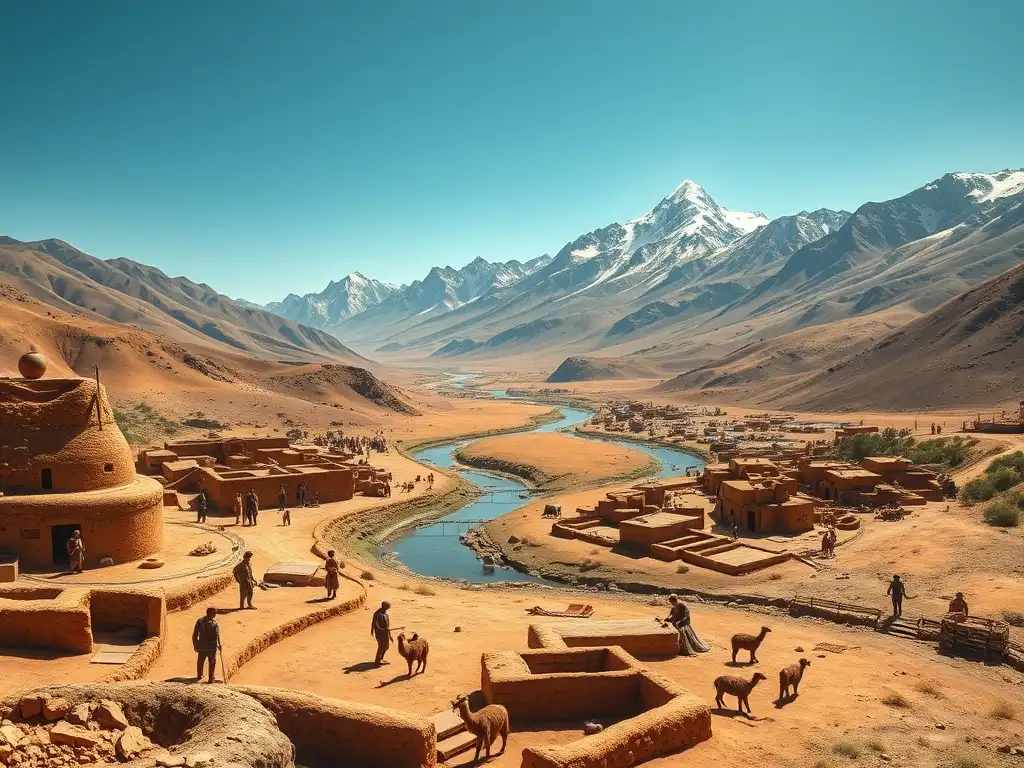
Step into a world lost to time, where towering mountains held secrets whispered only in stone. Discover the breathtaking legacy of the Andean civilizations, a tapestry woven from ingenuity and artistry that predates even the Incas. Prepare to unravel the mysteries of Preceramic Andean cultures history—a journey through civilizations that shaped a continent long before written records began. What innovations did they develop? What beliefs guided their lives? The answers await within...
Before the rise of the Inca, Moche, and Nazca, a rich tapestry of preceramic Andean cultures thrived, leaving behind a legacy etched not in writing, but in the earth itself. This article delves into the fascinating, complex history of these early Andean societies, exploring their innovative technologies, artistic expressions, and social structures – a history painstakingly pieced together from archaeological discoveries and careful analysis. Understanding these preceramic cultures is crucial to grasping the full scope of Andean civilization, providing a foundational understanding of the later, more well-known empires.
We’ll journey back in time to uncover the ingenuity and resilience of these early inhabitants of the Andes, revealing a story far more nuanced and captivating than previously imagined. The keyword "Preceramic Andean cultures history" will guide our exploration, highlighting key aspects of their existence and the ongoing efforts to illuminate their unwritten history.
Unearthing the Evidence: Archaeological Discoveries and Their Significance
The study of preceramic Andean cultures relies heavily on archaeological findings. Excavations across the Andes have unearthed a wealth of artifacts, including meticulously crafted pottery shards (though technically pre-pottery), sophisticated stone tools, and remarkably preserved textiles. These discoveries offer invaluable insights into daily life, social organization, and technological advancements. For instance, the discovery of [specific site name pending] revealed evidence of early agricultural practices, including irrigation systems and the cultivation of diverse crops. This suggests a level of societal organization and planning far more advanced than previously believed for this period. Furthermore, the analysis of [specific artifact type pending] provides clues about their belief systems and ritual practices, pointing towards a complex spiritual world. The meticulous documentation and analysis of these artifacts are essential to building a comprehensive understanding of these enigmatic cultures. Each find adds a new piece to the puzzle, slowly revealing the intricate details of their existence.
Early Andean Agriculture: Cultivating Life in Harsh Environments
The preceramic Andean societies demonstrated remarkable ingenuity in adapting to the challenging environmental conditions of the Andes Mountains. They developed sophisticated agricultural techniques, including terracing, irrigation systems, and the cultivation of diverse crops adapted to high altitudes. These methods allowed them to maximize agricultural yields in often-unforgiving terrain. The development of [specific crop pending] exemplifies their agricultural expertise, as this crop required specific environmental conditions and techniques to cultivate successfully.
Evidence suggests that [specific irrigation technique pending] was crucial in supporting larger populations and enabling the development of more complex social structures. Their ability to thrive in such a demanding environment speaks volumes about their understanding of their surroundings and their capacity for innovation. The success of their agricultural practices laid the foundation for the later flourishing of Andean civilizations.
Contrary to earlier assumptions, preceramic Andean societies were not simply hunter-gatherer groups. Evidence suggests a more complex social structure, with specialized labor and potentially hierarchical organization. [Specific archaeological evidence pending] points towards the existence of specialized craftspeople, indicating a division of labor and a level of social complexity that goes beyond basic survival needs.
The presence of [specific architectural feature pending] at several sites suggests the emergence of communal living and centralized decision-making. While the exact nature of their social hierarchies remains a topic of ongoing research, it's clear that these societies were more organized and sophisticated than previously thought. The development of social structures facilitated cooperation, resource management, and the construction of impressive settlements.
Artistic Expression: A Glimpse into the Preceramic Andean Worldview
The artistic creations of preceramic Andean cultures offer a fascinating glimpse into their worldview and spiritual beliefs. While lacking a written language, they expressed themselves through intricate textile designs, sophisticated stone carvings, and elaborate cave paintings. [Specific example of art pending], for example, showcases a remarkable level of artistic skill and attention to detail.
The recurring motifs and symbols in these artworks suggest a rich mythology and a deep connection to the natural world. The study of these artistic expressions provides invaluable insights into their beliefs, values, and understanding of the cosmos. These works of art are not merely decorative; they are powerful representations of their culture and its relationship to the environment.
The study of preceramic Andean cultures is an ongoing process, with new discoveries constantly reshaping our understanding of these fascinating societies. The more we learn, the more we appreciate the depth and complexity of their legacy. The unwritten history of these cultures is slowly being revealed, adding a crucial chapter to the broader narrative of Andean civilization.
- Unearthing the Evidence: Archaeological Discoveries and Their Significance
- Early Andean Agriculture: Cultivating Life in Harsh Environments
- Social Structures and Organization: Beyond Simple Hunter-Gatherer Societies
- Artistic Expression: A Glimpse into the Preceramic Andean Worldview
- What is meant by "Preceramic Andean cultures"?
- How did archaeologists learn about Preceramic Andean cultures without pottery?
- Which are some of the most significant Preceramic Andean cultures?
- What kind of technology did Preceramic Andean cultures possess?
- How did Preceramic Andean cultures influence later Andean civilizations?
Understanding the Preceramic Period in the Andes

This section delves into the fascinating world of Preceramic Andean cultures, a period often overlooked yet crucial in understanding the trajectory of later, more well-known civilizations like the Inca. We'll explore the defining characteristics of this era and its lasting impact on the development of Andean societies. Understanding this foundational period is key to appreciating the complexity and ingenuity of the entire Andean cultural tapestry. The term "Preceramic Andean cultures history" itself highlights the importance of this often-understudied era.
Defining the Preceramic Era: A Timeline of Early Andean Development
The Preceramic period in the Andes, spanning roughly from 8000 BCE to 1800 BCE, represents a significant chapter in human history. It's characterized by the absence of pottery, a defining feature used to demarcate later periods. However, this doesn't imply a lack of technological or cultural advancement. Instead, this era witnessed the development of crucial innovations that laid the groundwork for subsequent Andean societies.
The timeline is not uniformly defined across all Andean regions, with variations based on local environmental conditions and cultural developments. However, we can identify key stages:
- Early Preceramic (8000-5000 BCE): This period saw the initial human occupation of the Andes, with evidence suggesting the adoption of agriculture, particularly the cultivation of plants like squash and beans. Early settlements were small and nomadic, adapting to the diverse Andean landscape. This early experimentation with agriculture is a crucial step in understanding the later development of sophisticated agricultural techniques. The earliest evidence of human presence in the region demonstrates a remarkable adaptation to the challenging terrain, paving the way for future settlements.
- Middle Preceramic (5000-3000 BCE): This era is marked by the establishment of larger, more sedentary settlements. Developments in agriculture led to increased food production and population growth. We begin to see the emergence of specialized labor and social stratification, hints of the complex social structures that would characterize later Andean civilizations. Significant advancements in textile production also occurred during this time, with intricate weaving techniques evident in surviving artifacts.
- Late Preceramic (3000-1800 BCE): This final stage witnesses the development of complex social organizations and monumental architecture. Sites such as Caral in the Supe Valley, Peru, showcase impressive structures, suggesting a high level of social organization and coordinated labor. While pottery is still absent, advancements in architecture and social organization foreshadow the sophisticated societies that would emerge in the subsequent Ceramic period. The scale of these projects provides compelling evidence of a highly developed social structure, capable of organizing and managing large-scale construction endeavors.
The Significance of the Preceramic Period for Andean Civilizations
The Preceramic period wasn't merely a prelude to the later flourishing of Andean cultures; it was a crucial stage of development that shaped their trajectory. The innovations and societal structures that emerged during this time profoundly impacted subsequent civilizations.
The mastery of agriculture, for example, allowed for settled lifestyles and population growth, creating the conditions for the emergence of complex societies. The development of sophisticated irrigation systems in some regions demonstrates a deep understanding of hydrology and engineering. These advancements in resource management were essential for sustaining larger populations and supporting the growth of urban centers. The legacy of this early agricultural knowledge is undeniable, forming the basis for the incredible agricultural achievements of later Andean cultures.
Furthermore, the social structures that began to emerge during the Preceramic period—evidence of social hierarchy and specialized labor—laid the foundation for the complex political and administrative systems of later Andean civilizations. The social organization required to build and maintain monumental architecture is a clear indication of advancements in social complexity and governance. These structures laid the groundwork for the sophisticated political systems of later civilizations, which required effective management of resources and manpower.
The Preceramic period, therefore, provides essential context for understanding the remarkable achievements of later Andean societies. The intricate interplay between environmental adaptation, technological innovation, and social organization during this period continues to fascinate and challenge researchers, underscoring the ongoing importance of studying Preceramic Andean cultures history.
Key Preceramic Andean Cultures and Their Contributions
This section delves into the significant contributions of various key Preceramic Andean cultures, focusing on their unique adaptations to diverse environments and their lasting impact on subsequent Andean societies. Understanding these early cultures is crucial to piecing together the complex tapestry of "Preceramic Andean cultures history." We will explore the innovative strategies employed by both coastal and highland communities in navigating their respective challenges and establishing the foundations for later civilizations. Their ingenuity in adapting to their environments laid the groundwork for the remarkable achievements of later Andean cultures.
The Coastal Preceramic Societies: Fishing and Maritime Adaptations
The coastal regions of ancient Peru presented unique challenges and opportunities for early inhabitants. The abundance of marine resources fueled the development of sophisticated fishing techniques and a deeply interconnected relationship between humans and the sea. This section examines the remarkable adaptations of coastal Preceramic societies, highlighting their innovative strategies for exploiting marine life and their contributions to the broader Andean cultural landscape. The study of these societies offers valuable insights into the ingenuity of early Andean people and their ability to thrive in a challenging environment.
Early Coastal Settlements and Their Unique Lifestyles
Early coastal settlements, dating back to 8000 BCE, reveal a surprising level of social organization and technological sophistication. Evidence suggests the presence of organized villages, with specialized labor divisions likely supporting fishing activities and the processing of marine resources. Archaeological findings, including elaborate shell middens and sophisticated fishing tools, point towards a complex and well-adapted lifestyle.
These settlements, often located near abundant sources of seafood, demonstrate a remarkable understanding of marine ecosystems and a capacity for sustainable resource management, crucial elements in their long-term success. The development of specialized fishing techniques, such as the use of nets and hooks, further enhanced their ability to exploit the rich marine resources available to them.
The Importance of Marine Resources in Preceramic Andean Life
Marine resources were not simply a source of sustenance for coastal Preceramic societies; they formed the very bedrock of their culture and economy. Fish, shellfish, and marine mammals provided essential protein, while marine materials were used in the creation of tools, ornaments, and even building materials. The abundance of these resources allowed for population growth and the development of more complex social structures.
The impact of these resources extended beyond immediate survival, shaping religious beliefs, artistic expressions, and social interactions within these communities. For example, certain species of shellfish may have held symbolic importance, reflected in their frequent appearance in burials and ceremonial contexts. The study of these societies offers a unique perspective on the integral relationship between humans and the environment, a theme that continues to resonate throughout Andean history.
Highland Preceramic Cultures: Agriculture and Early Domestication
While the coast flourished on marine resources, the Andean highlands presented a different set of challenges and opportunities. The development of agriculture in the highlands was a monumental achievement, marking a crucial turning point in human history and paving the way for the growth of complex societies. This section explores the origins of agriculture in the Andean highlands, highlighting the early domestication of plants and animals and their impact on the cultural development of these communities. The transition to settled agricultural life profoundly impacted the social organization, technologies, and belief systems of these early Andean inhabitants.
Origins of Agriculture in the Andean Highlands
The origins of agriculture in the Andean highlands remain a subject of ongoing research, but evidence points to the domestication of various crops, including potatoes, quinoa, and beans, as early as 4000 BCE. The development of irrigation systems, terraces, and other agricultural technologies allowed for increased food production and the support of larger, more settled populations.
These innovations represent a remarkable feat of human ingenuity, demonstrating an intimate understanding of the Andean environment and a capacity for adapting to its unique challenges. The transition to agriculture had a profound impact on the social organization of these communities, leading to the development of more complex social structures and the emergence of specialized labor roles.
Early Domestication of Plants and Animals: A Foundation for Andean Life
The domestication of plants and animals was not merely a technological advancement; it fundamentally reshaped the lives of early highland Andean communities. The reliable food supply provided by cultivated crops and domesticated animals allowed for population growth and the development of more sedentary lifestyles. This, in turn, facilitated the development of more complex social structures, specialized crafts, and the emergence of new forms of social organization.
The domestication of llamas and alpacas, for example, provided a vital source of wool, meat, and transportation, further enhancing their capacity to thrive in the challenging Andean environment. The impact of these early domestication efforts reverberated throughout Andean history, shaping the cultural landscape and laying the foundation for the remarkable achievements of later Andean civilizations. The legacy of these early farmers continues to influence Andean life today, highlighting the enduring impact of their innovations.
The Role of Caral in Understanding Preceramic Life
Caral, located in the Supe Valley of Peru, stands as a monumental testament to the complexity of preceramic Andean societies. Its significance lies not just in its age—dating back to approximately 2600 BCE—but also in the wealth of information it provides about the development of social organization, technology, and religious practices in the region. Unlike many other early Andean sites, Caral presents a surprisingly sophisticated urban center, challenging previous assumptions about the developmental trajectory of preceramic cultures.
The sheer scale of the site, with its large pyramids, plazas, and residential areas, indicates a high level of societal organization and labor mobilization, suggesting a complex social hierarchy and specialized labor forces. The absence of evidence for warfare or significant defense structures is also notable, hinting at a relatively peaceful and internally stable society. This contrasts sharply with later Andean cultures, where warfare and conflict played a more prominent role.
The discovery of Caral has fundamentally reshaped our understanding of the preceramic period, demonstrating a level of societal complexity previously underestimated. Further research continues to illuminate the intricate details of Caral's social and economic structures, shedding light on the origins of Andean civilization.
Archaeological Discoveries at Caral
Excavations at Caral have yielded a wealth of archaeological data that continues to shape our understanding of preceramic Andean life. The discovery of numerous large, monumental structures, including six major pyramids, indicates a significant investment of labor and resources. These structures were not merely for residential purposes; evidence suggests they served as centers for ritual activities and possibly administrative functions.
The presence of sophisticated irrigation systems points to advanced agricultural practices, crucial for supporting a large population. Archaeologists have unearthed a variety of artifacts, including textiles, musical instruments (such as flutes), and intricately woven objects, revealing a surprising level of artistic and technological sophistication. The careful planning and execution of the city's layout, with its interconnected plazas and residential areas, reveals a high level of urban planning, surpassing the complexity of other contemporary sites.
Furthermore, the discovery of numerous sunken circular structures, their purpose still debated, adds to the mystery and complexity of Caral's social and religious life. The ongoing analysis of plant and animal remains offers further insights into the diet and economic strategies of the Caral inhabitants. These discoveries are continually refined and reinterpreted as new data emerges from ongoing research.
Insights into Social Structures and Practices
The layout and architecture of Caral provide compelling insights into its social structures and practices. The size and placement of the pyramids suggest a hierarchical society, with certain individuals or groups holding more power and influence than others. The absence of defensive structures, along with the presence of numerous plazas and public spaces, points towards a relatively peaceful and collaborative society.
However, the sheer scale of construction projects implies a system of social organization capable of mobilizing large numbers of people for extended periods. Analysis of the artifacts suggests specialized labor, with individuals focused on specific crafts like textile production, toolmaking, and music. The discovery of numerous residential structures, though varying in size and quality, implies some degree of social stratification, though the extent of this inequality remains a subject of ongoing debate amongst researchers.
The presence of well-preserved musical instruments suggests the importance of music and ritual in Caral society. Further research into burial practices and the distribution of artifacts might shed more light on social stratification and the power dynamics within the society. The overall picture suggests a sophisticated society with complex social interactions and a degree of social differentiation, yet one that lacked the overt militarism of later Andean cultures.
Discoveries at Kotosh and Their Significance
Kotosh, situated in the central highlands of Peru, is another crucial site for understanding preceramic Andean cultures. While smaller than Caral, Kotosh offers unique insights into the development of religious practices and architectural styles in the region. Its significance lies primarily in its well-preserved religious structures, particularly the “Temple of the Crossed Hands,” which has become an iconic representation of early Andean religious iconography.
The site provides valuable evidence of the evolution of Andean architecture, showing a progression from simple structures to more complex and elaborate buildings. Kotosh’s location in the highlands also provides a valuable comparison point to coastal sites like Caral, highlighting regional variations in cultural development and adaptation to different environments.
The artifacts unearthed at Kotosh, including pottery fragments and ceremonial objects, further illustrate the artistic and technological capabilities of the people who lived there. The site's chronological placement within the preceramic sequence helps to establish a broader context for understanding the development of Andean societies.
Kotosh: Unveiling Ritual Practices
The “Temple of the Crossed Hands” at Kotosh is perhaps its most famous feature. This structure, with its distinctive sculpted hands motif, is widely interpreted as a representation of a deity or a significant religious symbol. The building's construction, involving multiple phases of building and rebuilding, suggests the importance of this site as a focal point for religious rituals over a considerable period.
The presence of other smaller structures and plazas around the main temple further supports the idea of a ritual center. The discovery of ceremonial objects and offerings within the temple provides more evidence for elaborate religious practices. Analysis of these artifacts, including pottery and sculptures, offers valuable insights into the beliefs and worldview of the Kotosh people.
The use of specific architectural features and symbolic imagery also points to a structured and organized religious system. While the exact nature of the rituals remains open to interpretation, the evidence clearly indicates the significant role of religion in the lives of the Kotosh people and its influence on their social organization.
Kotosh and the Development of Andean Architecture
Kotosh demonstrates a clear progression in Andean architectural techniques and styles. The earliest structures at the site are simple, relatively small buildings, made of mud brick and other readily available materials. Over time, these structures became larger, more complex, and more elaborately decorated.
The "Temple of the Crossed Hands" represents a significant advancement in architectural skills, showcasing a more sophisticated understanding of structural engineering and design. The use of adobe bricks, carefully placed and shaped, demonstrates a high level of craftsmanship. The evolution of architectural styles at Kotosh can be traced through different phases of construction, revealing a gradual increase in size, complexity, and decorative elements.
This progression reflects not only advancements in technology but also a growing social complexity and the need for larger and more impressive public spaces. By comparing the architectural styles of Kotosh with other contemporary sites, researchers can gain a better understanding of regional variations and the diffusion of architectural ideas across the Andes. The architectural developments at Kotosh, therefore, provide crucial insights into the technological and social transformations that characterized the preceramic period in the Andes.
Material Culture of Preceramic Andean Societies
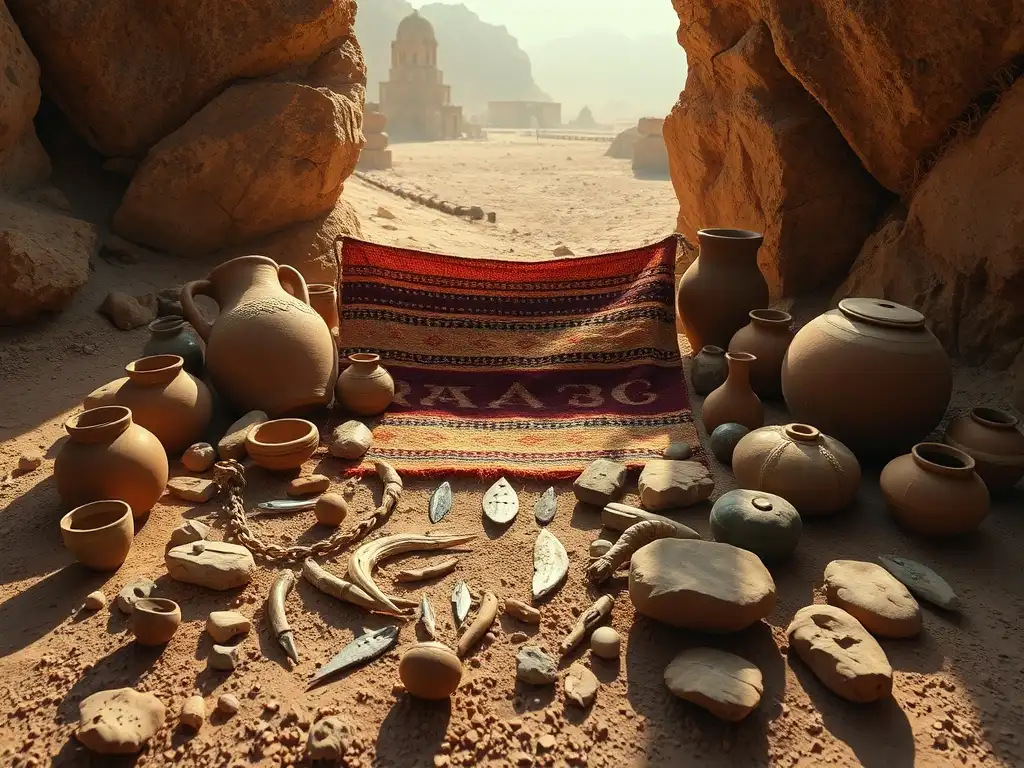
The material culture of Preceramic Andean societies offers a fascinating glimpse into the ingenuity and adaptability of these early inhabitants. Examining the surviving artifacts allows us to reconstruct aspects of their daily lives, social structures, and technological advancements – crucial elements in understanding the Preceramic Andean cultures history. While much remains unknown, the archaeological record provides valuable clues, painting a picture of a people deeply connected to their environment and increasingly skilled in manipulating their surroundings.
The analysis of their tools, textiles, and other artifacts reveals a gradual but significant development in technology and social complexity. This section focuses on two key aspects of their material culture: stone tools and the nascent development of textile production.
Stone Tools and Technology in Preceramic Andean Cultures
The study of stone tools provides invaluable insights into the technological capabilities and daily activities of Preceramic Andean cultures. These tools, crafted from readily available materials like obsidian, basalt, and andesite, reflect a sophisticated understanding of material properties and tool-making techniques. Their diversity showcases the range of tasks these early Andeans undertook, from hunting and gathering to processing food and crafting other artifacts. The evolution of these technologies over time indicates a growing mastery of stone knapping and a progressive refinement of tool design.
Types of Stone Tools and Their Uses
Preceramic Andean societies utilized a variety of stone tools, each adapted to specific functions. For example, choppers and cores were likely used for heavy-duty tasks such as butchering animals or breaking open nuts and seeds. Smaller, more refined tools like scrapers and burins suggest activities requiring greater precision, such as hide processing and woodworking.
The presence of projectile points indicates the use of hunting implements, likely spears or darts, indicating a reliance on animal protein within their diet. The diversity and sophistication of these tools demonstrate a nuanced understanding of the properties of different stone types and their suitability for particular tasks. Further research into the specific wear patterns on these tools could provide even more detailed information about their use.
Technological Innovations in Stone Tool Production
Technological advancements in stone tool production are clearly evident in the Preceramic Andean archaeological record. Early tools were often crude and simply shaped, reflecting a more basic understanding of stone knapping techniques. However, over time, we see the development of more refined methods, resulting in tools with sharper edges, more controlled shapes, and greater efficiency.
The emergence of pressure flaking, a technique involving applying pressure to remove small flakes of stone, allowed for the creation of exceptionally fine and precise tools. This innovation marks a significant leap in technological sophistication, showcasing increasing skill and knowledge transfer within these communities. The development of standardized tool types also suggests the emergence of social organization and perhaps specialized labor.
The Beginnings of Textile Production in the Preceramic Andes
The appearance of textiles in the Preceramic Andes represents a significant cultural and technological achievement. The earliest evidence consists primarily of fragments of woven fabrics and cordage, indicating a sophisticated understanding of fiber preparation and weaving techniques, even in the absence of sophisticated looms. The development of textile production likely coincided with the domestication of plants like cotton and the exploitation of animal fibers such as llama and alpaca wool (although the exact timing and species are still under debate). The presence of textiles in burials suggests their importance in ritual and social contexts.
Early Fiber Use and Weaving Techniques
Early fiber use in the Preceramic Andes likely involved simple techniques, such as twisting fibers together to create cords and ropes. These cords were then used for a variety of purposes, including tying objects together, creating nets for fishing or hunting, and potentially as the foundational element for early weaving. The development of weaving techniques, even in their most rudimentary forms, represents a significant technological leap, requiring coordination, planning, and a considerable understanding of fiber properties.
The surviving fragments of woven textiles, though often incomplete, demonstrate a surprisingly sophisticated level of skill and creativity, even at this early stage. The exact weaving techniques used remain a subject of ongoing research and debate.
The Role of Textiles in Preceramic Society
Textiles played a multifaceted role in Preceramic Andean society. Beyond their practical applications, such as clothing, shelter, and carrying bags, textiles likely held symbolic and ritualistic significance. The presence of textiles in burials, often intricately decorated, suggests their importance in mortuary practices and beliefs about the afterlife.
The quality and intricacy of textile production may have also been linked to social status, with finer textiles possibly signifying wealth or prestige. Further study of the distribution of textile fragments in archaeological sites could provide valuable insights into the social organization and trade networks of Preceramic Andean societies. The study of Preceramic Andean cultures history, therefore, must incorporate the significance of these early textiles.
Artistic Expressions in the Preceramic Period
The Preceramic period in the Andes (roughly 8000-1800 BCE) witnessed the burgeoning of artistic expression, though vastly different from the later, more elaborate styles of the Inca or Moche. These early artistic endeavors, primarily manifested in pottery and textiles, offer invaluable insights into the beliefs, social structures, and daily lives of these early Andean communities. The lack of written records necessitates a careful and nuanced interpretation of the surviving artifacts, relying heavily on comparative analysis and contextual clues from archaeological digs.
The scarcity of surviving materials also underscores the challenges faced by researchers in reconstructing a complete picture of Preceramic art. However, even the fragmented remains reveal a surprising sophistication and aesthetic sensibility, hinting at a rich symbolic language and a deep connection to the natural world. Further research, particularly in areas with less explored sites, could significantly enhance our understanding of this crucial period.
Early Forms of Art and Decoration
Early forms of art and decoration in the Preceramic period were largely utilitarian, intertwined with the functionality of everyday objects. Pottery, for instance, evolved from simple, undecorated vessels to more complex forms featuring rudimentary painting and incised designs. These early decorations often consisted of geometric patterns – lines, triangles, and zigzags – applied with pigments derived from natural sources like ochre and manganese.
The techniques employed were simple, often involving the application of paint directly onto the clay surface before firing. Evidence suggests that the earliest pottery was primarily used for storage and cooking, but gradually, ceremonial and ritualistic uses also emerged, as evidenced by the increasing sophistication of form and decoration in later Preceramic phases.
The development of textiles, while less well-preserved, also followed a similar trajectory, progressing from simple woven fabrics to more complex techniques incorporating different fibers and colors. Analysis of textile fragments reveals a deep understanding of weaving technology, suggesting specialized knowledge and possibly a division of labor within these early communities.
Symbolism and Meaning in Preceramic Art
Interpreting the symbolism and meaning in Preceramic art presents a significant challenge due to the absence of written language. However, scholars have made considerable progress by comparing similar motifs across different sites and analyzing the context of their discovery. Geometric patterns, frequently appearing in both pottery and textiles, are thought to represent a variety of things, from celestial bodies and agricultural cycles to social structures and clan affiliations.
For example, recurring spirals might symbolize the cyclical nature of life and the cosmos, reflecting a deep understanding of astronomical phenomena. The use of specific colors also likely held symbolic significance, with ochre perhaps representing the earth and fertility, while other colors might have represented different deities or spiritual forces. The careful arrangement and combination of motifs suggest a complex system of visual communication, hinting at a rich and nuanced worldview.
Further research into the social and religious practices of these early communities is essential to unlock the full meaning of the artistic expressions they left behind. The study of Preceramic art, therefore, is not simply an aesthetic appreciation but a crucial avenue for understanding the cognitive and spiritual development of early Andean societies and their relationship with their environment. The subtle variations in artistic styles across different regions also suggest the emergence of distinct cultural identities and interactions between different groups.
Challenges in Studying Preceramic Andean Cultures
The study of Preceramic Andean cultures presents unique and significant hurdles for historians and archaeologists. Unlike later Andean civilizations like the Inca, which left behind extensive written records, the Preceramic period (roughly 8000 BCE – 1800 BCE) relies heavily on material culture for its interpretation. This absence of textual sources profoundly impacts our understanding of these early societies, forcing researchers to rely on indirect evidence and meticulous analysis of artifacts and environmental data.
Understanding the complexities of these early societies requires a multidisciplinary approach, combining archaeological excavation, environmental studies, and advanced dating techniques. The very nature of the evidence makes definitive conclusions challenging, leading to ongoing debates and reinterpretations as new data emerges. This section will explore some of the key challenges faced in reconstructing the history of these fascinating, yet enigmatic, Andean cultures.
The Lack of Written Records and its Implications for Research
The most significant challenge in studying Preceramic Andean cultures is the complete absence of written records. Unlike later Andean civilizations that developed sophisticated writing systems, such as the quipu used by the Inca, Preceramic societies left no written accounts of their history, beliefs, or social structures. This lack of direct evidence necessitates reliance on indirect sources, primarily archaeological remains.
Interpreting these remains requires careful consideration of context, including the location of artifacts, their association with other objects, and the environmental setting. For example, the discovery of elaborate burial sites with intricate grave goods might suggest a hierarchical social structure, but without written accounts, confirming such interpretations remains a complex process. Furthermore, the absence of written narratives leaves significant gaps in our understanding of daily life, religious practices, and political organization.
Researchers must piece together a narrative from fragmented evidence, relying on sophisticated analytical techniques and comparative studies with other contemporary cultures. This inevitably leads to a higher degree of uncertainty and a wider range of potential interpretations.
Dating Methods and Their Accuracy in Preceramic Studies
Accurately dating Preceramic sites and artifacts is crucial for establishing a chronological framework for understanding cultural evolution. However, the dating methods available for this period present their own challenges. While radiocarbon dating ( 14 C dating) is widely used, its accuracy can be affected by various factors, including contamination of samples and the inherent variability in the rate of carbon decay. Furthermore, the limited availability of organic materials suitable for radiocarbon dating in some Preceramic contexts restricts the precision of chronological sequences. Other dating methods, such as thermoluminescence dating and optically stimulated luminescence (OSL) dating, can be applied to specific materials, but these methods also possess limitations regarding accuracy and the types of materials they can date. The inherent uncertainties associated with these dating techniques often lead to overlapping chronological ranges for different sites and artifacts, making it difficult to establish precise temporal relationships between cultural developments. This uncertainty significantly impacts our ability to trace the evolution of technologies, social structures, and artistic styles throughout the Preceramic period. Ongoing refinements in dating methodologies and cross-referencing of data from multiple sites are essential for improving the accuracy of chronological frameworks.
Interpretations and Debates in Preceramic Andean Archaeology
The fragmentary nature of the evidence and the inherent uncertainties in dating methods contribute to ongoing debates and reinterpretations of Preceramic Andean cultures. Different archaeologists may interpret the same archaeological evidence in different ways, leading to varying conclusions about social organization, subsistence strategies, and cultural interactions. For instance, the interpretation of monumental architecture, such as the large platforms found at some Preceramic sites, remains a subject of debate.
Some argue that these structures indicate the presence of centralized political power and social stratification, while others suggest alternative explanations, such as ritual or ceremonial functions. Similarly, the interpretation of artistic motifs and iconography found on pottery and other artifacts is often open to multiple interpretations, depending on the theoretical framework adopted by the researcher. These ongoing debates are a healthy sign of a dynamic and evolving field of study, but they also highlight the challenges inherent in reconstructing a complete and accurate picture of Preceramic Andean cultures.
Future research, combining new technologies with interdisciplinary collaborations, will undoubtedly shed more light on these fascinating and complex societies, refining our understanding of their history and legacy. The ongoing process of discovery and interpretation ensures that the "unwritten history" of Preceramic Andean cultures continues to evolve and challenge our preconceptions.
The Legacy of Preceramic Andean Cultures
This section explores the profound and lasting influence of Preceramic Andean cultures, demonstrating how their innovations and societal structures laid the groundwork for the later, more complex civilizations of the Andes. Understanding this foundational period is crucial to grasping the full scope of Andean history and appreciating the remarkable continuity of cultural practices across millennia. The term "Preceramic Andean cultures history" itself highlights the significance of this era, a period often overlooked but rich in its contributions.
Foundations of Later Andean Civilizations
The Preceramic period, spanning roughly from 8000 to 1800 BCE, witnessed the development of crucial agricultural techniques, sophisticated social organization, and the beginnings of artistic expression that directly impacted subsequent Andean societies. The domestication of plants like potatoes, quinoa, and beans, achieved through careful observation and experimentation, provided a stable food source, allowing for population growth and the development of settled communities. This agricultural revolution was not a singular event but a gradual process of adaptation and innovation, spread across diverse ecological zones.
For example, the adaptation of different crop varieties to varying altitudes reflects a deep understanding of Andean ecosystems. This agricultural expertise directly contributed to the later Inca's impressive agricultural feats, such as terracing and irrigation systems.
Furthermore, the emergence of social complexity during the Preceramic period, evidenced by the construction of large ceremonial structures and the development of specialized crafts, laid the foundation for the hierarchical societies that characterized later Andean civilizations. While the exact nature of social organization remains a subject of ongoing research, archaeological evidence suggests increasingly complex social structures, possibly involving specialized labor and leadership roles. The construction of sites like Caral in the Supe Valley, with its large public buildings and evidence of sophisticated water management, points to significant levels of social organization and cooperation.
This sophisticated social engineering would be repeated and refined by later cultures. This suggests that the seeds of Inca societal structures were sown long before the Inca empire itself.
The Enduring Impact of Preceramic Adaptations
The ingenuity of Preceramic Andean cultures extended beyond agriculture and social organization. Their mastery of textile production, evidenced by the discovery of exquisitely woven fabrics from this period, represents a remarkable technological achievement. These early textiles, often made from cotton and camelid fibers, demonstrate a sophisticated understanding of weaving techniques and color production, skills that would be further refined and elaborated upon by later Andean cultures. The intricate designs and techniques employed suggest a highly developed aesthetic sense and a strong connection to the natural world, themes that continue to resonate in Andean art and culture.
Moreover, the Preceramic period saw the development of early forms of artistic expression, including pottery, sculpture, and monumental architecture. While ceramic technology was yet to emerge, other materials, such as stone and wood, were used to create impressive structures and artifacts. These early artistic endeavors reflect a deep understanding of the environment and a rich symbolic language that would evolve and flourish in later periods.
The artistic styles and motifs present in Preceramic artifacts often reappear, in altered forms, in subsequent Andean cultures, demonstrating a remarkable continuity of artistic traditions. This artistic continuity underscores the enduring cultural legacy of the Preceramic period.
Future Directions in Preceramic Andean Research
Despite significant advancements, much remains unknown about Preceramic Andean cultures. Future research should focus on several key areas to further illuminate this crucial period. Firstly, more detailed analyses of archaeological sites are needed to better understand settlement patterns, social organization, and the relationship between different communities.
Advanced dating techniques and interdisciplinary approaches, integrating archaeological, botanical, and genetic data, are crucial for refining our understanding of the chronology and cultural dynamics of this era. Further research into the development of early agricultural practices, especially the techniques used to adapt different crops to various ecological zones, is essential for understanding the sustainability of these early societies. The development of more sophisticated methodologies for analyzing ancient textiles and other artifacts will provide further insights into the technological achievements and artistic sensibilities of these early Andean communities.
The study of Preceramic Andean cultures history continues to evolve, promising to unveil even more fascinating insights into the roots of Andean civilization. The ongoing investigation into the "Preceramic Andean cultures history" promises exciting discoveries in the years to come. 🗺️
Frequently Asked Questions
What is meant by "Preceramic Andean cultures"?
This refers to the Andean societies that existed before the widespread adoption of pottery, generally considered to be before 1800 BCE. These cultures left behind remarkable evidence in the form of architecture, textiles, and other artifacts.
How did archaeologists learn about Preceramic Andean cultures without pottery?
Archaeologists rely on other material remains such as stone tools, textiles, architecture, and plant and animal remains to understand these cultures. Environmental analysis also provides crucial insights.
Which are some of the most significant Preceramic Andean cultures?
Some of the most significant include the Caral culture in the Supe Valley of Peru, and various early settlements in the highlands. These societies exhibit complex social organization and sophisticated technologies.
What kind of technology did Preceramic Andean cultures possess?
Despite lacking pottery, these cultures developed advanced irrigation systems, large-scale architecture, and highly specialized tools made from stone and other materials. Their knowledge of agriculture was also very advanced.
How did Preceramic Andean cultures influence later Andean civilizations?
These early societies laid the groundwork for later complex civilizations like the Incas, Moche, and Nazca. Their innovations in agriculture, architecture, and social organization were essential for the development of later Andean cultures.
Final Reflection: Unearthing the Echoes of a Lost World
The legacy of Preceramic Andean cultures continues to resonate today, shaping our understanding of human ingenuity and resilience in the face of environmental challenges. Their innovative agricultural techniques, complex social structures, and artistic expressions offer invaluable lessons for navigating the complexities of the modern world, reminding us of the enduring power of human adaptation and the rich tapestry of human history.
The more we learn about these ancient societies, the more we appreciate the depth and complexity of their achievements, challenging Eurocentric narratives and enriching our understanding of global history. The past is never dead. It's not even past.
– William Faulkner. This quote perfectly encapsulates the ongoing relevance of studying Preceramic Andean cultures; their story, though fragmented, continues to inform and inspire us, forcing a re-evaluation of our own assumptions about societal development and progress. Their innovations in agriculture, for instance, offer valuable insights into sustainable practices that are crucial in our current era of climate change.
Consider the ingenuity of these early Andean peoples, their ability to thrive in a challenging environment, and the intricate social structures they built. You too possess the capacity for innovation and resilience. Take a moment to reflect on the challenges you face and how the resourcefulness and adaptability of these ancient cultures might inspire your own approach to problem-solving. Let their story be a testament to the enduring power of human creativity and the importance of preserving and understanding our shared past, for it holds the key to a more informed and sustainable future.
**Unveiling the Rich Tapestry of Preceramic Andean Cultures**
Thank you for joining us on this enlightening journey through the largely undocumented history of Preceramic Andean cultures! Your interest highlights the vital importance of preserving and exploring our shared heritage. Let's continue to deepen your understanding of this fascinating subject.
Here's how you can further your exploration:
- Delve into our curated resources: Visit our website to discover articles, research papers, and documentaries that expand upon the topics discussed here.
- Connect with our community: Join our forum or social media channels to share your insights and questions with fellow history enthusiasts.
- Support local museums: Explore local exhibitions focusing on Andean cultures and consider volunteering your time or offering financial support to help preserve these important stories.
What new insights did you gain about the Preceramic Andean peoples, and how might this change your understanding of ancient civilizations?