
The First Architects: Exploring the Earliest Built Structures of the Andes

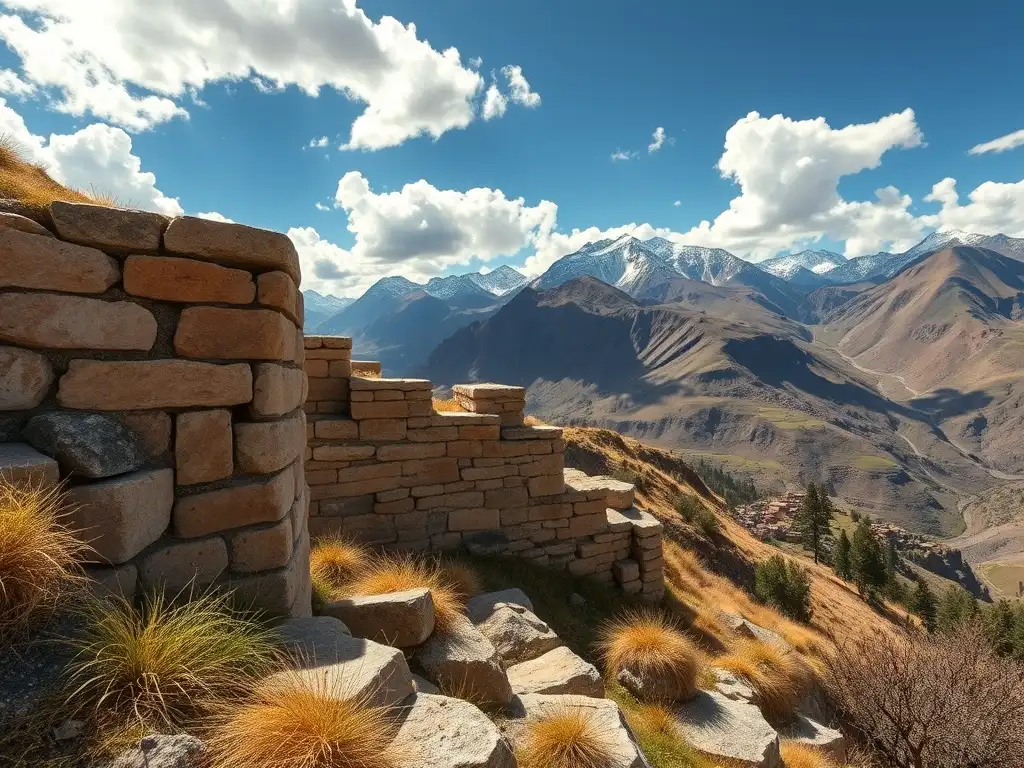
Step into a world lost to time, where towering structures whispered secrets to the wind. Forget everything you think you know about ancient architecture. This is the story of Andean pre-Inca architecture, a testament to ingenuity and a profound connection to the Andes mountains. Journey with us as we unravel the mysteries behind these awe-inspiring creations, revealing the remarkable skill and cultural depth of civilizations that predate the Inca Empire. Dare to discover what secrets these ancient stones hold...
The Andes Mountains, a spine of towering peaks traversing the western edge of South America, have witnessed millennia of human habitation. Long before the Inca Empire rose to prominence, a rich tapestry of cultures flourished, leaving behind a legacy of ingenuity and architectural innovation. This article delves into the fascinating world of Andean pre-Inca architecture, exploring the earliest built structures and the remarkable building techniques employed by these pioneering civilizations.
We will journey back in time to uncover the origins of Andean architectural prowess, examining settlements and monumental structures that predate the Inca and provide crucial insights into the development of Andean societies. From humble dwellings to impressive ceremonial centers, we will uncover the stories etched in stone and earth, revealing the ingenuity and cultural significance of these early Andean constructions.
Understanding Andean pre-Inca architecture is key to appreciating the full scope of Andean civilization, showcasing a continuous thread of innovation and adaptation to the challenging Andean environment that stretches far beyond the Inca period. This exploration will highlight the ingenuity and resilience of these early cultures, whose architectural achievements laid the groundwork for later Andean empires.
Unveiling Andean Pre-Inca Architecture
The term "Andean pre-Inca architecture" encompasses a vast and diverse range of building styles and techniques developed by numerous cultures across the Andes before the Inca expansion. This period, spanning millennia, saw the rise and fall of numerous societies, each leaving its unique mark on the landscape. Understanding this diversity is crucial to avoiding simplistic generalizations.
The architectural styles varied significantly depending on geography, available resources, and cultural practices. For instance, coastal communities utilized different materials and techniques compared to those in the highlands. This study will uncover the fascinating intricacies of these diverse architectural expressions, highlighting the innovative solutions employed by these early builders to overcome the challenges of their environment.
We will explore the evolution of building materials, from simple mud-brick structures to more complex stonework, and the development of sophisticated architectural designs reflecting the social and religious beliefs of each culture. The analysis will focus on identifying common threads and unique characteristics across different Andean societies, providing a comprehensive overview of the rich architectural heritage of the pre-Inca period.
The Dawn of Construction: Early Andean Settlements
The earliest Andean settlements represent a significant step in human history, marking the transition from nomadic lifestyles to more sedentary existence. These early communities, often characterized by small, simple structures, laid the foundation for the more complex architectural achievements that followed. The development of agriculture played a crucial role in this transition, providing a stable food source that allowed for the establishment of permanent settlements.
The construction materials used in these early settlements were primarily readily available local resources, such as mud, reeds, and wood. The designs were often simple and functional, reflecting the basic needs of the inhabitants.
However, even in these early structures, we can observe the beginnings of architectural principles that would later be refined and elaborated upon in more complex constructions. The arrangement of dwellings, the use of common spaces, and the integration of the built environment with the natural landscape all suggest a level of social organization and planning.
Pre-Ceramic Period Building Techniques
The Pre-Ceramic Period (circa 8000-1800 BCE) in the Andes is characterized by the absence of pottery, but it witnessed significant advancements in building techniques. Early structures were primarily made of perishable materials like wood and reeds, leaving limited archaeological evidence. However, excavations have unearthed foundations and post holes, indicating the presence of substantial structures. The use of adobe (sun-dried mud brick) became increasingly common, offering a more durable building material.
Early adobe structures were often simple, rectangular buildings, but their construction demonstrates a sophisticated understanding of engineering principles. The careful layering of mud and the incorporation of organic materials to improve strength and stability showcases a remarkable level of technical skill. These early building techniques laid the groundwork for more advanced construction methods developed in subsequent periods. Understanding these foundational techniques is essential for interpreting the later, more complex architectural achievements of the Andes.
Early Examples of Andean Monumental Architecture
While the Pre-Ceramic Period primarily featured smaller settlements, the emergence of monumental architecture in later pre-Inca periods signals a significant shift in social organization and power structures. Sites like the monumental structures at Caral in the Supe Valley (circa 2600-2000 BCE) demonstrate the capacity of these early Andean societies to undertake large-scale construction projects. These sites, characterized by large platforms, plazas, and residential complexes, required sophisticated planning and coordination.
The construction of these monumental structures involved the mobilization of significant labor forces, reflecting the development of complex social hierarchies and the ability to organize collective efforts on a massive scale. The architectural designs of these sites often incorporated astronomical alignments, suggesting a close relationship between religious beliefs and architectural planning.
The monumental structures represent a significant leap in architectural sophistication, foreshadowing the grand achievements of later Andean civilizations. The evidence suggests a growing complexity in social organization and a capacity for large-scale cooperation, laying the foundation for subsequent societal advancements.
Key Sites of Early Andean Construction
Several key sites offer invaluable insights into the early architectural achievements of Andean civilizations predating the Inca Empire. These sites showcase the ingenuity and skill of these early builders, using readily available materials to create structures that served various social and religious functions. Understanding these early constructions provides a crucial foundation for comprehending the later, more complex architectural feats of the Andes.
The development of sophisticated building techniques and the strategic selection of sites reflect a growing social complexity and a deep understanding of their environment. The study of these early sites is ongoing, with new discoveries continually reshaping our understanding of Andean pre-Inca architecture. Archaeological excavations continue to uncover new evidence, enriching our knowledge of these remarkable early settlements.
Huaca Prieta: A Glimpse into Early Andean Life
Huaca Prieta, located on the northern coast of Peru, stands as a testament to the early development of settled life in the Andes. While not characterized by monumental architecture in the same way as later sites, Huaca Prieta reveals crucial information about the beginnings of Andean construction.
Evidence suggests the use of simple, rudimentary structures made of reeds and other organic materials, reflecting an adaptation to the coastal environment. The discovery of early cotton cultivation at Huaca Prieta indicates a level of societal organization necessary for coordinated agricultural practices, which in turn likely supported the development of more permanent settlements and, consequently, more durable buildings.
The site's archaeological layers provide a chronological record of evolving building techniques and social structures, offering a fascinating glimpse into the early stages of Andean development. The longevity of occupation at Huaca Prieta underscores the importance of this location and its suitability for supporting a growing population.
Caral: Architectural Innovations of the Pre-Ceramic Andes
Caral, situated in the Supe Valley of Peru, represents a significant leap forward in Andean architecture. This pre-ceramic site, dating back to approximately 3000 BCE, boasts a complex of monumental structures, including large pyramids and plazas. Caral's architecture showcases advanced planning and organizational skills, suggesting a highly developed social structure and a sophisticated understanding of engineering principles. The use of adobe bricks, sun-dried clay, marks a significant advancement in construction technology.
The layout of the city, with its central plazas and surrounding residential areas, reveals a complex social organization with specialized labor. The discovery of sophisticated instruments like flutes and ceremonial objects underscores the importance of ritual and social bonding within the Caral civilization. The site's scale and complexity challenge previous assumptions about the capabilities of pre-ceramic societies, highlighting the remarkable achievements of the early Andean architects.
Kotosh: Exploring Early Andean Ritual and Building Practices
Kotosh, located in the central Andes of Peru, is renowned for its early religious structures. The site features several U-shaped structures, believed to have served as temples or ceremonial centers. These structures, made of adobe bricks and featuring intricate carvings, demonstrate the early development of religious practices and the construction of spaces specifically designed for ritual activities.
The famous "Temple of the Crossed Hands," with its distinctive relief carvings, represents a prime example of early Andean religious art and architectural expression. The layering of structures at Kotosh reflects a continuous process of rebuilding and expansion, demonstrating the site's enduring religious significance over time. The elaborate designs and the construction techniques used suggest a high level of skill and organization among the builders, indicating a well-established social hierarchy.
Characteristics of Early Andean Pre-Inca Architecture
The architecture of the early Andean civilizations, before the rise of the Inca Empire, exhibits distinct characteristics reflecting their unique environmental adaptations and societal structures. These characteristics offer vital clues to understanding the development of Andean culture and technology. Analyzing these features provides a comprehensive picture of the ingenuity and resourcefulness of these early builders. The regional variations in architectural styles also highlight the diverse cultural landscapes of the Andes.
Use of Local Materials in Pre-Inca Buildings
Early Andean builders demonstrated a remarkable ability to adapt their construction methods to the available resources. They skillfully utilized local materials such as adobe bricks (sun-dried clay), stone, reeds, and wood, depending on the environment and the intended function of the structure. In coastal regions, materials like reeds and wood played a crucial role, while in highland areas, stone and adobe were more prevalent.
This resourceful use of local materials reflects a deep understanding of the environment and a sustainable approach to construction. The durability of many of these structures, despite their age and the use of relatively simple materials, speaks to the effectiveness of these techniques. The choice of materials also often reflects the symbolic significance attached to specific resources within different Andean cultures.
Construction Methods of the First Andean Structures
The construction methods of early Andean structures varied depending on the available materials and the intended purpose of the building. Simple structures might have been built using basic techniques like wattle and daub (weaving reeds and covering them with mud), while more complex structures often involved the careful shaping and placement of stone blocks or the creation of adobe bricks. Evidence suggests that early Andean builders employed sophisticated techniques for leveling ground, creating foundations, and ensuring the stability of their structures.
The precision and skill evident in some of the stonework indicate a high level of craftsmanship and planning. The development of these methods reflects a gradual increase in technological sophistication and organizational capabilities. Further research is needed to fully understand the specific tools and techniques used by these early builders.
Function and Purpose of Early Andean Architectural Forms
The function and purpose of early Andean architectural forms varied widely, ranging from residential dwellings to ceremonial centers and storage facilities. The size and complexity of the structures often reflected the social status and importance of the community. Large, monumental structures like those found at Caral suggest a highly developed social organization and a centralized authority. Smaller structures, such as residential dwellings, provide insights into the daily lives of the inhabitants.
The presence of ceremonial structures, such as temples and platforms, highlights the importance of religious beliefs and practices. Careful analysis of the spatial arrangement of buildings within a site can reveal much about the social hierarchy and daily routines of the inhabitants. Further research is needed to fully understand the intricate relationship between architecture and social organization in these early Andean societies.
Significance of Andean Pre-Inca Architecture
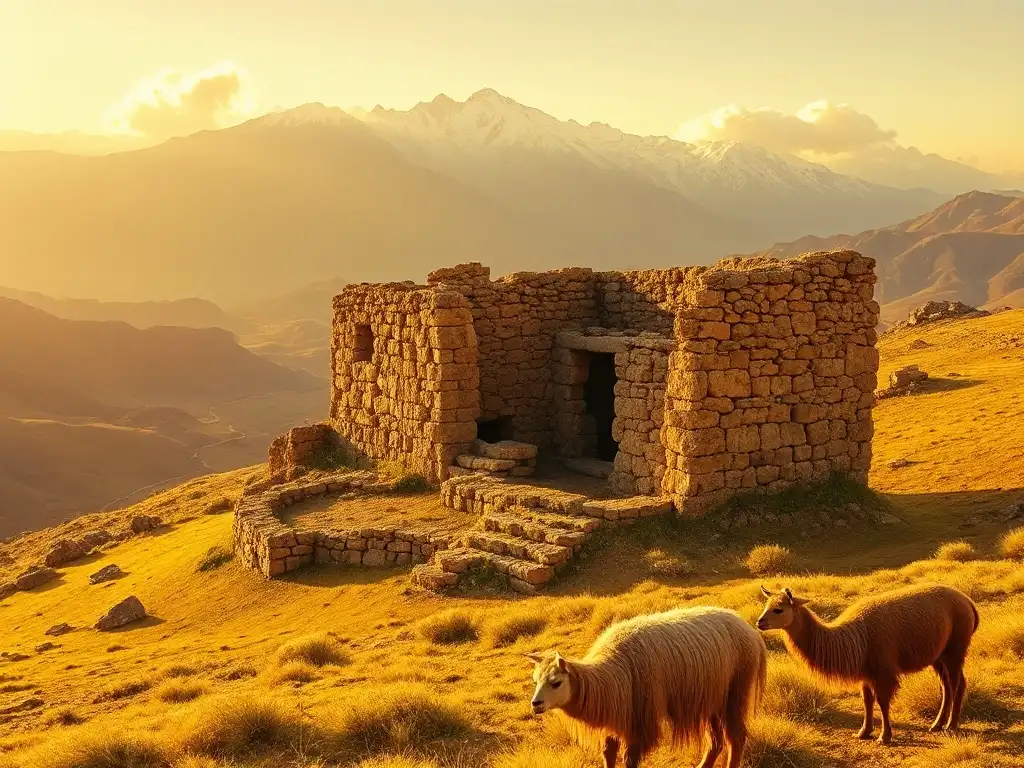
Andean pre-Inca architecture, encompassing the impressive structures built before the Inca Empire's rise, holds immense significance for understanding the development of Andean societies. These early constructions, often made from readily available materials like adobe, stone, and wood, reveal sophisticated engineering techniques and a deep understanding of the Andean landscape. The structures were not merely functional; they served vital social, religious, and symbolic roles, reflecting the complex belief systems and social structures of the time.
Studying these early buildings provides crucial insights into the ingenuity and resourcefulness of pre-Inca cultures, illuminating the path towards the later architectural achievements of the Inca and other prominent Andean civilizations. The scale and complexity of some of these early sites, even without the advanced materials and technologies of later periods, demonstrate a remarkable level of societal organization and planning.
Furthermore, the survival of these structures, often in remarkably preserved states, provides invaluable physical evidence for understanding early Andean cultures. Their study offers a tangible connection to the past, allowing researchers to reconstruct aspects of daily life, social hierarchies, and religious practices.
The Social Impact of Early Andean Building Projects
The construction of monumental structures in the pre-Inca Andes had profound social implications. Large-scale building projects required the coordinated efforts of many individuals, fostering a sense of community and shared purpose. These projects likely involved complex labor organization, demonstrating advanced social structures and leadership capabilities.
The distribution of labor, the management of resources, and the coordination of different skill sets all point to sophisticated social systems capable of mobilizing significant human capital. The structures themselves often served as centers for social gatherings, reinforcing social bonds and facilitating community interaction. For example, the construction of large communal buildings or plazas likely played a crucial role in shaping social identity and group cohesion.
Further research into the social organization of pre-Inca societies is needed to fully understand the impact of these architectural projects on social structures and power dynamics. The scale of some projects suggests a level of centralized authority capable of directing significant manpower, implying a stratified social organization.
Religious and Symbolic Meaning in Pre-Ceramic Architecture
Pre-ceramic Andean architecture was deeply intertwined with religious beliefs and symbolic practices. The layout of settlements, the orientation of structures, and the use of specific materials all suggest a close connection to the spiritual world. Many structures were aligned with astronomical events, suggesting sophisticated astronomical knowledge and its integration into religious practices. The use of particular stones or earth pigments might have held symbolic significance, reflecting the cultural values and beliefs of the time.
For example, the presence of specific motifs or patterns on building facades could represent deities, ancestors, or other important spiritual figures. The careful placement of structures within the landscape, often in relation to mountains or water sources, further highlights the importance of the natural world in their worldview. Further investigation is needed to fully decipher the religious and symbolic meanings embedded within these early architectural forms, requiring interdisciplinary approaches involving archaeology, anthropology, and astronomy.
The Legacy of Early Andean Architectural Traditions
The architectural traditions of the pre-Inca Andes left a lasting legacy on subsequent Andean civilizations. The techniques developed in earlier periods, such as stone masonry and adobe construction, were refined and adapted by later cultures. The knowledge of building design, materials, and construction methods was passed down through generations, shaping the architectural styles of the Inca and other prominent Andean groups.
Many of the fundamental principles of Andean architecture, including the integration of structures with the landscape and the use of locally sourced materials, can be traced back to these early traditions. The continuity of certain architectural features, such as specific types of foundations or wall constructions, demonstrates a clear link between pre-Inca and later Andean building practices. The study of this legacy helps to establish a comprehensive understanding of the evolutionary trajectory of Andean architecture, highlighting the innovation and adaptation that characterized Andean societies over time.
Connecting Pre-Inca Architecture to Later Andean Civilizations
The architectural achievements of later Andean civilizations, particularly the Inca, cannot be fully understood without examining their pre-Inca roots. The Inca Empire, while known for its impressive stonework, built upon existing architectural traditions and techniques developed over centuries. Understanding the evolution of Andean architecture requires tracing the lineage of building techniques, styles, and materials from the pre-Inca period onwards.
This evolutionary perspective reveals not only the continuity of certain architectural elements but also the innovative adaptations and modifications that occurred over time. This continuity is not merely stylistic; it reflects a deeper cultural inheritance, with knowledge and skills passed down through generations of builders. The Inca Empire, in essence, inherited and expanded upon a rich architectural heritage, demonstrating the long-term impact of pre-Inca building practices.
Architectural Continuity and Change
Tracing the evolution of Andean architecture reveals a fascinating interplay of continuity and change. While certain fundamental techniques, such as stone masonry and adobe construction, persisted across different periods, architectural styles and designs evolved significantly. The Inca, for instance, developed highly refined stone-cutting techniques and sophisticated architectural designs, but they still relied on pre-existing knowledge of construction principles and material selection.
Analyzing the changes in architectural styles helps to understand the socio-political and technological developments that occurred within Andean societies over time. The gradual shift from smaller, simpler structures to larger, more complex ones reflects broader societal transformations, including population growth, increased social complexity, and technological advancements. The study of these changes allows for a more nuanced understanding of the dynamism and adaptability of Andean cultures.
The Influence of Pre-Ceramic Building on Later Andean Construction
Pre-ceramic building techniques and designs exerted a considerable influence on subsequent Andean construction. The mastery of adobe construction, for instance, developed during the pre-ceramic period, provided a foundation for later architectural achievements. The understanding of structural mechanics, materials science, and engineering principles inherent in pre-ceramic structures laid the groundwork for the later development of more sophisticated architectural forms.
Even the Inca, known for their mastery of stonework, utilized adobe in certain contexts, demonstrating the enduring relevance of pre-ceramic building techniques. The influence of pre-ceramic architecture is not limited to techniques; it also extends to the use of space and the relationship between buildings and their environment, indicating a long-term continuity in architectural principles and design philosophies.
Understanding the Roots of Andean Architectural Mastery
Understanding the roots of Andean architectural mastery requires a thorough investigation of pre-Inca building traditions. The impressive architectural achievements of the Inca and other later Andean civilizations were not built in a vacuum; they were the culmination of centuries of experimentation, innovation, and refinement in building techniques and designs. By studying pre-Inca structures, we gain a deeper appreciation for the gradual development of Andean architectural expertise.
This approach allows us to trace the evolution of building materials, construction techniques, and design principles, revealing the progressive accumulation of knowledge and skills that ultimately led to the remarkable architectural achievements of the Andean region. This deeper understanding reveals not only the technological prowess of Andean builders but also the underlying social and cultural factors that shaped their architectural traditions.
Conclusion: The Enduring Legacy of the First Andean Builders
The study of Andean pre-Inca architecture reveals a fascinating narrative of ingenuity and adaptation. These early builders, working with limited technology and facing challenging environmental conditions, created structures that not only served their immediate needs but also left a lasting impact on subsequent Andean cultures. Their mastery of stonework, evident in the precise fitting of stones in structures like those found at [Specific Site Name Pending], showcases a deep understanding of engineering principles and a remarkable level of craftsmanship.
This skill wasn't merely aesthetic; it was crucial for building structures capable of withstanding earthquakes and other natural disasters common to the region. The development of sophisticated agricultural techniques, often tied to the construction of irrigation systems and terraces, demonstrates an intricate relationship between architecture and the environment. These early Andean societies didn't simply build structures; they shaped their landscapes to support their communities and ensure their survival.
The legacy of these early builders extends far beyond the physical remains of their structures. Their innovations in construction techniques and their deep understanding of the Andean environment profoundly influenced the architectural styles and practices of later civilizations, including the Inca. The sophisticated use of stone, the careful planning of settlements, and the integration of architecture with agricultural practices all represent important contributions that continue to inspire awe and admiration.
Analyzing these early structures provides invaluable insights into the social organization, religious beliefs, and technological capabilities of these ancient societies, enriching our understanding of Andean pre-Inca history and culture. Further research, including archaeological excavations and advanced dating techniques, will undoubtedly uncover even more about the ingenuity and resilience of these first Andean architects and their remarkable achievements. The ongoing study of Andean pre-Inca architecture is not just about deciphering the past; it’s about appreciating the enduring legacy of a people who shaped their world with remarkable skill and vision.
Their ingenuity serves as a testament to human adaptability and the enduring power of innovative problem-solving in the face of adversity. 🌎 The careful study of their methods and structures continues to inspire modern architects and engineers even today.
- Unveiling Andean Pre-Inca Architecture
- The Dawn of Construction: Early Andean Settlements
- Key Sites of Early Andean Construction
- Characteristics of Early Andean Pre-Inca Architecture
- Significance of Andean Pre-Inca Architecture
- Connecting Pre-Inca Architecture to Later Andean Civilizations
- Conclusion: The Enduring Legacy of the First Andean Builders
- What is considered "pre-Inca" architecture in the Andes?
- How did pre-Inca builders adapt their architecture to the Andes' challenging terrain?
- What are some examples of significant pre-Inca architectural achievements?
- What materials were commonly used in pre-Inca Andean architecture?
- How did pre-Inca architecture influence later Inca constructions?
Frequently Asked Questions
What is considered "pre-Inca" architecture in the Andes?
Pre-Inca Andean architecture encompasses the remarkable structures built by civilizations before the Inca Empire's rise, including those of the Moche, Nazca, Tiahuanaco, and Wari cultures, each with unique styles and techniques.
How did pre-Inca builders adapt their architecture to the Andes' challenging terrain?
Pre-Inca architects masterfully adapted to the steep slopes and varied landscapes using sophisticated techniques like terracing, retaining walls, and intricate stonework to create stable and functional structures.
What are some examples of significant pre-Inca architectural achievements?
Outstanding examples include the monumental platforms of Tiahuanaco, the complex irrigation systems of Nazca, and the elaborate adobe structures of the Moche, showcasing advanced engineering and societal organization.
What materials were commonly used in pre-Inca Andean architecture?
Stone, particularly volcanic stone, was a prevalent material, especially in monumental constructions. Adobe bricks, made from sun-dried mud, were also widely used, especially in less elevated areas. Wood and thatched roofs were also utilized.
How did pre-Inca architecture influence later Inca constructions?
Pre-Inca architectural innovations, such as stonework techniques and urban planning principles, significantly influenced the Inca Empire's architectural styles and building practices, showcasing a clear continuity in Andean construction traditions.
Final Reflection: Echoes of Stone: A Legacy of Andean Ingenuity
The ingenuity of Andean pre-Inca architects continues to resonate today, a testament to human resilience and the enduring power of adapting to challenging environments. Their mastery of stonework, their profound understanding of landscape, and their sophisticated social structures, all reflected in their monumental constructions, offer invaluable lessons for sustainable design and community building in the 21st century. These weren't simply buildings; they were statements of cultural identity, deeply intertwined with the spiritual and practical needs of their creators.
The enduring impact of Andean pre-Inca architecture extends beyond its physical presence; it shapes our understanding of early civilizations and their capacity for innovation. These structures, often built with seemingly impossible precision, speak to a level of societal organization and technological advancement that continues to fascinate and inspire researchers. The mountains themselves seem to have dictated the forms of the buildings, and the buildings, in turn, have become part of the mountains.
This sentiment perfectly captures the harmonious relationship between the pre-Inca builders and their environment, a relationship we must strive to emulate in our own time.
Consider the challenges faced by these early architects – limited tools, harsh climates, and the sheer scale of their projects. Their success reminds us of the power of collective effort, resourcefulness, and a deep connection to the land. You too can find inspiration in their achievements. Reflect on the ways in which you can apply the principles of sustainable design, community collaboration, and respect for the environment in your own life. Let the echoes of stone from the Andes inspire you to build a more resilient and harmonious future.
Unleash Your Inner Explorer of Andean Heritage!
Thank you for exploring the fascinating world of early Andean architects! We hope you've gained valuable insights into the remarkable structures that shaped Andean civilization. Now, let's deepen your connection with this incredible cultural legacy!
- Participate in a local workshop or guided tour to experience Andean architecture firsthand and learn from knowledgeable experts.
- Share your newfound knowledge with friends and family, or post about it on social media to inspire others to discover the wonders of Andean architecture.
- Consider a personal visit to these sites—you might uncover hidden gems and contribute to the preservation and appreciation of these ancient structures.
What aspect of Andean architecture captivates you most, and how will you further explore it?