
Lost Worlds of the Andes: Uncovering the Forgotten Stories of PreCeramic Peoples

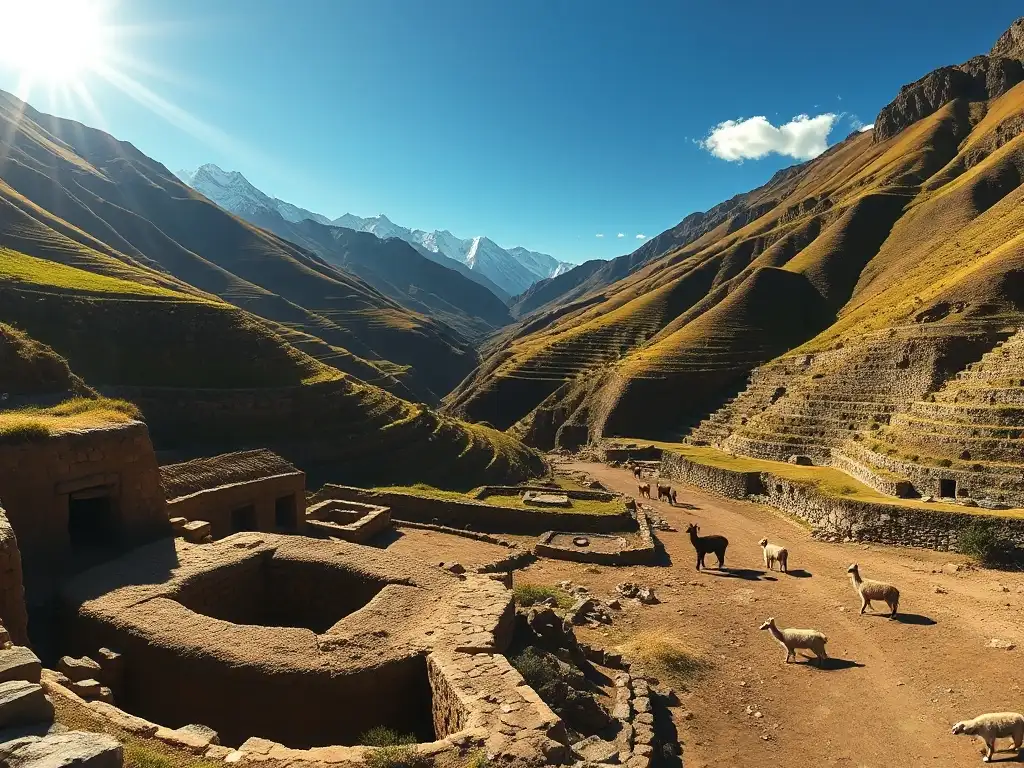
Dive into the enigmatic world of the Andes, where towering mountains hold secrets older than time. Forget everything you think you know about the Incas; we're unveiling the astonishing advancements and intricate societies that flourished long before them. Journey with us to explore the PreInca Andean civilizations, uncovering their lost cities, breathtaking artistry, and the ingenious technologies that shaped their world. Prepare to be amazed by the stories waiting to be rediscovered.
The Andes Mountains, a spine of towering peaks running down the western coast of South America, have been home to thriving human societies for millennia. While the Inca Empire often captures the imagination when we think of Andean civilizations, a rich and complex tapestry of cultures predates them, leaving behind a legacy of ingenuity and artistry. This article delves into the fascinating world of Pre-Inca Andean civilizations, exploring the remarkable achievements of the people who lived in the Andes before the rise of the Inca, focusing specifically on the Pre-Ceramic Period.
We'll uncover their innovative agricultural techniques, intricate social structures, and the captivating artistry reflected in their pottery, textiles, and monumental architecture. Understanding these pre-Inca societies is crucial to appreciating the full scope of Andean history and the continuous evolution of Andean culture, revealing a deeper understanding of the roots of later, more well-known empires like the Inca.
This journey will illuminate the ingenuity and resilience of these early Andean inhabitants, showcasing how their innovations laid the groundwork for the spectacular civilizations that followed. Prepare to be amazed by the "lost worlds" hidden within the Andes, waiting to be rediscovered.
Introduction to the Pre-Inca Andean Civilizations
The term "Pre-Inca" encompasses a vast array of cultures that flourished in the Andes before the Inca Empire's expansion in the 15th century. These societies, though diverse in their customs and artistic styles, shared certain characteristics shaped by the challenging Andean environment. Their mastery of high-altitude agriculture, evidenced by sophisticated terracing techniques and irrigation systems, allowed them to thrive in seemingly inhospitable landscapes.
The development of complex social structures, often reflected in their monumental architecture, indicates sophisticated organizational skills and leadership. The Pre-Inca period witnessed the development of distinct regional styles in pottery, textiles, and metallurgy, showcasing a remarkable level of artistic expression and innovation.
Understanding these early civilizations, ranging from the coastal cultures of Peru to the highland settlements of Bolivia, provides a crucial foundation for comprehending the later development of the Inca and other prominent Andean empires. We'll explore some key examples of these societies, highlighting their unique contributions to Andean history and culture.
The Pre-Ceramic Period in the Andes: A Foundation for Later Cultures
The Pre-Ceramic Period in the Andes (circa 8000-1800 BCE) represents a foundational era, a time of significant advancements in human adaptation and cultural development. This period witnessed the transition from nomadic hunter-gatherer lifestyles to settled agricultural communities. The development of agriculture, particularly the domestication of plants like potatoes and beans, was a pivotal moment. This allowed for larger, more sedentary populations, leading to the emergence of villages and eventually more complex social structures.
Early evidence of this agricultural revolution is found in sites like [Specific Site Name Pending], where archaeological excavations have unearthed remnants of early agricultural practices and settlements. This period also saw the development of early forms of social organization, with evidence suggesting the existence of communal living arrangements and rudimentary social hierarchies. While pottery was not yet prevalent, the Pre-Ceramic Period saw the emergence of sophisticated textile production, using techniques and materials adapted to the Andean environment.
These early textiles are often found in burial sites, showcasing the importance of textiles in these societies' rituals and belief systems. The ingenuity and adaptability demonstrated during this period laid the groundwork for the more complex societies that would follow, demonstrating the remarkable resilience and innovation of the early Andean peoples. The advancements made in agriculture and social organization during this era would shape the trajectory of Andean civilization for millennia to come.
- Introduction to the Pre-Inca Andean Civilizations
- The Pre-Ceramic Period in the Andes: A Foundation for Later Cultures
Defining the Pre-Ceramic Era in Andean History
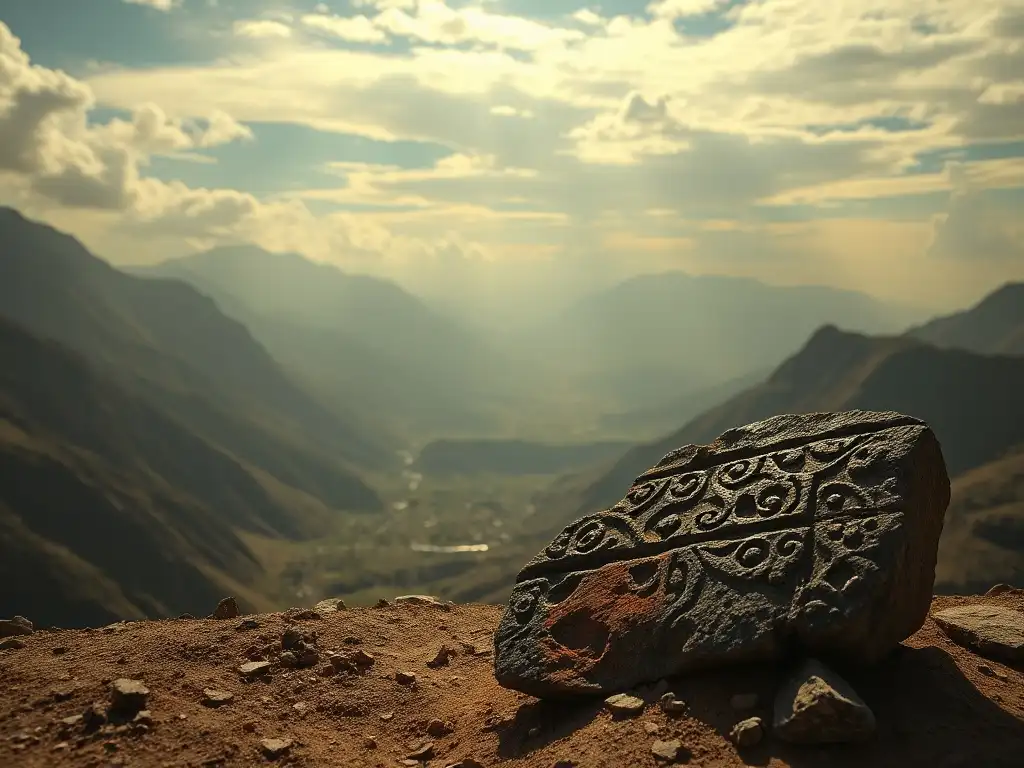
The term "Pre-Ceramic" in the Andean context refers to a crucial period in the development of Andean societies before the widespread adoption of pottery. This era, spanning millennia, lays the groundwork for the later, more complex civilizations like the Inca, Moche, and Nazca that often dominate narratives about Andean history. Understanding the Pre-Ceramic period is essential to grasping the full trajectory of Andean cultural evolution.
It reveals a rich tapestry of human ingenuity, adaptation, and societal development, demonstrating a deep connection with the Andean environment long before the emergence of iconic pottery styles. Focusing on the Pre-Ceramic Andean civilizations allows us to appreciate the foundational elements that shaped subsequent societies.
This period showcases the remarkable resilience and innovative capabilities of early Andean peoples, who successfully navigated challenges and established complex social structures without the benefit of ceramic technology. The absence of pottery, often used as a marker of cultural advancement, shouldn't be interpreted as a lack of sophistication; rather, it highlights a unique path of development based on other technological and social innovations.
Chronological Overview of the Andean Pre-Ceramic Period
The Andean Pre-Ceramic period isn't neatly defined by rigid dates, but rather by broad chronological phases based on archaeological discoveries. Generally, it's considered to span from approximately 8000 BCE to 1800 BCE. This vast timeframe encompasses several significant stages:
- Early Preceramic (8000-5000 BCE): This period witnesses the initial human occupation of the Andes, characterized by a hunter-gatherer lifestyle. Evidence suggests the development of early agricultural techniques, with the domestication of plants like squash and peppers playing a crucial role. Rudimentary tools and simple shelters are common findings.
- Middle Preceramic (5000-3000 BCE): A shift towards more settled lifestyles is observed, with the development of increasingly sophisticated agricultural practices. The cultivation of potatoes and other Andean crops becomes widespread, allowing for larger and more permanent settlements. Early forms of social organization begin to emerge, suggesting the development of rudimentary social hierarchies.
- Late Preceramic (3000-1800 BCE): This phase shows significant advancements in architecture and social complexity. Monumental architecture, such as the impressive platforms at Caral in Peru, starts appearing. This indicates a considerable degree of social organization and labor mobilization, suggesting the presence of specialized roles within the community. The development of complex irrigation systems also highlights advanced engineering skills. This period paves the way for the adoption of pottery in the subsequent Early Horizon.
Key Characteristics of Pre-Ceramic Andean Societies
Pre-Ceramic Andean societies, despite the absence of pottery, developed remarkable characteristics that shaped the future of Andean civilizations. These include:
- Advanced Agricultural Practices: The development of sophisticated agricultural techniques, including irrigation systems and terracing, allowed for the cultivation of diverse crops in challenging Andean environments. This agricultural prowess was essential for supporting larger and more sedentary populations. The mastery of agriculture allowed for food surpluses, which in turn facilitated societal growth and complexity.
- Monumental Architecture: The construction of large-scale public works, like the massive platforms at Caral and other sites, demonstrates advanced engineering skills and a high degree of social organization. These structures required coordinated labor and suggest a centralized authority or leadership structure. The scale of these projects points to a level of social complexity far exceeding that of simple hunter-gatherer groups.
- Social Organization and Hierarchy: While the exact nature of social organization remains a subject of ongoing research, evidence suggests the presence of social hierarchy and specialized labor. The construction of monumental architecture and the organization of agricultural production necessitates a degree of social stratification and leadership. The distribution of goods and resources also implies a degree of centralized control or social organization.
- Technological Innovation: Beyond agriculture and architecture, Pre-Ceramic societies developed advanced technologies for textile production, toolmaking, and the processing of various resources. Evidence of sophisticated weaving techniques and specialized tools points to a level of technological sophistication that often goes unnoticed when focusing solely on the later, pottery-producing cultures. These innovations highlight the ingenuity and adaptability of early Andean peoples.
The study of Pre-Inca Andean civilizations, specifically the Pre-Ceramic period, provides a crucial perspective on the long and complex history of the Andes. It reveals a rich tapestry of human adaptation, innovation, and social development that laid the foundation for the later, iconic Andean empires. Further research and archaeological discoveries will undoubtedly continue to shed light on the fascinating world of these early Andean societies.
Exploring the Early Andean Cultures: Before the Rise of Ceramics
This section delves into the fascinating world of PreInca Andean civilizations, specifically focusing on the period before the widespread adoption of pottery, a technological leap that significantly altered Andean societies. Understanding these pre-ceramic cultures is crucial to grasping the full complexity and evolution of Andean development. We'll examine how these early inhabitants adapted to diverse environments, laying the groundwork for later, more complex civilizations. The ingenuity and resilience demonstrated by these early Andean peoples are truly remarkable.
The Coastal Adaptations of Pre-Ceramic Peoples
The coastal regions of the Andes presented unique challenges and opportunities for early inhabitants. The abundance of marine resources provided a foundation for their subsistence strategies, while the arid climate demanded innovative solutions for settlement and resource management. These early coastal dwellers developed sophisticated techniques for exploiting the sea and adapting to its rhythms.
Fishing and Marine Resources in Pre-Ceramic Life
Pre-ceramic coastal communities relied heavily on fishing and the harvesting of marine resources. Archaeological evidence suggests a diverse diet including fish, shellfish, marine mammals, and seabirds. Tools like intricately crafted fishhooks, nets, and specialized boats demonstrate their advanced understanding of maritime technology. Analysis of shell middens – large piles of discarded shells – reveals not only dietary habits but also provides insights into population density and settlement patterns.
The sheer volume of shells in some middens is staggering, reflecting the importance of marine resources in their lives. The sophistication of their fishing techniques suggests a deep understanding of marine ecology and the seasonal migrations of fish and other marine life. This knowledge was passed down through generations, forming an integral part of their cultural heritage.
Early Settlements along the Andean Coast
Coastal settlements varied depending on the specific ecological niche. Some communities built settlements near estuaries, taking advantage of both land and marine resources. Others chose locations with access to sheltered bays or rocky coves, offering protection from the sometimes-violent Pacific Ocean. The construction techniques employed were often simple, using readily available materials like reeds, wood, and mud.
However, the strategic placement of settlements reveals a careful consideration of resource availability, defensibility, and access to trade routes. Evidence of early coastal settlements is often found in the form of shell middens, burial sites, and the remnants of dwelling structures. While much remains unknown, ongoing archaeological research continues to shed light on the daily lives and social structures of these early coastal communities. The study of PreInca Andean civilizations is a continuous process of discovery.
Inland Adaptations and the Development of Agriculture
The transition to agriculture marked a profound shift in the lives of Andean peoples. Moving away from a purely hunter-gatherer lifestyle, early communities began cultivating crops, leading to sedentary lifestyles and the development of more complex social structures. This process was gradual and involved the domestication of native plants, a testament to their remarkable understanding of their environment.
The Emergence of Plant Cultivation in the Andes
The Andes are a region of extraordinary biodiversity, boasting a wide variety of plants suitable for cultivation. Early farmers experimented with different crops, selecting and breeding those best suited to the diverse ecological conditions. Among the earliest domesticated plants were various tubers, such as potatoes and ulluco, as well as beans and squash.
The development of agriculture was not a sudden event but a gradual process involving experimentation, selection, and adaptation over many generations. The precise timing and location of the initial domestication of these crops are still being investigated, but the evidence points to a complex interplay between human ingenuity and the unique characteristics of the Andean environment. This process laid the foundation for future agricultural innovations and the rise of complex societies in the Andes.
Early Agricultural Communities and Their Practices
The adoption of agriculture led to the formation of larger, more settled communities. These early agricultural villages were often located near fertile valleys and water sources, providing access to both arable land and irrigation possibilities. Evidence suggests the use of simple irrigation techniques to maximize crop yields. Social organization likely became more complex, with specialized roles and responsibilities emerging within the community.
Archaeological findings, including the remains of storage facilities and evidence of craft specialization, suggest a growing level of social complexity and economic organization. While the details of their social structures remain a subject of ongoing research, it is clear that the transition to agriculture profoundly impacted the lives and social organization of these early Andean inhabitants. The impact of these early agricultural practices on the landscape and the development of later civilizations is undeniable.
Unveiling the Art and Technology of the Pre-Ceramic Andes

This section delves into the fascinating artistic achievements and technological innovations of the Andean region before the advent of widespread pottery, a period often overlooked in discussions of PreInca Andean civilizations. We'll explore the ingenuity and creativity of these early Andean societies, highlighting their remarkable skills in textile production, stone carving, and architecture. Understanding these pre-ceramic achievements is crucial to fully appreciating the later flourishing of Andean cultures. The term "PreInca Andean civilizations" itself encompasses a vast and diverse array of societies, each contributing uniquely to the rich tapestry of Andean history.
Pre-Ceramic Artistic Expressions: Beyond Pottery
While the ceramic tradition is often synonymous with the rise of complex Andean societies, the pre-ceramic period boasts a rich artistic heritage expressed through other mediums. The absence of pottery doesn't signify a lack of artistic expression; rather, it indicates a different focus, emphasizing materials readily available in the Andean environment. The mastery of these materials reveals a deep understanding of their properties and a sophisticated artistic sensibility.
Textiles and Basketry Techniques of the Period
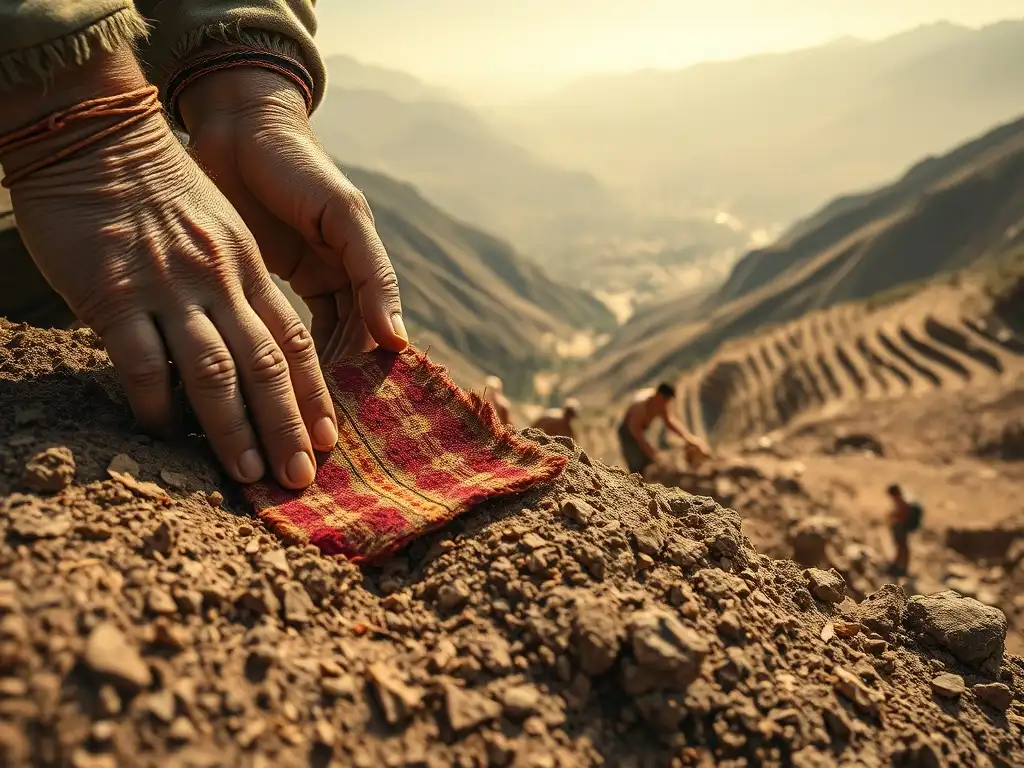
Evidence suggests a highly developed textile tradition in the PreInca Andean civilizations. Fragments of meticulously woven textiles, primarily discovered in caves and burial sites, showcase complex patterns and intricate techniques. These early textiles, often made from camelid fibers like alpaca and llama wool, demonstrate a mastery of spinning, dyeing, and weaving techniques that rival those of later periods.
The use of natural dyes derived from plants and minerals indicates advanced knowledge of botany and chemistry. Similarly, basketry played a vital role, with intricately woven baskets used for storage, transport, and ceremonial purposes. The durability and artistry of these baskets suggest a sophisticated understanding of plant fibers and weaving techniques.
Analysis of surviving examples reveals a surprising variety in styles and techniques across different regions, indicating diverse cultural practices and traditions within the broader category of PreInca Andean civilizations. The development of these techniques undoubtedly laid the groundwork for later textile advancements in the Andean region.
Carvings, Petroglyphs, and Early Monumental Architecture
Beyond textiles and basketry, early Andean societies demonstrated remarkable skill in stone carving. Numerous examples of carved stones, often depicting animals and abstract designs, have been unearthed. These carvings, while simpler than later Andean artwork, display a keen sense of observation and an understanding of three-dimensional form.
Petroglyphs, rock carvings etched onto stone surfaces, provide further insight into the beliefs and practices of these early communities. These often depict stylized figures, geometric patterns, and possibly narratives related to their worldview. Further research is needed to fully interpret the meaning and significance of these pre-ceramic petroglyphs.
More impressively, some PreInca Andean civilizations began constructing monumental architecture, such as the platforms and terraces found at sites like [specific site name pending], indicating sophisticated engineering and social organization. The construction of these structures required significant labor and coordination, suggesting the presence of complex social structures and leadership roles within these early societies. The scale and precision of these early structures are testament to the advanced engineering skills of these pre-ceramic populations.
Technological Innovations of Early Andean Societies
The pre-ceramic period witnessed significant technological advancements that laid the foundation for later Andean achievements. These innovations, driven by the need to adapt to the challenging Andean environment, demonstrate remarkable ingenuity and resourcefulness. Understanding these early technologies helps us appreciate the gradual accumulation of knowledge and skills that characterized the development of Andean civilizations.
Toolmaking and Resource Management Strategies
The development of specialized tools for hunting, agriculture, and processing resources stands out as a key technological achievement. Analysis of tools recovered from archaeological sites reveals a sophisticated understanding of stone knapping techniques and the properties of various stone types. Obsidian, for example, was highly valued for its sharpness and durability. The efficient use of obsidian and other materials indicates careful planning and resource management strategies.
[Specific examples of tool types and their uses pending]. Evidence suggests that these societies developed efficient strategies for managing resources, adapting their practices to the varying altitudes and climates of the Andes. These early forms of resource management were crucial for the survival and prosperity of these early Andean communities.
Construction Techniques of Pre-Ceramic Structures
The construction of early Andean structures, even before the widespread use of pottery, demonstrates a remarkable understanding of engineering principles. The construction of monumental architecture, such as platforms and terraces, required sophisticated planning, labor organization, and knowledge of building techniques. [Specific examples of construction techniques and their application pending].
These early structures, though often simpler than later Inca constructions, demonstrate a foundational understanding of engineering principles that would be further developed in subsequent periods. The ability to build these structures showcases the social organization and collaborative efforts necessary for large-scale projects, underscoring the complex social structures present even in the pre-ceramic era. These early feats of engineering are a testament to the ingenuity and adaptability of the PreInca Andean civilizations.
Major Pre-Ceramic Sites and Their Significance
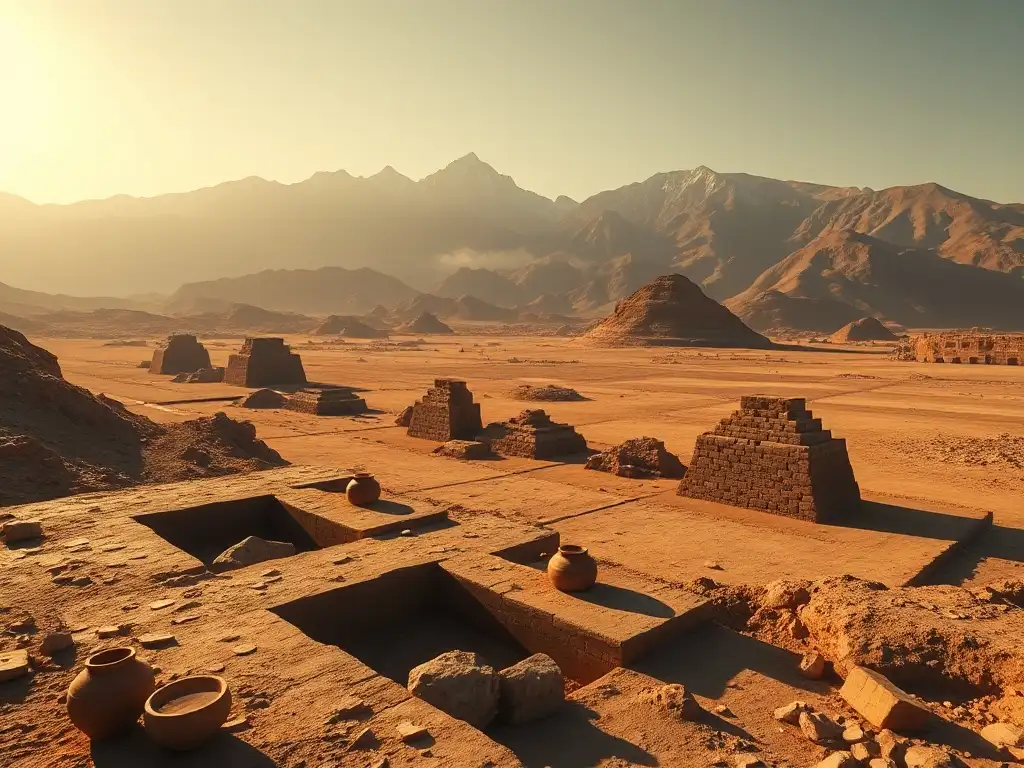
This section delves into the key archaeological sites that offer invaluable insights into the Pre-Inca Andean civilizations, specifically focusing on the Pre-Ceramic period. These sites, scattered across diverse landscapes, reveal the ingenuity and adaptability of early Andean communities, showcasing their sophisticated social structures, agricultural practices, and spiritual beliefs long before the rise of the Inca Empire.
Understanding these early settlements is crucial to appreciating the rich tapestry of Andean history and the foundations upon which later, more complex societies were built. The study of these PreInca Andean civilizations sheds light on the gradual development of Andean culture, revealing a complex evolution rather than a sudden emergence.
Huaca Prieta: A Glimpse into Early Coastal Life
Huaca Prieta, located on the northern coast of Peru, stands as a testament to the resilience and innovation of early coastal communities. Excavations at this site have pushed back the timeline of Andean civilization significantly, revealing evidence of settled life dating back to around 3500 BCE.
This challenges previous assumptions about the development of complex societies in the Andes, highlighting the early emergence of sophisticated agricultural practices and social organization along the Peruvian coast. The site's importance lies not just in its age, but also in the unique insights it provides into the adaptation of humans to a coastal environment.
Discoveries and Archaeological Findings at Huaca Prieta
Archaeological digs at Huaca Prieta have unearthed a wealth of information. The discovery of the earliest known evidence of cotton cultivation in the Americas is a significant finding, demonstrating the mastery of agriculture in this early period. Furthermore, the presence of elaborate burial sites suggests a complex social structure, with clear differentiation in social status.
Researchers have also discovered evidence of early pottery production, albeit rudimentary compared to later styles, indicating the development of craft specialization. The presence of diverse plant remains, including gourds and beans, further emphasizes the sophistication of their agricultural practices, demonstrating a diversified food system that ensured community resilience. The meticulous stratification of the site allows archaeologists to trace the development of the settlement over time, providing a unique window into the evolution of coastal Andean societies.
Insights into the Daily Life of its Inhabitants
Evidence from Huaca Prieta suggests a community deeply connected to the sea. The inhabitants engaged in fishing, as evidenced by the discovery of various fishing implements and the remains of marine life. The cultivation of cotton not only provided clothing but also materials for nets and other tools, showcasing a close relationship between agriculture and maritime activities.
Analysis of bone remains provides clues about their diet and overall health, painting a picture of a population that thrived on a balanced diet of both marine and terrestrial resources. The discovery of pigments suggests early artistic expression, hinting at a rich symbolic and ritualistic life. Further research is needed to fully understand the social dynamics and belief systems of these early coastal dwellers, but Huaca Prieta already offers a compelling glimpse into their daily lives and remarkable adaptations.
Kotosh: Exploring Inland Pre-Ceramic Communities
Unlike Huaca Prieta's coastal setting, Kotosh, situated in the central highlands of Peru, offers insights into the development of inland Pre-Ceramic communities. This site, dating back to roughly 2000 BCE, showcases a different adaptation to the Andean environment, emphasizing the importance of agriculture in the high-altitude regions. The discovery of the "Temple of the Crossed Hands," a remarkable structure with intricate carvings, suggests a complex religious and social life. This site is particularly important for understanding the early development of Andean religious practices and their impact on social organization.
The Importance of Kotosh for Understanding Andean Agriculture
Kotosh's location in the highlands underscores the importance of agriculture in the development of Andean civilizations. The inhabitants cultivated various crops adapted to the challenging high-altitude environment. Evidence suggests a sophisticated understanding of irrigation techniques, crucial for successful agriculture in this region.
The discovery of storage facilities indicates an ability to manage food surpluses, a key factor in the development of settled communities and social complexity. The successful cultivation of crops like potatoes and quinoa demonstrates the ingenuity and knowledge of the Kotosh people in adapting to the unique challenges of their environment. This agricultural success laid the groundwork for the later expansion and growth of Andean societies.
Uncovering Ritual and Social Practices at Kotosh
The "Temple of the Crossed Hands" is arguably the most iconic feature of Kotosh. Its intricately carved figures, particularly the famous "crossed hands" motif, are believed to represent religious or ceremonial practices. The presence of such elaborate structures, along with associated artifacts, suggests a highly organized society with a centralized religious authority.
Further research is needed to fully decipher the meaning of the carvings and understand the role of religion in shaping social life at Kotosh. However, it is clear that religious beliefs played a significant role in the social cohesion and development of this inland community.
The discovery of multiple architectural phases indicates a continuous occupation and evolution of the site over time, revealing a dynamic society that adapted and changed in response to its environment and internal social dynamics. The study of Kotosh offers critical information regarding the development of Andean religious beliefs and their influence on the societal structure of the PreInca Andean civilizations.
Caral: Pre-Ceramic Monumental Architecture
Caral, located in the Supe Valley of Peru, stands as a testament to the sophisticated organizational capabilities of pre-ceramic Andean societies. Dating back to approximately 2600 BCE, Caral is considered one of the oldest and most significant urban centers in the Americas, predating even the well-known civilizations of Mesoamerica. Its monumental architecture, far exceeding the expectations for a society without pottery, challenges our understanding of societal development in the Andes and indeed, globally.
The sheer scale of the site, coupled with the complexity of its construction, points to a highly organized and stratified society capable of mobilizing significant labor resources. This challenges the long-held notion that complex social structures only emerged with the advent of ceramics and agriculture. Caral's existence demonstrates that advanced societal organization could flourish in other ways, highlighting the diversity of paths to civilization.
The site's impact extends beyond its immediate geographical location, influencing the development of subsequent Andean cultures and their understanding of urban planning and monumental architecture. The discovery and ongoing study of Caral have revolutionized our understanding of PreInca Andean civilizations and the processes of early urban development.
The Scale and Complexity of Structures at Caral
The structures at Caral are remarkably large and intricate for their time. The main platforms, some reaching heights of over 20 meters, are constructed from millions of carefully placed stones and adobe bricks. The construction techniques employed, including the precise cutting and fitting of stones, demonstrate a high degree of architectural skill and planning. Furthermore, the presence of extensive subsurface drainage systems, designed to prevent water damage to the structures, points to advanced engineering knowledge.
These drainage systems are not merely rudimentary ditches; they are sophisticated networks integrated into the overall design of the city. The scale of these structures is not just impressive; it reflects a level of societal organization capable of coordinating massive labor forces over extended periods. The sheer volume of material needed for construction, along with the precision of the construction itself, suggests a highly centralized authority capable of directing and controlling these resources.
This level of planning and execution speaks volumes about the sophistication of Caral's society. The monumental architecture serves as a powerful symbol of social power and organizational capacity. The scale of the structures attests to the power and influence of the elite who were able to marshal the resources necessary for their construction.
The Social Implications of Large-Scale Construction
The construction of Caral's monumental architecture had profound social implications. The massive undertaking required a significant mobilization of labor, implying a complex social hierarchy with specialized roles and responsibilities. It’s likely that a centralized authority directed the construction process, allocating resources and organizing the workforce. This centralized power structure suggests a stratified society with a clear distinction between the elite and the commoners.
The monumental structures themselves likely served multiple functions, possibly including religious ceremonies, elite residences, and administrative centers. The construction process itself could have served as a form of social control, reinforcing the power of the ruling elite and fostering social cohesion. The construction of these structures necessitated the development of sophisticated systems of resource management, including food production and distribution, to support the large workforce. The scale of the project also implies a high degree of social organization and cooperation among the populace.
The absence of evidence for warfare or defensive structures suggests that the energy and resources were primarily focused on internal development and social projects rather than external conflict. This focus on internal development and massive construction projects suggests a society that was relatively peaceful and stable, at least during the period of construction. The social implications of Caral's monumental architecture are still being actively researched, but the existing evidence strongly suggests a complex and sophisticated pre-ceramic society.
The Legacy of Pre-Ceramic Andean Cultures
The study of Pre-Inca Andean civilizations reveals a rich tapestry of human ingenuity and adaptation, laying the groundwork for the later, more well-known empires. Understanding these early cultures—those flourishing before the development of widespread pottery—is crucial to grasping the full scope of Andean history. Their innovations in agriculture, social structures, and artistic expression profoundly impacted subsequent Andean societies, demonstrating a continuity of cultural practices spanning millennia. This section will explore the enduring influence of these often-overlooked predecessors.
How Pre-Ceramic Peoples Shaped Later Andean Civilizations
The Pre-Ceramic period (circa 8000-1800 BCE) witnessed the development of crucial agricultural techniques in the Andes. Early Andean inhabitants, facing the challenges of diverse and often unforgiving terrain, mastered irrigation systems, terracing, and crop diversification. These advancements weren't merely technological feats; they were fundamental to the social and political organization of these societies.
The ability to reliably produce surplus food allowed for population growth, the development of specialized labor, and the emergence of complex social hierarchies. This foundation of agricultural surplus directly influenced the rise of later Andean civilizations like the Incas, who built upon and refined these established systems. Evidence suggests that many of the Inca's agricultural practices, such as the intricate waru waru raised field system, had roots in much earlier Pre-Ceramic techniques.
The sophisticated understanding of Andean ecosystems, cultivated over thousands of years, ultimately contributed to the remarkable achievements of the later empires. Furthermore, early social structures, though less complex than those of later civilizations, likely provided models for the hierarchical societies that would follow. The evidence points to a gradual evolution of social organization, with early settlements evolving into increasingly complex networks of interaction and exchange.
The Enduring Impact of Early Andean Technologies and Practices
Beyond agriculture, Pre-Ceramic peoples made significant strides in other technological areas. The development of advanced textile production, for example, is evidenced by the discovery of intricately woven fabrics from this period. These early textiles, often made from camelid fibers like alpaca and llama wool, demonstrate a sophisticated understanding of fiber processing and weaving techniques.
This expertise undoubtedly influenced the renowned textile traditions of later Andean civilizations, which are celebrated for their intricate designs and high-quality craftsmanship. Additionally, early evidence of stone tool production shows a remarkable level of skill and precision. The creation of finely crafted tools from obsidian and other materials highlights the advanced technological capabilities of these Pre-Inca Andean civilizations.
These tools were not just functional; they often served symbolic purposes, reflecting the spiritual and ritualistic aspects of their cultures. The mastery of stone working, in particular, played a significant role in the development of monumental architecture in later periods.
The Importance of Preserving Pre-Ceramic Archaeological Sites
The preservation of Pre-Ceramic archaeological sites is paramount for understanding the complete trajectory of Andean history. These sites often contain invaluable information about the lifestyles, beliefs, and technologies of these early inhabitants. Unfortunately, many of these sites are vulnerable to looting, erosion, and development.
The loss of these sites represents an irreplaceable loss to our understanding of human history. Protecting these fragile remnants of the past requires a multi-pronged approach, involving archaeological research, community engagement, and the implementation of effective conservation strategies. By actively safeguarding these sites, we ensure that future generations can learn from the achievements and resilience of these pioneering Pre-Inca Andean civilizations, gaining a deeper appreciation for the rich cultural heritage of the Andes.
Continued research and responsible stewardship are vital to unraveling the full story of these forgotten ancestors and to appreciate the profound impact they had on the development of Andean cultures. The ongoing study of Pre-Ceramic sites is crucial for a complete understanding of the region’s rich and complex history. 🕵️♂️
Frequently Asked Questions
What are Pre-Inca Andean civilizations?
Pre-Inca Andean civilizations refer to the complex societies that flourished in the Andes region of South America before the Inca Empire. These include cultures like the Moche, Nazca, and Tiahuanaco, each with unique characteristics and achievements.
How did Pre-Inca cultures differ from the Inca?
While the Inca developed a vast empire with a highly organized state, Pre-Inca cultures were often less centralized. They exhibited diverse social structures, religious beliefs, and technological advancements, paving the way for later Andean empires.
What are some significant achievements of Pre-Inca civilizations?
Pre-Inca civilizations achieved remarkable feats including advanced irrigation systems, masterful pottery and textiles, and monumental architecture, like the Nazca Lines and Tiahuanaco's complex structures. These showcase their sophisticated engineering and artistry.
How did the environment influence Pre-Inca societies?
The challenging Andean environment, with its diverse altitudes and climates, significantly shaped Pre-Inca societies. Their agricultural innovations and adaptations to high-altitude living were crucial for their survival and development.
Where can I learn more about Pre-Inca Andean civilizations?
You can explore further through archaeological sites, museums, and academic resources. Many books and documentaries delve into the fascinating history and culture of these remarkable civilizations.
Final Reflection: Echoes of the Andes: A Legacy Unfolding
The intricate tapestry of Preceramic Andean civilizations, woven from ingenuity and resilience, continues to resonate powerfully in the modern world. Their innovative agricultural techniques, sophisticated social structures, and breathtaking artistic expressions offer invaluable lessons in sustainable living and cultural adaptation, reminding us of humanity's enduring capacity for innovation even in the face of environmental challenges. The echoes of their achievements reverberate through the Andes today, a testament to their enduring legacy.
The more we uncover about these forgotten societies, the more we realize the profound impact they had, not only on the subsequent Inca civilization but on our understanding of human potential. Their story challenges Eurocentric narratives of progress, highlighting the richness and diversity of human experience across time and geography. The past is never dead. It's not even past.
– William Faulkner. This quote perfectly encapsulates the enduring relevance of these Preceramic Andean cultures; their stories, though buried for centuries, continue to shape our present and inform our future.
Consider the ingenuity of their agricultural practices, the complexity of their social organization, and the beauty of their artistry. These achievements were not simply products of a bygone era; they represent a profound human capacity for innovation and adaptation. You, the reader, are now part of this ongoing conversation. Take a moment to reflect on the lessons learned from these lost worlds. How can we apply their wisdom to the challenges facing our own society? Let the echoes of the Andes inspire you to build a more sustainable, equitable, and culturally rich future.
Uncover the Mysteries of the Andes!
Thank you for exploring the fascinating history of the Pre-Ceramic peoples of the Andes! We hope you've been inspired by the rich culture and history that shaped these remarkable civilizations. Let's continue to explore and celebrate these incredible narratives.
- Join a Local Archaeology Group: Gain hands-on experience and connect with fellow enthusiasts who share your passion for ancient cultures.
- Share Your Discoveries: Post about your favorite aspect of Andean history on social media and tag us to help spread the word!
- Plan a Trip to an Andean Archaeological Site: Experience the history firsthand and witness the breathtaking beauty of these ancient lands.
What aspect of Andean history resonates most with you, and how can you help preserve its legacy?