
The Power of the Elite: Exploring Social Hierarchies in the Early Andes

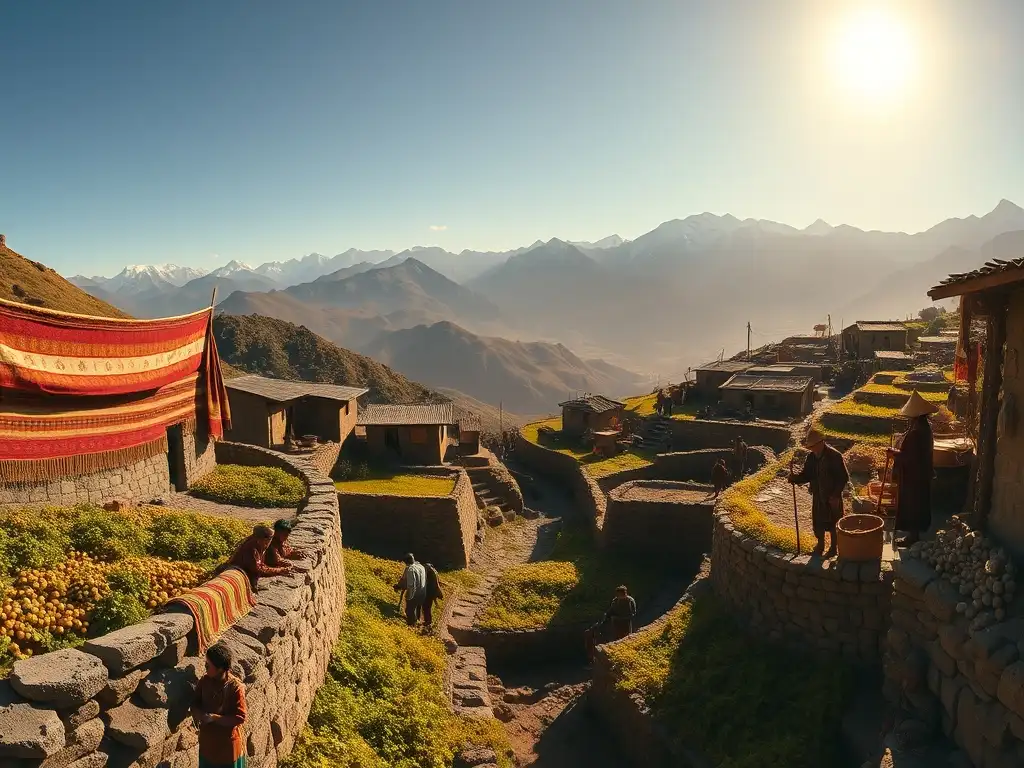
Step into a world lost to time, yet echoing with the power of empires. Intrigued by the intricate tapestry of Andean life? This website delves into the fascinating story of the ancient Andean civilizations, revealing secrets of their artistry, technology, and vibrant cultures. But what truly shaped these societies? Uncover the complexities and mysteries behind the Andean civilizations social hierarchy, a system that defined power, wealth, and everyday life in the heart of the Andes. Prepare to be captivated by the rise and fall of these remarkable civilizations.
- Andean Civilizations Social Hierarchy: Exploring Power Dynamics in the Early Andes
- Defining Power and Status in Andean Pre-Inca Societies
- Key Examples of Social Hierarchies in Specific Andean Cultures
- Factors Contributing to the Development of Social Hierarchies
- The Legacy of Early Andean Social Structures
- Frequently Asked Questions
- Final Reflection: Echoes of Power in the Andean Past
- Unveil the Secrets of Andean Elite Society!
The Andes Mountains, a spine of towering peaks stretching along the western coast of South America, cradled a vibrant tapestry of ancient civilizations. For centuries, these societies—including the Incas, Moche, Nazca, and Tiahuanaco—developed complex social structures that profoundly influenced their political, economic, and religious systems. Understanding the intricacies of Andean civilizations social hierarchy is crucial to grasping the full scope of their achievements and the lasting impact they left on the region.
This article delves into the power dynamics of these early Andean societies, exploring the emergence of elite groups and the stratification that characterized their social landscapes. We will examine how these hierarchies shaped everything from monumental architecture and intricate artwork to agricultural practices and religious beliefs, providing a nuanced perspective on the complexities of Andean societal organization.
The study of Andean social structures offers valuable insights into the broader processes of societal development and the enduring questions of power and inequality in human history. The exploration of the Andean civilizations social hierarchy reveals not only the power of the elite, but also the intricate web of relationships that sustained these remarkable societies.
Social stratification in the Andes wasn't a monolithic entity; it varied across different cultures and periods. However, common threads weave through the diverse social fabrics of these societies. Archaeological evidence consistently reveals a hierarchy, with a clear distinction between elite and commoner classes. This wasn't simply a matter of wealth; it encompassed religious authority, political power, and access to resources. The elite often controlled access to fertile land, specialized crafts, and prestigious burial practices. Their privileged status was frequently symbolized through elaborate clothing, jewelry made from precious metals (like gold and silver), and unique burial goods.
The commoners, on the other hand, comprised the majority of the population, engaged in agriculture, craft production, and other essential tasks that sustained the society. Their lives were often dictated by the needs of the ruling class and the demands of agricultural cycles. While not uniformly impoverished, they lacked the power and privileges enjoyed by the elite.
The precise nature of social mobility within these societies remains a subject of ongoing research, with some evidence suggesting limited opportunities for advancement based on merit or exceptional skill. The complexities of Andean social structures are further highlighted by the existence of intermediary groups, such as priests, warriors, or skilled artisans, who occupied positions of relative prestige and influence within the hierarchy.
Further Considerations on Social Mobility
While evidence suggests limited social mobility, some scholars argue that exceptional contributions in warfare or religious leadership could potentially elevate individuals within the social hierarchy. However, this remains a topic of ongoing debate among researchers.
The Emergence of Elite Groups in Early Andean Cultures
The emergence of elite groups in the early Andes is a gradual process, intricately linked to the development of complex agricultural systems, specialized labor, and centralized political structures. Early evidence suggests that leadership roles initially arose from kinship and religious authority, with individuals possessing specialized knowledge of agriculture, astronomy, or ritual practices gaining influence within their communities. As societies grew and became more complex, the consolidation of power in the hands of a select few became more pronounced. This process often involved the control of vital resources, such as water for irrigation, and the monopolization of craft production.
The development of monumental architecture—such as the impressive pyramids and temples found at sites like Moche and Tiahuanaco—serves as a powerful testament to the power and influence of the elite. These structures required immense labor and resources, showcasing the elite’s ability to mobilize and control the workforce. The elite's control extended beyond material resources; it also encompassed religious ideology.
They often held positions of religious authority, controlling access to sacred sites and rituals, further cementing their position at the apex of the social hierarchy. The production of elite grave goods, often including gold artifacts and elaborate textiles, served to reinforce their elevated status and the symbolic power they wielded within their societies. The study of these elite burials provides invaluable insights into the beliefs, values, and social structures of these ancient Andean cultures.
Defining Power and Status in Andean Pre-Inca Societies
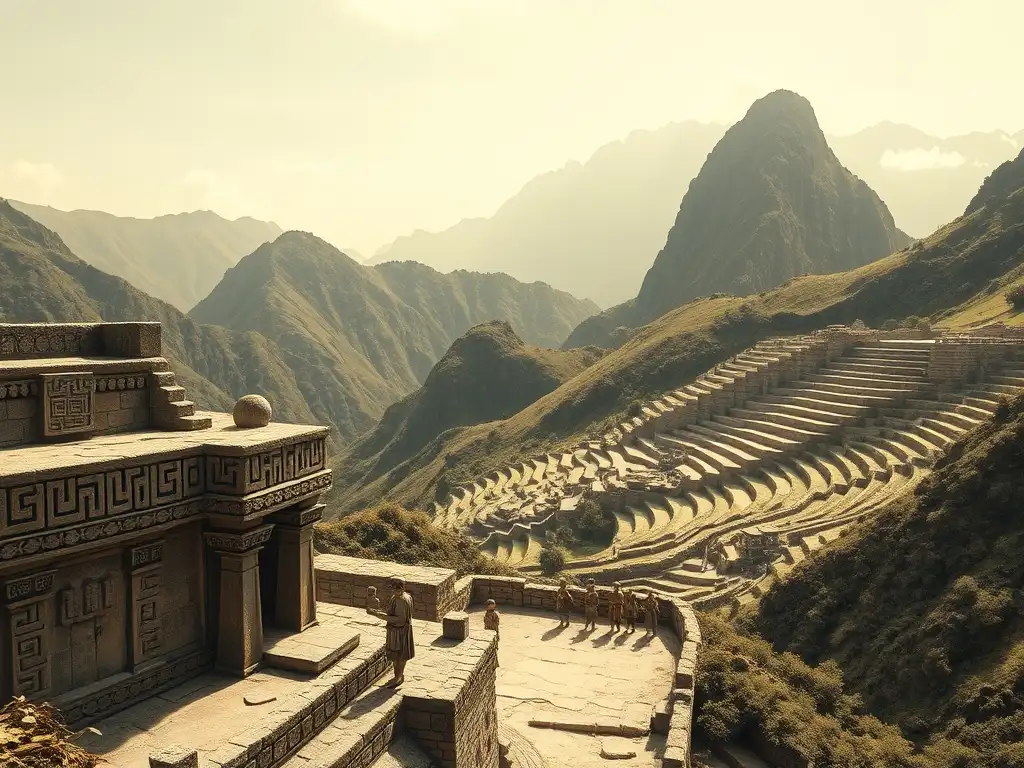
Understanding the social hierarchy in Andean civilizations requires moving beyond simplistic notions of kings and subjects. Pre-Inca societies, while exhibiting clear stratification, presented complex power dynamics that varied significantly across different cultures and time periods. The concept of "power" itself wasn't solely defined by political authority, but encompassed religious influence, economic control, and access to resources. Status wasn't necessarily hereditary; individuals could achieve elevated positions through prowess in warfare, religious expertise, or exceptional craftmanship. This fluidity, however, didn't negate the existence of a rigid social structure. Instead, it highlights the multifaceted nature of power and the diverse pathways to social mobility within these fascinating Andean civilizations. The interplay between these factors created a dynamic social landscape, far richer and more nuanced than a simple top-down model would suggest. Analyzing the Andean civilizations social hierarchy necessitates a detailed examination of various aspects of their material culture, religious practices, and settlement patterns.
Material culture offers invaluable insights into Andean social stratification. Grave goods, for instance, provide compelling evidence of differential access to resources and prestige items. Elaborate burials, often containing gold ornaments, finely crafted textiles, and exotic goods, clearly indicate high social standing. These items weren't merely decorative; they symbolized power, religious authority, and access to extensive trade networks.
For example, the Moche culture's burials frequently included intricate ceramics depicting scenes of warfare and ritual, reflecting the deceased's likely role in society. In contrast, simpler burials with fewer artifacts suggest a lower social standing. The quality and quantity of textiles, pottery, and other artifacts found in tombs directly correlate with the perceived status of the individual interred. Furthermore, the architectural complexity of residential structures also reflects social hierarchy.
Larger, more elaborate houses, often located in prominent positions within settlements, indicate the residence of elite individuals or families. Analysis of these material remains, combined with careful contextualization, allows for a nuanced understanding of the social structure and the distribution of power in pre-Inca Andean societies. Detailed studies of these burial sites and residential remains are crucial to understanding the Andean civilizations social hierarchy.
Religion played a pivotal role in solidifying and legitimizing the social hierarchy in Andean civilizations. Priests and religious specialists often held significant power, acting as intermediaries between the supernatural and the human world. Their control over ritual practices and access to sacred knowledge granted them considerable influence.
Religious rituals, including elaborate ceremonies and sacrifices, served to reinforce social order and the legitimacy of the ruling elite. For instance, the Nazca culture's geoglyphs, massive figures etched into the desert landscape, likely served a religious function, possibly signifying the power and authority of the elite who commissioned their creation. These monumental undertakings required significant resources and labor, demonstrating the elite's control over manpower and resources.
The Inca's elaborate state religion, with its emphasis on the Inca's divine lineage and the worship of the sun god Inti, further cemented the emperor's absolute authority and the hierarchical structure of the empire. Careful analysis of religious iconography, ritual practices, and monumental architecture offers a deeper understanding of how religious beliefs shaped and sustained the social order in Andean societies, further illuminating the complexities of the Andean civilizations social hierarchy.
Examining Elite Residences and Architectural Manifestations of Power
The architecture of Andean settlements provides compelling evidence of social stratification. Elite residences were often distinguished by their size, location, and construction techniques. These structures frequently incorporated sophisticated building materials, intricate designs, and elaborate ornamentation, reflecting the wealth and power of their occupants.
For example, the monumental architecture of Tiahuanaco, with its massive stone structures and intricate carvings, speaks to the power and prestige of its ruling elite. The precision and scale of these constructions indicate a highly organized society capable of mobilizing significant resources and labor. Similarly, the palaces and administrative centers of the Inca empire, such as Machu Picchu, showcase the power and sophistication of the Inca state.
The strategic placement of elite residences, often overlooking agricultural lands or strategically located near significant religious sites, also highlights their control over resources and the landscape. Analyzing the architectural features, spatial organization, and construction materials of elite residences offers a tangible glimpse into the lives and power of the Andean elite, and provides a valuable tool for understanding the Andean civilizations social hierarchy. Further research into the construction techniques and resource allocation for these structures could provide even more insight.
This section delves into the intricate social structures of several prominent Andean civilizations, providing concrete examples of how elite power manifested and shaped their societies. Understanding these hierarchies is crucial to comprehending the complexity and sophistication of Andean civilizations social hierarchy. We will examine the Moche and Nazca cultures, highlighting the ways in which their art, burial practices, and monumental works reflect the stratified nature of their societies. Analyzing these aspects offers valuable insights into the power dynamics and social organization of these fascinating ancient peoples.
The Moche: Warrior Elites and Their Influence on Society
The Moche civilization (c. 100-800 CE) is renowned for its elaborate artistic representations and sophisticated irrigation systems. Evidence strongly suggests a hierarchical society with a powerful warrior elite at its apex. This elite controlled resources, religious practices, and, ultimately, the lives of the commoners. Their influence permeated every aspect of Moche life, from the construction of monumental structures to the themes depicted in their art. The very fabric of Moche society was woven with threads of power and deference.
Moche Iconography as Evidence of Social Ranking
Moche pottery and metalwork frequently depict scenes of warfare, ritual sacrifices, and elaborate feasts. These images offer valuable clues to understanding their social hierarchy. High-ranking individuals are often portrayed wearing ornate headdresses, jewelry, and clothing, while commoners are depicted in simpler attire. For instance, depictions of individuals wearing elaborate headdresses adorned with jaguar or other prestigious animal imagery clearly indicate high social status within the Moche societal framework.
The level of detail and the prominent placement of these figures further emphasize their elevated position within the power structure. Analyzing the iconography reveals a society where visual representation served as a powerful tool to reinforce social distinctions and legitimize the authority of the elite. Furthermore, the consistent portrayal of certain symbols and motifs associated with specific individuals or groups strengthens the case for a formalized system of social ranking.
Moche Burial Practices and Elite Status
Moche burial practices provide further evidence of a stratified society. Elaborate tombs containing rich grave goods, such as gold ornaments, finely crafted ceramics, and even human sacrifices, were reserved for the elite. These lavish burials contrast sharply with the simpler, less ornamented burials of commoners. The quantity and quality of grave goods directly correlated with the social status of the deceased, providing a tangible measure of the power and influence wielded during their lifetime.
For example, the discovery of Tomb of the Lord of Sipán, with its wealth of gold and silver artifacts, unequivocally demonstrates the immense power and prestige enjoyed by the Moche elite. Such evidence underscores the profound social stratification that characterized Moche society. The stark difference in burial rituals highlights the deep chasm that existed between the ruling class and the rest of the population.
The Nazca civilization (c. 100 BCE – 500 CE) is equally famous for its monumental geoglyphs and sophisticated ceramic production. While less is known about their social organization compared to the Moche, evidence suggests a similarly hierarchical structure, with a powerful elite controlling resources and directing large-scale projects. The intricacies of their social structure, however, remain a subject of ongoing research and debate within the field of Andean civilizations studies.
Nazca Geoglyphs and Their Possible Social Significance
The vast Nazca Lines, etched into the desert surface, are a testament to the Nazca's engineering prowess and organizational capabilities. The scale of these geoglyphs implies a highly organized society capable of mobilizing significant labor forces. While the precise meaning of the geoglyphs remains a mystery, their creation likely involved a complex system of social control and labor organization, suggesting a hierarchical structure with individuals in positions of authority directing the work.
The sheer magnitude of these undertakings implies a centralized power structure capable of coordinating and managing resources and manpower on an unprecedented scale. The creation of the Nazca lines required a sophisticated understanding of engineering, surveying, and social organization. It is likely that this level of complex undertaking was overseen by a powerful and centralized elite.
Nazca Ceramics and the Expression of Social Roles
Nazca ceramics, renowned for their intricate polychrome designs, also provide insights into social roles and status. Certain motifs and styles may have been associated with specific social groups or individuals, reflecting a stratified society. Further research into the stylistic variations in Nazca pottery is needed to fully understand their social significance.
While the exact meanings of many symbols remain uncertain, the consistent use of specific motifs on particular types of vessels suggests a possible connection to social status or ritual practices. The detailed analysis of these ceramic designs holds the potential to unveil more information about the complexities of Nazca social hierarchy. The diversity in style and detail strongly suggests a system of social differentiation expressed through artistic production.
Tiahuanaco: A Hierarchical Society Based on Trade and Religion
The Tiahuanaco civilization, flourishing in the Bolivian Altiplano between approximately 500 and 1000 CE, presents a compelling case study of a highly stratified society. Their societal structure wasn't solely based on kinship, but intricately intertwined with religious authority and control over vital trade networks. The scale of their monumental architecture and the sophisticated organization required for its construction clearly indicate a powerful, centralized leadership capable of mobilizing significant labor forces. This leadership, a priestly elite, likely held the highest positions in the social hierarchy, wielding immense power due to their perceived connection to the divine and their control over crucial resources.
The common people, primarily farmers and artisans, formed the base of the society, supporting the elite through their labor and tribute. This system, though seemingly rigid, allowed for a degree of social mobility, albeit limited, possibly through exceptional skill in crafts or military prowess. Evidence suggests that certain skilled artisans or successful traders might have achieved a higher social standing within their communities. However, the fundamental power structure remained firmly in the hands of the religious elite.
The intricate iconography found on Tiahuanaco artifacts further supports the significance of religious belief in shaping their social order. The prevalence of specific symbols and motifs associated with power and divinity reinforces the connection between religious authority and social hierarchy. Understanding Tiahuanaco's social structure requires considering the interplay between religion, trade, and the control of resources, all of which contributed to the elite's dominance.
Tiahuanaco’s Urban Planning and Social Stratification
Tiahuanaco's urban planning itself reflects the deeply ingrained social hierarchy. The meticulous layout of the city, with its monumental structures strategically positioned, suggests a deliberate attempt to visually represent and reinforce social distinctions. The placement of elite residences and religious complexes in prominent locations, often overlooking the rest of the city, underscores their superior status.
Conversely, the residential areas for the common populace were likely less elaborate and more densely packed. Archaeological evidence reveals differences in the quality of construction and the types of materials used in buildings, further highlighting the disparity between the elite and the commoners. The scale of the monumental architecture, such as the Kalasasaya complex and the Akapana pyramid, points to a large-scale mobilization of labor, indicating a sophisticated system of social organization and control.
This controlled organization of labor, coupled with the city's layout, served to not only showcase the power of the elite but also to maintain social order and control the flow of goods and services within the city. The intricate network of canals and agricultural terraces surrounding Tiahuanaco further supports the idea of a centralized administration managing resources and labor for the benefit of the elite. The very structure of the city served as a constant reminder of the hierarchical social order.
Tiahuanaco Elite Control of Resources
The Tiahuanaco elite maintained their power through meticulous control over essential resources. Access to fertile land for agriculture, vital for survival in the Altiplano, was likely controlled by the ruling class, ensuring their continued prosperity and influence. Furthermore, the elite likely monopolized the trade of essential goods, both within the Tiahuanaco empire and with neighboring regions. This control over trade routes and valuable commodities, such as textiles, obsidian, and coca leaves, provided the elite with significant economic power, reinforcing their social dominance.
The construction of monumental architecture also demanded substantial resources—stone, labor, and food—all managed and allocated by the ruling class. The distribution of these resources was likely a key mechanism for maintaining social order and rewarding loyalty. Archaeological finds, such as elite burials containing lavish grave goods, illustrate the elite's access to and control over luxury items unavailable to the common population.
This control over resource distribution created a system where the elite's power was not merely symbolic but also materially reinforced, ensuring their continued dominance within the Tiahuanaco society. The management of water resources, crucial in the arid Altiplano environment, was likely another critical aspect of elite control, further solidifying their influence and power. The intricate system of canals and terraces suggests a sophisticated understanding of water management, providing the elite with the means to control agricultural production and thereby influence the lives of the entire population.
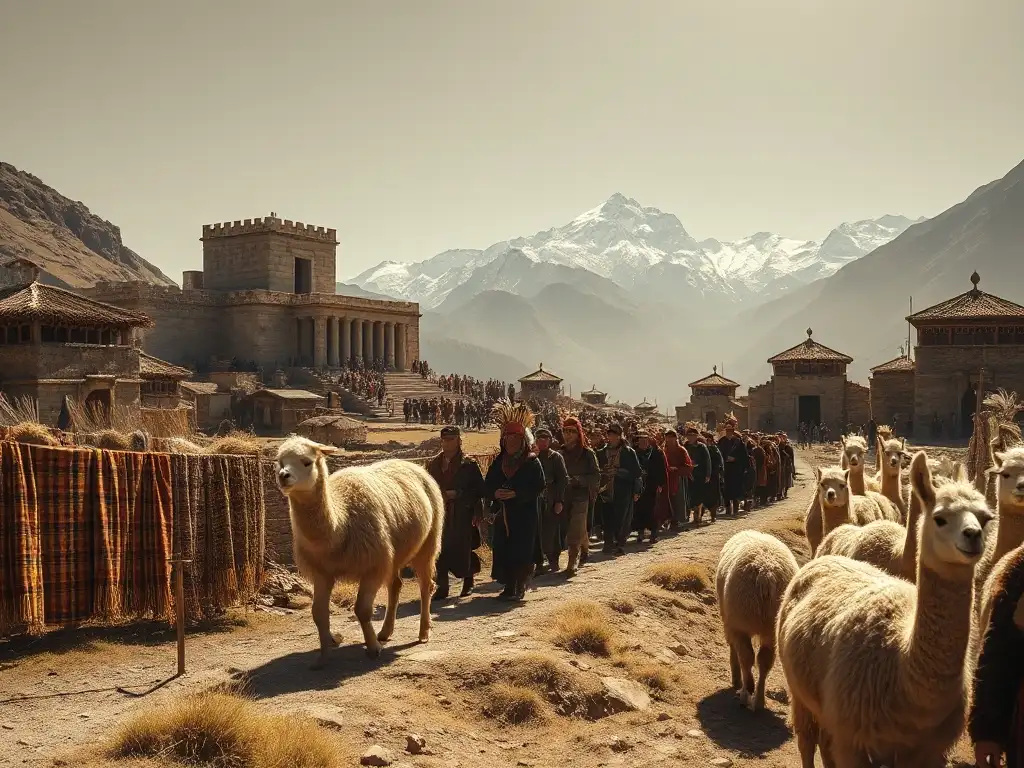
The development of complex social hierarchies in Andean civilizations wasn't a singular event but a gradual process influenced by a complex interplay of factors. Understanding these factors is crucial to grasping the intricate social structures that characterized societies like the Inca, Moche, Nazca, and Tiahuanaco. Analyzing the Andean civilizations social hierarchy reveals a dynamic system shaped by economic control, warfare, religious beliefs, and technological advancements. This section will delve into the key elements that contributed to this stratified social order.
Economic Control and Resource Management
The control of resources, particularly agricultural production, played a pivotal role in establishing and maintaining social hierarchies in the Andes. Access to fertile land, water, and other essential resources directly translated into power and influence. This control wasn't simply about ownership; it also involved the management and distribution of these resources.
The Importance of Agriculture and Irrigation in Power Consolidation
The Andean landscape, characterized by diverse altitudes and climates, demanded sophisticated agricultural techniques. The development of intricate irrigation systems, terraces, and raised fields allowed for increased agricultural output, creating a surplus that could sustain larger populations and support specialized labor. Control over these sophisticated systems, often requiring extensive engineering knowledge and labor organization, became a key source of power for elites.
Those who controlled the water, controlled the food supply, and thus, controlled the people. This is clearly evidenced in the impressive irrigation canals of the Nazca culture and the terraced agriculture of the Inca. The ability to manage and distribute surplus food allowed elites to reward loyal followers, maintain armies, and fund large-scale public works projects, further solidifying their power and status within the Andean civilizations social hierarchy.
This control over resources not only fed the population but also fueled the growth of specialized crafts and administrative structures, further reinforcing social stratification. The scale and complexity of these systems demonstrate the significant engineering and organizational skills required, skills concentrated in the hands of the elite, creating a clear distinction in power and influence.
Warfare was another significant factor shaping the Andean civilizations social hierarchy. While not always the primary cause of social stratification, it played a crucial role in reinforcing existing hierarchies and, in some cases, creating new ones. Successful military campaigns often resulted in the acquisition of new territories, resources, and captives, all of which increased the power and wealth of the ruling elite.
Captives could be incorporated into the workforce, contributing to economic expansion and further consolidating the elite's control. Conversely, defeat in war could lead to the displacement or subjugation of entire communities, resulting in a significant shift in social standing.
The Moche civilization, known for its warrior culture, provides a compelling example. Their elaborate iconography depicts scenes of warfare and conquest, suggesting that military prowess played a crucial role in determining social status. The elite, often depicted in elaborate headdresses and adorned with gold, were clearly identified as the leaders of successful military campaigns. Conversely, defeated warriors and captured populations likely experienced a significant decline in social standing, becoming part of the subjugated workforce.
This dynamic relationship between warfare and social mobility underscores the significant role of military power in shaping the social landscape of the Andean civilizations. The constant threat of conflict and the rewards of victory consistently reinforced the power of the elite within the broader social hierarchy. The spoils of war, both material and human, were instrumental in maintaining and expanding the existing power structure.
The intricate social hierarchies of Andean civilizations were not simply imposed through brute force; they were profoundly legitimized and reinforced by religious beliefs and practices. Religious authority played a crucial role in shaping social structures, justifying the power of elites, and maintaining social order. The Inca, for example, meticulously crafted an ideology that presented their Sapa Inca as a direct descendant of the sun god, Inti.
This divine lineage bestowed upon the Inca emperor unparalleled authority and power, effectively placing him at the apex of the social pyramid. This divine right to rule was not simply a claim; it was actively propagated through elaborate state rituals, religious festivals, and the construction of monumental architecture such as Machu Picchu, a site imbued with symbolic significance reflecting the Inca's cosmic worldview.
The religious elite, comprised of priests and priestesses, also held significant social power. They controlled access to the sacred, interpreting omens, conducting rituals, and mediating between the human and divine realms. Their expertise in astronomy, agriculture, and other crucial aspects of Andean life further solidified their position within the social hierarchy.
This control over knowledge and access to the spiritual world ensured their influence extended far beyond the purely religious sphere, permeating all aspects of social life. Consider the Moche civilization, where powerful priests, often depicted in elaborate ceramics and murals, appear to have played a significant role in political and economic decisions. Their depictions, often shown adorned with elaborate regalia and performing rituals, visually reinforce their status and authority.
Furthermore, the control of religious resources, such as sacred objects, temples, and ritual sites, served to reinforce the power of the elite. The access to and control of these resources were often restricted to the ruling class, further solidifying their privileged position. The construction and maintenance of these sites required substantial labor and resources, thus demonstrating the power and influence commanded by those who controlled their construction and use.
This control over labor and resources was, in turn, closely intertwined with religious belief, creating a self-perpetuating cycle that reinforced social stratification. The intricate network of temples, shrines, and sacred landscapes across the Andes vividly demonstrates the integration of religious authority and social control.
The very physical landscape itself served as a powerful tool for maintaining social order and reinforcing the power of the elite. The visual prominence of religious structures served as a constant reminder of the divine sanctioning of the existing social hierarchy.
The intricate social hierarchies of early Andean civilizations weren't simply fleeting structures; they left an indelible mark on subsequent societies, profoundly shaping the political, economic, and social landscapes of the region for centuries. Understanding these legacies is crucial to comprehending the complexities of later Andean empires, particularly the Inca.
The sophisticated systems of power, control, and resource management developed by earlier cultures provided a blueprint, albeit often adapted and modified, for the Inca's own imperial administration. This inheritance wasn't simply a matter of imitation; it involved a complex interplay of continuity and change, with the Inca selectively incorporating and transforming pre-existing structures to serve their own expansionist goals.
The very concept of a centralized, hierarchical state, with its clearly defined social strata and mechanisms for controlling resources and labor, found its roots in these earlier Andean societies. The Inca's success, in part, stemmed from their ability to build upon and refine these existing frameworks.
Influence on Later Andean Societies, Including the Inca Empire
The Inca Empire, undeniably the most powerful and extensive Andean state, inherited and built upon the social structures established by its predecessors. While the Inca implemented their own unique administrative systems and religious beliefs, the underlying principles of social stratification—a hierarchy ranging from the elite ruling class to the commoners and specialized labor groups—remained a constant. The ayllu, a kinship-based community system, although adapted and re-organized by the Inca, was a direct descendant of similar social units found in earlier Andean cultures.
This system facilitated control over labor and agricultural production, a crucial element for maintaining the Inca's vast empire. Furthermore, the Inca's use of specialized labor, particularly in areas like construction, metalworking, and textile production, echoed the craft specialization observed in earlier societies like the Moche and Nazca. The intricate network of tambos (roadside inns) and administrative centers, facilitating communication and resource distribution, also built upon pre-existing infrastructure and organizational principles.
The Inca's success in consolidating power and expanding their dominion can be partly attributed to their effective utilization and refinement of these pre-existing social and administrative systems. The careful study of these earlier societies offers a crucial lens through which to understand the Inca's own organizational structures and their lasting impact on the Andean region.
The study of Andean social hierarchies remains profoundly relevant today, extending far beyond academic curiosity. Understanding the dynamics of power, inequality, and social mobility in these ancient societies provides valuable insights into broader anthropological and sociological questions. For example, the sophisticated mechanisms of social control and resource distribution employed by Andean civilizations offer valuable comparisons to modern systems of governance and economics.
Analyzing how these societies managed issues of labor organization, conflict resolution, and social mobility can shed light on contemporary challenges in areas like development, inequality, and social justice. Moreover, the study of Andean social structures contributes to a more nuanced understanding of indigenous knowledge and cultural practices, challenging Eurocentric perspectives and promoting a more inclusive and equitable appreciation of diverse human societies. The legacy of Andean civilizations continues to resonate, offering valuable lessons and perspectives for understanding the complexities of human social organization and its enduring impact on societies across time and space.
The continued research and exploration of Andean social hierarchies, therefore, is not merely an academic pursuit; it is a vital contribution to our understanding of the human experience and the ongoing quest for a more just and equitable world. 🌎
Frequently Asked Questions
The Andean social hierarchy was primarily based on kinship and control of resources. Elite families, often claiming divine ancestry, held the most power and wealth, controlling access to land, labor, and goods. This system varied slightly between different civilizations but the core principle remained.
The Inca Empire utilized a rigid, four-tiered system: the emperor and royal family at the top, followed by nobles, then priests and officials, and finally, the commoners (including farmers, artisans, and laborers). Ayllus, or kinship groups, played a significant role in community organization.
While generally rigid, some limited social mobility existed. Individuals could gain status through military achievements, religious service, or exceptional skill in crafts. However, upward mobility was often constrained by birth and established power structures.
The social hierarchy significantly impacted daily life, dictating everything from access to food and resources to labor obligations and social interactions. Commoners performed labor for the elite, and social standing influenced marriage and religious practices.
Andean art and architecture clearly reflected the social hierarchy. Elaborate palaces, temples, and tombs were reserved for the elite, showcasing their power and status. The materials and craftsmanship used also distinguished the belongings of the elite from those of commoners.
Final Reflection: Echoes of Power in the Andean Past
The intricate social hierarchies of the early Andes weren't simply relics of a bygone era; they resonate powerfully with contemporary discussions of power, inequality, and social stratification. Understanding these ancient systems offers a crucial lens through which to examine the persistent challenges of social justice and equitable distribution of resources, both in our own societies and across the globe. The echoes of past power structures continue to shape our present.
The enduring legacy of Andean social hierarchies is profoundly evident in the persistent inequalities we see today. The ways in which power was consolidated and maintained in ancient societies – through control of resources, religious authority, and elaborate systems of symbolism – find parallels in modern structures of dominance. The past is never dead. It's not even past.
– William Faulkner. This quote perfectly encapsulates the ongoing relevance of studying these ancient power dynamics; their influence continues to shape our understanding of societal structures and the persistent struggle for equality.
Consider the implications of this knowledge. How can we, armed with this understanding of the past, actively work to dismantle systems of oppression and build more equitable societies? You have the power to challenge the status quo, to question ingrained hierarchies, and to advocate for a more just and inclusive world. Let the lessons learned from the early Andes inspire you to become an agent of positive change, to build a future where the echoes of past power are replaced by the resounding voices of equality and opportunity for all.
Unveil the Secrets of Andean Elite Society!
Thank you for exploring the complex social hierarchies of the early Andes! We hope you gained valuable insights into the power dynamics that shaped these fascinating civilizations. Now, let's delve even deeper.
Here's how you can continue your exploration:
- **Expand your knowledge:** Explore recommended books and documentaries on ancient Andean societies to gain a richer understanding of elite lifestyles and social structures.
- **Share your discoveries:** Discuss your insights with friends, family, or in online forums to engage in a broader conversation about the historical significance of social hierarchies.
- **Join our community:** Participate in our forum to connect with other enthusiasts and share your perspectives on the profound influence of Andean elites on their culture and beyond.
What particularly struck you about the concept of elite power in the early Andes? We'd love to hear your thoughts in the comments!