
The Enduring Legacy: How Early Andean Societies Shaped the Course of History

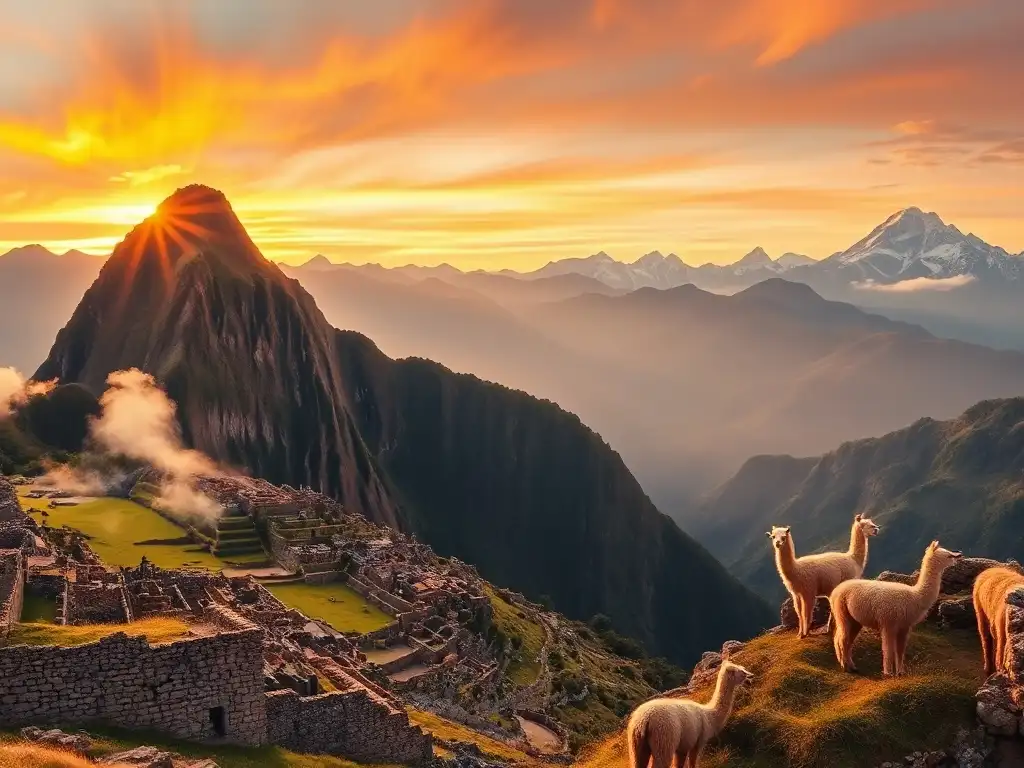
Welcome, adventurer! Prepare to journey back in time and uncover the enigmatic wonders of the Andean civilizations. For centuries, these remarkable societies flourished, leaving behind a breathtaking legacy of ingenuity and artistry. But how did they achieve such greatness? Dive into the fascinating world of Andean civilizations history and discover the secrets behind their enduring impact on the course of human civilization. The story is far more complex and captivating than you might imagine... are you ready to explore?
The Andes Mountains, a spine of towering peaks stretching along the western coast of South America, nurtured some of the most fascinating and complex societies the world has ever known. Long before the arrival of Europeans, the Andean region was home to a vibrant tapestry of cultures, each leaving an indelible mark on the course of history. This article delves into the remarkable achievements of these early Andean civilizations, exploring their innovative agricultural techniques, sophisticated social structures, awe-inspiring architecture, and enduring artistic legacy.
Understanding their history is crucial to appreciating the rich cultural heritage of the region and comprehending the lasting impact these societies have had on the world. We'll examine key aspects of Andean civilizations history, focusing on their innovations and contributions that continue to resonate today.
From the intricate Nazca Lines to the monumental structures of Tiahuanaco, we will uncover the stories behind these remarkable achievements and explore how they shaped the development of later civilizations. This exploration of Andean civilizations history will reveal the ingenuity and resilience of these ancient peoples, highlighting their significant contributions to the global narrative.
Agricultural Innovations: Conquering the Challenges of the Andes
The harsh Andean environment, characterized by steep slopes, arid climates, and unpredictable weather patterns, presented significant challenges to early inhabitants. Yet, rather than being deterred, Andean societies developed ingenious agricultural techniques that allowed them to thrive in these seemingly inhospitable conditions. They mastered terrace farming, creating intricate networks of stepped fields that maximized arable land and minimized soil erosion.
This impressive feat of engineering not only increased food production but also helped to stabilize the fragile Andean ecosystems. Furthermore, they developed sophisticated irrigation systems, channeling water from mountain streams to irrigate their crops. These systems, often involving complex networks of canals and aqueducts, allowed them to cultivate a wide range of crops, including potatoes, maize, and quinoa – staples that continue to be important food sources today.
The development of these techniques was essential for supporting the growth and complexity of Andean societies, laying the foundation for their remarkable achievements in other areas. Evidence suggests that their understanding of water management was far more advanced than previously thought, allowing for efficient distribution even in challenging terrains.
The development of complex agricultural systems facilitated the emergence of sophisticated social structures and political organizations within Andean societies. Early societies were often organized into relatively small, independent communities. However, over time, these communities coalesced into larger, more centralized political entities, culminating in the vast empires of the Inca and other powerful groups.
These empires were characterized by intricate hierarchies, with rulers at the apex and a complex system of officials and administrators managing various aspects of society. The Inca, for instance, implemented a highly organized system of governance, with a vast network of roads connecting different parts of their empire and ensuring efficient communication and control.
While the specifics varied across different Andean cultures, the general trend involved increasing social stratification and the development of powerful centralized states. The organization of labor and resources played a crucial role in the construction of monumental architecture and the management of large-scale public works projects.
Architectural Marvels: Monumental Structures and Urban Planning
The architectural achievements of the Andean civilizations are truly breathtaking. From the precisely aligned stones of Machu Picchu to the colossal structures of Tiahuanaco, these societies demonstrated a mastery of stonework and engineering that continues to inspire awe and wonder. The construction of these monumental structures required sophisticated planning, organization, and labor mobilization, reflecting the advanced social and political organization of these societies. Furthermore, many Andean cities demonstrate a remarkable understanding of urban planning, with carefully planned layouts and integrated infrastructure.
The use of specific building materials and techniques reveal a deep understanding of engineering principles, suggesting sophisticated knowledge of structural mechanics and material science. Analyzing these architectural achievements provides valuable insights into the technological capabilities and societal organization of the Andean civilizations. The precision and scale of these structures are testament to the skill and ingenuity of their builders.
Artistic Expression and Religious Beliefs: A Tapestry of Culture
The artistic expressions of the Andean civilizations are as diverse and rich as the societies themselves. From the intricate textiles of the Nazca to the finely crafted pottery of the Moche, Andean art reflects a deep understanding of aesthetics and a sophisticated mastery of various artistic techniques. Many artistic creations are deeply intertwined with religious beliefs, suggesting a strong connection between art and spirituality. The iconic Nazca Lines, vast geoglyphs etched into the desert floor, remain a source of fascination and debate, with their purpose still partially shrouded in mystery.
These artistic expressions provide valuable insights into the worldview, beliefs, and values of these ancient societies. Studying these artistic artifacts offers a window into the daily lives, religious practices, and social structures of these remarkable cultures. The vibrant colors and intricate designs of Andean art continue to inspire artists and researchers today.
- Agricultural Innovations: Conquering the Challenges of the Andes
- Social Structures and Political Organization: From Tribes to Empires
- Architectural Marvels: Monumental Structures and Urban Planning
- Artistic Expression and Religious Beliefs: A Tapestry of Culture
- What were the main Andean civilizations?
- How did the geography of the Andes influence Andean civilizations?
- What were some of the key technological advancements of the Andean civilizations?
- What is the significance of the Inca Empire in Andean history?
- How did the Andean civilizations influence later cultures?
Understanding the Genesis of Andean Civilizations
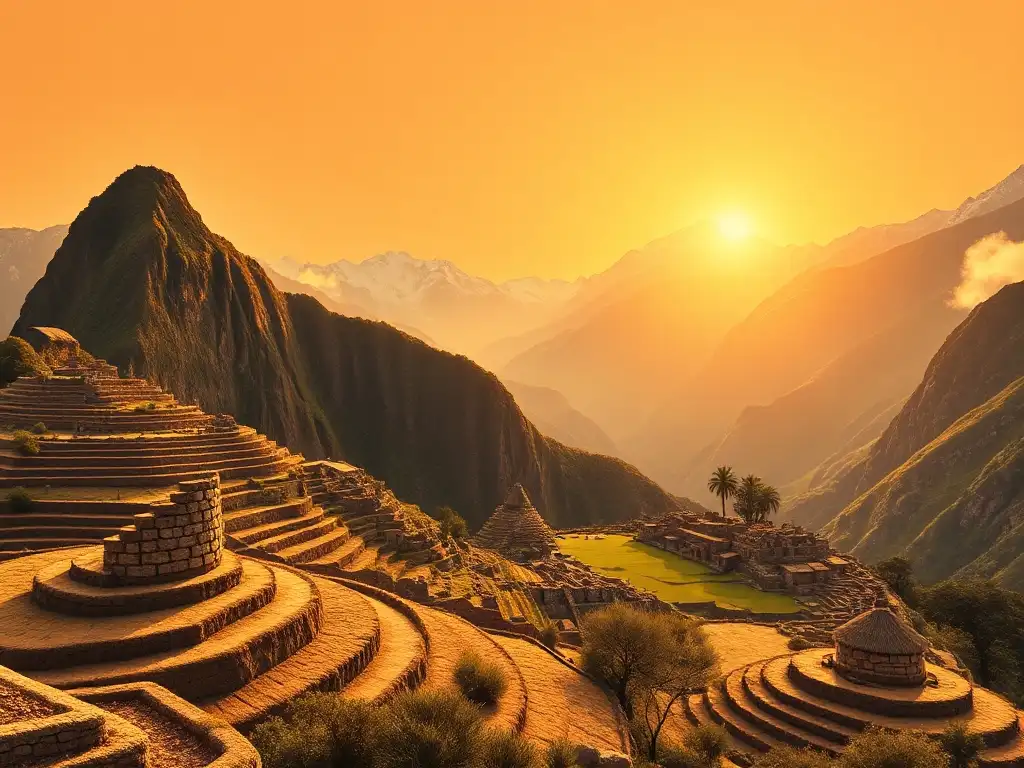
This section delves into the foundational periods that laid the groundwork for the complex Andean civilizations we know today. Understanding these early societies is crucial to appreciating the sophisticated achievements of later empires like the Inca. The development of Andean civilizations wasn't a sudden event but a gradual process spanning millennia, shaped by environmental adaptations and innovative social structures. The story of the Andean civilizations history is one of remarkable resilience and ingenuity in the face of challenging geographical conditions.
The Preceramic Period: Foundations of Andean Societies
The Preceramic Period (c. 8000-1800 BCE) represents the crucial initial phase in Andean civilizations history. During this time, hunter-gatherer groups began to experiment with plant domestication and gradually transitioned towards a more settled existence. Archaeological evidence from sites like Guitarrero Cave in Peru showcases early evidence of plant domestication, including squash and chili peppers.
These early experiments with agriculture were pivotal, laying the foundation for future societal changes. The development of basic tools, such as grinding stones and digging sticks, further reflects the growing importance of plant resources in their daily lives. This period also saw the development of early social structures, though the complexity of these structures remains a subject of ongoing research.
The Preceramic period is characterized by a slow but steady shift away from nomadic lifestyles, paving the way for the later emergence of more complex settlements and societies. Analysis of skeletal remains from this period provides insights into the diet and health of these early Andean inhabitants, revealing valuable information about their adaptation to their environment. Understanding this period is key to unlocking the secrets of Andean civilizations history.
Early Agricultural Practices and Their Impact
The transition to agriculture profoundly impacted Andean societies. The cultivation of crops like potatoes, beans, and maize provided a more stable food source, allowing for population growth and the development of larger settlements. Early Andean agricultural practices were remarkably sophisticated, employing techniques like terracing and irrigation to maximize crop yields in challenging terrain.
The mastery of these techniques was critical to the success of Andean civilizations. For example, the ingenious terrace farming systems allowed for cultivation on steep slopes, effectively increasing arable land. Irrigation systems, often involving complex canals and reservoirs, ensured a reliable water supply even during dry periods.
This agricultural innovation wasn't simply about food production; it also shaped social structures, leading to the emergence of specialized labor and social hierarchies. The increased food surplus likely contributed to the growth of religious and political institutions, laying the groundwork for the rise of complex states. The ingenuity displayed in these early agricultural practices underscores the remarkable adaptation and innovation that characterized Andean civilizations history.
The Development of Sedentary Lifestyles
The shift to sedentary lifestyles was a gradual process, closely linked to the development of agriculture and the availability of reliable food sources. As communities became more settled, they began to build more permanent structures and develop more complex social organization. The emergence of villages and eventually larger towns marked a significant turning point in Andean civilizations history.
These settlements often featured specialized areas dedicated to different activities, such as craft production or religious ceremonies. The increasing density of populations led to the development of more sophisticated social structures, including leadership roles and systems of governance. The construction of monumental architecture, such as large platforms and temples, further indicates the growing complexity and social organization of these early Andean societies.
The development of pottery, textiles, and other craft traditions also flourished during this period, reflecting the growing specialization of labor and the emergence of a more complex material culture. This transition to sedentary life was a fundamental step in the evolution of Andean civilizations, laying the foundation for the later development of powerful empires. The study of these early settlements provides invaluable insights into the social, economic, and political dynamics that shaped Andean civilizations history.
The Emergence of Complex Andean Societies

This section delves into the fascinating development of complex societies in the Andes, a process marked by significant advancements in social organization, agriculture, and technology. Understanding this emergence is crucial to appreciating the later achievements of civilizations like the Inca, Moche, and Nazca, all of which built upon the foundations laid by their predecessors. The Andean civilizations' history is a story of adaptation, innovation, and enduring cultural legacies. This intricate tapestry of development, spanning millennia, ultimately shaped the course of history in the region and beyond.
The Rise of the Initial Period: A Turning Point in Andean History
The Initial Period (roughly 3000-1800 BCE) represents a pivotal moment in Andean civilizations' history. This era witnessed a shift from small, scattered settlements to larger, more organized communities. Key innovations during this time include the widespread adoption of irrigation systems, which dramatically increased agricultural productivity.
This allowed for population growth and the development of more complex social structures. Evidence suggests the development of specialized labor, with individuals dedicating themselves to specific crafts like pottery, textile production, and metalworking. The increasing complexity of society is reflected in the sophistication of their architecture, with the construction of larger, more elaborate structures appearing across the Andes.
This period also saw the beginnings of long-distance trade networks, facilitating the exchange of goods and ideas across vast distances, further contributing to cultural interaction and societal growth. The Initial Period, therefore, laid the groundwork for the subsequent development of more advanced Andean societies, providing the crucial technological and organizational basis for the flourishing of later civilizations. This period profoundly influenced the trajectory of Andean civilizations history, setting the stage for the rise of powerful states.
Chavín de Huántar: A Cultural and Religious Center
Chavín de Huántar, located in the central Andes of modern-day Peru, stands as a testament to the growing complexity of Andean societies during the Initial Period. This site, renowned for its monumental architecture and intricate iconography, served as a significant religious and cultural center. Its influence extended far beyond its immediate surroundings, as evidenced by the widespread distribution of Chavín-style art and artifacts throughout the Andes.
The distinctive Chavín artistic style, characterized by its feline and other zoomorphic motifs, suggests a pan-Andean religious system that unified diverse communities. The intricate carvings and sculptures found at Chavín de Huántar reveal a sophisticated understanding of artistic techniques and a highly developed symbolic language. Scholars believe Chavín's influence was largely based on its religious authority, acting as a central node in a vast pilgrimage network.
The site’s strategic location in the Andes facilitated the exchange of goods and ideas, contributing to a period of intensified cultural exchange and innovation across the region. The legacy of Chavín de Huántar is undeniable, its impact shaping the religious and artistic landscape of the Andes for centuries to come and enriching the narrative of Andean civilizations history.
The Formation of Early States and Chiefdoms
Following the Initial Period, the Andean region saw the emergence of numerous early states and chiefdoms. These societies were characterized by a greater degree of political centralization, with powerful leaders controlling significant populations and resources. The development of these states was closely linked to advancements in agriculture and irrigation technology, which allowed for the production of surplus food.
This surplus provided the resources necessary to support a larger, more complex social hierarchy, including specialized artisans, priests, and warriors. The rise of these early states also coincided with advancements in warfare, as competing groups struggled for control of resources and territory. Examples include the Paracas culture, known for its elaborate textiles and mummification practices, and the Nazca culture, famous for its enigmatic geoglyphs.
These early states, although varying greatly in their specific characteristics, demonstrated a significant leap forward in social organization and political complexity, setting the stage for the even more sophisticated empires that would follow. The intricate interplay between environmental adaptation, agricultural innovation, and political competition shaped the trajectory of these early Andean civilizations, adding another fascinating layer to the rich tapestry of Andean civilizations history.
Regional Diversity in Andean Civilizations
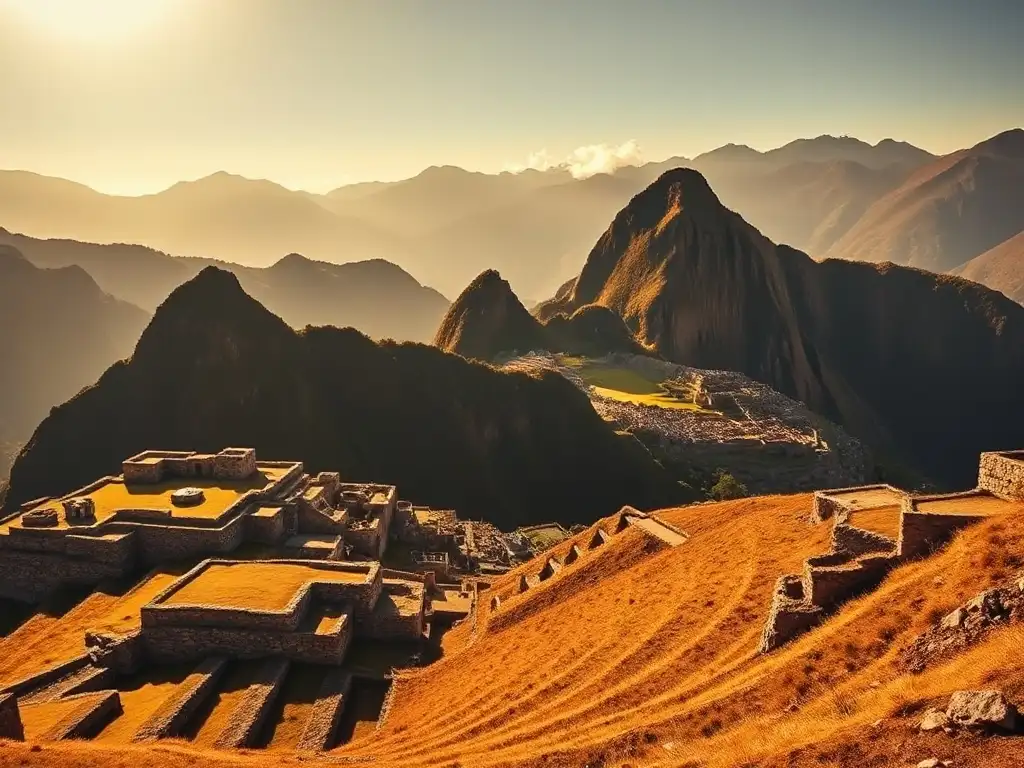
The vast Andean region, stretching along the western coast of South America, wasn't a monolithic entity. Instead, a tapestry of distinct cultures flourished, each leaving an indelible mark on the landscape and the course of Andean civilizations history. Understanding this regional diversity is crucial to appreciating the complexity and resilience of these ancient societies.
Factors like geography, climate, and available resources shaped the unique characteristics of each culture, leading to fascinating variations in social structures, religious beliefs, artistic expression, and technological advancements. This section will delve into three prominent examples: the Moche, the Nazca, and the Tiahuanaco, showcasing the vibrant mosaic that constituted pre-Columbian Andean societies. Their contributions to Andean civilizations history are undeniable, shaping the trajectory of later empires like the Inca.
The Moche Culture: Master Artisans and Engineers
The Moche civilization (c. 100-800 CE) thrived along the northern coast of present-day Peru. Known for their sophisticated irrigation systems, intricate pottery, and impressive monumental architecture, the Moche were master artisans and engineers. Their mastery of hydraulic engineering allowed them to cultivate the arid coastal desert, creating fertile oases that supported a large population. This sophisticated water management, a crucial aspect of their Andean civilizations history, involved complex canal systems and reservoirs that harnessed both river water and groundwater.
The Moche are particularly renowned for their exquisite pottery, which provides invaluable insights into their daily life, religious beliefs, and social hierarchy. Their ceramic pieces often depict vivid scenes of warfare, rituals, and everyday activities, offering a unique window into their world. The level of detail and artistic skill displayed in these artifacts is truly remarkable.
For example, the intricate depiction of human anatomy and the expressive portrayal of emotions in their portraiture are unparalleled in pre-Columbian art. These meticulously crafted pieces are a testament to their artistic prowess and their profound understanding of materials and techniques. The legacy of Moche artistry continues to inspire awe and admiration, solidifying their place in Andean civilizations history.
The Nazca Lines: Unveiling Ancient Geoglyphs
The Nazca culture (c. 100 BCE – 800 CE), also located on the southern coast of Peru, left behind a truly enigmatic legacy: the Nazca Lines. These vast geoglyphs, etched into the desert surface, depict animals, plants, and geometric figures, some stretching over a kilometer in length. Their creation remains a subject of ongoing debate, but their sheer scale and precision are astonishing. The intricate designs, visible only from the air, raise questions about their purpose and the technological capabilities of the Nazca people.
Were they astronomical calendars? Religious symbols? Or something else entirely? The mystery surrounding these enigmatic figures continues to fuel speculation and research, adding to their allure and significance in the history of Andean civilizations.
The Nazca Lines are not just visually stunning; they also represent a significant technological achievement. Creating such large-scale designs required a sophisticated understanding of surveying, planning, and execution. The Nazca people used simple tools, yet managed to achieve an extraordinary level of accuracy and precision. The meticulous removal of the dark surface stones to reveal the lighter subsoil demonstrates an impressive level of organization and collective effort, underscoring the social complexity of Nazca society and its contribution to Andean civilizations history. Their impact extends beyond the visual spectacle; they represent an advanced understanding of geometry, engineering, and spatial planning.
Tiahuanaco: Urban Planning and Agricultural Innovation
The Tiahuanaco culture (c. 1500 BCE – 1100 CE) flourished on the shores of Lake Titicaca in the high Andes. Unlike the coastal cultures, Tiahuanaco adapted to the challenging high-altitude environment, developing innovative agricultural techniques and a remarkable urban center. Their Andean civilizations history is marked by impressive achievements in urban planning and agricultural innovation.
Their capital city, also called Tiahuanaco, was a sophisticated urban center characterized by monumental architecture, precise stonework, and a complex system of canals and terraces. The precision of their stonework, using enormous blocks of andesite, remains a testament to their engineering skills and their understanding of construction techniques. The city's layout suggests a sophisticated understanding of urban planning and social organization.
Tiahuanaco's agricultural innovations were crucial to their survival in the harsh Andean environment. They developed raised fields, a sophisticated system of agricultural terracing, allowing them to maximize crop yields in the challenging high-altitude conditions. This innovative approach to agriculture, another significant aspect of their Andean civilizations history, was fundamental to supporting their large population and contributing to the region's overall development.
The raised fields allowed for better water management and soil fertility, increasing crop production and ensuring food security. This agricultural prowess, combined with their urban planning expertise, allowed Tiahuanaco to thrive for centuries, solidifying its importance in Andean civilizations history.
Key Contributions of Ancient Andean Civilizations
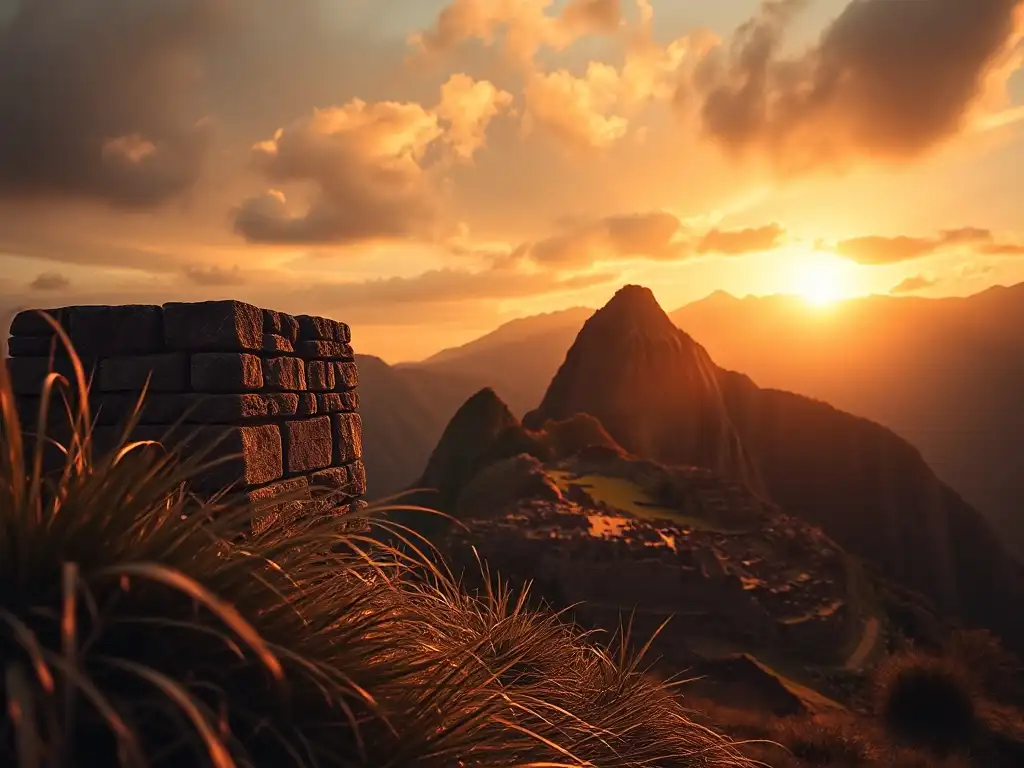
The study of Andean civilizations history reveals a remarkable tapestry of ingenuity and adaptation. These societies, flourishing in a challenging environment, developed sophisticated technologies and cultural practices that left an indelible mark on the course of history. Their achievements extended beyond simple survival; they built complex social structures, advanced economies, and a rich artistic heritage.
Examining their key contributions provides a deeper understanding of their remarkable resilience and lasting impact. The ingenuity and innovation demonstrated by Andean civilizations profoundly shaped not only their own trajectory but also influenced subsequent cultures in the region. Understanding their contributions is crucial to appreciating the richness and complexity of Andean civilizations history.
Advanced Agricultural Techniques: Terrace Farming and Irrigation Systems
The harsh Andean terrain, characterized by steep slopes and limited arable land, presented significant challenges to early inhabitants. However, rather than being deterred, Andean societies developed ingenious agricultural techniques to maximize food production. Terrace farming, a hallmark of Andean ingenuity, transformed steep hillsides into productive farmland. These meticulously constructed terraces, often supported by sophisticated retaining walls, created level platforms where crops could be cultivated efficiently. This innovative approach significantly increased the amount of cultivable land available, mitigating the limitations imposed by the rugged landscape.
Furthermore, the development of intricate irrigation systems was crucial to the success of Andean agriculture. Canals and aqueducts, some remarkably extensive, channeled water from rivers and streams to irrigate fields, ensuring a stable water supply even during dry periods. The Nazca culture, renowned for their sophisticated water management, constructed extensive underground canals (puquios) that tapped into underground aquifers, providing a reliable water source for their crops. These systems were not simply functional; they were testaments to the Andean understanding of hydrology and their ability to engineer complex infrastructure to support their agricultural needs.
The effectiveness of these systems allowed for increased agricultural yields, supporting larger, more complex societies. The sophisticated design and engineering of these irrigation systems stand as a testament to the advanced knowledge and organizational skills of the Andean civilizations. The legacy of these techniques continues to inspire modern agricultural practices in challenging terrains.
Metallurgical Innovations: Gold, Silver, and Copper Work
Andean civilizations were pioneers in metallurgy, mastering the techniques of working with gold, silver, and copper to create exquisite objects of adornment, ritual, and practical use. Their metallurgical skills were exceptionally advanced, demonstrated by their ability to create intricate alloys and to employ techniques like casting, hammering, and gilding. The Moche culture, for instance, is known for its stunning gold and silver work, often depicting intricate scenes of warfare, ritual, and daily life. These artifacts are not only aesthetically captivating but also provide invaluable insights into Moche beliefs, social structures, and artistic sensibilities.
The use of copper was also significant, particularly in the creation of tools and weapons. The mastery of copper smelting and alloying allowed for the production of durable and effective tools for agriculture, construction, and warfare. The combination of copper with other metals, such as tin or arsenic, resulted in stronger and more resilient alloys, furthering their technological advancement.
The sophisticated techniques employed by Andean metallurgists are evident in the intricate details and high level of craftsmanship found in surviving artifacts. These metallurgical achievements underscore the advanced scientific and technological capabilities of Andean societies, impacting their social organization, economic development, and cultural expression. The precision and artistry displayed in their metalwork remain a testament to their exceptional skills.
Textile Art and Weaving: Intricate Designs and Symbolic Meanings
Textiles formed an integral part of Andean culture, serving both practical and symbolic purposes. The Andean civilizations were masters of weaving, creating incredibly intricate textiles using diverse materials like cotton, wool, and camelid fibers. The techniques employed, including tapestry weaving, embroidery, and resist dyeing, demonstrate a high level of skill and artistic sophistication. The textiles themselves were often adorned with complex designs, reflecting a deep understanding of symbolism and narrative.
The intricate patterns and motifs found in Andean textiles often encoded religious beliefs, social status, and historical events. For example, certain designs might represent deities, ancestors, or cosmological concepts, while others might depict scenes from mythology or daily life. The use of specific colors and materials also held symbolic meaning, adding layers of complexity to the visual narratives woven into the textiles.
The legacy of Andean textile art continues to inspire contemporary artists and designers, demonstrating the enduring power and beauty of these ancient creations. The artistry and cultural significance embedded within these textiles offer a profound glimpse into the rich tapestry of Andean civilizations history. Careful analysis of these textiles provides crucial insights into the cultural beliefs and social structures of Andean societies.
The Inca Empire: Culmination of Andean Traditions
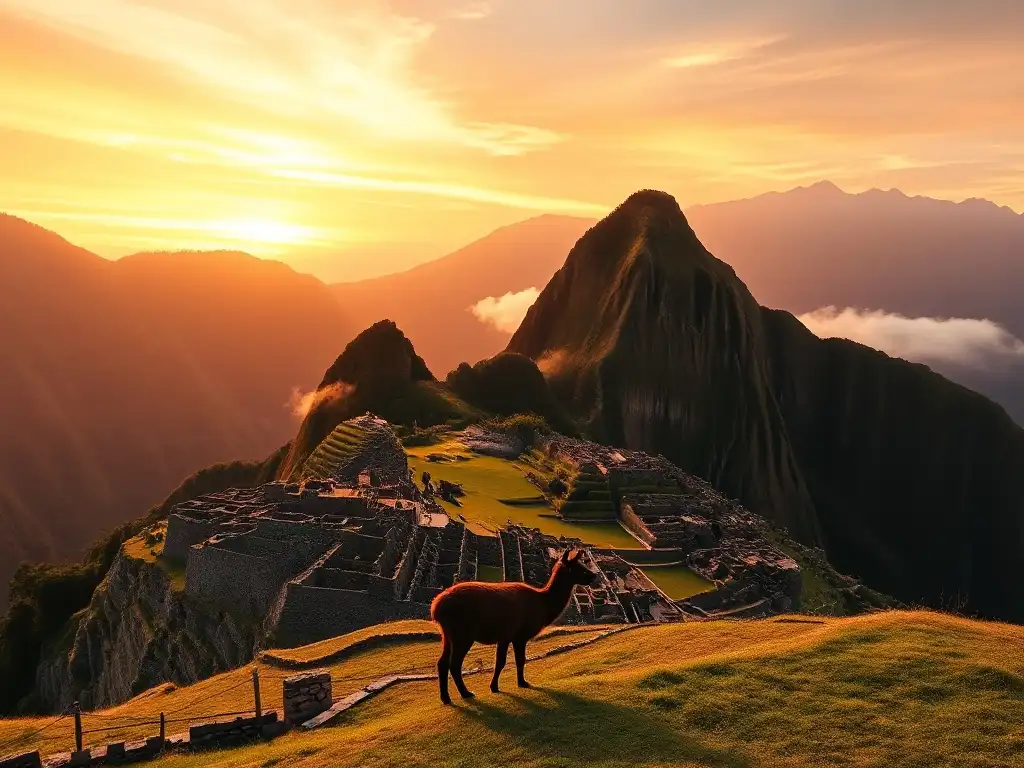
The Inca Empire, flourishing from roughly 1438 to 1533 CE, represents the pinnacle of achievement in Andean civilizations history. While preceding cultures like the Moche, Nazca, and Tiahuanaco laid crucial foundations in agriculture, metallurgy, and societal organization, the Inca synthesized and expanded upon these advancements, creating a vast and sophisticated empire that stretched across a geographically diverse landscape. Their success wasn't solely based on military prowess, but also on a remarkably effective system of governance, infrastructure development, and cultural assimilation.
Understanding the Inca's achievements requires acknowledging the rich tapestry of Andean traditions that preceded them and formed the bedrock of their empire. The Inca weren't starting from scratch; they built upon a legacy of innovation and adaptation.
The Inca Expansion: Unifying the Andean World
The Inca's remarkable expansion across the Andes is a testament to their military strategy and political acumen. Unlike many other empires that relied solely on brute force, the Inca employed a combination of military might and shrewd diplomacy. Their armies, well-equipped and highly disciplined, were effective in conquering rival groups.
However, the Inca also skillfully incorporated conquered populations into their empire, often integrating local elites into their administrative structure. This strategy minimized resistance and facilitated the smooth flow of resources and manpower. The process wasn't always peaceful; there were certainly conflicts and rebellions.
However, the Inca's ability to absorb and adapt to the diverse cultures they encountered is a key factor in understanding their lasting influence. Specific examples of this incorporation are visible in the architectural styles and religious practices found across the vast empire, which showcased a blend of Inca and pre-existing traditions. The speed of their expansion, covering thousands of square kilometers in a relatively short time, remains a subject of ongoing scholarly debate, with various theories focusing on factors such as superior military technology, effective communication networks, and adept political strategies.
The Inca's administrative prowess is equally impressive. Their empire was not merely a collection of conquered territories, but a carefully organized system with a complex network of roads, administrative centers, and a sophisticated social hierarchy. The qhapaq ñan, the extensive network of roads, facilitated communication and the movement of goods and people across the vast empire, connecting distant regions and integrating the diverse populations.
This remarkable infrastructure, along with sophisticated record-keeping systems using quipus (knotted strings), allowed for efficient resource management and tax collection. The Inca's social organization was based on a system of ayllus, kinship-based communities that formed the foundation of their society. This system provided a framework for labor organization, social support, and the distribution of resources.
The emperor, considered a divine figure, sat at the apex of the social hierarchy, with a complex bureaucracy responsible for administering the empire and maintaining social order. The precise details of Inca governance and the degree of centralization continue to be debated by historians, but the evidence suggests a remarkable level of organizational sophistication for its time. Furthermore, the Inca's ability to adapt their administrative structures to the diverse needs of different regions demonstrates a flexible and pragmatic approach to governance.
Inca Legacy: Impact on Modern Andean Culture
The Inca Empire's collapse in the face of Spanish conquest in the 16th century didn't erase its legacy. In fact, the Inca's influence permeates many aspects of modern Andean culture. Architectural styles, agricultural practices, and even certain aspects of language and social organization reflect the enduring impact of the Inca Empire.
The Quechua language, for instance, remains widely spoken across the Andes, a testament to the Inca's success in spreading their language and culture. Moreover, many traditional Andean festivals and ceremonies retain elements of Inca religious practices, demonstrating the persistence of pre-Columbian traditions within a modern context. While the Spanish conquest brought significant changes, the underlying structures and cultural elements of Inca civilization continue to resonate in the daily lives of millions across the Andes.
The ongoing study of Andean civilizations history reveals the complexity of this legacy and its profound impact on the region's identity and cultural heritage. The resilience of Andean traditions, even after centuries of change, underscores the deep roots and lasting significance of the Inca Empire and its predecessors.
Andean Civilizations History: A Lasting Influence
The study of Andean civilizations history reveals a remarkable tapestry of ingenuity and adaptation. These societies, flourishing in a challenging high-altitude environment, developed sophisticated agricultural techniques, intricate social structures, and awe-inspiring artistic expressions. Their legacy extends far beyond their geographical boundaries, influencing subsequent cultures and leaving an indelible mark on the world.
Understanding their history allows us to appreciate the complexity of human societies and the enduring power of cultural innovation. This section will delve into specific aspects of their lasting influence, focusing on their artistic and technological achievements and the lessons we can glean from their successes and failures for contemporary society. The keyword "Andean civilizations history" is central to understanding the profound impact of these remarkable cultures.
The Enduring Impact of Andean Art, Architecture, and Technology
Andean art, architecture, and technology represent a pinnacle of human achievement, particularly considering the resource limitations and environmental challenges faced by these societies. The intricate textiles of the Nazca, for example, demonstrate an unparalleled mastery of weaving techniques, using vibrant natural dyes and complex patterns that continue to inspire contemporary artists.
The monumental architecture of the Inca, such as Machu Picchu, showcases advanced engineering skills and a deep understanding of stonework, with precisely fitted stones that remain a testament to their expertise. Their sophisticated irrigation systems, notably the ingenious canales (canals) of the Wari and Tiwanaku, allowed for intensive agriculture in arid regions, a technological marvel that ensured food security and societal stability.
The legacy of Andean technology extends beyond impressive structures. Their advancements in metallurgy, particularly in gold and silver working, produced exquisite artifacts and tools. The Moche, for instance, were masters of metal casting, creating intricate figurines and ceremonial objects. These advancements in metallurgy, combined with their agricultural innovations, contributed to the rise of complex social hierarchies and centralized political systems.
The precision and artistry displayed in these works demonstrate a deep understanding of materials and techniques far beyond what was expected for their time. These achievements continue to inspire awe and inform contemporary studies in engineering, art history, and anthropology. The study of Andean civilizations history provides invaluable insights into the innovative capacities of early human societies.
Lessons from the Past: Insights for Contemporary Societies
The rise and fall of Andean civilizations offer valuable lessons for contemporary societies. Their successes highlight the importance of sustainable resource management, innovative technologies, and social cohesion. The sophisticated agricultural techniques employed by the Andean societies, for example, provided a model for sustainable land use that is relevant even today, especially in the face of climate change and increasing population density. Their ability to adapt to a challenging environment underscores the importance of resilience and ingenuity in overcoming obstacles.
Conversely, the collapse of certain Andean societies serves as a cautionary tale. Overextension of resources, social inequality, and environmental degradation all contributed to the decline of some of these powerful empires. Studying these factors provides valuable insights into the potential pitfalls of unsustainable practices and the importance of equitable social structures. Understanding the intricacies of Andean civilizations history allows us to critically examine our own societal structures and practices, learning from their successes and failures to build more sustainable and equitable communities. 🌎 The study of these civilizations provides important lessons for modern-day societies navigating similar challenges.
Preserving the Heritage of Andean Civilizations for Future Generations
Preserving the heritage of Andean civilizations is crucial for understanding our shared human history and fostering a deeper appreciation of cultural diversity. This requires a multifaceted approach encompassing archaeological research, museum curation, community engagement, and educational initiatives. Careful excavation and preservation of archaeological sites are paramount to protecting these invaluable resources.
Museums play a vital role in showcasing Andean artifacts and disseminating knowledge to a wider audience. Furthermore, engaging local communities in the preservation process is essential, ensuring that their voices and perspectives are central to the narrative. Educational programs, from primary school to university level, can foster a greater understanding and appreciation of Andean civilizations history among future generations.
The challenge of preserving this heritage is significant, requiring collaboration between governments, academic institutions, and local communities. The threats posed by climate change, looting, and unsustainable tourism practices necessitate proactive and comprehensive strategies. By investing in research, conservation, and education, we can ensure that the rich legacy of Andean civilizations continues to inspire and inform generations to come. Protecting this heritage is not just a matter of preserving the past; it is an investment in our shared future. The continued study and preservation of Andean civilizations history are vital for a more complete understanding of humanity's past and present.
Frequently Asked Questions
What were the main Andean civilizations?
The main Andean civilizations include the Inca, Moche, Nazca, and Tiahuanaco, each with unique cultural and technological achievements. They all thrived in the challenging Andean environment, leaving behind impressive legacies.
How did the geography of the Andes influence Andean civilizations?
The rugged terrain of the Andes significantly impacted Andean societies, shaping their agricultural practices, urban planning, and social structures. Adaptation to high altitudes and diverse climates was crucial for survival.
What were some of the key technological advancements of the Andean civilizations?
Andean civilizations developed impressive technologies, including advanced irrigation systems, complex road networks, and remarkable metalworking techniques, demonstrating their ingenuity and engineering skills. Their mastery of stonework is also noteworthy.
What is the significance of the Inca Empire in Andean history?
The Inca Empire represents the largest and most sophisticated pre-Columbian state in the Andes. Their extensive administrative system, standardized language (Quechua), and impressive infrastructure left a lasting impact on the region.
How did the Andean civilizations influence later cultures?
The legacy of Andean civilizations continues to influence modern cultures in South America. Their artistic styles, agricultural techniques, and social structures have left an enduring mark, shaping the identity of many Andean communities today.
Final Reflection: Echoes of the Andes: A Legacy That Still Resonates
The ingenuity and resilience of early Andean societies continue to shape our understanding of human potential and societal development, offering invaluable lessons for navigating the complexities of the modern world. Their sophisticated agricultural techniques, intricate social structures, and remarkable architectural achievements stand as testaments to human adaptability and innovation, reminding us of the enduring power of collective effort and cultural preservation.
The impact of Andean civilizations extends far beyond their geographical boundaries, influencing everything from our understanding of sustainable agriculture to our appreciation of artistic expression. Their legacy is woven into the fabric of Latin American culture, visible in its vibrant traditions, languages, and artistic styles. The past is never dead. It's not even past.
– William Faulkner. This quote perfectly encapsulates the enduring influence of these remarkable societies, whose innovations and cultural practices continue to inform and inspire us today. Their stories, often untold or misunderstood, deserve to be heard and celebrated for their profound contribution to the human experience.
Consider the challenges faced by these early Andean societies – environmental pressures, social inequalities, and the constant need for adaptation. Their triumphs and failures offer a rich tapestry of experience from which we can learn. You, the reader, are now part of this ongoing conversation.
Take a moment to reflect on the parallels between the challenges faced by these ancient societies and those we confront today. How can we learn from their successes and failures to build a more sustainable, equitable, and resilient future? Let the echoes of the Andes inspire you to seek innovative solutions and to appreciate the richness of human history and cultural diversity.
Unveil the Influence of Andean Civilizations!
Thank you for exploring the fascinating world of early Andean societies! You've discovered key insights into how these remarkable civilizations shaped our history, and we encourage you to continue your exploration.
Here are some next steps:
- **Deepen your knowledge:** Explore our archives, which feature numerous articles detailing the contributions of specific Andean cultures. Visit our website at Andean Civilizations to begin your deeper dive.
- **Share your perspective:** Join the conversation! We'd love to hear your thoughts on how these ancient societies continue to influence modern culture. Share your insights in the comments section below and connect with fellow enthusiasts.
- **Become a member of our community:** Subscribe to our newsletter for fascinating updates and exclusive content about Andean history and the latest archaeological discoveries.
Which aspect of Andean civilization do you find most captivating, and how do you see its relevance in the modern world?