
The Enigmatic Geoglyphs: How the Nazca Created Their Desert Art

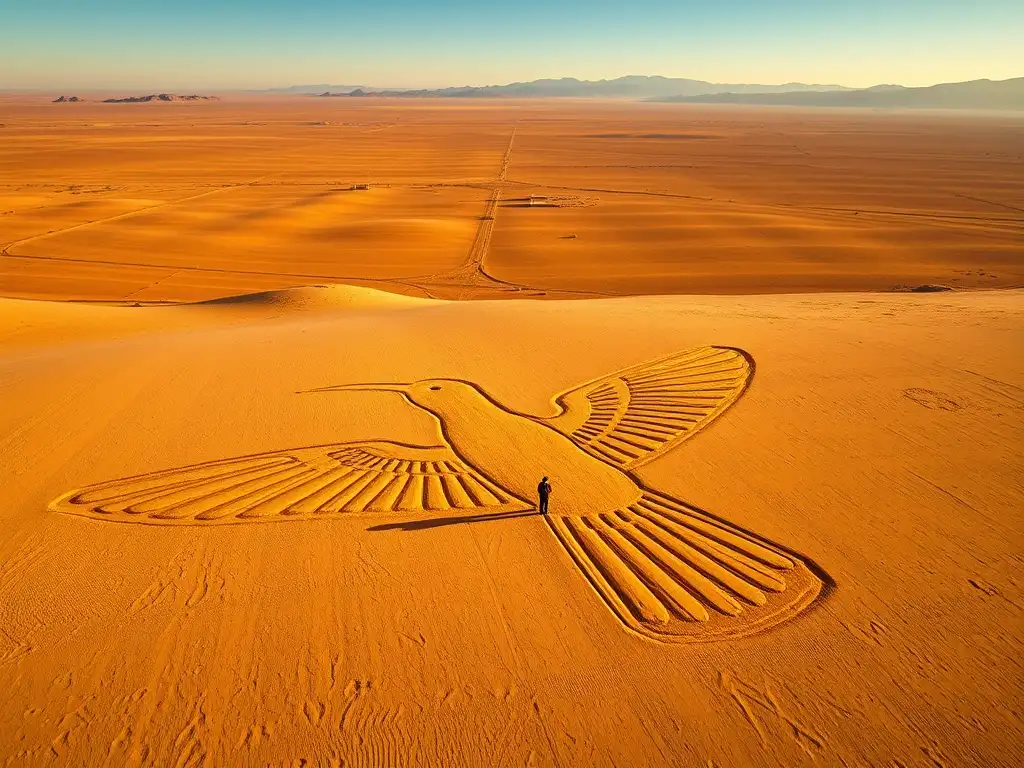
Welcome, explorer! Prepare to journey into the heart of a mystery that has captivated minds for centuries. The Andean Civilizations website unveils the secrets of ancient societies, from the Incas to the Nazca. But what forces drove the creation of the Nazca Lines desert art? Discover the ingenuity and artistry behind these enigmatic geoglyphs and unravel the secrets etched into the Peruvian desert. Dive in and uncover the truth!
The Nazca Lines, sprawling geoglyphs etched into the Peruvian desert, stand as a testament to the ingenuity and artistry of the Nazca civilization (c. 100 BCE – 800 CE). These massive figures, depicting animals, plants, and geometric shapes, remain one of archaeology's greatest mysteries. For centuries, their purpose has been debated, sparking countless theories and fueling fascination with this ancient Andean culture.
This article delves into the current understanding of how the Nazca people, with their limited technology, managed to create these breathtaking works of desert art, exploring the techniques, tools, and societal implications of their creation. Understanding the creation of the Nazca Lines provides crucial insight into the sophisticated societal organization and advanced engineering skills of this remarkable civilization, a pivotal moment in the rise of complex societies in the Andes. We will examine the evidence, exploring the challenges overcome and the enduring legacy of these enigmatic figures.
Understanding the Nazca Lines: Scale and Complexity
The sheer scale of the Nazca Lines is awe-inspiring. Many of the geoglyphs stretch hundreds of meters in length, visible only from the air. This fact, discovered only with the advent of aviation, has further added to the mystery surrounding their creation. The complexity of the designs, with their intricate details and flowing lines, is equally remarkable.
Animals like the hummingbird, monkey, and spider are depicted with astonishing accuracy, suggesting a deep understanding of both animal anatomy and artistic representation. The geometric designs, including triangles, spirals, and trapezoids, are equally precise and demonstrate a sophisticated grasp of geometric principles. The creation of these massive images required meticulous planning, significant manpower, and a profound understanding of the desert landscape.
The Tools and Techniques of Nazca Artists
While the exact tools used remain a subject of ongoing research, evidence suggests the Nazca utilized relatively simple implements. Archaeological findings indicate the likely use of wooden stakes and ropes to outline the designs. The removal of the dark surface layer of desert varnish, revealing the lighter subsoil beneath, was likely achieved through careful scraping and brushing techniques.
The process would have been incredibly laborious, requiring substantial coordination amongst a workforce. The vast scale of the projects suggests a highly organized society, capable of mobilizing and managing large groups of people for extended periods. This level of social organization is a key indicator of the advanced societal structures of the Nazca. Further research is needed to fully understand the nuances of their techniques, but the available evidence points to a process that demanded both skill and precision.
The Societal Implications of Nazca Line Creation
The creation of the Nazca Lines was not merely an artistic endeavor; it was a significant societal undertaking. The immense effort involved implies a strong social hierarchy and a centralized authority capable of directing labor and resources. The lines may have served religious, ritualistic, or astronomical purposes, reflecting the Nazca's worldview and their relationship with the natural world.
The precise alignment of some geoglyphs with celestial events suggests a possible astronomical significance, linking the Nazca's artistic achievements to their understanding of the cosmos. The collective effort required to create these monumental works fostered a sense of community and shared identity, reinforcing social cohesion within the Nazca civilization. This collaborative effort played a crucial role in shaping the social fabric of the Nazca, highlighting their ability to organize and execute large-scale projects.
Enduring Legacy and Ongoing Research
The Nazca Lines continue to inspire awe and wonder, captivating researchers and visitors alike. Their creation remains a testament to the ingenuity and artistic vision of the Nazca people, offering invaluable insights into their culture and society. Ongoing research continues to shed light on the techniques, purposes, and societal context of these enigmatic geoglyphs. New technologies, like high-resolution satellite imagery and advanced surveying techniques, are providing fresh perspectives on these ancient masterpieces, promising further discoveries about the Nazca and their legacy. The Nazca lines serve as a powerful reminder of the enduring impact of human creativity and the mysteries that still await unveiling within the ancient world.
The study of the Nazca Lines and their creation continues to be a dynamic field, offering new discoveries and enriching our understanding of the "Nazca lines desert art creation" each year. The ongoing research underscores the importance of preserving these invaluable cultural treasures for future generations.
- Understanding the Nazca Lines: Scale and Complexity
- The Tools and Techniques of Nazca Artists
- The Societal Implications of Nazca Line Creation
- Enduring Legacy and Ongoing Research
Unveiling the Mystery of Nazca Lines: An Introduction to Desert Art
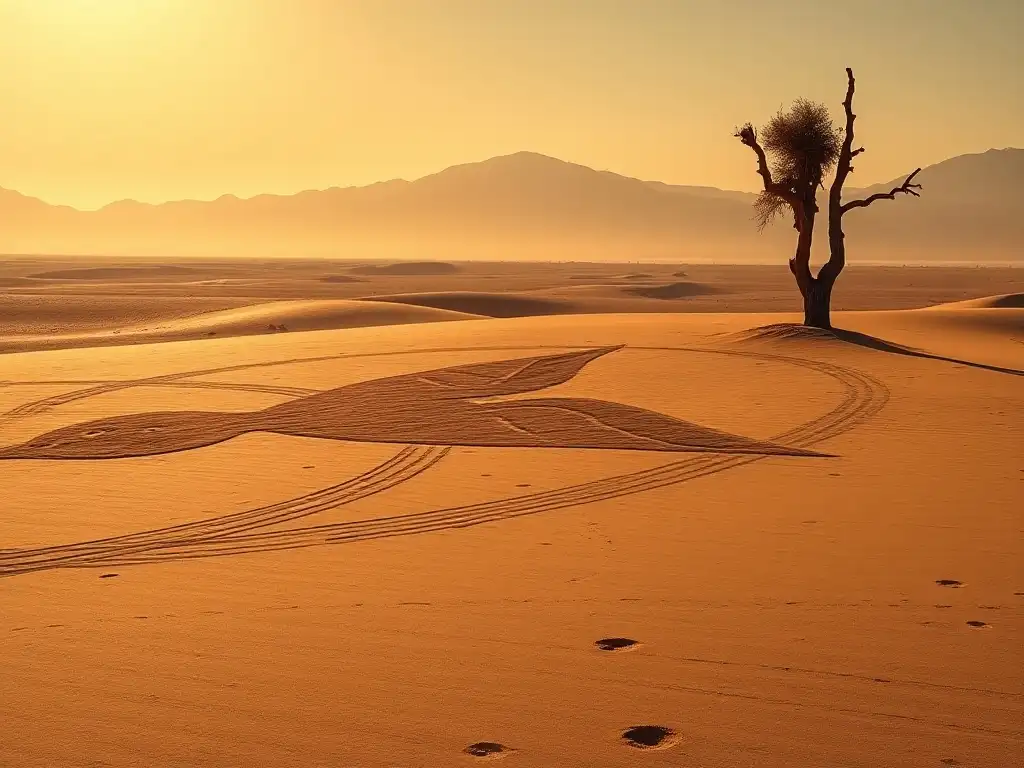
This section delves into the captivating world of Nazca Lines, focusing on their creation and the cultural context surrounding this unique form of desert art. We will explore the ingenious techniques employed by the Nazca people, their understanding of the landscape, and the enduring significance of these enigmatic geoglyphs. Understanding the "Nazca lines desert art creation" requires a multifaceted approach, combining archaeological evidence with anthropological interpretations.
We will examine the societal structures, technological capabilities, and spiritual beliefs that enabled the Nazca to create these awe-inspiring works. The mystery surrounding their purpose continues to fascinate researchers and visitors alike, making this a compelling area of study within the broader context of Andean civilizations.
The Nazca Culture: Setting the Stage for Geoglyph Creation
The Nazca culture flourished along the southern coast of Peru, between approximately 100 BCE and 800 CE. They were known for their sophisticated irrigation systems, intricate pottery depicting vibrant imagery, and their mastery of textile production. Their society was hierarchical, with evidence suggesting a complex political and social organization.
This organizational structure, characterized by specialized labor and centralized authority, was crucial to the undertaking of such a monumental project as the creation of the Nazca Lines. The ability to mobilize large workforces and coordinate efforts across vast distances indicates a high level of social cohesion and planning. Furthermore, the development of advanced agricultural techniques allowed for a surplus of food and resources, freeing up a portion of the population to dedicate their time and skills to the creation of the geoglyphs.
The precise role of religious beliefs in the creation of the Nazca Lines is debated but many believe that they held significant spiritual or ritualistic importance. This suggests a close connection between artistic expression and religious practices within Nazca society.
The Geographic Context: The Arid Landscape of Nazca
The Nazca desert, with its exceptionally dry climate and expansive plains, provided the perfect canvas for the creation of these massive geoglyphs. The unique characteristics of the desert soil, composed primarily of reddish-brown oxidized iron, played a key role in the preservation of the lines. The extremely low rainfall and lack of vegetation minimized erosion, allowing the geoglyphs to survive for centuries, even millennia.
The Nazca people strategically utilized the natural features of the landscape, incorporating the existing topography into their designs. This careful integration of art and environment highlights their deep understanding of the local geography and their ability to adapt to it. The vastness of the desert also provided ample space for the creation of these large-scale designs, which stretch for kilometers across the plains.
The arid conditions, while challenging for agriculture, proved remarkably advantageous for the longevity of the Nazca Lines, ensuring their survival to this day. Understanding the "Nazca lines desert art creation" requires recognizing the vital role played by the physical environment in their creation and preservation.
What are Nazca Lines? Defining Geoglyphs and their Significance
The Nazca Lines are a collection of geoglyphs—large designs or symbols created on the ground—located in the Nazca Desert of southern Peru. These figures, ranging from simple lines and geometric shapes to intricate depictions of animals and plants, were created by removing the dark reddish-brown topsoil to expose the lighter subsoil beneath. The scale of these geoglyphs is truly breathtaking, with some figures stretching hundreds of meters in length.
Their creation required meticulous planning, precise execution, and a significant investment of labor. While the precise purpose of the Nazca Lines remains a subject of ongoing debate, leading theories suggest that they served religious, ritualistic, or astronomical purposes. Some researchers believe that they were used as markers for pilgrimage routes or as part of ceremonies related to water and fertility.
Others suggest an astronomical significance, with some lines possibly aligning with celestial events. Regardless of their intended function, the Nazca Lines stand as a testament to the ingenuity and artistic prowess of the Nazca people, showcasing their ability to transform the seemingly barren landscape into a vast canvas for expressing their beliefs and worldview. The enduring mystery surrounding the "Nazca lines desert art creation" continues to fuel research and fascination, making them one of the most remarkable archaeological sites in the world.
Nazca Lines Desert Art Creation: Techniques and Tools
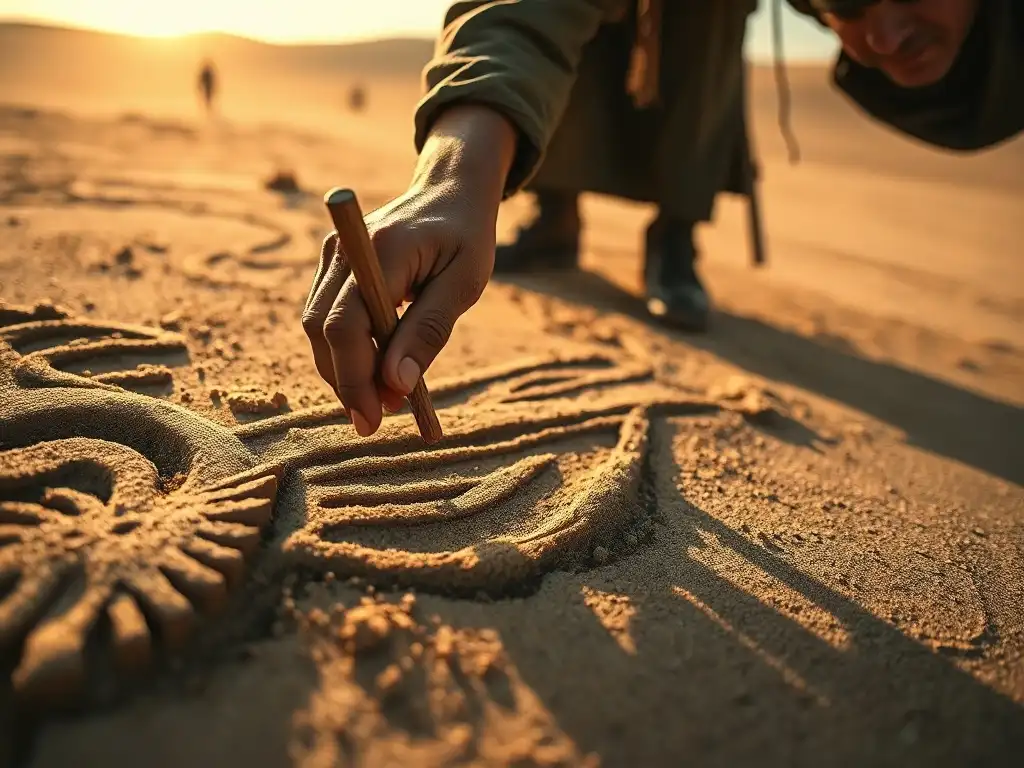
This section delves into the fascinating methods and tools employed by the Nazca people to create their iconic desert art, the Nazca lines. Understanding these aspects sheds light on the ingenuity and precision of this ancient civilization, revealing a sophisticated understanding of geometry and landscape manipulation. The creation of these massive geoglyphs wasn't a haphazard undertaking; it involved careful planning, specialized techniques, and surprisingly simple tools. The mystery surrounding the Nazca lines desert art creation is partially unravelled by examining these practical aspects of their production.
The Methods of Geoglyph Construction: Removing the Oxidized Topsoil
The Nazca lines weren't painted onto the desert floor; instead, they were created by removing the dark reddish-brown topsoil, revealing the lighter-colored subsoil beneath. This process, painstaking and labor-intensive, involved carefully scraping away the oxidized surface layer to expose the contrasting lighter sand. This meticulous removal created the visual effect of the lines, figures, and designs.
The depth of the removal varied depending on the size and type of geoglyph. For smaller lines, a shallow scraping might suffice, while broader lines or larger figures required deeper excavation. Evidence suggests that the removal process wasn't uniform across all geoglyphs; some lines show a more pronounced depth than others, possibly indicating different tools or techniques used, or even changes in methodology over time. Further research is needed to fully understand the variations in depth and their significance.
The process itself, however, points to a deep understanding of the desert environment and its soil composition. The choice of removing the topsoil rather than adding pigment speaks volumes about the Nazca's resourcefulness and respect for the delicate desert ecosystem. The Nazca lines desert art creation process was clearly one of careful consideration.
One compelling theory suggests that the Nazca might have used simple tools like wooden shovels or even sharpened sticks to remove the topsoil, given the lack of sophisticated metal tools at the time. However, the sheer scale of some of the geoglyphs raises questions about the speed and efficiency of these tools. More research is needed to clarify this aspect of the Nazca lines desert art creation process.
The Tools Used by the Nazca Artists: Stakes, Cords, and Simple Instruments
Despite the monumental scale of their work, the Nazca utilized surprisingly simple tools for the Nazca lines desert art creation. Archaeological evidence suggests that stakes, cords, and possibly some form of rudimentary leveling instruments were used. The stakes, likely made of wood or other readily available materials, would have served as markers to define the outlines of the geoglyphs. The cords, possibly made of plant fibers, would have been stretched between these stakes to create straight lines and curves.
This method is supported by the remarkable straightness and precision of many of the lines. The use of simple tools doesn't diminish the achievement; instead, it highlights the ingenuity and skill of the Nazca artists in using readily available materials to achieve astonishing results. The precision achieved suggests a significant understanding of geometric principles and the ability to coordinate large teams of workers.
The Nazca lines desert art creation process showcases a mastery of simple tools and large-scale planning. Further research into the materials used for the tools themselves would further enhance our understanding of this remarkable feat of engineering. For example, analyzing the remaining traces of organic materials from the tools could reveal valuable information about the resources available to the Nazca.
Precision and Planning: Using Geometric Principles for Scale and Alignment
The remarkable precision and alignment of the Nazca lines strongly indicate a sophisticated understanding of geometric principles. The geoglyphs aren't randomly scattered across the landscape; many lines are remarkably straight, extending for kilometers with minimal deviation. Furthermore, some of the figures exhibit a surprising level of symmetry and proportion. This precision wasn't accidental; it required careful planning and execution.
The Nazca lines desert art creation process involved a clear understanding of scale and perspective. Creating these vast geoglyphs required a systematic approach, likely involving surveying techniques using simple tools to ensure accurate alignment and proportions. It is hypothesized that the Nazca employed techniques similar to those used in other ancient cultures, possibly using sightlines or triangulation to establish the layout and scale of their creations.
The complex shapes and geometric patterns found in many of the geoglyphs suggest a level of mathematical understanding that surpasses what might be initially assumed for a pre-Columbian society. The scale and precision of the Nazca lines desert art creation stand as a testament to their advanced knowledge of geometry and spatial planning.
The level of precision in the Nazca lines rivals that of modern surveying techniques, highlighting the sophisticated planning and execution that went into their creation. Moreover, the alignment of certain geoglyphs with astronomical events is a compelling aspect that warrants further investigation, adding another layer of complexity to the understanding of the Nazca lines desert art creation.
Deciphering the Nazca Geoglyphs: Meanings and Interpretations
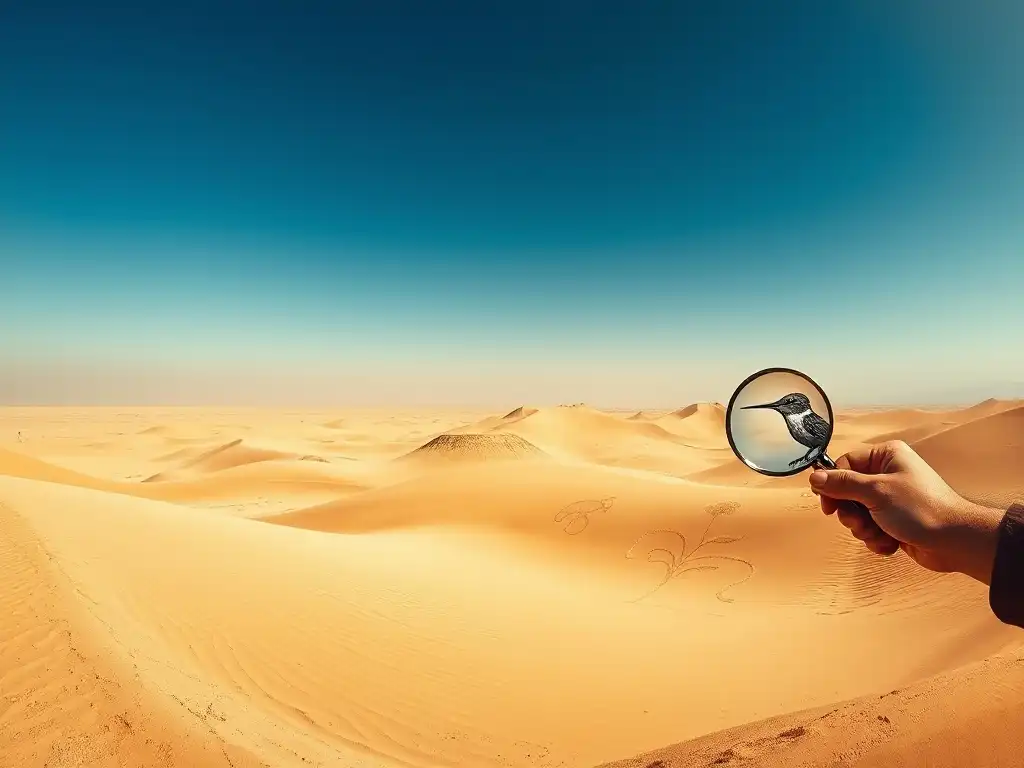
The Nazca Lines, sprawling across the Peruvian desert, remain one of archaeology's most enduring mysteries. While their precise purpose continues to elude definitive explanation, researchers have made significant strides in understanding the potential meanings and interpretations behind these enigmatic geoglyphs. The sheer scale and complexity of the designs, combined with the challenging desert environment in which they were created, present a fascinating puzzle for scholars.
The keyword "Nazca lines desert art creation" is central to understanding the immense effort involved in their production. Analyzing these colossal figures requires a multidisciplinary approach, drawing upon anthropology, archaeology, astronomy, and even mathematics. The vastness of the project underscores the advanced societal organization and engineering capabilities of the Nazca culture.
The Diverse Motifs: Hummingbirds, Monkeys, and Spirals
The Nazca Lines are not merely a collection of random lines; they depict a diverse range of motifs. Animals, such as hummingbirds, monkeys, lizards, spiders, and even whales, are prominently featured, along with geometric shapes like spirals, triangles, and trapezoids. The level of detail in some of these figures is astonishing, particularly considering the scale and the materials used. For example, the hummingbird geoglyph, with its delicate wings and elongated beak, showcases a remarkable attention to detail.
Similarly, the intricacy of the monkey figures, capturing the characteristic posture and features of these primates, speaks volumes about the artistic abilities of the Nazca people. The inclusion of geometric shapes suggests a possible symbolic or ritualistic significance, possibly related to their cosmology or social structure. The variety of motifs, however, raises questions about the overall purpose and interconnectedness of the designs. Were they created over a long period, reflecting evolving cultural beliefs?
Or was there a more unified, overarching purpose? Further research, including detailed analysis of the stylistic variations across different geoglyphs, is needed to fully grasp the meaning behind this diverse iconography. The meticulous execution of these "Nazca lines desert art creation" projects speaks to a sophisticated understanding of design and perspective.
Theories on the Purpose of Nazca Lines: Water Rituals, Pilgrimage Routes, and Astronomical Alignments
Numerous theories attempt to explain the purpose of the Nazca Lines. One prominent hypothesis centers on water rituals. Given the aridity of the region, water was a precious resource, and the lines might have played a role in ceremonies related to rainfall and the fertility of the land. This theory gains some credence from the presence of certain motifs, such as stylized plants and animals associated with water sources.
Another theory suggests that the lines served as pilgrimage routes, with individuals traveling along specific paths to sacred sites. This idea is supported by the linear nature of some of the geoglyphs and their potential connection to settlements and other archaeological features. Perhaps the most intriguing theory links the lines to astronomical alignments.
Some researchers believe that certain geoglyphs align with celestial events, such as solstices and equinoxes, suggesting a sophisticated understanding of astronomy and its connection to their religious beliefs. The combination of these different theories—water rituals, pilgrimage routes, and astronomical alignments—points towards a complex interplay of religious, social, and practical factors driving the creation of the "Nazca lines desert art creation" masterpieces. Further investigation, particularly through advanced digital mapping and analysis techniques, could help to refine these theories and potentially reveal new insights.
The Role of Nazca Lines in their Cosmology: Connecting the Terrestrial and Celestial Realms
The Nazca Lines likely played a crucial role in the cosmology of the Nazca people, acting as a bridge between the terrestrial and celestial realms. The intricate designs, particularly the animal figures, might have represented deities or powerful spirits inhabiting both the earthly and heavenly spheres. The incorporation of astronomical alignments further reinforces this connection, suggesting that the Nazca viewed the lines as a way to interact with and understand the cosmos.
The creation of these immense "Nazca lines desert art creation" works was not a mere artistic endeavor; it was a profoundly spiritual act, embedding their worldview within the landscape itself. The lines weren't simply observed; they were actively engaged with, possibly through rituals and ceremonies performed along their pathways. This integration of the earthly and celestial suggests a holistic worldview, where the natural world and the supernatural were inextricably linked.
Further research is needed to explore the specific religious beliefs and practices associated with the Nazca Lines, possibly through the analysis of associated artifacts and iconography found at nearby settlements. The full extent of their cosmological significance remains a captivating area of ongoing study.
The Conservation and Study of Nazca Lines: Preserving the Legacy
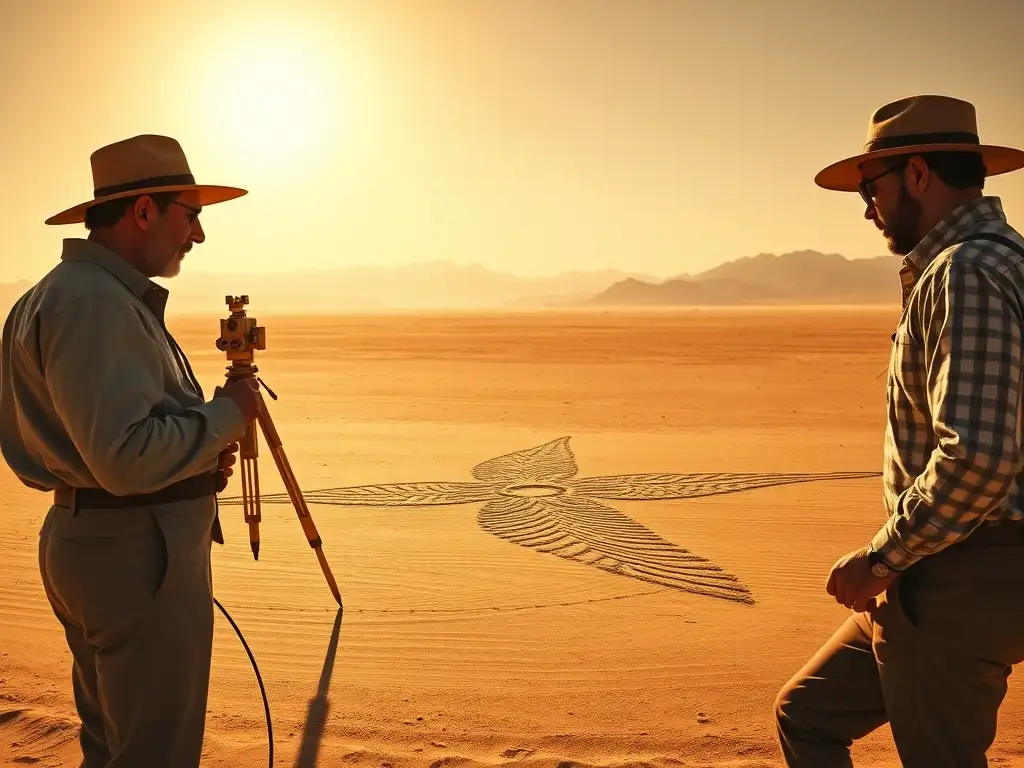
The Nazca Lines, a breathtaking example of ancient desert art, face numerous threats demanding careful conservation strategies and ongoing research. Understanding how these geoglyphs were created is only half the battle; preserving them for future generations requires a multi-faceted approach addressing both natural and human-induced deterioration. The fragility of the desert ecosystem, combined with the impact of tourism and climate change, necessitates a proactive and adaptive conservation plan. This section details the challenges faced and the ongoing efforts to safeguard this incredible legacy of Nazca lines desert art creation.
The Challenges of Preserving Ancient Desert Art
The Nazca Lines' location in the arid coastal plain of southern Peru presents unique challenges. The delicate lines, etched into the surface of the desert, are susceptible to several factors:
- Erosion: Wind erosion is a constant threat, gradually eroding the surface and blurring the lines. Flash floods, infrequent but powerful, can cause significant damage in a short period. The very aridity that helped preserve them for centuries can also contribute to fragility.
- Human Impact: Increased tourism, while boosting the local economy, poses a significant risk. Foot traffic, even on designated paths, can compact the soil and damage the geoglyphs. Illegal activities like off-road driving further exacerbate the problem. The Nazca lines desert art creation is particularly vulnerable to these actions.
- Climate Change: Shifting weather patterns and increased temperatures may intensify erosion and alter the delicate balance of the desert ecosystem, indirectly impacting the geoglyphs' condition. Changes in rainfall patterns could lead to increased flooding or desertification, both detrimental to the lines. This is a critical challenge for the long-term preservation of Nazca lines desert art creation.
The preservation of these intricate Nazca lines desert art creations necessitates constant monitoring, proactive measures to mitigate erosion, and strict regulations to control human impact. Careful planning and execution of conservation efforts are vital for the long-term survival of this incredible heritage. Data on erosion rates and the impact of tourism is constantly being collected and analyzed to inform these strategies.
Recent research employing advanced technologies has significantly enhanced our understanding of the Nazca Lines. High-resolution aerial photography, satellite imagery, and ground-penetrating radar are providing new insights into the geoglyphs' design, construction, and the extent of the Nazca lines desert art creation. These technological advancements allow researchers to:
- Map the Lines in Unprecedented Detail: Previously unknown geoglyphs are being discovered, expanding our understanding of the scope and complexity of Nazca lines desert art creation. This detailed mapping allows for better protection strategies.
- Analyze the Soil Composition: Studying the soil composition helps researchers understand the materials used in the creation of the geoglyphs and their susceptibility to erosion. This information is crucial in developing effective conservation techniques.
- Investigate the Cultural Significance: By combining archaeological findings with advanced imaging techniques, researchers are gaining a deeper understanding of the purpose and meaning behind these remarkable Nazca lines desert art creations. This research sheds light on the social organization and beliefs of the Nazca civilization.
The continued application of these advanced techniques is crucial for unlocking further secrets of the Nazca lines desert art creation and informing future conservation efforts. The ongoing discoveries emphasize the importance of continued research and investment in understanding and protecting this unique cultural heritage.
The Importance of Protecting Nazca Lines for Future Generations
Protecting the Nazca Lines is not merely a matter of preserving ancient artifacts; it is a responsibility to safeguard a significant piece of human history and cultural heritage. These geoglyphs represent a remarkable achievement of ancient engineering and artistry, offering invaluable insights into the Nazca civilization and its worldview. Their preservation is vital for:
- Understanding the Past: The Nazca Lines provide a unique window into the past, offering clues about the social, religious, and technological advancements of the Nazca culture. Their continued study can greatly enhance our knowledge of ancient Andean civilizations and their sophisticated understanding of the landscape.
- Promoting Cultural Tourism: Responsible tourism can contribute to the local economy while promoting appreciation for this unique cultural heritage. Protecting the Nazca Lines ensures the longevity of this important economic activity.
- Inspiring Future Generations: The Nazca Lines serve as a testament to human ingenuity and creativity. Protecting them ensures that future generations can marvel at this extraordinary achievement and draw inspiration from it. The preservation of Nazca lines desert art creation is a legacy we must uphold for all humanity.
The Nazca Lines represent an irreplaceable part of our shared human heritage. Their preservation demands a concerted effort involving researchers, governments, local communities, and tourists. By working together, we can ensure that this extraordinary example of Nazca lines desert art creation continues to inspire awe and wonder for centuries to come.
Nazca Geoglyphs: A Lasting Legacy of Andean Ingenuity
The Nazca Lines, sprawling geoglyphs etched into the Peruvian desert, stand as a breathtaking testament to the artistic and engineering prowess of the Nazca civilization. These enigmatic figures, ranging from simple lines and geometric shapes to complex representations of animals and plants, continue to captivate and mystify researchers and visitors alike.
Understanding their creation requires exploring not only the technical aspects of their construction but also the cultural and societal context that birthed them. The scale of the undertaking, the precision of execution, and the enduring mystery surrounding their purpose solidify their place as a significant achievement in "Nazca lines desert art creation."
The Impact of Nazca Art on Contemporary Culture
The Nazca Lines' influence extends far beyond the arid plains of southern Peru. Their enduring appeal resonates deeply within contemporary culture, inspiring artists, filmmakers, and writers. The sheer scale and mysterious nature of the geoglyphs have fueled countless interpretations and theories, sparking ongoing debates and fostering a sense of wonder.
This enduring fascination has translated into various forms of media, including documentaries, fictional narratives, and artistic representations. Many contemporary artists find inspiration in the bold lines and stylized forms, incorporating similar aesthetics into their own works. Moreover, the Nazca Lines have become a significant tourist attraction, contributing to the economic development of the region and raising awareness of Peru's rich cultural heritage.
The lines' impact is undeniable, shaping perceptions of ancient Andean societies and fostering a renewed appreciation for their artistic achievements. Their legacy continues to inspire and intrigue, demonstrating the lasting power of "Nazca lines desert art creation" across time and cultures. The ongoing research and preservation efforts further highlight the importance of safeguarding this remarkable cultural heritage for future generations.
The Nazca Lines as a Testament to Ancient Engineering Skills
Creating the Nazca Lines required a sophisticated understanding of engineering principles and meticulous planning. The immense scale of the geoglyphs, some stretching hundreds of meters in length, demands consideration of the tools and techniques employed by the Nazca people. While the exact methods remain debated, evidence suggests that they used simple tools, possibly wooden stakes and ropes, to delineate the outlines.
The removal of the dark reddish-brown surface layer to reveal the lighter subsoil beneath involved significant labor. The creation of these enormous designs necessitated meticulous planning and coordination among numerous workers. The precision with which the lines were created, often maintaining a consistent width over vast distances, is remarkable and speaks to the advanced organizational skills of the Nazca society.
This level of precision in "Nazca lines desert art creation" further supports the idea of a highly organized and technologically advanced culture, capable of undertaking complex projects requiring significant manpower and coordination. The selection of the desert location was also strategic; the arid climate ensured the preservation of the geoglyphs for centuries.
Reflecting on the Nazca People: Their Worldview and Artistic Prowess
The creation of the Nazca Lines wasn't merely a feat of engineering; it was a profound expression of the Nazca worldview. While the exact purpose remains a subject of ongoing scholarly discussion – ranging from astronomical alignments to ritualistic practices – the geoglyphs undeniably reflect the Nazca people's deep connection to their environment and their sophisticated understanding of the cosmos. The diverse range of motifs—from stylized animals and plants to geometric patterns—suggests a complex symbolic language reflecting their beliefs and social structures.
The sheer scale of the endeavor points to a highly organized society with a shared vision and the ability to mobilize significant resources for collective artistic expression. The Nazca Lines weren't just created; they were meticulously planned and executed, reflecting an advanced level of societal organization and a deep-seated cultural significance.
Their creation was a monumental undertaking, reflecting the Nazca people’s artistic prowess and their unique worldview, leaving behind a lasting legacy in "Nazca lines desert art creation". Further research into their social structures and religious beliefs is crucial to fully understand the context and meaning behind these extraordinary works of art.
Frequently Asked Questions
What are the Nazca Lines?
The Nazca Lines are massive geoglyphs etched into the Peruvian desert by the Nazca culture. These ancient designs depict animals, plants, and geometric shapes, visible only from the air.
How were the Nazca Lines created?
The precise methods remain debated, but archaeologists believe the Nazca people removed the dark surface stones to reveal the lighter subsoil, creating the large-scale images. Simple tools and a deep understanding of the landscape were likely employed.
Why were the Nazca Lines created?
The purpose of the Nazca Lines is still a mystery. Theories include ceremonial or ritualistic significance, astronomical alignments, or a combination of factors. Further research is ongoing.
What tools did the Nazca use to create the lines?
The Nazca likely used simple tools such as stakes and ropes to lay out the designs and basic digging implements to remove the surface stones. The scale of the project is astonishing given these relatively simple methods.
How can I see the Nazca Lines?
The best way to see the Nazca Lines is by taking a scenic flight over the desert. Ground-level viewing offers limited perspective. Guided tours are widely available.
Final Reflection: Echoes Across the Centuries: The Enduring Mystery of the Nazca Lines
The intricate artistry of the Nazca Lines remains a powerful testament to human ingenuity and our enduring fascination with the unknown. These colossal geoglyphs, etched into the Peruvian desert millennia ago, continue to challenge our understanding of ancient civilizations and inspire awe in all who encounter them, both physically and through images. Their enduring mystery fuels ongoing research and underscores the importance of preserving our shared cultural heritage.
The Nazca Lines' impact extends far beyond their physical presence; they represent a profound connection between humanity and the landscape, a dialogue etched in earth and sky. Their creation speaks to a sophisticated understanding of geometry, engineering, and societal organization, far exceeding previous assumptions about the Nazca culture. The Nazca Lines are not merely lines on the ground; they are a testament to the human spirit's capacity for creativity and expression, even in the harshest of environments.
This quote, though not from a specific source, encapsulates the profound impact these geoglyphs have had on our understanding of ancient civilizations and their artistic capabilities. Their continued existence, despite the ravages of time and the elements, is a powerful symbol of resilience and the enduring power of human creativity.
Consider the implications of this ancient artistry. What can we learn from the Nazca's dedication to creating such monumental works? How can we apply their ingenuity and perseverance to the challenges we face today? You, the reader, are now part of this ongoing conversation. Let the mystery of the Nazca Lines inspire you to explore the wonders of our past, to appreciate the artistry and ingenuity of cultures across time, and to protect the invaluable heritage that connects us all. Embrace the enigma, and let it fuel your own creative spirit.
Unveil the Secrets of the Nazca – Take Action!
Thank you for exploring the captivating world of the Nazca geoglyphs! We hope you've gained a deeper appreciation for these ancient masterpieces and their enigmatic origins. Let's translate that curiosity into concrete actions to further your understanding and engagement with this incredible culture.
Here are some exciting ways to delve deeper into the wonders of the Nazca civilization and share your newfound knowledge:
- Join a discussion group, either online or in person, focused on Andean cultures to exchange ideas and discoveries with fellow enthusiasts.
- Plan a trip to see the Nazca Lines in person, or explore the many available virtual tours, to experience these monumental artworks from a unique perspective.
- Share your thoughts on social media or in the comments below – tell us which geoglyph fascinates you most and why!
Are you ready to uncover more of the Nazca's mysteries and share your discoveries with others?