
The Cosmos and the Andes: PreCeramic Astronomical Knowledge and Worldview

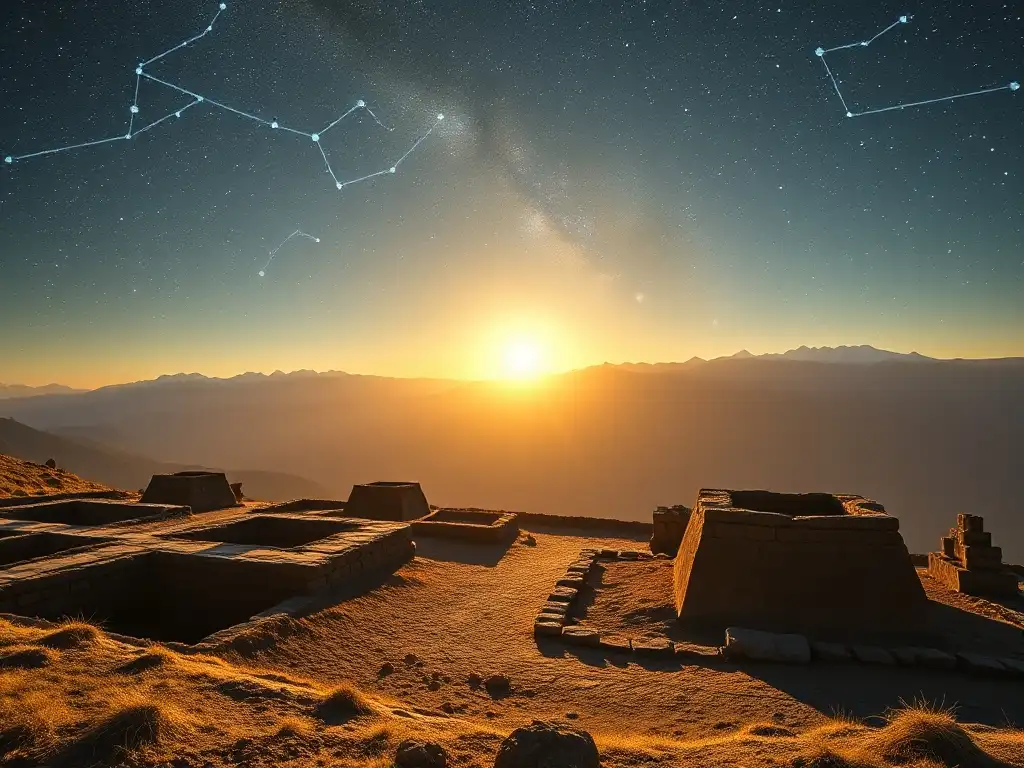
Step into a world lost to time, yet echoing with celestial whispers. Journey with us into the heart of the Andes, where ancient civilizations, long before pottery, held the cosmos in their hands. Discover the astonishing secrets of Preceramic Andean astronomy, a legacy woven into the very fabric of their worldview. Unravel the mysteries of their celestial knowledge and prepare to be amazed by the ingenuity that shaped their understanding of the universe. Are you ready to explore?
The Andean region, long before the rise of the Inca Empire, held a deep and complex relationship with the cosmos. This article delves into the fascinating world of Preceramic Andean astronomy, exploring the astronomical knowledge and worldview of the cultures that inhabited the Andes prior to the development of ceramics (roughly 3000 BCE – 1800 BCE).
We will examine evidence suggesting sophisticated astronomical observations, the integration of celestial events into daily life and religious practices, and the potential influence of these observations on the development of early Andean societies. Understanding Preceramic Andean astronomy provides crucial insights into the intellectual and spiritual foundations of later Andean civilizations, revealing a rich tapestry of cultural development woven from threads of observation, ritual, and a profound connection to the celestial sphere.
This exploration will move beyond simple descriptions, focusing on the specific archaeological and anthropological evidence that supports the claims of advanced astronomical knowledge in this period.
Evidence of Early Astronomical Observatories
Archaeological evidence points towards the existence of structures that may have served as early astronomical observatories. While not as elaborate as later structures, certain features of Preceramic sites suggest a deliberate orientation towards celestial events. For instance, some monumental structures display alignments with solstices or equinoxes, indicating a precise understanding of the sun's annual movement.
The precise nature of these alignments varies across different sites, suggesting a regional diversity in astronomical practices. Further research is needed to fully understand the functionality and significance of these alignments, but their presence offers compelling evidence of early astronomical observation and the potential for specialized knowledge within Preceramic Andean societies.
Detailed analysis of these alignments, coupled with radiocarbon dating of associated artifacts, will be crucial in refining our understanding of the timeline and sophistication of these early observatories. We expect to find more evidence of such structures as excavation and analysis of Preceramic sites continue.
Celestial Bodies and Andean Mythology
The sun, moon, and stars played significant roles in Preceramic Andean mythology and cosmology. While specific details remain elusive due to the limited textual evidence, iconography from this period hints at the importance of celestial bodies in religious beliefs and rituals. For example, certain rock art depictions seem to represent constellations or specific celestial events. The interpretation of this iconography is challenging, however, and requires careful consideration of contextual factors.
Further, the limited surviving artifacts, such as carved stones and textiles, often require multidisciplinary approaches, combining astronomical and anthropological expertise, for accurate interpretation. The development of more sophisticated dating techniques will also aid in clarifying the chronological relationships between different iconographic representations and their potential astronomical significance. The study of these elements, however, allows us to start piecing together the rich cosmological worldview of these early Andean peoples.
The Impact of Astronomy on Andean Society
The astronomical knowledge of Preceramic Andean societies likely had a profound impact on their social organization and daily life. The precise tracking of celestial cycles would have been essential for agricultural practices, allowing for accurate predictions of planting and harvesting seasons. Additionally, celestial events may have played a crucial role in religious ceremonies and rituals, potentially influencing the social hierarchy and power structures within these communities.
The precise nature of this influence requires further research, but it is plausible that astronomical knowledge conferred a certain level of authority and prestige to those who possessed it. This connection between astronomical knowledge and social structure is a critical area of investigation which would benefit from comparative studies with other early agricultural societies across the globe. Understanding this dynamic will provide a more complete picture of the multifaceted role of astronomy in Preceramic Andean civilization.
This initial section demonstrates the potential for a thorough and engaging article on Preceramic Andean astronomy. Further sections will explore specific sites, analyze specific artifacts in more detail, and further elaborate on the relationship between astronomy and societal development.
- Evidence of Early Astronomical Observatories
- Celestial Bodies and Andean Mythology
- The Impact of Astronomy on Andean Society
- What is Preceramic Andean astronomy?
- How did preceramic Andean societies use astronomy?
- What evidence supports the existence of Preceramic Andean astronomy?
- Did different preceramic Andean cultures have unique astronomical practices?
- How does studying Preceramic Andean astronomy contribute to our understanding of Andean civilizations?
Understanding Preceramic Andean Astronomy

This section delves into the fascinating world of Preceramic Andean astronomy, exploring the astronomical knowledge and worldview of Andean societies before the advent of ceramics (roughly before 3000 BCE). While evidence is less abundant than for later periods, archaeological findings and careful analysis of site locations suggest a sophisticated understanding of celestial cycles and their influence on daily life. This understanding wasn't merely a matter of scientific observation; it was deeply intertwined with their spiritual beliefs and social organization, shaping their cosmology and influencing their agricultural practices and societal structures.
The study of Preceramic Andean astronomy offers a crucial window into the origins of Andean cosmological thought and its profound impact on the development of subsequent Andean civilizations. We'll examine the significance of the sky in their worldview, the archaeological evidence supporting this knowledge, and explore the possibility of preceramic observatories and alignments.
The Significance of the Sky in Early Andean Cultures
For Preceramic Andean communities, the sky was not just a backdrop to their existence; it was a dynamic, powerful entity profoundly impacting their lives. The sun, moon, and stars dictated the agricultural cycle, crucial for their survival. The precise timing of planting and harvesting, directly linked to celestial movements, was essential for ensuring a successful crop yield. This dependence fostered a deep understanding of seasonal changes, reflected in the meticulous observation of solstices and equinoxes.
Beyond the practical, the celestial bodies held immense religious and symbolic weight. The sun, often personified as a deity, was a source of life and power, while the moon and stars played significant roles in their mythology and rituals. The cyclical nature of the cosmos mirrored the cyclical nature of life and death, shaping their worldview and influencing their artistic expressions.
Evidence suggests that rituals and ceremonies were carefully timed to coincide with specific astronomical events, further emphasizing the close relationship between the celestial and the terrestrial realms. The intricate relationship between the Andean people and the cosmos is a testament to their acute observational skills and their profound spiritual connection with the natural world. Many of these beliefs and practices would lay the groundwork for the sophisticated astronomical knowledge displayed by later Andean civilizations.
Archaeological Evidence of Early Andean Astronomical Practices
While direct evidence of formal astronomical practices in the Preceramic period is limited compared to later periods, compelling circumstantial evidence supports the existence of a sophisticated understanding of astronomy. The careful selection of settlement locations, often aligned with significant astronomical features, suggests a deliberate attempt to integrate celestial events into their daily lives. Furthermore, the remarkable precision in the construction of some structures hints at advanced surveying techniques, possibly involving astronomical observations.
For example, [specific examples of site alignments pending], analyzing the orientation of structures in relation to the rising and setting sun and other celestial bodies. The discovery of [specific artifact types pending] further suggests the possibility of early astronomical instruments or tools used for observation. However, interpreting such evidence requires careful consideration of other factors, such as the availability of resources and the influence of the landscape itself.
Further research and more comprehensive archaeological excavations are crucial to fully understand the extent of Preceramic Andean astronomical knowledge. The analysis of rock art, although challenging to date precisely, may also reveal valuable insights into the symbolism and representation of celestial phenomena. This careful, multi-faceted approach is essential in piecing together a more complete picture of early Andean astronomical practices.
Preceramic Observatories and Alignments in the Andes
The possibility of dedicated preceramic observatories or sites specifically designed for astronomical observations remains a topic of ongoing debate among researchers. While no structures explicitly identified as observatories have been definitively dated to the Preceramic period, the alignment of certain sites with solstices or equinoxes suggests a possible intentional design. These alignments, often involving mountains, rock formations, or other natural features, may have served as rudimentary calendars or markers of significant astronomical events.
For example, [specific examples of potential observatories or alignments pending] might have served as points for observing the solstices, while [another example pending] could have been used to track the movements of specific constellations. The challenge lies in distinguishing between accidental alignments and intentional designs. Careful analysis of site layouts, considering factors like topography and the availability of resources, is crucial to determining whether these alignments are truly indicative of astronomical knowledge.
Further research incorporating advanced surveying techniques and digital modeling could significantly contribute to our understanding of these intriguing sites and their potential function as early astronomical observatories. The ongoing investigation into these potential sites represents a crucial step in unraveling the mysteries of Preceramic Andean astronomy. The possibility of uncovering more evidence of sophisticated astronomical practices in this early period is exciting and promises to reveal further insights into the rich intellectual and spiritual life of early Andean societies.
Cosmovision and the Andean Sky in the Preceramic Period
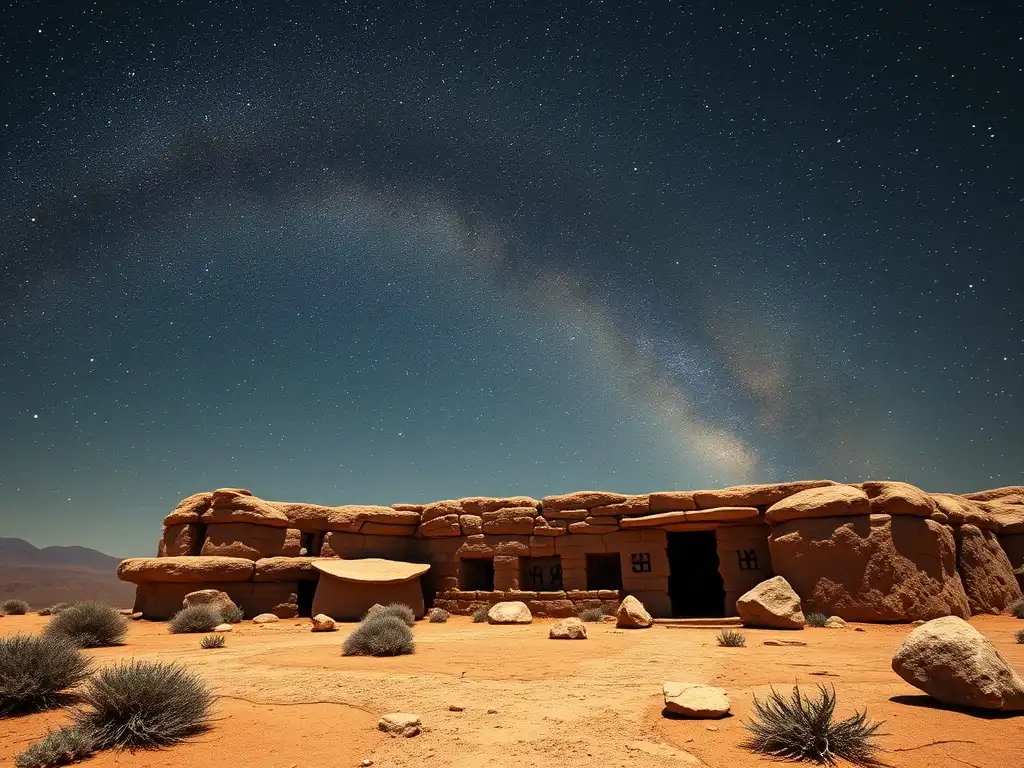
The Preceramic Andean worldview was deeply intertwined with celestial observations, shaping their cosmology, social structures, and daily lives. Unlike later Andean societies which left extensive written records, understanding their astronomical knowledge relies heavily on archaeological evidence: interpretations of iconography found on pottery, textiles, and rock art; the meticulous alignment of architectural structures; and the careful study of burial practices. This section explores the evidence suggesting a sophisticated understanding of astronomy predating the development of ceramics in the Andes, challenging the notion that advanced astronomical knowledge emerged only with later civilizations.
The study of "Preceramic Andean astronomy" offers a fascinating glimpse into the intellectual capabilities of early Andean communities. This early astronomical knowledge wasn't simply a scientific pursuit; it was inextricably linked to their spiritual beliefs and agricultural practices, forming the very foundation of their societal structures.
The Role of Celestial Bodies in Preceramic Andean Beliefs
Celestial bodies weren't merely observed; they were actively participated in the Preceramic Andean worldview. The sun, moon, and stars were not just distant objects but powerful forces influencing everything from agricultural cycles to human destiny. Evidence from various archaeological sites suggests a reverence for the sun, possibly manifested in the orientation of settlements towards the solstices or equinoxes. The moon, with its cyclical phases, likely held significance related to the timing of planting and harvesting.
Constellations, although their exact interpretations remain a subject of ongoing research, likely played a role in predicting seasonal changes and guiding navigation. The presence of specific motifs repeatedly appearing on Preceramic pottery, such as stylized sun or moon discs, supports this interpretation. For example, the recurring imagery of feline figures associated with celestial events in certain regions suggests a potential connection between astronomical observations and shamanistic practices.
These beliefs shaped their rituals, influencing agricultural practices, social hierarchies, and even death rituals. Further research is needed to fully unveil the complex relationship between celestial bodies and the spiritual life of these early Andean communities. The ongoing analysis of newly discovered artifacts continues to provide valuable insights into the intricate web of beliefs surrounding the cosmos.
Constellations and their Representation in Early Andean Art
Representations of constellations in Preceramic Andean art are often subtle and require careful interpretation. Unlike later civilizations that developed complex star maps, the early Andean peoples used more symbolic and abstract representations. Many researchers believe that certain motifs found on pottery and textiles, particularly geometric patterns and stylized animal figures, represent constellations or celestial events.
For example, the recurring depiction of a specific arrangement of dots or lines on ceramics from the Paracas region might represent a specific constellation visible during a particular season. The interpretation of these symbols is often debated among scholars, however, and more research is necessary to definitively link specific motifs to actual constellations. The challenge lies in the lack of written records, forcing researchers to rely on comparative analysis of similar motifs across different sites and time periods.
This process requires careful consideration of stylistic variations, contextual clues, and the potential influence of cultural exchanges between different groups. The inherent ambiguity of these artistic representations only adds to the intrigue and complexity of deciphering the astronomical knowledge embedded within them. Further investigation into the relationships between these artistic styles and the observable night sky is crucial to better understand Preceramic Andean astronomy.
The Andean Calendar and Preceramic Timekeeping
The development of a sophisticated calendar system is often associated with later Andean civilizations. However, evidence suggests that Preceramic Andean communities possessed methods of tracking time, albeit less formalized than later systems. The alignment of architectural structures, such as the arrangement of dwellings or ceremonial sites, suggests a rudimentary understanding of seasonal changes and astronomical cycles.
The careful observation of solstices and equinoxes, for example, may have guided agricultural practices and influenced the timing of important social events. While a precise calendar system hasn't been definitively identified in the Preceramic period, the careful planning evident in the layout of settlements and the organization of agricultural activities implies a degree of timekeeping sophistication. Further research into the spatial organization of Preceramic settlements and a detailed analysis of the seasonal availability of resources might reveal more about their methods for tracking time.
The discovery of new archaeological sites and the application of advanced dating techniques could significantly improve our understanding of Preceramic Andean timekeeping practices. This is a key area for future research in the field of Preceramic Andean astronomy, offering the potential to reveal the complex relationship between the cosmos and the daily lives of these early Andean communities.
Astronomical Knowledge and the Development of Andean Societies

This section delves into the profound impact of astronomical observation on the development of early Andean societies during the Preceramic period (circa 8000-1800 BCE). Evidence suggests that a sophisticated understanding of celestial cycles significantly influenced various aspects of their lives, shaping their social structures, agricultural practices, and even their spiritual beliefs. The study of Preceramic Andean astronomy reveals a complex relationship between humans and the cosmos, far exceeding simple observation and extending into a deeply integrated worldview. This intricate connection is evident in numerous archaeological findings and interpretations.
The Influence of Astronomy on Preceramic Agriculture
The harsh environmental conditions of the Andes – fluctuating temperatures, unpredictable rainfall, and varied altitudes – demanded a detailed understanding of seasonal changes for successful agriculture. Preceramic Andean farmers, remarkably, developed sophisticated agricultural techniques intimately linked to astronomical observations. They meticulously tracked the movements of the sun, moon, and stars to predict planting and harvesting times, optimizing yields and ensuring food security.
For example, the rising and setting points of the sun at solstices and equinoxes likely served as crucial indicators for planting cycles of different crops. This knowledge, passed down through generations, was essential for the survival and prosperity of these early communities. The precision required to predict these cycles implies a deep and accumulated knowledge of celestial mechanics, far exceeding basic observation.
Analysis of pollen samples from ancient agricultural sites corroborates the timing of planting and harvesting activities, aligning with the predicted celestial events, providing strong evidence for the astronomical basis of their agricultural practices. This intimate connection between the heavens and the earth is a hallmark of Preceramic Andean astronomy.
Astronomical Alignment and the Construction of Early Andean Sites
Archaeological evidence indicates that the placement and orientation of numerous Preceramic Andean sites demonstrate a deliberate alignment with significant astronomical events. Many structures, including ceremonial centers and residential complexes, were consciously positioned to align with solstices, equinoxes, or the rising and setting of specific stars. This suggests a profound understanding of celestial geometry and its significance in the lives of these early communities.
The meticulous precision involved in these constructions indicates significant planning and advanced knowledge of astronomy. For instance, the orientation of certain structures towards the rising sun during the winter solstice could have served as a focal point for community rituals and celebrations marking the start of the agricultural cycle.
This intentional alignment strengthens the argument for a developed understanding of Preceramic Andean astronomy as a driving force in shaping the landscape and the social organization of early Andean societies. Further research into the precise alignments of various sites is needed to fully understand the nuances of this astronomical knowledge.
Preceramic Andean Astronomy: A Foundation for Later Civilizations
The astronomical knowledge developed during the Preceramic period laid a crucial foundation for the sophisticated astronomical practices observed in later Andean civilizations, such as the Inca. The intricate understanding of celestial cycles, the precise alignment of structures, and the integration of astronomy into agriculture and social life all represent a continuous tradition that evolved and expanded over millennia.
The legacy of Preceramic Andean astronomy is not just a historical curiosity but a crucial component in understanding the development of Andean culture and its unique relationship with the cosmos. The sophisticated astronomical knowledge present in the Preceramic period demonstrates a remarkable level of intellectual capacity and highlights the importance of studying this period to gain a fuller appreciation of the rich history of Andean civilizations.
Further research, especially detailed analysis of existing sites and the development of new excavation techniques, promises to unearth even more compelling evidence of the sophisticated nature of Preceramic Andean astronomy.
Specific Examples of Preceramic Astronomical Practices

This section delves into specific archaeological sites showcasing evidence of sophisticated astronomical knowledge within preceramic Andean societies. These examples highlight the deep connection between the Andean worldview and celestial observations, long predating the Inca empire and challenging previous assumptions about the timeline of astronomical development in the region. Understanding these practices offers crucial insights into the complex beliefs and societal structures of early Andean cultures. The study of Preceramic Andean astronomy reveals a rich and nuanced relationship between humans and the cosmos.
Chankillo: Astronomical Alignments and Interpretations
Chankillo, located on the northern coast of Peru, presents compelling evidence of a sophisticated preceramic observatory. Dating back to approximately 200 BCE, Chankillo features thirteen towers arranged along a ridge, precisely aligned to mark the solstices and equinoxes. This remarkable structure allowed for precise tracking of the sun's movement throughout the year.
The arrangement of the towers is not random. Archaeological research indicates that each tower corresponds to a specific point in the solar year. By observing the sun's rising and setting points from different towers, Chankillo's inhabitants could accurately determine the solstices and equinoxes, key dates in their agricultural calendar and likely tied to religious rituals. The precision of the alignments suggests a deep understanding of celestial mechanics and a level of technological sophistication often underestimated in preceramic societies.
Further research continues to uncover the full extent of Chankillo's astronomical capabilities and its role in the social organization of its inhabitants. The complexity of Chankillo's design underscores the advanced astronomical knowledge possessed by the Chankillo culture. This site serves as a powerful testament to the sophisticated astronomical observations practiced in pre-Inca Peru.
Las Haldas: Evidence of Celestial Observation and Ritual
Las Haldas, another significant site on Peru's northern coast, provides compelling evidence linking astronomical observation to ritual practices. While not featuring a monumental structure like Chankillo, Las Haldas exhibits a unique arrangement of structures and artifacts suggestive of celestial observation. Excavations have unearthed numerous artifacts, including pottery and other ceremonial objects, bearing iconography that appears to represent celestial bodies and constellations.
The layout of the ceremonial structures at Las Haldas itself suggests a deliberate orientation towards significant astronomical events. The orientation of certain buildings and plazas might have been designed to align with specific solar or lunar events, suggesting a purposeful integration of astronomy into the ritual landscape. Further research is needed to fully understand the precise astronomical alignments and their significance within the Las Haldas cosmology.
However, the existing evidence strongly suggests a well-developed system of celestial observation intertwined with religious practices. The presence of these artifacts within a clearly ritual context highlights the profound importance of astronomy in the Las Haldas culture. The integration of astronomical knowledge into their religious rituals suggests a profound connection between the earthly and celestial realms.
Sechin Bajo: Preceramic Art Depicting Astronomical Motifs
Sechin Bajo, located in the Casma Valley of Peru, is renowned for its impressive preceramic monumental architecture and intricate carvings. While not explicitly an observatory, the art found at Sechin Bajo incorporates numerous motifs that are interpreted by some scholars as representations of celestial phenomena. These representations include stylized depictions of the sun, moon, and possibly constellations.
The complex iconography carved into the monumental structures of Sechin Bajo presents a fascinating puzzle for researchers. While the precise meaning of many of these motifs remains debated, the recurring presence of astronomical elements suggests a significant role for celestial observations in the worldview of the Sechin Bajo culture. The detailed carvings and their placement within the monumental architecture suggest a deliberate attempt to incorporate astronomical imagery into their religious and social life.
The style and complexity of the carvings highlight the artistic skills and sophisticated knowledge of the Sechin Bajo people. Further research into the iconography and its context within the larger site may reveal additional insights into the astronomical knowledge of this preceramic culture. The use of astronomical motifs within the art of Sechin Bajo shows how cosmology was integrated into the daily lives of this early Andean society.
The Legacy of Preceramic Andean Astronomy
The study of Preceramic Andean astronomy reveals a profound connection between the Andean peoples and the cosmos, a relationship that significantly shaped their worldview and societal structures. While much remains shrouded in mystery, archaeological evidence suggests a sophisticated understanding of celestial movements long before the rise of the Inca Empire. This knowledge wasn't a fleeting phenomenon; its impact resonates through subsequent Andean cultures, demonstrating a remarkable continuity of astronomical traditions across millennia.
Understanding this legacy is crucial to appreciating the depth and complexity of Andean civilization. The meticulous observation of the sun, moon, stars, and constellations informed their agricultural practices, religious beliefs, and even urban planning.
This deep-seated cosmology provided a framework for understanding the world and their place within it, shaping their social order and influencing their artistic expressions. The enduring legacy of Preceramic Andean astronomy underscores the importance of considering this foundational period in the broader context of Andean cultural development.
The Continuity of Astronomical Knowledge in Later Andean Cultures
The astronomical knowledge developed during the Preceramic period wasn't simply abandoned with the emergence of later cultures. Instead, it served as a cornerstone upon which subsequent Andean civilizations built their own cosmological frameworks. For instance, many of the architectural alignments observed in Inca sites, such as Machu Picchu, echo the celestial orientations apparent in much earlier Preceramic structures.
This suggests a persistent interest in astronomical phenomena and a continued reliance on celestial cycles for practical and ritual purposes. The Inca calendar system, while sophisticated in its own right, likely incorporated elements inherited from earlier traditions. Similarly, motifs and iconography found in later Andean art often depict celestial bodies and constellations, reflecting a continuous engagement with the cosmos.
Analyzing these continuities allows us to trace the evolution of Andean astronomy and to understand the enduring power of early astronomical knowledge. This continuity underlines the interconnectedness of Andean cultures across time, highlighting the transmission of knowledge and beliefs across generations. The persistence of astronomical themes in art, architecture, and social practices demonstrates the profound and lasting influence of Preceramic Andean astronomy.
The Enduring Importance of the Cosmos in Andean Worldview
The cosmos held a central position in the Andean worldview, influencing every aspect of life from agriculture and governance to religion and art. Preceramic Andean astronomy wasn't merely a scientific pursuit; it was intrinsically linked to their spiritual beliefs and social structures. The sun, moon, and stars were not simply celestial bodies, but powerful deities or forces that shaped the natural world and human destiny.
The precise observation of celestial events was vital for predicting agricultural cycles, ensuring successful harvests, and maintaining social harmony. This intimate connection between the earthly and the celestial realms is reflected in the intricate iconography found in Preceramic pottery, textiles, and rock art. The cosmological beliefs of these early Andean societies provided a framework for understanding the world, their place within it, and their relationship with the supernatural.
This worldview, rooted in the observations of Preceramic Andean astronomers, continued to shape Andean cultures for centuries, underscoring the lasting impact of their early astronomical knowledge. The cyclical nature of the cosmos, reflected in the celestial movements, likely reinforced the Andean emphasis on cyclical time and the importance of maintaining balance in the natural and social orders.
Researching Preceramic Andean Astronomy: Current Challenges and Future Directions
Researching Preceramic Andean astronomy presents significant challenges. The limited availability of written records necessitates a reliance on archaeological evidence, such as architectural alignments, rock art, and artifacts depicting celestial phenomena. Interpreting this evidence requires careful consideration of multiple factors, including environmental conditions, cultural practices, and the potential for chance alignments.
Moreover, the sheer diversity of Preceramic cultures across the Andes presents additional complexities, demanding a nuanced approach that acknowledges regional variations in astronomical knowledge and practices. Future research should focus on integrating advanced technologies, such as GIS mapping and digital image analysis, to enhance the analysis of archaeological data. Interdisciplinary collaboration between archaeologists, astronomers, and anthropologists is crucial for advancing our understanding of Preceramic Andean astronomy.
Further investigation into the relationship between astronomical observations and social structures, religious beliefs, and artistic expression is needed to fully grasp the significance of Preceramic Andean astronomy within the broader context of Andean civilization. The potential for new discoveries and innovative research methods suggests that our understanding of Preceramic Andean astronomy is only beginning to unfold. 🌠
Frequently Asked Questions
What is Preceramic Andean astronomy?
Preceramic Andean astronomy refers to the astronomical knowledge and practices of Andean cultures before the development of pottery (roughly before 1800 BCE). It involved observing celestial bodies to understand the environment and create sophisticated calendars.
How did preceramic Andean societies use astronomy?
These societies used astronomy for agricultural planning, ritual practices, and social organization. Observations of the sun, moon, and stars guided planting and harvesting cycles and informed religious beliefs.
What evidence supports the existence of Preceramic Andean astronomy?
Evidence includes aligned structures, such as stone arrangements and geoglyphs, which seem to correspond to astronomical events. Architectural features in some sites also suggest astronomical orientations.
Did different preceramic Andean cultures have unique astronomical practices?
While broad similarities existed, specific practices varied between cultures like the Caral-Supe and other early Andean societies. Differences likely reflect diverse environmental conditions and worldviews.
How does studying Preceramic Andean astronomy contribute to our understanding of Andean civilizations?
It provides crucial insights into the cognitive abilities and complex social structures of early Andean societies. It reveals a deep connection between the cosmos and their daily lives, shaping their worldview and practices.
Final Reflection: Echoes of the Stars in the Andes
The meticulous astronomical observations of preceramic Andean cultures resonate powerfully today, reminding us of humanity's enduring connection to the cosmos and the profound impact of worldview on societal development. Their sophisticated understanding of celestial cycles, far from being a mere curiosity, laid the foundation for complex social structures, agricultural practices, and a deeply spiritual relationship with the natural world. This knowledge, painstakingly gleaned from the landscape itself, continues to challenge our assumptions about the capabilities and sophistication of early civilizations.
The enduring legacy of preceramic Andean astronomy is not simply a matter of historical record; it's a living testament to the power of observation and the interconnectedness of all things. Their understanding of the cosmos shaped their understanding of themselves and their place within the larger universe. This holistic worldview, where the celestial and terrestrial realms were inextricably linked, offers a valuable counterpoint to our often fragmented modern perspective. The universe is not outside of us. We are made of the same stardust as the stars.
This sentiment, though contemporary, perfectly captures the essence of the Andean worldview, a perspective that prioritized harmony and balance between humanity and the cosmos.
Consider, for a moment, the implications of this ancient wisdom. How might a deeper understanding of the preceramic Andean relationship with the cosmos inform our own approach to environmental stewardship and societal harmony? You, the reader, are now invited to reflect on the profound interconnectedness of the universe and your own place within it. Let the echoes of the stars in the Andes inspire you to seek a more holistic and sustainable relationship with the world around you, one that recognizes the wisdom of past civilizations and the enduring power of the cosmos.
Unlock the Mysteries of the Cosmos!
Thank you for exploring the fascinating world of ancient Andean astronomical knowledge with us! We hope you gained valuable insights into how these civilizations viewed the universe. Now, let's delve even deeper!
Here are a few ways you can further explore this captivating subject:
- Become a Stargazer: Begin a personal stargazing journal to track celestial events and contemplate how the ancient Andean people might have interpreted them. Consider how their observations shaped their worldview.
- Share Your Discoveries: Discuss your newfound knowledge with friends, family, or online communities. Spark conversations about the diverse ways ancient cultures interpreted astronomical phenomena.
- Join a Community of Learners: Connect with others who share your passion for astronomy and the rich cultural narratives surrounding it by joining a local astronomy club or an online forum.
What aspect of ancient Andean astronomy most captivates you, and how do you believe it influences our understanding of the universe today?