
The Art of Survival: PreCeramic Andean Adaptations to a Challenging Environment


Unravel the mysteries of the Andes Mountains, where ingenuity thrived amidst breathtaking landscapes. For millennia, remarkable civilizations flourished in this challenging terrain, developing sophisticated strategies for survival long before the invention of pottery. Dive into the captivating world of Preceramic Andean survival strategies, and discover how these ancient cultures harnessed their environment to build empires that still resonate today. Prepare to be amazed by their resilience and ingenuity – a legacy far richer than you ever imagined.
- Preceramic Andean Survival Strategies: Adapting to a Challenging Environment
- Early Andean Adaptations to Varied Ecosystems
- Key Preceramic Andean Survival Techniques
- The Social Organization of Preceramic Andean Societies
- Preceramic Andean Technologies and Innovations
- The Legacy of Preceramic Andean Adaptations
-
Frequently Asked Questions
- What environmental challenges did Preceramic Andean societies face?
- How did Preceramic Andean people adapt to the arid coastal regions?
- What role did agriculture play in Preceramic Andean survival?
- What evidence reveals Preceramic Andean survival strategies?
- How did Preceramic Andean societies organize themselves for survival?
- Final Reflection: Echoes of Resilience in the Andes
- Embrace the Resilience of Andean Civilizations!
Preceramic Andean Survival Strategies: Adapting to a Challenging Environment
The Preceramic period in the Andes (roughly 8000-1800 BCE) presents a fascinating case study in human adaptability. Long before the rise of the Inca, Moche, or Nazca civilizations, early Andean communities developed ingenious strategies to survive and thrive in one of the world's most geographically diverse and challenging environments. This article delves into the remarkable ingenuity of these early Andean peoples, exploring their innovative approaches to agriculture, resource management, and social organization that allowed them to not only survive but flourish in the face of harsh conditions.
We will examine the diverse landscapes they inhabited and the specific adaptations they employed to overcome the unique challenges posed by each. Understanding these preceramic survival strategies provides crucial insight into the foundations upon which later Andean civilizations were built, highlighting the enduring human capacity for innovation and resilience in the face of adversity.
The ingenuity of these early Andean communities offers valuable lessons for understanding human adaptation and sustainable living in challenging environments, even today. This exploration of "Preceramic Andean survival strategies" will reveal a complex and captivating story of human resilience.
Understanding the Preceramic Andean Period
The Preceramic period, spanning millennia, witnessed significant shifts in Andean societies. Early inhabitants transitioned from nomadic hunter-gatherer lifestyles to increasingly sedentary, agricultural communities. This pivotal change necessitated the development of sophisticated techniques for food production and resource management.
Archaeological evidence, including the discovery of early agricultural tools and settlements, points to a gradual but profound transformation in Andean social structures and ways of life. The period is characterized by a remarkable diversity in both environmental conditions and cultural expressions, reflecting the adaptive capacity of early Andean communities to their unique contexts. This diversity makes it crucial to understand the regional variations in survival strategies, rather than seeking a single, monolithic explanation for their success.
The development of irrigation systems, for example, varied significantly depending on the specific geographic location and available resources. Furthermore, the emergence of pottery and other crafts indicates a growing complexity in social organization and the development of specialized labor. The evolution of social structures during this period is closely intertwined with the development of successful survival strategies, creating a complex interplay between environmental pressures and cultural innovation.
The Diverse Environments of the Preceramic Andes
The Andean region is characterized by extreme environmental variability. From the arid coastal deserts to the high-altitude altiplano and the lush Amazonian foothills, Preceramic Andean communities faced drastically different challenges. This environmental diversity necessitated a range of highly specialized survival strategies.
* **Coastal Deserts:** These regions presented challenges of scarce water and unpredictable rainfall. Communities here likely focused on exploiting marine resources and developing sophisticated water harvesting techniques. Evidence suggests the development of early forms of irrigation using fog collection and the construction of canals to channel limited water supplies. The ingenuity in adapting to these harsh conditions is remarkable, showcasing a deep understanding of the local ecosystem. The exploitation of marine resources, including shellfish and fish, provided a crucial dietary component.
* **High-Altitude Altiplano:** The high altitude of the altiplano presented challenges of cold temperatures, thin air, and limited arable land. Communities here adapted by cultivating cold-resistant crops like potatoes and quinoa, showing a significant understanding of plant domestication. The construction of raised fields ( waru waru) is a testament to their advanced agricultural techniques, allowing for efficient water management and improved crop yields in challenging conditions. Evidence also suggests the importance of animal husbandry, with llamas and alpacas playing a vital role in their economy.
The contrasting environments of the Andes forced the development of highly localized and specialized survival strategies, highlighting the adaptability and resilience of Preceramic Andean societies. Further research is needed to fully understand the nuances of these strategies across the diverse Andean landscape.
Early Andean Adaptations to Varied Ecosystems
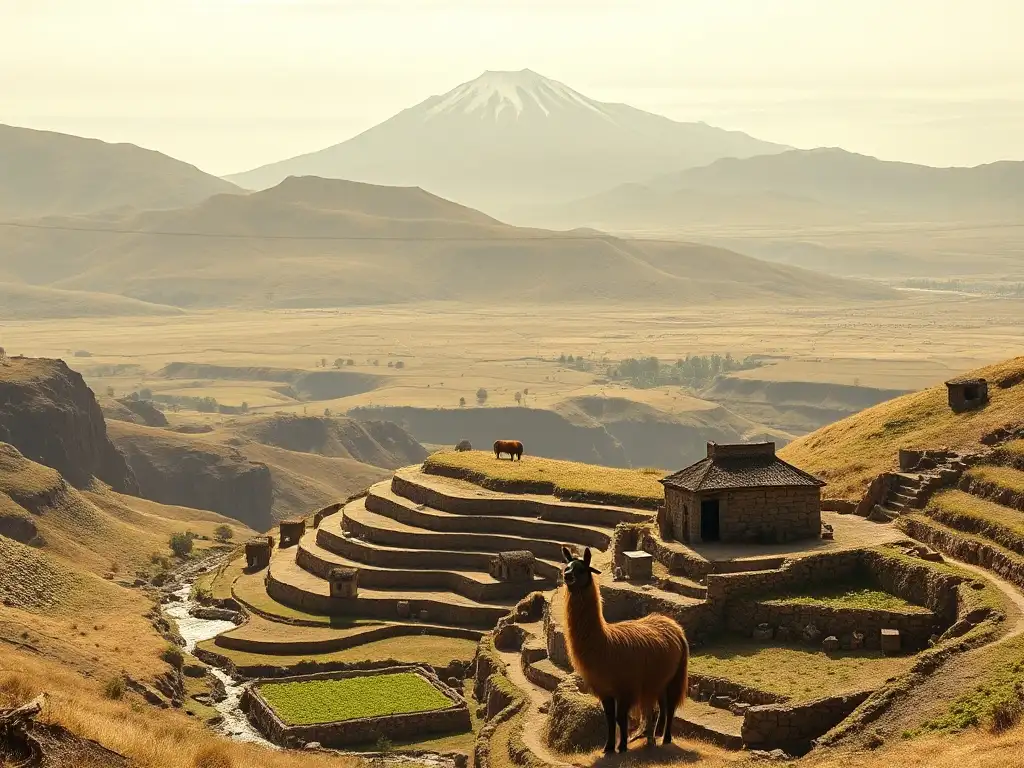
The Preceramic period in the Andes (circa 8000-1800 BCE) witnessed the development of ingenious survival strategies by early Andean inhabitants. Facing diverse and challenging ecosystems, ranging from arid coastal deserts to the high-altitude Andes, these communities demonstrated remarkable adaptability and resilience. Their success hinged on a deep understanding of their environment and the development of sophisticated techniques for resource management, agriculture, and social organization. This section explores some key aspects of their remarkable achievements, focusing on their resourcefulness in the face of environmental adversity. The term "Preceramic Andean survival strategies" encapsulates the ingenuity displayed during this formative period.
Coastal Resource Exploitation in Preceramic Andes
The coastal regions of the Andes presented unique challenges and opportunities. The arid climate meant limited freshwater resources and unpredictable rainfall. However, the Pacific Ocean provided a bounty of marine life. Preceramic coastal communities developed sophisticated fishing techniques, utilizing a variety of tools and strategies. Evidence suggests the use of intricate fishing nets, woven from plant fibers, and specialized hooks crafted from bone or shell. They also developed advanced knowledge of marine currents and migratory patterns, allowing them to target specific species at optimal times.
Furthermore, the exploitation of marine resources extended beyond fishing. Shellfish, such as mussels and clams, provided a significant source of protein. Archaeological sites reveal middens—large heaps of discarded shells—indicating the scale of shellfish consumption. These middens also offer valuable insights into the dietary habits and population densities of these early coastal communities.
The processing of shellfish involved the development of tools for opening and cleaning them, further highlighting the sophistication of their technology. Beyond food, shells were also used as raw materials for ornaments and tools, demonstrating a comprehensive utilization of available resources. The careful management of these coastal resources allowed for the sustainable development of thriving coastal settlements.
Highland Adaptations and Resource Management Before Ceramics
The high-altitude Andes presented even more formidable challenges. The thin air, steep slopes, and unpredictable weather patterns demanded innovative solutions for survival. Preceramic highland communities focused on the cultivation of cold-hardy crops like potatoes and quinoa. These crops, adapted to the harsh conditions, provided a staple food source. Evidence suggests that they employed sophisticated agricultural techniques, including terracing and irrigation, to maximize crop yields. Terracing, the creation of level platforms on steep slopes, reduced soil erosion and provided level areas for planting. Irrigation systems, even rudimentary ones, were crucial for supplementing the limited rainfall.
The management of water resources was paramount in the highlands. The construction of canals and reservoirs, albeit on a smaller scale than later Andean civilizations, allowed for the controlled distribution of water to crops. These systems, often integrated with agricultural terraces, showcase an advanced understanding of hydrology and engineering. Moreover, the use of animal domestication, particularly llamas and alpacas, provided additional resources. These animals supplied meat, wool, and transportation capabilities, further enhancing the resilience of highland communities. The effective management of these resources allowed for the establishment of permanent settlements at high altitudes, a remarkable feat of human adaptation.
Preceramic Andean Strategies for Transhumance and Trade
The varied ecosystems of the Andes encouraged the development of complex interaction networks. The practice of transhumance, the seasonal movement of people and livestock between different altitudes, was a vital survival strategy. Communities would migrate to higher elevations during the warmer months to utilize pasturelands and then descend to lower elevations during the colder months. This seasonal migration required careful planning and coordination, fostering strong social bonds and communication networks between different groups.
Transhumance also facilitated trade and exchange. Highland communities could exchange agricultural products, such as potatoes and quinoa, for marine resources from coastal settlements. This reciprocal exchange of goods and knowledge strengthened inter-community relations and created a more resilient social and economic system.
The development of early trade routes and networks, even in the absence of sophisticated transportation technologies, showcases the interconnectedness of Preceramic Andean societies. This exchange system, combined with the resourcefulness of their agricultural and fishing practices, is a testament to the adaptability and resilience of Preceramic Andean populations, providing a strong foundation for the development of later, more complex Andean civilizations. The ingenuity displayed in their "Preceramic Andean survival strategies" laid the groundwork for future Andean achievements.
Key Preceramic Andean Survival Techniques
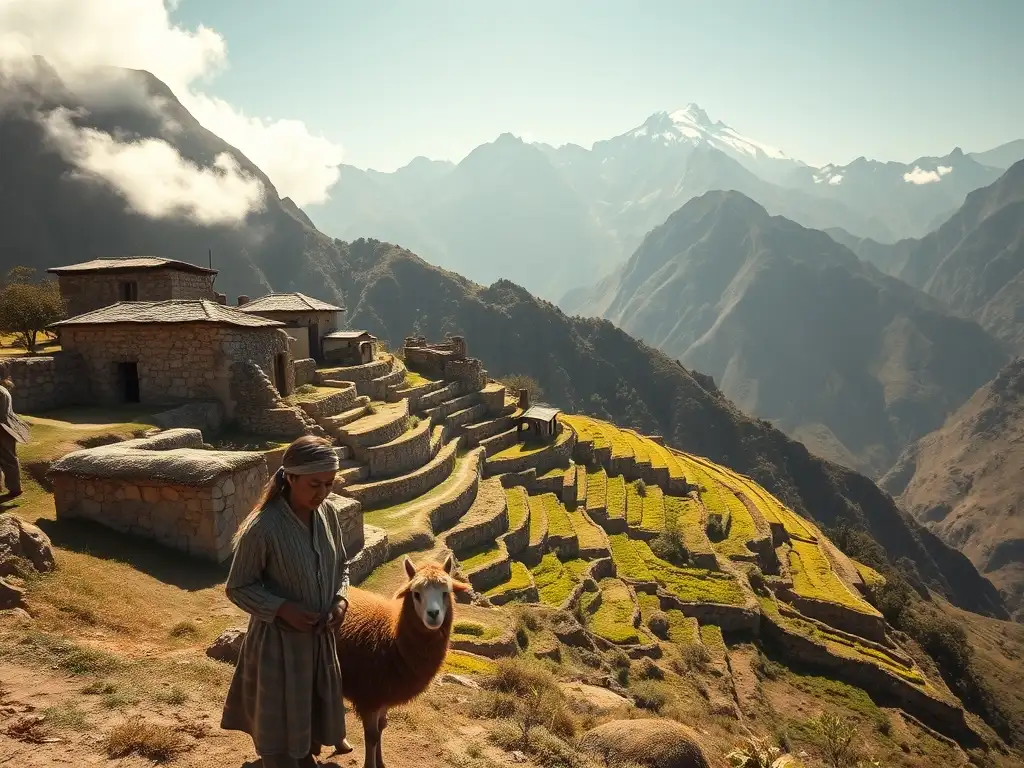
The Preceramic period in the Andes (roughly 8000-1800 BCE) presented significant environmental challenges. Harsh, high-altitude climates, unpredictable weather patterns, and diverse terrains demanded innovative survival strategies. Understanding these strategies reveals the ingenuity and resilience of early Andean peoples, laying the groundwork for the later flourishing of complex civilizations.
This section explores the key techniques that enabled their survival, highlighting the interplay between adaptation and resource management. The development of sophisticated techniques for food production, hunting, and fishing were paramount to their success in this challenging environment. These early innovations in "Preceramic Andean survival strategies" are a testament to human adaptability.
Early Agriculture and Plant Domestication
Early Andean agriculture was not simply a matter of planting seeds; it was a complex process deeply intertwined with understanding the local environment and manipulating it to increase yields. The Preceramic period witnessed the domestication of several crucial crops, fundamentally altering the lives and survival prospects of these early Andean communities. This process involved careful selection and cultivation of wild plant varieties, leading to increased productivity and stability in food supplies.
Evidence suggests that the domestication of plants like Lupinus mutabilis (tarwi) and Phaseolus vulgaris (beans) occurred relatively early in the Preceramic period. These crops, along with others like squashes and tubers, provided a diverse and nutritious diet, reducing reliance on potentially unreliable hunting and gathering. The development of raised fields – platforms built in wetlands to improve drainage and fertility – demonstrates sophisticated agricultural knowledge and engineering prowess. These techniques allowed for increased crop yields, even in challenging environments.
Furthermore, the careful management of water resources, through irrigation systems and terraced farming, was crucial to maximizing agricultural output. The success of early Andean agriculture was not merely a matter of chance; it was the result of generations of observation, experimentation, and adaptation. This ingenuity is a cornerstone of understanding "Preceramic Andean survival strategies".
Hunting and Gathering Practices in the Preceramic Andes
While agriculture became increasingly important, hunting and gathering remained vital components of Preceramic Andean survival strategies for a considerable period. The diverse Andean landscape offered a wide array of resources, from camelids (like guanacos and vicuñas) in the highlands to various birds and small mammals in lower altitudes. Hunting techniques varied based on the target animal and the available tools. Evidence suggests the use of atlatls (spear-throwers) for increased hunting efficiency.
Gathering played a significant role, providing essential fruits, nuts, and other plant products. A deep understanding of seasonal changes and plant cycles was crucial for successful gathering. The exploitation of diverse resources minimized the risk of food shortages in any given season.
Archaeological findings reveal the use of various tools for processing food, further highlighting the sophistication of these early hunting and gathering practices. The integration of hunting and gathering with emerging agricultural practices ensured a resilient food system, vital for community survival in unpredictable environments. This combination of strategies is a crucial element of the overall "Preceramic Andean survival strategies".
Preceramic Andean Fishing and Marine Resource Management
Coastal communities in the Preceramic Andes relied heavily on marine resources for survival. Fishing provided a vital source of protein, supplementing agricultural production and hunting. Evidence from sites along the Peruvian coast shows the development of sophisticated fishing techniques, including the use of nets, hooks, and possibly even traps. The exploitation of marine resources was not limited to fish; shellfish, seabirds, and marine mammals also contributed significantly to the diet.
The management of these resources was crucial for long-term sustainability. Archaeological studies suggest that coastal communities developed strategies for regulating fishing practices to prevent overexploitation. This might have included seasonal restrictions or the targeting of specific species. The development of specialized fishing tools and the understanding of marine ecosystems reflect a deep knowledge of the coastal environment and its resources. The integration of fishing into the overall survival strategy demonstrates a multifaceted approach to resource management. The sustainable use of the ocean's bounty was as vital as agricultural innovation in the overall "Preceramic Andean survival strategies".
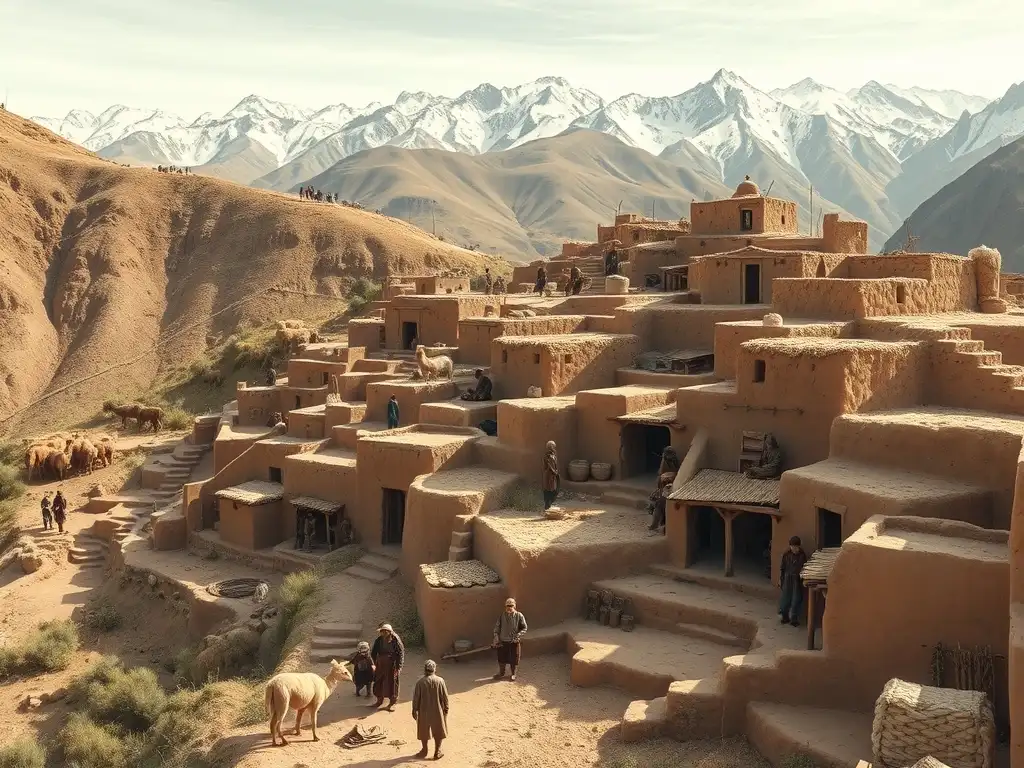
The harsh environmental conditions of the Andes Mountains profoundly shaped the social organization of Preceramic Andean societies. Survival in this challenging landscape necessitated sophisticated strategies for resource management, cooperation, and conflict resolution. Understanding their social structures provides crucial insights into their remarkable ability to thrive in such a demanding environment. Analyzing Preceramic Andean survival strategies reveals a complex interplay of factors impacting societal organization. This section explores the evidence suggesting a level of social complexity far exceeding simple hunter-gatherer models often associated with early societies. The keyword "Preceramic Andean survival strategies" is central to understanding their success.
Preceramic Andean Settlements and Community Life
Preceramic Andean settlements weren't simply random groupings of individuals. Archaeological evidence points towards a degree of planned organization, indicating the existence of structured communities. Sites like Caral in Peru, dating back to 3000 BCE, showcase large-scale constructions, including monumental platforms and residential areas, suggesting a coordinated effort involving significant labor investment.
This implies a level of social organization capable of mobilizing and directing human resources for large-scale projects – a hallmark of complex societies. The distribution of artifacts within these settlements further suggests specialized roles and potentially stratified social structures. For example, the presence of distinct residential areas with varying levels of construction quality might hint at social hierarchy or specialized craft production.
Furthermore, the careful planning of irrigation systems, crucial for survival in the arid Andean environment, demonstrates sophisticated water management and resource allocation – a testament to collective planning and cooperation. The evidence strongly suggests that community life in Preceramic Andean societies was far from haphazard, reflecting intricate social arrangements designed to enhance survival. Careful analysis of settlement patterns reveals more about their complex social organization.
Beyond the physical evidence of settlements, other indicators suggest a significant level of social complexity in the Preceramic period. The development of sophisticated technologies, such as the early forms of agriculture and textile production, implies specialized knowledge and skills. This specialization, in turn, suggests a division of labor and potentially a hierarchical structure, where individuals or groups focused on specific tasks, contributing to the overall well-being of the community. The presence of elaborate burial practices, including grave goods and evidence of ritual activities, also points towards a belief system and social structures that went beyond mere subsistence.
These elaborate rituals may have served to reinforce social cohesion, maintain order, and perhaps legitimize any emerging power structures. The complexity of these burial practices contrasts sharply with simpler burial customs typically found in less organized societies. Moreover, the development of early forms of art, such as textiles and pottery, suggests the existence of aesthetic values and cultural expressions that served social functions, consolidating group identity and reinforcing social norms.
The evidence strongly points towards a level of social complexity that far exceeds simple band-level societies, highlighting the sophisticated adaptation strategies employed by Preceramic Andean communities for survival. Further research could reveal even more nuanced aspects of their social organization. The keyword "Preceramic Andean survival strategies" is key to understanding their social structures.
Preceramic Andean Technologies and Innovations
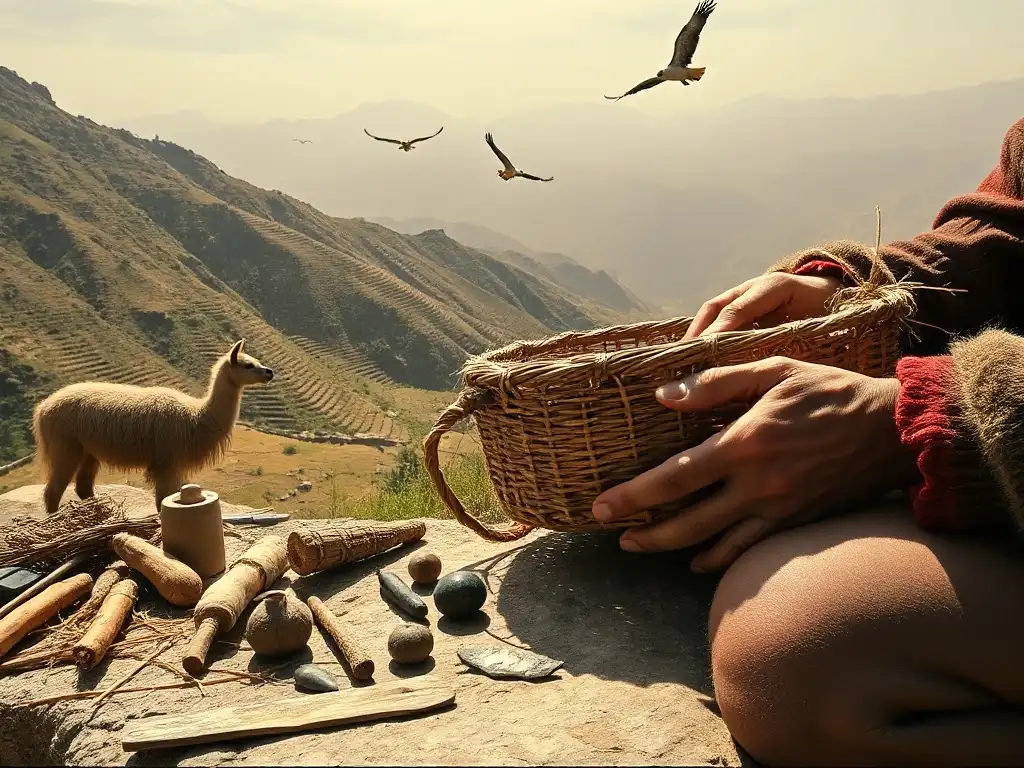
The Preceramic period in the Andes (roughly 8000-1800 BCE) witnessed remarkable ingenuity in adapting to a diverse and challenging environment. Survival wasn't merely a matter of chance; it was a testament to the innovative technologies and strategies developed by early Andean communities. These advancements, far from being primitive, laid the groundwork for the complex societies that would flourish later. Understanding these early achievements provides crucial insight into the resilience and adaptive capacity of Preceramic Andean populations, shedding light on their successful strategies for "Preceramic Andean survival strategies".
Lithic Technology and Toolmaking in Preceramic Andes
Preceramic Andean lithic technology demonstrates a sophisticated understanding of stone and its properties. Early inhabitants weren't simply using readily available stones; they were actively selecting, shaping, and modifying them to create highly specialized tools. Evidence suggests a gradual shift from simple percussion flaking to more refined techniques like pressure flaking, allowing for greater precision and control in tool manufacturing. This evolution reflects increasing skill and knowledge transfer across generations.
The types of tools crafted varied depending on local resources and environmental needs. For example, in coastal regions, we find evidence of finely crafted shell tools used for fishing and processing marine resources. In highland areas, obsidian, a volcanic glass, was prized for its sharpness and used to create blades, projectile points, and scrapers. Analysis of wear patterns on these tools reveals their use in a variety of activities, including hunting, butchering, plant processing, and woodworking. The development of specialized tools directly impacted hunting efficiency, food processing, and overall resource management, critical components of their "Preceramic Andean survival strategies".
The distribution and standardization of certain tool types across geographical areas suggest the existence of early trade networks and the sharing of technological knowledge. This interconnectedness highlights the importance of social interaction and cooperation in enhancing survival prospects within the challenging Andean landscape. Further research into specific tool types and their regional variations is needed to fully understand the nuances of Preceramic Andean lithic technology and its contribution to survival.
Textile Production and Basketry Before Ceramics
The mastery of fiber technology in the Preceramic Andes is equally impressive. Long before the invention of pottery, Andean communities were producing sophisticated textiles and baskets using a variety of plant fibers, including cotton, camelid wool (llama and alpaca), and various native plants. These weren't simply utilitarian items; they served crucial roles in clothing, storage, transportation, and ritual practices.
Early textile production involved complex techniques such as spinning, weaving, and knotting. Evidence from excavated sites reveals the use of different weaving techniques, including plain weave, twill weave, and even more intricate patterns. The quality and complexity of some textiles suggest a high degree of skill and specialization, with certain individuals or groups likely dedicated to textile production. The creation of durable textiles provided essential protection against the harsh Andean climate, significantly improving survival rates, especially at higher altitudes.
Basketry, closely related to textile production, played a vital role in food storage and transportation. Watertight baskets were crucial for collecting and storing water, a precious resource in many Andean regions. Other baskets were used to carry food, tools, and other essential items. The construction of these baskets, often using intricate weaving techniques and waterproof coatings, showcases the ingenuity and adaptability of Preceramic Andean communities. The development of these technologies significantly enhanced their ability to manage and conserve resources, a cornerstone of their "Preceramic Andean survival strategies".
Early Architectural Developments in the Preceramic Period
While not as monumental as later Andean constructions, the early architectural developments of the Preceramic period reveal a growing understanding of building techniques and environmental adaptation. These structures, ranging from simple shelters to more complex dwellings, were carefully planned and constructed to maximize protection from the elements and optimize living conditions.
The use of readily available materials, such as stone, mud, and reeds, demonstrates an efficient and sustainable approach to building construction. The design of structures often took into account local topography and environmental factors. For example, houses were often built into hillsides or caves to provide natural protection from wind and rain. The orientation of structures and the use of natural ventilation systems also suggest a keen awareness of climatic conditions and the importance of maintaining a comfortable living environment.
The construction of larger communal structures, even in the Preceramic period, suggests the importance of social organization and collective effort in providing shelter and security. These structures served not only as dwellings but also as spaces for social interaction, ritual practices, and storage of resources. The development of these architectural techniques and the construction of durable shelters contributed significantly to the survival and prosperity of Preceramic Andean communities. These advancements, often overlooked, were vital components of their overall "Preceramic Andean survival strategies".
The Legacy of Preceramic Andean Adaptations
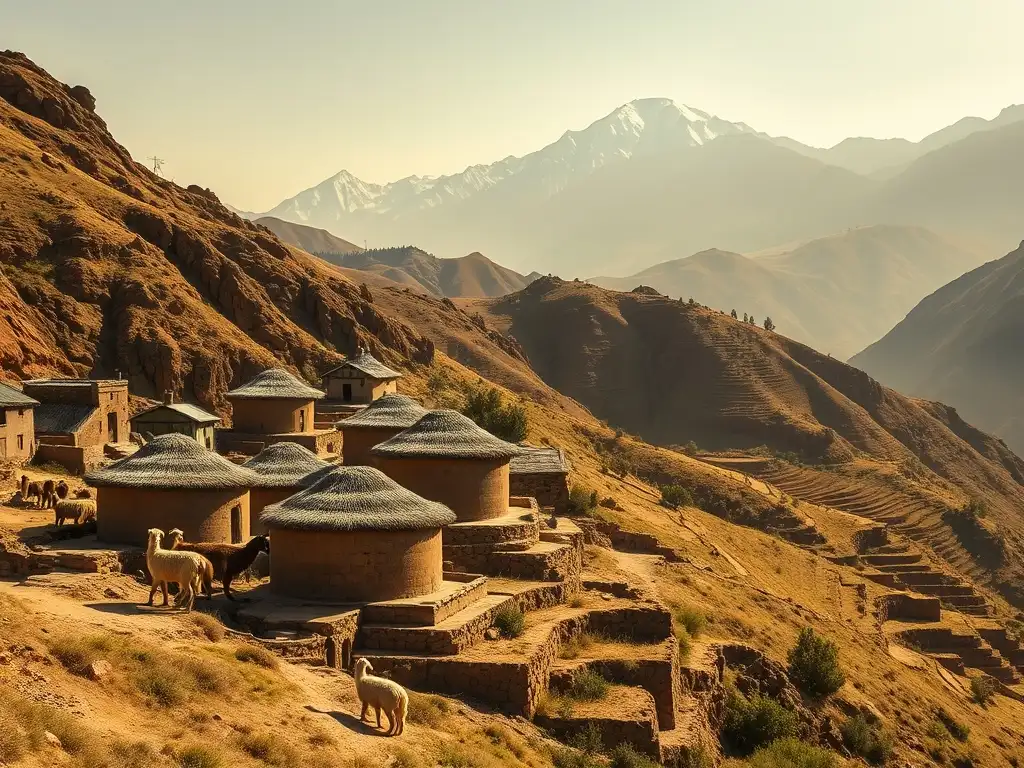
The ingenuity of Preceramic Andean societies in adapting to their challenging environment laid the groundwork for the remarkable achievements of later Andean civilizations. Their strategies, honed over millennia, weren't simply about survival; they represented a profound understanding of their ecosystem and a remarkable capacity for innovation. This understanding of resource management, agricultural techniques, and social organization directly influenced the development of complex societies like the Inca, Moche, and Nazca.
We can see echoes of these early strategies in the sophisticated irrigation systems, terraced agriculture, and intricate social structures of later periods. The ability to thrive in a geographically diverse and often unforgiving landscape was a crucial factor in the development of these later, more complex societies. Their success wasn't accidental; it built upon the foundation laid by their Preceramic ancestors.
How Preceramic Strategies Influenced Later Andean Societies
The impact of Preceramic Andean survival strategies reverberates throughout Andean history. Consider, for example, the development of irrigation. While later civilizations developed massive, complex irrigation systems, the foundations were laid during the Preceramic period. Early evidence suggests rudimentary canal systems and techniques for water management, demonstrating an early understanding of harnessing water resources vital for agriculture in arid and semi-arid regions.
This knowledge, refined and expanded upon over centuries, allowed later civilizations to cultivate larger areas and support denser populations. Similarly, the techniques of terracing, which allowed for cultivation on steep slopes, were likely pioneered during the Preceramic period. These early forms of terracing, while less sophisticated than those of the Inca, demonstrate a deep understanding of soil conservation and water management.
Furthermore, the social structures and organizational skills necessary for collaborative projects like irrigation and terracing likely had their roots in Preceramic communities. The need to cooperate in managing resources and responding to environmental challenges fostered social cohesion and the development of leadership structures. These early social structures and organizational skills provided a framework for the larger, more complex societies that emerged later.
Analyzing Preceramic settlements reveals evidence of social hierarchies and specialized labor, suggesting a level of societal complexity that contributed to the later development of sophisticated states. The ability to organize large-scale projects and manage resources efficiently was directly inherited from the ingenuity and adaptability of Preceramic Andean communities.
The Significance of Preceramic Andean Culture for Understanding Andean Civilizations
Understanding Preceramic Andean culture is crucial for a complete understanding of the broader trajectory of Andean civilizations. It provides the foundational context within which later developments must be interpreted. Often, the narrative of Andean civilizations focuses on the Inca Empire, overlooking the centuries of innovation and adaptation that preceded it. The Preceramic period, however, represents a critical stage in this narrative, highlighting the long-term process of cultural evolution and adaptation. It showcases the resilience and ingenuity of Andean peoples in the face of environmental challenges and demonstrates the deep connection between human societies and their environment.
Studying Preceramic sites allows us to trace the development of key cultural traits, such as agricultural practices, pottery technology, and social organization. These early developments were not isolated events; they formed the basis for the more complex and sophisticated societies that followed. For instance, the emergence of pottery during the Preceramic period marks a significant technological advance, reflecting not only an increased understanding of materials and firing techniques but also a growing complexity in social and symbolic practices.
Similarly, the early development of agriculture, including the domestication of crops like potatoes and quinoa, was a transformative event that shaped the course of Andean history, enabling sedentism and the growth of larger, more complex communities. Without understanding the Preceramic foundations, our comprehension of later Andean achievements remains incomplete. This period offers valuable insights into the long-term processes that shaped Andean societies and their unique cultural heritage.
Preserving the Heritage of Preceramic Andean Sites
The preservation of Preceramic Andean sites is paramount for understanding the rich history and cultural heritage of the Andes. These sites offer invaluable insights into the lives, technologies, and social structures of the earliest Andean inhabitants. However, many of these sites face significant threats, including erosion, looting, and the encroachment of modern development. Effective preservation strategies are crucial to safeguarding this irreplaceable heritage for future generations. These strategies must include careful archaeological investigation, responsible tourism practices, and community engagement.
The challenge lies in balancing the need for scientific research with the preservation of these fragile sites. Careful excavation techniques, appropriate documentation, and the development of effective conservation strategies are vital to ensuring the long-term preservation of these valuable resources. Furthermore, engaging local communities in preservation efforts is essential. Their knowledge and understanding of these sites are invaluable, and their participation fosters a sense of ownership and responsibility for their protection.
This collaborative approach not only ensures the preservation of the physical sites but also helps to protect the intangible cultural heritage associated with them. Sustainable tourism initiatives can also play a vital role, providing economic benefits to local communities while promoting responsible visitation and raising awareness of the importance of preserving these sites. The long-term survival of Preceramic Andean heritage depends on a multifaceted approach involving archaeologists, local communities, and policymakers working together to protect these irreplaceable resources.
Frequently Asked Questions
What environmental challenges did Preceramic Andean societies face?
The Preceramic Andean societies faced a highly variable and challenging environment. This included high altitudes, arid coastal deserts, and variable weather patterns, demanding innovative survival strategies.
How did Preceramic Andean people adapt to the arid coastal regions?
Coastal communities developed sophisticated irrigation systems to cultivate crops and exploited marine resources like fish and shellfish for sustenance, demonstrating a deep understanding of their environment.
What role did agriculture play in Preceramic Andean survival?
Agriculture was essential for survival. Preceramic Andeans cultivated crops like potatoes, beans, and squash, adapting them to different altitudes and climates through careful selection and innovative farming techniques.
What evidence reveals Preceramic Andean survival strategies?
Archaeological evidence, including ancient settlements, irrigation canals, and agricultural terraces, reveals the ingenuity and resilience of these societies in adapting to their harsh environment. Plant and animal remains also provide insights into their diets.
How did Preceramic Andean societies organize themselves for survival?
Preceramic Andean societies developed complex social structures and collaborative practices to manage resources and respond to environmental challenges. This included community-based irrigation projects and organized hunting and gathering.
Final Reflection: Echoes of Resilience in the Andes
The ingenuity of Preceramic Andean societies in adapting to their harsh environment offers a powerful lesson for our own time, a testament to human resilience in the face of seemingly insurmountable odds. Their innovative agricultural techniques, sophisticated water management systems, and complex social structures, developed thousands of years ago without the benefit of metal tools or writing, continue to inspire awe and provide valuable insights into sustainable living. The challenges they faced – unpredictable weather patterns, limited arable land, and the constant need to innovate – resonate deeply with the environmental concerns we grapple with today.
The enduring legacy of Preceramic Andean survival strategies is not merely an archaeological curiosity; it's a living narrative woven into the cultural fabric of the region. Their achievements underscore the profound connection between human societies and their environment, a connection often overlooked in our modern, technologically driven world. The past is never dead. It's not even past.
– William Faulkner. This quote perfectly encapsulates the ongoing relevance of understanding these ancient adaptations, reminding us that the solutions to our contemporary challenges may lie hidden within the wisdom of our ancestors.
Consider the ingenuity of these early Andean communities. Imagine the collaborative effort, the generations of knowledge passed down, the unwavering determination required to thrive in such a demanding landscape. You, too, possess an innate capacity for resilience and innovation. Reflect on the challenges you face, and consider how the resourcefulness of the Preceramic Andean people might inspire you to find creative solutions, to build stronger communities, and to foster a more sustainable relationship with the world around you. Let their story be a beacon, guiding you towards a future where human ingenuity and environmental stewardship go hand in hand.
Embrace the Resilience of Andean Civilizations!
Thank you for exploring the remarkable adaptations of pre-ceramic Andean societies. You've witnessed the ingenuity of communities that thrived in a challenging environment, overcoming incredible obstacles. Now, let's translate that inspiration into action!
- Learn more: Delve deeper into Andean cultures and similar historical examples of adaptation by visiting museums, reading books, or exploring online resources.
- Share your knowledge: Discuss your newfound understanding with friends and family, exploring how these ancient strategies can foster modern resilience.
- Get involved: Join a community group focused on sustainability or environmental stewardship, and apply these timeless lessons to contemporary challenges.
What aspect of Andean resilience resonates most with you, and how can you integrate it into your own life?