
Andean Genesis: How the First Communities Shaped a Continent

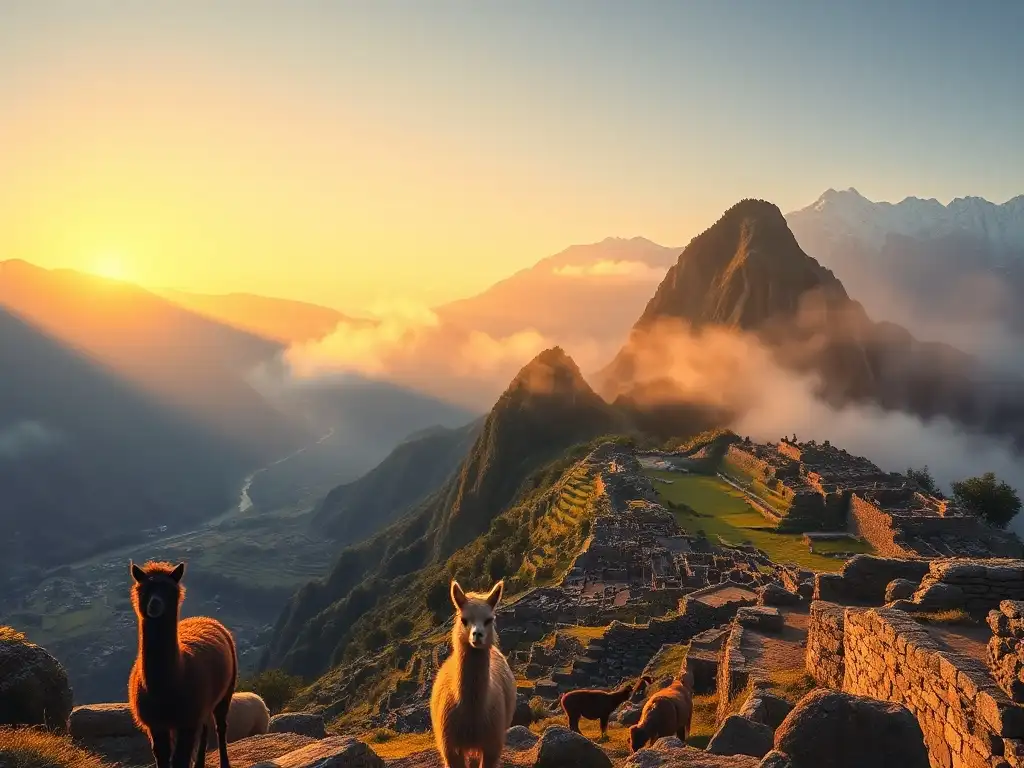
Unravel the mysteries of a lost world. For centuries, the towering peaks of the Andes have guarded secrets of ingenuity and power. Dive into the captivating saga of Ancient Andean civilizations history, where innovative societies like the Incas, Moche, and Nazca flourished. Our exploration of Andean Genesis: How the First Communities Shaped a Continent will ignite your imagination and leave you questioning everything you thought you knew about these remarkable cultures. Prepare to be amazed.
The Andes Mountains, a spine of towering peaks and deep valleys stretching along the western coast of South America, have witnessed millennia of human history. This dramatic landscape, far from being a barrier, became a crucible for the development of some of the most fascinating and sophisticated ancient civilizations the world has ever known.
This article delves into the genesis of these remarkable societies, exploring the early human presence in the Andes and examining the foundational period known as the Archaic Period, revealing how the ingenuity and resilience of early Andean communities shaped not only their own destinies but the very fabric of the continent. We will uncover the intricate tapestry of their lives, exploring their adaptations to the challenging environment, their innovative technologies, and the cultural seeds they planted that would blossom into the magnificent empires of the Inca, Moche, Nazca, and Tiahuanaco.
Understanding this early history is key to appreciating the full richness and complexity of Ancient Andean civilizations history. We will explore the development of agriculture, societal structures, and the initial expressions of Andean art and spirituality, laying the groundwork for a deeper understanding of the subsequent flourishing of these remarkable cultures.
Early Human Presence in the Andes: A Timeline
The story of human presence in the Andes is a long and complex one, stretching back tens of thousands of years. Establishing precise dates remains a challenge, as archaeological evidence can be fragmented and difficult to interpret. However, current research paints a picture of gradual human migration and adaptation to this demanding environment.
| Period | Approximate Dates | Key Developments |
|---|---|---|
| Early Paleolithic | >12,000 years ago | Initial human migration into the Andes; evidence of hunter-gatherer lifestyles. |
| Late Paleolithic | 12,000 - 10,000 years ago | Adaptation to high-altitude environments; development of specialized hunting techniques. |
| Early Holocene | 10,000 - 8,000 years ago | Gradual shift towards more settled lifestyles; early experimentation with plant cultivation. |
The earliest inhabitants of the Andes were nomadic hunter-gatherers, skillfully navigating the diverse ecosystems of the region. Their survival depended on an intimate understanding of their environment and a remarkable ability to adapt to its challenges. As the climate shifted and resources became more concentrated, the seeds of a more settled existence were sown.
The transition from nomadic hunter-gatherer societies to more sedentary communities marked a pivotal moment in Andean history, paving the way for the development of agriculture and, ultimately, complex societies. Further research continues to refine our understanding of this crucial period, uncovering new insights into the lives and adaptations of these early Andean pioneers. The discovery of new archaeological sites and the application of advanced dating techniques promise to further illuminate this fascinating chapter in human history.
The Archaic Period: Foundations of Andean Culture
The Archaic Period (c. 8000 – 1800 BCE) represents a transformative era in Andean prehistory. This period witnessed the development of crucial innovations that laid the foundation for the later flourishing of complex societies. The most significant of these was the domestication of plants and animals, marking a fundamental shift from a purely foraging-based economy to one that increasingly relied on agriculture. This agricultural revolution profoundly altered Andean lifestyles, leading to the emergence of settled villages and the development of more complex social structures.
The cultivation of crops such as potatoes, quinoa, and beans, uniquely adapted to the high-altitude environments of the Andes, provided a reliable food source. Simultaneously, the domestication of camelids, such as llamas and alpacas, provided essential resources for transportation, wool, and meat. These innovations dramatically increased food production and allowed for population growth and the development of larger, more permanent settlements.
The increased food surplus also freed up time and resources, allowing for specialization of labor and the development of crafts and technologies. This period saw the development of early forms of pottery, textiles, and stone tools, reflecting growing sophistication in craftsmanship and artistic expression. The Archaic Period was a time of experimentation and innovation, setting the stage for the spectacular cultural achievements of later Andean civilizations.
The ingenuity and resilience of these early Andean communities in adapting to their environment and developing sustainable agricultural practices are a testament to their remarkable capabilities and foresight. Their legacy continues to resonate in the cultural landscape of the Andes today.
Preceramic Societies: The Dawn of Andean Ingenuity
The study of ancient Andean civilizations history begins long before the emergence of ceramics, a hallmark of later cultures. Preceramic societies, dating back to approximately 8000 BCE, laid the foundation for the impressive achievements of their successors. These early inhabitants of the Andes demonstrated remarkable adaptability and ingenuity in their interaction with the diverse environments of the region. They weren't simply surviving; they were actively shaping their landscapes and developing sophisticated strategies for resource management.
This period showcases the incredible resilience and innovation that characterized Andean communities from their very beginnings. The development of early agriculture, though still in its nascent stages, and the exploitation of coastal resources were crucial steps in this early development. Evidence suggests a gradual transition from nomadic hunter-gatherer lifestyles to more settled patterns, driven by the increasing reliance on local resources and the development of rudimentary agricultural techniques.
Understanding these preceramic societies is key to appreciating the long and complex trajectory of Andean civilization. The ingenuity displayed in their adaptation to challenging terrains and climates paved the way for the more complex societies that followed. Their innovations in resource management, though simple by later standards, laid the groundwork for the impressive feats of engineering and societal organization that characterized later Andean cultures.
Coastal Adaptations: Fishing and Resource Management
Coastal communities developed sophisticated techniques for fishing and exploiting marine resources. Evidence from sites along the Peruvian coast reveals the use of intricate fishing nets, hooks, and specialized boats, indicating a deep understanding of marine ecosystems and a commitment to sustainable resource management. These early fishermen weren't just catching fish; they were actively managing their resources, demonstrating a level of ecological awareness that is often overlooked in discussions of ancient Andean civilizations history.
The abundance of seafood provided a crucial dietary staple, supporting population growth and settlement in coastal regions. Furthermore, the exploitation of marine resources wasn't limited to fish. Shellfish, seaweed, and other marine life also played important roles in the diets of these coastal communities.
The development of specialized tools and techniques for harvesting these resources reflects a nuanced understanding of the coastal environment and its potential. This early expertise in marine resource management laid the foundation for the thriving coastal cultures that would flourish in later periods.
Highland Settlements: Agriculture's Early Beginnings
In the highlands, the story is different but equally impressive. The challenges of cultivating crops at high altitudes led to the development of innovative agricultural practices. Early farmers in the Andes experimented with various crops, selecting those best suited to the harsh conditions.
Potatoes, quinoa, and other Andean staples were domesticated during this period, marking a significant milestone in the history of agriculture. The development of terracing, irrigation systems, and other techniques allowed for the efficient cultivation of crops in challenging terrains. These techniques not only increased agricultural yields but also helped to prevent soil erosion and maintain the fertility of the land.
The careful planning and execution of these early agricultural projects demonstrate a deep understanding of the environment and a commitment to long-term sustainability. The success of highland agriculture laid the foundation for the growth of larger, more complex communities in the Andes. It also provided a stable food supply that supported population growth and social development.
The Formative Period: Rise of Complex Societies
The Formative Period (roughly 1800 BCE – 200 CE) witnessed a dramatic shift in Andean societies. The innovations in agriculture and resource management of the preceramic era paved the way for the emergence of larger, more complex settlements. This period is characterized by the development of sophisticated irrigation systems, monumental architecture, and the appearance of the first pottery. The rise of specialized labor and social stratification suggests the emergence of increasingly complex social structures.
The construction of monumental structures, such as the platforms and temples found at sites like Caral in Peru, required significant coordination and organization, demonstrating a level of social and political complexity previously unseen in the Andes. The appearance of pottery, with its diverse forms and decorative styles, indicates a growing sophistication in artistic expression and a desire to create and display cultural identity. The Formative Period marks a critical transition in ancient Andean civilizations history, from relatively small, dispersed communities to larger, more integrated societies with complex social and political organizations.
This period laid the foundation for the impressive achievements of later Andean cultures, including the Inca Empire. The technological and social innovations of this time are a testament to the enduring ingenuity and adaptability of Andean peoples. The development of complex societies during the Formative Period represents a crucial step in the long and fascinating history of the Andes.
Emergence of Ceremonial Centers and Monumental Architecture
The development of ceremonial centers and monumental architecture represents a significant leap in the evolution of Ancient Andean civilizations history. These structures, often built with immense effort and sophisticated engineering techniques, served not only as religious sites but also as focal points for social organization and political power. Their construction reflects a growing complexity in social structures, a burgeoning understanding of engineering principles, and a shared belief system that united disparate communities.
The scale of these projects suggests a level of centralized planning and control, indicating the emergence of early forms of state-level societies. The sheer manpower required for these undertakings implies a sophisticated system of labor organization and resource management, suggesting a degree of social stratification and hierarchical organization. Furthermore, the location of these centers, often strategically chosen for their geographic prominence or access to resources, highlights the importance of territorial control and the growing influence of elite groups.
The architectural styles and decorative elements also reveal important information about the beliefs, values, and artistic capabilities of these early Andean societies. Analyzing these aspects provides crucial insights into the processes that led to the rise of complex societies in the Andes.
Chavín de Huántar and its significance
Chavín de Huántar, located in the northern Peruvian Andes, stands as a prime example of an early ceremonial center. Its influence extended across a vast region, suggesting a powerful religious and possibly political center. The site's iconic architecture, characterized by its intricate stonework, underground galleries, and imposing plazas, demonstrates a remarkable mastery of stone carving and architectural design.
The distinctive Chavín style, recognizable in its intricate iconography and stylized representations of jaguars, snakes, and other mythical creatures, spread throughout the Andes, influencing the art and religious practices of many subsequent cultures. This widespread influence demonstrates the significant role Chavín de Huántar played in shaping the cultural landscape of the early Andes and its contribution to the development of Ancient Andean civilizations history. The site's complex layout and the presence of specialized structures suggest a highly organized society with specialized roles and responsibilities.
Scholars continue to debate the exact nature of Chavín's power and influence, but its undeniable impact on the wider Andean region solidifies its importance in understanding the emergence of complex societies in the region. The discovery of artifacts and evidence of ritual activities within the site provides valuable insights into the religious beliefs and practices of the Chavín culture.
Early Art and Iconography in the Ancient Andes
The art and iconography of the early Andean civilizations provide invaluable insights into their belief systems, social structures, and worldview. Early artistic expressions often featured stylized depictions of animals, particularly jaguars, snakes, and condors, which were likely imbued with significant religious or symbolic meaning. These motifs frequently appear in textiles, ceramics, and stone carvings, reflecting a shared cultural understanding across different regions.
The development of sophisticated weaving techniques, allowing for the creation of intricate and colorful textiles, is another testament to the artistic skills and technological advancements of these early societies. Analysis of these artistic expressions reveals much about the social hierarchy and power dynamics of the time. The complexity and detail present in some artifacts suggest specialized artisans and a degree of social stratification.
The repetitive nature of certain motifs may indicate shared beliefs and religious practices, while variations in style could represent regional differences or distinct artistic traditions. The study of early Andean art helps us understand the evolution of artistic styles and their connection to religious beliefs and social structures, offering a deeper understanding of Ancient Andean civilizations history. For example, the use of specific colors or materials might have held particular significance within their belief system.
The development of agriculture in the Andes profoundly impacted social structures and the trajectory of Ancient Andean civilizations history. The shift from nomadic hunter-gatherer lifestyles to settled agricultural communities led to increased population density, the emergence of villages and later larger settlements, and ultimately, the development of complex societies. The cultivation of crops like potatoes, maize, and quinoa provided a reliable food source, supporting larger populations and allowing for specialization of labor.
This led to the development of new social roles and hierarchies, with some individuals specializing in agriculture, while others focused on crafts, trade, or religious practices. The control and distribution of agricultural resources likely played a significant role in shaping power dynamics and social stratification within these early communities. The need to manage irrigation systems and other agricultural infrastructure further necessitated cooperation and coordination among community members, fostering social cohesion and contributing to the development of communal institutions.
Evidence suggests that early Andean agricultural practices were highly sophisticated, with various techniques employed to maximize yields in diverse environments. The impact of agriculture on Andean societies was transformative, laying the foundation for the development of complex civilizations and shaping the cultural landscape of the region for millennia. The ability to produce surplus food was a critical factor in the rise of social complexity and the emergence of centralized authority.
Domestication of Crops: The Basis of Andean Civilization
The story of the ancient Andean civilizations is inextricably linked to their remarkable achievements in agriculture. The harsh, varied geography of the Andes—from arid coastal deserts to high-altitude plains and lush Amazonian foothills—presented significant challenges. Yet, through millennia of careful observation and experimentation, Andean communities mastered the art of cultivating crops in these diverse environments, laying the foundation for their complex societies.
This mastery of agriculture not only ensured food security but also allowed for population growth, specialization of labor, and the development of sophisticated social structures. The domestication of plants wasn't just a technological advancement; it was a cultural revolution, shaping religious beliefs, social hierarchies, and artistic expression. The abundance and diversity of crops fostered trade networks and facilitated the exchange of ideas and technologies across vast distances, further contributing to the overall development of Andean societies.
The ingenuity of these early farmers is a testament to human adaptability and the power of agricultural innovation in shaping civilization. Without the successful domestication of crops, the rise of the great Andean empires would have been inconceivable.
Key Crops of the Ancient Andes: Potatoes, Quinoa, and Corn
Among the most significant crops domesticated in the Andes were potatoes, quinoa, and corn. These three staples formed the cornerstone of the Andean diet and played a crucial role in supporting the burgeoning populations of the region. Potatoes, boasting an incredible diversity of varieties adapted to different altitudes and climates, provided a reliable source of carbohydrates and essential nutrients.
Quinoa, a highly nutritious grain, offered a complete protein source, invaluable in a diet that often lacked animal protein. Corn, widely cultivated across the Andes, provided another vital carbohydrate source and was used in a variety of culinary and ritualistic contexts. The cultivation of these three crops, along with other important plants like beans, squash, and various tubers, allowed Andean communities to achieve a level of agricultural productivity that was unparalleled in other parts of the world at the time.
The diverse array of crops also provided nutritional security, mitigating the risks associated with crop failure due to climatic variability or pests. This agricultural bounty fueled the growth and prosperity of the Andean civilizations, providing the surplus needed to support specialized labor, large-scale construction projects, and the development of complex social and political organizations. The importance of these crops is reflected not only in their nutritional value but also in their symbolic and ritualistic significance within Andean cultures.
The Development of Advanced Agricultural Techniques

The challenging Andean terrain necessitated the development of sophisticated agricultural techniques. Early Andean farmers were not simply cultivators; they were ingenious engineers, constantly adapting and innovating to maximize crop yields in often-unforgiving environments. Their understanding of the environment, coupled with their practical skills, allowed them to develop methods that were far ahead of their time.
These innovative techniques were not only crucial for survival but also contributed significantly to the social and economic complexity of Andean societies. The ingenuity of these farming practices is a testament to the human capacity for adaptation and innovation in the face of adversity. The surplus food produced through these advanced techniques fueled the growth of cities, supported specialized craftspeople, and allowed for the development of complex social structures and political systems.
Terracing and Irrigation Systems in Andean Farming
Two of the most remarkable achievements of Andean agricultural technology were terracing and irrigation. Terracing involved carving level platforms into steep hillsides, creating arable land where it would otherwise have been impossible to cultivate. These terraces not only increased the amount of cultivable land but also helped to conserve water and soil, minimizing erosion.
The construction of terraces was a monumental undertaking, requiring considerable labor and organizational skills, demonstrating the sophisticated social and political organization of Andean communities. Furthermore, the intricate systems of canals and aqueducts used for irrigation brought water to arid areas, allowing for the cultivation of crops in otherwise unsuitable environments. These irrigation systems were often incredibly complex, requiring careful planning and engineering expertise.
The effectiveness of these systems is evidenced by the success of Andean agriculture in supporting large populations across diverse and challenging landscapes. The construction and maintenance of these systems were collaborative efforts, requiring community participation and reflecting the social cohesion and engineering prowess of Andean societies. The remnants of these impressive agricultural systems, still visible in many parts of the Andes today, stand as powerful testaments to the ingenuity and resilience of ancient Andean civilizations.
The Rise of Specialized Crafts and Trades
The development of specialized crafts and trades marks a significant step in the evolution of ancient Andean civilizations. As societies transitioned from nomadic hunter-gatherer lifestyles to settled agricultural communities, the surplus of food and resources allowed for a division of labor. Individuals could dedicate themselves to specific tasks, fostering expertise and innovation. This specialization wasn't limited to just agriculture; it encompassed a wide range of activities.
For example, the creation of sophisticated tools for farming, such as improved plows and irrigation systems, required skilled artisans. Similarly, the construction of increasingly complex settlements necessitated specialized builders and architects. The production of pottery, textiles, and other crafts also became the domain of skilled artisans, leading to the emergence of distinct craft guilds or workshops, possibly organized around family lineages or kinship networks. Evidence suggests that these specialized crafts were not only functional but also held significant social and religious importance, with certain artisans holding esteemed positions within their communities.
The increasing complexity of these trades further fueled social stratification and economic growth, laying the foundation for the more complex societies that would emerge in later periods. This early specialization is a crucial element in understanding the trajectory of ancient Andean civilizations and their eventual flourishing. The intricate interplay between specialized labor and societal development is a key theme in the study of "Ancient Andean civilizations history".
Early Weaving and Textile Production in the Andes
The art of weaving emerged early in the Andes, intertwined with the development of agriculture and settled life. Early textiles, often made from cotton and camelid fibers (alpaca, llama, and vicuña), served primarily practical purposes: clothing, bags, and carrying nets. However, even these early examples demonstrate a remarkable level of skill and artistry. Archaeological evidence reveals intricate techniques such as plain weave, twill, and even early forms of tapestry, indicating a sophisticated understanding of textile production.
The earliest known examples of Andean textiles date back to [specific date pending], found in [specific archaeological site pending]. These early textiles provide valuable insights into the daily lives, social structures, and technological capabilities of these early Andean communities. The use of natural dyes derived from plants and minerals added another layer of complexity, with colors holding symbolic and ritualistic significance.
Furthermore, the presence of specific motifs and patterns in early textiles suggests the possible existence of early forms of artistic expression and communication, hinting at the development of iconography and narrative traditions. The evolution of weaving techniques and textile production in the Andes reflects not only technological advancements but also the growing sophistication of their social and cultural systems. This early mastery of textile production is a cornerstone of understanding the "Ancient Andean civilizations history".
Pottery Development and its Cultural Significance
The development of pottery in the Andes is another crucial aspect of their early history, reflecting advancements in technology and the growing complexity of their societies. Early pottery, often made by hand-coiling techniques, initially served utilitarian purposes such as food storage and cooking. However, as skills developed, pottery became a medium for artistic expression and cultural communication. Different styles and designs emerged, reflecting regional variations and possibly indicating the existence of distinct cultural groups.
The shapes, colors, and decorations of pottery provide valuable information about the aesthetic preferences, beliefs, and social structures of these early communities. For instance, the presence of specific motifs, such as stylized animals or geometric patterns, may reflect religious beliefs or clan affiliations. The emergence of more sophisticated techniques, such as the use of pottery wheels and kilns, further indicates technological advancements. [Specific examples of early Andean pottery styles and their associated cultures pending].
The meticulous craftsmanship evident in many early Andean pottery pieces suggests that pottery production was not only a practical activity but also held significant social and religious importance, with skilled potters possibly holding respected positions within their communities. The study of Andean pottery offers a rich source of information for understanding the "Ancient Andean civilizations history", providing a window into their daily lives, beliefs, and artistic achievements. The evolution of pottery styles across different regions and time periods contributes significantly to our understanding of the complex cultural landscape of the ancient Andes.
Early Andean communities, preceding the rise of large empires like the Inca, weren't uniformly structured. Social organization varied significantly depending on factors like environment, resource availability, and the level of technological advancement. However, some common threads emerge. Many societies were organized around kinship groups, with family structures playing a crucial role in determining social standing and access to resources.
These kinship groups often collaborated in agricultural activities, sharing labor and resources to ensure collective survival. This cooperative spirit, born out of necessity in challenging environments, fostered a sense of community and mutual support. Evidence suggests that some societies exhibited a degree of social stratification, with certain individuals or families holding more power and influence than others, likely due to their control over resources or specialized skills. The extent of this stratification, however, varied considerably across different communities.
Archaeological findings, such as the differing sizes and quality of dwellings, and the distribution of grave goods, provide insights into the social hierarchy and the degree of inequality within these early societies. Understanding these subtle variations in social structure is key to grasping the complexities of ancient Andean history and the diverse ways in which these communities adapted to their environments. Further research into specific sites and the careful analysis of artifacts will continue to refine our understanding of this fascinating aspect of Ancient Andean civilizations history.
Chiefdoms and Early Forms of Political Organization
The development of chiefdoms marked a significant step in the evolution of political organization in the Andes. These were not centralized states in the same way as later empires, but they represented a more complex form of social and political structure than the earlier, simpler village societies. Chiefdoms were characterized by a hierarchical structure, with a chief or leader at the apex wielding significant authority and influence. This authority, however, was often based on a combination of factors, including kinship ties, religious prestige, and control over resources.
Chiefs frequently acted as mediators in conflicts, organized communal labor projects, and oversaw the distribution of goods. Evidence suggests that chiefdoms often controlled a larger territory than smaller villages, encompassing multiple settlements and potentially thousands of people. The emergence of chiefdoms reflects a growing need for coordinated action and resource management, particularly as populations grew and competition for resources intensified.
The specific mechanisms of power and authority within chiefdoms varied across different regions and time periods, making it crucial to study each case individually. The study of ancient Andean civilizations history reveals a gradual and uneven development of political structures, with some regions exhibiting more complex forms of organization than others. Further research focusing on the material culture and social structures of these chiefdoms is essential to fully understand their role in shaping the trajectory of Andean societies.
Religious Beliefs and Ritual Practices in the Andean Genesis
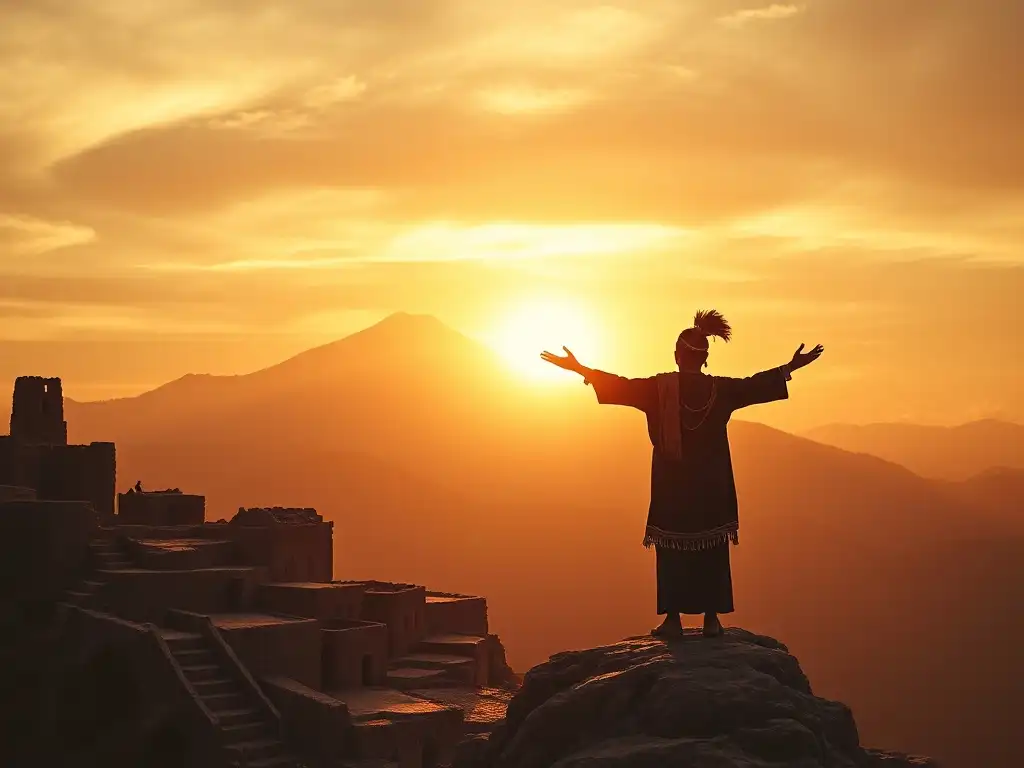
The religious beliefs and practices of early Andean communities were deeply intertwined with their daily lives and their understanding of the natural world. Evidence suggests a strong connection to the land and its resources, with deities associated with mountains, water sources, and agricultural fertility. Rituals played a vital role in ensuring a successful harvest, appeasing powerful forces, and maintaining social harmony. Archaeological discoveries, such as the presence of elaborate burial sites and the discovery of sacrificial offerings, highlight the importance of religious beliefs in these societies.
The religious practices likely involved a complex interplay of shamanistic practices, ancestor veneration, and communal rituals. The lack of written records presents challenges in interpreting these practices, but careful analysis of material culture, including pottery, textiles, and architecture, provides valuable insights. In some cases, evidence suggests the existence of specialized religious leaders or shamans who played an important role in mediating between the human world and the spirit world.
The study of Ancient Andean civilizations history reveals a profound connection between religious beliefs and the social and political structures of these communities. The religious practices not only reflected the worldview of these early Andean societies but also played a crucial role in shaping their social cohesion and political organization. More research is needed to fully understand the nuanced diversity of religious expressions across different regions and time periods.
The Spiritual World of the Ancient Andean Peoples
The spiritual beliefs of the early Andean communities were deeply intertwined with their environment and daily lives. Their worldview wasn't compartmentalized into separate religious and secular spheres; rather, the sacred permeated every aspect of existence. Evidence suggests a strong connection to nature, with mountains, rivers, and celestial bodies holding significant spiritual importance.
Apus, or mountain spirits, were revered as powerful deities, often associated with specific geographical locations and acting as protectors of their communities. These beliefs are reflected in the elaborate rituals and offerings found at archaeological sites, often involving the sacrifice of llamas or other animals, and the placement of carefully crafted artifacts. Furthermore, the intricate designs found on pottery and textiles suggest a complex cosmology, hinting at a sophisticated understanding of the universe and their place within it.
The importance of ancestors is also evident, with evidence of mummification and ancestor veneration practices indicating a belief in the continued influence of the deceased on the living. This spiritual landscape shaped social structures, agricultural practices, and artistic expression, underscoring the centrality of the sacred in early Andean life. The reverence for nature and the ancestors provided a foundation for community cohesion and a sense of continuity across generations, influencing their social organization and ensuring the survival of their culture.
The Legacy of the First Andean Communities
The impact of the earliest Andean communities extends far beyond their immediate geographical locations and time periods. Their innovative agricultural techniques, such as terracing and irrigation, provided the foundation for subsequent, larger civilizations. The mastery of these techniques allowed for increased food production, supporting larger populations and enabling the development of complex social structures. These early settlements also laid the groundwork for sophisticated metalworking techniques, with evidence suggesting the early use of copper and gold.
These advancements were not only crucial for their own survival but also served as a basis for later technological innovations seen in societies like the Moche and Inca. Furthermore, their artistic traditions, evident in their pottery, textiles, and stone carvings, reveal a deep understanding of aesthetic principles and a rich symbolic language. These artistic styles influenced subsequent Andean artistic expressions, creating a continuous thread of cultural heritage across millennia.
The early development of sophisticated social organization, including evidence of hierarchical structures and specialized labor, laid the groundwork for the complex political and social systems seen in later Andean civilizations. Understanding these early communities is essential to grasping the full scope of Andean history and the evolutionary trajectory of the region's remarkable civilizations. The legacy of their ingenuity and cultural richness echoes through centuries, shaping the landscape and cultural identity of the Andes.
The Enduring Impact on Later Andean Civilizations
The influence of the initial Andean communities on their successors is profound and multifaceted. The sophisticated agricultural techniques pioneered by these early settlers, such as the construction of intricate irrigation systems and terraced fields, directly impacted the agricultural practices of later civilizations like the Inca. These advancements allowed for efficient food production, supporting larger, more densely populated urban centers. Moreover, the early mastery of metallurgy, particularly in copper and gold, laid the groundwork for the impressive metalworking achievements of civilizations like the Moche, known for their intricate gold and silver artifacts.
The early development of social structures and political organization also influenced the formation of more complex states in later periods. The establishment of hierarchical social systems, specialized labor, and religious beliefs directly impacted the organization and governance of later Andean societies. Furthermore, the artistic and symbolic language developed by these early communities profoundly impacted the aesthetic and religious expressions of subsequent civilizations.
The stylistic elements seen in pottery, textiles, and architecture often echo the artistic traditions established during this early period, demonstrating a remarkable continuity of cultural heritage. In essence, the foundation laid by the first Andean communities provided the fertile ground upon which later civilizations flourished and developed their unique characteristics, highlighting the interconnectedness of Andean history and the enduring legacy of these early settlements. Their innovations and cultural achievements served as a springboard for the impressive advancements that characterized later Andean civilizations.
Connecting the Origins to the Later Andean Empires
The study of early Andean societies is crucial for understanding the rise of later empires like the Inca. The sophisticated agricultural techniques, intricate social structures, and complex religious beliefs developed in these initial communities laid the groundwork for the later, more expansive civilizations. For example, the mastery of irrigation systems, evident in the early canal networks of the Norte Chico civilization, directly influenced the Inca's impressive hydraulic engineering projects.
Similarly, the hierarchical social organization observed in pre-Inca societies provided a template for the Inca's highly structured imperial administration. The intricate religious iconography and ceremonial practices found in early Andean art and artifacts foreshadow the complex religious beliefs and rituals of the Inca, demonstrating a clear lineage and continuity. Furthermore, the development of early urban centers, such as those found in Caral, provided the blueprint for the later Inca cities, highlighting the evolutionary nature of Andean urban planning.
Analyzing the transition from small, dispersed settlements to larger, more centralized societies reveals a gradual process of societal evolution, with each stage contributing to the eventual emergence of the powerful Andean empires. Understanding these early foundations is essential to fully appreciate the complexity and sophistication of the later civilizations. The legacy of these pioneering communities is undeniably etched into the fabric of the later empires, making the study of their origins paramount to a comprehensive understanding of Andean history.
Studying the Ancient Andean civilizations history: A Journey Through Time
Investigating the ancient Andean civilizations' history requires a multidisciplinary approach, combining archaeology, anthropology, linguistics, and other fields. Archaeologists meticulously excavate sites, uncovering artifacts and architectural remains that offer tangible evidence of past lives. These findings, such as pottery shards, textiles, and tools, provide invaluable insights into daily life, technological advancements, and cultural practices. Anthropological studies delve into the social structures, kinship systems, and belief systems of these societies, often drawing on ethnographic parallels to interpret the meaning behind recovered artifacts.
Linguistic analysis of surviving languages, including Quechua and Aymara, helps reconstruct the historical connections and migrations of different groups. Furthermore, the study of ancient Andean civilizations history relies heavily on the interpretation of iconography found on textiles, pottery, and stone carvings. These images often depict religious beliefs, social hierarchies, and historical events, offering a visual narrative of the past. By combining these various approaches, researchers piece together a more complete picture of the development and interactions of the various Andean civilizations.
The chronological sequencing of discoveries, coupled with radiocarbon dating and other scientific methods, helps establish timelines and understand the evolution of technologies and cultural practices over centuries. This intricate process of piecing together fragmented evidence forms a vibrant tapestry of the ancient Andean civilizations history, revealing a rich and complex past. Each new discovery adds another layer to our understanding, making the study of these civilizations a continuously evolving and enriching endeavor.
- Early Human Presence in the Andes: A Timeline
- The Archaic Period: Foundations of Andean Culture
- Preceramic Societies: The Dawn of Andean Ingenuity
- The Formative Period: Rise of Complex Societies
- Emergence of Ceremonial Centers and Monumental Architecture
- The Impact of Agriculture on Andean Social Structures
- Domestication of Crops: The Basis of Andean Civilization
- The Development of Advanced Agricultural Techniques
- The Rise of Specialized Crafts and Trades
- Early Weaving and Textile Production in the Andes
- Pottery Development and its Cultural Significance
- Understanding the Social Organization of Early Andean Communities
- Chiefdoms and Early Forms of Political Organization
- Religious Beliefs and Ritual Practices in the Andean Genesis
- The Spiritual World of the Ancient Andean Peoples
- The Legacy of the First Andean Communities
- The Enduring Impact on Later Andean Civilizations
- Connecting the Origins to the Later Andean Empires
- Studying the Ancient Andean civilizations history: A Journey Through Time
- What is the main focus of this article, "Andean Genesis: How the First Communities Shaped a Continent"?
- Which ancient Andean civilizations are discussed in the article?
- What aspects of Andean culture does the article cover?
- How does the article relate to the broader history of ancient Andean civilizations?
- Where can I learn more about specific Andean civilizations like the Incas or Moche?
Frequently Asked Questions
What is the main focus of this article, "Andean Genesis: How the First Communities Shaped a Continent"?
This article explores the early development of Andean civilizations, focusing on how the first communities influenced the later, more complex societies like the Incas. It highlights the foundational aspects of their culture and technology.
Which ancient Andean civilizations are discussed in the article?
While the article primarily focuses on the genesis of Andean civilization, it lays the groundwork for understanding the later development of cultures such as the Incas, Moche, Nazca, and Tiahuanaco. It examines the common threads connecting these groups.
What aspects of Andean culture does the article cover?
"Andean Genesis" examines a range of topics, including the early technologies, social structures, and belief systems of the first Andean communities. This provides context for understanding the later, more sophisticated cultures.
How does the article relate to the broader history of ancient Andean civilizations?
The article serves as a foundation for understanding the complex history of Andean civilizations. It explains the early developments that shaped the later empires and societies, providing crucial context for further study.
Where can I learn more about specific Andean civilizations like the Incas or Moche?
This article provides a broad overview. For more detailed information on specific civilizations, you can explore the other sections of the "Andean Civilizations" website, or consult academic resources and archaeological findings on those specific cultures.
Final Reflection: Echoes of the Andes: A Legacy Forged in Stone and Spirit
The echoes of the ancient Andean civilizations resonate powerfully in the modern world, a testament to their ingenuity and resilience. Their sophisticated agricultural techniques, intricate social structures, and breathtaking architectural achievements continue to inspire awe and provide valuable lessons for sustainable living and community building in the face of environmental challenges. Understanding their history is not merely an academic exercise; it is a crucial step in comprehending the complexities of our shared human heritage and the enduring power of cultural adaptation.
The enduring influence of these societies is profoundly evident in the cultural landscape of South America, shaping everything from artistic expression to political discourse. Their legacy is not confined to museums and archaeological sites; it lives on in the vibrant traditions, languages, and spiritual beliefs of millions. As the writer Eduardo Galeano eloquently stated, Memory is the weapon of the powerless.
The preservation and understanding of Andean history are vital acts of resistance against the erasure of indigenous knowledge and the celebration of a rich and complex past.
Consider the ingenuity of their terraced farming, a testament to their deep understanding of their environment. Reflect on the intricate social systems that allowed for the construction of monumental cities like Machu Picchu. You, the reader, hold the power to carry forward this legacy. By engaging with the history of the ancient Andean civilizations, you become a participant in a continuous dialogue across time, enriching your understanding of humanity's capacity for innovation, resilience, and the enduring power of community. Let the echoes of the Andes inspire you to build a more sustainable and equitable future.
Rediscover the Roots of Andean Culture!
Thank you for exploring the rich history of Andean civilizations with us! You've learned how early communities shaped an entire continent, and now it's time to share that knowledge. Together, we can help preserve and celebrate this extraordinary heritage!
Here's how you can get involved:
- Join a local cultural group to learn about Andean traditions and practices.
- Share this article with friends and family to spread awareness of Andean history.
- Explore Andean art and music by visiting galleries or searching online for indigenous artists.
What aspect of Andean culture resonates most with you, and how will you share your appreciation with others?