
The First Farmers: How Agriculture Transformed Andean Society

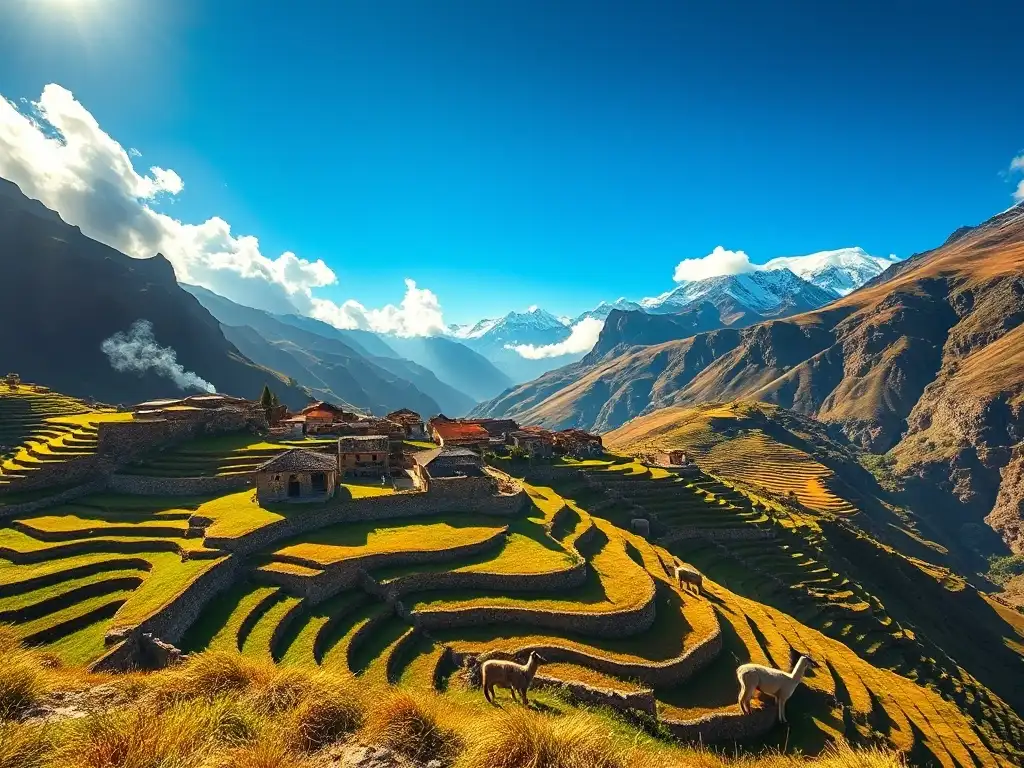
Unravel the mysteries of the Andes! Prepare to be amazed by the ingenuity and resilience of ancient Andean civilizations. For centuries, their mastery of the landscape shaped not only their survival but the very fabric of their societies. Discover how a revolutionary approach to Andean agriculture history fueled their incredible rise, transforming the harsh terrain into a cradle of innovation. Journey with us to uncover the secrets behind their astonishing achievements.
The rise of Andean civilizations wasn't a sudden event; it was a gradual process deeply intertwined with the development of agriculture. This article delves into the fascinating history of Andean agriculture, exploring how the cultivation of crops dramatically reshaped Andean societies, laying the foundation for the complex cultures we admire today. We'll examine the crucial role agriculture played in population growth, social organization, technological innovation, and the eventual emergence of powerful empires like the Inca.
Understanding the history of Andean agriculture is key to understanding the very essence of these remarkable civilizations. This exploration will focus on the impact of agriculture on the lives of various Andean groups, including the initial adoption of farming practices and their subsequent evolution over millennia.
We will uncover how the unique geographical challenges and diverse environments of the Andes shaped agricultural techniques and, in turn, influenced the cultural development of the region. This journey will illuminate the ingenuity and resilience of the Andean peoples who transformed their harsh environment into a thriving agricultural landscape.
The Domestication of Andean Crops: A Foundation for Civilization
The domestication of plants marked a pivotal moment in Andean prehistory. Unlike many other regions where agriculture began with a single staple crop, the Andes saw a diverse array of plants being cultivated, reflecting the varied ecological niches across the mountainous terrain. Early farmers in the Andes successfully domesticated potatoes, quinoa, beans, maize (though later than in Mesoamerica), and a wide variety of other crops. This diversification proved crucial for ensuring food security and resilience against environmental fluctuations.
The process of domestication itself was a long and complex one, involving careful selection and cultivation of desirable traits within wild plant populations. Archaeological evidence suggests that this process was underway thousands of years before the appearance of the first large-scale Andean societies. The development of sophisticated irrigation systems and terracing techniques further enhanced agricultural productivity, allowing for the support of increasingly larger populations.
The transition from a hunter-gatherer lifestyle to settled agricultural communities brought about profound changes in Andean society. Sedentary living allowed for the accumulation of surplus food, leading to population growth and the emergence of social hierarchies. With agriculture providing a more reliable food source, specialized labor became possible, leading to the development of crafts, trade, and increasingly complex social structures.
The control of agricultural resources likely played a significant role in the establishment of power dynamics and the formation of early chiefdoms. This shift also had profound implications for religious beliefs and practices, as evidenced by the emergence of agricultural deities and rituals aimed at ensuring bountiful harvests. The transition wasn't uniform across all Andean regions; some groups adopted agriculture gradually, while others retained aspects of their hunter-gatherer lifestyles for a considerable period.
Technological Innovations in Andean Agriculture: Ingenious Solutions
Andean farmers demonstrated remarkable ingenuity in adapting to the challenging environment of the Andes Mountains. The development of sophisticated irrigation systems, such as canals and terraces, is a testament to their engineering skills. These systems allowed for the cultivation of crops in otherwise unsuitable areas, maximizing agricultural potential. Terracing, in particular, was crucial for preventing soil erosion on steep slopes, allowing for intensive agriculture in mountainous regions.
Additionally, the development of specialized tools, such as digging sticks and plows, aided in the cultivation and harvesting of crops. The knowledge and techniques passed down through generations allowed Andean communities to thrive in a challenging landscape and support a growing population. This ingenuity is reflected in the remarkable diversity of crops cultivated and the effective management of water resources.
The Legacy of Andean Agriculture: A Continuing Influence
The agricultural practices developed by ancient Andean civilizations continue to have a significant impact on modern-day agriculture in the region and beyond. Many of the crops domesticated in the Andes, such as potatoes and quinoa, are now cultivated globally, contributing significantly to food security worldwide. The knowledge and techniques of ancient Andean farmers, particularly concerning water management and soil conservation, are increasingly relevant in the face of modern environmental challenges.
The legacy of Andean agriculture serves as a powerful reminder of the profound impact that agricultural innovation can have on the development of societies and the shaping of human civilizations. Understanding this legacy is crucial for addressing contemporary issues related to food security, sustainability, and environmental conservation. The Andean experience offers valuable lessons for the future.
- The Domestication of Andean Crops: A Foundation for Civilization
- From Hunter-Gatherers to Farmers: A Shifting Social Landscape
- Technological Innovations in Andean Agriculture: Ingenious Solutions
- The Legacy of Andean Agriculture: A Continuing Influence
- What role did agriculture play in the development of Andean civilizations?
- How did the harsh Andean environment influence agricultural practices?
- What were some of the key crops cultivated by Andean civilizations?
- What were some of the technological innovations related to Andean agriculture?
- How did Andean agricultural practices impact the environment?
The Dawn of Andean Agriculture: An Introduction to Early Cultivation

The history of Andean agriculture is a fascinating journey, a testament to human ingenuity and adaptation in a challenging environment. Understanding its evolution is key to grasping the rise of complex societies in the Andes. This section delves into the initial stages of Andean farming, exploring the transition from hunter-gatherer lifestyles to settled agricultural communities and the subsequent impact on social structures, technological advancements, and cultural expressions.
The development of agriculture in the Andes wasn't a sudden event but a gradual process spanning millennia, shaped by environmental factors, experimentation, and cultural exchange. This process, crucial to understanding Andean agriculture history, laid the foundation for the impressive civilizations that would later flourish in the region. The impact of this shift on population density, social organization, and resource management is profound and continues to resonate even today.
We will explore the specific crops domesticated and the innovative techniques employed by early Andean farmers to overcome the unique challenges of their environment. The story of Andean agriculture is a story of resilience, innovation, and the profound connection between humans and their environment.
Pre-Agricultural Societies in the Andes: Hunter-Gatherer Lifestyles
Before the advent of widespread agriculture, Andean societies relied on hunting, fishing, and gathering wild plants for sustenance. These hunter-gatherer groups were highly mobile, adapting their movements to seasonal changes in resource availability. Their knowledge of the Andean ecosystem was extensive, allowing them to exploit a diverse range of resources. Archaeological evidence suggests a sophisticated understanding of plant cycles and animal behavior.
For example, evidence of sophisticated seasonal migration patterns has been found in numerous sites across the Andes, indicating a deep understanding of the environment and its rhythms. These early groups were not simply passive consumers of resources; rather, they actively managed and shaped their environment through practices such as controlled burning to encourage the growth of desirable plants. The transition to agriculture wasn't a sudden abandonment of these practices; instead, it was a gradual process of incorporating domesticated plants into an existing foraging strategy.
This gradual integration allowed for a smoother transition and a more sustainable approach to food production. Many of the skills and knowledge acquired during this period—such as understanding plant life cycles and managing resources—proved invaluable in the development of later agricultural practices. The legacy of these pre-agricultural societies is therefore deeply intertwined with the story of Andean agriculture history.
The Initial Steps Towards Farming: Early Plant Domestication in the Andes
The transition to agriculture in the Andes involved the domestication of several key crops, including potatoes, quinoa, beans, and maize (although maize arrived later than other crops). This process was not uniform across the Andes, with different regions independently domesticating various plants. The exact timeline of domestication varies depending on the crop and the specific region, but generally, the process began between 8000 and 4000 BCE. Early domestication techniques likely involved selecting and planting the seeds of plants with desirable traits, such as larger fruit size or increased yield.
This process, repeated over generations, led to the development of crops significantly different from their wild ancestors. The domestication of potatoes, for instance, resulted in a remarkable diversity of varieties adapted to different altitudes and climates. This diversity is a testament to the ingenuity of early Andean farmers. Furthermore, the development of irrigation systems and terracing techniques allowed for the cultivation of crops in challenging environments, such as steep slopes and arid valleys.
These early innovations were crucial in supporting the growth of larger, more settled populations. The initial steps toward farming in the Andes were not simply about producing food; they were also about shaping the landscape and creating the conditions for the development of complex societies. The story of early plant domestication is a fundamental aspect of Andean agriculture history. Further research is needed to fully understand the complex interplay of factors that led to this crucial transformation.
Key Crops in Early Andean Farming: Foundations of Andean Diet

This section delves into the crucial role of specific crops in shaping early Andean agricultural practices and, consequently, the societies that depended on them. Understanding the cultivation and importance of these plants is key to comprehending the development of Andean agriculture history. The careful selection and adaptation of these crops to the diverse Andean ecosystems laid the foundation for complex social structures and cultural practices that persisted for millennia. The ingenuity displayed in cultivating these plants in challenging terrains is a testament to the advanced agricultural knowledge of ancient Andean peoples.
The Importance of Potatoes in Andean Agricultural History
The potato ( Solanum tuberosum) stands as a cornerstone of Andean agriculture history, its cultivation deeply intertwined with the development of Andean civilizations. Its remarkable adaptability to various altitudes and climates allowed it to become a staple food source across a vast geographical area. Archaeological evidence suggests potato cultivation began as early as 8,000 years ago in the Andes, with thousands of varieties eventually evolving to suit different ecological niches. This incredible diversity is a key factor in the potato's resilience and its continued importance in the Andean diet today.
The potato wasn't just a food source; it became a cultural symbol, playing a significant role in religious ceremonies and social interactions. Its versatility in preparation—boiled, roasted, fried, or dried into chuño—further cemented its place as a fundamental element of Andean life. The impact of the potato on Andean population growth and societal complexity cannot be overstated.
Quinoa and Other Grains: Diversifying the Early Andean Food Supply
While potatoes formed a crucial part of the Andean diet, quinoa ( Chenopodium quinoa) and other grains provided essential dietary diversity and nutritional balance. Quinoa, a pseudocereal boasting high protein and essential amino acid content, thrived in the harsh conditions of the high Andes. Its cultivation, along with other grains like amaranth ( Amaranthus) and kañiwa ( Chenopodium pallidicaule), ensured a varied and nutritious food supply. These grains supplemented the potato's carbohydrate base, offering crucial vitamins and minerals vital for a healthy population. The cultivation techniques developed for these crops, often involving sophisticated irrigation systems and terracing, further highlight the advanced agricultural knowledge of the Andean peoples. The ability to cultivate a variety of grains, capable of thriving in diverse environments, enabled the sustainability and resilience of Andean societies in the face of environmental challenges. The impact of these grains on the development of Andean societies should not be underestimated.
The Role of Legumes and Root Vegetables in the Andean Diet
Beyond potatoes and grains, legumes and root vegetables contributed significantly to the nutritional richness and diversity of the Andean diet. Legumes, like beans and lentils, provided valuable protein and fiber, complementing the carbohydrates from potatoes and grains. Root vegetables, such as oca ( Oxalis tuberosa), mashua ( Tropaeolum tuberosum), and ulluco ( Ullucus tuberosus), added further nutritional depth and variety to the diet.
These crops, often grown alongside potatoes and grains in complex agricultural systems, provided essential vitamins and minerals, contributing to the overall health and well-being of Andean communities. Their cultivation demonstrates the sophisticated understanding of crop rotation and soil management prevalent in ancient Andean agriculture. The inclusion of these crops in the Andean diet highlights the holistic approach to agriculture and food production characteristic of these early societies.
Furthermore, the adaptability of these crops to different ecological conditions demonstrates the advanced knowledge and understanding of the Andean environment. The successful cultivation of this diverse range of crops contributed significantly to the long-term sustainability and prosperity of Andean societies.
Early Agricultural Techniques: Innovations in Andean Farming
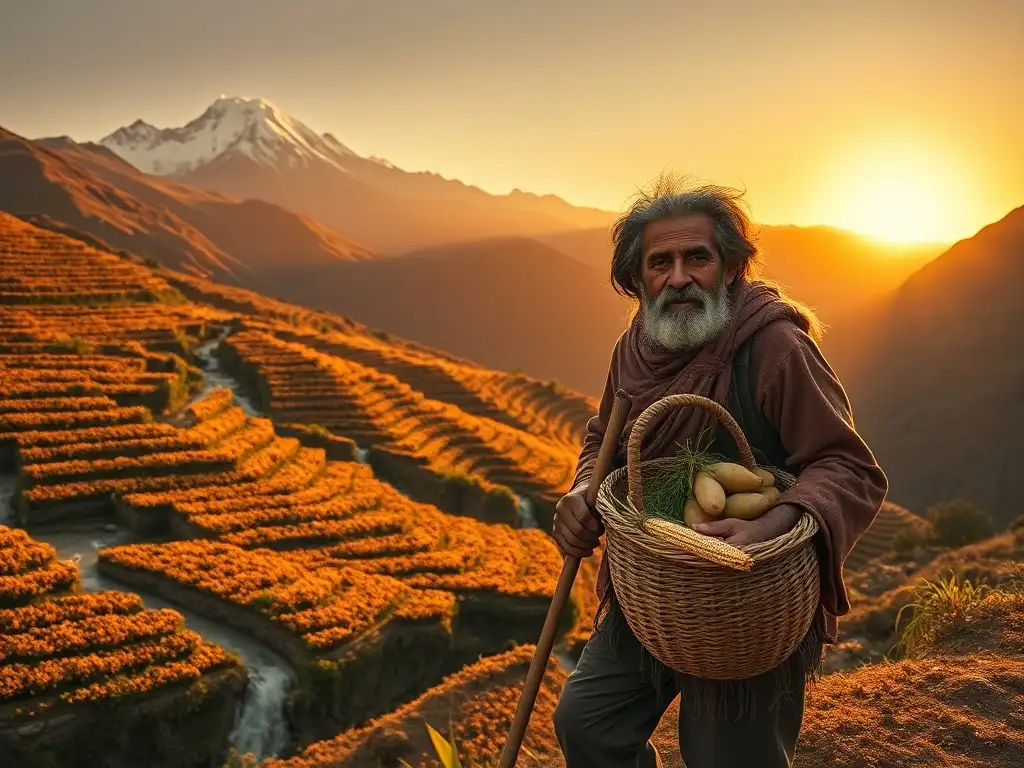
The development of agriculture fundamentally reshaped Andean societies, transitioning them from nomadic hunter-gatherer groups to settled communities capable of supporting larger and more complex populations. This transition, a crucial aspect of Andean agriculture history, wasn't a simple adoption of existing techniques; instead, it involved the ingenious development of innovative farming methods uniquely adapted to the challenging Andean environment. The ingenuity and resilience displayed in overcoming the limitations of the terrain are a testament to the remarkable adaptability of Andean peoples. Understanding these early techniques is key to appreciating the sophistication of these ancient civilizations.
Terracing and Irrigation: Maximizing Agricultural Yields in the Andes
The steep slopes and variable rainfall of the Andes presented significant obstacles to agriculture. However, Andean farmers overcame these challenges through the masterful application of terracing and irrigation. Terracing, the creation of flat, step-like agricultural plots along hillsides, dramatically increased the amount of arable land available.
This wasn't merely a matter of carving out flat areas; careful consideration was given to soil type, sun exposure, and water drainage. Each terrace was meticulously engineered to optimize the growing conditions for specific crops. The precision and scale of some of these terracing projects are astonishing, demonstrating a sophisticated understanding of engineering and land management.
Furthermore, sophisticated irrigation systems were developed to manage water resources efficiently. Canals, ditches, and aqueducts were constructed to divert water from rivers and streams to the terraces, ensuring a consistent water supply even during dry periods. The ingenuity of these systems is evident in their ability to transport water across considerable distances and varying elevations.
The integration of terracing and irrigation systems represented a significant leap forward in agricultural productivity, allowing for the cultivation of a wider range of crops and supporting larger populations. Some scholars suggest that the intricate network of canals and terraces served not only agricultural purposes but also played a role in social organization and power structures within Andean communities. Further research is needed to fully understand the complex interplay between these aspects of Andean society.
Understanding Andean Climate and Soil: Adapting Farming Methods
Andean agriculture history is inextricably linked to a deep understanding of the region's diverse climates and soil types. The Andes boast a wide range of microclimates, from frigid alpine zones to warmer valleys, each demanding specific agricultural practices. Andean farmers didn't treat their environment as a monolithic entity; instead, they recognized and responded to the subtle variations in altitude, temperature, and rainfall. This nuanced approach is reflected in the diversity of crops cultivated across different regions. For example, potatoes, a staple crop, were cultivated in a vast array of varieties, each adapted to a specific altitude and climate.
Similarly, the diverse soil types across the Andes required specialized farming techniques. Andean farmers developed methods to improve soil fertility, including the use of organic fertilizers and crop rotation. The selection of crops was also carefully considered in relation to soil properties, ensuring optimal growth and yield. This intricate knowledge of the environment and its impact on agriculture underscores the sophisticated understanding of agroecology possessed by Andean farmers. Evidence suggests that the deep understanding of these interactions was passed down through generations, ensuring the continuity of successful farming practices.
Tools and Technology Used in Early Andean Agriculture
The tools and technologies used in early Andean agriculture reflect both the ingenuity of the people and the challenges presented by the environment. While the exact details of some technologies remain debated, archaeological evidence reveals a remarkable level of sophistication. Simple tools like digging sticks and hoes were initially used, but over time, more advanced tools were developed. These included specialized tools for planting, weeding, and harvesting. The use of stone tools, and later metal tools, significantly increased efficiency and productivity. The development and refinement of these tools were crucial to the success of Andean agriculture.
Furthermore, the development of sophisticated irrigation systems necessitated the use of specialized tools and techniques for canal construction and maintenance. The precision of some of these systems suggests a high level of engineering skill and a coordinated effort within communities. The integration of these technological advancements with careful observation of the environment allowed Andean farmers to maximize their yields and support the growing populations of their settlements.
This continuous innovation in tools and techniques is another critical aspect of Andean agriculture history, showcasing the adaptive capacity and technological prowess of these ancient societies. Further study of these tools and their evolution could yield more insight into the complexity of Andean agricultural practices.
The Impact of Agriculture on Andean Society: A Transformative Era

The adoption of agriculture in the Andes marked a profound turning point, irrevocably altering the trajectory of Andean society. Before the advent of cultivated crops, Andean groups were largely nomadic, following migratory animal herds and seasonally available wild plants. The shift towards farming, however, initiated a process of societal transformation that would ultimately lead to the complex civilizations we know today.
This transition, spanning millennia, wasn't a sudden revolution but a gradual process of adaptation and innovation, driven by the challenges and opportunities presented by the unique Andean environment. Understanding this transformative era is crucial to comprehending the rich tapestry of Andean agriculture history.
Sedentary Lifestyles and the Rise of Andean Villages
The cultivation of crops like potatoes, maize, and quinoa necessitated a sedentary lifestyle. Unlike hunter-gatherer societies that moved frequently in search of sustenance, agricultural communities needed to remain near their fields to tend to their crops throughout the growing season. This fundamental shift led to the establishment of permanent settlements – the precursors to the larger villages and, eventually, cities that would characterize later Andean societies.
The development of irrigation systems, particularly crucial in the arid coastal regions and high altitude valleys, further cemented the sedentary lifestyle. Evidence suggests that early irrigation techniques, often involving simple canals and terraces, were developed independently in various Andean regions, demonstrating remarkable adaptability to diverse environments.
The creation of these systems required coordinated communal effort, laying the groundwork for future social cooperation and organization. This transition to sedentary living is a cornerstone of Andean agriculture history, marking the beginning of a more structured and complex social organization.
The reliable food supply provided by agriculture led to a significant increase in the Andean population. The availability of surplus food reduced mortality rates, particularly among infants and children, while also providing the resources necessary to support a larger, denser population. This population growth, in turn, fueled increased social complexity.
Larger settlements required more sophisticated forms of social organization to manage resources, resolve conflicts, and coordinate labor. Specialization of labor became more pronounced, with some individuals focusing on agriculture while others developed skills in pottery, weaving, or metalworking. The surplus also allowed for the emergence of a ruling elite, who controlled the distribution of resources and often wielded significant political and religious power.
This intricate interplay between population growth, resource management, and social stratification is a critical aspect of understanding Andean agriculture history. Archaeological evidence, such as the size and layout of settlements, burial practices reflecting social status, and the emergence of specialized craft production, all support this narrative of increasing social complexity.
The transition to agriculture in the Andes directly influenced the development of complex social structures and hierarchies. The control of land and water resources, essential for agricultural production, became a primary source of power and wealth. This led to the emergence of elites, often associated with religious authority, who controlled the distribution of resources and exerted influence over the broader population.
This hierarchical structure is evidenced in the monumental architecture found at sites like Chavín de Huántar and Tiahuanaco, which required massive coordinated labor and suggest a highly organized society with centralized control. Furthermore, the development of sophisticated record-keeping systems, such as the quipu (a system of knotted strings used for accounting and record-keeping), facilitated the management of agricultural production and the distribution of resources. The evolution of these social structures and hierarchies is a vital component of the Andean agriculture history, showcasing the intricate relationship between agricultural practices and societal organization.
The emergence of powerful states, capable of large-scale public works and military campaigns, was directly linked to the surpluses generated by intensive agriculture. This highlights the transformative impact agriculture had on the Andean world, shaping not only their economy but their very social fabric.
The Legacy of Early Andean Agriculture: Foundations for Future Civilizations

The development of agriculture in the Andes wasn't a singular event but a gradual process spanning millennia, laying the groundwork for the complex societies that would flourish later. Understanding this process is crucial to appreciating the ingenuity and resilience of Andean peoples. The shift from nomadic hunter-gatherer lifestyles to settled agricultural communities dramatically altered social structures, population densities, and the very landscape of the Andes.
This transition, driven by the domestication of native plants like potatoes, quinoa, and maize, fundamentally reshaped Andean society, paving the way for the rise of impressive civilizations like the Inca, Moche, and Nazca. The early agriculturalists weren't simply cultivating crops; they were actively shaping their environment, developing sophisticated irrigation systems and terracing techniques to maximize yields in challenging terrain. This innovative approach to agriculture was a cornerstone of Andean civilization, leaving an enduring legacy that continues to influence the region today.
The story of Andean agriculture is one of adaptation, innovation, and the profound impact of human ingenuity on the environment. It's a narrative that speaks to the enduring human spirit and the power of agriculture to transform societies.
The Continuous Evolution of Andean Agricultural Practices
Andean agricultural practices weren't static; they continuously evolved in response to environmental challenges and societal needs. Early farmers, experimenting with different crops and techniques, gradually refined their methods over generations. The development of sophisticated irrigation systems, such as canals and aqueducts, allowed for the cultivation of crops in arid regions. The creation of intricate terrace farming on steep slopes dramatically increased arable land, maximizing limited resources.
These innovations weren't merely technological advancements; they reflected a deep understanding of the Andean ecosystem and a remarkable ability to adapt to its complexities. For example, the development of waru waru agriculture – a system of raised beds separated by canals – demonstrates a sophisticated understanding of water management and soil fertility. This technique, still practiced in some parts of the Andes, is a testament to the enduring wisdom of ancient Andean agricultural practices.
The continuous refinement of these techniques ensured food security and supported growing populations, setting the stage for the emergence of larger, more complex societies. The evolution of Andean agriculture is a compelling example of human adaptation and the ongoing interaction between humans and their environment. Understanding this evolutionary process is key to grasping the full extent of Andean agricultural ingenuity.
The Influence of Early Andean Farming on Later Andean Cultures
The agricultural innovations of early Andean farmers profoundly impacted the development of later Andean cultures. The surplus of food generated through improved farming techniques enabled population growth and the specialization of labor. This led to the development of complex social hierarchies, sophisticated political systems, and the emergence of powerful city-states and empires.
The Inca Empire, for instance, benefited greatly from the pre-existing agricultural infrastructure and knowledge inherited from previous cultures. Their sophisticated road system facilitated the distribution of agricultural products throughout the empire, ensuring food security and supporting a large population. Moreover, the Inca's mastery of agricultural techniques, including their advanced irrigation systems and terracing methods, allowed them to successfully cultivate diverse crops across varied terrains, further solidifying their power and influence.
The legacy of early Andean farming is evident in the monumental architecture, intricate social structures, and sophisticated political systems that characterized later Andean civilizations. The link between agricultural success and societal development in the Andes is undeniable, highlighting the profound and lasting impact of early agricultural innovations.
The Significance of Andean Agricultural History for the Region
The history of Andean agriculture holds significant relevance for the region even today. Understanding the ingenuity and resilience of ancient Andean farmers provides valuable lessons for modern agricultural practices, particularly in the face of climate change and environmental challenges. The ancient techniques of water management, soil conservation, and crop diversification remain highly relevant in addressing contemporary issues of food security and sustainability.
Moreover, the study of Andean agricultural history can contribute to the preservation of traditional knowledge and practices, ensuring the continuation of valuable cultural heritage. The revival and adaptation of ancient techniques, such as waru waru agriculture, offer promising solutions for sustainable agriculture in the Andes. The significance of Andean agricultural history extends beyond academic interest; it holds practical implications for the region's future, offering valuable insights into sustainable agricultural practices and cultural preservation.
The continued study and application of this knowledge can contribute to the economic and environmental well-being of the Andean region for generations to come. Preserving and understanding this history is crucial for ensuring a sustainable future for the Andes.
The Case of Huaca Prieta: An Early Coastal Agricultural Site
Huaca Prieta, located on the northern coast of Peru, stands as a compelling example of early Andean agriculture, predating even the rise of the more widely known Inca civilization. Its significance lies in providing crucial archaeological evidence of agricultural practices dating back to approximately 3,500 BCE. This site offers invaluable insights into the development of Andean agriculture and its profound impact on the social and cultural structures of early coastal communities.
The discovery of Phase 1 remains at Huaca Prieta, showcasing the earliest evidence of agriculture in the region, revolutionized our understanding of Andean agriculture history. The site's location, along the fertile coastal plain, played a crucial role in facilitating the adoption and development of agricultural techniques.
The rich alluvial soils, combined with a predictable climate, provided favorable conditions for the cultivation of various crops. Understanding Huaca Prieta is key to understanding the origins of Andean agriculture and its subsequent evolution.
Analysis of Archaeological Evidence at Huaca Prieta
Archaeological excavations at Huaca Prieta have unearthed a wealth of evidence related to early agricultural practices. The discovery of numerous plant remains, including cotton and various types of gourds, provides concrete proof of early cultivation. Furthermore, the presence of specialized tools, such as grinding stones and digging implements, indicates a sophisticated level of agricultural technology.
Analysis of these tools reveals a gradual refinement in their design and functionality over time, reflecting an ongoing process of technological innovation. The meticulous stratification of the site's layers has allowed researchers to trace the evolution of agricultural techniques across different periods, highlighting the gradual intensification of agricultural production. Careful study of pollen samples from the site has further illuminated the diversity of cultivated plants and the changing composition of the landscape over millennia.
This detailed analysis allows us to reconstruct a more complete picture of Andean agriculture history. The careful preservation of organic materials at Huaca Prieta is exceptionally rare and has provided unique insights into the diet and lifestyles of these early agriculturalists.
The meticulous excavation techniques employed at Huaca Prieta, alongside advanced laboratory analyses, have yielded incredibly detailed data. For example, isotopic analysis of human remains has helped researchers understand dietary changes over time, directly linking these changes to the adoption of agriculture. This interdisciplinary approach, combining archaeology, botany, and anthropology, is essential for a comprehensive understanding of the complex interplay between humans and their environment in early Andean societies.
The evidence strongly suggests a gradual transition from foraging to agriculture, rather than a sudden shift, demonstrating a nuanced adaptation to changing environmental conditions. This gradual process underscores the adaptive strategies employed by early Andean communities in their quest for sustainable food production.
Insights into Daily Life and Agricultural Practices at Huaca Prieta
The archaeological evidence from Huaca Prieta extends beyond simply documenting the presence of agriculture. It also offers valuable insights into the daily lives of the people who lived there and their relationship with their environment. Evidence suggests that the cultivation of cotton played a significant role in their economy and social organization, possibly contributing to the development of early textile production. The discovery of early forms of storage facilities indicates a level of planning and organization necessary to manage surplus food production.
This suggests a shift towards settled lifestyles and the emergence of more complex social structures. The presence of elaborate burial sites and the variation in grave goods suggest social hierarchy and the existence of specialized roles within the community. This is a key step in understanding the impact of agriculture on the social evolution of Andean societies.
Furthermore, the analysis of plant remains reveals not only the types of crops cultivated but also the methods employed in their cultivation. Evidence suggests the use of irrigation techniques, indicating a sophisticated understanding of water management, crucial for successful agriculture in the arid coastal environment. The careful selection and cultivation of specific plant varieties demonstrate an understanding of plant genetics and adaptation to local conditions.
This demonstrates a level of agricultural knowledge far more advanced than previously assumed for such an early period. The combination of agricultural practices and sophisticated social organization at Huaca Prieta provides a strong foundation for understanding the subsequent development of complex Andean civilizations.
The site's legacy continues to shape our understanding of Andean agriculture history and its profound influence on the trajectory of Andean societies. The detailed study of Huaca Prieta continues to reveal new insights, constantly refining our understanding of these fascinating early agricultural communities and their remarkable achievements.
Frequently Asked Questions
What role did agriculture play in the development of Andean civilizations?
Agriculture was fundamental to the rise of Andean civilizations. It allowed for sedentary lifestyles, the development of complex societies, and the creation of large urban centers. Without it, the scale and complexity of these civilizations would have been impossible.
How did the harsh Andean environment influence agricultural practices?
The challenging terrain and diverse climates of the Andes forced Andean peoples to develop innovative agricultural techniques, such as terracing, irrigation systems, and the domestication of unique crops adapted to high altitudes.
What were some of the key crops cultivated by Andean civilizations?
Potatoes, maize (corn), quinoa, and beans were staple crops. These provided essential nutrition and formed the basis of their diets and economies. Other important crops included tomatoes, squash, and various types of peppers.
Andean farmers developed sophisticated irrigation systems, terracing techniques, and fertilization methods. These innovations allowed them to cultivate the challenging landscapes and maximize crop yields.
How did Andean agricultural practices impact the environment?
While innovative, some Andean agricultural practices, particularly intensive farming in certain areas, had environmental consequences. However, many techniques, such as terracing, also helped to conserve soil and water.
Final Reflection: Harvesting the Legacy of Andean Agriculture
The ingenuity of Andean agricultural practices continues to resonate today, offering vital lessons in sustainable living and resource management in the face of a changing climate. The sophisticated techniques developed millennia ago, from terracing to irrigation systems, weren't merely survival strategies; they were expressions of a deep connection to the land and a profound understanding of ecological balance. These ancient methods hold the key to addressing modern challenges related to food security and environmental sustainability.
The enduring impact of Andean agriculture on the cultural landscape is undeniable; it shaped not only the physical environment but also the social structures, beliefs, and artistic expressions of Andean societies. The intricate relationship between people and the land, evident in the breathtaking terraces that still climb the mountainsides, continues to inspire awe and wonder. The mountains are our mother, the rivers our veins, and the land our sustenance.
This sentiment, though perhaps paraphrased, encapsulates the profound connection that fueled the development of these remarkable agricultural systems and continues to inform Andean identity.
Consider the ingenuity of these early farmers, their deep understanding of their environment, and the lasting legacy they left behind. You too can cultivate a deeper appreciation for sustainable practices and the importance of respecting the delicate balance of our ecosystems. By learning from the past, we can build a more resilient and sustainable future, one that honors the wisdom of those who came before us and ensures the well-being of generations to come. Let the legacy of Andean agriculture inspire you to cultivate a more mindful and responsible relationship with the land.
Cultivate Your Knowledge: Take Action Today!
Thank you for exploring the fascinating world of Andean agriculture and its profound impact on society! Learning about the pioneering farmers of the Andes provides invaluable insights into how agriculture shaped not only their culture, but also the very fabric of their community life. Now, let's put that knowledge to practical use!
Here are some ways you can further explore and connect with the rich heritage of Andean agriculture:
- Visit your local farmers' market this week to support sustainable farming practices and discover fresh, seasonal produce grown using methods inspired by ancient techniques.
- Share this article with friends and family to spark a conversation about the vital role of agriculture in our modern world. Encourage them to consider the origins of their own food.
- Join a community garden or volunteer with an organization dedicated to sustainable agriculture to gain a firsthand understanding of the enduring legacy of Andean farming practices.
What aspect of Andean agriculture resonates most with you, and how can we best apply the wisdom of these ancient techniques to our modern lives?