
Sacred Spaces: Unearthing the Ritualistic Practices of PreCeramic Andean Societies

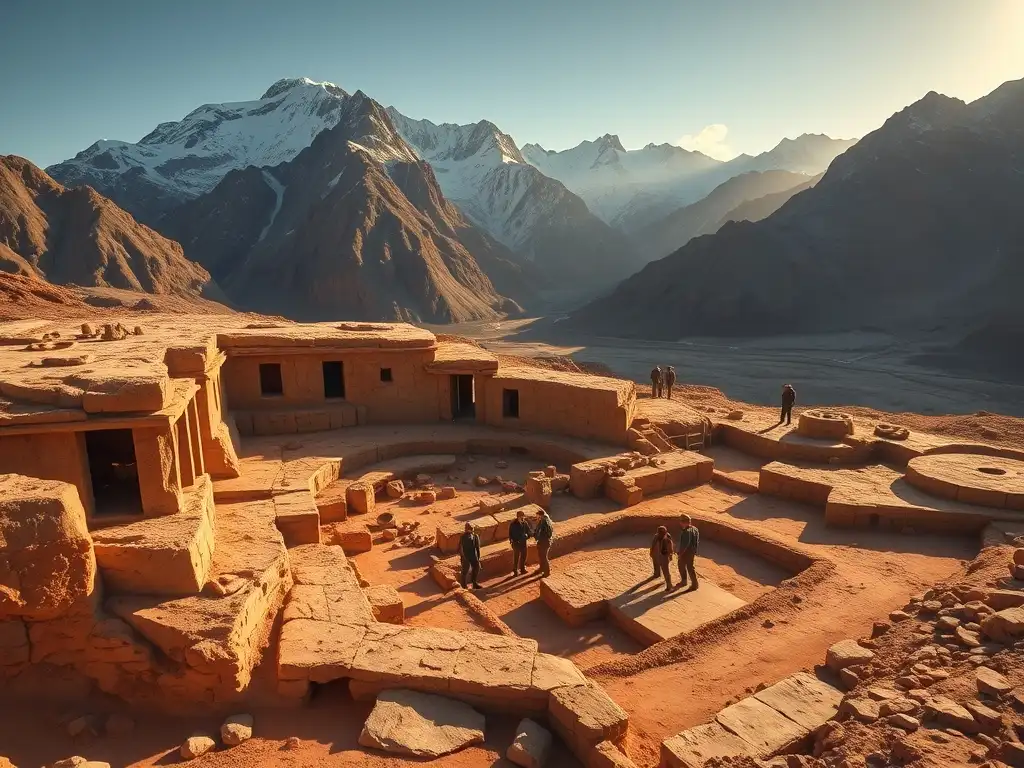
Step into a world lost to time, where the echoes of ancient rituals still resonate across the Andes. Imagine uncovering the secrets of Preceramic Andean ritual sites, places of profound spiritual significance that predate even the Incas. This journey into the heart of ancient Andean civilizations will reveal astonishing insights into their beliefs, ceremonies, and the enduring legacy they left behind. Prepare to be amazed as we delve into the mysteries of these sacred spaces – their stories are waiting to be told.
The preceramic period in the Andes, spanning roughly from 8000 to 1800 BCE, reveals a surprisingly complex tapestry of ritualistic practices and beliefs. Long before the Inca Empire or even the rise of monumental architecture, Andean societies developed sophisticated spiritual systems reflected in their carefully chosen burial sites, ceremonial offerings, and the creation of distinctive art objects.
This article delves into the fascinating world of Preceramic Andean ritual sites, exploring the evidence unearthed by archaeologists and offering insights into the worldview of these early Andean communities. We will examine the significance of location, the types of offerings made, and the implications of these practices for understanding the development of Andean culture and spirituality.
Understanding these early rituals provides a crucial foundation for comprehending the later, more elaborate religious systems of the region. The study of Preceramic Andean ritual sites offers a unique window into the origins of Andean spirituality and its enduring impact on the cultures that followed.
Geographic Distribution of Preceramic Ritual Sites
The distribution of Preceramic Andean ritual sites wasn't random; rather, it reveals a deep connection between the spiritual beliefs of these societies and their environment. Many sites were located near significant geographical features, such as caves, springs, and high-altitude vantage points. These locations likely held symbolic importance, connecting the spiritual realm with the physical landscape.
For example, caves were often associated with the underworld and ancestor veneration, while springs were seen as sources of life-giving energy. High-altitude locations, offering panoramic views, may have facilitated communication with the spirit world or served as places of pilgrimage. The precise reasons for site selection vary depending on the specific culture and time period, but the overall pattern points towards a deliberate and meaningful relationship between the sacred and the natural world.
Further research is needed to fully understand the nuances of site selection across different Preceramic Andean cultures. Detailed mapping of these sites and their environmental context is crucial for future studies.
Types of Offerings Found at Preceramic Ritual Sites
Archaeological excavations have revealed a diverse range of offerings at Preceramic Andean ritual sites. These offerings provide valuable insights into the beliefs and practices of these early societies. Common offerings include:
- Foodstuffs: Remains of plants, such as maize and beans, along with animal bones, suggest offerings made to ensure successful harvests and appease supernatural forces. The types of food offered often varied depending on the specific site and cultural group.
- Textiles: Fragments of textiles, often intricately woven, indicate the importance of this craft in ritual contexts. These textiles could represent offerings to deities or ancestors, or perhaps served a symbolic function in ceremonies.
- Artifacts: Stone tools, pottery shards (even in the pre-ceramic period, some rudimentary pottery existed), and other artifacts are often found in association with burials and other ritual deposits. These objects may have been intended as gifts for the deceased or as offerings to the gods.
- Human Remains: The careful placement and treatment of human remains, often accompanied by grave goods, reveal important insights into funerary practices and beliefs about the afterlife. The presence of multiple burials at some sites suggests communal rituals and shared beliefs.
The variety and complexity of these offerings underscore the sophistication of Preceramic Andean spiritual beliefs and practices. The meticulous nature of these offerings demonstrates a deep engagement with the spiritual world and a desire to maintain a harmonious relationship with supernatural forces. Further analysis of these offerings, using techniques such as isotopic analysis, can provide even more detailed information about the lifestyles and beliefs of these ancient communities.
Interpreting the Significance of Preceramic Andean Ritual Practices
The ritual practices of Preceramic Andean societies, as evidenced by the archaeological record, reveal a complex interplay of beliefs about the afterlife, ancestor veneration, and the forces of nature. The careful selection of ritual sites, the diversity of offerings made, and the meticulous preparation of burials all point to a sophisticated understanding of the spiritual world. These practices laid the groundwork for the later, more elaborate religious systems of the Andean region. The continuity of certain motifs and practices across different Preceramic cultures suggests the existence of shared cosmological beliefs and a common understanding of the relationship between humans and the supernatural. Understanding these early rituals is therefore essential for a comprehensive understanding of the development of Andean culture and spirituality. Further research, employing interdisciplinary approaches that integrate archaeological, anthropological, and ethnohistorical perspectives, will be crucial in shedding more light on the rich tapestry of Preceramic Andean religious beliefs. 💅
- Geographic Distribution of Preceramic Ritual Sites
- Types of Offerings Found at Preceramic Ritual Sites
- Interpreting the Significance of Preceramic Andean Ritual Practices
Understanding Preceramic Andean Ritual Sites
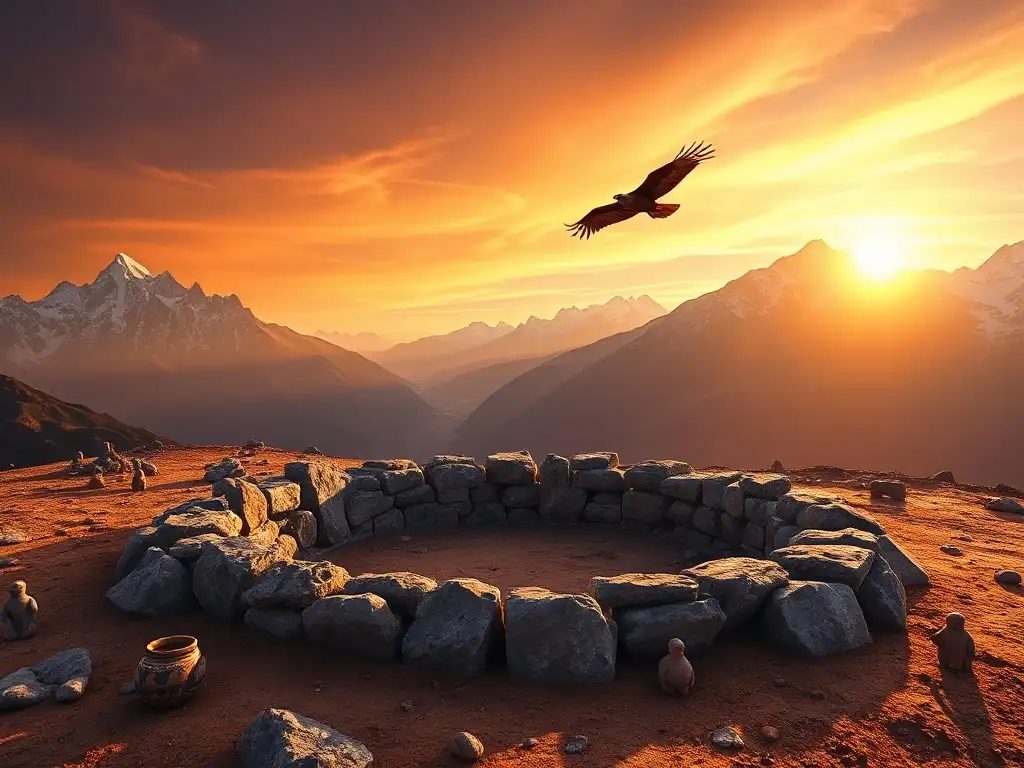
This section delves into the fascinating world of Preceramic Andean ritual sites, exploring their characteristics and significance in understanding the spiritual and social fabric of early Andean societies. We will examine the defining characteristics of the Preceramic period, the role of ritual in shaping these early communities, and the key features that distinguish their sacred spaces.
Understanding these sites offers invaluable insights into the development of Andean religious beliefs and practices, laying the groundwork for the complex rituals of later civilizations. The term "Preceramic Andean ritual sites" itself highlights the unique nature of these locations, predating the widespread adoption of pottery and representing a distinct phase in Andean cultural evolution.
Defining the Preceramic Period in the Andes
The Preceramic period in the Andes, spanning roughly from 8000 to 1800 BCE, marks a crucial stage in the development of Andean societies. Characterized by a shift from nomadic hunter-gatherer lifestyles to increasingly sedentary agricultural practices, this era witnessed the emergence of complex social structures and the development of distinct cultural traditions. The transition to agriculture, facilitated by the domestication of plants like squash and beans, allowed for increased population density and the formation of larger settlements.
This demographic shift significantly impacted the social and religious landscape, paving the way for the construction of monumental structures and the formalization of ritual practices. The absence of pottery, a defining feature of this period, distinguishes it from the subsequent Ceramic periods and provides archaeologists with a unique lens through which to understand the early development of Andean culture.
The study of lithics (stone tools), architecture, and burial practices provides vital clues to the social organization and beliefs of these early Andean peoples. Analysis of plant and animal remains from these sites offers further insights into their subsistence strategies and interactions with the environment.
The Importance of Ritual in Early Andean Societies
Ritual played a central role in the lives of Preceramic Andean societies. These rituals, often performed in carefully chosen and meticulously prepared spaces, served a multitude of social and spiritual functions. They reinforced social bonds, facilitated communication with the supernatural world, and ensured the continued prosperity of the community.
The construction of monumental structures, such as platforms and circular enclosures, suggests a highly organized society capable of mobilizing significant labor for communal projects. These structures were not simply functional; they were imbued with symbolic meaning, reflecting the beliefs and values of the people who built and used them. Evidence suggests that these rituals were closely tied to the agricultural cycle, with ceremonies performed to ensure bountiful harvests and appease the forces of nature.
Furthermore, elaborate burial practices, often involving the inclusion of grave goods, indicate a strong belief in an afterlife and the importance of maintaining connections with ancestors. The careful placement of bodies and artifacts within these sites reveals a sophisticated understanding of the symbolic landscape and the power of ritual actions to shape both the living and the dead.
Key Characteristics of Preceramic Ritual Spaces
Preceramic Andean ritual spaces exhibit several key characteristics that distinguish them from later ceremonial centers. These sites often feature carefully selected locations, frequently associated with natural features such as caves, springs, or elevated points offering panoramic views. The construction of these spaces involved significant earthworks, including the creation of platforms, terraces, and circular enclosures. These structures were often aligned with astronomical events, suggesting a sophisticated understanding of celestial cycles and their relationship to the agricultural calendar.
Examples include the site of [Specific site name pending], where astronomical alignments have been observed, and [Specific site name pending], which features a unique arrangement of stone structures interpreted as a ritual calendar. Many sites also contain evidence of ritual activities, including the presence of hearths, offerings of food and artifacts, and the remains of human sacrifices. The careful arrangement of these materials indicates a structured and formalized approach to ritual practices.
The scale and complexity of some of these sites suggest a degree of social organization and centralized authority far exceeding what might be expected in early agricultural societies. Analyzing the layout, construction techniques, and associated artifacts provides a window into the worldviews and social structures of these formative Andean cultures. 🗺️ The discovery and careful study of these "Preceramic Andean ritual sites" continues to shed light on the complex tapestry of early Andean civilization.
Exploring Significant Preceramic Andean Ritual Locations
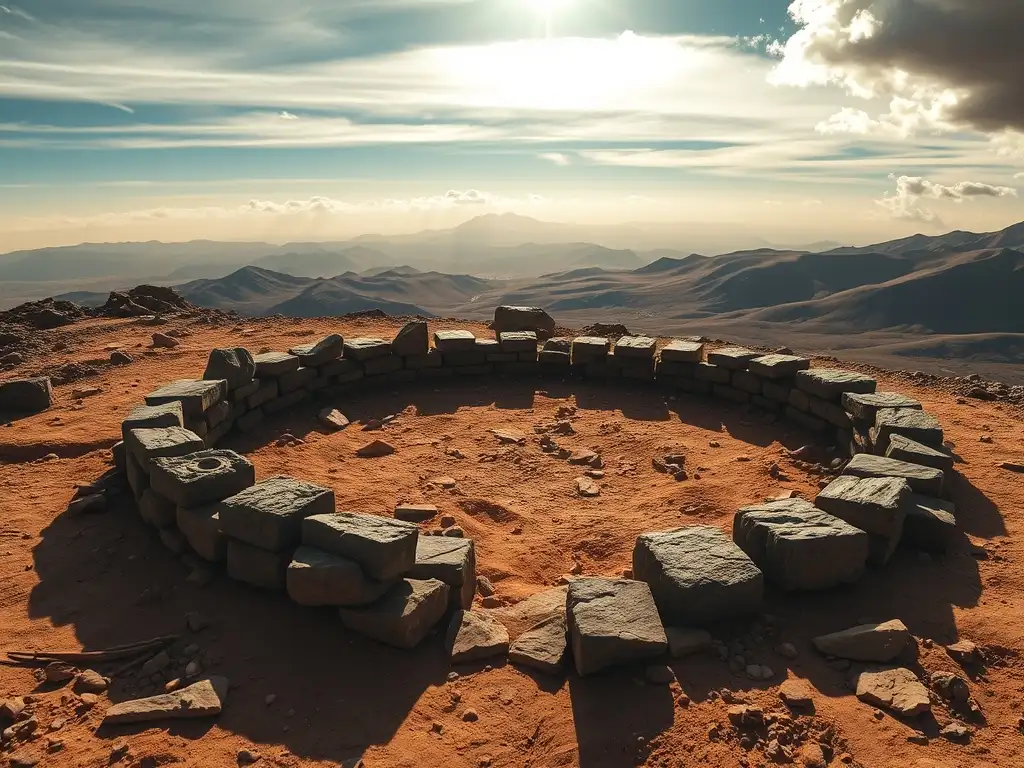
This section delves into the fascinating world of Preceramic Andean ritual sites, examining key locations that offer invaluable insights into the spiritual beliefs and practices of these early societies. Understanding these sites is crucial to comprehending the development of Andean religious thought and its lasting impact on subsequent cultures. The analysis focuses on architectural features, artifact discoveries, and the interpretations that archaeologists have proposed, highlighting the unique characteristics of each site and their contribution to our understanding of "Preceramic Andean ritual sites".
Caral: A Monumental Center of Early Andean Ritual
Caral, located in the Supe Valley of Peru, stands as one of the most significant Preceramic Andean ritual sites. Dating back to approximately 2600 BCE, it predates many other well-known Andean civilizations, challenging previous assumptions about the timeline of societal complexity in the region. Caral wasn't just a settlement; it was a meticulously planned urban center with a complex social structure clearly evidenced by its monumental architecture.
The site features a series of large platforms and pyramids, arranged in a deliberate manner suggesting a carefully orchestrated layout reflective of a sophisticated understanding of cosmology and ritual space. The presence of numerous plazas and sunken courts indicates a focus on public rituals and ceremonies. Archaeological evidence suggests that these ceremonies involved music, possibly using instruments made from reeds and gourds, and potentially involved offerings of food and other goods. The absence of defensive structures suggests a focus on internal social organization rather than external conflict, further emphasizing the importance of ritual and communal life.
Analysis of the unearthed artifacts, including textiles, tools, and decorative objects, reveals a high level of craftsmanship and artistic expression. These objects, though not explicitly religious in nature, likely played a role in the ritual practices of the Caral inhabitants.
The consistent use of certain materials, like cotton and seashells, across different structures points to a centralized organization responsible for resource management and the production of ritual objects. Further research is needed to fully understand the complex interplay between social organization, ritual practices, and the monumental architecture of Caral, but its significance as a key "Preceramic Andean ritual site" is undeniable.
Kotosh: The Temple of the Crossed Hands and its Ritual Significance
Kotosh, situated in the central highlands of Peru, is renowned for its "Temple of the Crossed Hands," a structure that has captivated archaeologists and scholars for decades. The temple, dating to approximately 1500 BCE, is characterized by its unique architectural style and the iconic sculpted relief of crossed hands found within its walls. This image, interpreted as a symbol of supplication or offering, has become a powerful icon representing the spiritual beliefs of the Kotosh culture.
The discovery of the crossed hands relief, along with other ritual objects and evidence of ceremonial activities, provides compelling evidence of complex religious beliefs and practices. The temple's layout, including carefully constructed platforms and altars, suggests a structured ritual process. Evidence suggests the use of offerings, likely including agricultural products and possibly human sacrifices, though the extent of this practice remains a subject of ongoing debate among researchers.
The architectural style of Kotosh, significantly different from contemporary sites, points to a unique cultural identity and a distinct approach to ritual expression. The site's location in the highlands also suggests a connection between religious practices and the Andean environment, emphasizing the importance of agriculture and the natural world in their spiritual beliefs. The "Temple of the Crossed Hands" firmly establishes Kotosh's place as a central “Preceramic Andean ritual site” in the understanding of early Andean spiritual life.
La Galgada: Unveiling Ritual Practices Through Architecture
La Galgada, located in the northern Peruvian Andes, showcases a different facet of Preceramic Andean ritual sites. Unlike the monumental structures of Caral or the iconic imagery of Kotosh, La Galgada reveals ritual practices through its architectural features and the organization of its settlements. Dating back to approximately 2500 BCE, this site is characterized by a series of interconnected buildings and platforms, often built on steep slopes.
The architectural complexity of La Galgada suggests a sophisticated understanding of engineering and construction techniques. The placement of structures, the use of different materials, and the organization of the settlement all contribute to a unique understanding of their ritual practices.
While less overtly monumental than Caral, La Galgada displays a level of planning and organization that speaks to a well-defined social structure and possibly a hierarchical system linked to ritual responsibilities. The presence of specialized structures, possibly used for storage or ceremonial purposes, suggests a division of labor and a complex social organization supporting ritual activities.
Further research is needed to fully understand the social dynamics and the specific nature of the rituals performed at La Galgada, but its unique architectural features provide a valuable perspective on the diversity of ritual practices across different Preceramic Andean societies. La Galgada's distinctive characteristics help to enrich our understanding of the diversity found within "Preceramic Andean ritual sites."
Aspero: Coastal Ritual Sites and Maritime Adaptations
Aspero, located on the central coast of Peru, stands as a pivotal site for understanding Preceramic Andean ritual practices, particularly those intertwined with maritime adaptations. This significant settlement, dating back to the Early Preceramic period (circa 4000-3000 BCE), showcases a complex society with sophisticated social organization and a deep connection to the sea. The presence of numerous monumental structures, including large platforms and U-shaped structures, suggests a highly organized society capable of large-scale construction projects. These structures weren't merely residential; their size and layout point towards a crucial role in ritual activities and community gatherings.
The unique architecture of Aspero reflects a nuanced relationship with the marine environment. The strategic location near the Pacific Ocean facilitated access to vital resources, including fish, shellfish, and marine mammals. Evidence suggests that these resources were not only crucial for sustenance but also held significant symbolic meaning within the society's ritual practices. Archaeological finds, such as shell ornaments and fish remains discovered in association with burials and ceremonial contexts, highlight the importance of marine life in their worldview.
Further research reveals the sophisticated knowledge of marine ecosystems possessed by the Aspero inhabitants. Their fishing techniques, evidenced by the variety of fishing tools recovered, indicate an advanced understanding of marine biology and seasonal changes. This intimate knowledge of the ocean likely influenced their religious beliefs and rituals.
The ocean, a source of sustenance and unpredictable power, likely held a revered position within their cosmology. The placement of certain structures in relation to the coastline and the orientation of some towards the sea suggest a deliberate integration of the natural landscape into their ritualistic practices. This connection to the marine environment distinguishes Aspero from other contemporary Preceramic Andean sites, emphasizing the importance of maritime resources and their symbolic significance in shaping their culture and beliefs.
The careful placement of monumental structures and the clear evidence of maritime-related artifacts strongly suggest that these coastal ritual sites were crucial centers for celebrating the ocean's bounty and maintaining a harmonious relationship with the sea—a relationship that profoundly shaped their spiritual and social lives. The study of Aspero provides invaluable insights into the diverse ways in which early Andean societies adapted to their environment and integrated their beliefs into their daily lives. The site offers a compelling case study of the intricate relationship between humans and the environment in the formation of complex social structures and religious practices during the early Preceramic period.
Ritualistic Practices at Preceramic Andean Sites
This section delves into the fascinating world of ritualistic practices employed by Preceramic Andean societies, shedding light on their spiritual beliefs and societal structures. Understanding these rituals provides crucial insight into the development of Andean culture and the evolution of religious practices that would later influence the Inca and other subsequent civilizations.
We'll explore the evidence gleaned from archaeological findings, focusing on the diverse ways these early Andean communities interacted with the sacred. The term "Preceramic Andean ritual sites" encompasses a wide range of locations, from cave paintings to monumental architecture, all reflecting a profound connection to the spiritual realm.
Offerings and Sacrifices in Preceramic Andean Culture
Offerings and sacrifices formed a cornerstone of Preceramic Andean religious life. Archaeological excavations at sites like Guitarrero Cave in the Callejón de Huaylas, Peru, have unearthed compelling evidence of this practice. These discoveries include the remains of animals, such as camelids (llamas and alpacas), and evidence of plant offerings, suggesting a complex system of reciprocal relationships between humans and the supernatural. The careful placement of these offerings, often in specific contexts within the cave, indicates a deliberate and ritualistic act.
The nature of the offerings varied depending on the site and the specific ritual. Some sacrifices involved the complete burial of animals, while others involved the offering of only certain body parts, demonstrating a nuanced understanding of the symbolic value of different elements. Furthermore, the presence of pigments and other artifacts alongside the offerings suggests the integration of visual and symbolic elements into the ritual process.
These rituals were not merely acts of appeasement; they were also likely a means of establishing and maintaining social cohesion and reinforcing community bonds. The meticulous nature of the offerings suggests a deep-seated belief in the efficacy of these actions and their importance in the spiritual well-being of the community.
Analysis of the skeletal remains of sacrificed animals provides valuable data on the types of animals favored and their potential significance within the ritual context. For example, the selection of specific age groups of camelids might indicate a symbolic connection to fertility or regeneration.
Further research is needed to fully understand the intricacies of Preceramic Andean sacrifice. [Specific information pending: Detailed analysis of isotopic ratios in animal remains to determine diet and geographic origin]. This information could shed light on the social networks and trade relationships that existed during this period and their influence on ritual practices.
Ceremonial Gatherings and Communal Rituals
Beyond individual offerings, Preceramic Andean societies also engaged in large-scale communal rituals. Evidence suggests the construction of specific structures for these gatherings, indicating a planned and organized approach to religious practice. The size and complexity of these structures varied greatly depending on the size and resources of the community. While monumental architecture was not as prevalent as in later periods, evidence of carefully arranged rock formations and plazas suggests the importance of designated spaces for communal rituals.
These gatherings likely served multiple purposes, including:
- Strengthening social bonds within the community.
- Celebrating significant life events, such as harvests or births.
- Seeking divine intervention during times of hardship, such as drought or disease.
- Reinforcing social hierarchies and power structures.
The social dynamics of these gatherings are still under investigation. [Specific information pending: Further archaeological excavation of larger sites to uncover evidence of social organization during these events]. The arrangement of artifacts and the presence of specialized tools or objects could offer clues about the roles and responsibilities of different individuals within the community during these ceremonies. The potential use of hallucinogenic plants, such as San Pedro cactus, in these ceremonies is also an area of ongoing research.
The Role of Music and Dance in Preceramic Andean Ceremonies
Music and dance played a vital role in Preceramic Andean religious ceremonies. While direct evidence is limited due to the perishable nature of many musical instruments, indirect evidence suggests a significant role for these art forms in ritualistic practices. Archaeological finds of flutes and other wind instruments from this period, albeit scarce, hint at the importance of music in creating a sacred atmosphere and evoking emotional responses from participants. Furthermore, the discovery of various pigments and decorative items suggests the use of elaborate costumes and body painting, indicating the potential for highly choreographed dances.
The rhythmic nature of music and dance would have served to unify participants and create a sense of collective identity. The repetitive movements and sounds might have been used to induce altered states of consciousness, enhancing the spiritual experience. [Specific information pending: Ethnographic comparisons with contemporary Andean communities to infer the potential meanings and functions of music and dance in Preceramic rituals]. The analysis of bone structure in skeletal remains could also provide insights into the physical demands of these dances and their potential impact on the health and well-being of participants.
The integration of music and dance into these ceremonies underscores the holistic nature of Preceramic Andean religious practices, demonstrating the interconnectedness of the spiritual and physical realms. These rituals weren’t merely solemn events; they were vibrant expressions of faith, community, and the human spirit. 🎶
Shamanic Practices and the Use of Hallucinogens
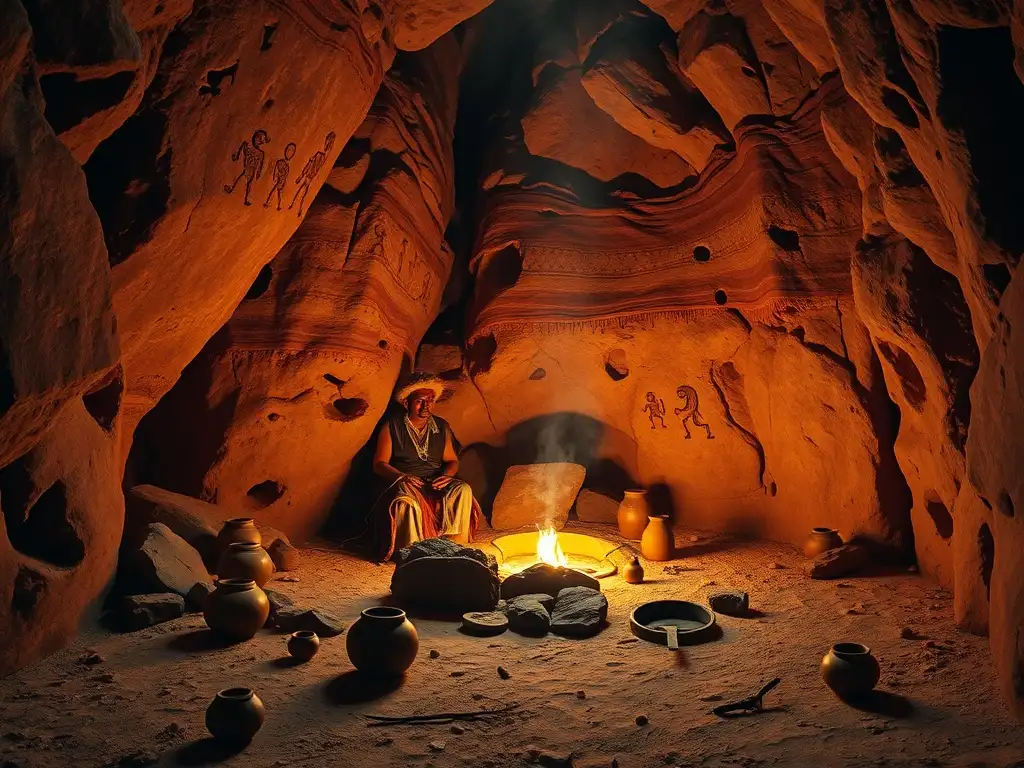
The role of shamanic practices in Preceramic Andean societies is a captivating area of study, particularly concerning the use of hallucinogens. While direct evidence is limited due to the perishable nature of many ritualistic materials, archaeological findings offer compelling clues.
The discovery of artifacts depicting figures in altered states, alongside the presence of plant remains associated with psychoactive substances like Brugmansia (angel's trumpets) and Datura (jimsonweed), strongly suggests their use in ritual contexts. These plants, known for their potent hallucinogenic properties, were likely employed to facilitate communication with the spirit world, induce altered states of consciousness for divination, or to achieve a trance-like state for healing ceremonies.
Further supporting this hypothesis are the intricate designs found on ceramics and textiles from this period. Many depict stylized figures with enlarged eyes and other features suggestive of altered perception, mirroring the visual effects of hallucinogenic consumption. The careful arrangement of these artifacts within specific contexts, often associated with burial sites, indicates a deliberate and ritualized use of these substances.
The significance of these shamanic practices extended beyond individual experiences; they likely played a crucial role in maintaining social cohesion and understanding the natural world within Preceramic Andean communities. The shaman, acting as an intermediary between the human and spiritual realms, held immense power and influence within these societies.
Their role in predicting harvests, healing illnesses, and guiding communal rituals was paramount to the survival and prosperity of these early Andean groups. The precise methods of hallucinogen ingestion and the specific rituals surrounding their use remain partially shrouded in mystery, but ongoing research continues to shed light on these fascinating practices.
Evidence of Fire Rituals and Symbolic Burials
Fire rituals were undoubtedly central to the spiritual life of Preceramic Andean societies. The presence of extensive hearths and charred remains at numerous sites suggests regular and possibly large-scale fire ceremonies. These weren't simply for cooking or warmth; the deliberate placement of hearths within specific architectural structures, often associated with ceremonial buildings or burial mounds, points to a deeper symbolic significance.
The careful arrangement of offerings alongside these hearths—including food, textiles, and even human remains in some cases—further reinforces their ritual importance. The act of consuming fire, or symbolically interacting with it, likely held profound meaning, representing transformation, purification, or even a connection to the sun and other celestial bodies.
Symbolic burials provide another significant window into the ritualistic practices of this period. While not all burials exhibited elaborate rituals, many demonstrate a clear intentionality and symbolic meaning. The positioning of bodies, the inclusion of grave goods, and the construction of burial structures themselves all speak to a complex system of beliefs surrounding death and the afterlife.
For example, the discovery of multiple individuals buried together, often with artifacts suggesting shared social status or kinship, suggests communal rituals and beliefs about the continuation of social bonds beyond death. In some cases, the bodies were deliberately positioned with specific orientations or accompanied by offerings intended to aid their journey into the afterlife. These burials are not simply acts of disposal; they are carefully orchestrated rituals reflecting the community's beliefs about the spiritual realm and the ongoing relationship between the living and the deceased.
The careful preservation of certain artifacts within these burials, even those seemingly mundane, underscores the importance of material culture in shaping and expressing these early Andean spiritual beliefs. The study of these symbolic burials provides invaluable insights into the cosmology and worldview of Preceramic Andean societies, revealing a rich and complex understanding of life, death, and the spiritual world.
The Archaeological Evidence of Ritual Activity
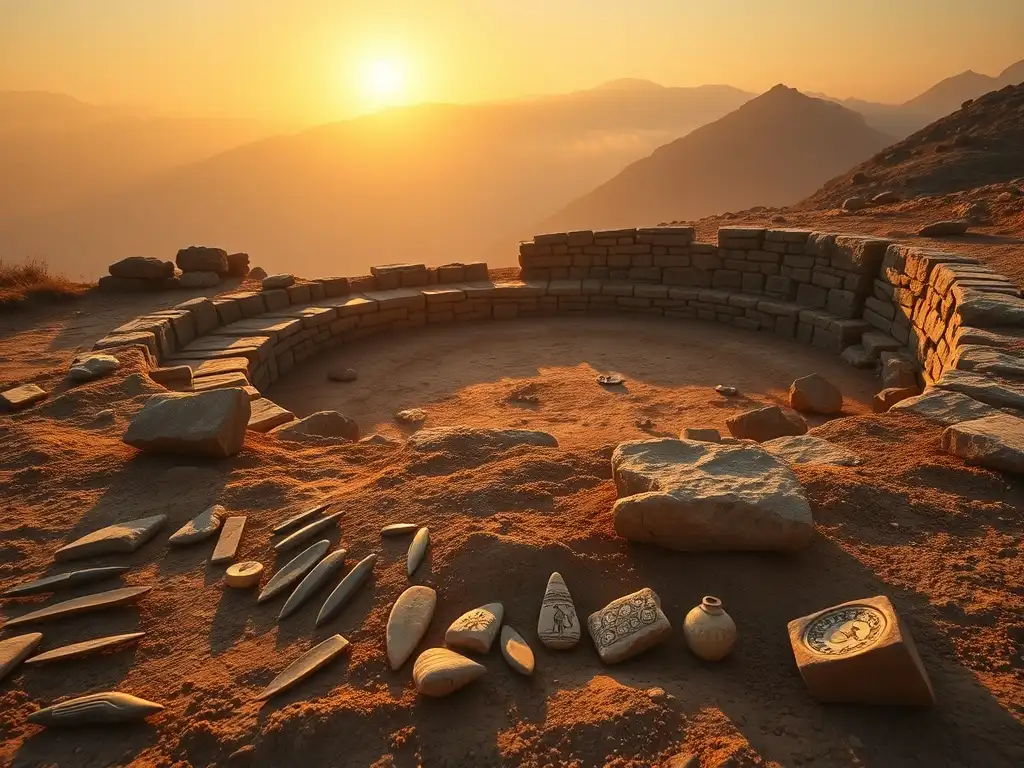
The study of Preceramic Andean ritual sites relies heavily on the meticulous excavation and analysis of archaeological evidence. These sites, often predating the development of ceramics, offer unique insights into the spiritual beliefs and practices of early Andean societies. Understanding these practices requires a multi-faceted approach, incorporating architectural analysis, artifact study, and careful consideration of the context in which these objects were found.
The sheer diversity of findings across different sites highlights the complexity and regional variations in Preceramic Andean religious life. The absence of written records necessitates a more nuanced interpretation of the material culture, relying on careful observation and comparative analysis with later Andean traditions. This section will delve into the key types of evidence used to reconstruct these early religious landscapes.
Architectural Features of Preceramic Ritual Structures
Preceramic Andean ritual structures, while varying considerably across different regions and time periods, often exhibit common features suggestive of ritual significance. Many sites feature carefully constructed platforms, often elevated and strategically positioned with respect to the surrounding landscape. These platforms, sometimes quite large and complex, may have served as bases for ceremonial buildings or altars.
Evidence of carefully planned layouts, including alignments with celestial bodies, suggests a sophisticated understanding of astronomy and its connection to religious practices. The use of specific materials, such as carefully selected stones or unique earthworks, further emphasizes the deliberate and ritualistic nature of their construction. For instance, the use of red ochre in some structures might signify blood sacrifice or a connection to the underworld.
Analysis of these architectural features, including their size, orientation, and construction techniques, provides valuable clues about the social organization and religious beliefs of these early Andean societies. We can also note the presence of specialized features like chullpas, which are tower-like structures, though their precise ritual function is still debated among researchers. Further research is needed to fully understand the diversity of these architectural forms and their significance across different Preceramic cultures.
Artifacts and Remains Found at Preceramic Andean Sites
The artifacts recovered from Preceramic Andean ritual sites are crucial for understanding the nature of religious practices. These often include meticulously crafted tools, ornaments, and offerings. The presence of intricately carved stone objects, often depicting stylized animals or abstract designs, points to sophisticated artistic skills and a symbolic system embedded within their religious beliefs.
The discovery of animal bones, often in specific arrangements, suggests the importance of animal sacrifice in ritual contexts. The careful placement of these remains, sometimes alongside other artifacts, offers insights into the choreography of these rituals. Furthermore, the presence of pigments, such as ochre and charcoal, supports the hypothesis of ritual body painting or the symbolic use of color in religious ceremonies.
The analysis of these artifacts, including their materials, manufacturing techniques, and contextual placement, allows for a deeper comprehension of the symbolic world of these early Andean peoples. The discovery of rare or exotic materials at these sites suggests extensive trade networks and the importance of these materials in religious rituals. For example, the presence of obsidian artifacts, originating from distant sources, might indicate the significance of long-distance exchange in the context of religious practices.
Analysis of Material Culture to Understand Ritual Practices
Analyzing the material culture found at Preceramic Andean ritual sites requires a holistic approach. This involves not just identifying individual artifacts but also understanding their spatial relationships and the context of their discovery. For example, the clustering of certain artifacts in specific areas within a site might suggest the existence of specialized ritual spaces dedicated to particular deities or ceremonies. The careful study of the stratigraphic layers, revealing the sequence of occupation and ritual activity, provides valuable insights into the evolution of religious practices over time.
Furthermore, the use of scientific techniques such as radiocarbon dating and residue analysis can help to refine the chronological framework and understand the nature of the materials used in rituals. By combining archaeological data with ethnographic analogies from later Andean cultures, researchers can formulate hypotheses about the social and symbolic meanings embedded within the material remains. This comparative approach helps to contextualize the findings and develop a more nuanced understanding of Preceramic Andean ritual practices.
However, it is crucial to acknowledge the limitations of such analogies and to avoid imposing modern interpretations onto past societies. The goal is to use the available evidence to reconstruct a plausible scenario of the past, while acknowledging the inherent uncertainties and gaps in our knowledge. The ongoing research and discovery of new Preceramic Andean ritual sites continue to refine our understanding of these fascinating and complex societies.
Interpreting Spatial Organization and Ritual Layouts
Understanding the spatial organization of Preceramic Andean ritual sites is crucial for deciphering their function and the nature of the rituals performed within them. Archaeologists meticulously analyze the placement of structures, artifacts, and features to reconstruct the layout and understand the symbolic meaning embedded in the site's design. For example, the arrangement of buildings around a central plaza in many early Andean settlements suggests a hierarchical social structure and a focus on communal rituals. The careful positioning of burial mounds in relation to other structures might indicate beliefs about the afterlife and the relationship between the living and the dead.
The distribution of artifacts, such as ceremonial objects or offerings, within a site can reveal the specific activities and rituals that took place in different areas. Careful mapping and analysis of these spatial relationships allow researchers to create models of ritual activity, offering insights into the social, political, and religious dynamics of these early societies. This meticulous approach, often involving detailed 3D modeling and GIS analysis, helps us move beyond simply identifying artifacts to understanding the context in which they were used and the beliefs they reflect. The study of spatial organization allows us to interpret not just individual elements but the entire ritual landscape as a complex system of meaning.
Variations in spatial layouts across different sites and time periods further illuminate the dynamic evolution of Andean religious practices and the diversity of beliefs within these early communities. Such research highlights the importance of considering the entire site, not just individual finds, when studying preceramic Andean ritual sites. The spatial organization itself often acts as a key to understanding the broader cultural context of the ritual activities.
By analyzing the spatial organization of these sites, researchers can begin to understand the complex interplay of social, political, and religious factors that shaped the lives of Preceramic Andean peoples. The meticulous recording and interpretation of spatial relationships are essential for reconstructing the ritual practices and beliefs of these early societies, shedding light on the origins of Andean religious traditions and their profound impact on subsequent cultures.
The use of advanced technologies like LiDAR and photogrammetry further enhances our ability to interpret these complex spatial arrangements, revealing subtle details that were previously invisible. The insights gained from these studies continue to enrich our understanding of "Preceramic Andean ritual sites," adding to the growing body of knowledge about the rich and complex cultural heritage of the Andes.
The Significance of Preceramic Andean Rituals
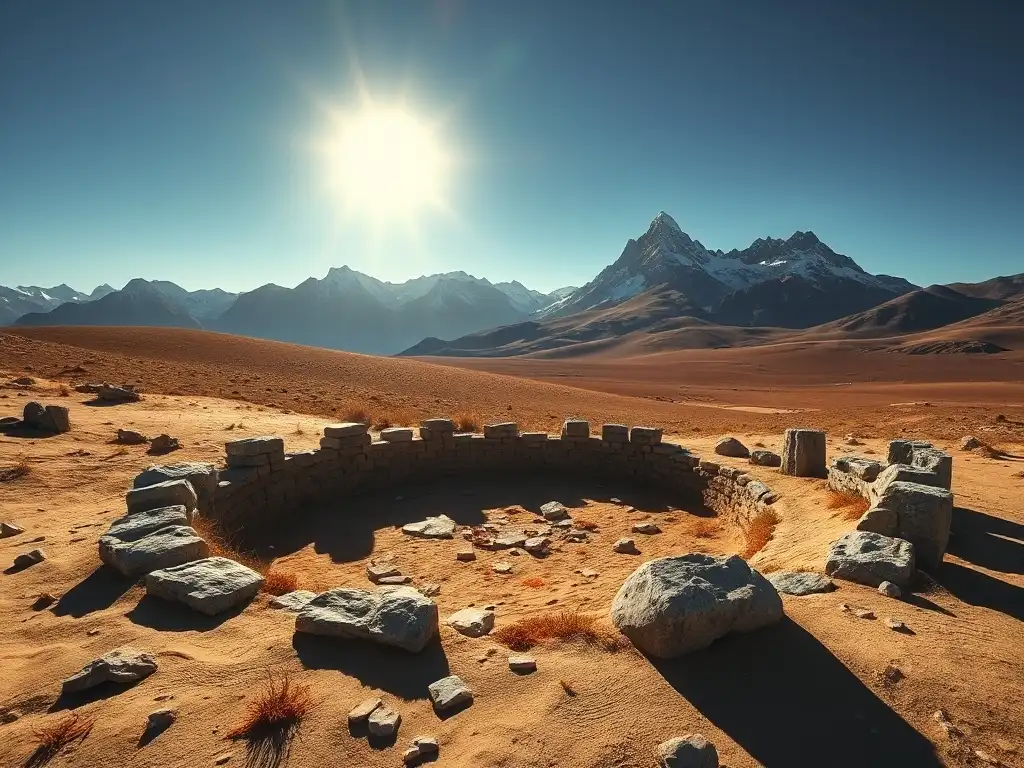
The Preceramic period in the Andes (roughly 8000-1800 BCE) witnessed the development of complex ritual practices that profoundly shaped Andean societies. Understanding these rituals offers a crucial window into the beliefs, social structures, and worldview of these early communities. While archaeological evidence provides glimpses into their practices, much remains shrouded in mystery, making the study of Preceramic Andean ritual sites a vital area of ongoing research.
The limited textual evidence necessitates a careful interpretation of material culture, including architecture, artifacts, and burial practices, to reconstruct a comprehensive picture of their religious and social lives. This section will delve into several key aspects of these early rituals, focusing on their religious beliefs, social implications, and role in maintaining social order.
Religious Beliefs and Cosmology in the Preceramic Andes
The religious beliefs of Preceramic Andean societies were deeply intertwined with their environment and the natural world. Evidence suggests a strong connection to the forces of nature, particularly water and fertility. The discovery of numerous ceremonial sites near water sources, such as springs and rivers, points to the veneration of water as a life-giving force. Furthermore, the presence of intricately carved figurines depicting stylized human and animal forms suggests a complex cosmology, potentially involving ancestor worship and shamanistic practices.
Many of these figurines were found within ritual contexts, often accompanied by offerings of food and other valuable items. The careful placement and arrangement of these objects within the ritual sites indicate a structured and deliberate approach to religious practice. The exact nature of their beliefs remains open to interpretation, but the available evidence suggests a reverence for the natural world and a sophisticated understanding of the forces that shaped their lives.
Analysis of bone and plant remains found at these sites further enriches our understanding of the offerings and practices employed during ceremonies. The careful selection of specific plants and animals highlights the symbolic importance assigned to certain species within their belief system. Further research into pollen analysis and isotopic studies of bone remains could provide additional insights into the religious practices and dietary habits of these communities.
Preceramic Andean ritual practices often reveal insights into the social organization and potential hierarchies within these communities. The scale and complexity of some ritual sites, such as the monumental architecture found at certain locations, suggest a level of social organization capable of mobilizing significant labor resources. This implies the existence of leadership structures and possibly specialized roles within society, with some individuals responsible for organizing and conducting rituals.
The presence of elaborate burials, often containing prestigious grave goods like intricately crafted pottery and ornaments, suggests social stratification and the existence of elite individuals who held a privileged position within society. Variations in burial practices, such as the presence or absence of grave goods and the type of burial structures used, may indicate differences in social status. However, it is important to note that the interpretation of these differences requires careful consideration of various factors, and definitive conclusions may require further research.
The distribution of artifacts and the layout of ritual spaces within settlements can also provide valuable clues about social structures. For instance, the clustering of certain types of artifacts in specific areas may indicate specialized craft production or the existence of designated ritual spaces within the settlement. Further research focusing on spatial analysis and the distribution of artifacts within sites could illuminate the social dynamics of Preceramic Andean societies.
Rituals played a crucial role in maintaining social cohesion and order within Preceramic Andean societies. By bringing community members together in shared religious experiences, rituals reinforced social bonds and strengthened group identity. The shared participation in ceremonies likely fostered a sense of collective identity and strengthened social ties. Furthermore, rituals may have served as mechanisms for conflict resolution and the reaffirmation of social norms.
The performance of rituals could have functioned as a way of reinforcing social norms and resolving conflicts within the community. The offering of gifts and the participation in communal feasts during ceremonies may have served as mechanisms for redistribution of resources and the affirmation of social hierarchies. These acts of shared consumption and gift-giving could have strengthened social ties and prevented conflict. However, more research is needed to fully understand the complex interplay between ritual, social structure, and conflict resolution in these societies.
Detailed analysis of settlement patterns and the spatial distribution of ritual sites could shed light on the role of ritual in shaping social interactions and maintaining social order. The study of Preceramic Andean ritual sites provides invaluable insights into the complex dynamics of these early societies and their enduring legacy. 🗺️ The careful excavation and analysis of these sites continue to reveal new information, enriching our understanding of these fascinating cultures.
Preceramic Andean Rituals and their Legacy
The ritual practices of Preceramic Andean societies, while shrouded in the mists of time, left an indelible mark on the subsequent development of Andean cultures. Their sophisticated understanding of cosmology, reflected in their carefully constructed ritual sites and the artifacts found within them, laid the groundwork for the complex religious systems of later civilizations like the Inca. The reverence for ancestors, the importance of fertility rituals linked to agricultural cycles, and the symbolic use of specific materials and motifs—all these elements can be traced from the Preceramic period to later Andean societies. For example, the use of specific pigments in cave paintings and the placement of offerings in burial contexts demonstrate a continuity of ritualistic practices across millennia.
The meticulous construction of ceremonial structures, even in the absence of advanced metalworking technology, highlights the significance of ritual in shaping Andean societies' social structures and worldview. The very act of constructing these sites—often involving monumental earthworks and complex engineering—represented a collective effort, reinforcing social cohesion and solidifying the power of religious leaders. This legacy is not merely a historical curiosity; it provides crucial insights into the enduring values and beliefs that shaped Andean identity for centuries to come. Understanding these early rituals allows us to better appreciate the complexity and depth of Andean culture, revealing a rich tapestry of spiritual and social practices that continue to resonate today.
The enduring power of these rituals is evident in the continued significance of sacred sites and the persistence of certain ceremonial practices in modern Andean communities. These traditions, deeply rooted in the preceramic past, offer a compelling testament to the enduring legacy of Andean ritual. The study of preceramic Andean ritual sites, therefore, is not merely an archaeological pursuit but a crucial window into understanding the evolution of Andean culture and its enduring spiritual heritage.
Conclusion: The Enduring Legacy of Preceramic Andean Rituals
This exploration of Preceramic Andean ritual sites reveals a complex and fascinating tapestry of beliefs and practices that laid the foundation for later Andean cultures. The evidence unearthed—from meticulously crafted artifacts to the carefully planned layouts of ceremonial centers—demonstrates a sophisticated understanding of the cosmos and a deep connection to the natural world. These early societies weren't simply surviving; they were actively shaping their environment and their understanding of it through ritual.
The enduring legacy of these rituals is not merely historical; it continues to resonate in the cultural landscape of the Andes today. Understanding these ancient practices provides invaluable context for comprehending the broader trajectory of Andean civilization. The sophisticated ritualistic systems of these early societies, characterized by their nuanced understanding of cosmology and their profound respect for the land, serve as a powerful testament to human ingenuity and spiritual depth.
The meticulous craftsmanship and symbolic richness found in their artifacts highlight a level of artistic and technological prowess that often surpasses expectations for a "preceramic" society. The enduring impact of these early rituals is undeniable, influencing subsequent Andean cultures in ways that are still being uncovered.
The Importance of Studying Preceramic Andean Ritual Sites
The study of Preceramic Andean ritual sites is crucial for several reasons. Firstly, it allows us to reconstruct a more complete picture of the development of Andean civilization, challenging previously held assumptions about the “primitive” nature of early societies. These sites offer a window into the complex social structures, belief systems, and technological capabilities of these communities. Secondly, the analysis of artifacts and site layouts provides invaluable insights into the evolution of Andean cosmology and religious practices.
By studying the changes in ritualistic patterns over time, we can trace the development of religious ideas and their influence on social organization. Thirdly, the preservation of these sites is vital for understanding the long-term continuity of Andean cultural traditions. Many practices and beliefs found in later Andean cultures can be traced back to their roots in the Preceramic period. Finally, studying these sites helps us understand the resilience and adaptability of human societies in the face of environmental challenges.
The strategies employed by Preceramic Andean communities to manage resources and respond to climate change offer valuable lessons for contemporary societies facing similar issues. Careful and ethical excavation and preservation of these sites are paramount to unlocking the full potential of this invaluable historical record. The more we learn about these early rituals, the more we can appreciate the depth and complexity of Andean history.
Future Research and Directions in Preceramic Andean Archaeology
Future research on Preceramic Andean ritual sites should focus on several key areas. Firstly, advanced dating techniques, such as radiocarbon dating and luminescence dating, are needed to refine the chronological framework for these sites and better understand the temporal relationships between different ritual practices. Secondly, interdisciplinary approaches that incorporate insights from anthropology, archaeology, and environmental science are vital for a more holistic understanding of these sites.
This includes detailed paleoclimatic reconstructions to understand the environmental context of ritual practices and the impact of climate change on societal development. Thirdly, further investigation into the symbolism and iconography found in Preceramic Andean artifacts is necessary to decipher their meaning and understand the underlying belief systems. This requires collaboration with specialists in iconography and comparative religious studies.
Finally, the development of innovative technologies, such as 3D modeling and remote sensing, can enhance the study of these sites without causing further damage to fragile archaeological remains. The application of these techniques will allow for more detailed analyses of site layouts and artifact distribution, providing deeper insights into the spatial organization and social dynamics of Preceramic Andean communities. The continued exploration of Preceramic Andean ritual sites promises to yield significant discoveries that will reshape our understanding of early Andean civilization.
The Contribution of Preceramic Societies to Andean Culture
Preceramic Andean societies made profound contributions to the development of Andean culture that continue to resonate through millennia. Their innovative agricultural techniques, such as terracing and irrigation systems, laid the groundwork for the later flourishing of Andean civilizations. Their mastery of pottery production, though not fully developed in this period, foreshadowed the impressive ceramic traditions of later cultures.
Furthermore, the sophisticated organization of their ritual sites and the development of complex belief systems provided a framework for social cohesion and cultural identity, influencing subsequent Andean societies. The profound respect for the natural world and the intricate relationship between humans and their environment, evident in their ritual practices, became a defining characteristic of Andean culture. The development of specialized craft production and the emergence of social hierarchies—though nascent in the Preceramic period—set the stage for the more complex social structures of later Andean civilizations.
In essence, these early societies established the essential building blocks of Andean culture, providing a rich legacy that shaped the future trajectory of Andean civilization. The insights gleaned from studying these Preceramic societies illuminate the deep roots and enduring impact of their cultural contributions. The meticulous planning of their ceremonial centers and the intricate symbolism found in their artifacts all point to a rich and complex worldview that continues to fascinate and inspire.
Frequently Asked Questions
What are Preceramic Andean ritual sites?
Preceramic Andean ritual sites are archaeological locations dating before the development of pottery in the Andes, showcasing evidence of early religious and ceremonial practices. These sites often feature unique architectural features and artifacts indicating complex social structures.
How old are these Preceramic Andean ritual sites?
These sites date back to the Early and Middle Preceramic periods, spanning roughly from 8000 to 1800 BCE. This represents a significant time frame in the development of Andean cultures and their beliefs. Radiocarbon dating helps pinpoint the age of these sites.
What kinds of rituals were performed at these sites?
Evidence suggests a wide range of rituals, including ancestor veneration, fertility rites, and ceremonies related to hunting and agriculture. The specific rituals likely varied between different Andean groups and over time.
What types of artifacts are found at Preceramic Andean ritual sites?
Artifacts include carved stones, figurines, offerings of food and other materials, and evidence of elaborate burials. These findings offer vital clues about the beliefs and practices of these early Andean societies.
Where are these Preceramic Andean ritual sites located?
These sites are scattered throughout the Andean region, in present-day Peru, Bolivia, Ecuador, and possibly even further afield. Their geographical distribution reflects the diverse environmental zones inhabited by these early groups and their interaction with their surroundings.
Final Reflection: Echoes of the Past, Whispers of the Future
The meticulous excavation and analysis of Preceramic Andean ritual sites reveal not just ancient practices, but a profound understanding of humanity's enduring need for connection with the sacred. These weren't simply places of worship; they were vibrant hubs of social interaction, economic exchange, and cosmological understanding, echoing across millennia and offering valuable insights into the very fabric of human civilization. Their continued discovery forces us to reconsider our own relationship with spirituality and community.
The enduring power of these sites lies not just in their archaeological significance, but in their ability to transcend time and speak to our shared human experience. The intricate designs, the carefully placed offerings, the very layout of these spaces – all speak to a deep-seated human desire to connect with something larger than ourselves. As the anthropologist Clifford Geertz eloquently stated, Religion is a system of symbols which acts to establish powerful, pervasive, and long-lasting moods and motivations in men by formulating conceptions of a general order of existence and clothing these conceptions with such an aura of factuality that the moods and motivations seem uniquely realistic.
This rings profoundly true when considering the deliberate and meaningful construction of these Preceramic Andean ritual sites.
Consider the echoes of these ancient practices in your own life. What are the spaces, both physical and metaphorical, that hold sacred meaning for you? How do these spaces shape your understanding of the world and your place within it? I invite you to reflect on the enduring power of ritual and the importance of creating spaces for connection, contemplation, and community – spaces that, like the Preceramic Andean ritual sites, resonate with the enduring spirit of humanity. Let the whispers of the past inspire you to build a more meaningful and connected future.
Unveil the Mysteries: Take a Journey into Andean Rituals!
Thank you for exploring the fascinating world of preceramic Andean societies with us! You've discovered the intriguing ritualistic practices that shaped these ancient cultures. Let's delve even deeper into their rich heritage.
Here are some ways to further enhance your understanding and connection:
- Engage with the past: Visit a museum showcasing Andean artifacts, or take a virtual tour to immerse yourself in this captivating history. The detail and artistry of these ancient objects offers a unique window into their world.
- Share your newfound knowledge: Discuss your discoveries with friends, family, or online communities to spark conversations about ancient rituals and their continuing relevance. Sharing your insights can inspire others to learn more.
- Join a community: Connect with like-minded individuals by joining online forums or local groups dedicated to South American archaeology and history. These communities offer opportunities for collaboration and further learning.
What aspects of Andean ritualistic practices intrigue you most, and how do you think they continue to influence modern Andean cultures?