
The Influence of Climate: How Environmental Factors Shaped Andean Civilization

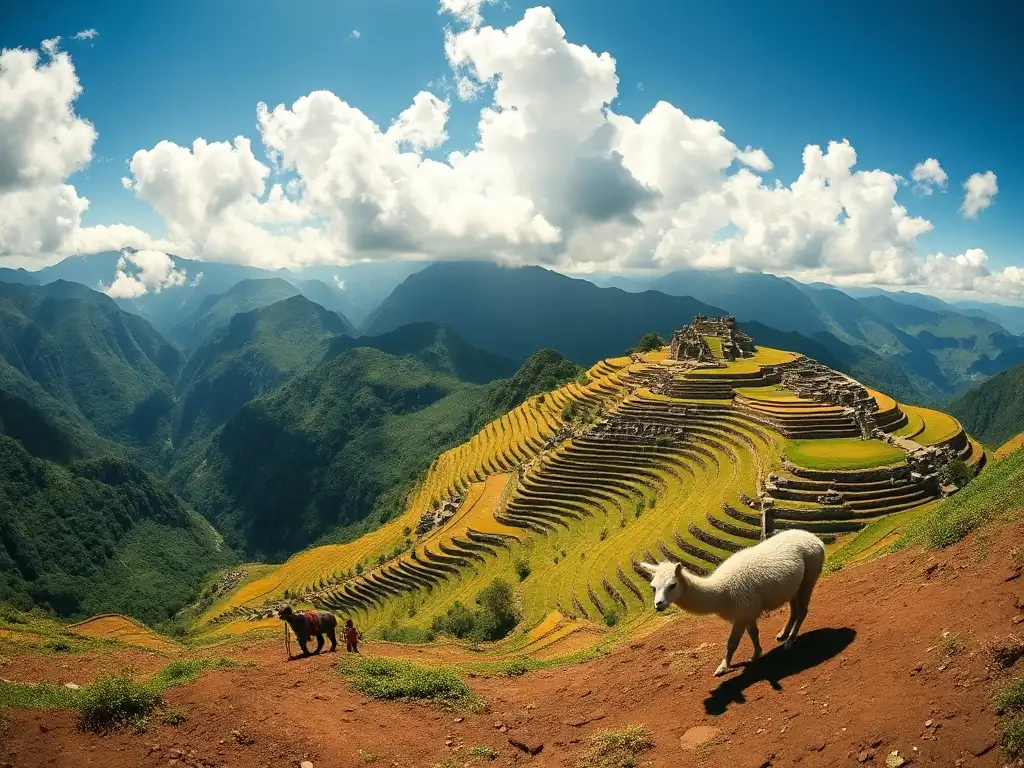
Step into a world lost to time, yet echoing with the whispers of empires. Journey with us through the breathtaking landscapes and captivating cultures of the Andes, where ingenuity and resilience thrived against the backdrop of dramatic environmental shifts. Discover how the very climate of the Andes profoundly shaped the rise and fall of magnificent civilizations, from the Incas to the Nazca. Unravel the mysteries surrounding Andean civilization climate impact—a story of adaptation, innovation, and the enduring legacy of a people who defied the elements. Prepare to be amazed.
The Andes Mountains, a colossal spine running down the western coast of South America, presented both formidable challenges and incredible opportunities for the ancient civilizations that thrived there. Understanding the profound influence of climate on Andean societies is crucial to grasping their remarkable achievements and ultimate fates.
This article delves into the intricate relationship between the Andean environment and the development of complex societies, exploring how environmental factors shaped their agriculture, social structures, and technological innovations. We will examine the diverse climatic zones, from the arid coastal deserts to the high-altitude puna grasslands, and analyze how these variations impacted the rise and fall of civilizations like the Inca, Moche, Nazca, and Tiahuanaco.
By exploring the interplay between human ingenuity and environmental constraints, we can gain a deeper appreciation for the resilience and adaptability of Andean peoples and the lasting legacy of their civilizations. This exploration will illuminate the significant impact of climate on the development and trajectory of Andean civilization, offering a nuanced perspective on their remarkable story.
Andean Civilization Climate Impact: An Overview
The impact of climate on Andean civilizations cannot be overstated. It was a constant factor shaping every aspect of life, from agricultural practices and settlement patterns to political structures and social hierarchies. The availability of water, the suitability of land for cultivation, and the predictability of weather patterns directly influenced the success or failure of entire societies. For example, periods of drought frequently led to social unrest and even the collapse of entire states.
Conversely, periods of favorable climate allowed for population growth, technological advancement, and the flourishing of complex social systems. Understanding this dynamic relationship is key to interpreting the archaeological record and appreciating the ingenuity and resilience of Andean peoples in adapting to their challenging environment. The variability of the climate, from cyclical droughts to unpredictable floods, meant that successful Andean societies had to develop sophisticated strategies for water management, agricultural innovation, and risk mitigation.
The Diverse Andean Environment: A Challenge and an Opportunity
The Andes Mountains present a remarkably diverse environment, creating a complex interplay of ecological zones and microclimates. This environmental heterogeneity presented both significant challenges and unique opportunities for the development of Andean societies. The sheer variation in altitude, rainfall, and temperature resulted in a mosaic of ecosystems, ranging from arid coastal deserts to lush cloud forests and frigid high-altitude puna grasslands.
This variability demanded adaptation and innovation, fostering the development of specialized agricultural techniques, intricate water management systems, and diverse economic strategies. The challenges of this environment also spurred social organization and technological advancements, contributing to the rise of complex societies capable of managing resources and responding to environmental fluctuations.
Geographical Variations: From Coast to Highlands
The Andean region encompasses a vast range of geographical zones, each with its own distinct climate. The coastal desert, characterized by extreme aridity and minimal rainfall, contrasted sharply with the fertile valleys of the Andes, where rivers provided essential water resources. The high-altitude puna, with its harsh climate and thin air, presented yet another set of challenges for inhabitants.
These variations in geography dictated the types of crops that could be grown, the availability of building materials, and the overall lifestyle of different Andean communities. The coastal peoples, for example, relied heavily on marine resources, while those in the highlands developed sophisticated agricultural techniques to cultivate crops at high altitudes. This geographical diversity contributed to the cultural and economic diversity of the Andean world.
The Impact of Altitude on Andean Life
Altitude played a pivotal role in shaping Andean life. The decrease in atmospheric pressure and oxygen levels at higher elevations affected everything from agricultural practices to human physiology. This led to the development of unique agricultural techniques adapted to the specific challenges of high-altitude environments, such as terracing and irrigation systems to maximize crop yields in thin soils.
The physiological adaptations of Andean populations to high altitude, such as increased lung capacity and red blood cell production, also demonstrate the profound impact of the environment on human evolution. Additionally, the distribution of resources and the accessibility of different regions were directly influenced by altitude, shaping settlement patterns and political structures.
Climate Zones and Their Influence on Andean Societies
The distinct climate zones of the Andes profoundly influenced the development and organization of Andean societies. The arid coastal desert, for instance, fostered the development of sophisticated irrigation systems and a strong reliance on marine resources. The fertile valleys of the Andes supported intensive agriculture and the growth of large, complex settlements. The high-altitude puna, with its harsh conditions, limited population density and promoted a more nomadic lifestyle in some areas.
The interplay between these different climate zones and their associated resources shaped trade networks, political alliances, and the overall structure of Andean societies. Understanding these climatic influences is essential to interpreting the archaeological evidence and comprehending the complex dynamics of Andean civilization. The timing and severity of El Niño events, for example, had a significant impact on agricultural productivity and social stability across the region.
Climate's Role in Andean Agriculture
The Andean region's diverse geography, ranging from arid coastal deserts to high-altitude mountains, presented significant challenges and opportunities for agriculture. The success of Andean civilizations hinged on their ability to adapt their agricultural practices to the specific climatic conditions of their environment. Understanding the intricate relationship between climate and agriculture is crucial to comprehending the rise and development of these remarkable societies.
The ingenuity of Andean farmers in harnessing limited resources and adapting to unpredictable weather patterns is a testament to their resilience and innovation. Their agricultural achievements were not merely a matter of survival; they formed the foundation upon which complex social structures and political systems were built. The impact of climate on Andean agriculture is a multifaceted topic, encompassing various strategies and adaptations employed over centuries.
Water Management: Irrigation Systems and Terraces
Andean civilizations developed sophisticated water management systems to overcome the challenges of variable rainfall and arid conditions. Irrigation canals, often carved into mountain slopes, channeled water from rivers and streams to fields, enabling year-round cultivation. These intricate networks, some dating back millennia, demonstrate a deep understanding of hydrology and engineering. The construction of these systems required significant labor and coordination, reflecting the ability of Andean societies to mobilize resources for large-scale projects.
Additionally, the use of terraces on steep slopes dramatically increased arable land, maximizing agricultural output in mountainous regions. The construction of these terraces, often involving meticulously cut stones fitted together without mortar, showcases the advanced engineering and architectural skills of Andean cultures. These terraced fields not only increased cultivable land but also reduced soil erosion and improved water retention.
Adapting to Arid Coastal Conditions
The arid coastal regions of the Andes presented unique challenges for agriculture. The scarcity of freshwater resources necessitated the development of innovative techniques for water harvesting and conservation. Andean communities employed techniques like fog harvesting (camanchaca) to collect moisture from the air, supplementing limited rainfall. This involved using nets or other materials to trap the moisture-laden fog, allowing it to condense and drip into collection basins.
Furthermore, the cultivation of drought-resistant crops adapted to the harsh coastal climate played a significant role in sustaining coastal populations. These adaptations highlight the deep understanding of their environment and their ability to innovate solutions for survival in challenging conditions. The successful cultivation of crops in these areas contributed significantly to the economic and social stability of coastal Andean societies.
High-Altitude Agriculture: Crops and Techniques
High-altitude agriculture in the Andes was a remarkable achievement, demonstrating the ingenuity of Andean farmers in adapting to extreme conditions. The cultivation of potatoes, quinoa, and other high-altitude crops demonstrates a mastery of agriculture in challenging environments. Farmers developed techniques to protect crops from frost, strong winds, and intense solar radiation, including the construction of frost-protective walls and the selection of cold-hardy varieties.
The cultivation of these crops, many of which are uniquely adapted to high altitudes, provided essential sustenance for populations living in the Andes Mountains. The knowledge and techniques developed for high-altitude agriculture formed an integral part of Andean agricultural practices, contributing significantly to the success of these societies. The ability to cultivate crops at such high elevations is a remarkable testament to the agricultural expertise of Andean cultures.
Climate and the Development of Andean Civilizations
Climate exerted a profound influence on the trajectory of Andean civilizations, shaping their social structures, political systems, and economic activities. The availability of water resources directly impacted population distribution and the development of urban centers. Regions with reliable water sources supported larger populations and more complex societies.
Conversely, areas experiencing frequent droughts or water scarcity faced greater challenges in sustaining their populations. The impact of climate on Andean civilizations was not simply about survival; it was a driving force shaping their social and political organization. Understanding this intricate relationship is essential to fully comprehending the rise and fall of these remarkable societies.
The Rise of Complex Societies: Resource Management
The effective management of resources, particularly water and arable land, was crucial for the rise of complex societies in the Andes. Efficient irrigation systems, terraced agriculture, and sophisticated storage techniques enabled Andean civilizations to support larger and more densely populated settlements. These achievements, driven by the need to adapt to climatic variations, fostered social organization and specialization of labor, leading to the development of complex social hierarchies and political structures.
The ability to manage resources effectively contributed significantly to the overall prosperity and stability of Andean civilizations. The intricate interplay between resource management and societal development is a key theme in understanding the rise of complex Andean societies.
Climate Change and the Collapse of Andean Cultures
Evidence suggests that climate change played a significant role in the decline and collapse of certain Andean cultures. Periods of prolonged drought or other climatic shifts may have disrupted agricultural production, leading to food shortages, social unrest, and ultimately, societal collapse. The vulnerability of Andean societies to climatic fluctuations highlights the importance of environmental factors in shaping the course of history.
While other factors certainly contributed to the decline of these cultures, the impact of climate change should not be underestimated. Further research is necessary to fully understand the complex interplay of factors that led to these historical events, with a focus on analyzing paleoclimatic data and archaeological evidence.
Environmental Stress and Societal Adaptation
Andean civilizations demonstrated remarkable resilience in adapting to environmental stress. Their ability to develop innovative agricultural techniques, water management systems, and social structures allowed them to thrive in challenging environments for centuries. This adaptability, however, was not without limits.
Periods of extreme climate variability or environmental degradation could overwhelm even the most sophisticated adaptations, leading to societal instability or collapse. The study of Andean civilizations offers valuable insights into the complex relationship between human societies and their environment, and the importance of understanding and adapting to environmental change. The resilience and adaptability of Andean societies serve as a case study for understanding the challenges and opportunities presented by environmental change in human history.
Case Studies: The Impact of Climate on Specific Andean Cultures
The Moche: Adapting to Coastal Desert Conditions
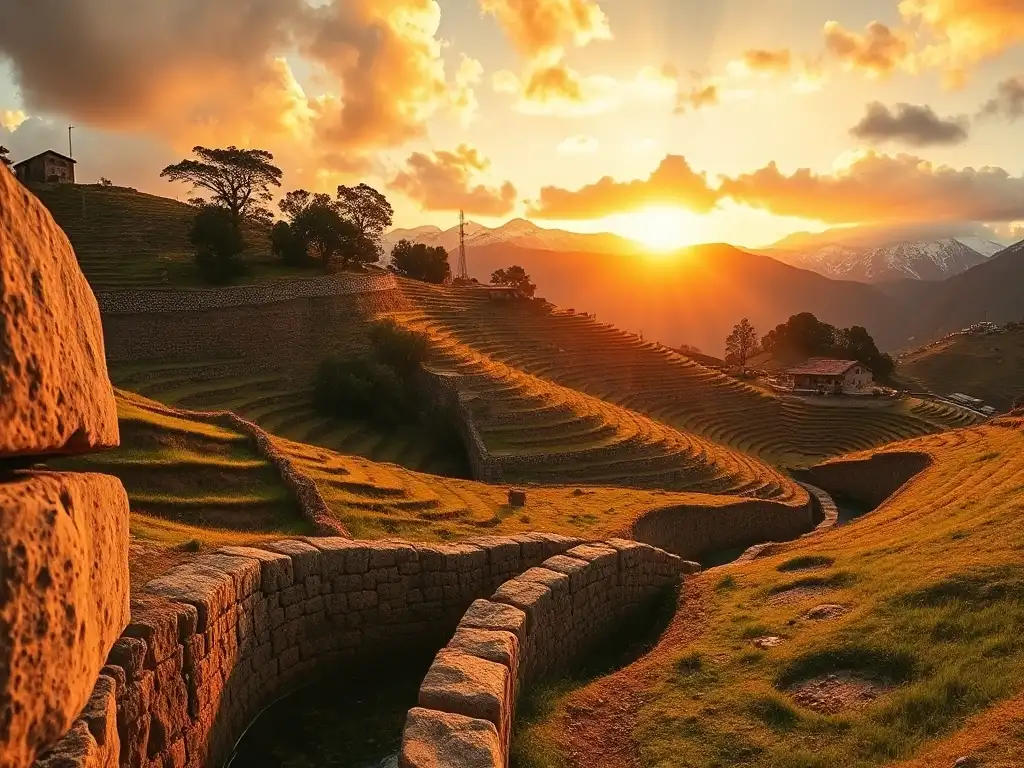
The Moche civilization (c. 100–800 CE) thrived in the arid coastal desert of northern Peru. Their success hinged on sophisticated irrigation systems that channeled water from rivers and occasional rainfall to support intensive agriculture. These systems, often involving intricate canals and reservoirs, allowed the Moche to cultivate fertile valleys, producing surplus crops that fueled their complex society.
Evidence suggests that periods of drought significantly impacted Moche settlements, leading to population shifts and changes in agricultural practices. Archaeological findings reveal the construction of new irrigation channels and the adoption of drought-resistant crops during drier periods, highlighting their remarkable adaptability to fluctuating climate conditions. The Moche's ability to manage water resources in such a challenging environment is a testament to their engineering prowess and understanding of their environment.
Their sophisticated understanding of hydrology allowed them to survive and flourish in one of the most challenging environments in the Americas. However, prolonged periods of drought eventually contributed to the civilization's decline, underscoring the crucial role of climate in shaping their history.
The Nazca: Water Management and Geoglyphs
The Nazca culture (c. 100 BCE – 800 CE), also located in the arid coastal region of Peru, developed ingenious water management techniques. Their mastery of underground aqueducts, known as puquios, allowed them to tap into underground water sources, providing a reliable supply of water for agriculture even during extended dry spells.
These intricate systems, often carved through rock and extending for considerable distances, demonstrate a deep understanding of hydrology and engineering. The famous Nazca Lines, massive geoglyphs etched into the desert surface, may also have played a role in water management or ritual practices related to water and fertility.
While the exact purpose of the lines remains debated, their creation during a period of sophisticated water management suggests a connection between these monumental works and the civilization’s response to the challenges of their arid environment. The Nazca's success in harnessing water resources is another striking example of Andean ingenuity in the face of challenging climatic conditions.
Tiahuanaco: High-Altitude Agriculture and Urban Planning
The Tiahuanaco civilization (c. 500–1000 CE) flourished in the high Andes of Bolivia, at an altitude of approximately 12,500 feet above sea level. This extreme environment presented significant challenges for agriculture and urban development. Tiahuanaco's success rested on their ability to develop agricultural techniques suited to the high altitude and unpredictable climate. They cultivated frost-resistant crops and employed raised fields and terracing to optimize water use and soil fertility.
Their urban planning, including the construction of monumental architecture and sophisticated water management systems, reflects an advanced understanding of the environment and its limitations. Evidence suggests that fluctuations in climate, including periods of drought and frost, impacted agricultural production and, consequently, the population and urban development of Tiahuanaco. Their innovative agricultural practices and urban planning represent a remarkable adaptation to the harsh conditions of the high Andes.
The Inca: Utilizing the Varied Andean Environment
The Inca Empire (c. 1438–1533 CE) controlled a vast and diverse territory spanning a wide range of altitudes and climates. Their success stemmed from their ability to effectively utilize the varied environmental resources available to them. They developed sophisticated agricultural techniques tailored to different ecological zones, including terraced farming in the mountains, irrigation systems in drier areas, and waru waru agriculture in the altiplano.
Their mastery of verticality, the utilization of different ecological zones, allowed them to produce a diverse range of crops and support a large and complex population. The Inca's ability to adapt to varied climates and manage resources across such a diverse landscape is a testament to their impressive organizational and engineering skills. Climate played a significant role in shaping Inca agricultural practices and influenced their empire's overall structure and distribution of resources.
Long-Term Effects of Climate on Andean Societies
The Legacy of Environmental Adaptation
The enduring legacy of Andean civilizations lies not only in their impressive architectural achievements and intricate social structures but also in their remarkable capacity to adapt to challenging environmental conditions. Centuries of interaction with the Andes' unpredictable climate led to the development of sophisticated agricultural techniques, ingenious water management systems, and resilient social structures. This legacy of adaptation continues to influence Andean communities today, shaping their agricultural practices, resource management strategies, and cultural identity. The profound impact of climate on Andean societies shaped their cultural values, technological innovations, and social structures, leaving an enduring legacy of environmental stewardship.
Lessons Learned from Ancient Andean Practices
The study of ancient Andean civilizations offers valuable insights into sustainable resource management and adaptation to climate change. Their sophisticated agricultural techniques, such as terracing, irrigation, and waru waru farming, provide practical examples of sustainable practices that can be applied in contemporary contexts. Understanding their successes and failures in adapting to climate variability can inform modern strategies for mitigating the impacts of climate change.
The resilience and ingenuity of Andean civilizations offer crucial lessons for addressing the challenges of a changing climate in the 21st century. Their adaptive capacity underscores the importance of understanding local environmental conditions and the value of integrating traditional ecological knowledge with modern scientific approaches.
The Importance of Sustainable Resource Management
The rise and fall of Andean civilizations highlight the critical importance of sustainable resource management. Overexploitation of resources, coupled with climate variability, contributed to the decline of several Andean societies. The lessons learned from these historical experiences emphasize the need for responsible resource use, integrated water management, and the preservation of biodiversity.
Sustainable resource management is not merely an environmental imperative but a cornerstone of long-term societal stability and resilience, a lesson that resonates deeply with the history of the Andes. The vulnerability of Andean societies to climatic fluctuations emphasizes the crucial role of sustainable practices in ensuring the long-term wellbeing of communities.
Conclusion: Understanding the Interplay of Climate and Andean Culture
The impact of climate on Andean civilizations wasn't simply a matter of survival; it was a fundamental force shaping their social structures, technological innovations, and cultural expressions. From the ingenious irrigation systems of the Nazca to the sophisticated agricultural practices of the Inca, Andean societies consistently demonstrated remarkable adaptability in the face of environmental challenges. Understanding their responses – their successes and failures – provides invaluable insights into the complex interplay between human ingenuity and the natural world. The fluctuating climate of the Andes, with its periods of drought and deluge, wasn't merely an obstacle; it was a crucible forging unique societal adaptations and cultural achievements.
The ability to manage water resources, for example, became a cornerstone of political power and social organization across numerous Andean cultures. This intricate relationship between climate and society highlights the profound interconnectedness of environmental factors and human development, offering a compelling case study for understanding the dynamics of past and present civilizations. The study of Andean civilization climate impact continues to evolve, with ongoing research revealing ever more nuanced understandings of this complex relationship. Further investigation into paleoclimatology and the detailed analysis of archaeological findings promises to further illuminate the profound influence of climate on the trajectory of Andean societies.
Ultimately, appreciating the Andean experience helps us understand the vulnerability of even the most advanced societies to environmental change, offering crucial lessons for our own time. The resilience and ingenuity of these ancient peoples serve as a powerful reminder of humanity's capacity to adapt, innovate, and thrive even in the face of significant environmental challenges. Understanding the Andean civilization climate impact is not just an academic pursuit; it holds valuable insights for addressing contemporary challenges related to climate change and resource management.
- Andean Civilization Climate Impact: An Overview
- The Diverse Andean Environment: A Challenge and an Opportunity
- Climate's Role in Andean Agriculture
- Climate and the Development of Andean Civilizations
- Case Studies: The Impact of Climate on Specific Andean Cultures
- Long-Term Effects of Climate on Andean Societies
- Conclusion: Understanding the Interplay of Climate and Andean Culture
- How did climate affect the development of Andean civilizations?
- What specific climate challenges did Andean civilizations face?
- How did Andean civilizations adapt to their environment?
- What role did climate change play in the decline of Andean civilizations?
- What evidence exists to support the link between climate and Andean civilizations?
Frequently Asked Questions
How did climate affect the development of Andean civilizations?
Andean civilizations were highly adaptable to diverse climates. However, climate shifts, such as droughts or floods, significantly impacted agricultural production and societal stability, leading to migrations and even the collapse of some societies. El Niño events were particularly influential.
What specific climate challenges did Andean civilizations face?
The Andes presented challenges like high altitudes, variable rainfall, and extreme temperatures. Civilizations had to develop sophisticated irrigation systems and agricultural techniques to cope with these harsh conditions. Frost and droughts were recurring threats.
How did Andean civilizations adapt to their environment?
Andean societies developed ingenious methods for water management, including terraces, canals, and reservoirs. They also adapted their agriculture to different altitudes, cultivating a variety of crops suited to various climates. Animal husbandry played a crucial role in some regions.
What role did climate change play in the decline of Andean civilizations?
While not the sole factor, climate change significantly contributed to the decline of some Andean societies. Prolonged droughts or other environmental disasters weakened their infrastructure and created social unrest, making them vulnerable to internal conflicts and external pressures.
What evidence exists to support the link between climate and Andean civilizations?
Archaeological evidence, such as abandoned settlements and changes in agricultural practices, supports the impact of climate. Paleoclimatological data, like ice core samples, reveal past climate fluctuations. Ethnohistorical accounts also offer valuable insights into how communities responded to climate variability.
Final Reflection: Echoes of the Andes: Climate's Enduring Legacy
The intricate dance between Andean civilization and its environment remains a potent reminder of humanity's profound interconnectedness with nature. Understanding this relationship is not merely an academic exercise; it's a crucial lens through which to view our own precarious position in a rapidly changing world. The choices made by past Andean societies, shaped by the capricious nature of their climate, offer invaluable lessons for navigating the challenges of our own time.
The impact of climate on the rise and fall of Andean societies continues to resonate today, shaping our understanding of resilience, adaptation, and the fragility of even the most sophisticated civilizations. The ingenuity displayed in harnessing water resources, adapting agricultural practices to diverse altitudes, and developing complex social structures to manage environmental variability serves as a powerful testament to human adaptability. The mountains are not just a backdrop to human history; they are an active participant, shaping societies and cultures in profound ways.
This quote encapsulates the central theme of our exploration, highlighting the dynamic interplay between human agency and environmental constraints.
Consider the lessons learned from the past. How can we, in the face of unprecedented climate change, emulate the resilience and ingenuity of the Andean people? You, the reader, hold the power to shape a more sustainable future. By understanding the delicate balance between human societies and their environment, as exemplified by the Andean experience, we can make informed choices that ensure the well-being of future generations. Let the echoes of the Andes inspire you to act, to advocate, and to build a more harmonious relationship with the planet we all share.
**Embrace the Andean Legacy: Take Action Today! **
Thank you for exploring the fascinating impact of climate change on Andean civilizations with us! You've gained valuable insights into how environmental factors shaped these remarkable cultures. Now, let's put that knowledge to work and make a difference.
Here are some ways you can get involved:
- **Deepen your understanding:** Explore our extensive archives on Andean civilizations to discover how their ingenious adaptations to climate change can inspire sustainable practices today. You'll find fascinating examples of resilience and innovation.
- **Share your newfound knowledge:** Start a conversation with friends, family, or colleagues about what you've learned, and encourage others to appreciate the profound influence of environmental factors on these ancient societies. Social media is a great platform to share this information.
- **Join our community:** Become a member of our vibrant online forum to connect with fellow enthusiasts and participate in discussions about the climate challenges facing modern civilizations. Together, we can build awareness and work towards solutions.
What are the most crucial lessons we can glean from Andean civilizations regarding today's climate challenges? We'd love to hear your thoughts in the comments!