
Rituals of the Dawn: Decoding the Spiritual Practices of Early Andean Peoples

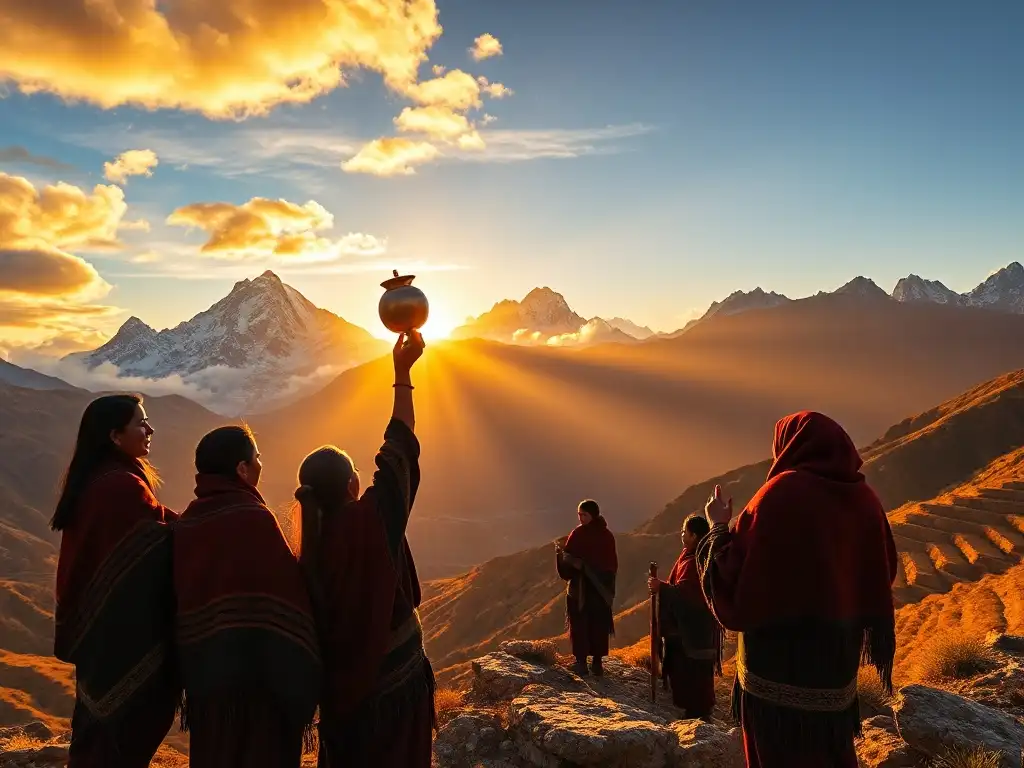
Step into a world lost to time, yet echoing with the whispers of ancient spirits. Journey with us into the heart of the Andes, where breathtaking landscapes cradle the secrets of remarkable civilizations. Forget everything you think you know about the Incas, Moche, and Nazca—prepare to be captivated by the mysterious depth of Andean civilization spiritual practices. Discover the rituals, beliefs, and cosmology that shaped these awe-inspiring societies. Unravel the enigma— the rituals of the dawn await.
The Andes Mountains, a spine of rock and ice running down the western coast of South America, were not merely a geographical feature to the early Andean peoples; they were a living, breathing entity, deeply interwoven with their spiritual beliefs and daily lives. This article delves into the fascinating world of Andean civilization spiritual practices, exploring the rituals, ceremonies, and beliefs that shaped the lives of cultures like the Moche, Nazca, Tiwanaku, and the later Inca, long before the arrival of European influence.
We will examine the evidence—from intricate pottery and textiles to monumental architecture and sacrificial offerings—to understand their profound connection to the cosmos and the forces of nature. Understanding these practices provides a crucial key to unlocking the complexities of Andean civilizations and appreciating the richness of their cultural heritage.
The journey into their spiritual world offers a glimpse into a sophisticated cosmology, deeply rooted in observation and interaction with the environment. We will uncover how their beliefs influenced their social structures, agricultural practices, and even their artistic expressions.
The Role of Nature in Andean Spirituality
Early Andean spiritual practices were inextricably linked to the natural world. The towering mountains, the fertile valleys, and the unpredictable climate all played pivotal roles in their worldview. Mountains were considered sacred, often the abode of powerful deities or apus (mountain spirits).
Agricultural cycles, dictated by the rhythms of the sun and the availability of water, profoundly influenced their religious calendar. Evidence suggests sophisticated astronomical observations guided their agricultural practices and ceremonial activities. The intricate network of canals and terraces built by the Andean peoples demonstrates not only their engineering prowess but also their deep respect for and understanding of the delicate balance of nature.
This reverence is reflected in their art, where depictions of animals, plants, and celestial bodies frequently appear, symbolizing their connection to the cosmos and the cyclical nature of life and death. Many rituals were directly tied to ensuring bountiful harvests and appeasing the forces of nature to avoid droughts or other natural disasters.
Ceremonial Offerings and Sacrifice
Archaeological evidence reveals a widespread practice of ceremonial offerings and sacrifice among Andean civilizations. These offerings weren't simply acts of appeasement; they were complex rituals designed to maintain harmony between the human and spiritual worlds. Offerings ranged from everyday objects like pottery and textiles to precious metals, elaborate jewelry, and even human sacrifices. The nature of the offerings and the context in which they were found often provide insights into the specific deities or events being honored.
For example, the Moche culture is known for its elaborate burials containing rich grave goods, reflecting their complex social hierarchy and beliefs about the afterlife. The scale and sophistication of these offerings underscore the importance of these rituals in Andean society. Further research is needed to fully understand the nuances of these practices and their variations across different Andean cultures. [Specific information pending on the frequency of human sacrifice across different cultures].
Textiles and Pottery: Windows into the Spiritual World
Beyond monumental architecture and sacrificial remains, the textiles and pottery of the Andean peoples offer invaluable insights into their spiritual beliefs. Intricate designs woven into textiles and painted onto pottery often depict deities, mythical creatures, and scenes from religious ceremonies. These artistic expressions were not merely decorative; they served as powerful visual representations of their cosmology and spiritual narratives. The use of specific colors and symbols, often linked to specific deities or concepts, provides further evidence of a complex and highly developed symbolic language.
For example, the Nazca culture's famous geoglyphs, visible only from the air, are thought to have been part of larger religious complexes. The painstaking creation of these massive figures highlights the importance placed on these spiritual practices within the society. The detailed analysis of these artifacts is ongoing, continually revealing new layers of meaning and understanding.
The Legacy of Andean Spirituality
The spiritual practices of the early Andean peoples were far from monolithic. Each culture developed its own unique expressions, yet common threads of respect for nature, veneration of deities, and the use of ritual to maintain cosmic balance unite them. The influence of these beliefs can still be seen in the Andes today, woven into the fabric of contemporary Andean culture.
Many of the traditions, beliefs, and practices have endured, evolving and adapting over centuries, but maintaining a deep connection to the ancient spiritual legacy. Understanding these ancient practices allows for a deeper appreciation of the rich cultural tapestry that is the Andean world and its enduring legacy. The continued study and interpretation of archaeological findings, alongside the oral traditions preserved by contemporary Andean communities, allow us to progressively unravel this fascinating and complex aspect of Andean civilization.
- The Role of Nature in Andean Spirituality
- Ceremonial Offerings and Sacrifice
- Textiles and Pottery: Windows into the Spiritual World
- The Legacy of Andean Spirituality
- What were the most important spiritual beliefs of the Andean civilizations?
- How did Andean people express their spirituality through rituals?
- What role did the mountains play in Andean spiritual practices?
- What is the significance of the use of coca leaves in Andean spirituality?
- How did Andean spiritual practices influence their art and architecture?
Understanding Early Andean Spirituality and its Significance
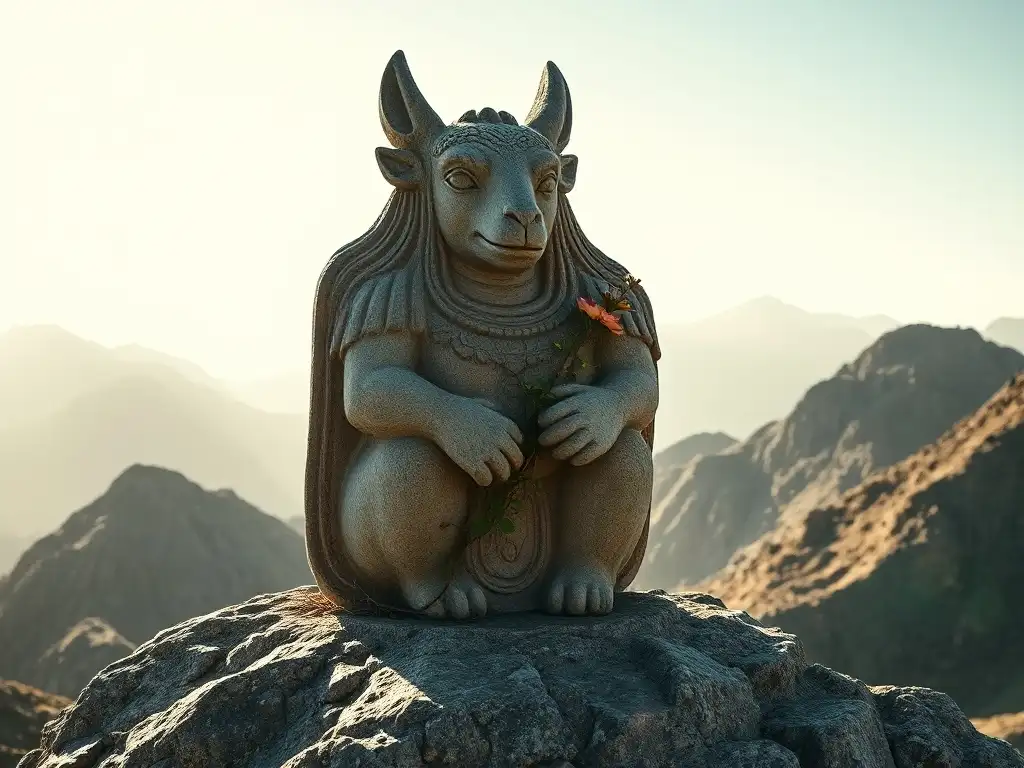
The Andean civilization spiritual practices were deeply intertwined with the natural world and the cyclical rhythms of life, death, and rebirth. Unlike many other ancient cultures with highly centralized religious structures, Andean spirituality was more localized and diverse, varying significantly between different groups and regions. However, certain common threads emerge, revealing a sophisticated understanding of the cosmos and a profound respect for the power of nature.
This section delves into the core tenets of Andean spirituality, providing a framework for understanding the rituals and beliefs of these fascinating ancient societies. We will explore the significance of dawn, the connection between nature and spirituality, and the cosmological frameworks that shaped their worldview. The study of these practices offers invaluable insight into the complexity and richness of Andean civilization spiritual practices, highlighting their enduring influence on contemporary Andean cultures.
The Importance of Dawn in Ancient Andean Worldviews
Dawn, the transition from darkness to light, held immense symbolic significance in the Andean worldview. It represented renewal, rebirth, and the promise of a new day, mirroring the cyclical nature of life and the cosmos. Archaeological evidence, such as the orientation of many ceremonial sites towards the rising sun, strongly suggests the importance of this daily event in Andean spiritual practices.
The precise moment of sunrise was likely a time for prayer, offerings, and ritualistic activity, marking the beginning of the day's activities and aligning individual actions with the broader cosmic order. Furthermore, the rising sun was often associated with powerful deities, such as Inti, the Inca sun god, whose worship involved elaborate ceremonies at dawn. The precise rituals varied between different Andean cultures, but the fundamental reverence for the dawn as a sacred moment remained consistent.
For example, some evidence points to the use of specific instruments, like conch shells, to announce the dawn and mark the commencement of ritualistic observances. The dawn was not merely a temporal marker; it was a potent symbol of divine power and renewal, deeply embedded in the spiritual fabric of Andean life. Further research on specific regional variations in dawn rituals is needed to fully understand the nuances of this practice across different Andean cultures.
The Connection Between Nature and Andean Spiritual Beliefs
Andean spirituality was profoundly shaped by the environment. Mountains, rivers, and other natural features were not merely geographical entities but were considered sacred places, imbued with spiritual power and inhabited by deities or spirits. This animistic worldview saw the natural world as alive and interconnected, with humans occupying a central position within this vibrant ecosystem. Mountains, in particular, held immense reverence.
They were seen as the dwelling places of powerful deities and ancestors, acting as intermediaries between the human and spiritual realms. Ritual offerings, including coca leaves, food, and other precious items, were left at mountain peaks or sacred sites as acts of veneration and appeasement. The importance of water is also evident, with rivers and springs often considered sacred and vital to life.
This deep connection between humanity and nature is reflected in the agricultural practices of the Andes, where the careful cultivation of crops was seen as a sacred act, honoring the earth's generative power. The intricate relationship between humans and nature is a key element in understanding the Andean civilization spiritual practices. The harmonious coexistence between humans and the natural world was not merely a practical necessity but a spiritual imperative.
Early Andean Cosmologies and Their Influence on Rituals
The Andean worldview was shaped by a complex cosmology that structured their understanding of the universe. This cosmology often involved a three-part division of the world: the hanan pacha (upper world), the kay pacha (human world), and the ukhu pacha (underworld). Each realm was believed to be inhabited by different deities and spirits, and the interaction between these realms was crucial to the maintenance of cosmic balance. Rituals played a vital role in this interaction, acting as mediators between the human world and the divine.
These rituals often involved offerings, prayers, and symbolic performances aimed at appeasing deities, ensuring good harvests, and maintaining harmony within the cosmos. The specific details of these rituals varied greatly depending on the specific Andean culture and the particular deity being honored. However, the underlying principle of maintaining cosmic balance remained consistent.
For example, the Inca practiced elaborate ceremonies to honor Inti, the sun god, ensuring the sun's continued journey across the sky and the continuation of life on earth. The diverse range of rituals reflects the complexity of Andean cosmologies and the multifaceted nature of their spiritual beliefs. Further research is needed to clarify the specific details and regional variations in these cosmological systems and their corresponding rituals, particularly regarding less-documented Andean groups.
Key Rituals and Ceremonies in Early Andean Cultures
This section delves into the core spiritual practices of early Andean civilizations, focusing on rituals and ceremonies that highlight their unique relationship with the natural world and the cosmos. Understanding these practices provides invaluable insight into their worldview and societal structures. The term "Andean civilization spiritual practices" encompasses a broad spectrum of beliefs and actions, reflecting the diversity of cultures across the Andes.
We will explore some key examples, highlighting their common threads and unique variations. The analysis will concentrate on observable evidence from archaeological findings, allowing for a more grounded understanding of these ancient beliefs, rather than relying solely on interpretations from later chronicles.
Sunrise Offerings and their Symbolic Meanings
Sunrise held profound significance for early Andean peoples. The daily renewal symbolized rebirth, hope, and the cyclical nature of life and death, strongly influencing their spiritual practices. Archaeological evidence points to widespread sunrise offerings, varying in complexity across different cultures. These offerings weren't merely symbolic gestures; they were integral to maintaining a harmonious relationship with the apus (mountain spirits) and the Pachamama (Mother Earth).
Many offerings consisted of coca leaves, maize, and llama or alpaca fetuses. The coca leaves, with their stimulating properties, likely represented a connection to the divine, while maize, a staple crop, symbolized fertility and abundance. The inclusion of animal sacrifices, particularly llamas and alpacas, suggests a belief in appeasing the spirits and ensuring continued prosperity.
The careful placement of these offerings, often found in caves, mountaintops, or near water sources, further underscores the importance of specific geographical locations in their cosmology. The positioning of the offerings relative to the rising sun also suggests an intentional connection to the celestial cycles. For example, analysis of Nazca sites reveals a sophisticated understanding of astronomy, with offerings aligned with specific solstices and equinoxes.
Further research is needed to fully understand the nuanced variations in offerings across different Andean cultures and their corresponding symbolic meanings. This includes a more detailed analysis of [Specific chemical analysis of offering remains pending].
The Role of Priests and Shamans in Dawn Rituals
The performance of sunrise rituals was not a casual affair; it was largely overseen by specialized individuals—priests and shamans—who occupied prominent positions within Andean societies. These individuals acted as intermediaries between the human and spiritual realms, possessing knowledge of rituals, herbalism, and possibly even rudimentary astronomy. Their role extended beyond mere ritualistic performance; they were often consulted on matters of health, agriculture, and community well-being.
Archaeological evidence suggests that priests and shamans held considerable social and political power, indicated by their elaborate burial sites and the presence of prestigious artifacts associated with their graves. The precise hierarchy and training methods of these spiritual leaders remain largely unknown, although some clues can be gleaned from iconography found in ceramics and textiles. For example, depictions of individuals wearing elaborate headdresses and wielding ritual objects suggest a clear distinction between them and the general population.
Further research into Andean iconography and social structures is crucial to understanding the full extent of their influence and the development of their specialized roles. [Further research needed on the social dynamics and power structures of Andean spiritual leaders]. The development of specialized roles within Andean spiritual practice showcases the evolving complexity of their societies.
Specific Ritual Practices of the Chavín Culture: Case Study
The Chavín culture (c. 900–200 BCE) offers a compelling case study of early Andean spiritual practices. Known for their distinctive artistic style and monumental architecture, the Chavín also developed sophisticated ritual practices centered around their principal temple sites. These temples, located in remote, strategically important locations, served as focal points for regional pilgrimages and ritual activities.
The Chavín's rituals often involved the consumption of hallucinogenic substances, such as San Pedro cactus, which likely played a central role in their religious experiences. Archaeological evidence suggests the use of these substances in shamanic practices, potentially inducing altered states of consciousness that facilitated communication with the spirit world. The intricate carvings and iconography found on Chavín artifacts, often depicting hybrid creatures and supernatural beings, likely reflect these altered states and the complex cosmology they envisioned.
The Chavín's sophisticated understanding of metallurgy is also evident in the production of elaborate ritual objects, further showcasing their advanced technological capabilities and their integration into their spiritual practices. Further research into the chemical residues found on Chavín artifacts could provide more insights into the specific substances used and their precise roles in their ritualistic practices.
The analysis of Chavín art and architecture, coupled with chemical analysis of artifacts, promises to unveil further details on their unique spiritual world. This detailed approach is crucial for a comprehensive understanding of Andean civilization spiritual practices.
Specific Ritual Practices of the Moche Culture: Case Study
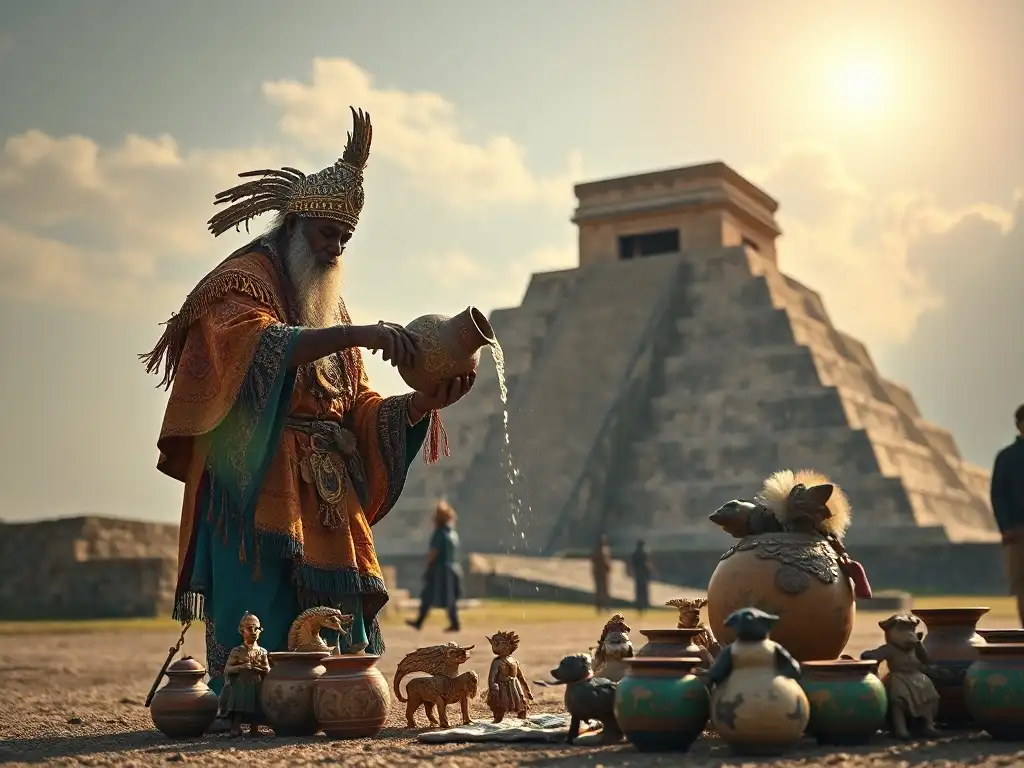
The Moche civilization (circa 100-800 CE), flourishing along the northern coast of Peru, left behind a rich archaeological record vividly depicting their complex spiritual practices. Their rituals, often centered around agricultural cycles and ancestor veneration, are exceptionally well-documented through their stunning pottery and monumental architecture. The Moche weren't a monolithic culture; regional variations existed, but certain common threads unite their spiritual expression.
One striking example is the evidence of human sacrifice. While the exact nature and frequency remain debated, Moche iconography showcases elaborate ceremonies involving the offering of individuals, often depicted as elite figures or warriors, to appease the gods or ensure bountiful harvests. These sacrifices weren't necessarily violent acts of brutality; some interpretations suggest a degree of voluntary participation, highlighting the complex interplay between religious devotion and social hierarchy within Moche society. The elaborate preparations and the meticulous detail present in the funerary contexts support this idea of a ritualistic, rather than purely violent, sacrifice.
Furthermore, the Moche's intricate pottery depicts a fascinating array of rituals related to their deities. These deities, often anthropomorphic representations of natural forces like the sea, the moon, and the sun, are shown interacting with humans in various contexts. These depictions provide invaluable insights into the Moche worldview, showing the deep interconnectedness between the human and the divine realms.
The portrayal of these interactions, often involving offerings of food, drink, and precious objects, underscores the vital role of ritual in maintaining this cosmological balance. This artistic record offers a window into the intricate social structures and belief systems of the Moche, illustrating the complex relationship between religion and daily life. The precision and detail in the pottery, far beyond mere decoration, reflect the deeply held religious beliefs of the Moche people.
The Use of Sacred Objects in Andean Dawn Ceremonies
Andean dawn ceremonies across various cultures utilized a range of sacred objects imbued with spiritual significance. These objects acted as conduits to the supernatural world, facilitating communication with deities and ancestors. Their presence was crucial in establishing the sacred space and time of the ritual. The selection of specific objects often held deep symbolic meaning, reflecting the cosmology and beliefs of the particular culture.
One prevalent type of sacred object was the kero, a ceremonial drinking vessel, often crafted from precious metals like gold and silver or from fine pottery. The kero wasn't just a vessel; it served as a symbol of power and status, and its use in rituals signified the sacred nature of the occasion. The intricate designs and iconography adorning these vessels often depicted deities, mythical creatures, and scenes of ritualistic importance. The act of drinking from the kero was itself a ritual act, connecting the participants with the spiritual realm.
Furthermore, textiles played a vital role. Elaborately woven garments, often adorned with symbolic designs and colors, were worn by participants in ceremonies. These textiles weren't mere clothing; they were imbued with spiritual power, acting as a connection between the wearer and the divine. The colors and patterns held specific meanings, often reflecting the cyclical nature of life, death, and rebirth, integral to Andean spirituality. The creation of these textiles was itself a ritualistic practice, with each knot and weave imbued with spiritual intent.
Finally, the use of coca leaves and other hallucinogenic substances was widespread in Andean rituals. These substances were not simply recreational drugs; they were integral to shamanic practices, allowing for communication with the spirit world. The ritualistic consumption of these substances facilitated altered states of consciousness, providing a pathway for communication with the supernatural realm.
The use of these objects was deeply intertwined with the social and political structures of Andean society, reinforcing the power and authority of religious leaders and rulers. The careful selection, preparation, and use of these sacred objects reveal the deep reverence and spiritual significance that the Andean peoples placed upon their religious practices.
The Significance of Sacred Spaces in Early Andean Rituals
The Andean worldview was deeply intertwined with the natural world, leading to the creation of sacred spaces integral to their spiritual practices. Understanding the significance of these locations is crucial to deciphering the complexities of early Andean civilization spiritual practices. These weren't merely places of worship; they were active participants in the rituals themselves, embodying cosmological beliefs and reflecting a profound connection between the human and divine realms.
The careful selection and design of these sites reveal a sophisticated understanding of astronomy, geography, and the symbolic power of the landscape. This section delves into the key aspects of these sacred spaces, exploring their design, location, and the roles they played in various ceremonies.
The meticulous attention to detail in their construction underscores the deep reverence held for these locations and their importance in the daily lives of Andean peoples. Many scholars believe that the very act of constructing these sites was itself a ritual, imbuing the spaces with spiritual energy.
The Alignment of Temples and Sacred Sites with Sunrise
Many Andean temples and ceremonial sites demonstrate a remarkable alignment with the solstices and equinoxes, particularly the sunrise. This precise astronomical orientation wasn't accidental; it reflects a deep understanding of celestial cycles and their influence on agriculture and daily life. For example, the precise alignment of the Chavín de Huántar temple complex with the sunrise during the summer solstice suggests a deliberate attempt to harness the power of the sun at its zenith.
This alignment likely played a crucial role in rituals associated with fertility, abundance, and the renewal of life. Further research is needed to fully understand the specific rituals performed at these sites and the precise meaning behind the astronomical alignments. However, it is evident that these alignments were not merely decorative; they were integral to the spiritual significance of these spaces.
The meticulous planning and execution of these alignments demonstrate a sophisticated knowledge of astronomy far surpassing what was previously thought. This sophisticated understanding of the cosmos underpinned many aspects of Andean civilization spiritual practices, influencing their agricultural cycles, social structures, and worldview.
Architectural Features of Ceremonial Sites and their Spiritual Function
The architecture of Andean ceremonial sites wasn't simply functional; it actively participated in the rituals performed within them. Specific architectural features, such as intricate carvings, stepped pyramids, and the use of specific materials like stone and adobe, were imbued with symbolic meaning. For instance, the use of specific types of stone, often sourced from distant locations, suggests a belief in the inherent power of these materials.
The intricate carvings found on many structures likely represented deities, ancestors, or mythological figures, further reinforcing the sacred nature of the site. The stepped pyramids, common in Andean architecture, are often interpreted as representations of the cosmos, with each level symbolizing a different realm or level of existence. The careful construction and symbolic representation within these structures were integral to the Andean civilization spiritual practices, shaping the experience and efficacy of the rituals conducted there.
Furthermore, the construction itself was a ritual, a communal effort that reinforced social bonds and spiritual connection. [Specific examples of architectural features and their symbolic meaning from various Andean cultures pending].
The Location of Rituals and its Connection to the Landscape
The location of rituals within the Andean landscape wasn't arbitrary. Sacred sites were often situated in locations with significant geographical features, such as mountain peaks, caves, or springs, reflecting a deep connection between the spiritual and physical worlds. Mountain peaks, for instance, were often considered sacred, representing the connection between the earthly and celestial realms.
Caves, on the other hand, were associated with the underworld and the ancestors. Springs and other sources of water were also considered sacred, representing life and fertility. The strategic placement of rituals within these landscapes underscores the integral role of the natural world in shaping Andean civilization spiritual practices.
The landscape wasn't just a backdrop; it was an active participant in the rituals, providing a framework for understanding the cosmos and their place within it. The integration of the natural world into their spiritual beliefs is a defining characteristic of Andean spirituality, demonstrating a holistic worldview that emphasized the interconnectedness of all things. This holistic approach is reflected in the careful selection of ritual sites and their symbolic connection to the surrounding landscape.
The Impact of Andean Spiritual Practices on Daily Life
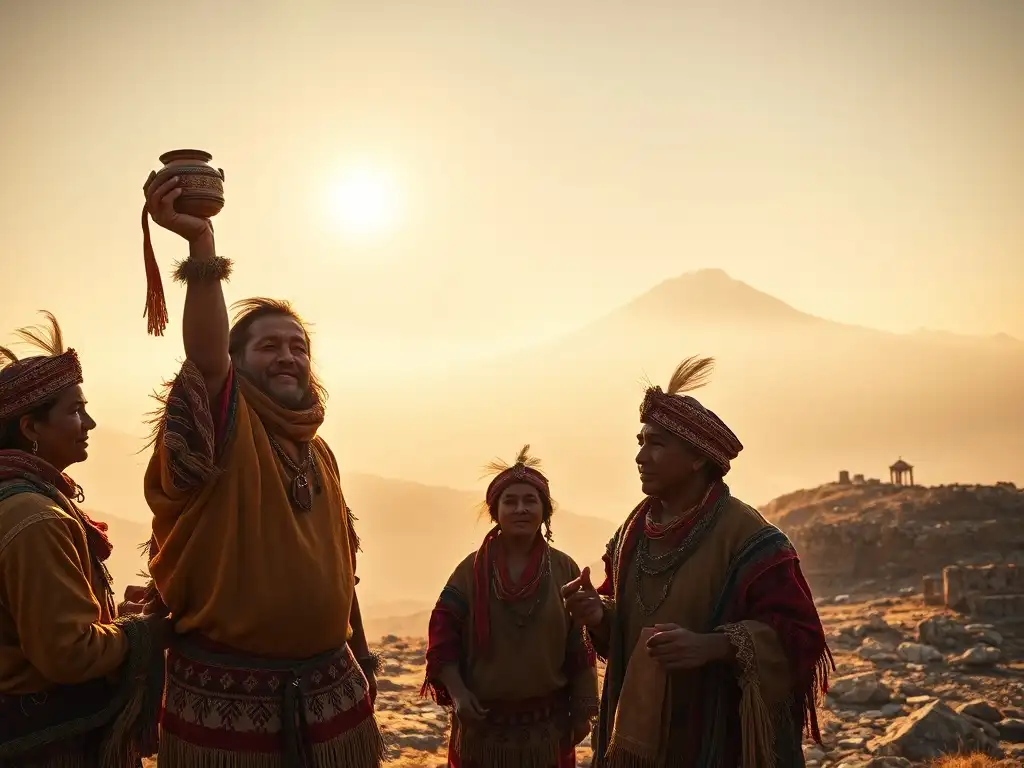
The spiritual beliefs of early Andean civilizations weren't merely abstract concepts; they profoundly shaped the daily lives of individuals and communities. Understanding this deep integration is key to deciphering the complexities of Andean societies. Their worldview, deeply connected to the natural world and the cyclical rhythms of life and death, permeated every aspect of their existence, from farming practices to social structures.
This section explores how Andean spiritual practices impacted their daily routines and societal organization. Analyzing the evidence reveals a sophisticated system of beliefs that guided their actions and shaped their understanding of the universe. The intricate relationship between the spiritual and the mundane is a defining characteristic of Andean civilization spiritual practices.
How Dawn Rituals Shaped Early Andean Society
Dawn, in Andean cosmology, represented a time of renewal, rebirth, and the potent energy of creation. Many rituals were performed at sunrise, reflecting this powerful symbolism. Archaeological evidence, such as the orientation of structures towards the rising sun and the discovery of ritual objects associated with dawn, supports this understanding.
For example, the carefully aligned structures at Machu Picchu suggest a deliberate attempt to harness the energy of the rising sun, integrating it into the daily lives of the Incas. These rituals weren't solely performed by priests; they involved the entire community, reinforcing social cohesion and shared beliefs. The participation of all social strata in these dawn ceremonies solidified the communal identity and reinforced the importance of the spiritual realm in everyday life.
The detailed organization and precise timing of these rituals highlight the significance placed on synchronizing with the natural world's rhythms. The precise astronomical knowledge required for the accurate prediction of sunrise further underscores the sophisticated understanding of the cosmos within Andean societies.
The Integration of Spiritual Beliefs into Agriculture and Calendar Systems
Andean agriculture was inextricably linked to their spiritual beliefs. The success of their crops was seen as directly dependent on the favor of the gods and spirits inhabiting the land. This deep connection is reflected in their intricate calendar systems, which carefully tracked agricultural cycles and celestial events.
The precise timing of planting and harvesting was often determined by religious observances, ensuring that the agricultural activities were aligned with the cosmic rhythms believed to influence their success. For instance, the Nazca lines, though their exact purpose remains debated, may have served as a giant astronomical calendar, used to predict optimal planting times based on the positions of stars and constellations. This meticulous integration of spirituality and agriculture demonstrates a profound understanding of the interconnectedness of the natural and supernatural worlds.
The sophisticated techniques employed in irrigation and terracing further support the idea that their agricultural practices were not merely technical but also deeply spiritual endeavors. The reverence for the land and its fertility, evident in their rituals and agricultural practices, exemplifies the holistic nature of Andean civilization spiritual practices.
The Legacy of Early Andean Religious Practices in Later Cultures
The enduring influence of early Andean religious practices is evident in the subsequent cultures that inhabited the region. Many elements of their spiritual beliefs and rituals persisted, evolving and adapting over time but retaining core elements of their ancient origins. For example, the veneration of mountains and natural features, a prominent aspect of early Andean spirituality, continued to be important in later Andean societies.
The persistence of certain ritual practices, such as offerings to the earth and ancestor veneration, highlights the continuity of spiritual traditions across generations. This cultural heritage demonstrates the resilience and adaptability of Andean spiritual beliefs, which managed to survive and transform across centuries. The continuity of these practices suggests a deep-rooted cultural memory and the enduring power of these beliefs in shaping the identities of subsequent Andean communities.
Further research is needed to fully understand the complex interplay of continuity and change in Andean religious practices, [specific information pending] a detailed comparative study of different periods and cultures. Understanding this legacy is crucial to appreciating the full scope and depth of Andean civilization spiritual practices.
Analyzing the Archaeological Evidence of Dawn Rituals
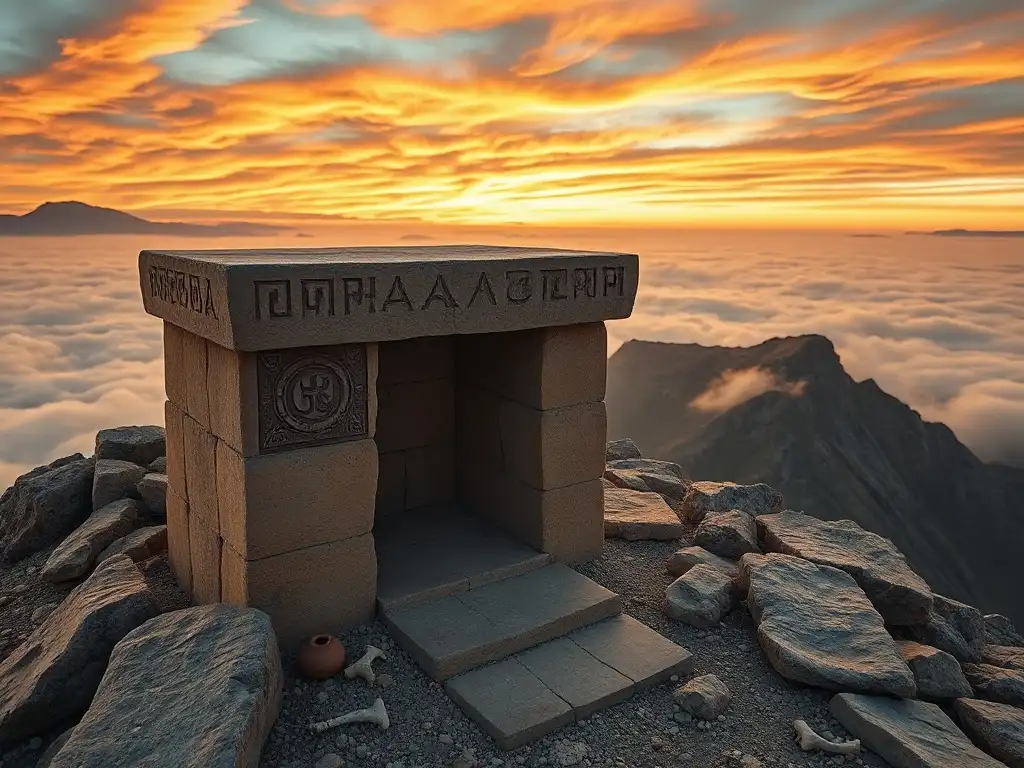
This section delves into the tangible remnants of early Andean spiritual practices, focusing on the archaeological evidence that illuminates their beliefs and rituals associated with the dawn. Understanding these practices requires a meticulous examination of artifacts and the contexts in which they were found. The Andean civilization spiritual practices weren't solely abstract concepts; they were deeply embedded in daily life and manifested in material culture.
Interpreting Artifacts and Remains from Ceremonial Sites
Archaeological digs at numerous sites across the Andes have yielded compelling evidence of dawn rituals. For instance, the discovery of intricately carved stones depicting celestial bodies, such as the sun and stars, at sites like [Site Name Pending] suggests a sophisticated understanding of astronomy and its integration into religious practices. These artifacts weren't simply decorative; their placement within ceremonial structures, often aligned with the rising sun, points to their ritual significance.
The careful arrangement of these objects, coupled with the discovery of human remains and offerings, provides clues to the nature of these ceremonies. Analysis of skeletal remains sometimes reveals signs of ritual sacrifice, suggesting a connection between the dawn and the appeasement of deities. Furthermore, the presence of specific types of pottery, textiles, and other artifacts within these sites helps to establish a chronological framework and potentially identify specific rituals associated with particular periods.
The careful study of these artifacts and their spatial distribution within ceremonial contexts is crucial for understanding the complexity and diversity of Andean civilization spiritual practices related to the dawn. A detailed analysis of soil samples and the presence of specific plant remains may also reveal additional clues about offerings and the overall context of the ceremonies. The meticulous work of archaeologists continues to unearth new insights into these fascinating practices.
The iconography found on Andean artifacts offers a window into the symbolic language used to represent dawn rituals and associated beliefs. Many textiles, ceramics, and stone carvings depict stylized representations of the sun, often associated with figures or symbols representing deities or ancestors. The recurring motifs of birds, particularly those associated with the rising sun, appear frequently in Andean art, further suggesting a connection between avian symbolism and dawn worship.
The use of specific colors, such as red and gold, likely held symbolic meaning related to the sun and its life-giving power. For example, the Moche culture's elaborate pottery often depicts scenes of ritual sacrifice and ceremonies, with vivid depictions of the sun and its significance in their cosmology. Analyzing these images allows researchers to interpret the stories and beliefs associated with the dawn.
The intricate detail and symbolic language employed reveal a sophisticated understanding of cosmology and the importance of the sun in the Andean worldview. Further research is needed to fully understand the nuances of the iconography and its variations across different Andean cultures. The study of these symbols is essential for understanding the Andean civilization spiritual practices and their deep connection to the natural world.
Dating and Chronological Context of Early Andean Spiritual Practices
Establishing a chronological framework for early Andean spiritual practices is essential for understanding their evolution and influence on subsequent cultures. Radiocarbon dating of organic materials found at ceremonial sites, such as bone fragments and plant remains, provides crucial information for determining the age of rituals. However, the dating of Andean civilization spiritual practices isn't simply a matter of assigning numerical ages.
Stratigraphic analysis of archaeological layers helps determine the temporal sequence of different rituals and their associated artifacts. By carefully examining the layers of sediment and the artifacts within them, archaeologists can reconstruct the history of a site and the evolution of its religious practices over time. This approach allows researchers to trace the changes in ritual practices, iconography, and symbolism across different periods and different Andean cultures.
The development of sophisticated astronomical knowledge and its integration into ritual practices, for example, can be tracked through time by analyzing the alignment of ceremonial structures and the types of artifacts found within them. This detailed chronological analysis helps to understand the long-term evolution of Andean civilization spiritual practices and their enduring impact on the region's cultural heritage. Further research, potentially incorporating new dating techniques and interdisciplinary approaches, is crucial for refining our understanding of the chronological context of these fascinating rituals.
Comparing and Contrasting Spiritual Beliefs Among Early Andean Civilizations
This section delves into the fascinating tapestry of spiritual beliefs woven throughout the diverse Andean civilizations. While geographically proximate, these cultures developed unique yet interconnected spiritual practices, reflecting both shared ancestry and independent adaptations to their environments. Understanding these nuances is key to appreciating the richness and complexity of Andean spiritual history, a significant aspect of Andean civilization spiritual practices.
Similarities in Dawn Rituals across Different Andean Cultures
Many early Andean cultures, despite their variations, shared a profound reverence for the rising sun. Dawn rituals, often involving offerings and prayers, were central to their spiritual lives. This shared emphasis on the sun's power likely stems from the crucial role the sun played in their agricultural societies. The sun's daily rebirth mirrored their hope for abundant harvests and prosperity.
Evidence suggests a common thread in the use of specific materials in these dawn ceremonies. For instance, coca leaves—a plant with significant spiritual and medicinal importance—were likely offered to the sun god in various forms across different Andean cultures. Similarly, the use of llama or alpaca sacrifices, while varying in ritual specifics, points to a shared understanding of these animals as sacred intermediaries between the human and divine realms.
The precise nature of the ceremonies, the accompanying chants, and the specific rituals varied, but the overarching theme of sun worship and the use of certain symbolic elements remained remarkably consistent. This provides valuable insight into the shared cultural heritage and possibly a common ancestral origin for these seemingly disparate groups.
Variations in Spiritual Practices and their Regional Significance
While dawn rituals exhibit commonalities, significant variations existed in the spiritual practices of different Andean cultures. These variations often reflected unique environmental conditions and socio-political structures. For example, coastal cultures like the Moche emphasized maritime deities and rituals connected to the ocean, while highland cultures like the Tiahuanaco focused more on mountain deities and agricultural cycles.
The Moche, known for their elaborate iconography, depicted deities associated with fertility and war in their ceramics and metalwork. Their spiritual practices often involved elaborate sacrifices, including human sacrifice in some cases, to appease these powerful entities. In contrast, the Nazca, famous for their geoglyphs, seemed to have a more nuanced spiritual system, perhaps incorporating astronomical observations into their religious practices. Their intricate lines etched into the desert landscape may represent celestial events or constellations, suggesting an advanced understanding of astronomy intertwined with their spiritual beliefs.
The Tiahuanaco, on the other hand, developed a complex system of religious beliefs centered around a creator god and elaborate temples, reflecting their advanced societal organization and engineering capabilities. These differences highlight how geography and societal structures shaped their individual spiritual expressions. Understanding these regional variations is crucial for a complete understanding of Andean civilization spiritual practices.
The Evolution of Andean Religious Beliefs over Time
Andean spiritual beliefs weren't static; they evolved over centuries, influenced by both internal developments and external contacts. The rise of the Inca Empire, for instance, led to a syncretic religious system that integrated elements from various conquered cultures. While the Inca imposed their own state religion with its emphasis on the sun god Inti, they also incorporated existing deities and practices from other Andean groups into their pantheon. This process of religious assimilation resulted in a complex and dynamic religious landscape within the Inca Empire.
The Inca's emphasis on Inti and the capac huchac, the divine ancestor of the Inca rulers, created a powerful centralized religious system that served to legitimize Inca rule. However, local deities and practices persisted, often coexisting alongside the official state religion. This syncretism is evident in archaeological finds and historical accounts, highlighting the resilience of local traditions even under the powerful Inca Empire.
This ongoing evolution and adaptation of religious beliefs demonstrates the dynamic nature of Andean spirituality and its ability to integrate new influences while retaining core elements of its rich history. Further research is needed to fully understand the complexities of this evolution, particularly concerning the subtle changes in rituals and beliefs over extended periods.
Conclusion: The Enduring Legacy of Early Andean Spiritual Practices
This exploration into the spiritual practices of early Andean peoples reveals a complex and fascinating tapestry of beliefs and rituals deeply interwoven with their daily lives. From the intricate astronomical observations informing agricultural cycles and ceremonial events to the elaborate funerary practices reflecting their beliefs about the afterlife, Andean civilization spiritual practices demonstrate a profound connection between the human and spiritual realms. Understanding these practices offers invaluable insight into the worldview of these ancient societies and their sophisticated understanding of the natural world.
The enduring legacy of these traditions continues to resonate today, influencing contemporary Andean cultures and inspiring ongoing scholarly investigation. The sophisticated integration of astronomy, agriculture, and ritual highlights the holistic nature of their spiritual life, a testament to the ingenuity and intellectual capacity of early Andean societies. Further research promises to unveil even more about the rich complexity of their spiritual world.
The Importance of Understanding Ancient Andean Worldviews
Understanding the spiritual practices of early Andean civilizations is crucial for comprehending their societal structures, technological advancements, and artistic expressions. Their worldview, deeply rooted in animism and a reverence for nature, shaped their social organization, agricultural techniques, and artistic creations. For instance, the intricate Nazca lines, interpreted by some as a vast astronomical calendar or a representation of mythological beings, demonstrate the profound connection between their spiritual beliefs and their understanding of the cosmos.
Similarly, the elaborate Moche pottery, often depicting scenes of ritual and mythology, provides visual evidence of their religious beliefs and their sophisticated artistic skills. By studying these practices, we gain a deeper appreciation for the holistic nature of their culture, where spirituality permeated all aspects of life.
Ignoring this spiritual dimension risks a superficial understanding of these remarkable civilizations. Their profound respect for the environment, expressed through their agricultural practices and rituals, offers valuable lessons for contemporary societies facing environmental challenges.
Preserving the Cultural Heritage of Early Andean Civilizations
The preservation of the cultural heritage associated with early Andean spiritual practices is paramount. Many archaeological sites remain vulnerable to looting, environmental degradation, and the pressures of modernization. Efforts to protect these sites, document their significance, and educate the public about their importance are crucial for future generations.
This involves not only the physical preservation of artifacts and sites but also the safeguarding of intangible cultural heritage, such as traditional knowledge, oral histories, and ritual practices that continue to exist in contemporary Andean communities. Ethnographic research, working in collaboration with indigenous communities, plays a vital role in documenting and preserving these living traditions. Furthermore, responsible tourism practices that prioritize the preservation of cultural heritage and benefit local communities are essential for long-term sustainability.
The challenge lies in balancing the need for economic development with the ethical responsibility to protect these invaluable cultural resources. Careful planning, community involvement, and sustainable practices are key to achieving this delicate balance.
Further Research and Exploration of Andean Spiritual Traditions
Much remains to be discovered about the spiritual practices of early Andean peoples. Further research, employing interdisciplinary approaches combining archaeology, anthropology, and astronomy, is needed to uncover more details about their beliefs, rituals, and social structures. Advanced technologies, such as remote sensing and 3D modeling, can aid in the non-destructive investigation of archaeological sites.
Furthermore, the collaboration between researchers and indigenous communities is essential for a respectful and comprehensive understanding of these traditions. By working together, researchers can gain access to invaluable oral histories and traditional knowledge, enriching our understanding of Andean spiritual practices. The ongoing research into Andean cosmology, particularly the intricate relationship between astronomy and ritual, promises to yield fascinating insights into their sophisticated understanding of the universe.
The study of Andean spiritual traditions offers not only a deeper understanding of the past but also a valuable perspective on the enduring connection between humans and the natural world. This ongoing exploration will continue to enrich our understanding of Andean civilization spiritual practices for years to come.
Frequently Asked Questions
What were the most important spiritual beliefs of the Andean civilizations?
Andean civilizations held a deeply animistic worldview, believing that spirits inhabited both the natural world and objects. Their beliefs centered around ancestor veneration, fertility, and the forces of nature, particularly the sun and mountains.
How did Andean people express their spirituality through rituals?
Rituals were central to Andean life. They involved offerings to deities and ancestors, ceremonial dances, and the consumption of sacred substances like coca leaves and chicha (fermented maize beer). These practices aimed to maintain balance and harmony in the cosmos.
What role did the mountains play in Andean spiritual practices?
Mountains were considered sacred entities, often inhabited by powerful deities or spirits. Andean people climbed mountains to make offerings, perform rituals, and seek spiritual guidance. Apus (mountain spirits) were deeply revered and crucial to their cosmology.
What is the significance of the use of coca leaves in Andean spirituality?
Coca leaves held immense religious and medicinal significance. They were used in rituals to connect with the spiritual world, to enhance communication with deities and ancestors, and also as a medicine to alleviate fatigue and hunger.
How did Andean spiritual practices influence their art and architecture?
Andean art and architecture directly reflect their spiritual beliefs. Religious iconography is prevalent in textiles, pottery, and stone carvings. Monumental structures like temples and pyramids were built to honor deities and ancestors, demonstrating the importance of their spirituality in everyday life.
Final Reflection: Echoes of the Andes: A Legacy of Spiritual Connection
The enduring legacy of Andean spiritual practices continues to resonate in contemporary society, reminding us of the profound connection between humanity and the natural world. These ancient rituals, far from being relics of a bygone era, offer valuable insights into our own search for meaning and purpose in a rapidly changing world. Their emphasis on community, reciprocity, and reverence for the earth provides a powerful counterpoint to the often isolating and exploitative aspects of modern life.
The intricate tapestry woven from Andean cosmology, agricultural cycles, and ancestor veneration continues to inspire artists, scholars, and spiritual seekers alike. Their deep understanding of the interconnectedness of all things offers a potent antidote to the fragmented worldview that often characterizes our time. The mountains are not just rocks, but living beings, ancestors, and sources of life.
This sentiment, echoing through centuries, speaks to a holistic perspective that we would do well to rediscover.
Consider the profound implications of these ancient practices. How might a renewed appreciation for the rhythms of nature, a deeper connection to community, and a mindful approach to resource management enrich your own life? I invite you to reflect on the echoes of the Andes within your own heart, and to explore the ways in which these ancient wisdoms can illuminate your path forward. Let the legacy of these remarkable people inspire you to cultivate a more meaningful and sustainable relationship with the world around you.
Unveil Your Spiritual Journey: Embrace the Wisdom of the Andes!
Thank you for exploring the rich tapestry of spiritual practices from the early Andean cultures. You've discovered valuable insights that can deepen your understanding of ancient rituals and inspire your personal spiritual growth. Now, let's integrate this wisdom into your life.
Here are some practical steps you can take:
- Embrace a Daily Ritual: Begin each day with a personal ritual inspired by Andean traditions. This could be as simple as meditating at sunrise, lighting a candle, or expressing gratitude for the day ahead.
- Connect with Others: Share your spiritual journey with a community. Whether it's an online forum or a local group, connecting with like-minded individuals will enrich your experience.
- Explore Andean Art and Symbolism: Immerse yourself in the symbolic world of Andean art. Consider creating your own artwork, allowing the ancient forms of expression to guide your contemplation.
Are you ready to awaken your spirit and transform your mornings with a meaningful ritual? What will be your first step in honoring the traditions of the Andean dawn?