
Echoes of the Past: Decoding the Secrets of the First Andean Villages

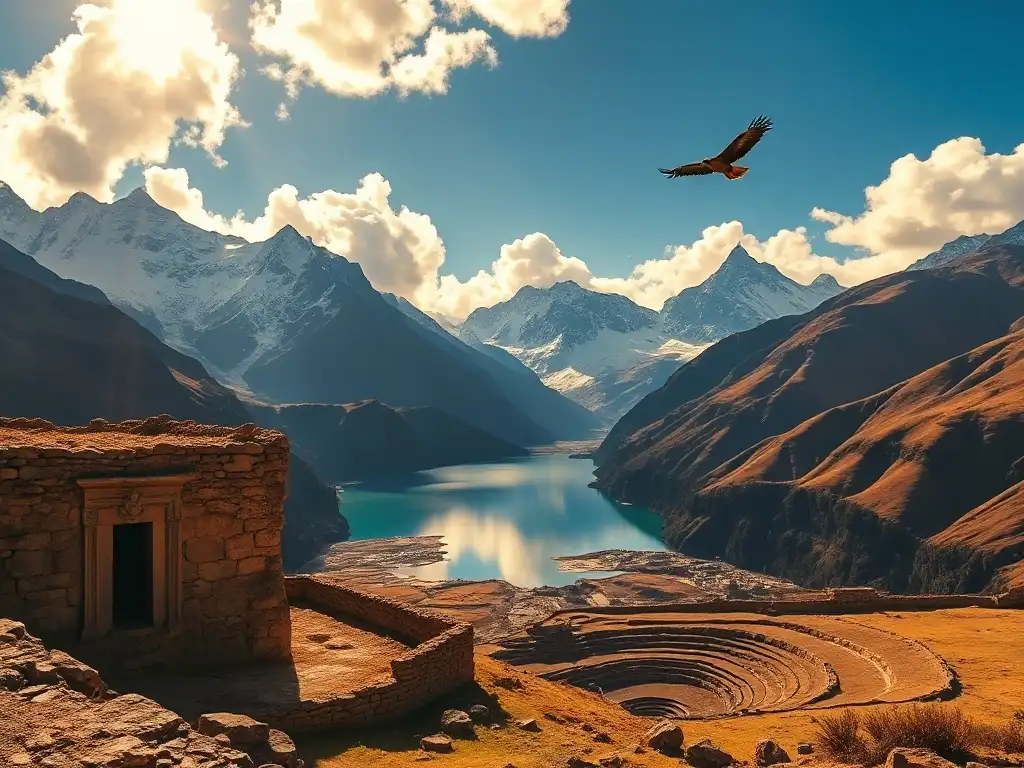
Unravel the mysteries woven into the very fabric of the Andes! For centuries, the breathtaking landscapes have held secrets whispered by the wind – secrets now within your reach. Journey with us as we delve into the captivating Andean civilizations history, exploring the ingenious innovations and vibrant cultures that flourished long before recorded time. Discover how the first Andean villages laid the foundation for empires to come... Prepare to be amazed by the echoes of the past, waiting to be heard.
The Andes Mountains, a majestic spine running down the western edge of South America, have borne witness to millennia of human history. Long before the Inca Empire rose to prominence, complex societies flourished in this challenging yet fertile landscape. This article delves into the fascinating world of the first Andean villages, exploring their origins, development, and the enduring legacy they left behind.
We will uncover the secrets embedded within their architecture, artifacts, and agricultural practices, shedding light on the ingenuity and resilience of these early Andean civilizations, a crucial aspect of Andean civilizations history. Understanding these foundational societies is key to appreciating the later, more complex cultures that emerged in the region.
We will journey back in time to unravel the threads of their existence, piecing together a narrative of adaptation, innovation, and the enduring human spirit in the face of adversity. Prepare to be amazed by the echoes of the past and the sophisticated societies that thrived in the shadow of the Andes long before recorded history.
Early Andean Agriculture: The Foundation of Village Life
The development of sophisticated agricultural techniques was paramount to the success of the first Andean villages. The challenging terrain—steep slopes, varied altitudes, and unpredictable weather patterns—required innovative solutions. These early inhabitants didn't simply rely on rainfall; they developed intricate irrigation systems, terracing techniques, and ingenious methods of water management.
Evidence suggests the use of raised fields in swampy areas, allowing for increased crop yields even in seemingly unsuitable locations. Their understanding of crop rotation and the selection of suitable crops for different altitudes demonstrates a deep knowledge of their environment. This mastery of agriculture not only provided sustenance but also laid the groundwork for population growth and the development of more complex social structures.
The cultivation of potatoes, maize, quinoa, and beans formed the basis of their diet, providing the necessary calories and nutrients to fuel their lives and support burgeoning communities. Archaeological findings consistently reveal the importance of agriculture in these early settlements, with evidence of storage facilities and tools dedicated to farming practices.
Architectural Marvels: From Simple Dwellings to Complex Structures
The architecture of early Andean villages reflects both their adaptation to the environment and their evolving social organization. Initial settlements often consisted of simple, rudimentary structures built from readily available materials like adobe bricks and thatch. However, as populations grew and social complexity increased, so did the sophistication of their architecture.
We see the emergence of more substantial dwellings, often clustered together to form small villages. The construction techniques employed were remarkably advanced for their time, demonstrating a deep understanding of engineering principles. Some structures show evidence of sophisticated stonework, indicating specialized labor and a hierarchical social organization.
The orientation of buildings, often aligned with astronomical events, suggests a sophisticated understanding of the cosmos and their place within it. These early architectural achievements are not merely functional; they represent a significant step in the development of Andean civilization and offer valuable insights into their worldview and social organization. Analyzing these structures provides crucial information regarding settlement patterns, social hierarchy, and the daily lives of the inhabitants.
The evolution of Andean societies from small, dispersed settlements to more organized villages reflects a gradual shift in social structures. While early evidence points to relatively egalitarian communities, the development of agriculture and more complex architecture suggests the emergence of leadership roles and specialized labor. Archaeological findings, such as variations in burial practices and the presence of elite goods, hint at social stratification.
However, it's crucial to avoid generalizations; the nature of social organization likely varied across different regions and time periods. The development of communal projects, such as irrigation systems and the construction of large structures, points to the importance of cooperation and collective effort in these early societies.
The exchange of goods and resources between settlements suggests the existence of trade networks, further connecting these communities and fostering cultural exchange. Analyzing the distribution of artifacts and the development of specific craft traditions provides crucial data on the interconnectedness of these early Andean villages and the emergence of a shared cultural identity.
The Legacy of the First Andean Villages: A Foundation for Future Empires
The first Andean villages, though often overlooked in narratives focused on later empires, laid the groundwork for the impressive civilizations that followed. Their mastery of agriculture, their innovative architectural techniques, and their evolving social structures provided a solid foundation upon which subsequent societies built.
The ingenuity and resilience demonstrated by these early inhabitants serve as a testament to the human capacity for adaptation and innovation. Understanding their achievements allows us to appreciate the complexities of Andean civilizations history in its entirety, recognizing the long and rich tapestry of human experience woven into the fabric of this remarkable region.
Their legacy continues to resonate in the Andes today, reminding us of the enduring power of human ingenuity and the profound connection between people and their environment. The study of these early settlements remains a dynamic and evolving field, with new discoveries constantly enriching our understanding of Andean civilizations history and their remarkable beginnings.
- Early Andean Agriculture: The Foundation of Village Life
- Architectural Marvels: From Simple Dwellings to Complex Structures
- Social Structures and the Rise of Community: Weaving the Threads of Society
- The Legacy of the First Andean Villages: A Foundation for Future Empires
- What is the main focus of this article, "Echoes of the Past: Decoding the Secrets of the First Andean Villages"?
- Which Andean cultures are discussed in the article?
- What kind of technology is discussed in relation to the early Andean villages?
- How does the article contribute to our understanding of "Andean civilizations history"?
- Where can I find more information about the specific cultures mentioned (Inca, Moche, Nazca, Tiahuanaco)?
The Dawn of Andean Civilizations: Understanding Early Settlements
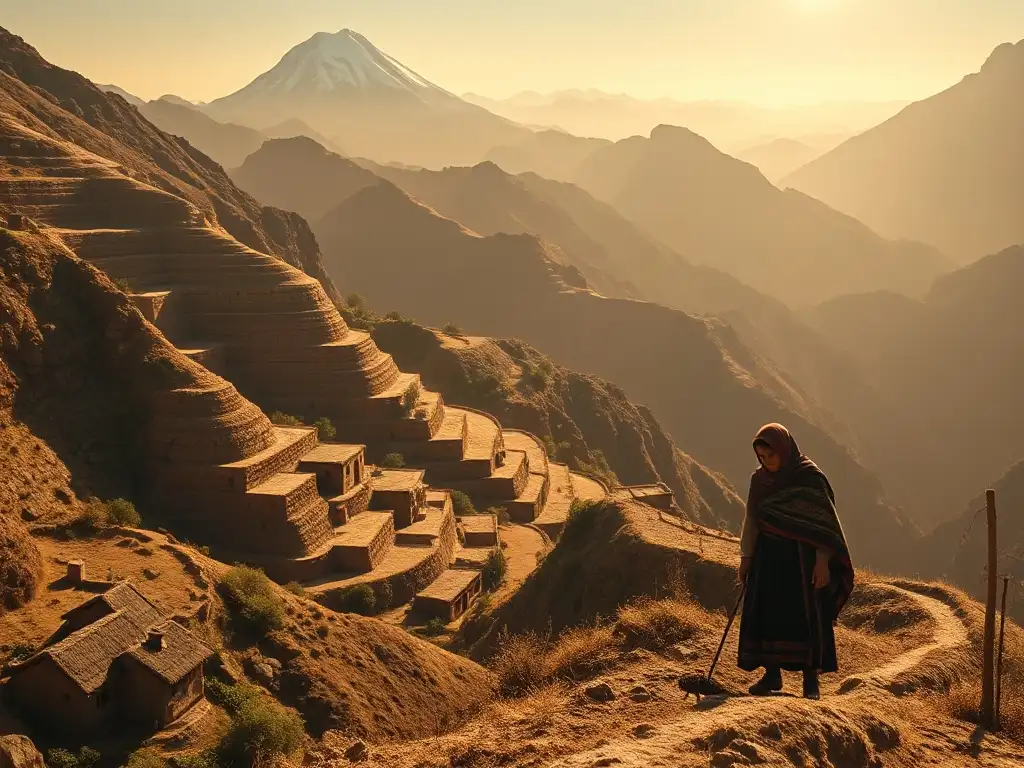
This section delves into the fascinating beginnings of Andean civilizations, focusing on the development of the earliest settlements and the remarkable adaptations made by the first inhabitants of this diverse and challenging landscape. Understanding these early societies is crucial to grasping the complexities of later, more sophisticated Andean cultures. The study of "Andean civilizations history" reveals a gradual but significant evolution, shaped by environmental pressures and ingenious human responses. We will explore the diverse strategies employed by early Andean communities to thrive in both the coastal deserts and the high-altitude Andes.
Tracing the Earliest Andean Inhabitants: Coastal and Highland Adaptations
The earliest inhabitants of the Andes faced vastly different challenges depending on their location. Coastal communities, for example, had to contend with the arid climate and scarce freshwater resources of the Pacific coast. Their ingenuity is evident in their ability to develop sophisticated irrigation systems, allowing them to cultivate crops like maize and beans in otherwise inhospitable terrain. Archaeological evidence suggests the use of sophisticated water management techniques, including canals and reservoirs, dating back millennia. These systems were not merely functional; they were carefully integrated into the social and spiritual fabric of coastal communities.
In contrast, highland communities faced the challenges of altitude sickness, unpredictable weather patterns, and the need to adapt to diverse ecological zones within the Andes mountain range. Their settlements often reflected this adaptation, with evidence of terraced agriculture allowing for efficient cultivation on steep slopes. The domestication of camelids – llamas and alpacas – provided crucial resources for transportation, wool, and meat, further highlighting their adaptive capabilities. These highland communities developed unique agricultural techniques and social structures suited to their environment. The interplay between environment and human adaptation is a key theme in understanding the development of Andean civilizations.
Pre-Ceramic Andean Societies: A Glimpse into the Past
The period before the widespread adoption of pottery, known as the Pre-Ceramic period, offers invaluable insights into the early social organization and technological advancements of Andean communities. This era, spanning roughly from 8000 BCE to 1800 BCE, witnessed the emergence of complex social structures and the development of specialized crafts. While lacking pottery, these societies displayed remarkable skill in stone tool production, textile weaving, and the construction of monumental architecture. The evidence suggests a gradual shift from nomadic hunter-gatherer lifestyles to settled agricultural communities, a transition that profoundly shaped the course of Andean history.
Archaeological sites from this period, such as those found in the coastal valleys of Peru, reveal evidence of substantial settlements and sophisticated social organization. The construction of large-scale structures, often made from adobe bricks, suggests a level of social complexity and labor organization exceeding that of simple hunter-gatherer societies.
These early communities laid the groundwork for the development of later, more advanced Andean civilizations. The careful study of these early settlements, their tools, and their architecture provides crucial data for understanding the evolution of Andean societies and their remarkable ability to adapt and thrive in a challenging environment.
Further research is needed to fully understand the intricate social dynamics and belief systems of these pre-ceramic Andean communities, but the available evidence already reveals a fascinating glimpse into the origins of Andean civilizations. The meticulous excavation and analysis of these sites continues to unveil new information about the rich tapestry of "Andean civilizations history".
Key Sites of Early Andean Village Life: Archaeological Insights
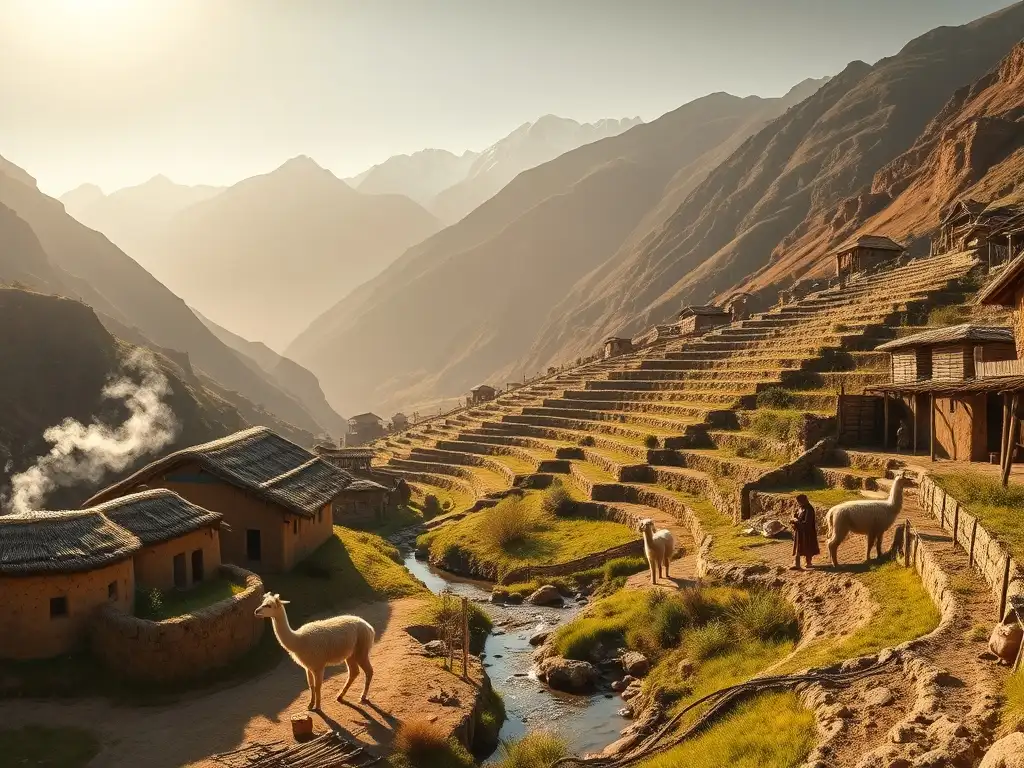
This section delves into the key archaeological sites that offer invaluable insights into the lives of the earliest Andean villagers, providing crucial evidence for understanding the development of Andean civilizations history. These sites, though geographically dispersed, reveal fascinating parallels in social organization, technological advancements, and spiritual beliefs, laying the groundwork for the later, more complex societies of the region.
Examining these early settlements allows us to trace the evolution of Andean culture, from its nascent stages to the flourishing empires that would follow. The meticulous work of archaeologists has unearthed compelling evidence, challenging previous assumptions and enriching our understanding of Andean civilizations history.
Caral, located in the Supe Valley of Peru, stands as one of the most significant early Andean settlements. Dating back to approximately 2600 BCE, Caral predates many other well-known civilizations in the region, showcasing a sophisticated level of urban planning and social organization that challenges previous notions of Andean civilizations history. The site features a series of monumental structures, including large pyramids and plazas, constructed from adobe bricks. These structures weren't merely for defense; their size and complexity suggest a centralized authority and a stratified society.
The architectural design reveals a deep understanding of engineering principles, including the use of sophisticated techniques for constructing large-scale buildings. Evidence suggests a complex system of irrigation canals, vital for sustaining a large population in a relatively arid climate. The absence of weaponry or defensive structures at Caral suggests a focus on peaceful coexistence and cooperation, a stark contrast to the militaristic nature of some later Andean societies.
Further research continues to uncover details about the social structure of Caral, including potential evidence of specialized labor and trade networks, painting a clearer picture of the development of early Andean civilizations history. The discovery of numerous intricately woven textiles and musical instruments within the site also points to a rich cultural life, suggesting a well-developed artistic tradition even in this early stage.
Discoveries at Kotosh: Unveiling Daily Life Practices
Kotosh, situated in the central Andes of Peru, offers a glimpse into the daily lives of early Andean villagers. Dating back to around 1800 BCE, the site provides evidence of domestic structures, agricultural practices, and religious rituals. Unlike the monumental architecture of Caral, Kotosh reveals a more intimate picture of daily life. Archaeological excavations have unearthed numerous houses, revealing insights into family structures and living arrangements. The discovery of storage facilities and agricultural tools points to a reliance on agriculture, with evidence of maize and other crops cultivated in the region.
The religious practices of the Kotosh inhabitants are particularly fascinating. The discovery of the "Temple of the Crossed Hands," a structure featuring intricately carved clay figures, demonstrates the importance of religious beliefs in their society. The careful arrangement of these figures suggests ritualistic practices, possibly related to fertility or ancestor worship. These findings add a significant layer to our understanding of Andean civilizations history, showcasing the development of complex religious beliefs and practices.
The presence of a variety of artifacts, including pottery and textiles, provides further evidence of a rich cultural heritage. Analysis of these artifacts, along with ongoing research into the site's layout and social organization, continues to enrich our understanding of daily life in early Andean settlements. The unique artistic style seen in Kotosh's artifacts also helps to differentiate it from other contemporary Andean cultures, highlighting the diversity of early Andean civilizations history.
The Significance of Huaca Prieta: Religious and Ritualistic Aspects
Huaca Prieta, located on the north coast of Peru, is renowned for its early evidence of cotton cultivation and the development of complex religious rituals. Dating back to approximately 3500 BCE, this site predates Caral and significantly pushes back the timeline of sophisticated cultural development in the Andes. The discovery of extensive cotton remains, along with evidence of sophisticated weaving techniques, highlights the importance of textile production in this early society. The use of cotton, a highly valued resource, implies a level of technological advancement and social organization beyond what was previously assumed.
The religious and ritualistic aspects of Huaca Prieta are equally significant. Archaeological findings point to the use of elaborate burial practices and the presence of ritualistic objects. The discovery of painted gourds and other artifacts suggests a rich symbolic system and the presence of complex religious beliefs.
These findings are crucial for understanding the development of Andean civilizations history, demonstrating the early emergence of religious practices and their importance in shaping Andean societies. Further study of the pigments used in the gourds and other artifacts could reveal more about the materials available and the sophistication of their artistic techniques.
The ongoing analysis of organic remains from the site might reveal further information about the diet and lifestyle of the Huaca Prieta inhabitants, adding to our understanding of Andean civilizations history and its diverse cultural expressions. The site's importance lies not only in its age but also in the insights it provides into the early development of Andean agriculture, technology, and religious practices, all pivotal components in shaping the trajectory of Andean civilizations history.
Agricultural Innovations and Sustenance in Early Andean Communities
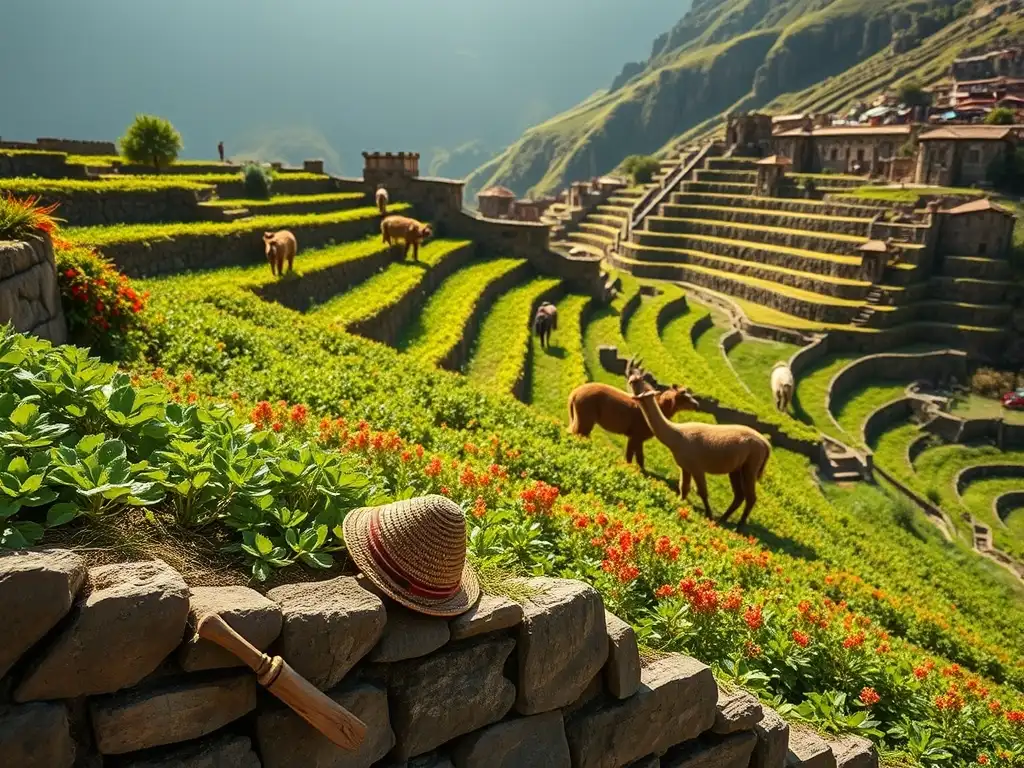
The story of Andean civilizations history is fundamentally intertwined with the ingenuity of its people in harnessing the challenging Andean environment for agricultural production. Early Andean communities didn't just survive; they thrived, developing sophisticated techniques that allowed for population growth and the emergence of complex social structures. This section will explore the key agricultural innovations and their impact on the sustenance and development of these early settlements. Understanding these advancements is crucial to comprehending the trajectory of Andean civilizations history and their remarkable achievements.
Early Farming Techniques in the Andes: Adapting to the Environment
The Andes Mountains present a formidable challenge to agriculture. Steep slopes, varying altitudes, and unpredictable weather patterns necessitate innovative farming practices. Early Andean farmers responded with remarkable adaptability, developing techniques tailored to their specific environments. Terracing, for example, was a crucial innovation. By carving level platforms into hillsides, farmers created arable land where none previously existed, maximizing land use and preventing soil erosion. This technique, still visible in many parts of the Andes today, is a testament to the enduring legacy of ancient Andean ingenuity.
Furthermore, the development of sophisticated irrigation systems allowed farmers to manage water resources effectively. Canals, ditches, and aqueducts channeled water from rivers and streams to fields, ensuring a consistent supply of water even during dry periods. The complexity of some of these irrigation systems, particularly those built by the Nazca and Tiahuanaco cultures, highlights the advanced engineering skills of these early Andean societies.
Their mastery of hydraulic engineering was essential for supporting larger populations and fostering agricultural surpluses. The careful management of water resources, combined with innovative terracing techniques, truly showcases the early Andean peoples’ deep understanding of their environment and their ability to adapt to it.
The Role of Potatoes in the Diets of Ancient Andean Peoples
The potato ( Solanum tuberosum) is arguably the most important crop in Andean civilizations history. Its remarkable adaptability to diverse altitudes and climates made it a staple food source for centuries. Archaeological evidence suggests that potatoes were domesticated in the Andes thousands of years ago, long before the rise of the Inca Empire. Early Andean farmers cultivated a wide variety of potato species, each uniquely adapted to specific ecological niches. This biodiversity was crucial for ensuring food security in the face of environmental variability and disease.
Beyond its nutritional value, the potato played a significant role in the social and economic life of Andean communities. It was not only a source of sustenance but also a valuable commodity, used in trade and exchange networks. The different varieties of potatoes likely held symbolic significance as well, reflecting the diverse cultural identities of different Andean groups.
The potato's profound impact on Andean societies underscores its importance in shaping the course of Andean civilizations history and the development of its unique cultural identity. Further research into ancient potato varieties and cultivation techniques continues to reveal fascinating insights into the ingenuity of early Andean farmers.
Agricultural Surplus and the Growth of Andean Settlements
The development of efficient agricultural techniques, particularly terracing and irrigation, led to significant agricultural surpluses in many Andean communities. This surplus was not simply a matter of having enough food to survive; it had profound implications for the social and political organization of Andean societies. The availability of surplus food allowed for specialization of labor. Not everyone needed to be involved in food production; some individuals could dedicate their time to crafting, building, or religious activities. This division of labor contributed to the growth of larger, more complex settlements.
The control and distribution of agricultural surplus also played a crucial role in the development of power structures within Andean societies. Elites and rulers often controlled access to resources, using this control to consolidate their power and influence. The accumulation of wealth, often in the form of stored agricultural products, enabled the construction of monumental architecture, the development of complex social hierarchies, and the expansion of political influence.
Therefore, the agricultural surplus wasn't just a matter of food security; it was a fundamental factor driving the development of complex social and political organizations that characterize the trajectory of Andean civilizations history. The ability to produce more than was needed for immediate consumption was a catalyst for the growth and complexity of early Andean settlements, paving the way for the more sophisticated civilizations that would follow.
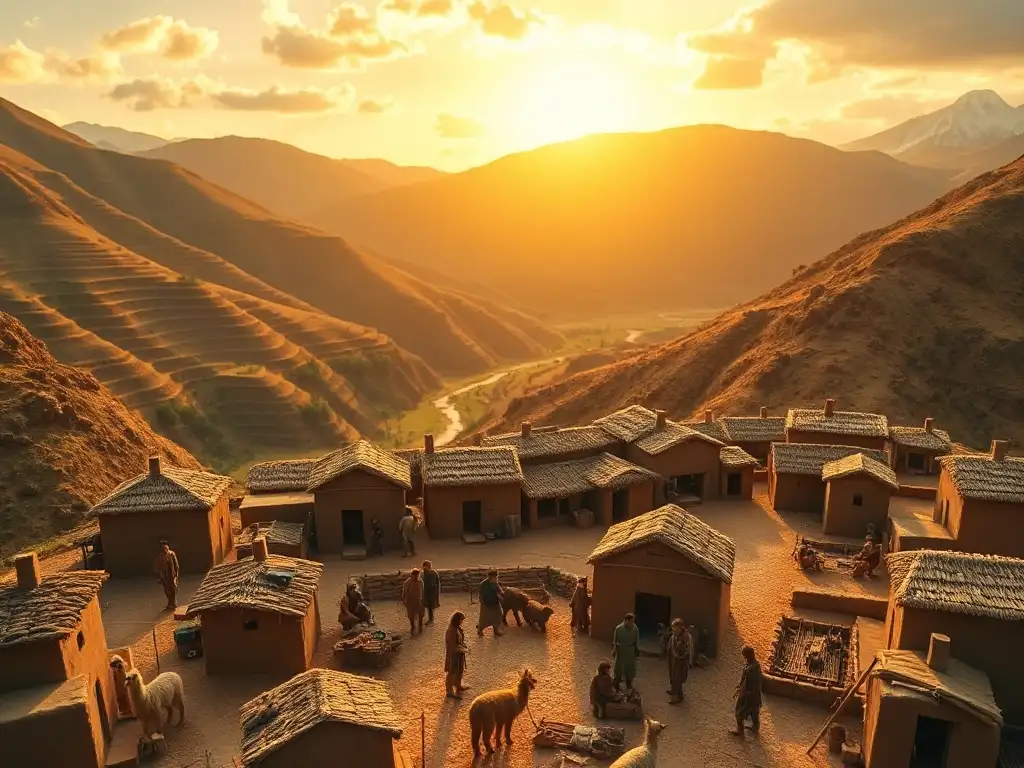
Understanding the social structures of the earliest Andean communities is crucial to comprehending the development of Andean civilizations history. These weren't simply random collections of individuals; they were complex societies with intricate systems of organization that laid the groundwork for later, larger empires. While evidence is fragmented and subject to ongoing interpretation, several key aspects of their social fabric have been unearthed. We can glean insights into their daily lives, their beliefs, and their methods of maintaining order and cooperation. This section will explore the evidence we have for social stratification, family structures, and early governance.
The notion of a completely egalitarian early Andean society is increasingly challenged by archaeological findings. While the scale of social inequality likely differed from later empires like the Inca, evidence suggests a hierarchy even in these early settlements. Burial sites, for instance, reveal disparities in grave goods. Some individuals were interred with elaborate offerings of pottery, textiles, and tools – indicators of higher status – while others had simpler burials. This pattern suggests a differentiation in social standing, possibly based on factors such as access to resources, specialized skills, or religious authority.
Furthermore, the size and layout of dwellings within early Andean villages also hint at social stratification. Larger, more elaborately constructed houses may have belonged to individuals or families holding influential positions within the community. Analysis of skeletal remains can also provide insights into diet and health, potentially reflecting differences in access to food and healthcare based on social status.
Further research, including isotopic analysis of bones and detailed study of settlement patterns, is needed to refine our understanding of the degree and nature of social stratification in these early societies. The complexity of Andean civilizations history is reflected even in these early social structures.
The Role of Family and Kinship Structures in Andean Communities
Family and kinship were undoubtedly central to life in early Andean villages. The strong emphasis on lineage and ancestry, evident in later Andean cultures, likely had its roots in these early societies. Evidence from archaeological contexts suggests a strong importance placed on communal living and shared resources within extended family units. This is reflected in the proximity of dwellings and the shared use of communal spaces.
However, the precise nature of family structures and kinship systems in early Andean societies remains a subject of ongoing research and debate. Were they predominantly patriarchal or matriarchal? What were the rules of inheritance and marriage? These questions are difficult to answer definitively with the currently available evidence. Further investigation into genetic studies of ancient Andean remains, detailed analysis of kinship terminology in later Andean languages, and ethnographic parallels with contemporary indigenous communities could shed more light on this crucial aspect of Andean civilizations history.
Early Forms of Governance and Leadership in the Andes
The emergence of organized governance in the Andes is a complex process. While the concept of a centralized state was absent in the earliest villages, evidence points to the existence of informal leadership structures. These leaders may have emerged organically based on factors such as skill, charisma, or access to resources. They may have played crucial roles in conflict resolution, resource management, and religious ceremonies.
Archaeological evidence, such as the presence of larger or more elaborately decorated structures within settlements, suggests the existence of individuals with greater influence than their peers. However, it's important to avoid imposing later models of state-level governance onto these early societies. The nature of leadership in these early Andean villages likely differed significantly from the formalized hierarchies of later empires.
The development of Andean civilizations history involved a gradual evolution of governance, beginning with these early, less formalized systems. Further research into the material culture and social practices of these communities will be crucial in understanding the precise nature of their leadership structures and the transition to more complex forms of governance.
Technological Advancements and Craftsmanship in Ancient Andean Villages
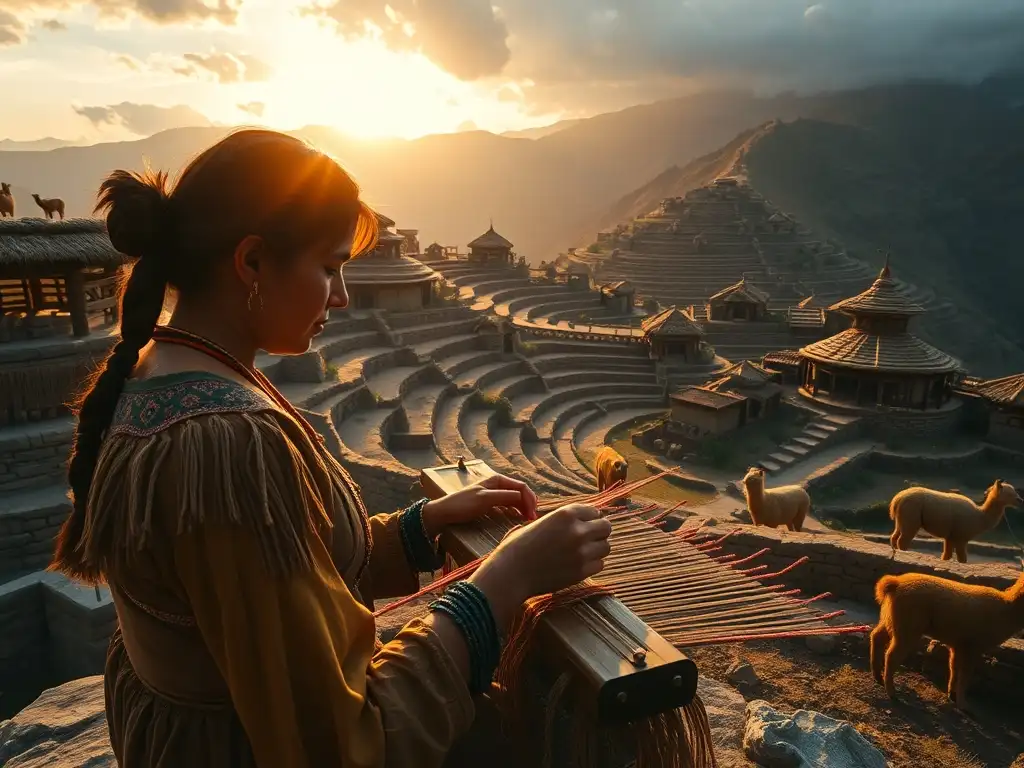
The remarkable achievements of early Andean civilizations are not solely defined by their monumental architecture or sophisticated social structures. A crucial aspect of their success lies in their innovative technological advancements and unparalleled craftsmanship, evident in their pottery, textiles, and metalwork. These technological leaps forward allowed for increased agricultural productivity, complex social organization, and the development of unique artistic expressions that continue to fascinate us today. Understanding these advancements provides invaluable insight into the ingenuity and resourcefulness of these early Andean cultures, enriching our understanding of Andean civilizations history.
The Development of Early Andean Pottery and Ceramics
Early Andean pottery, far from being merely functional, reveals a sophisticated understanding of material science and artistic expression. The earliest examples, dating back to the Early Formative Period (circa 2000-1000 BCE), are characterized by simple forms and undecorated surfaces, primarily serving utilitarian purposes. However, a rapid evolution occurred, leading to increasingly complex shapes, intricate designs, and the use of diverse firing techniques.
The development of pottery wheels, while not universally adopted across all Andean cultures, significantly increased production efficiency and allowed for greater standardization of forms. Different regions developed unique stylistic features, reflecting distinct cultural identities. For instance, the coastal cultures often incorporated marine motifs into their pottery, while the highland cultures focused on more geometric designs and depictions of agricultural themes.
The emergence of polychrome pottery, featuring multiple colors, marked a significant artistic leap, demonstrating advanced knowledge of pigment preparation and firing techniques. Detailed analysis of ceramic shards reveals the use of various clays, tempering agents, and firing methods, highlighting a deep understanding of material properties.
The intricate detail and vibrant colors of later Andean pottery demonstrate a mastery of ceramic technology that was unparalleled in the region. The stylistic variations and regional differences in pottery serve as powerful markers of Andean civilizations history, contributing to a rich tapestry of cultural expression.
Textile Production and Weaving Techniques in the Andes
Textile production in the Andes represents another pinnacle of early Andean technological achievement. The mastery of weaving techniques, using both simple and complex looms, allowed for the creation of incredibly durable and beautifully designed fabrics. The use of diverse fibers, including cotton, wool from camelids (llamas and alpacas), and vicuña, reflects an intimate knowledge of animal husbandry and plant cultivation.
Early Andean textiles were not merely clothing; they served as important social markers, expressing status and identity. Intricate designs, often incorporating symbolic motifs, were woven into the fabric, revealing a deep understanding of cosmology and religious beliefs. The development of advanced techniques like tapestry weaving, brocade, and embroidery allowed for the creation of incredibly detailed and visually stunning textiles.
The discovery of well-preserved textiles from various Andean sites, such as Paracas and Nazca, provides compelling evidence of the sophistication of Andean weaving techniques. These textiles, often found in burial contexts, highlight their significance as valuable possessions and indicators of social standing. The remarkable preservation of some of these textiles allows for detailed analysis of the fibers, dyes, and weaving techniques, furthering our understanding of Andean civilizations history and its artistic traditions.
Metalworking and the Use of Copper in Early Andean Culture
The earliest evidence of metalworking in the Andes dates back to the Early Horizon period (circa 1800-200 BCE), with copper being the primary metal used. Initially, copper was hammered and shaped into simple tools and ornaments. However, over time, Andean metallurgists developed increasingly sophisticated techniques, including casting, alloying, and gilding.
The use of copper tools significantly improved agricultural practices and other aspects of daily life. Copper axes and adzes facilitated deforestation and land clearing, while copper needles and awls enhanced textile production. The development of copper alloys, such as bronze (a copper-tin alloy), further broadened the range of applications. These alloys allowed for the creation of stronger and more durable tools and weapons.
The discovery of sophisticated metalworking workshops and the presence of specialized metalworkers within Andean societies highlight the importance of metallurgy in their economic and social organization. Analysis of metal artifacts reveals a deep understanding of metallurgical processes and the properties of different metals and alloys. The development of metalworking in the Andes represents a significant technological advancement, impacting various aspects of Andean life and leaving a lasting legacy in Andean civilizations history, showcasing their remarkable progress.
The Legacy of Early Andean Villages: Foundations of Andean Civilizations
This section delves into the enduring impact of early Andean villages on the development of the more complex societies that followed. We will explore how these initial settlements laid the groundwork for the sophisticated civilizations, such as the Inca, that are often the focus of Andean civilizations history studies. Understanding these origins is crucial to appreciating the full tapestry of Andean cultural development. The seemingly simple villages of the early Andean period were, in fact, incubators of innovation and cultural practices that would define the region for millennia. Their legacy continues to resonate today.
How Early Andean Settlements Shaped Later Andean Societies
The transition from small, dispersed settlements to larger, more organized societies wasn't a sudden leap but a gradual process rooted in the innovations and adaptations of early Andean villagers. For example, advancements in agriculture, driven by the need to sustain growing populations, played a pivotal role.
Early experimentation with irrigation techniques, terracing, and crop diversification – evident in the remnants of early village agricultural systems – directly influenced the later sophisticated agricultural practices of the Inca and other Andean civilizations. These early agricultural innovations were not merely technological achievements; they were also deeply intertwined with social structures and religious beliefs, paving the way for complex societal organization.
Furthermore, the early development of social hierarchies, though less pronounced than in later empires, laid the foundation for the more structured political systems seen in later Andean societies. Archaeological evidence suggests the emergence of specialized labor, with some individuals focusing on pottery, textile production, or other crafts, hinting at the beginnings of economic specialization and social stratification. This division of labor, though rudimentary in its early stages, became increasingly sophisticated in later Andean civilizations, contributing to the rise of powerful states and empires. The seeds of this complex organization were sown in those early Andean villages.
The Continuity of Cultural Practices from Early Villages to Later Civilizations
Many cultural practices observed in later Andean civilizations find their roots in the traditions and beliefs of the early Andean villages. Religious practices, for instance, often involved a deep connection to the natural world, evidenced by the presence of ritual sites and artifacts associated with ancestor veneration and nature worship in early settlements. This reverence for nature and the spiritual world continued to be a central theme in the religious beliefs of later Andean civilizations, albeit with increasing complexity and elaboration. The continuity of these religious practices underscores the deep-rooted cultural heritage of the Andean region.
Similarly, the artistic traditions of later Andean civilizations, particularly in pottery and textile production, show clear links to the styles and techniques used in early villages. While the sophistication and scale of artistic production increased dramatically over time, the underlying aesthetic principles and technical skills remained remarkably consistent. This suggests a strong tradition of knowledge transmission and cultural continuity across generations, connecting the early villages to the flourishing artistic traditions of the Inca and other later Andean societies. Analyzing these artistic continuities provides crucial insights into the evolution of Andean culture and identity.
Understanding the Roots of Andean Civilization History: A Summary
The early Andean villages were not merely isolated settlements but crucial stepping stones in the development of the complex Andean civilizations that followed. Their innovations in agriculture, the emergence of social structures, and the continuity of cultural practices laid the foundation for the rich and vibrant societies that have captivated historians and archaeologists for centuries. By studying these early settlements, we gain a deeper understanding of the profound and enduring legacy of Andean civilizations history, appreciating the intricate tapestry of cultural development that shaped the region and its people. The study of these early villages provides a crucial lens through which to understand the growth and evolution of Andean societies, offering a compelling narrative of ingenuity, adaptation, and cultural continuity. Further research, particularly in areas with limited excavation, will undoubtedly enrich our understanding of this fascinating period and its crucial role in the development of Andean civilizations.
Frequently Asked Questions
What is the main focus of this article, "Echoes of the Past: Decoding the Secrets of the First Andean Villages"?
This article explores the early history of Andean civilizations, focusing on the development and lifestyles of the first Andean villages. It delves into their daily lives, technologies, and societal structures before the rise of larger empires like the Inca.
Which Andean cultures are discussed in the article?
While the article primarily focuses on the earliest Andean settlements, it provides context by referencing the later Inca, Moche, Nazca, and Tiahuanaco civilizations. This helps to illustrate the long and complex history of the region.
What kind of technology is discussed in relation to the early Andean villages?
The article examines the basic technologies used by early Andean villagers, including agricultural techniques, such as terracing and irrigation, and the development of simple tools and pottery.
How does the article contribute to our understanding of "Andean civilizations history"?
The article sheds light on the foundations of Andean civilizations, demonstrating how the early villages laid the groundwork for the more complex societies that followed. It helps to understand the evolution of Andean culture and technology over time.
Where can I find more information about the specific cultures mentioned (Inca, Moche, Nazca, Tiahuanaco)?
This article serves as an introduction. For more in-depth information on the Inca, Moche, Nazca, and Tiahuanaco civilizations, further research using online resources, books, and academic journals focused on Andean archaeology and history is recommended.
Final Reflection: The Enduring Legacy of Andean Ingenuity
The echoes of the first Andean villages resonate powerfully today, reminding us of the remarkable ingenuity and resilience of early human societies. Their innovative agricultural techniques, sophisticated social structures, and breathtaking architectural achievements continue to inspire awe and provide valuable lessons for sustainable living in a rapidly changing world. Understanding their story is not just an academic exercise; it's a crucial step towards appreciating the interconnectedness of human history and building a more sustainable future.
The impact of these early Andean civilizations extends far beyond the archaeological record; their influence permeates the cultural landscape of South America to this day. The intricate textiles, vibrant traditions, and deep-rooted spiritual beliefs all bear testament to the enduring legacy of these pioneering communities. Their story reminds us of the power of human adaptation and the importance of preserving cultural heritage. The past is never dead. It's not even past.
- William Faulkner. This quote perfectly encapsulates the ongoing relevance of understanding the Andean past, as its influence continues to shape the present.
Consider the ingenuity of these early Andean villagers – their mastery of terracing, irrigation, and resource management in challenging environments. You too possess the capacity for innovation and resilience. Reflect on the challenges you face, and consider how the lessons learned from these ancient societies might inform your own approach to problem-solving and community building. Embrace the spirit of ingenuity and collaboration that defined these early civilizations, and let their legacy inspire you to create a more sustainable and equitable future for all.
Unveil the Secrets of Andean Heritage!
Thank you for exploring the captivating history of the early Andean villages. Your interest in this rich cultural heritage deepens our collective understanding of these remarkable civilizations and their lasting impact. Ready to delve even further?
Here are some ways to connect more deeply with Andean culture:
- **Explore Further:** Immerse yourself in the history and artifacts of Andean cultures by visiting local museums and cultural centers.
- **Join the Discussion:** Share your thoughts and questions about Andean civilizations with other enthusiasts in our online community forum at andeancivilizations.com.
- **Share the Wonder:** Invite a friend to join you in discovering the marvels of the Andean legacy.
What aspect of Andean civilization captivates you most, and how will you explore it further?