
Beyond the Inca: Unveiling the Diverse Societies That Preceded the Empire

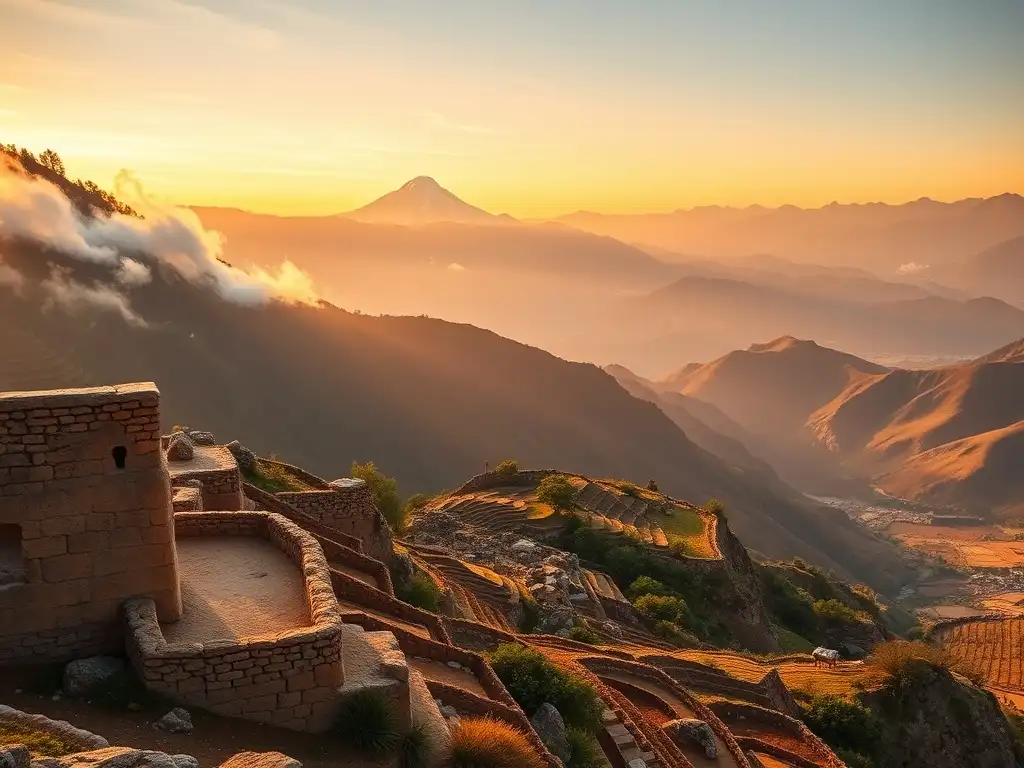
Step into a world lost to time, yet echoing with the whispers of forgotten empires. Before the Inca rose to dominance, a tapestry of vibrant cultures thrived across the Andes, each leaving an indelible mark on history. Discover the astonishing achievements and complex societies that shaped the Andean landscape long before the Inca Empire, from the intricate artistry of the Nazca to the monumental architecture of Tiahuanaco. Unravel the mysteries of the Ancient Andean civilizations before Inca – a journey through time awaits.
- Ancient Andean Civilizations Before Inca: A Journey Through Time
- The Norte Chico Civilization: Pioneering Complex Societies
- The Chavín Culture: Religious Influence and Artistic Innovation
- The Moche Civilization: Masters of Engineering and Art
- The Nazca Culture: Geoglyphs and Desert Mysteries
- The Tiwanaku Empire: High-Altitude Power and Trade
- Other Significant Pre-Inca Cultures
- Comparing Pre-Inca Civilizations: Diversity and Innovation
- The Legacy of Pre-Inca Societies: Influencing the Inca Empire
-
Frequently Asked Questions
- What civilizations existed in the Andes before the Inca Empire?
- How did the Nazca culture express itself artistically?
- What were some of the technological achievements of the pre-Inca Andean civilizations?
- How did the Wari and Tiwanaku civilizations influence later Andean societies?
- Were there significant trade networks in the pre-Inca Andes?
- Final Reflection: Echoes of a Rich Past, Shaping Our Present
- Unveil the Richness of Andean Heritage!
Ancient Andean Civilizations Before Inca: A Journey Through Time
The Inca Empire, with its breathtaking Machu Picchu and intricate social structures, often dominates narratives about Andean history. However, the Inca achievement was built upon centuries of complex societal development, a rich tapestry woven by numerous preceding cultures. This article delves into the fascinating world of the Ancient Andean civilizations before Inca, exploring the diverse societies that flourished in the Andes long before the Inca rose to prominence.
We'll examine their remarkable achievements in agriculture, engineering, art, and social organization, revealing a history far more nuanced and captivating than a single empire can encompass. Understanding these pre-Inca civilizations is crucial to appreciating the full scope of Andean history and the remarkable ingenuity of its people.
We will journey through time, uncovering the legacies of these fascinating cultures and their lasting impact on the region. Prepare to be amazed by the ingenuity and complexity of these ancient Andean societies, whose innovations laid the groundwork for the Inca Empire and continue to inspire awe today.
Pre-Inca Societies: A Glimpse into Andean History
The Andes Mountains, a formidable yet fertile landscape, nurtured a succession of remarkable cultures. Long before the Inca, societies thrived, each leaving behind a unique imprint on the region. These weren't isolated groups; rather, a complex network of interactions and influences shaped their development.
For instance, the Chavín culture (c. 900 – 200 BCE), known for its iconic temple at Chavín de Huántar, exerted a significant cultural influence across a wide area, demonstrating early forms of Andean integration. Their artistic style, religious beliefs, and possibly even agricultural techniques spread through trade and cultural exchange, laying the groundwork for later, more complex societies. Following Chavín, we see the rise of regional power centers like the Moche (c. 100 – 800 CE) on the north coast and the Nazca (c. 100 BCE – 600 CE) in the south, each with their own distinct artistic expressions and societal structures.
The Moche, renowned for their elaborate ceramics depicting scenes of daily life and warfare, built sophisticated irrigation systems to support their flourishing agriculture. The Nazca, on the other hand, are famous for their enigmatic geoglyphs etched into the desert floor, a testament to their advanced astronomical knowledge and engineering skills. These pre-Inca societies demonstrate the incredible adaptability and innovation of Andean peoples in response to the diverse challenges and opportunities of their environment.
The Complexity of Early Andean Cultures
The complexity of these pre-Inca cultures extended beyond their artistic achievements. Their sophisticated understanding of agriculture, for example, enabled them to cultivate diverse crops in challenging terrains. Terracing techniques, intricate irrigation systems, and the domestication of various plants allowed them to support large, dense populations. This agricultural prowess fostered social stratification, with specialized labor and the emergence of elite classes.
Furthermore, these societies developed complex religious beliefs and practices, often centered around deities associated with nature and fertility. Evidence suggests sophisticated astronomical knowledge, reflected in their monumental architecture and artistic representations. The Tiahuanaco culture (c. 500 – 1000 CE), for example, built massive stone structures that demonstrate a remarkable understanding of engineering and construction, along with sophisticated urban planning.
The intricate designs and precise construction of these structures suggest advanced knowledge of mathematics and astronomy. The integration of these elements – agricultural innovation, social hierarchy, religious beliefs, and technological advancements – created vibrant and influential societies that shaped the trajectory of Andean history, paving the way for the later Inca Empire. The legacy of these early Andean cultures continues to resonate today, shaping our understanding of human ingenuity and resilience in the face of environmental challenges.
The Norte Chico Civilization: Pioneering Complex Societies
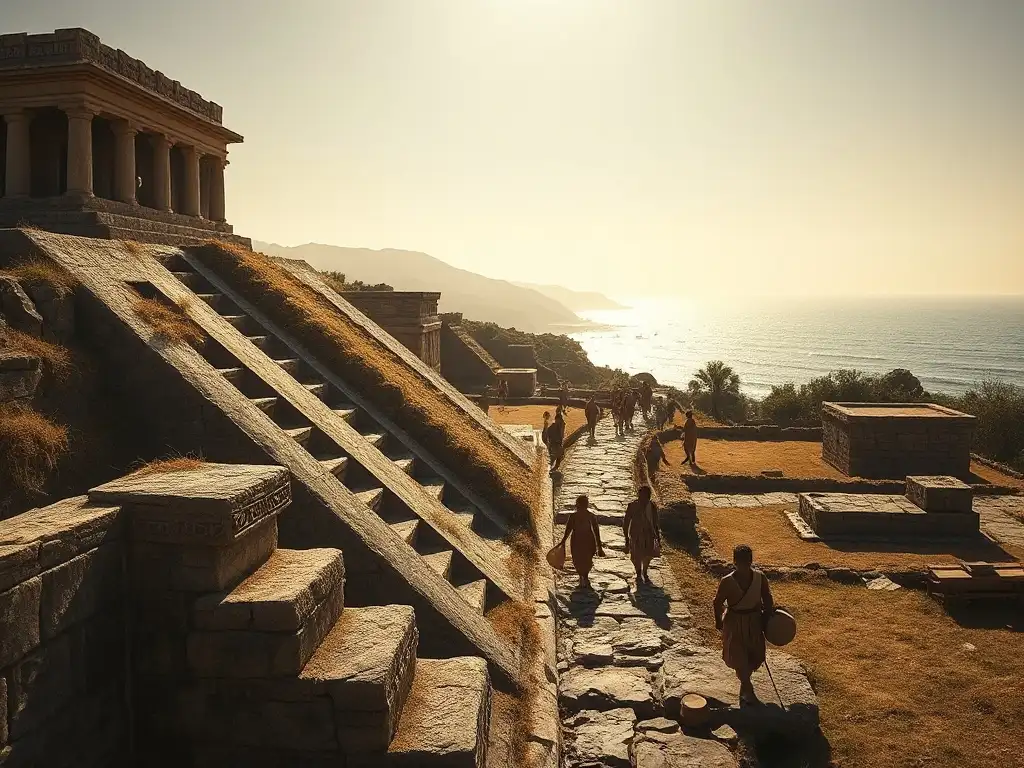
The Norte Chico civilization, flourishing in the coastal region of Peru from roughly 3000 to 1800 BCE, predates the Inca Empire by millennia and challenges traditional narratives of Andean development. It represents one of the earliest examples of complex societies in the Americas, showcasing sophisticated urban planning, monumental architecture, and a complex social hierarchy long before similar advancements appeared elsewhere in the continent.
Understanding the Norte Chico is crucial to grasping the full tapestry of Ancient Andean civilizations before Inca, revealing a far richer and more nuanced history than previously imagined. Its achievements laid the groundwork for subsequent Andean cultures, demonstrating the region's capacity for innovation and societal complexity centuries before the rise of the Inca.
Caral: A Monumental City of the Norte Chico
Caral, located in the Supe Valley, stands as the most prominent example of Norte Chico urban planning. This sprawling city, boasting numerous large pyramidal structures, plazas, and residential areas, showcases a level of architectural sophistication rarely seen in contemporaneous societies. The construction of these monumental buildings, which involved the precise cutting and placement of massive stones, required a highly organized workforce and sophisticated engineering knowledge.
Archaeological evidence suggests a complex system of labor organization, likely involving specialized groups dedicated to construction, agriculture, and craft production. The absence of evidence for warfare or elaborate weaponry suggests a society focused on internal development and resource management rather than external conquest – a stark contrast to some later Andean civilizations. The scale of Caral, and the evident investment in public works, points to a centralized authority capable of mobilizing significant resources and labor.
While the exact nature of social organization in the Norte Chico remains a subject of ongoing research, evidence points to a stratified society with distinct social classes. Archaeological findings reveal variations in housing quality and grave goods, suggesting differences in wealth and status.
The presence of specialized craft production, including textiles, pottery, and tools, suggests the existence of specialized labor and potentially a system of exchange or trade. Analysis of isotopic signatures in human remains indicates a diverse diet, possibly reflecting different access to resources based on social standing or geographic location.
The lack of readily available agricultural land in the immediate vicinity of Caral suggests a reliance on trade networks to acquire food and other essential resources, highlighting the importance of inter-regional connections in sustaining this complex society. Further research into the distribution of artifacts and the analysis of trade goods will help clarify the precise nature and extent of these networks.
Norte Chico's Legacy: The Foundations of Andean Civilization
The Norte Chico civilization's legacy extends far beyond its impressive architecture and urban planning. Its achievements in social organization, resource management, and technological innovation laid a critical foundation for the subsequent development of Andean societies. The sophisticated techniques of stonework and construction, for example, were refined and adopted by later cultures.
Furthermore, the experience of building and maintaining large-scale public works likely contributed to the development of more complex political and administrative structures. The Norte Chico's emphasis on peaceful coexistence, as evidenced by the absence of weaponry, offers a fascinating counterpoint to the more militaristic societies that followed.
The understanding of this peaceful, yet highly organized, civilization helps us appreciate the diverse paths to societal complexity within the Ancient Andean civilizations before Inca, demonstrating that the Inca were not the originators of sophisticated social structures in the Andes but rather inheritors of a long and rich history. Further research into the Norte Chico's interactions with later cultures will undoubtedly reveal even more about its profound and lasting impact on Andean civilization.
The Chavín Culture: Religious Influence and Artistic Innovation
The Chavín culture (c. 900 – 200 BCE), flourishing in the northern Andes of modern-day Peru, stands as a pivotal moment in the development of Ancient Andean civilizations before Inca. While not a unified empire in the same way as the Inca, its influence spread widely through religious and artistic exchange, profoundly shaping subsequent Andean societies.
This influence, disseminated not through military conquest but through a complex network of trade and cultural diffusion, created a shared cultural framework that would persist for centuries. Understanding the Chavín's impact is crucial to grasping the evolution of complex societies in the Andes.
This wasn't a simple case of one culture dominating another; rather, it was a process of cultural exchange and adaptation, leading to a fascinating tapestry of shared beliefs and artistic styles. The Chavín left an indelible mark on the Andean world, a legacy visible in the art, architecture, and religious practices of later civilizations.
Chavín de Huántar: A Center of Power and Belief
Chavín de Huántar, located in the Callejón de Huaylas, served as the apparent center of the Chavín culture. This wasn't simply a settlement; it was a meticulously planned ceremonial center, a place of pilgrimage and religious significance for communities across a vast region. The site's architecture is awe-inspiring, showcasing a sophisticated understanding of engineering and construction techniques.
Massive stone structures, intricate carvings, and a complex network of underground tunnels and galleries suggest a highly organized society with centralized religious authority. Archaeological evidence points to the presence of elite classes, specialized artisans, and a highly stratified social structure. The layout of Chavín de Huántar itself, with its labyrinthine passages and imposing structures, may have been intentionally designed to evoke a sense of awe and mystery, reinforcing the religious power emanating from the site.
The scale and complexity of the site, compared to contemporary settlements, strongly suggests a level of social and political organization previously unseen in the Andes. Further research is needed to fully understand the precise mechanisms of power and control within the Chavín culture, but the evidence clearly points to a highly organized and influential society.
Chavín Art and Iconography: Decoding Ancient Symbols
Chavín art is instantly recognizable for its distinctive style: a blend of abstract and representational imagery, often featuring stylized depictions of jaguars, snakes, and other creatures. These weren't simply decorative elements; they were powerful symbols imbued with religious meaning. The iconic Chavín feline, for instance, frequently appears in a combination of human and animal features, suggesting a complex cosmology that blended the human and animal realms.
The use of intricate carvings, often in low relief on stone surfaces, showcases remarkable artistic skill and a deep understanding of stone manipulation techniques. Researchers continue to debate the precise meanings behind the various Chavín symbols, but it's clear that they played a central role in religious rituals and beliefs. The consistent repetition of certain motifs across a wide geographical area suggests a shared religious ideology that transcended local boundaries.
Analyzing these symbols provides valuable insights into the Chavín worldview and their understanding of the cosmos. The intricate detail and stylistic consistency suggest a highly organized system of artistic production, possibly overseen by specialized artisans working under the direction of religious authorities. The legacy of Chavín art is undeniable; its influence can be traced in the styles of later Andean cultures, demonstrating the lasting impact of this powerful religious and artistic tradition.
Chavín's Impact on Later Andean Societies
The influence of the Chavín culture extended far beyond its geographical core. Its artistic motifs, religious iconography, and architectural styles spread throughout the Andes, influencing the development of subsequent cultures such as the Paracas, Nazca, and Moche. This wasn't a simple process of imitation; rather, it was a complex interplay of adaptation and innovation, with later cultures reinterpreting and transforming Chavín elements to fit their own contexts.
The widespread adoption of Chavín stylistic elements suggests the existence of strong cultural exchange networks, possibly facilitated by trade routes and religious pilgrimages. The persistence of Chavín-inspired motifs in later art demonstrates the enduring power of its religious ideas and artistic innovations. The spread of Chavín artistic and religious ideas helped to create a shared cultural framework across the Andes, laying the groundwork for the development of more complex and integrated societies.
This pan-Andean cultural exchange, fueled by the influence of the Chavín, is a key factor in understanding the rise of the later, more sophisticated Andean civilizations that would follow, including those that eventually came to be dominated by the Inca Empire. The Chavín's legacy is a testament to the power of cultural diffusion and the lasting impact of a single, influential civilization on the development of the entire Andean region.
The Moche Civilization: Masters of Engineering and Art
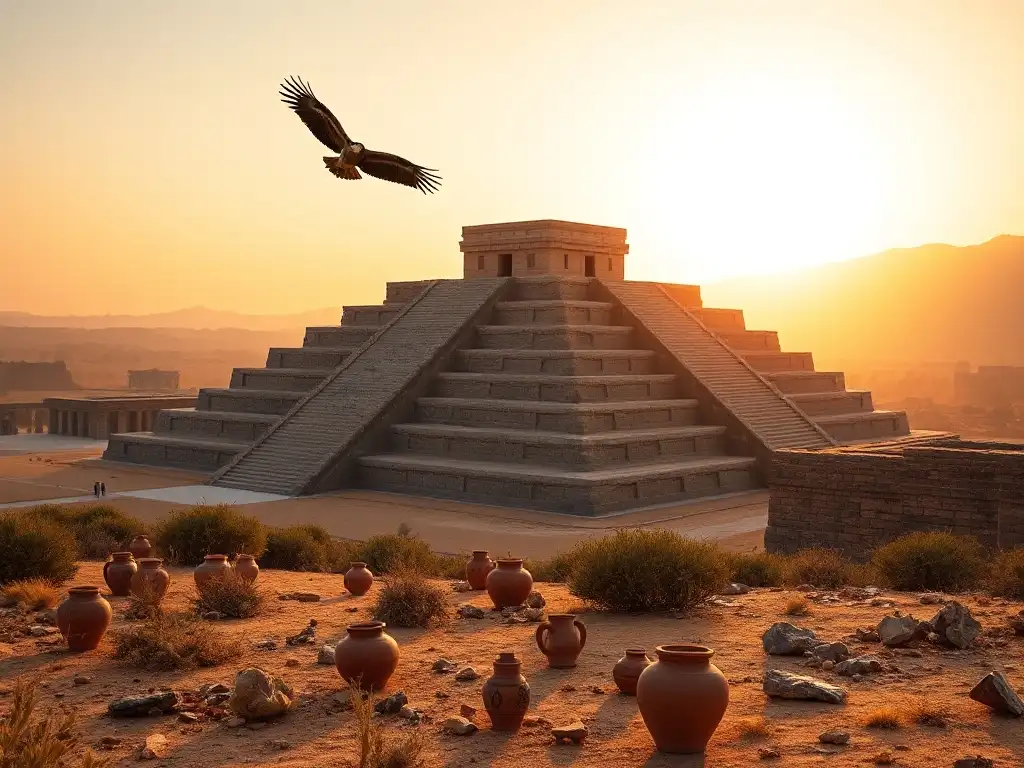
The Moche, flourishing along the northern coast of Peru from roughly 100 CE to 800 CE, stand as a testament to the ingenuity and artistic prowess of the Ancient Andean civilizations before Inca. Their sophisticated irrigation systems, remarkable ceramics, and complex social structure paint a vivid picture of a civilization that thrived in a challenging desert environment.
Unlike the later Inca Empire, the Moche were not a unified political entity in the same way; rather, they were comprised of a series of interconnected regional centers, each potentially ruled by its own elite. Understanding their achievements helps us appreciate the diverse tapestry of pre-Inca Andean societies.
Moche Society and Political Structure
The Moche social hierarchy was clearly defined, with evidence suggesting a powerful elite at the top. Archaeological findings, such as lavish tombs containing gold artifacts and intricate grave goods, indicate a significant wealth disparity. These elites likely controlled access to resources, including water and fertile land, crucial for survival in the arid coastal region.
The presence of monumental architecture, such as pyramids and platforms, further underscores the power and influence of the Moche ruling class. The precise nature of their political organization remains a topic of ongoing research, but it’s clear that their society was highly stratified, with specialized roles and responsibilities distributed amongst different social groups. We can envision a system where religious leaders, warriors, artisans, farmers, and fishermen all played vital roles in maintaining the stability and prosperity of the Moche civilization.
This complex social structure, coupled with their impressive engineering feats, contributed significantly to their long-term success. The sheer scale of their societal organization, in contrast to many smaller, less developed societies of the time, showcases the advanced level of Ancient Andean civilizations before Inca.
Moche Ceramics: Narratives of Daily Life
Moche pottery is renowned for its exquisite craftsmanship and detailed depictions of daily life, religious rituals, and mythological figures. These aren't simply utilitarian objects; they are intricate narratives carved in clay. The artisans employed a variety of techniques, including modeling, molding, and painting, to create incredibly lifelike representations. The vibrant colors and highly detailed scenes provide invaluable insights into Moche society, beliefs, and practices.
For example, some vessels depict scenes of warfare, highlighting the importance of military organization in Moche society. Others showcase agricultural practices, underscoring the significance of irrigation systems to their sustenance. The intricate depictions of religious ceremonies provide further clues to their complex belief system. The realism and artistry of Moche ceramics are unparalleled in the pre-Columbian Americas and represent a high point of artistic expression in the Ancient Andean civilizations before Inca.
Here's a table summarizing some key characteristics of Moche ceramics:
| Characteristic | Description | Significance |
|---|---|---|
| Style | Highly realistic, detailed depictions of people, animals, and scenes. | Provides unparalleled insights into Moche culture, beliefs, and daily life. |
| Materials | Primarily clay, with pigments derived from natural sources. | Demonstrates mastery of material science and artistic techniques. |
| Techniques | Modeling, molding, painting. | Showcases a high level of skill and artistic innovation. |
| Subject Matter | Daily life, warfare, religious ceremonies, mythology. | Reveals the importance of various aspects of Moche society and their worldview. |
Moche Irrigation Systems and Agricultural Practices
The Moche’s success hinged on their ability to overcome the challenges of the arid coastal desert. Their ingenious irrigation systems allowed them to cultivate crops in an otherwise inhospitable environment. They constructed extensive networks of canals and aqueducts, channeling water from rivers and streams to their fields. These systems were remarkably sophisticated, employing techniques such as underground channels and reservoirs to maximize water efficiency.
This mastery of hydraulic engineering allowed them to support a large and dense population, fostering agricultural surplus that fueled economic growth and social complexity. The development of these irrigation systems is a testament to the Moche's practical ingenuity and organizational capabilities. The precision and scale of their irrigation projects are a remarkable example of pre-Inca engineering prowess within the context of Ancient Andean civilizations before Inca.
The Moche also developed sophisticated agricultural practices, adapting crops to the challenging conditions of the coastal desert. They cultivated a variety of crops, including maize, beans, squash, and cotton, utilizing advanced techniques such as terracing and fertilization to maximize yields. Their agricultural innovation played a vital role in the development and stability of their civilization, ensuring a reliable food supply for their growing population. The sophisticated interplay of engineering and agricultural practices showcases the Moche’s understanding of their environment and their remarkable ability to adapt to its challenges.
The Decline of the Moche and its Repercussions
The reasons behind the Moche civilization's decline remain a subject of ongoing debate among archaeologists. Several theories exist, and it's likely a combination of factors contributed to their eventual collapse. One prominent hypothesis points to environmental changes. Prolonged droughts, evidenced by shifts in sediment layers and pollen analysis in the Moche valleys, could have severely impacted agricultural production, the backbone of their economy. This scarcity of resources would have undoubtedly led to social unrest and internal conflict, weakening the centralized power structure.
Furthermore, evidence suggests increased warfare towards the end of the Moche period. While the Moche were known for their sophisticated military organization, reflected in their elaborate weaponry and depictions of battles in their art, escalating conflicts may have overstretched their resources and destabilized the society. The construction of impressive defensive structures in some sites supports this theory, indicating a heightened sense of insecurity and the need for protection. The precise nature and scale of these conflicts, however, remain uncertain, as archaeological evidence is still being interpreted.
The decline of the Moche wasn't a sudden event but rather a gradual process spanning several decades. The gradual weakening of the central authority, likely exacerbated by environmental stress and warfare, created a power vacuum. This led to the rise of smaller, competing groups and a fragmentation of the once-unified Moche territory.
The sophisticated irrigation systems, a testament to their engineering prowess, might have fallen into disrepair due to lack of central maintenance, further compounding the negative effects of drought. The consequences were far-reaching, impacting not only the Moche themselves but also the surrounding regions that had interacted with their powerful civilization. The loss of the Moche's sophisticated knowledge and techniques undoubtedly affected subsequent cultures in the region.
Their artistic legacy, however, continued to inspire and influence later Andean civilizations, leaving an indelible mark on the region's artistic tradition. The exact timeline and sequence of events leading to the Moche collapse are still under investigation, and new discoveries continue to reshape our understanding of this fascinating civilization. The study of the Moche's demise offers valuable insights into the complex interplay of environmental, social, and political factors that can contribute to the rise and fall of ancient societies.
The Nazca Culture: Geoglyphs and Desert Mysteries
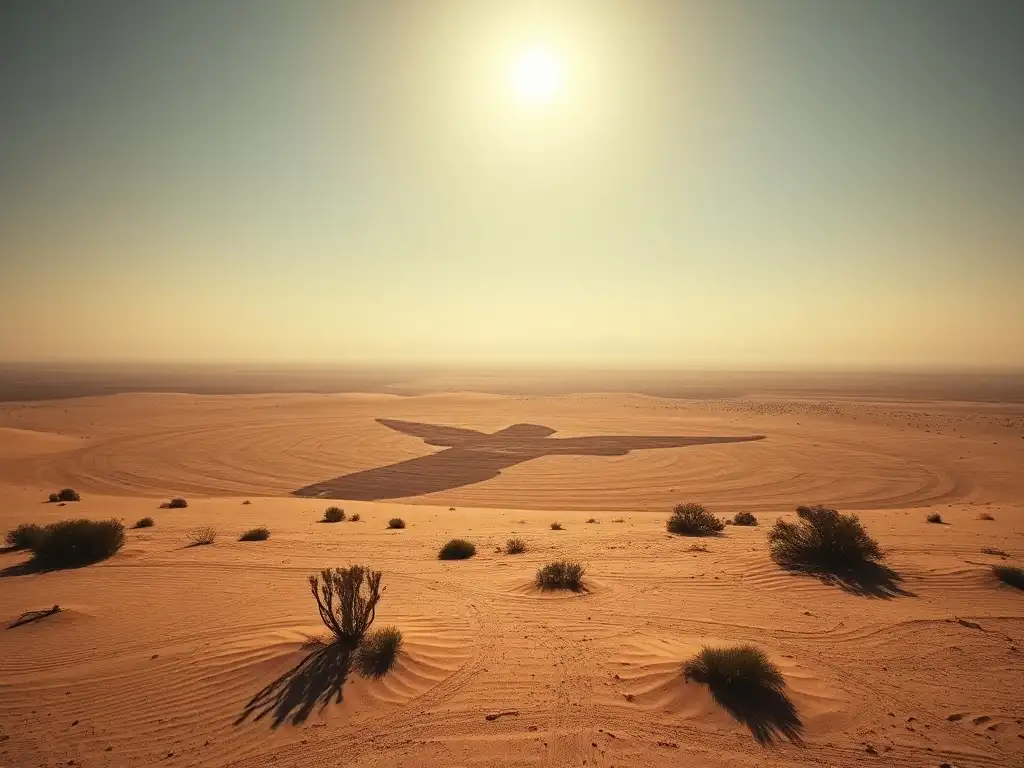
The Nazca culture, flourishing on the southern coast of Peru between 100 BCE and 800 CE, stands as a testament to human ingenuity and adaptation in an extraordinarily challenging environment. While overshadowed by the later Inca Empire, their achievements in art, engineering, and societal organization offer a fascinating glimpse into the complexity of Ancient Andean civilizations before Inca. Their legacy is most dramatically manifested in the enigmatic Nazca Lines, but their sophisticated pottery and textiles reveal a culture deeply connected to their arid surroundings.
The Nazca Lines: Purpose and Interpretation
The Nazca Lines, hundreds of geoglyphs etched into the desert surface, remain one of archaeology's greatest mysteries. These colossal figures, ranging from simple lines to intricate representations of animals, plants, and geometric shapes, can only be truly appreciated from the air. Their scale is breathtaking; some figures stretch over a hundred meters in length. While their precise purpose remains debated, leading theories suggest astronomical alignments, ritualistic significance, or a combination of both.
Some researchers propose that the lines served as a type of astronomical calendar, aligning with solstices and equinoxes. Others suggest that they were part of elaborate rituals, perhaps related to water sources or fertility rites, crucial in the harsh desert environment. The sheer effort required to create these geoglyphs, using simple tools and a profound understanding of the landscape, showcases a remarkable level of collective effort and planning.
The precision and artistry involved are equally stunning, demonstrating an advanced understanding of geometry and design. Further research, including advanced imaging techniques and analysis of sediment samples, continues to shed light on these captivating creations, offering more insight into the beliefs and practices of the Nazca people and their ingenious methods for creating such monumental works. The mystery surrounding the Nazca Lines continues to fascinate, making them a powerful symbol of the enduring enigma of Ancient Andean civilizations before Inca.
Nazca Pottery and Textile Art
Nazca artistry is not limited to the geoglyphs. Their pottery and textiles are equally remarkable, showcasing a vibrant palette and exceptional skill. Nazca pottery is renowned for its intricately painted scenes, often depicting stylized figures, animals, and mythical creatures. The colors are remarkably well-preserved, even after centuries of exposure to the elements.
These depictions offer valuable insights into their daily lives, religious beliefs, and the natural world that surrounded them. The use of vibrant colors, such as deep reds, yellows, and blues, suggests access to high-quality pigments and a refined understanding of ceramic techniques. The production of these intricate ceramic pieces likely involved specialized artisans and a structured system of production and distribution within the Nazca society.
Nazca textiles are equally impressive, characterized by their intricate weaving techniques and diverse motifs. These textiles, often discovered in tombs, provide further information about their social structure and beliefs. The complex designs and use of various fibers suggest a high level of craftsmanship and social stratification, with certain designs possibly indicating status or social rank.
The preservation of these delicate textiles is a testament to the skill and knowledge of the Nazca artisans and their understanding of materials and techniques. The detailed imagery on both pottery and textiles helps us paint a richer picture of the daily life, religious beliefs, and social structures of this fascinating civilization. Analyzing these artifacts provides crucial information to understand the complexity of Ancient Andean civilizations before Inca.
The Nazca people faced significant environmental challenges, living in one of the driest regions on Earth. Their ingenuity in adapting to this harsh landscape is evident in their sophisticated water management systems. Evidence suggests the existence of underground canals and aqueducts, known as puquios, which were used to collect and distribute scarce water resources. These systems demonstrate a deep understanding of hydrology and engineering, allowing them to support a relatively large population in a remarkably arid environment. The construction and maintenance of these intricate water systems suggest a level of social organization and cooperation necessary for such large-scale projects.
The organization of Nazca society remains a topic of ongoing research. Archaeological evidence suggests a hierarchical structure, with elites possibly controlling access to resources and labor. The scale and complexity of their projects, such as the Nazca Lines and the puquios, indicate a degree of centralized planning and control.
However, the exact nature of their political organization and social stratification remains a subject of ongoing debate among scholars. Understanding their social structure and resource management strategies is key to understanding their resilience and success in such a challenging environment. The innovative solutions developed by the Nazca people highlight their adaptability and contribution to the rich tapestry of Ancient Andean civilizations before Inca.
The Tiwanaku Empire: High-Altitude Power and Trade
The Tiwanaku Empire, flourishing in the high Andes from approximately 300 CE to 1000 CE, stands as a testament to the ingenuity and organizational prowess of ancient Andean civilizations before the Inca. Located near present-day Lake Titicaca, its influence extended across a vast area, challenging our understanding of pre-Columbian societies. This powerful civilization, often overshadowed by the later Inca, developed sophisticated agricultural practices, impressive urban planning, and a complex system of trade that connected diverse regions.
Their legacy profoundly shaped the cultural landscape of the Andes, leaving behind a rich archaeological record that continues to fascinate and inspire researchers today. Understanding Tiwanaku is crucial to grasping the full complexity of the "Ancient Andean civilizations before Inca".
Tiwanaku's Urban Center and Architecture
The heart of the Tiwanaku Empire was its namesake city, a meticulously planned urban center characterized by monumental architecture. Buildings were constructed using massive blocks of stone, precisely cut and fitted together without mortar, a testament to their advanced engineering skills. The iconic Gateway of the Sun, a towering monolith adorned with intricate carvings depicting mythical figures, is a prime example of Tiwanaku's architectural mastery.
The city's layout suggests a sophisticated understanding of urban planning, with evidence of carefully designed plazas, residential areas, and administrative structures. Detailed analysis of the stonework reveals a complex system of quarrying, transport, and construction, implying a highly organized workforce and centralized authority. The scale of these projects speaks volumes about the empire's resources and the level of social control necessary to undertake such ambitious endeavors.
Further research is needed to fully understand the social dynamics associated with the construction of these impressive structures, possibly revealing insights into the empire's social stratification. The precise methods used for transporting the massive stone blocks remain a subject of ongoing debate among archaeologists, with various theories proposing the use of ramps, rollers, and even human power. The precise population of the city at its peak is currently estimated at [specific information pending], but archeological findings suggest a densely populated urban center.
Tiwanaku's Agricultural Techniques and Economic Power
Tiwanaku's success was inextricably linked to its innovative agricultural techniques. The high altitude and relatively arid climate of the Altiplano presented significant challenges to food production. However, the Tiwanaku people developed sophisticated systems of raised fields, suka kollus, which allowed them to cultivate crops even in the challenging environment. These elevated platforms trapped water and soil, creating fertile microclimates and increasing agricultural yields.
This ingenious system allowed for intensive agriculture, supporting a large and densely populated urban center, as well as providing surplus for trade. The economic power of Tiwanaku stemmed from its ability to produce agricultural surpluses, facilitating trade networks that extended far beyond its immediate vicinity. The empire's control over vital resources and its efficient agricultural practices formed the backbone of its economic and political strength.
Analyzing pollen samples from archaeological sites has revealed a diverse range of cultivated crops, including potatoes, quinoa, and maize, indicating a sophisticated understanding of agricultural diversification and risk management. The precise extent of the Tiwanaku trade networks is still being investigated but evidence suggests they reached coastal regions and even into the Amazon basin, further highlighting the empire’s economic influence. The complexity of their economic system is evidenced by the presence of specialized craft production, including pottery, textiles, and metalwork, all suggesting a high degree of social specialization and division of labor.
Tiwanaku Influence and Expansion
The Tiwanaku Empire's influence extended far beyond its core territory. Archaeological evidence reveals the presence of Tiwanaku-style pottery, architecture, and religious iconography in distant regions, indicating widespread cultural exchange and possibly political control. The empire's expansion likely involved a combination of military conquest, diplomatic alliances, and the diffusion of cultural practices.
The precise mechanisms of expansion are still under investigation, but the widespread presence of Tiwanaku artifacts suggests a significant degree of influence and control over a vast and diverse territory. The empire's collapse remains a subject of debate among scholars, with various hypotheses suggesting factors such as climate change, internal conflict, or external pressure. Nevertheless, the legacy of the Tiwanaku Empire continues to resonate in the Andean region, shaping the cultural landscape and influencing subsequent civilizations.
Analyzing the distribution of Tiwanaku artifacts across the Andes provides valuable insights into the empire's political and economic reach, allowing us to better understand the dynamics of power and influence in the pre-Inca Andean world. The decline of Tiwanaku created a power vacuum that was eventually filled by other regional powers, setting the stage for the eventual rise of the Inca Empire. The study of Tiwanaku provides a crucial lens through which we can better understand the complex tapestry of "Ancient Andean civilizations before Inca".
Other Significant Pre-Inca Cultures
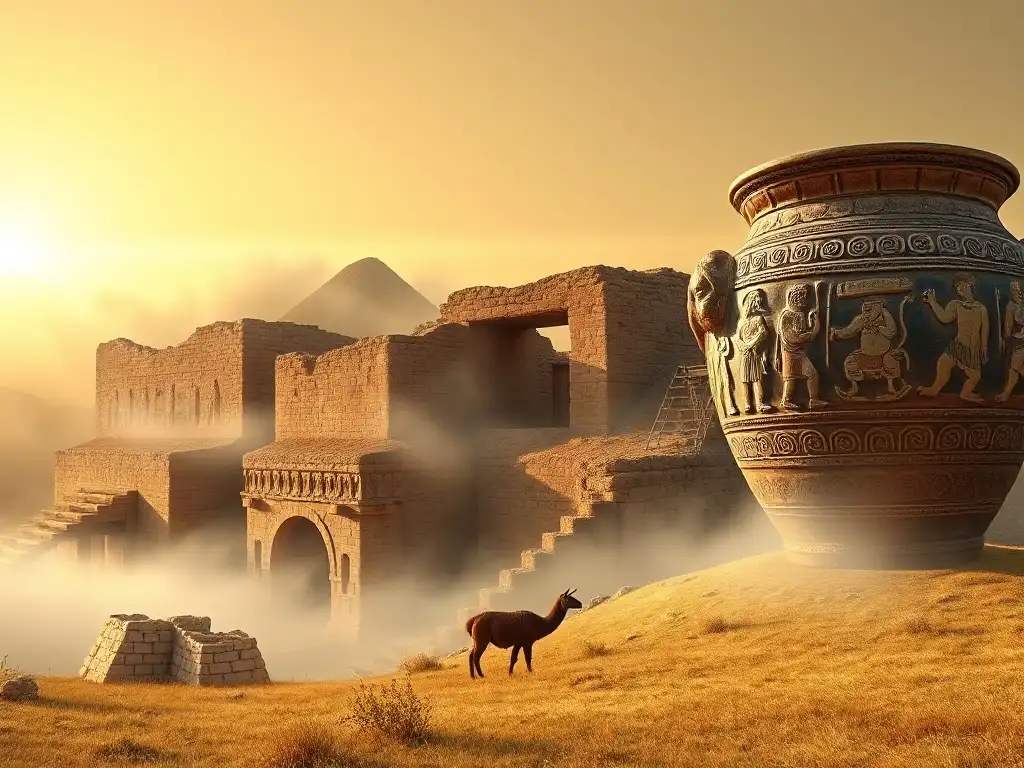
This section delves into the fascinating tapestry of Andean societies that flourished before the Inca Empire, showcasing the remarkable achievements and diverse cultural expressions that shaped the region. Understanding these predecessors is crucial to appreciating the complexity and richness of the Inca civilization and the broader context of "Ancient Andean civilizations before Inca." We'll explore three distinct examples, highlighting their unique contributions.
The Wari Empire: A Precursor to Inca Expansion
The Wari Empire, spanning from approximately 600 to 1000 CE, represents a pivotal moment in Andean history. Its influence extended across a vast territory, laying the groundwork for later empires, including the Inca. Unlike the Inca, who relied heavily on a centralized administrative system, the Wari employed a more decentralized approach, establishing numerous administrative centers throughout their domain. These centers, strategically located across diverse ecological zones, facilitated the efficient management of resources and trade.
The Wari are renowned for their sophisticated urban planning. Cities like Wari Kamaq (near Ayacucho) featured intricate networks of streets, canals, and monumental architecture, showcasing impressive engineering skills. These urban centers were not merely administrative hubs; they served as vital economic and religious centers, fostering a sense of unity and shared identity across the empire.
Evidence suggests a sophisticated system of communication and resource distribution facilitated the empire's growth and stability. The Wari’s remarkable achievements in infrastructure, administration, and potentially even early forms of writing, provide valuable insights into the development of complex societies in the Andes, significantly impacting the trajectory of later Andean civilizations, including the Inca. Their legacy is not merely a historical footnote; it's a fundamental element in understanding the rise of the Inca.
The Paracas Culture: Elaborate Textiles and Burial Rituals
The Paracas culture (ca. 800 BCE – 200 BCE), flourishing on the southern coast of Peru, is celebrated for its extraordinary textiles and unique burial practices. While not possessing the same political scale as the Wari, the Paracas left an indelible mark on Andean art and culture.
Their mastery of textile production is unparalleled. Using intricate techniques, they created vibrantly colored fabrics adorned with complex designs, often depicting mythological beings and scenes from daily life. These textiles, often discovered within elaborate tombs, are not simply decorative items; they are valuable historical documents offering insights into Paracas cosmology, social structures, and artistic skill.
Paracas burial practices were equally remarkable. Mummies were carefully prepared and adorned with elaborate textiles and ornaments, revealing a profound belief in the afterlife. The intricate process of mummification and the lavish grave goods demonstrate the high social status of the deceased and the importance placed on ancestor veneration.
The scale and complexity of Paracas tombs offer a glimpse into the social organization and religious beliefs of this coastal society, adding another significant layer to the understanding of "Ancient Andean civilizations before Inca." Their sophisticated textiles continue to inspire awe and admiration, showcasing the artistic prowess of this pre-Inca culture.
The Salinar, Virú, and Recuay Cultures: Regional Variations
The Andean region wasn't a monolithic entity; diverse cultures flourished simultaneously, each with its unique characteristics. The Salinar, Virú, and Recuay cultures, active during different periods before the Inca, exemplify this regional diversity.
The Salinar culture (ca. 200 BCE – 200 CE), located on the north coast of Peru, is known for its distinctive pottery and monumental architecture. Their pottery often features stylized human and animal figures, revealing a unique aesthetic sensibility. The Virú culture (ca. 100 BCE – 500 CE), also on the north coast, is recognized for its sophisticated irrigation systems, demonstrating advanced engineering skills needed to thrive in the arid coastal environment. Finally, the Recuay culture (ca. 200 – 600 CE), located in the highlands, is known for its distinctive painted pottery depicting scenes of warfare and ritual.
| Culture | Time Period (approx.) | Geographic Location | Notable Characteristics |
|---|---|---|---|
| Salinar | 200 BCE – 200 CE | North Coast Peru | Distinctive pottery, monumental architecture |
| Virú | 100 BCE – 500 CE | North Coast Peru | Sophisticated irrigation systems |
| Recuay | 200 – 600 CE | Andean Highlands | Distinctive painted pottery, depictions of warfare/ritual |
These three cultures, though geographically and chronologically distinct, represent the rich tapestry of pre-Inca Andean societies. Their contributions to art, technology, and social organization significantly shaped the later development of the Inca Empire and the broader narrative of "Ancient Andean civilizations before Inca." Further research is needed to fully understand the interactions and relationships between these diverse groups, but their individual legacies are undeniable. The study of these regional variations enriches our understanding of the complexities of Andean civilization and the factors that contributed to the rise and fall of empires in the region.
Comparing Pre-Inca Civilizations: Diversity and Innovation
This section delves into the fascinating tapestry of Ancient Andean civilizations before Inca, showcasing the remarkable diversity and innovative spirit that characterized these societies long before the Inca Empire's rise. We'll explore key aspects of their development, highlighting the unique characteristics that set them apart. Understanding these pre-Inca cultures is crucial to grasping the full complexity of Andean history and the foundations upon which the Inca built their empire. The sheer ingenuity and resilience of these earlier civilizations are testament to the human capacity for adaptation and innovation in challenging environments.
Technological Advancements Across Different Cultures
The Ancient Andean civilizations before Inca weren't monolithic; they displayed remarkable technological prowess across various regions. Consider the following examples:
- Nazca's irrigation systems: The Nazca people, renowned for their geoglyphs, also engineered sophisticated canal systems to irrigate their arid coastal lands. These intricate networks, some spanning kilometers, demonstrated an advanced understanding of hydraulic engineering and water management, crucial for survival in a desert environment. Their mastery of water control allowed for intensive agriculture and supported a relatively large population.
- Moche's metallurgy: The Moche civilization, flourishing on Peru's northern coast, was a master of metallurgy. They produced exquisite gold and silver artifacts, showcasing advanced techniques like lost-wax casting and repoussé. Their metalwork wasn't merely decorative; it played a vital role in their religious practices and social hierarchy, with elaborate headdresses and ceremonial objects indicating high status. The precision and artistry of their metalwork are unparalleled in the pre-Columbian Americas.
- Tiahuanaco's monumental architecture: The Tiahuanaco culture, located on the shores of Lake Titicaca, is famous for its monumental architecture, including the Akapana pyramid and the Gate of the Sun. These structures, built from massive stone blocks, required a deep understanding of engineering and construction techniques. The precision with which these blocks were cut and fitted together remains a marvel of ancient engineering, demonstrating advanced knowledge of stonework and possibly sophisticated tools. The scale of these projects suggests a highly organized society with a centralized authority capable of mobilizing considerable labor.
The technological achievements of these pre-Inca cultures weren't isolated incidents; they were interconnected, reflecting a continuous process of experimentation, adaptation, and refinement of techniques over centuries. This technological innovation laid the groundwork for subsequent Andean civilizations, including the Inca, who built upon and adapted these existing advancements.
Religious Beliefs and Ritual Practices
Religious beliefs and rituals were central to the lives of the Ancient Andean civilizations before Inca. These practices varied significantly across different cultures, reflecting unique cosmologies and worldviews.
- Nazca's veneration of deities: The Nazca are believed to have worshipped various deities, including those associated with water, fertility, and the underworld. Their elaborate ceramics often depict these deities, providing valuable insights into their religious beliefs. The geoglyphs themselves may have played a role in religious rituals, potentially serving as pilgrimage sites or locations for ceremonies. The precise function of the geoglyphs remains a subject of ongoing research and debate.
- Moche's human sacrifice: The Moche civilization practiced human sacrifice, which was often linked to their religious rituals and possibly to maintain cosmic balance or appease their deities. Evidence suggests that sacrifices were elaborate events involving carefully selected individuals who held significant social standing. The Moche's sophisticated artistic representations of these ceremonies, such as those found in their pottery, reveal the complexity and significance of these rituals within their society.
- Tiahuanaco's cosmology: The Tiahuanaco culture had a complex cosmology, often depicted in their iconography. Their religious beliefs likely centered around the veneration of deities associated with water, mountains, and the cosmos. The Gate of the Sun, with its intricate carvings, is believed to represent a calendar or a cosmological map, highlighting their sophisticated understanding of celestial events. The symbolism embedded within Tiahuanaco's art and architecture reveals a sophisticated understanding of the cosmos and their place within it.
The religious beliefs and rituals of these pre-Inca societies provide crucial insights into their social structures, political systems, and worldview. These practices highlight the deep connection between the spiritual and material realms in their lives, shaping their daily routines, social interactions, and political organization.
The Ancient Andean civilizations before Inca exhibited diverse social structures and governance styles. While details vary considerably between cultures, certain common threads emerge.
| Civilization | Social Structure | Governance Style | Evidence |
|---|---|---|---|
| Nazca | Possibly hierarchical, evidence unclear | Likely decentralized, with local leaders | Limited evidence of centralized authority |
| Moche | Highly stratified, with elite class | Centralized, ruled by warrior-priests | Elaborate tombs and monumental architecture |
| Tiahuanaco | Complex, with specialized labor groups | Centralized, possibly theocratic rule | Monumental architecture and widespread artifacts |
The social hierarchies and governance styles of these pre-Inca cultures were directly linked to their technological capabilities, religious beliefs, and environmental adaptations. Understanding these dynamics is crucial to fully appreciating the complexities of Andean societies before the Inca Empire's unification. Further research is needed to fully understand the intricacies of political organization in each of these fascinating cultures, particularly regarding the extent of centralized control and the mechanisms used to maintain social order.
The available evidence suggests a range of organizational structures, from relatively decentralized systems to highly centralized states. The level of social stratification also varied, with some societies exhibiting more pronounced hierarchies than others.
The Legacy of Pre-Inca Societies: Influencing the Inca Empire
The Inca Empire, while undeniably impressive in its scale and organization, wasn't built in a vacuum. Its achievements were built upon the foundations laid by numerous sophisticated pre-Inca Andean civilizations. Understanding these predecessors is crucial to fully appreciating the Inca's accomplishments and the broader tapestry of Andean history.
The intricate social structures, advanced technologies, and rich artistic traditions of these earlier societies profoundly shaped the Inca world, leaving an indelible mark on their agriculture, architecture, art, and overall worldview. Ignoring this crucial historical context risks a superficial understanding of the Inca Empire and its place within the larger Andean cultural narrative. Understanding the "Ancient Andean civilizations before Inca" reveals a complex and fascinating story of innovation and adaptation.
Pre-Inca Contributions to Inca Agriculture
Inca agricultural practices, renowned for their ingenuity and efficiency, owe a significant debt to their predecessors. The sophisticated terracing systems found throughout the Andes, particularly those associated with the Wari and Tiwanaku cultures, provided a blueprint for Inca agricultural expansion. These pre-Inca civilizations mastered techniques like hillside terracing, irrigation canals, and raised fields, allowing them to cultivate diverse crops in challenging terrains.
For example, the Nazca's mastery of irrigation canals in arid coastal regions showcased remarkable engineering skills, allowing for intensive agriculture where it would otherwise be impossible. This knowledge was directly adopted and refined by the Inca, who further expanded upon these pre-existing systems, increasing agricultural productivity and supporting their large population. The Inca’s waru waru system, a type of raised field agriculture, likely evolved from earlier techniques, demonstrating a clear continuity in agricultural practices.
The Inca also inherited a wide array of domesticated plants, including potatoes, maize, and quinoa, which had been cultivated and improved upon for centuries by earlier Andean societies. Without this pre-existing agricultural foundation, the Inca Empire's expansion and sustenance would have been severely hampered. The legacy of these pre-Inca agricultural innovations is undeniable, contributing significantly to the Inca's success and the overall development of Andean agriculture.
Pre-Inca Artistic and Architectural Influences
The grandeur of Inca architecture, with its precise stonework and monumental structures, often overshadows the equally impressive artistic and architectural achievements of pre-Inca societies. The Moche culture, for instance, is celebrated for its exquisite ceramics, depicting scenes of daily life, warfare, and mythology with astonishing detail. These ceramic traditions, along with the sophisticated metalworking techniques of other pre-Inca groups, influenced subsequent artistic styles, including those of the Inca.
The monumental structures of Tiwanaku, with their intricate stone carvings and massive platforms, showcase a level of architectural sophistication that significantly impacted later Andean builders. The precise stonework, without mortar, found in Tiwanaku structures, for example, demonstrates a level of engineering skill that is mirrored, though perhaps on a larger scale, in Inca constructions. The influence can be seen in the Inca's use of similarly precise stone fitting techniques in structures like Machu Picchu.
Furthermore, the symbolic and religious meanings embedded in pre-Inca art and architecture likely informed and inspired Inca artistic expressions and worldview. Analyzing the stylistic similarities and differences across these periods reveals a complex evolution of artistic and architectural traditions within the Andes, highlighting the continuous interplay between innovation and tradition.
The Significance of Understanding Andean Civilizations Before the Inca
Understanding the "Ancient Andean civilizations before Inca" is not simply an academic exercise; it is essential for a comprehensive understanding of Andean history and culture. The Inca Empire didn't emerge spontaneously; it was the culmination of centuries of social, technological, and artistic development. By studying the pre-Inca societies, we gain a deeper appreciation for the complexity and diversity of Andean cultures and the long-term processes that shaped the region.
This understanding allows us to move beyond a Eurocentric perspective that often focuses solely on the Inca as the sole significant Andean civilization, recognizing the rich tapestry of societies that contributed to the region's unique cultural heritage. Ignoring the contributions of these earlier groups leads to an incomplete and potentially inaccurate picture of Andean history.
Furthermore, studying these pre-Inca societies provides valuable insights into the processes of state formation, social organization, and cultural exchange in the Andes, offering valuable comparative data for understanding the rise and fall of complex societies worldwide. In short, exploring the "Ancient Andean civilizations before Inca" is crucial for a truly nuanced and comprehensive understanding of the Andes' rich past.
Frequently Asked Questions
What civilizations existed in the Andes before the Inca Empire?
Several flourishing societies predated the Inca, including the Moche, Nazca, Tiahuanaco, and Wari. These cultures each had unique advancements in art, agriculture, and social structures.
How did the Nazca culture express itself artistically?
The Nazca are best known for their geoglyphs, massive designs etched into the desert floor, and their remarkable pottery, often depicting intricate scenes of daily life and mythical creatures. Their artistry is a testament to their advanced understanding of landscape and materials.
What were some of the technological achievements of the pre-Inca Andean civilizations?
These civilizations developed sophisticated irrigation systems to support agriculture in challenging terrains, advanced metallurgy (working with metals like gold and copper), and impressive architectural skills, evident in monumental structures.
How did the Wari and Tiwanaku civilizations influence later Andean societies?
Both the Wari and Tiwanaku empires exerted significant influence across vast areas of the Andes. Their administrative systems, urban planning, and religious beliefs left a lasting impact on subsequent cultures, including the Inca.
Were there significant trade networks in the pre-Inca Andes?
Yes, extensive trade networks connected different Andean societies. Goods, ideas, and technologies were exchanged across vast distances, fostering cultural exchange and economic growth, influencing the development of many pre-Inca societies.
Final Reflection: Echoes of a Rich Past, Shaping Our Present
The vibrant tapestry of Andean civilizations that flourished before the Inca Empire continues to resonate in the modern world. Their sophisticated agricultural techniques, intricate social structures, and stunning artistic achievements offer invaluable lessons in resilience, innovation, and the enduring power of human ingenuity. Understanding their legacies is not merely an academic exercise; it's crucial for appreciating the complexity of human history and fostering a more inclusive and nuanced understanding of our shared past.
The impact of these pre-Inca societies extends far beyond dusty museum exhibits; their influence permeates the cultural landscape of modern-day Peru and beyond. Their artistic styles, religious beliefs, and agricultural practices continue to inspire contemporary artists, researchers, and communities. The echoes of their ingenuity can be heard in the vibrant traditions that persist to this day. The past is never dead. It's not even past.
– William Faulkner. This quote perfectly encapsulates the enduring relevance of these remarkable civilizations and their ongoing influence on the present.
Consider the ingenuity of the Nazca lines, the architectural marvels of Chavín de Huántar, or the sophisticated metalworking of the Moche. These achievements stand as testaments to the human spirit's capacity for creation and innovation. You, the reader, are now equipped with a deeper understanding of this rich history. Take this knowledge with you, explore further, and let the stories of these remarkable societies inspire you to appreciate the diversity and complexity of the human experience. Let their legacies challenge you to build a future informed by the wisdom of the past.
Unveil the Richness of Andean Heritage!
Thank you for exploring the fascinating world of pre-Inca Andean civilizations with us! You've gained valuable insights into these incredible societies. Now, it's your turn to delve deeper and uncover their vibrant cultures.
Here's how you can continue your journey:
- Explore our interactive map showcasing the locations and unique contributions of various Andean civilizations.
- Share your favorite fact or a personal reflection on Andean cultures with friends on social media—spark a conversation about this rich history!
- Join our community forum to connect with fellow enthusiasts eager to discuss and interpret Andean heritage.
Which lesser-known Andean civilization captivates you most, and why? Share your thoughts in the comments below!