
The Unseen Art: Exploring the Intangible Aspects of PreCeramic Andean Culture

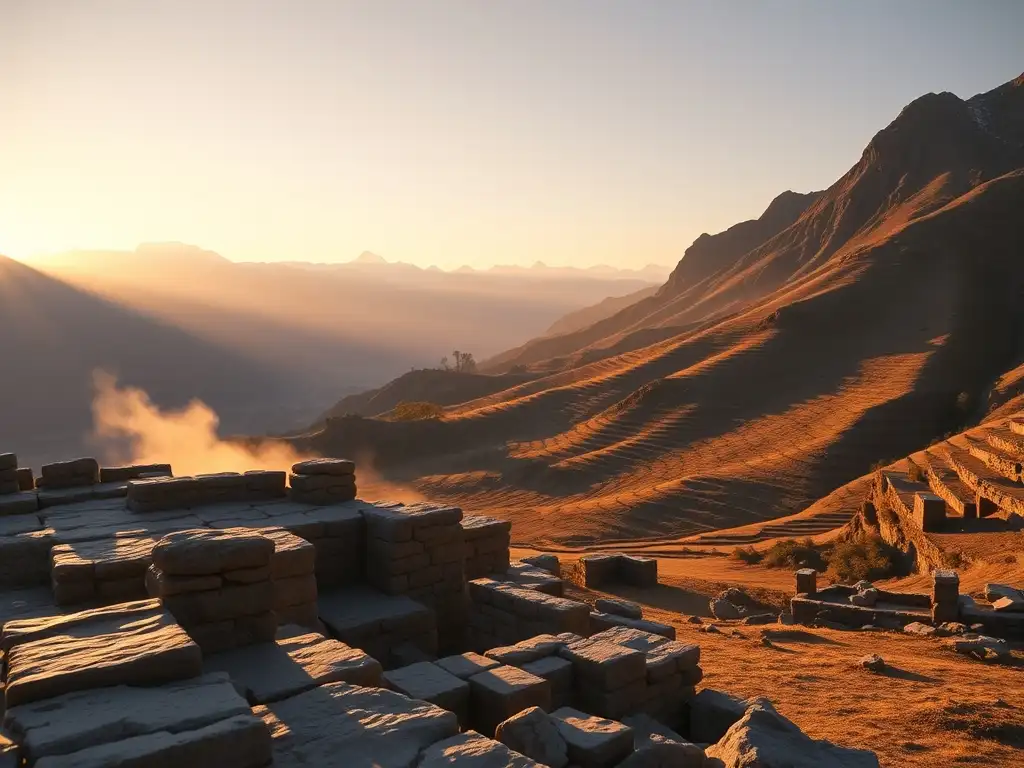
Step into a world lost to time, yet echoing with vibrant life. Beyond the majestic ruins and intricate textiles, lies a realm far richer: the Preceramic Andean intangible culture. Uncover the unseen artistry, the whispered traditions, and the profound spiritual beliefs that shaped these extraordinary civilizations. Dare to explore the mysteries that await within the hearts of the Andes... and discover what truly made these cultures endure.
The vibrant tapestry of Andean civilization often evokes images of majestic Inca citadels, intricate Nazca lines, and the awe-inspiring artistry of the Moche. However, a deeper understanding of these remarkable cultures requires exploring beyond the tangible remnants of their past. This article delves into the intangible aspects of Preceramic Andean culture – the beliefs, social structures, and practices that shaped their lives and left an enduring legacy, despite the lack of extensive written records. We will uncover the unseen threads of their society, weaving together archaeological findings, anthropological interpretations, and the enduring echoes of their traditions to illuminate a richer, more nuanced picture of Preceramic Andean life. This exploration of "Preceramic Andean intangible culture" will reveal how these early Andean societies laid the groundwork for the more well-known civilizations that followed. We will examine how their beliefs, social organization, and daily practices shaped their world and continue to resonate today.
Understanding Preceramic Andean social structures presents a significant challenge due to the limited evidence. However, analysis of burial sites and settlement patterns offers intriguing clues. Archaeological excavations reveal a range of burial practices, suggesting varying social hierarchies and potentially complex kinship systems.
For example, the presence of grave goods, such as finely crafted tools or ornaments, might indicate social status or leadership roles within the community. Further research into settlement patterns – the size and layout of villages, the distribution of houses, and evidence of communal activities – could provide additional insights into social organization and the degree of social stratification present.
The lack of monumental architecture in the Preceramic period, unlike later Andean civilizations, suggests potentially less centralized power structures, with perhaps a greater emphasis on kinship ties and local autonomy. Detailed studies of bone isotopes are also starting to reveal insights into dietary differences, which could provide further clues about social divisions within these communities.
Cosmovision and Religious Beliefs in the Preceramic Andes
The spiritual beliefs of Preceramic Andean societies are largely inferred from archaeological evidence, such as the presence of specific artifacts, burial rituals, and settlement locations. The careful placement of artifacts within burials, often including items related to daily life, suggests a belief in the continuity of life after death and the importance of these objects in the afterlife.
The selection of specific locations for settlements, often near water sources or with significant geographical features, points to a deep connection between humans and their environment, reflecting a profound understanding of the natural world and possibly early forms of nature worship. The presence of certain motifs in pottery and other artifacts – such as stylized animals or abstract symbols – might represent early forms of iconography, hinting at the development of complex religious beliefs and cosmological systems.
Further research into these patterns may help to unravel the intricate beliefs and practices that guided the lives of these early Andean people. More detailed analysis of the context of these artifacts, including their spatial distribution and association with other objects, is needed to better understand their significance.
The Preceramic period witnessed significant technological advancements in the Andes, particularly in the development of agriculture and pottery. The domestication of plants like potatoes and beans, along with the development of irrigation systems, dramatically altered the landscape and allowed for the growth of larger, more settled populations. The invention of pottery, initially rudimentary but progressively more sophisticated, served not only practical purposes but also played a crucial role in social and ritual life. Early pottery might have been used for storage, cooking, and water transport, but later examples frequently display elaborate decorations, suggesting their use in ceremonies or social gatherings. The development of these technologies had profound social implications, leading to increased food production, population growth, and the potential for greater social complexity. The distribution of these technologies across different regions suggests varying levels of interaction and exchange between communities. Further research into the manufacturing techniques and the distribution patterns of pottery and other artifacts could reveal more about the social networks and trade relationships of the time.
The development of these technologies was not merely a matter of practical innovation but also profoundly impacted the social fabric of these early Andean communities, shaping their daily lives, their interactions, and their worldviews. Understanding these changes is fundamental to grasping the true significance of Preceramic Andean culture.
The Enduring Legacy of Preceramic Andean Intangible Culture
The intangible aspects of Preceramic Andean culture, while often unseen, laid the foundations for the spectacular civilizations that followed. Their beliefs, social structures, and technological innovations shaped the cultural landscape of the Andes for millennia. The echoes of their practices and spiritual worldviews can still be traced in later Andean traditions.
Studying these often-overlooked aspects provides a deeper appreciation of the rich complexity and enduring legacy of Andean civilization. Further research, incorporating a multidisciplinary approach, is crucial to continue uncovering the unseen aspects of this fascinating period. The challenges in interpreting the limited evidence available only serve to highlight the richness and complexity of Preceramic Andean intangible culture, and the importance of continued research and interdisciplinary collaboration to unravel its mysteries.
- Social Structures and Kinship in Preceramic Andean Societies
- Cosmovision and Religious Beliefs in the Preceramic Andes
- Technological Innovations and their Social Implications
- The Enduring Legacy of Preceramic Andean Intangible Culture
- What is considered "intangible culture" in the context of Preceramic Andean civilizations?
- How can we learn about Preceramic Andean intangible culture if there's no written language?
- What are some examples of Preceramic Andean intangible cultural practices?
- How did the environment influence Preceramic Andean intangible culture?
- How does studying Preceramic Andean intangible culture contribute to our understanding of later Andean civilizations?
Understanding Preceramic Andean Societies: Beyond Material Remains
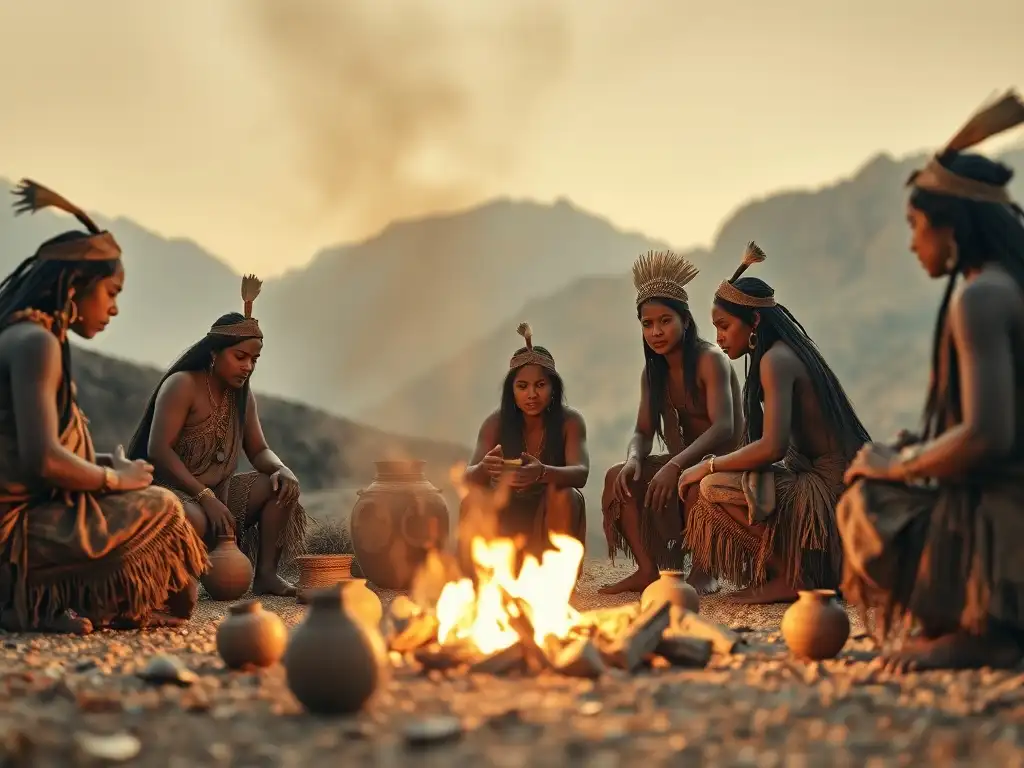
This section delves into the complexities of understanding Preceramic Andean societies, focusing on the aspects that escape straightforward archaeological excavation: their intangible cultural heritage. While impressive architectural remains and intricate pottery offer tangible insights into these early civilizations, a complete picture requires exploring the unseen elements that shaped their lives and beliefs. We must move beyond the readily visible artifacts to grasp the nuanced tapestry of their social structures, spiritual practices, and daily routines.
Understanding the "Preceramic Andean intangible culture" requires a significant shift in perspective, moving from a focus on what they left behind to how they lived and interacted with their world. This involves careful consideration of the limitations inherent in interpreting evidence and a willingness to engage with the inherent uncertainties involved in reconstructing past cultures.
The Significance of the Preceramic Period in Andean History
The Preceramic period, spanning roughly from 8000 BCE to 1800 BCE, lays the foundation for all subsequent Andean civilizations. It's a period marked by significant innovations in agriculture, settlement patterns, and social organization. While the monumental architecture and sophisticated metalwork of later periods are undeniably impressive, the Preceramic period witnessed the crucial development of techniques that allowed for the rise of complex societies.
The domestication of plants like potatoes, beans, and squash, for example, fundamentally altered the landscape and enabled sedentary lifestyles. This transition from nomadic hunter-gatherer societies to settled agricultural communities is a transformative event, laying the groundwork for population growth and the eventual emergence of larger, more complex social structures. This period also saw the development of early forms of social organization, evidenced by the construction of increasingly sophisticated settlements and the beginnings of social stratification, though the exact nature of these hierarchies remains a subject of ongoing research.
Understanding the intangible aspects of this period – their beliefs, social structures, and artistic expressions beyond the material – is crucial to understanding the trajectory of Andean civilization as a whole. The seeds of later Andean cultural achievements are sown in this formative era.
Challenges in Studying Intangible Culture of Early Andean Peoples
Reconstructing the intangible culture of Preceramic Andean societies presents significant methodological challenges. Unlike later periods with extensive textual records or readily interpretable iconography, the evidence for Preceramic intangible culture is largely indirect and requires careful interpretation. Archaeological findings, such as burial practices, settlement layouts, and the presence of specific artifacts, offer clues, but these clues are often fragmentary and open to multiple interpretations.
For example, the presence of elaborate burials might suggest social hierarchy, but the precise nature of social organization and the beliefs underpinning burial rituals remain largely unknown. Furthermore, the absence of writing systems means that we lack direct accounts of their beliefs, myths, and social customs. This necessitates creative approaches, drawing on comparative ethnographic studies of other cultures and employing sophisticated analytical techniques to interpret the limited available data.
The study of Preceramic Andean intangible culture is therefore a constant exercise in hypothesis formulation and refinement, requiring a multidisciplinary approach that integrates archaeological data with insights from anthropology, ethnohistory, and other relevant fields. The lack of direct evidence necessitates a cautious and nuanced approach, acknowledging the inherent uncertainties involved in reconstructing past beliefs and practices.
Defining Intangible Cultural Heritage in a Preceramic Context
Defining "intangible cultural heritage" in a Preceramic context requires careful consideration. Contemporary definitions often focus on living traditions, such as music, dance, storytelling, and rituals. While these elements are absent in the archaeological record of the Preceramic period, we can still identify analogous aspects that represent forms of intangible heritage. This includes reconstructing social structures, belief systems, and artistic expressions that were not directly preserved in material form.
For example, the spatial organization of settlements might reflect social hierarchies or kinship structures. The careful placement of artifacts in burials might indicate beliefs about the afterlife or ancestor veneration. The stylistic consistency of certain artifacts across wide geographical areas might suggest the existence of shared beliefs or cultural practices.
Even the choice of materials used in artifact production, and the techniques employed, can offer glimpses into the values and worldviews of these early Andean peoples. Therefore, defining intangible cultural heritage in this context involves identifying and interpreting the non-material aspects of culture that are reflected in the archaeological record, acknowledging the limitations of the data and the inherent uncertainties involved in such interpretations. It is a process of careful inference and reconstruction, guided by rigorous methodology and a deep understanding of the archaeological context.
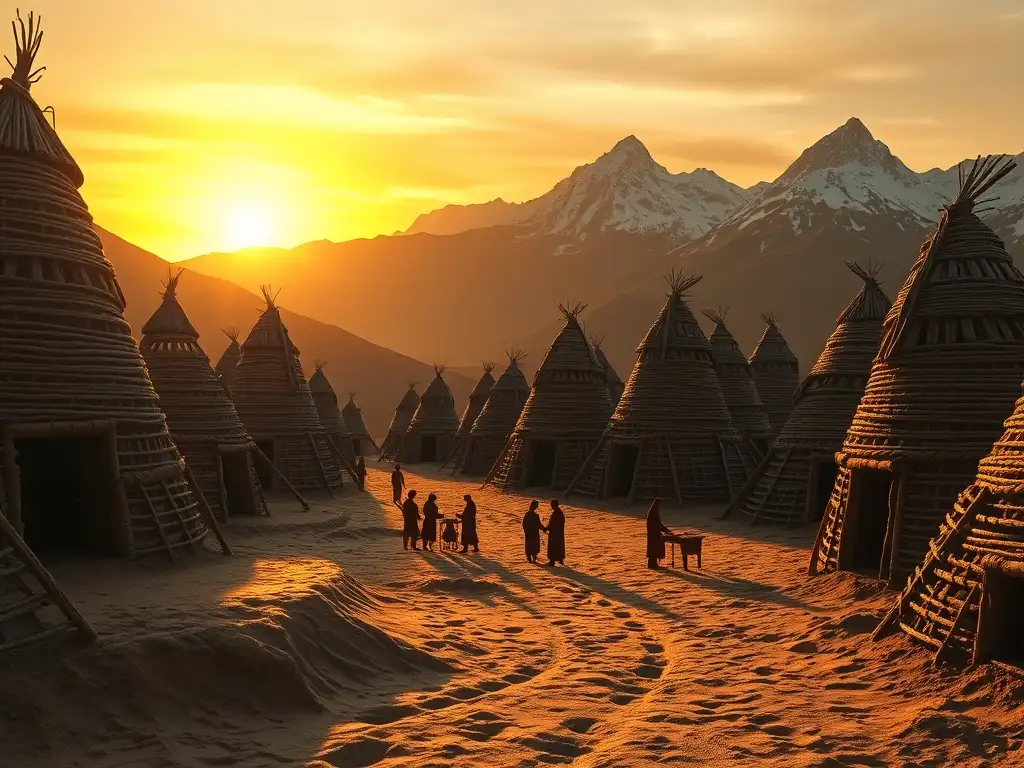
Understanding the social structures of Preceramic Andean cultures requires moving beyond the tangible remains of architecture and artifacts. The absence of writing presents a significant challenge, forcing us to rely on careful analysis of settlement patterns, burial practices, and the distribution of artifacts to infer social organization. While a rigid, hierarchical structure like that of later Andean civilizations may not have existed, evidence suggests a degree of social complexity that warrants further investigation concerning Preceramic Andean intangible culture.
The earliest Andean societies, predating pottery, exhibited evidence of settled village life. Sites like Caral and Aspero, located in the Supe Valley of Peru, reveal large-scale public works, indicating coordinated labor and a degree of social organization necessary for such undertakings. The construction of monumental architecture, such as the massive platforms and pyramids at Caral, suggests the presence of leaders or specialized individuals capable of mobilizing the workforce and managing resources.
However, the absence of lavish burials or significant differences in grave goods suggests a less pronounced social hierarchy than in later periods. This doesn't imply egalitarianism, but rather a more fluid social structure, perhaps based on kinship, age, or specialized skills rather than hereditary privilege.
Further research into the distribution of specific artifacts within these settlements could shed more light on potential social stratification. For example, the presence of certain types of tools or ornaments concentrated in specific areas could hint at specialized craftspeople or a nascent division of labor within the community.
Ritual Practices and Belief Systems in Preceramic Andean Culture
The intangible aspects of Preceramic Andean culture are perhaps most evident in their ritual practices and belief systems. While we lack written records, archaeological evidence reveals clues about their spiritual world. The construction of large-scale public structures, such as those at Caral, suggests that religious or ceremonial activities played a crucial role in community life.
The careful placement of offerings in burials, including food, textiles, and other artifacts, points to beliefs about the afterlife and the importance of ancestor veneration. The presence of plazas and open spaces within settlements likely served as locations for communal rituals and gatherings. Analyzing the architecture of these spaces, considering their orientation and the types of activities that may have taken place within them, can help us reconstruct the nature of these rituals and gain insights into the worldview of these early Andean people.
The discovery of unique artifacts, such as ceremonial objects or specific forms of adornment, further contributes to our understanding of Preceramic Andean intangible culture and its spiritual significance. The absence of iconographic representations, however, limits our ability to fully understand their specific deities or mythological narratives.
Caral and Aspero, the two most prominent Preceramic sites in the Supe Valley, offer compelling evidence of social complexity. The sheer scale of these sites, with their monumental architecture and extensive residential areas, points to a large and well-organized population. The presence of specialized structures, such as sunken circular plazas and platforms, suggests the existence of specialized roles and activities within the community.
The sophisticated irrigation systems necessary to support the population further demonstrate advanced engineering skills and a high degree of social coordination. Analyzing the distribution of resources and artifacts within these sites, particularly the types of materials used in construction and the presence of specialized tools or ornaments, could reveal further clues about social stratification and the organization of labor.
While the absence of clear indicators of hierarchical power structures, like elaborate tombs or palaces, challenges the traditional notion of a fully developed state, the evidence from Caral and Aspero nonetheless points to a level of social complexity and organization that surpasses that of simpler hunter-gatherer societies. The extent of their social complexity and the nature of their social organization remain areas of ongoing research and debate, making the study of Preceramic Andean intangible culture an exciting and evolving field.
Spiritual Beliefs and Rituals of the Preceramic Andes
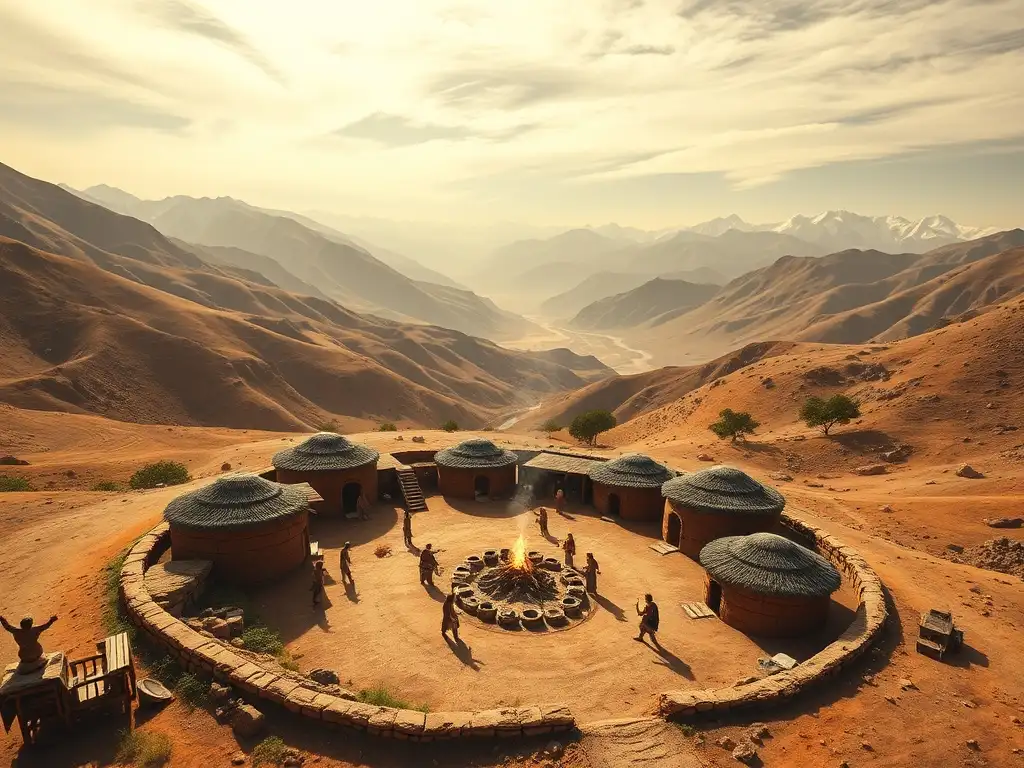
The Preceramic Andean period, spanning roughly 8000 BCE to 1800 BCE, presents a fascinating puzzle for archaeologists seeking to understand the intangible aspects of Andean culture. While tangible artifacts like pottery shards and rudimentary tools offer glimpses into daily life, the spiritual beliefs and rituals of these early Andean peoples remain largely shrouded in mystery.
Reconstructing their worldview requires careful interpretation of limited evidence, focusing on architectural remains, burial practices, and the symbolic representation found in rare artifacts. Understanding the Preceramic Andean intangible culture requires a shift from material analysis to a deeper consideration of the symbolic and ritualistic practices that shaped their lives.
The Role of Shamanism in Early Andean Spirituality
Evidence suggests a prominent role for shamanistic practices in early Andean spirituality. While direct depictions of shamans are scarce, the presence of elaborate burial sites containing grave goods (such as meticulously crafted obsidian blades and vibrant pigments) and the architectural features of some settlements hint at ritualistic activity and a stratified society, where certain individuals held significant spiritual authority.
The discovery of hallucinogenic plants at some sites further supports the hypothesis of shamanic practices involving altered states of consciousness to communicate with the spirit world. The complexity of some early Andean textiles, often found in burial contexts, could also represent symbolic representations created or used by shamans.
Further research is needed to fully understand the specific rituals and the role of these shamans within their communities. The exact nature of these rituals and their significance within the social structure remains a subject of ongoing debate and research, making the study of Preceramic Andean intangible culture a dynamic and evolving field.
Animistic Beliefs and the Natural World in Preceramic Times
The close relationship between early Andean communities and their environment is undeniable. Analysis of settlement patterns reveals a strong connection to fertile valleys and readily available water sources. This practical dependence likely translated into an animistic worldview, where the natural world was imbued with spiritual significance.
Mountains, rivers, and animals were not simply resources; they were powerful entities deserving of respect and ritual appeasement. This deep-rooted connection is reflected in the careful selection of burial sites, often located in prominent geographical locations with symbolic importance.
The presence of animal remains in burials further supports this theory, suggesting a belief in the afterlife and a continued connection to the natural world even after death. The lack of widespread monumental architecture in the early preceramic period suggests that sacred spaces might have been less formally defined and more integrated into the natural landscape itself, reflecting a deeply ingrained animistic perspective on Preceramic Andean intangible culture.
Early Forms of Andean Cosmovision Evidenced at Kotosh
The site of Kotosh, in the central Andes, offers particularly compelling evidence of early Andean cosmology. The discovery of the "Temple of the Crossed Hands" and other structures reveals a sophisticated understanding of architectural design and spatial organization. The intricate carvings and the symbolic representation of hands, often interpreted as representing prayer or offerings, suggest a structured religious system with established rituals and beliefs.
The careful planning and construction of these structures, along with the evident use of specific materials and techniques, all point towards a complex system of beliefs that shaped the social and spiritual lives of these communities. The layout and orientation of the structures at Kotosh, coupled with the symbolic artifacts found within, provide invaluable insights into the early development of Andean cosmovision and its influence on their Preceramic Andean intangible culture.
Further investigation at Kotosh and similar sites is crucial to a more complete understanding of these early spiritual practices. The site serves as a key window into understanding the complex interplay between the physical and spiritual worlds in the formative years of Andean civilization.
Oral Traditions and Communication in Preceramic Cultures

The study of Preceramic Andean intangible culture hinges significantly on understanding its oral traditions. Unlike later Andean civilizations that developed sophisticated writing systems, Preceramic societies relied entirely on oral transmission for preserving their history, beliefs, and social structures. This reliance on oral history presents both challenges and unique opportunities for modern researchers seeking to reconstruct their narratives.
The absence of written records necessitates a multi-faceted approach, drawing upon archaeological evidence, anthropological studies of contemporary oral cultures, and careful interpretation of surviving artifacts to piece together a comprehensive picture of their world. Understanding these limitations and the inherent complexities of reconstructing oral traditions is crucial to avoiding misinterpretations and fostering a nuanced understanding of Preceramic Andean societies. The richness and complexity of their social organization, as evidenced by the sophisticated architecture and artistic expressions, strongly suggest a robust system of oral communication capable of transmitting intricate knowledge across generations.
The Importance of Oral History in Reconstructing Preceramic Narratives
Oral history, in the context of Preceramic Andean culture, isn't simply a collection of anecdotes; it represents the very foundation of their cultural identity. The lack of written texts means that narratives, genealogies, myths, and practical knowledge concerning agriculture, medicine, and social organization were all verbally transmitted. Archaeological findings, such as the elaborate designs on pottery and textiles, can offer clues to the themes and stories prevalent in their oral traditions.
For example, recurring motifs on ceramics might represent characters or events from important myths, while the complexity of textile designs could reflect intricate social structures or cosmological beliefs. Analyzing these visual elements alongside evidence of social organization from settlement patterns and burial practices allows researchers to build a more complete understanding of the stories and beliefs that shaped Preceramic Andean life.
This process, however, requires careful consideration of potential biases and limitations inherent in interpreting archaeological data through the lens of oral tradition. Further research focusing on comparative analysis with contemporary oral cultures in the Andes could provide valuable insights into the potential structure and function of these early narratives.
Methods of Communication and Storytelling Before Written Language
Preceramic Andean societies likely employed a variety of methods for communication and storytelling, leveraging both verbal and non-verbal cues. Verbal communication would have relied on a rich vocabulary, possibly incorporating onomatopoeia and figurative language to enhance storytelling. The use of mnemonic devices, such as songs, chants, and repetitive phrases, would have been crucial for retaining and transmitting long narratives and complex knowledge.
Non-verbal communication likely played a significant role, with gestures, body language, and facial expressions conveying meaning alongside spoken words. The creation and performance of elaborate rituals, often involving music, dance, and dramatic performances, likely served as powerful vehicles for communicating and reinforcing cultural values, beliefs, and historical narratives.
Furthermore, the use of visual aids, such as intricate carvings on objects or the use of specific colors in pottery, might have been incorporated into storytelling to enhance memorability and understanding. The development of sophisticated artistic traditions in this period suggests a high level of symbolic communication, potentially enriching the storytelling process.
Transmission of Knowledge and Cultural Practices Through Generations
The successful transmission of knowledge and cultural practices across generations in Preceramic Andean societies was crucial for their survival and continuity. This transmission relied heavily on apprenticeship systems, where younger generations learned from elders through direct observation and participation in daily activities and rituals. Specialized knowledge, such as agricultural techniques, medicinal practices, and craftsmanship, would have been passed down within families or specific social groups.
Rituals and ceremonies played a key role in reinforcing social structures and transmitting cultural values. These events served not only as opportunities for entertainment and social bonding but also as educational tools, reinforcing societal norms and transmitting important historical narratives and cosmological beliefs. The continuity of artistic styles and technological advancements across generations suggests a robust system for knowledge transmission, indicating a high degree of social cohesion and cultural stability.
The meticulous craftsmanship evident in Preceramic artifacts points to a dedication to preserving and passing on traditional skills and techniques. Further research into the social structures and kinship systems of these societies is needed to fully understand the mechanisms involved in this process. The study of Preceramic Andean intangible culture offers a fascinating glimpse into the ingenuity and resilience of these early societies, highlighting the power of oral tradition to shape and sustain a vibrant culture.
Preceramic Andean Art: Manifestations of Intangible Beliefs
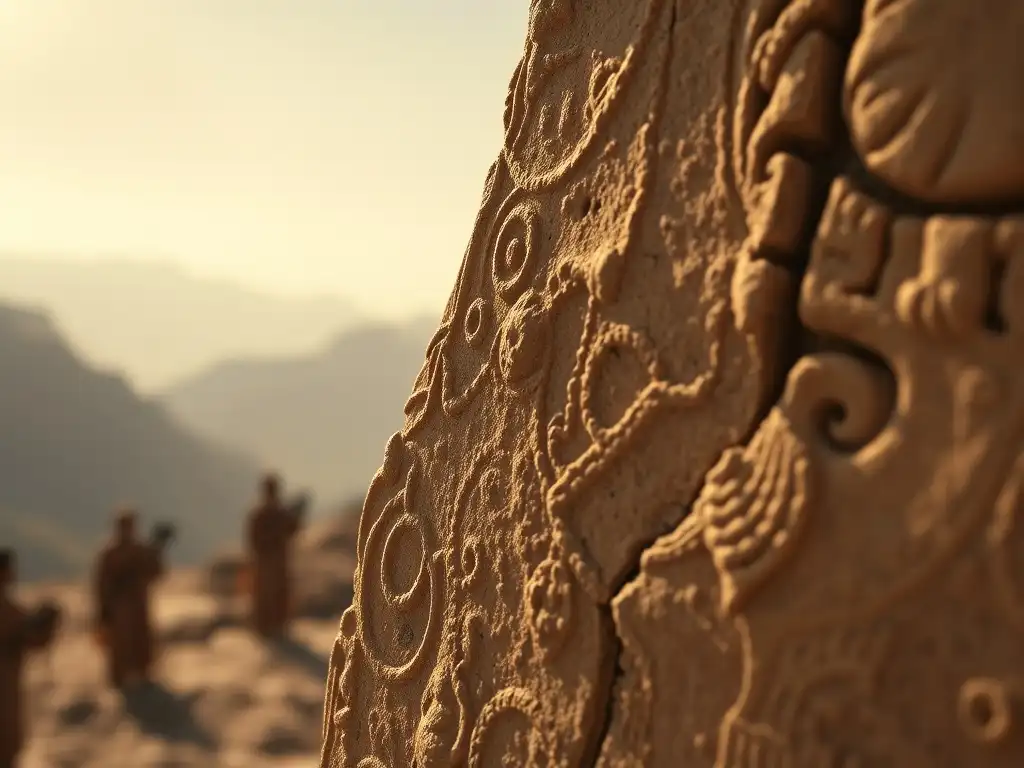
The Preceramic period in the Andes (circa 8000-1800 BCE) presents a fascinating paradox: a rich and complex artistic production exists alongside a near-total absence of written records. This absence forces us to explore the "unseen art"—the intangible aspects of their culture—to understand the meaning behind the surviving artifacts. By analyzing surviving textiles, pottery shards, and rock art, we can begin to decipher the beliefs, social structures, and cosmological understandings of these early Andean peoples.
Understanding their "Preceramic Andean intangible culture" requires careful consideration of the symbolic language embedded within their material culture. The analysis of these artifacts allows us to reconstruct a picture of their worldviews, social organization, and spiritual beliefs, revealing a sophisticated culture far beyond what might be initially apparent. This section will explore some key manifestations of this intangible heritage.
Rock Art and Petroglyphs as Expressions of Worldviews
Rock art and petroglyphs found throughout the Andean region offer invaluable insights into the spiritual and cosmological beliefs of Preceramic societies. These often-overlooked forms of artistic expression serve as powerful windows into the intangible cultural heritage of the time. The depictions found, ranging from simple geometric patterns to complex zoomorphic and anthropomorphic figures, likely held profound significance for the communities that created them.
For example, the numerous petroglyphs discovered in the coastal deserts of Peru frequently depict stylized camelids, such as llamas and alpacas, alongside geometric designs. These animals were crucial to the survival of these early Andean communities, providing sustenance, wool, and transportation. Their depiction in rock art suggests a deep connection between humans and the natural world, perhaps signifying a reverence for these animals and their role in the ecosystem.
The geometric patterns accompanying the animal figures may represent celestial bodies, agricultural cycles, or other important aspects of their worldview. Further research is needed to fully decipher the meaning of these intricate combinations, but their presence indicates a sophisticated understanding of symbolic representation.
Further complicating the interpretation are the variations observed across different sites. While some sites feature predominantly animal figures, others showcase abstract designs, suggesting diverse cultural practices and possibly different belief systems among various Preceramic groups. This diversity underscores the complexity and richness of Preceramic Andean intangible culture.
The subtle differences in style and subject matter among these geographically dispersed sites hint at the existence of distinct regional identities and belief systems, highlighting the need for a nuanced approach to interpreting these ancient expressions. The careful documentation and analysis of these sites are crucial to understanding the breadth and depth of Preceramic Andean belief systems.
Textile Production and Symbolic Meanings in Preceramic Fabrics
The discovery of remarkably well-preserved textiles at sites like Huaca Prieta provides compelling evidence of sophisticated textile production techniques during the Preceramic period. These fabrics, often woven from cotton and other natural fibers, are not merely utilitarian objects; they are imbued with symbolic meaning, reflecting the social and spiritual values of their creators. The intricate weaving patterns, the careful selection of colors, and the use of specific motifs all contribute to the rich tapestry of Preceramic Andean intangible culture.
The colors themselves held symbolic significance. For example, the prevalence of certain hues, such as reds and browns, may relate to the importance of specific plants or animals within their society, or to cosmological concepts related to the earth and the sun. The use of different weaving techniques could also indicate social status or religious affiliation.
Complex patterns, requiring extensive skill and time to create, might have been reserved for elite members of society or used in religious ceremonies. Analysis of the fibers and dyes used in the textiles could reveal information about trade networks and resource management strategies. The study of the textiles provides a detailed record of the technological proficiency and the spiritual and social nuances of Preceramic Andean societies.
The Significance of the Huaca Prieta Textiles
The textiles unearthed at Huaca Prieta, located on the north coast of Peru, stand out as particularly significant examples of Preceramic artistry. These remarkably well-preserved fragments represent some of the earliest known examples of woven textiles in the Americas. Their exceptional state of preservation allows for detailed analysis of the weaving techniques, materials, and symbolic elements used in their creation.
The Huaca Prieta textiles exhibit a range of weaving techniques, from simple plain weaves to more complex tapestry and brocade styles. The use of these diverse techniques suggests a high level of skill and artistry among the weavers, indicating a sophisticated understanding of textile production. The colors used in the Huaca Prieta textiles are predominantly natural earth tones, reflecting the readily available resources of the region.
However, even these seemingly simple colors likely held deeper symbolic meaning within the context of the Preceramic Andean worldview. The careful selection and combination of these colors, along with the intricate weaving patterns, demonstrate the deliberate and symbolic nature of these artifacts.
The ongoing research into these textiles continues to unveil new insights into the rich tapestry of Preceramic Andean intangible culture, highlighting the importance of preserving and studying these invaluable archaeological finds. Further study promises to shed more light on the complex social and religious systems of these early Andean communities.
Preceramic Andean Intangible Culture: Its Legacy and Relevance
The term "Preceramic Andean intangible culture" encompasses a vast and often overlooked aspect of Andean history. While impressive architectural remains and intricate pottery are readily visible testaments to these early societies, the intangible elements—belief systems, social structures, oral traditions, and knowledge systems—offer a richer, more nuanced understanding of their lives. These intangible aspects, while not physically preserved, profoundly shaped the development of later Andean civilizations and continue to resonate in contemporary Andean cultures. Understanding this legacy is crucial for a complete picture of Andean heritage. We're not just talking about artifacts; we're exploring the very fabric of their existence.
The Enduring Impact of Preceramic Culture on Later Andean Societies
The influence of Preceramic Andean intangible culture is demonstrably visible in later Andean societies. For example, the sophisticated agricultural techniques developed during this period, including terracing and irrigation systems, laid the foundation for the impressive agricultural achievements of the Inca Empire. The mastery of these techniques, passed down through generations via oral traditions and practical demonstrations – elements of intangible cultural heritage – allowed for sustained population growth and social complexity.
Furthermore, evidence suggests that certain cosmological beliefs and ritual practices prevalent in Preceramic societies persisted, evolving and adapting over centuries. This continuity is evident in the iconography and symbolism found in later Andean art and architecture. Consider, for instance, the recurring motifs of fertility and Andean deities—their roots can be traced back to Preceramic religious practices, indicating a lasting impact on subsequent cultural expressions.
The intricate social hierarchies observed in later Andean states also likely have their origins in the complex social organizations that emerged during the Preceramic period. This demonstrates that the intangible cultural heritage of the Preceramic period wasn't merely a historical footnote, but a dynamic force that shaped the trajectory of Andean civilizations for millennia. The legacy of the Preceramic period serves as a potent reminder of the interconnectedness of Andean history and the importance of understanding its underlying cultural principles.
Preserving and Understanding the Intangible Heritage of the Preceramic Andes
Preserving and understanding the intangible heritage of the Preceramic Andes presents unique challenges. Unlike tangible artifacts that can be physically preserved in museums, intangible cultural heritage is ephemeral, relying on oral traditions, knowledge systems, and practices that are vulnerable to loss. The task requires a multi-faceted approach. Ethnoarchaeological studies, which combine archaeological methods with ethnographic research, are crucial in interpreting archaeological evidence within the context of contemporary Andean communities.
These studies can illuminate the connections between past and present practices, helping researchers to better understand the meaning and significance of Preceramic rituals and beliefs. Furthermore, collaborations with Andean communities themselves are essential. Their knowledge and perspectives are invaluable in interpreting archaeological findings and ensuring that the preservation efforts respect and empower local voices. This participatory approach is not only ethically sound but also crucial for the accurate and nuanced interpretation of the Preceramic Andean intangible culture.
Documenting and archiving oral traditions, through methods like audio and video recording and detailed transcriptions, is also paramount. This allows for the preservation of invaluable knowledge that might otherwise be lost. The challenges are significant, but the potential rewards—a deeper understanding of a pivotal period in Andean history—make the effort worthwhile. The preservation of this heritage is not simply an academic pursuit; it is a vital step in safeguarding the cultural identity of Andean peoples.
New Research and Future Directions in the Study of Preceramic Andean Culture
The study of Preceramic Andean culture is a dynamic field, constantly evolving with new discoveries and methodologies. Future research should focus on several key areas. Firstly, advanced scientific techniques, such as ancient DNA analysis and isotopic studies, can provide valuable insights into the diet, health, and migration patterns of Preceramic populations. This data can shed light on the social structures and economic activities of these societies, contributing to a more comprehensive understanding of their daily lives.
Secondly, further interdisciplinary collaborations are essential. Combining the expertise of archaeologists, anthropologists, linguists, and other specialists will allow for a more holistic interpretation of the available evidence. This collaborative approach is crucial for addressing the complexities of Preceramic Andean intangible culture. Finally, a strong emphasis on ethical research practices, including meaningful engagement with Andean communities, is paramount.
This ensures that research efforts are not only scientifically rigorous but also respectful of the cultural heritage and the rights of the descendant communities. The future of Preceramic Andean studies lies in embracing interdisciplinary collaboration, innovative methodologies, and a commitment to ethical and community-engaged research. This approach will ensure that future generations can appreciate and learn from the rich and complex legacy of Preceramic Andean intangible culture.
Frequently Asked Questions
What is considered "intangible culture" in the context of Preceramic Andean civilizations?
Intangible culture refers to the non-physical aspects of a culture. For Preceramic Andean societies, this includes oral traditions, ritual practices, social structures, and belief systems, which are difficult to directly observe archaeologically but leave traces in material culture.
How can we learn about Preceramic Andean intangible culture if there's no written language?
We rely on indirect evidence. Archaeologists study settlement patterns, ceremonial sites, and artistic representations to infer social organization, beliefs, and rituals. Analysis of human remains also provides insights into health, diet, and social status.
What are some examples of Preceramic Andean intangible cultural practices?
Evidence suggests sophisticated social hierarchies, complex religious beliefs (possibly involving ancestor veneration and shamanism), and elaborate ceremonial practices. These are inferred from the arrangement of settlements, burial practices, and the presence of specialized artifacts.
How did the environment influence Preceramic Andean intangible culture?
The challenging Andean environment significantly shaped their culture. Adaptation to high altitudes, resource management strategies, and the development of agricultural techniques all influenced their social structures, beliefs, and worldview. Environmental factors are crucial to understanding their intangible heritage.
How does studying Preceramic Andean intangible culture contribute to our understanding of later Andean civilizations?
Understanding Preceramic foundations is essential for interpreting the later, more complex Andean societies. Studying their beliefs, social structures, and technologies reveals the evolutionary trajectory of Andean culture, highlighting continuity and change over millennia.
Final Reflection: Echoes of the Unspoken: A Legacy in the Andes
The intangible heritage of the Preceramic Andean cultures remains profoundly relevant today, a testament to the enduring power of human ingenuity and spiritual connection. Understanding their complex social structures, belief systems, and artistic expressions, even without the tangible artifacts that often dominate narratives, allows us to appreciate the depth and complexity of early human societies and their lasting impact on the world. This understanding challenges our assumptions about "civilization" and offers a richer, more nuanced perspective on human history.
The subtle yet powerful influence of Preceramic Andean intangible culture continues to resonate in contemporary Andean societies. Their reverence for nature, their intricate understanding of cosmology, and their sophisticated social organization are echoes that reverberate through generations. These are not merely historical curiosities; they are living traditions, subtly shaping the cultural landscape of the Andes today. The past is never dead. It's not even past.
- William Faulkner. This quote perfectly encapsulates the enduring presence of these intangible aspects, shaping the present and informing the future.
Consider, for a moment, the profound implications of this exploration. How can we, in our own lives, better appreciate the intangible aspects of our own cultures and histories? How can we ensure that the unseen threads of tradition, belief, and social connection are not lost to time, but rather celebrated and preserved for future generations? Let the echoes of the Preceramic Andes inspire you to seek out and value the intangible heritage in your own world, recognizing its enduring power and its vital role in shaping who we are.
Unveil the Secrets of Preceramic Andean Culture!
Thank you for exploring the fascinating world of Preceramic Andean culture with us! You've already uncovered some of the unique aspects of this civilization, and we're excited for you to delve even deeper.
Here are a few ways to further enrich your understanding and appreciation of this rich heritage:
- Join our community of enthusiasts! Subscribe to our newsletter for exclusive insights and discussions about Andean civilizations.
- Visit local museums and exhibitions showcasing Andean artifacts to experience the beauty of this culture firsthand.
- Share your knowledge with friends and on social media to inspire conversations about the importance of preserving intangible cultural heritage.
What aspect of Preceramic Andean culture captivates you most, and how will you continue to explore it?