
The Dawn of Complexity: The Rise of Social Hierarchies in Early Andean Societies

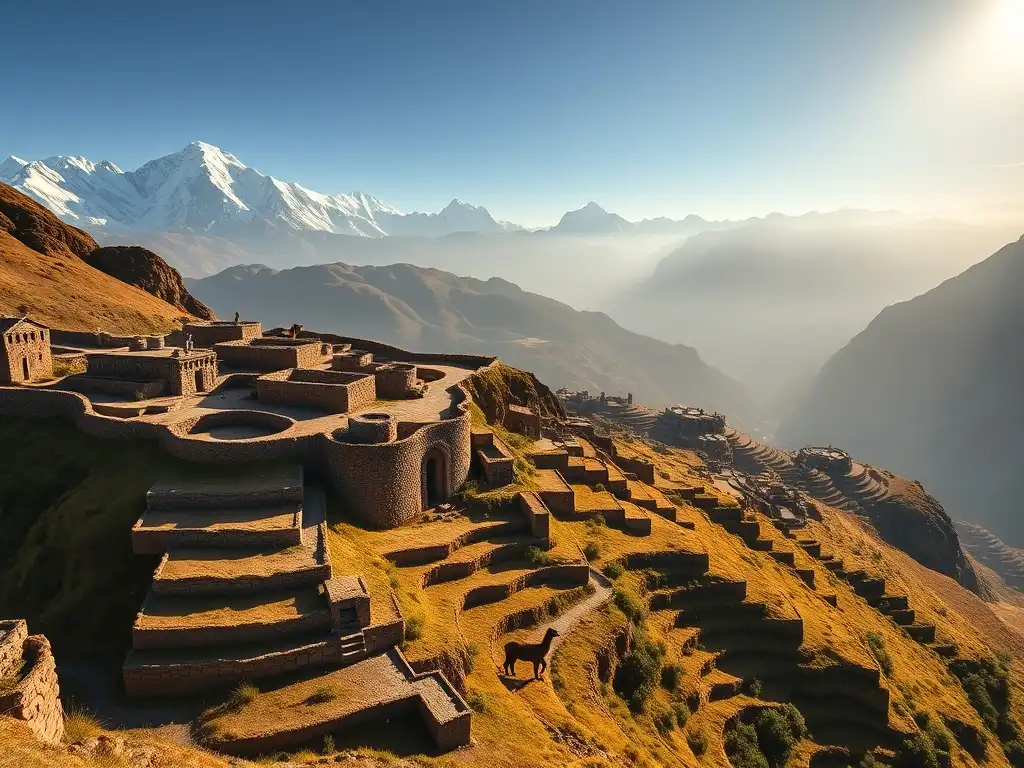
Uncover the secrets whispered on the wind across the Andes! For centuries, majestic civilizations flourished in the heart of South America, leaving behind a legacy of breathtaking artistry and intricate social structures. But how did these powerful empires rise? Journey with us to explore the fascinating evolution of Andean social hierarchy development, a key to understanding the ingenuity and complexity of the Incas, Moche, Nazca, and Tiahuanaco. Prepare to be amazed as we delve into the dawn of a remarkable era.
The Andes Mountains, a spine of towering peaks and fertile valleys, cradled the development of some of South America's most fascinating and enigmatic civilizations. This article explores the intricate process of Andean social hierarchy development, examining how complex social structures emerged from relatively simpler pre-ceramic societies.
Understanding the rise of social stratification in the Andes is crucial to comprehending the subsequent flourishing of impressive empires like the Inca, but also the diverse and equally significant cultures that preceded them, such as the Moche, Nazca, and Tiahuanaco. We will journey back in time to uncover the subtle yet significant shifts in social organization that laid the groundwork for the grandeur of later Andean societies.
Our focus will be on identifying the key factors contributing to the development of social hierarchies, from the earliest settlements to the emergence of recognizable social classes, utilizing archaeological evidence and anthropological interpretations to paint a richer picture of this fascinating historical process. This exploration of “Andean social hierarchy development” will reveal a nuanced understanding of the intricate interplay between environment, agriculture, and social organization in shaping the destiny of Andean civilizations.
Understanding Andean social stratification requires moving beyond simplistic notions of "kings" and "peasants." The development of social hierarchies in the Andes was a gradual process, unfolding over millennia and varying significantly across different regions and cultures. Early social organization was likely less rigid than in later, more centralized empires.
Instead of sharply defined classes, we see a spectrum of social standing, often tied to factors like access to resources (particularly land and water), specialized skills (e.g., craftsmanship, religious leadership), and kinship ties. The transition from egalitarian or relatively egalitarian bands to more stratified societies involved subtle shifts in power dynamics, reflected in the size and complexity of settlements, the distribution of artifacts, and burial practices.
The very notion of "stratification" itself needs careful consideration, as the expression of social status in early Andean societies might differ markedly from later, more formalized systems. The presence of elite burials, for example, doesn't necessarily indicate a fully developed class system, but rather the concentration of power and prestige in certain individuals or lineages.
The period before the widespread adoption of pottery (circa 2000-1800 BCE) provides crucial insights into the nascent stages of Andean social complexity. While lacking the readily identifiable markers of later societies (e.g., monumental architecture, elaborate metalwork), the pre-ceramic period witnessed important developments that laid the foundation for later social hierarchies.
Early Andean Settlements and Emerging Social Differences
Early Andean settlements, often located in fertile valleys and near water sources, reveal evidence of increasing sedentism and population density. Analysis of settlement patterns—the size, layout, and distribution of dwellings—suggests the emergence of social differentiation. Larger, more elaborately constructed structures might have housed individuals or groups with higher social standing, while smaller, simpler dwellings would have belonged to those with less power or influence.
The presence of specialized workshops or craft areas within settlements also points to the development of specialized labor and economic differentiation. The exact nature of this differentiation is still debated, but it undeniably indicates a growing complexity in social organization.
The Role of Agriculture in Shaping Social Structures
The development of agriculture played a pivotal role in shaping Andean social structures. The shift from a nomadic lifestyle to settled agriculture led to increased food production and resource accumulation. Control over productive land and water resources became a crucial source of power and influence.
Those who controlled these resources—whether through kinship ties, religious authority, or military strength—gained a significant advantage, leading to the concentration of wealth and power in the hands of a few. Agricultural innovations, such as irrigation systems, further intensified this process, as their construction and maintenance required coordinated labor and social organization, often under the direction of individuals or groups with authority.
Archaeological Evidence of Pre-Ceramic Social Ranking
Archaeological evidence from pre-ceramic sites supports the hypothesis of emerging social ranking. For example, the presence of elaborate burials with grave goods—indicating higher social status—contrasts sharply with simpler burials lacking such adornments. The types and quantity of grave goods, such as finely crafted tools, ornaments, and food offerings, can provide clues about social differentiation.
Furthermore, the size and complexity of structures within settlements, coupled with the distribution of artifacts, provide additional evidence of social hierarchy. Although the precise nature of social organization during this period remains a subject of ongoing research, the archaeological record clearly indicates the early emergence of social differentiation within Andean societies. Further research, particularly focusing on [specific information pending] could enhance our understanding of the dynamic interplay between environmental factors and social structure in pre-ceramic Andes.
The Initial Period (circa 1800-900 BCE) in the Andes witnessed the slow but significant development of social hierarchies. While evidence suggests relatively egalitarian societies existed earlier, changes in settlement patterns, subsistence strategies, and technological advancements laid the groundwork for more complex social structures.
The gradual accumulation of wealth, likely through intensified agriculture and control over key resources like obsidian or fertile land, allowed certain individuals or lineages to gain prominence. This wasn't a sudden, revolutionary shift but rather a gradual process of differentiation, with power likely accruing to those who could effectively manage resources and mediate conflicts within growing communities.
Archaeological evidence, such as variations in burial goods and the size and location of dwellings, hints at the beginnings of social stratification, although clear-cut evidence of a rigid hierarchical system is still debated among scholars. The development of Andean social hierarchy was a nuanced process, influenced by environmental factors and internal social dynamics, with variations across different regions.
The Emergence of Chiefdoms in the Andes
The emergence of chiefdoms marks a crucial step in the development of Andean social hierarchy. Chiefdoms represent a form of political organization characterized by a centralized authority figure—the chief—who holds significant power and influence over the population.
This authority was not necessarily absolute; chiefs often relied on kinship ties, charisma, and the ability to redistribute resources to maintain their position. The transition to chiefdoms in the Andes involved a complex interplay of factors, including population growth, the need for efficient resource management in increasingly complex agricultural systems, and the development of specialized craft production.
The emergence of chiefdoms wasn’t uniform across the Andes; some regions saw the development of powerful, centralized chiefdoms earlier than others, reflecting the diverse environmental and social contexts that shaped the trajectory of social organization. Studying the development of these chiefdoms helps us understand the processes that underpinned the rise of more complex state-level societies in the later periods.
Monumental Architecture as a Reflection of Social Power
Monumental architecture serves as a powerful indicator of social complexity and the consolidation of power in early Andean societies. The construction of large-scale structures, such as platforms, temples, and residential compounds for elites, required significant labor mobilization and resource allocation. This points to the existence of a centralized authority capable of organizing and directing large-scale projects, indicating a hierarchical social structure with individuals or groups possessing the power to command the labor of others.
The architectural styles and the materials used in these structures often reflect the power and status of the ruling elite. For example, the use of elaborate stonework, intricate carvings, and precious metals in certain structures points to a highly stratified society where access to resources and specialized skills was concentrated in the hands of a privileged few.
The grandeur of these structures served not only as practical spaces but also as potent symbols of power and social control. Their construction and maintenance required substantial resources, further cementing the power of those who controlled the means to build them.
Regional Variations in Early Andean Social Organization
The development of Andean social hierarchy wasn't a uniform process; significant regional variations existed in the pace and nature of social stratification. Environmental factors played a crucial role. Regions with abundant resources and fertile land might have seen the emergence of more complex hierarchies earlier, while areas with harsher environments might have maintained more egalitarian social structures for longer periods.
Furthermore, the specific technological advancements and the nature of agricultural practices varied across the Andes, influencing the distribution of power and resources. For instance, the development of sophisticated irrigation systems in some regions likely led to increased agricultural productivity and the concentration of wealth in the hands of those who controlled access to water. Understanding these regional variations is crucial for a comprehensive understanding of the dynamics of Andean social organization and the factors that shaped its development across different parts of the Andes.
The Formative Period (circa 900 BCE – 200 CE) witnessed a significant intensification of social stratification in the Andes. This era saw the emergence of larger, more complex settlements and the development of more sophisticated technologies, particularly in agriculture and metallurgy. These advancements contributed to increased food production and the accumulation of wealth, further solidifying the power of the elite. The development of specialized craft production, such as pottery, textiles, and metalwork, further reinforced social distinctions. Skilled artisans often held privileged positions within society, and their products were frequently used to mark the status and power of the elite. This period is characterized by a more pronounced differentiation between elite and commoner classes, reflected in the size and quality of residential architecture, burial practices, and the distribution of luxury goods. The Formative Period laid the groundwork for the even more complex state societies that would emerge in later Andean history.
The Rise of Complex Religious Systems and Their Impact on Social Hierarchy
The rise of complex religious systems during the Formative Period had a profound impact on the development and consolidation of Andean social hierarchies. Religious elites, often priests or shamans, played a critical role in mediating between the human and supernatural worlds. Their authority derived from their perceived ability to control or influence events, such as harvests, weather patterns, and the health of the community. This control over the spiritual realm translated into considerable political and social influence.
The construction of impressive temples and ceremonial centers served as powerful symbols of religious authority and social power. Religious rituals and ceremonies frequently involved the redistribution of resources and the reinforcement of social hierarchies. The elite's control over religious practices and symbols further legitimized their position and reinforced their dominance within society. The interplay between religious and political power is a key aspect of understanding the development of Andean social structures.
Elite Control of Resources and Craft Specialization
The concentration of resources and the control of specialized craft production were central to the consolidation of elite power during the Formative Period. Elites often controlled access to key resources, such as fertile land, water sources, and valuable minerals. This control allowed them to accumulate wealth and maintain their privileged position within society. Furthermore, elites often patronized specialized craft production, commissioning elaborate artifacts and objects that served to mark their status and power.
This patronage not only benefited skilled artisans but also reinforced the elite's control over the production and distribution of valuable goods. The control of these resources and the patronage of specialized crafts created a system of economic and social inequality that further solidified the social hierarchy. This unequal distribution of resources and opportunities was a fundamental characteristic of Andean societies during this period.
The Role of Warfare in the Consolidation of Social Power
Warfare played a significant role in the consolidation of social power during the Formative Period. Conflicts between different groups often resulted in the subjugation of weaker communities and the expansion of the power of dominant elites. Successful warfare provided access to new resources, territory, and labor, strengthening the position of victorious groups. The spoils of war—captured goods, captives, and expanded territory—were often used to reinforce social hierarchies and reward loyal followers of the elite.
Military leaders frequently gained significant prestige and power, sometimes even surpassing the authority of religious elites. The organization and execution of warfare required sophisticated social organization and the mobilization of large numbers of people, further highlighting the development of complex social structures within Andean societies. The legacy of warfare shaped the political landscape and the social hierarchies of many Andean communities for centuries to come.
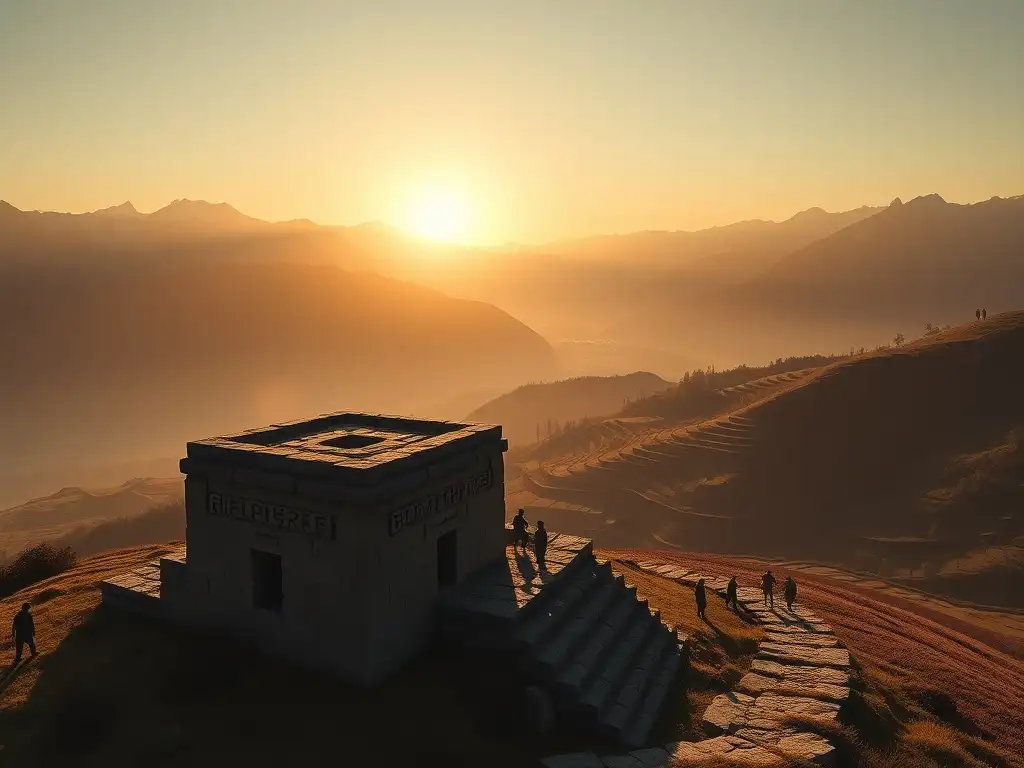
The development of complex social hierarchies in the Andes wasn't a singular event but a gradual process influenced by a complex interplay of factors. Understanding the rise of social stratification requires examining the interwoven threads of environmental pressures, economic activities, and ideological justifications. The Andean landscape, far from being a uniform environment, presented diverse challenges and opportunities that shaped societal structures.
The availability of resources, the suitability of land for agriculture, and the presence of navigable waterways all played crucial roles in determining the distribution of power and wealth. Similarly, the emergence of specialized labor and the intensification of agricultural practices contributed to the creation of social classes. This wasn't simply a matter of some individuals accumulating more resources than others; rather, it was a process of institutionalization, where social roles and hierarchies became codified and transmitted across generations.
The emergence of leadership roles, initially perhaps based on practical skills like irrigation management or religious expertise, gradually transformed into inherited positions of power and privilege. This development was further cemented by the creation of elaborate belief systems that legitimized existing social structures and reinforced the authority of elites.
Environmental Influences on Social Stratification
The diverse Andean environment significantly impacted the development of social hierarchies. Regions with fertile river valleys, like the coastal areas and the inter-Andean highlands, supported denser populations and more intensive agriculture, fostering surplus production and specialization of labor. This surplus, in turn, allowed for the emergence of a ruling class that controlled and distributed resources.
In contrast, areas with harsher environments, such as high-altitude puna grasslands or arid coastal deserts, experienced more egalitarian social structures due to limited resources and a greater emphasis on communal survival strategies. The availability of water resources, particularly for irrigation, was a crucial factor. Control over water access and distribution often translated into political and economic power, leading to the concentration of wealth and authority in the hands of those who controlled irrigation systems.
This unequal access to vital resources directly contributed to the development of social inequality and ultimately, hierarchical structures. The distribution of arable land also played a significant role; those with access to the most fertile lands enjoyed a distinct advantage, accumulating wealth and influence.
The Impact of Trade and Exchange on Social Inequality
The development of extensive trade networks across the Andes played a crucial role in the emergence of social hierarchies. The exchange of goods, particularly luxury items like textiles, ceramics, and precious metals, generated wealth and power for those who controlled trade routes and access to valuable resources. Control over these networks often led to the accumulation of wealth and the development of elite classes, who used their economic power to consolidate their political influence.
The presence of specialized artisans and craftsmen, who produced high-value goods for elite consumption, further contributed to social stratification. These skilled individuals occupied a privileged position within society, reflecting the growing importance of craft specialization in the Andean economy.
The exchange of exotic materials and goods also contributed to the development of prestige economies, where social status was determined by the accumulation of rare and valuable objects. This system further reinforced existing power structures and legitimized the privileged position of the elite.
Ideology and Belief Systems Supporting Social Order
Religious beliefs and ideologies played a pivotal role in legitimizing and maintaining Andean social hierarchies. The development of complex religious systems, often centered around powerful deities and sophisticated rituals, reinforced the authority of elite rulers who were often seen as intermediaries between the divine and the mortal world. Temples and ceremonial centers served as symbols of power and authority, showcasing the wealth and prestige of the ruling class.
Elaborate burial practices, often involving the interment of elite individuals with rich grave goods, emphasized their social status and spiritual significance. The construction of monumental architecture, such as pyramids and platforms, required the mobilization of large labor forces, reflecting the power of the ruling class to command resources and human labor.
These monumental projects not only served practical purposes but also served as powerful symbols of the state's power and authority, reinforcing the existing social order. The development of sophisticated iconography and symbolic systems further reinforced the legitimacy of the ruling class and its control over religious and political power.
Examining specific early Andean societies provides valuable insights into the diverse ways in which social hierarchies developed. By comparing and contrasting different cases, we can identify common patterns and unique characteristics that shaped social organization in the Andes. The analysis of social structures in societies such as Caral-Supe and Chavín de Huántar reveals fascinating aspects of the early emergence of complexity and social inequality.
Caral-Supe Social Structure Analysis
Caral-Supe, one of the oldest urban centers in the Americas, presents evidence of a complex social organization characterized by a hierarchical structure. Archaeological excavations reveal the presence of large-scale public works, such as monumental platforms and plazas, suggesting the existence of a centralized authority capable of mobilizing significant labor resources.
The distribution of residential structures within the city indicates social differentiation, with some residences being significantly larger and more elaborately constructed than others. While evidence of outright oppression or forced labor is less direct, the scale of public works and the evident social differentiation strongly suggest a hierarchical structure with a ruling elite controlling the distribution of resources and labor.
The presence of specialized craft production, including textile weaving and the production of musical instruments, further supports the notion of a stratified society with specialized labor roles. Analysis of burial practices also hints at social differentiation, though more research is needed to fully understand the nuances of funerary rituals and their relationship to social status.
Chavín de Huántar Hierarchy and Power Dynamics
Chavín de Huántar, a major ceremonial center located in the northern Andes, exerted significant influence over a wide region. Its monumental architecture, including massive temples and intricate carvings, points to a powerful centralized authority.
The presence of specialized craft production, particularly in the creation of elaborate artifacts from exotic materials, suggests a complex system of social organization with specialized labor roles and a well-defined elite class. The iconography of Chavín art, featuring powerful deities and fearsome creatures, likely served to reinforce the authority of the ruling class and instill respect for their power.
While the exact nature of political organization at Chavín remains a subject of ongoing research, the evidence strongly suggests a hierarchical society with a centralized authority controlling religious and economic resources. The influence of Chavín de Huántar across a vast region suggests that its power was not only based on local control but also on the ability to exert influence and control over distant communities through trade, religious practices, or possibly military force.
Comparative Analysis of Social Organization in Different Regions
Comparing the social organization of different regions in the Andes reveals significant variations in the development of social hierarchies. Coastal societies, with their access to marine resources and fertile river valleys, often developed more complex and stratified societies than those in the high Andes, which faced harsher environmental conditions. The emergence of large-scale irrigation projects in some regions also contributed to the development of centralized authority and social inequality.
The role of warfare in shaping social hierarchies also varied across different regions. In some areas, warfare may have played a significant role in consolidating power and creating hierarchical structures, while in others, cooperative strategies and alliances may have been more prevalent.
Further research is needed to fully understand the complex interplay of factors that shaped the development of social hierarchies in different Andean regions, considering ecological variations, economic activities, and the role of political and religious institutions. A thorough comparative analysis will contribute to a more nuanced understanding of the diverse paths to complexity in the Andes.
The development of social hierarchies in the Andes wasn't a sudden event; rather, it was a gradual process spanning millennia. Early evidence suggests rudimentary forms of social stratification existed even before the rise of large-scale civilizations like the Inca. Archaeological findings, such as variations in burial practices and grave goods from the Early Horizon period (circa 1800-200 BCE), point to the existence of individuals or groups holding higher social standing.
These differences, while less pronounced than in later societies, indicate the nascent stages of social differentiation. The distribution of sophisticated tools, ceramics, and textiles within these early settlements hints at specialized labor and the emergence of elite classes.
Furthermore, the construction of monumental architecture, even on a relatively small scale, suggests a level of social organization capable of mobilizing significant labor resources, implying the presence of leadership structures and possibly a form of centralized authority. Understanding these early structures is crucial to understanding the subsequent development of complex Andean societies.
The Influence of Early Hierarchies on Later Andean Civilizations
The patterns of social stratification established in early Andean societies laid the groundwork for the more complex hierarchical systems of later civilizations. The Inca Empire, for example, inherited and adapted many aspects of its social organization from preceding cultures. The concept of a ruling elite, with its associated privileges and power, was likely deeply rooted in these earlier traditions.
Moreover, the Inca's sophisticated bureaucracy and control over resources built upon the organizational structures developed by earlier Andean societies. The Inca's ability to manage vast territories and populations efficiently was, in part, a product of the pre-existing social mechanisms and power dynamics.
Studying the evolution of social hierarchies across different Andean cultures reveals a continuity of certain organizational principles and practices, demonstrating the long-term impact of early social structures on the region's development. The sophistication of later Andean empires wasn't a spontaneous creation; it was built upon the foundations laid by earlier generations.
Long-term Patterns of Social Inequality in the Andes
The presence of social inequality in the Andes was a persistent feature throughout its history, manifesting in various forms across different time periods. While the nature and intensity of inequality fluctuated, the fundamental structure of a hierarchical society remained largely consistent. From the early evidence of differentiated burials to the highly structured social systems of the Inca Empire, a clear pattern of social stratification emerges.
This long-term persistence suggests that social inequality was deeply embedded in the Andean worldview and social practices. Factors such as control over resources (land, water, minerals), specialized knowledge (religious, craft-related), and military power all contributed to the maintenance of these social hierarchies.
Furthermore, ideological justifications for inequality, often rooted in religious beliefs and myths, helped legitimize these power structures and ensure their continued existence. This persistent pattern of social inequality serves as a crucial element in understanding the overall trajectory of Andean history and the complex interplay between social structures and cultural values.
Andean Social Hierarchy Development: A Summary of Key Stages
The development of Andean social hierarchies can be broadly divided into several key stages. The initial stages, evident in the Early Horizon period, showed rudimentary forms of social differentiation, marked by variations in burial practices and access to resources. The subsequent Middle Horizon (circa 600-1000 CE) witnessed the rise of powerful regional states, such as the Wari and Tiwanaku, characterized by more elaborate hierarchical structures and centralized control.
These states developed sophisticated administrative systems and monumental architecture, reflecting a high degree of social organization and power concentration. The Late Intermediate Period (circa 1000-1438 CE) saw the fragmentation of these large empires and the emergence of smaller, competing kingdoms, each with its own unique social hierarchy. Finally, the Inca Empire (circa 1438-1533 CE) unified much of the Andes, establishing a highly centralized and stratified social system with a complex bureaucracy and strict social categories.
Each stage built upon the preceding ones, demonstrating a gradual yet significant evolution in the complexity and scale of Andean social hierarchies. This staged development underscores the dynamic nature of Andean social organization.
Understanding the development of Andean social hierarchies is essential for comprehending the broader history and cultural achievements of these remarkable civilizations. The gradual evolution of social stratification, from early forms of differentiation to the highly organized systems of later empires, reveals a complex interplay of factors, including environmental conditions, technological advancements, and ideological beliefs.
The long-term persistence of social inequality highlights the deep-seated nature of these power structures within Andean societies. By examining the legacy of early Andean social structures and their influence on later civilizations, we gain a deeper appreciation for the intricate tapestry of Andean history and the enduring impact of its social organization.
Further research, particularly focused on less-studied regions and periods, is crucial to refining our understanding of this complex and fascinating topic. The study of Andean social hierarchy development continues to provide valuable insights into the dynamics of power, inequality, and social organization in ancient societies worldwide.
- Introduction to Andean Social Stratification
- Pre-Ceramic Foundations of Social Complexity
- The Development of Social Hierarchies in the Initial Period
- The Formative Period: Solidifying Andean Social Classes
- Key Factors in Andean Social Hierarchy Development
- Case Studies of Early Andean Social Hierarchies
- The Legacy of Early Andean Social Structures
- Conclusion: Understanding the Roots of Andean Social Organization
- What factors contributed to the development of social hierarchies in Andean societies?
- How did social hierarchy manifest in Andean societies like the Inca?
- Did all Andean civilizations have similar social hierarchies?
- How did religion influence the social hierarchy in Andean societies?
- How did the development of Andean social hierarchies impact their technology and art?
Frequently Asked Questions
The development of complex irrigation systems, increased agricultural surplus, and the need for centralized organization to manage these resources all played crucial roles in establishing social hierarchies within Andean civilizations. This led to the emergence of elites controlling resources and labor.
Inca society was highly stratified, with the Sapa Inca at the apex, followed by nobles, priests, and commoners. Labor specialization and a system of tribute further reinforced this hierarchical structure. Control of land and resources was key to maintaining power.
While all Andean societies exhibited some form of social stratification, the specifics varied greatly. The Moche displayed a strong warrior elite, while the Nazca seem to have had a more decentralized structure. Variations in social organization reflected differing environmental and political contexts.
Religion played a significant role, with priests often holding powerful positions within the hierarchy. Divine authority legitimized the rule of elites and influenced the distribution of resources and labor. Religious rituals and ceremonies further reinforced social distinctions.
The rise of social hierarchies led to specialized labor, resulting in advancements in agriculture, architecture, and textile production. Elite patronage fueled the creation of sophisticated art forms, reflecting the power and prestige of the ruling classes. This is evident in monumental architecture and intricate metalwork.
Final Reflection: Echoes of Hierarchy in the Andean Dawn
The intricate social structures of early Andean societies, far from being relics of a distant past, offer crucial insights into the enduring human tendency towards hierarchical organization. Understanding their development is not merely an academic exercise; it provides a powerful lens through which to examine the complexities of power, inequality, and social stratification that continue to shape our world today. The echoes of these ancient hierarchies resonate in contemporary social structures, reminding us of the persistent challenges in achieving equitable societies.
The impact of these early Andean hierarchies extended far beyond the immediate social structures of the time; they shaped the very landscape of the Andes, influencing everything from agricultural practices to religious beliefs and artistic expression. Their legacy is palpable even now, visible in the monumental architecture that still stands as a testament to the power wielded by the elite. The past is never dead. It's not even past.
– William Faulkner. This quote perfectly encapsulates the enduring influence of these early social structures, reminding us that understanding our history is crucial to navigating our present.
Consider the implications of this historical narrative. How do the power dynamics observed in early Andean societies compare to those we see in our own communities and nations? What lessons can we learn from their successes and failures in managing social hierarchies?
I urge you to reflect on these questions, to engage with the complexities of power and inequality, and to strive for a future where the lessons of the past contribute to a more just and equitable world. The dawn of complexity in the Andes holds a mirror to our own society, challenging us to build a future where the pursuit of progress does not come at the cost of social justice.
**Unveil the Richness of Andean Histories! **
Thank you for exploring the fascinating world of early Andean societies with us! Your interest highlights the complexities of their social structures and deepens your understanding of these remarkable civilizations. Now, let's delve even further!
Here's how you can continue your journey:
- **Explore further:** Delve into our extensive collection of articles on Andean civilizations to discover more about their culture, innovations, and daily lives.
- **Join the conversation:** Share your thoughts! Comment below on how you believe the social structures of the past continue to shape Andean societies today.
- **Connect with others:** Follow us on social media and engage with a community of history enthusiasts eager to learn and discuss these captivating topics together!
Which aspect of Andean social structures intrigues you most, and how do you see these historical complexities reflected in the modern world?