
The Foundations of a Civilization: How Early Andean Societies Laid the Groundwork

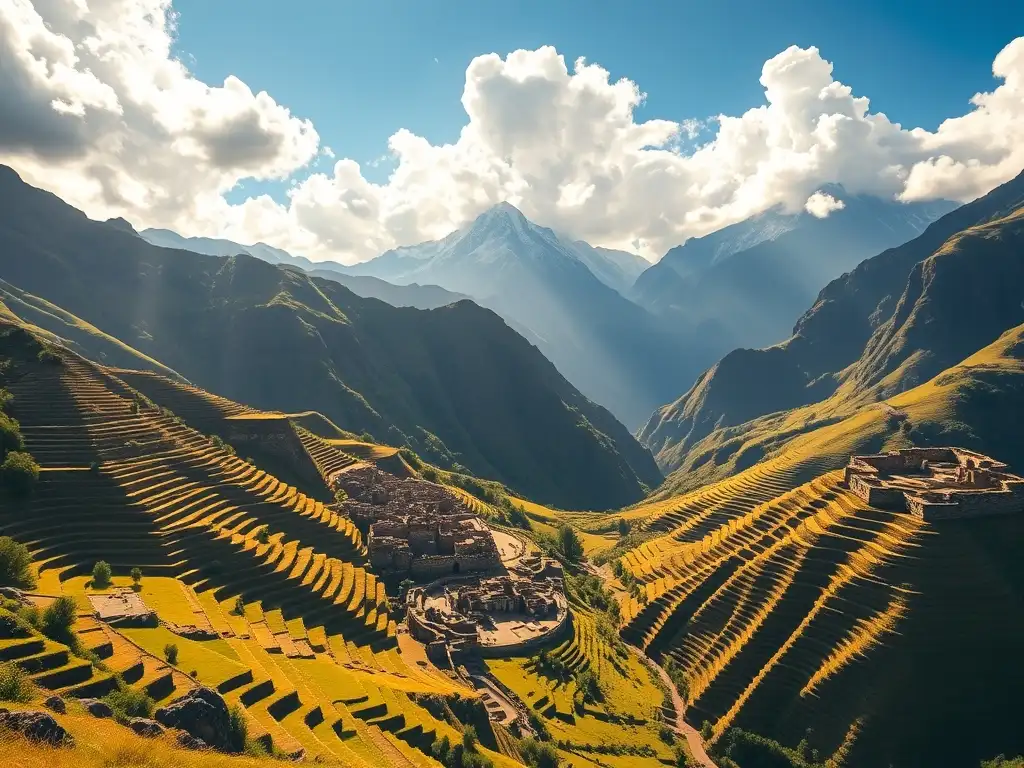
Welcome, explorer! Prepare to delve into the enigmatic world of Ancient Andean civilizations. For centuries, these remarkable societies thrived, leaving behind a legacy of breathtaking artistry and sophisticated engineering. But what were the true foundations upon which their empires were built? Discover the secrets behind the Ancient Andean civilizations foundations – a story of innovation, resilience, and a connection to the land unlike any other. Uncover the answers within, and prepare to be amazed.
The Andes Mountains, a spine of towering peaks and deep valleys stretching along the western coast of South America, cradled some of the most fascinating and complex civilizations the world has ever known. This article delves into the foundational aspects of these ancient Andean societies, exploring how early settlements navigated challenging environments and built the groundwork for the impressive empires that would follow. Understanding the ingenuity and resilience of these early peoples is key to appreciating the full scope and impact of the Inca, Moche, Nazca, and Tiahuanaco cultures, and their lasting legacy.
We will examine the crucial factors – geographic, environmental, and societal – that shaped their development and ultimately contributed to the remarkable achievements of the Ancient Andean civilizations. This exploration of the "Ancient Andean civilizations foundations" will reveal the intricate tapestry of innovation and adaptation that allowed these societies to flourish.
Introduction to Early Andean Civilizations and Their Significance
The story of the Ancient Andean civilizations isn't a single narrative but a complex interplay of diverse groups, each adapting to the unique challenges of their environment. From the arid coastal deserts to the high-altitude plains and lush Amazonian foothills, the Andes presented a diverse and often unforgiving landscape. These early societies, far from being isolated, engaged in extensive networks of exchange, sharing ideas, technologies, and resources across vast distances.
Their achievements, often overlooked in favor of later, more expansive empires like the Inca, are nonetheless remarkable. They developed sophisticated agricultural techniques, intricate social structures, and unique artistic expressions that laid the foundation for subsequent Andean cultures. Understanding their contributions provides crucial context for appreciating the later, more well-known empires.
The development of early irrigation systems, for instance, was fundamental to the later Inca's agricultural success, showcasing the interconnected nature of these societies' advancements. These early civilizations weren't simply precursors; they were vital building blocks in the development of Andean culture. Their innovations in agriculture, pottery, textiles, and social organization profoundly shaped the trajectory of Andean history.
Geographic and Environmental Influences on Early Andean Development
The Andes' geography played a defining role in shaping the development of early Andean societies. The dramatic variations in altitude, climate, and terrain created a mosaic of distinct ecological zones, each demanding unique adaptations for survival. The coastal deserts, for example, required innovative irrigation techniques to support agriculture, leading to the development of sophisticated canal systems. In contrast, the high-altitude regions presented challenges related to thin air, harsh weather, and limited arable land.
This geographical diversity fostered a remarkable degree of regional specialization and interdependency. Coastal communities, skilled in fishing and maritime trade, exchanged goods with highland populations who were experts in agriculture and animal husbandry. This exchange wasn't merely economic; it facilitated the dissemination of ideas and technologies, contributing to a dynamic and evolving cultural landscape. The environmental challenges, far from hindering development, spurred innovation and ingenuity, resulting in remarkable adaptations that shaped the very fabric of Andean society.
The ingenuity of these early peoples in overcoming these obstacles is a testament to their resilience and resourcefulness. Consider, for example, the development of terraced farming on steep slopes, a testament to their understanding of both agriculture and engineering. This intricate system allowed them to maximize arable land in challenging terrain, a crucial factor in their ability to sustain large populations.
Pre-Ceramic Period: The Beginnings of Andean Society
The Pre-Ceramic Period, spanning roughly from 8000 to 1800 BCE, marks the initial stages of human occupation in the Andes. This era witnessed the gradual transition from nomadic hunter-gatherer lifestyles to more settled, village-based communities. Understanding this period is crucial to comprehending the foundations of later, more complex Andean civilizations.
The development of social structures, rudimentary technologies, and early forms of symbolic expression during this time laid the groundwork for the advancements that would follow. The archaeological record from this period, though often fragmented, provides invaluable insights into the lives and adaptations of these early Andean inhabitants. Researchers continue to uncover new evidence that helps us piece together a more complete picture of this formative era in Andean history.
The challenges of surviving in the diverse Andean landscapes—from arid coastal deserts to high-altitude plains—shaped the ingenuity and resilience of these early peoples. Their ability to adapt to such varied environments is a testament to their understanding of the natural world and their capacity for innovation.
Hunter-Gatherer Lifestyles in the Andes
Early Andean societies were characterized by a hunter-gatherer lifestyle, heavily reliant on the resources available in their immediate environment. This involved a deep understanding of seasonal changes and the movement of animal herds. Archaeological evidence suggests a diverse diet, including camelids (llamas and alpacas), various birds, fish, and a wide range of plants.
The tools used during this period were primarily made of stone, bone, and wood, reflecting the available materials and the technology of the time. Cave paintings and other forms of early art offer glimpses into the beliefs and worldview of these early communities, hinting at a complex social and spiritual life. Evidence suggests that groups were relatively small and mobile, adapting their strategies according to the availability of resources.
This nomadic existence laid the foundation for a deep knowledge of the Andean landscape and its seasonal cycles, a knowledge that would prove crucial in later periods. The development of sophisticated hunting and gathering techniques, honed over generations, contributed significantly to the survival and prosperity of these early Andean societies.
Early Settlements and the First Steps Towards Sedentism
The transition from nomadic hunter-gatherer lifestyles to more sedentary patterns began gradually during the late Pre-Ceramic period. This shift was not sudden but rather a process of adaptation and experimentation. The appearance of increasingly larger and more permanent settlements signals a growing reliance on local resources and a change in social organization.
This transition is often linked to the development of more efficient food procurement strategies, though the exact factors that drove this change remain a subject of ongoing research. Early settlements were often situated near sources of water and fertile land, reflecting the growing importance of agriculture. The construction of simple dwellings and storage facilities suggests a greater degree of social organization and planning.
The emergence of pottery, a significant technological advancement, further indicates a more settled lifestyle and reflects the development of specialized crafts. The archaeological evidence suggests that the move towards sedentism was not uniform across the Andes, with variations in timing and pace depending on local environmental conditions and resource availability.
The Rise of Agriculture and its Impact on Andean Societies
The development of agriculture marked a pivotal moment in Andean history, fundamentally altering the social, economic, and political landscape. The shift from a hunter-gatherer existence to a dependence on cultivated crops led to significant changes in settlement patterns, social structures, and population density. This period witnessed the domestication of key Andean crops and the development of sophisticated irrigation systems and agricultural techniques.
The increased food production supported larger, more densely populated settlements and fostered the development of complex social hierarchies. The surplus of food also allowed for specialization of labor, leading to the emergence of craftspeople and other non-agricultural occupations. This agricultural revolution fundamentally reshaped Andean societies, laying the foundation for the rise of the complex civilizations that would follow.
Domestication of Key Andean Crops
The domestication of key Andean crops, such as potatoes, maize, quinoa, and beans, was a gradual process that spanned centuries. This involved the careful selection and cultivation of wild plants, leading to the development of varieties better suited for human consumption. The process of domestication involved not only the selection of specific plant traits but also the development of agricultural techniques, including planting, harvesting, and storage methods.
The domestication of these crops provided a reliable and abundant food source, supporting the growth of larger and more permanent settlements. The diversity of domesticated crops reflects the wide range of environmental conditions found in the Andes, highlighting the adaptability and ingenuity of Andean farmers. The success of Andean agriculture lay not only in the domestication of crops but also in the development of sophisticated irrigation and agricultural techniques.
The Development of Irrigation Systems and Agricultural Techniques
The development of sophisticated irrigation systems and agricultural techniques was crucial to the success of Andean agriculture. The challenges of cultivating crops in the diverse Andean environments necessitated innovative solutions for managing water resources. The construction of canals, terraces, and other irrigation systems allowed Andean farmers to cultivate crops in areas that would otherwise have been unsuitable for agriculture.
These systems required considerable engineering skill and collective effort, reflecting the level of social organization and cooperation within Andean communities. The development of specialized agricultural tools, such as plows and digging sticks, further enhanced agricultural productivity.
The integration of agricultural practices with the natural environment, including the use of terraces to reduce erosion and the selection of crops suited to specific altitudes and climates, demonstrates a deep understanding of the Andean ecosystem. The sophisticated irrigation systems and agricultural techniques developed during this period were essential to supporting the growing populations and complex societies of the later Andean civilizations.
Early Ceramic Traditions and the Emergence of Complex Societies
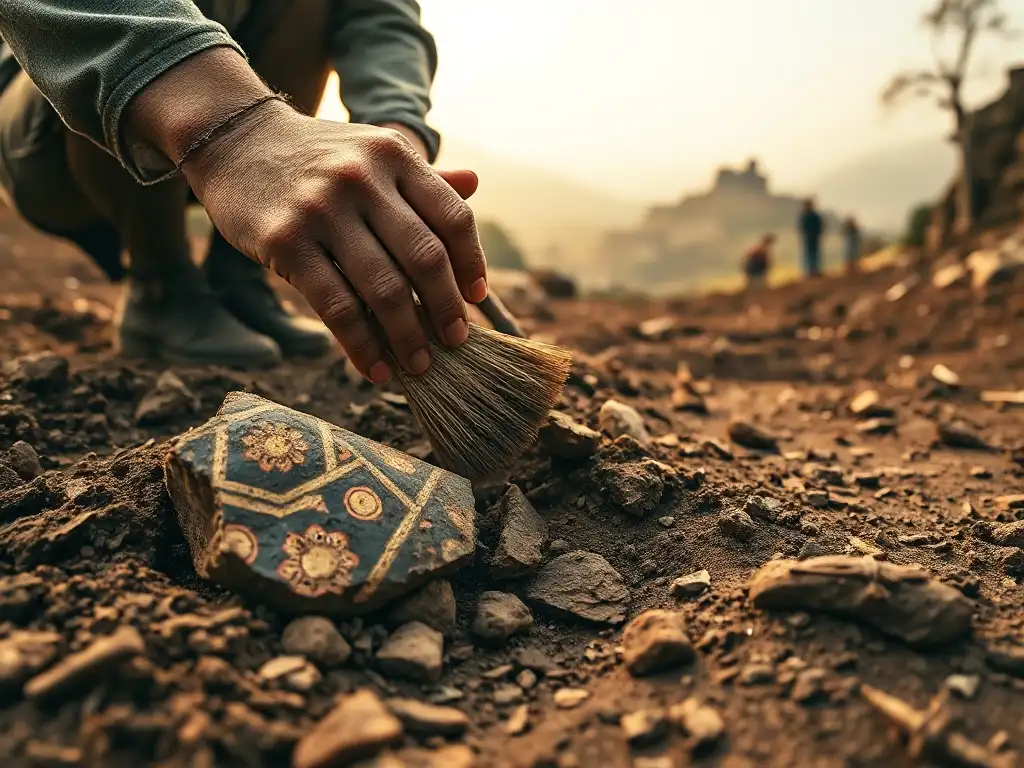
The development of sophisticated ceramic traditions in the Andes played a pivotal role in the rise of complex societies. Pottery wasn't merely functional; it became a powerful symbol of social status, religious beliefs, and cultural identity. The earliest ceramic fragments, dating back to around 5000 BCE, reveal simple styles and techniques, but these gradually evolved into intricate designs and diverse forms.
This evolution mirrors the increasing complexity of Andean societies. The meticulous craftsmanship and artistic expression evident in later ceramic pieces suggest a level of social organization and specialized labor that was previously absent. The creation of standardized pottery forms, often found in large quantities in archaeological sites, points to mass production and potentially centralized control over resources, suggesting the emergence of early political structures.
Furthermore, the presence of elaborate burial practices associated with specific types of pottery underscores the growing importance of social hierarchy and ritual. The careful selection and placement of grave goods, including intricate pottery vessels, indicate a belief in the afterlife and a growing social stratification. The stylistic variations in pottery across different regions also reflect the emergence of distinct cultural identities, laying the groundwork for the future development of larger, more complex political entities.
The Significance of Pottery in Early Andean Cultures
Pottery in early Andean cultures transcended its utilitarian function. It served as a crucial element in religious practices, reflecting cosmological beliefs and ritual activities. The shapes and designs of vessels often mirrored the natural world, incorporating motifs of animals, plants, and celestial bodies. Many vessels were used in ceremonies and rituals, further highlighting their spiritual significance.
The creation of pottery also involved specialized knowledge and skills, passed down through generations. This knowledge, in turn, contributed to the development of social hierarchies, with skilled potters likely holding positions of prestige and influence within their communities. The widespread use of pottery also facilitated trade and exchange networks, connecting different regions and fostering cultural interaction. The stylistic similarities and differences in pottery from various sites provide valuable insights into the patterns of interaction and exchange between early Andean communities.
The Development of Social Stratification and Specialized Labor
The increasing complexity of Andean societies was closely intertwined with the development of social stratification and specialized labor. Archaeological evidence, including the distribution of artifacts, burial practices, and the construction of monumental architecture, clearly indicates the emergence of social hierarchies. The construction of large-scale structures, such as those found at Caral, required the coordinated efforts of a large workforce, suggesting the presence of a centralized authority capable of organizing and mobilizing labor.
The existence of specialized craft production, such as pottery, weaving, and metalworking, further points to a division of labor and the emergence of specialized roles within society. Elite members of society likely controlled access to resources and had greater access to luxury goods, further reinforcing their social status.
The emergence of social inequality and specialized roles reflects a significant shift in the organization of Andean societies, paving the way for the development of more complex political and economic systems. The development of sophisticated irrigation systems and agricultural techniques also played a crucial role in supporting the growing population and the increasing complexity of Andean societies.
Key Archaeological Sites Revealing the Foundations of Andean Civilizations
Several key archaeological sites offer invaluable insights into the foundational period of Andean civilizations. These sites provide tangible evidence of early social organization, technological advancements, and the development of complex societies. The meticulous excavation and analysis of these sites have allowed researchers to piece together a more comprehensive understanding of the processes that led to the emergence of the spectacular Andean civilizations we know today. The sophisticated techniques employed in the excavation and analysis of these sites are crucial to preserving our understanding of these significant early settlements.
Caral and its Contribution
Caral, located in the Supe Valley of Peru, is one of the most important archaeological sites for understanding the early development of Andean civilization. Dating back to around 3000 BCE, Caral is considered one of the oldest urban centers in the Americas. The site features several large monumental structures, including massive platforms, plazas, and residential areas. The absence of weaponry or evidence of warfare suggests a relatively peaceful and cooperative society.
The sophisticated irrigation system, intricate architecture, and the presence of specialized craft workshops indicate a high level of social organization and technological advancement. The discovery of musical instruments suggests a developed artistic and cultural life. Caral’s advanced societal organization, without evidence of warfare, provides a unique perspective on the development of complex societies in the Andes, challenging previous assumptions.
Kotosh and its Significance
Kotosh, located in the central Andes of Peru, is another significant archaeological site that reveals much about early Andean development. Known for its distinctive architecture, including the iconic "Temple of the Crossed Hands," Kotosh provides evidence of religious practices and ritual activities. The intricate designs and symbolic representations found in the temple suggest a complex belief system and a highly developed artistic tradition.
The presence of multiple building phases indicates continuous occupation and development over a significant period. The discovery of diverse artifacts, including pottery, textiles, and tools, provides insights into the daily lives of the inhabitants of Kotosh. The architectural complexity and the evidence of ritual practices highlight the importance of religious beliefs in the development of early Andean societies.
Huaca Prieta as a Window into Early Andean Life
Huaca Prieta, located on the north coast of Peru, offers a glimpse into the earliest stages of Andean development. Dating back to around 3500 BCE, Huaca Prieta is notable for its evidence of early agricultural practices, including the cultivation of cotton and other crops. The site also provides evidence of early ceramic traditions and the development of sophisticated weaving techniques.
The discovery of early domesticated plants and animals at Huaca Prieta demonstrates the importance of agriculture in shaping the development of Andean societies. Furthermore, the site reveals the gradual shift from nomadic to sedentary lifestyles, a crucial step in the development of larger, more complex communities.
The discovery of early cotton textiles at Huaca Prieta highlights the significant role of textile production in the development of early Andean economies and social structures. The site's significance lies in its demonstration of the gradual and complex processes that led to the emergence of settled agricultural communities and the subsequent development of more complex societies in the Andes.
Religious Beliefs and Early Andean Worldviews
The religious beliefs and worldviews of early Andean societies were deeply intertwined with their environment and daily lives. Their understanding of the cosmos was complex and multifaceted, influencing everything from agricultural practices to social organization. Unlike many other ancient civilizations with clearly defined pantheons and codified religious texts, Andean religious practices were often localized and expressed through a rich tapestry of rituals and ceremonies.
Evidence suggests a strong connection to the natural world, with mountains, rivers, and celestial bodies holding significant spiritual importance. Ancestor veneration also played a crucial role, with deceased relatives believed to continue influencing the living. This spiritual connection to the land and ancestors fostered a strong sense of community and collective identity, underpinning the social structures of these early societies.
The importance of reciprocity – a balanced exchange between humans and the supernatural – was central to their worldview, shaping their interactions with the environment and each other. Understanding this intricate relationship between the spiritual and material realms is key to comprehending the foundations of early Andean civilizations.
The Role of Shamanism and Ritual Practices
Shamanism played a central role in early Andean religious practices. Shamans, acting as intermediaries between the human and spiritual worlds, were vital figures in their communities. Their expertise in healing, divination, and communication with spirits was highly valued.
Ritual practices, often involving offerings and ceremonies, were integral to maintaining harmony within the community and with the supernatural realm. These rituals could range from small-scale domestic ceremonies to large-scale public events involving elaborate costumes, music, and dance. Archaeological evidence, such as the discovery of ritual objects and sites, offers invaluable insights into these practices.
For instance, the discovery of intricately carved artifacts suggests a high level of sophistication in ritual production and the symbolism embedded within them. The use of hallucinogenic plants, like San Pedro cactus, likely played a crucial role in shamanistic rituals, facilitating altered states of consciousness and enabling communication with the spirit world. These practices were not merely superstitious; they were integral to the social and political fabric of early Andean society.
Early Deities and the Development of Andean Cosmology
The development of Andean cosmology was a gradual process, with early deities often represented by natural forces and phenomena. While a unified pantheon didn't emerge until later periods, evidence suggests the worship of mountain spirits ( apus), celestial bodies, and other natural elements. Early depictions of deities often lacked the anthropomorphic features seen in later iconography, suggesting a more abstract or animistic representation of the divine.
The relationship between humans and the divine was often characterized by a reciprocal exchange, with offerings and sacrifices made to appease or honor these supernatural entities. The concept of Pachamama (Mother Earth) and Pachacamac (Earth Creator), while later formalized, likely had their roots in these early beliefs.
The evolving understanding of the cosmos, reflected in the changing representation of deities and the development of sophisticated ritual practices, provides crucial insights into the intellectual and spiritual evolution of these early societies. Further research into early iconography and ritual sites will continue to illuminate the complexities of their religious beliefs.
Technological Advancements of Early Andean Peoples

The early Andean peoples, despite lacking metal tools on a large scale for much of their early history, demonstrated remarkable ingenuity in developing technologies suited to their environment. Their innovations were not simply technological achievements; they were integral to the development of their complex societies, enabling them to adapt to diverse ecological niches and establish sustainable agricultural practices. Their advancements in textile production, metallurgy, and architecture stand as testament to their creativity and problem-solving abilities.
Early Textile Production and Weaving Techniques
Textile production was a highly developed craft in early Andean societies, with evidence suggesting sophisticated weaving techniques dating back millennia. The use of diverse fibers, including cotton, wool, and camelid hair, allowed for the creation of textiles with varied textures and properties. Early Andean weavers employed intricate techniques, such as tapestry weaving and brocade, creating textiles that were both functional and aesthetically striking. The complexity of these techniques suggests a high level of skill and specialization among Andean artisans.
Textiles served not only as clothing and household items but also held significant symbolic meaning, often used in ceremonies and rituals. The artistry and craftsmanship evident in surviving textiles speak to the rich cultural heritage of these early communities. The development of advanced weaving techniques was fundamental to the social and economic structures of these societies.
Developments in Metallurgy and Stone Carving
While the widespread use of metals came later, the early Andean peoples demonstrated proficiency in metallurgy, initially using copper and then bronze, to create tools and ornaments. The development of metallurgical techniques required significant knowledge of material properties and smelting processes. Stone carving, however, was a dominant technology from the very beginning.
Early Andean societies mastered the art of shaping stone into tools, sculptures, and architectural elements, demonstrating sophisticated techniques in quarrying, shaping, and polishing. The precision and artistry evident in many stone carvings suggest a highly developed understanding of stone properties and the tools used to work with them. The development of both metallurgical and stone-carving techniques significantly impacted the technological and artistic capabilities of these societies.
Architectural Innovations and Construction Methods
The architectural achievements of the early Andean peoples reflect their understanding of engineering principles and their ability to adapt to diverse landscapes. Early structures, often built from stone and adobe, demonstrated sophisticated construction methods, including complex masonry techniques and the use of specialized tools. The design and layout of these structures often reflected the social and religious organization of the communities. For example, the construction of large-scale platforms and ceremonial centers indicates the importance of communal activity and religious rituals.
The ability to create durable and aesthetically pleasing structures was essential to the development of stable and thriving communities. The mastery of construction techniques facilitated the growth of larger settlements and the creation of impressive public works. These architectural innovations were not simply functional; they were integral to the cultural and social identity of the early Andean societies.
The Legacy of Early Andean Societies on Later Civilizations
The remarkable achievements of early Andean societies, spanning millennia before the Inca Empire, profoundly impacted subsequent civilizations. Their innovations in agriculture, irrigation, and social organization provided a crucial foundation upon which later cultures built. For example, the sophisticated terrace farming techniques developed by pre-Inca groups in the Andes, such as the Wari and Tiwanaku, allowed for intensive agriculture in challenging mountainous terrain.
These methods were not only adopted but also refined and expanded upon by the Inca, enabling them to support a vast and complex empire. Similarly, the intricate systems of roads and communication networks established by earlier cultures facilitated the Inca's ability to administer their territory effectively. The Inca didn't simply inherit a blank slate; they inherited a rich tapestry of knowledge and infrastructure, significantly shaping the trajectory of their own development.
Understanding this continuity is key to appreciating the full complexity of Andean history. The Inca's success wasn't solely due to their own ingenuity; it was also a product of the accumulated knowledge and achievements of generations of Andean peoples. This underscores the significant contribution of early Andean societies to the development of the region's later civilizations.
Continuity and Transformation in Andean Cultures
The story of Andean civilizations isn't one of abrupt replacement but rather of continuous adaptation and transformation. Early societies laid down the groundwork for later developments, but each civilization added its unique innovations. For example, while the Nazca's mastery of irrigation systems influenced later cultures, the Inca adapted and expanded these systems to an unprecedented scale, integrating them into their elaborate administrative structure.
Similarly, the religious beliefs and practices of earlier Andean societies, such as the Moche's elaborate rituals and the Tiahuanaco's complex cosmology, evolved and were incorporated into the Inca's religious worldview. This process of continuous adaptation and transformation is a crucial element in understanding the evolution of Andean cultures. It highlights the interconnectedness of different societies and the dynamic nature of cultural change in the Andes.
The study of these continuities and transformations reveals a rich and complex narrative far beyond a simple linear progression. This understanding is crucial for a nuanced interpretation of the Ancient Andean civilizations foundations.
The Influence of Early Foundations on Inca Civilization
The Inca Empire, often perceived as a monolithic entity, was in fact built upon the foundations laid by numerous preceding Andean societies. The Inca inherited sophisticated agricultural techniques, intricate water management systems, and established urban centers. Their achievements, while impressive in scale and organization, were largely built upon pre-existing knowledge and infrastructure.
For instance, the Inca road system, famous for its extensive reach and engineering prowess, incorporated and expanded upon pre-existing pathways developed by earlier Andean groups. The Inca's administrative system, while highly centralized, also adapted and integrated elements from earlier social structures. This highlights the interconnectedness of Andean cultures and the crucial role played by earlier societies in shaping the Inca Empire.
The Inca's success wasn't a sudden emergence but rather a culmination of centuries of development and adaptation. Ignoring the contributions of earlier Andean societies leads to a simplified and ultimately inaccurate understanding of the Inca civilization and its remarkable achievements. The Inca Empire stands as a testament to the enduring legacy of Ancient Andean civilizations foundations.
The Importance of Understanding Early Andean Societies for the Study of South American History
Understanding the early Andean societies is not merely an academic pursuit; it's essential for a comprehensive understanding of South American history. These societies laid the groundwork for later developments in various fields, including agriculture, engineering, and social organization. Their contributions extended beyond the Inca Empire, influencing the cultural landscape of the region for centuries.
By studying these early societies, we gain a deeper appreciation for the complexity and diversity of Andean cultures. Furthermore, it challenges Eurocentric narratives that often marginalize or overlook the significant contributions of Indigenous peoples to the development of the Americas. Understanding their achievements allows us to appreciate the resilience and ingenuity of these communities and their lasting impact on the region's history and cultural heritage.
Without acknowledging these foundations, the narrative of South American history remains incomplete and misrepresents the rich tapestry of human experience in the Andes. A thorough examination of Ancient Andean civilizations foundations is therefore paramount for a complete historical understanding.
Conclusion: Appreciating the Enduring Foundations of Andean Civilizations
The study of early Andean societies reveals a remarkable story of innovation, adaptation, and resilience. These societies, far from being isolated entities, were interconnected and built upon each other's achievements. Their innovations in agriculture, engineering, and social organization laid the groundwork for later civilizations, including the Inca Empire. Understanding these foundations is crucial for a comprehensive appreciation of Andean history and its enduring legacy.
By recognizing the continuity and transformation in Andean cultures, we can gain a more nuanced and accurate understanding of the region's past. The remarkable achievements of these early Andean civilizations continue to inspire awe and demonstrate the ingenuity of human societies in adapting to challenging environments and building enduring legacies. The study of Ancient Andean civilizations foundations unveils a rich and complex history that deserves deeper exploration and appreciation. 🤝
- Introduction to Early Andean Civilizations and Their Significance
- Geographic and Environmental Influences on Early Andean Development
- Pre-Ceramic Period: The Beginnings of Andean Society
- The Rise of Agriculture and its Impact on Andean Societies
- Early Ceramic Traditions and the Emergence of Complex Societies
- Key Archaeological Sites Revealing the Foundations of Andean Civilizations
- Religious Beliefs and Early Andean Worldviews
- Technological Advancements of Early Andean Peoples
- The Legacy of Early Andean Societies on Later Civilizations
- Conclusion: Appreciating the Enduring Foundations of Andean Civilizations
- What are the key factors that contributed to the rise of the Ancient Andean civilizations?
- How did the geography of the Andes influence the development of Andean societies?
- What role did agriculture play in the foundations of Andean civilizations?
- What were some of the significant technological achievements of the early Andean civilizations?
- How did the different Andean cultures interact and influence one another?
Frequently Asked Questions
What are the key factors that contributed to the rise of the Ancient Andean civilizations?
The rise of Andean civilizations was driven by several factors, including favorable geography offering diverse resources, the development of advanced agricultural techniques like terracing, and the establishment of complex social and political structures. These allowed for population growth and societal organization.
How did the geography of the Andes influence the development of Andean societies?
The Andes' diverse geography, ranging from coastal deserts to high-altitude plains, presented both challenges and opportunities. Societies adapted by developing diverse agricultural strategies and sophisticated technologies to overcome environmental limitations and harness resources. This led to unique cultural expressions.
What role did agriculture play in the foundations of Andean civilizations?
Agriculture was fundamental. Innovations like terracing and irrigation allowed for intensive food production in challenging terrain, supporting large populations and the development of complex societies. This surplus also fueled social stratification and specialization.
What were some of the significant technological achievements of the early Andean civilizations?
Early Andean societies achieved remarkable technological feats, including advanced irrigation systems, stonework, and metallurgy. These advancements were crucial for their survival and expansion, and demonstrate ingenuity in adapting to their environment.
How did the different Andean cultures interact and influence one another?
There was significant interaction and exchange between different Andean cultures, with periods of both conflict and cooperation. Cultural diffusion resulted in the spread of technologies, ideas, and artistic styles, shaping the unique identities of various societies while also contributing to a shared Andean cultural heritage.
Final Reflection: Echoes of the Andes: A Legacy of Ingenuity and Resilience
The ingenuity of the early Andean civilizations continues to resonate today, a testament to human adaptability and the enduring power of community in the face of adversity. Their sophisticated agricultural techniques, intricate social structures, and remarkable architectural achievements offer invaluable lessons for navigating the challenges of our own time, reminding us of the importance of sustainable practices and collaborative problem-solving. We stand on the shoulders of these giants, inheriting a legacy that demands both understanding and preservation.
The impact of Andean civilizations extends far beyond their geographical boundaries; their innovations in agriculture, water management, and social organization continue to inspire modern approaches to sustainable development and community building. Their story underscores the interconnectedness of human societies and the environment, a lesson particularly relevant in our era of climate change and global interconnectedness. The past is never dead. It's not even past.
– William Faulkner. This quote perfectly encapsulates the enduring relevance of understanding the foundations upon which our modern world is built, foundations deeply rooted in the ingenuity and resilience of the Andean people.
Consider the intricate systems of terraces and irrigation canals that allowed these societies to thrive in challenging environments. Reflect on the complex social structures that fostered cooperation and innovation. You, too, can build upon this legacy by seeking sustainable solutions in your own life, fostering collaboration within your community, and appreciating the rich tapestry of human history that has shaped our present. Let the echoes of the Andes inspire you to create a future built on resilience, ingenuity, and a deep respect for the interconnectedness of all things.
Explore the Legacy of Early Andean Societies!
Thank you for exploring the fascinating world of early Andean civilizations with us! Understanding how these remarkable societies built the foundations for future generations provides invaluable insight into their rich history and lasting influence. Now, let's put this knowledge to use!
- Join a local history group to learn more about the impact of Andean societies in your community and connect with other enthusiasts.
- Share this article on social media to help others appreciate the enduring legacy of these civilizations. Every share helps preserve their history.
- Visit a museum or take an online course focused on Andean history to further your understanding and appreciation.
What aspect of early Andean societies do you find most captivating, and how do you believe their legacy continues to shape our world today?