
The Puzzle of Population Growth: Exploring the Dynamics of Andean Demographics

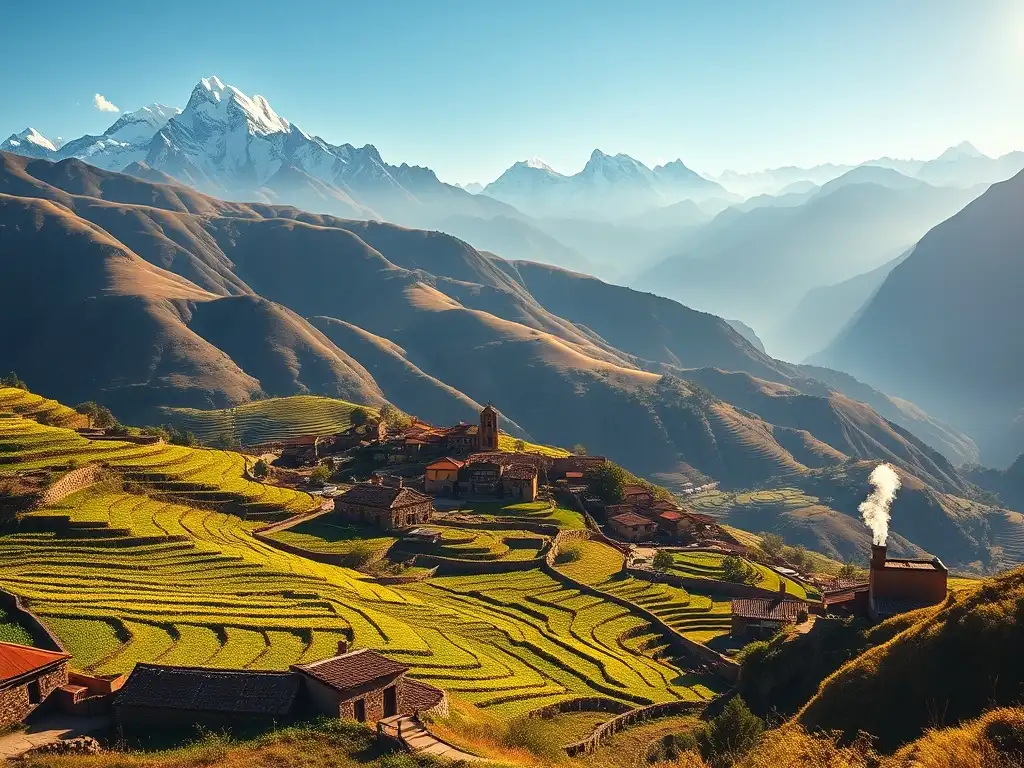
Unravel the mysteries of a vanished world. For centuries, the towering peaks of the Andes have guarded the secrets of remarkable civilizations. But how did these societies, from the Incas to the Nazca, flourish and grow? Dive into the fascinating enigma of Andean civilization population growth—a journey through intricate social structures, agricultural innovations, and the environmental challenges that shaped the destinies of these ancient empires. Prepare to be amazed by what you discover.
The dramatic rise of complex societies in the Andes, from the pre-Columbian era to the Inca Empire, presents a fascinating puzzle: how did these civilizations manage such significant population growth within often challenging environmental conditions? Understanding the demographic dynamics of Andean societies – encompassing the Inca, Moche, Nazca, and Tiahuanaco cultures, among others – requires examining a complex interplay of factors, including agricultural innovations, resource management strategies, societal organization, and disease patterns.
This article delves into the available evidence, exploring the population trends of various Andean civilizations to shed light on the factors that fueled their growth and the challenges they faced in sustaining their burgeoning populations. We will analyze the available data, acknowledging the limitations inherent in reconstructing demographic patterns from archaeological evidence, and highlighting areas where further research is needed to fully unravel this compelling historical enigma.
The growth of these Andean civilizations wasn't simply a matter of numbers; it was a testament to human ingenuity and adaptation in a diverse and sometimes unforgiving landscape. This exploration of Andean civilization population growth will reveal how these societies successfully navigated the complexities of population dynamics, laying the groundwork for their remarkable achievements.
Understanding the Factors Influencing Andean Population Growth
Several key factors contributed to the fluctuating population levels observed in different Andean civilizations. Agricultural advancements, such as terracing and irrigation systems, played a crucial role in boosting food production and supporting larger populations. The development of sophisticated agricultural techniques allowed for increased yields, enabling communities to overcome limitations imposed by the challenging Andean terrain.
Furthermore, the effective organization of labor, often facilitated by complex social hierarchies and state-level control, was essential for large-scale construction projects, such as irrigation canals and monumental architecture. These projects not only improved agricultural productivity but also contributed to the overall economic strength and stability of the societies. However, population growth was not always a steady upward trajectory.
Epidemics, warfare, and environmental fluctuations could dramatically impact population numbers, leading to periods of decline or stagnation. Understanding these counterbalancing forces is vital to obtaining a comprehensive picture of Andean demographic dynamics. The interplay between technological innovation, social organization, and environmental factors created a complex and dynamic relationship influencing population growth in the Andes.
Pre-Incan Population Trends: A Look at Regional Variations
Before the Inca Empire's expansion, various Andean cultures experienced distinct population growth patterns. The environmental diversity of the Andes region, encompassing coastal deserts, highlands, and Amazonian foothills, fostered the development of unique adaptations and strategies for resource management, significantly influencing population density and distribution. While precise population figures remain elusive due to the nature of the archaeological record, a comparison of different cultural groups provides valuable insights into the diverse pathways of demographic change. The following sections offer a closer look at specific pre-Inca societies and their population dynamics.
Population Dynamics in the Moche Culture
The Moche civilization (c. 100-800 CE), known for its elaborate artistry and sophisticated irrigation systems, flourished along the northern coast of Peru. Their mastery of irrigation allowed them to cultivate fertile valleys in an otherwise arid environment. Archaeological evidence suggests significant population growth during the Moche period, indicated by the size and density of their settlements and the extensive agricultural infrastructure they developed.
While precise population numbers are difficult to estimate, the scale of their urban centers and agricultural works points towards a substantial population, potentially numbering in the tens or hundreds of thousands. [Specific Moche population estimates pending further research]. The Moche's success was undoubtedly linked to their ability to manage water resources effectively, creating a stable base for population expansion.
Examining the Nazca Population and its Environmental Adaptations
The Nazca culture (c. 100 BCE – 800 CE), located south of the Moche, also demonstrated remarkable adaptation to a harsh desert environment. Their sophisticated knowledge of water management, evident in their intricate canal systems, allowed them to cultivate crops in the arid coastal plains. While less densely populated than the Moche, the Nazca population nonetheless thrived, as evidenced by their substantial ceremonial sites and impressive geoglyphs.
[Nazca population estimates are currently under review based on recent archaeological findings]. The Nazca's ability to harness scarce resources suggests a well-organized society capable of supporting a significant, albeit less densely concentrated, population. Their achievements highlight the ingenuity and resilience of Andean peoples in adapting to challenging environments.
Tiahuanaco Population Density and Urban Centers
The Tiahuanaco culture (c. 500-1000 CE), located in the high Andes of Bolivia, stands out for its monumental architecture and extensive urban planning. The city of Tiahuanaco itself served as a major administrative and religious center, attracting a large population. Evidence suggests a substantial population density in the Tiahuanaco region, although the exact figures remain uncertain.
[Data on Tiahuanaco population density requires further analysis of archaeological findings]. The presence of elaborate irrigation systems and sophisticated agricultural techniques suggests that the Tiahuanaco civilization was capable of supporting a significant population within the challenging high-altitude environment. The layout and scale of Tiahuanaco itself, a planned city with monumental structures, hints at a complex social organization capable of mobilizing considerable labor for large-scale projects.
The Inca Empire and its Impact on Population Growth
The Inca Empire, at its zenith, exerted a profound influence on population dynamics across the Andes. Its vast territorial expanse, encompassing diverse ecological zones, necessitated sophisticated strategies for managing its burgeoning population. The Inca's ability to integrate disparate groups and effectively administer their resources played a pivotal role in shaping demographic trends.
This wasn't simply a matter of conquest; the Inca implemented policies designed to encourage population growth and stability within their empire. These policies, while sometimes harsh, were ultimately instrumental in fostering a relatively large and dense population compared to preceding Andean societies. The efficient organization of labor and resources, facilitated by the mita system, contributed to increased agricultural productivity and overall societal well-being, indirectly supporting population growth.
However, the impact wasn't uniform across all regions; some areas experienced significant population increases, while others faced challenges due to factors such as disease and environmental limitations. The empire's centralized control allowed for quicker responses to localized crises, mitigating some of the negative impacts on overall population trends. The Inca's success in managing population growth, however, ultimately proved unsustainable in the face of external pressures and internal vulnerabilities.
Inca Expansion and Population Control Strategies
Inca expansion wasn't solely about territorial acquisition; it was intricately linked to population management. The Inca employed a variety of strategies to control and manipulate population numbers within their empire. One key mechanism was the resettlement of conquered populations. This involved relocating entire communities to new areas, often strategically placed to bolster the workforce in critical regions or to dilute the power of potentially rebellious groups.
Another important strategy was the integration of conquered peoples into the Inca social and economic system. This involved incorporating them into the mita system, requiring them to provide labor for public works projects, such as road construction and agriculture. While this system could be exploitative, it also provided a degree of social stability and a means of supporting a larger population. Furthermore, the Inca implemented policies aimed at promoting marriage and childbirth within their empire.
This involved incentivizing larger families and providing support for families with many children. These measures, while not always successful, contributed to the overall population growth within the Inca Empire. The precise details of these policies are still being uncovered by scholars, but their influence on Andean civilization population growth is undeniable.
Agricultural Innovations and Their Role in Sustaining Growth
The Inca's remarkable agricultural achievements were fundamental to their population growth. Their sophisticated irrigation systems, terrace farming techniques, and innovative crop management practices allowed them to maximize food production in diverse and challenging environments. The waru waru system, a type of raised-field agriculture, increased crop yields significantly, particularly in arid regions.
This allowed for greater food security and supported a larger population than would have been possible with traditional farming techniques. The Inca also developed a wide range of crops adapted to various altitudes and climates, enhancing their ability to support a large and diverse population. This diversification in crops reduced the risk of widespread famine, a critical factor in sustaining population growth.
The efficient management of resources and the distribution of food through state-controlled storehouses also played a crucial role in ensuring food security and supporting population growth during lean years. The Inca's agricultural innovations were not only impressive feats of engineering but also critical components of their demographic success.
The Inca Census and Demographic Data Collection
The Inca Empire maintained a surprisingly sophisticated system for collecting demographic data. Their census, conducted periodically, recorded crucial information about the population, including the number of individuals, their age, and their occupation. This data was essential for organizing labor, allocating resources, and planning for future needs.
The information gathered was meticulously recorded using quipus, complex knotted cords that served as a form of record-keeping. While the exact methods of data collection and analysis remain somewhat enigmatic, the evidence suggests a remarkably organized and efficient system for managing a large and diverse population. The Inca census provides invaluable insights into population distribution, social structure, and the overall organization of the empire.
The survival of some quipus allows modern researchers to partially decipher this ancient data, shedding light on the Inca's demographic strategies and their impact on population growth in the Andes. Further research into the quipus and other archaeological findings is crucial for a complete understanding of the Inca's demographic practices.
Analyzing the Evidence of Andean Population Size
Determining the precise population size of Andean civilizations presents a significant challenge to researchers. The lack of written records in the pre-Columbian era necessitates reliance on indirect methods to estimate population figures. These methods involve analyzing a range of evidence, including archaeological findings, skeletal remains, and historical accounts from the Spanish colonial period.
Each method presents its own limitations and uncertainties, making precise quantification extremely difficult. However, by combining these different approaches and cross-referencing findings, researchers can construct a more comprehensive picture of population dynamics in the Andes. The inherent complexities and limitations of the available data mean that estimates often vary considerably, highlighting the need for continued research and refinement of analytical techniques.
Archaeological Evidence of Population Centers
Archaeological excavations have revealed the existence of large population centers throughout the Andes. The size and complexity of these settlements, including urban centers like Cusco and Tiahuanaco, provide important clues about population density and overall population size. The presence of extensive irrigation systems, agricultural terraces, and sophisticated infrastructure further supports the conclusion that these areas supported substantial populations. By analyzing the size and layout of these settlements, researchers can estimate the number of people they could have accommodated.
However, this method relies on assumptions about housing density and living conditions, which may vary across different time periods and locations. Therefore, estimates based solely on archaeological evidence often have a considerable margin of error. Further research and advanced analytical techniques, such as remote sensing, can improve the accuracy of these estimates.
Skeletal Remains and Demographic Analysis
The analysis of skeletal remains from Andean archaeological sites offers valuable insights into population dynamics. By studying skeletal samples, researchers can determine age at death, sex ratios, and the prevalence of certain diseases. This information can be used to construct a demographic profile of the population and to infer patterns of population growth or decline.
For instance, the presence of a high proportion of young individuals in a sample may indicate a growing population, while a high proportion of older individuals may suggest a declining population. However, the interpretation of skeletal data requires careful consideration of various factors, such as sample size, preservation conditions, and potential biases in the archaeological record. The analysis of skeletal remains, while informative, should be considered in conjunction with other sources of evidence to provide a more robust understanding of Andean population dynamics.
Estimating Population Figures in Andean Civilizations
Estimating the population size of Andean civilizations remains a complex task due to the limited availability of direct historical records. While researchers have made significant progress using various indirect methods, considerable uncertainty remains. Estimates for the Inca Empire at its peak range from several million to over 10 million, with substantial variations depending on the methodologies and assumptions used.
For earlier Andean civilizations, such as the Moche and Nazca, the estimates are even more uncertain, often based on extrapolations from archaeological evidence and limited historical accounts. The challenges in estimating these figures emphasize the need for continued interdisciplinary research, combining archaeological, anthropological, and historical approaches. Developing more sophisticated analytical models and incorporating new data from ongoing research will be crucial for refining our understanding of Andean civilization population growth and the size of these remarkable societies.
Environmental Factors and Population Growth in the Andes
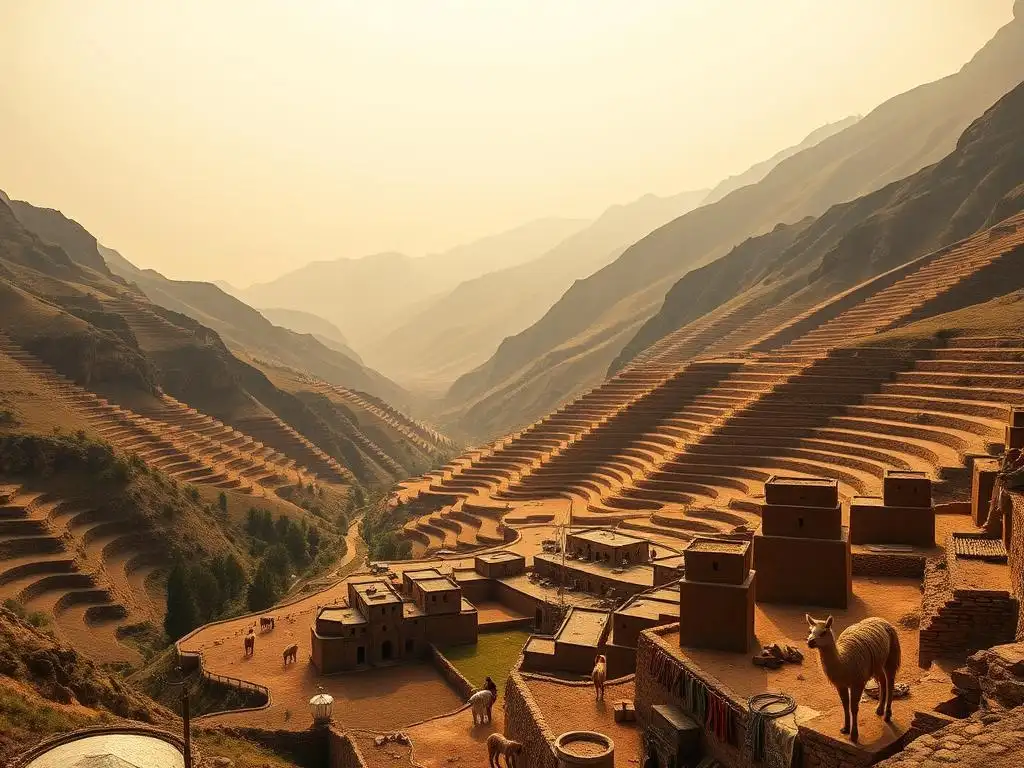
The Andes Mountains present a uniquely challenging environment for human settlement. High altitudes, steep slopes, and variable climates significantly impacted population density and growth patterns across different Andean cultures. The availability of arable land, water resources, and suitable building materials directly influenced the size and distribution of settlements.
For instance, fertile river valleys, like those found in the coastal regions of Peru, supported larger and more densely populated areas compared to the higher, more arid plateaus. Understanding the interplay between environmental factors and population growth is crucial for deciphering the rise and fall of various Andean civilizations. The impact of El Niño events, with their devastating floods and droughts, also played a significant role in population fluctuations.
Evidence suggests that periods of prolonged drought often led to famine and population decline, while periods of favorable weather fostered growth. The ability of Andean societies to adapt to these environmental fluctuations was a key factor in their survival and prosperity. Successful adaptation often involved sophisticated irrigation systems, terracing techniques, and the cultivation of drought-resistant crops.
The Impact of Climate Change on Andean Populations
Climate change, both natural and potentially exacerbated by human activities, profoundly affected Andean populations throughout history. Fluctuations in temperature and precipitation patterns significantly influenced agricultural yields, leading to periods of abundance and scarcity. For instance, the prolonged droughts associated with the Medieval Climate Anomaly (approximately 950–1250 CE) likely contributed to the decline of some pre-Inca societies.
Conversely, periods of warmer and wetter conditions could have facilitated population growth and expansion. Detailed paleoclimatic reconstructions, combined with archaeological data, can shed light on the specific relationship between climate change and demographic trends in different Andean regions. The impact of climate change was not uniform across the Andes; variations in altitude, latitude, and proximity to the coast resulted in diverse responses from different populations.
Studying these responses can provide valuable insights into the adaptive strategies employed by Andean communities and their resilience in the face of environmental change. Furthermore, the impact of climate change on resource availability often led to social and political instability, further complicating population dynamics.
Resource Availability and Population Limits
The availability of essential resources such as water, arable land, and building materials acted as a significant constraint on population growth in the Andes. The scarcity of resources often led to competition and conflict between different groups, influencing population distribution and migration patterns. For example, the control of fertile river valleys was a constant source of contention among various Andean societies.
The development of sophisticated irrigation systems and agricultural techniques, such as terracing, helped to overcome some of these limitations, but resource scarcity remained a persistent challenge. Population density was often highest in areas with abundant resources, while sparsely populated regions were characterized by limited resources and challenging terrains.
The carrying capacity of the environment, determined by the availability of resources, played a crucial role in shaping population dynamics throughout Andean history. Understanding these limits is fundamental to comprehending the size and distribution of Andean settlements and the overall population growth trajectory.
Adapting to the Andean Environment and its Challenges
Andean civilizations developed remarkable adaptive strategies to overcome the environmental challenges of the Andes. These adaptations were crucial for their survival and allowed for sustained population growth in what would otherwise be a hostile environment. The construction of sophisticated irrigation systems, for instance, allowed for the cultivation of crops in arid regions. Terracing techniques increased arable land and reduced soil erosion. The domestication of camelids, such as llamas and alpacas, provided crucial resources like wool, meat, and transportation.
These adaptations allowed Andean societies to maximize resource utilization and support larger populations. The development of specialized agricultural techniques, alongside knowledge of local ecosystems, were essential for managing limited resources and ensuring food security. The resilience and ingenuity of Andean societies in adapting to their environment is a testament to their remarkable capabilities. Their sustainable practices offer valuable lessons for contemporary societies facing similar environmental challenges.
Socio-Political Structures and Population Growth
The socio-political structures of Andean civilizations played a crucial role in shaping population growth patterns. Complex organizational systems, including centralized states and hierarchical social structures, influenced resource allocation, labor organization, and conflict resolution, all of which had significant demographic consequences. The Inca Empire, for example, implemented a highly organized system of administration, including extensive road networks and efficient communication systems, which facilitated population control and resource distribution.
The intricate relationships between political power, economic organization, and population dynamics are key to understanding the growth and decline of Andean societies. Different political structures implemented varying strategies for population management, resulting in diverse demographic outcomes. Analyzing these socio-political structures helps us understand the factors that contributed to both periods of growth and decline in Andean populations.
The Role of Labor Systems in Population Management
The labor systems employed by Andean civilizations significantly impacted population dynamics. The Inca mita system, for example, required compulsory labor from communities for specific public works projects. This system, while potentially demanding, also contributed to the construction of infrastructure that benefited the entire population, indirectly supporting population growth. Other Andean societies employed various forms of labor organization, such as communal farming and specialized craft production.
These systems, though varying in their specific forms, often involved complex social structures that regulated labor allocation and resource distribution. The effectiveness of these systems in managing population and ensuring economic stability varied across different societies and time periods. Analyzing the intricacies of these labor systems is crucial for understanding how Andean societies managed their populations and resources.
Warfare and its Demographic Consequences
Warfare was a recurring feature in Andean history, significantly influencing population dynamics. Conquests, internal conflicts, and territorial disputes resulted in population displacement, casualties, and disruptions to agricultural production. The consequences of warfare varied depending on the scale and intensity of the conflict. Large-scale wars often led to substantial population declines, while smaller-scale conflicts might have had a more localized impact.
The impact of warfare extended beyond immediate casualties; disruptions to agricultural production and trade networks often led to famine and disease, further impacting population size. Archaeological evidence, such as mass graves and skeletal remains, can provide insights into the demographic consequences of warfare in different Andean regions. Understanding the role of warfare in shaping population trends is crucial for a holistic understanding of Andean demographic history.
Religious Practices and Population Growth
Religious beliefs and practices played a significant role in shaping the lives and demographics of Andean societies. Religious rituals, festivals, and beliefs often influenced social behavior, agricultural practices, and even population control. For instance, certain religious practices might have encouraged larger family sizes or influenced decisions related to marriage and fertility. Conversely, some religious beliefs might have promoted population control mechanisms, such as infanticide or other forms of population regulation.
The influence of religion on population dynamics varied across different Andean cultures and time periods. Understanding the interplay between religious beliefs and population trends requires careful analysis of religious iconography, archaeological findings, and ethnohistorical accounts. The study of Andean religious practices offers insights into the complex relationship between religious beliefs and demographic patterns.
The Long-Term Effects of Andean Civilization Population Growth
The dramatic fluctuations in Andean civilization population growth profoundly shaped the trajectory of these societies, leaving an indelible mark on their cultural, political, and environmental landscapes. Periods of rapid expansion often coincided with agricultural innovations and periods of relative peace, allowing for increased food production and a surplus that supported larger populations. Conversely, periods of decline were frequently linked to warfare, disease outbreaks (like the introduction of Old World diseases during the Spanish conquest), and environmental catastrophes like droughts or El Niño events.
These population shifts influenced the scale and complexity of social structures. For example, the massive population centers of the Inca Empire necessitated sophisticated administrative systems for resource management, labor organization, and infrastructure development.
Conversely, population decline following the Spanish conquest led to the disintegration of these systems and a significant restructuring of Andean societies. The legacy of these population dynamics continues to resonate in the modern Andean world.
The Legacy of Population Patterns in Modern Andean Societies
Understanding historical population patterns in the Andes is crucial for comprehending the distribution and composition of modern Andean societies. The impact of past population booms and busts is clearly visible in the uneven distribution of populations across the region. Densely populated areas often correspond to historically fertile agricultural valleys and regions with access to vital resources, while sparsely populated areas often reflect challenging environmental conditions or historical demographic setbacks. Furthermore, the ethnic makeup of modern Andean communities reflects the complex interplay of pre-Columbian populations, migrations during the colonial era, and more recent internal migrations.
The genetic diversity found in present-day Andean populations is a direct result of these long-term population dynamics. The challenges faced by modern Andean societies, such as poverty, inequality, and environmental degradation, are also deeply rooted in the historical legacy of population growth and decline. Effective policy-making requires a nuanced understanding of these historical contexts.
Population Trajectory in the Altiplano Region
The Altiplano region, a high-altitude plateau in the Andes, presents a unique case study in Andean population dynamics. Characterized by challenging environmental conditions including high altitude, limited arable land, and harsh weather patterns, the Altiplano’s population trajectory has always been closely tied to the availability of resources and technological adaptations. The development of sophisticated agricultural techniques, such as terracing and irrigation, allowed for increased food production and enabled the growth of significant urban centers like Tiwanaku. However, periods of drought or climatic shifts significantly impacted population numbers. The Altiplano's population history also reflects the influence of external factors, including the expansion and contraction of empires and the impact of disease. The region's demographic history underscores the critical interplay between environmental factors, technological innovation, and political power in shaping population trajectories. Examining this history provides valuable insights into the resilience and adaptability of Andean societies in the face of environmental challenges.
Lessons from Andean Demographics for Modern Population Studies
The study of Andean population dynamics offers valuable lessons for modern population studies. The intricate relationship between population growth, environmental resources, and social structures in the Andean context highlights the importance of considering environmental factors in population models. The impact of disease outbreaks and warfare on population numbers underscores the vulnerability of populations to external shocks and the need for robust public health infrastructure and conflict resolution mechanisms.
The long-term consequences of population shifts, evident in the contemporary Andean world, emphasize the importance of sustainable development strategies that consider both present needs and the legacy of past population patterns. The Andean experience provides a rich case study for understanding the complex interplay of various factors in shaping population trajectories, offering valuable insights for researchers and policymakers worldwide.
Conclusion: The Complex Tapestry of Andean Population Dynamics
The study of Andean civilization population growth reveals a complex tapestry woven from threads of environmental pressures, technological innovation, political upheaval, and disease. Population numbers fluctuated dramatically over centuries, impacting social structures, agricultural practices, and the very fabric of Andean societies. Understanding these dynamics is not merely an academic exercise; it offers crucial insights into the resilience and adaptability of Andean communities, the long-term impacts of historical events, and the challenges faced by modern Andean societies.
By examining the interplay of these factors, we gain a deeper understanding of the intricate relationship between population and societal development, offering valuable lessons applicable far beyond the Andes themselves. The enduring legacy of these population patterns shapes the contemporary Andean world, demonstrating the profound and lasting influence of demographic forces on societies throughout history.
- Understanding the Factors Influencing Andean Population Growth
- Pre-Incan Population Trends: A Look at Regional Variations
- The Inca Empire and its Impact on Population Growth
- Analyzing the Evidence of Andean Population Size
- Environmental Factors and Population Growth in the Andes
- Socio-Political Structures and Population Growth
- The Long-Term Effects of Andean Civilization Population Growth
- Conclusion: The Complex Tapestry of Andean Population Dynamics
- What factors influenced population growth in Andean civilizations?
- How did the Inca Empire manage its large population?
- Did all Andean civilizations experience similar population growth patterns?
- What role did agriculture play in Andean population growth?
- What are the challenges in studying Andean population growth?
Frequently Asked Questions
What factors influenced population growth in Andean civilizations?
Several factors contributed, including agricultural advancements like terracing and irrigation, which increased food production. Stable political structures and organized societies also played a crucial role in supporting larger populations. Disease outbreaks and warfare, however, could significantly impact growth.
How did the Inca Empire manage its large population?
The Inca Empire employed sophisticated administrative systems and infrastructure, including extensive road networks and storehouses, to manage its vast population. Centralized control over resources and labor ensured the distribution of food and goods across the empire. Mita system, a form of labor tax, was also key.
Did all Andean civilizations experience similar population growth patterns?
No, population growth varied significantly across different Andean civilizations and time periods. The Inca Empire experienced a period of rapid growth, while other civilizations, like the Nazca, may have experienced more fluctuating patterns. Environmental factors and political stability heavily influenced this.
What role did agriculture play in Andean population growth?
Agriculture was absolutely essential. The development of innovative farming techniques, such as terracing and irrigation, allowed for increased food production, supporting larger and denser populations in challenging Andean environments. This sustained population growth over long periods.
What are the challenges in studying Andean population growth?
Studying ancient populations presents several challenges. Limited historical records and difficulties in interpreting archaeological evidence make accurate estimations difficult. Furthermore, environmental factors and disease make it harder to isolate the specific causes behind population changes.
Final Reflection: Echoes of the Andes: A Legacy of Growth and Change
The intricate puzzle of Andean population growth, explored throughout this article, remains profoundly relevant today. Understanding the historical fluctuations in population density, agricultural innovation, and societal structures within the Andes provides crucial context for comprehending the challenges and opportunities facing the region in the 21st century. The legacy of these ancient civilizations continues to shape the landscape, both literally and figuratively, impacting everything from resource management to cultural identity.
The impact of Andean demographic shifts resonates far beyond the historical record. The ingenuity and resilience displayed by Andean populations in adapting to environmental pressures and societal changes offer valuable lessons for contemporary societies grappling with similar issues. The past is never dead. It's not even past.
- William Faulkner. This quote perfectly encapsulates the enduring influence of Andean demographic history on the present-day realities of the region and its people. The echoes of past successes and failures continue to inform the choices made today, shaping the future trajectory of Andean communities.
Consider the intricate interplay of factors that influenced population growth in the Andes – from agricultural advancements to disease outbreaks, from political stability to environmental shifts. These same factors continue to play a role in shaping the lives of Andean communities today. You, the reader, are now equipped with a deeper understanding of this complex interplay.
Reflect on how this knowledge can inform your own perspective on population dynamics, sustainable development, and the importance of preserving cultural heritage. Let the echoes of the Andes inspire you to engage with the world around you with a renewed sense of curiosity and understanding.
Unveil the Future: Act on Andean Demographics Today!
You've explored the complexities of population growth in the Andes and gained valuable insights into this rich and diverse region. Now, let's translate that knowledge into action.
Here are some practical steps you can take to make a positive impact:
- **Engage with local community development projects** in the Andes. Your participation can make a real difference.
- **Share this information** with your network to encourage discussion about population dynamics and their consequences.
- **Immerse yourself in the culture** by visiting Andean communities and experiencing their unique challenges and triumphs firsthand.
What will you do to contribute to a better understanding of Andean demographics? Your journey of discovery begins now!