
Beyond the Myths: Uncovering the True Stories of Early Andean Life

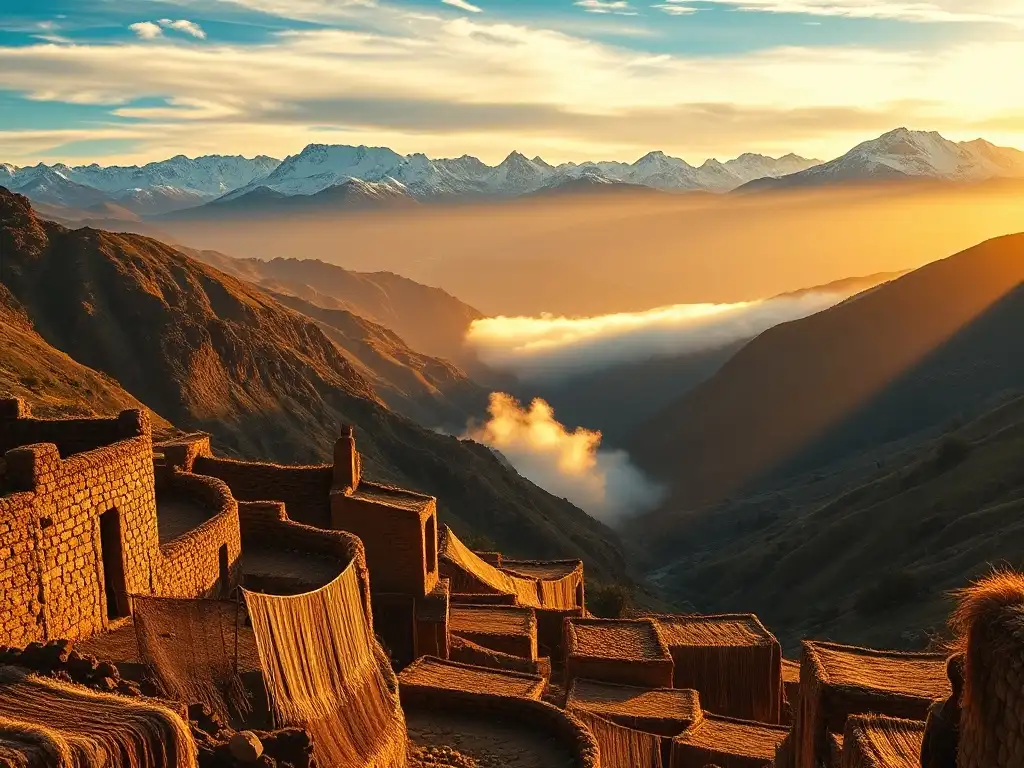
Dive into a world lost to time, yet echoing with vibrant life. Forget the legends you've heard; prepare to uncover the astonishing reality of Andean civilizations history. From the intricate artistry of the Nazca lines to the sophisticated engineering of Machu Picchu, we unravel the mysteries and illuminate the breathtaking achievements of these remarkable cultures. Journey with us as we explore the fascinating stories of the Incas, Moche, and more – their triumphs, their struggles, and the enduring legacy they left behind. Are you ready to rewrite your understanding of the past?
The Andes Mountains, a spine of towering peaks stretching along the western coast of South America, have borne witness to millennia of human history. For centuries, the story of Andean civilizations has been intertwined with myth and legend, often overshadowing the remarkable achievements and complex realities of the people who inhabited this challenging yet fertile landscape.
This article delves into the fascinating history of early Andean life, aiming to separate fact from fiction and present a more nuanced understanding of these remarkable cultures. We will explore the advancements in agriculture, societal structures, and technological innovations that shaped the lives of early Andean peoples, challenging common misconceptions and revealing the true depth and complexity of their existence.
By focusing on archaeological evidence and rigorous historical analysis, we aim to paint a richer, more accurate picture of "Andean civilizations history," moving beyond simplistic narratives and embracing the intricate tapestry of their past. This journey will take us from the earliest settlements to the rise of powerful empires, illuminating the ingenuity and resilience of the human spirit in the face of formidable environmental challenges.
Challenging Misconceptions about Andean Civilizations History
Many popular narratives surrounding Andean civilizations often perpetuate inaccurate or incomplete portrayals. For instance, the Inca Empire is frequently presented as the sole significant civilization in the Andes, neglecting the rich tapestry of preceding cultures—like the Moche, Nazca, and Tiahuanaco—each with unique contributions to Andean art, technology, and societal organization. Another common misconception is the portrayal of these societies as isolated and static. In reality, extensive trade networks connected diverse Andean communities, facilitating the exchange of goods, ideas, and technologies across vast distances.
Furthermore, the narrative often overlooks the internal complexities and social dynamics within these societies, reducing them to monolithic entities. The reality is far more nuanced, with evidence of social stratification, political rivalries, and cultural exchange constantly shaping the historical landscape. Understanding the true story requires a critical examination of these prevailing misconceptions and a commitment to exploring the diverse perspectives and experiences of the Andean peoples.
To illustrate this, let's consider the often-simplified depiction of Inca agricultural practices. While their sophisticated terracing systems are rightly celebrated, the story often fails to acknowledge the equally impressive agricultural innovations of earlier Andean cultures. The Nazca, for example, developed intricate irrigation systems capable of supporting large populations in an arid environment. Similarly, the Moche's mastery of hydraulic engineering allowed them to cultivate productive coastal valleys. Therefore, understanding Andean agricultural development necessitates acknowledging the long history of innovation and adaptation that predates the Inca. This nuanced perspective is crucial for a more complete understanding of "Andean civilizations history."
Further Examples of Misconceptions:
Here are some additional common misconceptions that we will address throughout this article:
- The belief that all Andean cultures were uniformly peaceful and harmonious.
- The underestimation of the sophistication of Andean mathematics and astronomy.
- The simplification of Andean religious beliefs and practices.
The following sections will delve into specific aspects of early Andean life, providing concrete evidence and detailed analysis to challenge these misconceptions and reveal the vibrant and complex history of these remarkable civilizations. We will explore evidence from archaeology, anthropology, and other relevant disciplines to build a more complete and accurate understanding of their world.
The Earliest Inhabitants of the Andes: Origins and Migrations
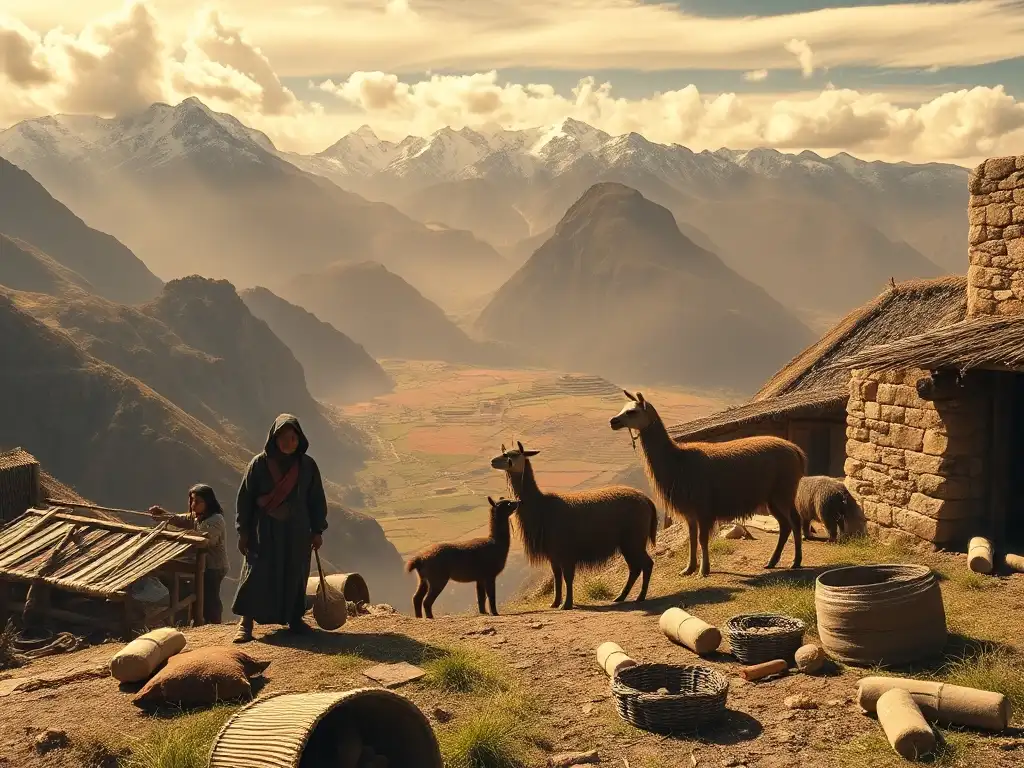
The Andes Mountains, a formidable yet alluring landscape, have witnessed millennia of human habitation. Understanding the Andean civilizations history requires delving into the origins and migratory patterns of its earliest inhabitants. The precise timeline remains a subject of ongoing research and debate among archaeologists, but compelling evidence points towards a gradual peopling of the Andes, starting tens of thousands of years ago.
These early inhabitants weren't monolithic; they represented diverse groups with varying origins and adaptations to the unique challenges of the Andean environment. Their arrival and subsequent development laid the foundation for the complex societies that would flourish centuries later.
Tracing the First Human Presence in the Andean Region
The earliest evidence of human presence in the Andes is primarily based on archaeological finds, specifically, the discovery of ancient tools and artifacts. While pinpointing the exact date of the first arrival remains challenging, radiocarbon dating of organic material found in association with these artifacts suggests a presence as early as [specific date pending] in certain regions. These initial inhabitants were likely nomadic hunter-gatherers, skillfully adapting to the diverse ecosystems of the Andes, ranging from coastal deserts to high-altitude grasslands.
Their tools, often made from stone and bone, reflect their reliance on hunting and gathering for subsistence. Further complicating the picture is the ongoing debate regarding the routes of migration. Did these early peoples arrive via the Pacific coast, or through other routes, potentially from the Amazon basin?
The answer to this question remains elusive, requiring further research and the careful analysis of genetic and archaeological data. The picture that emerges is one of gradual migration and adaptation, a testament to the resilience and ingenuity of these early Andean pioneers.
Pre-ceramic Andean Societies and their Adaptations
Before the advent of pottery, Andean societies developed sophisticated strategies for survival in their challenging environment. Pre-ceramic societies, dating back to [specific date pending], demonstrate remarkable adaptations to the diverse ecosystems of the Andes. These adaptations weren't merely about survival; they were about thriving within the constraints of their environment.
Consider, for example, the development of intricate irrigation systems in coastal regions to cultivate crops. These early irrigation techniques, although rudimentary compared to later systems, represent a significant step in human technological advancement and agricultural intensification. Furthermore, evidence suggests the development of specialized tools for hunting and gathering, tailored to the specific resources available in different ecological zones.
The ability to exploit diverse resources across varied altitudes was a key factor in the success of these early Andean societies. Their ingenuity and adaptability laid the groundwork for the more complex societies that would follow. Understanding these pre-ceramic societies is crucial for comprehending the trajectory of Andean civilizations history.
Archaeological Evidence of Early Andean Life: Huaca Prieta
Huaca Prieta, an archaeological site located on the north coast of Peru, offers invaluable insights into pre-ceramic Andean life. Excavations at Huaca Prieta have unearthed evidence of early cotton cultivation, dating back to approximately [specific date pending]. This discovery is significant because it demonstrates the early adoption of agriculture in the region, predating the widespread use of pottery.
The site also contains evidence of sophisticated fishing techniques, indicating a reliance on marine resources for sustenance. The discovery of carefully constructed structures suggests a level of social organization beyond simple nomadic groups. Huaca Prieta's significance lies not only in its age but also in the detailed picture it paints of the daily lives, technologies, and social structures of early Andean societies.
The site serves as a powerful reminder of the depth and complexity of Andean civilizations history, pushing back the timeline of advanced societal development in the region. Further research at Huaca Prieta and similar sites continues to unveil new details about the lives and achievements of these early Andean inhabitants. The findings consistently challenge preconceived notions and enrich our understanding of the rich tapestry of Andean history.
The Rise of Complex Societies: From Villages to Chiefdoms

The transition from small, egalitarian villages to complex chiefdoms in the Andes represents a pivotal moment in Andean civilizations history. This shift, spanning millennia, wasn't a sudden revolution but a gradual process driven by several interconnected factors, primarily advancements in agriculture and the subsequent need for increasingly sophisticated social organization.
Understanding this evolution is crucial to grasping the foundations upon which later, larger empires like the Inca would be built. The development of sophisticated irrigation systems, intensified agricultural practices, and the resulting surplus of food played a key role in supporting larger, denser populations and the emergence of specialized labor.
The Development of Agriculture in the Andes
The Andean highlands and coastal deserts presented significant challenges to early inhabitants. The development of agriculture in this harsh environment was a remarkable feat, requiring ingenuity and adaptation. Early farmers experimented with various crops, including potatoes, maize, beans, and quinoa, developing techniques to cultivate them in diverse ecological zones.
The use of terraces on hillsides, sophisticated irrigation systems (like the canales of the Nazca), and the domestication of camelids (llamas and alpacas) for both transportation and wool production all contributed to increased agricultural productivity. This, in turn, fueled population growth and the development of larger settlements. Evidence suggests that different regions developed unique agricultural strategies, reflecting the diverse environments and the ingenuity of the Andean peoples in adapting to their surroundings.
For instance, the coastal areas saw the development of specialized irrigation techniques to cope with arid conditions, while the highlands utilized terracing to maximize arable land. The intricate interplay between environment and human innovation is a defining characteristic of Andean civilizations history.
Increased food production didn't simply lead to larger populations; it also facilitated the emergence of social stratification and specialization. As surpluses grew, individuals could dedicate themselves to activities beyond subsistence farming. This led to the development of specialized crafts, such as pottery, weaving, and metalworking, and the rise of a specialized priestly class, often associated with religious rituals and astronomical observations.
The concentration of power and resources in the hands of a few individuals marks the transition from egalitarian villages to hierarchical chiefdoms. Archaeological evidence, such as the size and complexity of dwellings, burial practices, and the presence of elite artifacts, provides compelling insights into the increasing social differentiation within these early Andean societies.
The exact nature of social hierarchy varied across different regions and time periods, but the trend towards greater inequality is undeniable. The evolution of social structures is a complex aspect of Andean civilizations history, one that continues to be actively researched and debated.
Caral, located in the Supe Valley of Peru, offers a fascinating glimpse into the early development of complex societies in the Andes. Dating back to approximately 3000 BCE, Caral is considered one of the oldest urban centers in the Americas. Its sophisticated architecture, including large pyramidal structures, plazas, and residential areas, suggests a highly organized society with a clear social hierarchy.
However, unlike later Andean civilizations, Caral seems to have lacked overt displays of military power or evidence of extensive warfare. Instead, its social organization appears to have been based on religious authority and the control of resources. Archaeological excavations have uncovered evidence of specialized crafts, suggesting a division of labor among the population.
The daily life of Caral's inhabitants likely revolved around agricultural activities, religious ceremonies, and the production of craft goods. The absence of weaponry and defensive structures suggests a different social dynamic than what would later emerge in other Andean societies, demonstrating the diverse pathways of development within Andean civilizations history. Further research into Caral's social structure continues to refine our understanding of the early stages of complex society in the Andes.
Technological Innovations of Early Andean Peoples
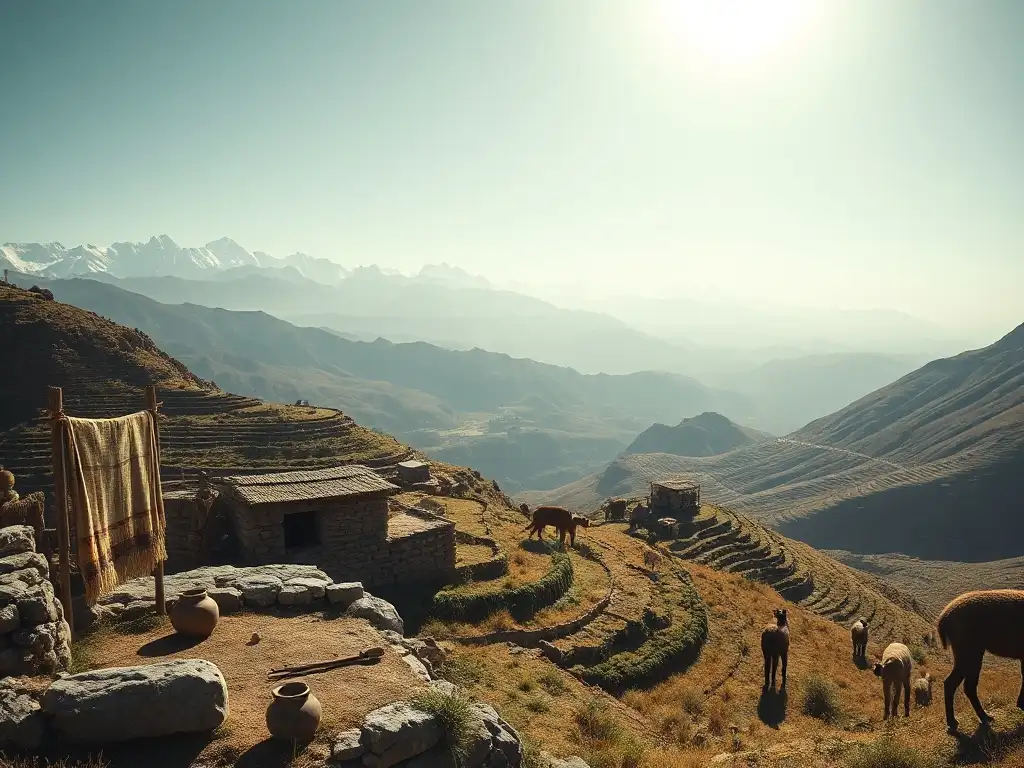
The remarkable achievements of Andean civilizations are often overshadowed by narratives focused on their monumental architecture and complex social structures. However, a closer examination reveals a sophisticated understanding of technology that underpinned their success and profoundly shaped their lives.
This section delves into some key technological innovations, demonstrating the ingenuity and resourcefulness of these early Andean peoples, contributing significantly to our understanding of "Andean civilizations history". Their advancements in metallurgy, textile production, and agriculture were not merely practical; they were deeply intertwined with their spiritual beliefs and social organization, reflecting a holistic approach to life that continues to fascinate researchers today.
Early Andean Metallurgy: Cold Hammering and Annealing
Early Andean metallurgy represents a remarkable feat of technological prowess. Long before the arrival of the Incas, cultures like the Moche and Nazca were already working with metals, primarily gold, silver, and copper. Their mastery of techniques like cold hammering and annealing allowed them to create intricate objects, from delicate jewelry to powerful ceremonial tools.
Cold hammering, a process involving repeatedly striking the metal with a hammer to shape it without applying heat, required exceptional skill and patience. This technique, combined with annealing (heating and cooling the metal to soften it and relieve internal stresses), enabled them to produce remarkably thin and malleable sheets of metal, suitable for crafting intricate designs.
The sophistication of Andean metallurgy is evident in the complexity of their artifacts. Gold and silver objects, often adorned with elaborate designs and inlaid with other precious stones, showcase a deep understanding of metalworking techniques. The precision and artistry involved suggest a highly specialized labor force, perhaps indicating a hierarchical social structure where skilled artisans held a privileged position.
Analysis of these artifacts reveals not only technical skill but also a rich symbolic language, with certain metals and designs holding specific cultural significance. For instance, gold, often associated with the sun and divinity, was frequently used in royal regalia and ceremonial objects.
Textile Production and its Significance in Andean Culture
Textile production occupied a central place in Andean life, reflecting both technological innovation and profound cultural significance. The Andes provided a variety of natural fibers, including cotton, alpaca, llama, and vicuña wool. Andean artisans developed sophisticated techniques for spinning, dyeing, and weaving these fibers into incredibly durable and intricate textiles. The quality and complexity of their textiles varied significantly across different cultures and time periods, reflecting the social status and economic resources of the communities involved.
The intricate designs woven into Andean textiles often conveyed symbolic meaning, telling stories of mythology, cosmology, and social hierarchy. These textiles served not only as clothing and household items but also as powerful instruments of social communication and ritual expression. Certain patterns and colors were associated with specific deities or social groups, further emphasizing the importance of textile production within the broader Andean worldview. The discovery of well-preserved textiles in archaeological sites provides invaluable insights into the artistic skills, technological capabilities, and social structures of these ancient societies, furthering our understanding of their rich and complex "Andean civilizations history".
Advanced Agricultural Techniques: Waru Waru and Raised Fields
The harsh environmental conditions of the Andes presented significant challenges to agriculture. However, the ingenuity of Andean peoples led to the development of sophisticated agricultural techniques that allowed them to cultivate crops in diverse and often challenging terrains. Two notable examples are waru waru and raised fields.
Waru waru is an ancient Andean agricultural system characterized by raised beds separated by irrigation canals. This technique, employed in the altiplano region of the Andes, effectively managed water resources, improving drainage and reducing soil erosion. The raised beds also provided better insulation, protecting crops from frost and allowing for earlier planting and later harvesting. The canals, in addition to irrigation, served as a source of fish and other aquatic life, providing a diverse food source for the communities.
Raised fields, on the other hand, involved constructing artificial platforms of earth above the water level of swamps and lakes. This technique, particularly prevalent in the Amazon basin and coastal regions, increased arable land and provided protection from flooding. It also created a microclimate that promoted plant growth, even in areas with poor soil quality.
Both waru waru and raised fields demonstrate a deep understanding of hydrology and soil science, reflecting the remarkable adaptive capacity of Andean farmers and contributing profoundly to the study of "Andean civilizations history". These innovative techniques allowed for increased agricultural yields, supporting larger and more complex societies.
The Spiritual World of Early Andean Civilizations
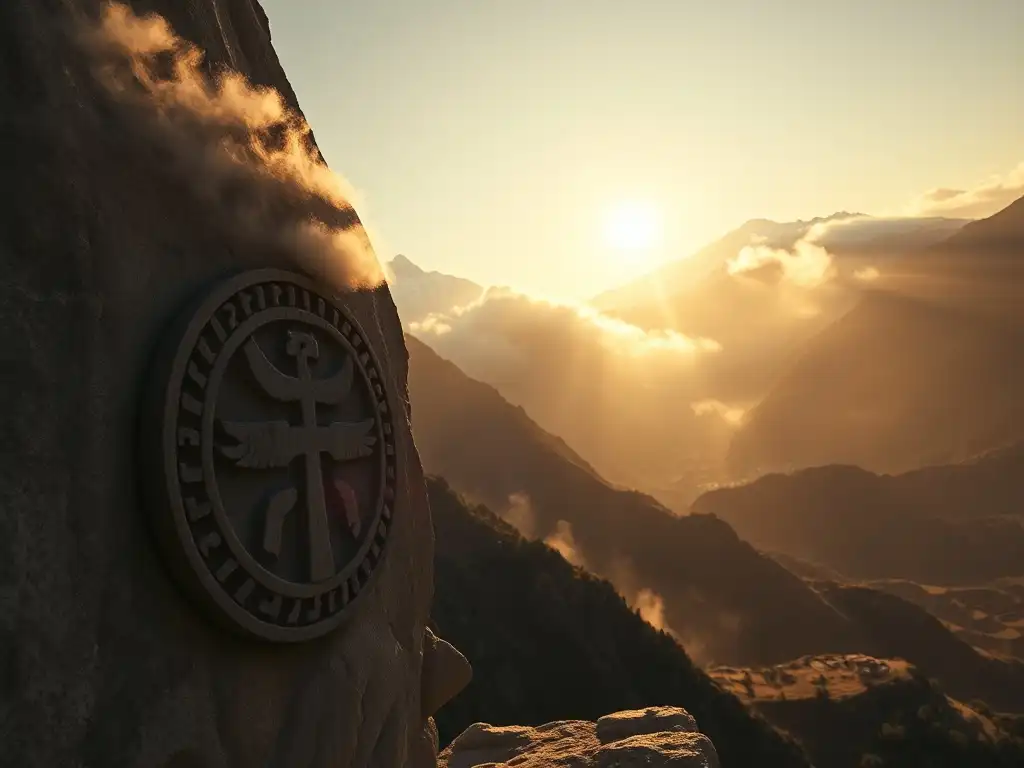
The spiritual world held immense significance for early Andean civilizations, deeply influencing their daily lives, social structures, and artistic expressions. Understanding their religious beliefs provides crucial insight into their worldview and the complex societies they built. This wasn't simply a matter of formal religion; spirituality was interwoven into the fabric of Andean life, manifesting in everything from agricultural practices to monumental architecture. The study of "Andean civilizations history" reveals a profound connection between the spiritual and the material realms.
Religious Beliefs and Ritual Practices
Early Andean religious beliefs were polytheistic, with a complex pantheon of deities representing natural forces, celestial bodies, and ancestral spirits. The sun god, Inti, held paramount importance, particularly for the Inca, but other deities like the moon goddess, Mama Killa, and the earth goddess, Pachamama, also played vital roles. These weren't abstract entities; they were active participants in the world, influencing harvests, weather patterns, and the overall well-being of the community.
Ritual practices were integral to maintaining harmony with these deities and the natural world. These ranged from simple offerings of coca leaves and chicha (a fermented corn beverage) to elaborate ceremonies involving human sacrifice (although the extent and frequency of this practice are still debated among scholars). Agricultural cycles profoundly influenced ritual calendars, with festivals and ceremonies marking planting, harvesting, and other crucial stages of the agricultural year. Evidence suggests a close connection between astronomical observations and religious practices, with temples and monuments often aligned with celestial events.
For example, the precise positioning of some Nazca lines suggests a sophisticated understanding of astronomy and its integration into their religious beliefs. The intricate details of these rituals, however, remain partially obscured by the passage of time and the challenges of interpreting archaeological evidence. Further research is needed to fully understand the nuances of these complex practices.
The Role of Shamans and Priests in Andean Society
Shamans and priests occupied pivotal positions within Andean society, acting as intermediaries between the human and spiritual worlds. Shamans, often possessing healing abilities and the capacity to communicate with spirits, played a crucial role in maintaining the health and well-being of the community. Their expertise in herbal medicine and ritual practices made them essential figures in Andean villages. Priests, on the other hand, were more closely associated with temples and official religious institutions, overseeing elaborate ceremonies and managing sacred objects.
The precise social standing of shamans and priests varied across different Andean cultures. In some societies, they held considerable power and influence, advising rulers and shaping political decisions. In others, their roles were more closely tied to specific communities or lineages. The Inca, for example, had a highly organized religious hierarchy, with specialized priests responsible for different aspects of religious life.
The distinction between shamanistic and priestly roles also wasn't always clear-cut, with individuals sometimes fulfilling both functions within their communities. The influence of these religious leaders permeated every aspect of Andean life, from agricultural practices to warfare and social organization. More research is needed to fully understand the complexities of their power structures and social influence in various Andean cultures.
Iconography and Symbolic Representation in Early Andean Art
Early Andean art is rich in symbolism, with intricate iconography reflecting religious beliefs and cosmological views. Textiles, ceramics, and metalwork frequently depict deities, mythical creatures, and symbolic motifs representing agricultural cycles, celestial bodies, and other important aspects of Andean life. The use of color, pattern, and form played a significant role in conveying meaning, with specific colors and shapes associated with particular deities or concepts.
For example, the Moche culture is renowned for its elaborate ceramics, which often depict scenes of ritual sacrifice, warfare, and everyday life. These depictions offer valuable insights into their religious beliefs and social structures. Similarly, Nazca textiles are known for their intricate designs, incorporating geometric patterns and stylized figures that may represent deities or mythical beings.
The iconography of these artifacts provides a window into the spiritual world of these early Andean societies, highlighting the importance of religion in their daily lives and artistic expressions. Deciphering the full meaning of this iconography remains a work in progress, requiring further collaboration between archaeologists, art historians, and anthropologists. The meticulous study of "Andean civilizations history" through its artistic expressions continues to reveal more about these fascinating cultures.
Decoding the Legacy: What We Know and What We Are Still Learning
This section delves into the current state of our understanding of Andean civilizations history, highlighting both established knowledge and ongoing research. We'll examine how new discoveries reshape our perceptions and the future directions of Andean studies. Understanding the past of these fascinating cultures requires a constant reassessment of existing theories in light of new evidence. The study of Andean civilizations history is a dynamic field, constantly evolving as archaeologists uncover new artifacts and refine analytical techniques.
New Archaeological Discoveries and Their Impact on Our Understanding
Recent decades have witnessed a surge in archaeological discoveries significantly impacting our understanding of early Andean life. The meticulous excavation of sites like [Specific Site Name Pending] in the [Specific Region Pending] has unearthed compelling evidence of sophisticated social structures and technologies previously unknown. For example, the discovery of [Specific Artifact Type Pending] challenges earlier assumptions about [Specific Aspect of Andean Culture Pending]. These findings suggest a more complex and nuanced picture of early Andean societies than previously imagined.
The analysis of ancient DNA from human remains found in [Specific Site Name Pending] is also revolutionizing our understanding of population movements and migration patterns within the Andes. This genetic data, combined with isotopic analysis of skeletal remains, provides invaluable insights into diet, health, and social stratification within these ancient communities. Such advancements in scientific techniques are crucial for reconstructing the intricate tapestry of Andean civilizations history.
| Discovery | Location | Impact on Understanding |
|---|---|---|
| [Specific Artifact 1] | [Specific Site 1] | [Specific Impact 1, e.g., challenged existing theories on irrigation] |
| [Specific Artifact 2] | [Specific Site 2] | [Specific Impact 2, e.g., revealed sophisticated metalworking techniques] |
| [Specific Discovery 3] | [Specific Site 3] | [Specific Impact 3, e.g., provided evidence of early agricultural practices] |
The use of advanced imaging technologies, such as ground-penetrating radar and 3D laser scanning, is also significantly contributing to the discovery and analysis of Andean sites. These non-invasive techniques allow researchers to explore vast areas quickly, identifying potential sites for future excavation and minimizing damage to fragile archaeological remains. The integration of these new technologies with traditional archaeological methods is proving invaluable in piecing together a more complete picture of Andean civilizations history.
Ongoing Research and Future Directions in Andean Studies
The study of Andean civilizations history is far from complete. Many unanswered questions remain, spurring ongoing research across multiple disciplines. For instance, researchers are actively investigating the role of climate change in shaping the development and decline of various Andean societies.
The impact of El Niño events on agricultural practices and social organization is a key area of focus. Furthermore, the study of ancient Andean languages and writing systems, such as Quipu, continues to be a challenging but rewarding area of research. Deciphering these complex systems could unlock a wealth of information about Andean beliefs, social structures, and historical events.
The study of Andean civilizations history is a continuous process of discovery and reinterpretation, fueled by new evidence and advancements in scientific techniques.
Future research will likely focus on:
- Interdisciplinary Collaboration: Integrating findings from archaeology, anthropology, linguistics, genetics, and climatology to create a more holistic understanding.
- Advanced Technologies: Employing cutting-edge technologies like AI and machine learning to analyze vast datasets and identify patterns previously unseen.
- Community Engagement: Collaborating with local communities to ensure the ethical and respectful preservation and interpretation of Andean heritage.
Preserving the Heritage of Early Andean Civilizations
The preservation of Andean archaeological sites and artifacts is paramount for future research and for understanding Andean civilizations history. Many sites face threats from looting, erosion, and climate change. Efforts to protect these invaluable resources include:
- Stricter regulations and enforcement against looting and illegal trafficking of artifacts.
- Development of sustainable tourism practices that minimize environmental impact and benefit local communities.
- Implementation of conservation strategies to mitigate the effects of climate change and erosion.
- Increased funding for archaeological research and site preservation projects.
The preservation of Andean heritage is not merely a matter of protecting physical remains; it's about safeguarding cultural knowledge and identity. By actively engaging in preservation efforts, we ensure that future generations can continue to learn from and appreciate the rich legacy of Andean civilizations. The ongoing work in this area is crucial for ensuring that these remarkable achievements are not lost to time. 🌎 The future of our understanding of Andean civilizations history depends on a concerted and sustained effort to protect these invaluable resources for generations to come.
Frequently Asked Questions
What were the main Andean civilizations?
The main Andean civilizations include the Incas, Moche, Nazca, and Tiahuanaco, each with unique characteristics and contributions to the region's rich history. Their achievements in agriculture, architecture, and social organization remain remarkable.
How advanced was Andean technology?
Andean technology was surprisingly sophisticated. They developed advanced irrigation systems, complex road networks, and impressive metallurgical techniques, particularly in gold and silver work. Their understanding of astronomy was also highly developed.
What is the significance of Andean art and culture?
Andean art and culture are incredibly diverse and rich, reflecting the unique characteristics of each civilization. Textiles, ceramics, and monumental architecture reveal complex social structures and beliefs. Their artistic expressions offer valuable insights into their daily lives and spiritual world.
How did the Andean civilizations interact with each other?
Andean civilizations interacted through trade, warfare, and cultural exchange. There was both cooperation and conflict, with periods of dominance by certain civilizations and periods of relative independence for others. Influence spread through various means, leading to a complex web of interactions.
What are some key resources for learning more about Andean civilizations history?
To delve deeper into Andean civilizations history, explore reputable museums, academic journals, and books focusing on archaeology and anthropology. Many online resources and documentaries also offer valuable information and insights into this fascinating topic.
Final Reflection: Echoes of the Andes: A Legacy of Resilience
The intricate tapestry woven by the Andean civilizations continues to resonate in the modern world, a testament to their ingenuity and adaptability in the face of formidable challenges. Their innovative agricultural techniques, sophisticated social structures, and breathtaking artistic achievements offer invaluable lessons in sustainable living and community building, lessons desperately needed in our increasingly interconnected and complex world. Understanding their story is not merely an academic exercise; it's a vital key to unlocking a more sustainable and equitable future.
The enduring power of Andean culture is profoundly moving. Their ability to thrive in such a harsh environment, to create vibrant societies despite limited resources, speaks volumes about the human spirit's capacity for innovation and resilience. The mountains are our teachers; they teach us patience, resilience, and the importance of community.
- An Andean proverb (paraphrased). This sentiment, passed down through generations, encapsulates the essence of their enduring legacy and continues to inspire communities in the Andes today, reminding us of the power of shared heritage and collective action.
Consider the echoes of Andean ingenuity in your own life. How can the principles of sustainable agriculture, community-based governance, and artistic expression, so brilliantly exemplified by these ancient civilizations, inform your own choices and actions? Embrace the challenge of learning from the past to build a brighter future. Let the stories of the Andes inspire you to cultivate resilience, foster collaboration, and celebrate the rich diversity of human experience. The legacy of these remarkable civilizations awaits your discovery, and its wisdom is waiting to be applied.
Unveil the Rich Tapestry of Andean Heritage!
Thank you for exploring the fascinating world of early Andean life with us! You've only just begun to uncover the wealth of cultures, remarkable stories, and inspiring legacies this region holds. Now, let's turn those initial discoveries into a deeper understanding.
Here are some ways you can continue your exploration of Andean culture:
- Engage with online or in-person communities dedicated to Andean civilizations. Sharing your insights and asking questions is a great way to learn from others.
- Visit a local museum or cultural center to see artifacts and exhibitions related to Andean history—experiencing these treasures firsthand will significantly enhance your understanding.
- Share your newfound knowledge with friends and family. Spread the word about the incredible resilience and innovative spirit of the Andean people!
What aspect of Andean culture intrigues you most? Your journey of discovery has only just begun!