
The Sun's Embrace: How Cosmology Shaped the Beliefs of Ancient Andean Societies

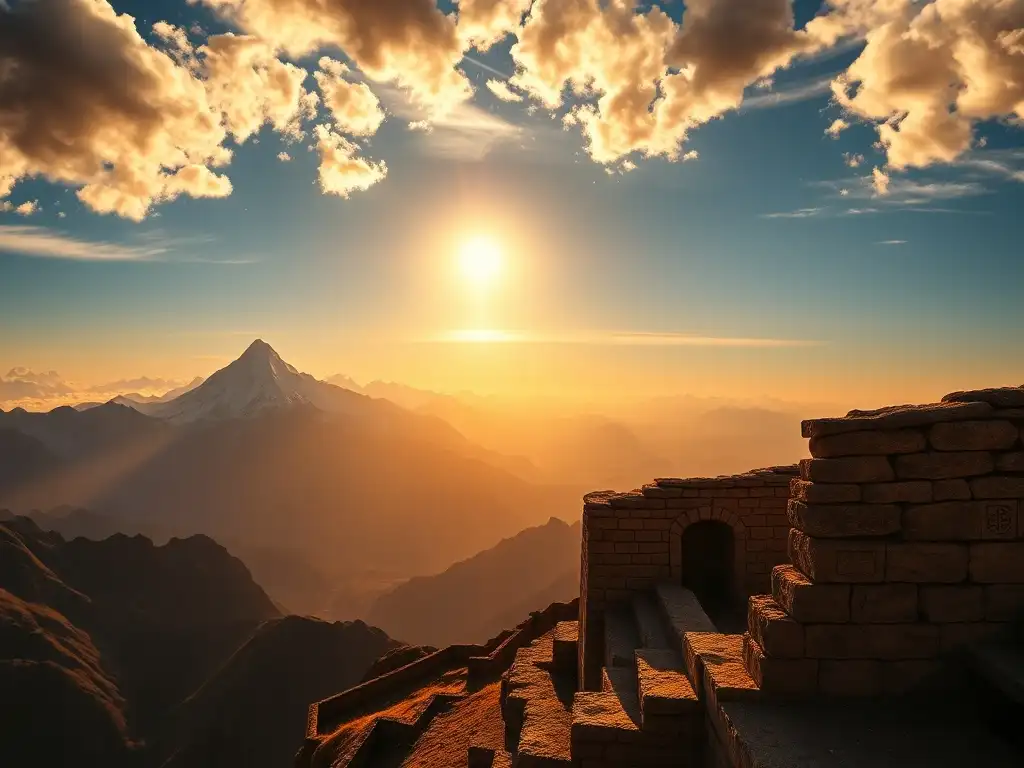
Step into a world lost to time, yet echoing with the whispers of a magnificent past. Journey with us into the heart of the Andes, where towering mountains met breathtaking ingenuity, and the celestial dance of the sun, moon, and stars shaped the very fabric of existence. Uncover the mysteries behind Andean cosmology beliefs, and discover how these ancient peoples connected with the cosmos in ways that continue to inspire awe. Prepare to be amazed by the profound impact of their worldview – a legacy etched in stone, woven into textiles, and whispered on the wind.
The Andean region, home to a breathtaking tapestry of towering mountains, fertile valleys, and arid coastal plains, nurtured a diverse array of ancient civilizations. These societies, including the Incas, Moche, Nazca, and Tiahuanaco, didn't simply inhabit this landscape; they were profoundly shaped by it. Their understanding of the natural world, particularly their cosmology—their beliefs about the universe and their place within it—formed the bedrock of their social structures, religious practices, and daily lives. This article delves into the intricate relationship between Andean cosmology and the beliefs of these fascinating cultures, exploring how their worldview, deeply rooted in the observation of celestial bodies, particularly the sun, influenced their societies' development and enduring legacy. We'll examine the centrality of the sun, the sophisticated astronomical knowledge they possessed, and the impact of these beliefs on their agricultural practices and societal organization, ultimately illuminating the profound influence of "Andean cosmology beliefs" on their existence.
Understanding Andean Cosmology: A Foundation for Civilization
Andean cosmology wasn't a static, monolithic system. Instead, it varied across different cultures and time periods, reflecting the diverse environments and evolving societal structures. However, several common threads weave through these diverse belief systems.
A fundamental concept was the interconnectedness of the cosmos, the belief that the heavens, the earth, and the underworld were intimately linked and interacted dynamically. This holistic worldview emphasized a deep respect for the natural world, with mountains, rivers, and celestial bodies viewed as powerful entities deserving of veneration and ritualistic observance. This respect extended to the ancestors, who were believed to play a crucial role in mediating between the human and spiritual realms.
The cyclical nature of life, death, and rebirth—mirrored in the agricultural cycles and the movements of the sun and stars—was a central theme, informing their understanding of time and their relationship with the divine. Understanding this complex interplay is crucial to appreciating the depth and sophistication of Andean civilizations. The intricate relationship between humanity and the cosmos dictated not just religious practices but also social organization, political structures, and artistic expression.
The Centrality of the Sun in Ancient Andean Worldviews
The sun, or Inti as it was known to the Inca, held a position of paramount importance in Andean cosmology. It wasn't merely a source of light and warmth; it was considered a divine entity, a life-giving force responsible for the bounty of the land and the prosperity of the people. The sun's daily journey across the sky was seen as a powerful symbol of life, death, and rebirth, reflecting the cyclical nature of the Andean world.
Its influence extended to all aspects of life, from agriculture and governance to social organization and religious practices. The sun's path, meticulously tracked by Andean astronomers, dictated the timing of agricultural activities, religious festivals, and even political decisions. The sun's power wasn't absolute, however; it interacted with other celestial bodies and earthly forces, creating a complex and dynamic cosmological system.
Inti: The Inca Sun God and its Significance
In Inca mythology, Inti was the supreme deity, the father of the Inca emperors and the source of all life. Temples dedicated to Inti, such as the Coricancha in Cusco, were magnificent structures showcasing the Inca's sophisticated architecture and artistic abilities. These temples served not only as places of worship but also as centers of power and administration. Inti's image was frequently depicted in Inca art, reinforcing his importance in their culture and belief system.
The Inca emperors were considered descendants of Inti, legitimizing their rule and strengthening their connection to the divine. Rituals and sacrifices dedicated to Inti were performed regularly to ensure the sun's continued benevolence and the prosperity of the empire. The importance of Inti underscores the central role of solar worship in Inca religion and its influence on every aspect of Inca society.
The Sun's Role in Agriculture and Andean Life
The sun's life-giving energy was fundamental to Andean agriculture, the backbone of their economy and survival. The timing of planting, harvesting, and other agricultural activities was closely tied to the sun's movements and the changing seasons. Precise astronomical observations allowed Andean farmers to predict the best times for planting and harvesting, maximizing crop yields and ensuring food security.
The success or failure of harvests was often attributed to the sun's favor or displeasure, highlighting the intimate connection between the celestial realm and earthly life. This dependence on the sun fostered a deep respect for the natural world and a sophisticated understanding of agricultural techniques adapted to the diverse Andean landscapes. Furthermore, the sun's influence extended beyond agriculture, impacting various aspects of daily life, including social organization, trade, and even warfare.
Solar Observations and Astronomical Knowledge
Andean societies possessed a remarkable understanding of astronomy. They developed sophisticated methods for observing and recording the movements of the sun, moon, and stars. Their astronomical knowledge was not merely theoretical; it had practical applications in agriculture, religious ceremonies, and the construction of monumental structures. The precise alignment of many Andean structures, such as the Nazca Lines and various temples, suggests a deep understanding of celestial movements and a capacity for advanced astronomical calculations.
This knowledge was passed down through generations, often through oral traditions and practical experience. The development of sophisticated astronomical knowledge reflects the intellectual capacity and the practical ingenuity of Andean civilizations, demonstrating their ability to integrate scientific knowledge into their daily lives and religious beliefs. Further research into specific sites and their astronomical alignments is needed to fully understand the breadth of their astronomical expertise.
Andean Skywatching: Connecting with the Cosmos
Andean cultures developed sophisticated astronomical knowledge, far exceeding simple observation. Their understanding of the cosmos wasn't merely intellectual; it was deeply intertwined with their daily lives, shaping their beliefs, rituals, and social structures. Unlike many other ancient civilizations that focused primarily on predicting agricultural cycles, Andean skywatching encompassed a broader cosmological perspective, integrating celestial events with their understanding of the natural world and the supernatural realm.
This intricate connection between the earthly and the celestial is evident in their art, architecture, and mythology. The meticulous observation of the stars, sun, moon, and planets allowed them to develop complex calendars and predict important seasonal changes, impacting their agricultural practices and social organization.
The precision of their astronomical observations, often achieved without sophisticated instruments, is a testament to their dedication and keen observational skills. They weren't simply passive observers; they actively engaged with the cosmos, seeking to understand their place within the grand cosmic order.
Constellations and Their Meanings in Andean Cultures
Unlike the constellations familiar in the Western tradition, Andean constellations were often less defined by distinct groupings of stars and more by broader regions of the night sky. These regions were associated with specific animals, deities, and mythical figures integral to their worldview. For example, the constellation of the Llama, a crucial animal in Andean life, likely held significant importance, possibly representing abundance, prosperity, and connection to the Andean landscape.
The precise configurations and meanings of these constellations varied across different Andean cultures and regions, reflecting the diversity of their beliefs and traditions. Unfortunately, much of the specific knowledge about these constellations has been lost over time, but archaeological evidence, such as rock art and textiles, offers tantalizing glimpses into this rich astronomical heritage.
Further research is needed to fully decipher the complex symbolism embedded within these celestial representations. Ethnoastronomical studies, combining astronomical data with anthropological and archaeological findings, are crucial in unraveling the mysteries of these ancient Andean star maps.
The Importance of Solstices and Equinoxes
The solstices and equinoxes held paramount significance in Andean cosmology, marking crucial turning points in the agricultural cycle and triggering important rituals and ceremonies. The winter solstice, for example, might have been associated with renewal and rebirth, symbolizing the return of the sun's strength after the darkest period of the year. Conversely, the summer solstice, with its longest day, could have been celebrated as a time of abundance and prosperity.
These celestial events were not simply observed; they were actively incorporated into the fabric of Andean life, shaping their agricultural practices, social organization, and spiritual beliefs. The precise nature of the celebrations varied across different Andean cultures and regions, but the underlying theme of cosmic harmony and the cyclical nature of life remained consistent. Archaeological evidence, such as the precise alignment of structures with solstices and equinoxes, underscores the importance of these celestial events in Andean society.
Andean Calendars and their Relation to Celestial Cycles
Andean societies utilized sophisticated calendars intricately linked to celestial cycles. These calendars weren't merely tools for tracking time; they were integral to their understanding of the cosmos and their place within it. Many Andean calendars were likely based on a combination of solar and lunar cycles, reflecting the integration of different astronomical phenomena in their worldview.
The precise structure and function of these calendars are still being investigated, with ongoing research revealing further details about their complexity and sophistication. The Inca quipu, a system of knotted cords used for recording information, likely played a significant role in tracking time and recording astronomical observations. The integration of astronomical knowledge into their calendrical systems enabled them to predict seasonal changes with remarkable accuracy, optimizing agricultural practices and ensuring the sustenance of their communities.
The Influence of Celestial Bodies on Andean Rituals and Ceremonies
Celestial bodies profoundly impacted Andean rituals and ceremonies. The sun, moon, stars, and planets were not simply observed; they were revered as powerful deities or forces influencing human affairs. Religious practices and ceremonies were often timed to coincide with significant celestial events, highlighting the deep connection between the heavens and the earthly realm.
These rituals aimed to maintain cosmic balance and ensure the prosperity and well-being of the community. The offerings and sacrifices made during these ceremonies were likely intended to appease the celestial deities and maintain a harmonious relationship with the cosmos. The precise details of these rituals varied across different Andean cultures, reflecting the diversity of their beliefs and traditions.
Rituals Honoring the Sun and Moon
The sun and moon were central figures in Andean cosmology, often personified as deities or powerful forces. Rituals honoring the sun, the most prominent celestial body, were widespread across various Andean cultures. These rituals often involved elaborate ceremonies, sacrifices, and offerings, aiming to ensure the sun's continued strength and the prosperity of the land. Similarly, the moon, representing cycles of life and death, also held significant religious importance.
Moon-related rituals might have been associated with fertility, agriculture, and the feminine principle. Archaeological evidence, such as the discovery of sun-shaped artifacts and moon-related iconography, supports the prominent role of these celestial bodies in Andean religion and ritual. The precise nature of these rituals remains a subject of ongoing research, with scholars piecing together fragmented evidence to reconstruct the rich tapestry of Andean religious practices.
Sacred Places and Astronomical Alignments
Many Andean sacred sites were carefully chosen and constructed to align with significant astronomical events. This deliberate alignment underscores the importance of celestial phenomena in their religious beliefs and practices. The precise positioning of temples, pyramids, and other structures suggests a deep understanding of astronomy and a conscious effort to integrate celestial cycles into their religious architecture.
These alignments might have served as focal points for religious ceremonies, enhancing the spiritual significance of the event. For instance, the alignment of a temple with the rising sun on the winter solstice could have symbolized the rebirth of the sun and the renewal of life. The study of these astronomical alignments provides valuable insights into the cosmological beliefs and religious practices of ancient Andean societies.
The Role of Priests and Shamans as Cosmic Interpreters
Priests and shamans played a crucial role in interpreting celestial events and mediating between the human world and the cosmos. They were considered experts in astronomy and cosmology, possessing specialized knowledge of celestial cycles and their implications for human affairs. These individuals were responsible for conducting rituals, making predictions, and advising rulers and communities on important decisions based on their understanding of the cosmos.
Their role as intermediaries between the human and celestial realms highlights the importance of cosmology in shaping Andean society. Their expertise was deeply valued, and their pronouncements held significant weight within their communities. The social status and influence of these priests and shamans underscore the central role of cosmology in Andean life.
Variations in Cosmological Beliefs Across Andean Cultures
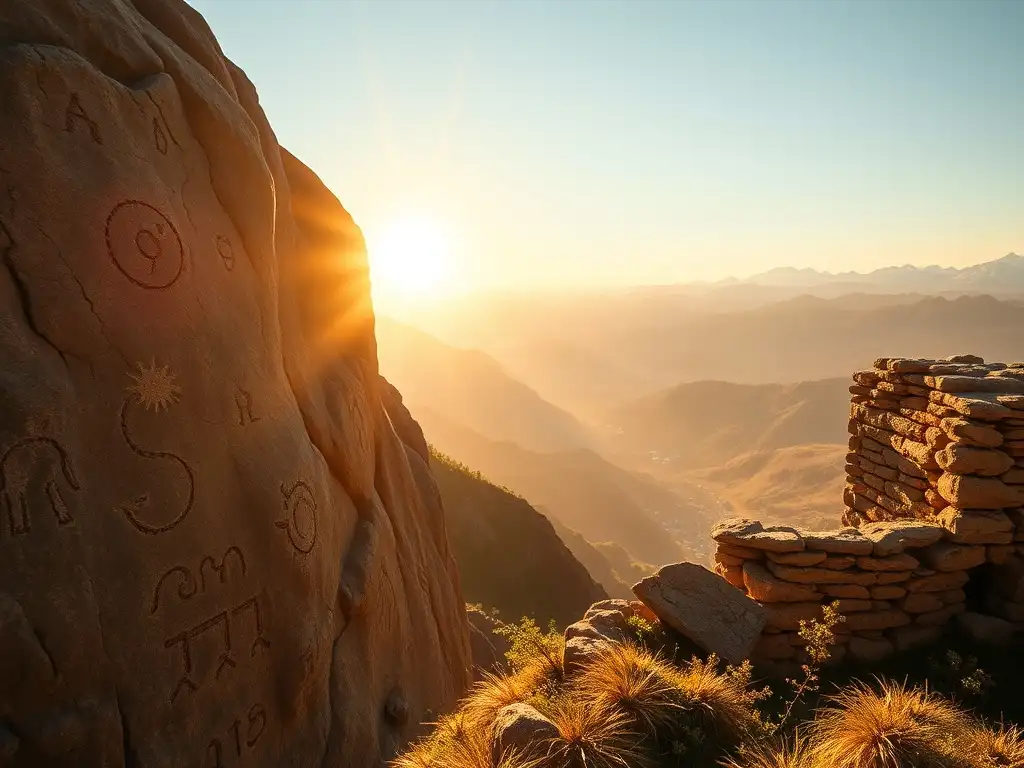
Andean cosmology wasn't a monolithic entity; instead, it varied significantly across different cultures and regions. While shared threads existed—a reverence for the sun, mountains, and celestial bodies—the specific interpretations and manifestations of these beliefs differed greatly. These variations reflect the unique historical trajectories, environmental adaptations, and societal structures of each civilization. Understanding these differences is crucial to appreciating the rich tapestry of Andean spiritual life. The following sections explore the cosmological beliefs of some of the most prominent Andean cultures.
Moche Cosmology: The Moche's belief in a celestial jaguar and their ceramic depictions of lunar cycles.
The Moche civilization (circa 100-800 CE), known for its sophisticated irrigation systems and elaborate artistry, held a complex cosmology centered around a powerful celestial jaguar. This feline deity, often depicted with sharp fangs and piercing eyes in their intricate ceramics, represented both the night sky and the underworld. The jaguar's association with the night might indicate a belief in its control over nocturnal forces or a connection between the earthly and spiritual realms.
Furthermore, Moche pottery showcases a detailed understanding of lunar cycles, with numerous depictions of crescent moons, full moons, and the various phases in between. These depictions suggest a sophisticated understanding of celestial mechanics and a deep integration of lunar cycles into their ritual and agricultural practices.
The careful observation of lunar phases likely played a vital role in their agricultural calendar, ensuring successful harvests. Interestingly, some scholars suggest that the jaguar might also represent a powerful shamanistic figure capable of traversing the realms of the living and the dead.
Nazca Cosmology: Nazca's Geoglyphs and their function as a ritual landscape connected to celestial events.
The Nazca culture (circa 100 BCE – 800 CE) is renowned for its enigmatic geoglyphs, massive figures etched into the desert floor. While the precise purpose of these geoglyphs remains a subject of ongoing debate, many scholars believe they served as a ritual landscape intimately connected to celestial events.
The lines and figures are thought to align with specific constellations and celestial bodies, suggesting that the Nazca people used them to track the movements of the sun, moon, and stars. These alignments may have been crucial for their agricultural practices and religious ceremonies, reflecting a deep understanding of astronomical cycles and their impact on the earthly realm.
The scale and precision of the geoglyphs speak to the immense effort invested in their creation, underscoring the importance of cosmology in Nazca society. Some theories suggest the geoglyphs were also part of pilgrimage routes or served as markers for ritual processions, further highlighting their significance as a sacred landscape.
Tiahuanaco Cosmology: Tiahuanaco's Gateway of the Sun and its representation of the creator god Viracocha.
The Tiahuanaco civilization (circa 500-1000 CE) flourished on the shores of Lake Titicaca, leaving behind impressive monumental architecture. Among its most iconic structures is the Gateway of the Sun, a massive stone lintel adorned with intricate carvings. This gateway is believed to represent Viracocha, the creator god in Tiahuanaco cosmology.
Viracocha, often depicted as a bearded figure, is associated with the creation of the world and the emergence of humanity. The carvings on the Gateway of the Sun, with their complex iconography, are thought to represent the cosmos, with Viracocha at its center. The intricate design, featuring stylized figures and celestial motifs, reflects a sophisticated cosmological system that linked the earthly and spiritual realms.
The sheer scale of the Gateway of the Sun, along with its meticulous craftsmanship, emphasizes the importance of Viracocha and the cosmology he embodied in Tiahuanaco society. Further research is needed to fully understand the complex symbolism embedded within the Gateway's carvings.
Inca Cosmology: The Inca's Concepts of Hanan Pacha, Kay Pacha, and Uku Pacha
Inca cosmology envisioned the universe as three interconnected realms: Hanan Pacha (the upper world), Kay Pacha (the earthly world), and Uku Pacha (the underworld). Hanan Pacha, the celestial realm, was home to the sun god Inti and other deities. Kay Pacha, the earthly realm, was where humans lived and interacted with the natural world.
Uku Pacha, the underworld, was associated with death, ancestors, and the origins of life. The Inca believed that these three realms were interconnected and influenced each other, emphasizing the importance of maintaining balance and harmony across all levels of existence. This worldview shaped their social structure, religious practices, and agricultural techniques.
Their intricate system of festivals and rituals aimed to ensure the continued flow of energy and resources between the three worlds, highlighting the importance of cosmological balance for their society's well-being. The Inca's sophisticated understanding of the cosmos is reflected in their precise astronomical observations and their ability to create a highly organized and efficient empire.
Andean cosmological beliefs profoundly influenced the social structures and practices of the various Andean civilizations. The cosmos wasn't simply a separate entity; it was intimately interwoven with the lives of the people, shaping their social hierarchies, political systems, and daily routines.
Social Hierarchy Reflecting Cosmic Order
The Andean worldview often mirrored a cosmic order in its social structure. The Inca empire, for example, presented a hierarchical system mirroring the three levels of Pacha. The emperor, considered a divine intermediary, occupied the highest position, connecting the earthly realm to the celestial one.
This hierarchical structure was not simply a matter of power; it was seen as a reflection of the natural order of the universe, with each level playing a vital role in maintaining cosmic balance. This connection between social hierarchy and cosmic order ensured social stability and emphasized the importance of each individual's role within the larger societal structure. Similar hierarchical structures, reflecting variations of this cosmic order, can be observed in other Andean societies, albeit with different specificities.
The Concept of Reciprocity and Its Connection to Andean Cosmology
Reciprocity, the mutual exchange of goods, services, and respect, was a cornerstone of Andean social life. This concept was deeply rooted in their cosmological beliefs. The Andean people believed that maintaining balance and harmony between the different levels of Pacha required reciprocal relationships. By offering gifts to the deities and performing rituals, they sought to ensure the continued flow of resources and blessings from the celestial realm.
Similarly, reciprocal relationships within human society were essential for maintaining social cohesion and prosperity. This concept extended to all aspects of life, from agricultural practices to political alliances, ensuring a harmonious coexistence between humans and the natural world, reflecting the interconnectedness of the cosmos. The failure to reciprocate was seen as a disruption of this cosmic balance, leading to negative consequences.
The Role of Ancestors and Their Celestial Representation
Ancestors held a significant place in Andean cosmology and social structure. They were not simply figures from the past; instead, they were seen as powerful intermediaries between the living and the spiritual world. The Inca, for instance, venerated their ancestors, believing they continued to influence the events of the earthly realm. This belief fostered a strong sense of community and continuity, connecting the living to the past and future generations.
Ancestor veneration was often intertwined with rituals and ceremonies aimed at ensuring their continued support and protection. The representation of ancestors in art and architecture further reinforced their importance, highlighting their enduring presence in the Andean worldview and their integral role in the social fabric. The continued influence of ancestral figures reflected the cyclical nature of Andean cosmology, demonstrating the continuous interaction between the living and the dead.
Legacy of Andean Cosmology: Echoes in Modern Andean Communities
The profound influence of Andean cosmology continues to resonate in the beliefs and practices of contemporary Andean communities. While the formal structures of ancient religious systems may have been disrupted by centuries of colonization and societal shifts, the fundamental connection to the cosmos remains deeply ingrained. This enduring legacy manifests in various ways, shaping daily life, spiritual beliefs, and cultural expressions. The intricate relationship between humans and the natural world, so central to Andean cosmology, persists, albeit often subtly integrated into modern life.
For instance, agricultural practices often still incorporate ancient knowledge of celestial cycles and seasonal changes, demonstrating a continued reliance on astronomical observations for optimal planting and harvesting. This intimate connection to the land and the cosmos is not merely a historical curiosity; it's a living tradition, passed down through generations. The vibrant tapestry of Andean culture is richly interwoven with threads of this ancient cosmological worldview.
Surviving Beliefs and Practices
Many traditional Andean beliefs and practices directly stem from their cosmological understanding. The veneration of mountains ( apus), considered sacred entities connecting the earthly and celestial realms, continues to be a significant aspect of Andean spirituality. Rituals involving offerings to these mountain spirits, often involving coca leaves and other symbolic items, are still performed to ensure good fortune and maintain a harmonious relationship with the natural environment.
Furthermore, the concept of ayni, a reciprocal exchange system reflecting the interconnectedness of all things, remains a cornerstone of Andean social organization. This principle of balance and reciprocity, rooted in their cosmological understanding of interconnectedness, continues to guide social interactions and economic practices in many communities.
The intricate system of reciprocity, extending beyond humans to encompass the natural world and the cosmos, demonstrates the enduring impact of Andean cosmology on social structures. Even seemingly mundane activities, such as weaving or farming, are often imbued with spiritual significance, reflecting the deep-seated belief in the interconnectedness of the human and cosmic realms.
The Importance of Preserving Andean Astronomical Heritage
Preserving the rich astronomical heritage of the Andes is crucial for understanding not only the past but also the present and future. The sophisticated astronomical knowledge of the ancient Andean civilizations, reflected in their monumental architecture and intricate calendar systems, offers invaluable insights into their worldview and technological prowess. This knowledge, often passed down orally through generations, faces the constant threat of erosion due to modernization and cultural assimilation.
Efforts to document and preserve these traditional astronomical practices are essential for maintaining cultural continuity and ensuring that this unique heritage isn't lost. The preservation of this knowledge is not merely an academic exercise; it’s a vital step in upholding the cultural identity and spiritual well-being of Andean communities.
Active participation from both researchers and community members is crucial to ensure the longevity of this invaluable cultural treasure. Moreover, this preservation work contributes to a broader understanding of human ingenuity and our enduring connection to the cosmos.
Contemporary Interpretations of Ancient Andean Cosmological Views
Contemporary scholars and Andean communities alike are engaging in ongoing reinterpretations of ancient Andean cosmological views. Modern research continues to unravel the complexities of ancient Andean astronomical practices, revealing new layers of understanding about their sophisticated knowledge of celestial movements and their integration into daily life. These interpretations often bridge the gap between ancient knowledge and modern scientific understanding, highlighting the remarkable accuracy of ancient observations and the enduring relevance of their cosmological worldview.
Furthermore, the study of Andean cosmology provides a valuable lens through which to examine concepts of sustainability and environmental responsibility. The ancient Andean emphasis on balance and reciprocity within the ecosystem offers valuable lessons for contemporary society grappling with environmental challenges.
The renewed interest in Andean cosmology is not just an academic endeavor; it’s a pathway towards understanding and appreciating the wisdom embedded in ancient cultures and applying it to the challenges of the modern world. This interdisciplinary approach, combining scientific investigation with cultural preservation, offers a richer and more nuanced understanding of Andean cosmology and its lasting impact.
- Understanding Andean Cosmology: A Foundation for Civilization
- The Centrality of the Sun in Ancient Andean Worldviews
- Andean Skywatching: Connecting with the Cosmos
- The Influence of Celestial Bodies on Andean Rituals and Ceremonies
- Variations in Cosmological Beliefs Across Andean Cultures
- Andean Cosmology Beliefs and Their Impact on Social Structure
- Legacy of Andean Cosmology: Echoes in Modern Andean Communities
Frequently Asked Questions
What role did the sun play in Andean cosmology?
The sun was central to Andean cosmology, considered a divine ancestor and a source of life and energy. Its movements and cycles deeply influenced their agricultural practices and worldview.
How did Andean people understand the cosmos?
Andean cosmology viewed the cosmos as a complex, interconnected system, encompassing the sky, earth, and underworld. They believed in a dynamic relationship between these realms, impacting their daily lives and rituals.
What were some important celestial bodies in Andean beliefs?
Besides the sun, the moon, stars, and planets held significance. These celestial bodies were associated with deities, seasons, and important events, impacting their calendar and agricultural cycles.
How did Andean cosmology influence their art and architecture?
Andean art and architecture reflect their cosmological beliefs. Monumental structures like Machu Picchu were aligned with celestial events, and iconography often depicted deities and cosmological concepts.
What evidence supports our understanding of Andean cosmology?
Archaeological findings, such as astronomical observatories, religious iconography, and written records (where available) provide crucial evidence for understanding their cosmology. Oral traditions passed down through generations also offer valuable insight.
Final Reflection: Echoes of the Sun in the Andes
The intricate relationship between the Andean people and the cosmos continues to resonate today, a testament to the enduring power of belief systems deeply intertwined with the natural world. Understanding their cosmology isn't just an academic exercise; it's a key to unlocking a profound understanding of human connection to the environment and the enduring search for meaning in the face of the vast unknown. The echoes of their sun-worshipping practices and celestial observations are still felt in the vibrant cultural tapestry of the Andes.
The impact of Andean cosmology on the region's social structures, artistic expressions, and agricultural practices is undeniable. Their worldview, shaped by the dramatic Andean landscape and the celestial movements above, created a rich tapestry of myths, rituals, and traditions that continue to influence modern Andean life. The mountains are not just mountains, but living beings, and the stars are not just lights, but guides and protectors.
This sentiment, though perhaps paraphrased, captures the essence of the deep spiritual connection that permeated Andean society and continues to inform their relationship with the land and the cosmos.
Consider, for a moment, the profound implications of this ancient wisdom. How might a deeper understanding of the Andean reverence for the sun and the stars enrich our own relationship with the natural world? How can we, in our modern, technologically advanced society, rediscover a sense of awe and wonder before the vastness of the universe?
I invite you to reflect on the enduring power of belief and the importance of understanding the diverse ways in which humanity has sought to make sense of its place in the cosmos. Let the sun's embrace, as understood by the ancient Andean people, inspire you to connect with the world around you in a more meaningful and profound way.
**Embrace the Wisdom of the Ancients! **
Thank you for exploring the profound connection between cosmology and the beliefs of ancient Andean societies. Your curiosity has unveiled a rich tapestry of history and culture. Let's delve deeper into this fascinating subject and share this incredible knowledge.
- **Expand Your Knowledge:** Learn more about Andean deities and their celestial significance through our detailed articles on ancient beliefs. We explore the intricate relationship between the cosmos and Andean spiritual life.
- **Share Your Discovery:** Spread the word! Share this article with friends and on social media to spark conversations about how ancient cultures shaped our understanding of the universe.
- **Join the Conversation:** Participate in our discussion forum to ask questions, share your insights, and connect with others interested in Andean cosmology and its continuing relevance.
Which aspect of ancient Andean beliefs resonates most with you, and how do you see its influence reflected in modern spiritual practices?