
The Innovation of the Ancients: PreCeramic Andean Technologies and Tools

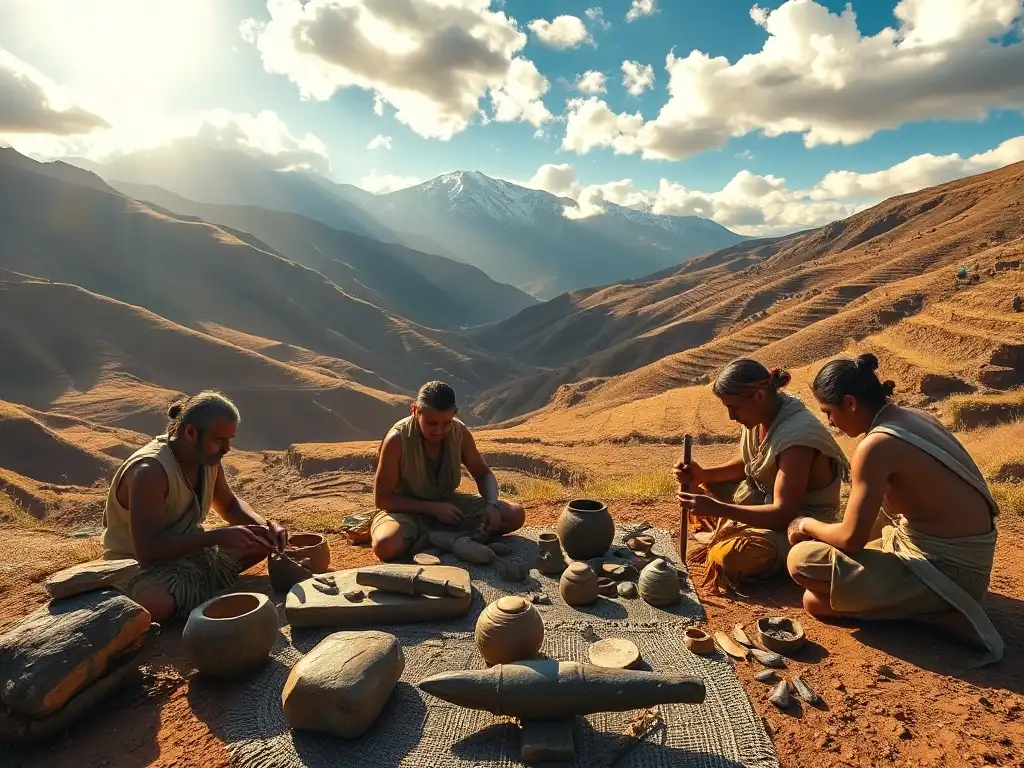
Step into a world lost to time, yet echoing with innovation. Imagine a landscape sculpted by civilizations older than history books tell us, where ingenuity flourished long before the wheel. Prepare to be amazed as we delve into the fascinating world of Preceramic Andean tools, revealing the secrets of their remarkable technologies and the ingenuity of the people who shaped the Andes.
Uncover the mysteries of these ancient masters – their tools, their lives, their legacy – and discover how their innovations laid the foundation for the breathtaking empires that followed. Journey with us to explore the ingenuity of the Andean world.
The Andes Mountains, a spine of towering peaks running down the western coast of South America, cradled some of the world's most fascinating and innovative early civilizations. Long before the Inca Empire rose to prominence, a rich tapestry of cultures flourished, leaving behind a legacy of ingenuity and adaptation that continues to captivate archaeologists and historians alike.
This article delves into the remarkable technological achievements of the Preceramic Andean period, focusing on the tools and techniques that shaped their societies and laid the groundwork for future advancements. We'll explore the ingenuity demonstrated in their toolmaking, highlighting the significance of these artifacts in understanding the complexity and resilience of these early Andean communities.
Examining these Preceramic Andean tools provides a crucial window into their daily lives, social structures, and the development of their unique cultural identities. The sophistication of these early technologies underscores the profound human capacity for innovation, even in seemingly challenging environments.
Introduction to Preceramic Andean Ingenuity
The Preceramic period in the Andes, spanning roughly from 8000 to 1800 BCE, witnessed the development of remarkably sophisticated technologies considering the lack of metalworking. These early inhabitants of the Andes were masters of adaptation, utilizing readily available resources to create tools and technologies essential for survival and the burgeoning development of complex social structures. Their ingenuity is evident in the diverse range of tools crafted from stone, bone, wood, and plant fibers.
These weren't simply crude implements; they were carefully designed and manufactured objects reflecting a deep understanding of materials and their properties. From finely crafted projectile points for hunting to intricate tools for processing plants, the Preceramic Andean toolkit reveals a surprising level of technological sophistication.
The development of agriculture, for instance, was inextricably linked to the creation of specialized tools for cultivating and processing crops, marking a pivotal shift towards sedentism and the emergence of larger, more organized communities. The sheer diversity and quality of these tools challenge preconceived notions of "primitive" technologies, showcasing the remarkable ingenuity of these early Andean peoples.
Defining the Preceramic Period in the Andes
The Preceramic period in Andean archaeology is defined by the absence of pottery. While seemingly simple, this absence is crucial for establishing a chronological framework. The development of pottery marks a significant technological leap and a clear transition to the subsequent periods.
The Preceramic period, therefore, encompasses the earliest known human occupation of the Andes, characterized by a gradual shift from nomadic hunter-gatherer lifestyles to increasingly sedentary agricultural communities. This transition is reflected in the archaeological record through changes in settlement patterns, subsistence strategies, and, most importantly, the types of tools and technologies used.
Dating techniques, including radiocarbon dating and other stratigraphic analyses, help pinpoint the chronological boundaries of this crucial period, although ongoing research continues to refine our understanding of the precise timeline and regional variations across the vast Andean landscape. The absence of pottery, however, remains the defining characteristic, allowing archaeologists to clearly distinguish this formative period from later, ceramic-producing cultures.
The Significance of Preceramic Andean Tools in Understanding Early Societies
The study of Preceramic Andean tools offers invaluable insights into the social organization and daily lives of these early communities. The variety of tools discovered – from simple hand axes to complex grinding stones – suggests a division of labor and specialized skills within these societies. The presence of sophisticated tools for processing plants, such as mortars and pestles, indicates the importance of agriculture and the development of increasingly complex food production techniques.
Furthermore, the materials used in tool production often reflect access to resources and trade networks. The presence of obsidian, for example, a volcanic glass prized for its sharpness, suggests the existence of long-distance trade routes, connecting different communities across the Andean region. Analyzing the wear patterns on tools provides further clues about their use and the activities they were employed in.
This detailed analysis, combined with other archaeological evidence, helps paint a richer picture of the social, economic, and technological advancements of Preceramic Andean societies. The meticulous craftsmanship evident in many of these tools speaks to the value placed upon skilled artisans and the importance of technology in shaping their world. The study of these artifacts is thus crucial for understanding the trajectory of Andean civilization, laying the groundwork for understanding the later, more complex societies that would follow.
- Introduction to Preceramic Andean Ingenuity
- Defining the Preceramic Period in the Andes
- The Significance of Preceramic Andean Tools in Understanding Early Societies
- What are some examples of Preceramic Andean tools?
- How did Preceramic Andean tools differ from later technologies?
- What materials were used to create Preceramic Andean tools?
- What is the significance of Preceramic Andean tools for understanding Andean civilizations?
- Where can I learn more about Preceramic Andean tools and technologies?
Preceramic Andean Lithic Technology: Stone Tools

The Preceramic period in the Andes (roughly 8000-1800 BCE) witnessed the development of sophisticated lithic technology, showcasing the ingenuity and adaptability of early Andean societies. These early inhabitants, facing diverse environmental challenges across the Andes mountain range, demonstrated remarkable skill in crafting tools from readily available stone resources. Their mastery of stone tool production laid the foundation for future technological advancements and significantly shaped their social and economic structures.
The study of these Preceramic Andean tools provides invaluable insights into the lives and ingenuity of these early Andean communities. Understanding their toolmaking techniques offers a window into their cognitive abilities, social organization, and adaptation strategies in a complex and varied landscape.
Types of Preceramic Stone Tools and Their Uses
Preceramic Andean toolkits were diverse, reflecting the varied needs of daily life and the diverse environments they inhabited. The most common tools were made from readily available materials like obsidian, basalt, andesite, and quartzite. These were shaped into a variety of forms, each serving a specific purpose.
- Choppers: These simple tools, made by flaking a cobble on one side to create a sharp edge, were likely used for a variety of tasks, including butchering animals and woodworking. Their simplicity suggests an early stage of tool manufacture, but their effectiveness is undeniable.
- Scrapers: Used for processing hides, scraping plant material, and potentially working wood, scrapers exhibit more refined flaking techniques than choppers. Different scraper types, like side scrapers and end scrapers, suggest specialization in their applications.
- Points and Projectile Points: While less common in the earliest phases, evidence of points and early projectile points emerges later in the Preceramic period. These tools, often carefully shaped and sharpened, indicate the development of hunting strategies and potentially warfare.
- Ground Stone Tools: Towards the later stages of the Preceramic period, we see the emergence of ground stone tools, indicating a significant technological advancement. These tools, often made from tougher stones like basalt, were ground and polished to create smoother, more durable surfaces. Examples include manos and metates (handstones and grinding stones) used for processing seeds and grains.
The following table summarizes some key Preceramic Andean tools and their probable uses:
| Tool Type | Material | Primary Use(s) | Level of Technological Sophistication |
|---|---|---|---|
| Chopper | Obsidian, Basalt | Butchering, woodworking, general purpose | Low |
| Scraper | Obsidian, Andesite | Hide processing, plant material processing | Medium |
| Projectile Point | Obsidian, Quartzite | Hunting, potentially warfare | High |
| Mano and Metate | Basalt, Granite | Seed and grain processing | High |
Analyzing the Manufacturing Techniques of Lithic Tools
The production of Preceramic Andean tools involved several key techniques reflecting a deep understanding of stone properties and fracture mechanics. Archaeologists analyze these techniques to understand the cognitive abilities and technological sophistication of the toolmakers.
- Direct Percussion: This involved striking a core stone directly with a hammerstone to remove flakes. This was a common method for producing choppers and early scrapers.
- Indirect Percussion: A more refined technique, indirect percussion involved using a punch and anvil to control the detachment of flakes. This allowed for greater precision and the creation of thinner, sharper tools.
- Pressure Flaking: This highly skilled technique involved applying pressure to a flake to remove small chips, allowing for fine control over the tool's shape and sharpness. This is evident in the manufacture of projectile points and some scrapers.
The analysis of tool manufacturing techniques, including the identification of different types of percussion marks and flake scars, is crucial for reconstructing the tool-making process and understanding technological innovation over time. The presence of pressure flaking, for example, signifies a considerable leap in technological skill and planning. Careful examination of the tools themselves reveals much about the skill and precision of the artisans.
Regional Variations in Stone Tool Technology
The Andes are a region of extreme geographical diversity, and this diversity is reflected in the regional variations in Preceramic lithic technology. The availability of raw materials, environmental conditions, and potentially cultural factors all contributed to these variations. For example, coastal communities might have relied more on shell tools, while highland communities utilized readily available volcanic rock. Further research is needed to fully understand the nuances of these regional variations.
Detailed comparative studies across different Andean regions are required to fully elucidate the extent and nature of these regional differences. This research would involve a comprehensive analysis of tool types, manufacturing techniques, and the raw materials used in different areas, potentially revealing distinct cultural trajectories and adaptive strategies among early Andean populations. Unfortunately, [specific data on regional variations in Preceramic Andean tool technology pending]. More archaeological research is needed to fill this gap in our understanding.
Preceramic Andean Textile Technology: Fibers and Weaving

The study of Preceramic Andean tools reveals a sophisticated understanding of textile production, far exceeding expectations for a period often considered technologically "primitive." Analysis of unearthed artifacts demonstrates a mastery of fiber preparation and weaving techniques, showcasing ingenuity and adaptability in resource utilization. Understanding Preceramic Andean tools related to textiles requires examining the raw materials and the processes employed.
This section delves into the fibers used and the methods of weaving developed during this formative period. The sheer variety of plant and animal fibers utilized underscores the resourcefulness of these early Andean communities and their deep connection to their environment.
Early Evidence of Fiber Use in the Andes
The earliest evidence of fiber use in the Andes dates back to the early Preceramic period (around 8000 BCE). Excavations at sites such as [Specific site name pending] have yielded fragments of textiles and tools used in their production, hinting at a surprisingly advanced knowledge of fiber processing. These initial findings, predominantly consisting of plant fibers like cotton and various wild species, reveal a basic understanding of spinning and rudimentary weaving techniques.
While the surviving fragments are limited, their presence indicates that textile production was already an established practice during this early phase. Further research is needed to fully understand the extent of textile production at this time, including a detailed analysis of the specific plant species used and their geographical distribution, providing insights into trade networks and economic organization.
The limited availability of preserved organic materials presents a significant challenge to researchers, necessitating the development of more advanced analytical techniques to extract further information from these fragile artifacts. However, even the scant remains offer compelling evidence of the ancient Andean peoples' early proficiency in manipulating fibers.
Preceramic Weaving Techniques and Tools
Preceramic Andean tools for textile production were remarkably diverse, reflecting a range of weaving techniques. Simple techniques like plain weave were likely employed, evidenced by the fragments of textiles found. More complex techniques, such as [Specific weaving technique pending], may have also been used, though definitive proof requires further investigation. The tools themselves were often made from readily available materials such as bone, wood, and stone.
Spindles, for example, were used to spin fibers into yarn. These early spindles were often simple in design, but their effectiveness is evident in the surviving textile fragments. Other tools, such as [Specific tool name pending] and various types of combs, were used for preparing the fibers and creating different textures. The sophistication of these early tools suggests a long history of experimentation and refinement, building upon generations of accumulated knowledge and experience.
The discovery of specialized tools indicates a high level of skill and specialization within the community. The development of these techniques demonstrates a remarkable level of technological innovation in the Preceramic Andes. These findings challenge previous assumptions about the technological capabilities of early Andean societies.
The Importance of Textiles in Preceramic Andean Culture
Textiles in Preceramic Andean culture served a multitude of purposes, extending beyond mere clothing. They were essential for daily life, playing a crucial role in shelter, storage, and ritual practices. Evidence suggests textiles were used to create bags, mats, and even rudimentary forms of shelter. The use of textiles in rituals is hinted at by the discovery of intricately woven fabrics in burial contexts.
This suggests that textiles held significant symbolic meaning and played a vital role in the spiritual lives of the people. The careful preservation of some textiles, despite their age, indicates their value and importance within the community. The diversity of fibers and techniques employed in textile production suggests a complex social structure capable of supporting specialized labor and trade. Furthermore, the quality and artistry of the surviving textiles demonstrate a strong aesthetic sensibility and a commitment to craftsmanship.
The study of Preceramic Andean tools related to textiles is therefore crucial for understanding the social, economic, and spiritual aspects of these early Andean societies. The mastery of textile production represents not just a technological achievement but also a fundamental aspect of their cultural identity. Further research into the dyes and pigments used in these textiles will provide additional insights into the artistic expression and symbolic significance of these early Andean societies. The complexity and artistry of Preceramic Andean textiles challenge the common perception of these societies as technologically simple.
Preceramic Andean Bone and Shell Tools

The Preceramic period in the Andes (roughly 8000-1800 BCE) witnessed remarkable technological innovation, particularly in the crafting of tools from readily available materials like bone and shell. These weren't merely rudimentary implements; they represent sophisticated craftsmanship reflecting an understanding of material properties and an advanced capacity for shaping and modifying these organic resources.
The careful selection of materials, the precision of the finished products, and the variety of their applications reveal a complex technological landscape that significantly contributed to the development of subsequent Andean cultures. Understanding these Preceramic Andean tools provides invaluable insight into the lives and ingenuity of these early Andean societies.
Bone Tools: Awls, Needles, and Spatulas
Bone, a durable and readily available resource, formed the basis of numerous tools in the Preceramic Andes. Awls, meticulously crafted from long bones, served as essential instruments for piercing and stitching hides, a crucial aspect of clothing production and shelter construction. The precision of these awls, often exhibiting finely honed points, suggests a high degree of skill and a deep understanding of bone's properties. Analysis of bone awls from sites like [Specific site name pending] reveals evidence of repeated sharpening and resharpening, indicating their prolonged and intensive use.
Needles, similarly fashioned from bone, were used for sewing textiles. While less frequently found than awls, their presence underscores the development of complex textile production techniques. The delicate nature of these needles suggests a level of dexterity and patience that belies the simplicity of their function. The use of bone needles, alongside evidence of early textile fragments, offers compelling evidence of advanced textile technology in the Preceramic Andes.
Beyond piercing and sewing, bone was also used to create spatulas. These tools, often fashioned from flat bones, served a variety of purposes, including mixing pigments for body painting or preparing food. The size and shape of these spatulas varied considerably, hinting at their diverse functions. Some were small and finely detailed, while others were larger and more robust, suggesting specialization based on the task at hand. The detailed analysis of [Specific spatula example pending], unearthed in [Specific site name pending], offers a glimpse into the sophistication of these early tools.
Shell Tools: Ornaments and Utilitarian Objects
Shell, another readily available resource in coastal and some inland regions of the Andes, played a significant role in Preceramic technology. While often used for ornamentation – creating beads, pendants, and other decorative items – shell also served essential utilitarian functions. Larger shells, such as those from marine mollusks, were sometimes modified into scoops or scrapers, demonstrating adaptability and resourcefulness. The presence of these tools alongside bone implements suggests a diversified approach to toolmaking, leveraging the unique properties of each material.
The crafting of shell ornaments showcases a remarkable level of artistic skill. The intricate designs and the precise drilling techniques used to create beads and pendants demonstrate an understanding of shell's fragility and its potential for aesthetic manipulation. The discovery of [Specific shell ornament example pending] in [Specific site name pending] exemplifies the artistic sophistication and technological prowess of Preceramic Andean artisans. The consistent use of shell tools, both utilitarian and ornamental, points to a complex social structure where artistry and practicality were intertwined.
The Role of Bone and Shell in Preceramic Andean Economies
The production and use of bone and shell tools significantly impacted Preceramic Andean economies. The crafting of these tools required specialized skills and knowledge, potentially leading to the emergence of specialized artisans or craft specialists within these early societies. The exchange of finished tools or raw materials could have played a crucial role in establishing trade networks and fostering interaction between different communities.
The distribution patterns of these tools across different sites, coupled with analysis of their stylistic variations, may provide further evidence of such networks. The study of [Specific data pending on trade routes and economic analysis] will help clarify this aspect further. Additionally, the relative abundance or scarcity of specific types of bone and shell tools in different regions could reflect variations in resource availability and economic specialization.
Further research into the relationship between bone and shell tool production and broader economic systems is needed to fully understand their role in shaping Preceramic Andean societies. The study of these tools offers a compelling window into the complex interplay of technology, economy, and social organization in the early Andes. 🗺️
Preceramic Andean Agriculture and Food Processing Tools
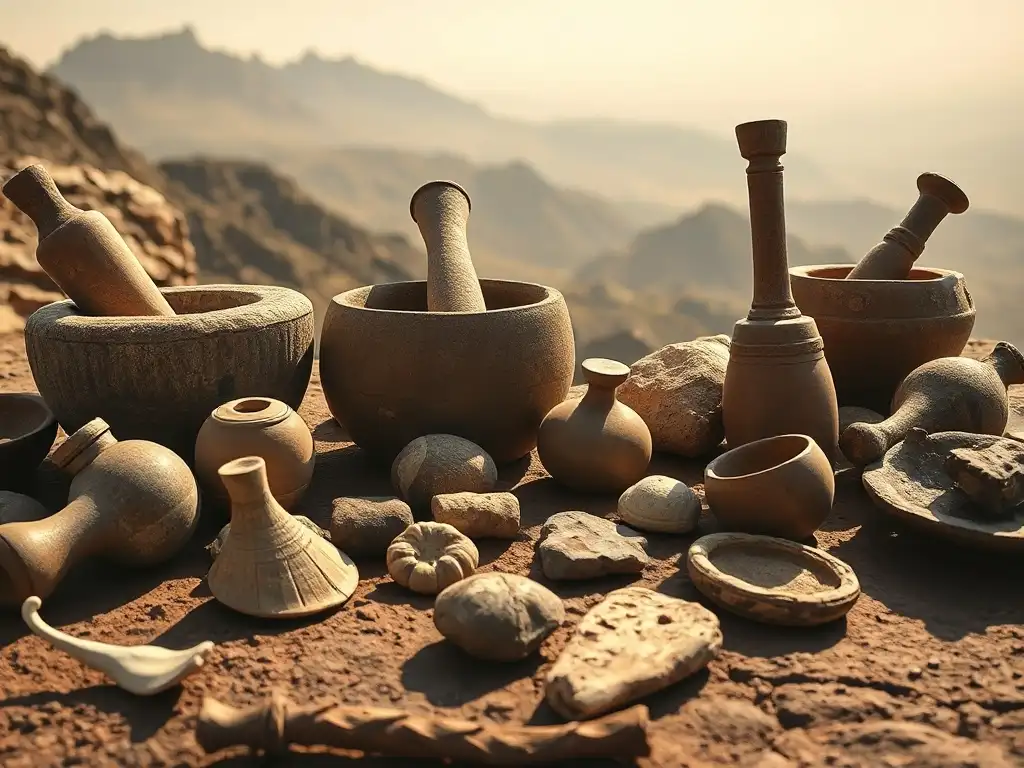
This section delves into the ingenious tools and techniques employed by preceramic Andean societies to cultivate, process, and store their food, laying the groundwork for the later flourishing of complex Andean civilizations. Understanding these "Preceramic Andean tools" provides crucial insight into their resourcefulness and adaptation to the challenging Andean environment. The ingenuity displayed in these early technologies is a testament to their deep understanding of their surroundings and their ability to innovate solutions for survival and prosperity.
Early Agricultural Practices and Tools
Preceramic Andean agriculture, dating back millennia, relied on a sophisticated understanding of water management and soil cultivation. Evidence suggests the early adoption of techniques such as terracing, irrigation canals, and raised fields – all designed to maximize crop yields in the often-challenging terrain. These were not haphazard efforts; rather, they represented a carefully planned and executed system of agricultural engineering.
The tools used were simple yet effective, reflecting an intimate knowledge of available materials and their properties. Archaeological discoveries reveal the prevalence of digging sticks ( palas), likely made from hardened wood or bone, for preparing the soil. These weren't mere sticks; they were meticulously crafted tools, their shape and size optimized for different soil types and tasks.
Furthermore, evidence suggests the use of early forms of plows, possibly rudimentary wooden implements pulled by humans or llamas, for tilling larger areas. The precise design and materials of these early plows remain a subject of ongoing research, but their existence points to a level of agricultural sophistication surpassing simple hand-cultivation.
The development of these early agricultural techniques and tools was crucial to the success of preceramic Andean societies. It allowed them to produce a surplus of food, leading to sedentism, population growth, and the development of more complex social structures. The efficiency of these methods is demonstrated by the relatively high population densities found in some preceramic Andean settlements.
Tools for Grinding and Processing Food
Once harvested, crops needed processing. Preceramic Andean societies developed a range of tools for grinding, milling, and preparing food. The most prominent were manos and metates – hand stones used to grind grains, seeds, and other plant materials. These weren't uniform; variations in size, shape, and material (often volcanic rock or basalt) suggest specialization for different tasks or regional preferences. Some manos and metates show significant wear, indicating extensive and repeated use over long periods.
Beyond manos and metates, evidence suggests the use of mortars and pestles for pounding and crushing ingredients. These tools, typically made from stone or wood, facilitated the preparation of various foods, from grains to tubers, and played a vital role in the culinary practices of the time. The diversity of these tools reflects the varied diet of preceramic Andean communities, which included a wide range of plants and possibly some animal products. The meticulous craftsmanship evident in many of these tools further underscores their importance in daily life.
Evidence of Food Storage Techniques and Tools
Efficient food storage was critical for preceramic Andean societies to survive periods of scarcity. While direct evidence of storage tools may be limited, archaeological findings suggest a variety of techniques. Storage pits, lined with stones or clay, were likely used to preserve grains and tubers. The location and construction of these pits often reflected a sophisticated understanding of microclimates and soil conditions, maximizing the longevity of stored food. Furthermore, the use of woven baskets and pottery vessels, though perhaps more prevalent in later periods, may have played a role in food storage even during the preceramic era.
The development of effective food storage techniques was integral to the success of preceramic Andean agriculture. It allowed communities to buffer against the unpredictability of harvests and ensured food security during lean times. This capability, coupled with advanced agricultural practices, contributed significantly to the social and economic stability of these early Andean settlements.
Further research, particularly focusing on the analysis of organic residues within excavated storage pits, could shed more light on the specific types of food stored and the overall sophistication of preceramic Andean food preservation techniques. The study of “Preceramic Andean tools” used for food storage is an ongoing and increasingly fruitful area of research.
Preceramic Andean Construction and Architecture Tools
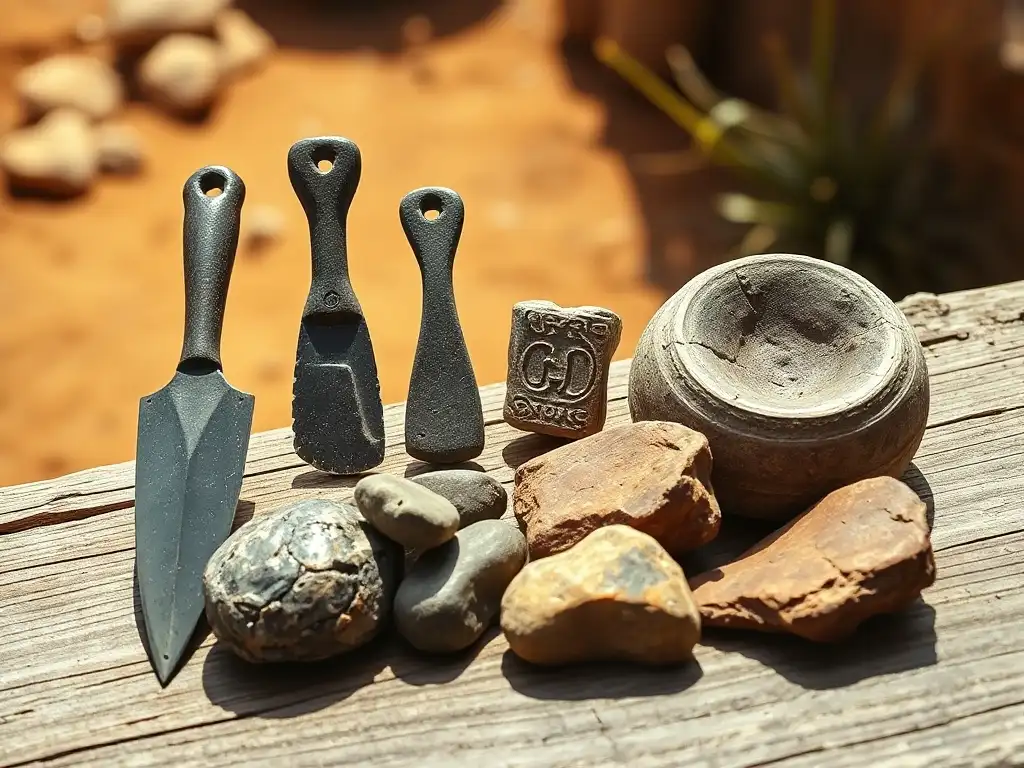
The Preceramic period in the Andes (roughly 8000 BCE – 1800 BCE) witnessed the development of surprisingly sophisticated technologies, even without the use of metals. Understanding the tools employed during this era provides crucial insights into the ingenuity and resourcefulness of these early Andean societies. The development of effective tools directly correlates with the increasing complexity of their social structures and agricultural practices, ultimately shaping their cultural landscape. The study of "Preceramic Andean tools" reveals a nuanced picture of their daily lives and technological advancements.
Tools Used in Early Andean Construction Projects
Early Andean construction projects, ranging from simple dwellings to more complex structures like ceremonial platforms, relied heavily on readily available materials and skillfully crafted tools. Stone, wood, bone, and shell were frequently utilized. Evidence suggests a wide range of tools were employed, including:
- Stone hammers and mauls: These were used for shaping and breaking stones, preparing foundations, and creating building blocks. Variations in size and shape indicate specialization for different tasks. Larger mauls were likely used for heavy-duty work, while smaller hammers were suited for finer details.
- Wooden wedges and levers: These simple machines amplified human strength, allowing for the manipulation of large stones and the creation of precise cuts in wood. Evidence of wedge marks on stone artifacts supports this conclusion.
- Bone and antler tools: These were utilized for carving, smoothing, and shaping both wood and stone. Their delicate nature suggests their use in more intricate tasks, perhaps in the creation of decorative elements within structures. Microscopic analysis of these tools often reveals traces of the materials they worked with.
- Shell scrapers: These were used to refine surfaces, creating smoother finishes on both stone and wooden components. The type of shell used (e.g., spondylus, mussel) may have been selected based on its hardness and sharpness. Analysis of wear patterns can help researchers understand the specific tasks for which these tools were employed.
- Fiber ropes and carrying devices: Moving large stones and timbers required considerable human effort. The use of strong fiber ropes, possibly made from cotton or other local plants, and ingenious carrying devices significantly improved efficiency. The creation of these ropes itself represents a significant technological achievement.
Preceramic Architectural Techniques
The sophistication of Preceramic Andean architecture is evident in the surviving structures. The techniques employed demonstrate a deep understanding of engineering principles, considering factors like weight distribution, drainage, and seismic activity. These techniques, in combination with their tools, allowed them to construct durable and impressive structures. Some notable techniques include:
- Dry-stone walling: This technique, characterized by the precise fitting of stones without the use of mortar, is a testament to the builders' skill and precision. The careful selection and placement of stones ensured stability and longevity. The absence of mortar suggests a high level of understanding of stone mechanics and structural integrity.
- Adobe construction: The use of sun-dried bricks (adobe) allowed for the construction of larger and more complex structures. The consistency of adobe bricks found in various sites suggests standardized production methods, indicating possible specialized labor roles within these communities.
- Platform mounds: The construction of elevated platforms, often serving ceremonial or residential purposes, demonstrates an advanced understanding of earthwork engineering. The scale and precision of these mounds suggest a considerable investment of labor and resources. The layout of these platforms often reflects a sophisticated understanding of cosmology and spatial organization.
The Significance of Architectural Tools in Understanding Andean Societies
The study of Preceramic Andean tools offers a unique window into the social organization of these early societies. The creation and use of these tools necessitate specialized knowledge and skills, suggesting the emergence of specialized labor and potentially hierarchical social structures. The complexity of some structures implies coordinated efforts on a large scale, hinting at the capacity for collective action and social organization.
Furthermore, the distribution and types of tools found at different sites can help archaeologists understand trade networks and cultural exchange between different groups. The analysis of "Preceramic Andean tools" is not just about the tools themselves, but about the people who created and used them, revealing their ingenuity, social structures, and the development of their civilizations. The study of these artifacts continues to unveil the remarkable achievements of these early Andean cultures, defying simplistic narratives and highlighting their innovative approaches to construction and technology.
The Evolution of Preceramic Andean Technologies
This section delves into the fascinating evolution of Preceramic Andean technologies, focusing on the tools and techniques employed by these early Andean societies. Understanding these advancements provides crucial insight into their social structures, resource management strategies, and overall cultural development. The ingenuity displayed in the creation and utilization of these tools laid the groundwork for the later, more complex Andean civilizations. The term "Preceramic Andean tools" itself encompasses a vast array of implements, reflecting the diverse environments and lifestyles of these early peoples.
Chronological Development of Tool Technology
The chronological development of Preceramic Andean tools is a gradual process, marked by increasing sophistication and specialization. Early periods, dating back to approximately 8000 BCE, show a reliance on simple stone tools, primarily utilized for basic tasks like hunting, gathering, and processing plant materials. These tools were often made from readily available materials like river cobbles and readily fractured stones, exhibiting rudimentary flaking techniques. Evidence suggests a strong emphasis on percussion flaking, creating tools with relatively simple shapes and limited functionality.
As time progressed, significant advancements emerged. By 5000 BCE, we see the development of more refined techniques, including pressure flaking, which allowed for greater control over the shape and sharpness of the tools. This period also witnesses the emergence of specialized tools, such as projectile points for hunting and scrapers for processing hides and plants. The development of these specialized tools indicates a growing understanding of material properties and a greater capacity for planning and execution in tool production. The improvement in toolmaking efficiency likely contributed to increased food security and population growth.
The later Preceramic periods (3000-1800 BCE) saw a marked increase in the diversity and complexity of Preceramic Andean tools. This is reflected in the appearance of finely crafted tools, often made from higher-quality materials like obsidian and chert. The use of these materials suggests the development of extensive trade networks and a greater understanding of resource distribution.
Furthermore, evidence suggests the emergence of more sophisticated techniques, like grinding and polishing, which allowed for the creation of tools with exceptionally smooth and durable surfaces. This period also witnessed advancements in the production of ground stone tools, including manos and metates, used for grinding grains and other plant materials. The increased efficiency in food processing likely played a significant role in supporting larger and more settled populations.
Technological Advances and Cultural Changes
The development of Preceramic Andean tools wasn't merely a technological advancement; it was deeply intertwined with significant cultural changes. Improved tool technology directly impacted subsistence strategies, leading to shifts from nomadic lifestyles to more settled agricultural practices. The development of efficient grinding tools, for example, facilitated the processing of grains, which played a crucial role in the adoption of agriculture. This transition had far-reaching consequences, contributing to the growth of villages and the emergence of social hierarchies.
The refinement of toolmaking techniques also fostered specialization of labor. Certain individuals may have become specialized in tool production, trading their expertise for other goods or services. This specialization likely contributed to the development of more complex social structures and the emergence of social inequality. The increasing complexity of tool technology also led to the development of symbolic systems and artistic expression.
The creation of finely crafted tools often involved intricate designs and decorations, suggesting a connection between technology and spirituality. Analysis of the stylistic variations in tools across different regions can provide valuable insights into the social and cultural interactions of various Preceramic Andean groups. The presence of certain tool types in specific regions may also indicate the existence of trade networks and cultural exchange.
The Legacy of Preceramic Innovation
The Preceramic Andean period laid a crucial foundation for the later development of Andean civilizations. The technological innovations in toolmaking, particularly the advancements in material selection and manufacturing techniques, directly influenced the technological capabilities of subsequent cultures. The mastery of stone tool technology, achieved during the Preceramic period, provided the groundwork for later advancements in metallurgy and other technological domains.
The development of efficient agricultural techniques, facilitated by improved tools, allowed for the support of larger and more complex societies. The legacy of Preceramic Andean innovation is evident in the technological sophistication of later Andean civilizations, demonstrating the enduring impact of these early technological achievements.
Studying these early tools provides a critical lens through which to understand the long-term trajectory of Andean technological development and its profound influence on the region's cultural and social evolution. The ingenuity and adaptability demonstrated by these early Andean peoples serve as a testament to their remarkable contributions to human history.
Frequently Asked Questions
What are some examples of Preceramic Andean tools?
Preceramic Andean tools included diverse implements made from stone, bone, and wood. Examples include grinding stones (metates), pounding stones, and various types of choppers and scrapers used for processing food and materials.
How did Preceramic Andean tools differ from later technologies?
Preceramic tools relied primarily on simple percussion techniques and lacked the sophisticated metallurgy seen in later Andean cultures. They were generally less specialized than later tools, reflecting different needs and production methods.
What materials were used to create Preceramic Andean tools?
The most common materials were locally sourced stone, particularly volcanic rock, as well as bone, wood, and plant fibers. The choice of material depended on the intended use and availability of resources.
What is the significance of Preceramic Andean tools for understanding Andean civilizations?
Preceramic tools offer crucial insights into the early adaptation strategies of Andean peoples. They reveal how these societies developed technologies for subsistence, resource management, and social organization long before the advent of metallurgy.
Where can I learn more about Preceramic Andean tools and technologies?
You can find further information through academic journals specializing in Andean archaeology, museum exhibits focusing on prehistoric Andean cultures, and reputable online resources dedicated to ancient Andean history.
Final Reflection: Echoes of Ingenuity: The Enduring Legacy of Preceramic Andean Technology
The ingenuity of the Preceramic Andean peoples continues to resonate today, a testament to human adaptability and the power of innovation in the face of challenging environments. Their mastery of resource management and technological advancement, despite lacking ceramics, offers a profound challenge to our assumptions about technological progress and societal development. We are only beginning to fully understand the sophistication of their achievements.
The impact of these early Andean technologies extends far beyond the archaeological record; it speaks to the enduring human capacity for problem-solving and adaptation. Their innovations in agriculture, textile production, and toolmaking laid the groundwork for subsequent Andean civilizations and offer valuable lessons for sustainable practices in our own time. The past is never dead. It's not even past.
– William Faulkner. This quote rings true when considering the ongoing relevance of these ancient technologies and their influence on our understanding of human history and potential.
Consider the resourcefulness of these early innovators. Imagine the dedication and collaborative effort required to develop such sophisticated tools and techniques. You too possess the capacity for innovation and problem-solving. Take a moment to reflect on the challenges you face and consider how the ingenuity of the Preceramic Andean people might inspire your own creative solutions. Embrace the spirit of adaptation and resourcefulness, and let the echoes of their ingenuity guide you toward a more sustainable and innovative future.
Unleash the Ingenuity of the Ancients!
Thank you for exploring the fascinating world of Pre-Ceramic Andean technologies! We hope you've gained a deeper understanding of the remarkable innovations that shaped these ancient civilizations. Now, it's your turn to build on this knowledge and further explore this rich heritage.
Here are a few ways you can continue learning:
- Join a local archaeology group or community college course to immerse yourself in the study of Andean civilizations and experience artifacts firsthand.
- Share your newfound knowledge with friends and family—spark a conversation about ancient innovations and how they challenge our modern perspectives.
- Explore online forums and communities dedicated to Andean history. Connect with others who share your passion and uncover even more insights.
How do you believe the innovations of ancient Andean cultures have influenced our technology today?