
Seeds of Power: Exploring the Agricultural Innovations That Fueled Andean Civilization

Uncover the secrets of a lost world where ingenuity blossomed in the face of unforgiving landscapes. Journey with us into the heart of the Andes, where towering mountains and treacherous terrains were conquered not by force, but by the brilliance of ancient minds. Prepare to be amazed by the Andean agricultural innovations that fueled the rise of mighty empires like the Inca, Moche, and Nazca – a testament to human resilience and a legacy that continues to resonate today.
Discover how these ingenious farming techniques shaped entire civilizations, and unlock the mysteries behind their astonishing success. Dive in and explore the Seeds of Power.
- Seeds of Power: Exploring Andean Agricultural Innovations
- The Foundation of Andean Civilization: Agricultural Prowess
- Mastering the Mountains: Key Andean Agricultural Techniques
- Remarkable Andean Crops: The Pillars of Their Diet
- Innovations in Food Preservation and Storage
- The Impact of Agricultural Innovations on Andean Society
- Agricultural Legacy: Lasting Impact of Andean Farming
-
Frequently Asked Questions
- What were some key agricultural innovations of the Andean civilizations?
- How did terracing contribute to Andean agricultural success?
- What role did irrigation play in Andean agriculture?
- Besides terracing and irrigation, what other agricultural advancements did the Andean people make?
- How did Andean agricultural innovations impact their societal development?
- Final Reflection: Harvesting the Legacy of Andean Ingenuity
- Unleash the Potential of Andean Innovation!
Seeds of Power: Exploring Andean Agricultural Innovations
The towering Andes Mountains, a seemingly inhospitable landscape, became the cradle of remarkable civilizations thanks to ingenious agricultural innovations. This article delves into the sophisticated techniques employed by Andean cultures – including the Incas, Moche, Nazca, and Tiahuanaco – to cultivate their harsh environment and build empires based on agricultural surplus. We will explore how their mastery of agriculture not only ensured survival but also fueled the development of complex social structures, intricate art, and advanced technologies.
Understanding these Andean agricultural innovations provides crucial insight into the rise of these fascinating societies and the enduring legacy they left behind. The ingenuity displayed in adapting to the challenging Andean geography offers valuable lessons for sustainable agriculture even today. This exploration will reveal how the seemingly simple act of planting a seed became a powerful engine of societal advancement in the Andes.
Terracing: Conquering the Slopes
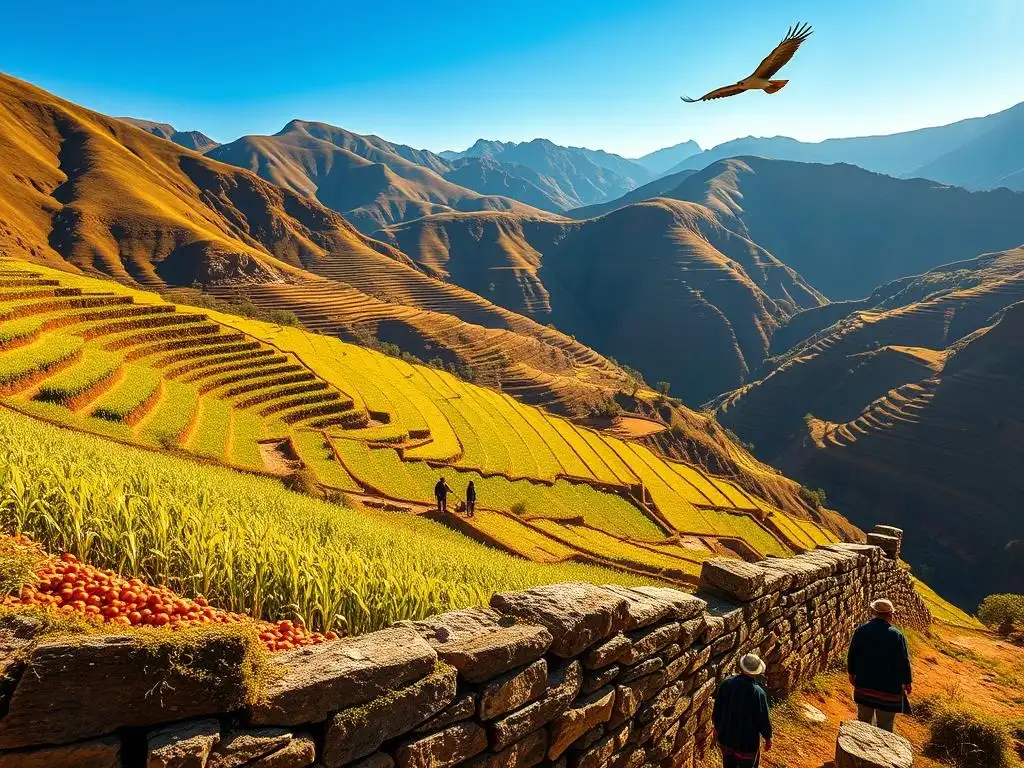
The dramatic Andean topography presented a significant challenge: cultivating crops on steep, unstable slopes. The solution? Ingenious terracing systems. These weren't simply haphazardly carved steps; they were meticulously planned and constructed agricultural landscapes.
Farmers painstakingly carved terraces into the mountainsides, creating level platforms for planting. This not only increased the available arable land dramatically but also minimized soil erosion and optimized water management. The precision and scale of these terracing projects are awe-inspiring, showcasing a deep understanding of engineering and a sophisticated level of social organization necessary for their construction and maintenance.
The size and complexity of some terrace systems, like those found in the Sacred Valley of the Incas, are truly monumental achievements, demonstrating the power of collective effort and the profound importance of agriculture to Andean societies. Each terrace was designed to capture and retain rainwater, crucial in a region prone to both droughts and torrential downpours. Different crops were often planted on different terraces, demonstrating a sophisticated understanding of microclimates and optimal growing conditions.
Irrigation Systems: Harnessing Water Resources
Water, or rather the lack thereof, was another major hurdle for Andean farmers. To overcome this, they developed intricate irrigation systems that channeled water from rivers, streams, and even snowmelt to their fields. These weren't simple ditches; they were complex networks of canals, aqueducts, and reservoirs, often carved from stone and meticulously maintained.
Some of these systems were remarkably sophisticated, capable of diverting water over long distances and distributing it evenly across large areas. The Nazca culture, known for their enigmatic geoglyphs, also created impressive irrigation systems that allowed them to cultivate the arid coastal plains. The scale and complexity of these irrigation projects highlight the advanced engineering skills and organizational capabilities of Andean civilizations.
The ability to control water resources was not just crucial for food production; it also played a significant role in shaping social power structures and influencing political control. The efficient distribution of water often became a source of conflict and a critical element of political power.
Crop Domestication and Diversification: A Bounty from the Andes
Andean agriculture wasn't just about ingenious engineering; it was also about the domestication and diversification of crops uniquely adapted to the high altitudes and diverse microclimates of the region. Potatoes, for instance, are a quintessential Andean crop, with thousands of varieties cultivated to thrive in different conditions. Other crucial crops included maize, quinoa, beans, and various types of squash.
The Andean peoples didn't simply rely on a single staple; they cultivated a diverse range of crops, creating a resilient agricultural system capable of withstanding environmental fluctuations and ensuring food security. This diversification also provided a varied and nutritious diet, contributing to the overall health and well-being of Andean populations.
The development of these crops, through careful selection and cultivation over millennia, represents a remarkable achievement in agricultural science, laying the foundation for the prosperity and cultural richness of these civilizations. The genetic diversity of these crops continues to be a valuable resource for modern agriculture.
Fertilizers and Soil Management: Enhancing Productivity
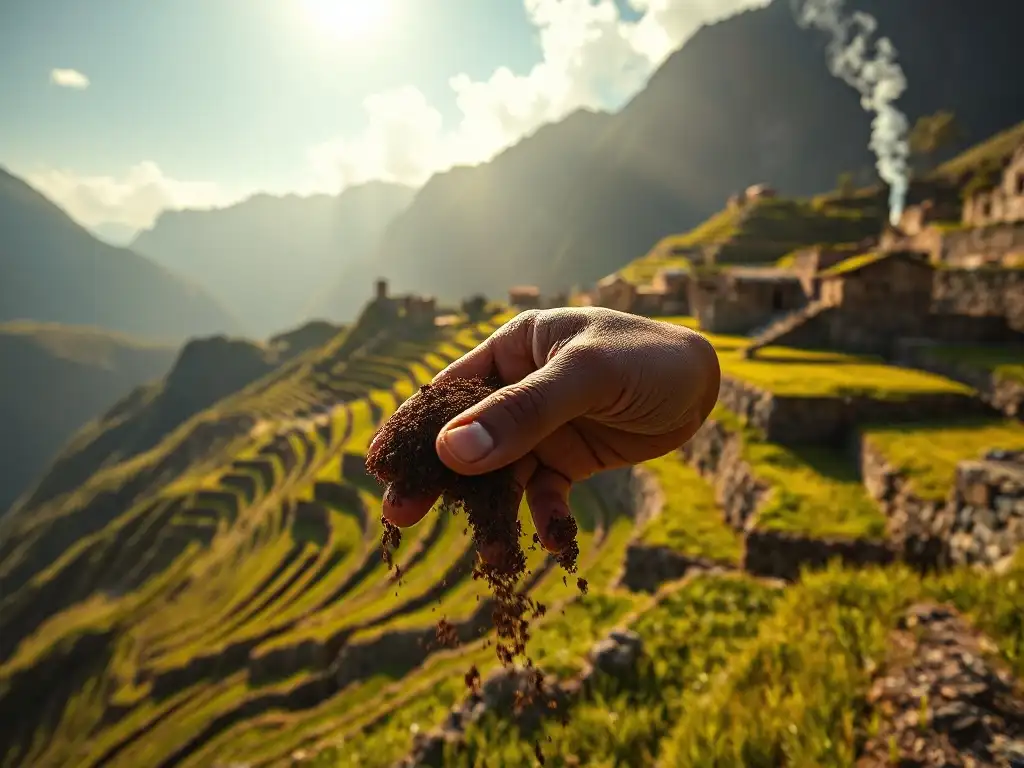
To maximize crop yields in the challenging Andean environment, farmers developed sophisticated techniques for soil management and fertilization. They used various organic materials, such as animal manure and compost, to enrich the soil and improve its fertility. They also practiced crop rotation and other soil-conserving techniques to prevent depletion and maintain long-term productivity. The understanding of soil health and its relationship to crop yields was clearly advanced, reflecting a profound connection to the land and a sophisticated knowledge of ecological principles.
This focus on sustainable agricultural practices ensured the long-term viability of their food production systems, contributing to the stability and prosperity of Andean societies for centuries. The techniques used by Andean farmers provide valuable insights for modern sustainable agriculture practices. Understanding their methods can help us develop more environmentally friendly and resilient approaches to food production.
The Legacy of Andean Agricultural Innovations
The agricultural innovations of the Andean civilizations weren't merely a means of survival; they were the foundation upon which complex societies flourished. Their mastery of terracing, irrigation, crop domestication, and soil management allowed them to produce agricultural surpluses that supported large populations, fueled economic growth, and enabled the development of sophisticated social structures, impressive architecture, and advanced technologies. The legacy of these innovations continues to resonate today, not only in the Andean region but also globally, serving as a testament to the ingenuity and resilience of the human spirit and offering valuable lessons for sustainable agriculture in the face of modern challenges.
The understanding and application of these ancient techniques can contribute to the development of more environmentally responsible and resilient agricultural systems for the future. The story of Andean agriculture is a story of adaptation, innovation, and the enduring power of human ingenuity in the face of adversity.
The Foundation of Andean Civilization: Agricultural Prowess

The extraordinary achievements of the Andean civilizations—from the Incas to the Moche and Nazca—were profoundly shaped by their mastery of agriculture. This wasn't simply a matter of subsistence; Andean agricultural innovations were crucial in supporting dense populations, complex social structures, and the development of sophisticated art, architecture, and technology. Understanding the ingenuity behind Andean farming practices is key to comprehending the rise of these remarkable societies.
The unique challenges posed by the Andes—variable altitudes, steep slopes, and unpredictable weather patterns—forced Andean peoples to develop innovative techniques that continue to inspire awe and admiration. Their success wasn't merely a matter of luck; it was the result of centuries of experimentation, adaptation, and a deep understanding of their environment. This section will delve into the specifics of these groundbreaking advancements and their impact on the trajectory of Andean civilization.
The Importance of Agriculture in Andean Society
Agriculture formed the bedrock of Andean society, impacting every facet of life. It wasn't just about food production; it was intricately woven into their religious beliefs, social organization, and political power structures. Agricultural success directly correlated with a society's prosperity and influence.
For example, the Inca Empire's vast agricultural infrastructure, including sophisticated irrigation systems and terraced farming, was instrumental in its ability to control and govern a sprawling territory. The surplus generated by their advanced farming methods allowed for the development of specialized labor, the creation of large-scale public works, and the maintenance of a powerful ruling class. The close connection between agricultural productivity and political power is evident in the iconography and mythology of many Andean cultures, frequently depicting deities associated with fertility and agricultural abundance.
Moreover, the distribution of land and agricultural resources played a crucial role in shaping social hierarchies and determining access to power and resources. The control of vital water sources, for instance, often conferred significant political advantages. Archaeological evidence consistently demonstrates the profound importance of agriculture in structuring Andean societies.
Early Andean Farming Practices: Adapting to the Terrain
The Andean landscape, characterized by its dramatic variations in altitude and challenging terrain, presented significant hurdles to agricultural development. Yet, rather than being deterred, Andean farmers developed remarkably ingenious techniques to overcome these obstacles. Early Andean farmers employed a variety of strategies, including terracing, irrigation, and crop diversification, to maximize agricultural yields. Terracing, the creation of flat, step-like platforms on steep slopes, dramatically increased arable land and reduced soil erosion.
This technique, perfected over centuries, allowed for the cultivation of crops on land that would otherwise have been unusable. Irrigation systems, ranging from simple canals to complex networks of aqueducts, provided a reliable water supply, even in arid regions. The ingenuity of these systems is particularly evident in the Nazca lines, where some scholars believe certain geoglyphs may have been linked to water management practices. Furthermore, Andean farmers practiced crop diversification, cultivating a wide range of crops adapted to different altitudes and microclimates.
This strategy minimized the risk of crop failure and ensured a varied and nutritious diet. The cultivation of potatoes, quinoa, and maize, along with a host of other crops, is a testament to their remarkable adaptability and understanding of their environment. Their success in cultivating these diverse crops in such a challenging environment remains a remarkable feat of Andean agricultural innovations.
Mastering the Mountains: Key Andean Agricultural Techniques
The success of Andean civilizations wasn't solely due to their impressive architecture or intricate social structures; it was fundamentally rooted in their mastery of agriculture. Facing challenging mountainous terrains, arid climates, and unpredictable weather patterns, these societies developed sophisticated techniques to cultivate food, ensuring their survival and prosperity. Their ingenuity in adapting to such diverse and difficult environments represents a remarkable feat of human ingenuity and a testament to the power of innovation in the face of adversity.
Understanding these advancements is crucial to grasping the full scope of Andean achievements and their lasting impact. The keyword "Andean agricultural innovations" perfectly encapsulates this remarkable story of adaptation and success.
Terraced Farming: Engineering Landscapes for Cultivation
Terraced farming, perhaps the most visually striking of Andean agricultural innovations, involved carving slopes into a series of flat, horizontal platforms. This ingenious technique dramatically increased the amount of arable land available, transforming steep, unusable mountainsides into productive farmland. The terraces, often reinforced with stone walls, prevented soil erosion from the heavy rains characteristic of the Andes.
This meticulous engineering not only maximized land usage but also created microclimates, allowing for the cultivation of a wider variety of crops suited to different levels of sun exposure and moisture. The scale of some terraced landscapes, like those found at Moray near Cusco, is breathtaking, demonstrating the organizational prowess and labor investment required.
These weren't simply agricultural plots; they were complex, carefully designed systems reflecting a deep understanding of both engineering and ecology. The efficiency of water management within these terraced systems further enhanced their productivity, contributing significantly to the agricultural surplus that supported the growing Andean populations.
Irrigation Systems: Harnessing Water Resources in the Andes
Water scarcity was a major challenge in the arid and semi-arid regions of the Andes. To overcome this limitation, Andean societies developed intricate irrigation systems, channeling water from rivers, springs, and melting snow to their fields. These systems ranged from simple canals to complex networks of aqueducts and reservoirs, showcasing a sophisticated understanding of hydraulic engineering.
The Nazca culture, for example, is renowned for its extensive network of canals, some stretching for miles across the desert. These canals, often lined with stones and meticulously maintained, allowed for the cultivation of crops in areas that would otherwise have been barren.
The precise construction and efficient management of these water systems demonstrate a remarkable level of technological and organizational skill, essential for sustaining large populations and supporting complex societal structures. The impact of these innovations extended beyond immediate food production; they also allowed for the development of specialized agricultural practices and the diversification of crops.
Crop Rotation: Maximizing Soil Fertility and Yield
Beyond impressive infrastructure, Andean agricultural success relied on sustainable practices. Crop rotation, a technique involving the systematic planting of different crops in a sequence, played a vital role in maintaining soil fertility. By alternating crops with varying nutrient requirements, Andean farmers prevented soil depletion and enhanced yields.
This practice also helped to control pests and diseases, further improving crop productivity. While the precise details of Andean crop rotation techniques are not fully documented, archaeological evidence strongly suggests its widespread application. The diversity of crops cultivated in the Andes – potatoes, maize, quinoa, beans, and many others – further supports the likelihood of sophisticated crop management strategies, including crop rotation, to optimize soil health and maximize yields.
This sustainable approach ensured long-term agricultural success, contributing to the stability and longevity of Andean civilizations. The understanding and application of this practice underscores the advanced agricultural knowledge of these societies and their commitment to environmentally responsible farming.
Remarkable Andean Crops: The Pillars of Their Diet
The success of Andean civilizations hinged significantly on their mastery of agriculture. The challenging Andean environment, characterized by high altitudes, diverse microclimates, and steep terrain, demanded innovative farming techniques and the cultivation of remarkably adaptable crops. Understanding these crops is key to understanding the rise and flourishing of these complex societies.
The ingenuity displayed in cultivating and utilizing these plants showcases the deep connection between Andean peoples and their environment – a relationship that shaped their culture, social structures, and technological advancements. This section will explore three cornerstone crops: the potato, quinoa, and maize, highlighting their importance and the agricultural innovations that supported their cultivation. These Andean agricultural innovations were not merely about sustenance; they were fundamental to the power structures and societal development of the region.
The Potato: A Staple Crop and its Genetic Diversity
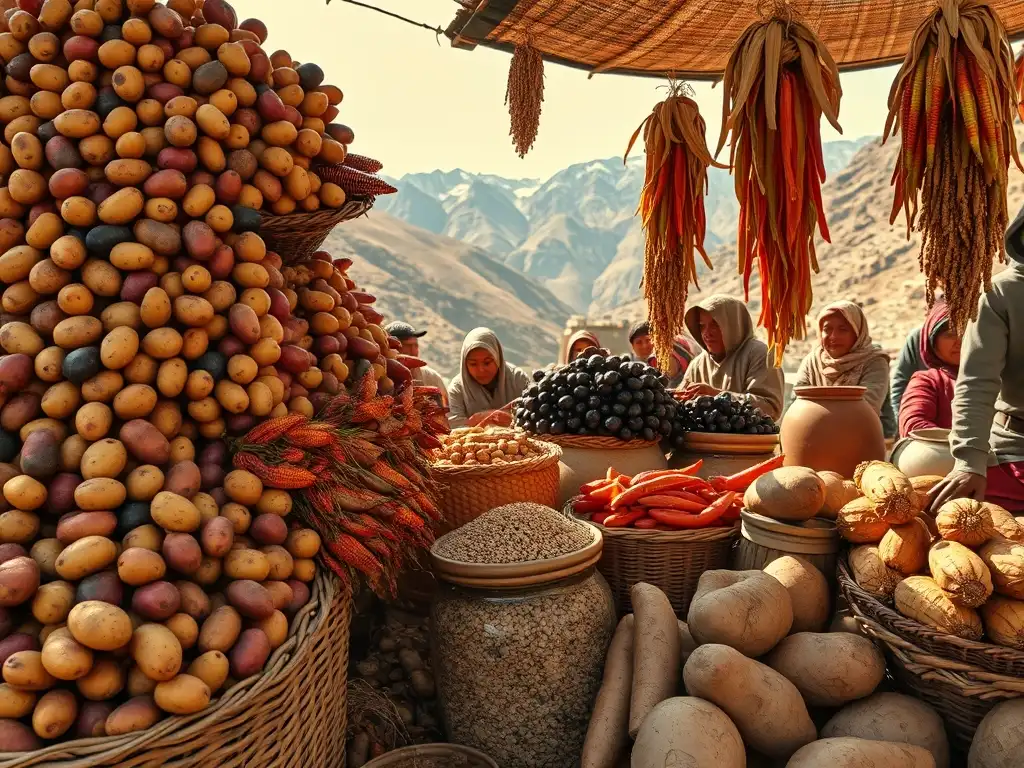
The potato ( Solanum tuberosum), far from being a single entity, boasts an astonishing diversity of varieties. Andean farmers painstakingly cultivated thousands of distinct potato types, each uniquely adapted to specific altitudes, soil conditions, and microclimates. This incredible genetic diversity wasn't accidental; it was the result of centuries of meticulous selection and breeding.
Farmers carefully preserved and exchanged different potato varieties, ensuring resilience against pests, diseases, and fluctuating weather patterns. This genetic bank, developed over millennia, provided a crucial buffer against crop failure, a significant threat in the unpredictable Andean environment. The potato wasn't just a food source; it was a cornerstone of their complex agricultural system, a symbol of their ingenuity and adaptation.
The sheer variety of potato types – differing in size, color, taste, and nutritional content – is a testament to the depth of their agricultural knowledge and their ability to exploit the unique characteristics of the Andean landscape. This biological diversity directly contributed to the food security and the overall prosperity of Andean societies.
Quinoa: The "Mother Grain" and its Nutritional Value
Quinoa ( Chenopodium quinoa) is another remarkable Andean crop, often referred to as the "mother grain." Its nutritional profile is exceptionally rich, providing a complete protein source – a rarity among plant-based foods. It's also a significant source of essential amino acids, fiber, and various minerals.
This nutritional powerhouse was crucial for the health and vitality of Andean populations, particularly in high-altitude regions where other protein sources might have been scarce. The cultivation of quinoa required specific techniques adapted to the harsh Andean conditions. Farmers developed strategies to manage water resources effectively, given the often arid and unpredictable rainfall patterns.
They also mastered techniques for preparing the soil and protecting the crops from frost and other environmental challenges. The ability to successfully cultivate quinoa, with its high nutritional value, was a key factor in supporting the growth of large and dense populations in the Andean region, contributing to the strength and resilience of Andean societies. The importance of quinoa in the Andean diet is evidenced by its continued prominence in modern Andean cuisine.
Maize: Cultivating Corn in the Andean Highlands
Maize ( Zea mays), while originating in Mesoamerica, became a vital part of the Andean diet and agricultural system. However, cultivating corn in the high Andes presented unique challenges. The shorter growing seasons and cooler temperatures demanded specific adaptations.
Andean farmers developed ingenious terracing techniques to create level fields on steep slopes, maximizing sunlight exposure and improving water retention. They also employed sophisticated irrigation systems to channel water to their crops, particularly in drier areas. The cultivation of maize in the Andes was not a simple replication of Mesoamerican techniques; it involved significant innovation and adaptation to the local environment.
Evidence suggests the development of unique maize varieties specifically adapted to high-altitude conditions. Furthermore, maize became an integral part of Andean religious and ceremonial practices, underscoring its profound cultural significance beyond its nutritional value. The successful integration of maize into the Andean agricultural system further solidified the complex and resilient food production strategies that supported the growth of these remarkable civilizations.
Other Essential Andean Crops: From Beans to Tubers
Beyond the "holy trinity" of maize, potatoes, and quinoa, a diverse array of crops formed the backbone of Andean diets, contributing significantly to the region's remarkable agricultural achievements. These crops weren't merely supplementary; they provided crucial nutritional diversity and resilience against crop failures. Their cultivation often involved sophisticated techniques mirroring the ingenuity applied to the major staples.
One prominent example is the extensive cultivation of various beans. These legumes, rich in protein and essential nutrients, played a vital role in balancing the carbohydrate-heavy diets based on maize and potatoes. The Andes boast an incredible biodiversity of bean species, each adapted to specific altitudes and climates.
From the small, flavorful Phaseolus vulgaris (common bean) to larger varieties like Phaseolus lunatus (lima bean), these crops were integral to Andean culinary traditions and agricultural systems. The careful selection and breeding of different bean types demonstrate a deep understanding of plant genetics and environmental adaptation, showcasing the sophisticated agricultural knowledge of Andean societies. Archaeological evidence reveals the presence of beans in various Andean sites dating back millennia, highlighting their long and enduring importance.
Equally important were the various tubers cultivated alongside potatoes. While potatoes dominated, other root vegetables like oca ( Oxalis tuberosa), mashua ( Tropaeolum tuberosum), and añu ( Ullucus tuberosus) provided dietary diversification and crucial nutritional components. These tubers, each with its unique flavor and nutritional profile, were grown in diverse ecological niches, further underscoring the adaptive strategies employed by Andean farmers. Unlike potatoes, which often require substantial processing, some of these tubers could be consumed relatively directly, adding convenience and efficiency to food preparation.
The cultivation of these complementary tubers ensured food security and resilience, mitigating the risk of crop failure affecting any single staple. This diversification strategy is a testament to the foresight and agricultural expertise of Andean civilizations. The complex interplay between different tuber species and their cultivation methods demonstrates a remarkable understanding of agricultural ecology.
The cultivation of these "minor" crops, far from being insignificant, represents a critical component of the Andean agricultural system. Their contribution to nutritional balance, food security, and overall societal resilience cannot be overstated. Their cultivation showcases the sophisticated knowledge, careful planning, and remarkable adaptability of Andean farmers, who skillfully managed a complex agricultural landscape to build thriving societies. The enduring legacy of these crops, still cultivated and consumed today, serves as a powerful testament to their importance and the ingenuity of the Andean peoples.
Innovations in Food Preservation and Storage

The success of Andean civilizations hinged not only on innovative agricultural techniques but also on sophisticated methods for preserving and storing the harvested crops. The challenging Andean environment, characterized by high altitudes, variable climates, and unpredictable weather patterns, necessitated the development of ingenious strategies to ensure food security throughout the year. These preservation methods were crucial for supporting large populations and maintaining social stability.
Understanding these innovations offers key insights into the resilience and ingenuity of Andean societies and their ability to thrive in demanding conditions. The ingenuity employed in Andean agricultural innovations extended beyond cultivation itself, encompassing a comprehensive system for ensuring food availability year-round.
Techniques for Drying and Storing Andean Crops
Andean farmers employed a variety of techniques to preserve their harvests, primarily focusing on drying and storing. The most common method involved sun-drying crops like potatoes, maize, and quinoa in open areas or on specially constructed drying racks. This process reduced moisture content, inhibiting microbial growth and preventing spoilage. The effectiveness of sun-drying was enhanced by the high altitude's intense solar radiation and low humidity. Furthermore, the precise timing of harvesting, often determined by meticulous observation of seasonal changes, played a vital role in the success of this preservation method.
Beyond sun-drying, Andean peoples also utilized other methods, including freeze-drying at high altitudes. This natural process, facilitated by the cold nights and intense sunlight of the Andes, effectively preserved the nutritional value and extended the shelf life of certain crops. Evidence suggests that specific varieties of potatoes and other crops were selected for their suitability for these preservation techniques.
This careful selection process, coupled with the drying methods, demonstrates a sophisticated understanding of agricultural science. The meticulous nature of these techniques underscores the Andean civilization's deep knowledge of their environment and its resources. These preservation methods were not haphazard; they were integral parts of a complex agricultural system.
The Role of Storage Facilities in Andean Communities
The preservation of harvested crops wasn't solely dependent on drying techniques; effective storage was equally crucial. Andean communities constructed various storage facilities, ranging from simple pits dug into the ground to more elaborate structures, such as underground cellars and elevated granaries. These structures varied in design and complexity depending on the local climate, the type of crops being stored, and the community's size and resources. The choice of storage location and design was carefully considered to minimize exposure to moisture, pests, and temperature fluctuations.
Examples of Andean Storage Structures
Qollqas: These were sophisticated stone structures, often found in Inca territories, used for storing agricultural surpluses. Their design incorporated ventilation and insulation features to maintain optimal conditions for long-term storage. The size and number of qollqas varied greatly, reflecting the scale of agricultural production and the community's needs.
Underground cellars: These provided a cool, stable environment, ideal for storing perishable items like potatoes. Their construction involved careful consideration of drainage and insulation to protect stored goods from damage.
Elevated granaries: Built on stilts or raised platforms, these structures protected stored grains from rodents and ground moisture. The design utilized natural ventilation to prevent mold growth.
The strategic location and design of these storage facilities highlight the Andean peoples' understanding of environmental factors and their influence on food preservation. Moreover, the presence of such structures, often found near agricultural fields or settlements, served as a visible indicator of community wealth and social organization. The careful management of stored food resources contributed to the stability and resilience of Andean societies, allowing them to withstand periods of drought or other environmental challenges.
The efficient storage and management of agricultural surpluses were fundamental to the development of complex social structures and the flourishing of Andean civilizations. This sophisticated system of food preservation and management stands as a testament to the ingenuity and foresight of Andean agricultural innovations.
The Impact of Agricultural Innovations on Andean Society
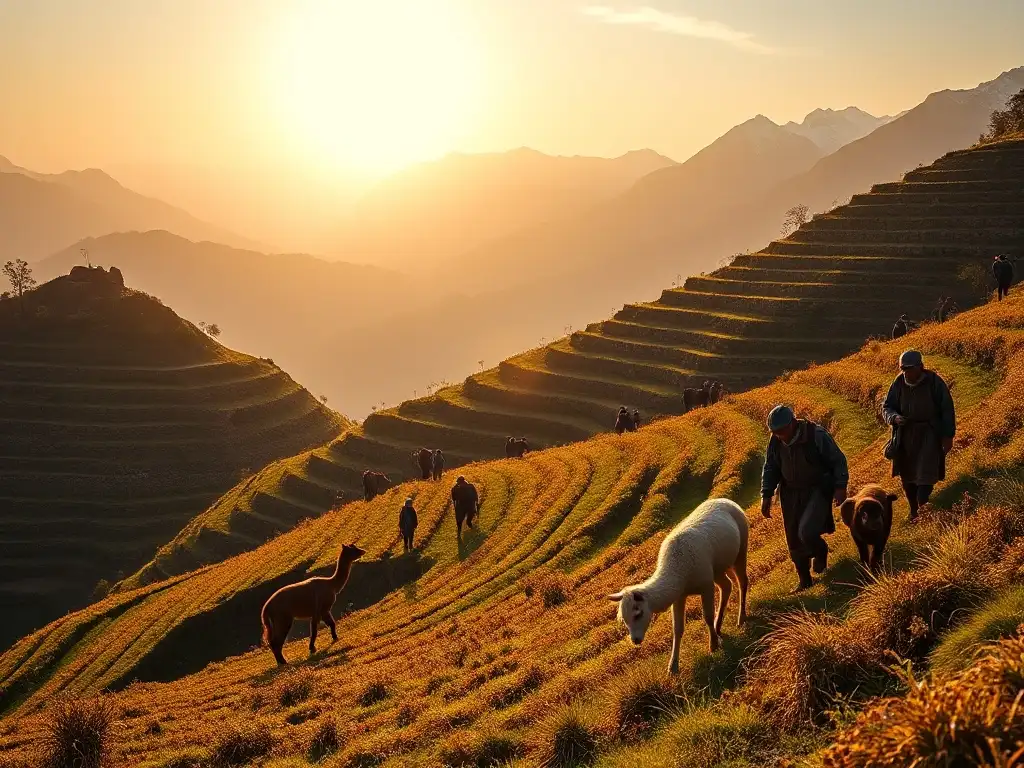
The ingenuity of Andean agricultural innovations profoundly shaped the societal structures and trajectories of the civilizations that flourished in the Andes Mountains. These advancements, far from being merely technological improvements, were fundamental to the rise of complex societies, influencing everything from population density and urban planning to religious beliefs and social hierarchies. Understanding these impacts provides crucial insight into the remarkable achievements of Andean cultures.
Population Growth and Urban Development
The development of sophisticated agricultural techniques, such as terracing, irrigation systems, and the cultivation of diverse crops adapted to varying altitudes, directly fueled population growth in the Andes. Prior to these innovations, sustenance agriculture likely limited population size. However, the increased food production enabled by these advancements allowed for larger, more settled populations.
This surplus also supported the growth of urban centers. Cities like Cusco (Inca) and Chan Chan (Chimú) wouldn't have been possible without the reliable food supply generated by efficient agricultural practices. The ability to store surplus food in qollqas (Inca storehouses) further enhanced this capacity for population growth and urban expansion.
Studies comparing pre- and post-innovation population densities in specific Andean valleys would provide further quantifiable evidence of this connection, though such data requires further research [specific information pending]. The impact is undeniable, however: a direct correlation exists between agricultural advancements and the rise of large, complex urban societies in the Andes.
Andean agricultural innovations necessitated complex social organization and labor systems. The construction and maintenance of extensive irrigation canals, terraced fields, and raised fields required significant coordinated effort. This led to the development of specialized labor roles, with individuals and groups assigned specific tasks within the agricultural system.
The Inca mita system, a form of mandatory public service, is a prime example. While often perceived negatively, the mita system ensured the maintenance of crucial infrastructure, including agricultural projects, ensuring the continued productivity of the empire's agricultural output. This system, while demanding, contributed to the stability and longevity of the Inca Empire.
Other Andean societies undoubtedly had their own variations of organized labor, reflecting the importance of agriculture in their social structures. The precise organization of labor in societies like the Nazca or Moche remains an area of ongoing research [specific information pending], but the evidence strongly suggests a connection between agricultural scale and social complexity.
The Relationship between Agriculture and Andean Religious Beliefs
Andean religious beliefs were deeply intertwined with agriculture. The cyclical nature of planting, growing, and harvesting mirrored the Andean understanding of the cosmos and the relationship between humans and the supernatural. Deities associated with fertility, such as Pachamama (Mother Earth), were central to Andean religious practices.
Rituals and ceremonies were performed to ensure bountiful harvests and appease the spirits associated with the land and water resources vital for agriculture. The agricultural calendar, closely tied to the seasons and astronomical events, played a significant role in religious festivals and celebrations. For instance, the Inca celebrated Inti Raymi, the festival of the sun, coinciding with the summer solstice and the peak of the agricultural cycle.
This intimate connection between religious beliefs and agricultural practices underscores the profound influence of agriculture on all aspects of Andean life, shaping not only their material culture but also their spiritual worldview. Further research into specific religious texts and archaeological evidence could provide richer details on this complex relationship [specific information pending], painting a more complete picture of Andean spirituality and its connection to the land.
Agricultural Legacy: Lasting Impact of Andean Farming
The ingenuity of Andean agricultural practices continues to resonate in the modern world, offering valuable lessons for sustainable food production and resource management. The sophisticated techniques developed by Andean civilizations, honed over millennia to adapt to the challenging high-altitude environment, weren't simply about survival; they were a cornerstone of their complex social structures and flourishing cultures. Their legacy extends far beyond the archaeological record, profoundly influencing contemporary agricultural practices and inspiring innovative solutions to global food security challenges.
Understanding the Andean agricultural legacy is crucial to appreciating the depth and complexity of these ancient societies and to harnessing their wisdom for the benefit of future generations. The impact of these innovations is still felt today, providing a blueprint for resilient and sustainable agriculture in diverse environments.
Modern Applications of Ancient Techniques
Andean agricultural innovations, such as terracing, irrigation systems, and crop diversification, are being re-evaluated and applied in contemporary agriculture. For example, the intricate terrace systems used by the Incas to cultivate steep slopes are now being adopted in various regions facing land scarcity and erosion. These terraces not only increase arable land but also reduce soil erosion and runoff, improving water management and soil fertility. The effectiveness of these ancient techniques is being scientifically validated, demonstrating their relevance in addressing modern agricultural challenges.
Furthermore, the sophisticated irrigation systems, including canals, aqueducts, and sophisticated water management techniques, are being studied and adapted to improve water use efficiency in arid and semi-arid regions. The Incas, for instance, developed a remarkably efficient system of canals and reservoirs that allowed them to cultivate crops even in challenging environments. These systems demonstrate a deep understanding of water resource management that remains highly relevant today, particularly in the face of climate change and increasing water scarcity.
Researchers are now analyzing these ancient systems to design more efficient and sustainable irrigation technologies for modern agriculture. This includes the study of traditional water harvesting methods, which can be particularly beneficial in water-stressed regions.
Lessons from the Andes for Sustainable Agriculture
The Andean agricultural innovations offer valuable lessons for sustainable agriculture, emphasizing the importance of biodiversity, resource conservation, and integrated pest management. The Andean civilizations understood the importance of crop diversification, cultivating a wide range of crops adapted to different altitudes and microclimates. This biodiversity built resilience into their food systems, reducing their vulnerability to crop failure. Modern agriculture, by contrast, often focuses on monoculture, making it more susceptible to pests, diseases, and climate variability.
The Andean approach to pest management was also remarkably sophisticated. Instead of relying on chemical pesticides, they employed integrated pest management strategies, including crop rotation, intercropping, and biological control. This approach minimized environmental damage and promoted long-term soil health. Modern agriculture increasingly recognizes the limitations of chemical pesticides and is exploring alternative approaches. The Andean experience provides valuable insights into the development and implementation of sustainable pest management strategies.
The meticulous attention to soil health displayed by Andean farmers is another key lesson. They developed sophisticated techniques for soil fertilization and conservation, ensuring long-term productivity. Their understanding of soil properties and the importance of organic matter in maintaining soil fertility is a valuable resource for modern agriculture, which often suffers from soil degradation due to intensive farming practices.
By studying the Andean approach to soil management, we can learn valuable lessons about creating sustainable and resilient agricultural systems. The Andean civilizations' success demonstrates that sustainable agriculture is not only environmentally responsible but also economically viable and socially just. Their legacy serves as a powerful reminder of the importance of integrating traditional knowledge with modern science to address the challenges of global food security.
Frequently Asked Questions
What were some key agricultural innovations of the Andean civilizations?
Andean civilizations developed impressive techniques like terracing, irrigation systems, and the cultivation of diverse crops such as potatoes, maize, and quinoa, adapting to varied altitudes and climates. These innovations allowed for high agricultural yields supporting large populations.
How did terracing contribute to Andean agricultural success?
Terracing transformed steep slopes into level farming plots, preventing soil erosion and maximizing usable land. This technique allowed for efficient water management and increased crop production in challenging mountainous terrain. It was a crucial adaptation to the Andes' geography.
What role did irrigation play in Andean agriculture?
Complex irrigation canals and systems were vital, especially in drier areas. They provided a reliable water supply for crops, even during dry seasons. This ensured consistent harvests and food security for the growing populations.
Besides terracing and irrigation, what other agricultural advancements did the Andean people make?
They developed advanced techniques in crop diversification, fertilizer management, and storage techniques. This included developing different varieties of crops suited to different microclimates and creating efficient storage systems to ensure food security throughout the year.
How did Andean agricultural innovations impact their societal development?
Successful agriculture led to increased food production, supporting larger and more complex societies. This surplus also enabled specialization of labor, the development of cities, and the rise of powerful empires like the Inca. Agricultural success underpinned Andean civilization.
Final Reflection: Harvesting the Legacy of Andean Ingenuity
The ingenious agricultural innovations of the Andes weren't just about survival; they were the bedrock of a flourishing civilization, and their echoes resonate powerfully in our world today. Facing climate change and a growing global population, we are once again grappling with the need for sustainable and resilient food systems – a challenge the Andean people mastered centuries ago. Their solutions offer invaluable lessons for our own time, reminding us of the power of human ingenuity when faced with adversity.
The ingenuity of terrace farming, the sophisticated understanding of water management, and the domestication of diverse crops – these weren't simply agricultural practices; they were expressions of a deep connection to the land and a profound understanding of ecological balance. The earth is what we all have in common.
- Wendell Berry. This quote speaks to the enduring relevance of the Andean approach, highlighting the interconnectedness of human society and the natural world. Their achievements serve as a powerful reminder that sustainable practices are not merely an option, but a necessity for long-term prosperity and survival.
Consider the impact of these ancient techniques. Imagine the ingenuity required to create such complex systems in challenging terrain. Now, reflect on how these same principles – resourcefulness, adaptation, and a deep respect for the environment – can be applied to the challenges we face today. You, too, can be a steward of sustainable practices, fostering a more resilient and equitable future. Let the legacy of Andean agricultural innovation inspire you to cultivate your own seeds of change, both in your own life and in the wider world.
Unleash the Potential of Andean Innovation!
Thank you for exploring the fascinating world of Andean agricultural innovations! Your interest helps preserve a remarkable legacy of ingenuity. Let's build on that inspiration—here are some ways to learn more and get involved:
- Start a garden featuring Andean crops like quinoa or potatoes, and experience these ancient techniques firsthand.
- Share your knowledge! Discuss sustainable farming practices inspired by Andean agriculture with friends and family.
- Connect with others passionate about Andean agriculture through local groups or online communities.
What aspect of Andean agricultural innovation most inspires you, and how can you integrate it into your life or community?