
The Future of the Past: Preserving the Legacy of Andean Civilizations

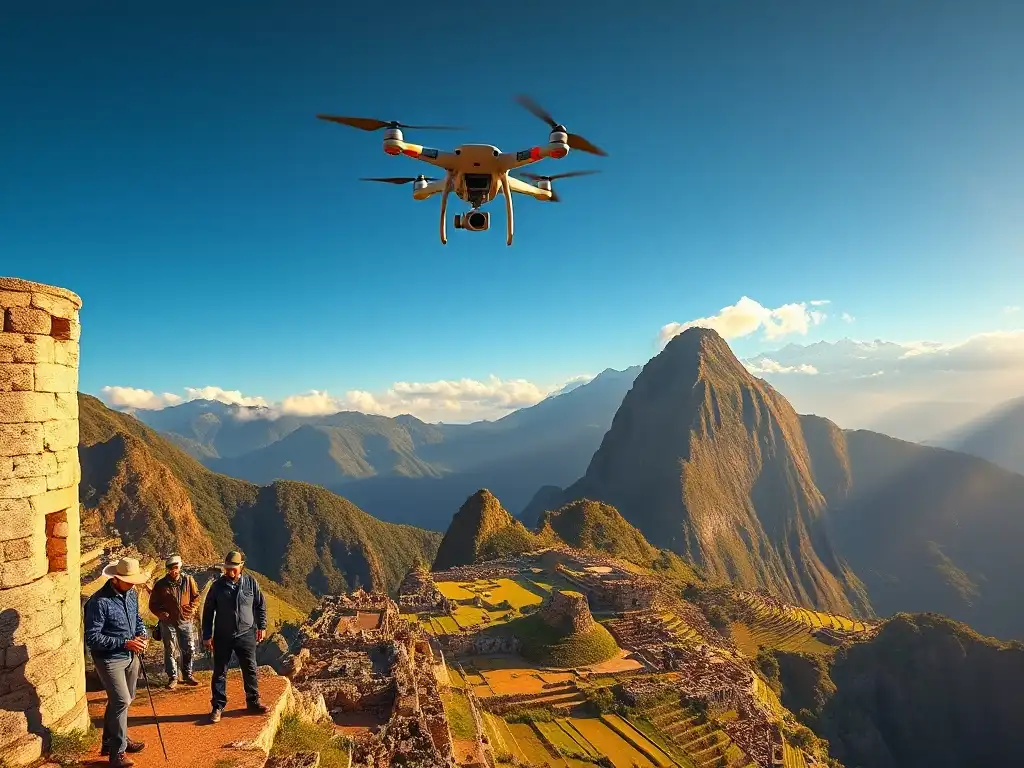
Step into a world lost to time, yet echoing with the whispers of empires. Imagine the breathtaking ingenuity of the Nazca Lines, the architectural marvels of Machu Picchu, the intricate artistry of the Moche. But what of their future? This is a journey into the heart of Andean civilizations preservation strategies, a critical exploration of how we safeguard this extraordinary legacy for generations to come. Discover the challenges and triumphs in protecting these irreplaceable treasures – your exploration begins now.
The breathtaking legacy of the Andean civilizations – the Incas, Moche, Nazca, Tiahuanaco, and countless others – faces an unprecedented challenge: the relentless march of time and the impacts of modern development. These ancient societies, renowned for their sophisticated agricultural techniques, intricate textiles, awe-inspiring architecture, and complex social structures, left behind a treasure trove of archaeological sites, artifacts, and knowledge.
However, these invaluable remnants are increasingly vulnerable to looting, environmental degradation, and the pressures of urbanization. This article delves into the crucial topic of Andean civilizations preservation strategies, exploring the multifaceted approaches needed to safeguard this irreplaceable heritage for future generations.
We will examine the current challenges, the innovative solutions being implemented, and the crucial role of international collaboration in ensuring the long-term survival of this rich cultural tapestry. Understanding and actively participating in these preservation efforts is not just about protecting ancient stones and pottery; it's about safeguarding a vital part of human history and understanding our shared past.
Current Threats to Andean Heritage
The preservation of Andean civilizations faces a multitude of interconnected threats. These range from the obvious, such as looting and illegal trafficking of artifacts, to more insidious issues like climate change and unsustainable tourism practices. Looting, driven by the lucrative black market for antiquities, systematically dismantles archaeological sites, robbing them of context and irrevocably damaging our understanding of these cultures. Furthermore, the effects of climate change, including increased frequency of extreme weather events and glacial melt, pose significant risks to fragile sites, causing erosion, landslides, and damage to delicate structures.
Unsustainable tourism, while potentially beneficial for local economies, can lead to overcrowding, site degradation, and the unintentional destruction of artifacts through careless handling or trampling. Moreover, the encroachment of urban development and agricultural expansion further threatens the integrity of archaeological sites and their surrounding environments. The cumulative impact of these threats necessitates a comprehensive and multi-pronged approach to preservation.
Innovative Preservation Techniques
Fortunately, significant advancements in archaeological techniques and preservation strategies are being developed and implemented. These include non-invasive surveying methods like LiDAR (Light Detection and Ranging) which allows for the creation of detailed 3D models of sites without disturbing the ground. This technology is proving invaluable in identifying previously unknown sites and assessing the impact of environmental factors.
Another crucial strategy involves the development of advanced conservation methods for delicate artifacts, such as textiles and ceramics, utilizing specialized materials and techniques to slow or prevent degradation. Furthermore, community-based conservation initiatives are empowering local populations to actively participate in the protection of their heritage, fostering a sense of ownership and responsibility.
These initiatives often involve training local residents in archaeological techniques and providing sustainable economic alternatives to activities that threaten cultural heritage. The integration of technology and community engagement is proving to be particularly effective in ensuring the long-term preservation of Andean cultural heritage.
The Role of International Collaboration
The preservation of Andean civilizations is not solely the responsibility of individual nations. International collaboration is paramount in combating the transnational nature of artifact trafficking and in sharing expertise and resources. International organizations and agreements play a vital role in coordinating efforts, providing funding, and promoting best practices in archaeological research and conservation. The sharing of knowledge and technology across borders is essential for the development and implementation of effective preservation strategies.
Furthermore, international collaboration facilitates the repatriation of looted artifacts to their countries of origin, helping to restore cultural heritage and enhance national pride. This collaborative approach is crucial for ensuring the long-term sustainability of preservation efforts and for fostering a global appreciation for the invaluable legacy of Andean civilizations. The success of these strategies hinges on continued international cooperation and commitment.
Future Directions and Challenges
Despite the progress made, significant challenges remain. Funding remains a persistent obstacle, particularly for long-term preservation projects. The need for sustainable funding mechanisms, both public and private, is critical for ensuring the continued implementation of effective preservation strategies.
Furthermore, the ongoing impact of climate change necessitates adaptive management strategies that account for the evolving environmental conditions. This requires ongoing research and monitoring to assess the vulnerability of sites and develop appropriate mitigation measures. Finally, fostering public awareness and education is crucial for securing long-term support for preservation efforts.
By promoting a greater understanding and appreciation of Andean civilizations, we can encourage broader participation and investment in their protection. The future of Andean heritage rests on our collective commitment to preserving this extraordinary legacy for generations to come. The continued development and implementation of effective strategies, coupled with sustained international collaboration and public engagement, are essential for ensuring the survival of this invaluable part of human history.
- Current Threats to Andean Heritage
- Innovative Preservation Techniques
- The Role of International Collaboration
- Future Directions and Challenges
- What are the biggest threats to the preservation of Andean civilizations' heritage?
- What preservation strategies are currently being employed?
- How can technology aid in the preservation of Andean sites?
- What is the role of local communities in preserving Andean heritage?
- How can I contribute to the preservation of Andean civilizations?
Understanding the Importance of Andean Civilizations Preservation
This section delves into the critical need for robust preservation strategies for Andean civilizations. The rich tapestry of Andean history, spanning millennia and encompassing diverse cultures like the Inca, Moche, Nazca, and Tiahuanaco, is facing numerous threats. Understanding the why behind preservation efforts is paramount to securing the future of this invaluable legacy.
Effective Andean civilizations preservation strategies require a multi-faceted approach, incorporating both technological advancements and community engagement. The long-term sustainability of these efforts hinges on a global commitment to safeguarding this irreplaceable heritage for future generations. Failure to act decisively risks the irreversible loss of knowledge, cultural identity, and a profound understanding of human history.
Why Protect the Archaeological Heritage of the Andes?
Protecting the archaeological heritage of the Andes is not merely an academic pursuit; it's a crucial endeavor with far-reaching implications. The sites and artifacts left behind by these ancient Andean civilizations offer a unique window into the past, providing invaluable insights into human ingenuity, societal structures, and cultural practices. These insights are not merely historical curiosities; they hold immense value for:
- Understanding human development: Andean civilizations developed sophisticated agricultural techniques, complex social hierarchies, and remarkable engineering feats in challenging environments. Studying these achievements can inform our understanding of human adaptability and resilience. For example, the intricate irrigation systems of the Nazca civilization offer lessons in sustainable water management, relevant even today.
- Preserving cultural identity: For modern Andean communities, these ancient sites are not just historical relics; they are deeply connected to their cultural heritage and identity. Preserving these sites helps maintain a sense of continuity and pride in their ancestral roots. The ongoing connection between modern Quechua communities and Inca ruins is a powerful example.
- Supporting economic development: Well-preserved archaeological sites can become significant tourist attractions, generating revenue and employment opportunities for local communities. This sustainable tourism model can empower communities to become active participants in the preservation process, fostering a sense of ownership and responsibility. However, this requires careful planning to avoid over-tourism and damage to the sites.
- Advancing scientific knowledge: Archaeological research in the Andes continues to yield new discoveries, expanding our understanding of ancient technologies, social structures, and belief systems. Preservation ensures that these sites remain available for future research and discovery. Recent advancements in DNA analysis, for example, are revolutionizing our understanding of Andean population movements and migrations.
The loss of these sites would represent an irreplaceable loss to humanity, impacting our collective understanding of the past and our ability to learn from the successes and challenges of past civilizations. Therefore, implementing effective Andean civilizations preservation strategies is not optional; it's essential.
The Cultural Significance of Andean Ancient Sites
The cultural significance of Andean ancient sites transcends their physical presence. They are imbued with layers of meaning, reflecting the spiritual beliefs, social structures, and artistic expressions of past civilizations. This intrinsic cultural value demands a preservation approach that goes beyond simply protecting the physical structures. It requires understanding and respecting the intangible heritage associated with these places.
For instance, consider the sacred sites of the Inca empire, such as Machu Picchu. These were not merely settlements; they were centers of religious and political power, reflecting a complex cosmology and intricate social hierarchy. The intricate stonework, astronomical alignments, and agricultural terraces all contribute to the site’s profound cultural significance.
Similarly, the geoglyphs of the Nazca Lines, while their purpose remains debated, represent a unique artistic expression and a testament to the ingenuity of this ancient civilization. Their preservation is crucial not only for their aesthetic value but also for understanding the beliefs and worldview of the Nazca people.
The challenge lies in balancing the need for preservation with the desire for access and interpretation. Over-tourism can damage delicate sites, while inadequate interpretation can lead to misrepresentation and cultural appropriation. Therefore, Andean civilizations preservation strategies must incorporate community participation and culturally sensitive approaches to ensure that these sites are protected and celebrated in a way that respects their intrinsic cultural value and the rights of the communities connected to them.
The development of sustainable tourism practices, along with educational programs that promote understanding and respect for the cultural heritage, are crucial components of a successful preservation strategy. A holistic approach, incorporating archaeological research, community involvement, and sustainable tourism, is essential to ensure the long-term survival and appreciation of these invaluable sites.
Threats to Andean Archaeological Sites and Cultural Heritage
The preservation of Andean civilizations' legacy faces numerous significant threats, demanding urgent and multifaceted strategies. Understanding these challenges is crucial for developing effective long-term preservation plans. This section focuses on the key dangers facing these invaluable sites and artifacts, categorized for clarity. Effective "Andean civilizations preservation strategies" must address each of these threats directly.
Natural Deterioration and Environmental Factors
The harsh Andean environment itself presents a considerable obstacle to preservation. Natural deterioration significantly impacts archaeological sites and artifacts. Factors such as:
- Erosion: Wind, rain, and freeze-thaw cycles relentlessly erode exposed structures, gradually wearing away stonework and earthen features. This is particularly problematic in high-altitude regions exposed to extreme weather conditions. For instance, the intricate Nazca Lines are vulnerable to wind erosion, which gradually obscures their delicate designs.
- Seismic Activity: The Andes are seismically active, making structures vulnerable to earthquakes and tremors. These events can cause significant damage to ancient ruins, leading to collapses and the destruction of valuable artifacts. The frequency and intensity of seismic activity vary across the region, but it remains a constant threat.
- Climate Change: The effects of climate change, including increased rainfall intensity and more frequent extreme weather events, exacerbate the effects of erosion and contribute to the degradation of archaeological materials. Melting glaciers also pose a risk to sites located near glacial lakes, potentially causing flooding and landslides. Data suggests a significant increase in glacial melt in recent decades, directly impacting several sites in the Andes.
- Biological Degradation: The growth of vegetation, including roots and fungi, can damage stone and earthen structures by penetrating cracks and causing further deterioration. Biological agents can also accelerate the decay of organic materials, such as textiles and wood, found in Andean archaeological contexts. The humid microclimates in some valleys further accelerate this process.
Human Impact: Looting, Vandalism, and Uncontrolled Tourism
Human activities pose an equally severe, if not greater, threat to Andean cultural heritage. The illegal excavation and looting of artifacts for the black market represent a major problem, depriving future generations of invaluable insights into these civilizations. Furthermore:
- Looting: The illegal removal of artifacts from their archaeological context destroys invaluable information about their original setting and association with other finds. The scale of looting is difficult to quantify precisely, but anecdotal evidence and occasional seizures suggest it remains a significant problem. This activity often involves sophisticated networks that operate across national borders.
- Vandalism: Deliberate acts of vandalism, including graffiti and the destruction of structures, inflict irreversible damage on archaeological sites. These acts are not only destructive but also demonstrate a profound lack of respect for the cultural heritage they target. Improved security measures and educational initiatives are vital to combat this.
- Uncontrolled Tourism: While tourism can contribute to the economic development of communities near archaeological sites, uncontrolled tourism can cause significant damage. Foot traffic can compact soil, leading to erosion and damage to delicate structures. Inappropriate handling of artifacts and lack of awareness among tourists can also cause unintentional damage. Implementing sustainable tourism practices, including limiting visitor numbers and providing educational materials, is crucial for mitigating these effects.
The Challenges of Urban Expansion on Ancient Andean Remains
The rapid expansion of urban areas in the Andes presents a significant challenge to the preservation of ancient sites. Many archaeological remains are located within or near modern cities, making them vulnerable to development pressures. This includes:
- Construction and Infrastructure Projects: New buildings, roads, and other infrastructure projects often encroach on archaeological sites, leading to the destruction of valuable remains. The lack of comprehensive archaeological surveys before development projects often results in unintentional damage. Prioritizing archaeological assessments before any construction is paramount.
- Land Use Changes: Changes in land use, such as the conversion of agricultural land to urban areas, can lead to the destruction of archaeological sites. This is particularly problematic in areas where archaeological remains are not clearly visible on the surface. Careful planning and zoning regulations are needed to protect these areas.
- Pollution: Urban areas generate pollution, including air and water pollution, that can accelerate the deterioration of archaeological materials. Air pollution can corrode stone surfaces, while water pollution can contaminate soil and affect the preservation of organic materials. Sustainable urban planning that prioritizes environmental protection is crucial for mitigating these effects.
The preservation of Andean civilizations' rich legacy requires a comprehensive approach that addresses all these threats effectively. The development and implementation of robust "Andean civilizations preservation strategies" are not merely desirable but absolutely necessary to safeguard this irreplaceable heritage for future generations. 🌍
Andean Civilizations Preservation Strategies: Current Approaches
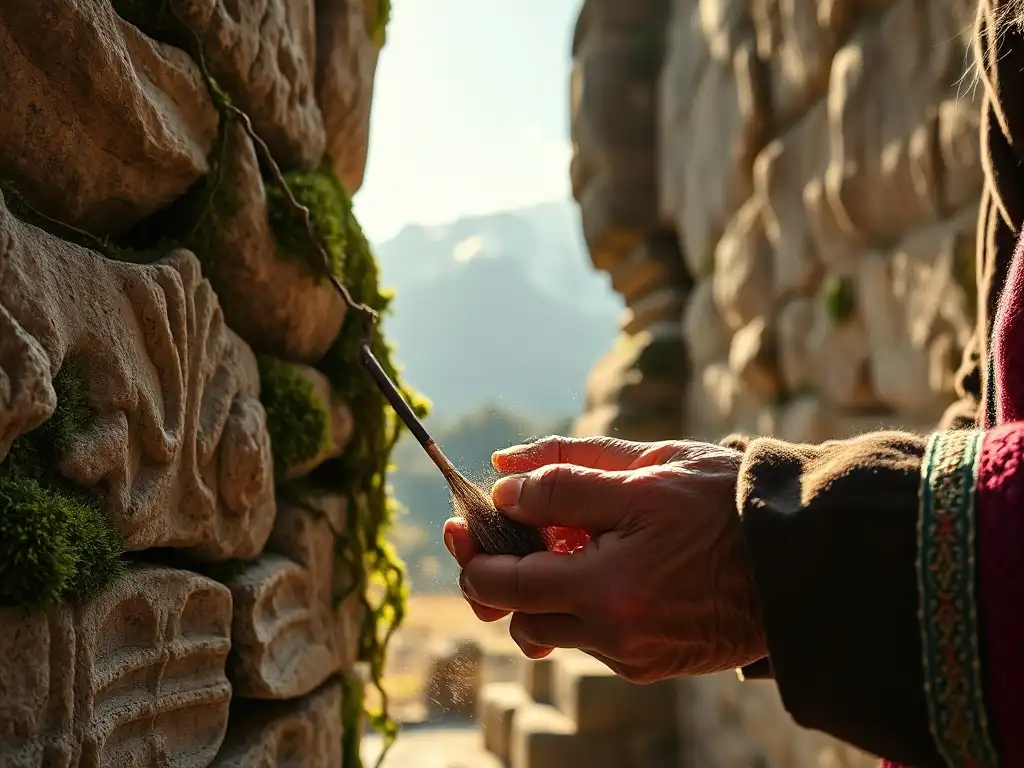
The preservation of Andean civilizations' incredible legacy requires a multifaceted approach, encompassing scientific research, technological innovation, and community engagement. Effective strategies must address the unique challenges posed by the Andean environment and the fragility of ancient artifacts. This section explores some of the key current approaches being implemented to safeguard this invaluable heritage for future generations. The keyword "Andean civilizations preservation strategies" is crucial for effective search engine optimization, and its various forms and synonyms will be used throughout the following sections.
Archaeological Research and Excavation Techniques
Modern archaeological research plays a vital role in understanding and protecting Andean sites. Gone are the days of large-scale excavations that prioritized quantity over quality. Today's archaeologists employ minimally invasive techniques, prioritizing the preservation of in situ contexts. This involves meticulous documentation through 3D scanning, photogrammetry, and detailed stratigraphic recording. Such methods allow for a comprehensive understanding of the site without causing significant damage.
For example, the application of ground-penetrating radar (GPR) minimizes the need for extensive trenching, revealing subsurface features and structures with minimal disturbance. Similarly, advanced imaging techniques like multispectral and hyperspectral imaging can reveal hidden details on artifacts and murals without the need for physical intervention. These non-destructive methods are crucial for preserving the integrity of fragile sites and artifacts, improving the chances of future research and reducing the risk of irreversible damage. The careful planning and execution of excavations, guided by rigorous scientific protocols, are fundamental components of successful Andean civilizations preservation strategies.
Furthermore, the increasing use of Geographic Information Systems (GIS) allows archaeologists to create detailed maps and models of sites, facilitating better site management and the identification of areas requiring immediate attention. This approach is essential for long-term planning and the implementation of effective preservation strategies for Andean civilizations. The integration of these technologies represents a significant advancement in the field, offering a more comprehensive and less intrusive approach to archaeological investigation.
Conservation and Restoration Methods for Andean Artifacts
The conservation of Andean artifacts presents unique challenges due to the harsh environmental conditions in the Andes, including extreme temperature fluctuations, high humidity, and exposure to UV radiation. Traditional methods often involved the use of harmful chemicals, leading to further deterioration. Modern conservation practices prioritize the use of environmentally friendly materials and techniques.
For instance, the treatment of textiles often involves careful cleaning with specialized solvents and the stabilization of fragile fibers using consolidants. The use of controlled environmental chambers helps to mitigate the effects of environmental stressors. Similarly, the conservation of ceramic artifacts requires careful attention to the removal of salts and the stabilization of cracks. This often necessitates the use of specialized adhesives and coatings.
The development of new materials and techniques is constantly evolving, improving the longevity of preserved artifacts. Research into bio-based consolidants and the use of nanotechnology offers promising avenues for future improvements in Andean civilizations preservation strategies. The ethical considerations around intervention remain paramount, with a preference for minimal intervention and the preservation of original material whenever possible. The use of advanced analytical techniques, such as X-ray diffraction and mass spectrometry, helps conservators understand the composition of artifacts and develop appropriate treatment plans.
Site Management and Protection Initiatives
Effective site management is crucial for the long-term preservation of Andean cultural heritage sites. This involves a multi-pronged approach, combining physical protection measures with community engagement and sustainable tourism initiatives. The implementation of robust security systems, including monitoring and surveillance technologies, is essential to deter looting and vandalism.
Moreover, the development of sustainable tourism strategies is crucial for balancing the economic benefits of tourism with the protection of sensitive sites. This includes regulating visitor access, providing educational programs, and promoting responsible tourism practices. Local communities are increasingly involved in the management and protection of sites, ensuring that preservation efforts are culturally sensitive and sustainable. Their traditional knowledge and practices are invaluable in the development of effective preservation strategies for Andean civilizations.
Furthermore, effective legislation and enforcement are essential to combat illicit trafficking of artifacts. International collaboration is key to prevent the illegal export and sale of these irreplaceable pieces of history. By combining technological advancements with community involvement and robust legal frameworks, we can effectively protect these invaluable sites for generations to come. The ongoing development and implementation of comprehensive site management plans, tailored to the specific needs of each site, are critical elements in any successful Andean civilizations preservation strategies. This includes careful consideration of environmental factors, visitor impacts, and the long-term sustainability of preservation efforts.
Community Involvement in Heritage Preservation
Community participation is paramount in successful Andean civilizations preservation strategies. Engaging local populations not only ensures the longevity of these efforts but also fosters a sense of ownership and pride in their cultural heritage. This approach moves beyond simply protecting archaeological sites; it actively involves communities in the process of research, conservation, and tourism management. For instance, in the Sacred Valley of the Incas, numerous communities are directly involved in managing tourist access to ancient sites, ensuring responsible visitation and contributing to the economic sustainability of preservation efforts.
This collaborative model allows for a more nuanced understanding of the sites' significance, incorporating traditional knowledge and perspectives often overlooked in solely academic approaches. Furthermore, training local individuals in archaeological techniques and conservation methods empowers them to become active custodians of their heritage, passing on these skills and knowledge to future generations. This creates a self-sustaining system where the preservation of Andean civilizations is not solely dependent on external funding or expertise but is deeply rooted within the community itself. The success of such initiatives hinges on equitable partnerships, ensuring fair compensation and recognition for community contributions, thereby promoting long-term commitment and participation.
Without community buy-in, even the most meticulously planned preservation projects risk failure, highlighting the critical role of local engagement in safeguarding Andean cultural heritage for the future. The integration of traditional knowledge with modern preservation techniques fosters a holistic approach, respecting both the scientific and cultural dimensions of the heritage. This symbiotic relationship ensures the preservation not only of the physical sites but also the intangible cultural heritage associated with them—the stories, traditions, and practices that give these sites their enduring meaning. This active community involvement is therefore crucial for the long-term sustainability of Andean civilizations preservation strategies.
Sustainable Tourism and Economic Development
Sustainable tourism presents a powerful tool for Andean civilizations preservation. By carefully managing tourism, it is possible to generate revenue that directly funds conservation efforts while minimizing the negative impacts of visitor traffic. This requires a strategic approach that prioritizes the preservation of archaeological sites and cultural landscapes over unchecked expansion. One example is the implementation of carrying capacities at popular sites, limiting the number of visitors at any given time to prevent damage and overcrowding.
This is coupled with the development of alternative tourist routes, diversifying visitor experiences and reducing pressure on highly vulnerable areas. Furthermore, the creation of local businesses that directly benefit from tourism, such as craft workshops, guesthouses, and guided tours, provides economic opportunities for community members, thus fostering a vested interest in protecting the sites that support their livelihoods. This approach actively promotes economic development within communities, minimizing the reliance on unsustainable practices and fostering a sense of shared responsibility for the preservation of cultural heritage. However, careful planning and monitoring are crucial to prevent the negative impacts associated with mass tourism, such as environmental degradation and the commodification of cultural practices.
Therefore, a balance must be struck between economic development and environmental and cultural preservation. The development of effective regulations, community-based management plans, and visitor education programs are essential to ensure the long-term sustainability of this approach. Successful examples showcase that sustainable tourism can effectively contribute to the preservation of Andean civilizations while improving the quality of life for local communities.
Technological Advancements in Preservation
Technological advancements have revolutionized Andean civilizations preservation strategies, offering innovative tools for documentation, monitoring, and conservation. Advanced imaging techniques, such as LiDAR and photogrammetry, allow for the creation of highly detailed 3D models of sites, providing valuable information for research and conservation planning. This non-invasive approach minimizes the risk of damage to fragile artifacts and structures. Furthermore, the use of GIS (Geographic Information Systems) enables the efficient management and analysis of vast amounts of data related to archaeological sites, including their location, condition, and environmental context.
This facilitates better informed decision-making in terms of site management and resource allocation. Moreover, advancements in materials science have led to the development of new and improved conservation techniques, allowing for the stabilization and preservation of delicate artifacts and structures. This includes the use of specialized adhesives, coatings, and cleaning methods tailored to the specific materials found at Andean sites. However, the implementation of these technologies requires specialized training and expertise, often necessitating collaboration between researchers, conservationists, and local communities.
The cost of acquiring and maintaining such technologies can also be a significant barrier, highlighting the need for sustained funding and international collaboration. Despite these challenges, the ongoing development and application of innovative technologies are crucial to ensuring the long-term preservation of Andean civilizations' rich cultural heritage, ensuring accurate documentation and informed conservation strategies. The integration of these technological advancements with traditional preservation practices creates a powerful synergy that maximizes the effectiveness of conservation efforts.
Innovative Technologies in Andean Heritage Conservation
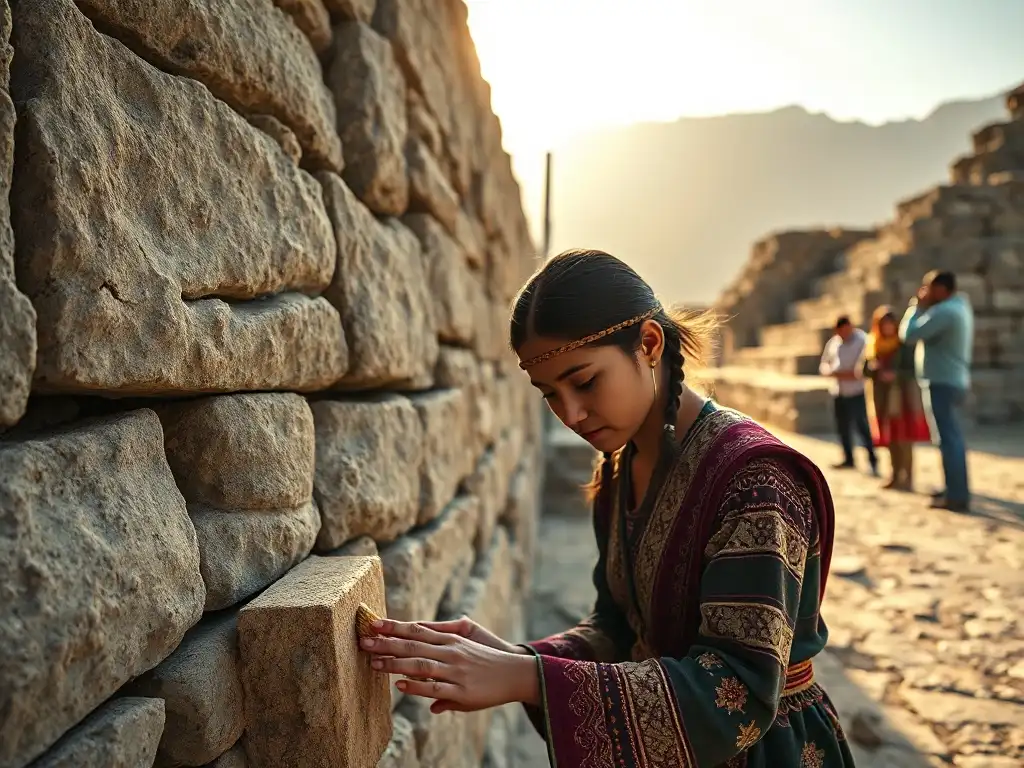
The preservation of Andean civilizations' rich legacy requires a multifaceted approach, embracing both traditional conservation methods and cutting-edge technologies. This section explores how innovative technologies are revolutionizing our understanding and safeguarding of these invaluable cultural assets, contributing significantly to Andean civilizations preservation strategies. The application of these technologies is not only enhancing our ability to protect existing sites but also uncovering previously unknown aspects of these fascinating cultures.
Digital Mapping and 3D Modeling of Machu Picchu
Machu Picchu, the iconic "Lost City of the Incas," faces significant challenges from the sheer volume of tourists and the effects of environmental degradation. Digital mapping and 3D modeling offer powerful tools to address these issues. High-resolution aerial photography, coupled with ground-based laser scanning (LiDAR), allows for the creation of incredibly detailed 3D models of the site.
These models provide a comprehensive record of the current state of Machu Picchu, enabling researchers to monitor changes over time, detect subtle signs of deterioration, and plan effective conservation interventions. Furthermore, these digital models can be used to create virtual tours, allowing a wider audience to experience Machu Picchu without physically visiting the site, thus reducing the pressure on the fragile ecosystem. This approach is crucial for long-term Andean civilizations preservation strategies, ensuring the site's accessibility while mitigating the impact of tourism.
The meticulous detail captured in these models also helps in understanding the original architectural design and construction techniques employed by the Inca, enriching our understanding of their advanced engineering skills. For example, 3D modeling has revealed intricate details of stonework and water management systems previously obscured by vegetation or damage. The creation of digital archives, accessible to researchers worldwide, facilitates collaborative efforts in conservation and research, further bolstering Andean civilizations preservation strategies.
Remote Sensing for Archaeological Discovery in the Nazca Lines
The enigmatic Nazca Lines, sprawling geoglyphs etched into the Peruvian desert, pose unique preservation challenges. Their vast scale and delicate nature make traditional archaeological methods impractical and potentially damaging. Remote sensing technologies, however, offer a non-invasive way to study and monitor these remarkable artworks.
Techniques such as multispectral and hyperspectral imaging, coupled with satellite imagery analysis, allow researchers to identify subtle variations in soil composition and vegetation, revealing previously unknown geoglyphs and providing insights into the lines' construction and purpose. This technology is invaluable in detecting signs of erosion or damage caused by natural phenomena or human activity, enabling timely interventions to prevent further deterioration. The ability to monitor changes over time through repeated remote sensing surveys is a cornerstone of effective long-term Andean civilizations preservation strategies for this unique site.
Furthermore, the data gathered from remote sensing surveys can be integrated with Geographic Information Systems (GIS) to create comprehensive maps and databases, facilitating collaborative research and conservation efforts. The non-invasive nature of these techniques is particularly important for preserving the fragile desert environment and the delicate Nazca Lines themselves.
The Role of GIS in Cultural Heritage Management of Tiwanaku
Tiwanaku, a significant pre-Columbian site in Bolivia, presents complex challenges for preservation due to its size and the diverse range of features, including monumental architecture, intricate ceramics, and extensive agricultural terraces. Geographic Information Systems (GIS) provide an invaluable framework for managing and analyzing the vast amount of data associated with Tiwanaku's preservation. GIS allows researchers to integrate diverse datasets, such as archaeological maps, environmental data, and historical records, creating a comprehensive spatial database that aids in understanding the site's evolution and identifying areas requiring immediate attention.
This integrated approach is vital for effective Andean civilizations preservation strategies. For instance, GIS can be used to model the impact of climate change on the site, predicting potential risks to the architecture and planning preventative measures. Similarly, GIS can optimize the management of tourist flows, minimizing damage to sensitive areas.
The ability to visualize spatial relationships between different features of the site allows for a more holistic and effective approach to conservation planning. The use of GIS also facilitates collaboration among researchers, government agencies, and local communities, ensuring that preservation efforts are informed by the latest scientific knowledge and community needs. This participatory approach is crucial for the long-term sustainability of Andean civilizations preservation strategies.
Using Technology to Enhance Public Access and Education at Caral
Caral-Supe, the oldest known civilization in the Americas, presents unique challenges and opportunities for preservation. Its age and the delicate nature of its adobe structures necessitate innovative approaches to both conservation and public engagement. Technology plays a crucial role in bridging the gap between the archaeological site and a wider audience, fostering a deeper understanding and appreciation of Caral's significance.
One key strategy involves the creation of virtual tours and 3D models of the site. These digital representations allow researchers and the public alike to explore Caral's architecture and layout without causing any physical damage. High-resolution scans can capture minute details, revealing aspects of construction techniques and daily life that might be otherwise missed during a physical visit. Furthermore, these virtual tours can be translated into multiple languages, making Caral accessible to a global audience and promoting intercultural understanding.
Interactive educational platforms are another effective tool. These platforms can incorporate gamified elements, quizzes, and augmented reality experiences to engage younger audiences and make learning about Caral fun and stimulating. By integrating historical data with interactive simulations, children and adults can experience what life might have been like in Caral, gaining a deeper understanding of its social structures, economy, and religious practices. This immersive approach can significantly enhance the educational value of the site, fostering a new generation of Andean civilization enthusiasts.
Beyond virtual experiences, technology aids in the on-site preservation of Caral. Environmental monitoring systems, equipped with sensors for temperature, humidity, and seismic activity, provide real-time data about the site's condition. This information is crucial for predicting and mitigating potential risks, enabling proactive conservation efforts and minimizing the impact of environmental factors on the fragile adobe structures.
The data collected can also inform long-term preservation strategies, ensuring the longevity of Caral for future generations. The integration of these technologies allows for a more holistic and effective approach to Andean civilizations preservation strategies, particularly in a site as significant as Caral. The use of technology isn't merely supplementary; it's integral to the continued survival and understanding of this invaluable archaeological treasure.
Sustainable Tourism and Its Impact on Andean Heritage
Sustainable tourism presents a double-edged sword for the preservation of Andean civilizations. While it offers a crucial avenue for funding conservation efforts and raising awareness about the fragility of these ancient sites, poorly managed tourism can inflict irreversible damage. The delicate balance between economic benefit and environmental protection is paramount. Over-tourism leads to erosion, pollution, and the degradation of historical structures.
Conversely, responsible tourism can empower local communities, fostering a sense of ownership and responsibility in preserving their heritage. This section explores the complex relationship between tourism and the preservation of Andean heritage, focusing on strategies to maximize benefits while minimizing negative impacts. The key is to prioritize long-term sustainability over short-term economic gains, ensuring that future generations can continue to appreciate these remarkable cultural landscapes. Effective strategies for Andean civilizations preservation hinge on this delicate balance.
Balancing Tourism with Preservation Efforts at Ollantaytambo
Ollantaytambo, a remarkably well-preserved Inca town and fortress, exemplifies the challenges and opportunities presented by tourism. Its proximity to Machu Picchu attracts a significant influx of visitors, creating both economic opportunities and preservation concerns. The sheer number of tourists puts pressure on the ancient stonework, contributing to erosion and potential damage.
Successful preservation strategies at Ollantaytambo include implementing strict visitor management systems, limiting the number of tourists allowed in certain areas at any given time, and promoting the use of sustainable transportation options. Furthermore, the local community plays a vital role in monitoring the site and educating visitors about its significance. Data on visitor numbers and their impact on the site's integrity are continuously monitored and used to inform management decisions.
For example, [Specific data on visitor numbers and their impact on erosion at Ollantaytambo pending]. This proactive approach demonstrates a commitment to balancing the economic benefits of tourism with the imperative to protect this invaluable Andean heritage site. Careful planning and community engagement are crucial for long-term success.
Community-Based Tourism Initiatives in the Sacred Valley
The Sacred Valley of the Incas, a region rich in archaeological sites and vibrant indigenous culture, has embraced community-based tourism as a powerful tool for preservation. By involving local communities in the tourism industry, these initiatives not only generate income but also foster a sense of ownership and responsibility towards the protection of their cultural heritage. This approach ensures that the benefits of tourism are directly channeled back into the communities, supporting preservation efforts and promoting sustainable development.
Examples include homestays offering authentic cultural experiences, locally-owned artisan workshops showcasing traditional crafts, and guided tours led by community members who share their knowledge and stories. This model empowers local people, providing them with economic incentives to actively participate in the preservation of their ancestral lands and cultural practices.
[Data on the economic impact of community-based tourism in the Sacred Valley pending]. This decentralized approach to tourism provides a more sustainable and equitable distribution of benefits compared to large-scale commercial operations.
Ethical Tourism Practices in Andean Regions
Ethical tourism is crucial for the long-term preservation of Andean civilizations. It involves a conscious effort to minimize negative impacts and maximize positive contributions. This entails supporting locally-owned businesses, respecting local customs and traditions, and avoiding practices that exploit or harm the environment or local communities.
Ethical tourists prioritize responsible travel, choosing eco-friendly accommodations, minimizing their carbon footprint, and purchasing souvenirs that support local artisans rather than mass-produced goods. Furthermore, supporting organizations dedicated to the preservation of Andean heritage is another critical aspect of ethical tourism. These organizations often conduct research, implement conservation projects, and educate the public about the importance of protecting these invaluable cultural resources.
Adopting ethical tourism practices is not merely a matter of personal choice; it is a vital component of effective Andean civilizations preservation strategies. It requires a collective commitment from tourists, tour operators, and local communities to ensure the sustainable enjoyment of these extraordinary sites for generations to come. Promoting responsible tourism behavior through education and awareness campaigns is therefore essential.
The Legal Framework for Andean Cultural Heritage Protection
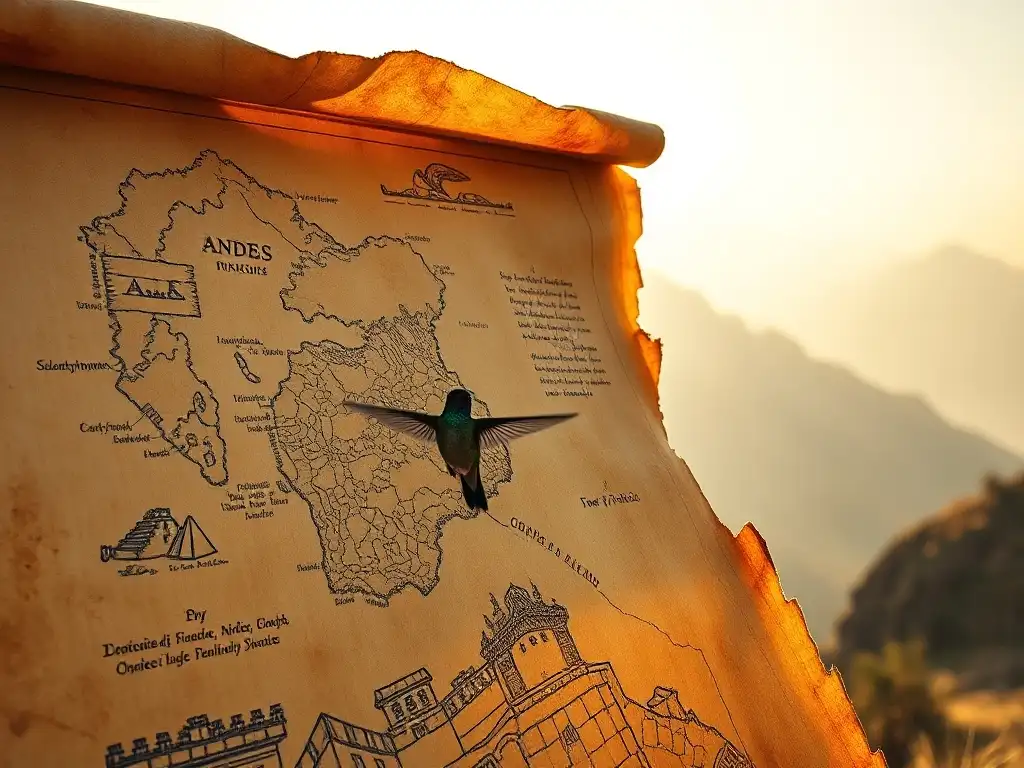
The preservation of Andean civilizations' rich legacy hinges significantly on a robust legal framework. Effective protection requires a multi-layered approach encompassing national legislation, international treaties, and collaborative efforts between governmental and non-governmental organizations (NGOs). Without strong legal backing, the archaeological sites, artifacts, and intangible cultural heritage of these civilizations remain vulnerable to exploitation and destruction. Understanding this framework is crucial for implementing effective Andean civilizations preservation strategies.
National and International Laws Safeguarding Andean Sites
Each Andean nation boasts its own specific legislation designed to protect its cultural heritage. These laws typically define what constitutes cultural heritage, establish mechanisms for site identification and protection, and outline penalties for violations. For example, [Specific details of Peruvian legislation regarding archaeological site protection pending]. Similarly, [Specific details of Bolivian legislation regarding archaeological site protection pending]. These national laws often incorporate principles outlined in international conventions, strengthening their effectiveness.
Key international instruments play a vital role in this protection. The UNESCO 1970 Convention on the Means of Prohibiting and Preventing the Illicit Import, Export and Transfer of Ownership of Cultural Property is a cornerstone, obligating signatory states to prevent the illicit trafficking of cultural goods. Furthermore, the World Heritage Convention (1972) allows for the inscription of sites of outstanding universal value onto the World Heritage List, granting them increased protection and international recognition.
Several Andean sites, reflecting the remarkable achievements of these civilizations, are already included on this prestigious list. These international agreements provide a crucial framework for cooperation and harmonization of national efforts, creating a stronger, unified front against the threats to Andean cultural heritage. The effectiveness of these laws, however, depends heavily on consistent enforcement and adequate resource allocation.
Combating the Illicit Trafficking of Andean Artifacts
The illicit trafficking of Andean artifacts poses a significant threat to the preservation of these civilizations’ legacy. This illegal trade fuels looting, damaging sites and depriving future generations of invaluable historical information. The clandestine nature of this activity makes it challenging to combat effectively. Strategies to combat this illegal activity must be multi-pronged, combining stricter law enforcement, increased international cooperation, and public awareness campaigns.
The development of robust databases of looted artifacts, coupled with improved collaboration between law enforcement agencies across borders, is essential. This collaborative approach can help track stolen objects and return them to their countries of origin. Furthermore, educational initiatives targeting collectors, tourists, and local communities are vital to reducing demand and preventing future looting.
Raising awareness of the devastating impact of this illegal trade is key to changing attitudes and behaviours. The use of advanced technologies, like 3D scanning and imaging, can help in documenting sites and artifacts, aiding in identification and recovery efforts. Ultimately, success in combating illicit trafficking relies on a comprehensive strategy that addresses both supply and demand.
The Role of Governmental and Non-Governmental Organizations
Governmental agencies in Andean countries play a crucial role in the preservation of their cultural heritage. Their responsibilities encompass site management, research, and enforcement of national laws. However, resources are often limited, hindering their effectiveness. This is where NGOs step in, filling crucial gaps in funding, research, and community engagement.
NGOs often specialize in specific areas, such as archaeological research, community development, or educational outreach. They frequently collaborate with local communities, fostering a sense of ownership and responsibility for the preservation of their heritage. Their involvement empowers local populations, promoting sustainable tourism practices and alternative income generation strategies that minimize reliance on damaging activities.
The collaborative relationship between governmental agencies and NGOs is essential for a comprehensive and sustainable approach to Andean civilizations preservation strategies. This partnership leverages the expertise and resources of both sectors, maximizing the impact of conservation efforts and ensuring the long-term protection of this invaluable heritage for generations to come. The success of these preservation strategies depends on ongoing monitoring, evaluation, and adaptation to new challenges.
Case Studies in Successful Andean Preservation Projects
This section examines specific examples of successful preservation efforts focused on Andean civilizations, highlighting the strategies employed and the challenges overcome. Understanding these case studies is crucial for developing effective strategies for the long-term preservation of Andean cultural heritage. The successful implementation of these projects showcases the significant impact that dedicated conservation efforts can have on protecting invaluable aspects of Andean civilizations for future generations. These case studies provide tangible examples of how different approaches to Andean civilizations preservation strategies can yield remarkable results.
Case Study 1: The Restoration of Chan Chan and Its Adobe Structures
Chan Chan, the largest pre-Columbian city in South America, presents unique preservation challenges due to its construction primarily from adobe (sun-dried brick). The fragility of adobe structures necessitates specialized techniques to prevent deterioration from environmental factors such as seismic activity, rainfall, and wind erosion. Successful restoration efforts at Chan Chan have involved several key strategies:
- Careful Documentation and Analysis: Before any restoration work begins, meticulous documentation of the existing structures, including detailed mapping, photographic surveys, and material analysis, is crucial. This provides a baseline for understanding the original construction techniques and the current state of decay. This detailed understanding is paramount for informed decision-making during the restoration process.
- Sustainable Materials and Techniques: The use of traditional materials and techniques, whenever possible, is essential. This ensures the compatibility of new materials with the existing structures and minimizes the risk of further damage. Modern materials are only used when absolutely necessary and after rigorous testing to ensure their compatibility with the adobe.
- Controlled Environmental Management: Managing the environmental conditions surrounding Chan Chan is crucial. This includes controlling water drainage to prevent erosion and the implementation of measures to mitigate the effects of wind and seismic activity. The implementation of these strategies is vital for mitigating future damage.
- Community Involvement: Engaging the local community in the preservation efforts is crucial for long-term success. This fosters a sense of ownership and responsibility towards the site, ensuring its protection for future generations. Community participation helps ensure the project’s sustainability.
Case Study 2: The Conservation of the Inca Trail and its Ecosystem
The Inca Trail, a renowned trekking route leading to Machu Picchu, faces the challenge of balancing the needs of tourism with the preservation of its fragile ecosystem and historical significance. Successful conservation initiatives have focused on:
- Sustainable Tourism Management: Implementing strict regulations on the number of trekkers allowed per day, controlling waste disposal, and promoting responsible tourism practices are essential for minimizing the environmental impact. These measures ensure the trail's long-term viability while protecting its natural beauty.
- Ecosystem Restoration: Efforts to restore degraded areas along the trail, including reforestation and soil stabilization, are crucial for maintaining the ecological integrity of the region. These initiatives help mitigate the impact of tourism and preserve the biodiversity of the area.
- Archaeological Site Management: Protecting the archaeological sites along the trail from damage and looting requires careful monitoring and security measures. These measures ensure the preservation of invaluable historical artifacts and structures for future research and appreciation.
- Community-Based Conservation: Involving local communities in the management and protection of the trail and its surrounding ecosystem is crucial for long-term sustainability. The active participation of local communities ensures the trail's long-term preservation.
Lessons Learned from Successful Conservation Initiatives
Several key lessons emerge from these case studies: sustainable Andean civilizations preservation strategies require a multi-faceted approach. This involves careful planning, meticulous documentation, community engagement, and a commitment to long-term sustainability. The successful preservation of sites like Chan Chan and the Inca Trail demonstrates that a holistic approach, incorporating both cultural and environmental considerations, is crucial for the long-term preservation of Andean heritage.
Ignoring any of these crucial elements risks jeopardizing the very legacy we aim to protect. Furthermore, ongoing monitoring and adaptation of strategies are essential to address unforeseen challenges and ensure the continued success of preservation efforts for Andean civilizations. These successful projects serve as valuable models for future initiatives, demonstrating that effective strategies for the long-term preservation of Andean heritage are achievable with careful planning and dedicated commitment.
The Future of Andean Civilizations Preservation: Challenges and Opportunities
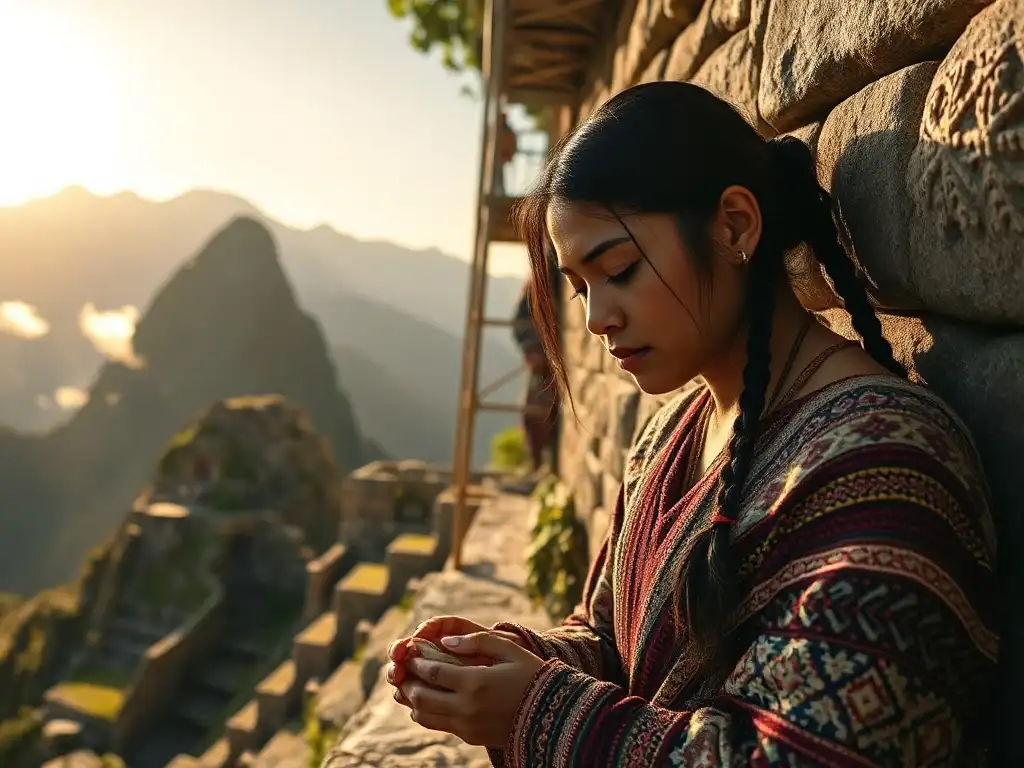
This section delves into the crucial aspects of safeguarding the legacy of Andean civilizations for future generations. The preservation of these invaluable cultural and historical sites faces numerous challenges, but also presents exciting opportunities for innovative approaches and international cooperation. Effective strategies require a multifaceted approach, encompassing funding, collaboration, and public awareness. The ultimate goal is to ensure that the remarkable achievements of Andean civilizations continue to inspire and educate for centuries to come. Understanding the complexities of Andean civilizations preservation strategies is key to achieving this goal.
The Need for Increased Funding and Resources
Preserving Andean archaeological sites and artifacts requires significant financial investment. Many sites are vulnerable to the elements, looting, and the impact of tourism. Adequate funding is critical for:
- Site Stabilization and Conservation: This includes preventative measures like drainage systems to protect against erosion and the implementation of controlled access to limit damage from foot traffic. For example, the remarkable Nazca Lines require constant monitoring and maintenance to prevent degradation. Current funding often falls short of what's needed for comprehensive protection.
- Archaeological Research and Excavation: Continued research is crucial for understanding the complexities of Andean societies. This involves meticulous excavation, analysis of artifacts, and the development of innovative preservation techniques. The lack of sufficient funding often hinders the progress of crucial research projects.
- Museum Infrastructure and Collections Management: Museums play a vital role in preserving and displaying Andean artifacts. However, many lack the resources for proper storage, conservation, and cataloging. This inadequate infrastructure risks the deterioration of irreplaceable cultural heritage.
- Community Engagement and Development: Local communities often play a crucial role in site protection. Funding is needed to support community-based initiatives that promote sustainable tourism and provide economic opportunities linked to the preservation of their cultural heritage. This fosters a sense of ownership and responsibility among local populations.
The current funding landscape for Andean civilizations preservation is often characterized by insufficient and inconsistent resources. A significant increase in funding, both from governmental and private sources, is urgently needed to address these critical needs. This requires a strategic approach that prioritizes projects based on their impact and vulnerability. Increased funding is not just a matter of financial investment, but a commitment to protecting a globally significant cultural heritage.
Fostering International Collaboration
Effective Andean civilizations preservation requires a global effort. International collaboration is crucial for sharing expertise, resources, and best practices. This collaborative approach can take several forms:
- Joint Research Projects: International teams of archaeologists, conservators, and other specialists can pool their expertise to tackle complex preservation challenges. Collaborative projects can leverage diverse skills and resources to achieve more than any single nation could accomplish alone.
- Technology Transfer: Sharing advanced technologies for site monitoring, conservation, and digital documentation is crucial. For instance, the use of drones and 3D scanning can provide detailed records of sites and artifacts, aiding in their preservation and study.
- Capacity Building: Training programs for local professionals in archaeology, conservation, and museum management can empower communities to take ownership of their cultural heritage. This ensures long-term sustainability and avoids reliance on external expertise.
- International Funding Mechanisms: Establishing joint funding initiatives, possibly through international organizations, can help address the funding gap. This could involve pooling resources from multiple governments and private foundations to support large-scale preservation projects.
International collaboration not only enhances the effectiveness of preservation efforts but also fosters a shared understanding and appreciation for the rich history of Andean civilizations. This global partnership is essential for securing the long-term future of this invaluable cultural heritage. The collaborative spirit is vital for ensuring these unique sites and artifacts remain available for generations to come.
The Importance of Education and Awareness
Raising public awareness about the importance of Andean civilizations preservation is paramount. Education plays a vital role in fostering respect for these invaluable sites and artifacts, encouraging responsible tourism, and promoting support for preservation efforts. This involves:
- Educational Programs: Developing educational resources for schools and museums can engage younger generations and foster a sense of connection to Andean history and culture. Interactive exhibits, educational games, and engaging documentaries can make learning about Andean civilizations fun and accessible.
- Public Awareness Campaigns: Targeted campaigns can raise awareness about the threats facing Andean sites and the importance of responsible tourism. This includes promoting ethical travel practices and discouraging looting and vandalism. The campaigns should highlight the unique value of these sites and the consequences of their loss.
- Community Engagement Initiatives: Involving local communities in preservation efforts promotes a sense of ownership and responsibility. This can involve training programs, sustainable tourism initiatives, and opportunities for community members to participate in research and conservation projects. This active involvement strengthens the connection between the community and its heritage.
- Digital Platforms and Resources: Using online platforms to share information about Andean civilizations, preservation efforts, and responsible tourism practices is crucial for reaching a wider audience. This can include interactive maps, virtual tours, and online educational resources.
By fostering a deeper understanding and appreciation of Andean civilizations, we can inspire individuals and communities to actively participate in their preservation. Education and awareness are not just about disseminating information; they are about fostering a sense of stewardship and responsibility for this irreplaceable cultural legacy. This commitment to education is vital for the long-term sustainability of Andean civilizations preservation efforts.
Towards a Sustainable Future for Andean Heritage
Sustainable preservation of Andean heritage requires a multifaceted approach that goes beyond simply protecting physical artifacts. It necessitates a holistic strategy encompassing environmental sustainability, community engagement, and economic development. The delicate balance between preserving ancient sites and allowing for the sustainable development of local communities is crucial. For instance, successful preservation efforts in the Sacred Valley of the Incas demonstrate the positive impact of community-based tourism, where local people are actively involved in managing and guiding visitors, generating income while simultaneously safeguarding their cultural legacy.
This model contrasts sharply with exploitative tourism practices that can damage sites and displace communities. The future hinges on fostering a sense of ownership and responsibility among local populations, empowering them to become active participants in the preservation process rather than passive beneficiaries. This requires investing in education and training programs that equip local communities with the skills and knowledge necessary for sustainable heritage management. Furthermore, sustainable practices in agriculture and resource management are vital, considering the vulnerability of Andean ecosystems to climate change and human impact.
Integrating traditional ecological knowledge with modern conservation techniques is key to ensuring the long-term survival of both cultural and natural heritage. The success of such an approach relies heavily on collaborative efforts between governments, non-governmental organizations (NGOs), academic institutions, and local communities, ensuring that all voices are heard and all stakeholders are actively involved. Failure to adopt a sustainable approach risks not only the loss of invaluable cultural heritage but also the displacement and marginalization of the very communities whose lives are intertwined with this legacy.
The Role of Technology in Andean Heritage Preservation
Technological advancements offer powerful tools for preserving Andean civilizations' legacy. High-resolution 3D scanning and photogrammetry, for example, allow for the creation of incredibly detailed digital replicas of artifacts and sites, minimizing the risk of damage from handling and display. This technology is especially useful for fragile artifacts or those located in remote and difficult-to-access areas. Moreover, these digital archives can be readily accessed by researchers and the public worldwide, promoting greater understanding and appreciation of Andean culture.
Furthermore, Geographic Information Systems (GIS) are proving invaluable in mapping and monitoring archaeological sites, identifying areas vulnerable to degradation, and tracking changes over time. This allows for proactive intervention and the development of targeted conservation strategies. The use of drones for aerial surveying provides a non-invasive method for documenting and monitoring large sites, even those located in challenging terrains, contributing significantly to a comprehensive understanding of the landscape's evolution and the distribution of archaeological features. However, the effective implementation of these technologies requires adequate funding, training, and infrastructure.
Addressing the digital divide and ensuring equitable access to these resources for all stakeholders is essential to avoid exacerbating existing inequalities. The ethical considerations surrounding the use of these technologies, particularly concerning data ownership and access, must also be carefully addressed. A collaborative framework that prioritizes open access and community involvement is essential to ensure that technological advancements truly serve the purpose of safeguarding Andean heritage for future generations. Without careful planning and ethical considerations, the potential benefits of technology could be overshadowed by its potential downsides.
Community Participation: A Cornerstone of Preservation
The active participation of local communities is paramount to the successful long-term preservation of Andean heritage. Their intimate knowledge of the land, its history, and its cultural significance is irreplaceable. Involving communities in all stages of preservation projects—from planning and implementation to monitoring and evaluation—ensures that their needs and concerns are addressed and that projects are culturally sensitive and relevant. For example, successful preservation initiatives in several Andean communities have seen local artisans trained in traditional techniques and empowered to create replicas of artifacts, thereby generating income and preserving traditional crafts.
However, it's crucial to avoid tokenistic participation and ensure that communities are genuine decision-makers and beneficiaries of preservation efforts. This requires fostering transparent and equitable partnerships, ensuring fair compensation for their involvement, and empowering them to manage and protect their heritage independently. Furthermore, respecting intellectual property rights and acknowledging traditional knowledge systems is essential. This involves recognizing the communities' ownership of their cultural heritage and avoiding the appropriation of their traditions and practices.
Genuine community participation fosters a sense of ownership and pride, ensuring the long-term sustainability of preservation efforts. Ignoring this crucial element risks undermining the very heritage it seeks to protect, leading to resentment and hindering the long-term success of preservation endeavors. Therefore, a collaborative, respectful, and equitable approach is vital for the enduring protection of Andean cultural heritage.
Frequently Asked Questions
What are the biggest threats to the preservation of Andean civilizations' heritage?
The biggest threats include natural disasters like earthquakes and landslides, looting and illegal trafficking of artifacts, and the impact of climate change on fragile sites. Unsustainable tourism also poses a significant risk.
What preservation strategies are currently being employed?
Current strategies involve improved site management, community engagement in preservation efforts, advanced technologies for monitoring and conservation, and stricter legal frameworks to combat looting. International collaboration is also crucial.
How can technology aid in the preservation of Andean sites?
Technology plays a vital role through 3D modeling and scanning for documentation and restoration, remote sensing to monitor site conditions, and advanced materials for conservation treatments. Digital archiving protects invaluable information.
What is the role of local communities in preserving Andean heritage?
Local communities are essential partners in preservation. Their traditional knowledge and active participation in protection efforts are vital for the long-term success of any preservation strategy. Sustainable tourism initiatives led by communities can also help.
How can I contribute to the preservation of Andean civilizations?
You can contribute by supporting ethical tourism, donating to reputable organizations working on preservation, raising awareness about the importance of protecting these sites, and advocating for stronger legal protections against looting and destruction.
Final Reflection: Echoes of the Andes: A Legacy Worth Protecting
The intricate tapestry of Andean civilizations, woven from threads of ingenuity and resilience, continues to resonate in our modern world. Their innovative agricultural techniques, sophisticated astronomical knowledge, and breathtaking artistic achievements offer invaluable lessons for sustainable living and cultural preservation in the face of climate change and globalization. Ignoring their legacy is not only a disservice to history but also a missed opportunity to learn from the past and build a more sustainable future.
The enduring power of Andean culture is evident in the vibrant traditions that persist today, from the intricate textiles to the captivating music and storytelling. These practices are not merely relics of the past; they are living testaments to the enduring spirit of a people deeply connected to their land and heritage. The past is never dead. It's not even past.
- William Faulkner. This quote rings profoundly true when considering the ongoing relevance of Andean knowledge and the urgent need to protect it for future generations. We must actively engage with these cultural expressions, understanding that their preservation is integral to the preservation of human knowledge and diversity.
Consider the impact of your own choices. What steps can you take, however small, to support the preservation of Andean heritage? Perhaps it's supporting ethical tourism, advocating for responsible archaeological practices, or simply learning more about the rich history and vibrant cultures of the Andes. By engaging with this legacy, we not only honor the achievements of past civilizations but also contribute to a future where cultural diversity thrives and the wisdom of our ancestors guides us towards a more sustainable and equitable world. Let the echoes of the Andes inspire you to act.
Embrace the Past and Shape the Future!
Thank you for exploring the fascinating world of Andean civilizations! Your interest is vital in ensuring their remarkable heritage endures for generations to come. Now, let's explore how you can actively contribute to their preservation.
Here are some ways you can make a difference:
- **Volunteer with a local heritage organization or participate in preservation projects** to directly support the safeguarding of Andean traditions.
- Deepen your understanding of Andean culture by enrolling in an online course exploring their history and practices.
- Share your passion! Discuss your newfound knowledge with friends, family, or online communities to raise awareness and inspire others.
What aspect of Andean civilization resonates most with you, and how will you help protect its legacy? Let's discuss!